“All you need is the right gimmick.”
It’s astonishing to me how much Loving You is really just a faux biopic of its star, a very early-in-his-career Elvis Presley. I’m not even exaggerating, either - despite being in the music business for four years, Elvis had only really hit the spotlight a year prior with his string of popular songs and the birth of true stardom among the teen demographic and this was his first starring lead. He had only been a supporting actor before this, and not even that long either (literally one film).
If Elvis (2022) was a look at the career of the King from the perspective of Colonel Tom Parker, I would like to argue that Loving You (1957!) is a retelling of the early career of the King from the view of an outsider who has been tasked with changing some details. And at times it’s surprising how much it’d rely on the story of its star, even at times flat out eerily predicting future events - for an example: Elvis’s character, Deke, reveals his parents are dead; Elvis’s mother, Gladys (who cameos in this movie), would die a year after this came out, permanently changing Elvis’s life and debatably for worse.
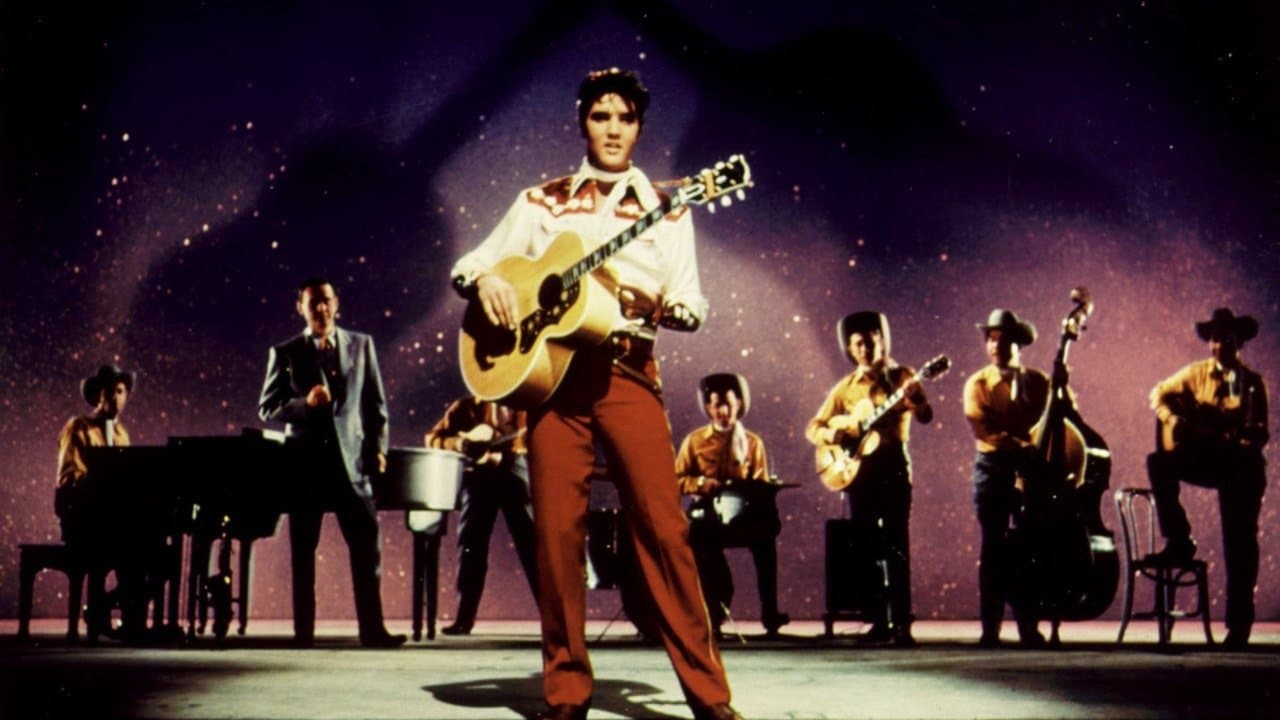
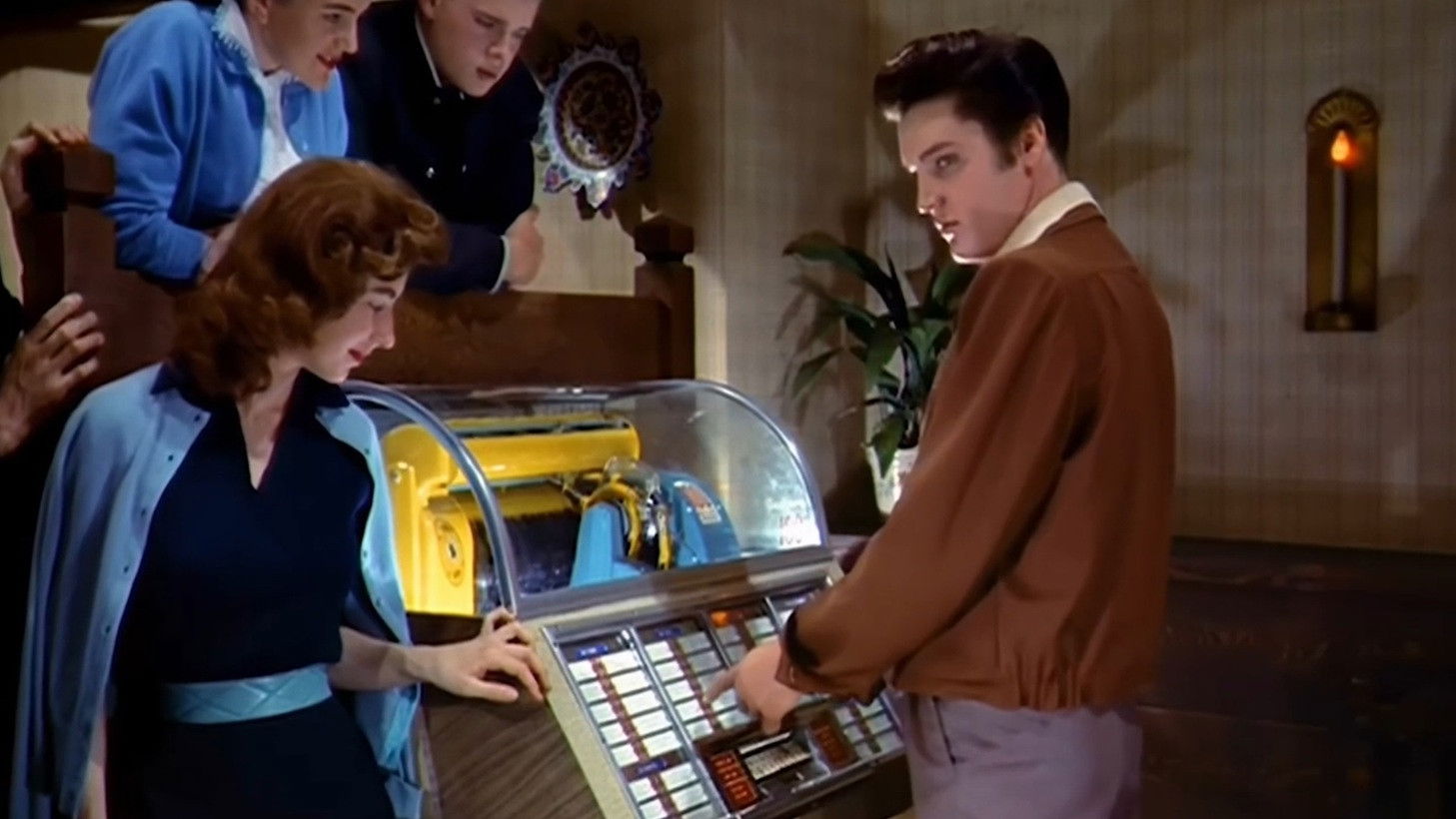
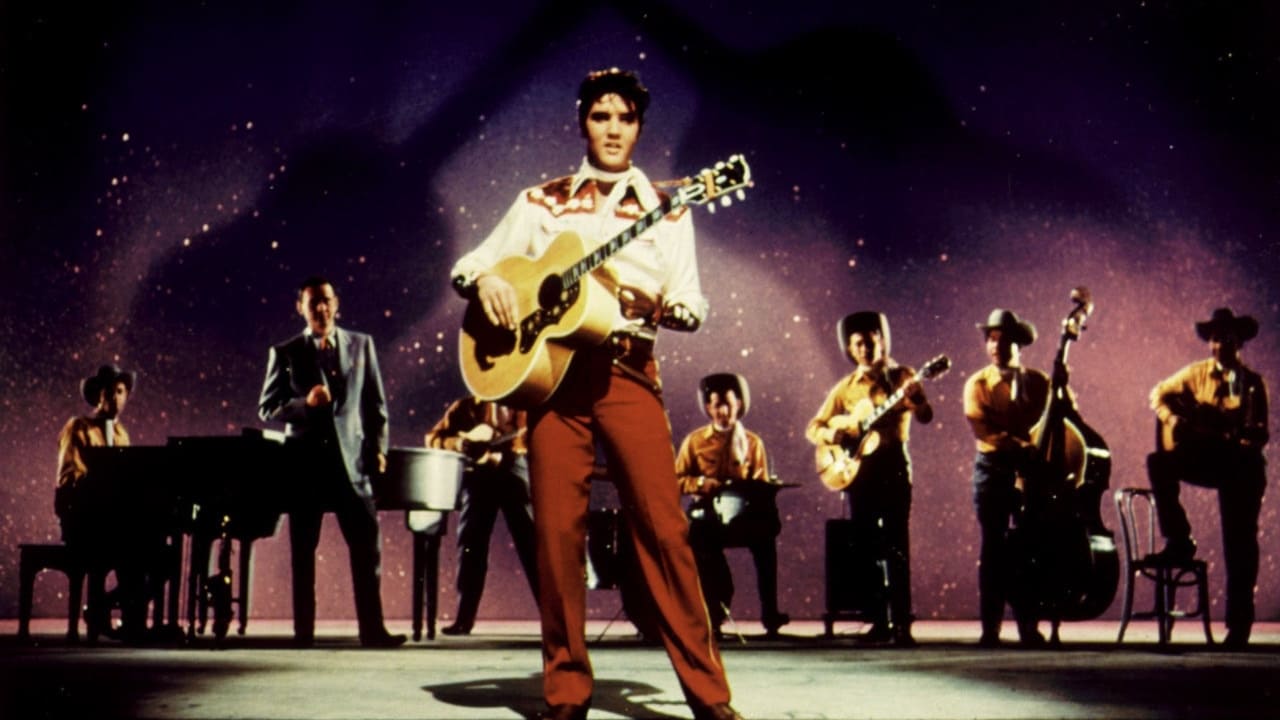
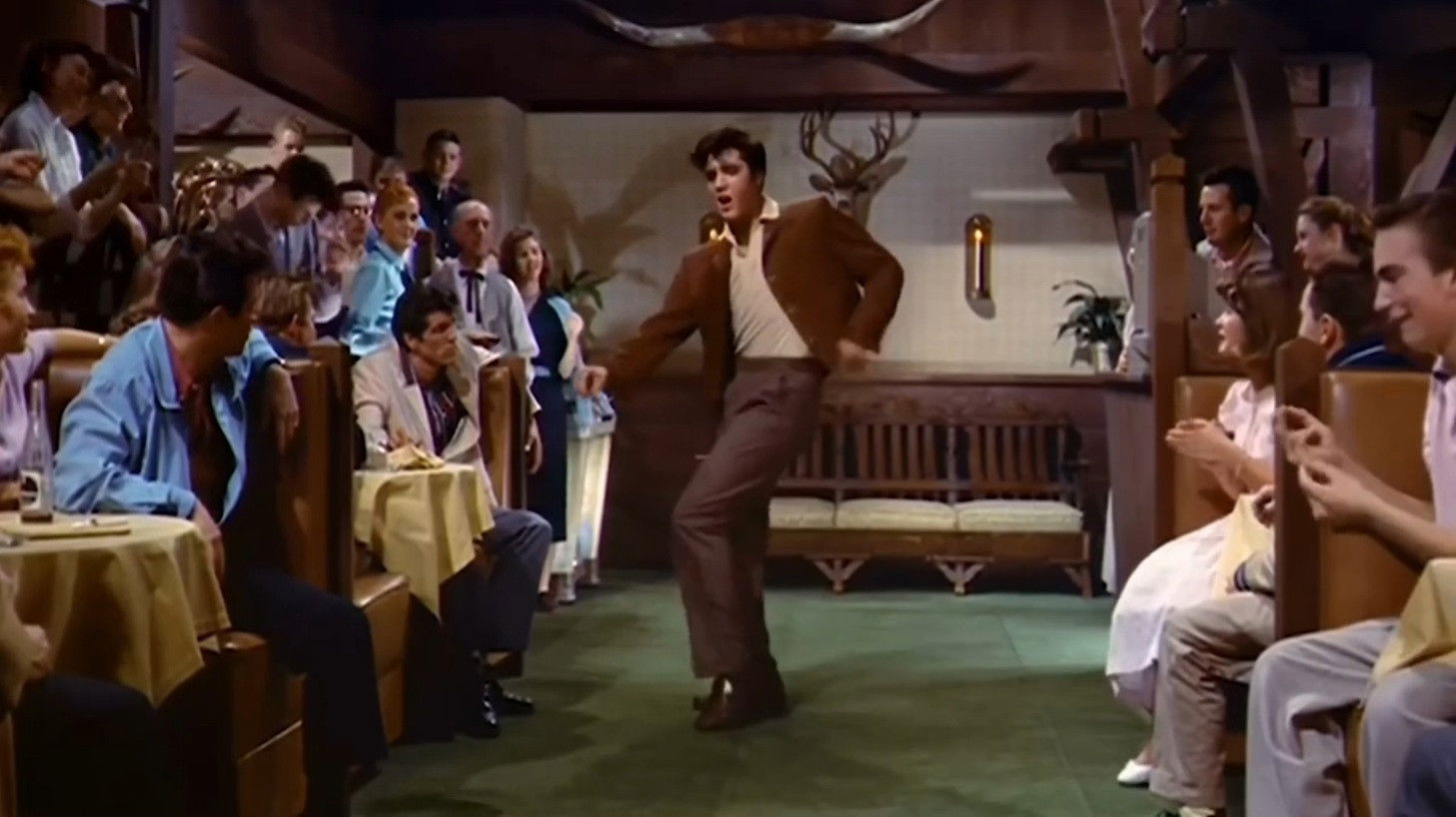
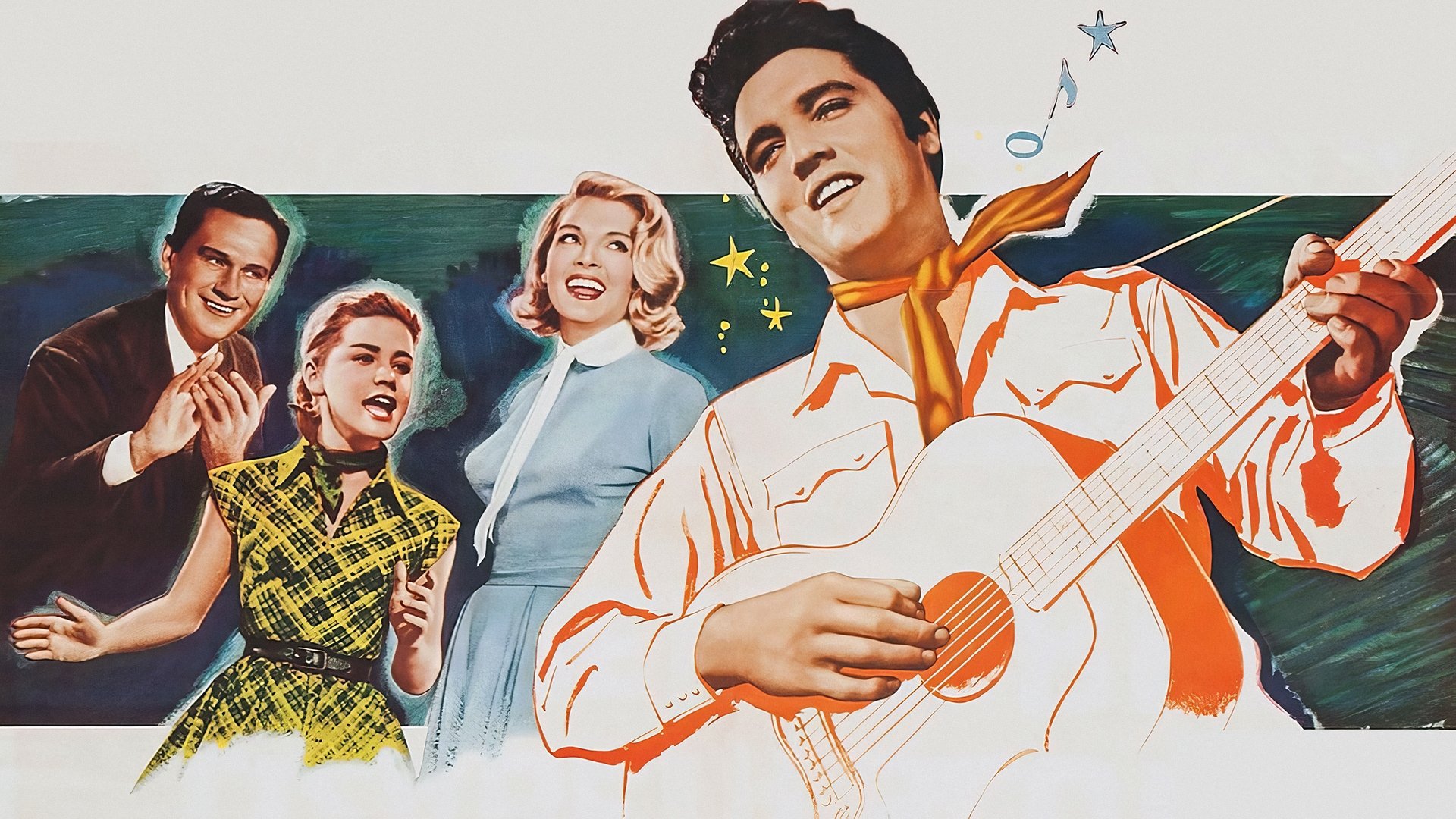
If Elvis’s life had started to become glitz and fashion and glam at this point in his career as he went from country boy to flashy rock and roll star, Loving You marks quite a tame and calm film for him, a stark opposite. There are no flashy jumpsuits (just a somewhat atrocious cowboy outfit) or killer rock and roll numbers, just Elvis singing the songs of country and winning the girls’ hearts; it’s both a reflection of and a bizarre facsimile of the life of Elvis. “You never had nothing,” Elvis says as he rides in a Cadillac, “you don’t know what it’s like.”
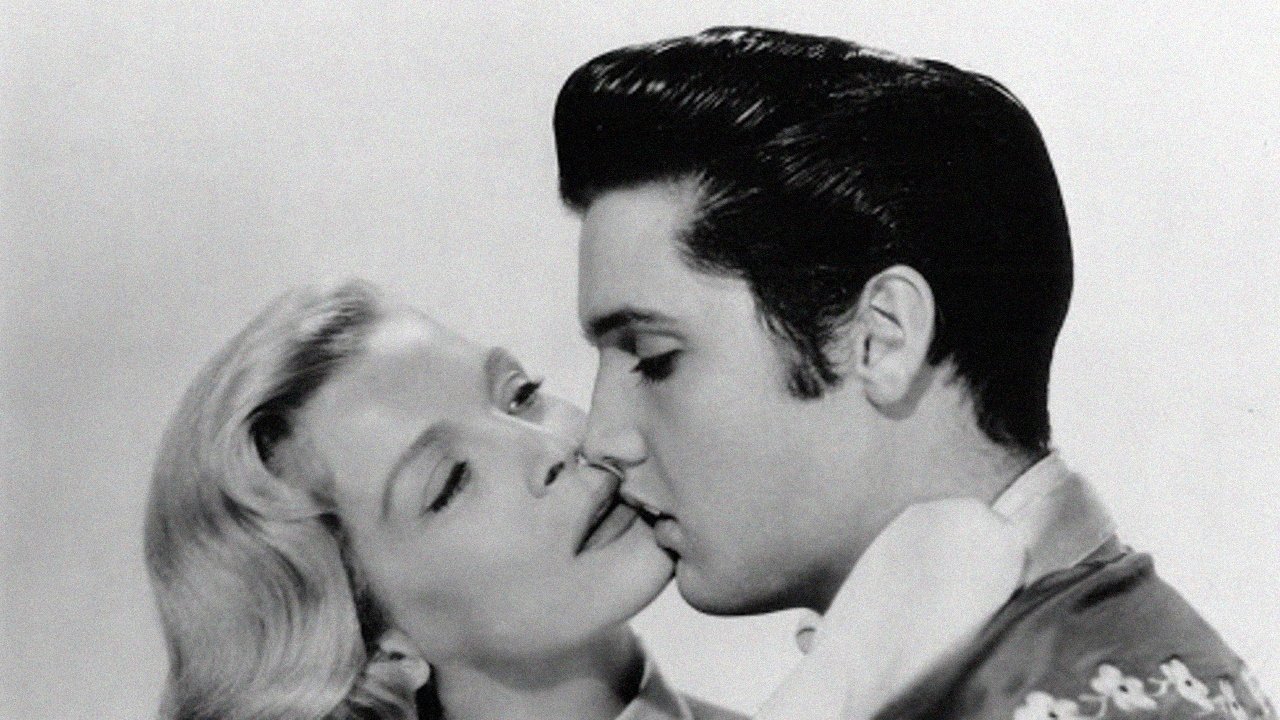
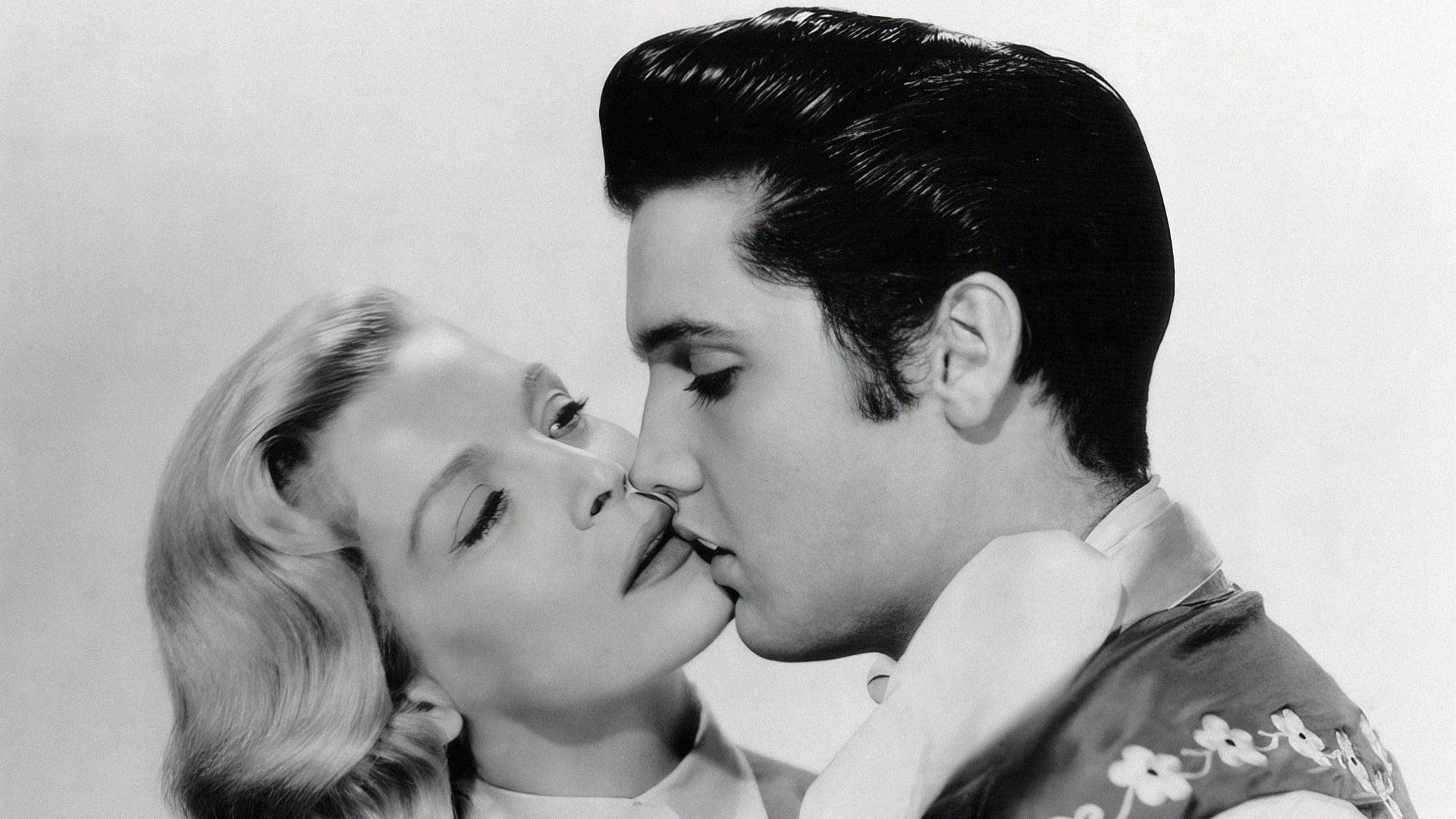
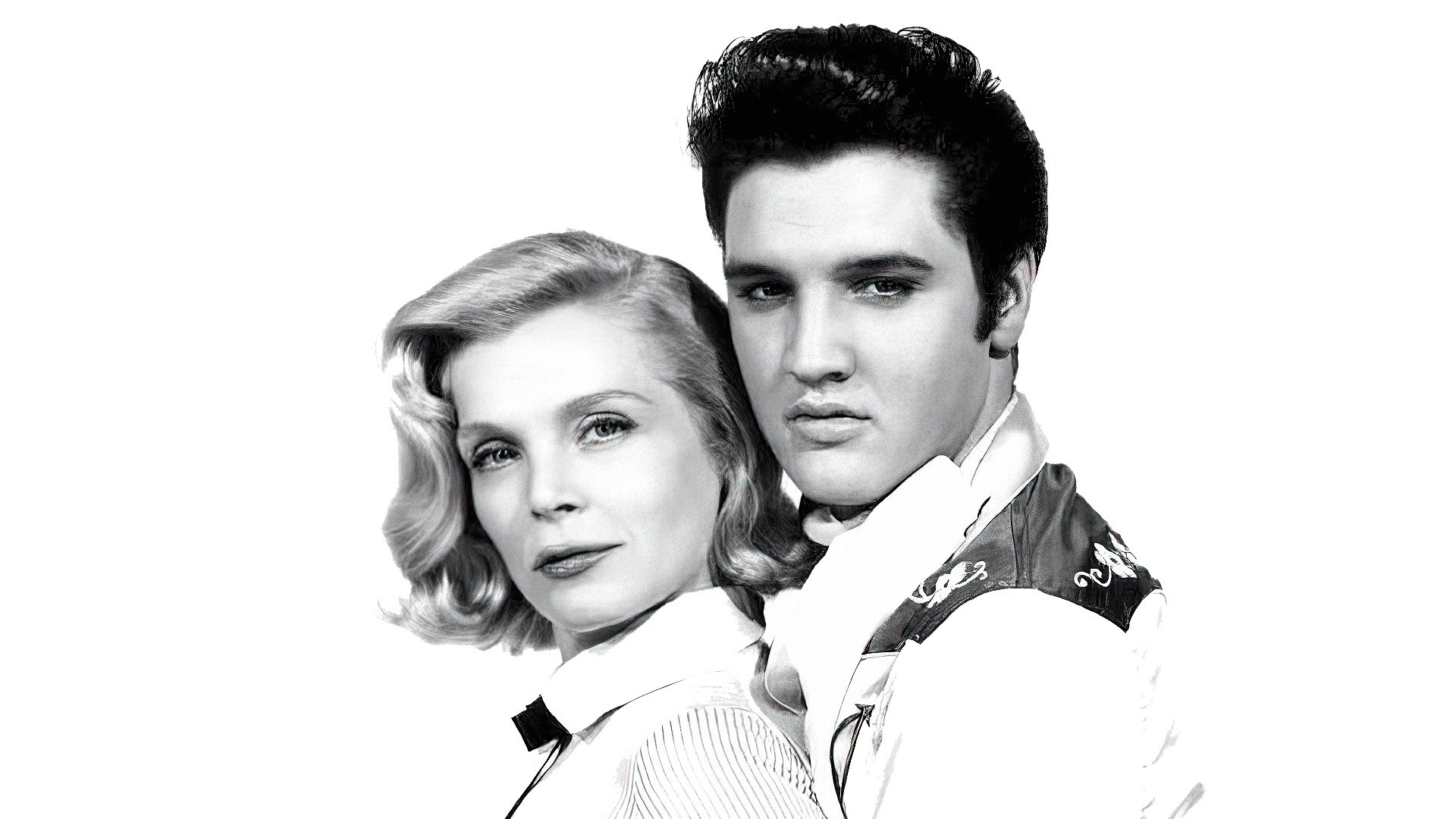
And then of course, there is the control that is exerted on Elvis, both as a performer in his actual life and as Deke Rivers in this film. Much like in his real life with Colonel Tom Parker, Elvis’s Deke finds himself in the hands of manager Glenda Markel (Lizabeth Scott) who also takes half of Elvis’s money and is just as set on making her boy big. Despite this, I feel that there is a need to concede that Colonel Tom would not kiss Elvis.
I thought it was pretty decent for my first exposure to the King in his film career, building up what he wanted as an actor despite it being undeniably tethered to his position as a musician.
“All you need is the right gimmick.”
It’s astonishing to me how much Loving You is really just a faux biopic of its star, a very early-in-his-career Elvis Presley. I’m not even exaggerating, either - despite being in the music business for four years, Elvis had only really hit the spotlight a year prior with his string of popular songs and the birth of true stardom among the teen demographic and this was his first starring lead. He had only been a supporting actor before this, and not even that long either (literally one film).
If Elvis (2022) was a look at the career of the King from the perspective of Colonel Tom Parker, I would like to argue that Loving You (1957!) is a retelling of the early career of the King from the view of an outsider who has been tasked with changing some details. And at times it’s surprising how much it’d rely on the story of its star, even at times flat out eerily predicting future events - for an example: Elvis’s character, Deke, reveals his parents are dead; Elvis’s mother, Gladys (who cameos in this movie), would die a year after this came out, permanently changing Elvis’s life and debatably for worse.
If Elvis’s life had started to become glitz and fashion and glam at this point in his career as he went from country boy to flashy rock and roll star, Loving You marks quite a tame and calm film for him, a stark opposite. There are no flashy jumpsuits (just a somewhat atrocious cowboy outfit) or killer rock and roll numbers, just Elvis singing the songs of country and winning the girls’ hearts; it’s both a reflection of and a bizarre facsimile of the life of Elvis. “You never had nothing,” Elvis says as he rides in a Cadillac, “you don’t know what it’s like.”
And then of course, there is the control that is exerted on Elvis, both as a performer in his actual life and as Deke Rivers in this film. Much like in his real life with Colonel Tom Parker, Elvis’s Deke finds himself in the hands of manager Glenda Markel (Lizabeth Scott) who also takes half of Elvis’s money and is just as set on making her boy big. Despite this, I feel that there is a need to concede that Colonel Tom would not kiss Elvis.
I thought it was pretty decent for my first exposure to the King in his film career, building up what he wanted as an actor despite it being undeniably tethered to his position as a musician.