
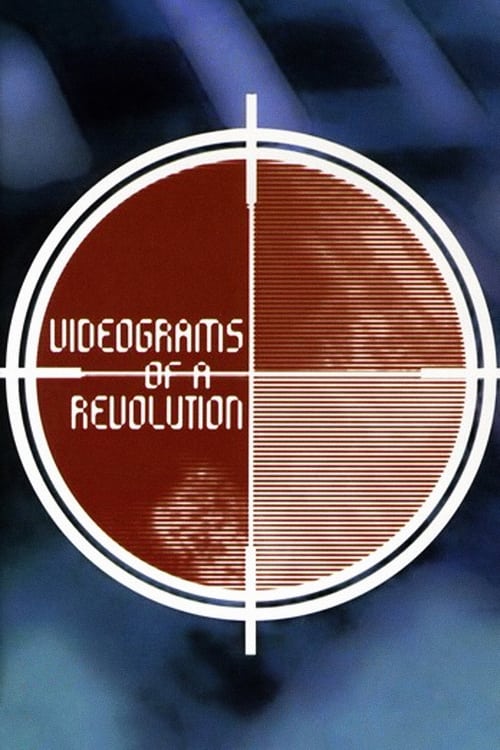
Videograms of a Revolution
1992·Documentary·1h 46m
7.1
★
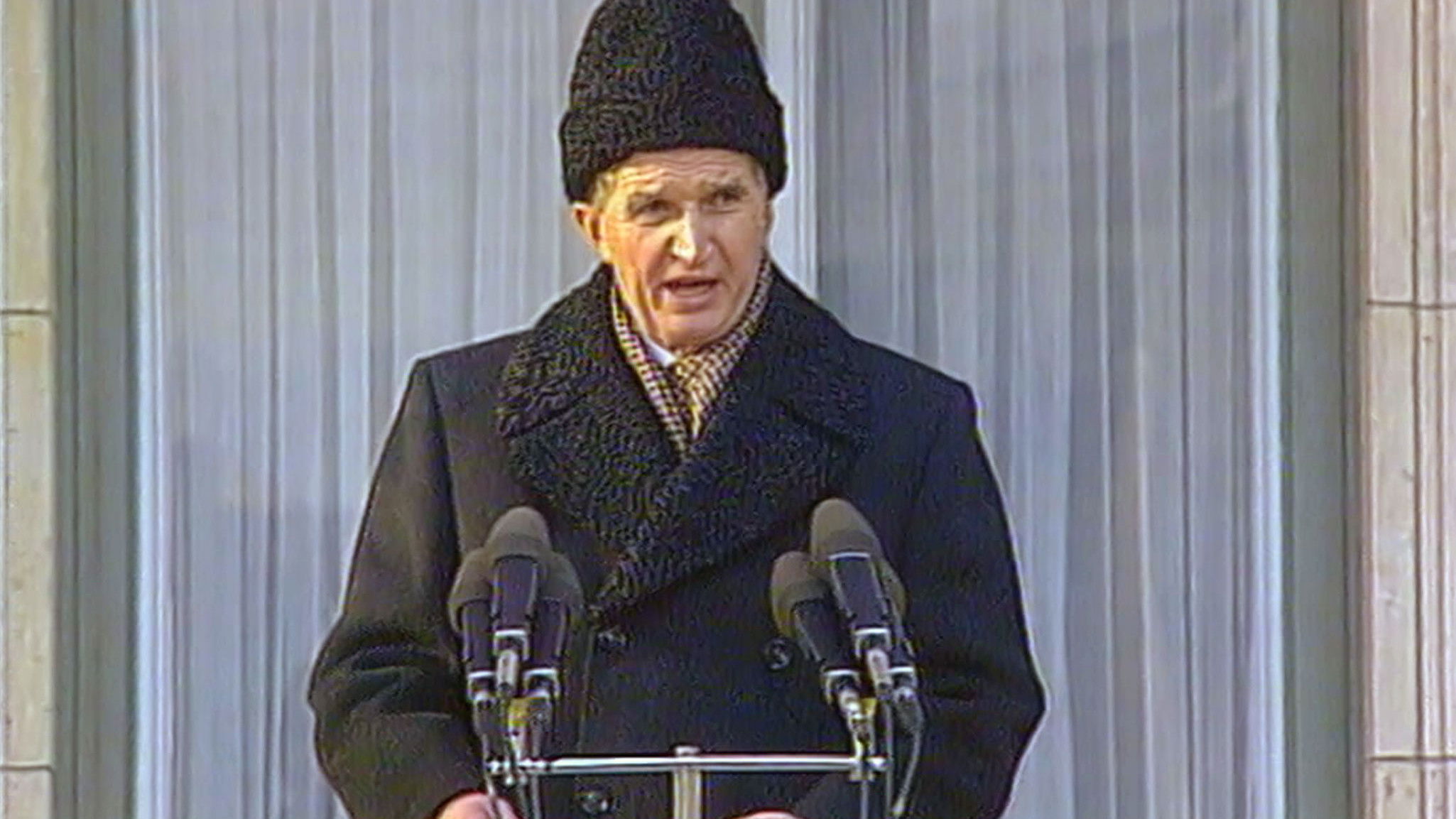


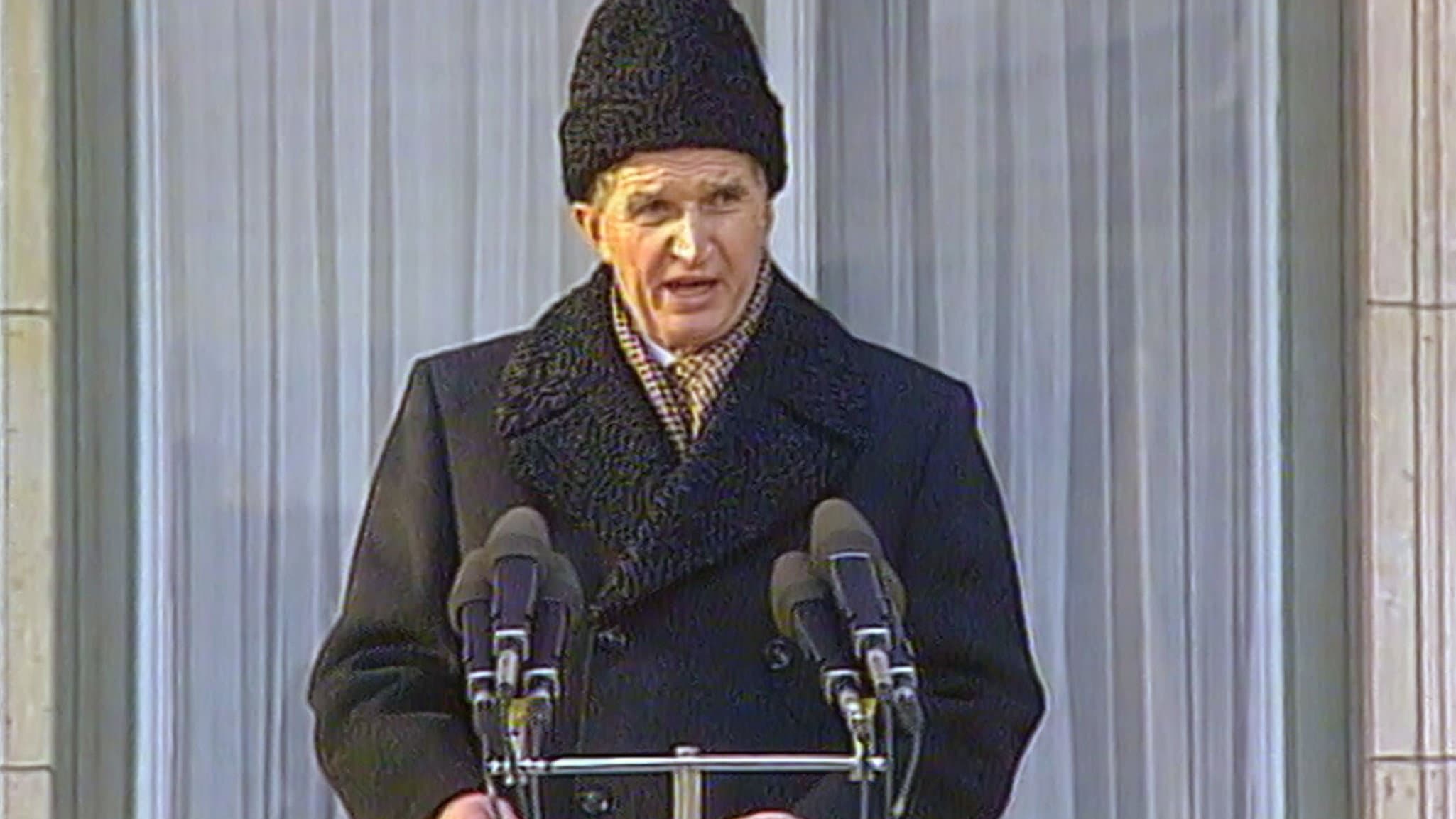
A minute-by-minute chronology of the Romanian revolution in December 1989 in Bucharest. This cinematic montage of live footage from the state television company TVR and video taken by numerous amateurs becomes a new media-based form of historiography.
Directed by Harun Farocki and Andrei Ujică

Trailer

IMDB
N/A
Cast
Ion Caramitru
himself
Elena Ceaușescu
herself (archive footage)

Nicolae Ceaușescu
himself (archive footage)
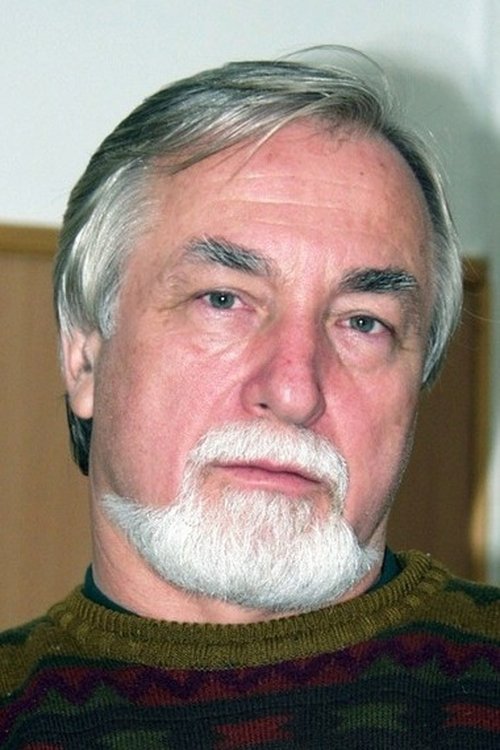
Alexa Visarion
himself

Mircea Diaconu
himself (archive footage)
Crew
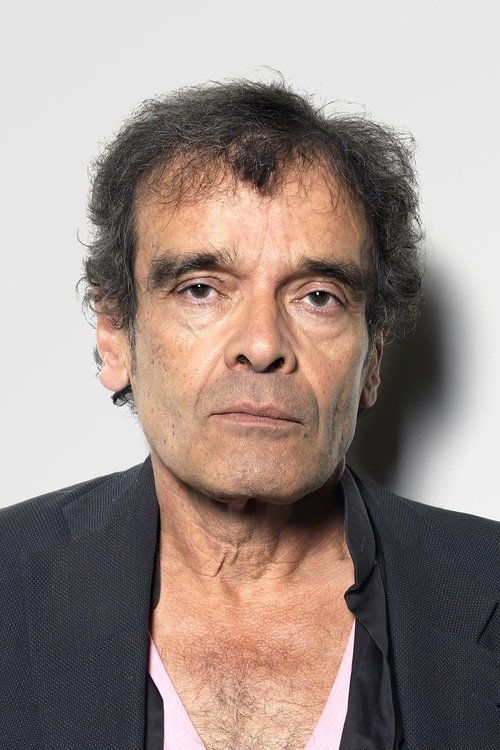
Harun Farocki
Director

Andrei Ujică
Director
Harun Farocki
Writer
Andrei Ujică
Writer
Harun Farocki
Producer
Popular Reviews
5 reviews
Connor
“This revolution been televised” -Kendrick
“This revolution been televised” -Kendrick


Dalton
7.6★ · 06/26/25
one of the most unique documentary i’ve ever seen, and prolly the only of its kind to be able to exist. solely composed of “found” footage like live TV and civilian camcorders, it’s the first revolution not only televised, but used as a tool to overthrow the government.
this was hosted by Film Love and the discussion before and after really made me think about this in a different way. the idea of film being both used in cinematic sense to tell a story with some sort of human intervention, and video that is only controlled by machines to be a part of a system or data. the director takes this and condensed 125+ hours of footage to form a understanding in a story of what happened. oddly enough this has a narrator which definitely helps as much as it can to make sense of the chaos.
The main emphasis here is how television was the main tool used to take over the oppressive government rather than violence. the first time you see the start of the takeover was when the static camera shakes as the people enter the building. as they enter, take over, spread their message, declare their freedom, bring the politicians to justice, it’s almost all televised and used from step to step to progress their action. one of my other favorite scenes shows the camera signal glitching while the remaining politician announcing the resignation of the government. the machines that are meant to help the system of the government are even fighting against the revolution and its help with it. the main reason i think this is generally confusing is due to the Romanian people. due to the constant flow of ideas from so many people, your forced to perceive the collective as one person. and as this hivemind shares and cultivates ideas you can’t understand where the focus is going until days later. there’s a scene of people shooting from two buildings under construction where neighborhoods were plowed down to provide housing for the people that never came to flourishtion within all this poverty. it’s never shown who is shooting at the revolutionaries, rather that be loyalist or the military it just shows the pure chaos they had to go though and how television helped it.
it’s a really cool experience, but due to the nature of it all being found footage it does tend to be a bit boring at times. it doesn’t seem like there’s a way around of this but it’s just a double edge sword of making it. this was a great experience and even better with Film Love.
this was hosted by Film Love and the discussion before and after really made me think about this in a different way. the idea of film being both used in cinematic sense to tell a story with some sort of human intervention, and video that is only controlled by machines to be a part of a system or data. the director takes this and condensed 125+ hours of footage to form a understanding in a story of what happened. oddly enough this has a narrator which definitely helps as much as it can to make sense of the chaos.
The main emphasis here is how television was the main tool used to take over the oppressive government rather than violence. the first time you see the start of the takeover was when the static camera shakes as the people enter the building. as they enter, take over, spread their message, declare their freedom, bring the politicians to justice, it’s almost all televised and used from step to step to progress their action. one of my other favorite scenes shows the camera signal glitching while the remaining politician announcing the resignation of the government. the machines that are meant to help the system of the government are even fighting against the revolution and its help with it. the main reason i think this is generally confusing is due to the Romanian people. due to the constant flow of ideas from so many people, your forced to perceive the collective as one person. and as this hivemind shares and cultivates ideas you can’t understand where the focus is going until days later. there’s a scene of people shooting from two buildings under construction where neighborhoods were plowed down to provide housing for the people that never came to flourishtion within all this poverty. it’s never shown who is shooting at the revolutionaries, rather that be loyalist or the military it just shows the pure chaos they had to go though and how television helped it.
it’s a really cool experience, but due to the nature of it all being found footage it does tend to be a bit boring at times. it doesn’t seem like there’s a way around of this but it’s just a double edge sword of making it. this was a great experience and even better with Film Love.
one of the most unique documentary i’ve ever seen, and prolly the only of its kind to be able to exist. solely composed of “found” footage like live TV and civilian camcorders, it’s the first revolution not only televised, but used as a tool to overthrow the government.
this was hosted by Film Love and the discussion before and after really made me think about this in a different way. the idea of film being both used in cinematic sense to tell a story with some sort of human intervention, and video that is only controlled by machines to be a part of a system or data. the director takes this and condensed 125+ hours of footage to form a understanding in a story of what happened. oddly enough this has a narrator which definitely helps as much as it can to make sense of the chaos.
The main emphasis here is how television was the main tool used to take over the oppressive government rather than violence. the first time you see the start of the takeover was when the static camera shakes as the people enter the building. as they enter, take over, spread their message, declare their freedom, bring the politicians to justice, it’s almost all televised and used from step to step to progress their action. one of my other favorite scenes shows the camera signal glitching while the remaining politician announcing the resignation of the government. the machines that are meant to help the system of the government are even fighting against the revolution and its help with it. the main reason i think this is generally confusing is due to the Romanian people. due to the constant flow of ideas from so many people, your forced to perceive the collective as one person. and as this hivemind shares and cultivates ideas you can’t understand where the focus is going until days later. there’s a scene of people shooting from two buildings under construction where neighborhoods were plowed down to provide housing for the people that never came to flourishtion within all this poverty. it’s never shown who is shooting at the revolutionaries, rather that be loyalist or the military it just shows the pure chaos they had to go though and how television helped it.
it’s a really cool experience, but due to the nature of it all being found footage it does tend to be a bit boring at times. it doesn’t seem like there’s a way around of this but it’s just a double edge sword of making it. this was a great experience and even better with Film Love.
this was hosted by Film Love and the discussion before and after really made me think about this in a different way. the idea of film being both used in cinematic sense to tell a story with some sort of human intervention, and video that is only controlled by machines to be a part of a system or data. the director takes this and condensed 125+ hours of footage to form a understanding in a story of what happened. oddly enough this has a narrator which definitely helps as much as it can to make sense of the chaos.
The main emphasis here is how television was the main tool used to take over the oppressive government rather than violence. the first time you see the start of the takeover was when the static camera shakes as the people enter the building. as they enter, take over, spread their message, declare their freedom, bring the politicians to justice, it’s almost all televised and used from step to step to progress their action. one of my other favorite scenes shows the camera signal glitching while the remaining politician announcing the resignation of the government. the machines that are meant to help the system of the government are even fighting against the revolution and its help with it. the main reason i think this is generally confusing is due to the Romanian people. due to the constant flow of ideas from so many people, your forced to perceive the collective as one person. and as this hivemind shares and cultivates ideas you can’t understand where the focus is going until days later. there’s a scene of people shooting from two buildings under construction where neighborhoods were plowed down to provide housing for the people that never came to flourishtion within all this poverty. it’s never shown who is shooting at the revolutionaries, rather that be loyalist or the military it just shows the pure chaos they had to go though and how television helped it.
it’s a really cool experience, but due to the nature of it all being found footage it does tend to be a bit boring at times. it doesn’t seem like there’s a way around of this but it’s just a double edge sword of making it. this was a great experience and even better with Film Love.
Raul
9.0★ · 04/11/26
lukaa
10.0★ · 01/10/26
Beatrix
8.0★ · 12/19/22