
Mobile Men
2008·Documentary·4m
7.1
★
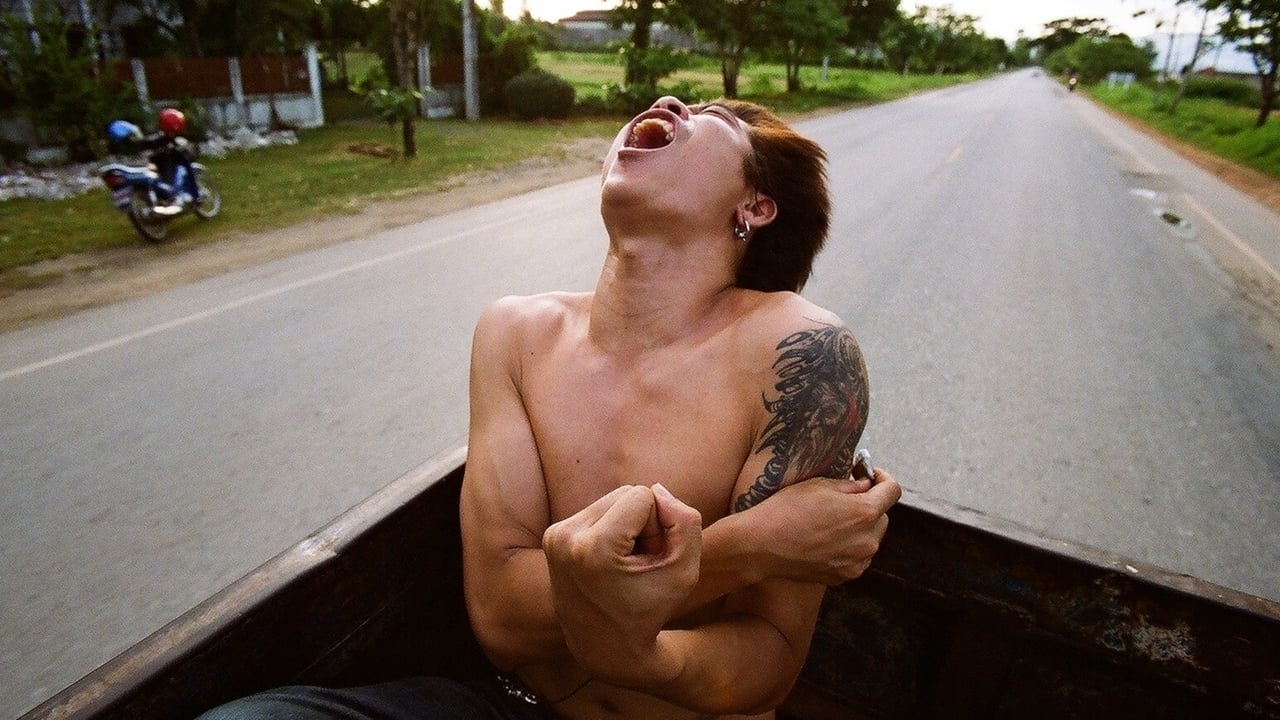
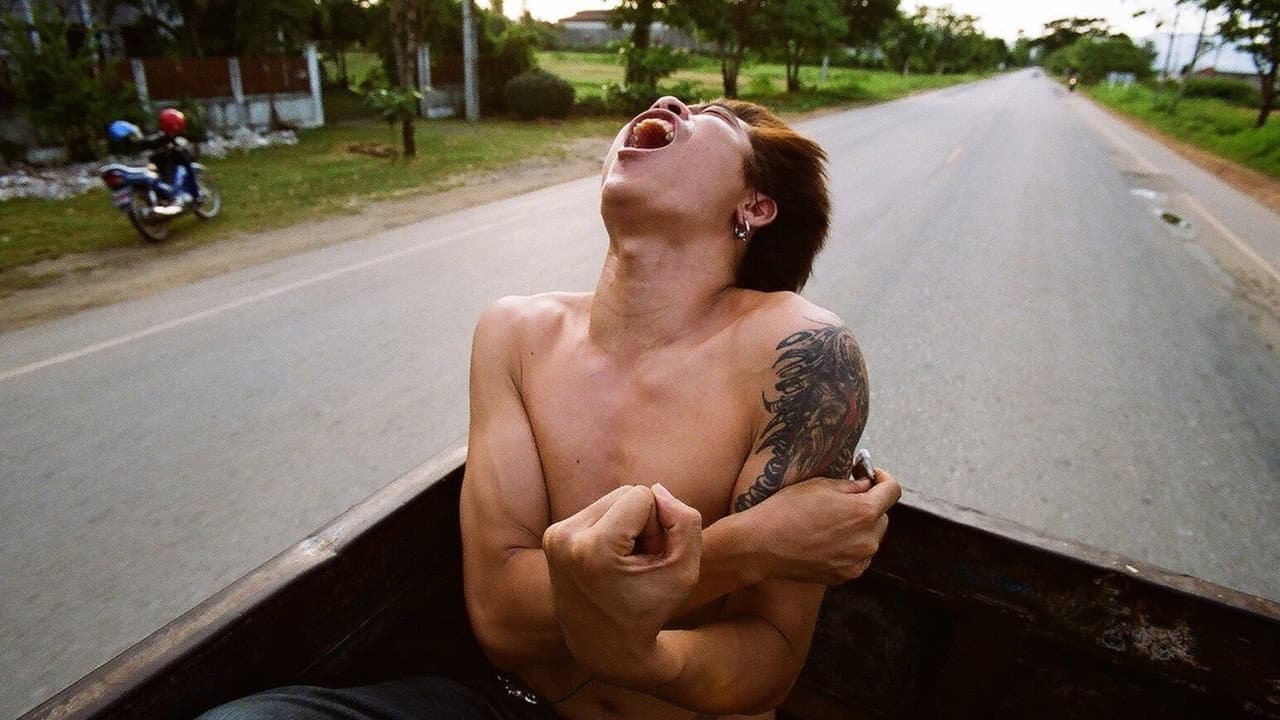
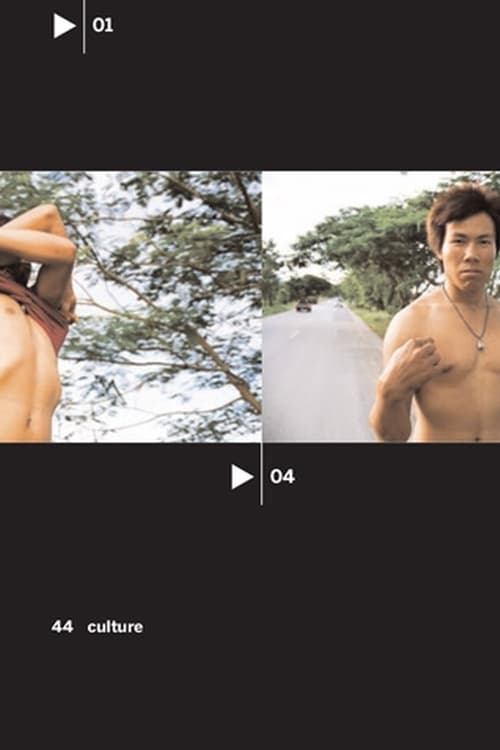
A joyful shot recorded by Weerasethakul himself and two young men who become acquainted by filming each other in the back of a moving pickup truck. Though seemingly playful, the short film is a subtle portrait of migrant workers in the north of Thailand.
Directed by Apichatpong Weerasethakul
human rights
short film

IMDB
N/A
Cast
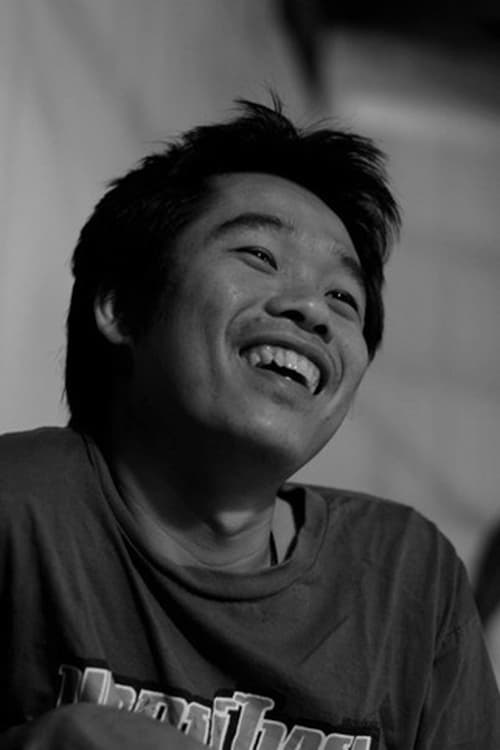
Nitipong Thinthupthai
Self
Crew
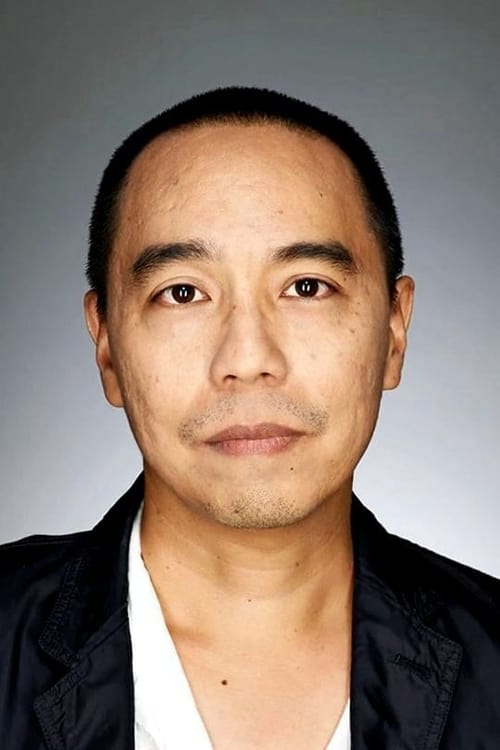
Apichatpong Weerasethakul
Director
Apichatpong Weerasethakul
Editor
Apichatpong Weerasethakul
Camera Operator

Lee Chatametikool
Post Production Supervisor
Nitipong Thinthupthai
Property Master
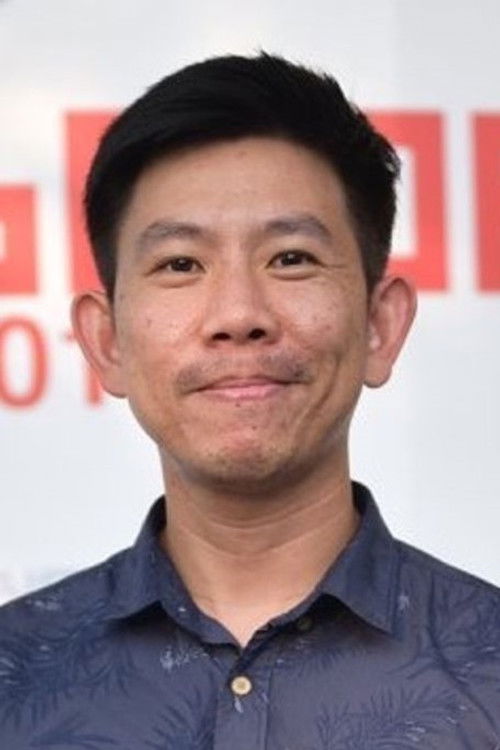
Sompot Chidgasornpongse
Assistant Director
Popular Reviews
29 reviews
justin condotta
8.0★ · 01/23/26
is this what it feels to be free?
Apichatpong Weerasethakul’s short film Mobile Men quietly encapsulates the feeling of freedom through simplicity and movement. Rather than relying on a traditional narrative, the film drifts between moments, allowing the viewer to experience freedom as something felt rather than explained. The men in the film are constantly in motion, traveling, waiting, existing between destinations which mirrors a broader sense of emotional and physical openness. This lack of confinement, both in structure and story, reflects a form of freedom that is unforced and deeply human. The film’s cinematography plays a huge role in conveying this theme. Apichatpong’s use of long, unhurried shots invites the audience to slow down and observe, reinforcing a sense of calm detachment from urgency or obligation. Natural lighting and wide framing emphasize open spaces, while quiet, intimate compositions capture fleeting moments of connection and solitude. The camera never feels intrusive, instead, it moves with patience, allowing freedom to exist within the frame itself. This visual approach transforms ordinary scenes into something meditative. Ultimately, Mobile Men is beautifully shot not because it seeks spectacle, but because it finds beauty in simplicity and stillness. Apichatpong presents freedom as something subtle, found in silence, travel, and moments without clear purpose. The film’s gentle pacing and visual poetry leave a lingering impression, suggesting that true freedom lies not in grand gestures, but in the ability to simply move, observe, and exist without constraint
Apichatpong Weerasethakul’s short film Mobile Men quietly encapsulates the feeling of freedom through simplicity and movement. Rather than relying on a traditional narrative, the film drifts between moments, allowing the viewer to experience freedom as something felt rather than explained. The men in the film are constantly in motion, traveling, waiting, existing between destinations which mirrors a broader sense of emotional and physical openness. This lack of confinement, both in structure and story, reflects a form of freedom that is unforced and deeply human. The film’s cinematography plays a huge role in conveying this theme. Apichatpong’s use of long, unhurried shots invites the audience to slow down and observe, reinforcing a sense of calm detachment from urgency or obligation. Natural lighting and wide framing emphasize open spaces, while quiet, intimate compositions capture fleeting moments of connection and solitude. The camera never feels intrusive, instead, it moves with patience, allowing freedom to exist within the frame itself. This visual approach transforms ordinary scenes into something meditative. Ultimately, Mobile Men is beautifully shot not because it seeks spectacle, but because it finds beauty in simplicity and stillness. Apichatpong presents freedom as something subtle, found in silence, travel, and moments without clear purpose. The film’s gentle pacing and visual poetry leave a lingering impression, suggesting that true freedom lies not in grand gestures, but in the ability to simply move, observe, and exist without constraint
is this what it feels to be free?
Apichatpong Weerasethakul’s short film Mobile Men quietly encapsulates the feeling of freedom through simplicity and movement. Rather than relying on a traditional narrative, the film drifts between moments, allowing the viewer to experience freedom as something felt rather than explained. The men in the film are constantly in motion, traveling, waiting, existing between destinations which mirrors a broader sense of emotional and physical openness. This lack of confinement, both in structure and story, reflects a form of freedom that is unforced and deeply human. The film’s cinematography plays a huge role in conveying this theme. Apichatpong’s use of long, unhurried shots invites the audience to slow down and observe, reinforcing a sense of calm detachment from urgency or obligation. Natural lighting and wide framing emphasize open spaces, while quiet, intimate compositions capture fleeting moments of connection and solitude. The camera never feels intrusive, instead, it moves with patience, allowing freedom to exist within the frame itself. This visual approach transforms ordinary scenes into something meditative. Ultimately, Mobile Men is beautifully shot not because it seeks spectacle, but because it finds beauty in simplicity and stillness. Apichatpong presents freedom as something subtle, found in silence, travel, and moments without clear purpose. The film’s gentle pacing and visual poetry leave a lingering impression, suggesting that true freedom lies not in grand gestures, but in the ability to simply move, observe, and exist without constraint
Apichatpong Weerasethakul’s short film Mobile Men quietly encapsulates the feeling of freedom through simplicity and movement. Rather than relying on a traditional narrative, the film drifts between moments, allowing the viewer to experience freedom as something felt rather than explained. The men in the film are constantly in motion, traveling, waiting, existing between destinations which mirrors a broader sense of emotional and physical openness. This lack of confinement, both in structure and story, reflects a form of freedom that is unforced and deeply human. The film’s cinematography plays a huge role in conveying this theme. Apichatpong’s use of long, unhurried shots invites the audience to slow down and observe, reinforcing a sense of calm detachment from urgency or obligation. Natural lighting and wide framing emphasize open spaces, while quiet, intimate compositions capture fleeting moments of connection and solitude. The camera never feels intrusive, instead, it moves with patience, allowing freedom to exist within the frame itself. This visual approach transforms ordinary scenes into something meditative. Ultimately, Mobile Men is beautifully shot not because it seeks spectacle, but because it finds beauty in simplicity and stillness. Apichatpong presents freedom as something subtle, found in silence, travel, and moments without clear purpose. The film’s gentle pacing and visual poetry leave a lingering impression, suggesting that true freedom lies not in grand gestures, but in the ability to simply move, observe, and exist without constraint


benc737
7.0★ · 11/26/25
If all fit checks were like this I’d watch more of them, but what a great display of friendship this was
If all fit checks were like this I’d watch more of them, but what a great display of friendship this was
alánPRO
8.0★ · 11/05/25
makes me feel in a weird way
you can feel the warmth of sunrays, you can touch their smiles
life can be hard, but in the vacuum of this four minutes, the journey seems easy, and the wind is blowing
you can feel the warmth of sunrays, you can touch their smiles
life can be hard, but in the vacuum of this four minutes, the journey seems easy, and the wind is blowing
makes me feel in a weird way
you can feel the warmth of sunrays, you can touch their smiles
life can be hard, but in the vacuum of this four minutes, the journey seems easy, and the wind is blowing
you can feel the warmth of sunrays, you can touch their smiles
life can be hard, but in the vacuum of this four minutes, the journey seems easy, and the wind is blowing
AlexPRO
8.0★ · 05/12/25
This is the kino that Vertov told us about
This is the kino that Vertov told us about
Max Muthig
9.0★ · 04/26/25
THIS.
THIS.