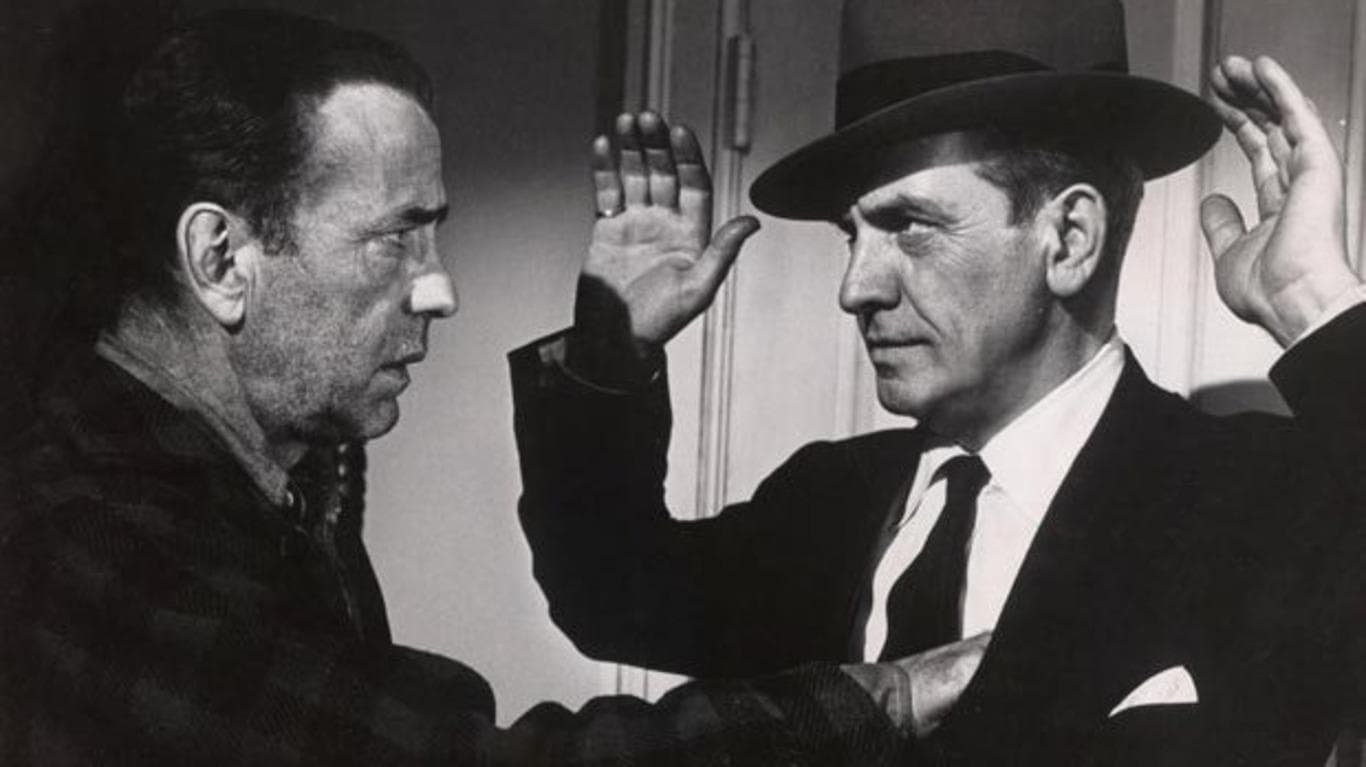
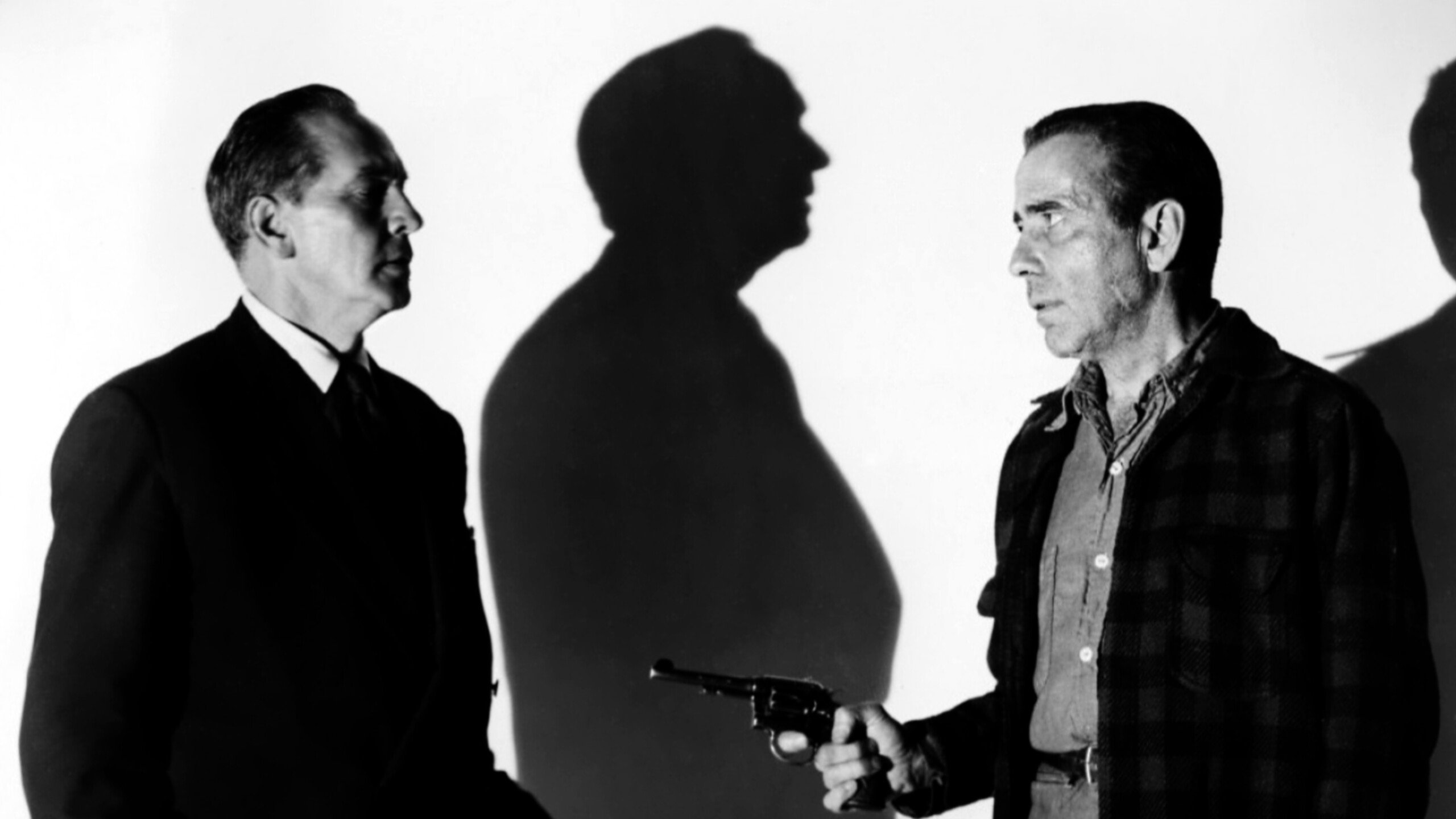
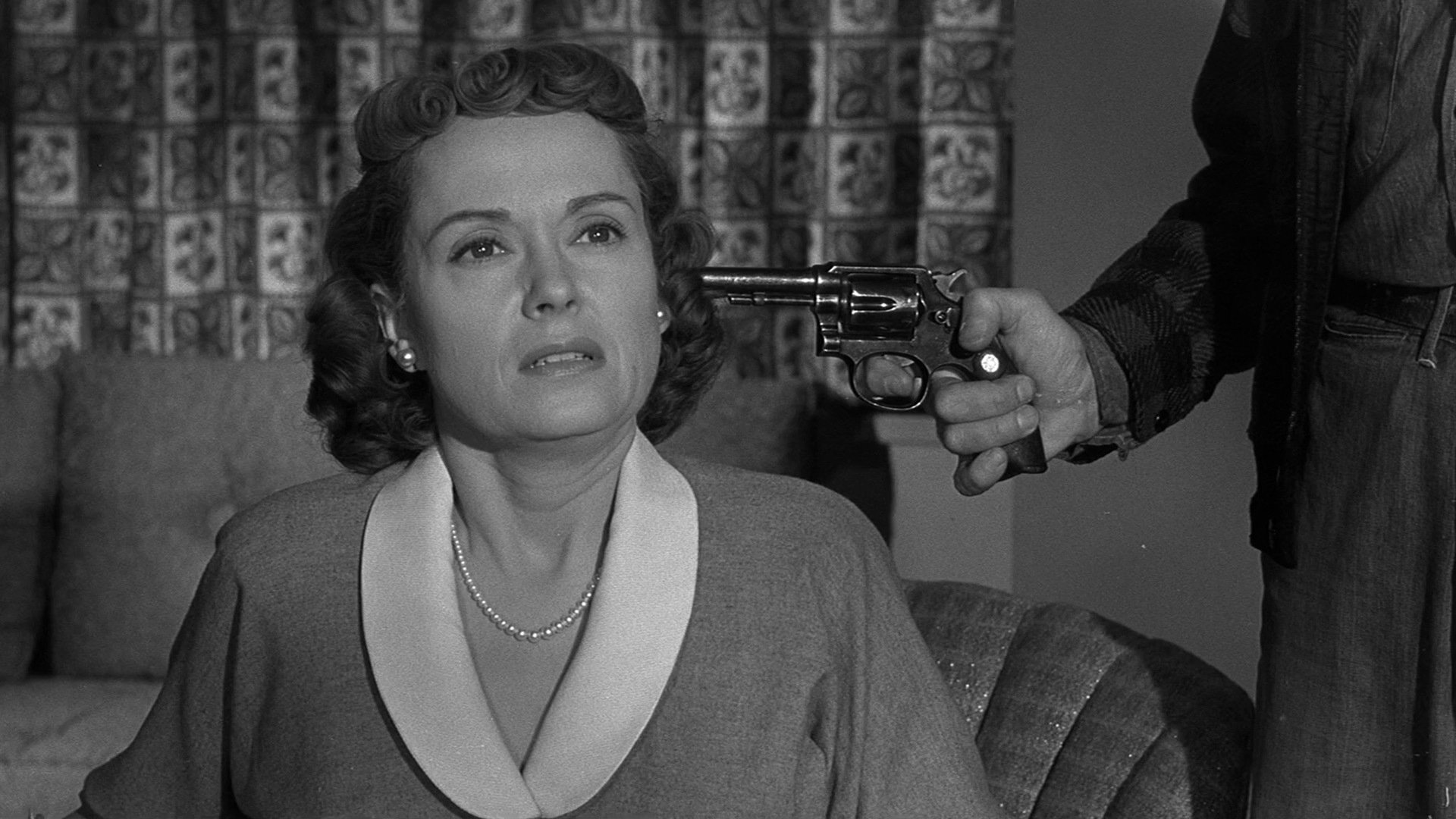
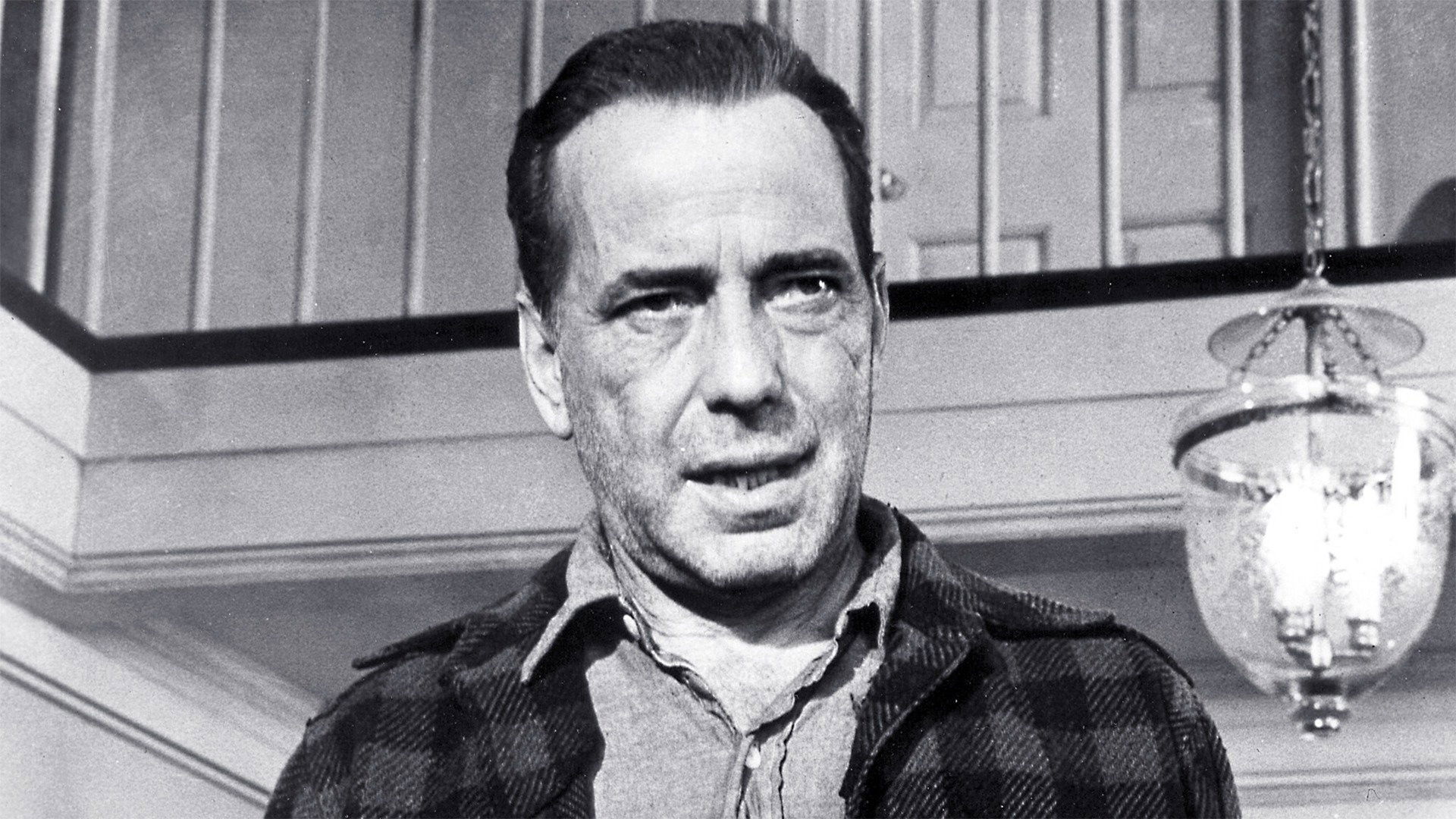
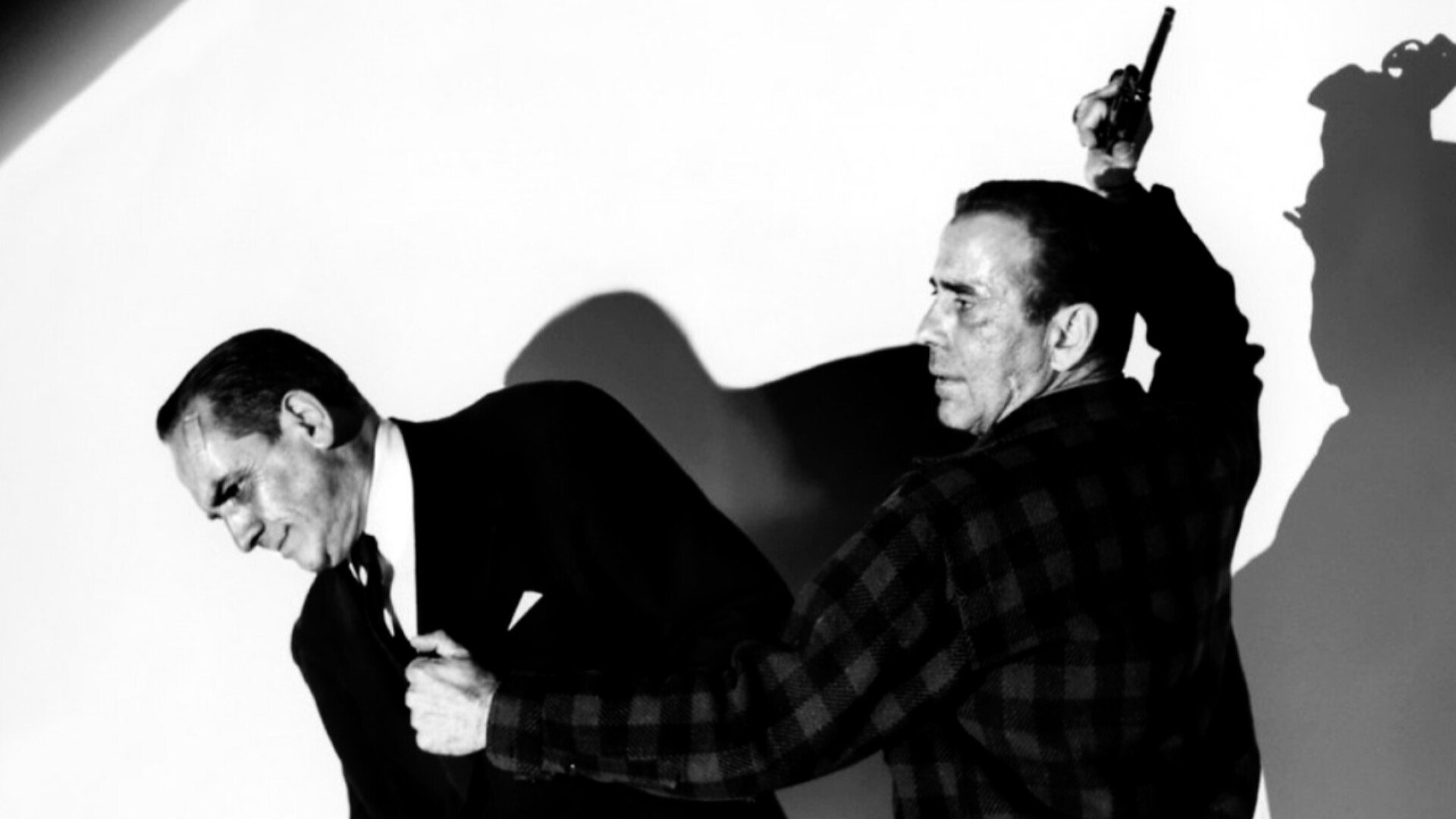
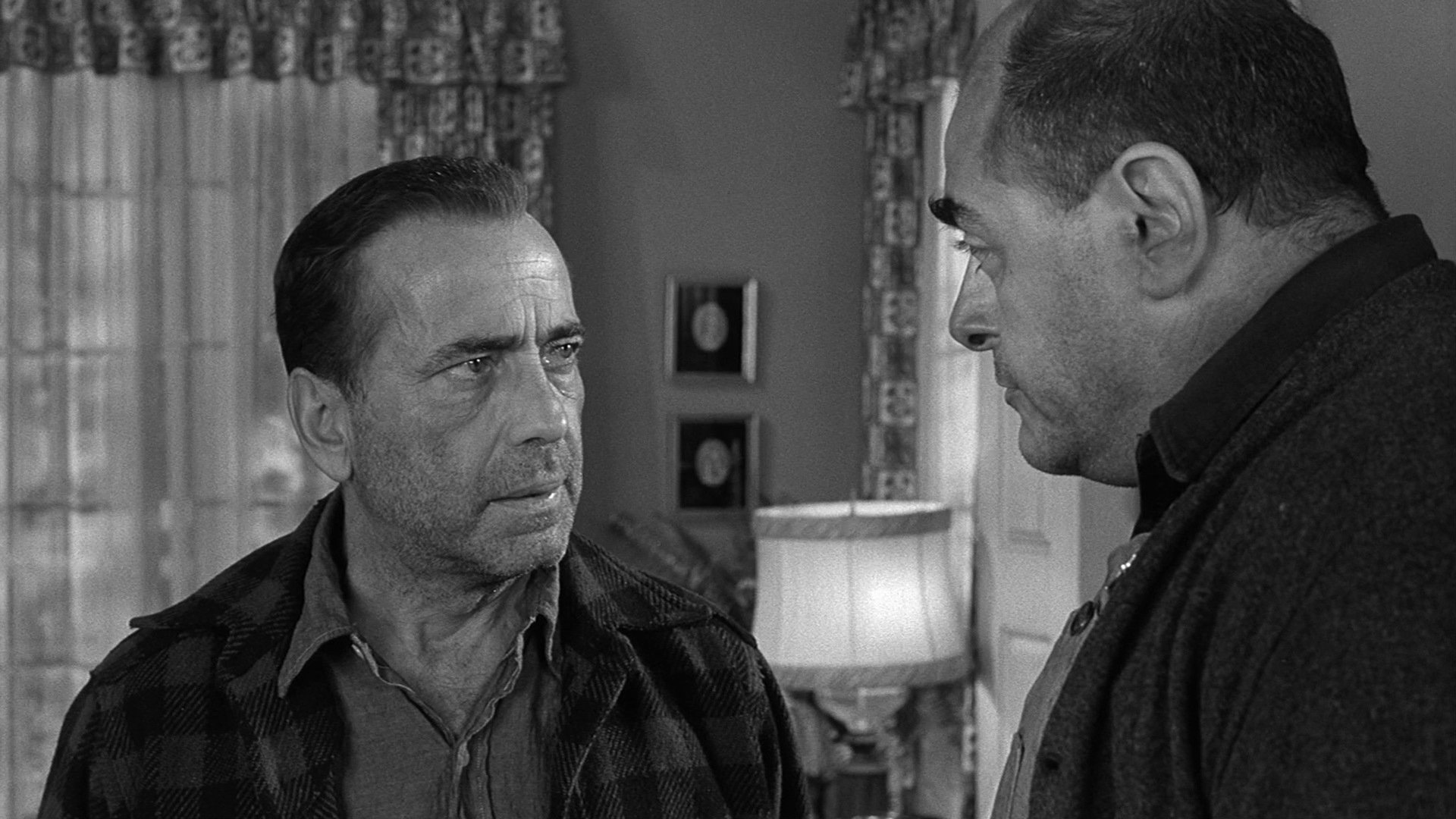
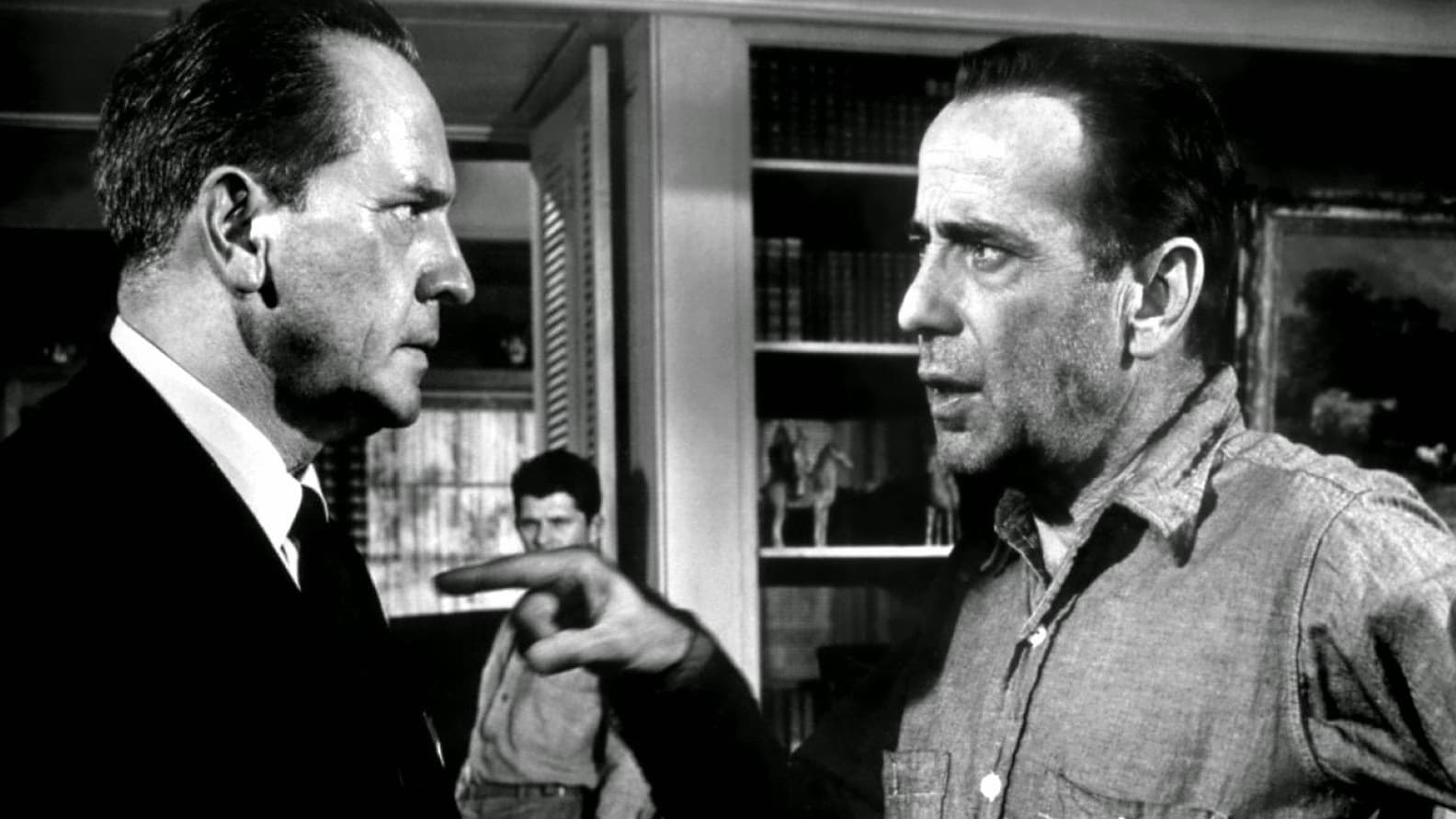
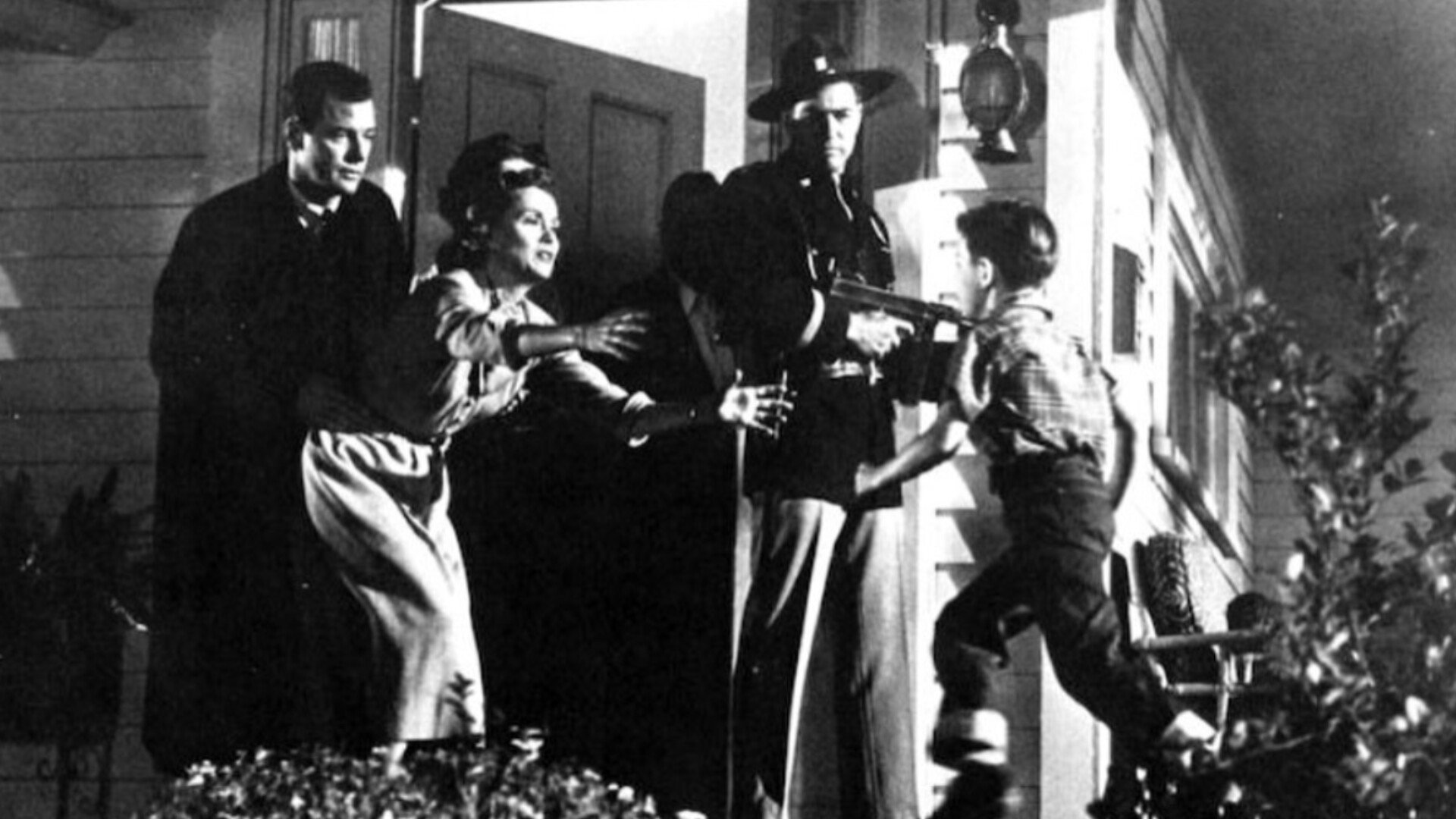
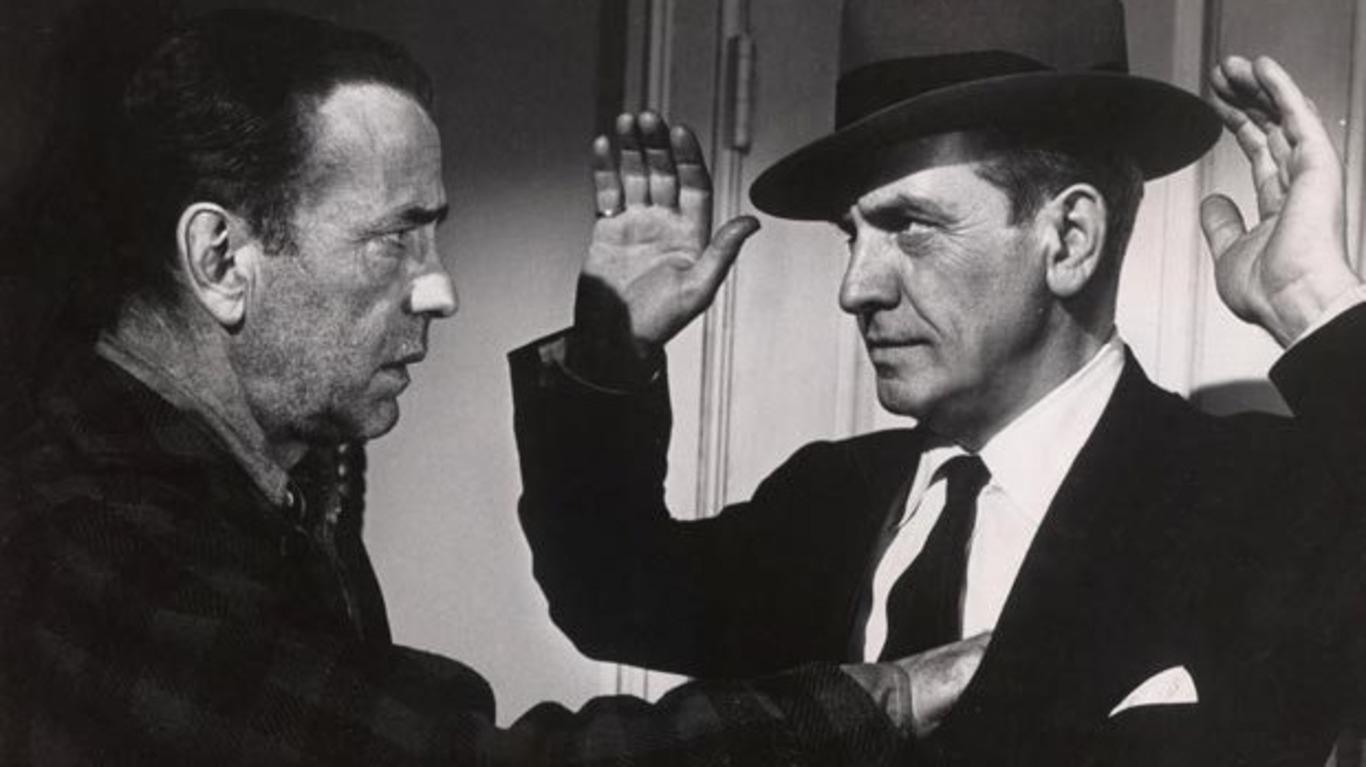
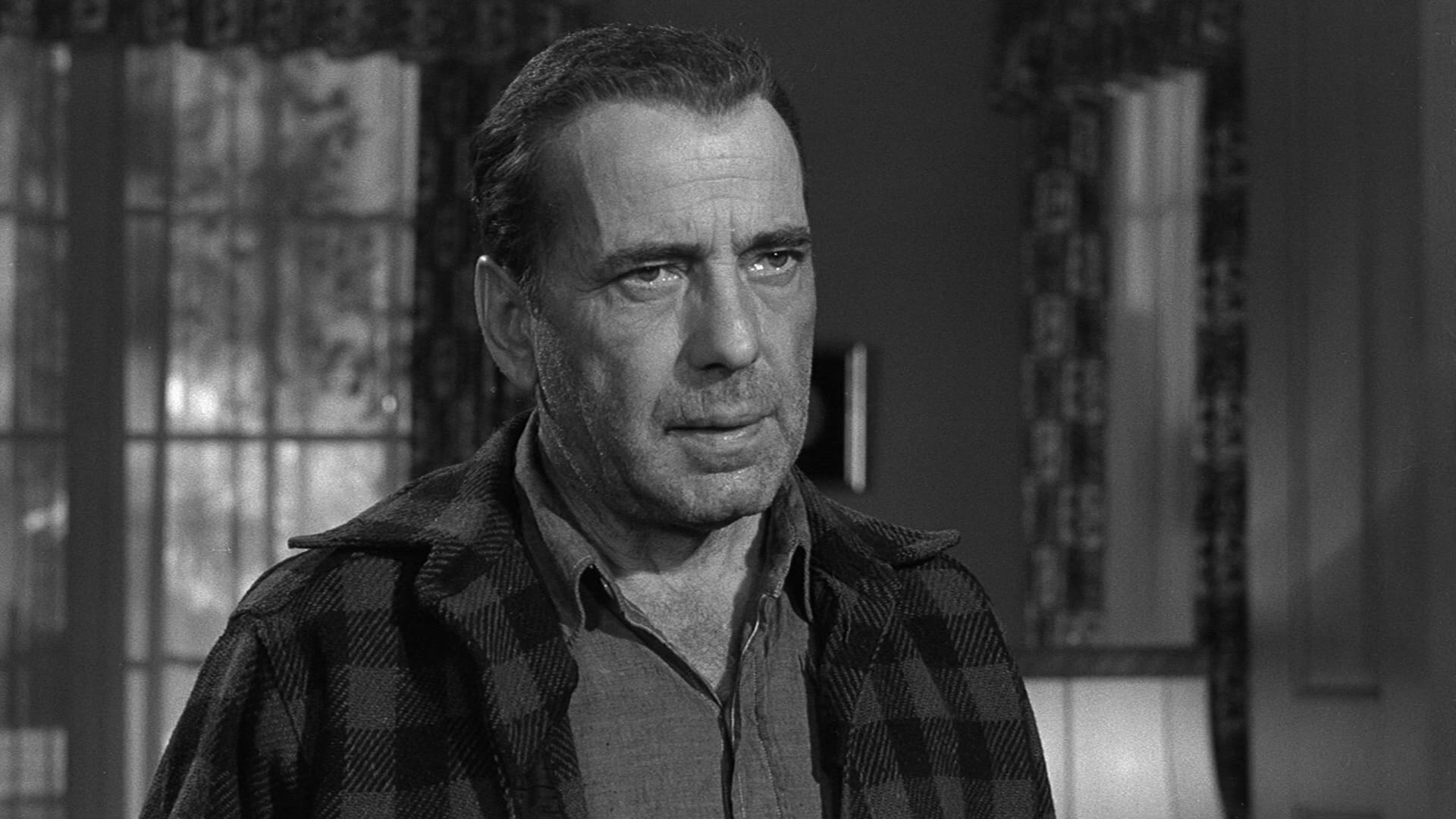
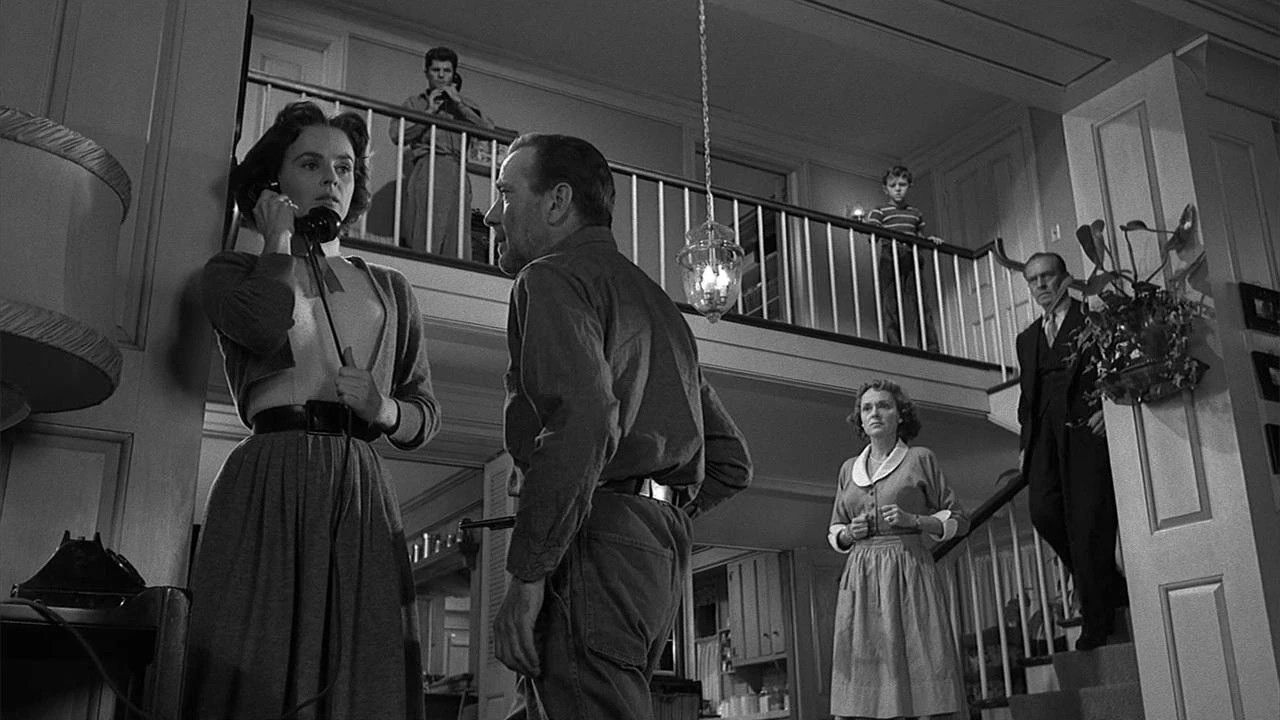
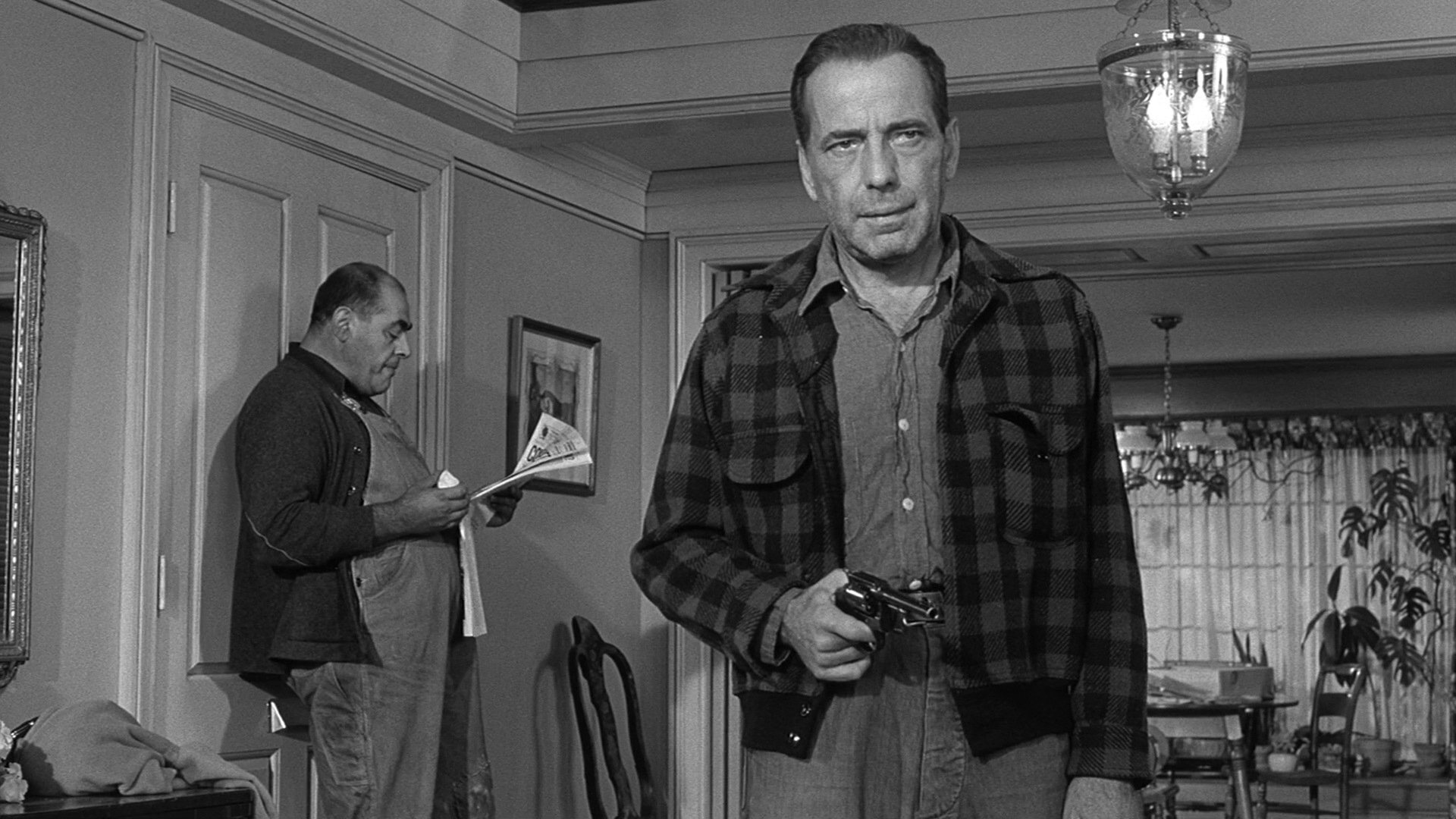
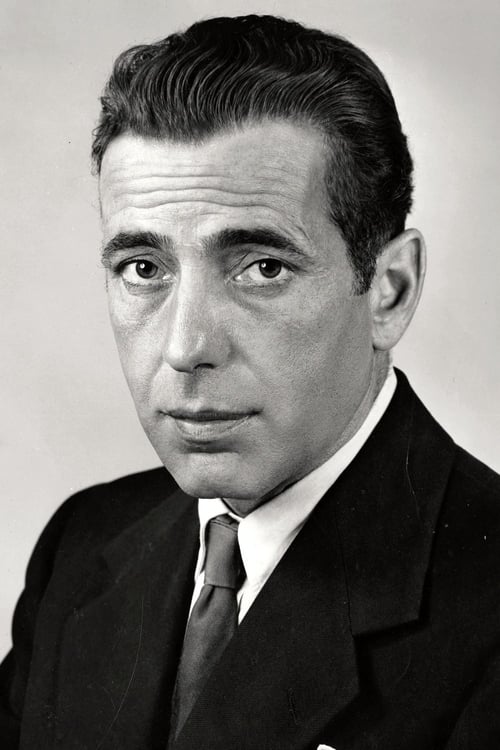
You say 1950's television, I think of the clean-cut, All-American, nuclear family at the dinner table heaping praise on little Billy for his baseball exploits or warning 16-year-old Susan about the boys at school. You say 1950's film, I'm more apt to think of emotionally repressed, stone-faced men with short fuses and big guns. This film collides the two disparate worlds, not unlike Hitchcock's Shadow of a Doubt, only done more successfully with fuller depictions of the host family. The score drops out for extended periods, which makes the film more thrilling in a contemporary way than I expected. Bogey kills it, and makes me comfortable in stating he's better as a villain.
You say 1950's television, I think of the clean-cut, All-American, nuclear family at the dinner table heaping praise on little Billy for his baseball exploits or warning 16-year-old Susan about the boys at school. You say 1950's film, I'm more apt to think of emotionally repressed, stone-faced men with short fuses and big guns. This film collides the two disparate worlds, not unlike Hitchcock's Shadow of a Doubt, only done more successfully with fuller depictions of the host family. The score drops out for extended periods, which makes the film more thrilling in a contemporary way than I expected. Bogey kills it, and makes me comfortable in stating he's better as a villain.