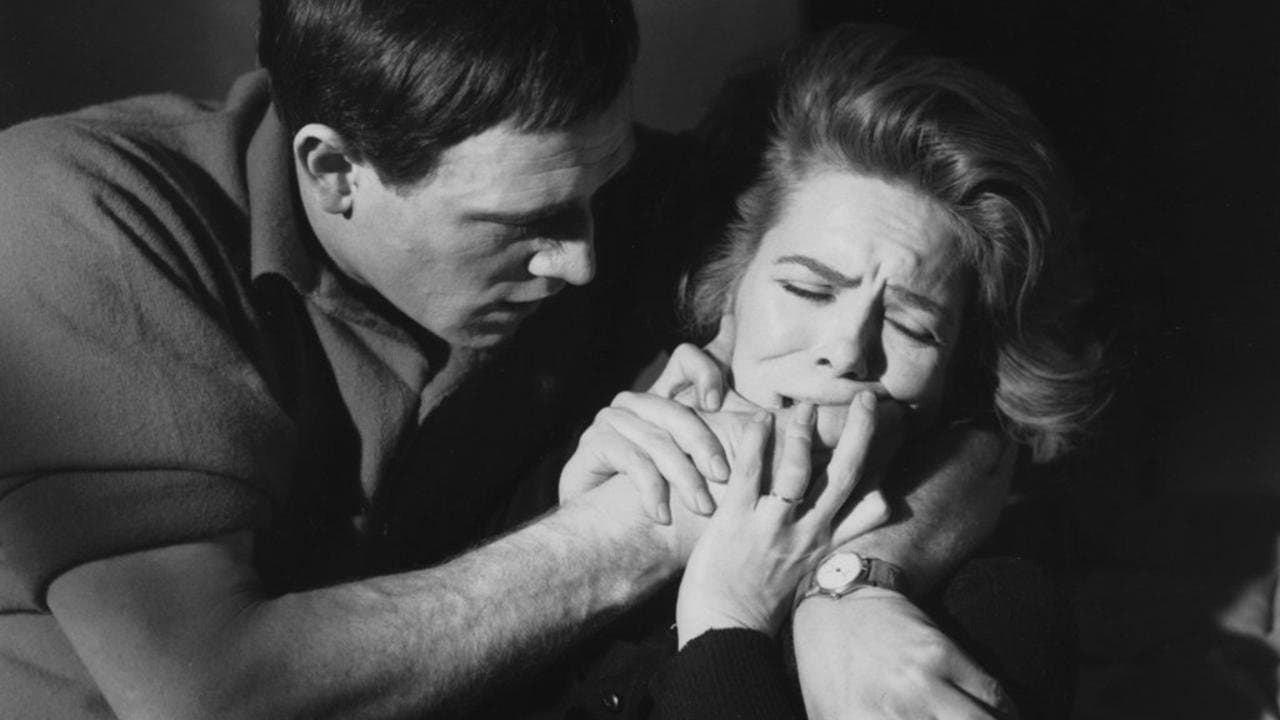
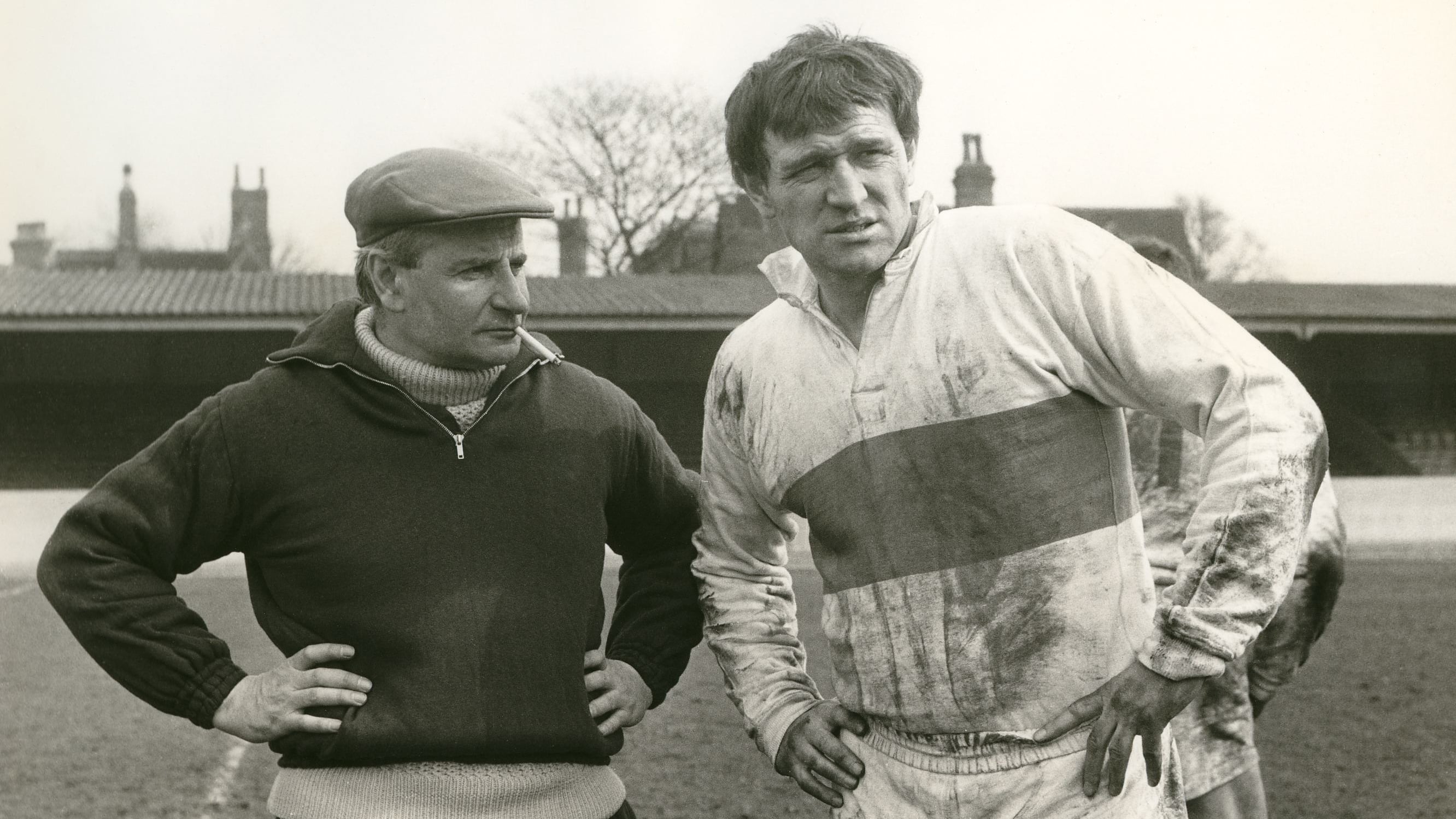
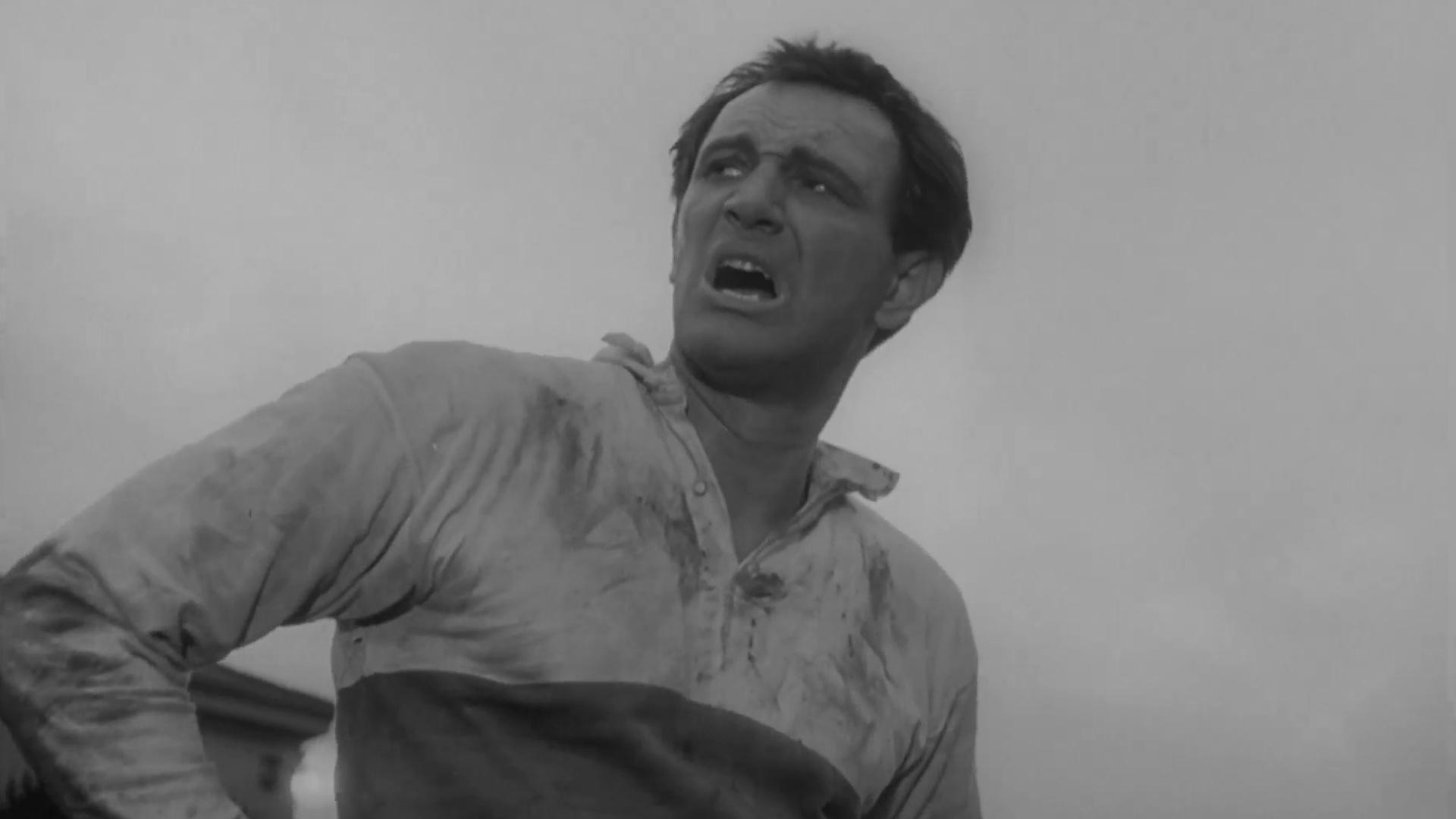
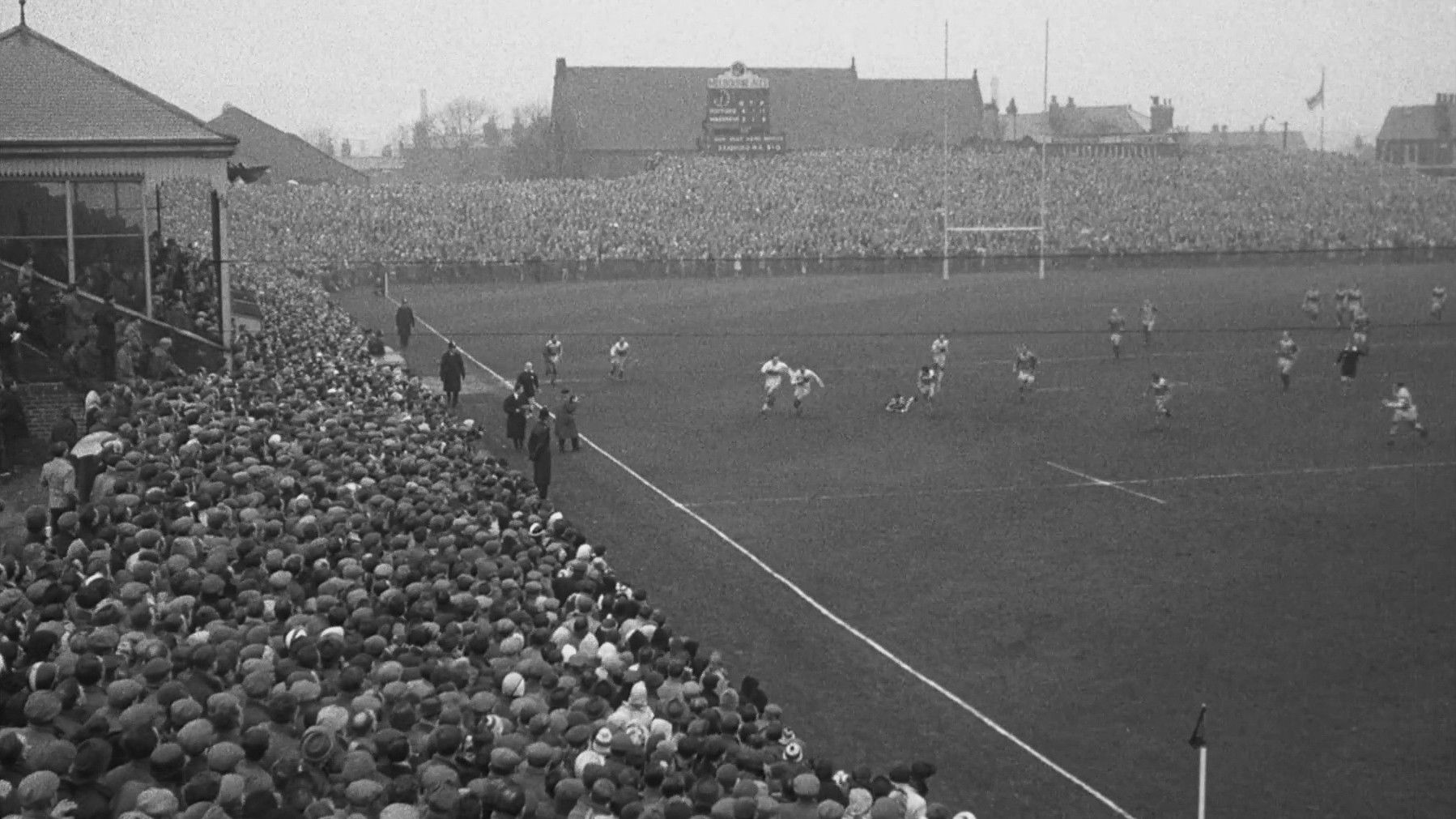
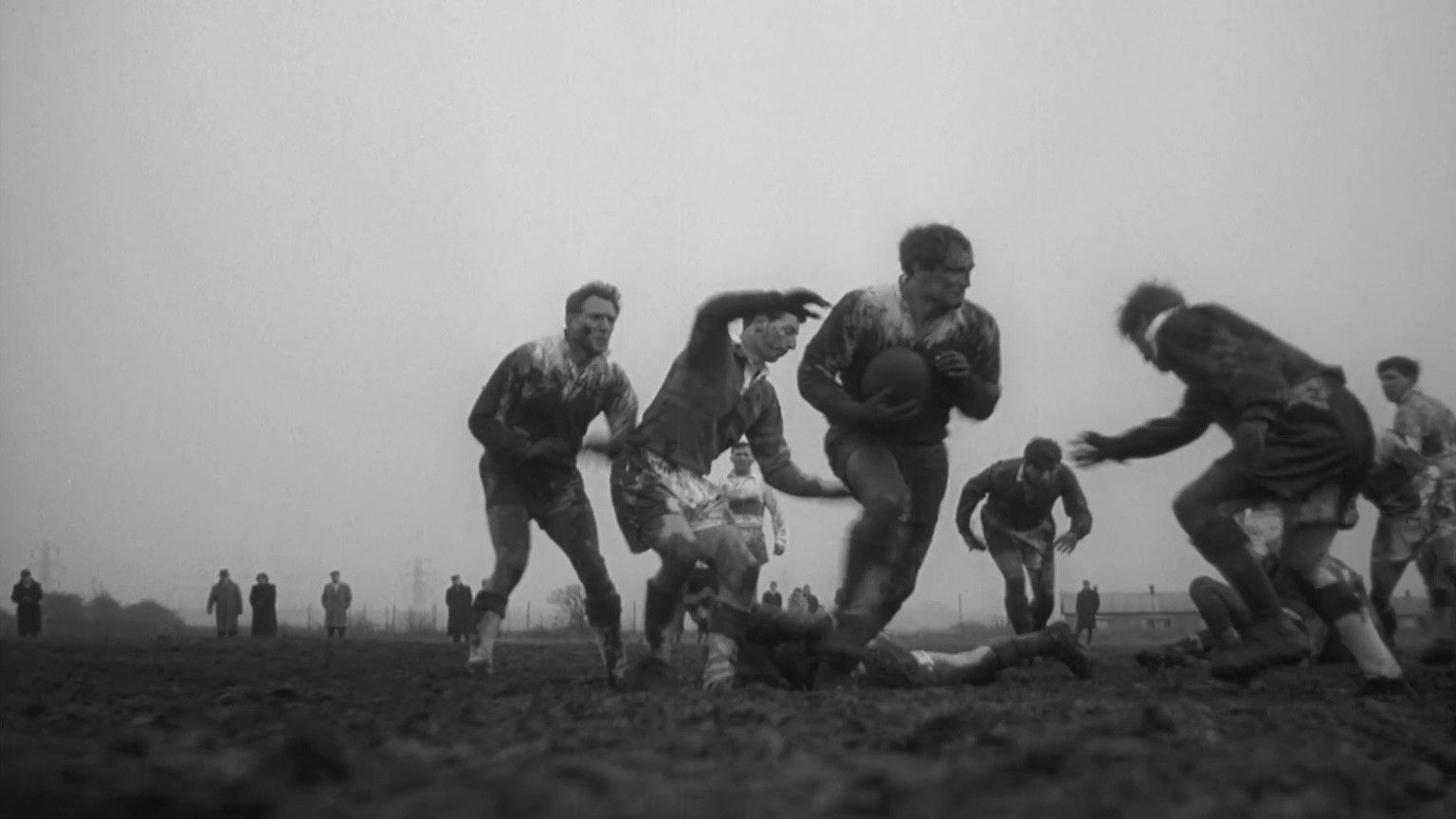
With the various labor unions of American professional sports having become a racket of billionaire owners, millionaire players, and embarrassed rich petty bourgeois cup-of-coffee players in the past 20 yrs or so this is a fresh breath of air… with all of the present day’s fetishization of amateurism in sports, I think this period has become completely lost to time, a time when proletarian city athletes became professional and professional athletes had the same unified leverage against owners as their brethren in the mines… but all of this is an undercurrent beneath a gripping (Christmas?) drama that visually reveals the social alienation, physicality, and coldness that coincides with ascendancy
It’s really fucking gay, it turns sports into a means to ‘conserve’ and, at the same time, a respite from those same responsibilities… this is obviously quite universal to labor in a capitalist system, which honestly makes rugby, and its ugly and brutish physicality (and its sheer exteriority to spectators), a perfect medium through which to portray this dichotomy… our protagonist is in an idyllic world when he’s on the field, he wants that feeling everywhere, but he can’t synthesize his tools on the field with the tools necessary to achieve material petty bourgeois status with a landlord wife, even one whose ex-husband was killed by the owner of his rugby team… the path has been paved for him by class violence, he’s using his talents and all of their applications (seen by individuals, coaches, owners, and owners’ wives alike as exceptional) to ride the coattails of the bourgeoisie into a slaughterhouse of dissatisfaction and mediocrity
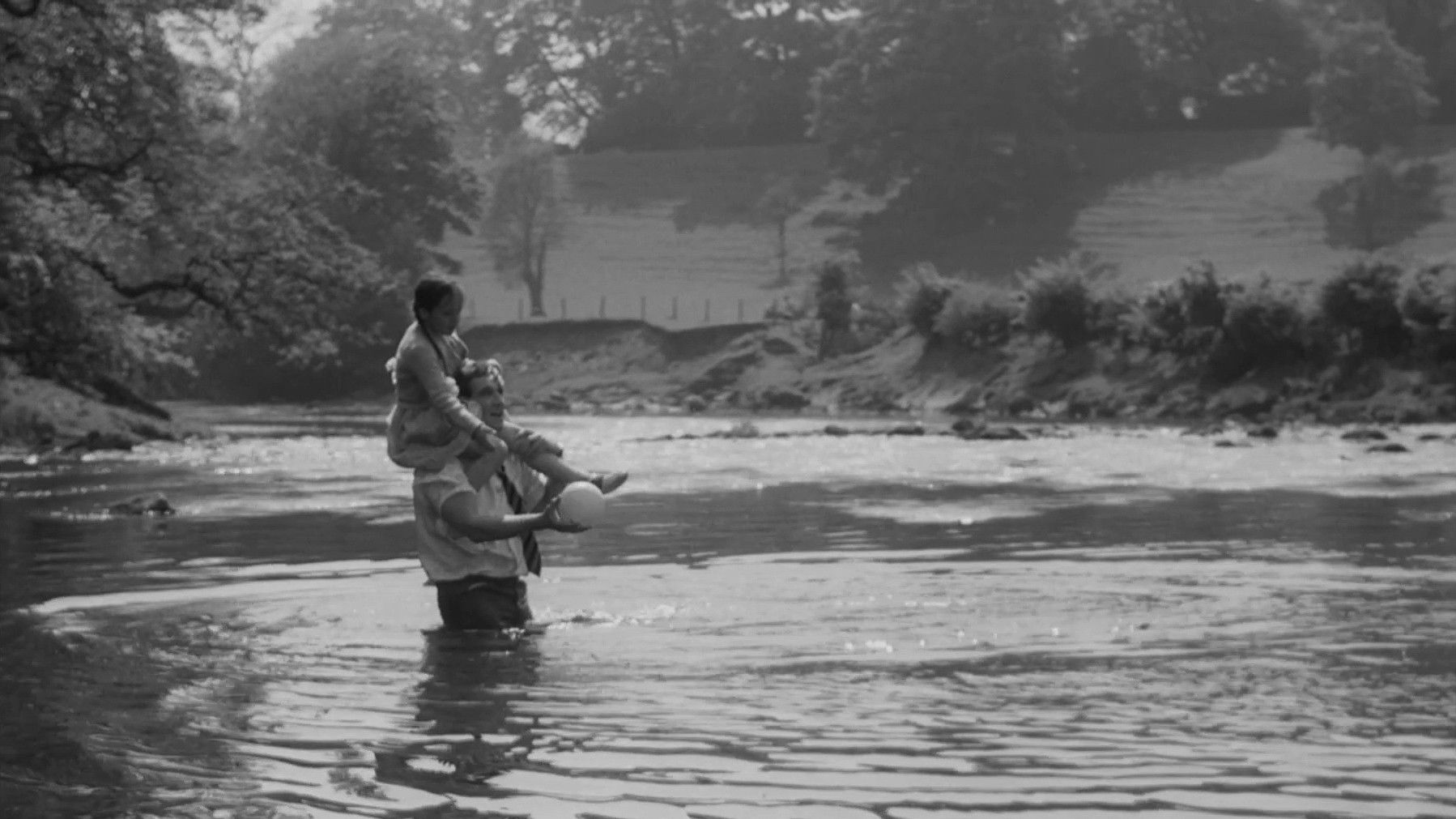
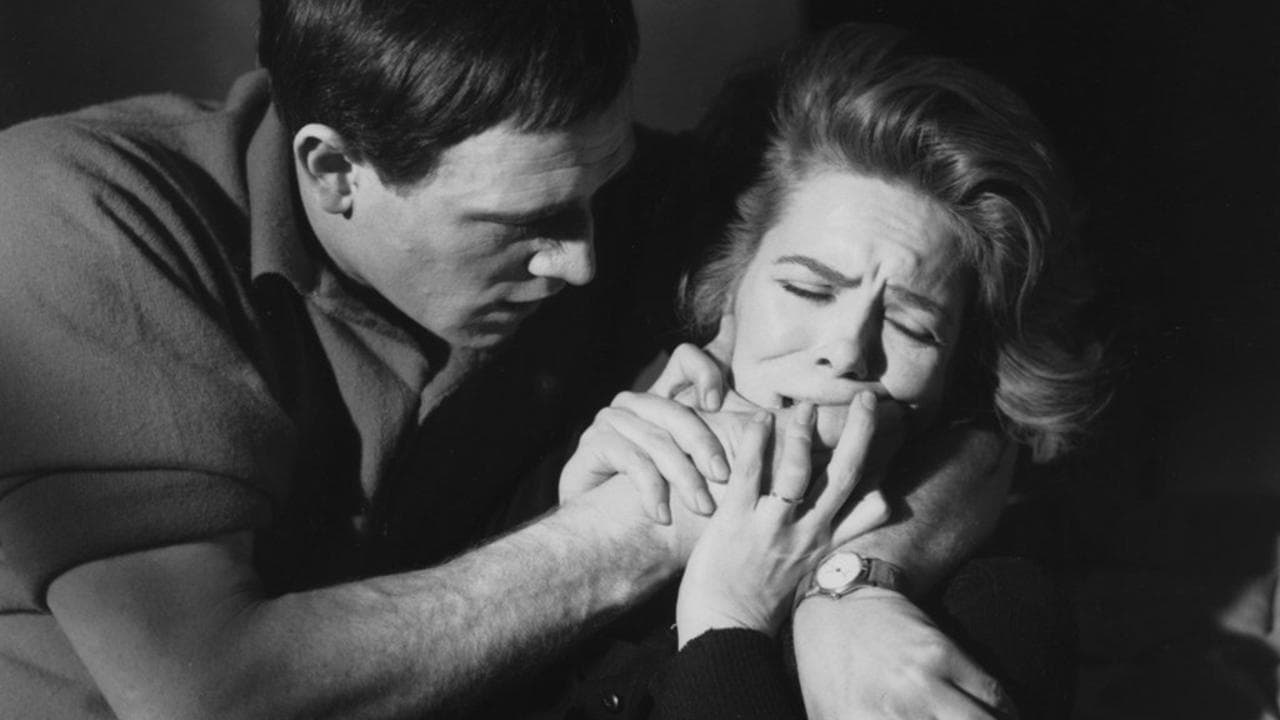
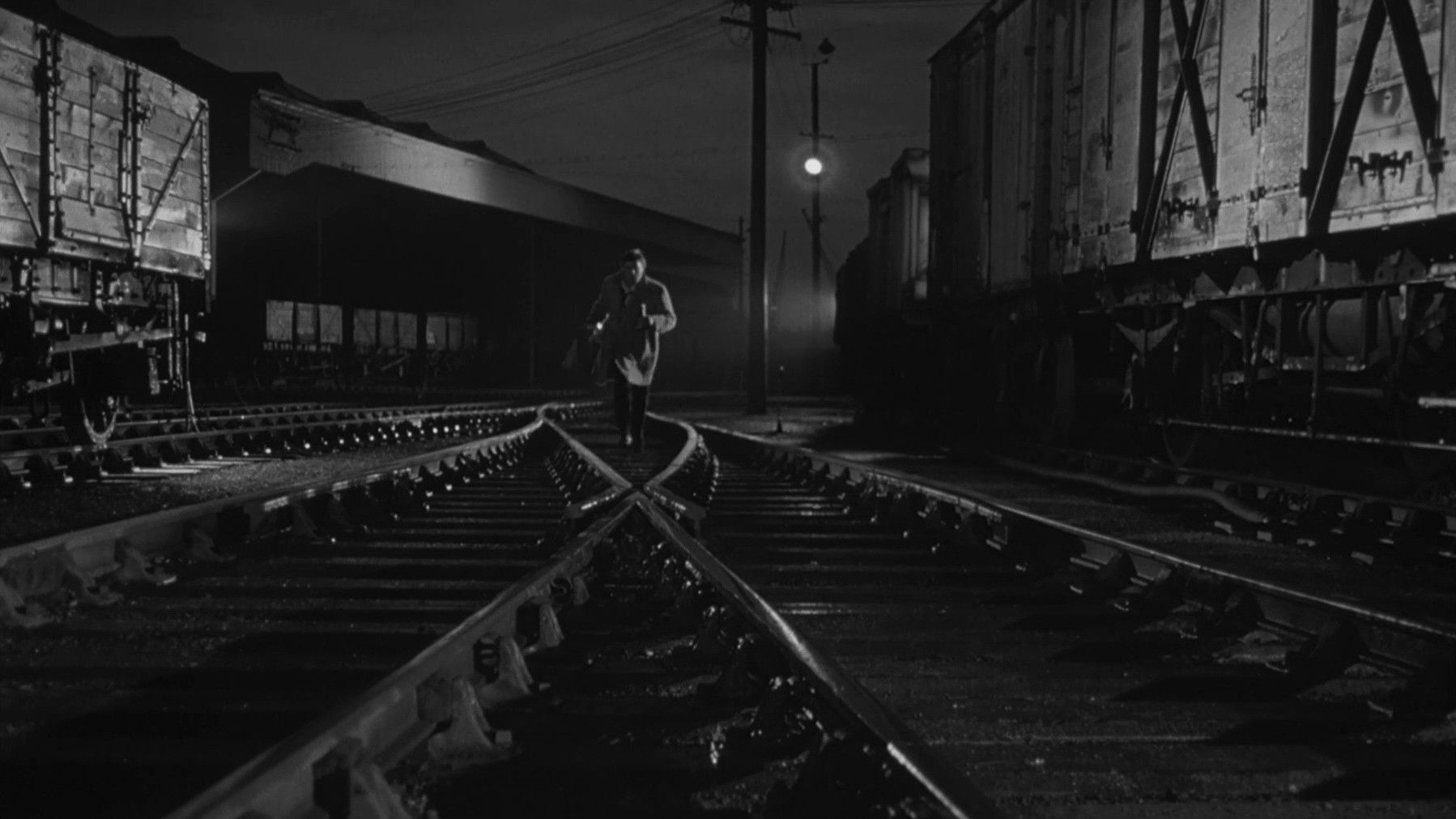
This shit is kinda trippy and it doesn’t even try to be so, it’s best described as solid and composed, but it’s an enigma at the same time… images interact in the right ways but sometimes (in the first half) the order of the story is completely lost, and this sequencing gives the film a moody disposition, quasi-vignettes connected only by tones and forms… yet, every time it feels a little out of touch it reels you back in with a major slice of humble pie… “so it’s British Raging Bull?” “Yes it’s British Raging Bull”
With the various labor unions of American professional sports having become a racket of billionaire owners, millionaire players, and embarrassed rich petty bourgeois cup-of-coffee players in the past 20 yrs or so this is a fresh breath of air… with all of the present day’s fetishization of amateurism in sports, I think this period has become completely lost to time, a time when proletarian city athletes became professional and professional athletes had the same unified leverage against owners as their brethren in the mines… but all of this is an undercurrent beneath a gripping (Christmas?) drama that visually reveals the social alienation, physicality, and coldness that coincides with ascendancy
It’s really fucking gay, it turns sports into a means to ‘conserve’ and, at the same time, a respite from those same responsibilities… this is obviously quite universal to labor in a capitalist system, which honestly makes rugby, and its ugly and brutish physicality (and its sheer exteriority to spectators), a perfect medium through which to portray this dichotomy… our protagonist is in an idyllic world when he’s on the field, he wants that feeling everywhere, but he can’t synthesize his tools on the field with the tools necessary to achieve material petty bourgeois status with a landlord wife, even one whose ex-husband was killed by the owner of his rugby team… the path has been paved for him by class violence, he’s using his talents and all of their applications (seen by individuals, coaches, owners, and owners’ wives alike as exceptional) to ride the coattails of the bourgeoisie into a slaughterhouse of dissatisfaction and mediocrity
This shit is kinda trippy and it doesn’t even try to be so, it’s best described as solid and composed, but it’s an enigma at the same time… images interact in the right ways but sometimes (in the first half) the order of the story is completely lost, and this sequencing gives the film a moody disposition, quasi-vignettes connected only by tones and forms… yet, every time it feels a little out of touch it reels you back in with a major slice of humble pie… “so it’s British Raging Bull?” “Yes it’s British Raging Bull”