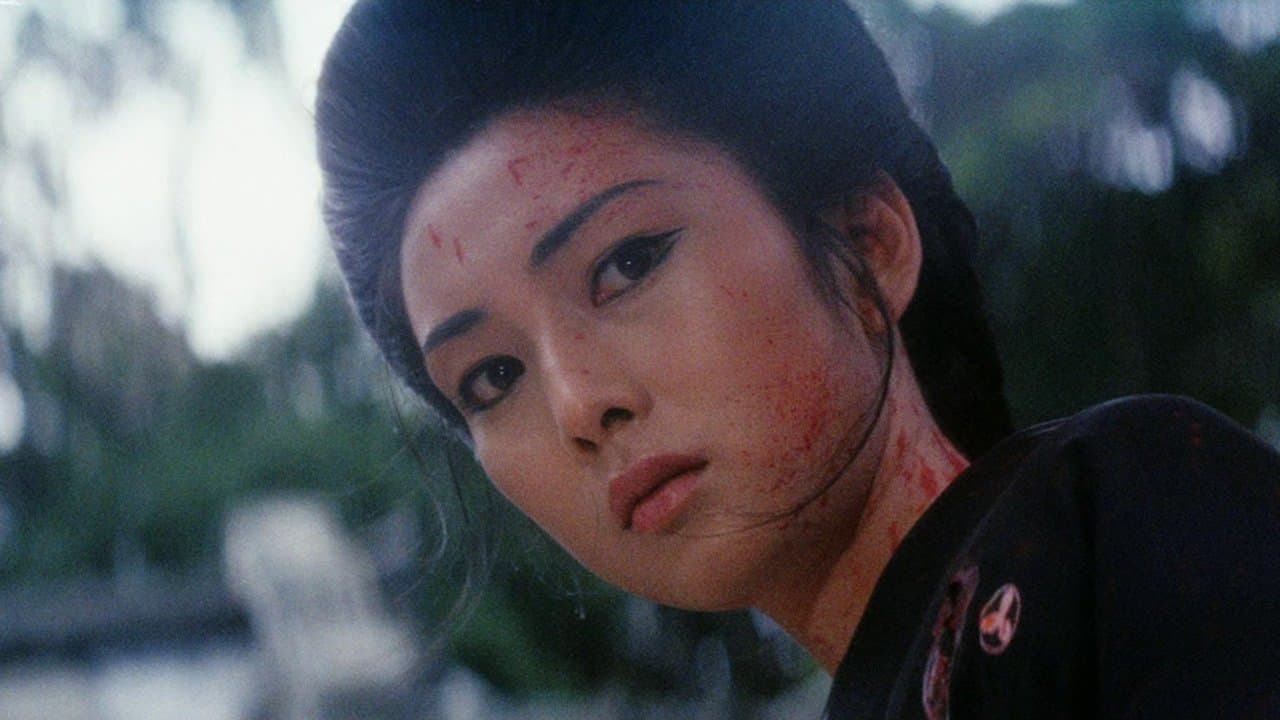
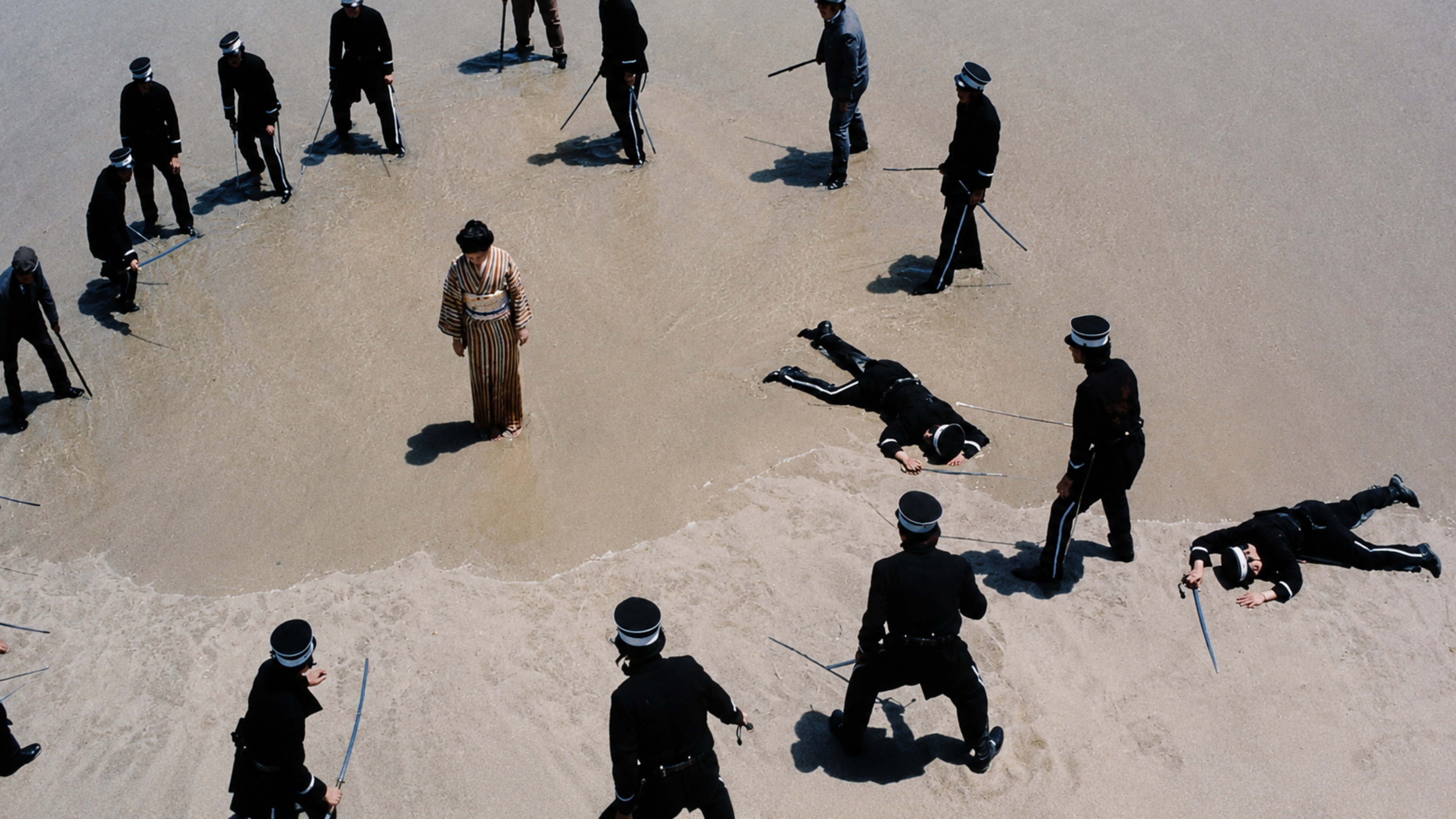
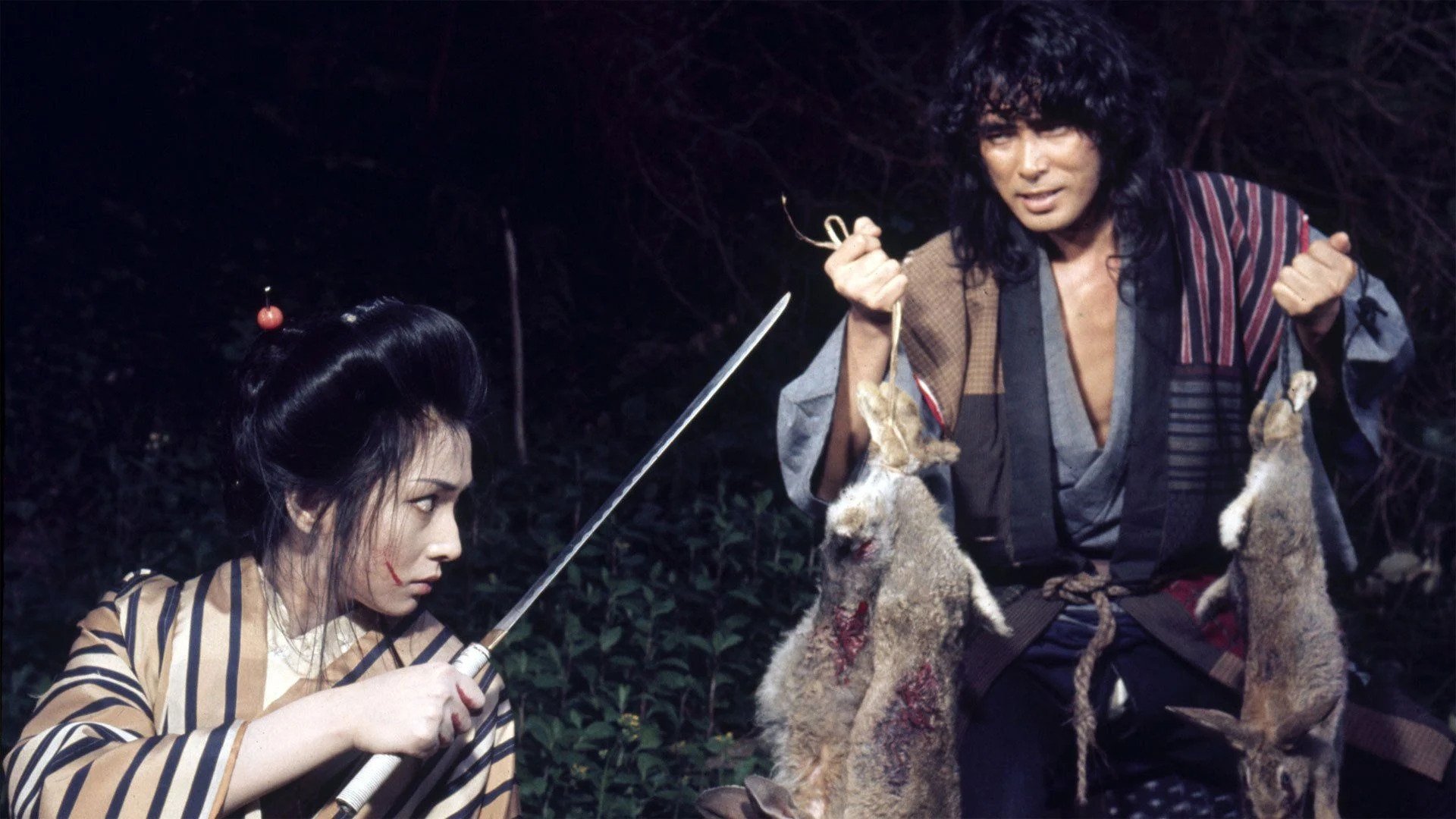
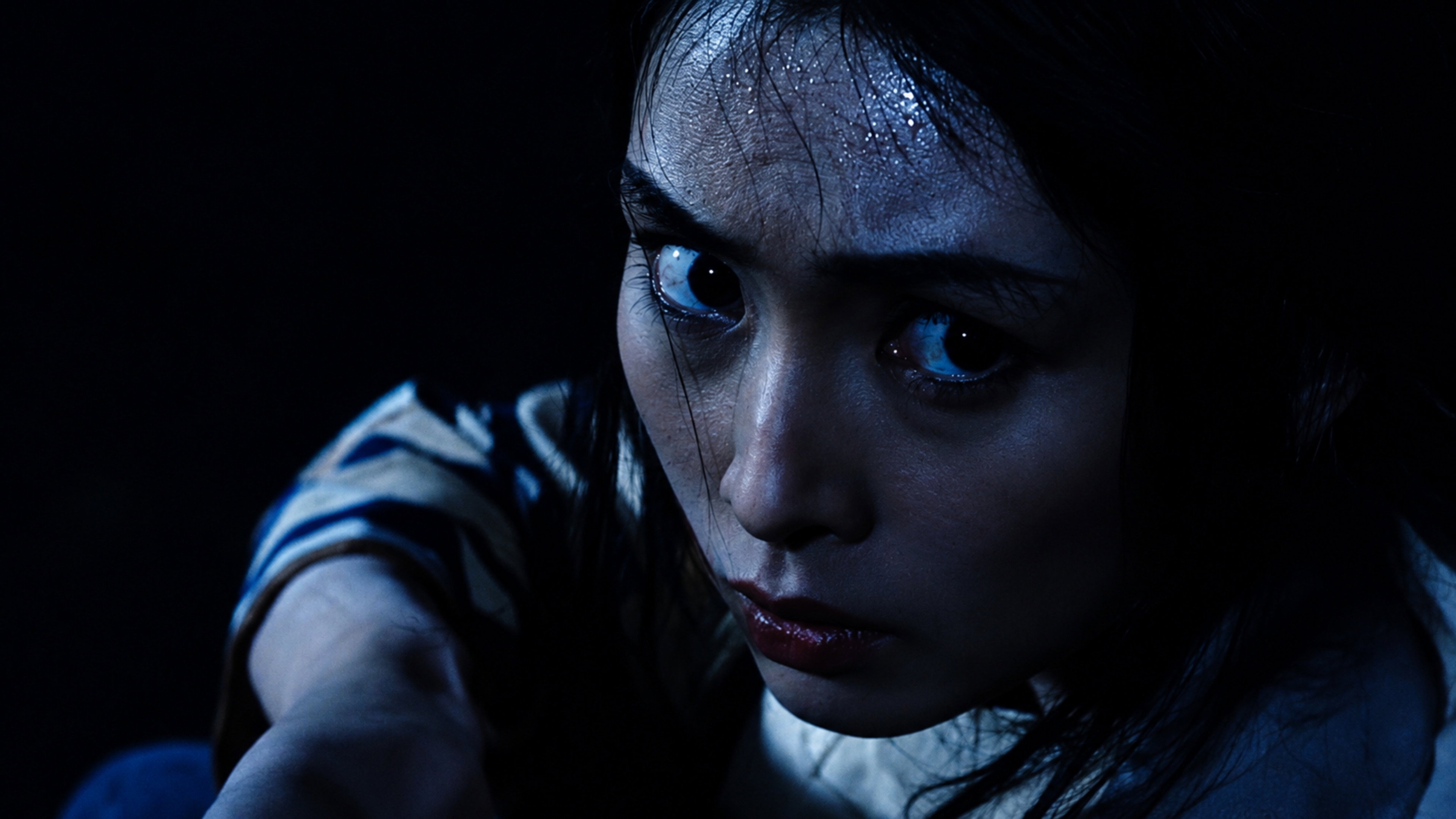
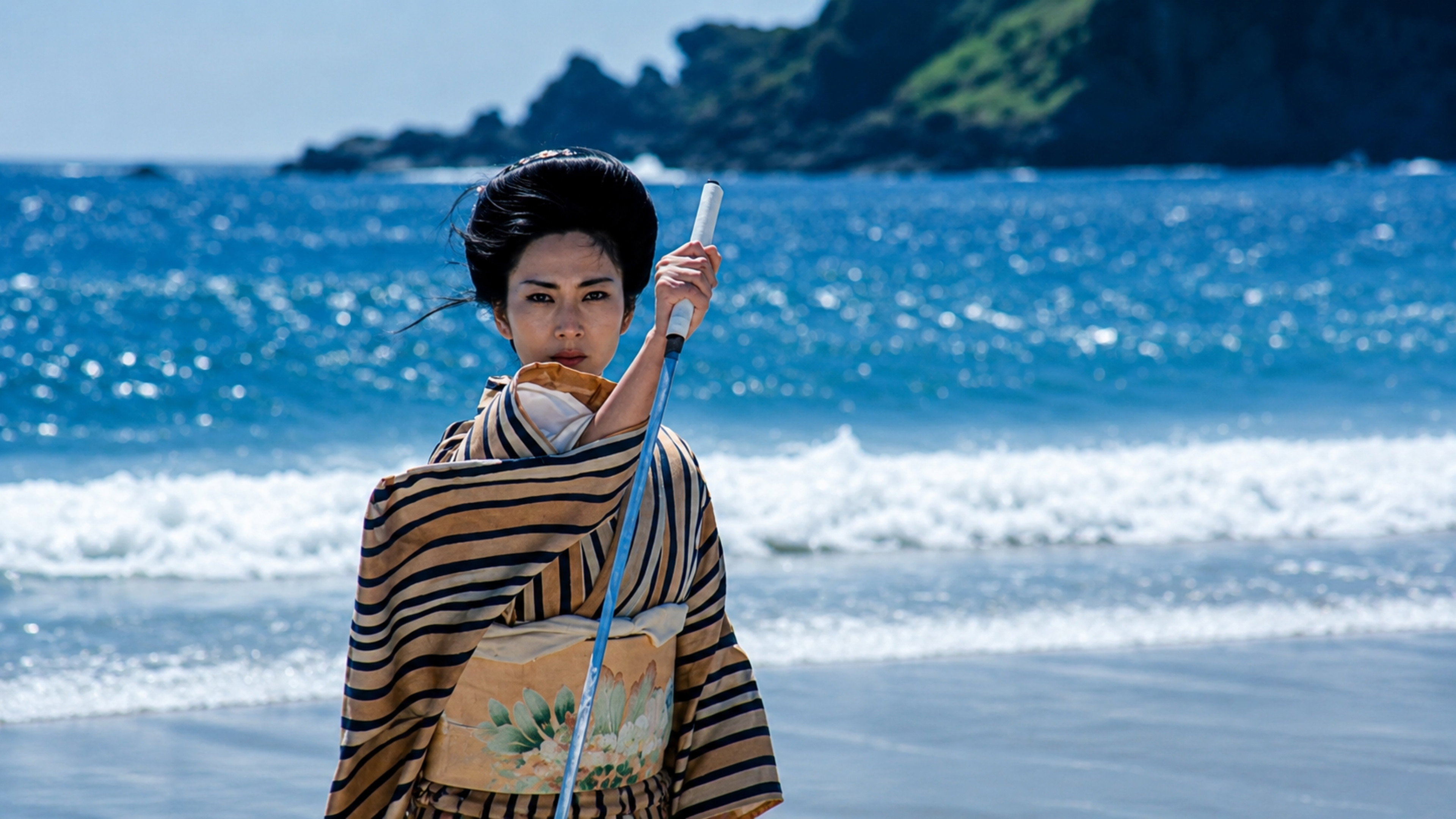
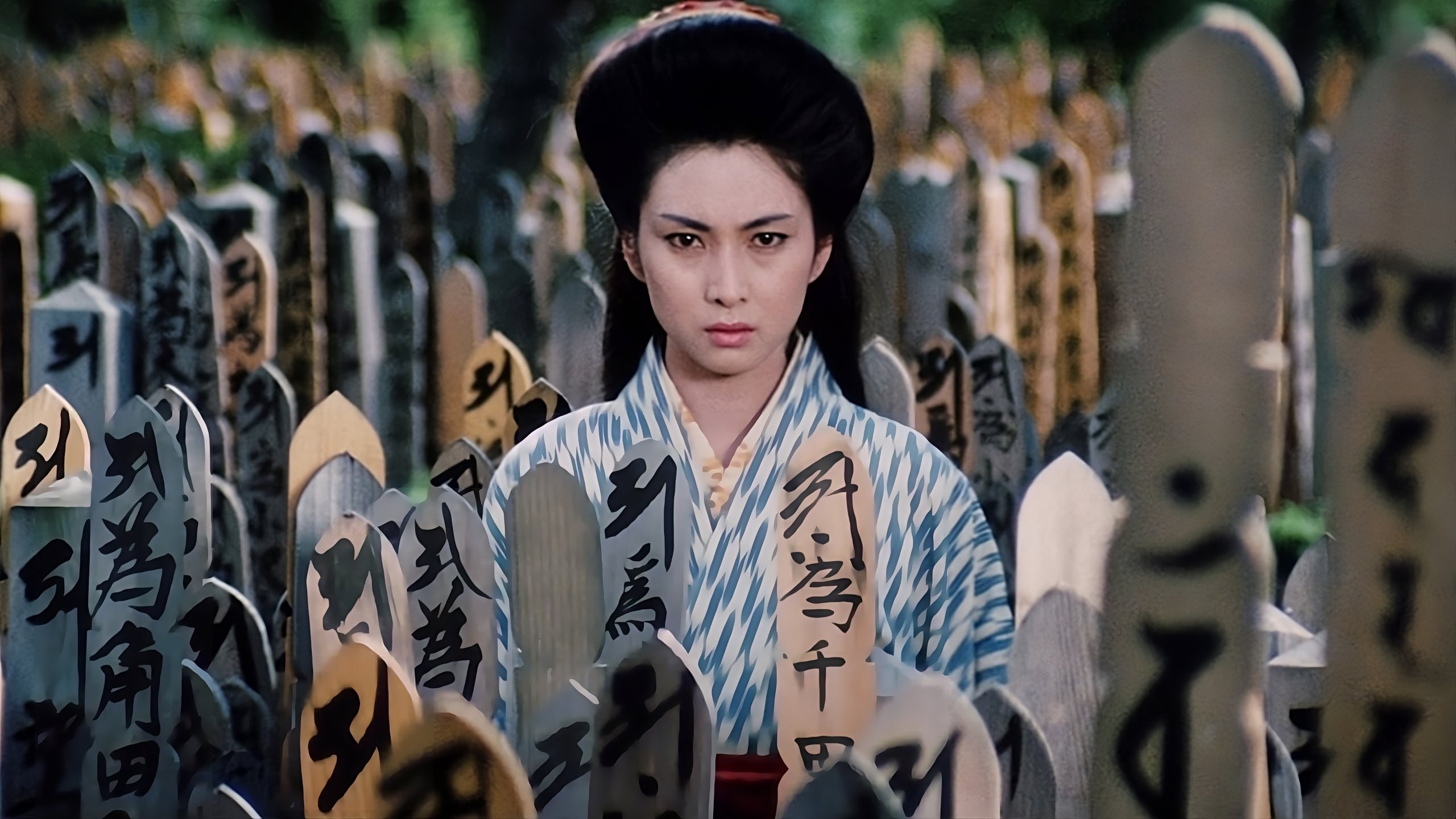
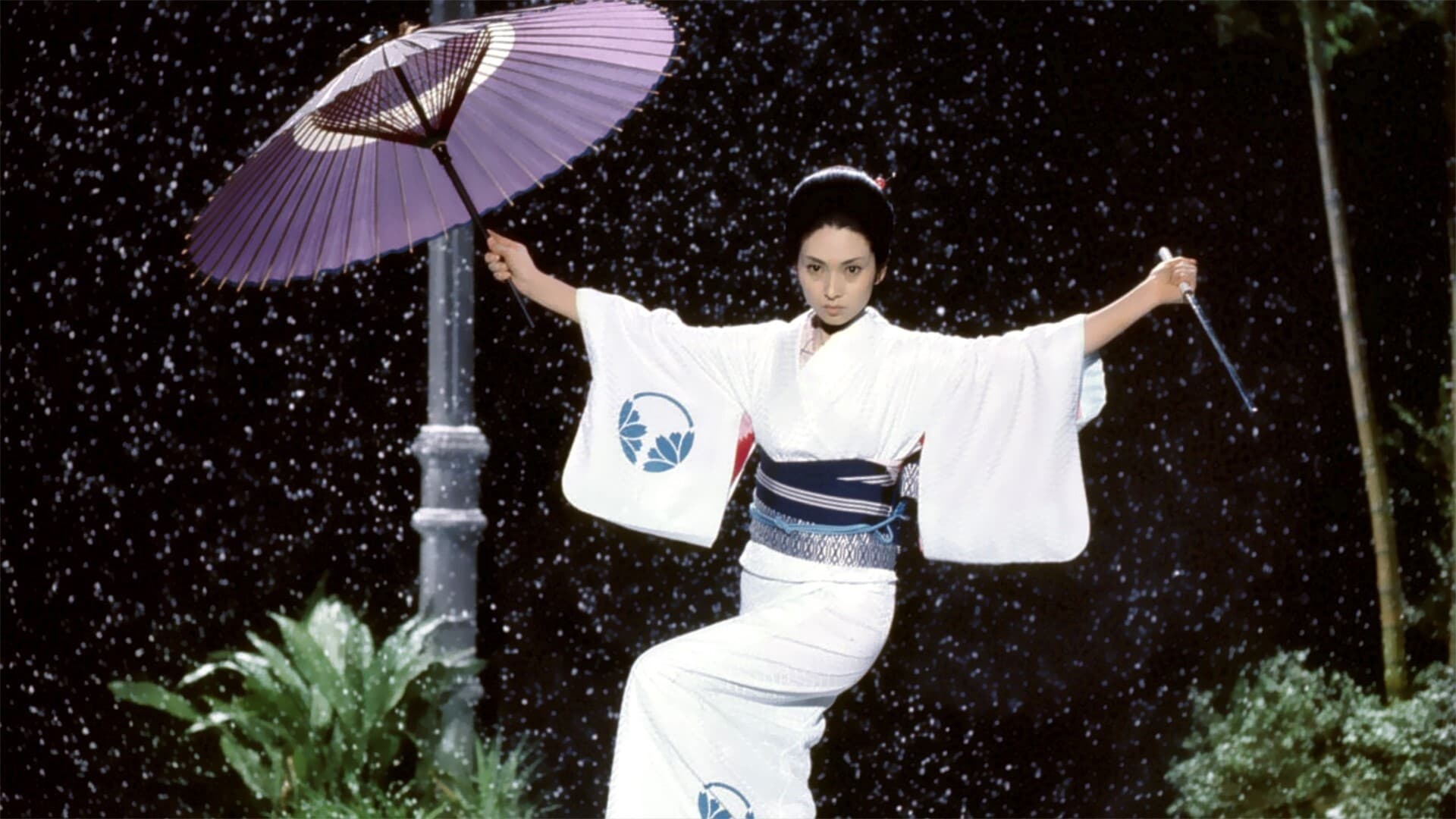
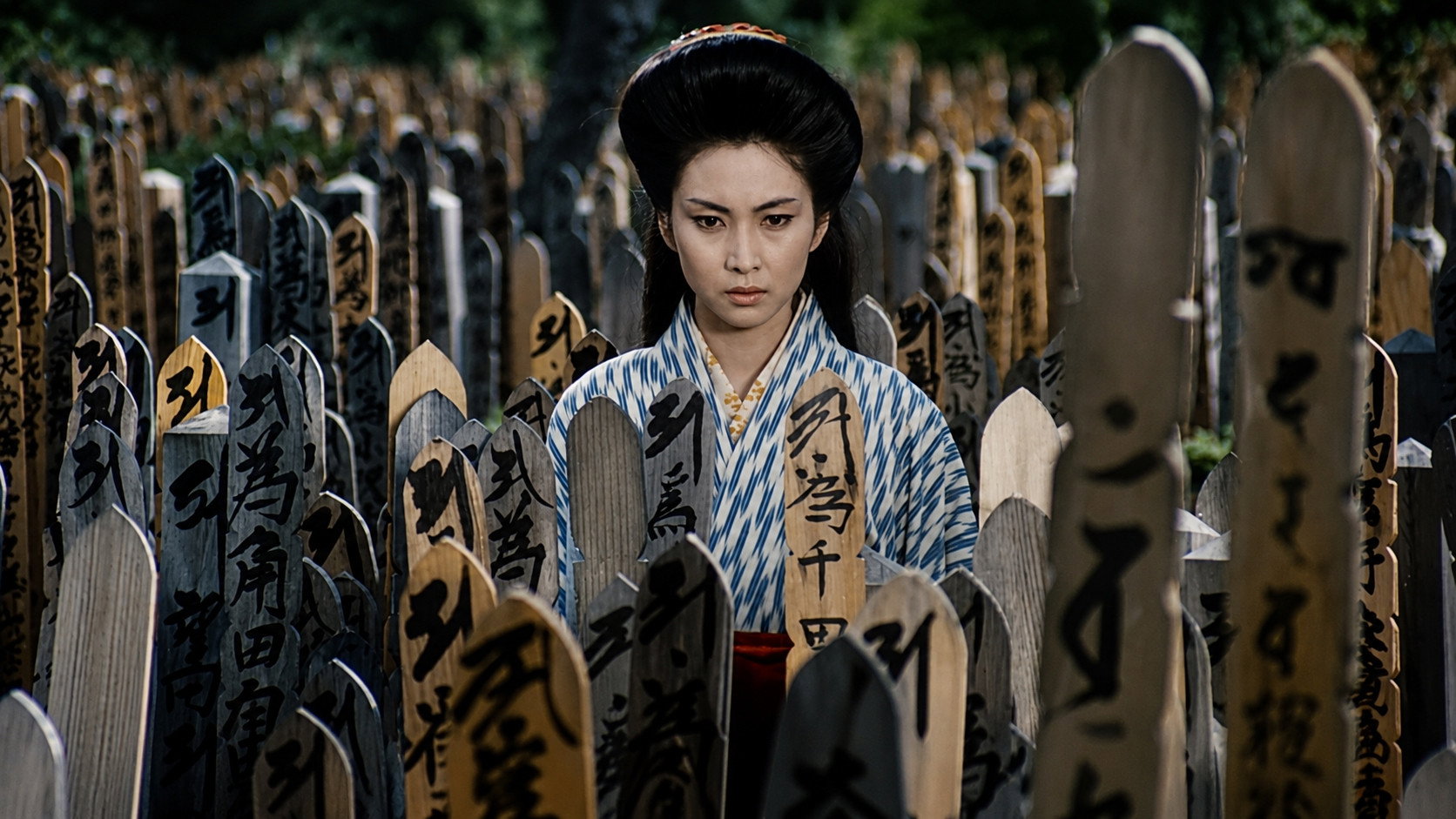
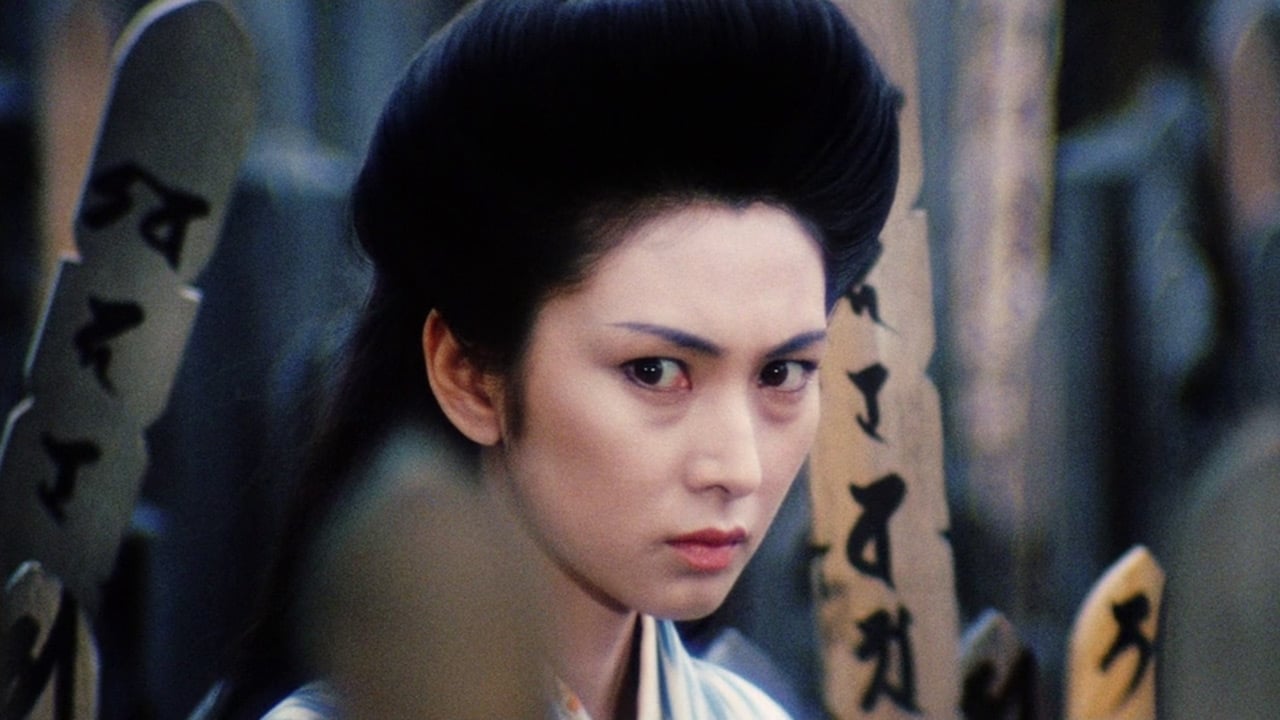
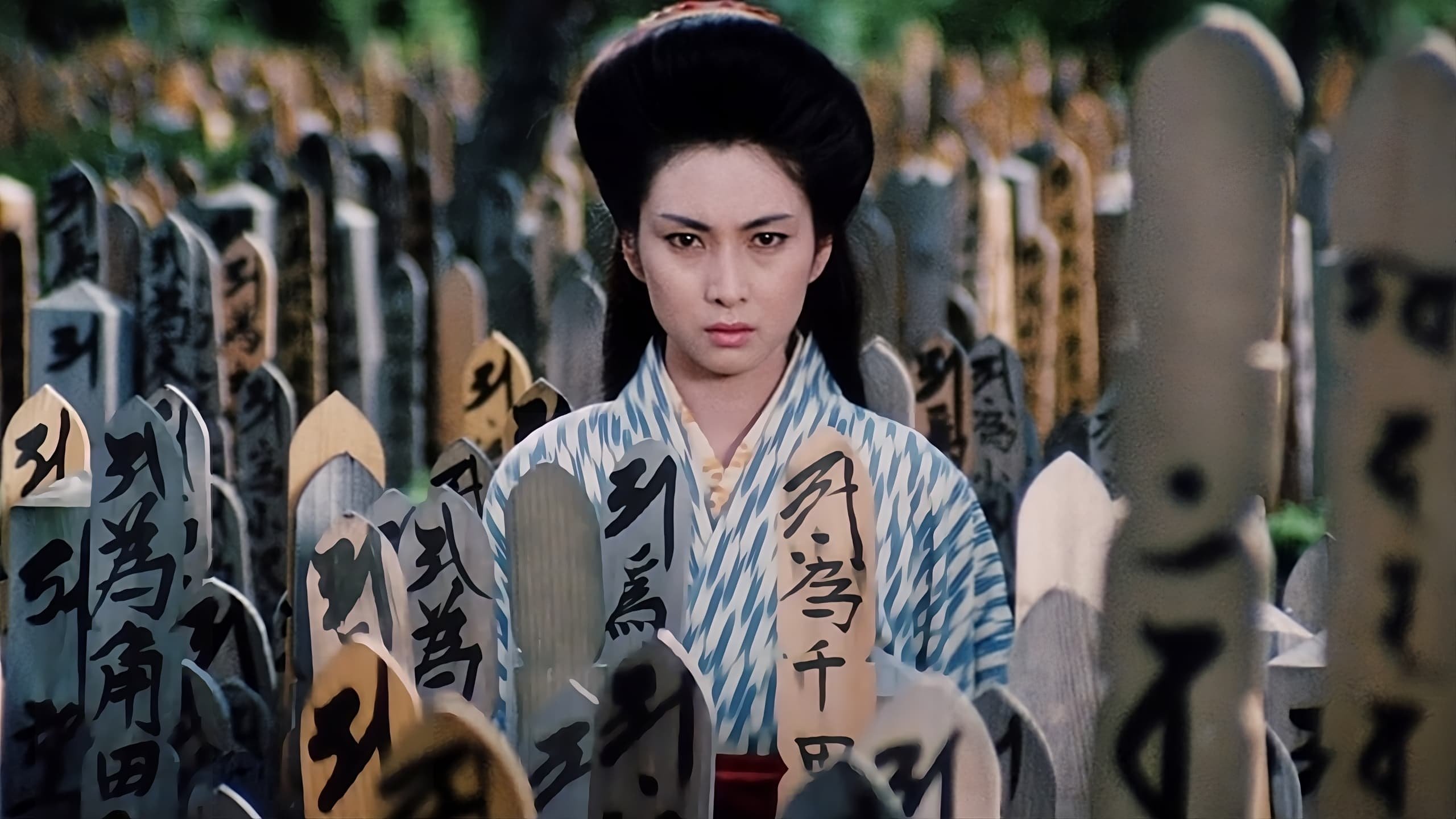
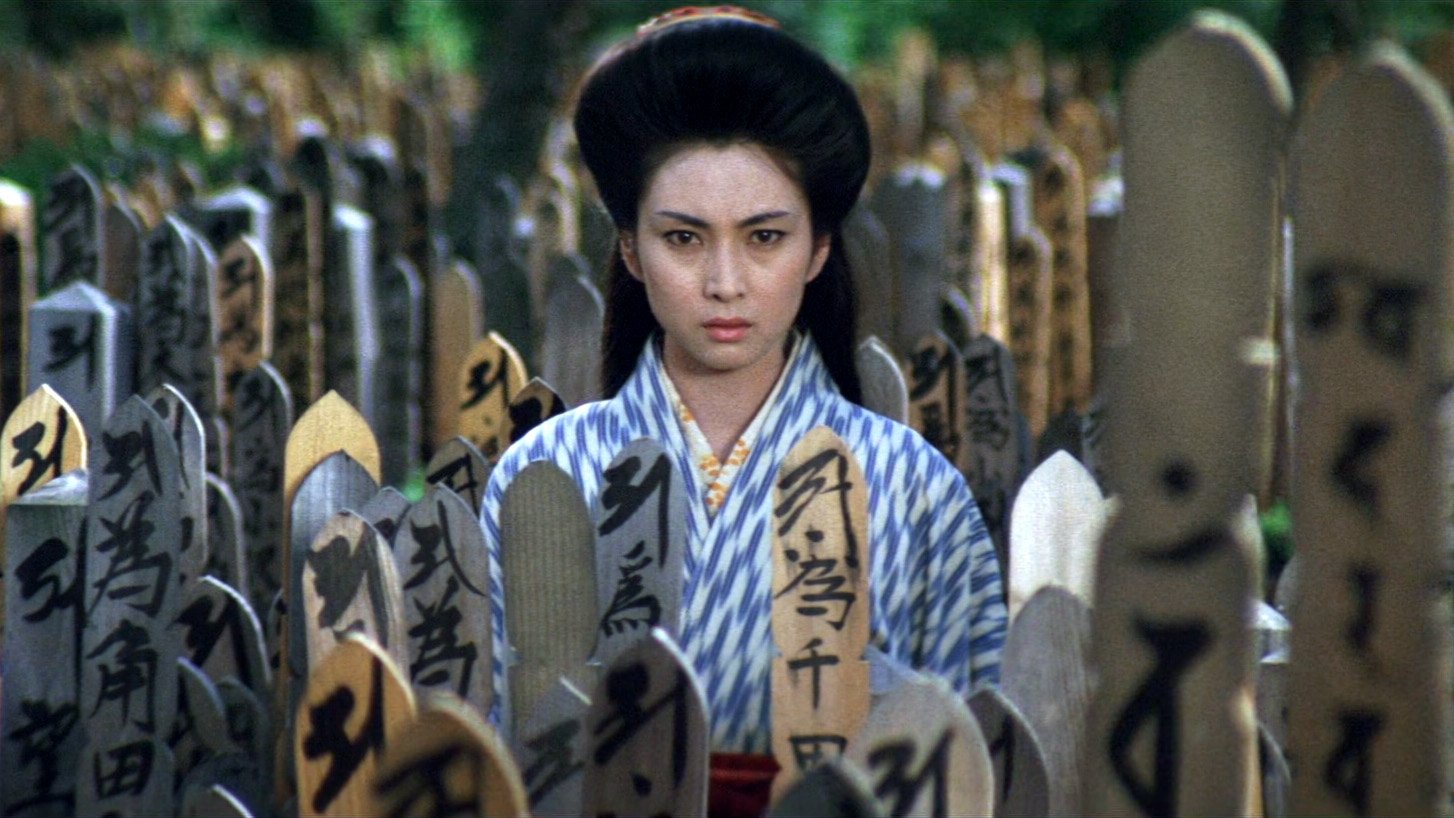
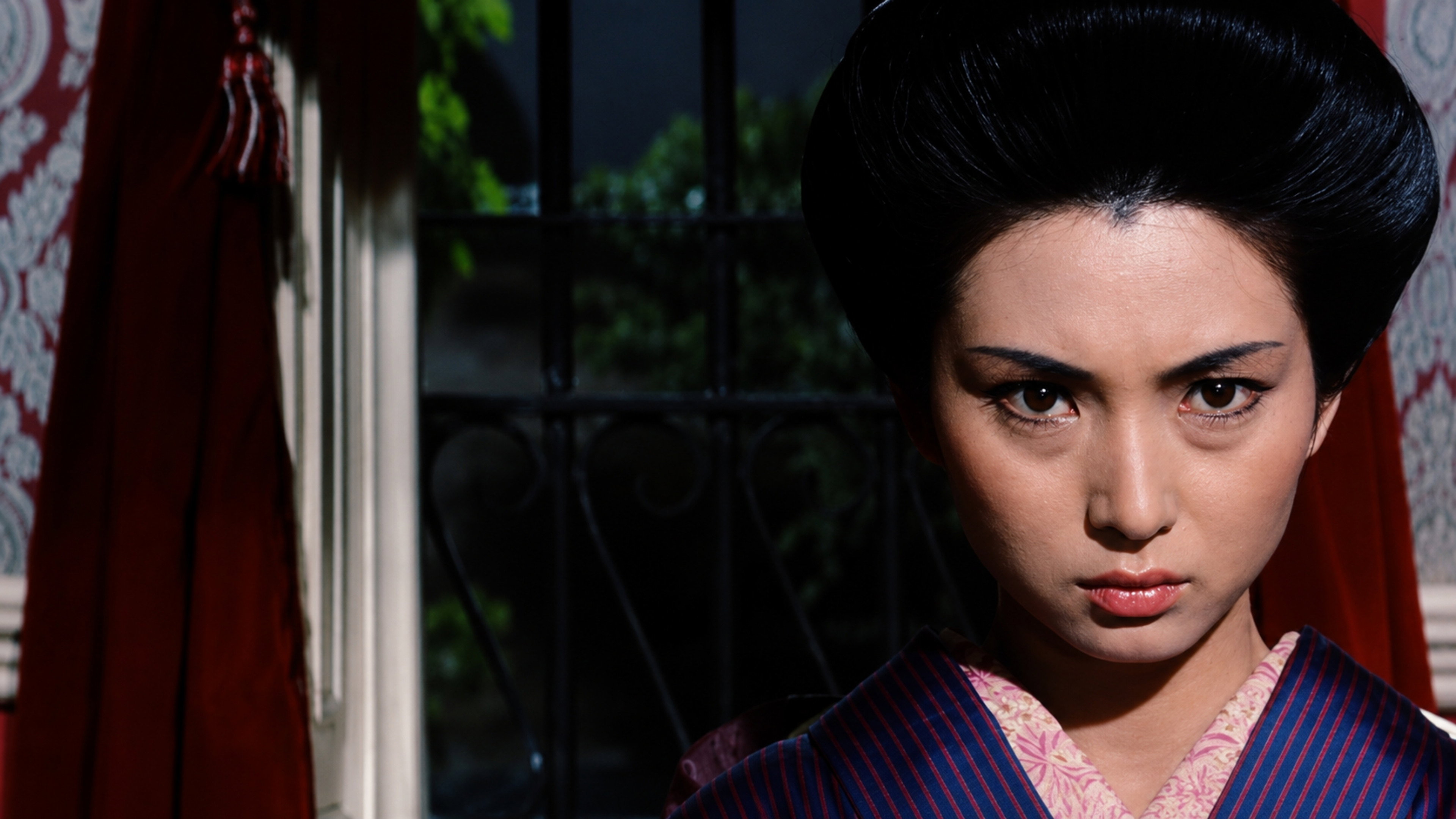
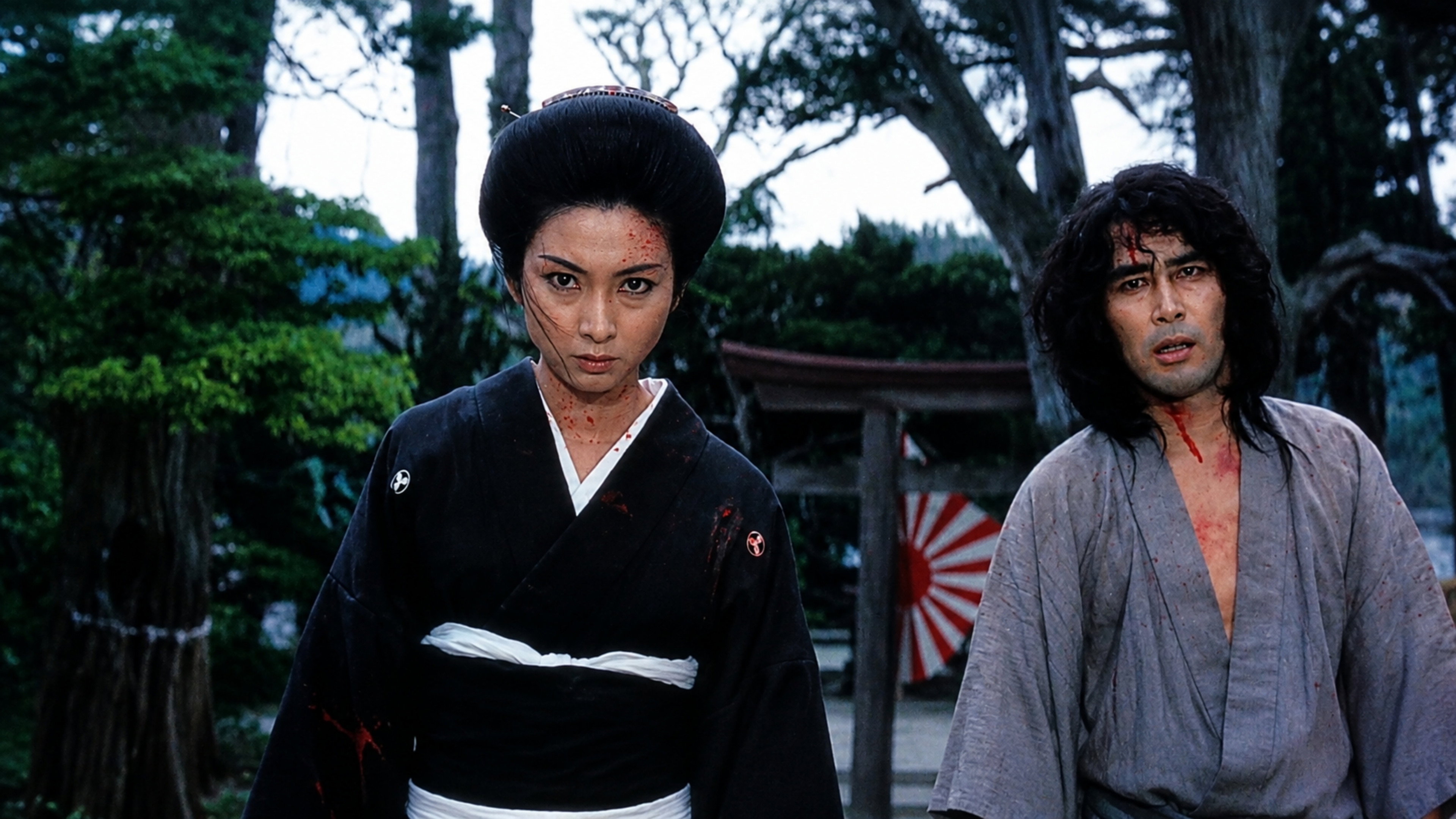
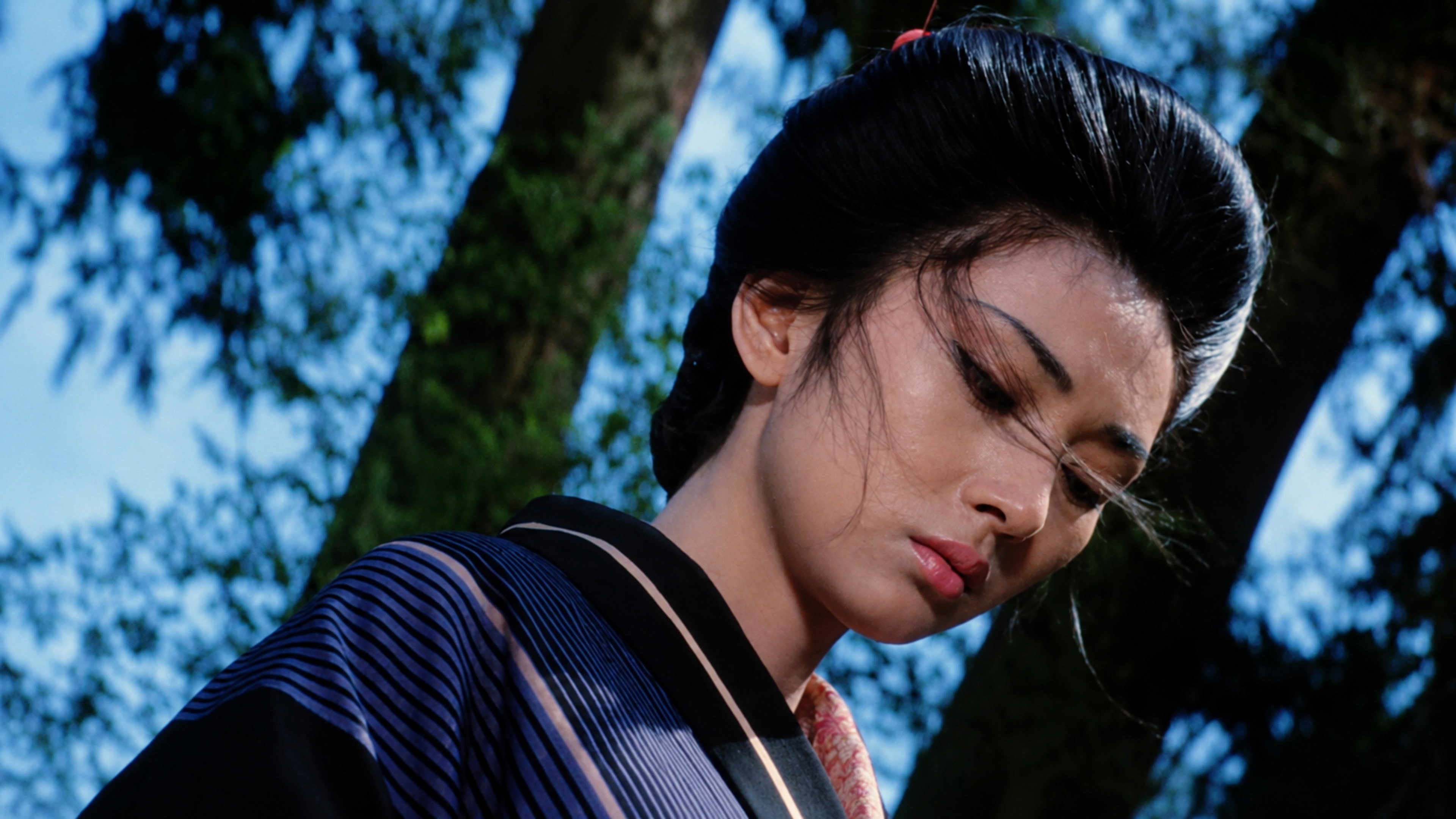
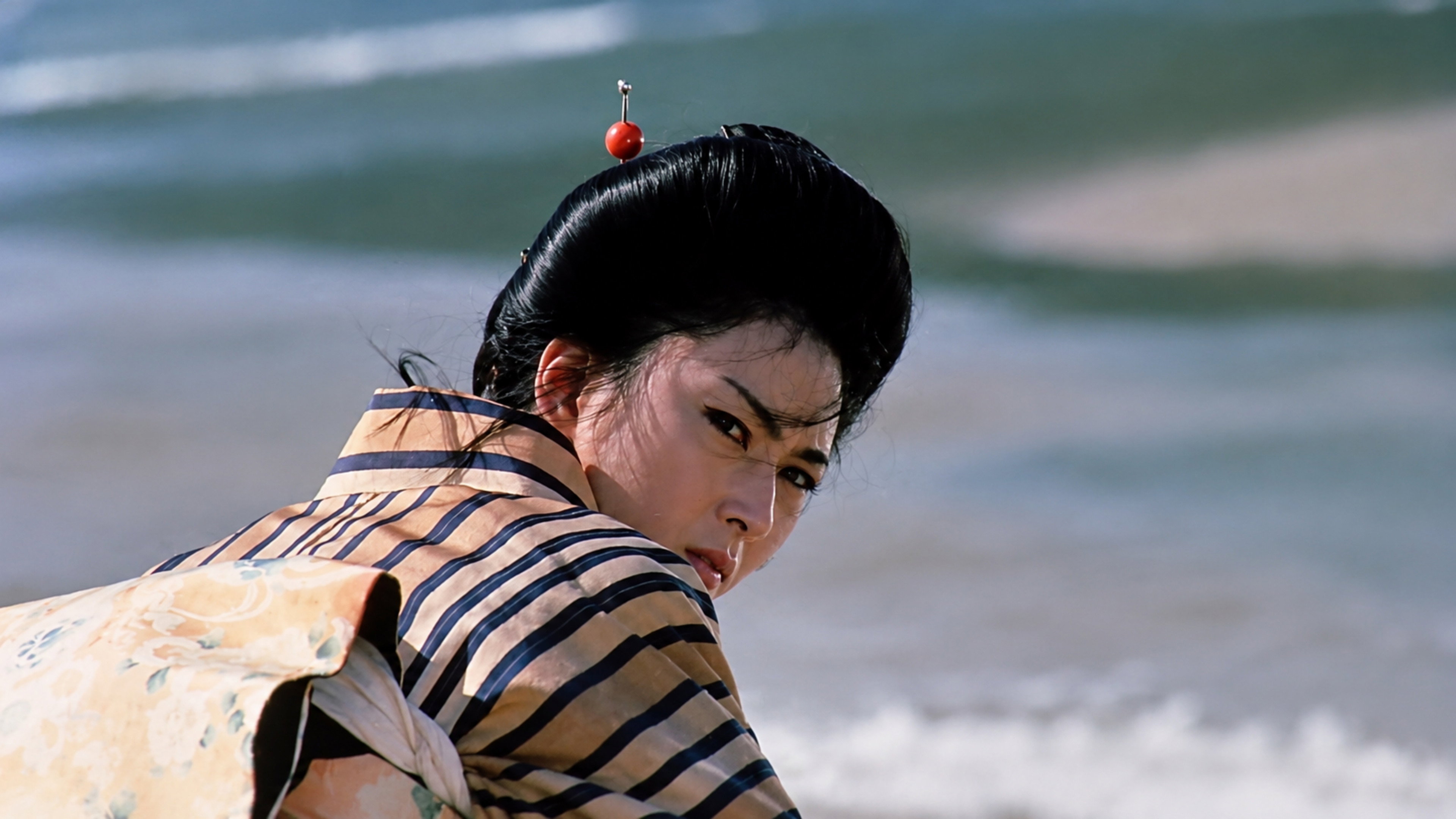
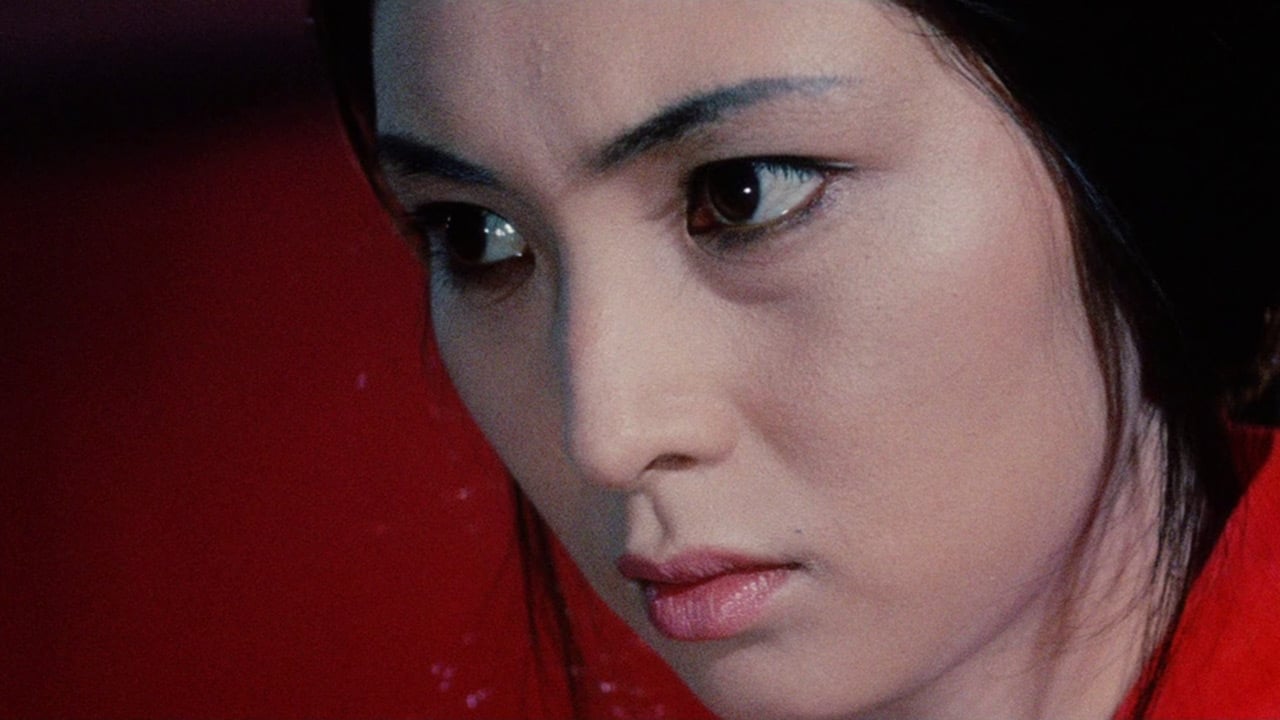
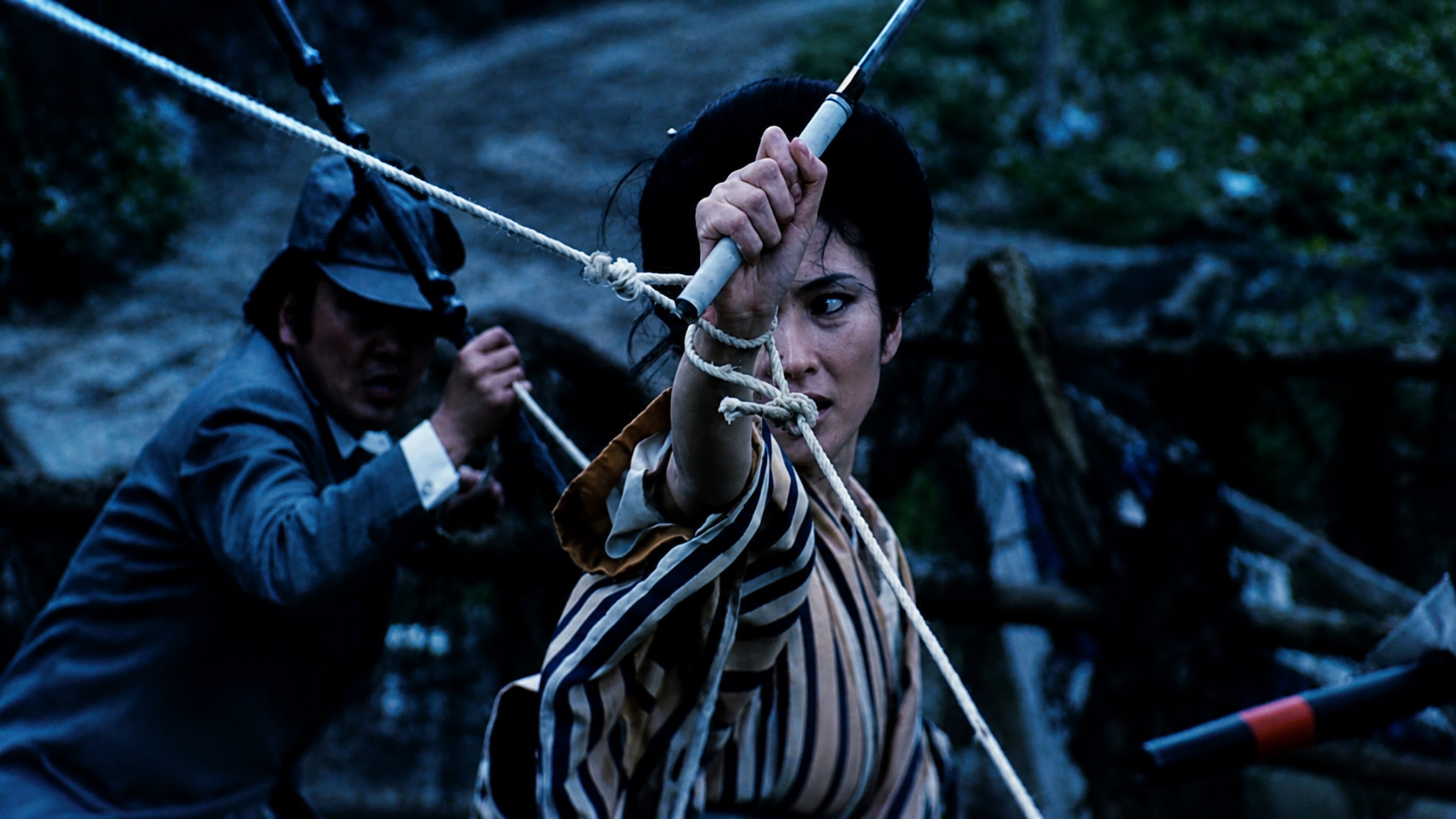
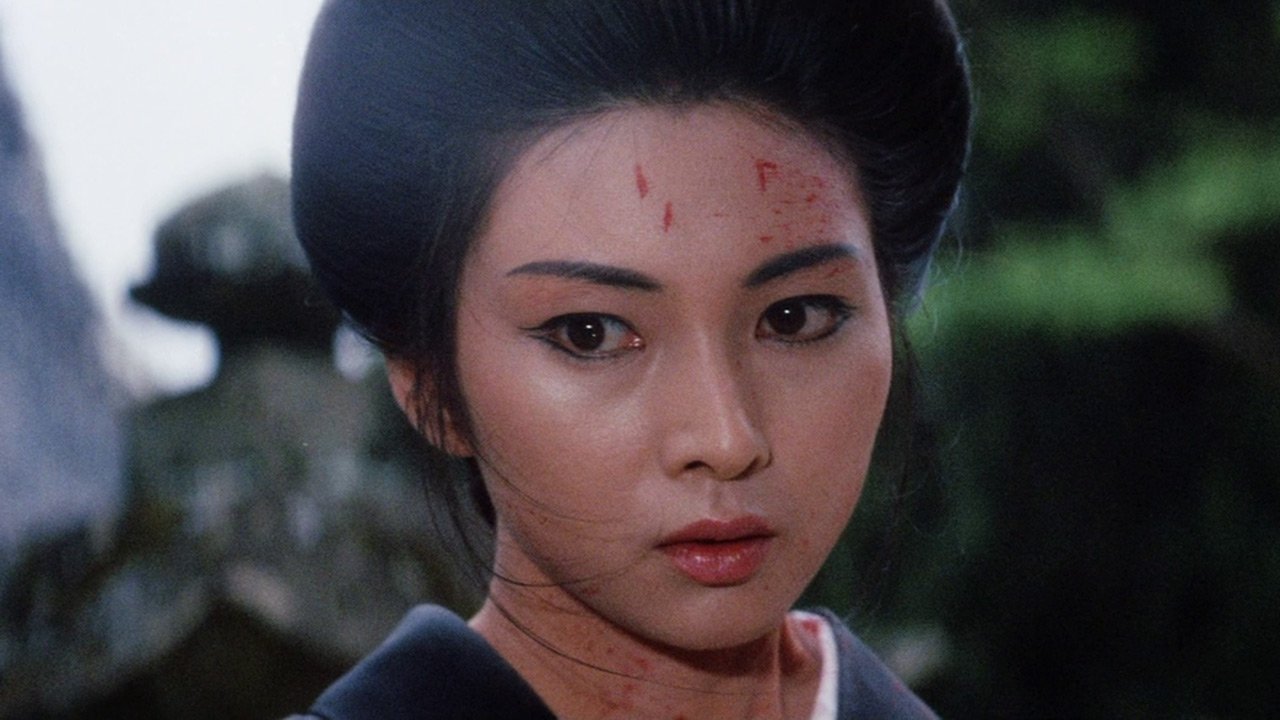
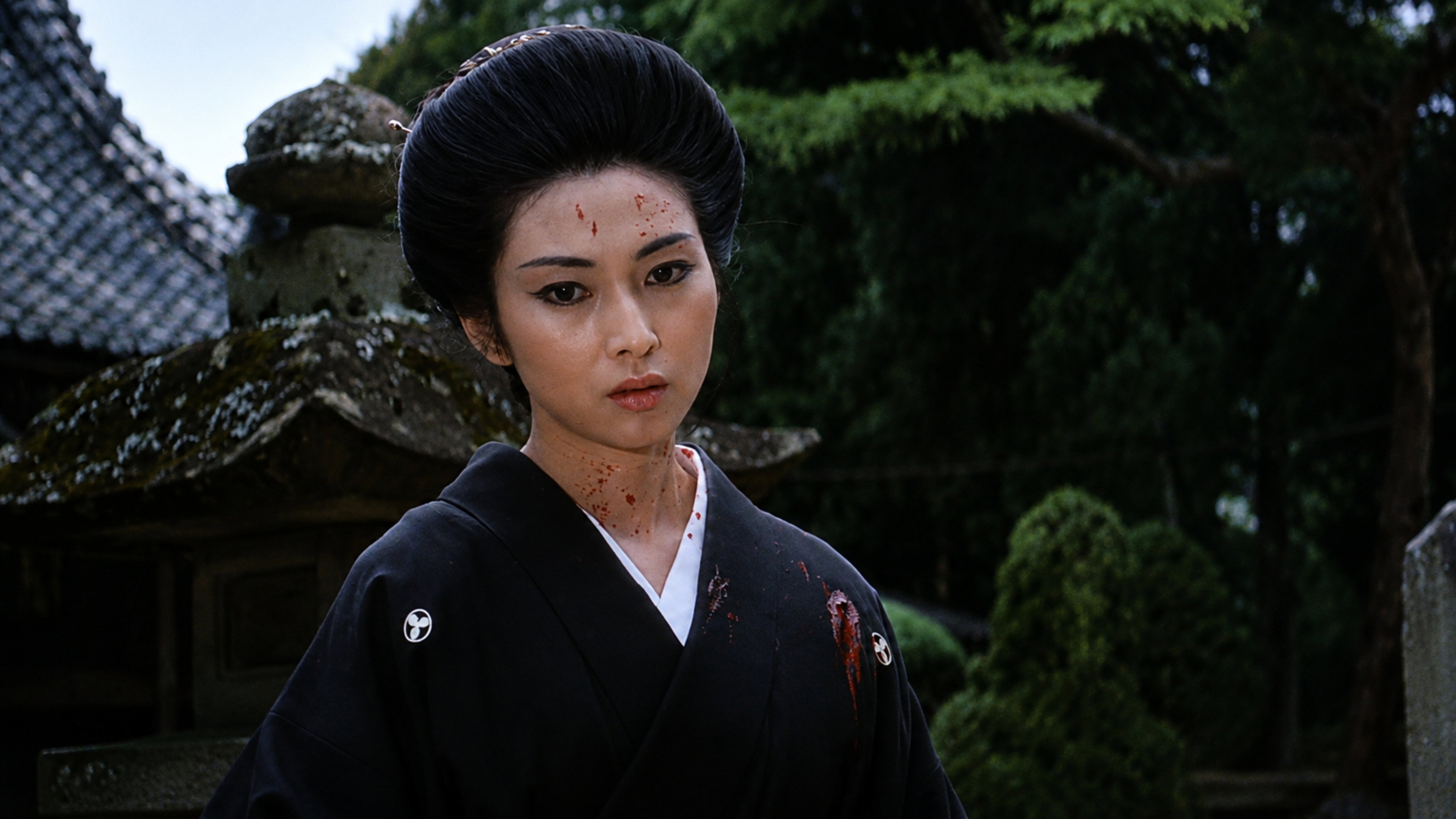
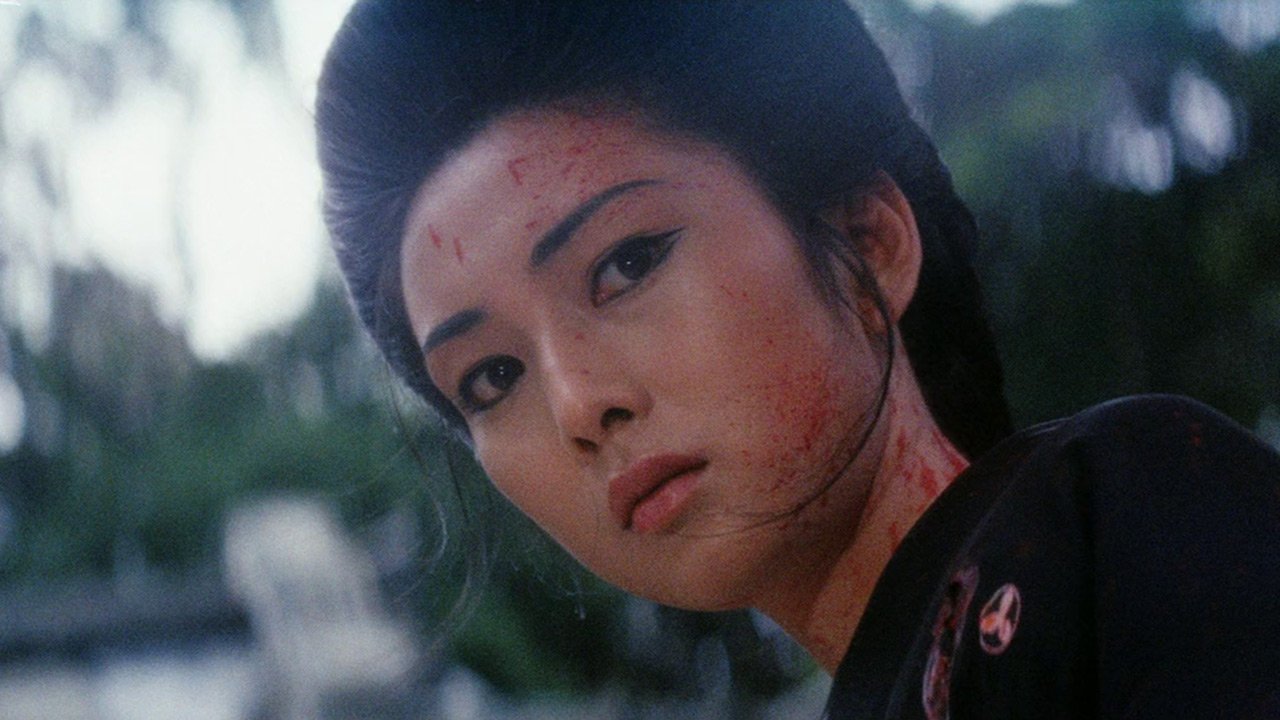
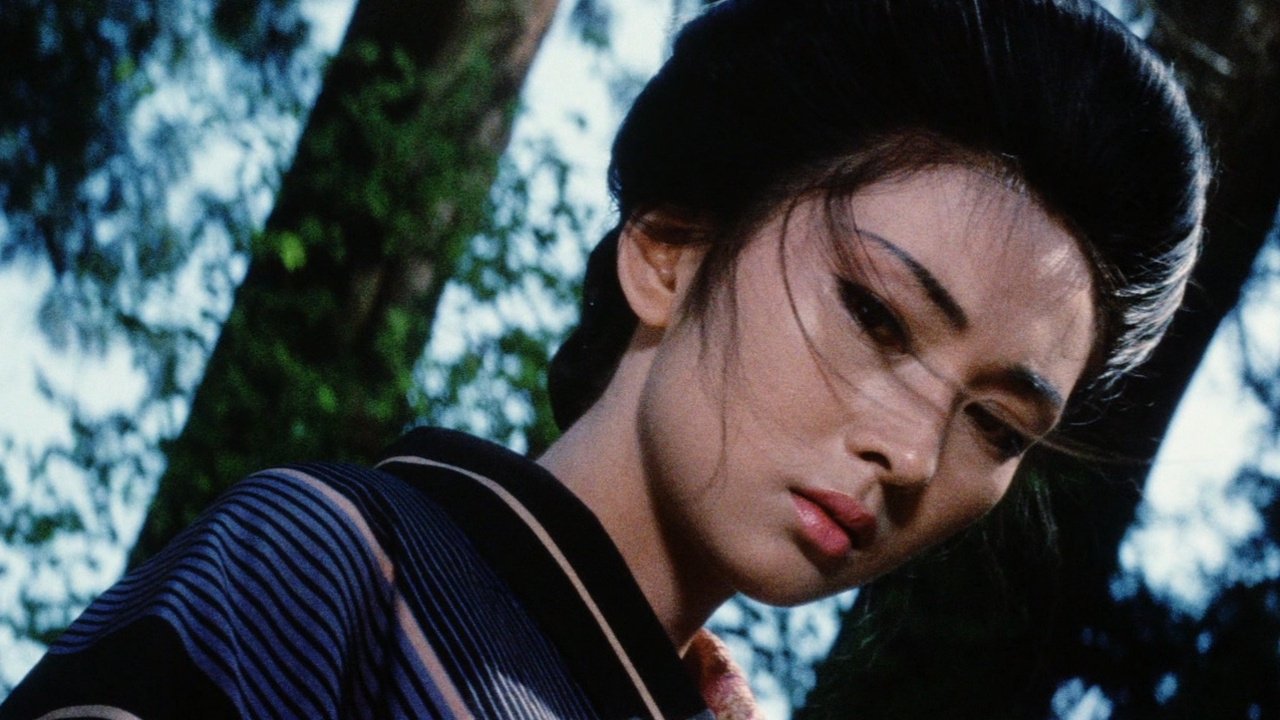
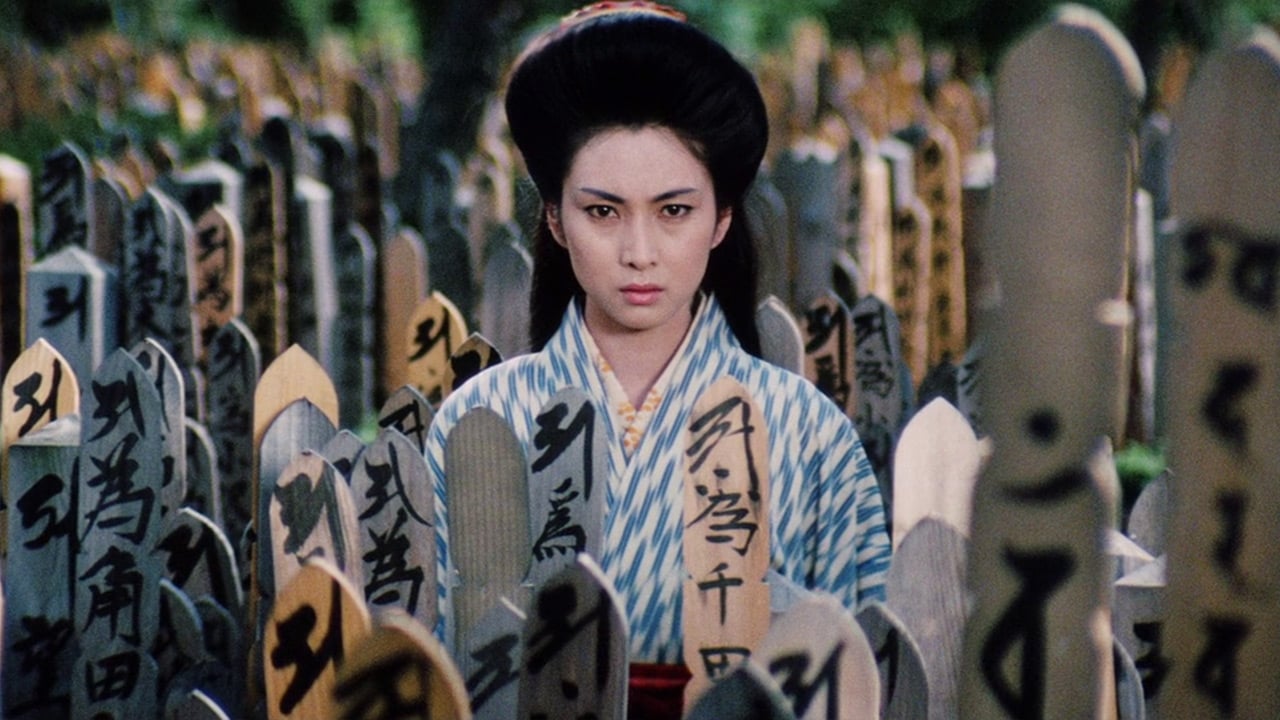
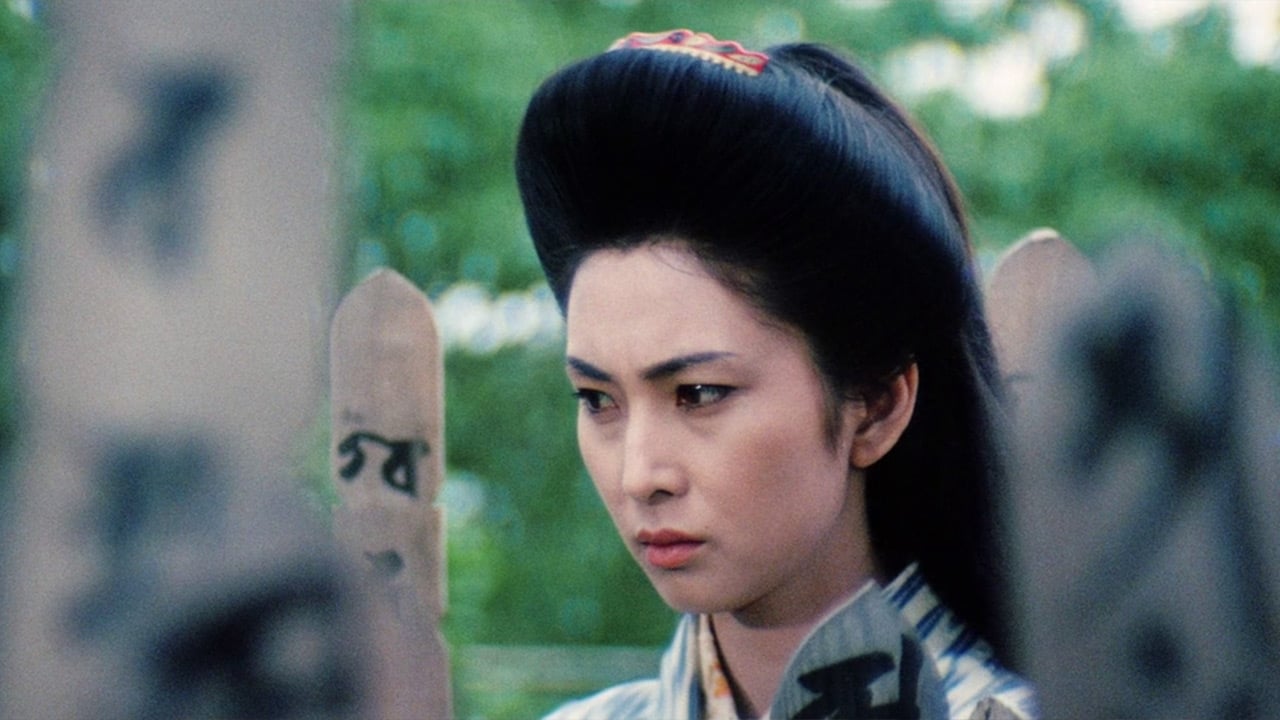
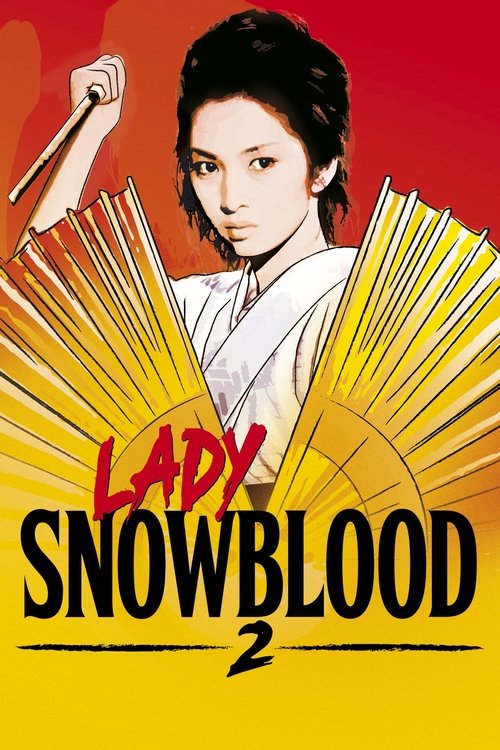
The plot was a significant downgrade from the original, it was still very entertaining and a good story, but it lost so much of the charm to it the original had. There was simply no reason for this sequel to exist. I was very disappointed in the characters, I expected to see how Yuki would develop and move away from her past and come to terms with the many deaths in the previous movie. Instead, she wasn’t even really a major part of this movie and everything she did boiled down to fighting or doing nothing. The other characters weren’t particularly fascinating either. The pacing was good, but I mostly feel this way because I felt no emotional connection to the story. It was over quickly but also not too soon, it was just fine for the quality of the film. I think they actually did very well for the world building, the narration and the details about the setting somehow seemed natural and also stayed consistent. The rebellious spirit of the time but also the strong sense of honor in the upper classes was very accurate to where the country was at after the Russo-Japanese War. The themes were just fine, they entirely rid the previous movie’s ideas of justice and humanity and focused not so strongly on the anarchist movement. It just felt so unconnected to the original and the themes are just a bit too tired. I found the cinematography to be quite strong in this film. The dramatic style has grown on me and it also just becomes a bit more grounded and creative in this movie. I love the different angles, like one where we see from Yuki’s perspective as she fights. The awkward zoom-ins were still present, but used much less thankfully. Despite the movie’s quality, I did still have a previous attachment to Yuki and therefore did get a bit emotional. Watching her cry at the very end symbolized to me the regaining of her long lost humanity, I found it to be pretty powerful in an otherwise underwhelming movie. I think this movie is still fairly unique, it’s not as special as the original but still leaves its own mark. It’s very anti-government which surprises me because many older Japanese films were not exactly patriotic, but followed those dated ideas of honor. The dialogue was very painful, it was dreadfully simple most of the time and sporadically tried to be deep and interesting. I really had a hard time taking anything they said seriously. Also, Yuki barely has any lines in this movie and her lack of involvement brings it down so much. Overall, I didn’t love this movie but it was still fun. I feel a bit indignant that there is a sequel and the lost potential of Yuki’s character development.
Plot - 4
Characters - 2
Pacing - 6
Worldbuilding - 9
Themes - 5
Animation or Cinematography - 8
Emotional Impact - 6
Uniqueness - 8
Dialogue - 1
Overall Enjoyment - 4
Total: 53%
The plot was a significant downgrade from the original, it was still very entertaining and a good story, but it lost so much of the charm to it the original had. There was simply no reason for this sequel to exist. I was very disappointed in the characters, I expected to see how Yuki would develop and move away from her past and come to terms with the many deaths in the previous movie. Instead, she wasn’t even really a major part of this movie and everything she did boiled down to fighting or doing nothing. The other characters weren’t particularly fascinating either. The pacing was good, but I mostly feel this way because I felt no emotional connection to the story. It was over quickly but also not too soon, it was just fine for the quality of the film. I think they actually did very well for the world building, the narration and the details about the setting somehow seemed natural and also stayed consistent. The rebellious spirit of the time but also the strong sense of honor in the upper classes was very accurate to where the country was at after the Russo-Japanese War. The themes were just fine, they entirely rid the previous movie’s ideas of justice and humanity and focused not so strongly on the anarchist movement. It just felt so unconnected to the original and the themes are just a bit too tired. I found the cinematography to be quite strong in this film. The dramatic style has grown on me and it also just becomes a bit more grounded and creative in this movie. I love the different angles, like one where we see from Yuki’s perspective as she fights. The awkward zoom-ins were still present, but used much less thankfully. Despite the movie’s quality, I did still have a previous attachment to Yuki and therefore did get a bit emotional. Watching her cry at the very end symbolized to me the regaining of her long lost humanity, I found it to be pretty powerful in an otherwise underwhelming movie. I think this movie is still fairly unique, it’s not as special as the original but still leaves its own mark. It’s very anti-government which surprises me because many older Japanese films were not exactly patriotic, but followed those dated ideas of honor. The dialogue was very painful, it was dreadfully simple most of the time and sporadically tried to be deep and interesting. I really had a hard time taking anything they said seriously. Also, Yuki barely has any lines in this movie and her lack of involvement brings it down so much. Overall, I didn’t love this movie but it was still fun. I feel a bit indignant that there is a sequel and the lost potential of Yuki’s character development.
Plot - 4
Characters - 2
Pacing - 6
Worldbuilding - 9
Themes - 5
Animation or Cinematography - 8
Emotional Impact - 6
Uniqueness - 8
Dialogue - 1
Overall Enjoyment - 4
Total: 53%