

1963·Drama·1h 34m
7.1
★
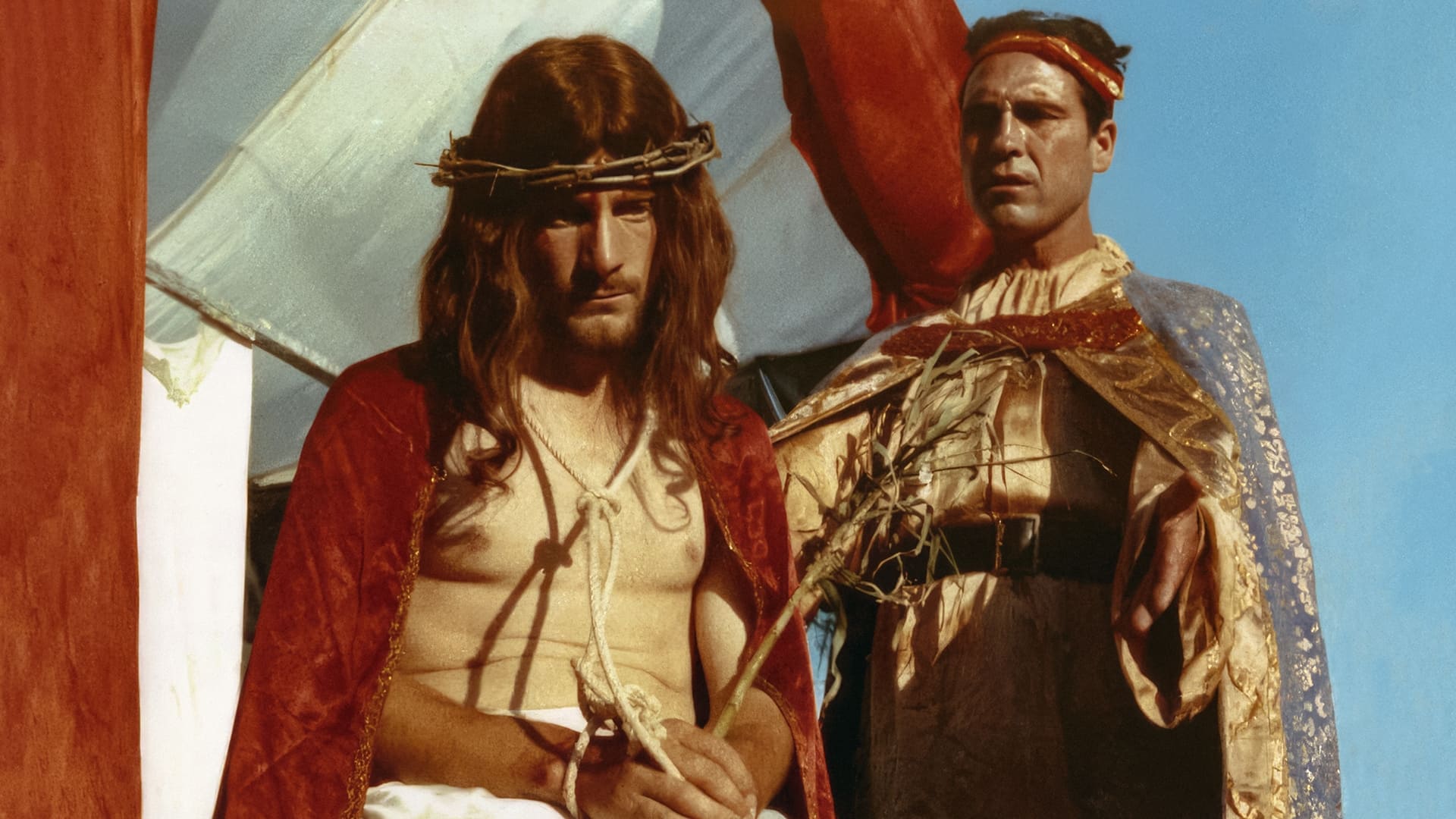
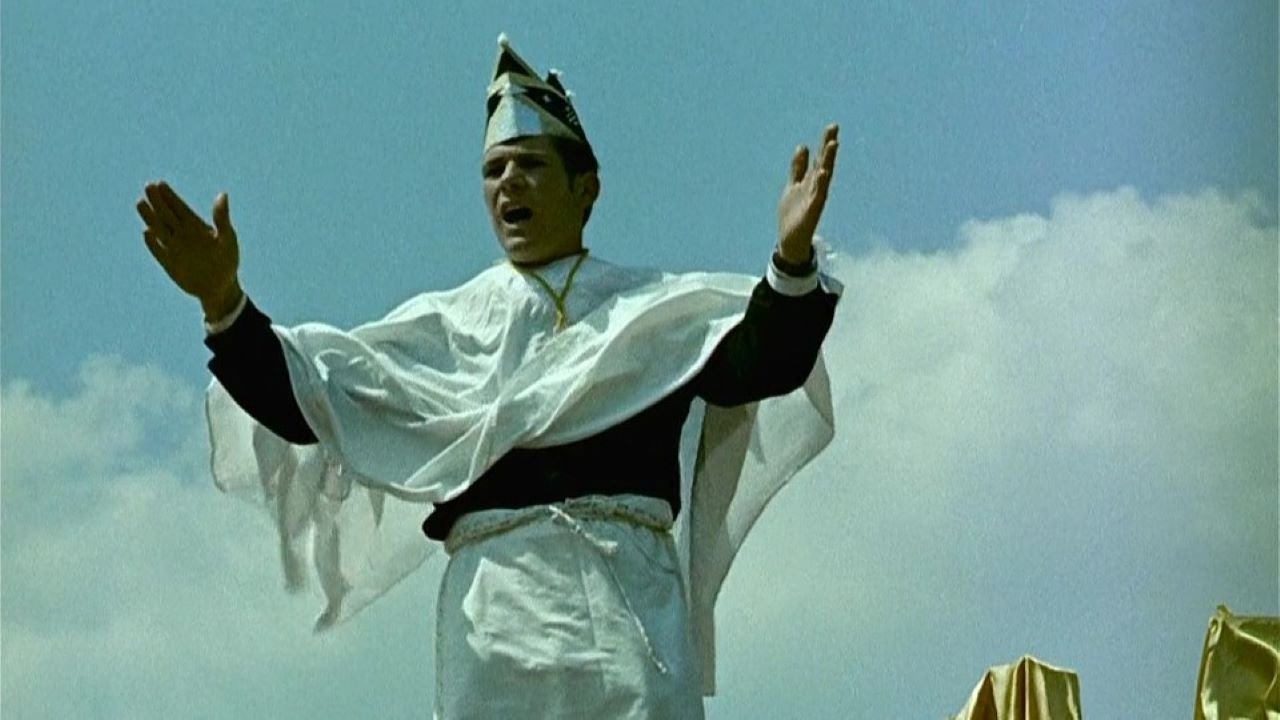
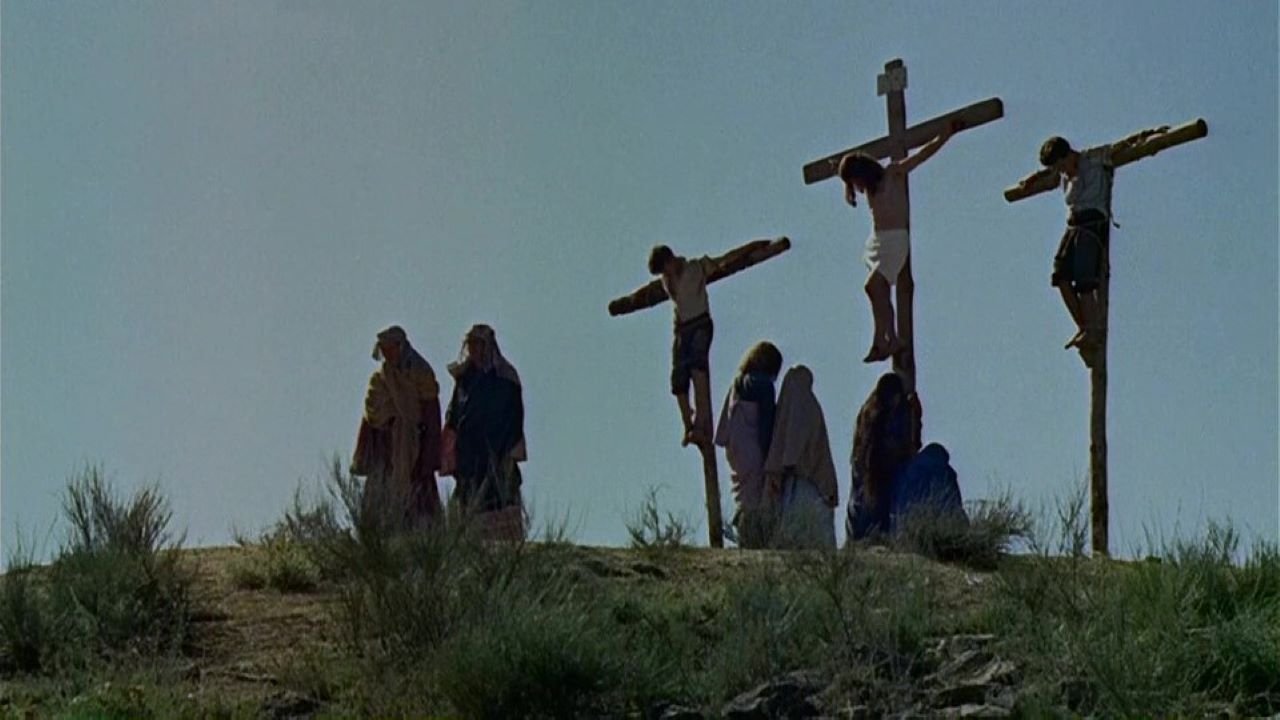
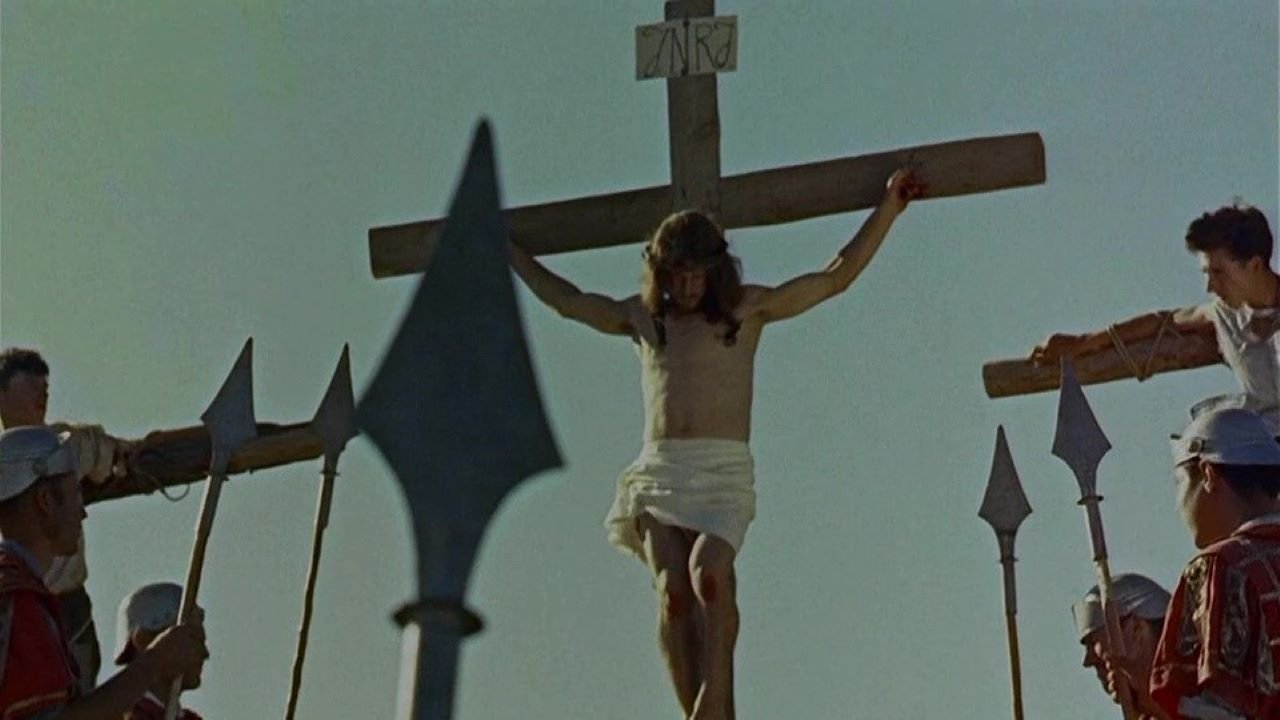
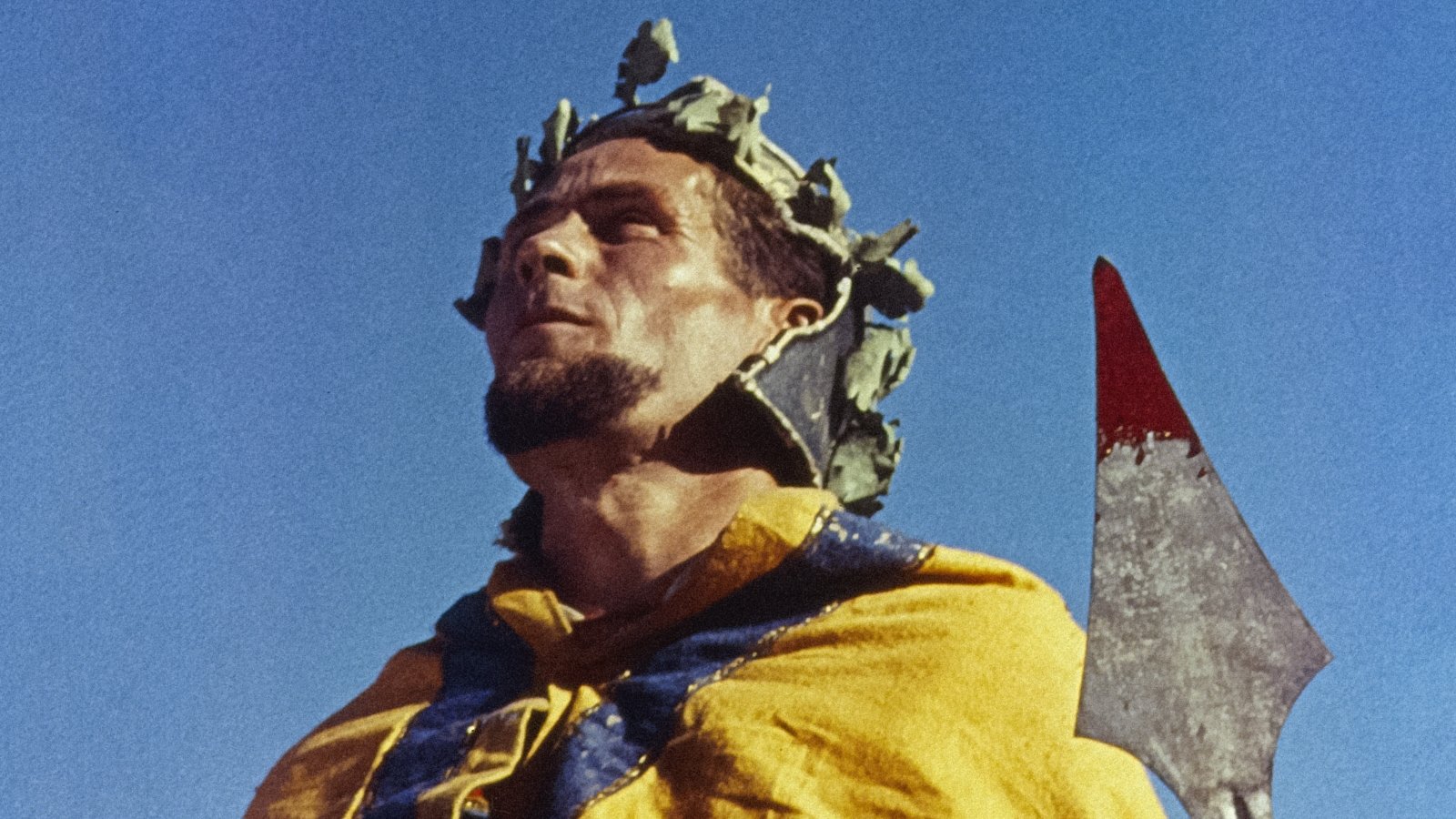
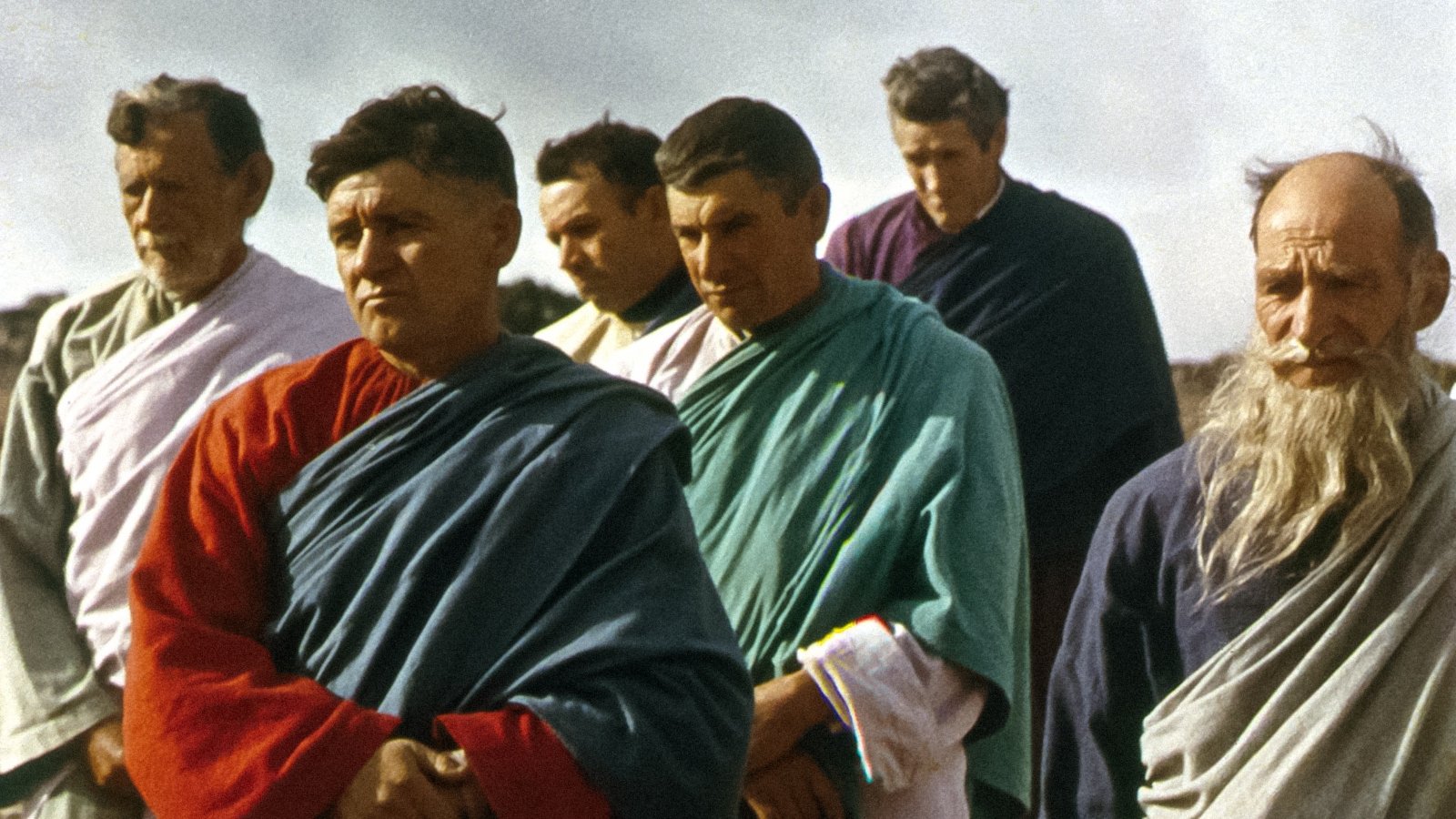
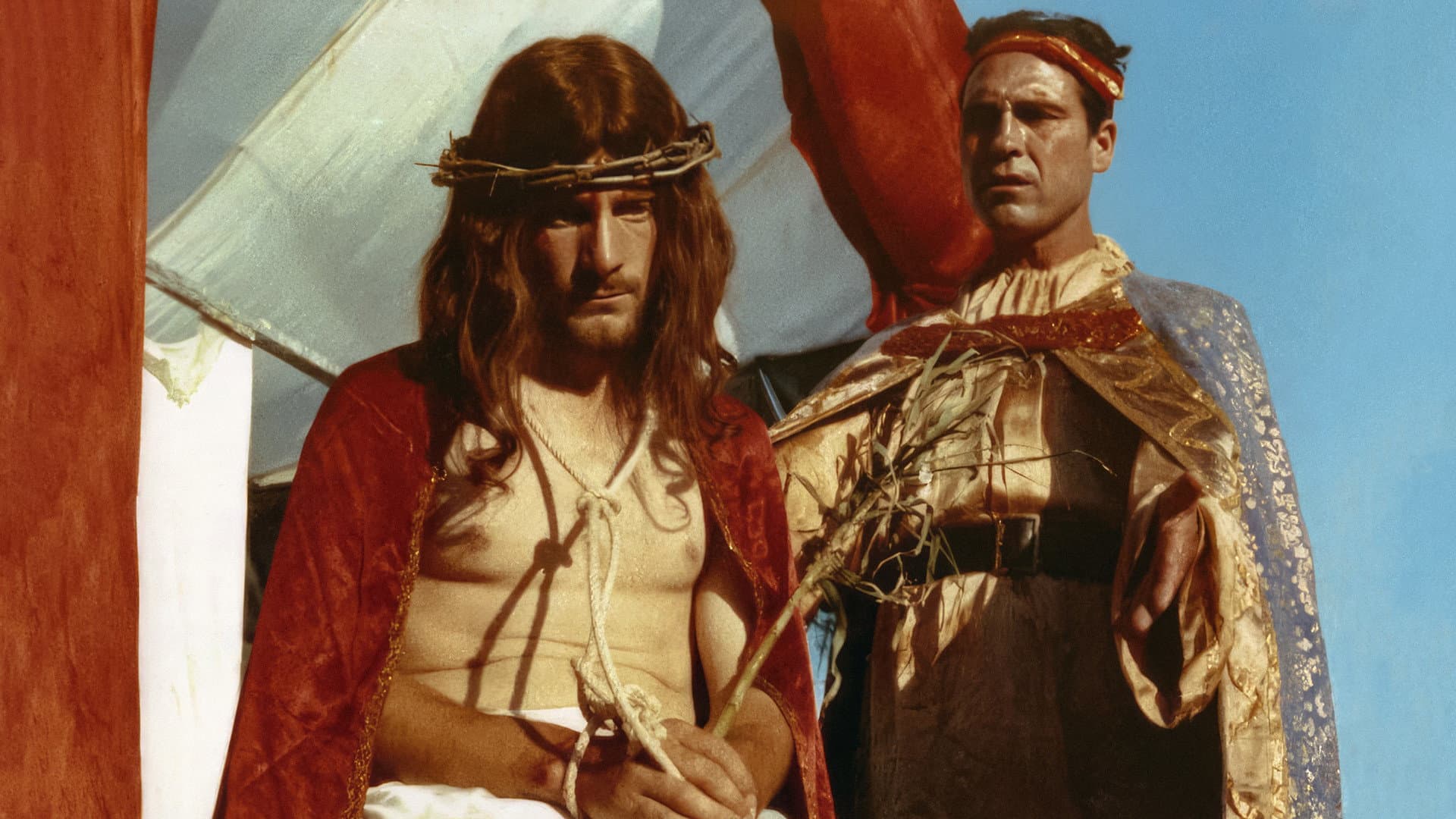
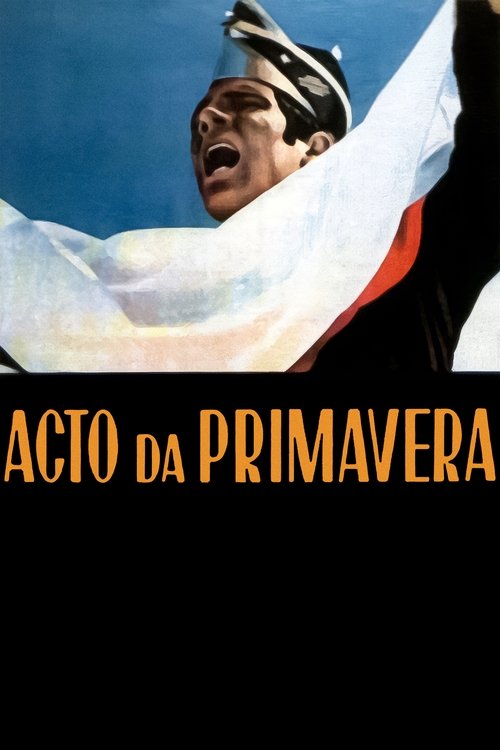
Local people of Curalha, a small village, keep a tradition of representing the Passion of Jesus, according to a 16th century text.
Directed by Manoel de Oliveira

IMDB
N/A
Crew
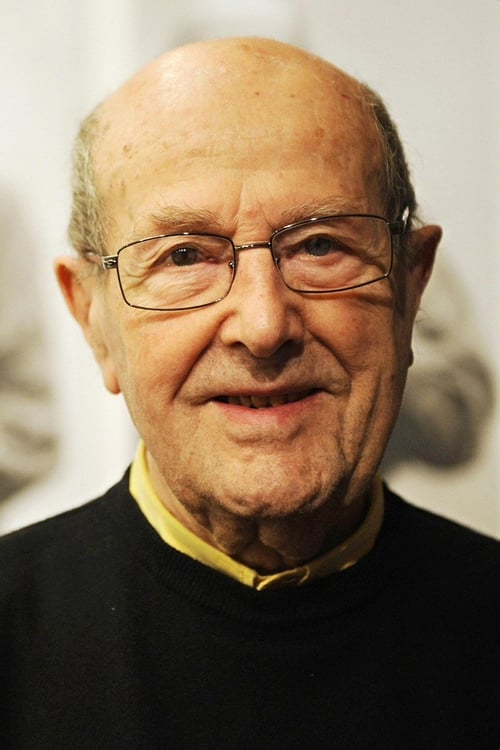
Manoel de Oliveira
Director
Manoel de Oliveira
Screenplay
Manoel de Oliveira
Editor
Manoel de Oliveira
Director of Photography
Manoel de Oliveira
Producer
Manoel de Oliveira
Sound
Paulo Rocha
Archival Footage Research
António Reis
Assistant Director
Paulo Rocha
Assistant Director
Popular Reviews
5 reviews
charlie
9.6★ · 08/29/25
"oh, money badly won, which I'm unworthy to keep! In this holy temple, knowing my sin, I want to throw it away."Comparing this to the work of straub/huillet and rossellini is not a far off comparison at all, but I think its more interesting to look at the differences between them rather than pointing out the obvious similarities in the form of the dialogue
Straub/huillet, more often than not, film their actors with patience and little no to cuts within each scene, allowing the viewer "get their reading in" if you will and digest the dialogue while being given the opportunity to passively take in the characters' environment while reading. and while this passiveness is sort of an antithesis to s/h as well as brecht, I think it does exist in how we process and watch these scenes from s/h because they don't always give you an establishing shot to work with
Rossellini, specifically his later work, exists in the same vein as well. like straub/huillet, rossellini films his subjects with patience and more importantly, distance. these late rossellini films/tv movies feel more educational than anything, not that this is a bad thing but you watch a movie like blaise pascal to learn about blaise pascal, the content within the film is strictly about him and his studies, there is nearly no drama to latch onto. and a film like acts of the apostles, doesn't exist to tell a dramatic story, while it is grand and has its core characters, the drama is never at the forefront, the film's main goal is to teach you about these people and their ideals
As for acto da primavera, I 100% agree it comes from a similar place of thinking as the works of straub/huillet and rossellini. the acting is theatrical, the drama of the dialogue is stripped and instead plays on an educational basis. lines of dialogue compare closer to lines of poetry than lines of conversation. the words spoken from jesus' mouth seem to exist outside of the movie we are all watching, a theme prevalent in straub/huillet's and rossellini's work
"if you are the true god why do you let yourself die?"
Straub/huillet, more often than not, film their actors with patience and little no to cuts within each scene, allowing the viewer "get their reading in" if you will and digest the dialogue while being given the opportunity to passively take in the characters' environment while reading. and while this passiveness is sort of an antithesis to s/h as well as brecht, I think it does exist in how we process and watch these scenes from s/h because they don't always give you an establishing shot to work with
Rossellini, specifically his later work, exists in the same vein as well. like straub/huillet, rossellini films his subjects with patience and more importantly, distance. these late rossellini films/tv movies feel more educational than anything, not that this is a bad thing but you watch a movie like blaise pascal to learn about blaise pascal, the content within the film is strictly about him and his studies, there is nearly no drama to latch onto. and a film like acts of the apostles, doesn't exist to tell a dramatic story, while it is grand and has its core characters, the drama is never at the forefront, the film's main goal is to teach you about these people and their ideals
As for acto da primavera, I 100% agree it comes from a similar place of thinking as the works of straub/huillet and rossellini. the acting is theatrical, the drama of the dialogue is stripped and instead plays on an educational basis. lines of dialogue compare closer to lines of poetry than lines of conversation. the words spoken from jesus' mouth seem to exist outside of the movie we are all watching, a theme prevalent in straub/huillet's and rossellini's work
"if you are the true god why do you let yourself die?"
"oh, money badly won, which I'm unworthy to keep! In this holy temple, knowing my sin, I want to throw it away."Comparing this to the work of straub/huillet and rossellini is not a far off comparison at all, but I think its more interesting to look at the differences between them rather than pointing out the obvious similarities in the form of the dialogue
Straub/huillet, more often than not, film their actors with patience and little no to cuts within each scene, allowing the viewer "get their reading in" if you will and digest the dialogue while being given the opportunity to passively take in the characters' environment while reading. and while this passiveness is sort of an antithesis to s/h as well as brecht, I think it does exist in how we process and watch these scenes from s/h because they don't always give you an establishing shot to work with
Rossellini, specifically his later work, exists in the same vein as well. like straub/huillet, rossellini films his subjects with patience and more importantly, distance. these late rossellini films/tv movies feel more educational than anything, not that this is a bad thing but you watch a movie like blaise pascal to learn about blaise pascal, the content within the film is strictly about him and his studies, there is nearly no drama to latch onto. and a film like acts of the apostles, doesn't exist to tell a dramatic story, while it is grand and has its core characters, the drama is never at the forefront, the film's main goal is to teach you about these people and their ideals
As for acto da primavera, I 100% agree it comes from a similar place of thinking as the works of straub/huillet and rossellini. the acting is theatrical, the drama of the dialogue is stripped and instead plays on an educational basis. lines of dialogue compare closer to lines of poetry than lines of conversation. the words spoken from jesus' mouth seem to exist outside of the movie we are all watching, a theme prevalent in straub/huillet's and rossellini's work
"if you are the true god why do you let yourself die?"
Straub/huillet, more often than not, film their actors with patience and little no to cuts within each scene, allowing the viewer "get their reading in" if you will and digest the dialogue while being given the opportunity to passively take in the characters' environment while reading. and while this passiveness is sort of an antithesis to s/h as well as brecht, I think it does exist in how we process and watch these scenes from s/h because they don't always give you an establishing shot to work with
Rossellini, specifically his later work, exists in the same vein as well. like straub/huillet, rossellini films his subjects with patience and more importantly, distance. these late rossellini films/tv movies feel more educational than anything, not that this is a bad thing but you watch a movie like blaise pascal to learn about blaise pascal, the content within the film is strictly about him and his studies, there is nearly no drama to latch onto. and a film like acts of the apostles, doesn't exist to tell a dramatic story, while it is grand and has its core characters, the drama is never at the forefront, the film's main goal is to teach you about these people and their ideals
As for acto da primavera, I 100% agree it comes from a similar place of thinking as the works of straub/huillet and rossellini. the acting is theatrical, the drama of the dialogue is stripped and instead plays on an educational basis. lines of dialogue compare closer to lines of poetry than lines of conversation. the words spoken from jesus' mouth seem to exist outside of the movie we are all watching, a theme prevalent in straub/huillet's and rossellini's work
"if you are the true god why do you let yourself die?"


Greifff
7.5★ · 09/20/25
dthyo afupts
8.5★ · 09/20/25
paixa1312
8.0★ · 04/19/25
ShanoshaPRO
7.0★ · 09/01/23