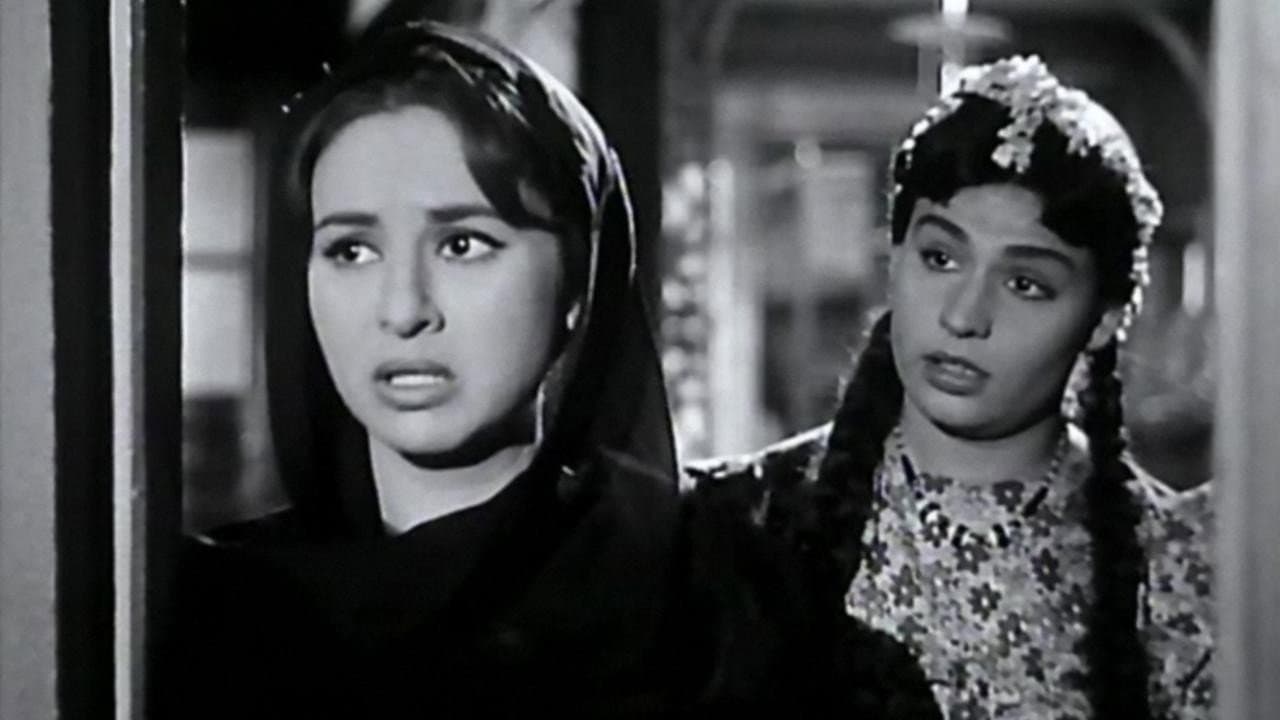
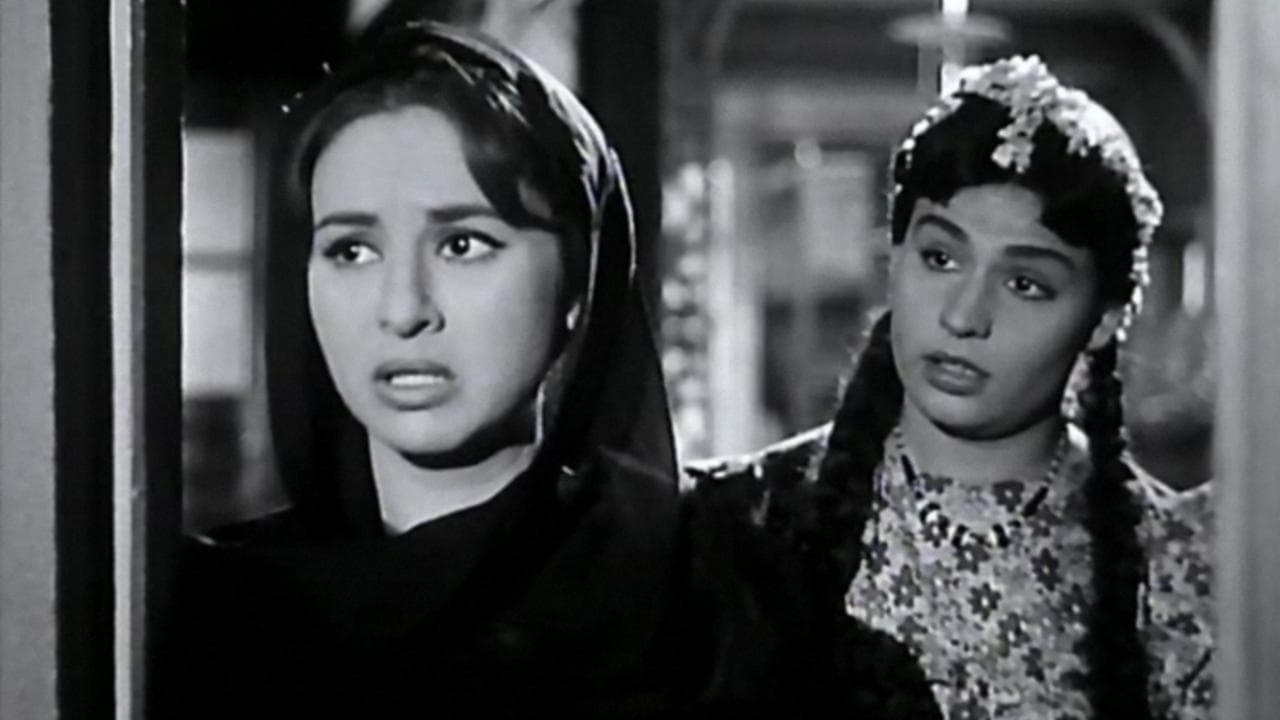
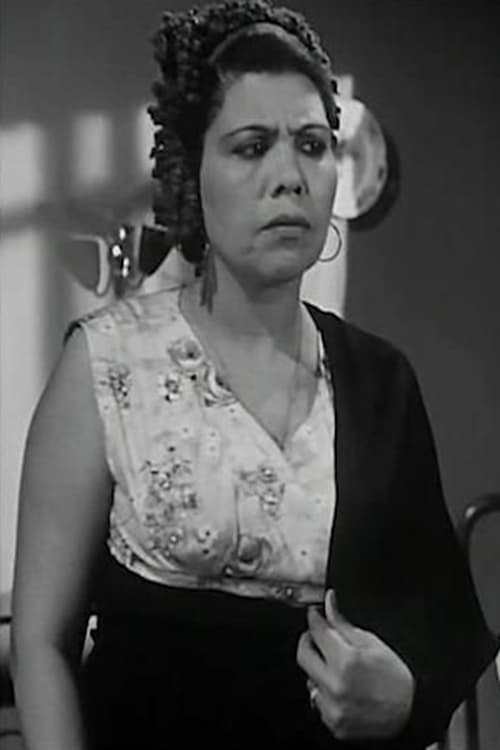
The Nightangle's Prayer, which I haven't seen in ages might seriously be one of the most interesting films that I have seen and it's one of those films that is right up my alley. The story begins off with Amna and her family, including her sister Hanadi. Her father is killed by her cruel uncle and it seems her family is destined for cruelty. It seems that the family and their fate is intended for suffering from the beginning. The film highlights the hardships and sorrows women face in everyday life and it still echoes today. Under the harsh patriarchal control, many of the female characters have limited freedom in the story. I found it so interesting to see the difference between the rural side of Egypt and the upper class folk in the big towns. The rural side is more conservative, the women wear abayas and hijabs, whereas in the towns, the women aren't really wearing clothes like that instead wearing 19th century gowns and have no hijabs. And the industrial revolution was going on at the time and was truly hitting loads of places, it was fascinating to see Amna and Hanadi be intrigued by it yet scared because they had never seen anything like a train. Their mother is a bit strict, there's this one scene when Amna is wearing more of a less conservative outfit, and her mother is shocked by it and asks her to change immediately because it will disrupt her honour. Honour is a major part of this story. In islam, honour is truly important but I think culture utilises in a wrong way. Sometimes we lose our honour and not of our own doings, yet we are punished by culture especially done women. The film is a harsh critique of the honour culture, as Hanadi is subjected to sexual violence by her employer. Her uncle then literally kills her brutally right in front of her own mother and her sister Amna. Amna and Hanadi's mother feels that she died because she dishonored the family which hurts Amna. The innocent and untainted Amna is forced to grasp this whole new truth of what the world is, a dark place full of horrible people. She often says that humans are worse than monsters throughout the film.
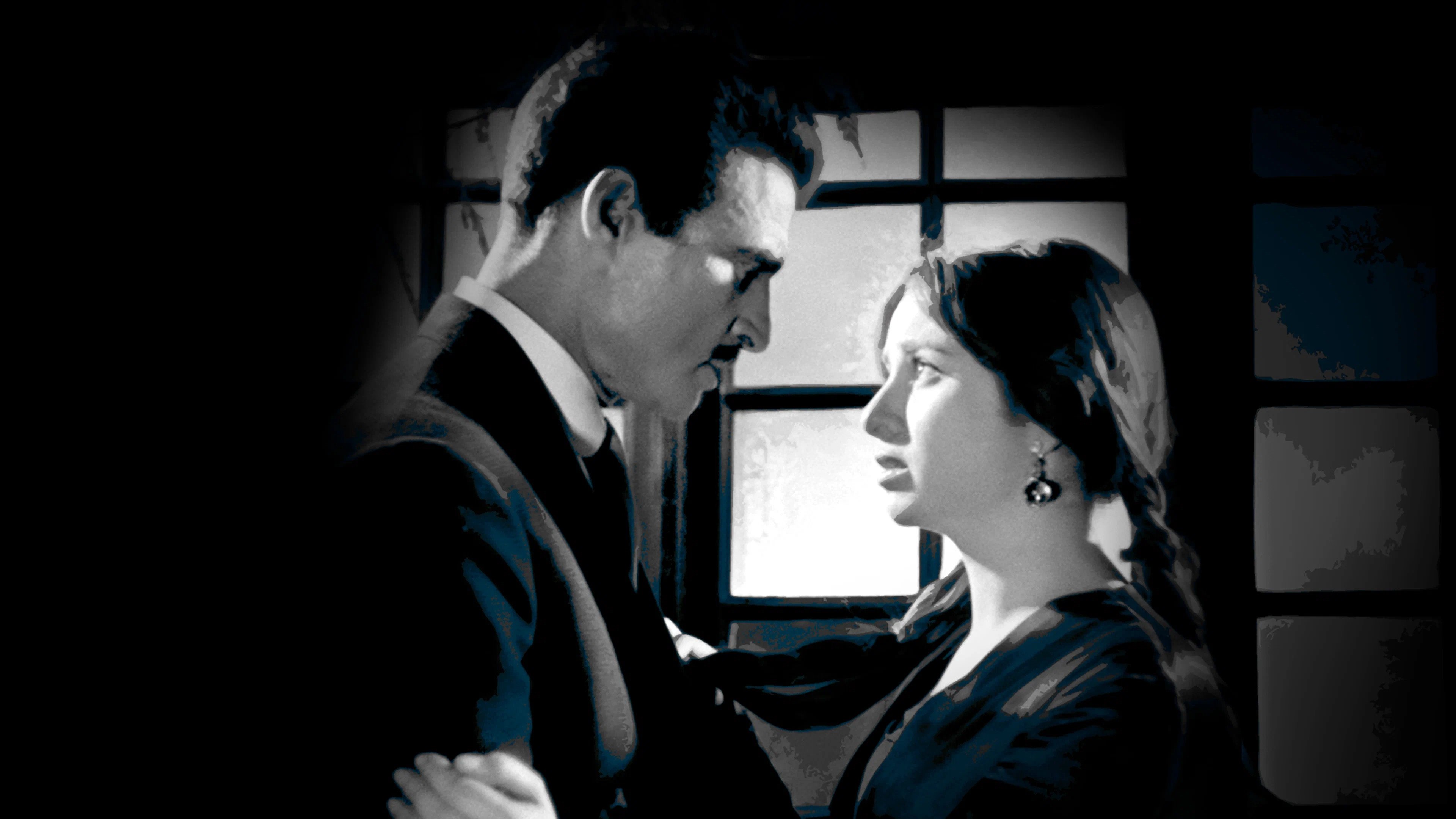
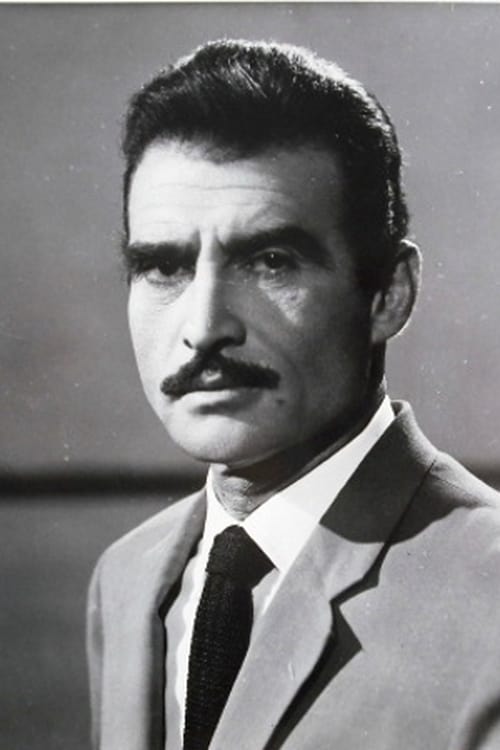
Amna then vows that she will avenge the man who dishonoured her sister. She initially plans to kill him but it's interesting to see a tug and pull of her character over the course of the film. Amna is a very ambiguous character, she's vowing to get revenge but then she wonders if justice can be achieved through violent means. Through her own conscience, she doesn't have the guts to kill the engineer responsible for the dishonour of Hanadi. She frequently feels she is betraying Hanadi and is tormented by these feelings. I found this angle very interesting, because I don't know if it was the best way to go down but I think I'll be optimistic about it. But as the plot progresses, we see Amna rethink the man who dishonoured her sister. She actually falls for him as the plot goes on. Which shocked me! But obviously this is very conflicting because this man caused the death of her sister. He begins to be tormented by the feelings he has for her, which was very interesting. No longer was she a mere whim to him, she was someone he genuinely wanted to be with. Someone whom he wished to marry and to spend his life with. She is a foil to his virile and egotistical behaviour, as he lavishes in a sexual lifestyle, sometimes and most obviously bordering on predatory behaviour as well as drinking alcohol. However Amna retains her own honour as she frequently resists his attempts to seduce her. I don't usually feel drawn to characters like Amna who are good and honestly she isn't black or white she is a very complex character but obviously she is more of a heroic figure, that sharply contrasts her from the engineer. However he does show signs of having reformed by the end. And without spoiling the very end, the ending truly shows in a way that he has atoned for any mistakes or wrongdoings he has done. It begs us to ask can we ever forgive people? Or do we hold the same grudges for their wrongdoings and harms they have inflicted upon us.
Henry Barajat seems like a fascinating director and I genuinely need to see more of his, next I wanna see The Sin (1965) because that plot sounds so damn interesting! This film is truly a masterpiece in the broad sense. It's very classical and tragic but it works and never seems overdramatic at any points. In fact maybe it is my favourite Egyptian film I have seen thus far, maybe The Night of Counting the Stars might be higher or on the same level. This film is very poetic and the very interesting themes it carries still remain heavily relevant. Admittedly I wasn't able to watch this in 1080p HD best quality ever, it was a bit weak in terms of the visual quality so I feel like I won't really be able to appreciate how stunning this film maybe. But honestly the lush settings of the palm trees and the sand, the beautiful rivers and waters are amazing to see. Or the closeups of the characters are amazing. The music in the film was wonderful at times, very dramatic yet never overdramatic, it was amazing!
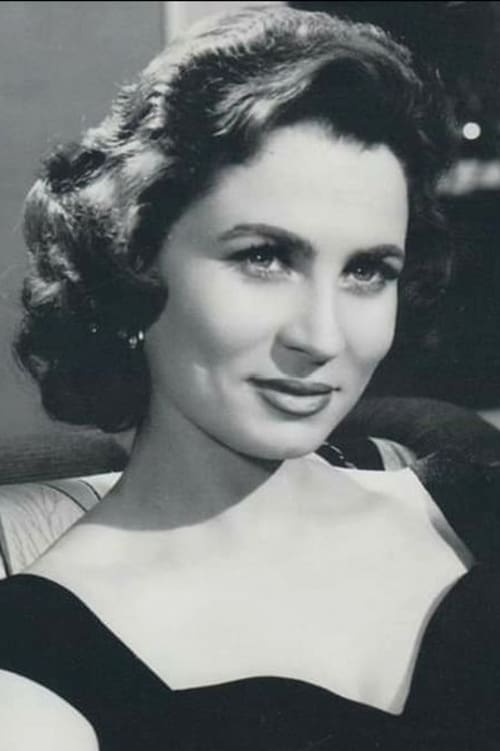
The supporting cast is wonderful but honestly my eyes are on Faten Hamama. So awe evoking her beauty is that it truly makes me feel that she is one of the most beautiful women to have graced the screen. She is very Mediterranean in her looks, with her harsher nose being a highlight or her eyes are like embers glowing in the dark. Despite her petite frame, you wouldn't believe it, because she commands so much prescence in the scenes she is in. There is no one you are interested in or looking at when she is there. That is a star! While yes she is a star, second she is a fantastic actress! She conveys the transformation in Amna. We see Faten portray Amna as a lively, charming and vivacious girl, her rosy cheeks, her banter with her sister, it's so heartwarming to see. We see her be intrigued by the family she is accepted by. But when Hanadi is killed, Faten helps portray that stark change. No longer is she happy, but she is hardened. Faten conveys so much toughness and commanding the screen, yet she also depicts such grief and sadness in the film. Honestly some of the shots and acting scenes are amazing. There's this one scene where she asks "where is Hanadi?" when she realises that she has been killed in an honour killing, and it is one of the most soully impacting scenes ever. She also portrays the bitter torment that Amna goes through as she is conflicted with her feelings of the engineer. And she does it so well! Honestly I do not feel shocked that she is elicited as Egypt's greatest actress ever. She's fantastic and I am looking forward to more of her work. This is a classic! A gem! And one of those great films that unfortunately has gone underlooked by the international film community!
The Nightangle's Prayer, which I haven't seen in ages might seriously be one of the most interesting films that I have seen and it's one of those films that is right up my alley. The story begins off with Amna and her family, including her sister Hanadi. Her father is killed by her cruel uncle and it seems her family is destined for cruelty. It seems that the family and their fate is intended for suffering from the beginning. The film highlights the hardships and sorrows women face in everyday life and it still echoes today. Under the harsh patriarchal control, many of the female characters have limited freedom in the story. I found it so interesting to see the difference between the rural side of Egypt and the upper class folk in the big towns. The rural side is more conservative, the women wear abayas and hijabs, whereas in the towns, the women aren't really wearing clothes like that instead wearing 19th century gowns and have no hijabs. And the industrial revolution was going on at the time and was truly hitting loads of places, it was fascinating to see Amna and Hanadi be intrigued by it yet scared because they had never seen anything like a train. Their mother is a bit strict, there's this one scene when Amna is wearing more of a less conservative outfit, and her mother is shocked by it and asks her to change immediately because it will disrupt her honour. Honour is a major part of this story. In islam, honour is truly important but I think culture utilises in a wrong way. Sometimes we lose our honour and not of our own doings, yet we are punished by culture especially done women. The film is a harsh critique of the honour culture, as Hanadi is subjected to sexual violence by her employer. Her uncle then literally kills her brutally right in front of her own mother and her sister Amna. Amna and Hanadi's mother feels that she died because she dishonored the family which hurts Amna. The innocent and untainted Amna is forced to grasp this whole new truth of what the world is, a dark place full of horrible people. She often says that humans are worse than monsters throughout the film.
Amna then vows that she will avenge the man who dishonoured her sister. She initially plans to kill him but it's interesting to see a tug and pull of her character over the course of the film. Amna is a very ambiguous character, she's vowing to get revenge but then she wonders if justice can be achieved through violent means. Through her own conscience, she doesn't have the guts to kill the engineer responsible for the dishonour of Hanadi. She frequently feels she is betraying Hanadi and is tormented by these feelings. I found this angle very interesting, because I don't know if it was the best way to go down but I think I'll be optimistic about it. But as the plot progresses, we see Amna rethink the man who dishonoured her sister. She actually falls for him as the plot goes on. Which shocked me! But obviously this is very conflicting because this man caused the death of her sister. He begins to be tormented by the feelings he has for her, which was very interesting. No longer was she a mere whim to him, she was someone he genuinely wanted to be with. Someone whom he wished to marry and to spend his life with. She is a foil to his virile and egotistical behaviour, as he lavishes in a sexual lifestyle, sometimes and most obviously bordering on predatory behaviour as well as drinking alcohol. However Amna retains her own honour as she frequently resists his attempts to seduce her. I don't usually feel drawn to characters like Amna who are good and honestly she isn't black or white she is a very complex character but obviously she is more of a heroic figure, that sharply contrasts her from the engineer. However he does show signs of having reformed by the end. And without spoiling the very end, the ending truly shows in a way that he has atoned for any mistakes or wrongdoings he has done. It begs us to ask can we ever forgive people? Or do we hold the same grudges for their wrongdoings and harms they have inflicted upon us.
Henry Barajat seems like a fascinating director and I genuinely need to see more of his, next I wanna see The Sin (1965) because that plot sounds so damn interesting! This film is truly a masterpiece in the broad sense. It's very classical and tragic but it works and never seems overdramatic at any points. In fact maybe it is my favourite Egyptian film I have seen thus far, maybe The Night of Counting the Stars might be higher or on the same level. This film is very poetic and the very interesting themes it carries still remain heavily relevant. Admittedly I wasn't able to watch this in 1080p HD best quality ever, it was a bit weak in terms of the visual quality so I feel like I won't really be able to appreciate how stunning this film maybe. But honestly the lush settings of the palm trees and the sand, the beautiful rivers and waters are amazing to see. Or the closeups of the characters are amazing. The music in the film was wonderful at times, very dramatic yet never overdramatic, it was amazing!
The supporting cast is wonderful but honestly my eyes are on Faten Hamama. So awe evoking her beauty is that it truly makes me feel that she is one of the most beautiful women to have graced the screen. She is very Mediterranean in her looks, with her harsher nose being a highlight or her eyes are like embers glowing in the dark. Despite her petite frame, you wouldn't believe it, because she commands so much prescence in the scenes she is in. There is no one you are interested in or looking at when she is there. That is a star! While yes she is a star, second she is a fantastic actress! She conveys the transformation in Amna. We see Faten portray Amna as a lively, charming and vivacious girl, her rosy cheeks, her banter with her sister, it's so heartwarming to see. We see her be intrigued by the family she is accepted by. But when Hanadi is killed, Faten helps portray that stark change. No longer is she happy, but she is hardened. Faten conveys so much toughness and commanding the screen, yet she also depicts such grief and sadness in the film. Honestly some of the shots and acting scenes are amazing. There's this one scene where she asks "where is Hanadi?" when she realises that she has been killed in an honour killing, and it is one of the most soully impacting scenes ever. She also portrays the bitter torment that Amna goes through as she is conflicted with her feelings of the engineer. And she does it so well! Honestly I do not feel shocked that she is elicited as Egypt's greatest actress ever. She's fantastic and I am looking forward to more of her work. This is a classic! A gem! And one of those great films that unfortunately has gone underlooked by the international film community!