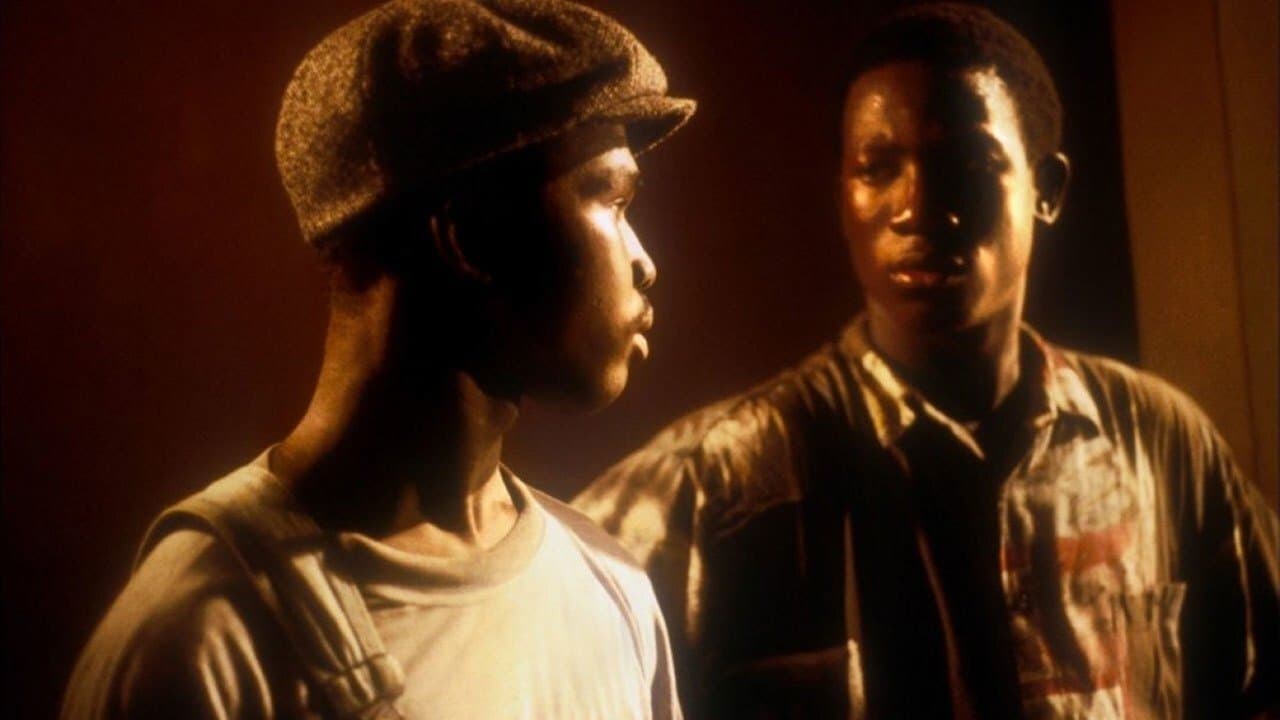
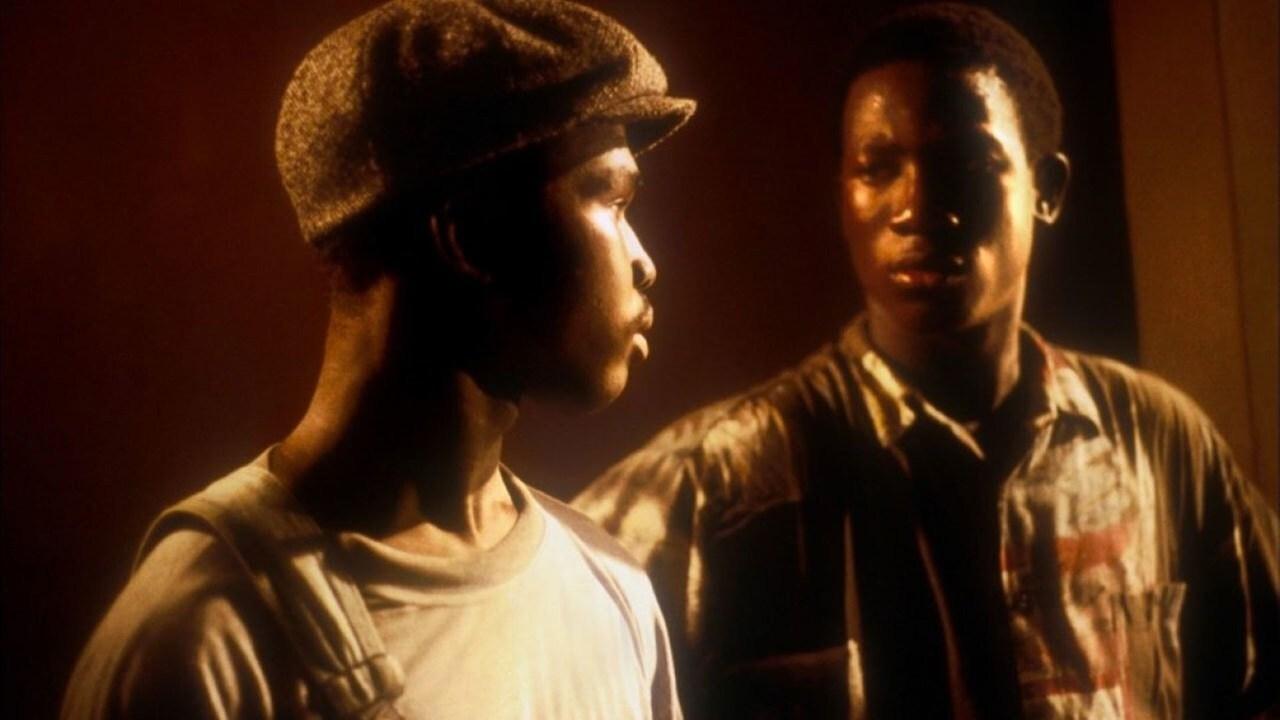
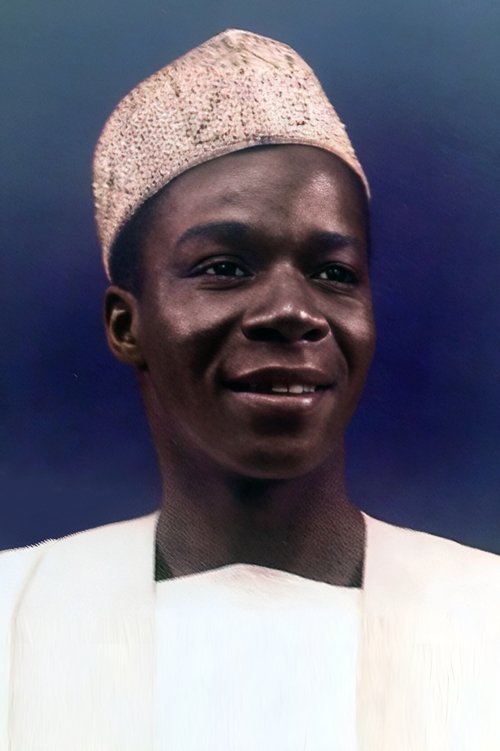
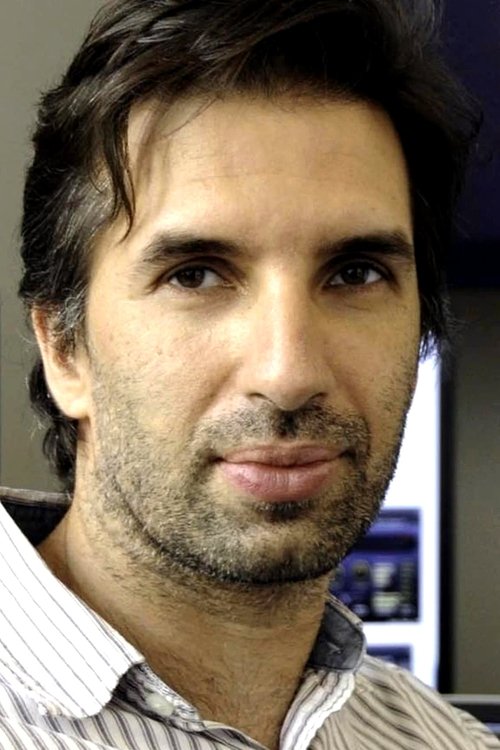
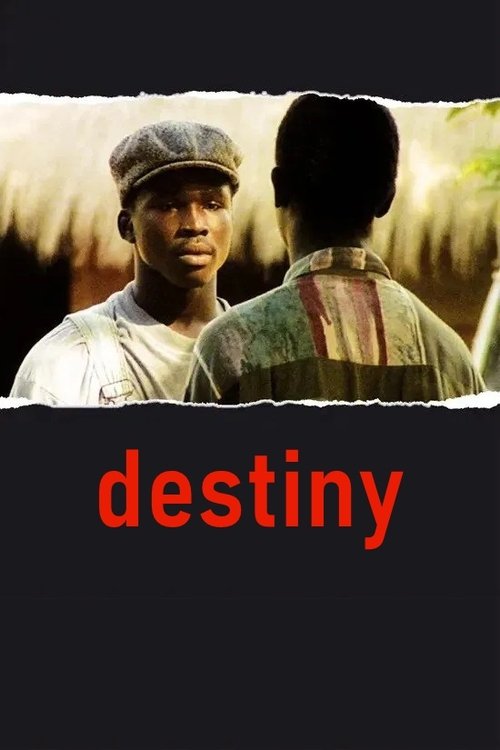
Dakan is remarkable not only because of its status as one of the first sub-Saharan African films to openly explore same-sex love, but because of the intellectual and emotional subtlety with which Mohamed Camara examines the conflict between individual desire and social expectation. Rather than reducing its protagonists to symbols, the film presents them as complex individuals navigating the difficult space between personal truth and inherited tradition.
Having travelled through Guinea myself, visiting its waterfalls and experiencing the vitality of its markets, I found Dakan especially moving. The landscapes and rhythms of everyday life depicted in the film felt deeply familiar, lending the story an authenticity that made it resonate on a personal level. My memories of the country transformed the film from a historical landmark into something much more intimate.
What I admire most about Dakan is its quiet humanism. Camara treats destiny not as an unavoidable force, but as a philosophical question: are our lives determined by the expectations of society, or by the truths we discover within ourselves? More than two decades later, Dakan remains an intellectually rich and profoundly compassionate work, one whose significance lies as much in its humanity as in its historical importance.
Dakan is remarkable not only because of its status as one of the first sub-Saharan African films to openly explore same-sex love, but because of the intellectual and emotional subtlety with which Mohamed Camara examines the conflict between individual desire and social expectation. Rather than reducing its protagonists to symbols, the film presents them as complex individuals navigating the difficult space between personal truth and inherited tradition.
Having travelled through Guinea myself, visiting its waterfalls and experiencing the vitality of its markets, I found Dakan especially moving. The landscapes and rhythms of everyday life depicted in the film felt deeply familiar, lending the story an authenticity that made it resonate on a personal level. My memories of the country transformed the film from a historical landmark into something much more intimate.
What I admire most about Dakan is its quiet humanism. Camara treats destiny not as an unavoidable force, but as a philosophical question: are our lives determined by the expectations of society, or by the truths we discover within ourselves? More than two decades later, Dakan remains an intellectually rich and profoundly compassionate work, one whose significance lies as much in its humanity as in its historical importance.