
The Sin
1965·Drama·1h 45m
7.1
★
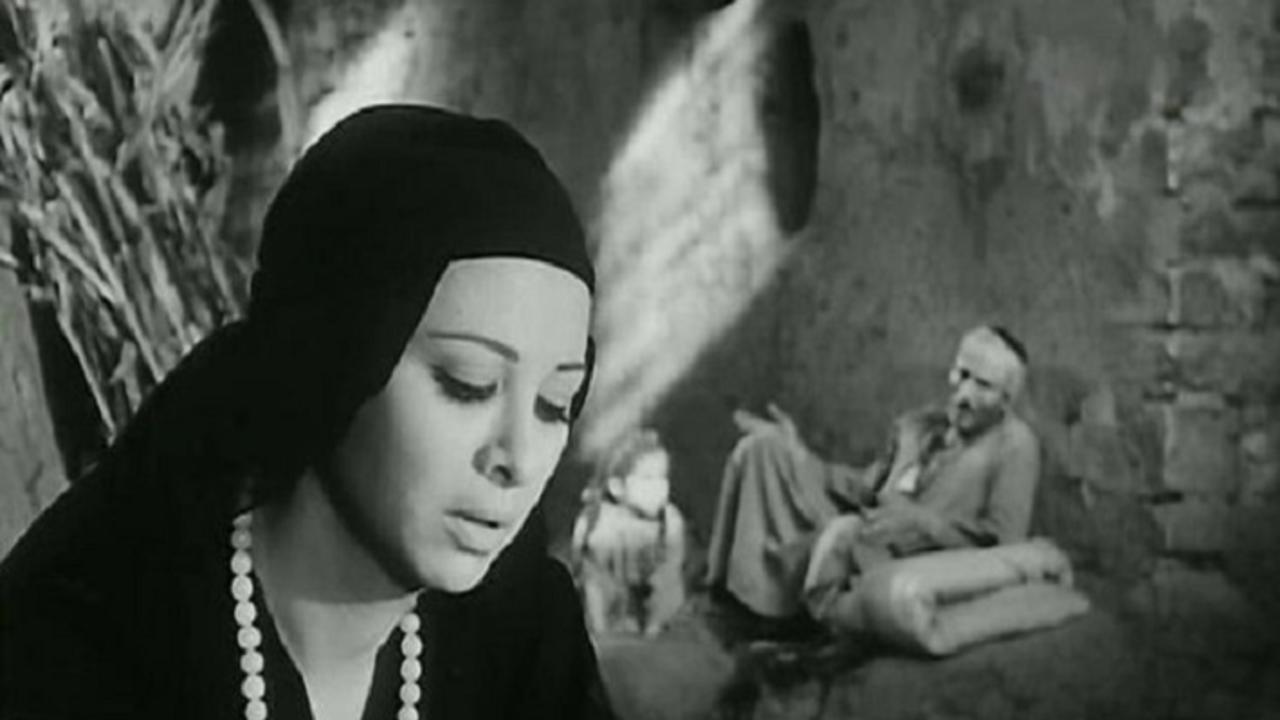
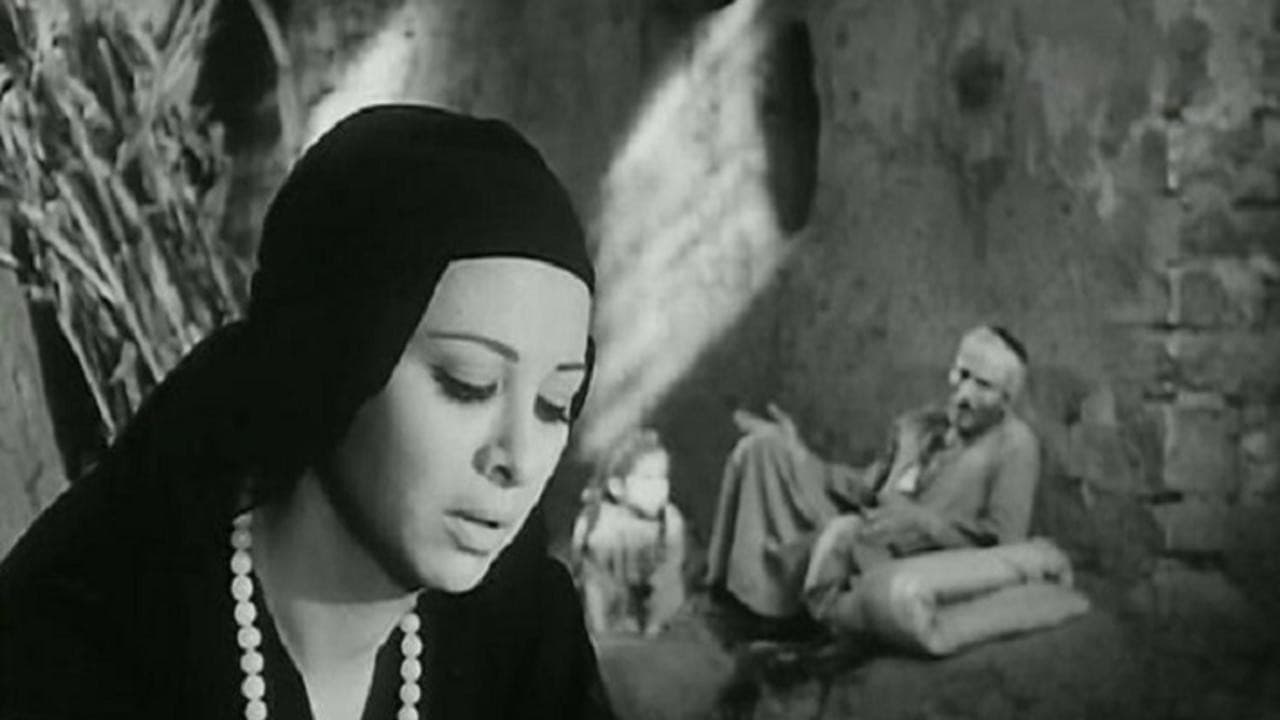
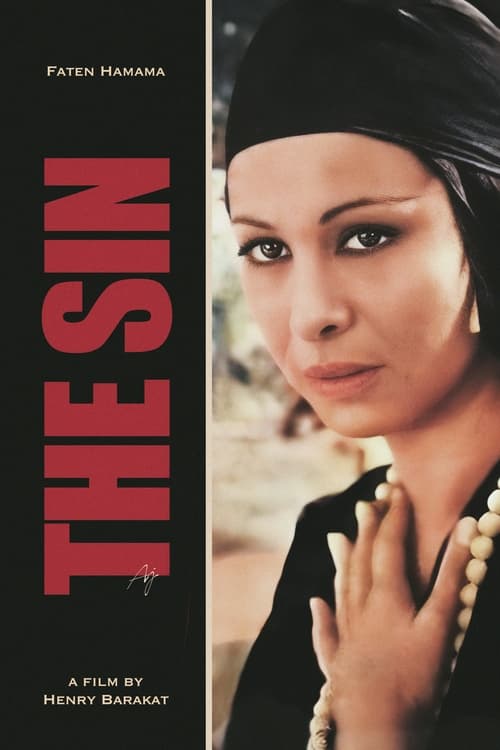
Aziza and her husband Abdullah are both day laborers who work on various farms. When Aziza is brutally raped by a guard while she is picking potatoes in a field, she tries to hide the pregnancy and plans to kill the baby once it is born.
Directed by Henry Barakat
black and white

IMDB
N/A
Cast

Faten Hamama
Aziza
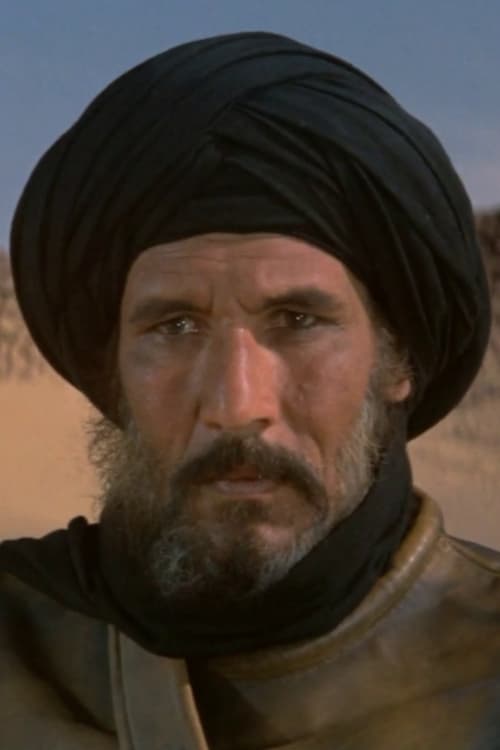
Abdallah Ghaith
Abdullah
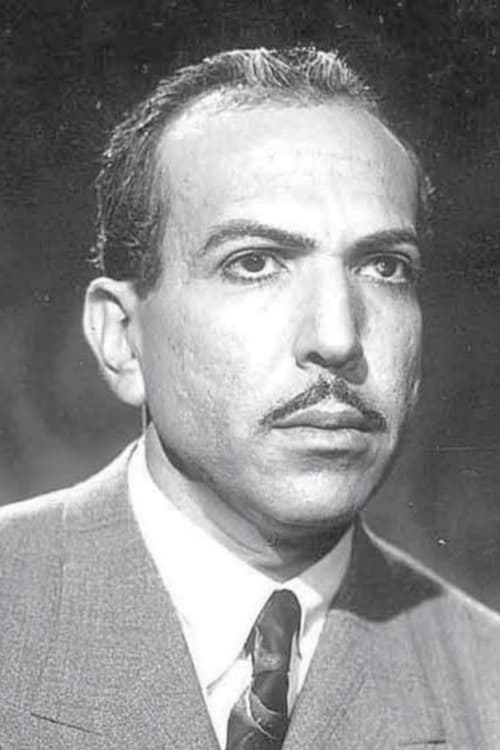
Zaki Rostom
The Principal
Hassan El Baroudy
Bashkatib
Hassan Mostafa
Abd al-Muttalib
Abdel Salam Mohamed

Sami Sarhan
Safwat
Kawthar Shafik
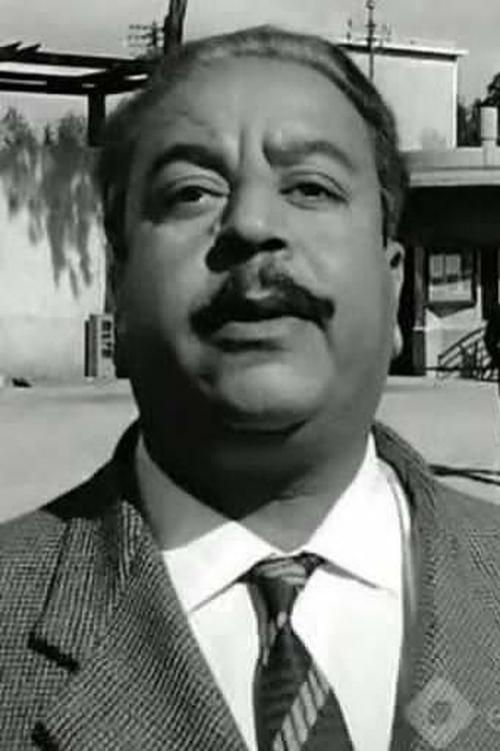
Hussain Ismael
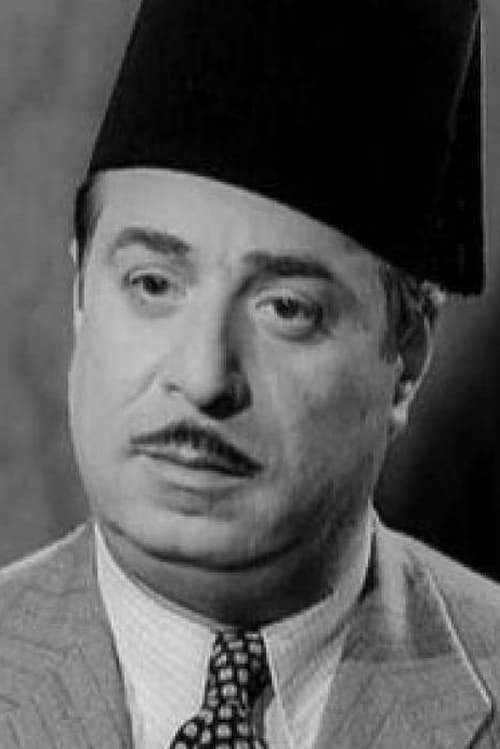
Hussein Reyaad
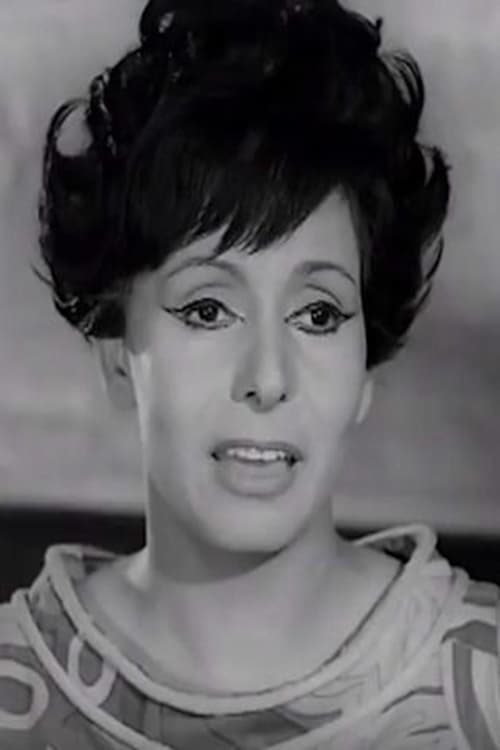
Kawthar ElAssal

Mohamed Shawqi
Crew

Henry Barakat
Director

Saad al-Din Wahbah
Screenplay
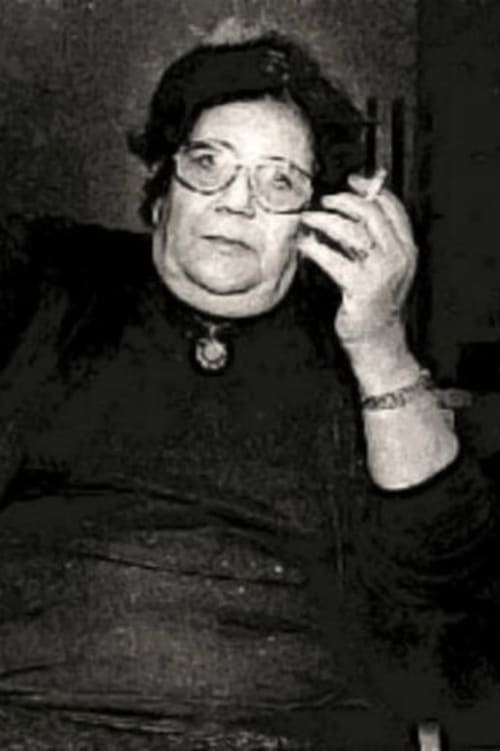
Rashida Abdel Salam
Editor
Ahmed Dia Al-Mahdi
Director of Photography

AbdelWahhab Qotb
Assistant Makeup Artist

Yousef Idris
Novel
Popular Reviews
12 reviews
Juw
9.0★ · 07/31/25
بعشق مصر و بعشق سينما مصر
بعشق مصر و بعشق سينما مصر


ChaiclassicsPRO
10.0★ · 05/31/25
Wow that was certainly a ride! Where do I begin? The Sin is a very interesting film for it's topics and themes which still do feel relevant to this day. Like The Nightangle's Prayer, with Henry Barakat as director and Faten Hamama as the lead star, this film The Sin, also focuses on the plight of women in a patriarchal society. The film depicts the desperate oppression of the peasant women. Aziza is a symbol of this. She is forced to work while her husband is sick and her kids remain home. This is obviously tough for any mother and we see her work insanely hard as the plot progresses. In the beginning it was very interesting to start from this narrative of the whole plot being revealed that the baby has been killed, immediately people begin to suspect the migrant workers, almost sounding prejudice in a sense. We eventually find out Aziza has been the one who did this crime. But we are drawn into her story. Her story progresses from happy loving relationship into the brutal and harsh lifestyle for rural people. Aziza transforms from this vivacious woman into this hardened lady. Unfortunately, Aziza finds herself a victim of male violence as she is raped. This exposed the deeply entrenched misogyny in society. It feels heartbreaking to see her bear this torment alone. She constantly hides her pregnancy because she knows the shame it'll bring upon her, as she feels a sense of guilt that the kid is not her husband's. Her silence driven by fear and shame leads her to this tragic downfall that is a tragic commentary on how women's voices are often suppressed and their suffering is ignored. We see this as people come to quick conclusions about why she killed the baby. It's like her fears weren't unfounded at all and we're true. Aziza's silence reflects our cultural cycle of fear and shame regarding sexual violence that people face, sometimes even on a daily basis. It was heartbreaking to see her work so hard to while being pregnant, there's many attempts she has to abort her baby. I found it so interesting it ended in a cyclical structure with obviously a tragic outcome for Aziza. Was her ending her atoning for her sins? Or was she a martyr for the tough lifestyle rural peasant women face? Like I said it ended in a cyclical structure with the migrant workers still facing hardships showing that this cycle of oppression and hate is never ending. The Sin was a very interesting and like Faten Hamama's work as well as Henry Barakat's films it often depicts the struggles of womenhood in Egyptian culture and society which makes it a very fascinating film. Faten Hamama is a superb actress I don't think that's surprising. Like I said before she's such as fascinating actress everything she does is amazing. She expresses her emotions so wonderfully and depicts that stark change in her behaviour. From the giggling village belle into the hardened and anguished woman who suffers a lot. She's amazing! Anyways liked this film a lot! Although I did prefer The Nightangle's Prayer for a Faten and Henry collab.
Wow that was certainly a ride! Where do I begin? The Sin is a very interesting film for it's topics and themes which still do feel relevant to this day. Like The Nightangle's Prayer, with Henry Barakat as director and Faten Hamama as the lead star, this film The Sin, also focuses on the plight of women in a patriarchal society. The film depicts the desperate oppression of the peasant women. Aziza is a symbol of this. She is forced to work while her husband is sick and her kids remain home. This is obviously tough for any mother and we see her work insanely hard as the plot progresses. In the beginning it was very interesting to start from this narrative of the whole plot being revealed that the baby has been killed, immediately people begin to suspect the migrant workers, almost sounding prejudice in a sense. We eventually find out Aziza has been the one who did this crime. But we are drawn into her story. Her story progresses from happy loving relationship into the brutal and harsh lifestyle for rural people. Aziza transforms from this vivacious woman into this hardened lady. Unfortunately, Aziza finds herself a victim of male violence as she is raped. This exposed the deeply entrenched misogyny in society. It feels heartbreaking to see her bear this torment alone. She constantly hides her pregnancy because she knows the shame it'll bring upon her, as she feels a sense of guilt that the kid is not her husband's. Her silence driven by fear and shame leads her to this tragic downfall that is a tragic commentary on how women's voices are often suppressed and their suffering is ignored. We see this as people come to quick conclusions about why she killed the baby. It's like her fears weren't unfounded at all and we're true. Aziza's silence reflects our cultural cycle of fear and shame regarding sexual violence that people face, sometimes even on a daily basis. It was heartbreaking to see her work so hard to while being pregnant, there's many attempts she has to abort her baby. I found it so interesting it ended in a cyclical structure with obviously a tragic outcome for Aziza. Was her ending her atoning for her sins? Or was she a martyr for the tough lifestyle rural peasant women face? Like I said it ended in a cyclical structure with the migrant workers still facing hardships showing that this cycle of oppression and hate is never ending. The Sin was a very interesting and like Faten Hamama's work as well as Henry Barakat's films it often depicts the struggles of womenhood in Egyptian culture and society which makes it a very fascinating film. Faten Hamama is a superb actress I don't think that's surprising. Like I said before she's such as fascinating actress everything she does is amazing. She expresses her emotions so wonderfully and depicts that stark change in her behaviour. From the giggling village belle into the hardened and anguished woman who suffers a lot. She's amazing! Anyways liked this film a lot! Although I did prefer The Nightangle's Prayer for a Faten and Henry collab.
Odi Suood
9.3★ · 12/09/21
"اهية خاطئة غسلت بالموت خطيئتها ام شهيدة دفعته الى الخطيئة خطيئةً اكبر منها ؟"
"اهية خاطئة غسلت بالموت خطيئتها ام شهيدة دفعته الى الخطيئة خطيئةً اكبر منها ؟"
Fatma
10.0★ · 04/13/26
S
10.0★ · 02/21/26