
America as Seen by a Frenchman
1960·Documentary·1h 31m
7.1
★
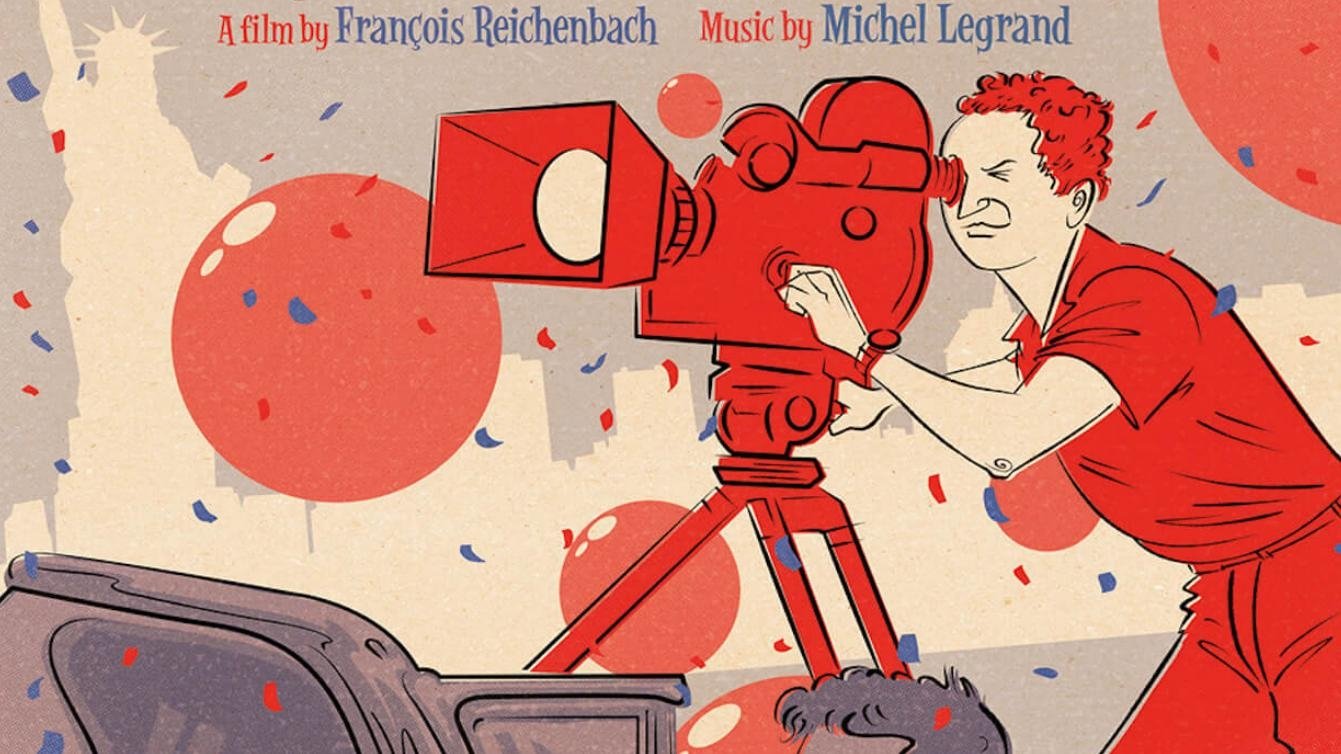
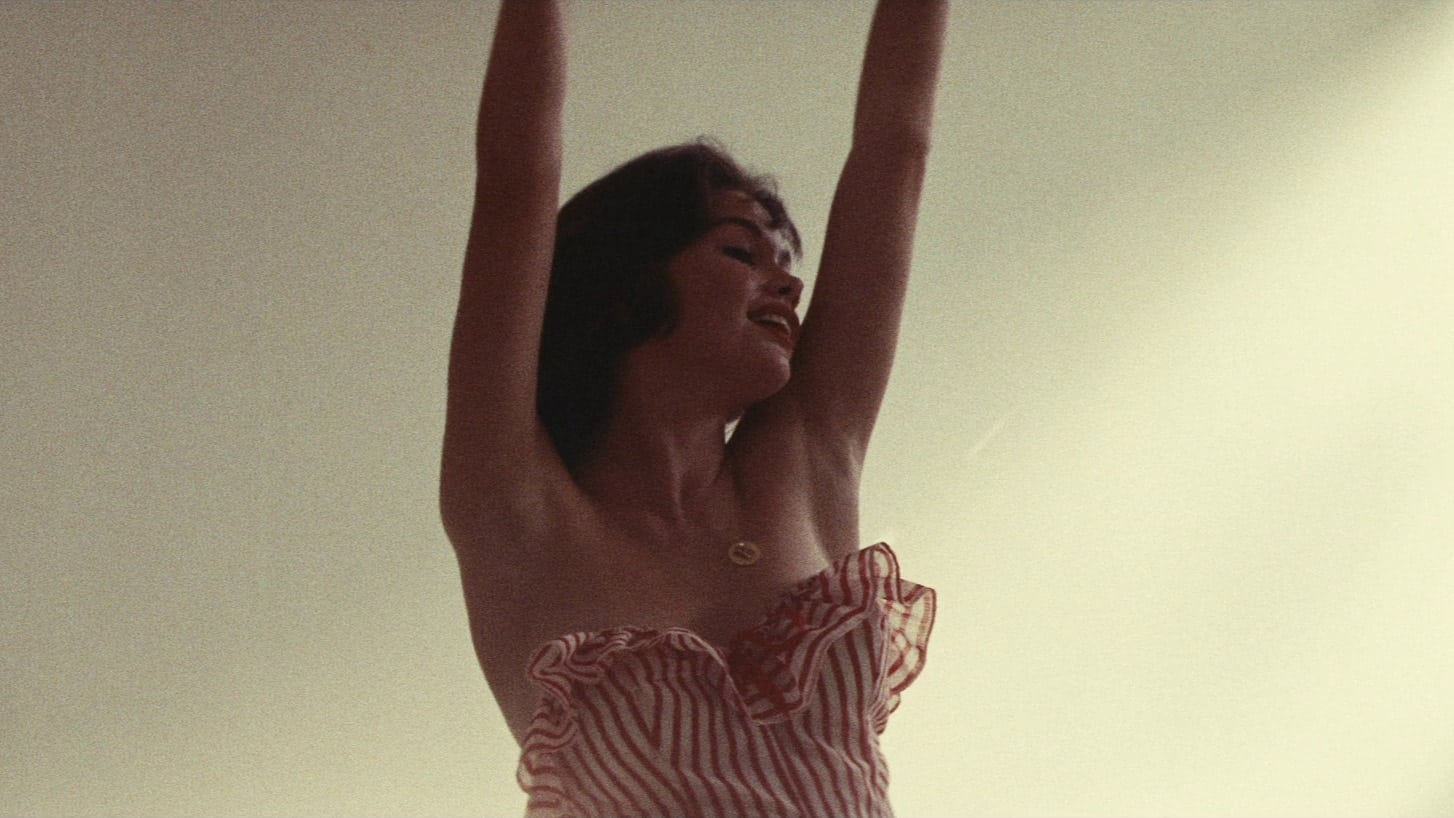
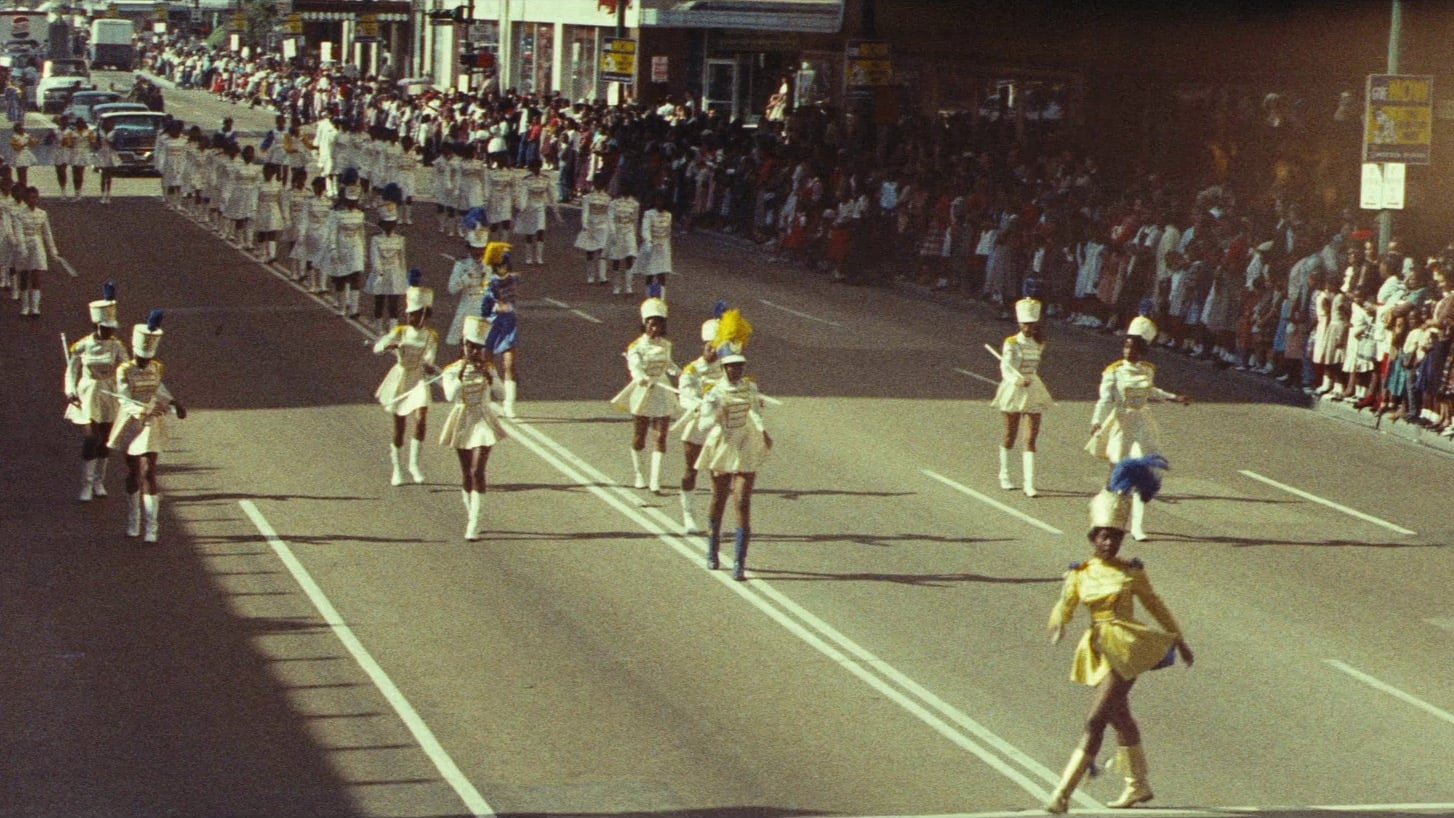
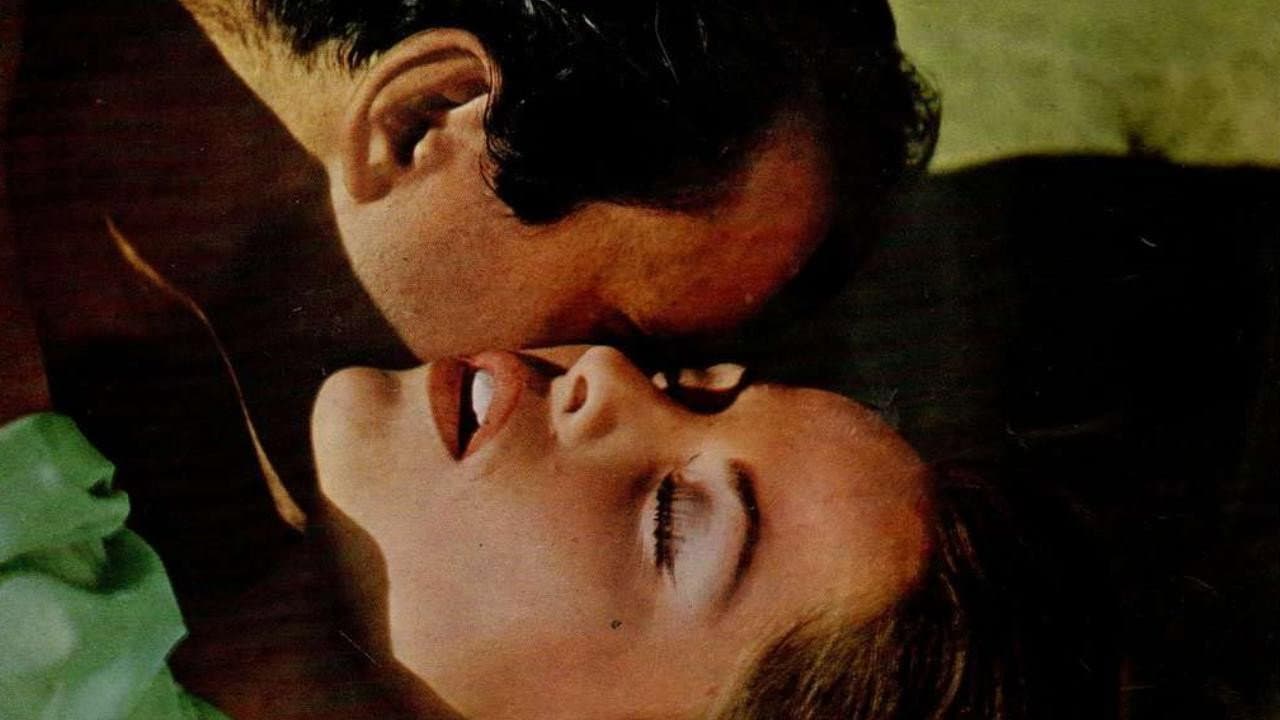
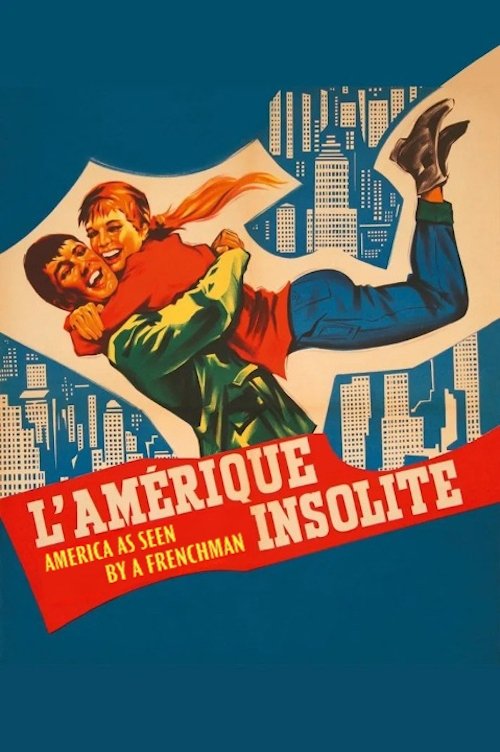
At the end of the 1950s, French documentarian François Reichenbach spent eighteen months traveling the United States, documenting its diverse regions, their inhabitants, and their pastimes. The result is a journey through a multitude of different Americas, filtered through a French sensibility.
Directed by François Reichenbach
time capsule
satirical
documentary
french

IMDB
N/A
Cast
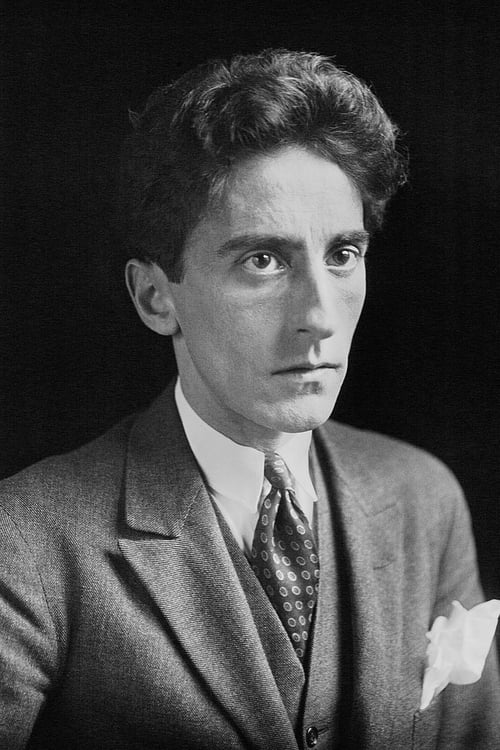
Jean Cocteau
Narrator (Afterword)
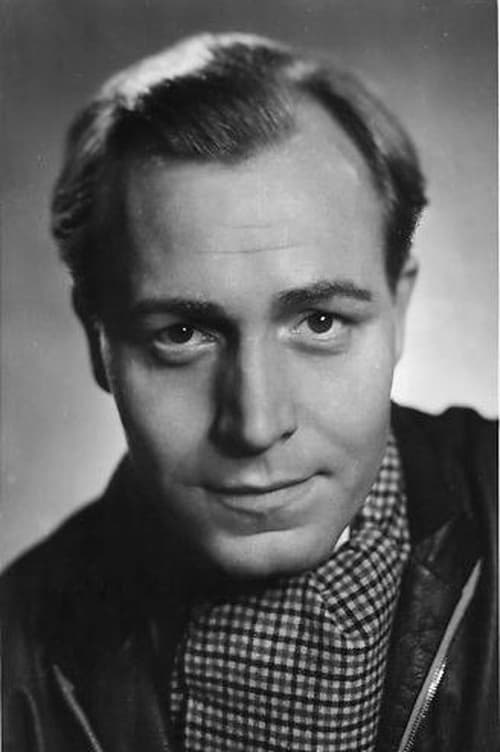
Paul Klinger
Narrator (German Version)
Crew

François Reichenbach
Director
François Reichenbach
Writer
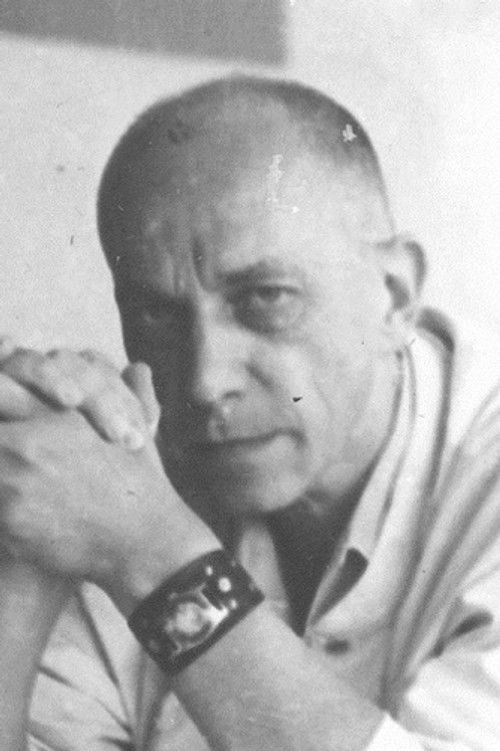
Chris Marker
Writer
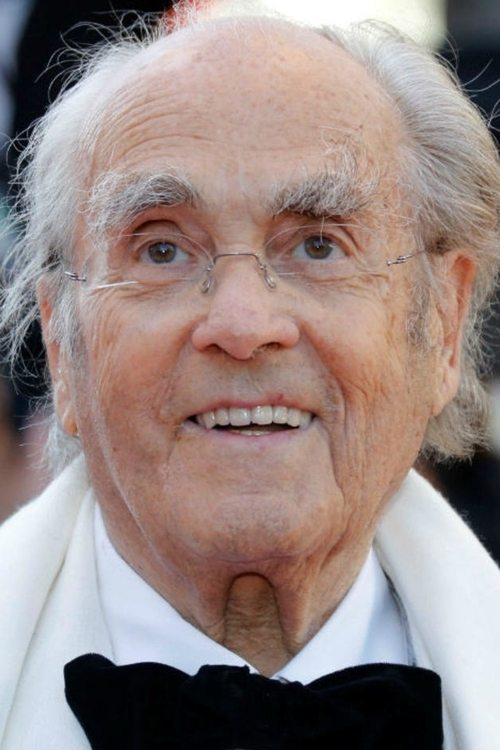
Michel Legrand
Original Music Composer
François Reichenbach
Director of Photography
Popular Reviews
2 reviews
Mike K
9.7★ · 03/01/23
First of all, it’s crazy that a film of this quality is so obscure. One of the few results that come up when you google this Doc is a 2022 Harvard Film Archive screening, as part of a series on “Forgotten French New Wave Directors”. Fair Enough. The incredible restoration that I watched is only about a year old, so maybe it’s popularity will rise over time.
Secondly, a lot of other reviews bemoan the lack of a central point, that the commentary on America wasn’t incisive enough. I couldn’t disagree more. Perhaps I have a higher threshold for ambient footage than the average person, but I found these stunningly shot vignettes of 50s American life absolutely grabbing. If we give the leeway to poetry, paintings, or photography to be evocative, beautiful, and emotionally resonant - than why should film not get that freedom without being calling “intellectually light”? (as one top review for this film says)
Perhaps I would have felt differently had I viewed the film in 1960. But, as a viewer from the future, I appreciated the opportunity to take in these images and make sense of them myself. I think the trippy part of a documentary like this, is that it allows you to reach back into time and get a glimpse into what 1950s life in America was truly like. (Unlike watching a 50s Hollywood movie, which shows you what life in the 50s was like, through a funhouse mirror). Film can be the most powerful primary source out there - moments taken out of time and replicated for infinity. But every piece of added commentary transforms the footage from a primary to a secondary source. Suddenly you’re no longer watching a snapshot of life in the 50s, you're watching a snapshot of this specific directors opinions on life in the 50s.
Secondly, a lot of other reviews bemoan the lack of a central point, that the commentary on America wasn’t incisive enough. I couldn’t disagree more. Perhaps I have a higher threshold for ambient footage than the average person, but I found these stunningly shot vignettes of 50s American life absolutely grabbing. If we give the leeway to poetry, paintings, or photography to be evocative, beautiful, and emotionally resonant - than why should film not get that freedom without being calling “intellectually light”? (as one top review for this film says)
Perhaps I would have felt differently had I viewed the film in 1960. But, as a viewer from the future, I appreciated the opportunity to take in these images and make sense of them myself. I think the trippy part of a documentary like this, is that it allows you to reach back into time and get a glimpse into what 1950s life in America was truly like. (Unlike watching a 50s Hollywood movie, which shows you what life in the 50s was like, through a funhouse mirror). Film can be the most powerful primary source out there - moments taken out of time and replicated for infinity. But every piece of added commentary transforms the footage from a primary to a secondary source. Suddenly you’re no longer watching a snapshot of life in the 50s, you're watching a snapshot of this specific directors opinions on life in the 50s.
First of all, it’s crazy that a film of this quality is so obscure. One of the few results that come up when you google this Doc is a 2022 Harvard Film Archive screening, as part of a series on “Forgotten French New Wave Directors”. Fair Enough. The incredible restoration that I watched is only about a year old, so maybe it’s popularity will rise over time.
Secondly, a lot of other reviews bemoan the lack of a central point, that the commentary on America wasn’t incisive enough. I couldn’t disagree more. Perhaps I have a higher threshold for ambient footage than the average person, but I found these stunningly shot vignettes of 50s American life absolutely grabbing. If we give the leeway to poetry, paintings, or photography to be evocative, beautiful, and emotionally resonant - than why should film not get that freedom without being calling “intellectually light”? (as one top review for this film says)
Perhaps I would have felt differently had I viewed the film in 1960. But, as a viewer from the future, I appreciated the opportunity to take in these images and make sense of them myself. I think the trippy part of a documentary like this, is that it allows you to reach back into time and get a glimpse into what 1950s life in America was truly like. (Unlike watching a 50s Hollywood movie, which shows you what life in the 50s was like, through a funhouse mirror). Film can be the most powerful primary source out there - moments taken out of time and replicated for infinity. But every piece of added commentary transforms the footage from a primary to a secondary source. Suddenly you’re no longer watching a snapshot of life in the 50s, you're watching a snapshot of this specific directors opinions on life in the 50s.
Secondly, a lot of other reviews bemoan the lack of a central point, that the commentary on America wasn’t incisive enough. I couldn’t disagree more. Perhaps I have a higher threshold for ambient footage than the average person, but I found these stunningly shot vignettes of 50s American life absolutely grabbing. If we give the leeway to poetry, paintings, or photography to be evocative, beautiful, and emotionally resonant - than why should film not get that freedom without being calling “intellectually light”? (as one top review for this film says)
Perhaps I would have felt differently had I viewed the film in 1960. But, as a viewer from the future, I appreciated the opportunity to take in these images and make sense of them myself. I think the trippy part of a documentary like this, is that it allows you to reach back into time and get a glimpse into what 1950s life in America was truly like. (Unlike watching a 50s Hollywood movie, which shows you what life in the 50s was like, through a funhouse mirror). Film can be the most powerful primary source out there - moments taken out of time and replicated for infinity. But every piece of added commentary transforms the footage from a primary to a secondary source. Suddenly you’re no longer watching a snapshot of life in the 50s, you're watching a snapshot of this specific directors opinions on life in the 50s.


Anthony
7.0★ · 01/31/24