


1971·Drama·1h 42m
7.1
★
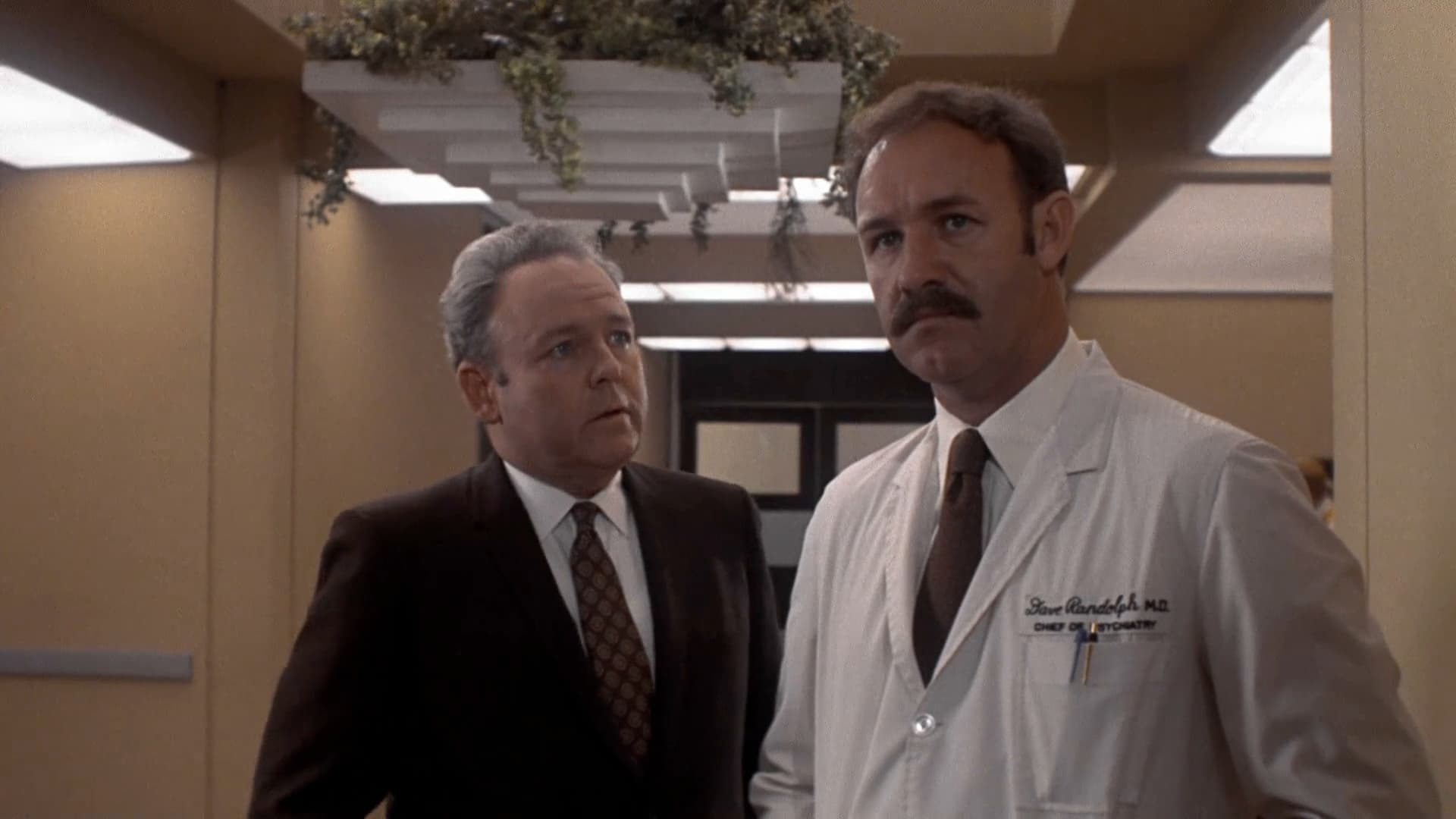
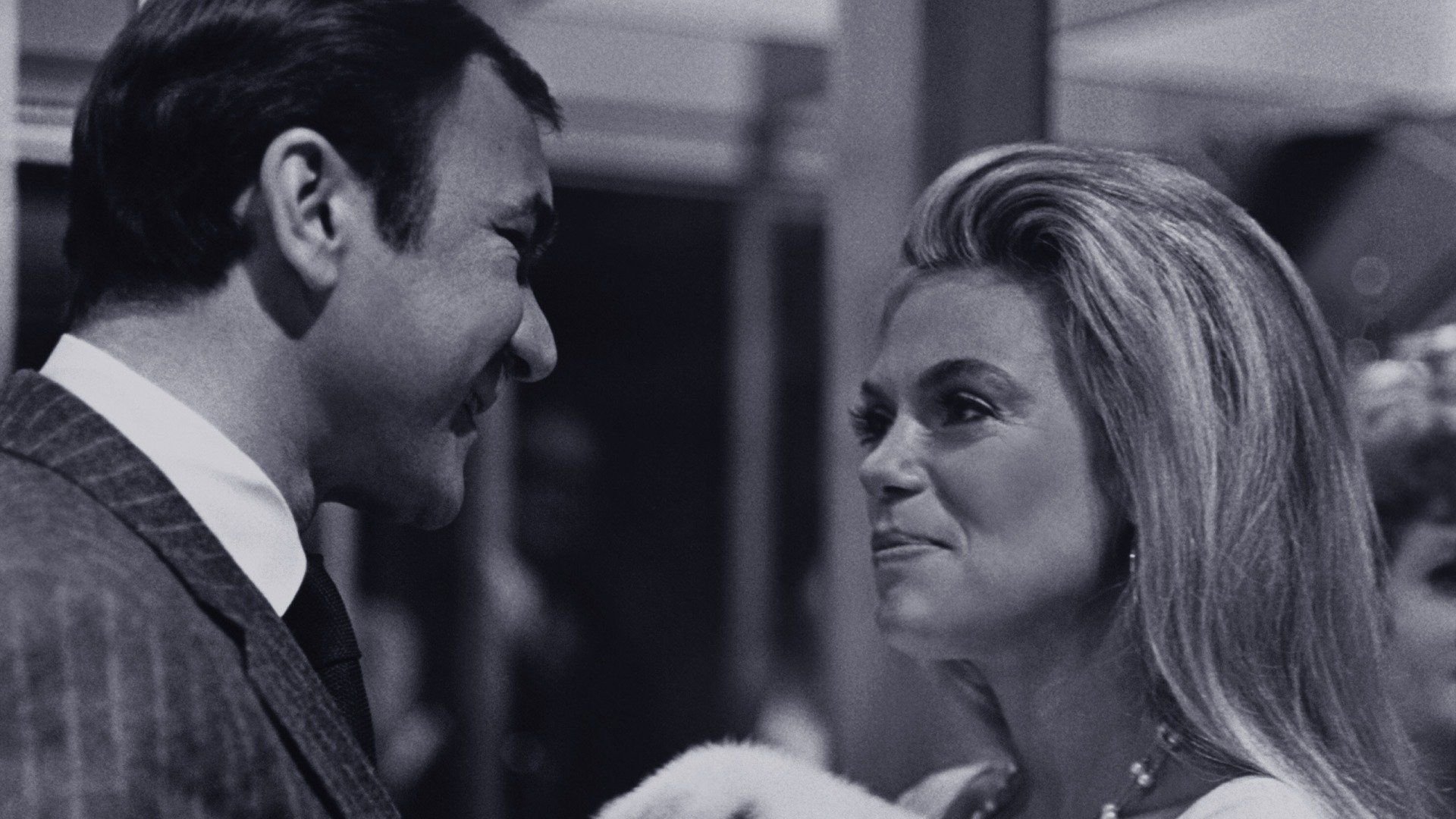
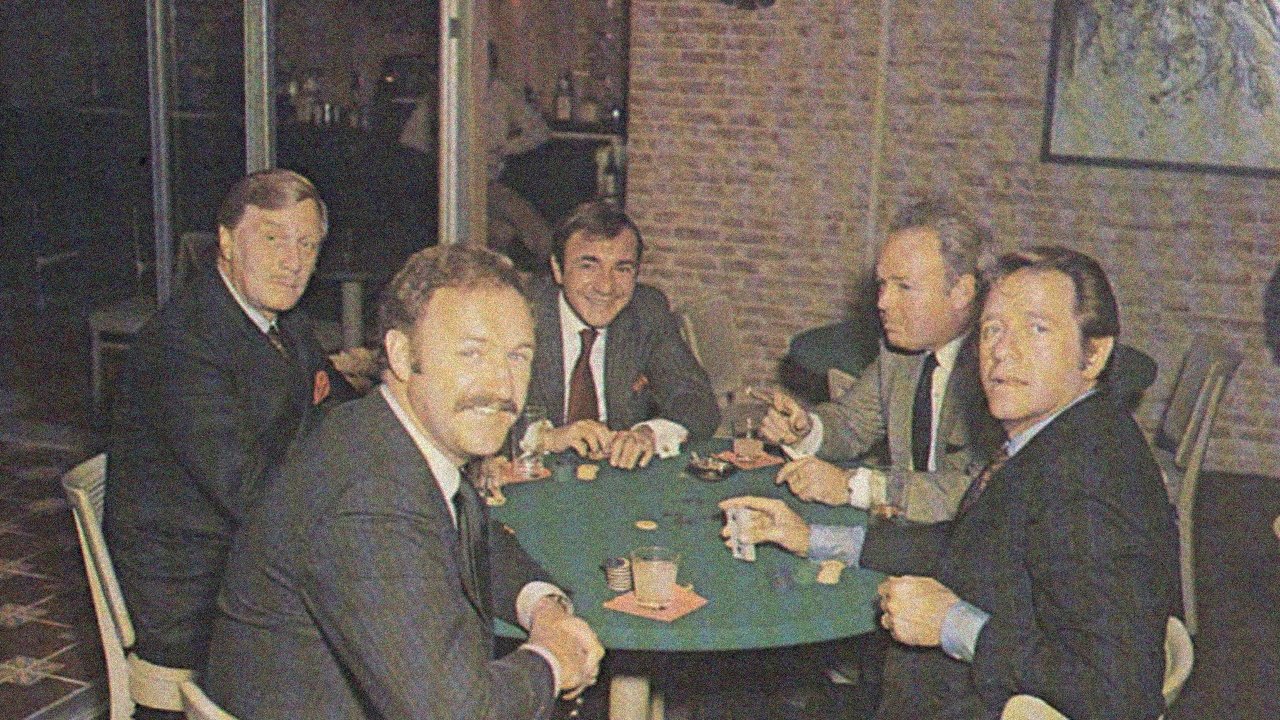
The wives of several high-powered doctors feel neglected due to their husbands' focus on their careers, so they embark on a regimen of sex, drugs and booze.
Directed by George Schaefer
infidelity
husband wife relationship
hospital
doctor

IMDB
N/A
Cast

Dyan Cannon
Lorrie

Richard Crenna
Pete Brennan
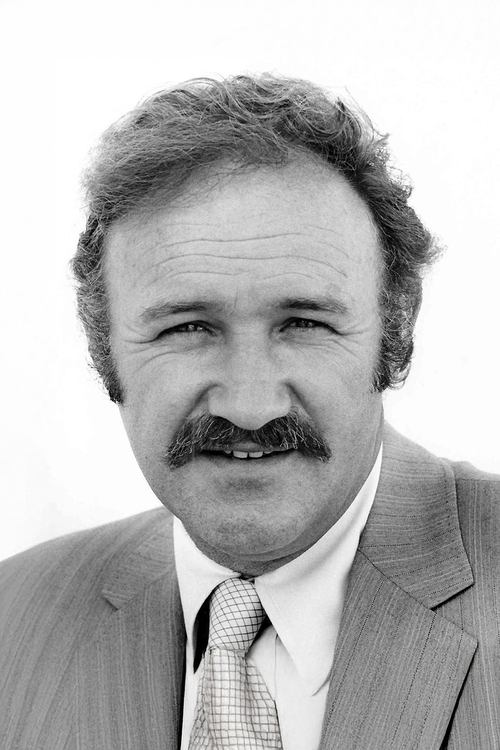
Gene Hackman
Dave Randolph
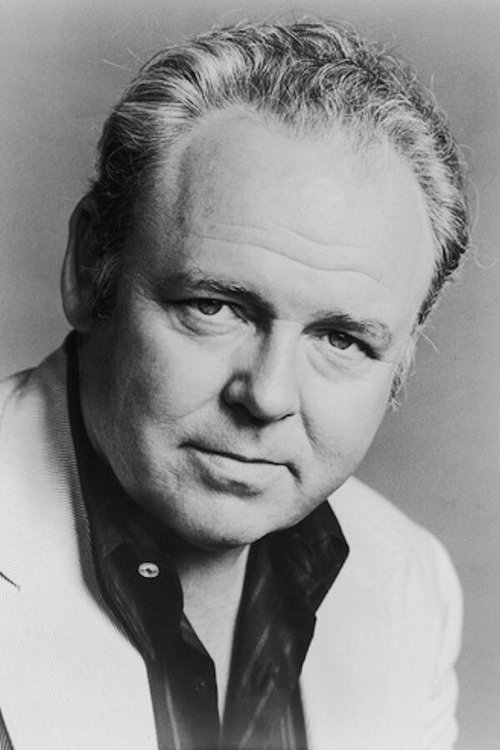
Carroll O'Connor
Joe Gray
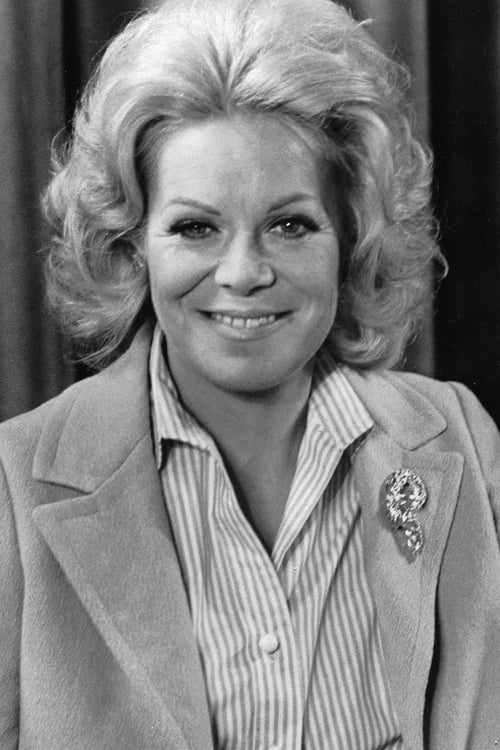
Rachel Roberts
Della Randolph

Janice Rule
Amy Brennan
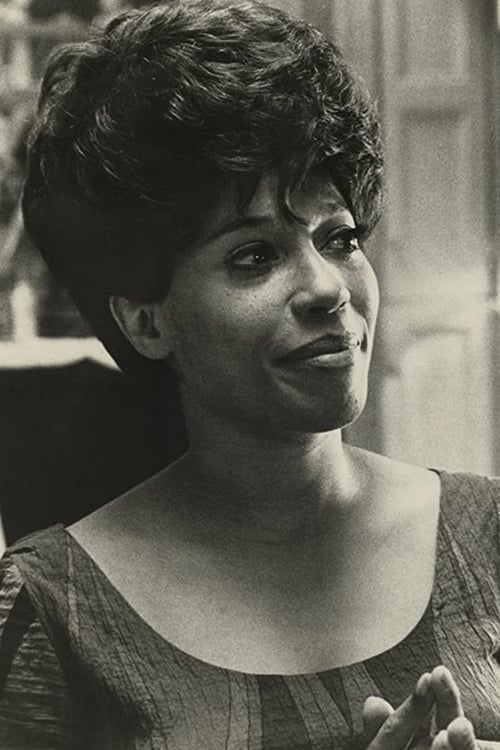
Diana Sands
Helen Straughn
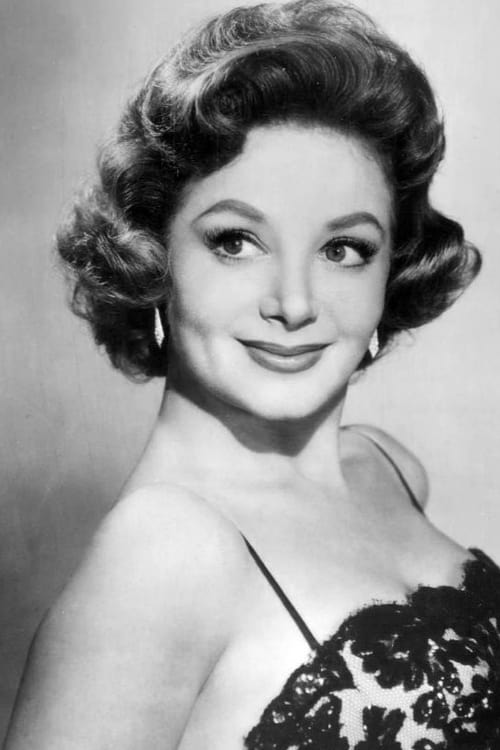
Cara Williams
Maggie Gray
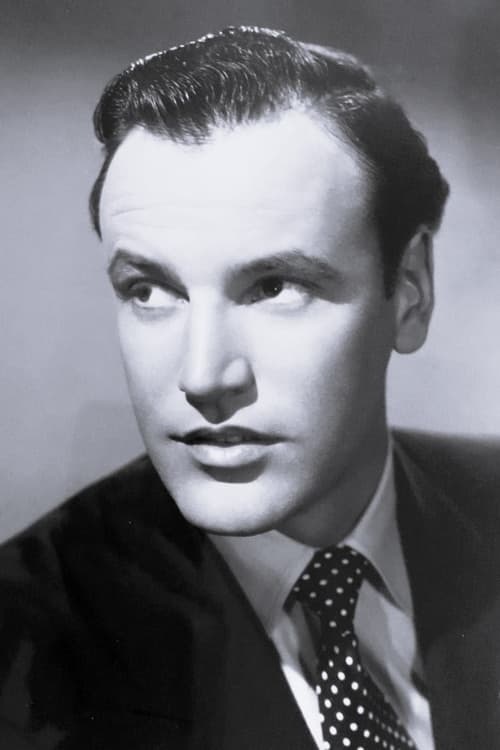
Richard Anderson
D.A. Douglas
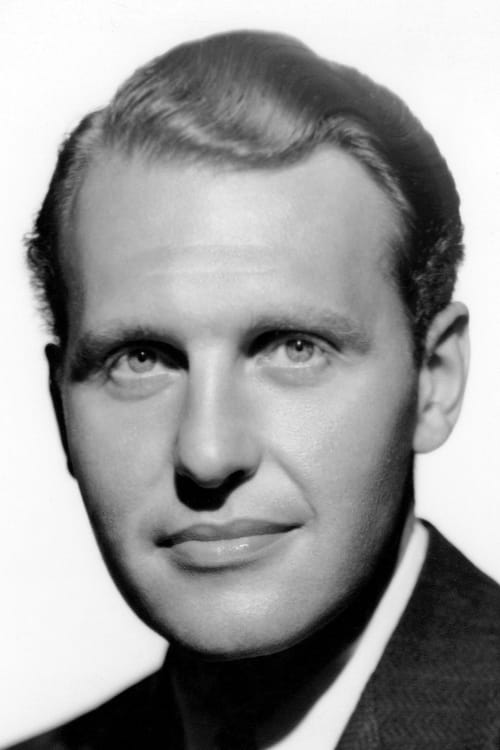
Ralph Bellamy
Jake Porter
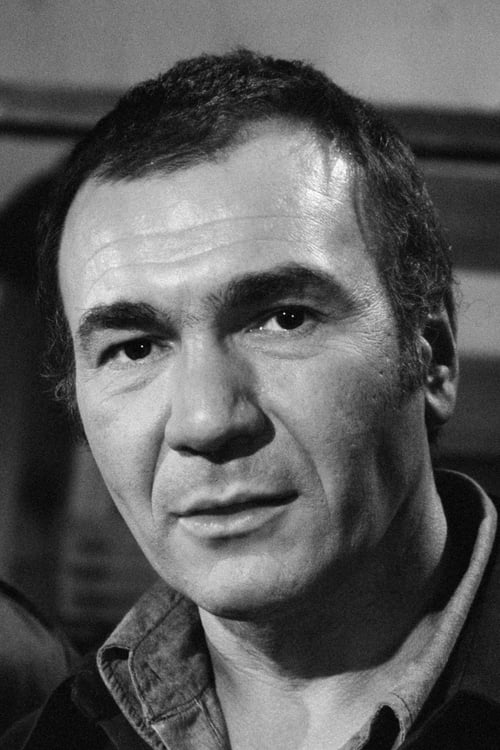
John Colicos
Mort Dellman
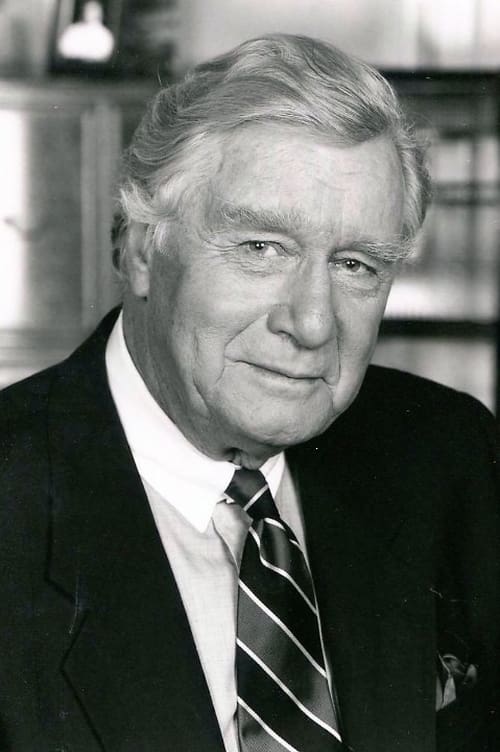
George Gaynes
Paul McGill
Crew
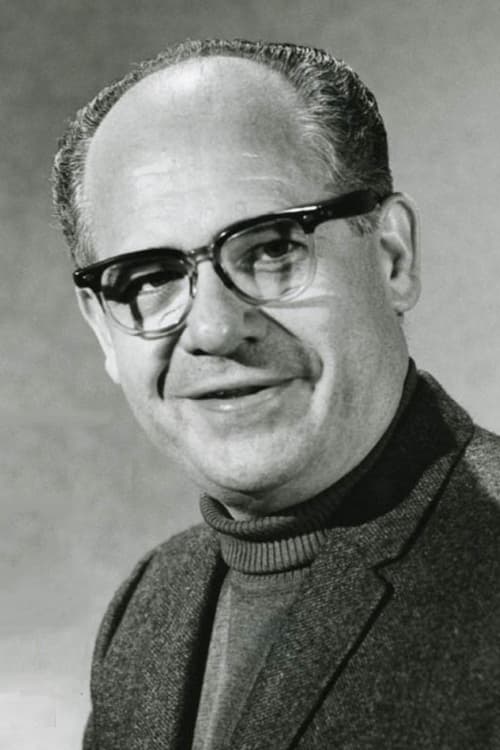
George Schaefer
Director
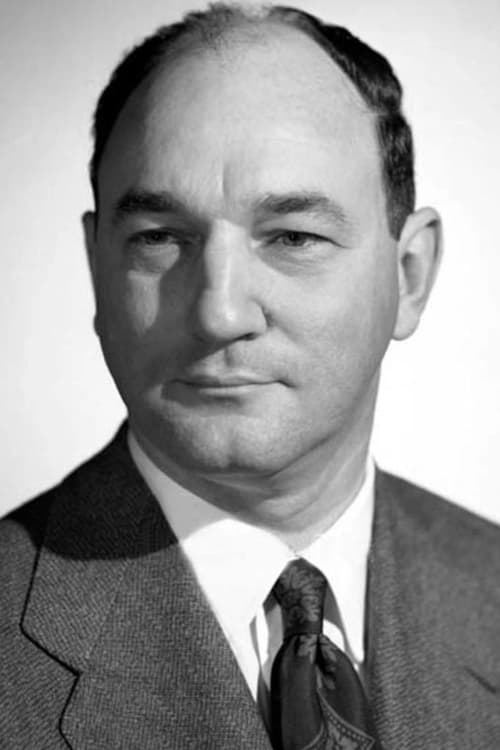
Daniel Taradash
Screenplay
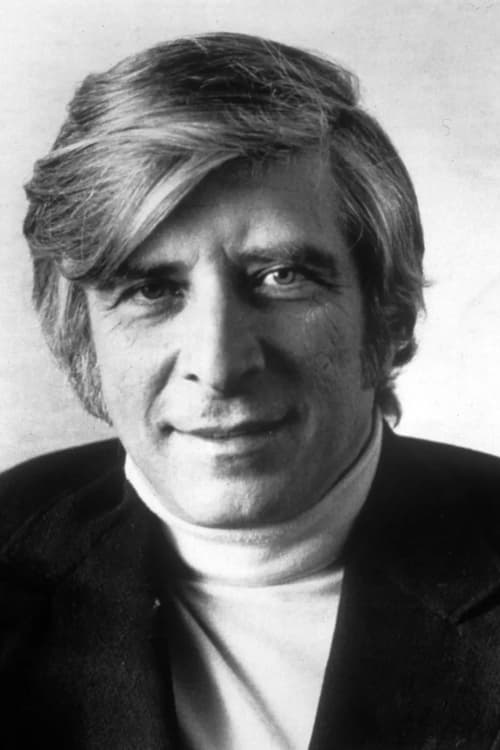
Elmer Bernstein
Original Music Composer
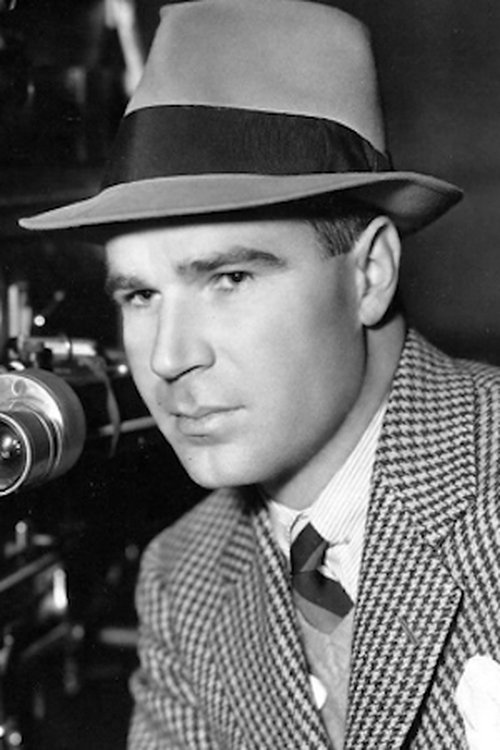
Charles Lang
Director of Photography
Popular Reviews
1 review
jamblo
4.0★ · 10/11/22

As other people have noted, ‘Doctor’s Wives’ is a soap opera, albeit one with a single episode.
It has typical soap opera elements, a central location (a teaching hospital) & a few satellite locations in the form of the respective bedrooms and dining rooms of the ensemble cast; standardized plot elements: crime (a murder), drama (addiction, infidelity), comedy (of a sort that doesn’t translate particularly well 50 some years later); a hilarious one-shot focusing on various characters as they deliver internal monologues via voice over; an absurdly arch, eyebrow-raising ‘villain;’ and so on.
Coming right after the ‘free-love’ ‘60s, most of the male characters have (or have been) having sex with anyone but their respective spouses/partners and, if not, they are talking about it fairly frankly, at least insofar as the era would allow (one specific infidelity forms the film’s plot driver), while most of the women are masking their respective lack of sex with work (gasp!), golf, drugs, and ‘society,’ except for the one who expresses any sexual agency and who is promptly murdered.
But it is also a bit of a weird beast. On the surface anyway, it seems incredibly racially progressive in romantic partnering, but also in social interactions, and it’s lack of comment on this (calling attention on how progressive a film is being something an hallmark of the period) is fascinating; the use of slang sounds very awkward coming from these characters (not to mention actors), most of whom wouldn’t realistically speak that way; and, perhaps most strikingly it includes documentary footage of two, actual surgical procedures (the longest one, at least ten minutes, features a operation with an exposed heart), both helpfully narrated for the cast playing observing students at the hospital.
Other notable items:
* A woman vengefully plays a record by a psych-rock group she identifies as the ‘Purple Indifference.’
* Someone (Carroll O’Connor from ‘All in the Family,’ specifically) describe one ongoing tryst as ‘That’s like Lolita with the Pope.’
* Another character exclaims ‘I don’t appreciate you sleeping with your wife!’
* Gene Hackman, immediately after flying into a rage at Rachel Roberts, says ‘Huh, beating people with a newspaper, I should talk to someone about that’ to which Roberts (the recipient of said beating) says, tearfully, ‘Don’t.’
* The film seems to only have the vaguest notion what arresting someone for murder means (here, the suspect is allowed to conduct business meeting in the police station’s conference room (?) and later to perform surgery under minimal guard).
* And, apologies to any fans, but the Mama Cass-sung Elmer Bernstein song on the soundtrack is real, scraped from the bottom of the barrel material.
This is one of those films with a stellar cast, all treading water in a script that is barely trying to meet them halfway—in fact, much like a soap opera, there are numerous plot threads that are left hanging (though I can’t imagine anyone was thinking about a sequel)—and directed in the most unshowy way possible (barring one sequence of inexplicable freeze-frames late in the picture).
It has typical soap opera elements, a central location (a teaching hospital) & a few satellite locations in the form of the respective bedrooms and dining rooms of the ensemble cast; standardized plot elements: crime (a murder), drama (addiction, infidelity), comedy (of a sort that doesn’t translate particularly well 50 some years later); a hilarious one-shot focusing on various characters as they deliver internal monologues via voice over; an absurdly arch, eyebrow-raising ‘villain;’ and so on.
Coming right after the ‘free-love’ ‘60s, most of the male characters have (or have been) having sex with anyone but their respective spouses/partners and, if not, they are talking about it fairly frankly, at least insofar as the era would allow (one specific infidelity forms the film’s plot driver), while most of the women are masking their respective lack of sex with work (gasp!), golf, drugs, and ‘society,’ except for the one who expresses any sexual agency and who is promptly murdered.
But it is also a bit of a weird beast. On the surface anyway, it seems incredibly racially progressive in romantic partnering, but also in social interactions, and it’s lack of comment on this (calling attention on how progressive a film is being something an hallmark of the period) is fascinating; the use of slang sounds very awkward coming from these characters (not to mention actors), most of whom wouldn’t realistically speak that way; and, perhaps most strikingly it includes documentary footage of two, actual surgical procedures (the longest one, at least ten minutes, features a operation with an exposed heart), both helpfully narrated for the cast playing observing students at the hospital.
Other notable items:
* A woman vengefully plays a record by a psych-rock group she identifies as the ‘Purple Indifference.’
* Someone (Carroll O’Connor from ‘All in the Family,’ specifically) describe one ongoing tryst as ‘That’s like Lolita with the Pope.’
* Another character exclaims ‘I don’t appreciate you sleeping with your wife!’
* Gene Hackman, immediately after flying into a rage at Rachel Roberts, says ‘Huh, beating people with a newspaper, I should talk to someone about that’ to which Roberts (the recipient of said beating) says, tearfully, ‘Don’t.’
* The film seems to only have the vaguest notion what arresting someone for murder means (here, the suspect is allowed to conduct business meeting in the police station’s conference room (?) and later to perform surgery under minimal guard).
* And, apologies to any fans, but the Mama Cass-sung Elmer Bernstein song on the soundtrack is real, scraped from the bottom of the barrel material.
This is one of those films with a stellar cast, all treading water in a script that is barely trying to meet them halfway—in fact, much like a soap opera, there are numerous plot threads that are left hanging (though I can’t imagine anyone was thinking about a sequel)—and directed in the most unshowy way possible (barring one sequence of inexplicable freeze-frames late in the picture).
As other people have noted, ‘Doctor’s Wives’ is a soap opera, albeit one with a single episode.
It has typical soap opera elements, a central location (a teaching hospital) & a few satellite locations in the form of the respective bedrooms and dining rooms of the ensemble cast; standardized plot elements: crime (a murder), drama (addiction, infidelity), comedy (of a sort that doesn’t translate particularly well 50 some years later); a hilarious one-shot focusing on various characters as they deliver internal monologues via voice over; an absurdly arch, eyebrow-raising ‘villain;’ and so on.
Coming right after the ‘free-love’ ‘60s, most of the male characters have (or have been) having sex with anyone but their respective spouses/partners and, if not, they are talking about it fairly frankly, at least insofar as the era would allow (one specific infidelity forms the film’s plot driver), while most of the women are masking their respective lack of sex with work (gasp!), golf, drugs, and ‘society,’ except for the one who expresses any sexual agency and who is promptly murdered.
But it is also a bit of a weird beast. On the surface anyway, it seems incredibly racially progressive in romantic partnering, but also in social interactions, and it’s lack of comment on this (calling attention on how progressive a film is being something an hallmark of the period) is fascinating; the use of slang sounds very awkward coming from these characters (not to mention actors), most of whom wouldn’t realistically speak that way; and, perhaps most strikingly it includes documentary footage of two, actual surgical procedures (the longest one, at least ten minutes, features a operation with an exposed heart), both helpfully narrated for the cast playing observing students at the hospital.
Other notable items:
* A woman vengefully plays a record by a psych-rock group she identifies as the ‘Purple Indifference.’
* Someone (Carroll O’Connor from ‘All in the Family,’ specifically) describe one ongoing tryst as ‘That’s like Lolita with the Pope.’
* Another character exclaims ‘I don’t appreciate you sleeping with your wife!’
* Gene Hackman, immediately after flying into a rage at Rachel Roberts, says ‘Huh, beating people with a newspaper, I should talk to someone about that’ to which Roberts (the recipient of said beating) says, tearfully, ‘Don’t.’
* The film seems to only have the vaguest notion what arresting someone for murder means (here, the suspect is allowed to conduct business meeting in the police station’s conference room (?) and later to perform surgery under minimal guard).
* And, apologies to any fans, but the Mama Cass-sung Elmer Bernstein song on the soundtrack is real, scraped from the bottom of the barrel material.
This is one of those films with a stellar cast, all treading water in a script that is barely trying to meet them halfway—in fact, much like a soap opera, there are numerous plot threads that are left hanging (though I can’t imagine anyone was thinking about a sequel)—and directed in the most unshowy way possible (barring one sequence of inexplicable freeze-frames late in the picture).
It has typical soap opera elements, a central location (a teaching hospital) & a few satellite locations in the form of the respective bedrooms and dining rooms of the ensemble cast; standardized plot elements: crime (a murder), drama (addiction, infidelity), comedy (of a sort that doesn’t translate particularly well 50 some years later); a hilarious one-shot focusing on various characters as they deliver internal monologues via voice over; an absurdly arch, eyebrow-raising ‘villain;’ and so on.
Coming right after the ‘free-love’ ‘60s, most of the male characters have (or have been) having sex with anyone but their respective spouses/partners and, if not, they are talking about it fairly frankly, at least insofar as the era would allow (one specific infidelity forms the film’s plot driver), while most of the women are masking their respective lack of sex with work (gasp!), golf, drugs, and ‘society,’ except for the one who expresses any sexual agency and who is promptly murdered.
But it is also a bit of a weird beast. On the surface anyway, it seems incredibly racially progressive in romantic partnering, but also in social interactions, and it’s lack of comment on this (calling attention on how progressive a film is being something an hallmark of the period) is fascinating; the use of slang sounds very awkward coming from these characters (not to mention actors), most of whom wouldn’t realistically speak that way; and, perhaps most strikingly it includes documentary footage of two, actual surgical procedures (the longest one, at least ten minutes, features a operation with an exposed heart), both helpfully narrated for the cast playing observing students at the hospital.
Other notable items:
* A woman vengefully plays a record by a psych-rock group she identifies as the ‘Purple Indifference.’
* Someone (Carroll O’Connor from ‘All in the Family,’ specifically) describe one ongoing tryst as ‘That’s like Lolita with the Pope.’
* Another character exclaims ‘I don’t appreciate you sleeping with your wife!’
* Gene Hackman, immediately after flying into a rage at Rachel Roberts, says ‘Huh, beating people with a newspaper, I should talk to someone about that’ to which Roberts (the recipient of said beating) says, tearfully, ‘Don’t.’
* The film seems to only have the vaguest notion what arresting someone for murder means (here, the suspect is allowed to conduct business meeting in the police station’s conference room (?) and later to perform surgery under minimal guard).
* And, apologies to any fans, but the Mama Cass-sung Elmer Bernstein song on the soundtrack is real, scraped from the bottom of the barrel material.
This is one of those films with a stellar cast, all treading water in a script that is barely trying to meet them halfway—in fact, much like a soap opera, there are numerous plot threads that are left hanging (though I can’t imagine anyone was thinking about a sequel)—and directed in the most unshowy way possible (barring one sequence of inexplicable freeze-frames late in the picture).

