
1949·Drama·1h 34m
7.1
★
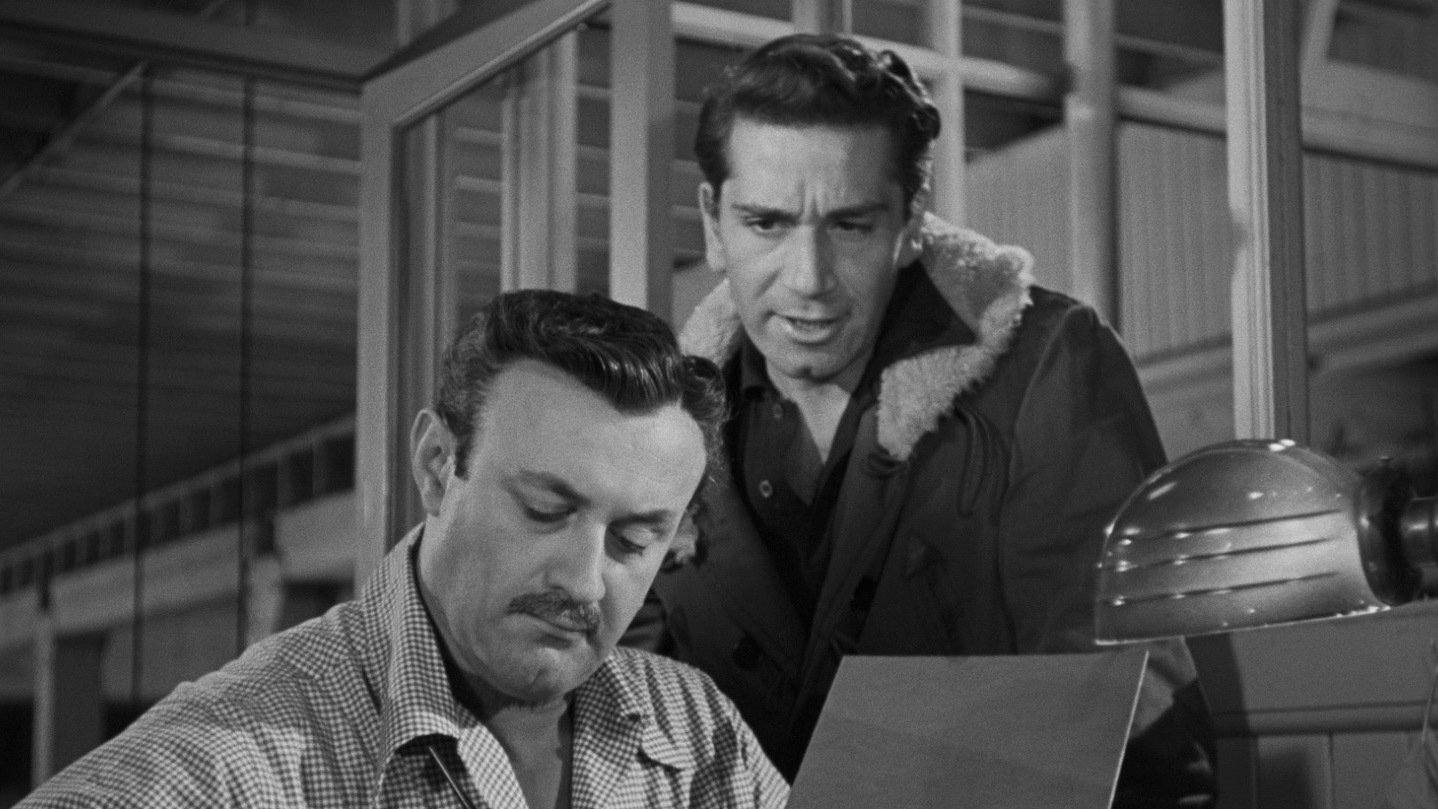
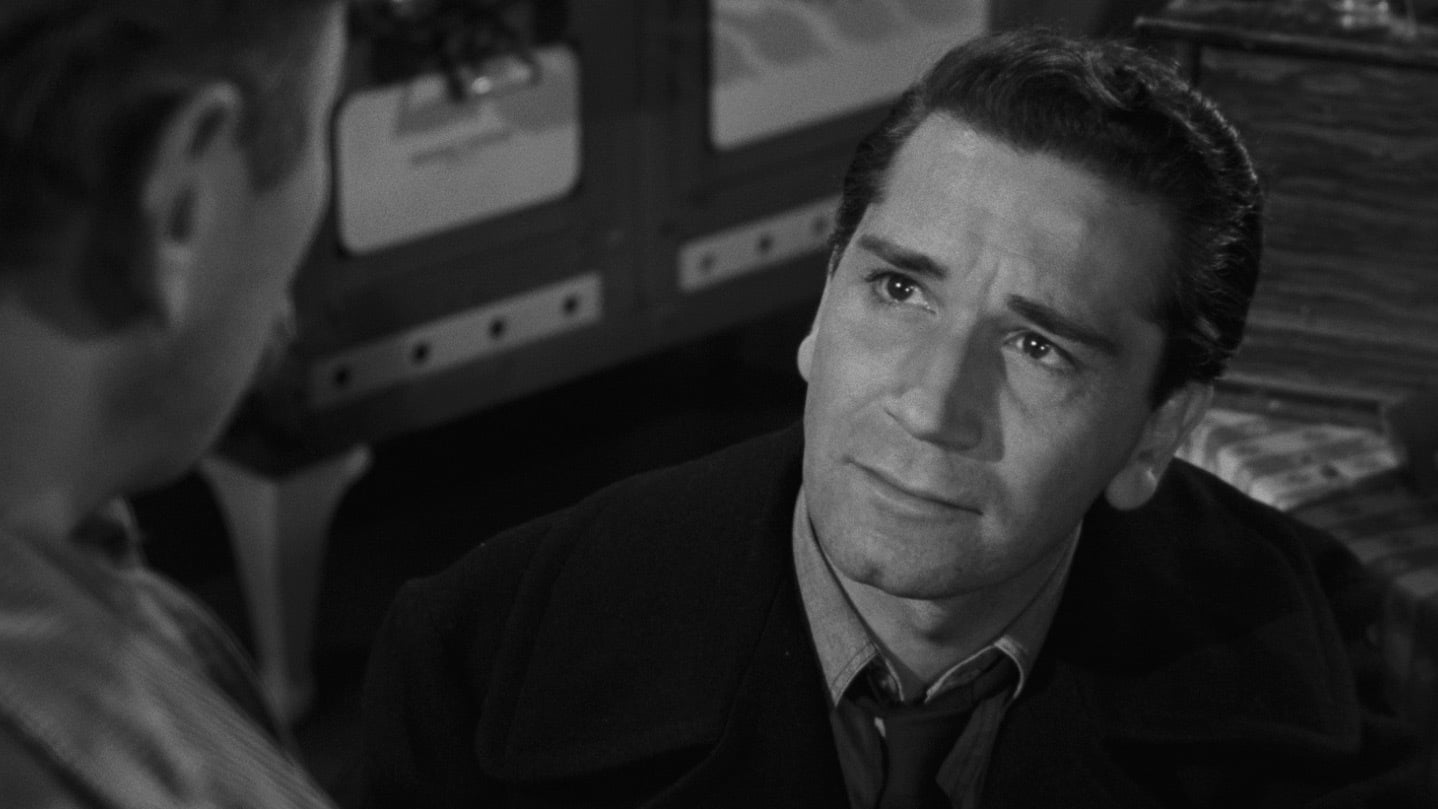

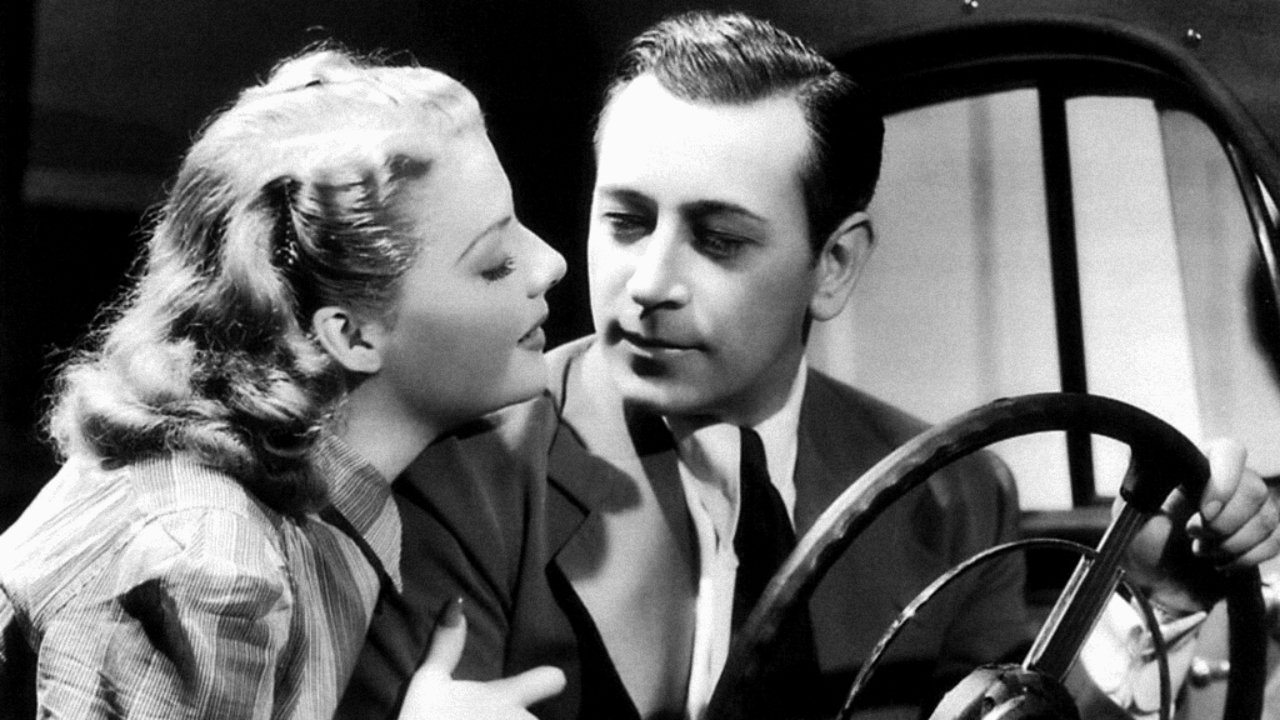
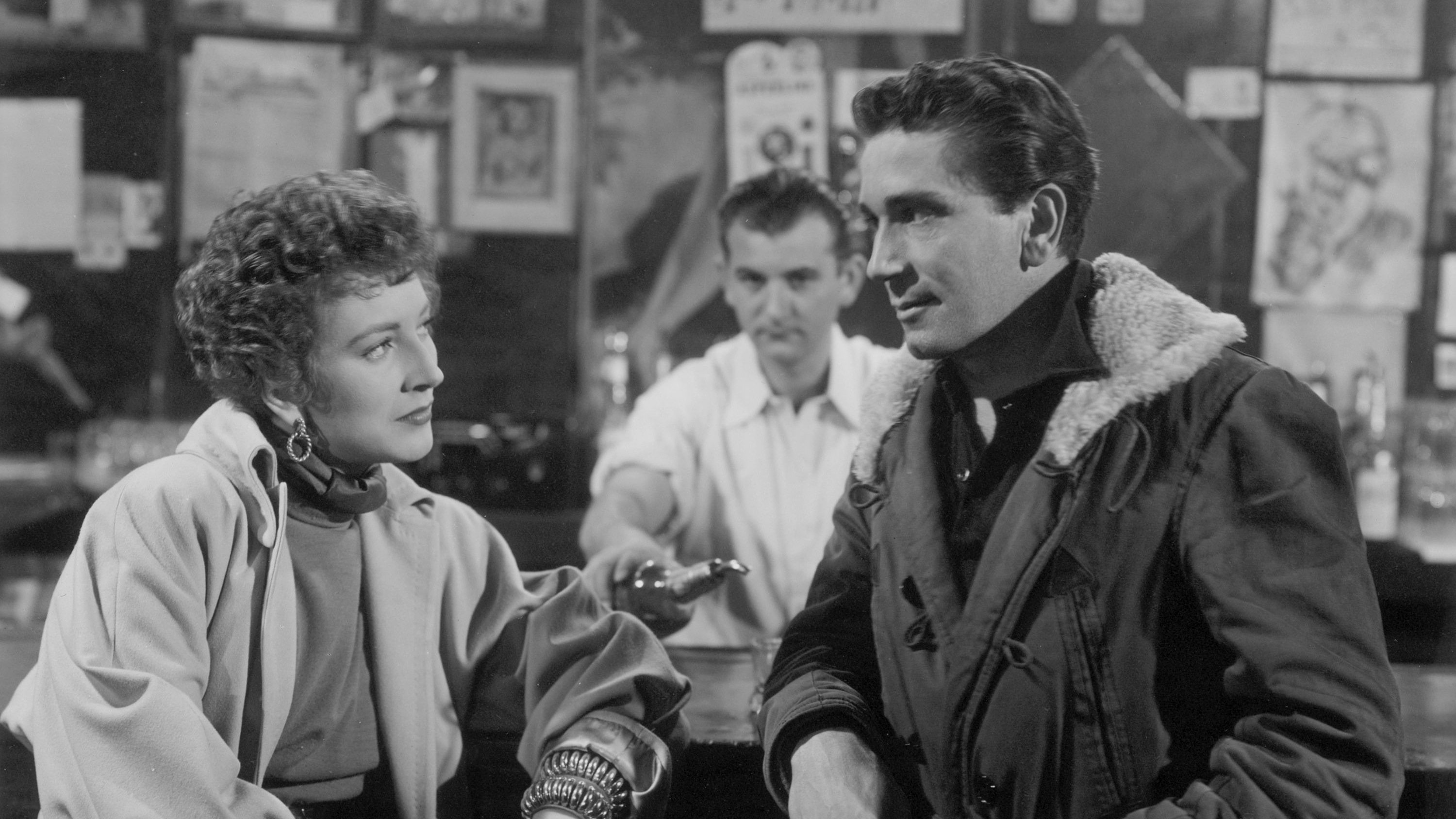
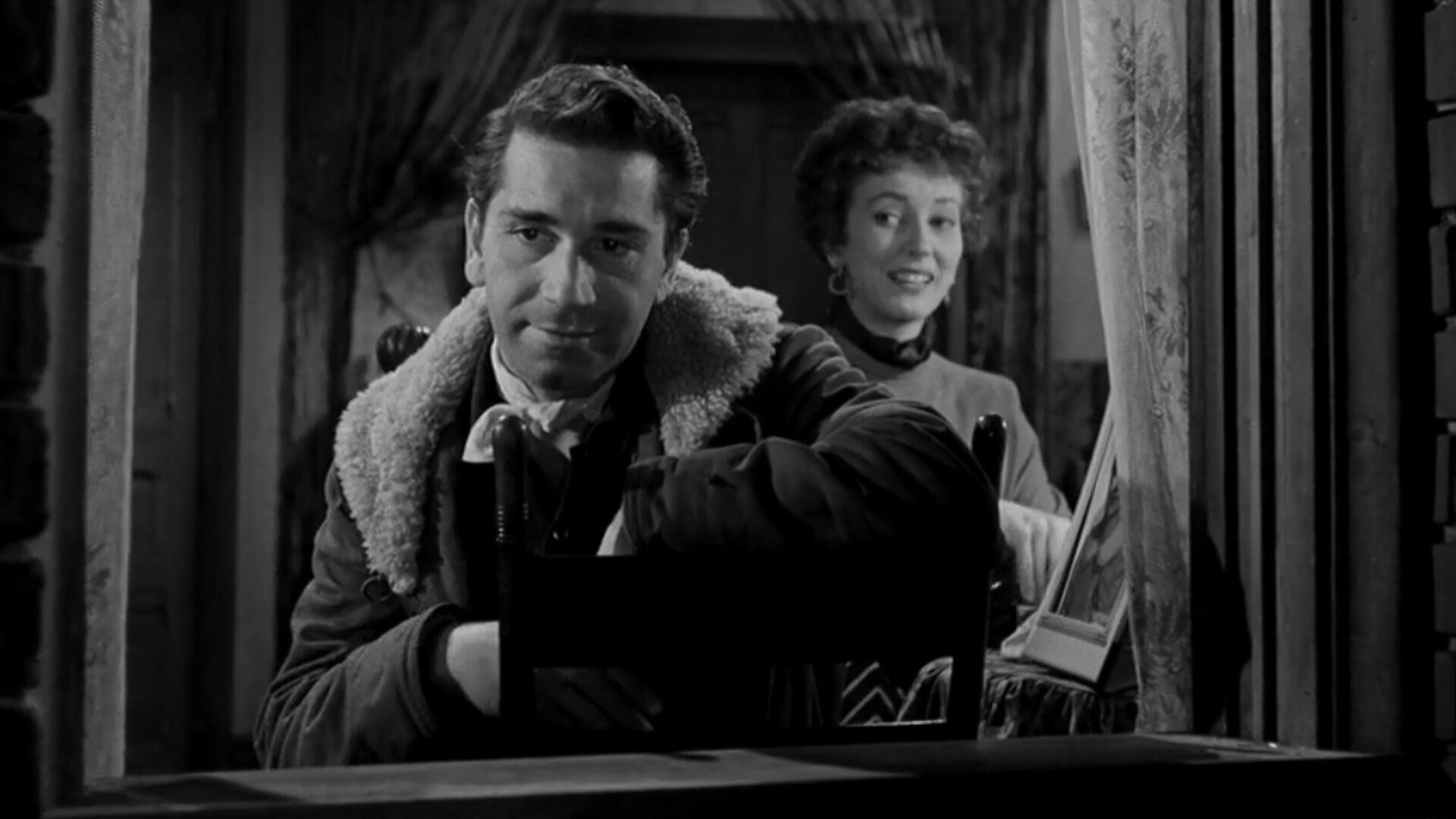
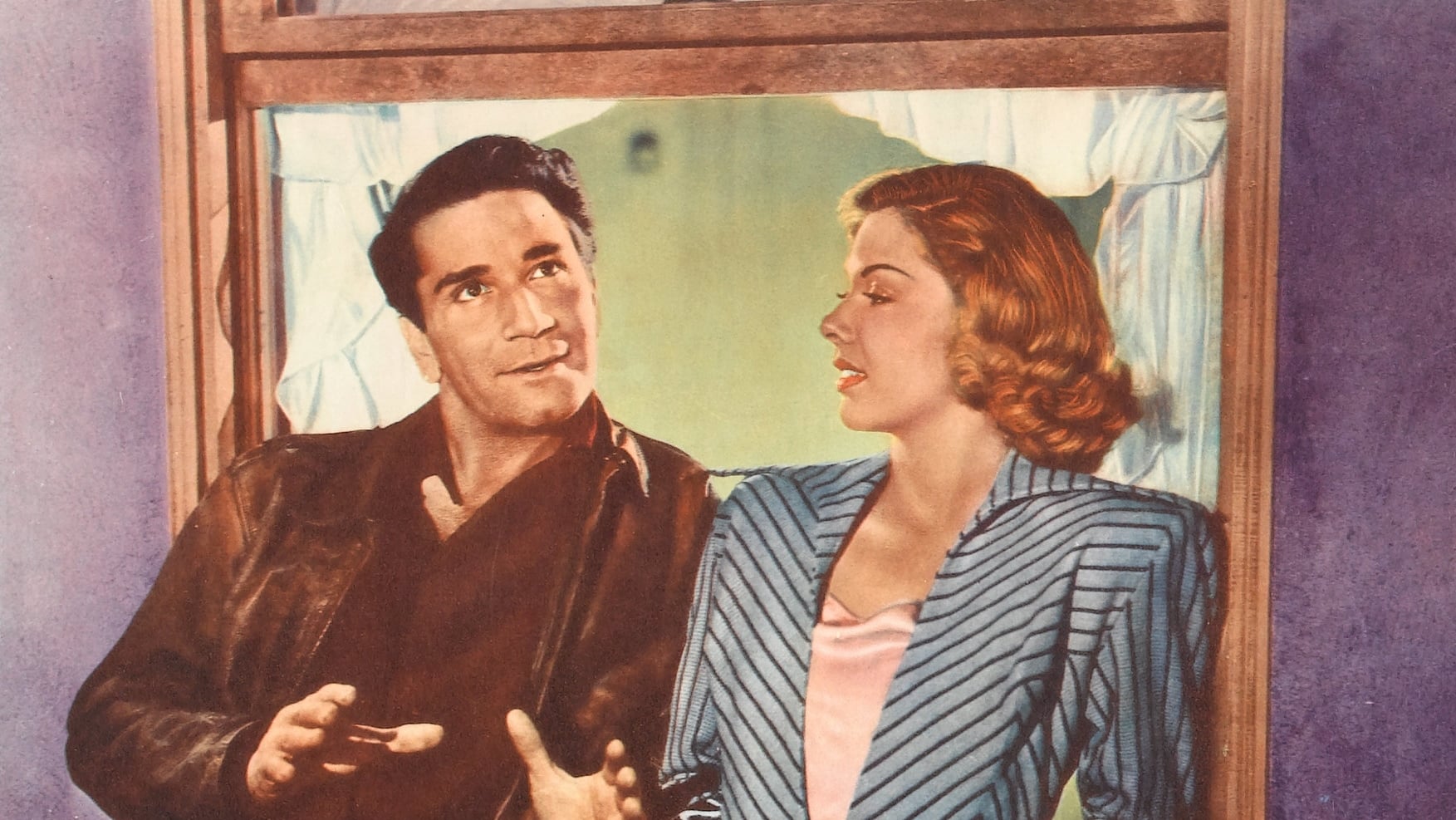
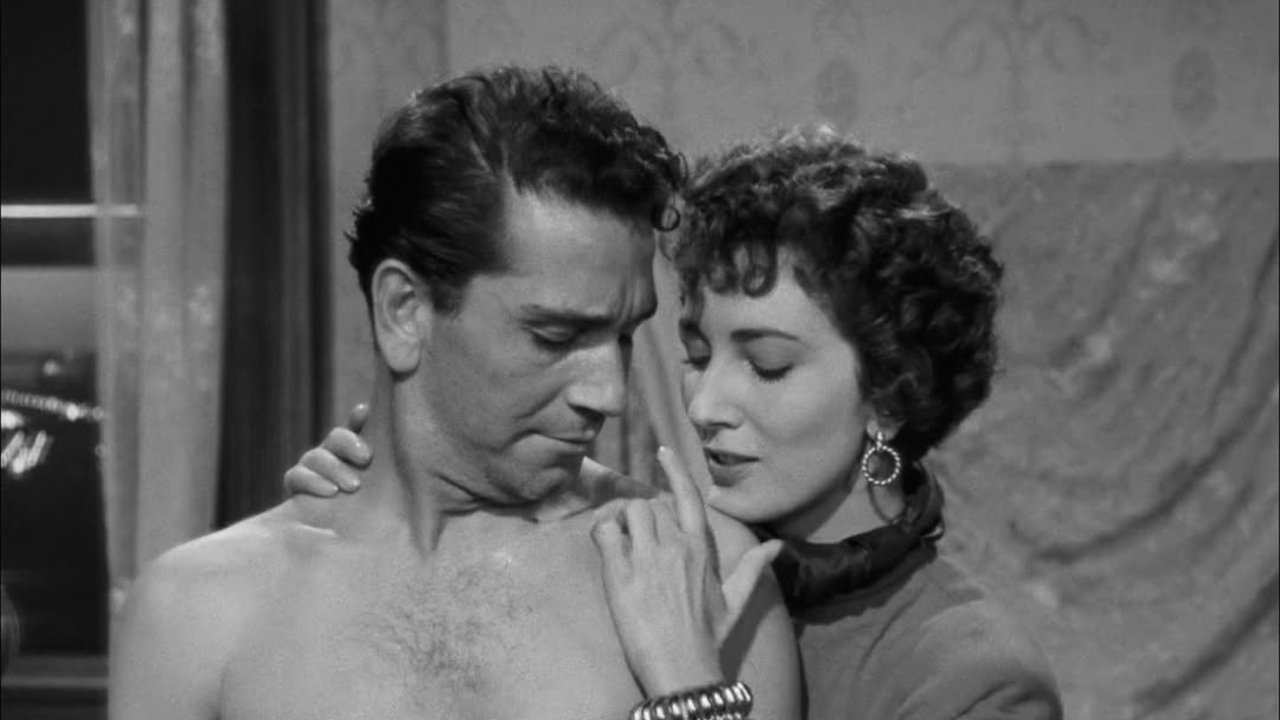
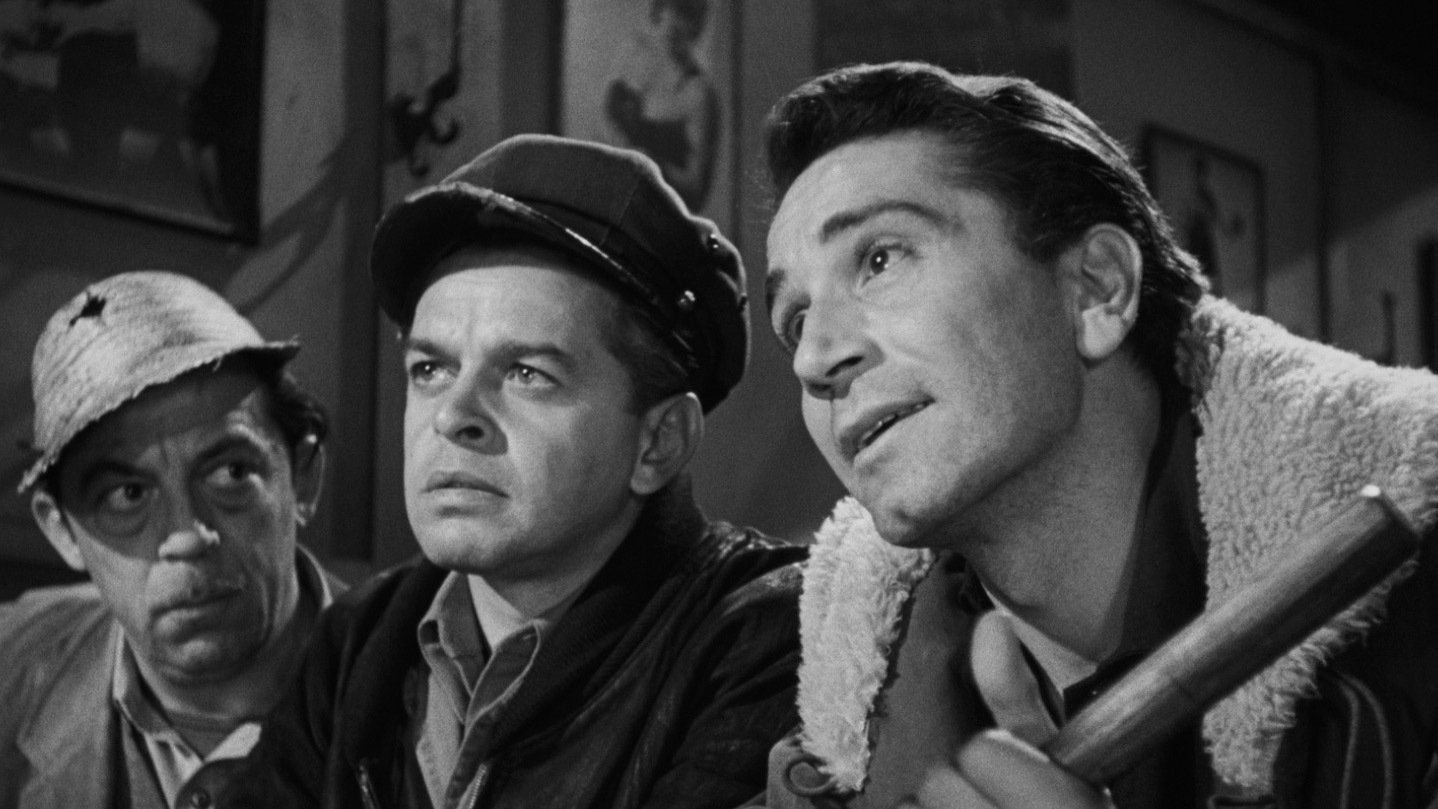
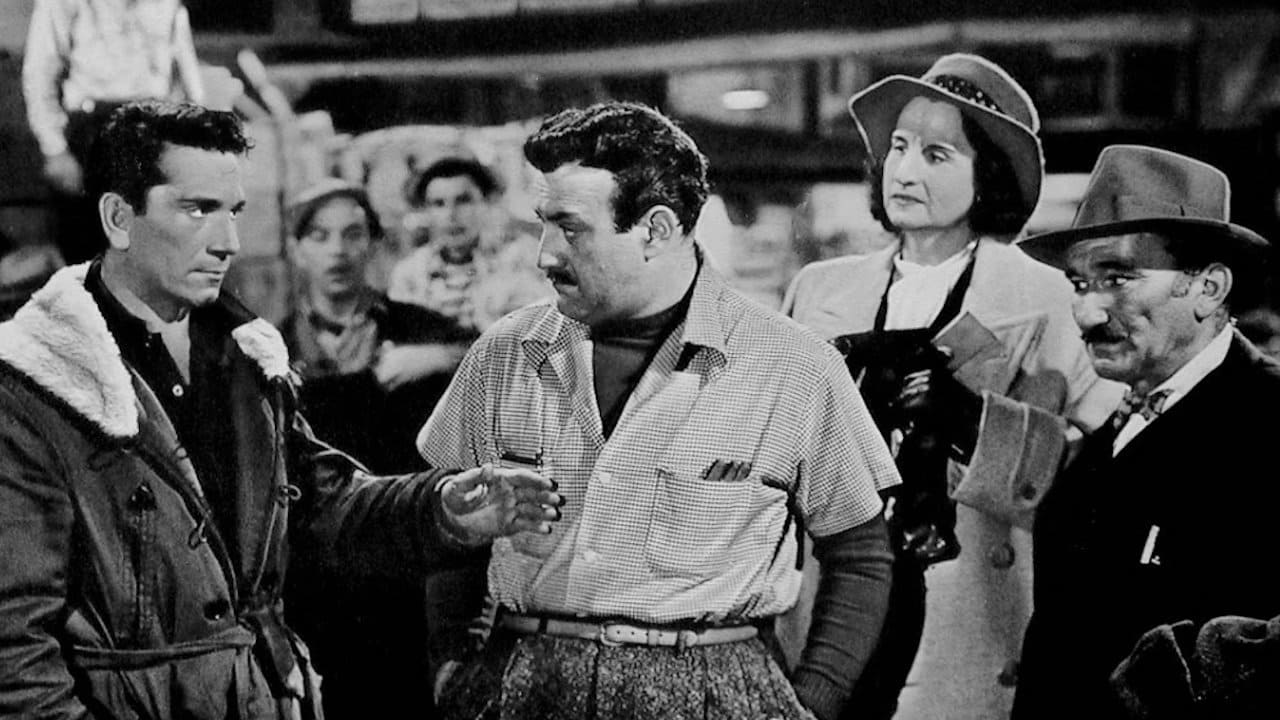
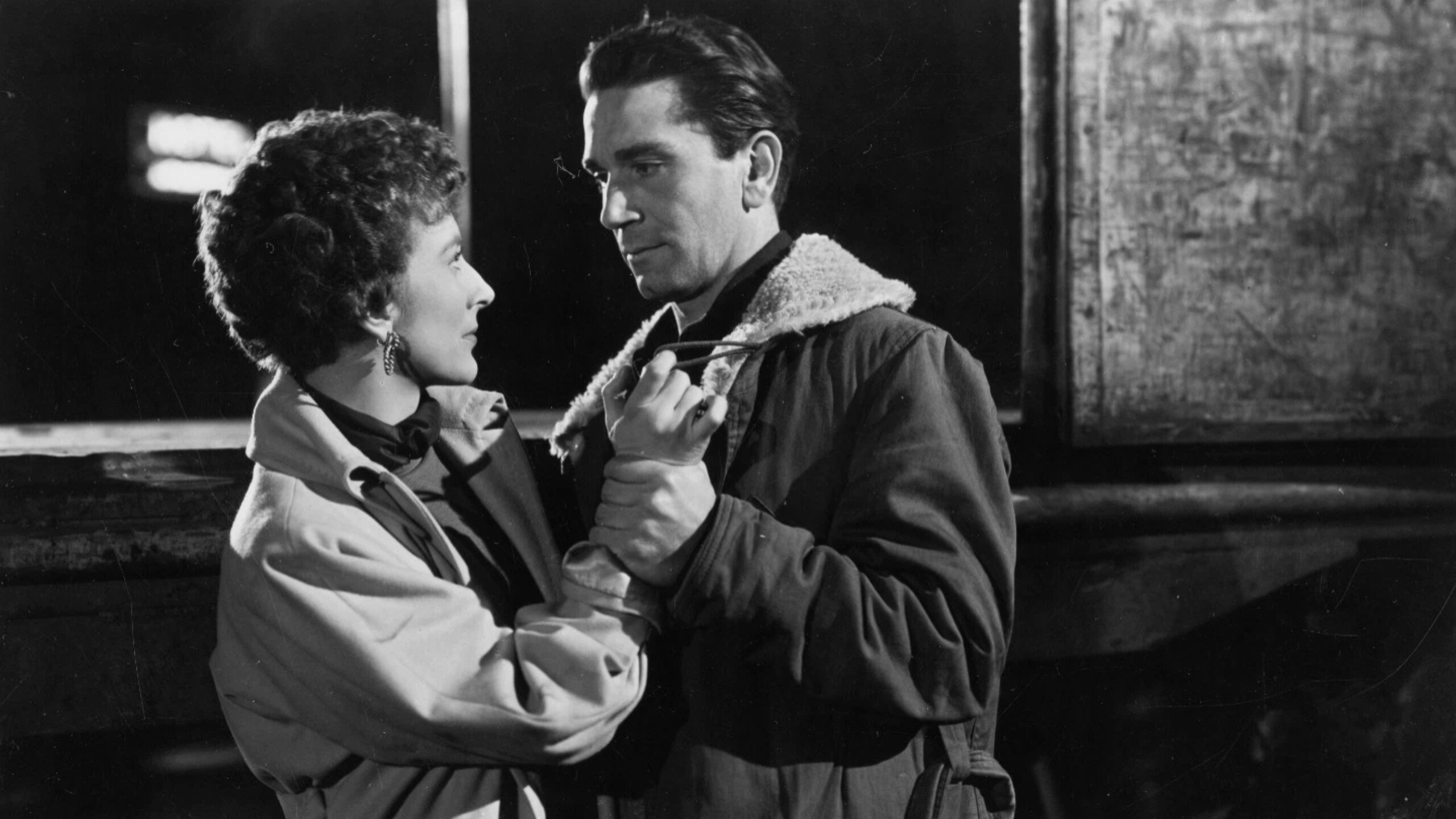
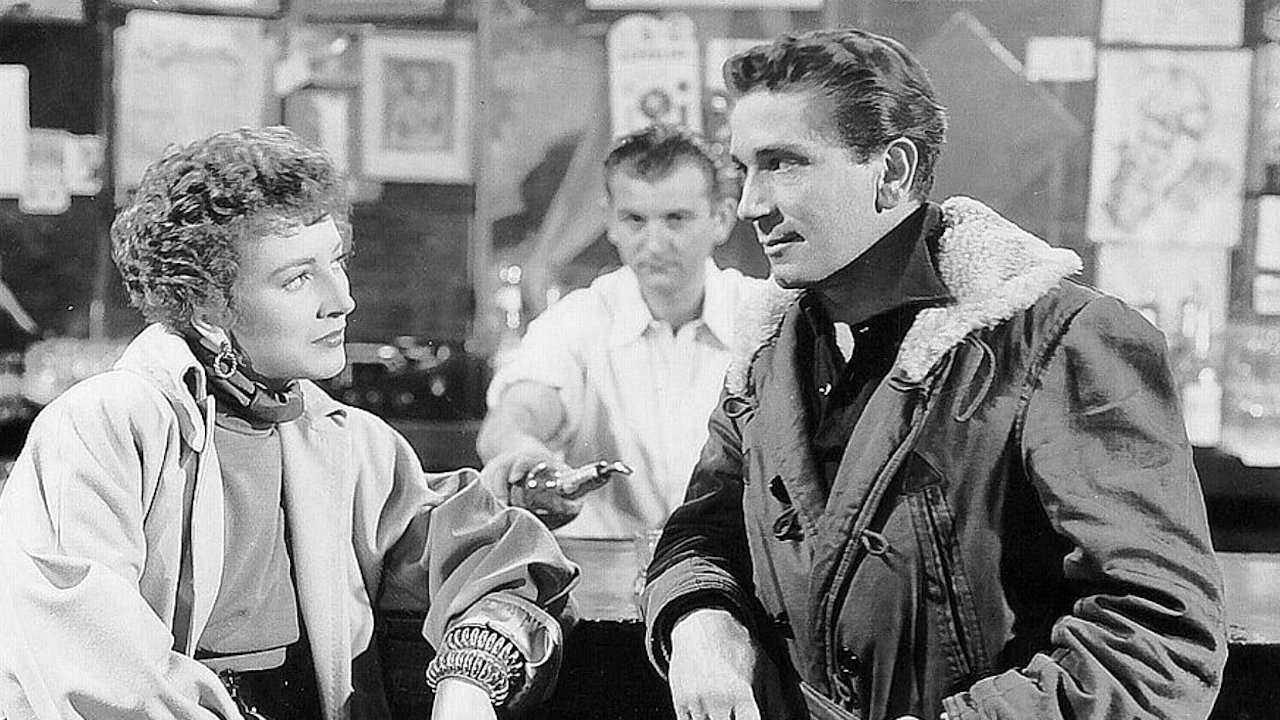
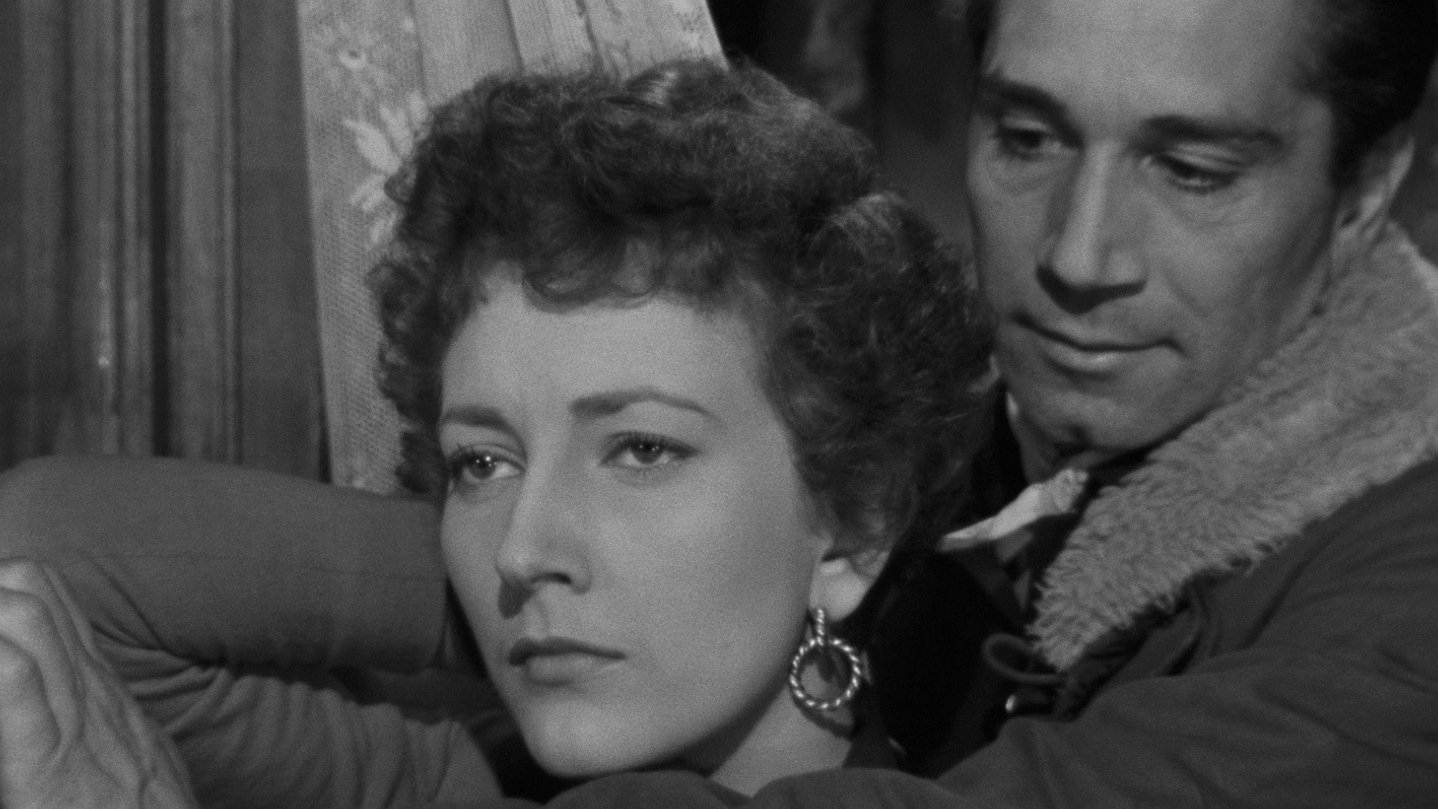
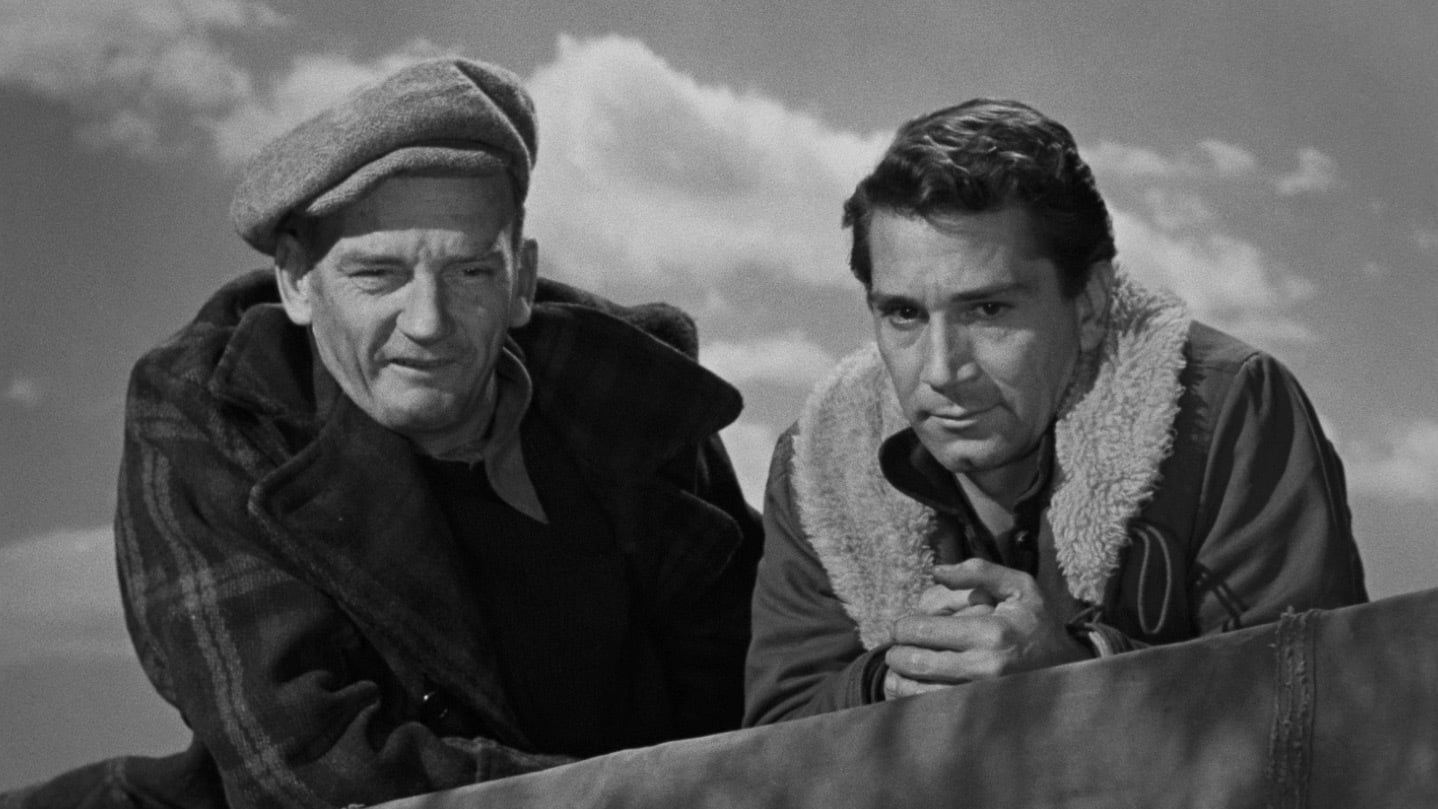
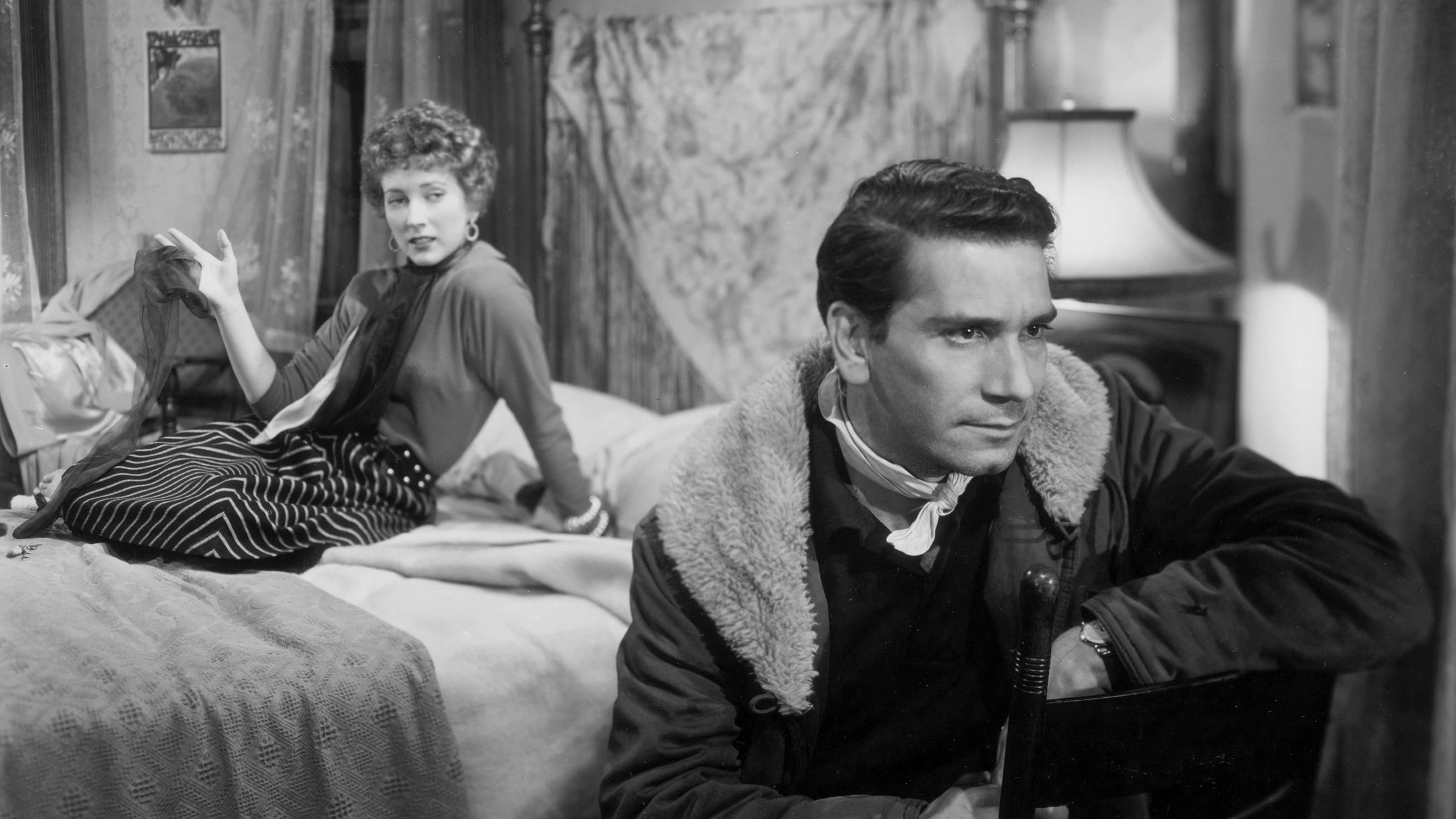
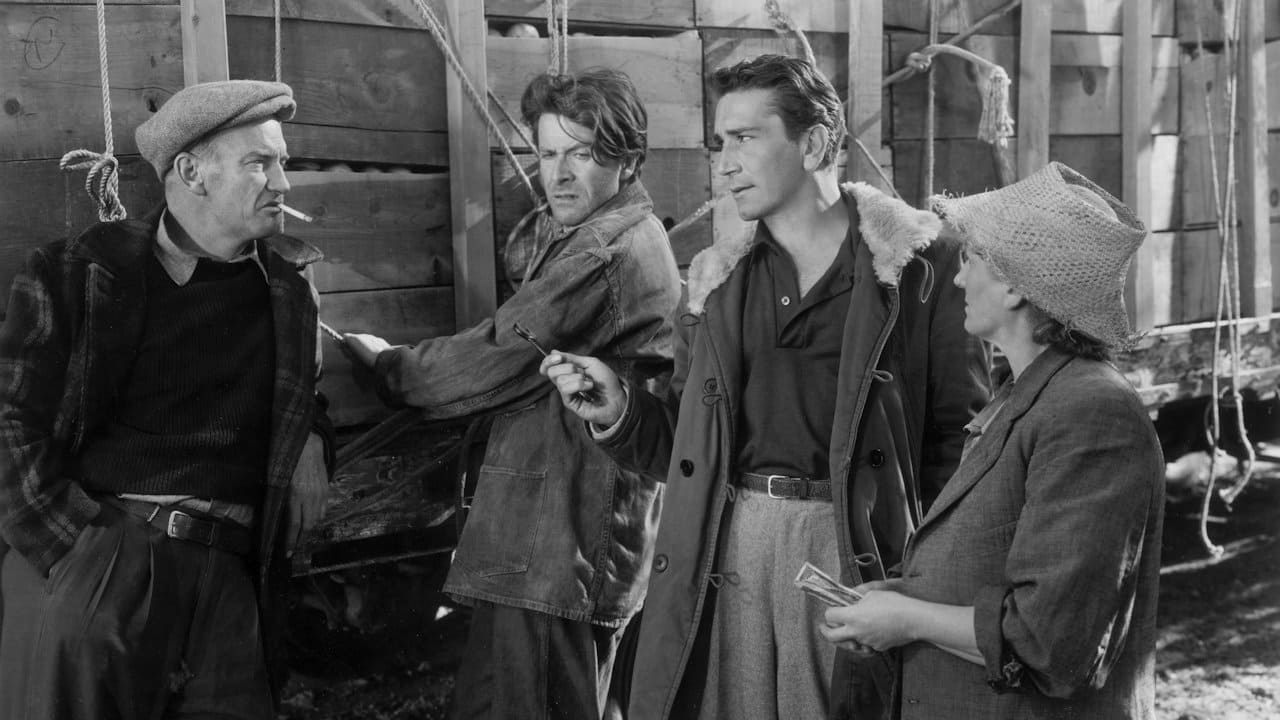
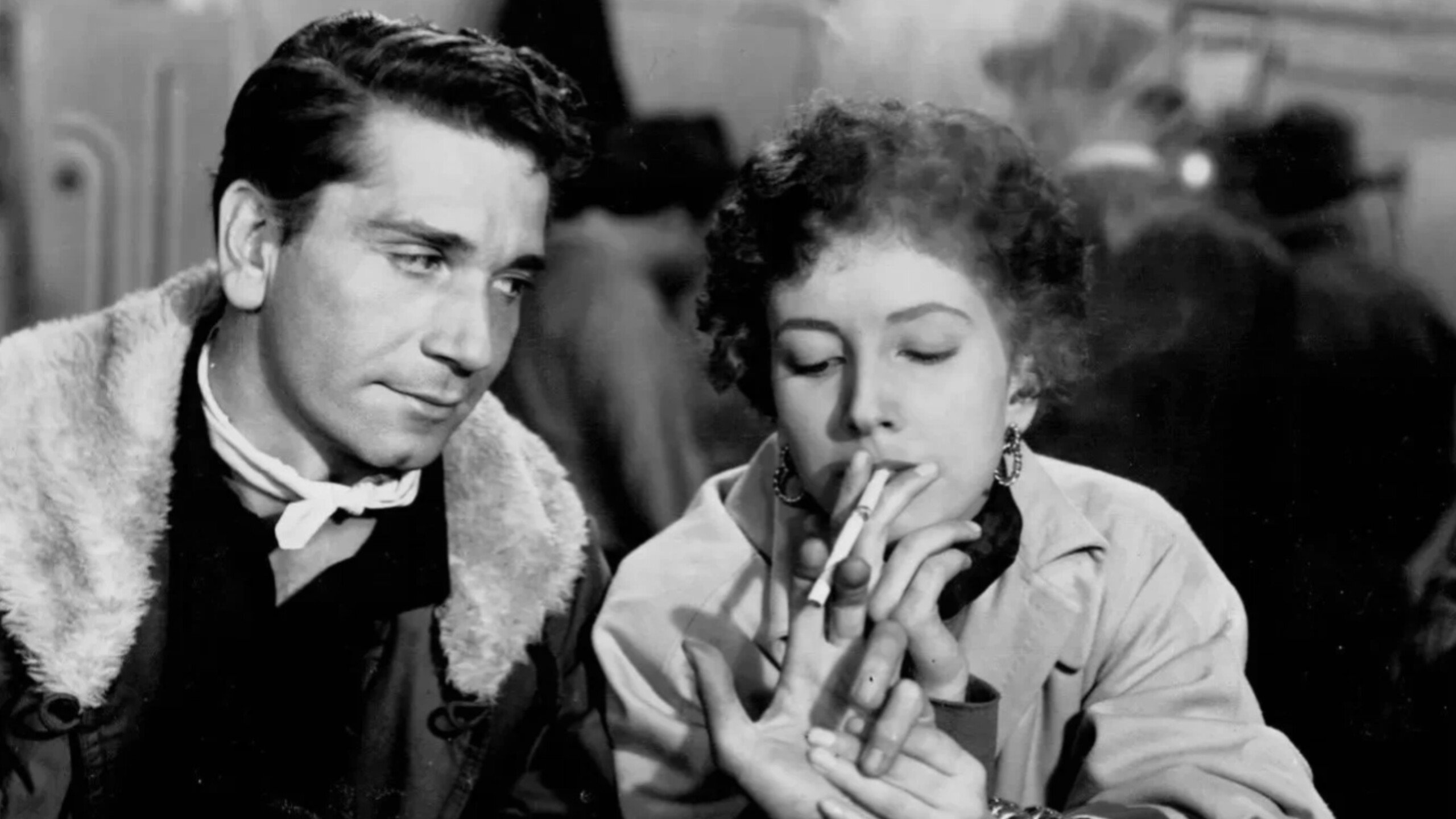
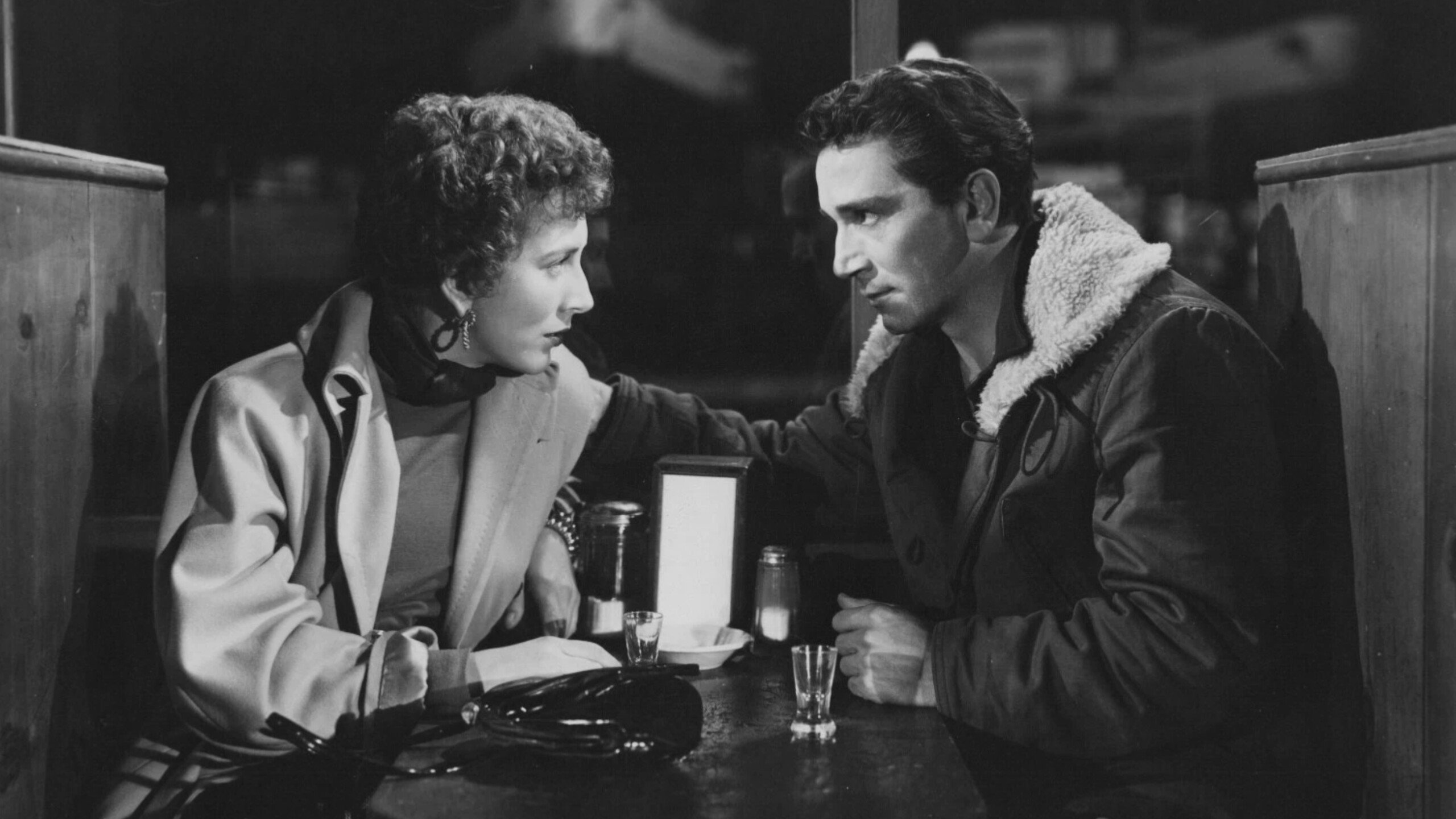
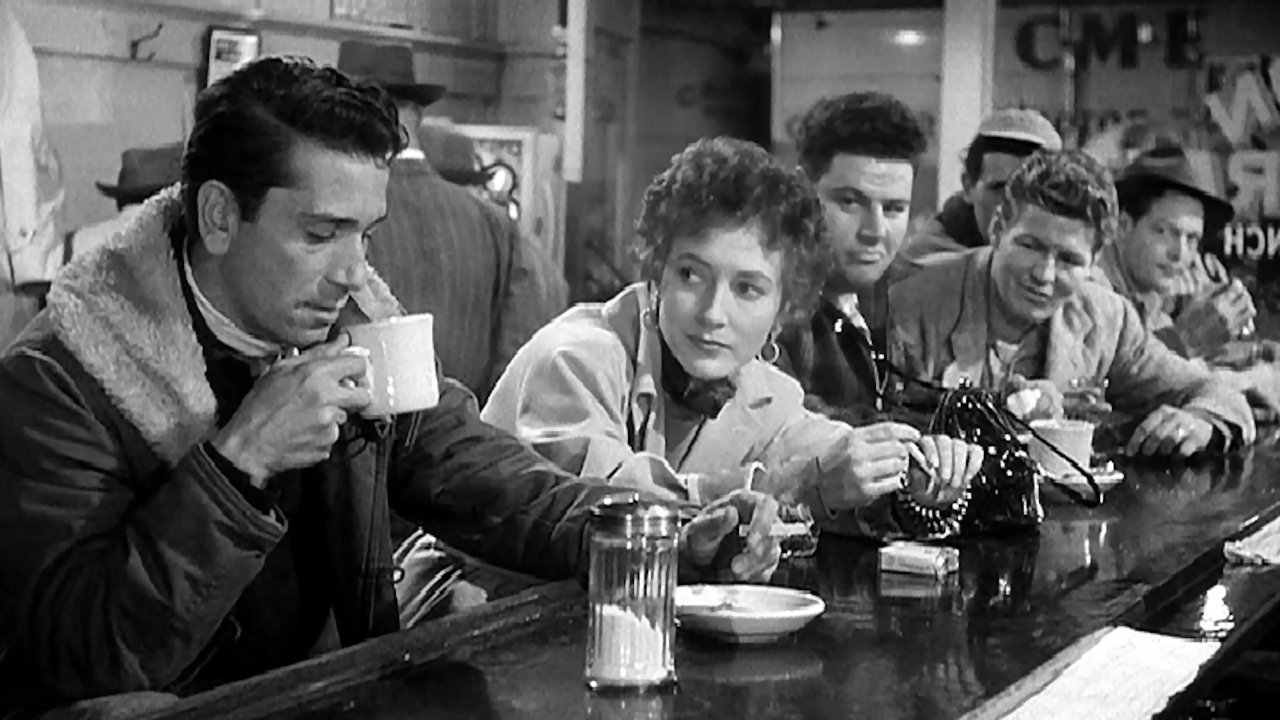
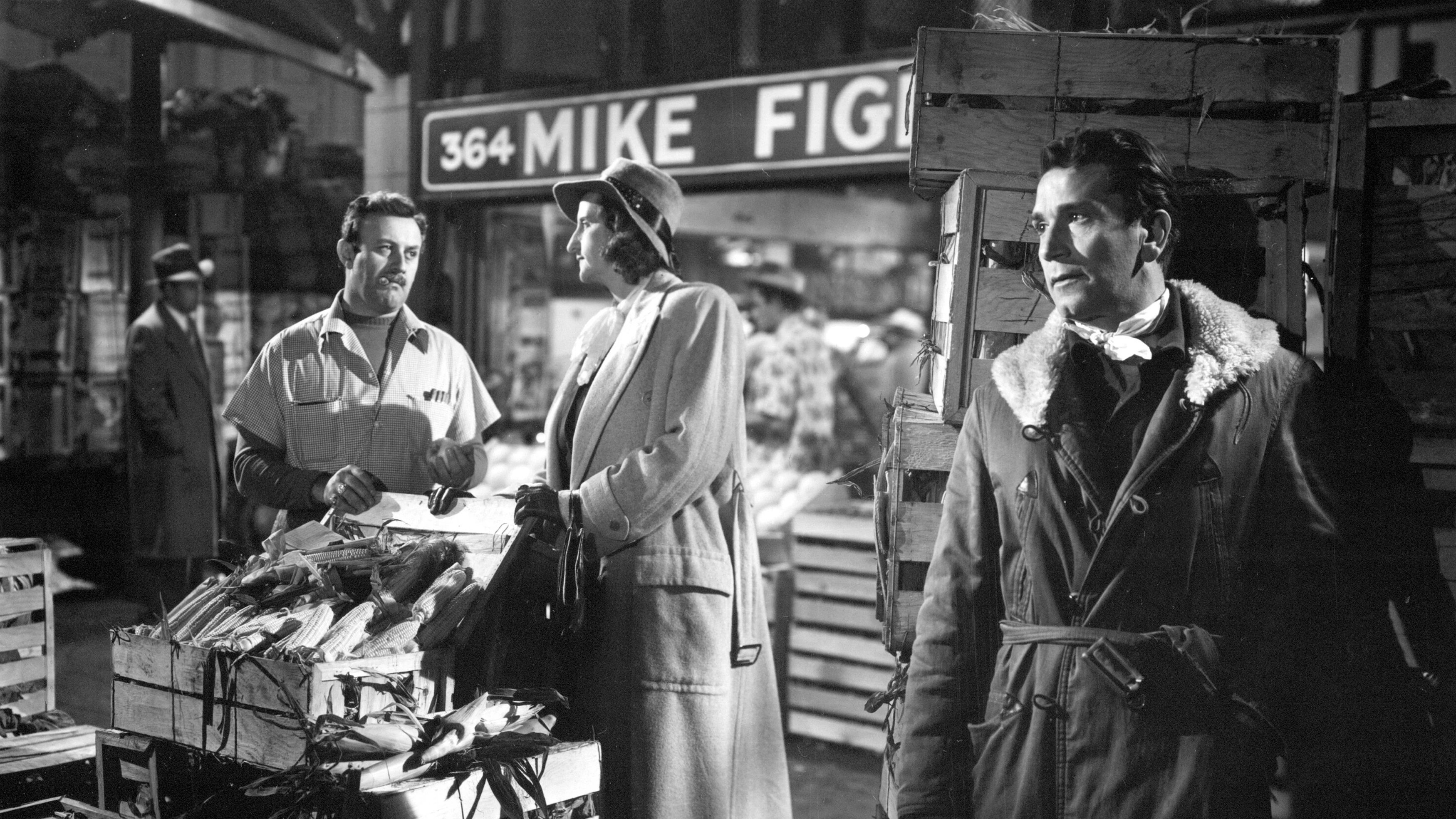
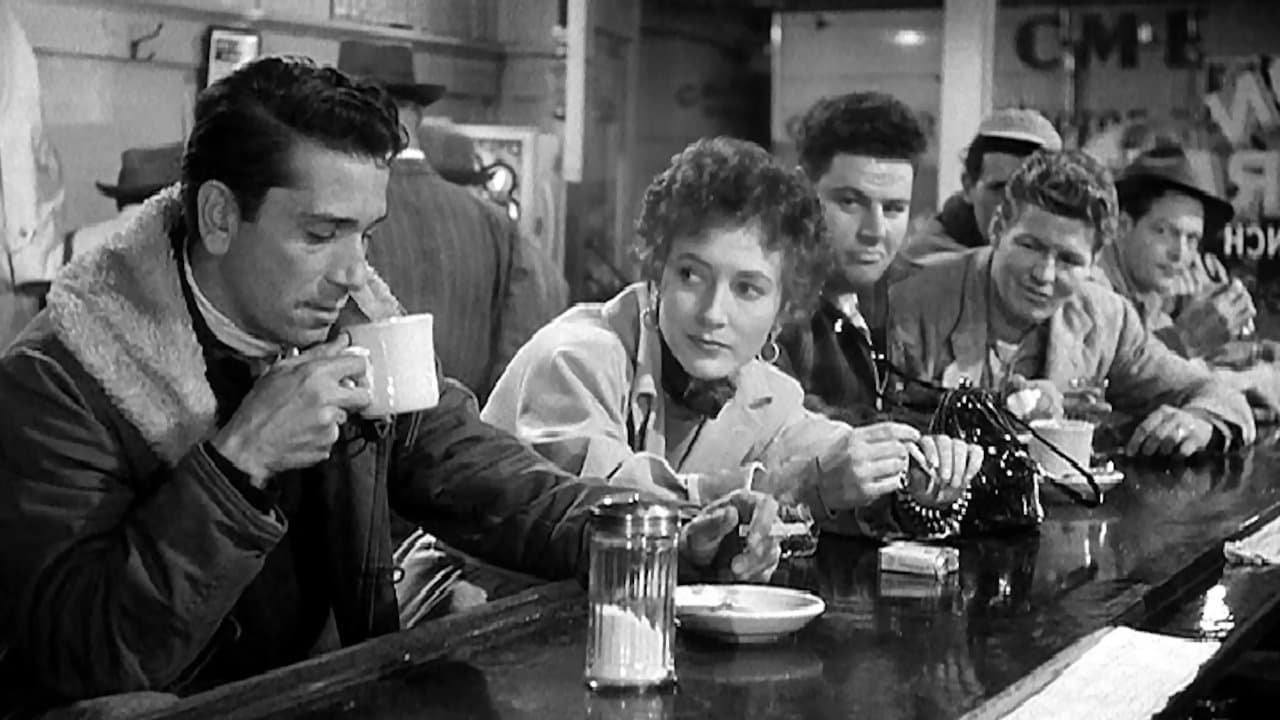
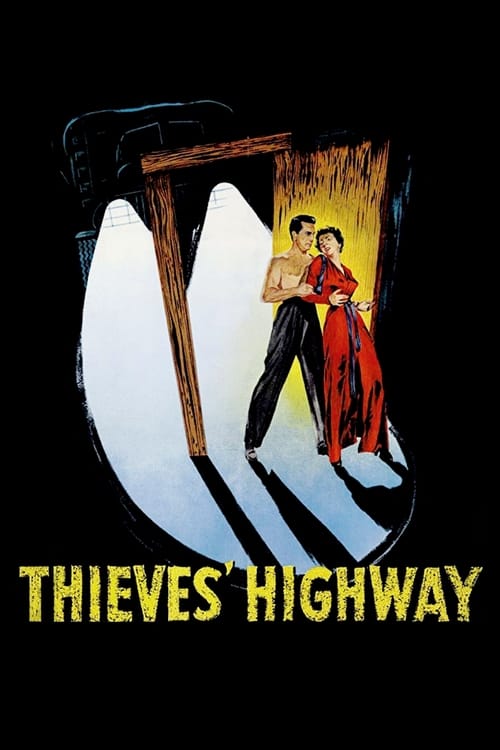
Nick Garcos comes back from his tour of duty in World War II planning to settle down with his girlfriend, Polly Faber. He learns, however, that his father was recently beaten and burglarized by mob-connected trucker Mike Figlia, and Nick resolves to get even. He partners with prostitute Rica, and together they go after Mike, all the while getting pulled further into the local crime underworld.
Directed by Jules Dassin
san francisco, california
film noir
truck driver
produce
truck crash
apple picking

Trailer

IMDB
N/A
Cast
Richard Conte
Nick Garcos

Valentina Cortese
Rica
Lee J. Cobb
Mike Figlia

Barbara Lawrence
Polly Faber
Jack Oakie
Slob
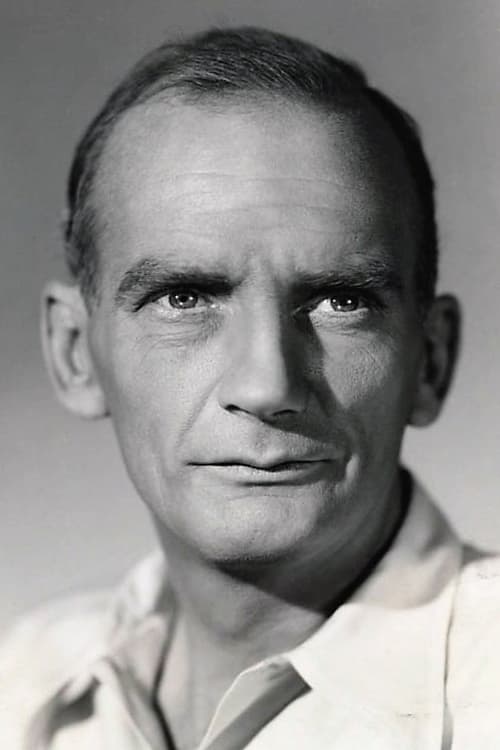
Millard Mitchell
Ed Kinney

Joseph Pevney
Pete
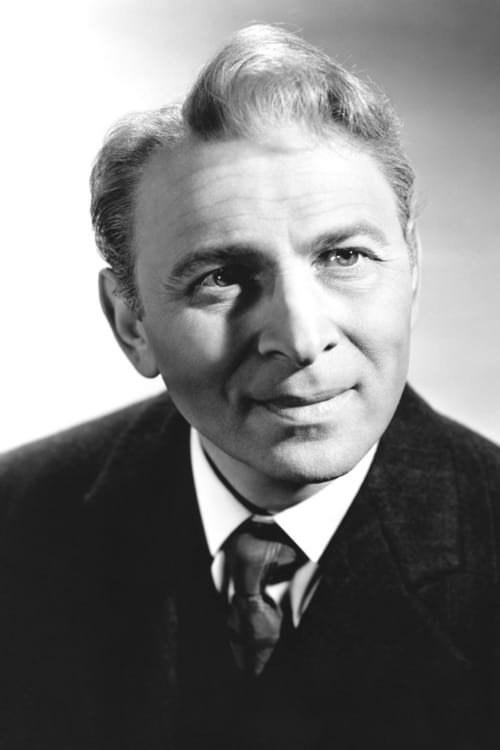
Morris Carnovsky
Yanko Garcos

Tamara Shayne
Parthena Garcos

Kasia Orzazewski
Mrs. Polansky
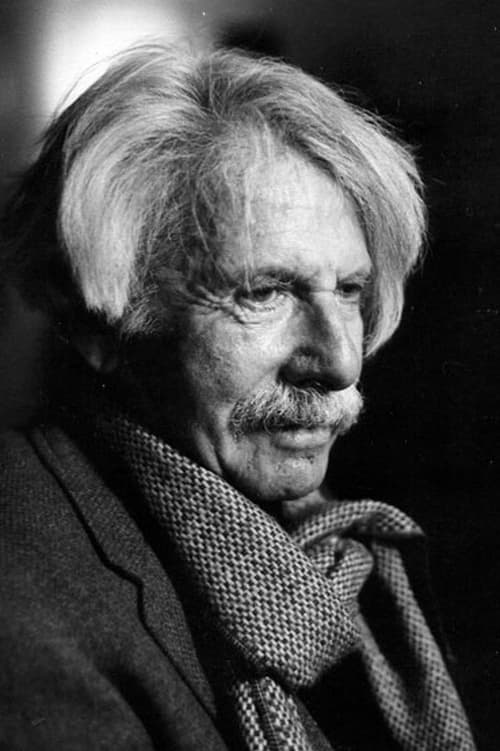
Norbert Schiller
Mr. Polansky

Hope Emerson
Midge
Crew
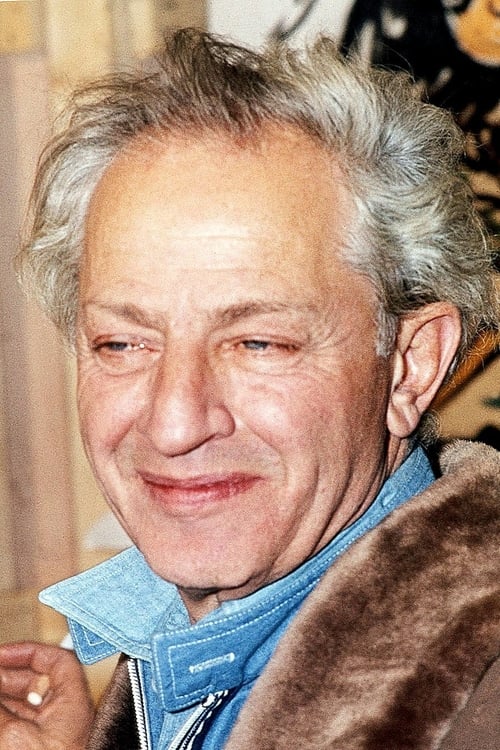
Jules Dassin
Director
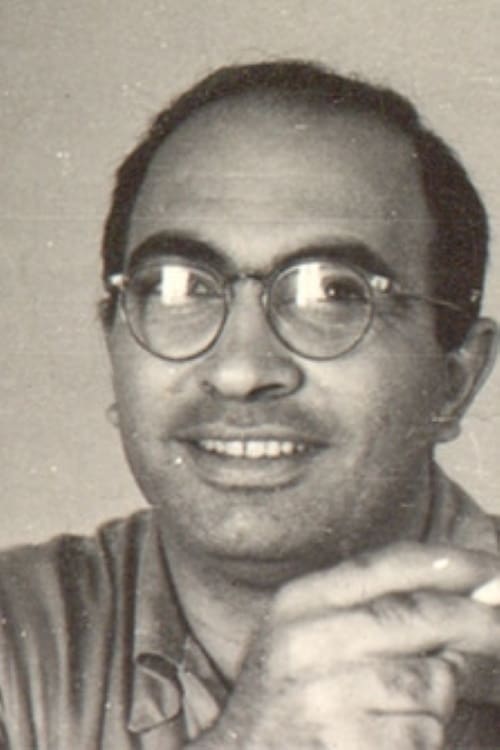
A.I. Bezzerides
Screenplay
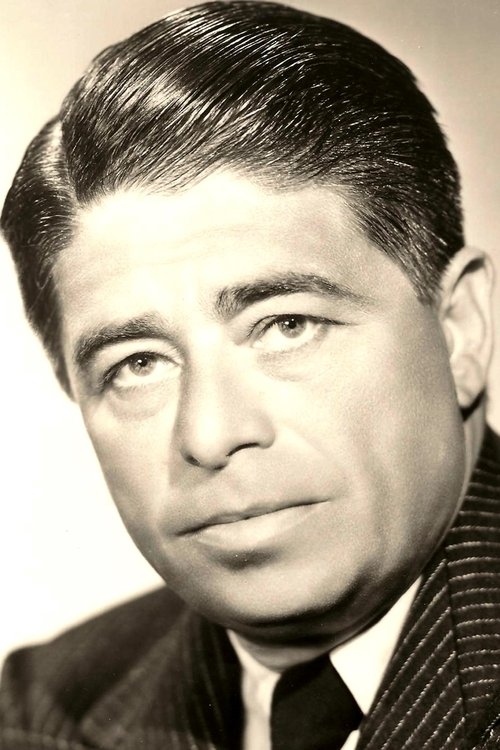
Alfred Newman
Original Music Composer
A.I. Bezzerides
Novel
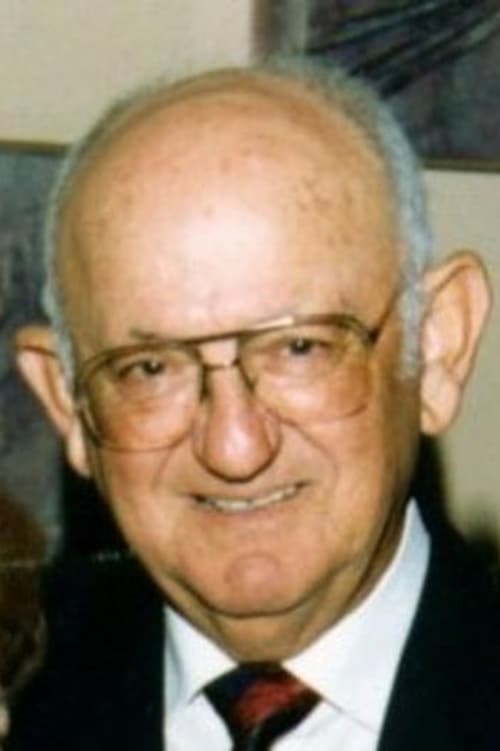
Earle Hagen
Orchestrator
Popular Reviews
8 reviews
Sam Stevens
8.0★ · 05/04/26
A terrific noir with some fantastic performances and an excellent story entwined with subtle anti-capitalist themes. This was such a fun film, fuelled with exploitation and the anger that comes with it. Richard Conte was stubborn and determined, playing a slightly less ruthless character than in The Big Combo. I really enjoyed this one, it had some road film aspects that felt similar to The Wages of Fear, just a bit less stressful, the corporate greed and lack of interest for the workers was still very present. All those interesting themes paired with all the gorgeous noir elements made for a gritty and grounded flick that was very engaging and punchy. Those classic noir visuals are so beautiful, the superimpositions are just perfect and the black and white photography is so striking. Jules Dassin sure knows what he’s doing when it comes to powerful film noirs, a true legend of the era.
A terrific noir with some fantastic performances and an excellent story entwined with subtle anti-capitalist themes. This was such a fun film, fuelled with exploitation and the anger that comes with it. Richard Conte was stubborn and determined, playing a slightly less ruthless character than in The Big Combo. I really enjoyed this one, it had some road film aspects that felt similar to The Wages of Fear, just a bit less stressful, the corporate greed and lack of interest for the workers was still very present. All those interesting themes paired with all the gorgeous noir elements made for a gritty and grounded flick that was very engaging and punchy. Those classic noir visuals are so beautiful, the superimpositions are just perfect and the black and white photography is so striking. Jules Dassin sure knows what he’s doing when it comes to powerful film noirs, a true legend of the era.


Pretentious
8.0★ · 06/13/25
Thieves' Highway centers on returning WWII veteran Nick Garcos, who quickly discovers that the nation he fought for is riddled with corruption. Nick seeks to avenge his father's humiliation; and his rage, in the process, becomes his downfall. The film wants to unveil the cutthroat competition beneath the surface of American prosperity. Through its portrayal of the fruit market swindlers, the film critiques postwar capitalism through labor injustice and the cost of masculinity.
At its heart, Thieves’ Highway is about the myth of the honest American transaction. It interrogates the idea that hard work alone guarantees dignity. Nick's journey mirrors that of many postwar Americans: returning home with ideals intact, only to find that capitalism rewards cunning over courage, and loyalty is expendable. The film ultimately asks: Is it possible to be both ethical and successful in a corrupt economy? Can decency survive in a system that values profit above all?
Sometimes referred to as "proletarian noir," the film functions as a bridge between classic noir and neorealism. Because it's shot partly on location in the San Francisco markets and highways, which gives the film a raw immediacy that retains the genre's moral chiaroscuro. Although the director, Jules Dassin, trades the shadowy alleys and rain-slick streets of noir for the fruit stalls of California; the film still finds tension between light and shadow, trust and betrayal. Today, the film resonates in discussions about worker exploitation, as modern parallels abound in delivery labor conditions and the erosion of small business ethics in a corporate-dominated market.
With its deep empathy for working-class lives and its simmering outrage against economic predation, the film has lost some of its biting cynicism. Mostly, in part, due to the romance subplot, where Nick is too open and celebratory with drunkards willing to take advantage of him and his good nature. The objective seems to sanitize the moral resolution with sentimentality, which leads to an unconvincing ending. But Dassin’s direction transforms a produce run into an odyssey of bitter reckoning.
At its heart, Thieves’ Highway is about the myth of the honest American transaction. It interrogates the idea that hard work alone guarantees dignity. Nick's journey mirrors that of many postwar Americans: returning home with ideals intact, only to find that capitalism rewards cunning over courage, and loyalty is expendable. The film ultimately asks: Is it possible to be both ethical and successful in a corrupt economy? Can decency survive in a system that values profit above all?
Sometimes referred to as "proletarian noir," the film functions as a bridge between classic noir and neorealism. Because it's shot partly on location in the San Francisco markets and highways, which gives the film a raw immediacy that retains the genre's moral chiaroscuro. Although the director, Jules Dassin, trades the shadowy alleys and rain-slick streets of noir for the fruit stalls of California; the film still finds tension between light and shadow, trust and betrayal. Today, the film resonates in discussions about worker exploitation, as modern parallels abound in delivery labor conditions and the erosion of small business ethics in a corporate-dominated market.
With its deep empathy for working-class lives and its simmering outrage against economic predation, the film has lost some of its biting cynicism. Mostly, in part, due to the romance subplot, where Nick is too open and celebratory with drunkards willing to take advantage of him and his good nature. The objective seems to sanitize the moral resolution with sentimentality, which leads to an unconvincing ending. But Dassin’s direction transforms a produce run into an odyssey of bitter reckoning.
Thieves' Highway centers on returning WWII veteran Nick Garcos, who quickly discovers that the nation he fought for is riddled with corruption. Nick seeks to avenge his father's humiliation; and his rage, in the process, becomes his downfall. The film wants to unveil the cutthroat competition beneath the surface of American prosperity. Through its portrayal of the fruit market swindlers, the film critiques postwar capitalism through labor injustice and the cost of masculinity.
At its heart, Thieves’ Highway is about the myth of the honest American transaction. It interrogates the idea that hard work alone guarantees dignity. Nick's journey mirrors that of many postwar Americans: returning home with ideals intact, only to find that capitalism rewards cunning over courage, and loyalty is expendable. The film ultimately asks: Is it possible to be both ethical and successful in a corrupt economy? Can decency survive in a system that values profit above all?
Sometimes referred to as "proletarian noir," the film functions as a bridge between classic noir and neorealism. Because it's shot partly on location in the San Francisco markets and highways, which gives the film a raw immediacy that retains the genre's moral chiaroscuro. Although the director, Jules Dassin, trades the shadowy alleys and rain-slick streets of noir for the fruit stalls of California; the film still finds tension between light and shadow, trust and betrayal. Today, the film resonates in discussions about worker exploitation, as modern parallels abound in delivery labor conditions and the erosion of small business ethics in a corporate-dominated market.
With its deep empathy for working-class lives and its simmering outrage against economic predation, the film has lost some of its biting cynicism. Mostly, in part, due to the romance subplot, where Nick is too open and celebratory with drunkards willing to take advantage of him and his good nature. The objective seems to sanitize the moral resolution with sentimentality, which leads to an unconvincing ending. But Dassin’s direction transforms a produce run into an odyssey of bitter reckoning.
At its heart, Thieves’ Highway is about the myth of the honest American transaction. It interrogates the idea that hard work alone guarantees dignity. Nick's journey mirrors that of many postwar Americans: returning home with ideals intact, only to find that capitalism rewards cunning over courage, and loyalty is expendable. The film ultimately asks: Is it possible to be both ethical and successful in a corrupt economy? Can decency survive in a system that values profit above all?
Sometimes referred to as "proletarian noir," the film functions as a bridge between classic noir and neorealism. Because it's shot partly on location in the San Francisco markets and highways, which gives the film a raw immediacy that retains the genre's moral chiaroscuro. Although the director, Jules Dassin, trades the shadowy alleys and rain-slick streets of noir for the fruit stalls of California; the film still finds tension between light and shadow, trust and betrayal. Today, the film resonates in discussions about worker exploitation, as modern parallels abound in delivery labor conditions and the erosion of small business ethics in a corporate-dominated market.
With its deep empathy for working-class lives and its simmering outrage against economic predation, the film has lost some of its biting cynicism. Mostly, in part, due to the romance subplot, where Nick is too open and celebratory with drunkards willing to take advantage of him and his good nature. The objective seems to sanitize the moral resolution with sentimentality, which leads to an unconvincing ending. But Dassin’s direction transforms a produce run into an odyssey of bitter reckoning.
Timothy Kandra
“We in the apple sellin’ business. And cousin, business is a-boomin'.”
“We in the apple sellin’ business. And cousin, business is a-boomin'.”
David Brook
7.0★ · 10/19/15
My review: http://blueprintreview.co.uk/2015/10/thieves-highway/
My review: http://blueprintreview.co.uk/2015/10/thieves-highway/
Claypolian
5.0★ · 02/14/26