“The water of the river which flows constantly never returns to its source.”
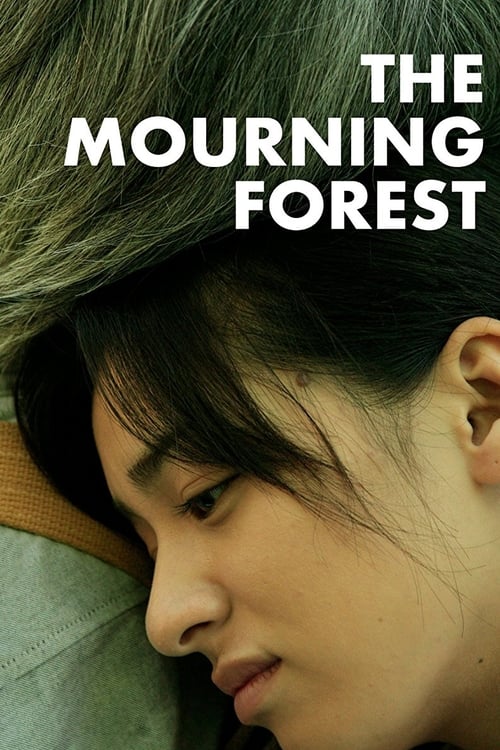
The Mourning Forest is very simple on the surface, but it ends up carrying more weight than it first lets on, it shows that life only moves forward. You can’t go back to what you lost, no matter how much you want to.
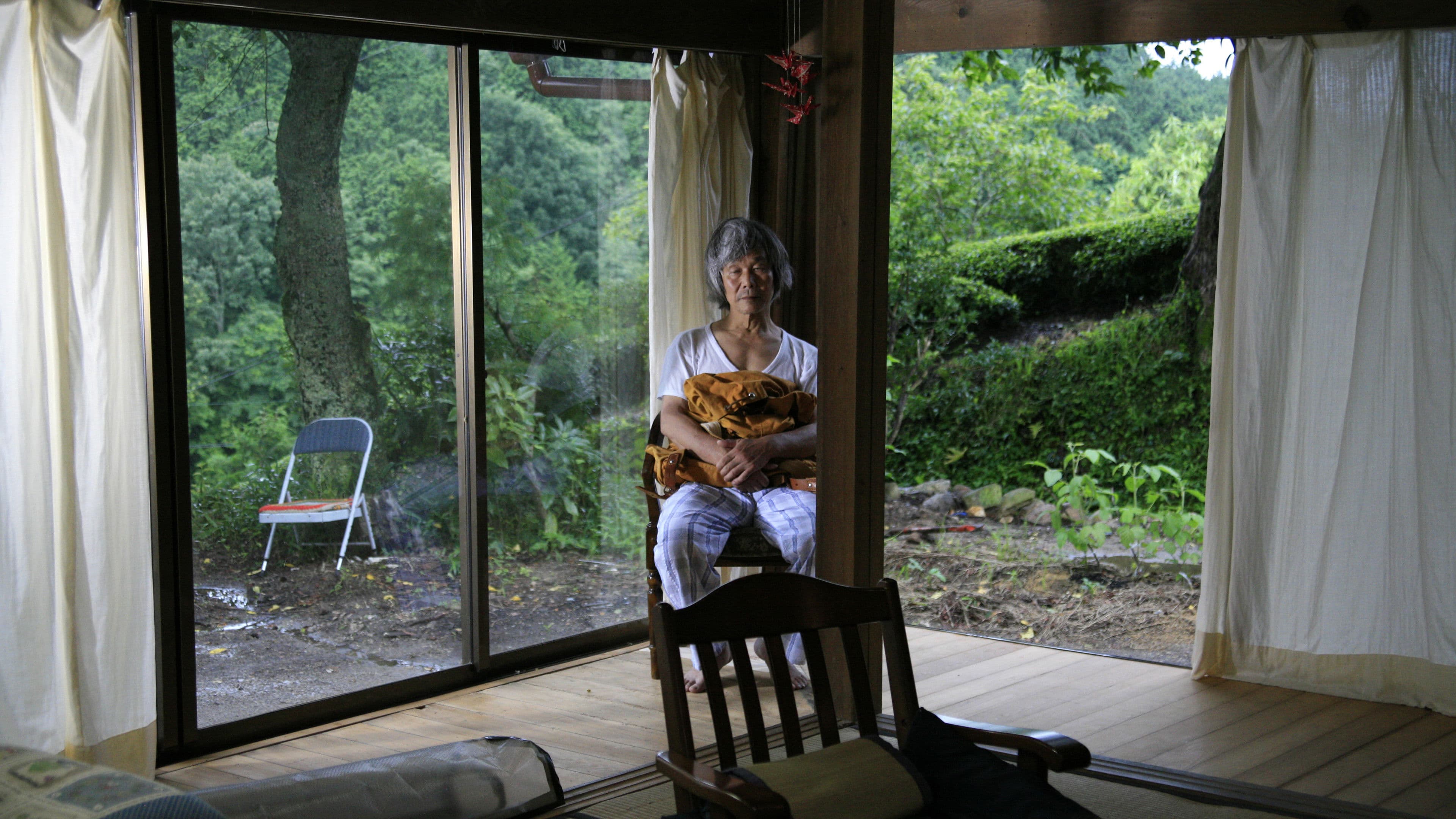
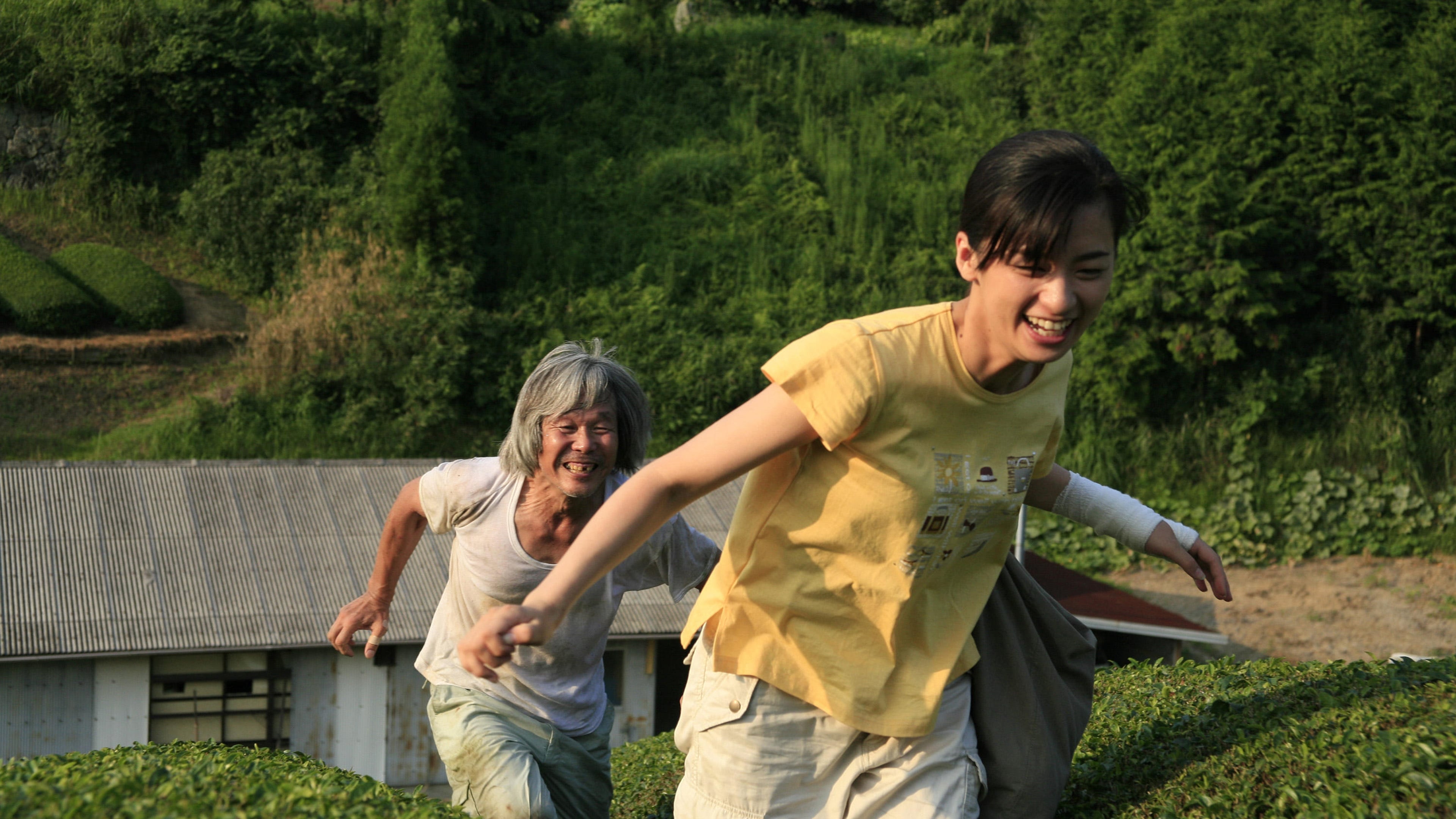
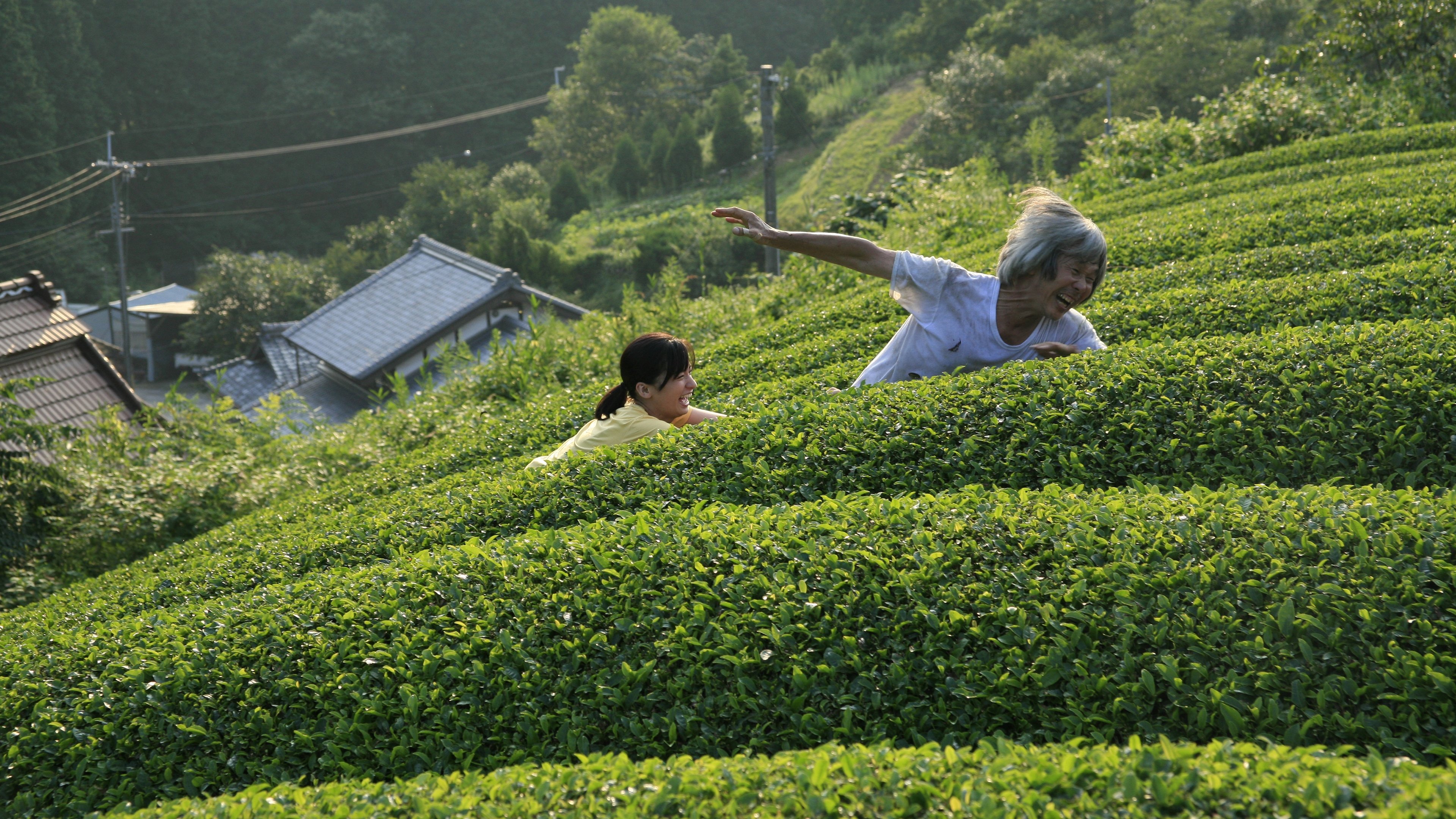
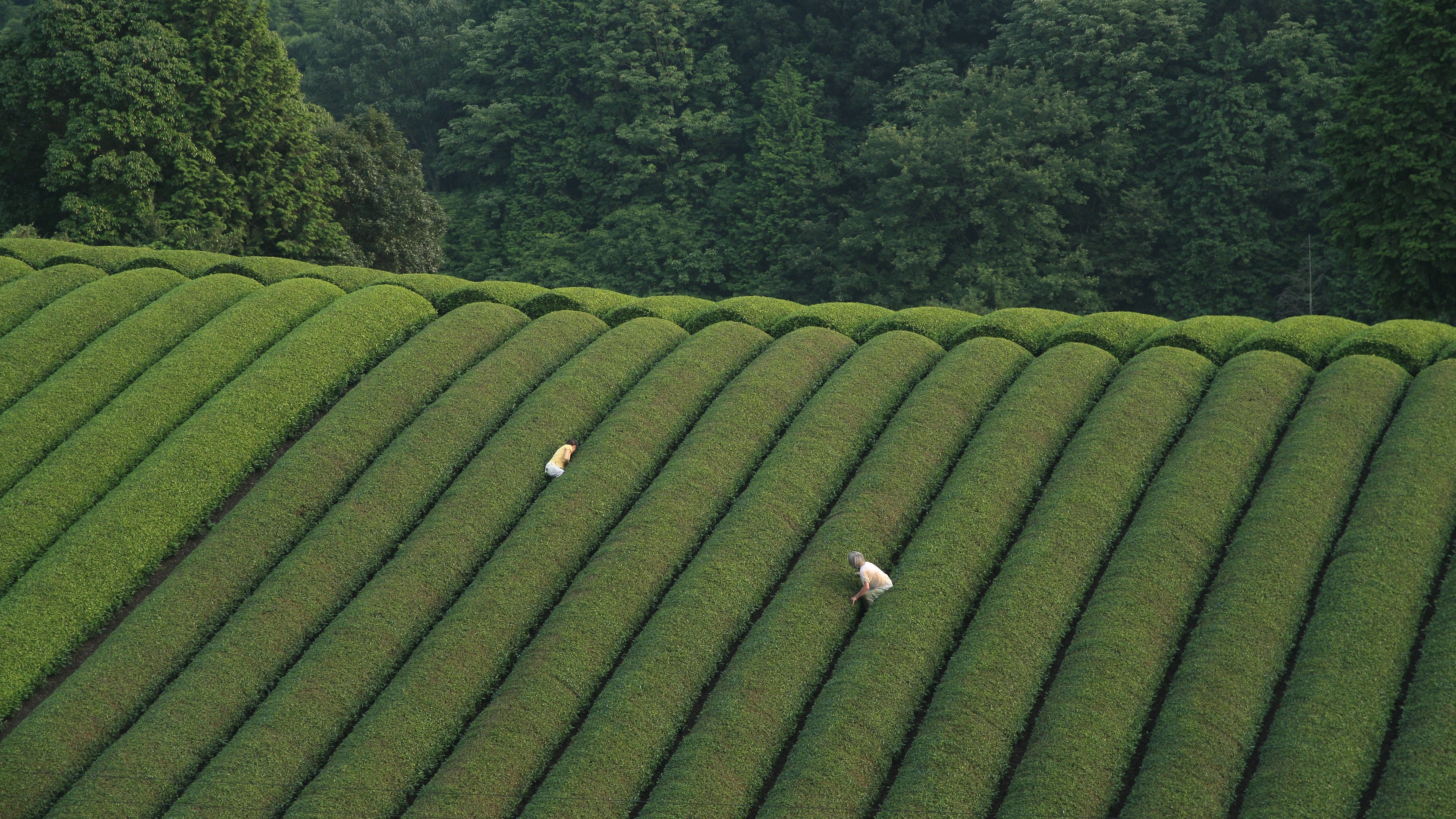
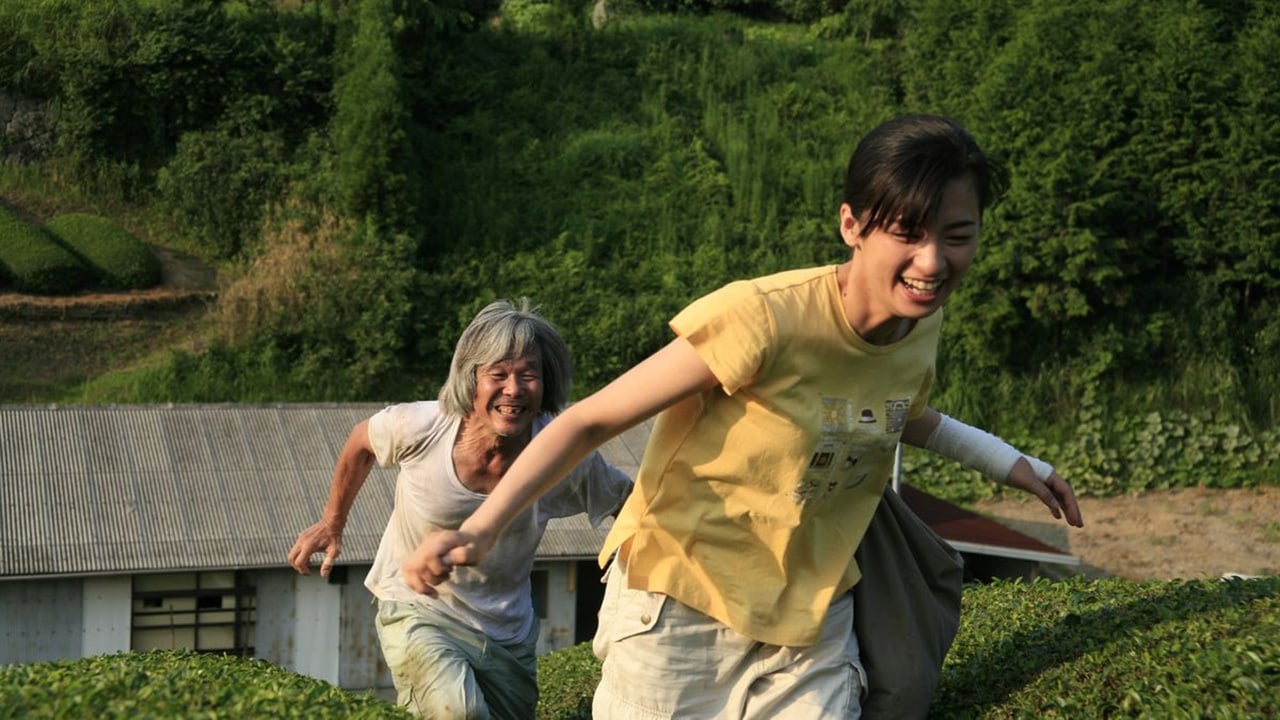
It follows a nurse and an old man, both dealing with grief in different ways. The film doesn’t really explain their past directly you just pick up small details and slowly understand what they’ve lost. Their relationship is rather awkward and uncomfortable at first. Shigeki behaves in an unpredictable manner that often throws Machiko off-guard. With time, however, they grow closer and their friendship is established in a beautiful scene in which they play hide-and-go-seek among the rounded rows of tea bushes.
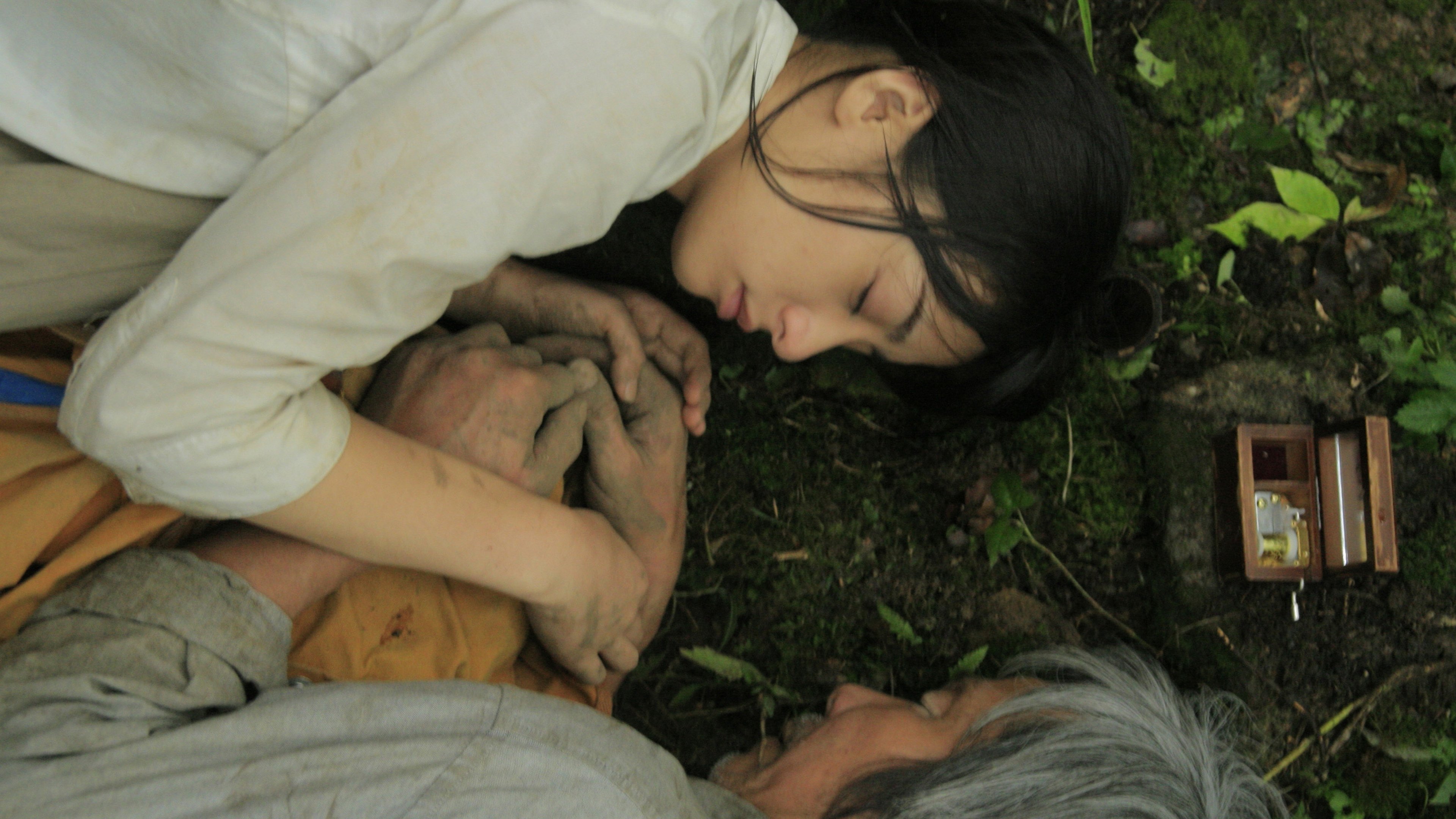
Once they enter the forest, the film changes. It becomes less about narrative and more about the experience of moving through it. The forest doesn’t just feel like a setting, it feels tied to their grief, like something they have to pass through. The film leaves a lot unexplained moments happen without clear reason, and scenes don’t always connect in a logical way but it doesn’t feel confusing, just quiet and intentional.
There’s almost no music, just natural sounds like wind, rain, and footsteps. The shots are very intentional with wide shots beautifully capturing nature and the beauty of the forest which for me is ethereal and brings back a lot of memories.
At the end of the film, a title card explains that the term ‘mogari’, or period of mourning comes from an older expression ‘mo agari’ meaning the end of mourning. Thus the forest takes on a symbolic meaning as the site for of the resolution of the mourning process.
The Mourning Forest is the antithesis of the modern society's disenchantment, and definitely embodies the beauty of pure human emotions.