Note: I'm not australian and I made this review based on a brief research I did while watching the film, if I made a mistake please correct me, thank you very much
Ned Kelly is one of the historical figures who has inspired artists, creators and researchers from all walks of life, especially in his country, Australia.
A controversial figure, halfway between a bandit or bandit and a social justice fighter who fights for the weak. A kind of Robin Hood for Australians, with opinions to suit all tastes. Even today, for some he was an unscrupulous criminal, and for others a victim of an unjust system who was pushed into the fight against powerful oppressors.
Thus, the theme for the first feature film produced in Australia, and the first fictional film in the world, could not have had more symbolic force. The ancient and ambiguous struggle of good against evil. Of power against the humble, of the outlaw against the guarantor of the law.
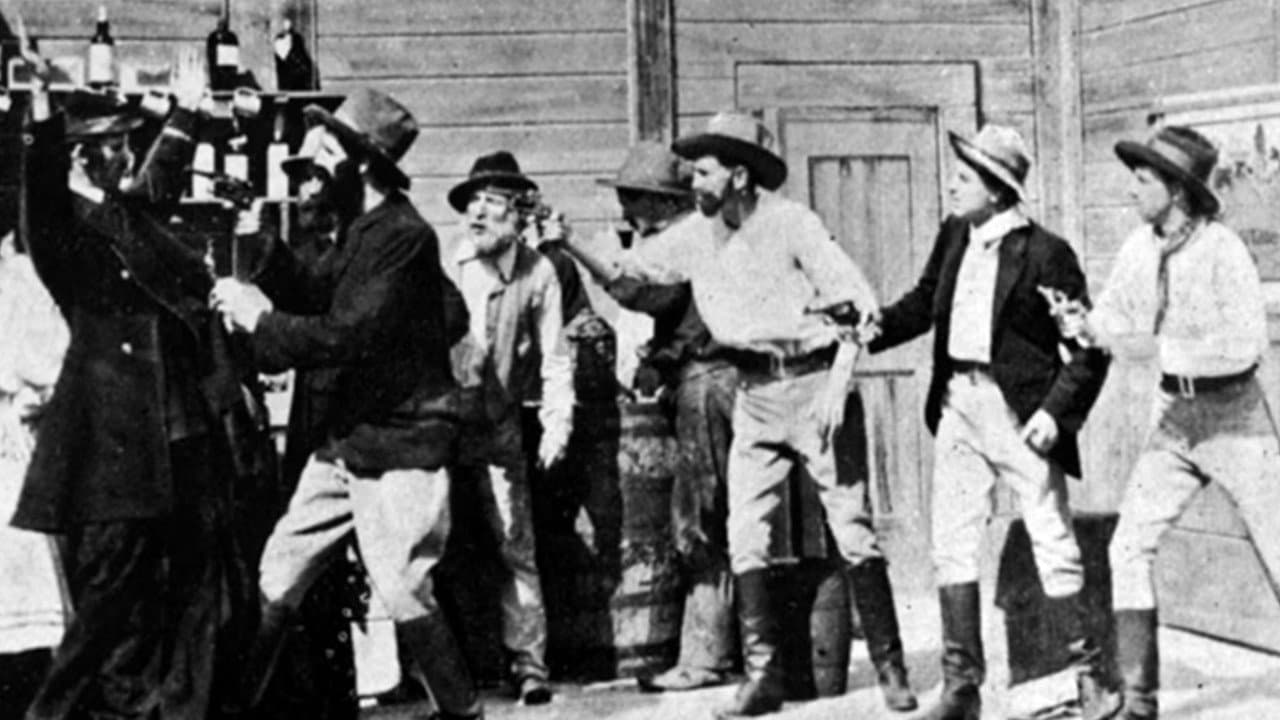
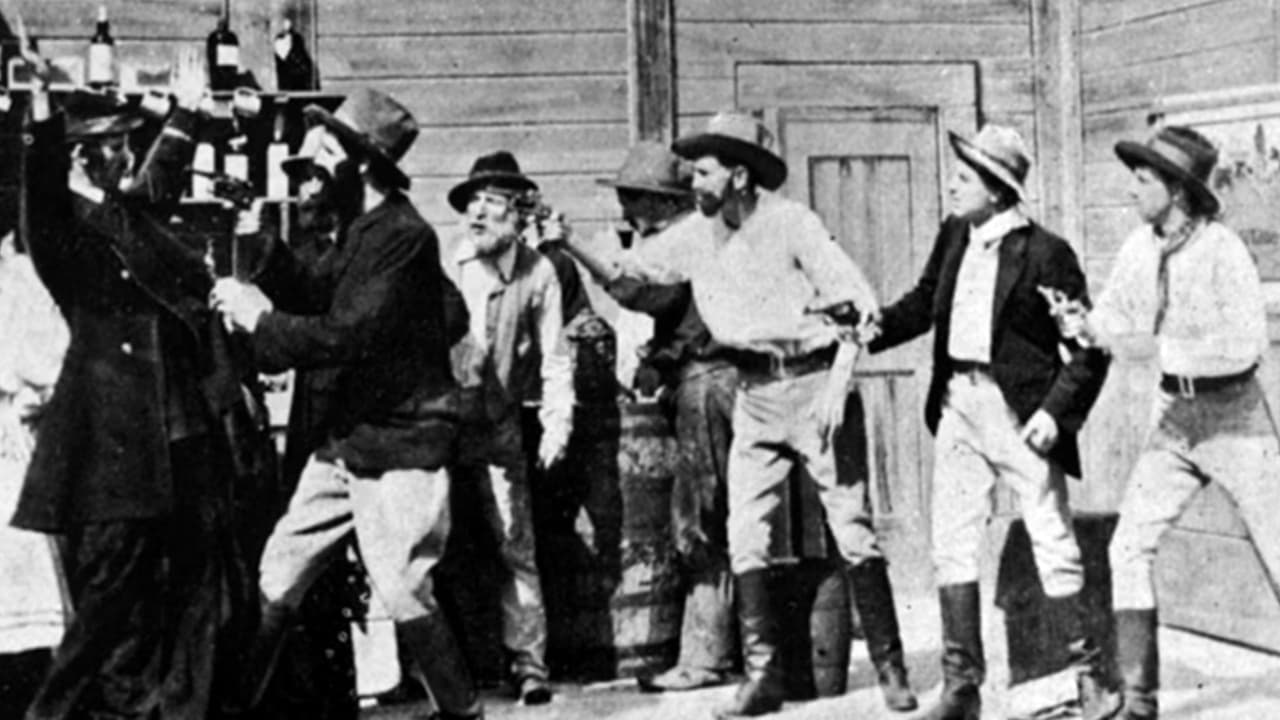
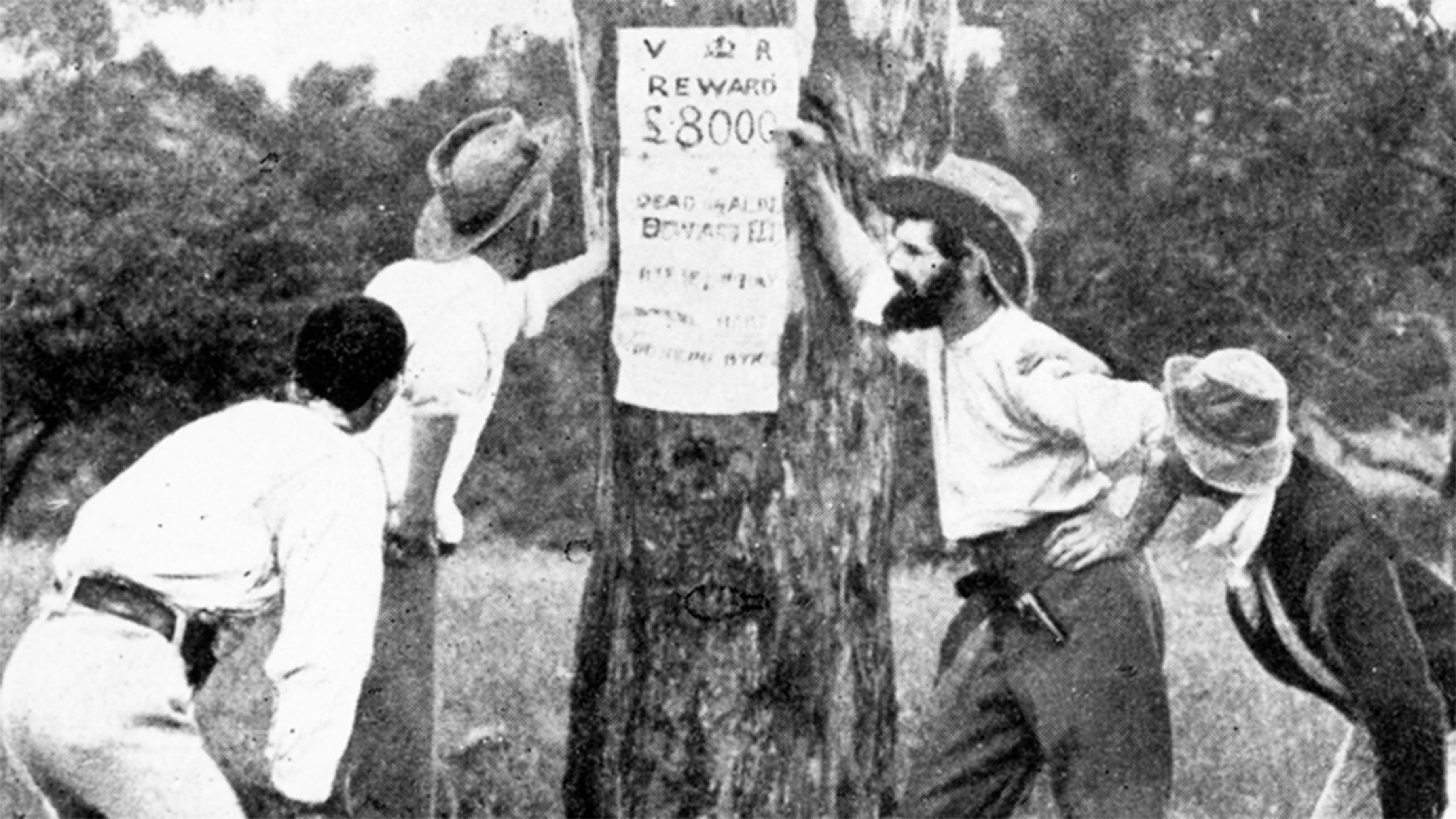
It would be shocking to contemplate this complete story in that distant 1906, a story based on real events, with real names and surnames, with contrasted situations and data, all recreated with the utmost fidelity to what was contained in the police files and documentation of the time. In fact, the film was censored in a couple of Australian towns because of its violence.
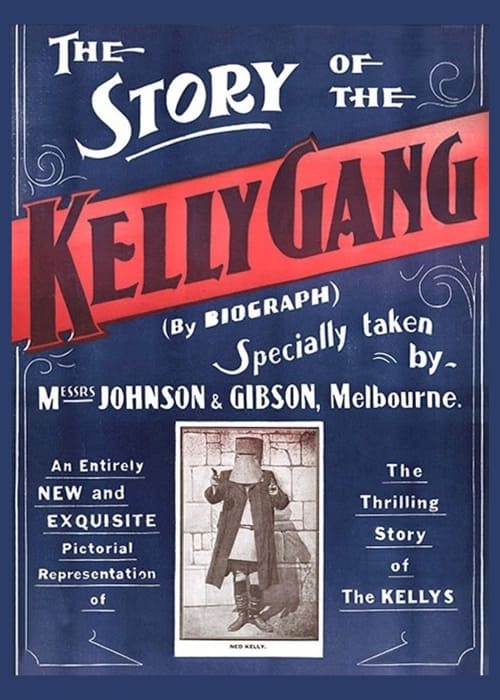
The pity is that only a part of the extensive initial footage for the time has been preserved, which is an incredible 70 minutes, which gave it the title of the first film in history. Thanks to the work of the National Film and Sound Archive of Australia, the story and part of the original film have been reconstructed, from the fragments of tape in the possession of some collectors, others found in the National Film and Television Archive of the United Kingdom, and even remains found by a citizen in a rubbish dump in Melbourne. In addition, the reconstruction was supported by various documentation such as the film poster and a publicity brochure written by Frank Tait, another member of the director's family who also participated in the film.
In the end, we retained 31 minutes of this suggestive work.
Note: I'm not australian and I made this review based on a brief research I did while watching the film, if I made a mistake please correct me, thank you very much
Ned Kelly is one of the historical figures who has inspired artists, creators and researchers from all walks of life, especially in his country, Australia.
A controversial figure, halfway between a bandit or bandit and a social justice fighter who fights for the weak. A kind of Robin Hood for Australians, with opinions to suit all tastes. Even today, for some he was an unscrupulous criminal, and for others a victim of an unjust system who was pushed into the fight against powerful oppressors.
Thus, the theme for the first feature film produced in Australia, and the first fictional film in the world, could not have had more symbolic force. The ancient and ambiguous struggle of good against evil. Of power against the humble, of the outlaw against the guarantor of the law.
It would be shocking to contemplate this complete story in that distant 1906, a story based on real events, with real names and surnames, with contrasted situations and data, all recreated with the utmost fidelity to what was contained in the police files and documentation of the time. In fact, the film was censored in a couple of Australian towns because of its violence.
The pity is that only a part of the extensive initial footage for the time has been preserved, which is an incredible 70 minutes, which gave it the title of the first film in history. Thanks to the work of the National Film and Sound Archive of Australia, the story and part of the original film have been reconstructed, from the fragments of tape in the possession of some collectors, others found in the National Film and Television Archive of the United Kingdom, and even remains found by a citizen in a rubbish dump in Melbourne. In addition, the reconstruction was supported by various documentation such as the film poster and a publicity brochure written by Frank Tait, another member of the director's family who also participated in the film.
In the end, we retained 31 minutes of this suggestive work.