Ever since childhood, I’ve felt an unexplainable draw towards the spiritual and theological, despite coming from a largely atheistic household. It also just so happens that I don’t have a memory where I wasn’t grappling with grief in some capacity. I had to face death in a more direct fashion than most kiddos. One would expect this to translate into some kind of proximity to organized religions, but I have purposely distanced myself from any institutional interpretations of faith.
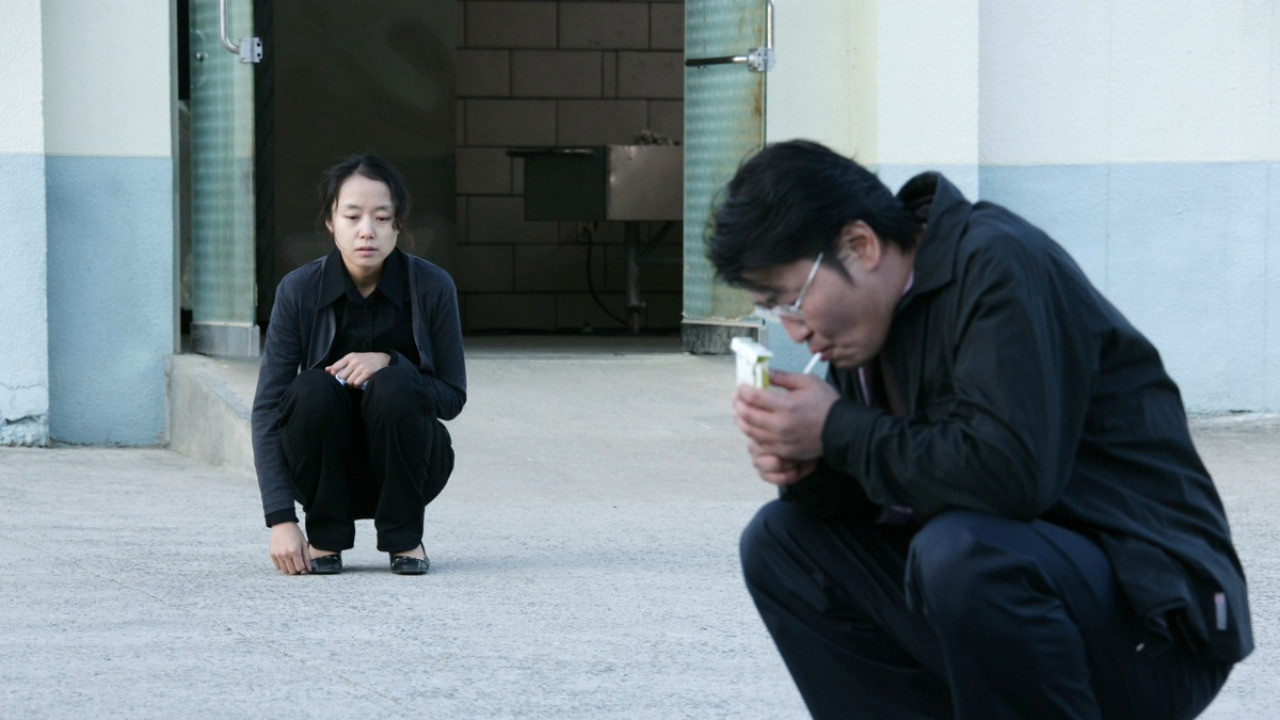
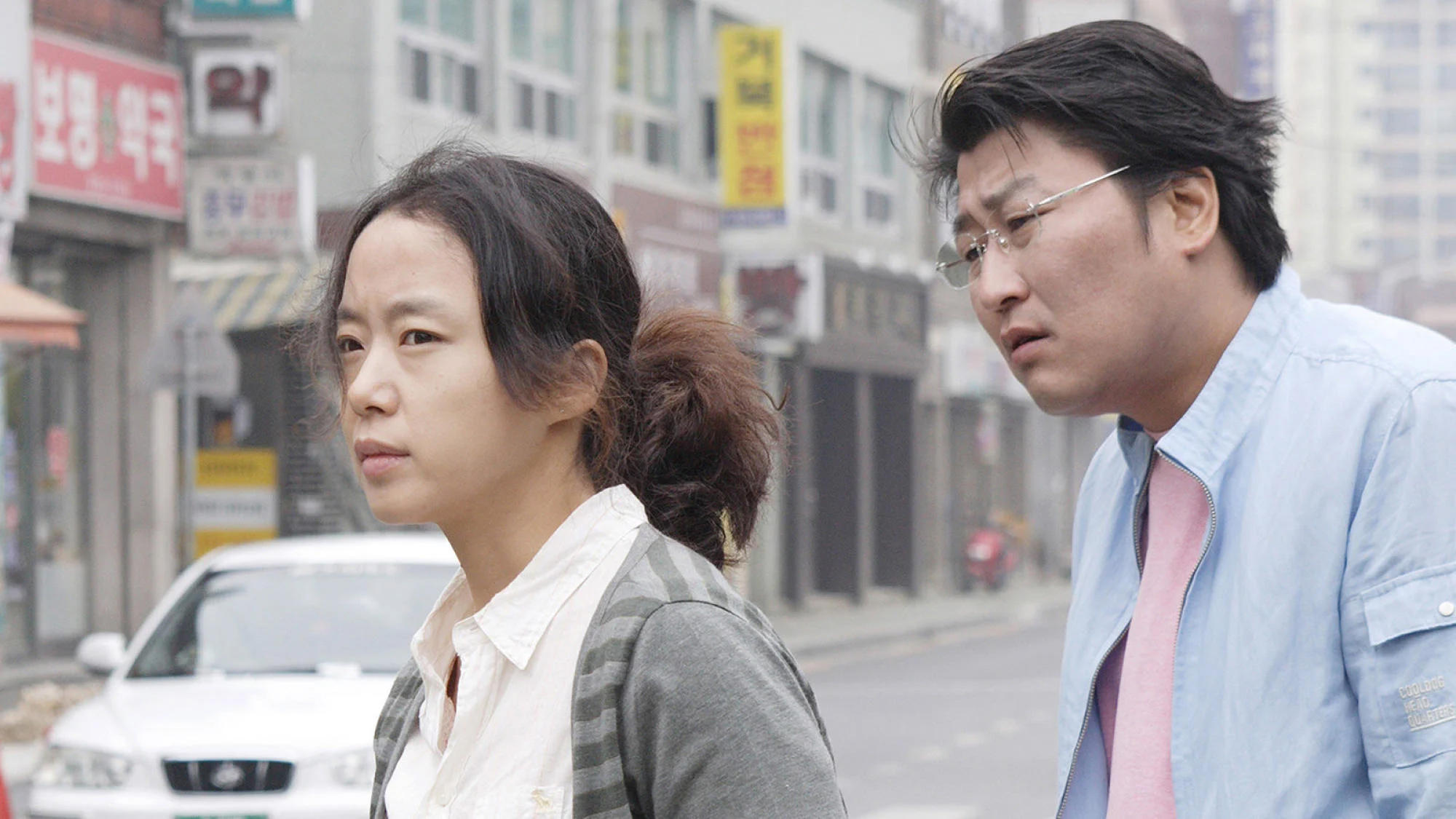
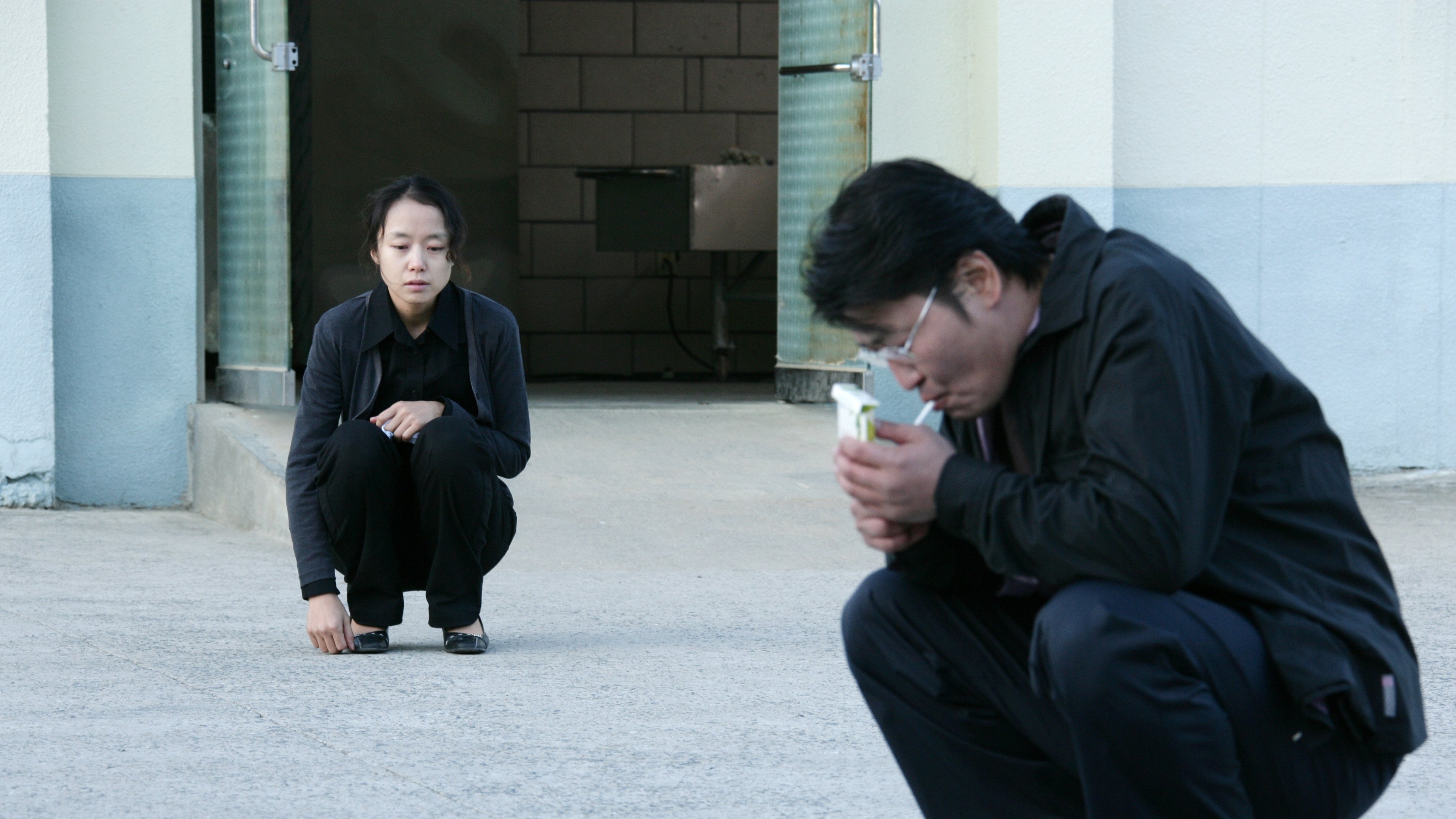
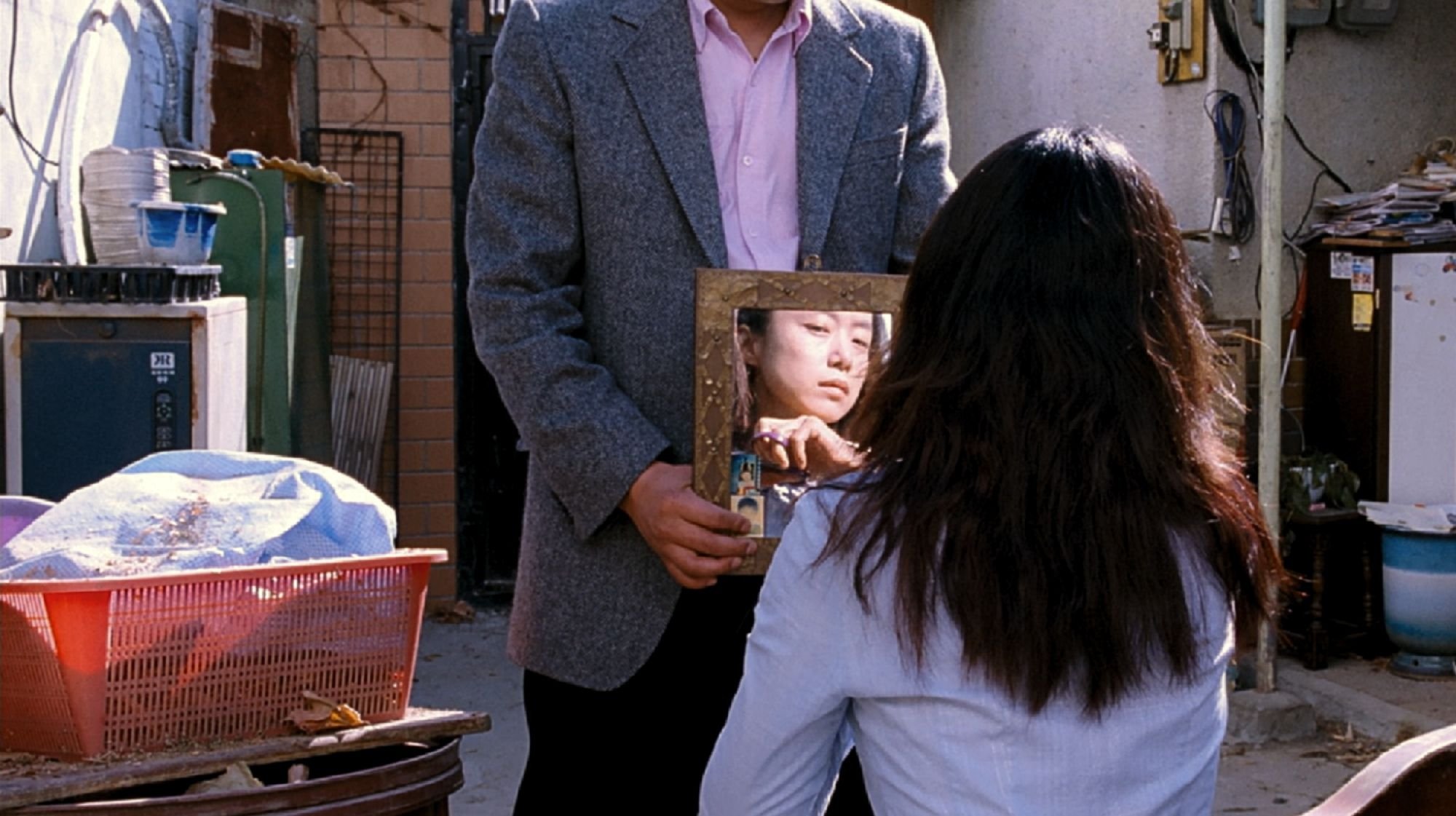
Any social institution requires hierarchy and socially enforced order to function, leading to shame becoming a defining characteristic of the environment. The confining presence of structures found in Miryang serves to express the looming sense of dehumanization brought forth by empathy, or rather lack thereof, that derives itself from a strict sense of social preservation. Bodies upon bodies pile onto each other; their suffocating proximity to each other highlights the distance between any individual.
With that in mind, it should come as no surprise that the one person who discovers inner peace and successfully performs the Christian ideal is Jun’s killer, as his sin instantly detached him from the social structures that once confined him. The murder brought him into an existence that no longer required the upkeep of socialized shame, leading him to find “forgiveness” in the light of God. It is the idea that our humility only extends towards humanity, rather than divinity; therefore, the performance of shame within this social setting is self-serving: an act of self-preservation in a society dependent on its own social hierarchy.
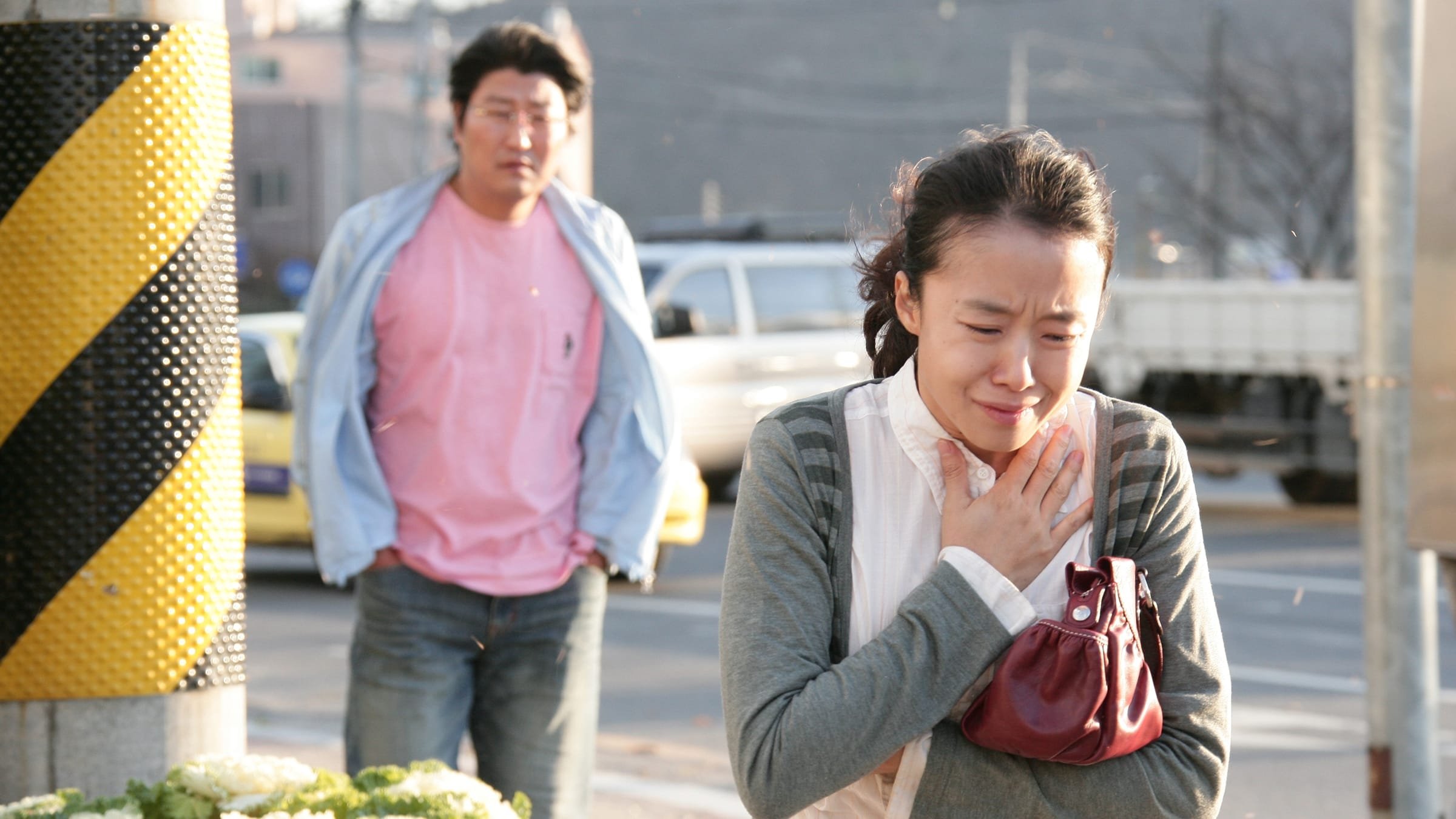
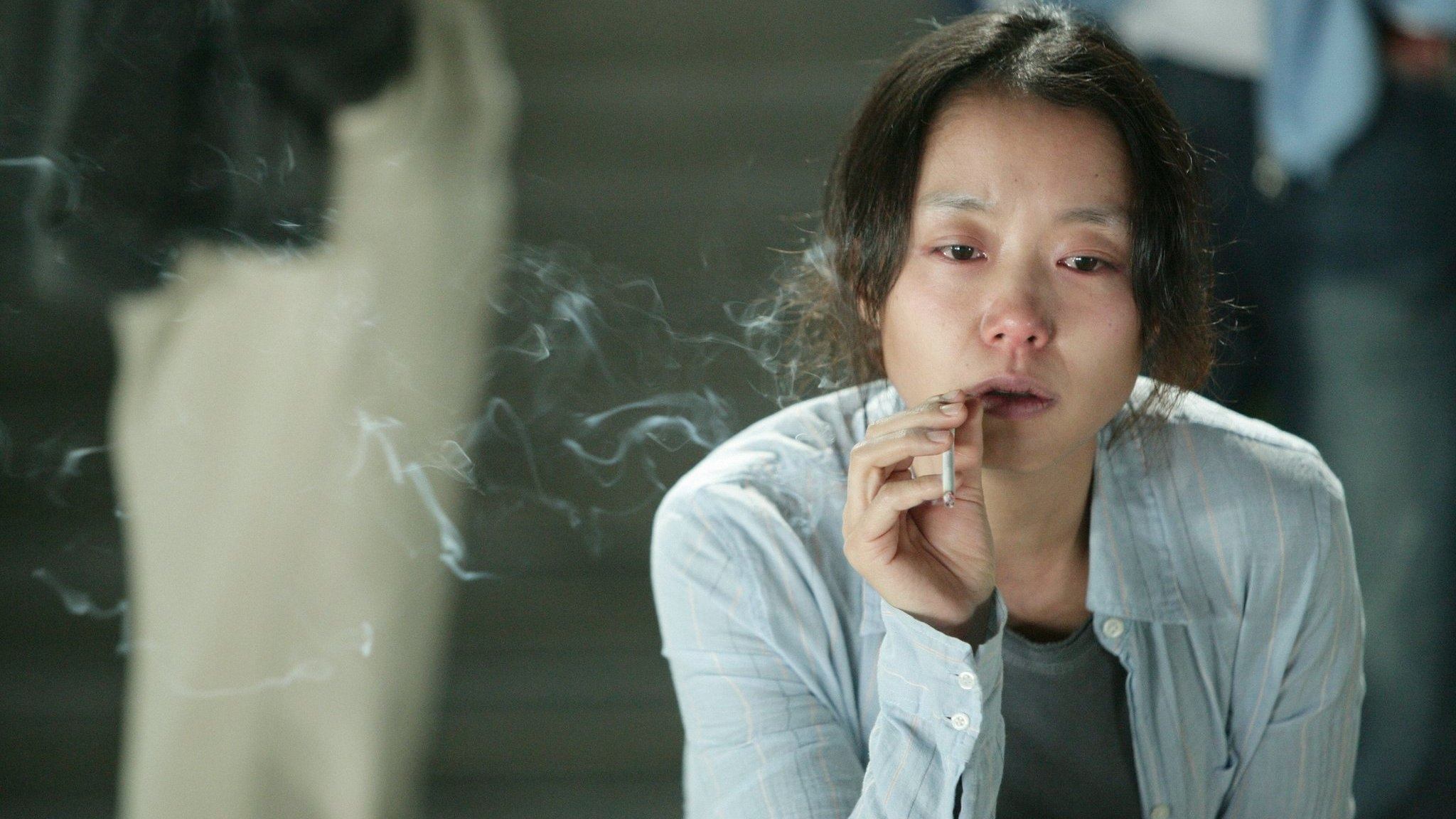
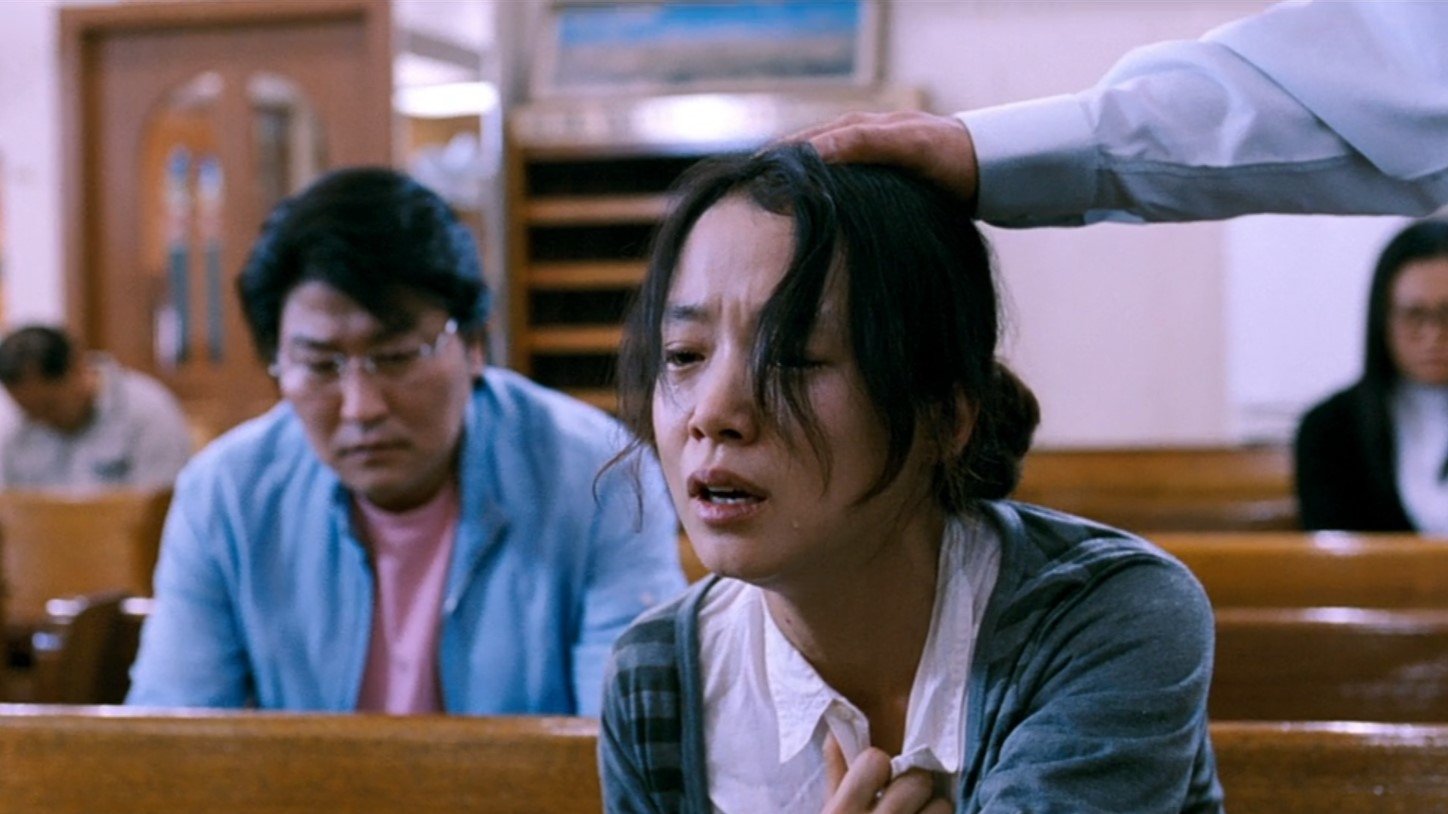
Throughout the film, the very idea of forgiveness is only seen through its social function. The institutionalized state of the town’s faith has left them unequipped to properly interact with Shin-ae’s humanity, resulting in them urging her towards forgiveness as a relief to this social disturbance. Shin-ae’s crippling feelings of grief and resentment cannot avoid the unspoken, as she is repeatedly invalidated by the institution and people who promised her relief.
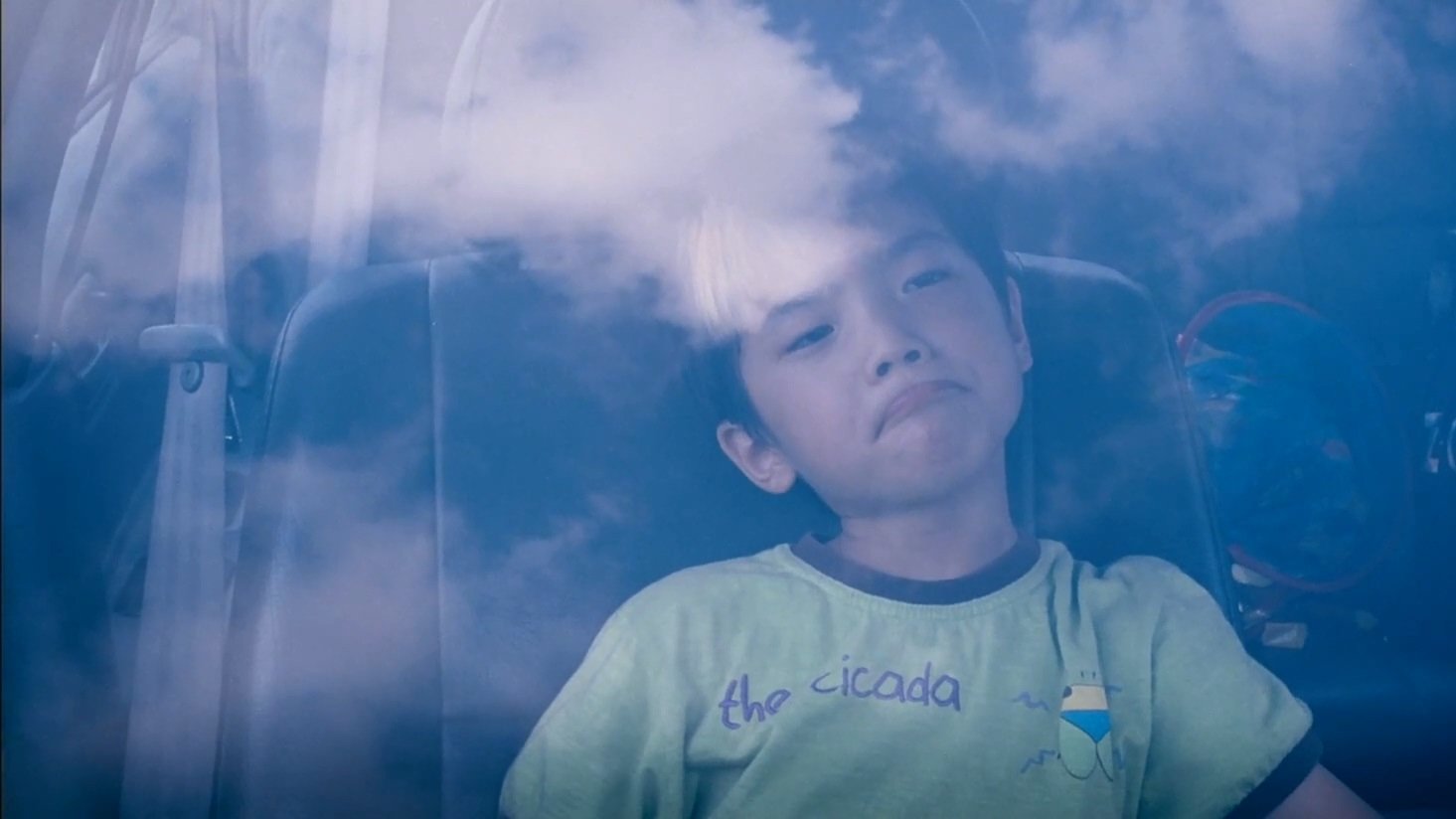
The formal irony of Miryang becomes evident in the conception of the text. The language of storytelling forces God’s will into Shin-ae’s world, regardless of any presence of personal faith. From the first scene, Jun’s passing has already been choreographed—repeated glimpses of the end are inflicted onto the first act’s view. There was no avoiding it, no possible preventive measure to be taken; the author had already sealed her son’s fate through his use of literacy devices. Even so, the possibility of existential helplessness does not suddenly erase her reality.
In my life, I have come to the conclusion that forgiveness—especially that which comes swiftly—is not a social or spiritual necessity. You cannot help what you feel. The key is to move without judgment of the individual in hopes of understanding the systems that motivate people's actions. I think that the true tragedy of the text is in the Church’s denial of that reality. Shin-ae nearly lets go of her judgments, but the Church’s narratives tell her that she must forgive the unforgivable. She must pacify her rage, her sadness, her anguish… as both the town and church remain blind to how their structures informed every tragedy we witness. They are blind to all of the invalidation and grief they inflict onto Shin-ae. They are blind to the suppression and shame that led to Jan’s murder. They are even blind to their own rage and dissatisfaction present in their daily lives.
If I can be honest, I feel a lot of guilt surrounding my involvement in maintaining the exact social structure that oppresses and invalidates, not only my communities, but every other soul that experiences rejection within this system. I can recognize that, much like Shin-ae’s attachment to the church, shit was as simple as survival but… I should’ve created the space for me and all the people I found myself with to vocialize our own struggle and dissatisfaction without caring about the possibility of rejection. All the niceties and faux-sympathy made my expression of empathy go numb, eventually reaching the person I found in the mirror. I had internalized all the judgments inflicted onto me and those who surrounded me, even those left unspoken. I cannot find it in myself to forgive those who cursed me with all of the inaction and the self-hatred I experience on the daily, but I cannot judge when it was our shared environment that led to their ignorance. I let go of all ‘em judgments; it’s time to feel the grief for all who I’ve lost. It’s time to feel that grief for myself.
Ever since childhood, I’ve felt an unexplainable draw towards the spiritual and theological, despite coming from a largely atheistic household. It also just so happens that I don’t have a memory where I wasn’t grappling with grief in some capacity. I had to face death in a more direct fashion than most kiddos. One would expect this to translate into some kind of proximity to organized religions, but I have purposely distanced myself from any institutional interpretations of faith.
Any social institution requires hierarchy and socially enforced order to function, leading to shame becoming a defining characteristic of the environment. The confining presence of structures found in Miryang serves to express the looming sense of dehumanization brought forth by empathy, or rather lack thereof, that derives itself from a strict sense of social preservation. Bodies upon bodies pile onto each other; their suffocating proximity to each other highlights the distance between any individual.
With that in mind, it should come as no surprise that the one person who discovers inner peace and successfully performs the Christian ideal is Jun’s killer, as his sin instantly detached him from the social structures that once confined him. The murder brought him into an existence that no longer required the upkeep of socialized shame, leading him to find “forgiveness” in the light of God. It is the idea that our humility only extends towards humanity, rather than divinity; therefore, the performance of shame within this social setting is self-serving: an act of self-preservation in a society dependent on its own social hierarchy.
Throughout the film, the very idea of forgiveness is only seen through its social function. The institutionalized state of the town’s faith has left them unequipped to properly interact with Shin-ae’s humanity, resulting in them urging her towards forgiveness as a relief to this social disturbance. Shin-ae’s crippling feelings of grief and resentment cannot avoid the unspoken, as she is repeatedly invalidated by the institution and people who promised her relief.
The formal irony of Miryang becomes evident in the conception of the text. The language of storytelling forces God’s will into Shin-ae’s world, regardless of any presence of personal faith. From the first scene, Jun’s passing has already been choreographed—repeated glimpses of the end are inflicted onto the first act’s view. There was no avoiding it, no possible preventive measure to be taken; the author had already sealed her son’s fate through his use of literacy devices. Even so, the possibility of existential helplessness does not suddenly erase her reality.
In my life, I have come to the conclusion that forgiveness—especially that which comes swiftly—is not a social or spiritual necessity. You cannot help what you feel. The key is to move without judgment of the individual in hopes of understanding the systems that motivate people's actions. I think that the true tragedy of the text is in the Church’s denial of that reality. Shin-ae nearly lets go of her judgments, but the Church’s narratives tell her that she must forgive the unforgivable. She must pacify her rage, her sadness, her anguish… as both the town and church remain blind to how their structures informed every tragedy we witness. They are blind to all of the invalidation and grief they inflict onto Shin-ae. They are blind to the suppression and shame that led to Jan’s murder. They are even blind to their own rage and dissatisfaction present in their daily lives.
If I can be honest, I feel a lot of guilt surrounding my involvement in maintaining the exact social structure that oppresses and invalidates, not only my communities, but every other soul that experiences rejection within this system. I can recognize that, much like Shin-ae’s attachment to the church, shit was as simple as survival but… I should’ve created the space for me and all the people I found myself with to vocialize our own struggle and dissatisfaction without caring about the possibility of rejection. All the niceties and faux-sympathy made my expression of empathy go numb, eventually reaching the person I found in the mirror. I had internalized all the judgments inflicted onto me and those who surrounded me, even those left unspoken. I cannot find it in myself to forgive those who cursed me with all of the inaction and the self-hatred I experience on the daily, but I cannot judge when it was our shared environment that led to their ignorance. I let go of all ‘em judgments; it’s time to feel the grief for all who I’ve lost. It’s time to feel that grief for myself.