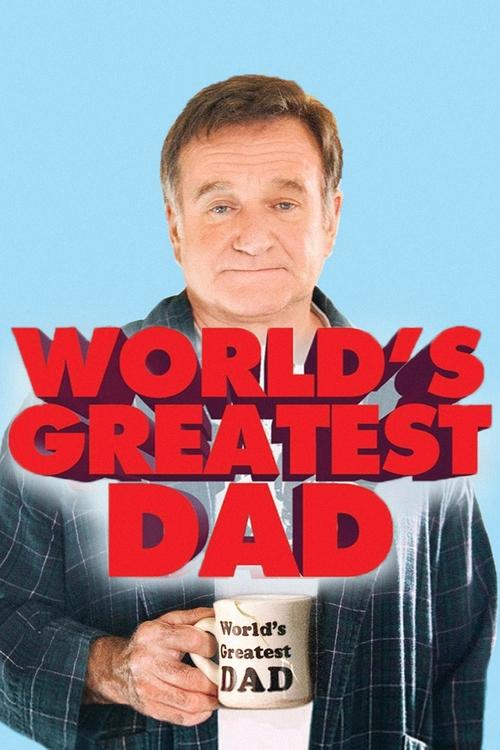
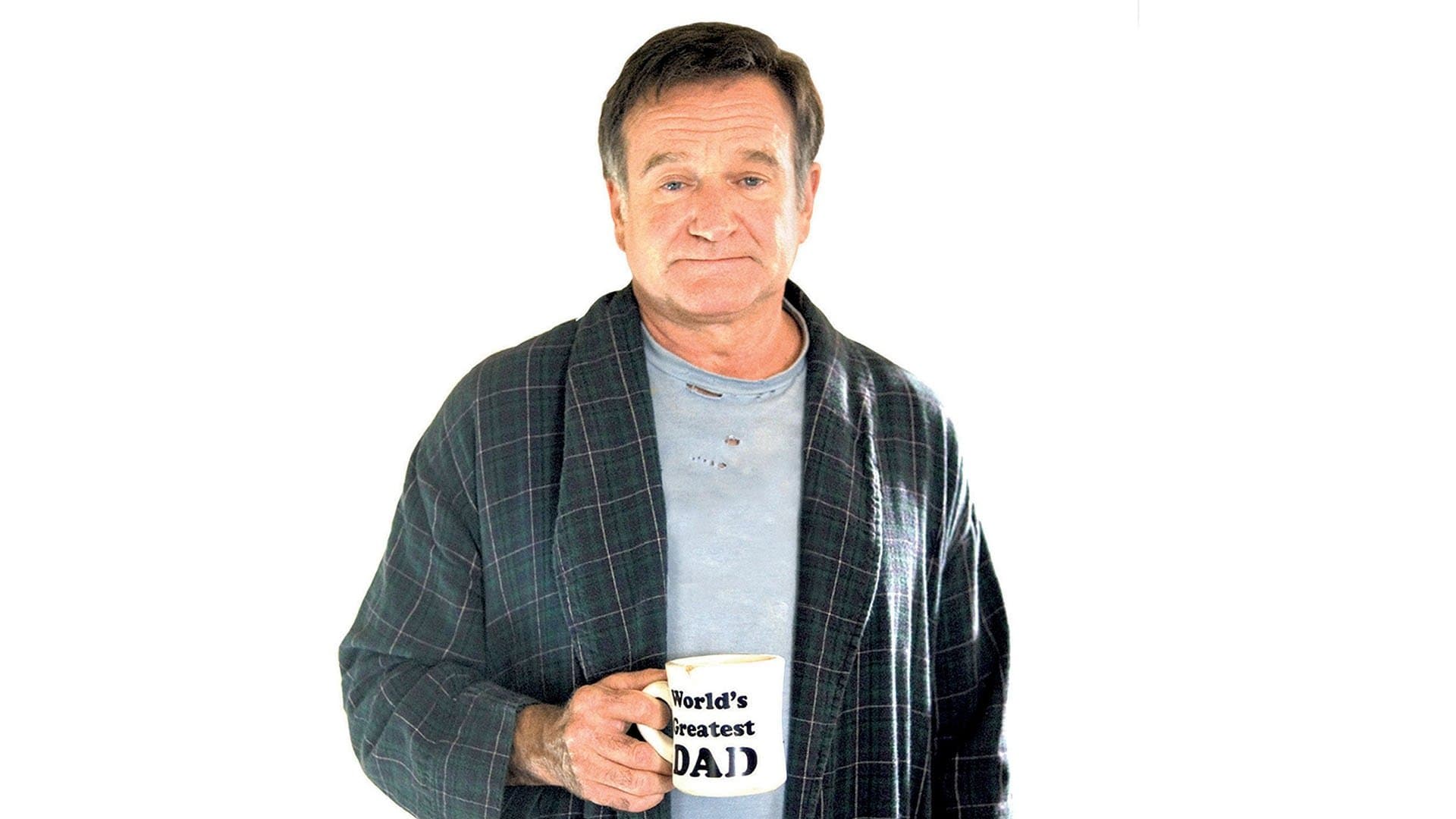
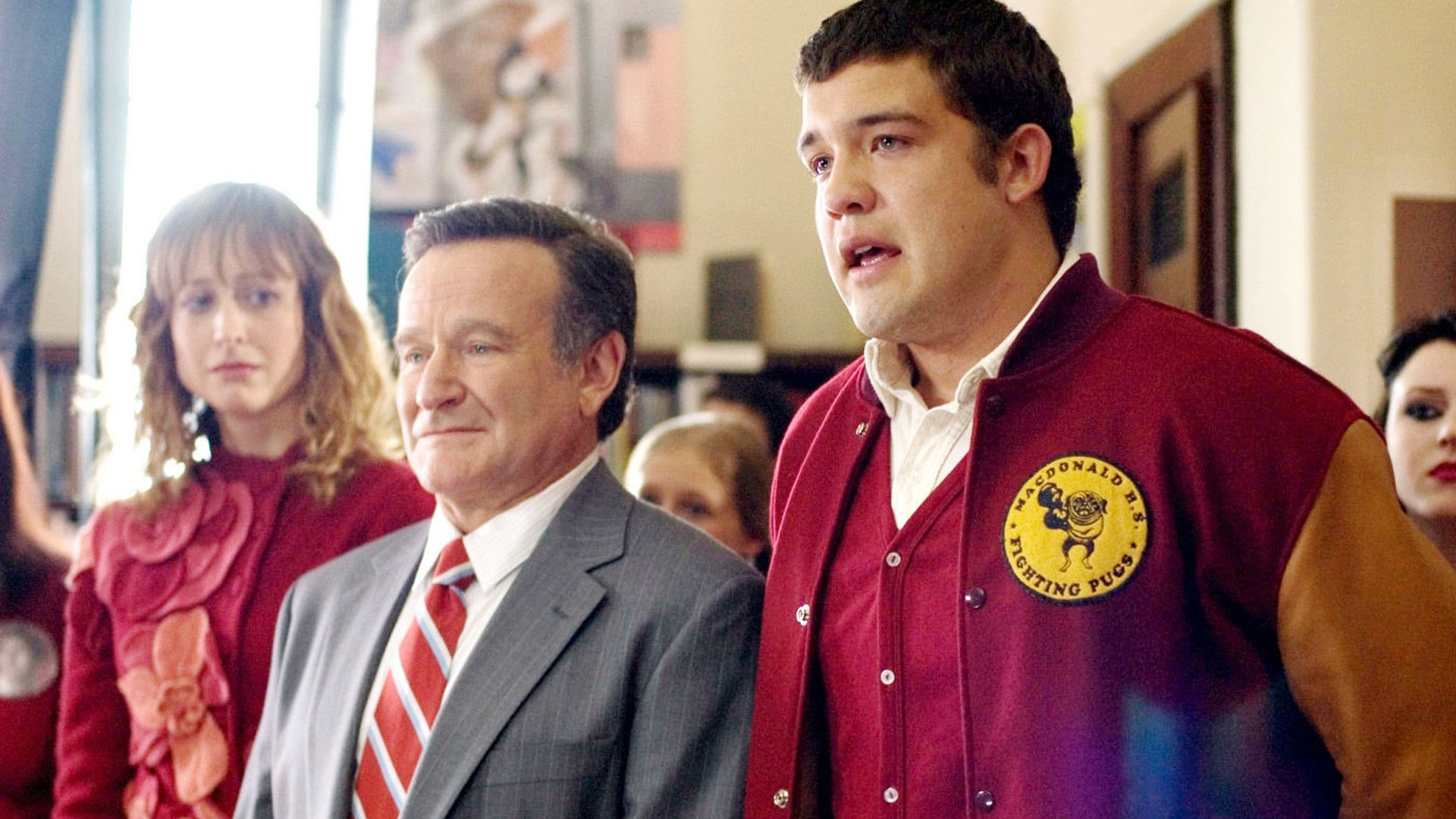
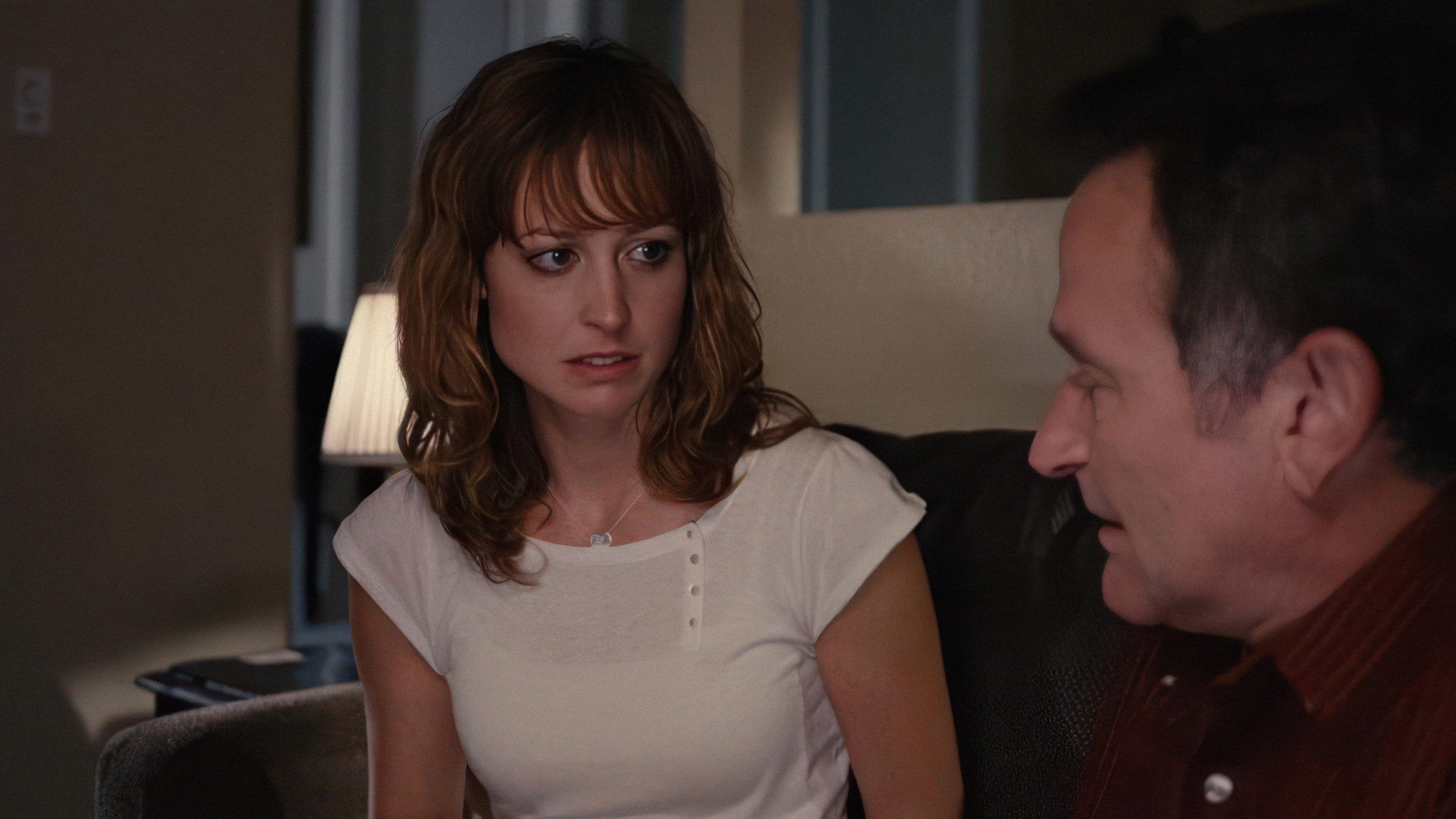
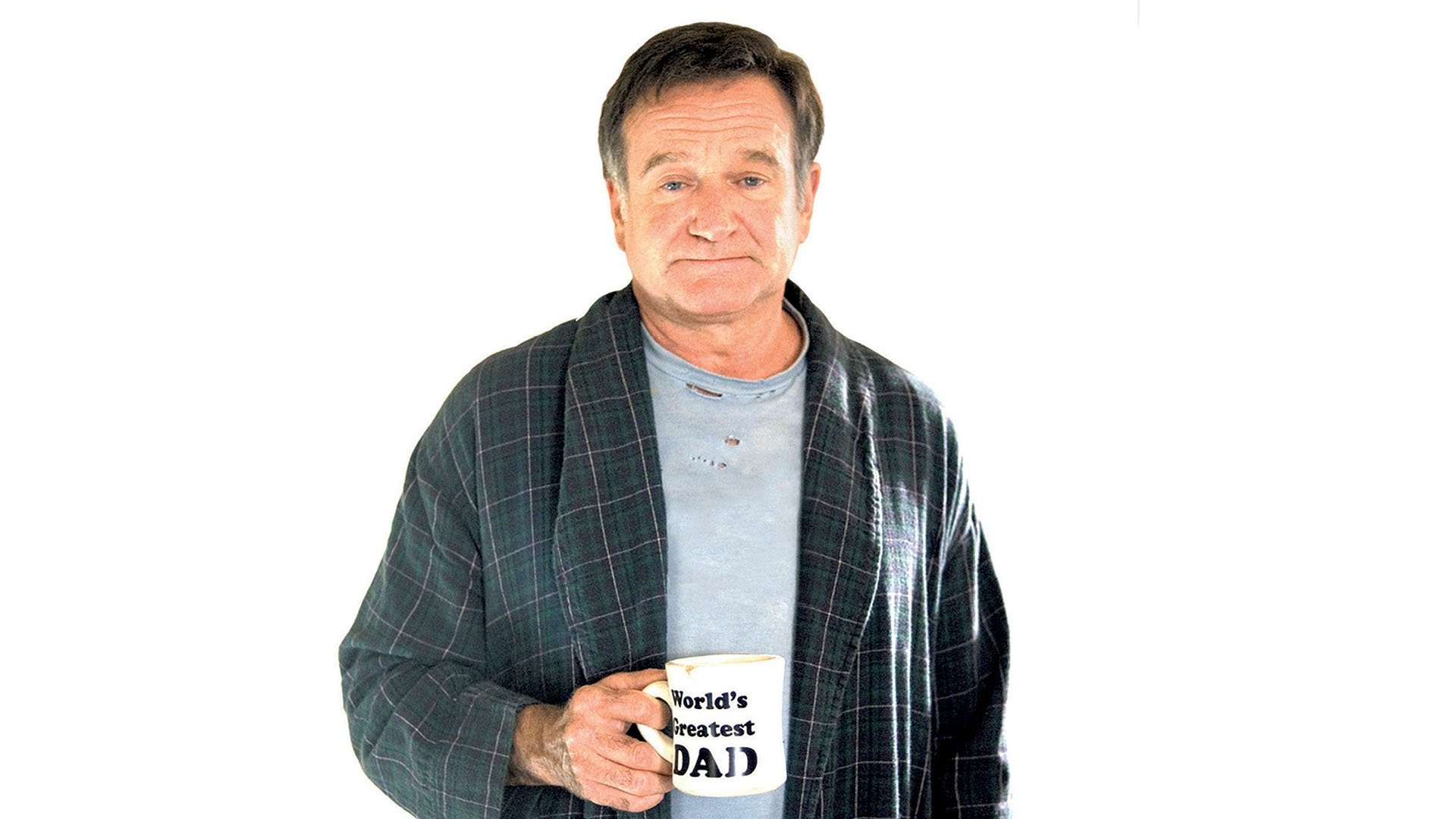
the film deliberately wrong-foots its audience. it begins as a bleak, cringe comedy about lance, a failed poet and high school teacher, and his profoundly alienated, crude teenage son, kyle. the film initially presents kyle as a repository of adolescent id, a character study in abrasive dysfunction with fleeting glimpses of vulnerability.
the narrative fractures with a sudden, shocking event: kyle dies accidentally. the specific, taboo nature of his death is a crucial, jarring piece of the film's design. it instantly vaporizes any conventional genre expectations. in a moment of panic and shame, lance stages the scene as a suicide and pens a fictional note. this single act of falsification becomes the film's dark, brilliant engine.
what follows is a savage satire of collective grief and posthumous myth-making. the fabricated note, and later an entire fake journal, recast kyle as a misunderstood, sensitive genius. the school and the public, who reviled him in life, embrace a sanitized, romanticized version of his death. lance, an anonymous failure, becomes a vicarious celebrity through this lie, forcing him to navigate a haunting paradox: he is finally connecting with the world through the erased truth of his son.
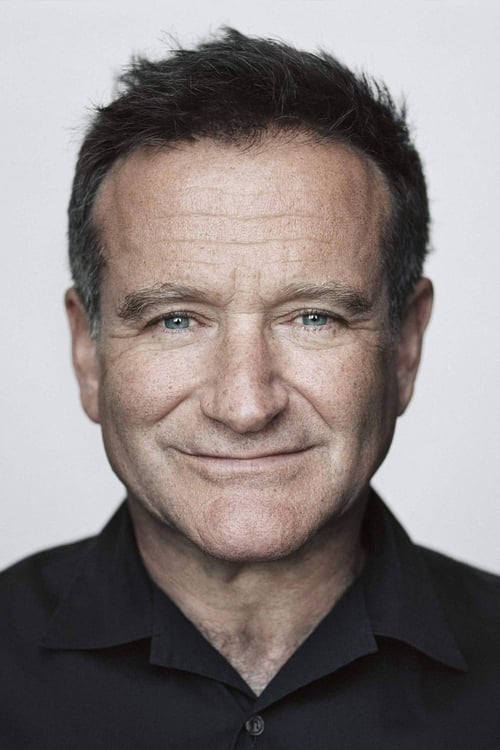
robin williams delivers a performance of remarkable restraint and pathos. his lance is a man of quiet desperation, and williams maps every nuance of his moral collapse and tragic awakening with devastating precision. the film’s bleak humor stems from the grotesque gap between kyle’s reality and his manufactured legacy. it is a uncomfortable, often funny, and ultimately piercing examination of loneliness, the narratives we crave, and the painful cost of authenticity.
the film’s power is compounded by its chilling, unintended resonance. a line from the fabricated suicide note “suicide is a permanent solution to a temporary problem” echoes with a profound and tragic irony in the wake of williams' own passing. this extra-textual layer does not change the film's story, but it deepens its melancholy, transforming the satire into a more complex and heartbreaking artifact. world's greatest dad is a challenging, morally ambiguous film that uses shock not for mere provocation, but as a tool to dissect the very human need to find meaning, even in its most fabricated forms.
the film deliberately wrong-foots its audience. it begins as a bleak, cringe comedy about lance, a failed poet and high school teacher, and his profoundly alienated, crude teenage son, kyle. the film initially presents kyle as a repository of adolescent id, a character study in abrasive dysfunction with fleeting glimpses of vulnerability.
the narrative fractures with a sudden, shocking event: kyle dies accidentally. the specific, taboo nature of his death is a crucial, jarring piece of the film's design. it instantly vaporizes any conventional genre expectations. in a moment of panic and shame, lance stages the scene as a suicide and pens a fictional note. this single act of falsification becomes the film's dark, brilliant engine.
what follows is a savage satire of collective grief and posthumous myth-making. the fabricated note, and later an entire fake journal, recast kyle as a misunderstood, sensitive genius. the school and the public, who reviled him in life, embrace a sanitized, romanticized version of his death. lance, an anonymous failure, becomes a vicarious celebrity through this lie, forcing him to navigate a haunting paradox: he is finally connecting with the world through the erased truth of his son.
robin williams delivers a performance of remarkable restraint and pathos. his lance is a man of quiet desperation, and williams maps every nuance of his moral collapse and tragic awakening with devastating precision. the film’s bleak humor stems from the grotesque gap between kyle’s reality and his manufactured legacy. it is a uncomfortable, often funny, and ultimately piercing examination of loneliness, the narratives we crave, and the painful cost of authenticity.
the film’s power is compounded by its chilling, unintended resonance. a line from the fabricated suicide note “suicide is a permanent solution to a temporary problem” echoes with a profound and tragic irony in the wake of williams' own passing. this extra-textual layer does not change the film's story, but it deepens its melancholy, transforming the satire into a more complex and heartbreaking artifact. world's greatest dad is a challenging, morally ambiguous film that uses shock not for mere provocation, but as a tool to dissect the very human need to find meaning, even in its most fabricated forms.