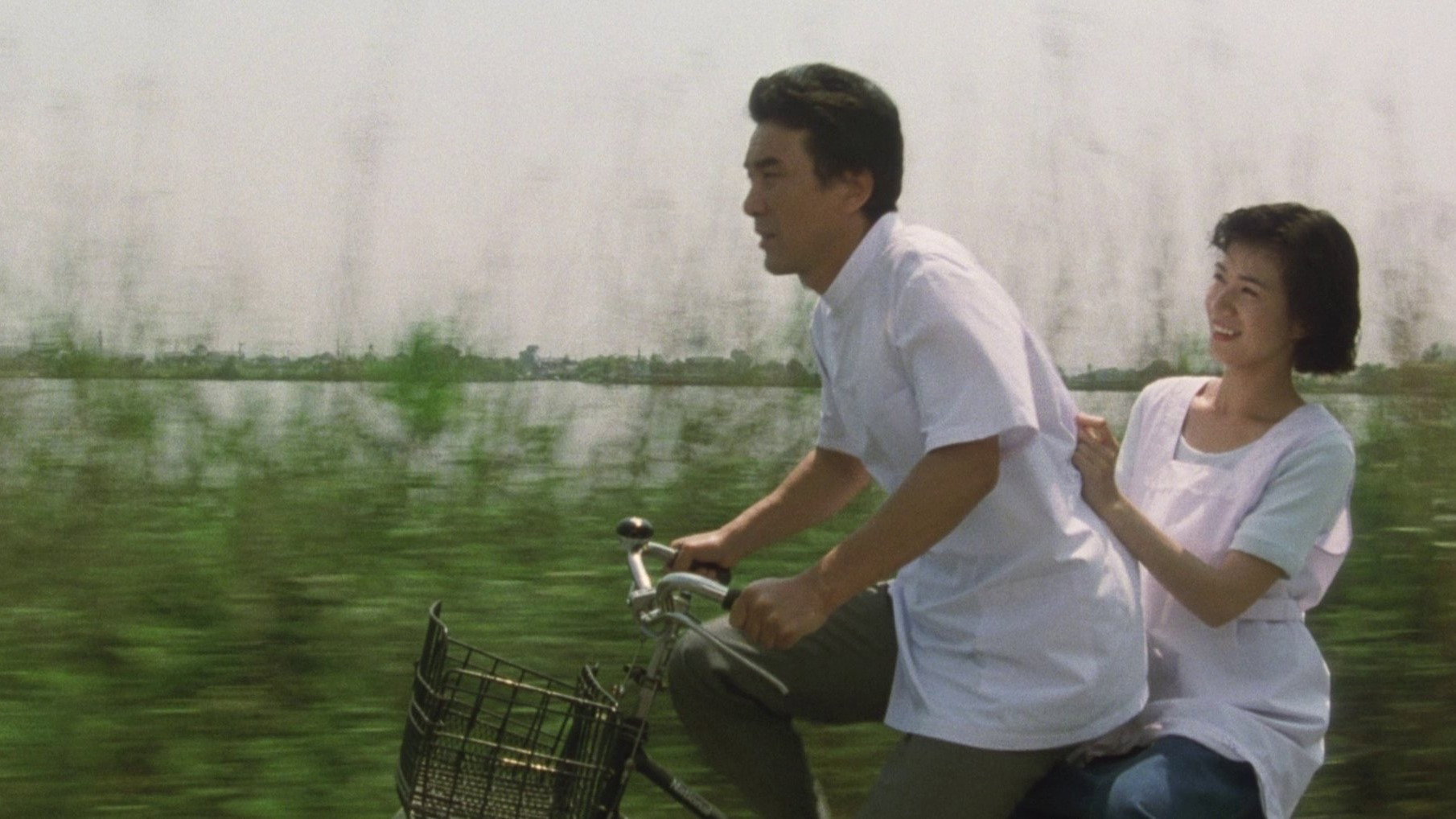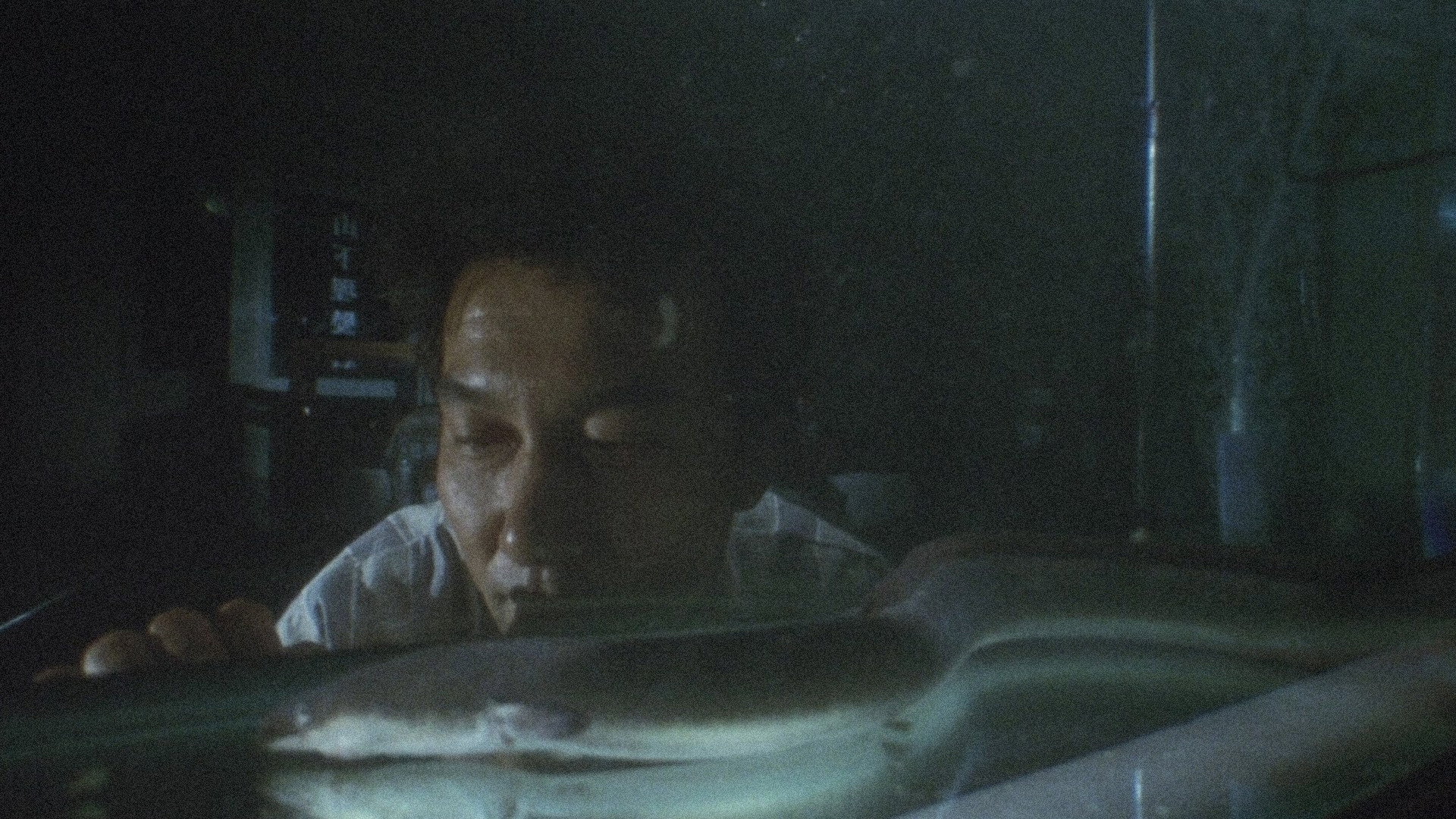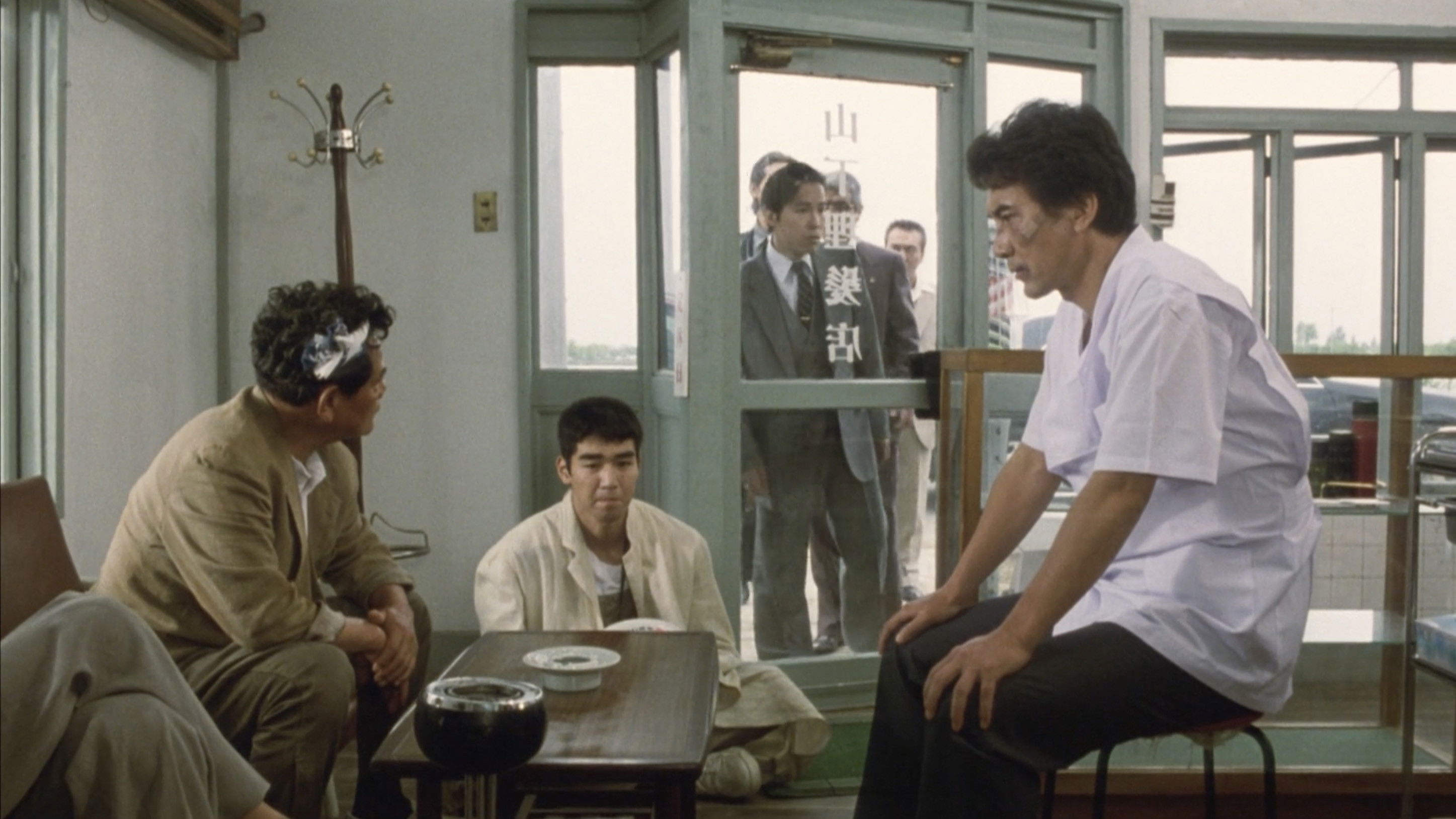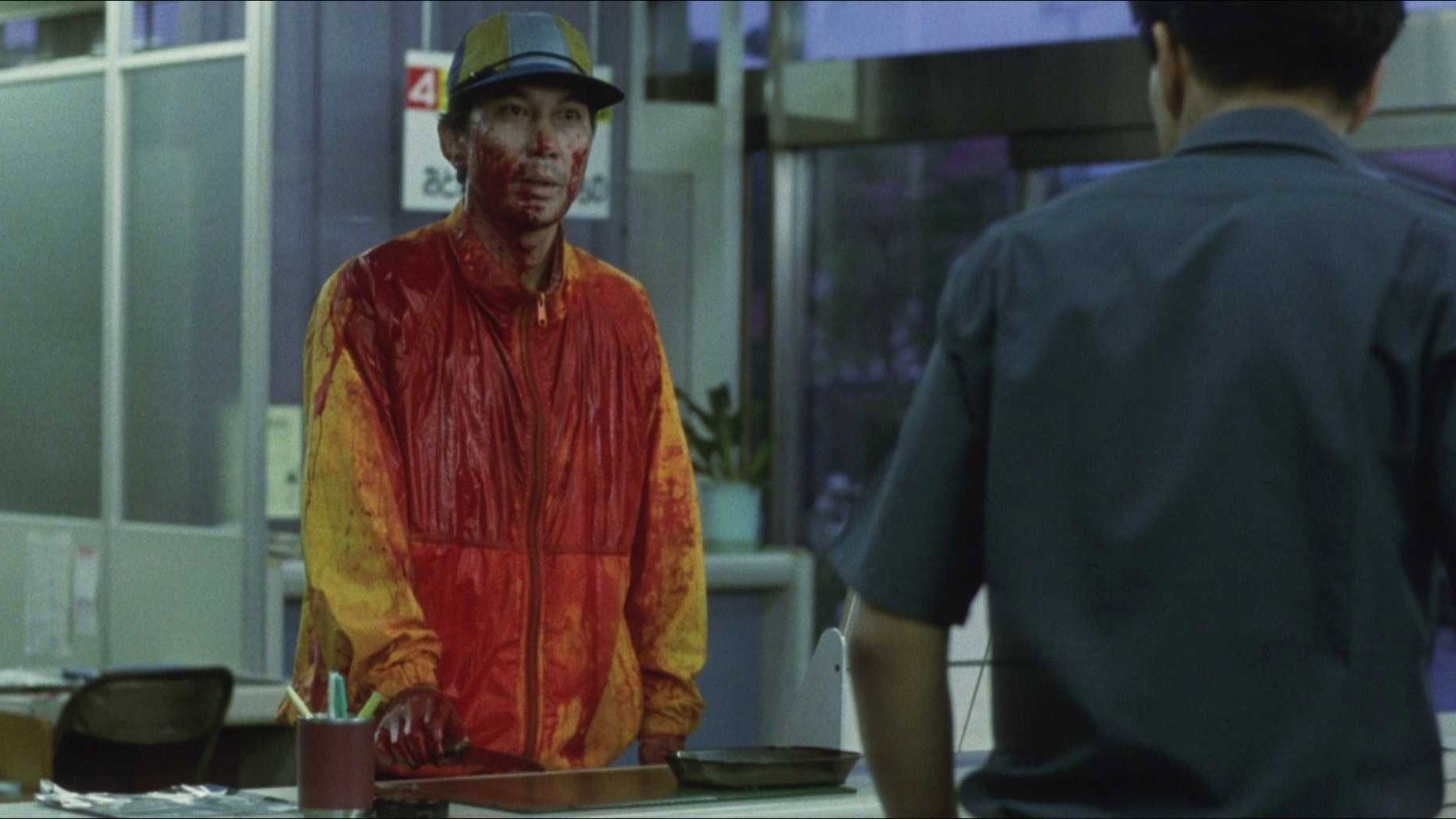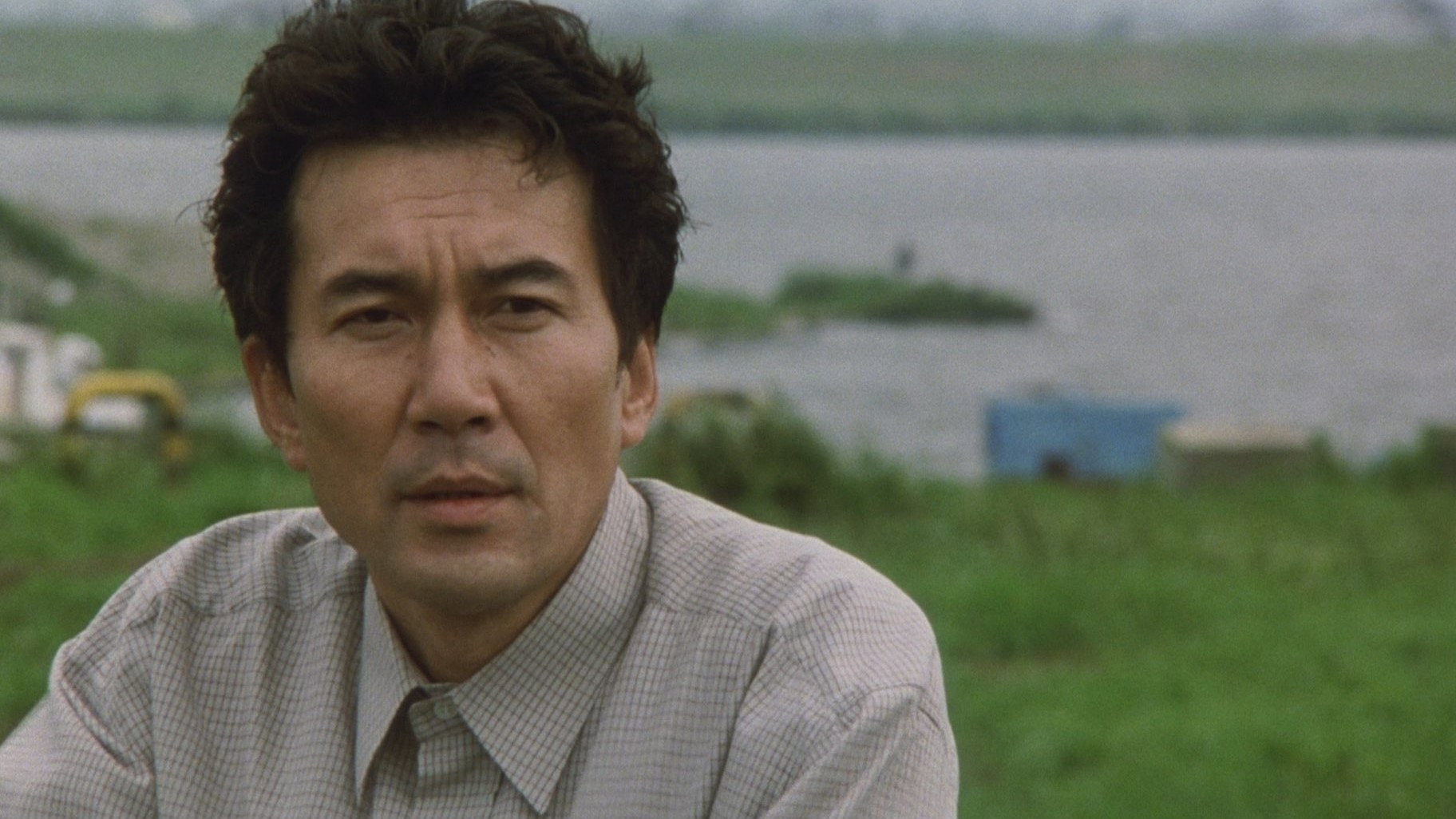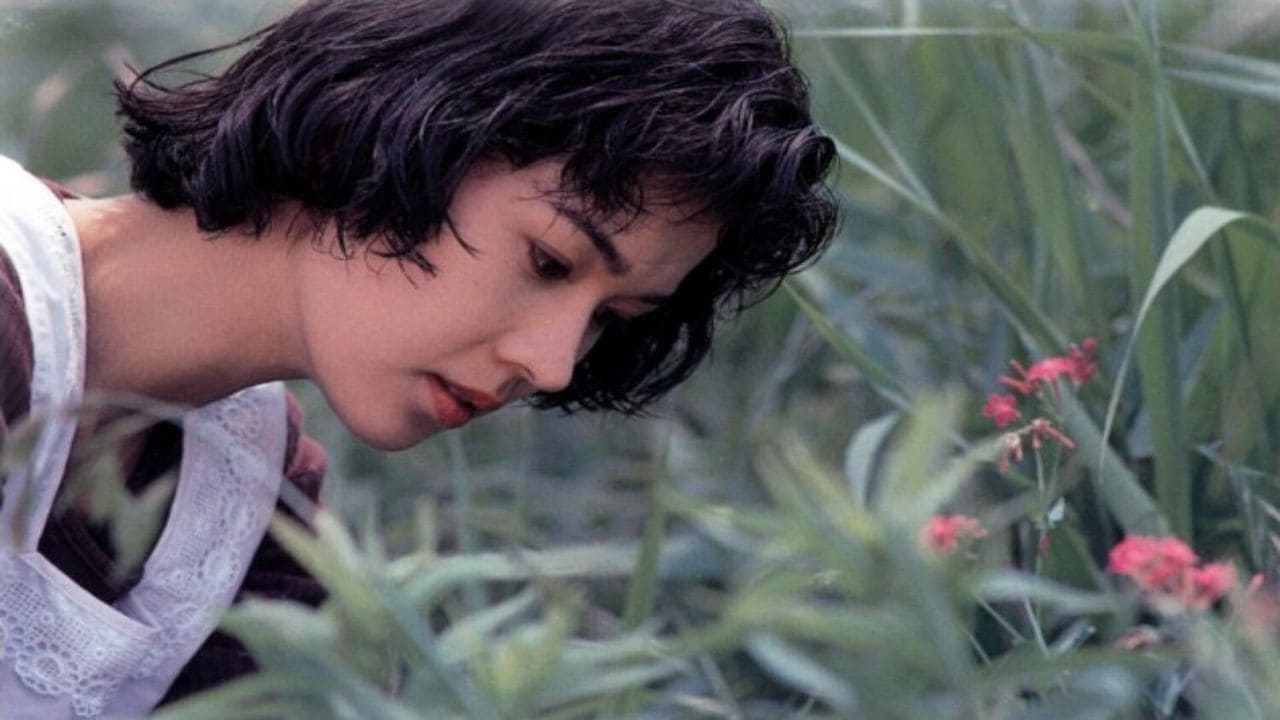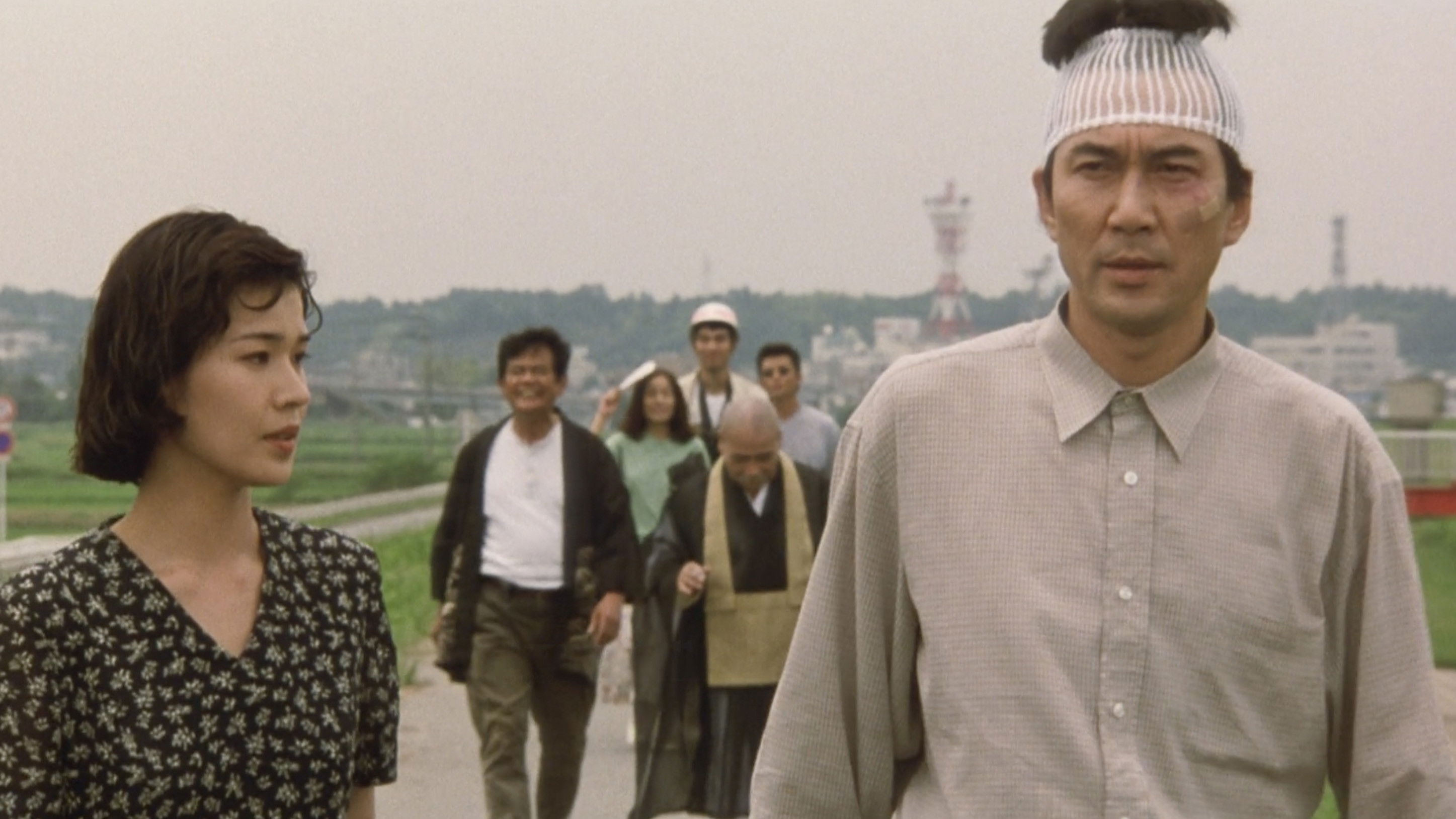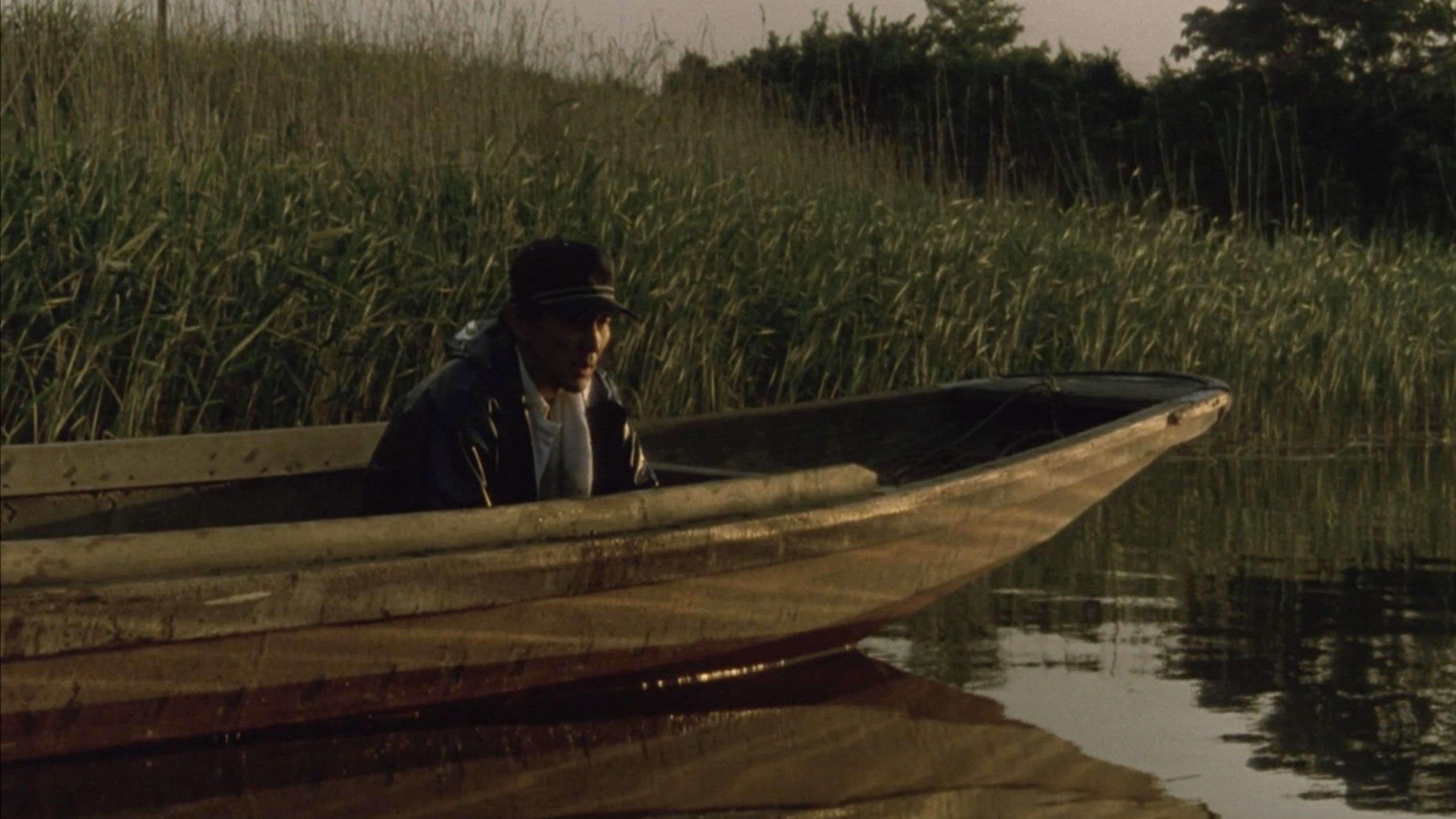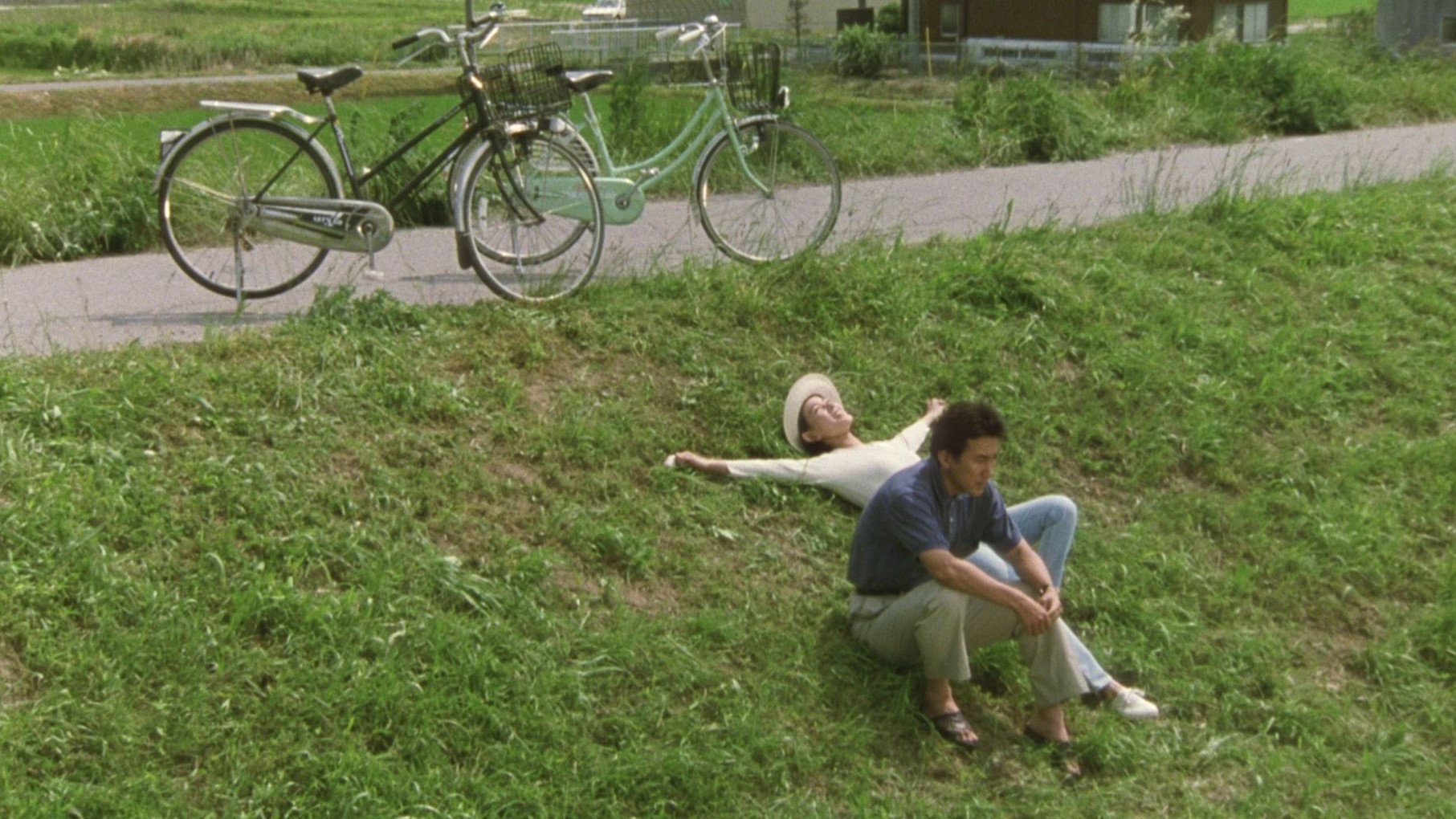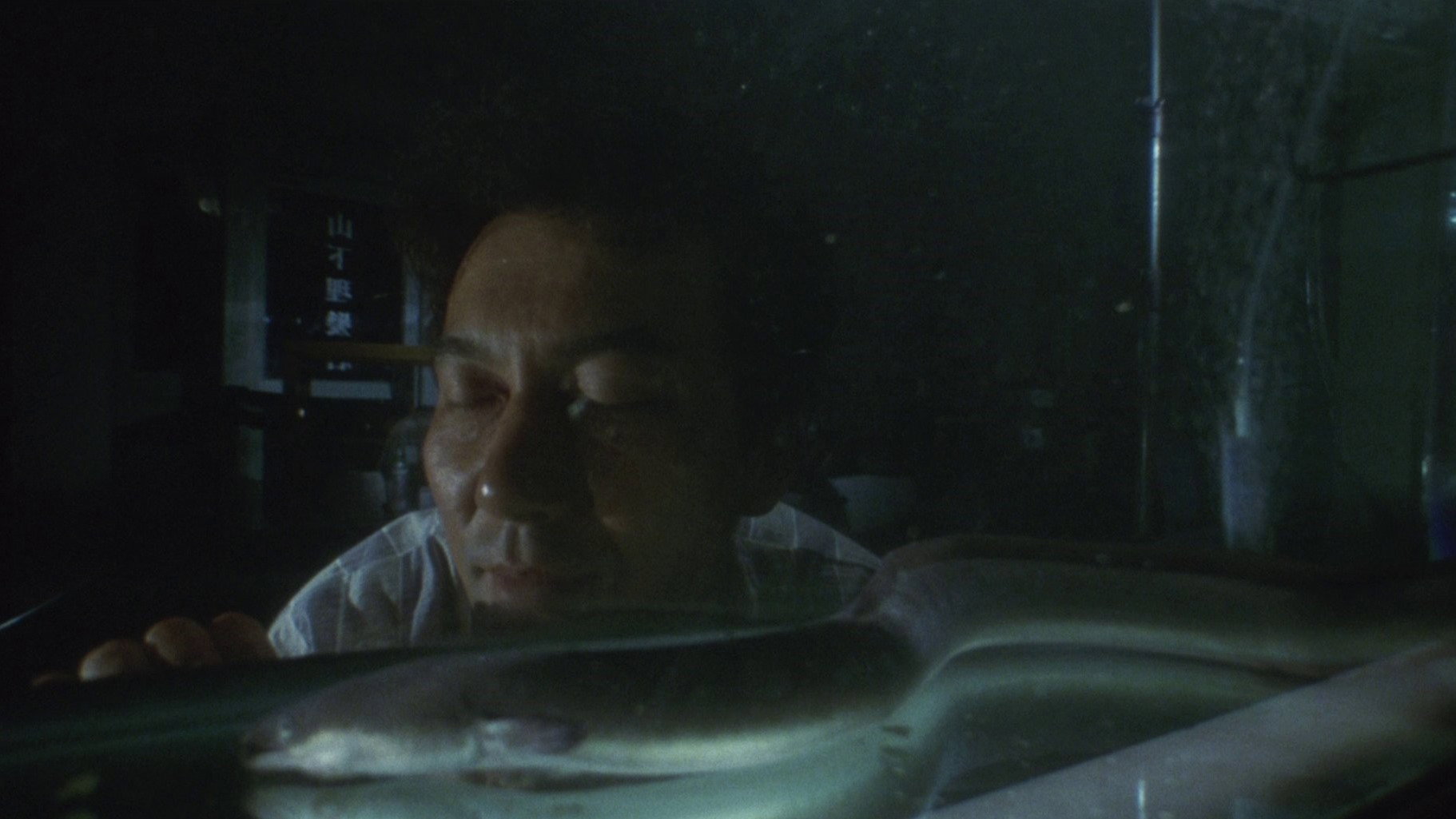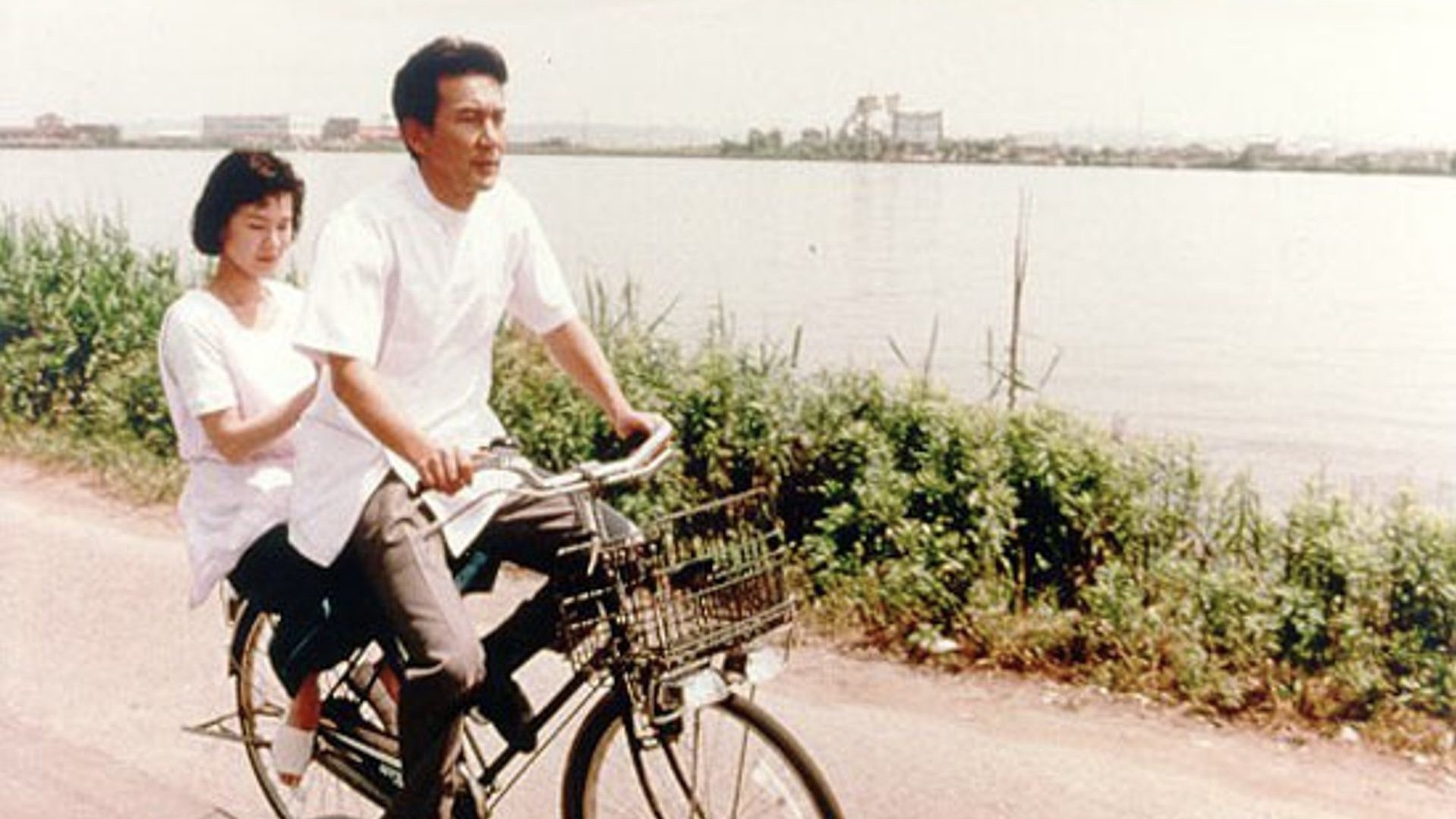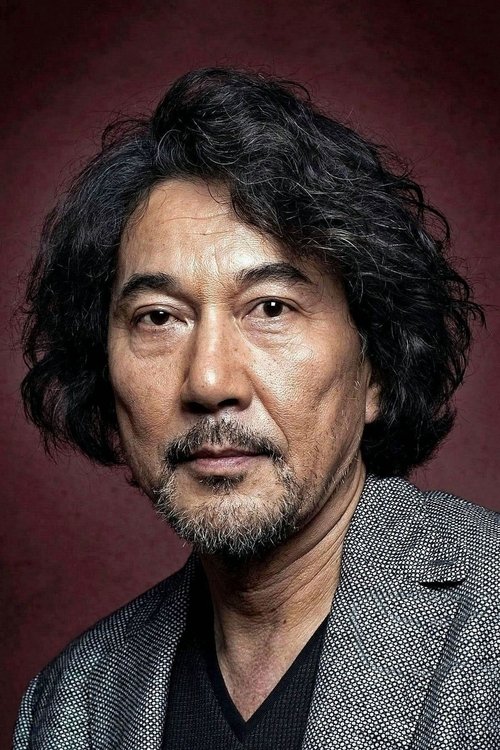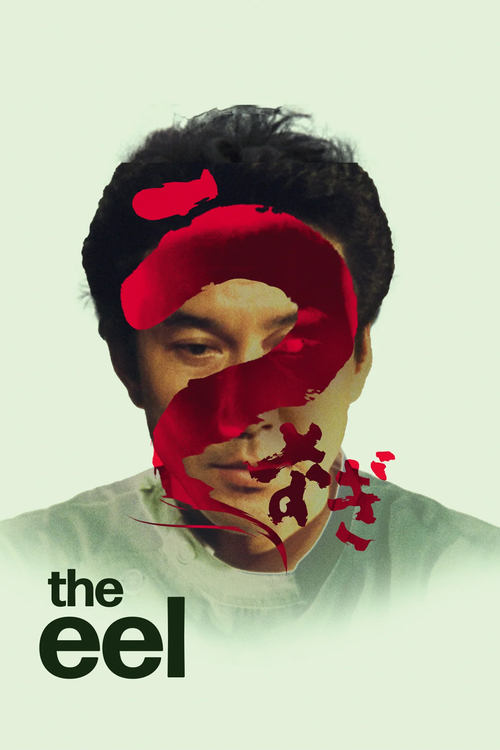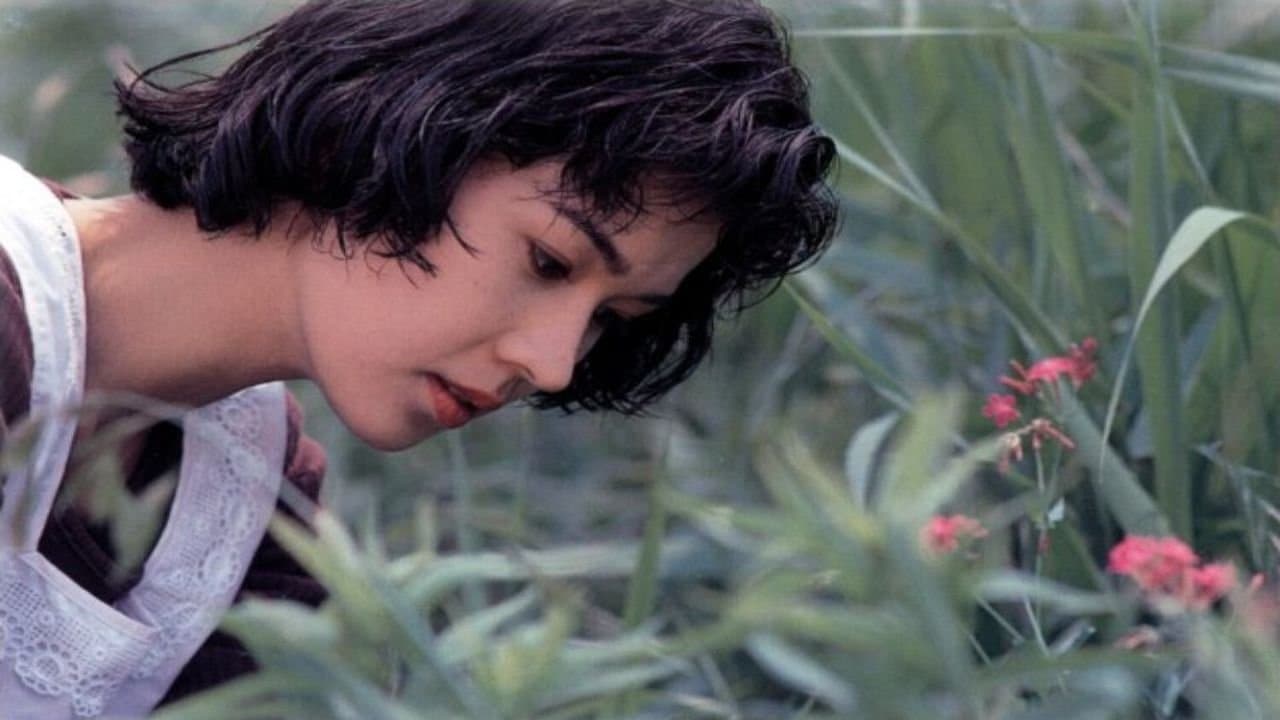
Director- Imamura Shohei.This is the fifth film I have seen of his. This work is quite different to the other works I have seen of his. It feels like Imamura has traded his voyeurism in return for calmness in this film.There is only one sequence of voyeurism in the film, with a sensual scene and copious amounts of violence. After this, we don't get such scenes till the end.The film gets its name from the protagonist's pet eel.The filmmaking style is more reminiscent of the classical style of Ozu and Naruse. We are observing the characters without any judgment imposed through our view of their surroundings and society. The film is a slice of life exploring the protagonist trying to move forward with his life after going to and getting out of prison for murdering his wife and the person she was cheating on him with. This is the difference between American and Japanese Prisons. No one wanted to commit tax fraud using his skills this time around.Yakusho Koji again acted excellently as the protagonist in this film, and again, my respect for his craft only grew with watching another of his works.His life in the village after being released from prison reminded me a lot of Sonatine by Kitano Takeshi, as both characters ran towards the countryside to be free from the ills that awaited them in the city. Koji already knows that the tag of a wife killer won't leave him, even though the decision was driven by emotions.Koji is more so a reserved, calm and emotionless guy who isn't a recluse and takes part in the things the village offers, such as fishing at night, maintaining a cordial relationship with his neighbour, etc., but he is stone-faced and has a quiet demeanour. Thus, he is a hard man to read. One can but only ponder what must be going on inside that head of his. The big question in this is whether he is of a quiet character or is trying to process his new world as the old one has come crashing down.His life in prison is never shown to us, and instead, Imamura uses show, not tell and instead shows us how he is a different person now through his mannerisms. Like joining marching people.The eel in its classical style is not about erasing the past or acting like it never happened, but instead about forgetting it and learning to move forward. He utilises the skills he learnt while in prison and opens a barbershop. This was the best occupation Imamura could have chosen for the protagonist, as it requires him to talk to his customers and listen to their problems while also offering solutions sometimes. The job forces him to come out of his shell and open up more.An ex-inmate at the same prison as the protagonist shows up at the village and tries to blackmail him due to his being jealous of the contented life the protagonist is living. The protagonist beats him up quite well, though I wanted to see a more Miike-type of violence inflicted on him. He is of the belief of "No Be There", similar to Mr Miyagi from Karate Kid. Thus, he tries his best not to concern himself with the ill he sees but decides to do something about an unconscious woman, Keiko he found on the road. This is both the best and worst decision he made (not counting the stabbings) as she is the reason for most of the plot points in the latter part of the film.As we later learn, she was with a gold digger before, and he is after her to bleed her dry and leave her destitute. He is after her mother's money, too. Keiko knows and understands the state the protagonist is in and is ready to wait for the protagonist to open up. The villagers also treat him well with respect and patience.These events make us ask some deep questions about the society he is living in, and so are we-(1) Should the killing of an unfaithful spouse forever hang over one's head? Is he the culprit or a victim in this case?(2) Should such people be treated with disgust, be celebrated or treated with indifference? Should they be constantly reminded of that one deed?The best part of this film's case is that it doesn't matter. The film isn't about that, but instead about learning to move forward far enough for no one to be able to recognise us for our earlier misdeeds. This reminded me of One Million Yen Girl by Tanada Yuki, which is based on a similar premise.One can even see this film as a statement that it takes quite less to push a common man with no history of violence to resort to extreme measures when facing life-altering situations. The eel shows us how, even if one commits evil at some point in one's life, one is still capable of doing good. Imamura shows us the picture of a complete man with both his evil qualities, driven by impulsiveness and the goodness in his heart through his empathetic gestures.The relationship between Keiko and the protagonist develops excellently. One can see their story coming full circle with him finally accepting a bento box from her. He also takes responsibility for helping her raise a kid, which isn't his own.The side story of the man trying to call upon UFOS adds a good comedic touch.The violence in the end is awesome and unexpected, as till now the film is more or less a heartfelt drama than an action flick.Overall, this is another great work of Imamura, and with this, I can finally add him to my favourite directors list as well.