

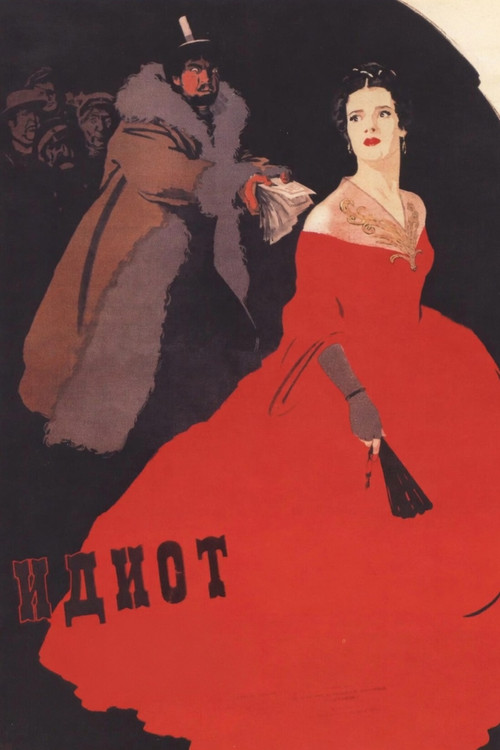
The Idiot
1958·Drama·1h 56m
7.1
★
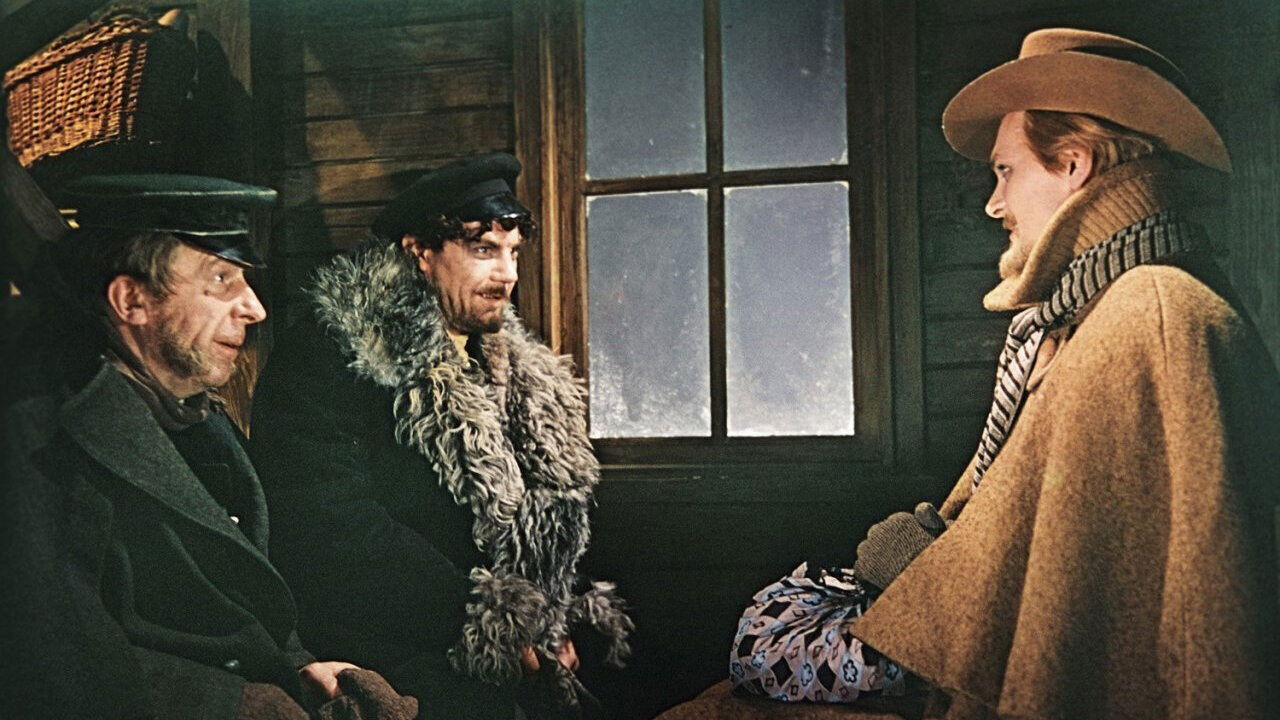
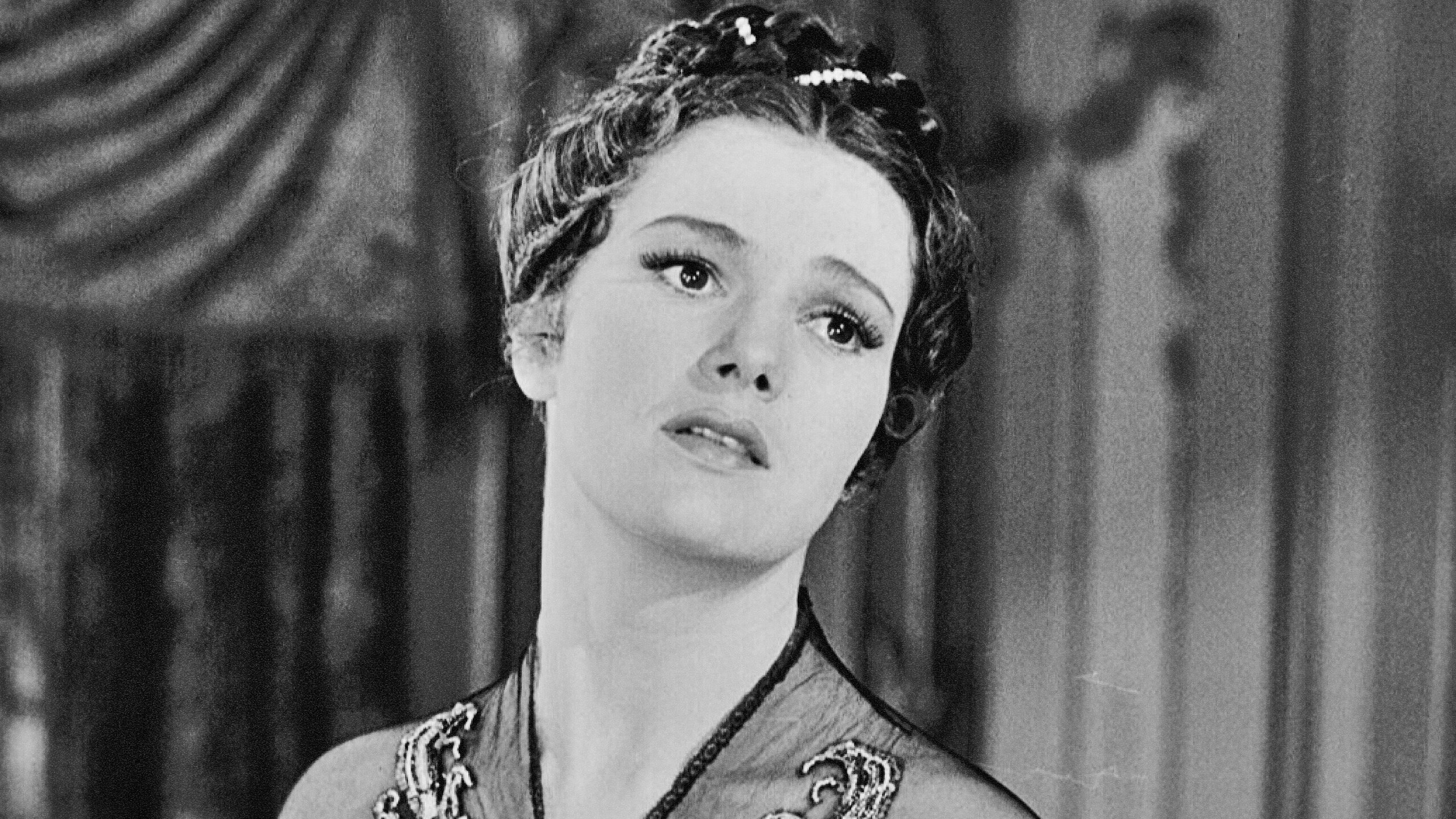
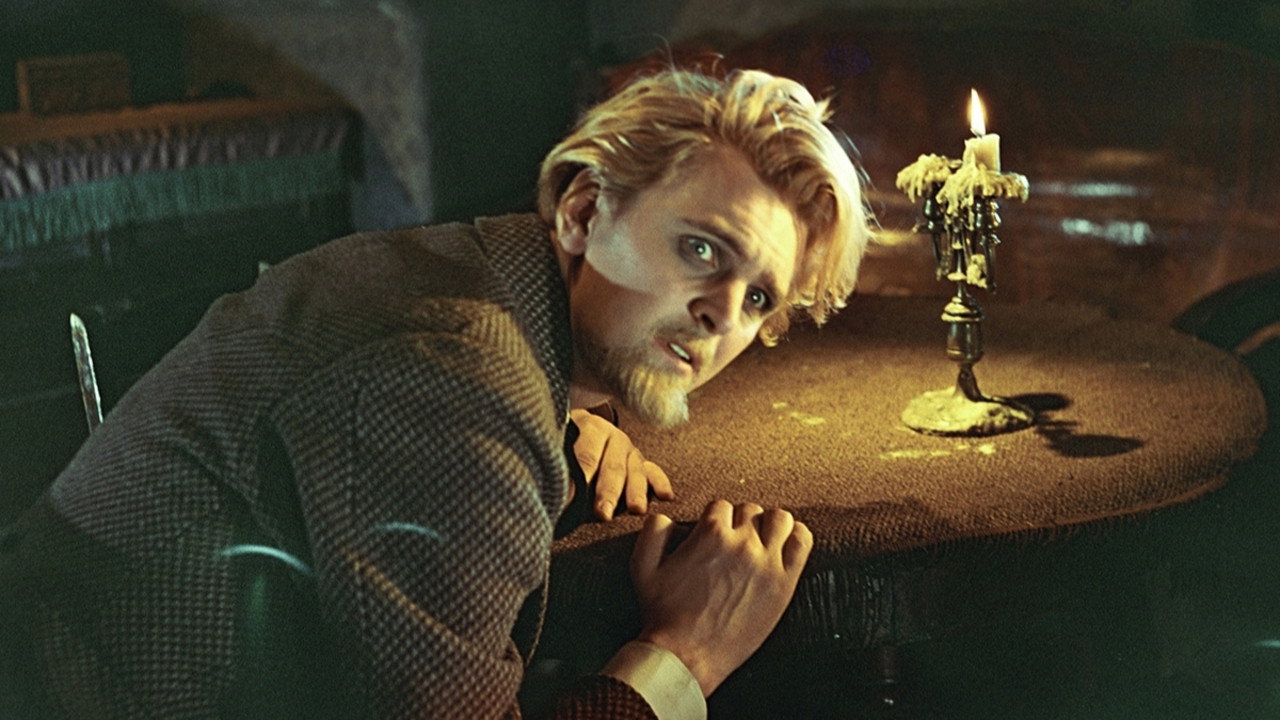
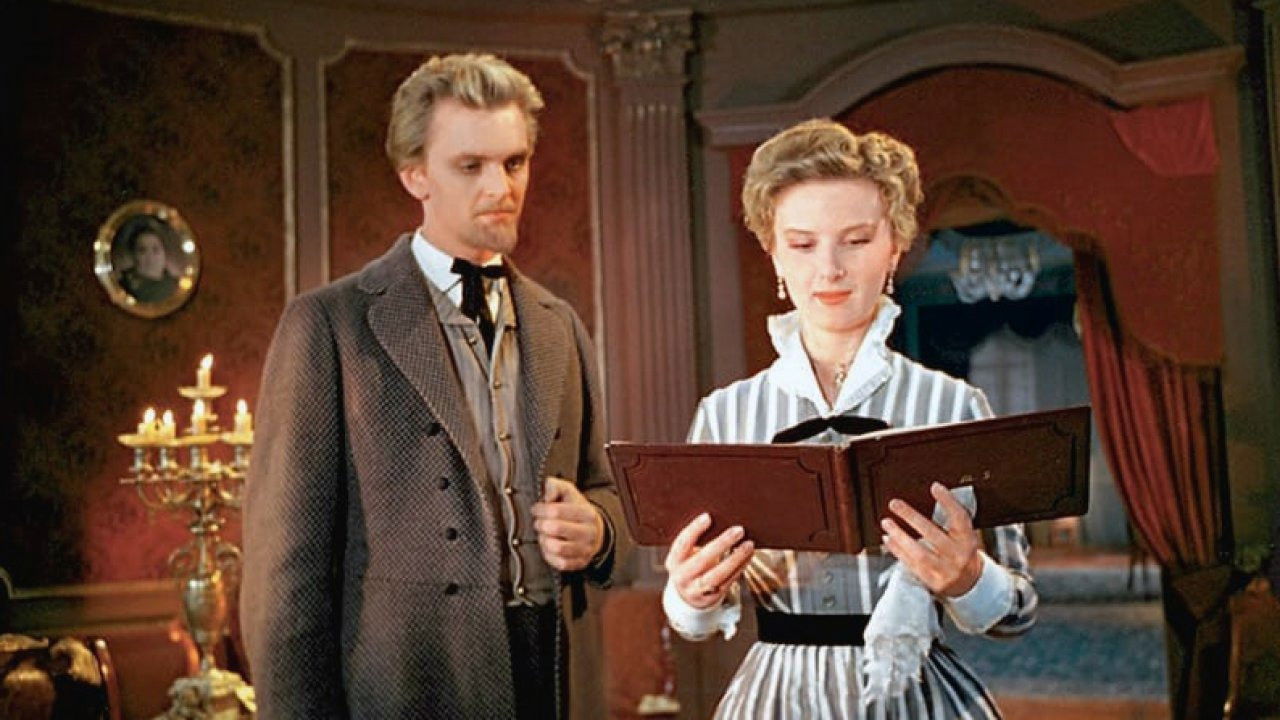
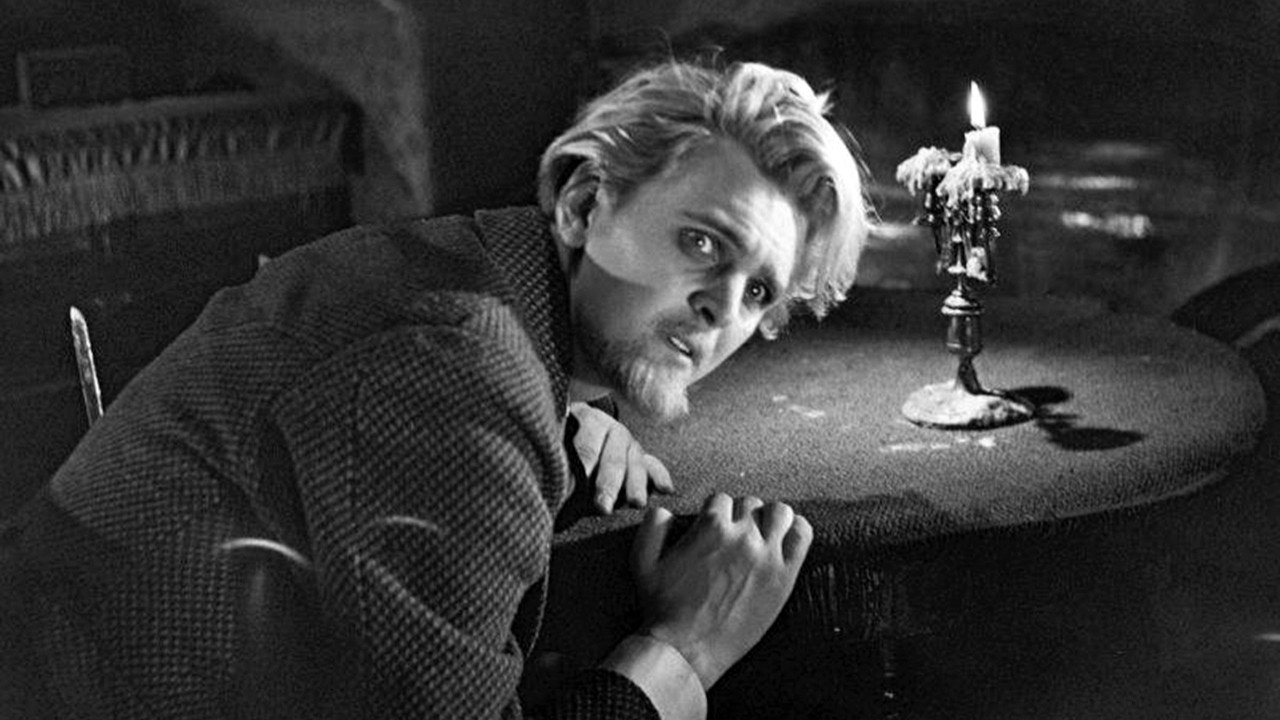
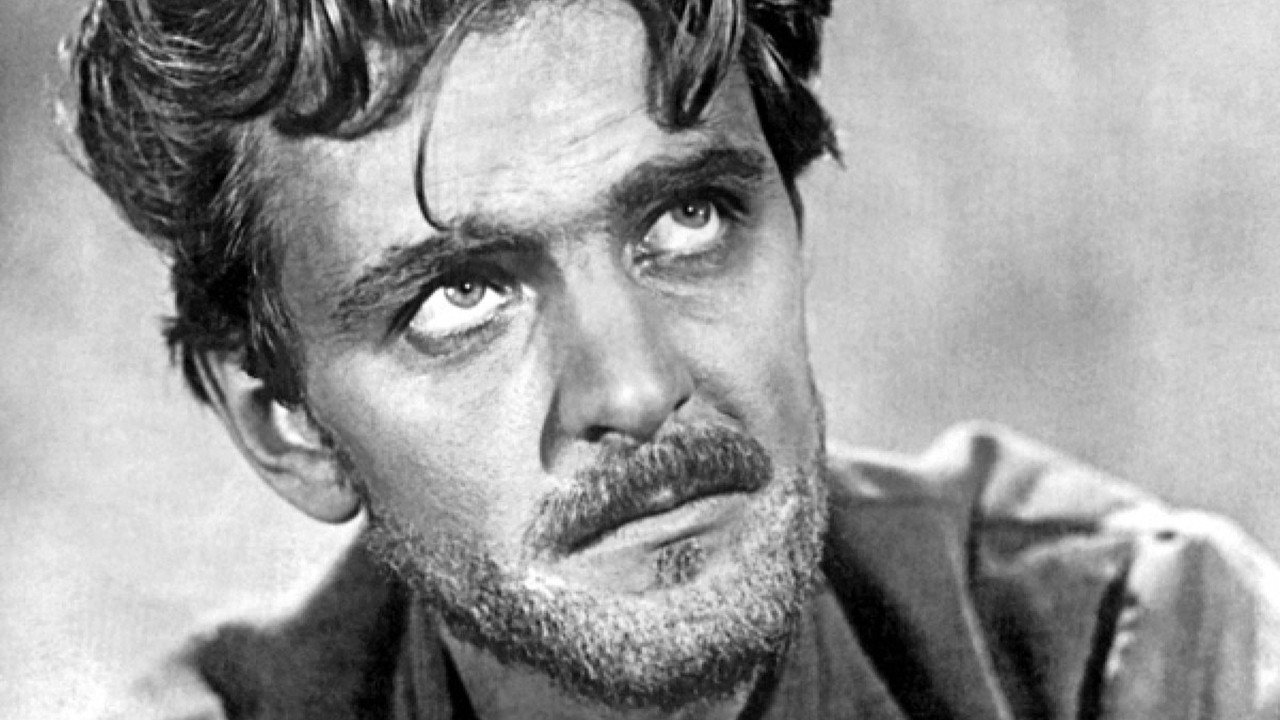
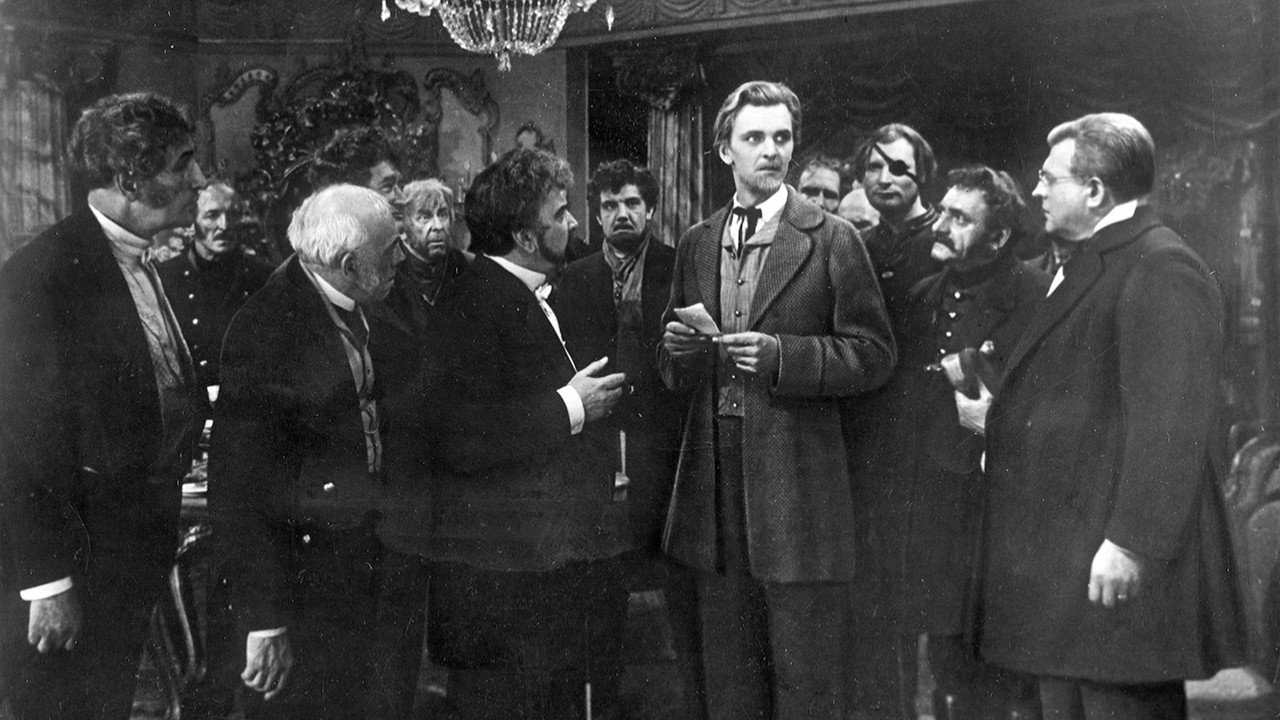
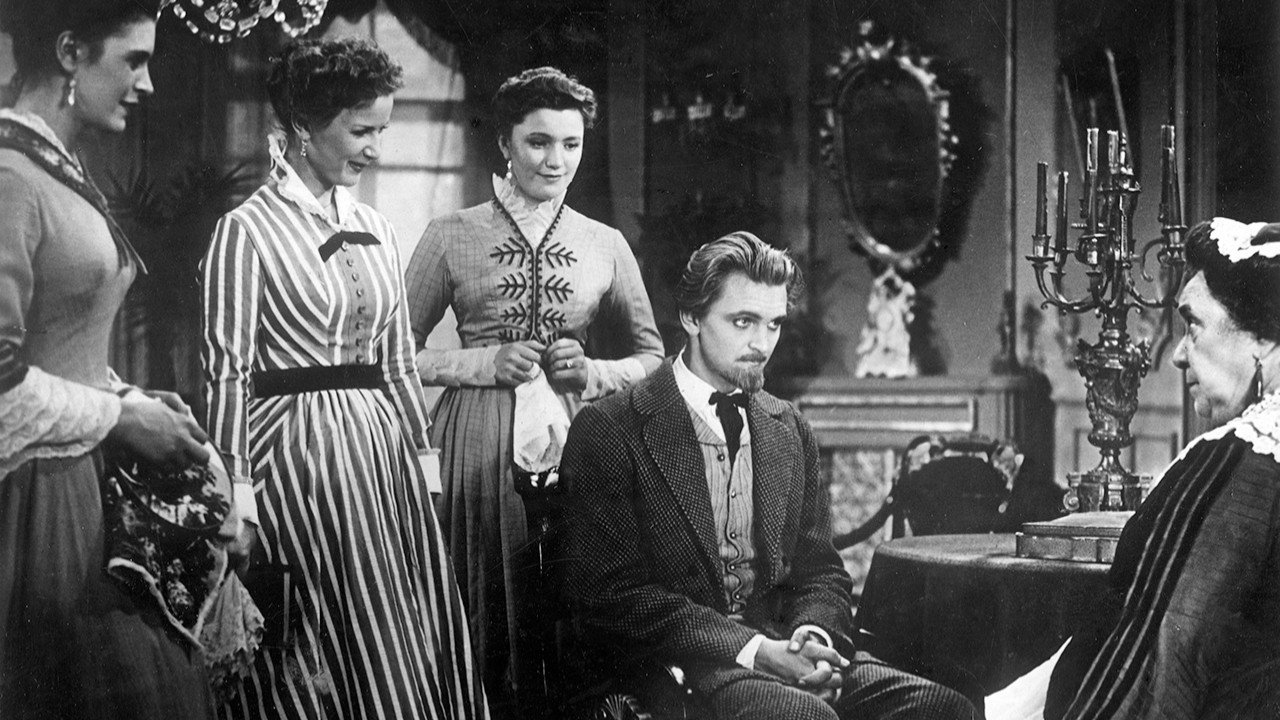
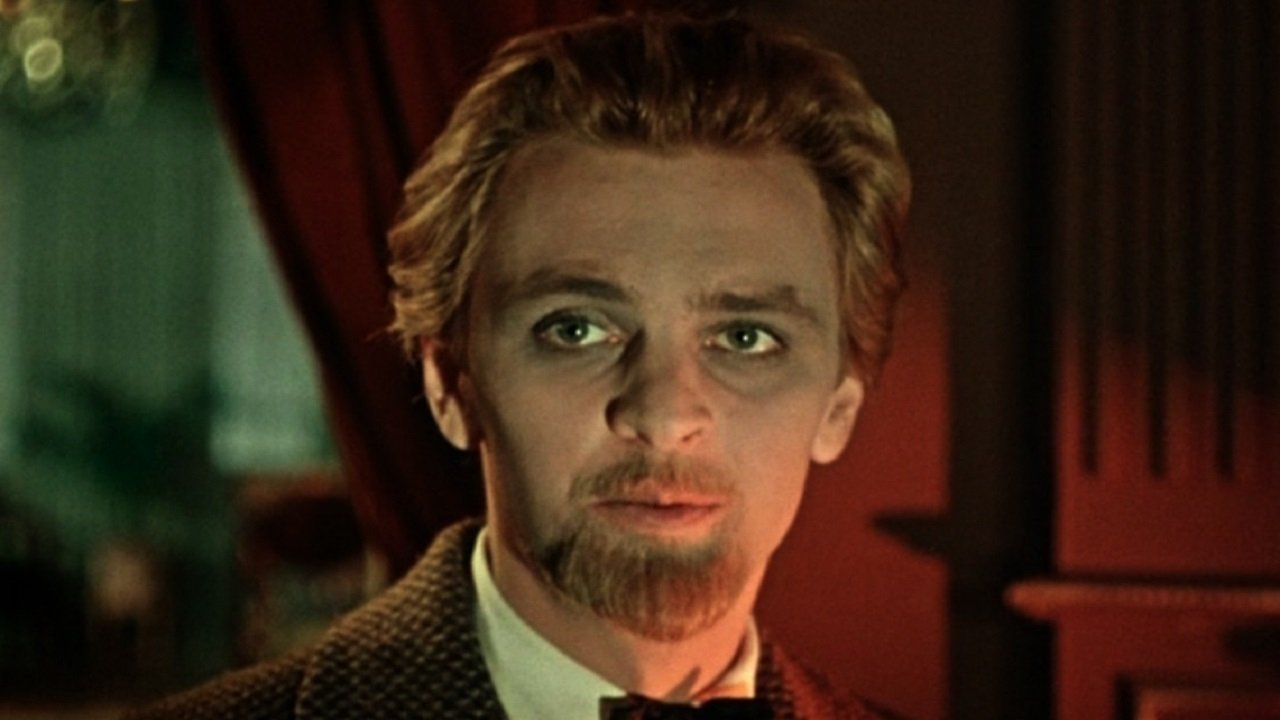
Prince Myshkin returns to Russia from Switzerland, where he was treated in a psychiatric clinic. On the train, on the way to St. Petersburg, the prince meets Parfyon Rogozhin, who tells him of his passionate love for Nastasya Filippovna, the former containment woman of the millionaire Totsky. In St. Petersburg, the prince finds himself in the house of his distant relative – Lizaveta Yepanchina (General's wife), meets her husband, their daughters, as well as the Secretary of General – Ganya Ivolgin. The portrait of Nastasya Filippovna, accidentally seen on the general’s table, makes a great impression on the prince...
Directed by Ivan Pyryev
based on novel or book
dostoevsky

IMDB
N/A
Cast
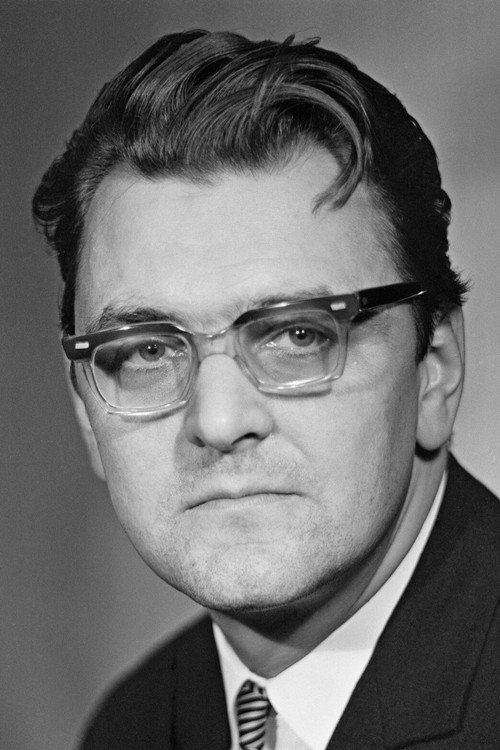
Yuriy Yakovlev
Prince Myshkin

Yuliya Borisova
Nastasya Filippovna
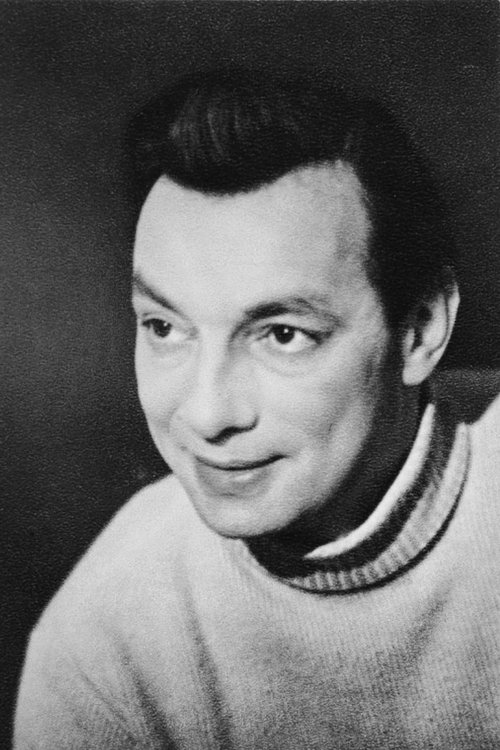
Nikita Podgornyj
Ganya Ivolgin
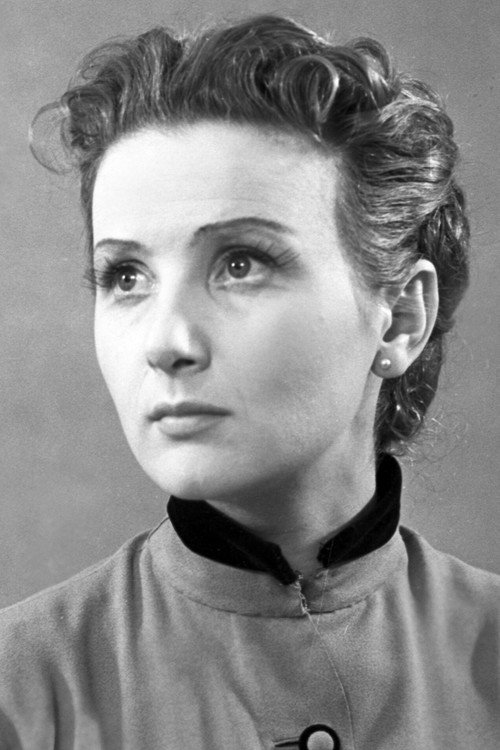
Raisa Maksimova
Aglaya Yepanchina
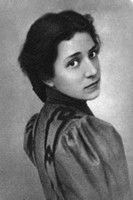
Vera Pashennaya
General Yepanshin's wife
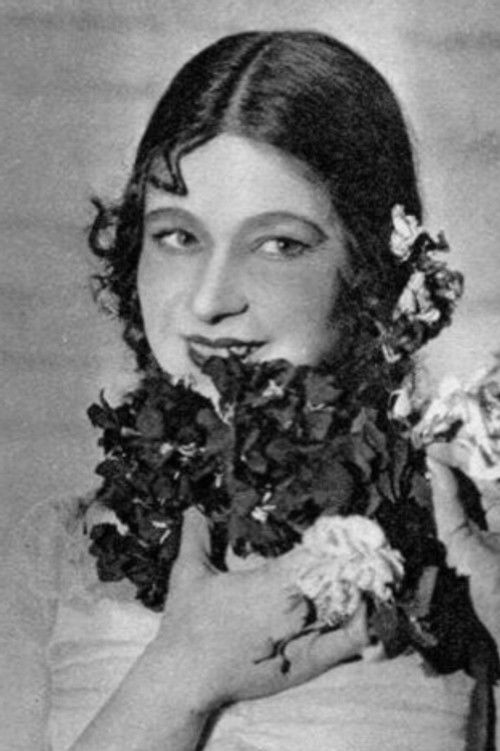
Klavdiya Polovikova
Nina Aleksandrovna Ivolgina
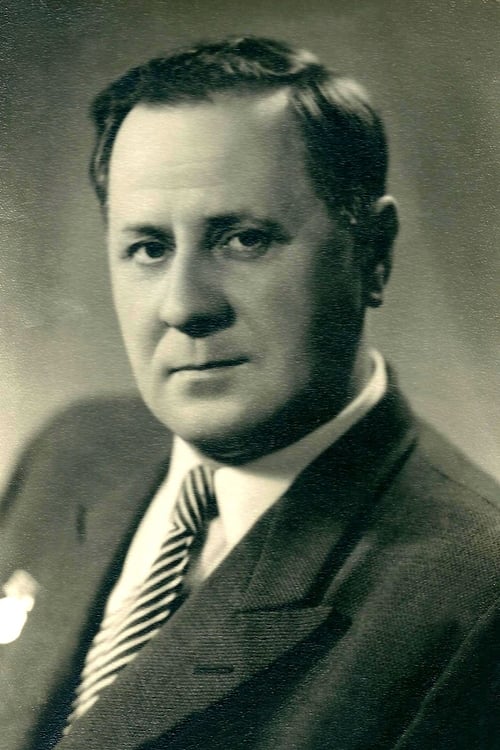
Ivan Lyubeznov
General Ivolgin

Lyudmila Ivanova
Varya Ivolgina
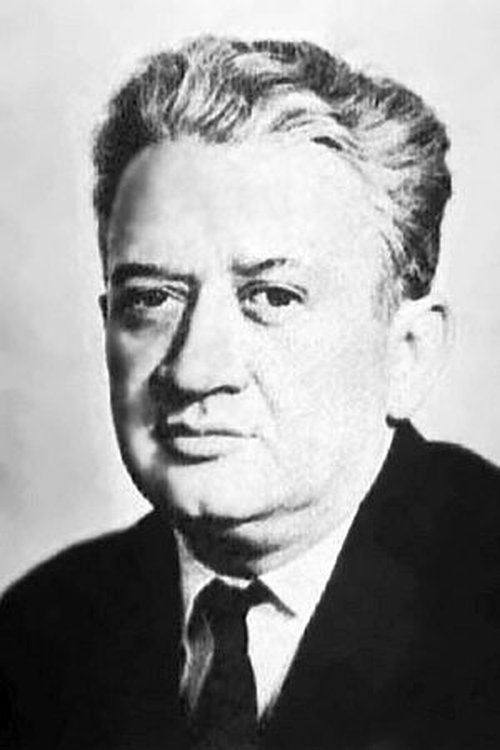
Vladimir Muravyov
Ferdyshchenko
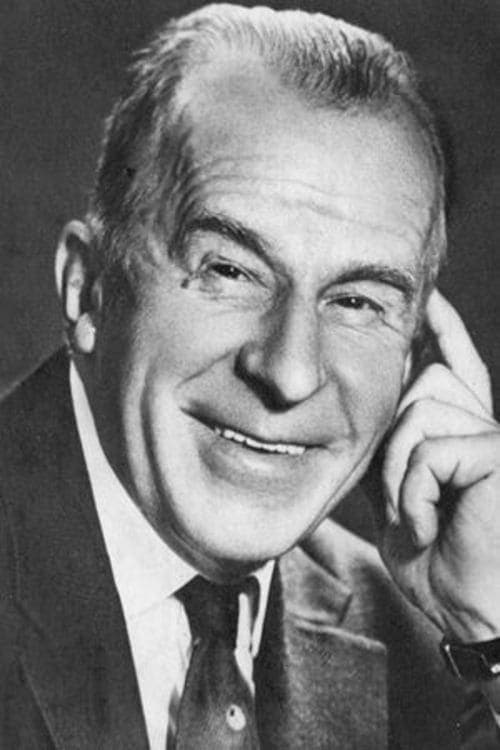
Sergei Martinson
Lebedev
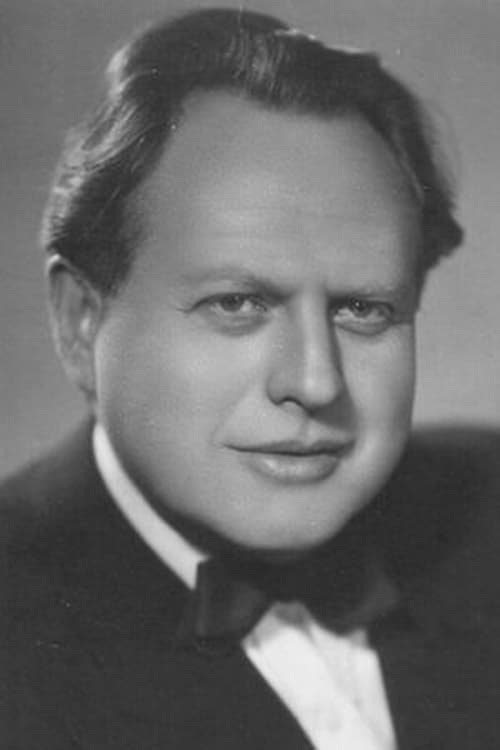
Grigoriy Shpigel
Ptitsyn
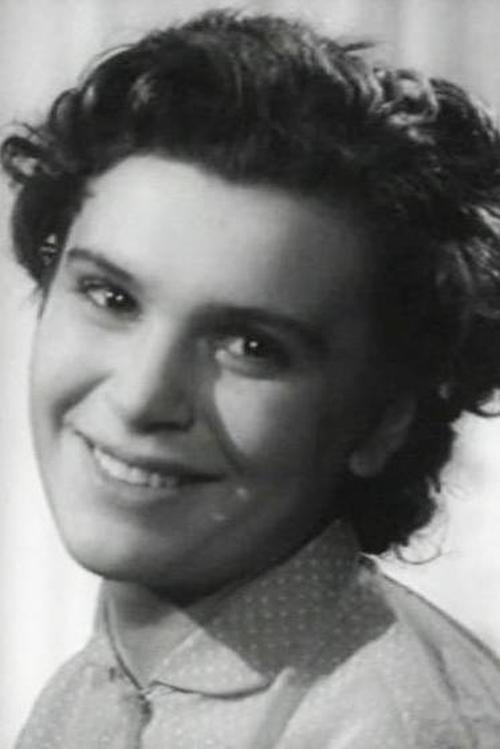
Galina Samokhina
Aleksandra Yepanchina
Crew
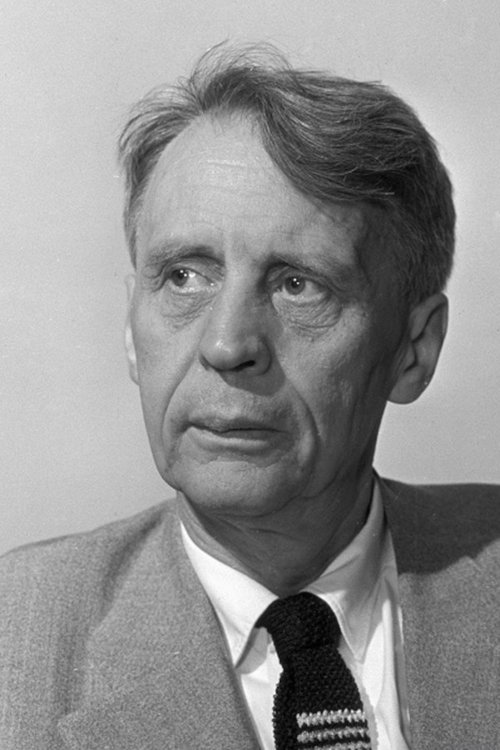
Ivan Pyryev
Director
Ivan Pyryev
Writer
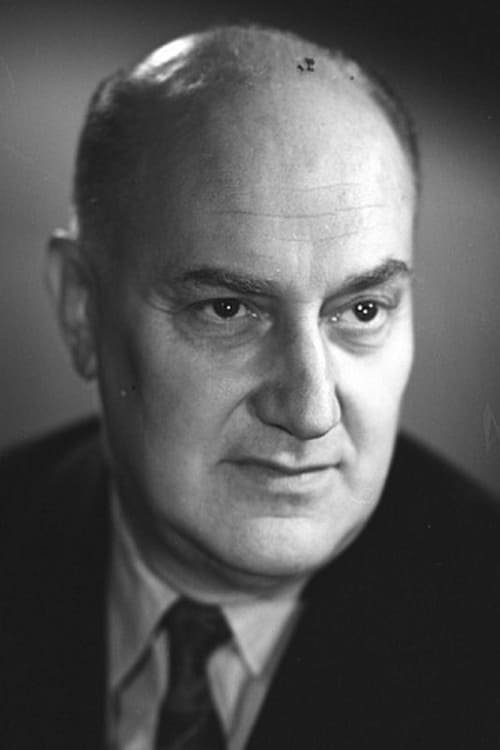
Nikolai Kryukov
Original Music Composer
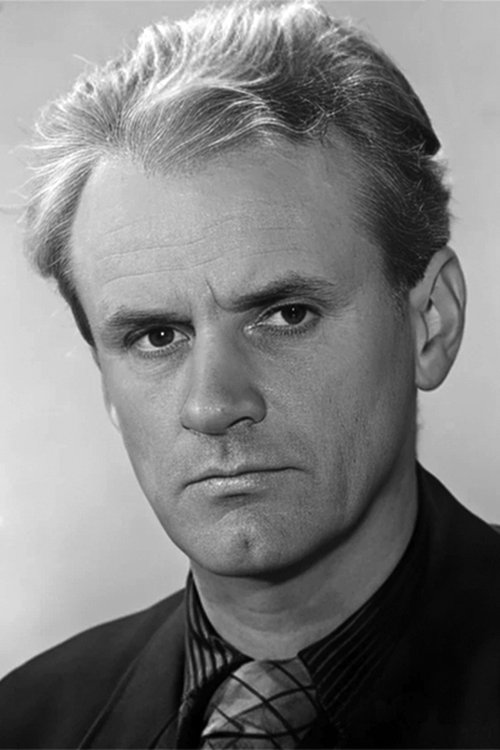
Valentin Pavlov
Director of Photography
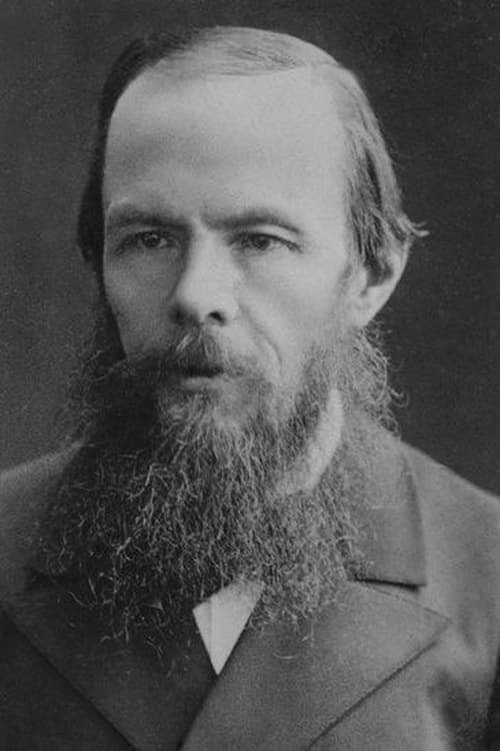
Fyodor Dostoevsky
Novel
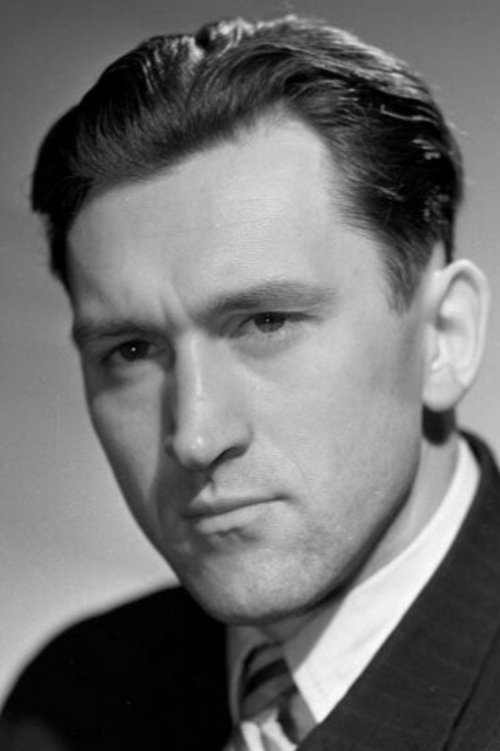
Stalen Volkov
Production Design
Mikhail Matusovsky
Lyricist

Lyudmila Aleksandrovskaya
VFX Artist
Guseyn Akhundov
Second Assistant Director

Veronika Dudarova
Conductor
Dilyara Ozerova
Assistant Production Design
Popular Reviews
12 reviews
Nick
8.0★ · 03/04/26
There is an early scene where the Prince meets the Epanchins. He tells them how to be happy. He recounts a poor, abandoned, and abused woman from a village he visited. The tale is told while the camera holds on the Prince’s face. It is this moment in which I completely trusted the film to capture the true essence of the novel and author. While this scene sacrificed an even greater moment, the Prince’s expounding on capital punishment, the film emphasizes what matters: the Prince and his relation to the world at large.
Pyryev uses close-ups to evoke an enveloping world of expressive and agonizing characters. The editing ties faces together creating dramatic showdowns and reactions. A particular exchange of looks between Nastasya Filippovna and Rogozhin pierces like daggers. Ganya’s numerous expressions of pained reactions captures the double-sided coin of tragedy and comedy embedded in the narrative.
While the film only adapts the first part of the novel, it does a good job planting the necessary seeds for what would come. I particularly loved the use of music and song in the film, often informing the overarching themes or foretelling the future. One noticeable change in the film is its emphasis and explicitness it expounds on Natasya’s past and her relationship with Totsky. I didn’t mind this shift so much as it doesn’t upset the balanced relationship between the main participants: Myshkin, Natasya, Rogozhin.
This is a great adaptation and I would have loved to see the rest of the novel in Pyryev’s hands. Funny too, because I didn’t as much care for his adaptation of White Nights.
Pyryev uses close-ups to evoke an enveloping world of expressive and agonizing characters. The editing ties faces together creating dramatic showdowns and reactions. A particular exchange of looks between Nastasya Filippovna and Rogozhin pierces like daggers. Ganya’s numerous expressions of pained reactions captures the double-sided coin of tragedy and comedy embedded in the narrative.
While the film only adapts the first part of the novel, it does a good job planting the necessary seeds for what would come. I particularly loved the use of music and song in the film, often informing the overarching themes or foretelling the future. One noticeable change in the film is its emphasis and explicitness it expounds on Natasya’s past and her relationship with Totsky. I didn’t mind this shift so much as it doesn’t upset the balanced relationship between the main participants: Myshkin, Natasya, Rogozhin.
This is a great adaptation and I would have loved to see the rest of the novel in Pyryev’s hands. Funny too, because I didn’t as much care for his adaptation of White Nights.
There is an early scene where the Prince meets the Epanchins. He tells them how to be happy. He recounts a poor, abandoned, and abused woman from a village he visited. The tale is told while the camera holds on the Prince’s face. It is this moment in which I completely trusted the film to capture the true essence of the novel and author. While this scene sacrificed an even greater moment, the Prince’s expounding on capital punishment, the film emphasizes what matters: the Prince and his relation to the world at large.
Pyryev uses close-ups to evoke an enveloping world of expressive and agonizing characters. The editing ties faces together creating dramatic showdowns and reactions. A particular exchange of looks between Nastasya Filippovna and Rogozhin pierces like daggers. Ganya’s numerous expressions of pained reactions captures the double-sided coin of tragedy and comedy embedded in the narrative.
While the film only adapts the first part of the novel, it does a good job planting the necessary seeds for what would come. I particularly loved the use of music and song in the film, often informing the overarching themes or foretelling the future. One noticeable change in the film is its emphasis and explicitness it expounds on Natasya’s past and her relationship with Totsky. I didn’t mind this shift so much as it doesn’t upset the balanced relationship between the main participants: Myshkin, Natasya, Rogozhin.
This is a great adaptation and I would have loved to see the rest of the novel in Pyryev’s hands. Funny too, because I didn’t as much care for his adaptation of White Nights.
Pyryev uses close-ups to evoke an enveloping world of expressive and agonizing characters. The editing ties faces together creating dramatic showdowns and reactions. A particular exchange of looks between Nastasya Filippovna and Rogozhin pierces like daggers. Ganya’s numerous expressions of pained reactions captures the double-sided coin of tragedy and comedy embedded in the narrative.
While the film only adapts the first part of the novel, it does a good job planting the necessary seeds for what would come. I particularly loved the use of music and song in the film, often informing the overarching themes or foretelling the future. One noticeable change in the film is its emphasis and explicitness it expounds on Natasya’s past and her relationship with Totsky. I didn’t mind this shift so much as it doesn’t upset the balanced relationship between the main participants: Myshkin, Natasya, Rogozhin.
This is a great adaptation and I would have loved to see the rest of the novel in Pyryev’s hands. Funny too, because I didn’t as much care for his adaptation of White Nights.


Hannah
10.0★ · 02/22/26
I say this as I'm genuinely impressed of every detail in the movie from the aethesics to the heart dropping plot twist
That twist that gives you an impression that nastasya is a bad person from the beginning then trusting her then being a b again
The twists between the three men
At the beginning i asked myself how can such a beautiful kind poetic man can be called an idiot
But now i know why
The least thing to call this movie a masterpiece
The best thing about ivan pyryev or i dont know how its speeled
His movies are perfectly matched to the book
That twist that gives you an impression that nastasya is a bad person from the beginning then trusting her then being a b again
The twists between the three men
At the beginning i asked myself how can such a beautiful kind poetic man can be called an idiot
But now i know why
The least thing to call this movie a masterpiece
The best thing about ivan pyryev or i dont know how its speeled
His movies are perfectly matched to the book
I say this as I'm genuinely impressed of every detail in the movie from the aethesics to the heart dropping plot twist
That twist that gives you an impression that nastasya is a bad person from the beginning then trusting her then being a b again
The twists between the three men
At the beginning i asked myself how can such a beautiful kind poetic man can be called an idiot
But now i know why
The least thing to call this movie a masterpiece
The best thing about ivan pyryev or i dont know how its speeled
His movies are perfectly matched to the book
That twist that gives you an impression that nastasya is a bad person from the beginning then trusting her then being a b again
The twists between the three men
At the beginning i asked myself how can such a beautiful kind poetic man can be called an idiot
But now i know why
The least thing to call this movie a masterpiece
The best thing about ivan pyryev or i dont know how its speeled
His movies are perfectly matched to the book
Nobody
6.0★ · 12/22/24
Conclusie: iedereen is een idioot inclusief de kijker.
Objectief oordeel: 6/10
Boeiend: 5/10
Impact: 7/10
Totaal: 18/30
Objectief oordeel: 6/10
Boeiend: 5/10
Impact: 7/10
Totaal: 18/30
Conclusie: iedereen is een idioot inclusief de kijker.
Objectief oordeel: 6/10
Boeiend: 5/10
Impact: 7/10
Totaal: 18/30
Objectief oordeel: 6/10
Boeiend: 5/10
Impact: 7/10
Totaal: 18/30
Ariadne
8.0★ · 08/17/24
Bonne interprétation
Bonne interprétation
Martin ScorsesePRO
7.0★ · 06/13/24
Since it's 2 hours and only part 1 I think they should've depicted every chapter to some extent. They skipped the lackey chapter and the scene where Myshkin stands up to Ganya, which serve to establish Russian social conventions and distinguish Myshkin early on. Nastasya's backstory with Afanasy was glossed over, as well as the Marie story (forgoing to mention the children which is an essential part of the anecdote). These are all total L's imo 💔
Despite the excellent casting, Myshkin's aura in the movie doesn't hit as much as it does in the book. Nonetheless think they did a good job capturing the spirit of the story. I love ❤️ all the casting THEY WERE ALL SOO GOOD but Ganya and Nastasya are definitely the shining stars of part 1. And the production design 💛 it was so cool seeing everything adapted and come to life and Russia in this period 💜
I don't know think I would've been interested in this if I hadn't read the book. Kind of a weird fucking movie about weird characters in existential crises. It's 2 hours of people in rooms talking. A series of monologues, confrontations, and breakdowns. It moves like a stage play, in a good way. The scenes flow well with nicely framed long takes. The director definitely knew when to use a close up, when to go wide, when to pan. ♥️ I especially love the pov shots, very poignant and psychological 💙 It all serves the story very well.
It's sad that not all four parts were made, I wanted to see my goat Ippolit-kun :(( 🖤 but at least it makes Koyla's complete removal feel like not a big deal. The characters present in this part suffer as well (Nastasya) because they remain enigmas yet to be unraveled.
Despite the excellent casting, Myshkin's aura in the movie doesn't hit as much as it does in the book. Nonetheless think they did a good job capturing the spirit of the story. I love ❤️ all the casting THEY WERE ALL SOO GOOD but Ganya and Nastasya are definitely the shining stars of part 1. And the production design 💛 it was so cool seeing everything adapted and come to life and Russia in this period 💜
I don't know think I would've been interested in this if I hadn't read the book. Kind of a weird fucking movie about weird characters in existential crises. It's 2 hours of people in rooms talking. A series of monologues, confrontations, and breakdowns. It moves like a stage play, in a good way. The scenes flow well with nicely framed long takes. The director definitely knew when to use a close up, when to go wide, when to pan. ♥️ I especially love the pov shots, very poignant and psychological 💙 It all serves the story very well.
It's sad that not all four parts were made, I wanted to see my goat Ippolit-kun :(( 🖤 but at least it makes Koyla's complete removal feel like not a big deal. The characters present in this part suffer as well (Nastasya) because they remain enigmas yet to be unraveled.
Since it's 2 hours and only part 1 I think they should've depicted every chapter to some extent. They skipped the lackey chapter and the scene where Myshkin stands up to Ganya, which serve to establish Russian social conventions and distinguish Myshkin early on. Nastasya's backstory with Afanasy was glossed over, as well as the Marie story (forgoing to mention the children which is an essential part of the anecdote). These are all total L's imo 💔
Despite the excellent casting, Myshkin's aura in the movie doesn't hit as much as it does in the book. Nonetheless think they did a good job capturing the spirit of the story. I love ❤️ all the casting THEY WERE ALL SOO GOOD but Ganya and Nastasya are definitely the shining stars of part 1. And the production design 💛 it was so cool seeing everything adapted and come to life and Russia in this period 💜
I don't know think I would've been interested in this if I hadn't read the book. Kind of a weird fucking movie about weird characters in existential crises. It's 2 hours of people in rooms talking. A series of monologues, confrontations, and breakdowns. It moves like a stage play, in a good way. The scenes flow well with nicely framed long takes. The director definitely knew when to use a close up, when to go wide, when to pan. ♥️ I especially love the pov shots, very poignant and psychological 💙 It all serves the story very well.
It's sad that not all four parts were made, I wanted to see my goat Ippolit-kun :(( 🖤 but at least it makes Koyla's complete removal feel like not a big deal. The characters present in this part suffer as well (Nastasya) because they remain enigmas yet to be unraveled.
Despite the excellent casting, Myshkin's aura in the movie doesn't hit as much as it does in the book. Nonetheless think they did a good job capturing the spirit of the story. I love ❤️ all the casting THEY WERE ALL SOO GOOD but Ganya and Nastasya are definitely the shining stars of part 1. And the production design 💛 it was so cool seeing everything adapted and come to life and Russia in this period 💜
I don't know think I would've been interested in this if I hadn't read the book. Kind of a weird fucking movie about weird characters in existential crises. It's 2 hours of people in rooms talking. A series of monologues, confrontations, and breakdowns. It moves like a stage play, in a good way. The scenes flow well with nicely framed long takes. The director definitely knew when to use a close up, when to go wide, when to pan. ♥️ I especially love the pov shots, very poignant and psychological 💙 It all serves the story very well.
It's sad that not all four parts were made, I wanted to see my goat Ippolit-kun :(( 🖤 but at least it makes Koyla's complete removal feel like not a big deal. The characters present in this part suffer as well (Nastasya) because they remain enigmas yet to be unraveled.