Amsterdamned doesn’t politely invite you in, it drags you headfirst into the Amsterdam canals and grins while doing it. Loud, pulpy, and gloriously unapologetic, this is not just nostalgia fuel but one of the true Dutch film classics.
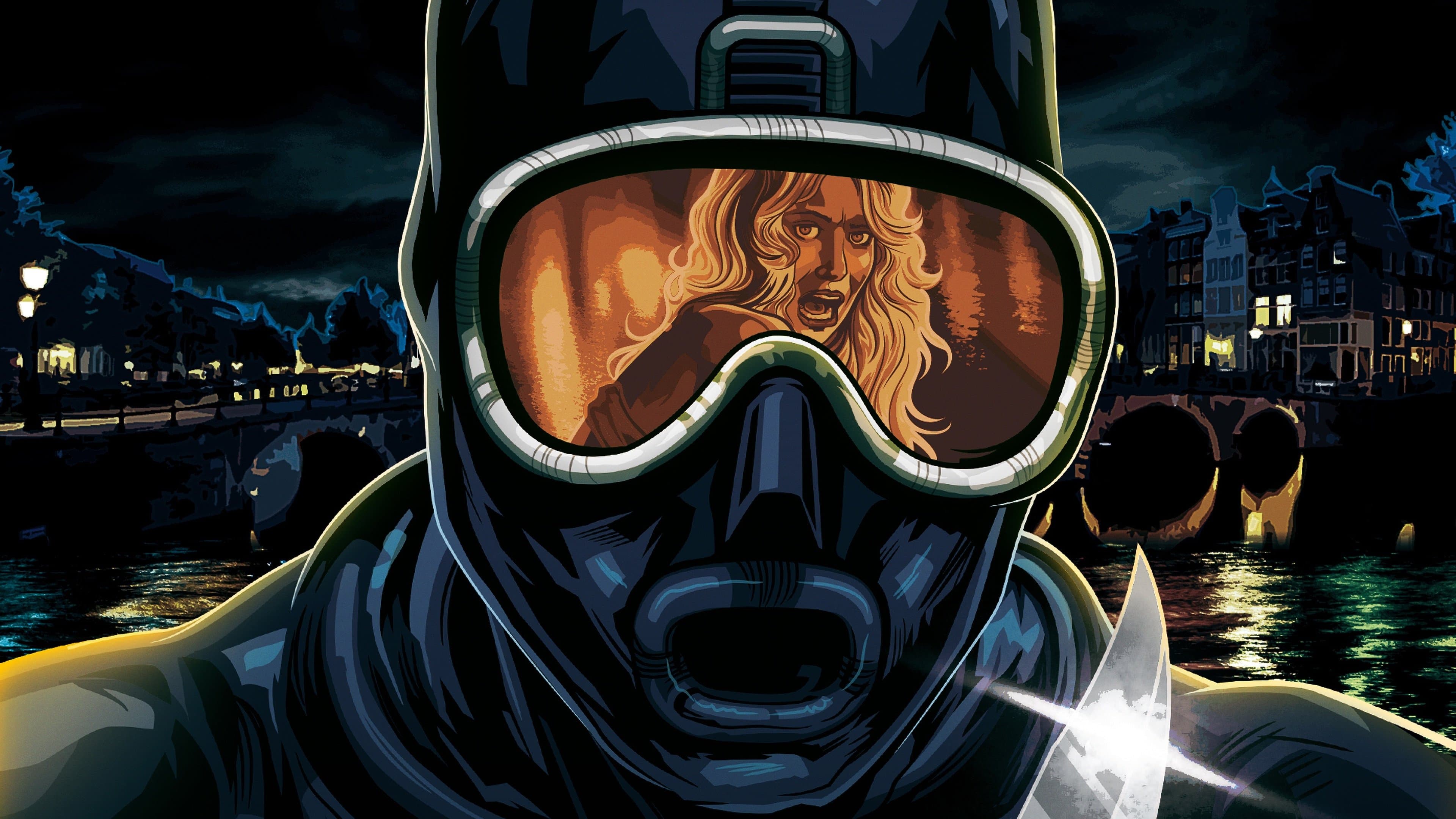
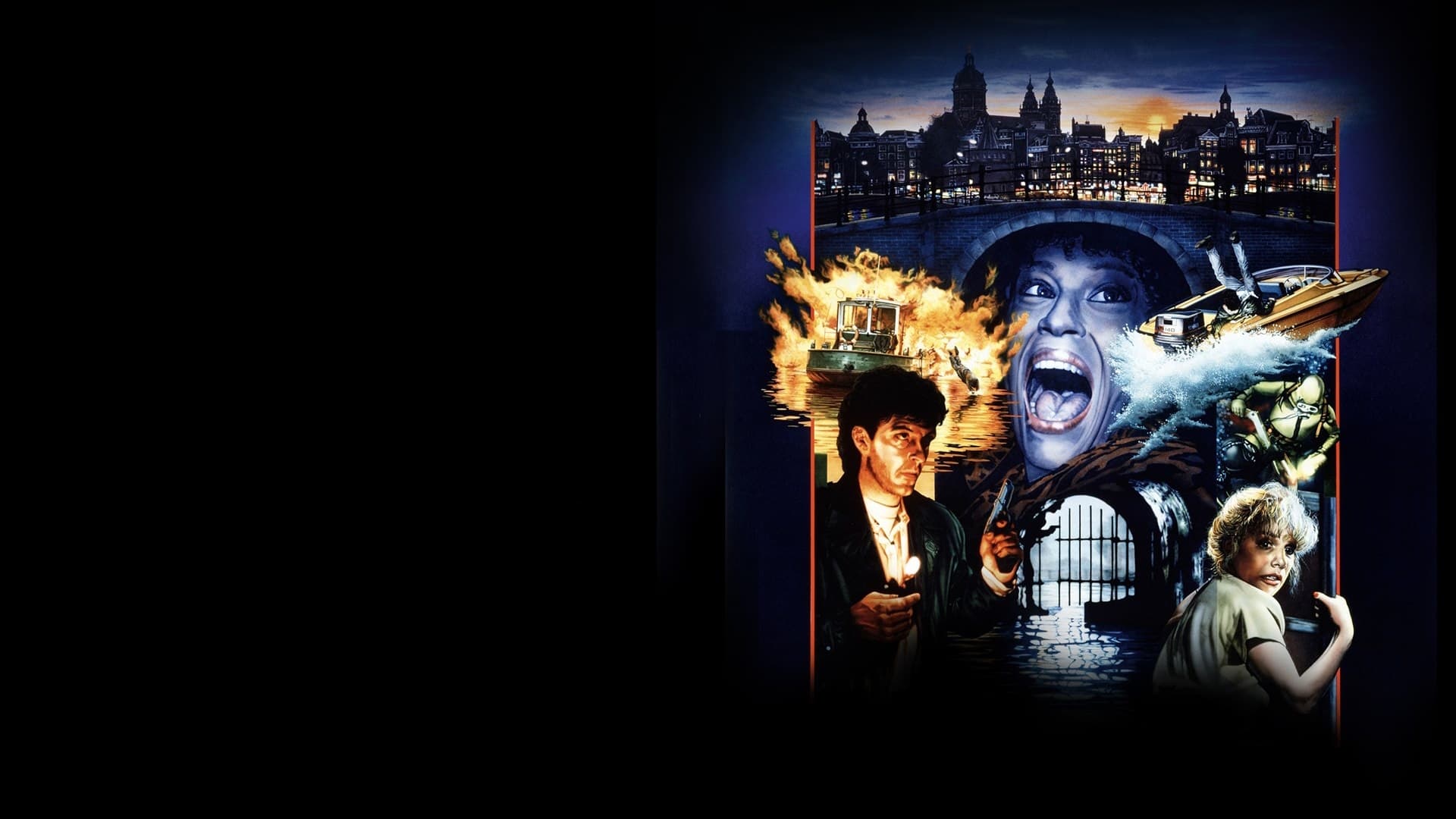
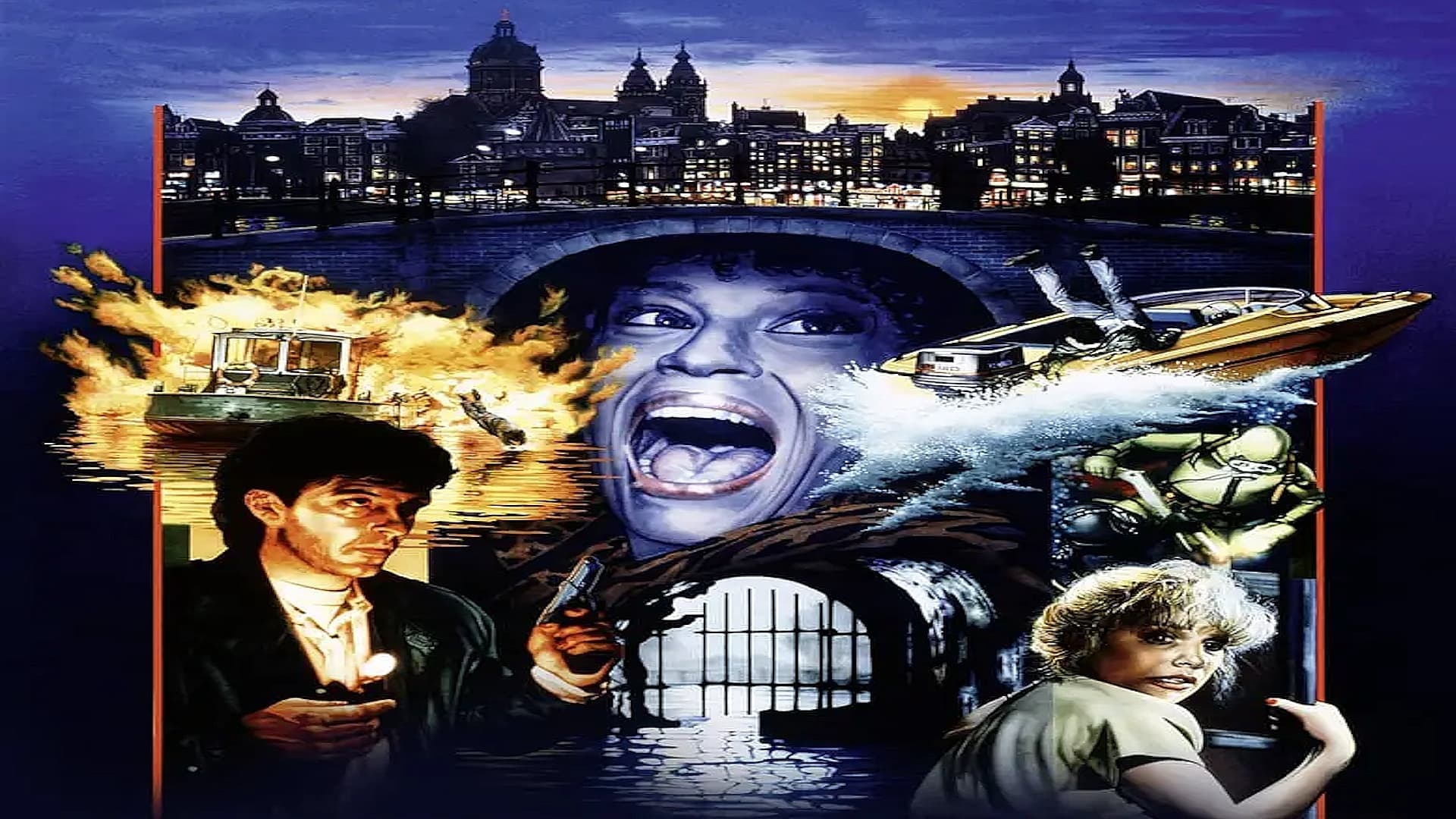
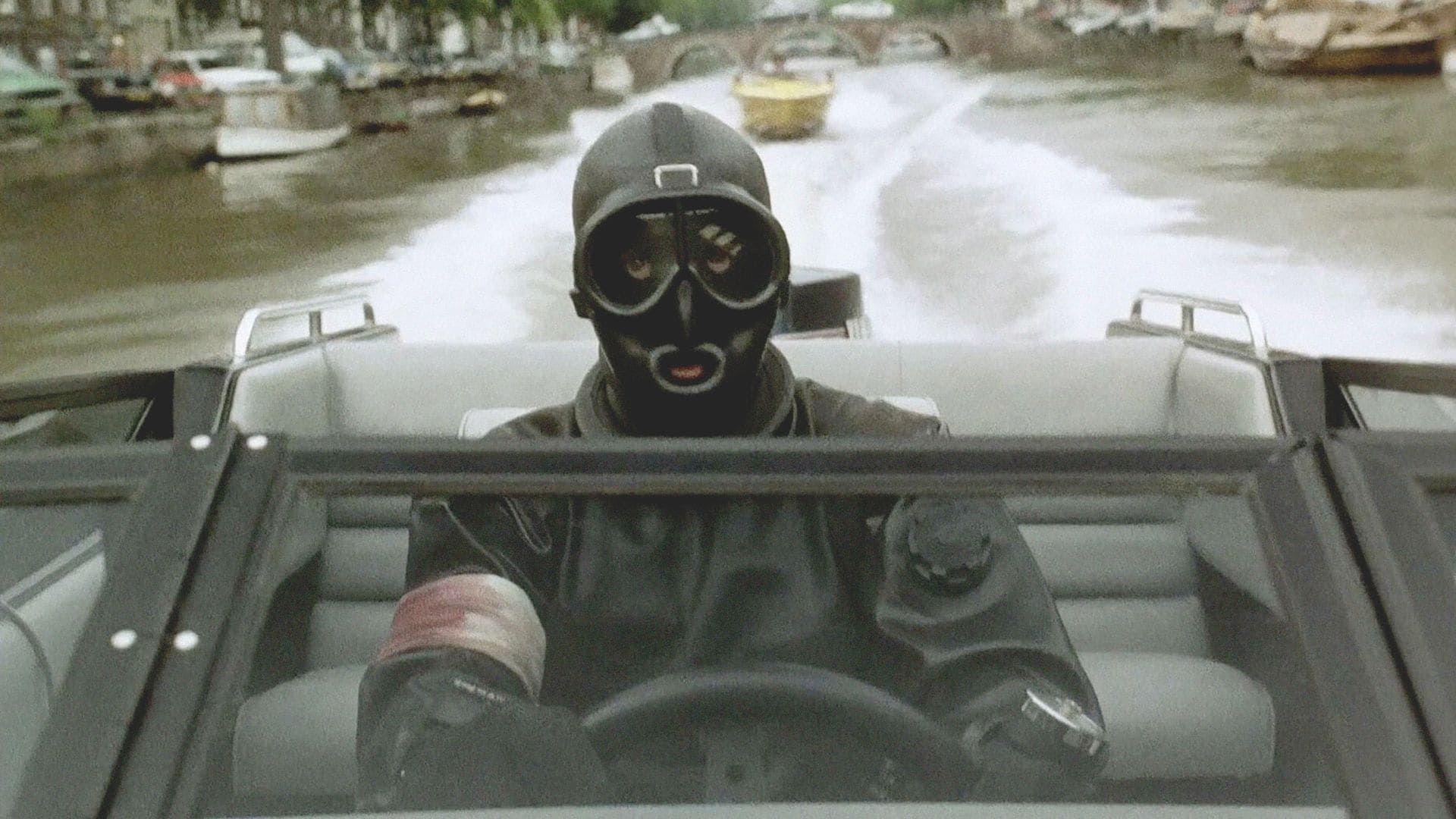
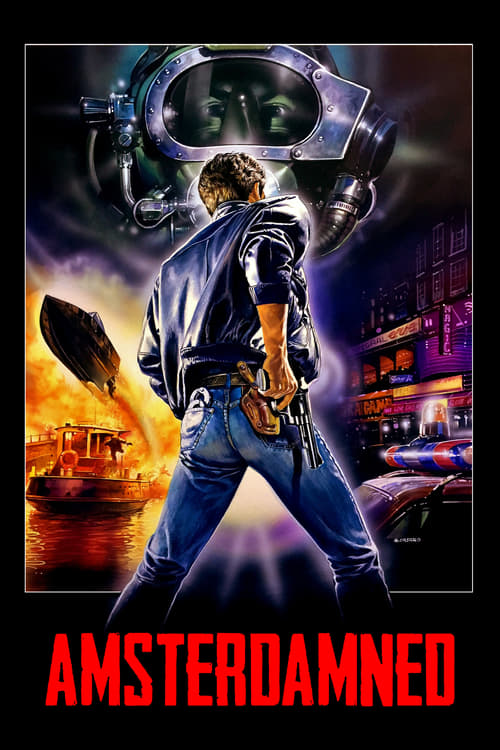
In Amsterdamned (1988), director Dick Maas turns Amsterdam’s iconic waterways into a slasher arena. A scuba-diving killer terrorizes the city from below the surface, while detective Eric Visser races against time to stop the murders as public fear escalates. The premise is lean and efficient, no excess fat, just pure genre propulsion.
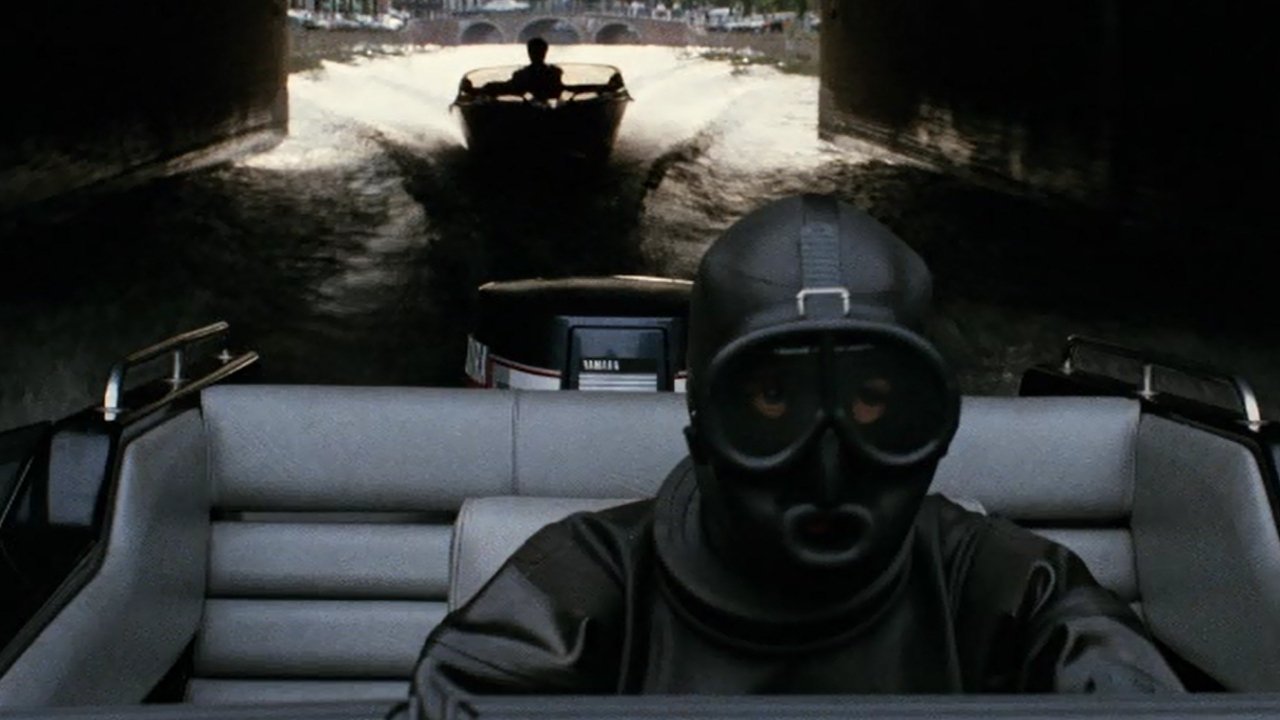
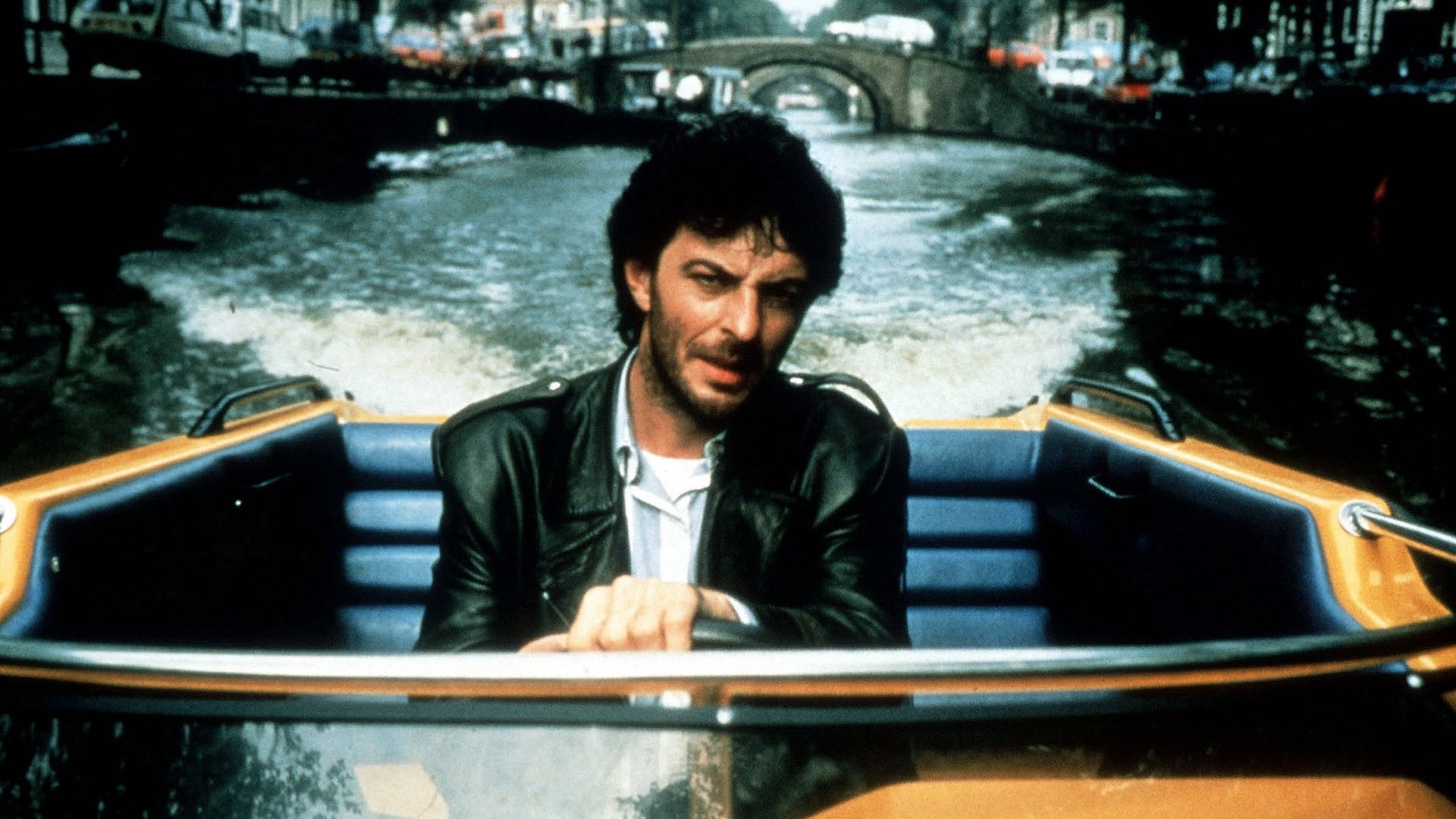
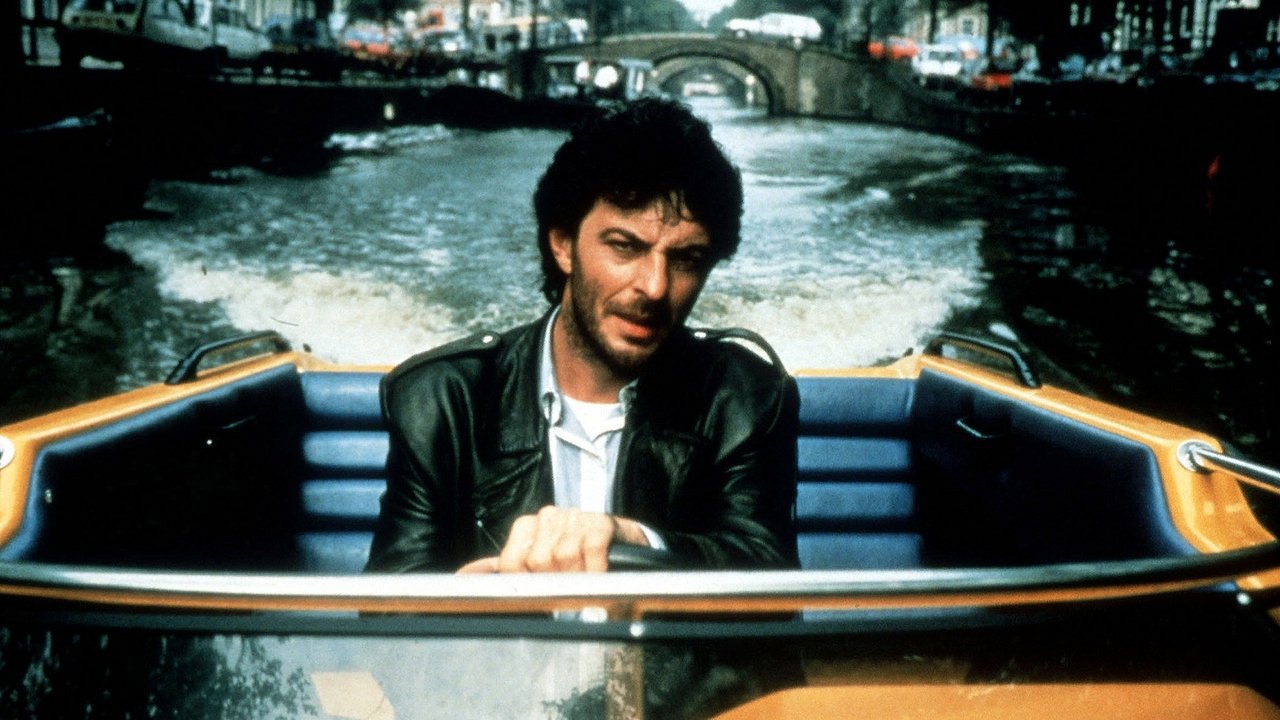
What really elevates the film is how Maas uses the city as a cinematic weapon. The Amsterdam canals constantly suggest danger underneath the frame, and the camera milks that anxiety beautifully. The legendary speedboat chase still rocks: fast, messy, and dangerously physical in a way modern CGI-heavy action rarely is. You feel the risk in every cut.
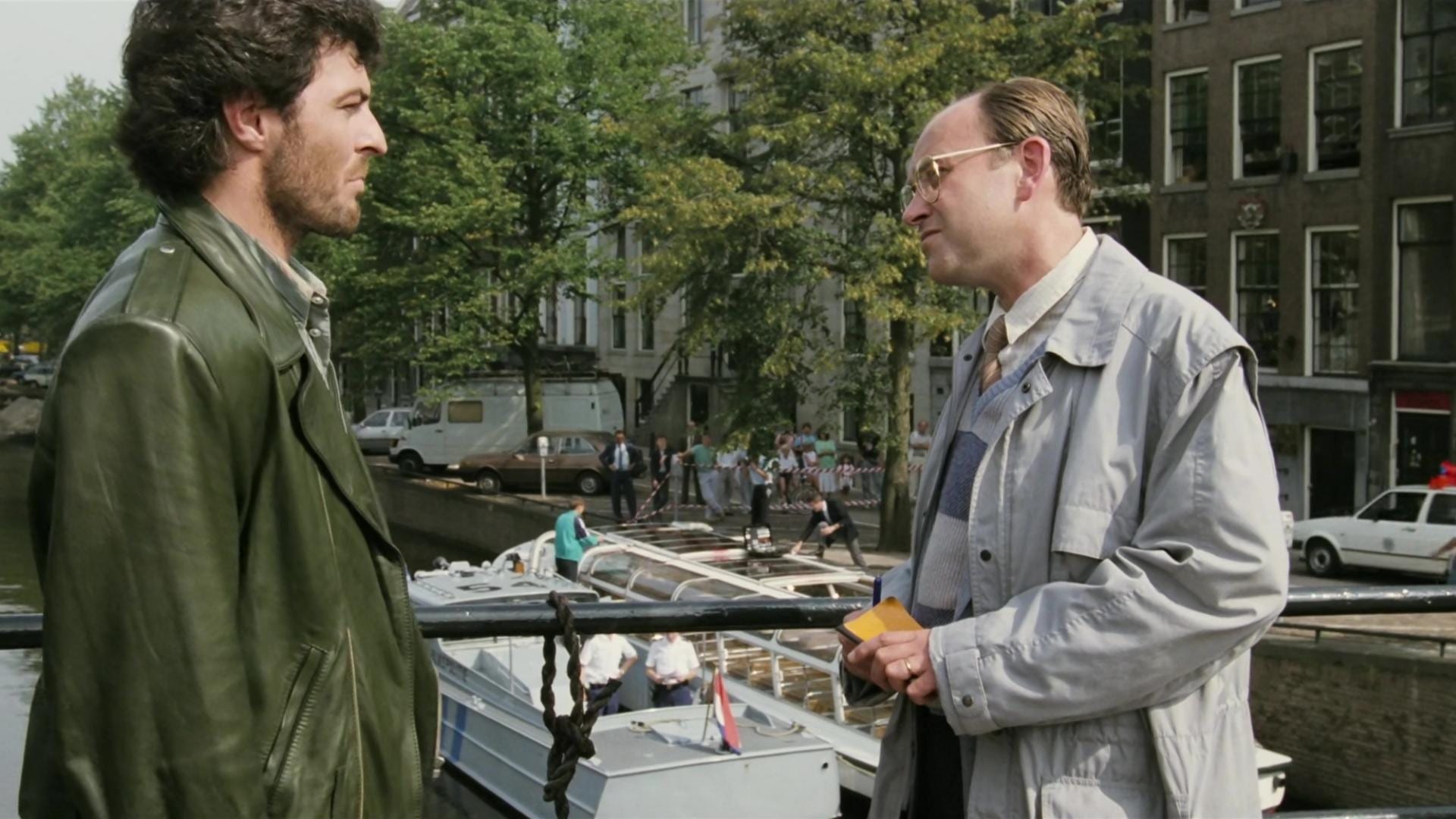
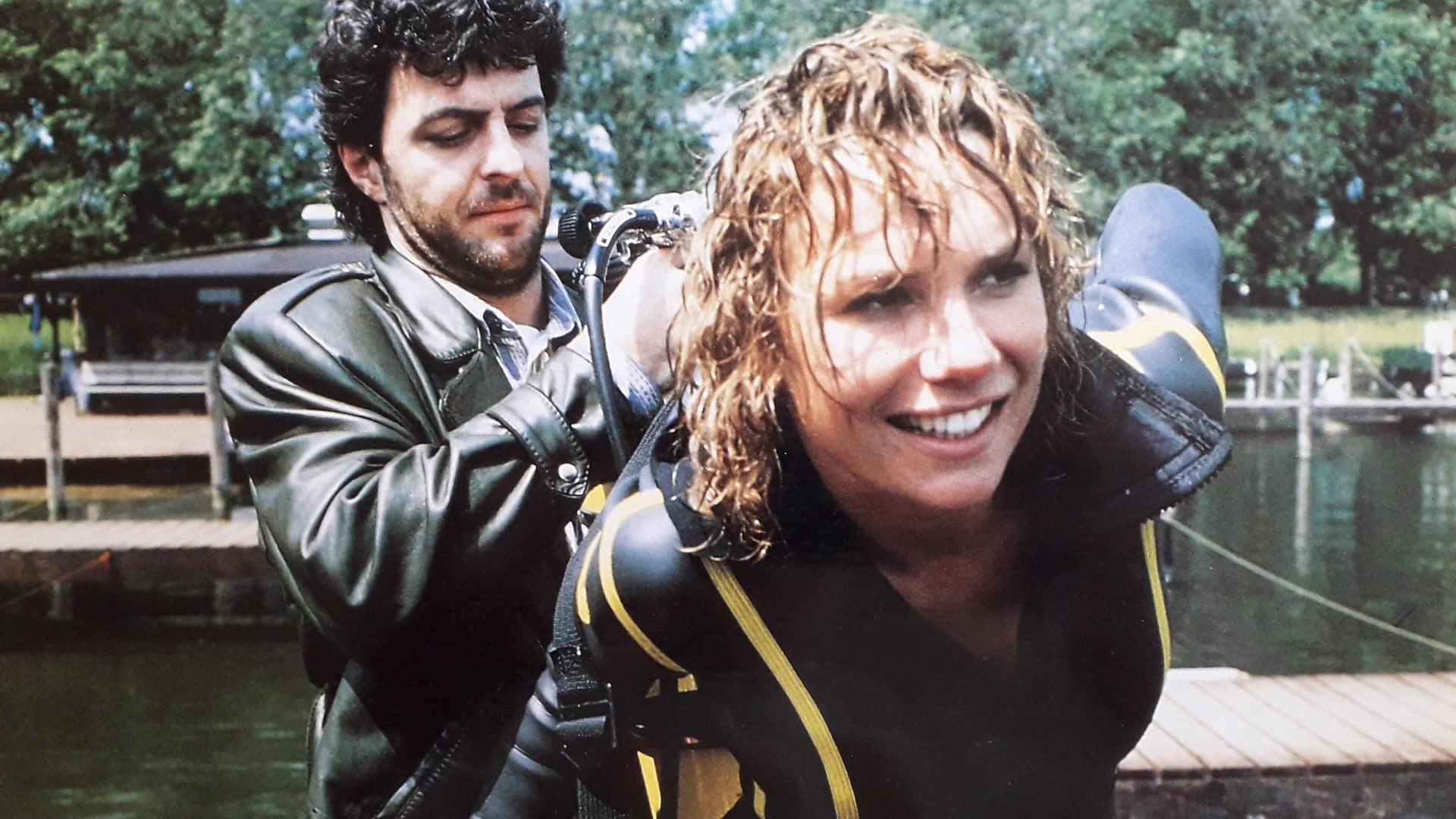
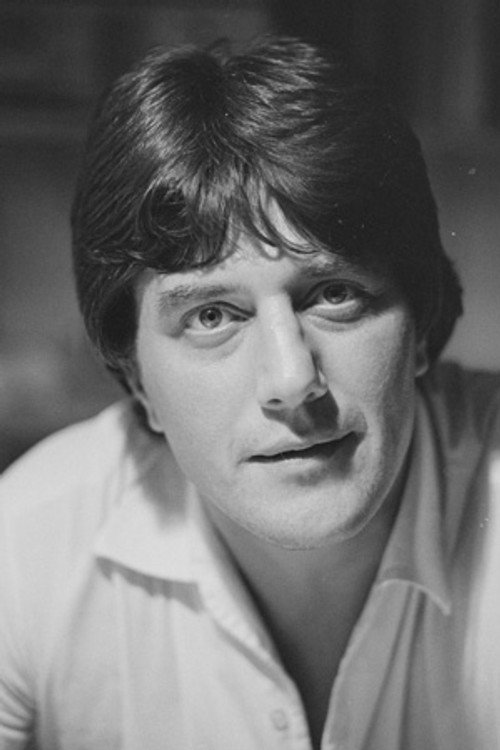
Huub Stapel is spot-on in the lead. He brings grit, charm, and a grounded energy that keeps the film human even when it goes full exploitation. Add the sheer number of familiar Dutch faces in supporting roles, and the film becomes a time capsule of national cinema.
And then there’s Maas’ trademark dark humor: dry, slightly mean, and perfectly timed. It cuts through the tension without deflating it, giving the film a mischievous edge that makes the violence feel knowingly cinematic rather than grim.
Verdict: a brutal, funny, wildly entertaining genre ride that still defines Dutch commercial cinema.
Amsterdamned doesn’t politely invite you in, it drags you headfirst into the Amsterdam canals and grins while doing it. Loud, pulpy, and gloriously unapologetic, this is not just nostalgia fuel but one of the true Dutch film classics.
In Amsterdamned (1988), director Dick Maas turns Amsterdam’s iconic waterways into a slasher arena. A scuba-diving killer terrorizes the city from below the surface, while detective Eric Visser races against time to stop the murders as public fear escalates. The premise is lean and efficient, no excess fat, just pure genre propulsion.
What really elevates the film is how Maas uses the city as a cinematic weapon. The Amsterdam canals constantly suggest danger underneath the frame, and the camera milks that anxiety beautifully. The legendary speedboat chase still rocks: fast, messy, and dangerously physical in a way modern CGI-heavy action rarely is. You feel the risk in every cut.
Huub Stapel is spot-on in the lead. He brings grit, charm, and a grounded energy that keeps the film human even when it goes full exploitation. Add the sheer number of familiar Dutch faces in supporting roles, and the film becomes a time capsule of national cinema.
And then there’s Maas’ trademark dark humor: dry, slightly mean, and perfectly timed. It cuts through the tension without deflating it, giving the film a mischievous edge that makes the violence feel knowingly cinematic rather than grim.
Verdict: a brutal, funny, wildly entertaining genre ride that still defines Dutch commercial cinema.