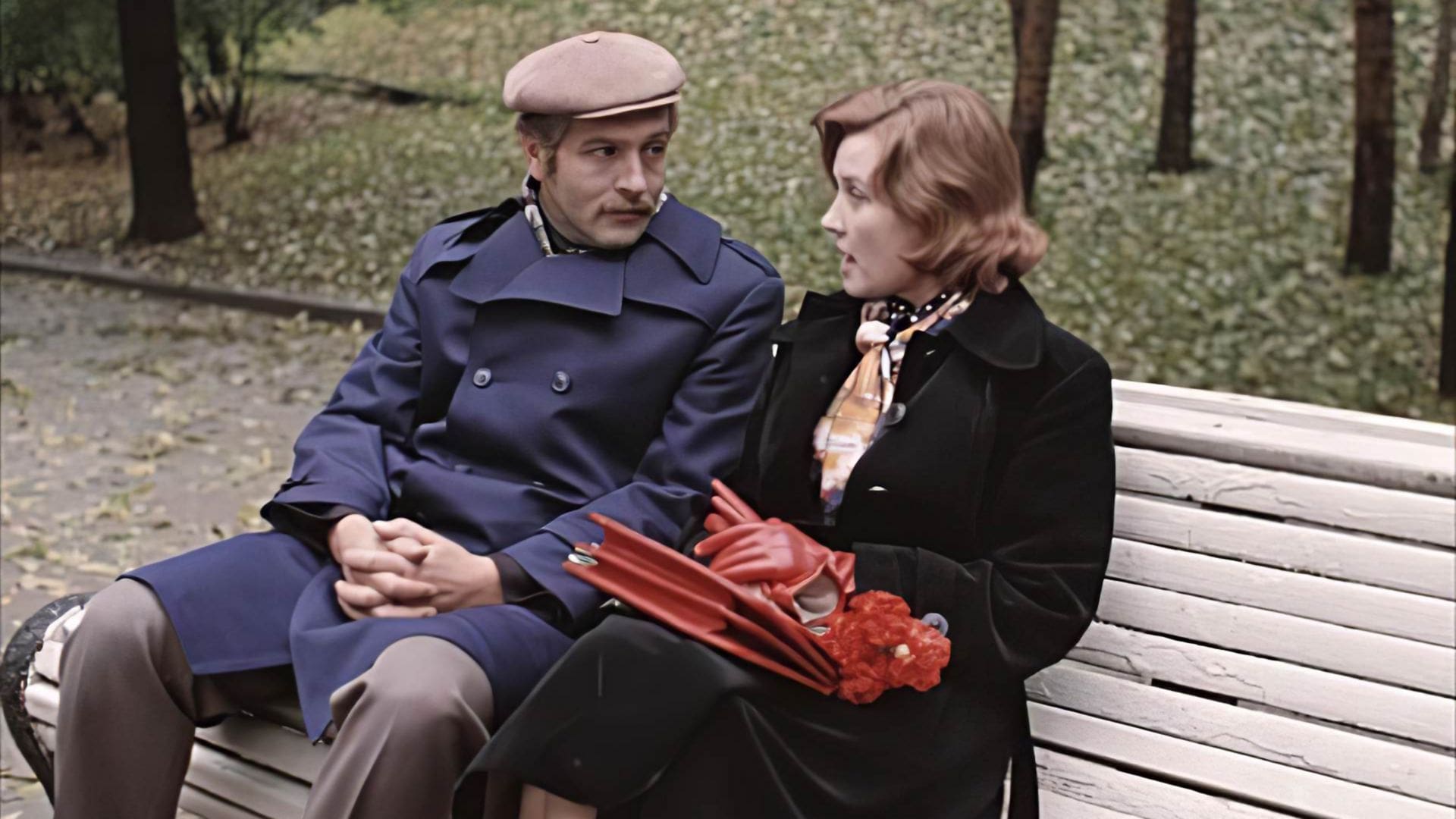
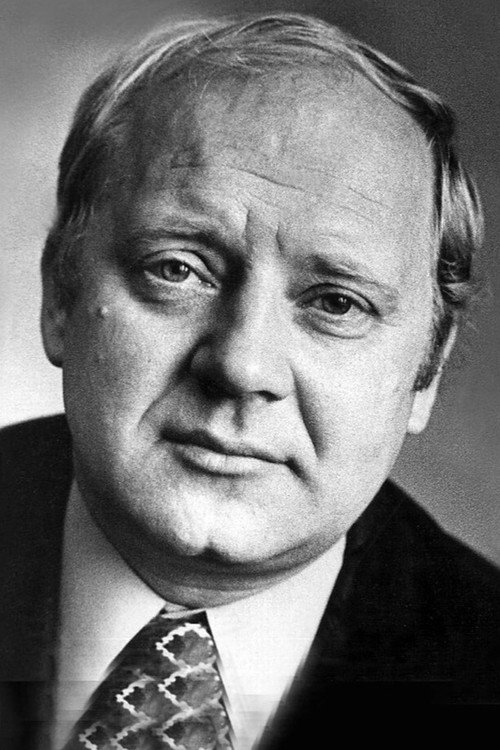
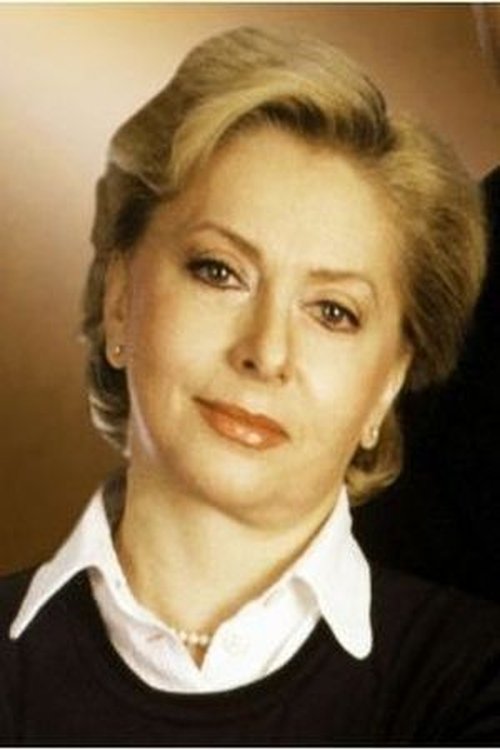
Он не придёт. Он никогда не придёт
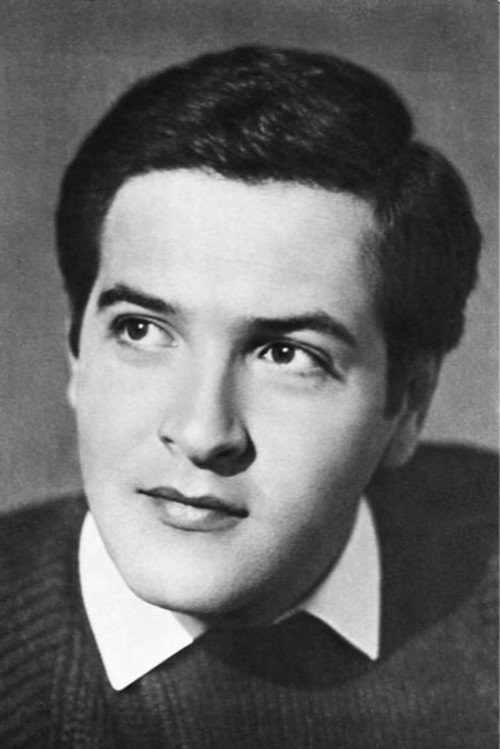
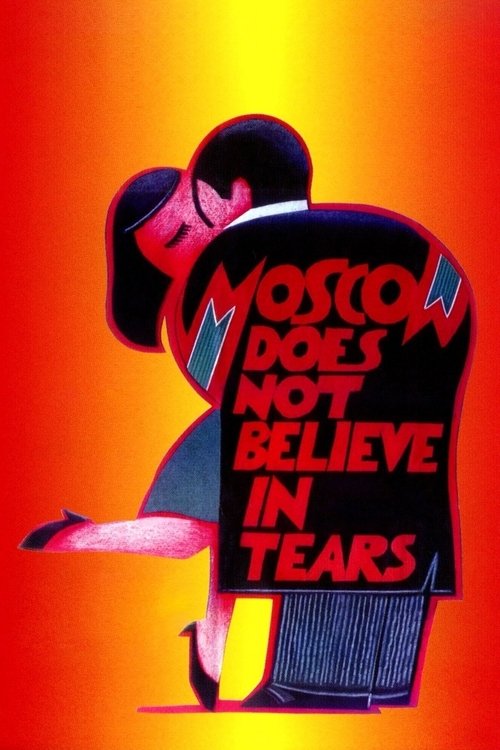
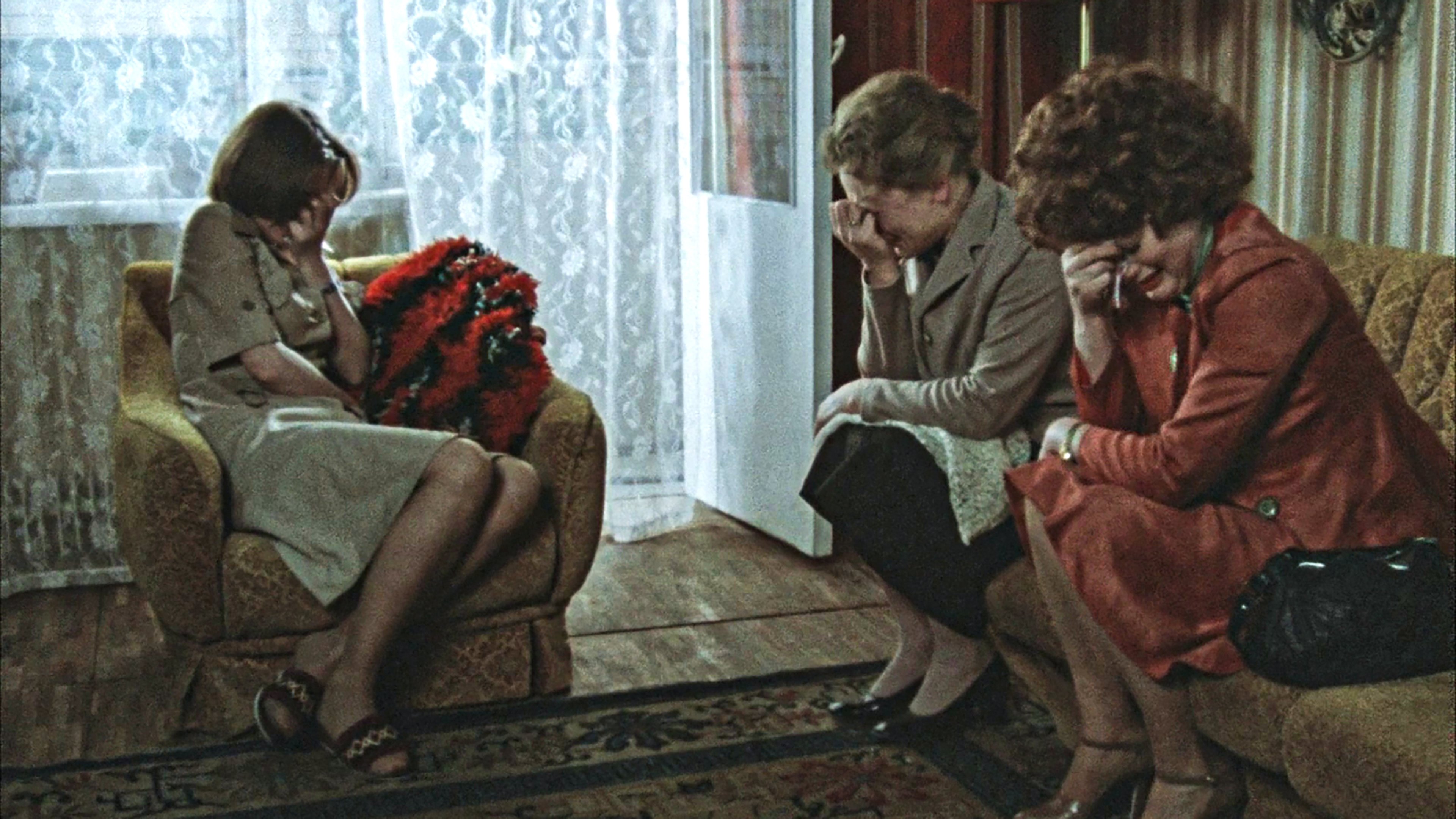
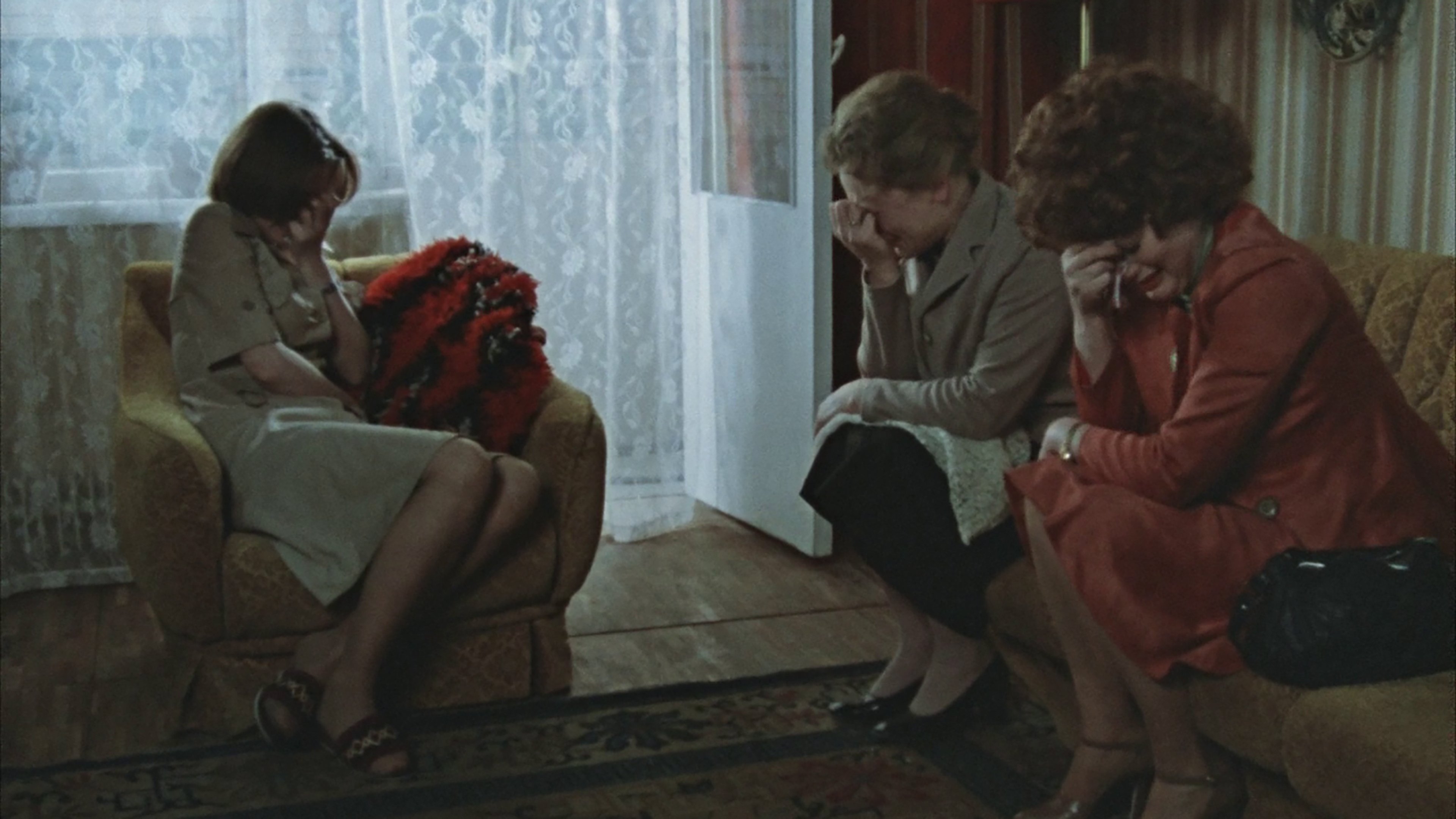
I, on the other hand, do believe in a lot of tears. especially towards the end
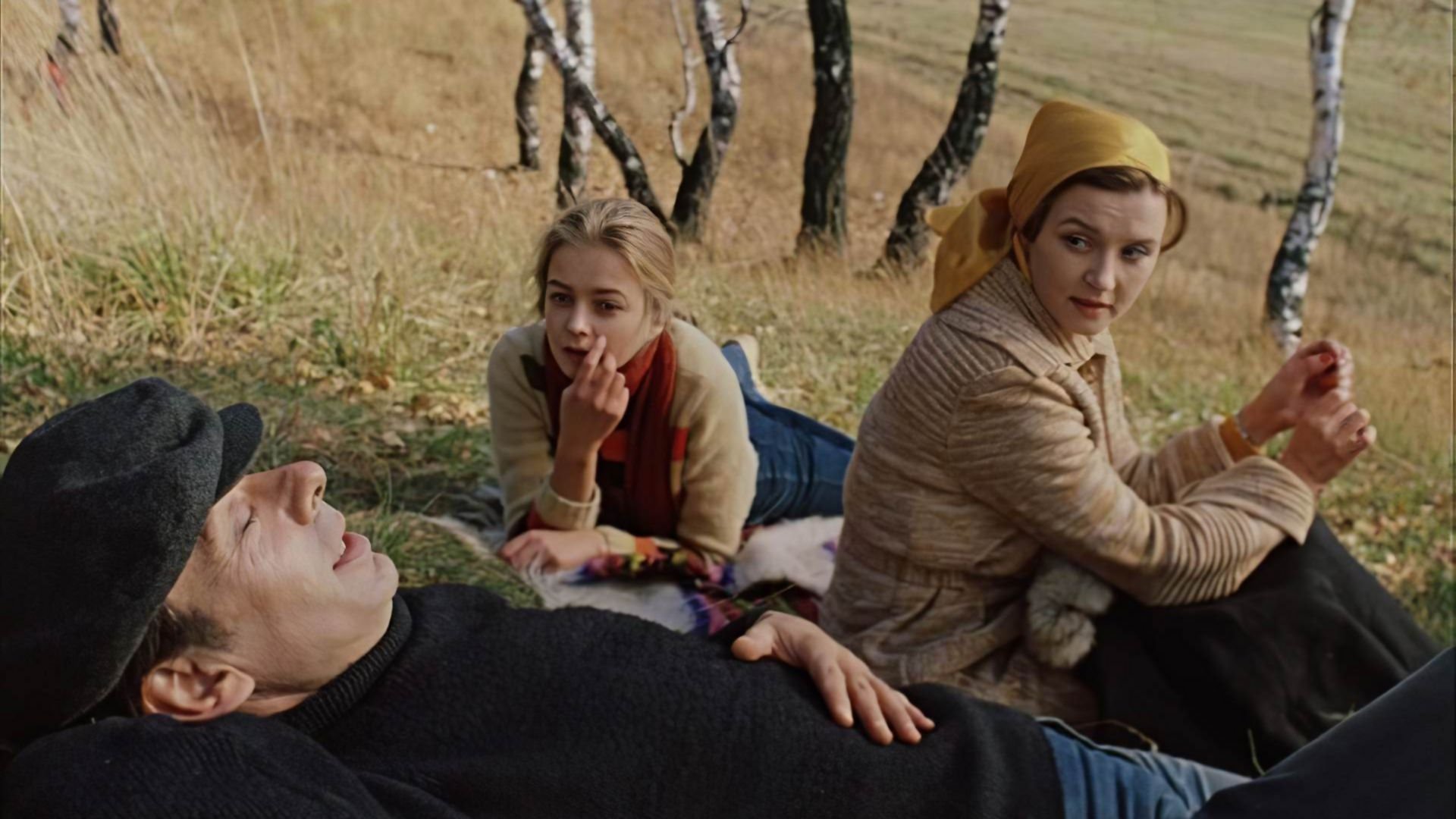
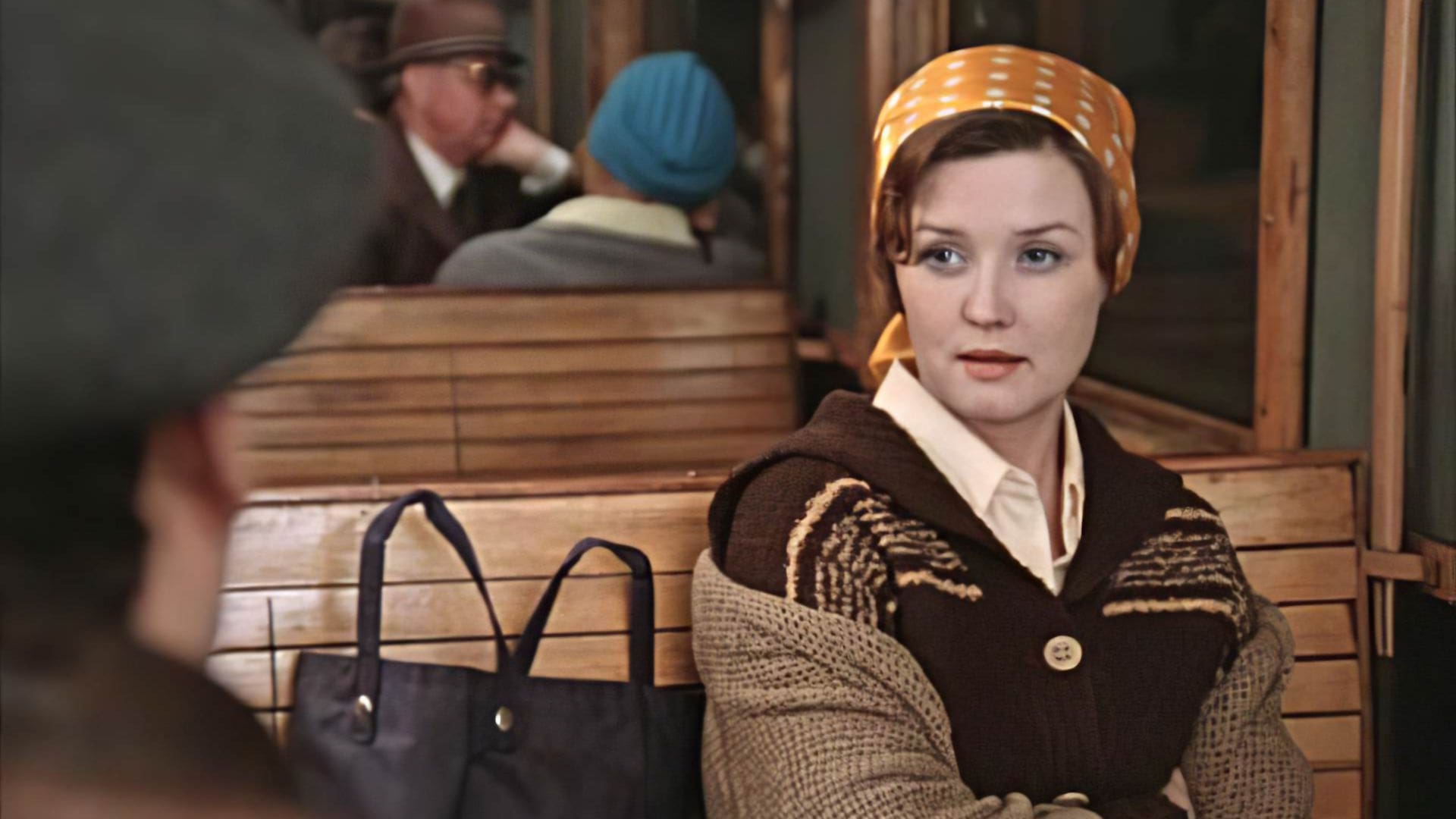
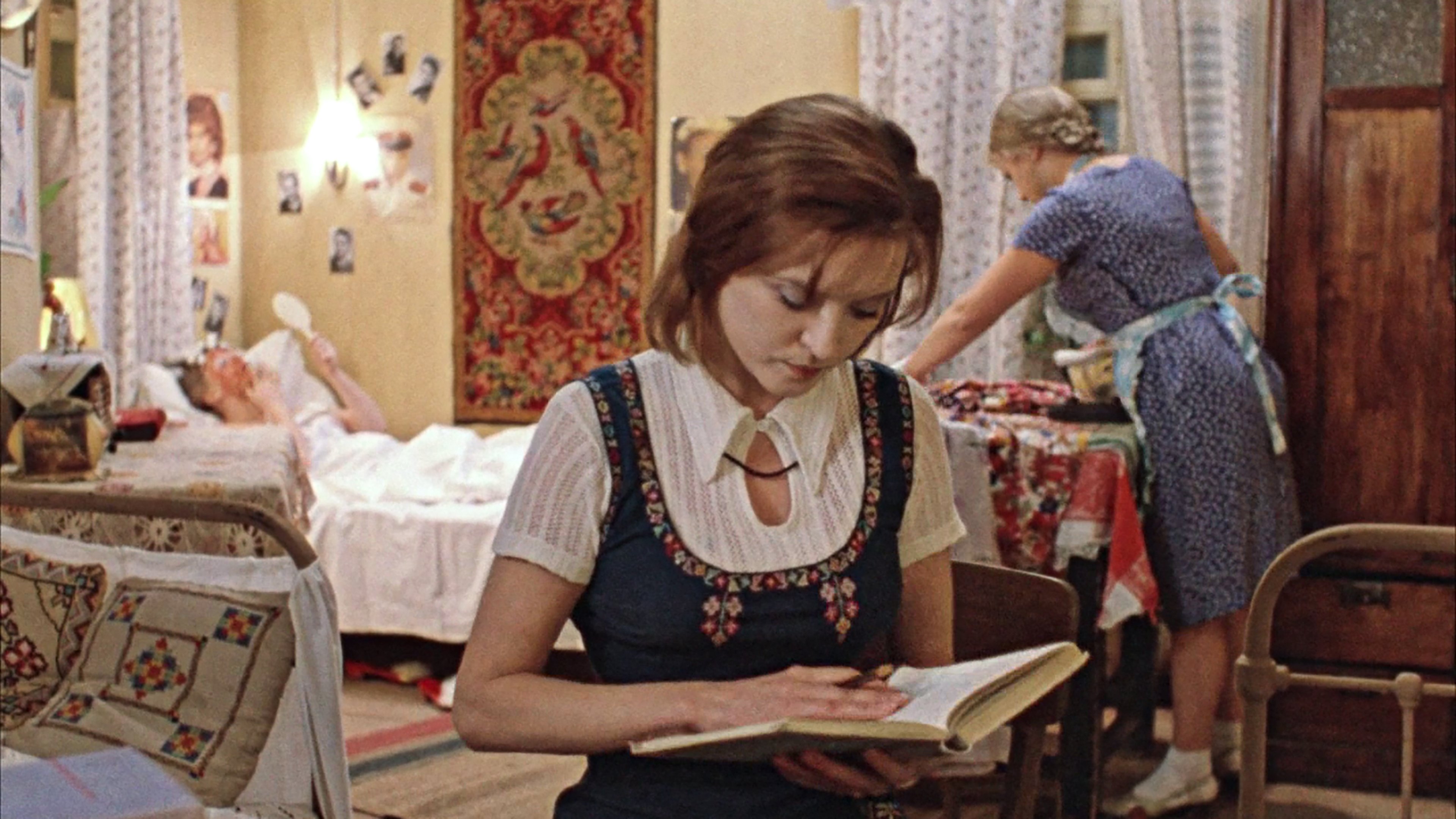
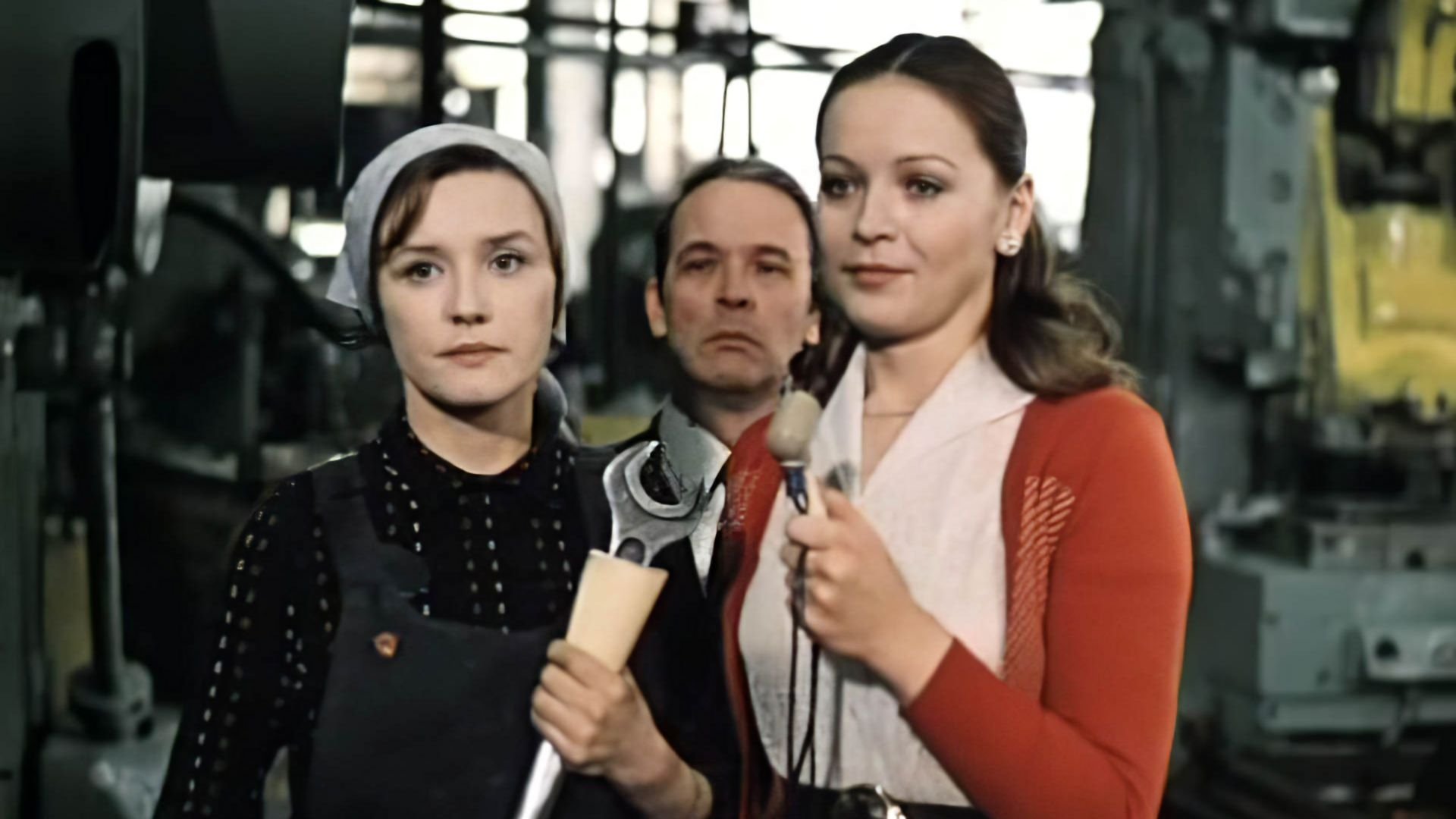
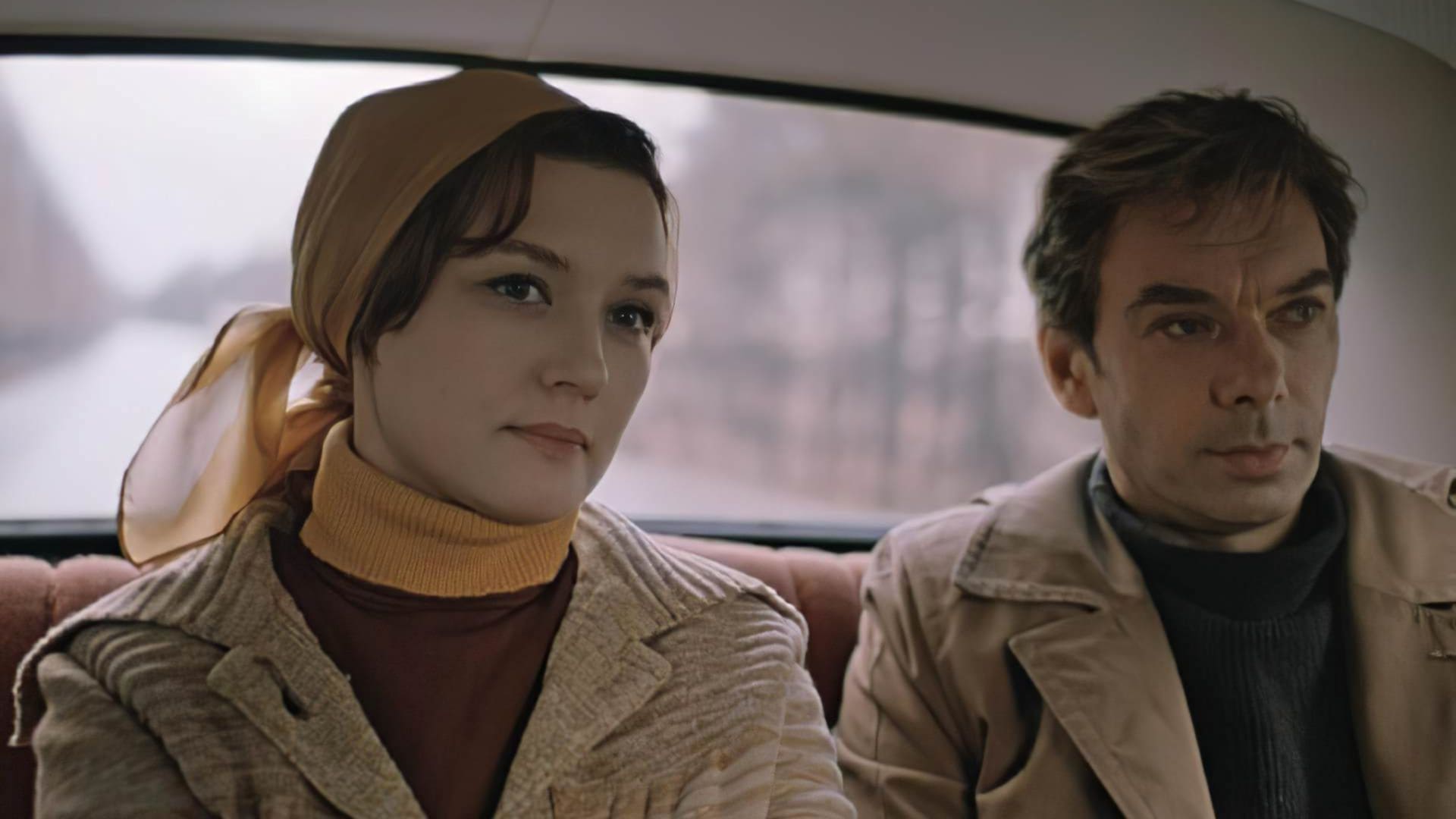
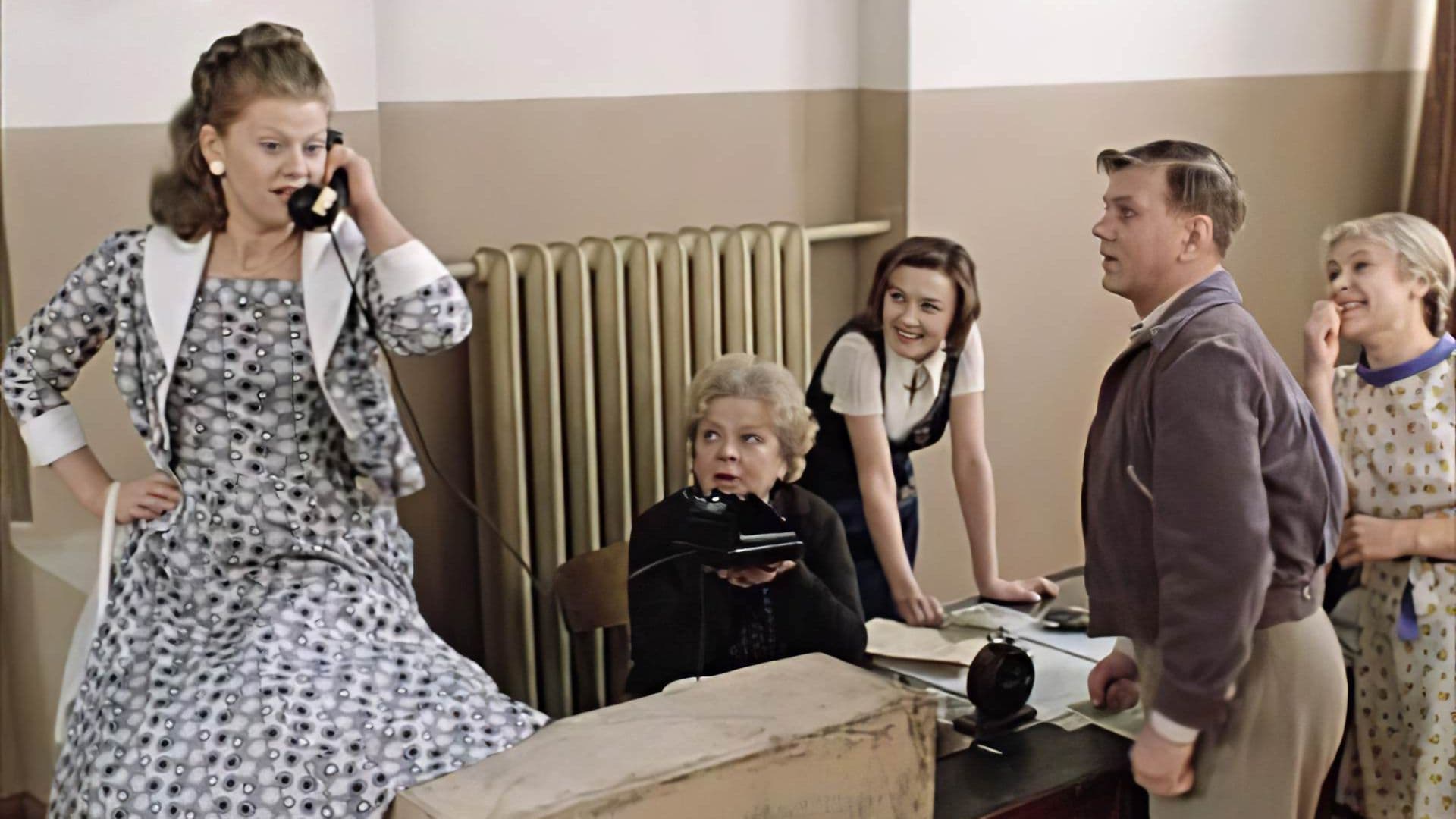
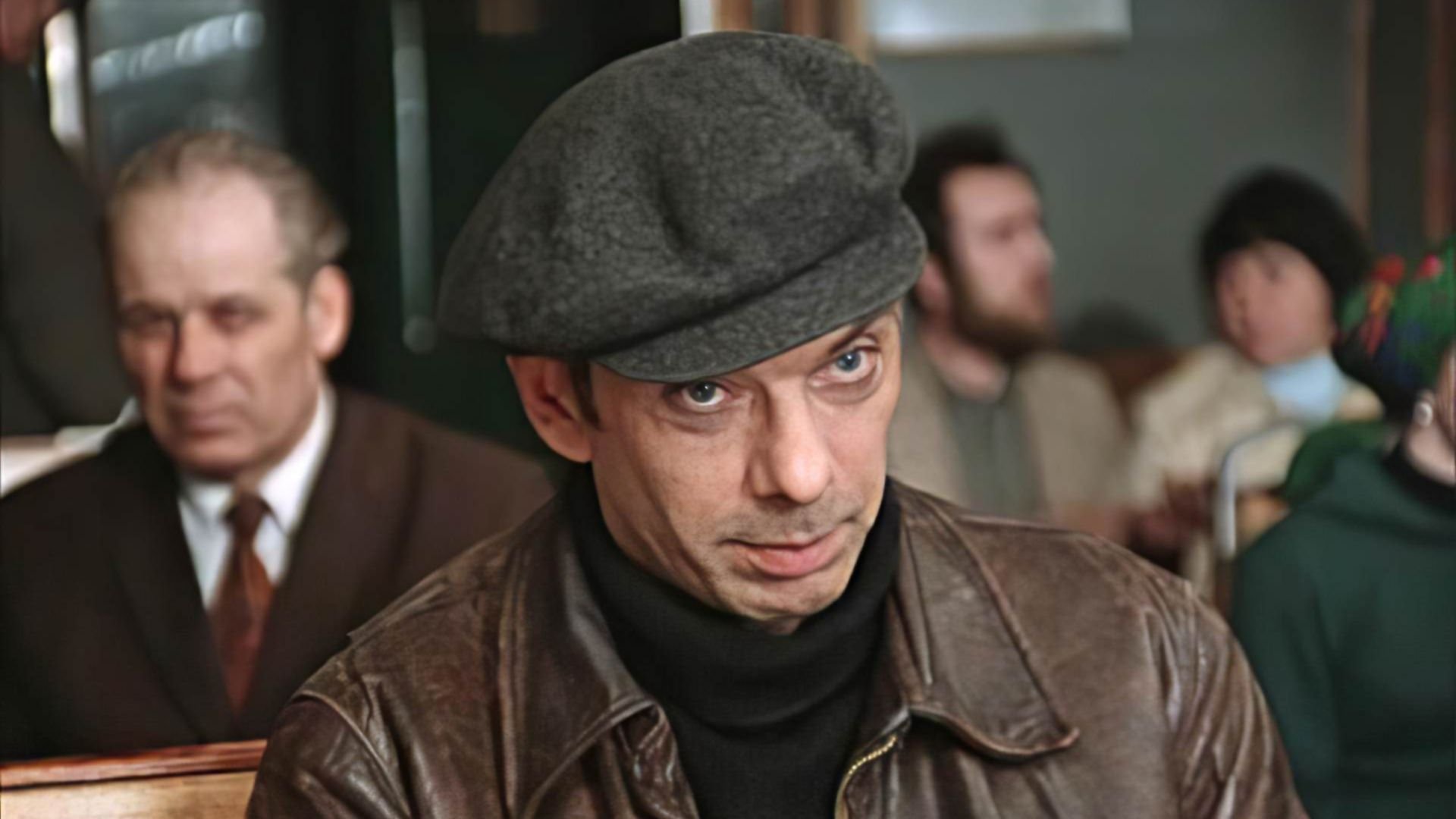
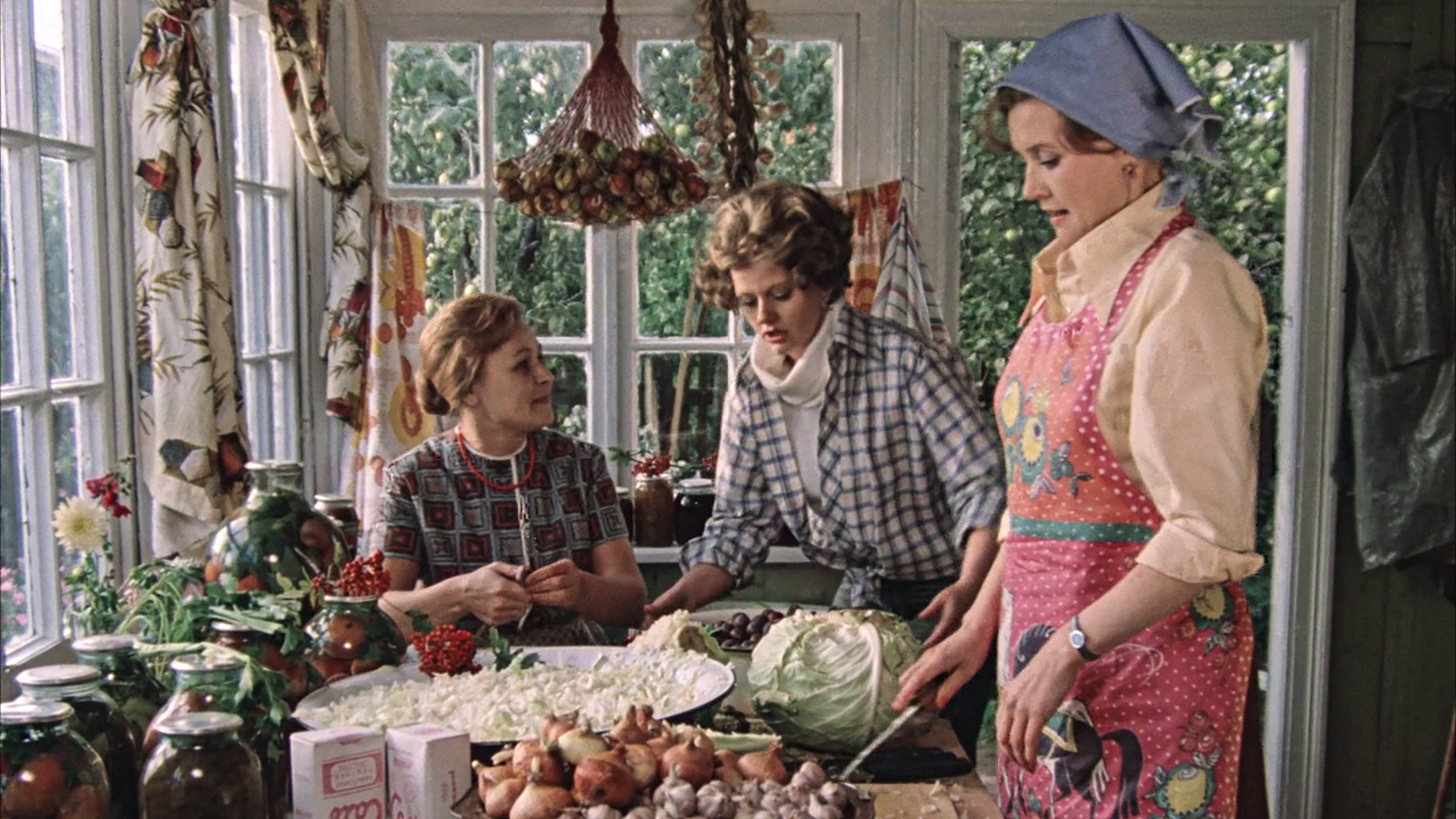
all the letterboxd people turn this film into a moral courtroom. they judge gosha, they judge katerina, debate “healthy relationships,” power dynamics, feminism, masculinity - quietly recentering themselves in the process. i know better. i would never accept this. this is how love should be. most of them already have, or will. but the film isn’t asking for a verdict. it’s asking for attention. katerina’s life isn’t a thesis on how relationships ought to work; it’s a record of how one life actually unfolded within a specific time, system, and mentality. she doesn’t choose right or wrong - she chooses what’s possible, given her history, her exhaustion, her pride, her loneliness. what people miss is the simplest, hardest truth here: life doesn’t arrange itself to match our ideals. and sometimes -true to the title- it doesn’t sort itself out at all, no matter how much we believe it will.
Он не придёт. Он никогда не придёт
I, on the other hand, do believe in a lot of tears. especially towards the end
all the letterboxd people turn this film into a moral courtroom. they judge gosha, they judge katerina, debate “healthy relationships,” power dynamics, feminism, masculinity - quietly recentering themselves in the process. i know better. i would never accept this. this is how love should be. most of them already have, or will. but the film isn’t asking for a verdict. it’s asking for attention. katerina’s life isn’t a thesis on how relationships ought to work; it’s a record of how one life actually unfolded within a specific time, system, and mentality. she doesn’t choose right or wrong - she chooses what’s possible, given her history, her exhaustion, her pride, her loneliness. what people miss is the simplest, hardest truth here: life doesn’t arrange itself to match our ideals. and sometimes -true to the title- it doesn’t sort itself out at all, no matter how much we believe it will.