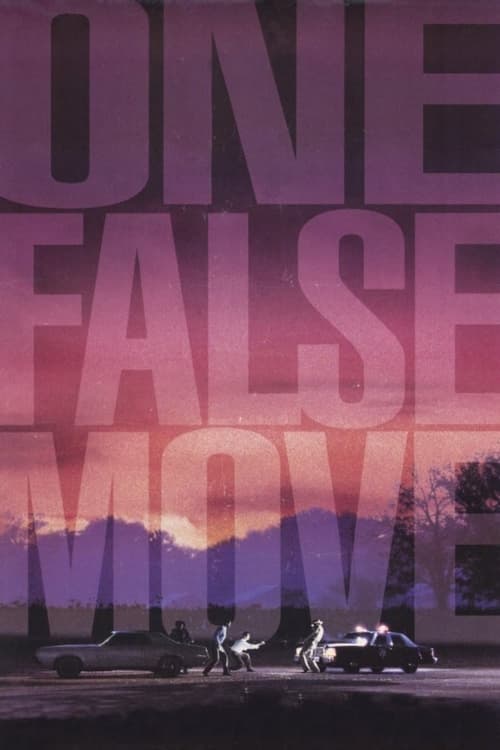
Criterion Challenge 2026Category #30: Black Lives
After sitting with this one for about 12 hours, I've upped my rating of it. Something about this film sticks with you in ways I'll hopefully be able to articulate here.
First off, the confidence of this film is kind of otherworldly, especially when considering the story of how this got made: a story summed up well in the Criterion essay "One False Move: Lock Things Up" by William Boyle. As a writer in the trenches of self-doubt as I near the age of thirty, hearing the story of Billy Bob Thornton and Tom Epperson writing this film and willing it into production (with the help of Jesse Beaton, Ben Myron, I.R.S. Media, RCA/Columbia, Roger Ebert, and Gene Siskel). The fact that Siskel and Ebert saved this film from straight-to-video hell is also a miraculous success story that is rare to come by over 30 years later.
But then there is the film itself, which my first reactions were fairly mixed on. But then the context comes flooding in, and suddenly it's difficult to dismiss this as just a run-of-the-mill violent crime drama from the early 90s. Because in fact, it's much more than that. There are layers of complexity that somewhat turned me off while watching, but I think that plays into my expectation for this to be something that it wasn't. I wanted this to be mindless. But when it turned out to be incredibly mindFULL and deliberate and carefully crafted, it came as a bit of a surprise.
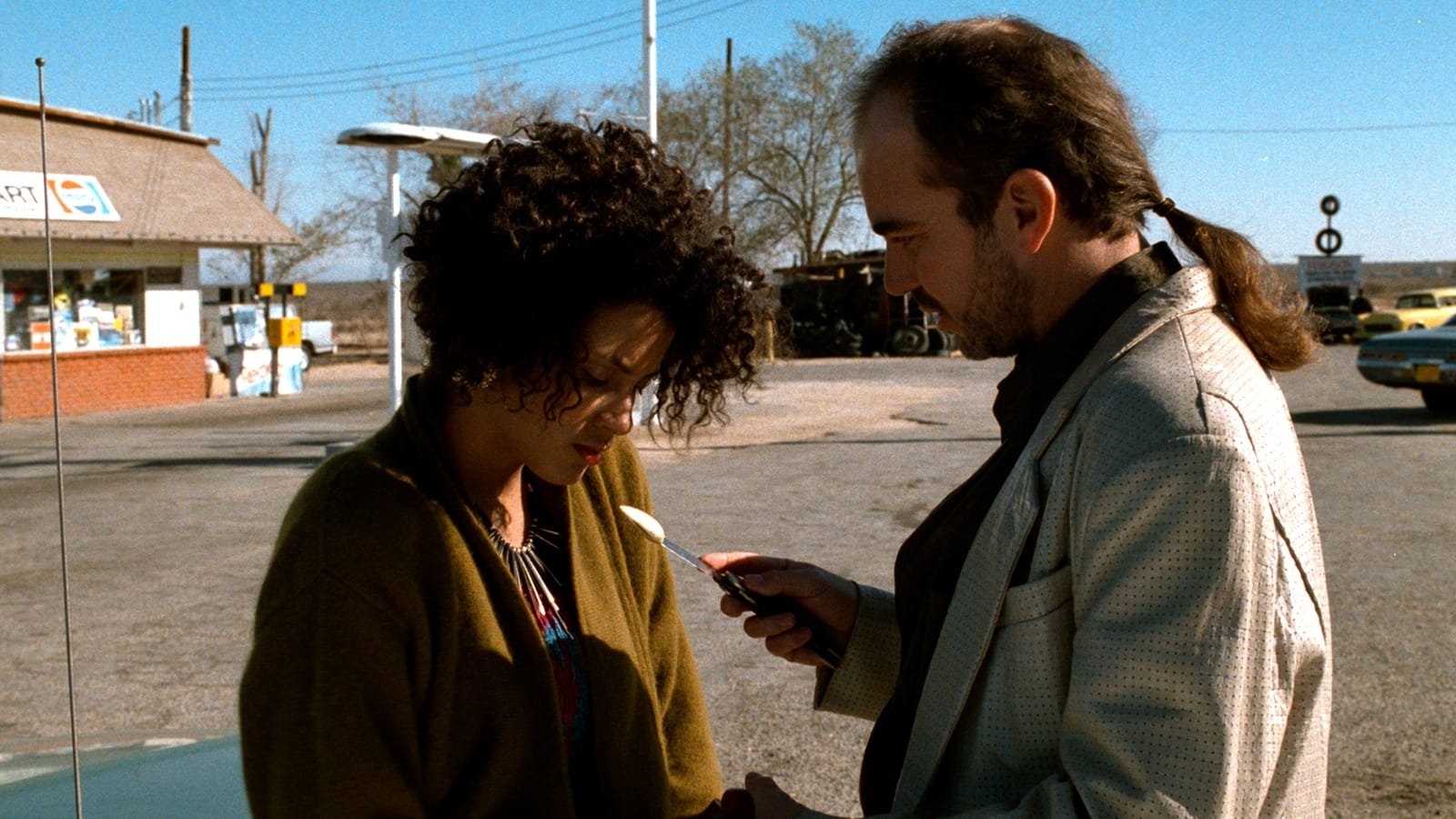
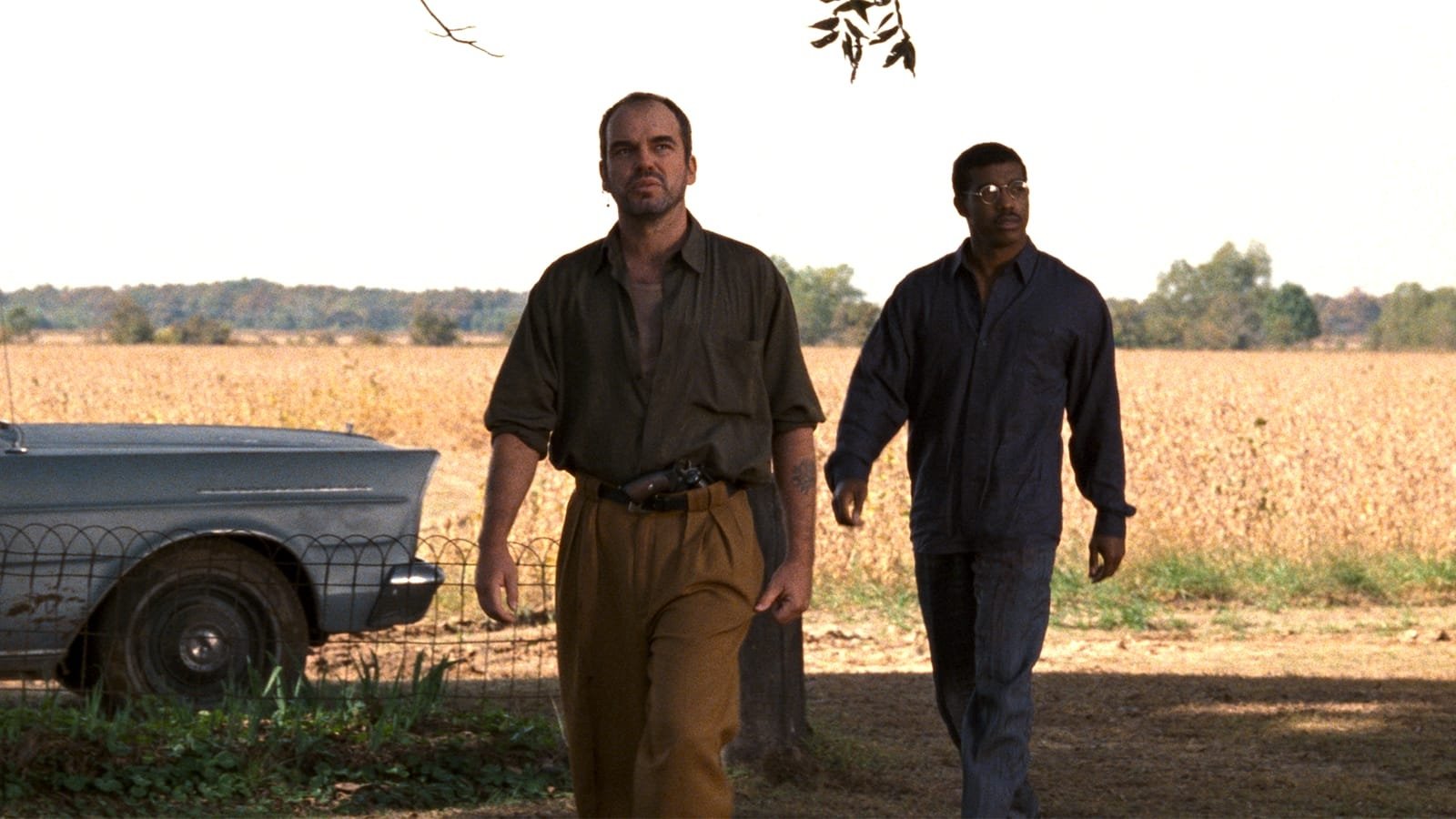
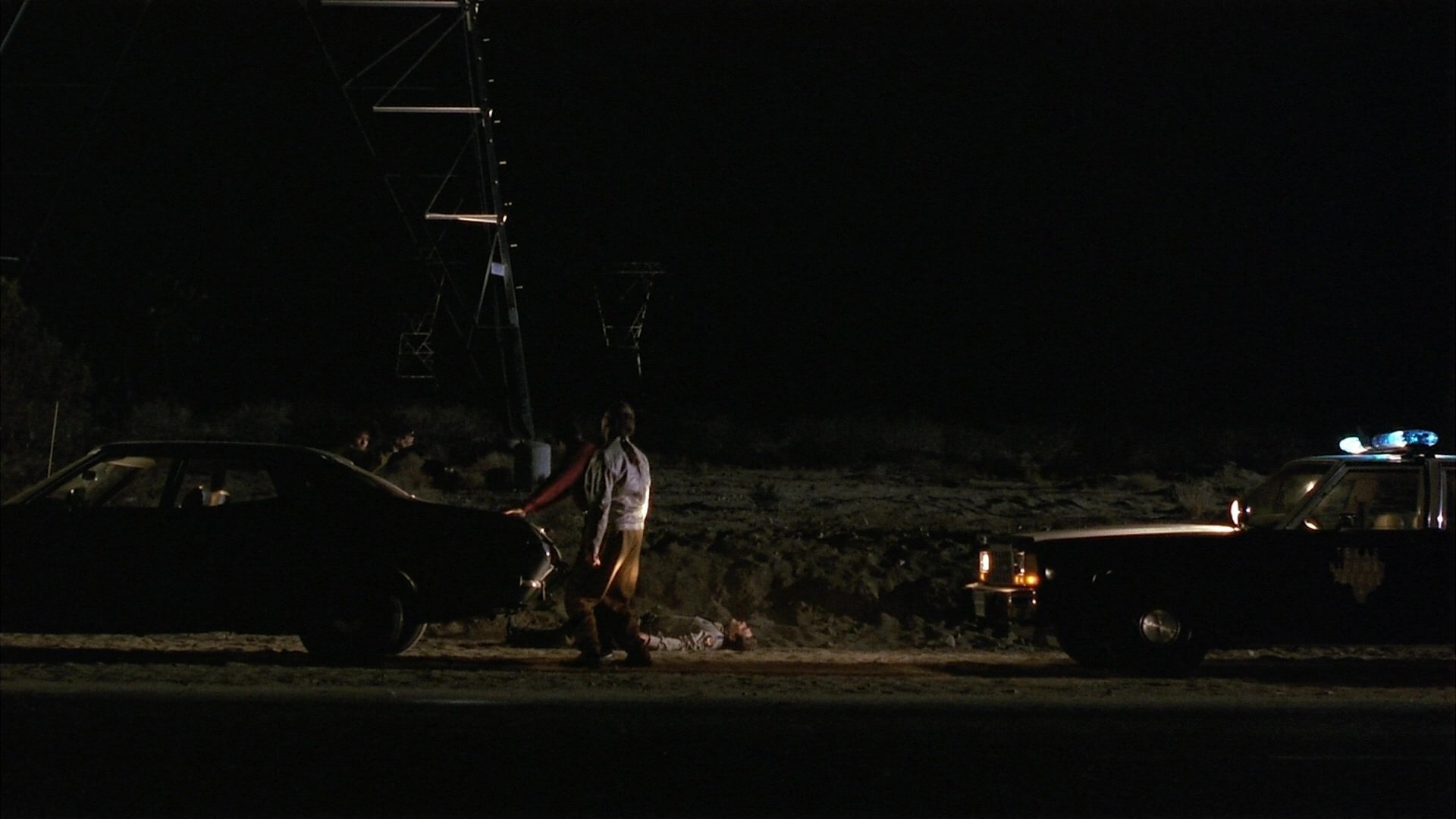
The film opens with a violent, senseless crime. Ray and Pluto commit these murders like they're nothing. Hardly flinching at the idea of taking a life. When Pluto plunges the knife into his first victim, I audibly let out a, "What the fuck?" It's the kind of violence that doesn't come around very often and makes you recoil a bit. Like, "Did the film really have to go that far?" There's an ease with which the violence is perpetrated that is just so unsettling.
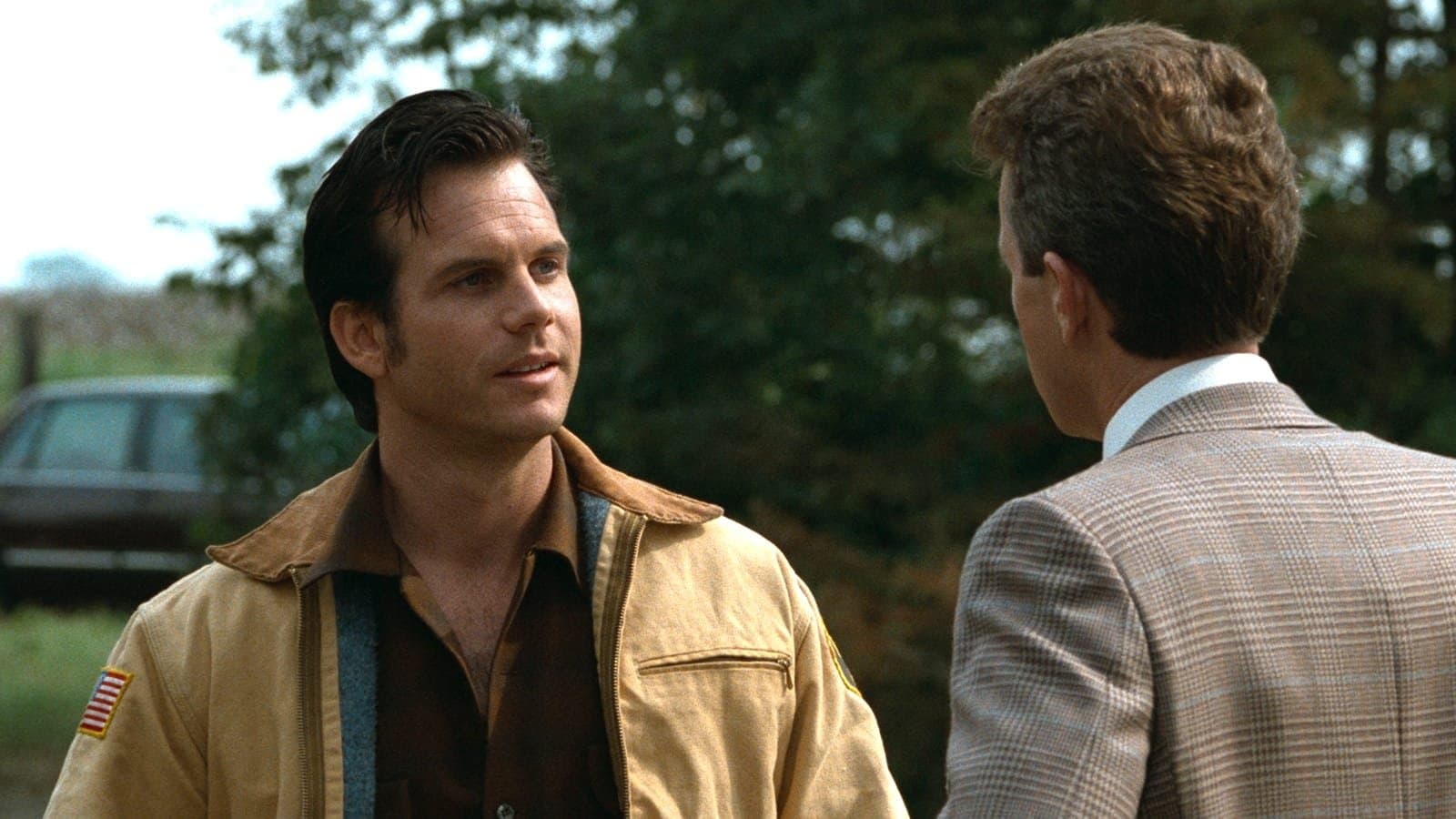
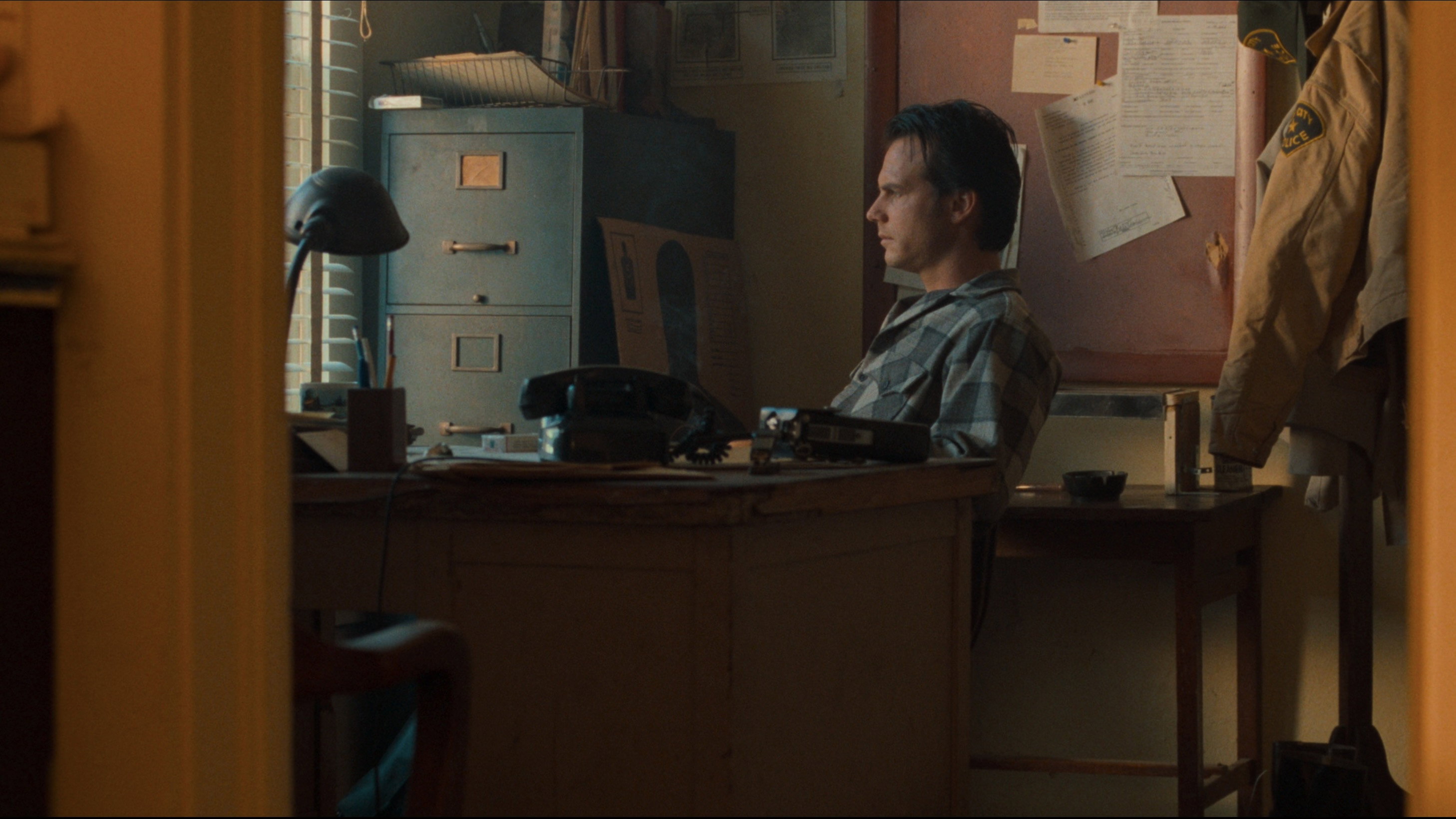
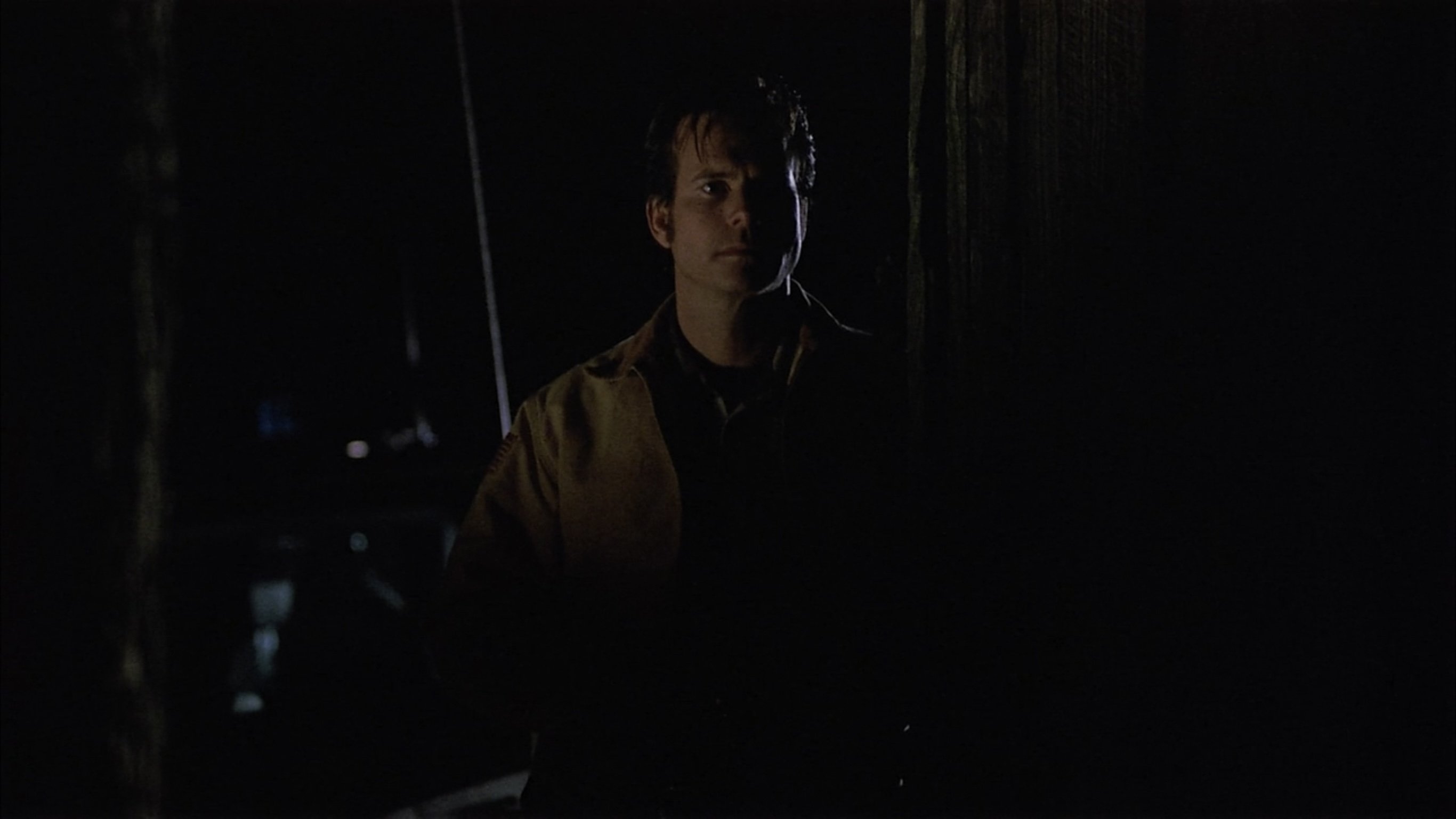
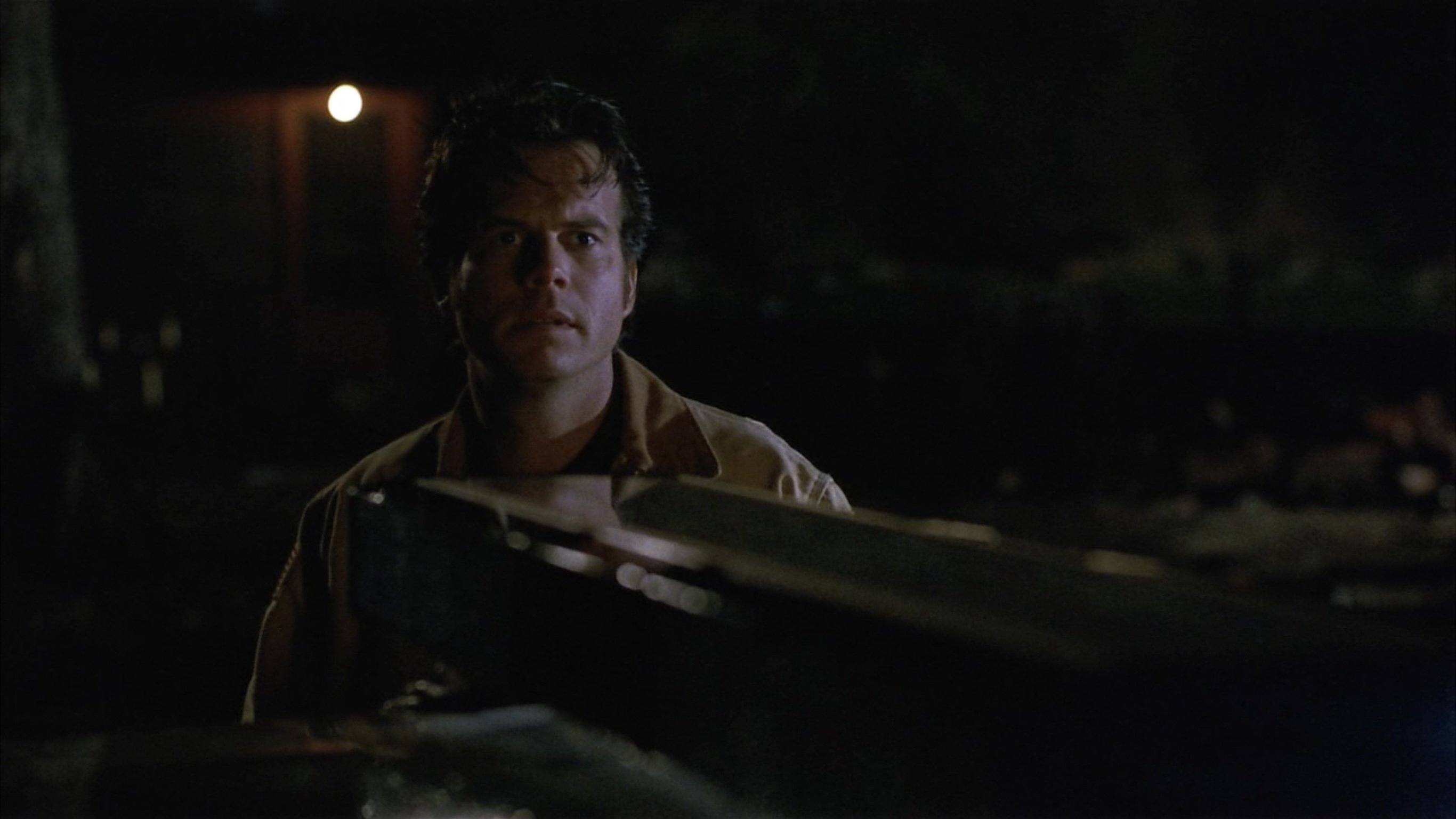
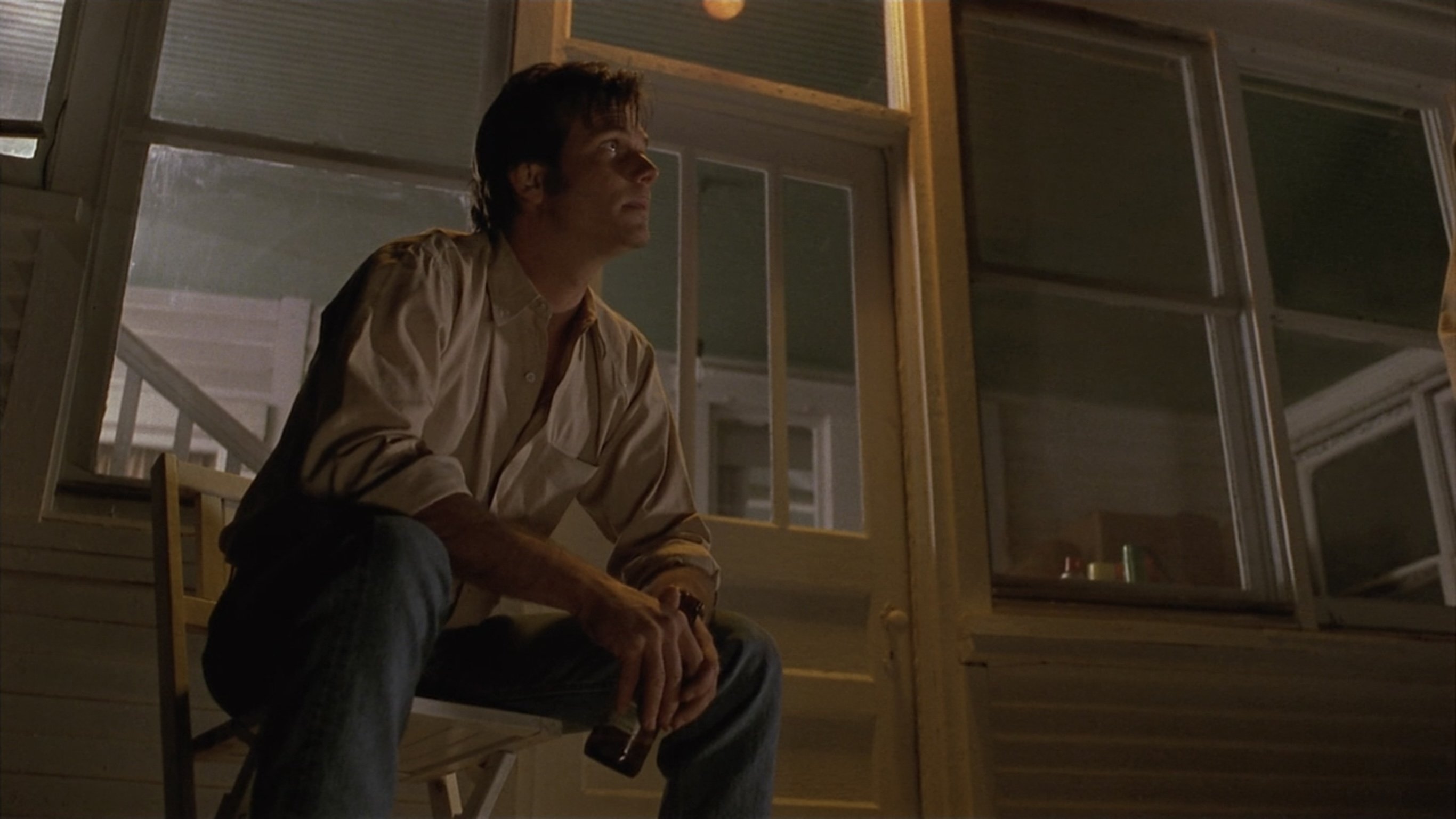
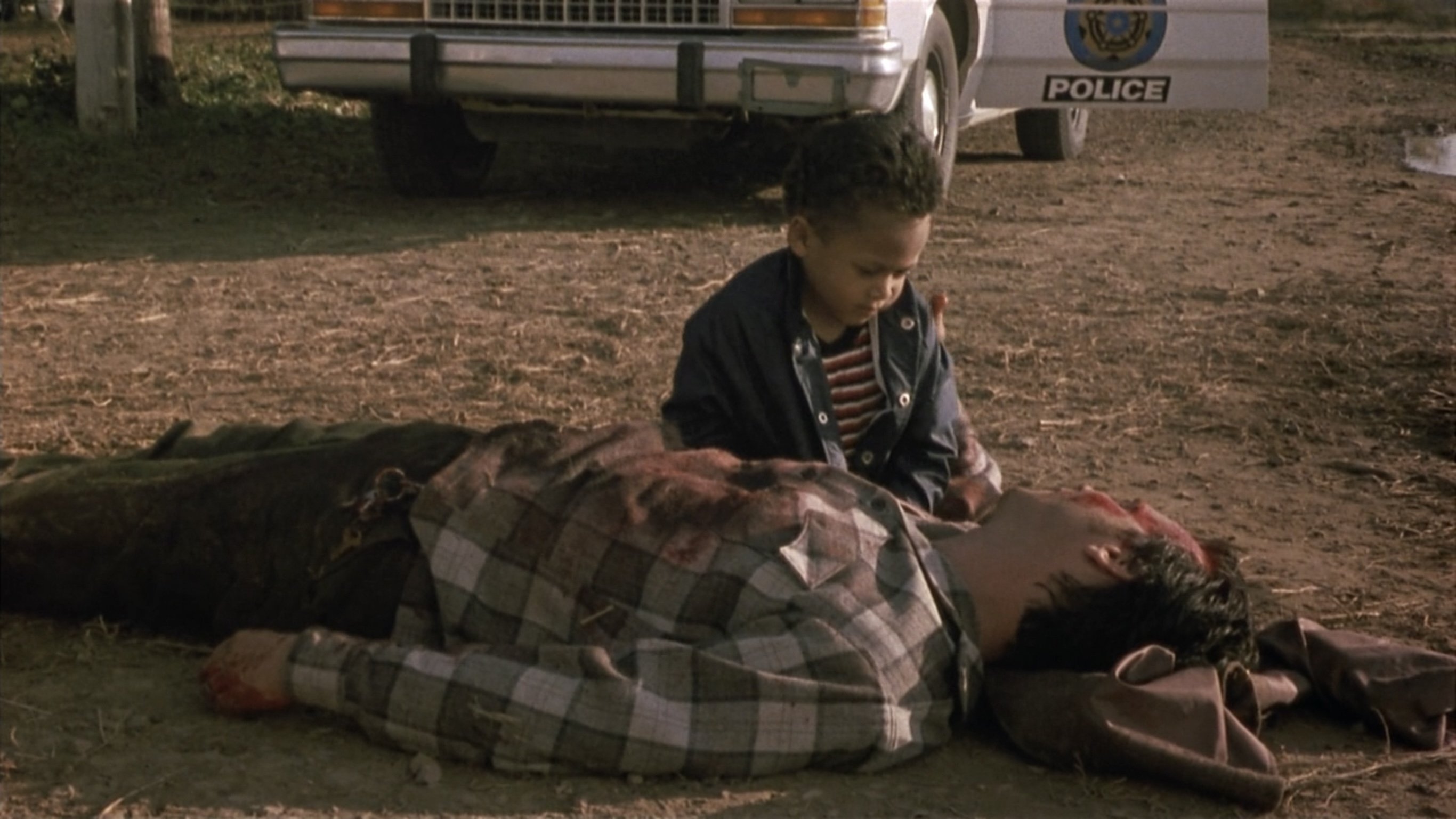
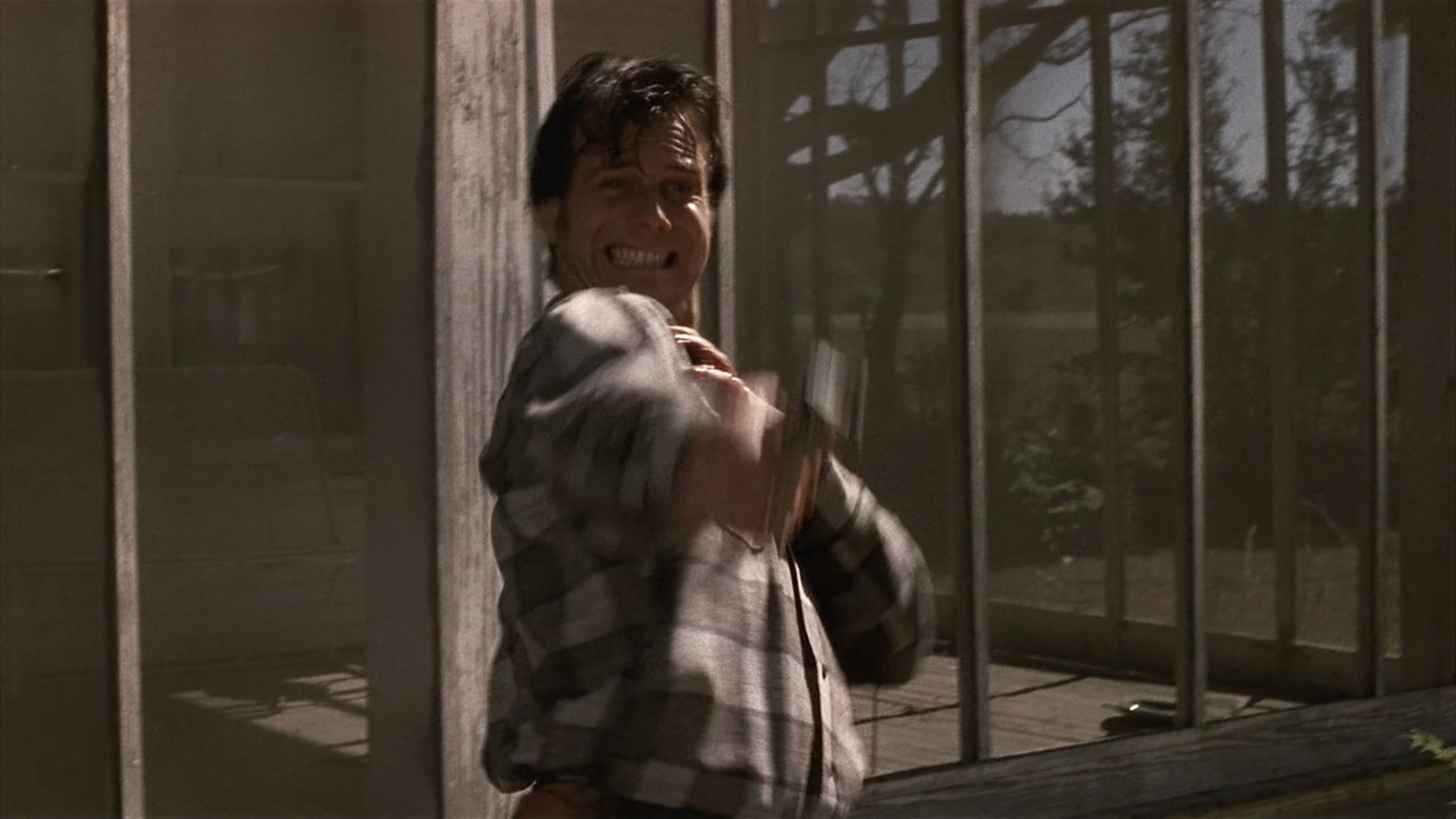
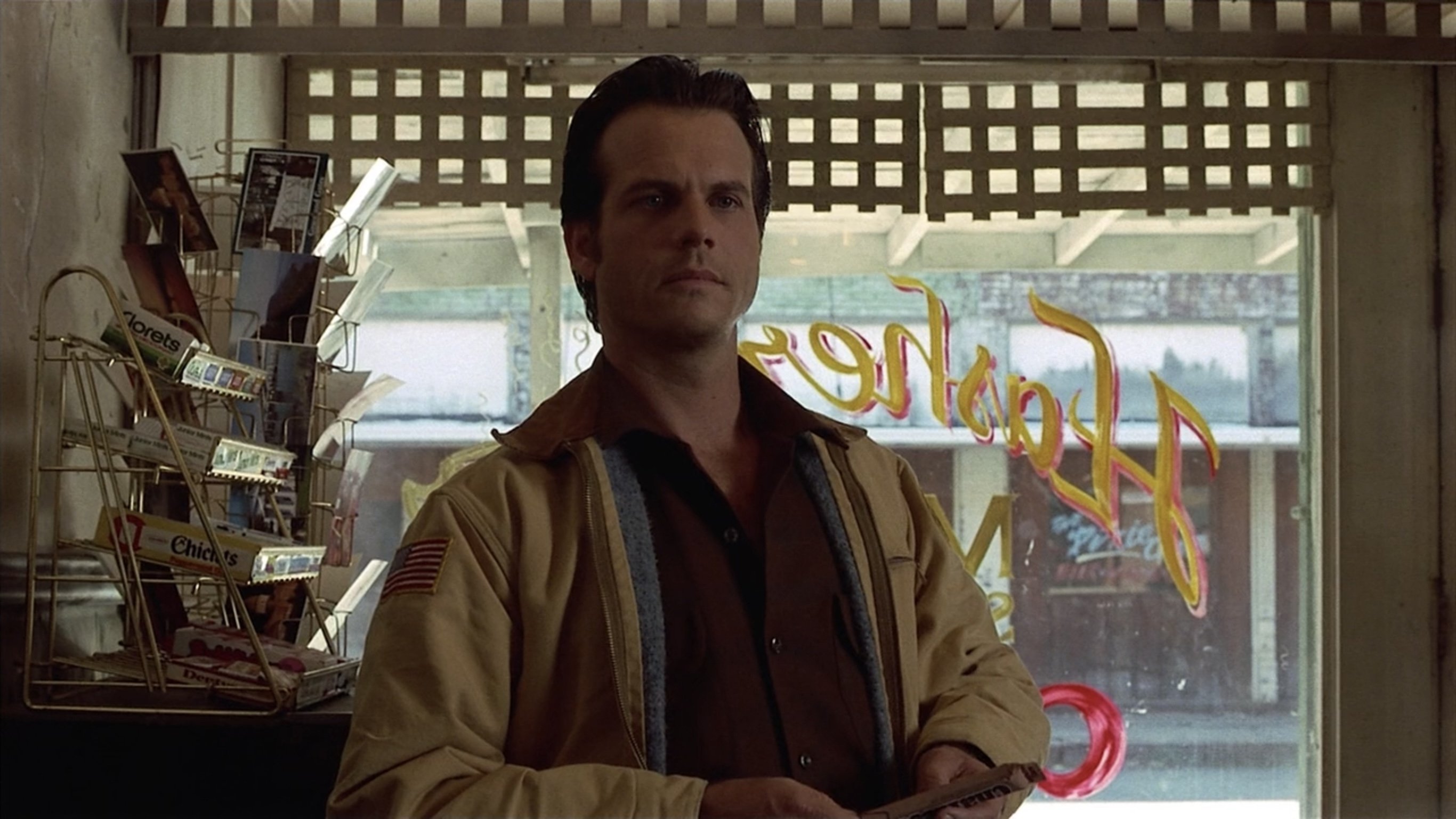
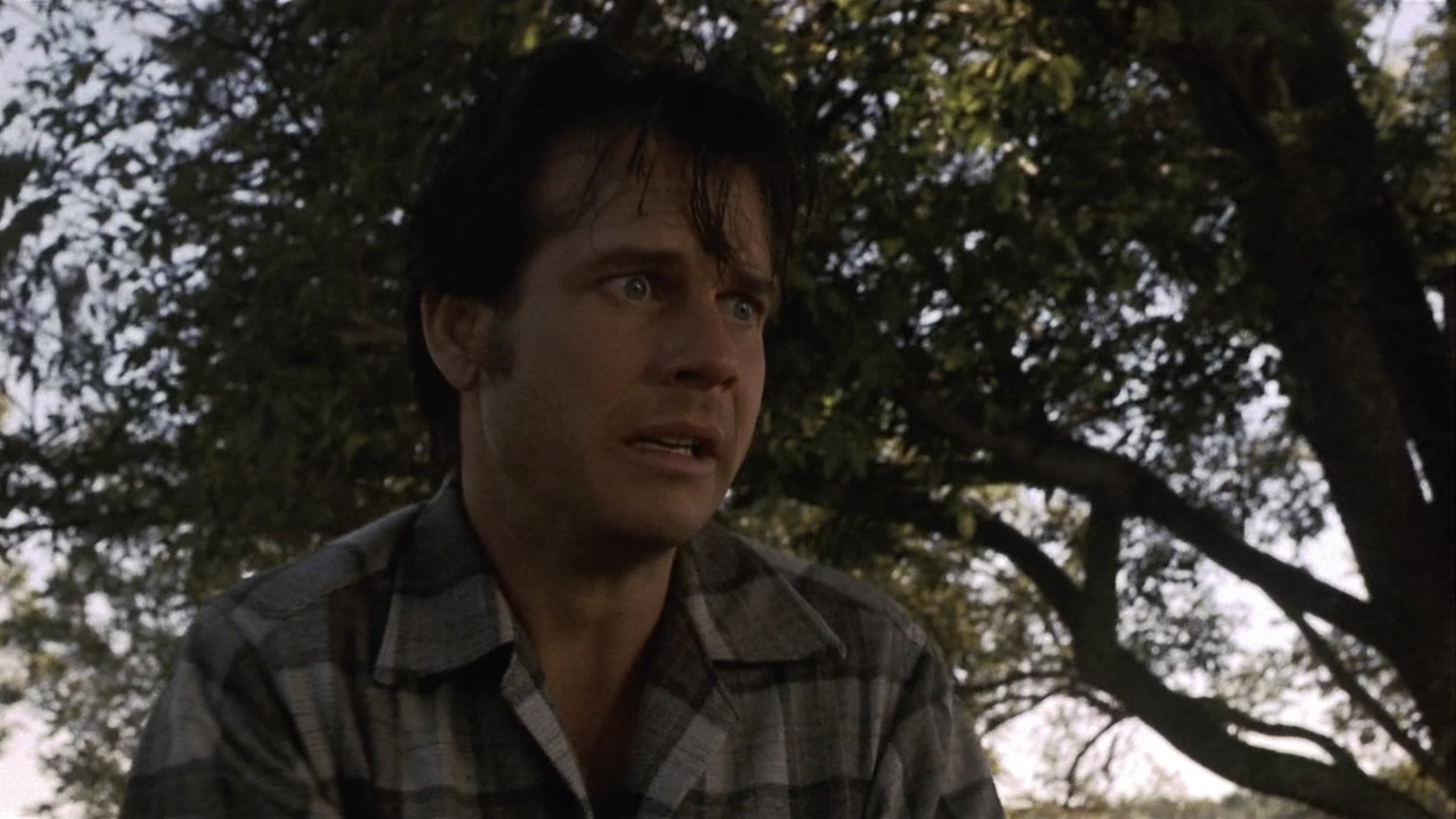
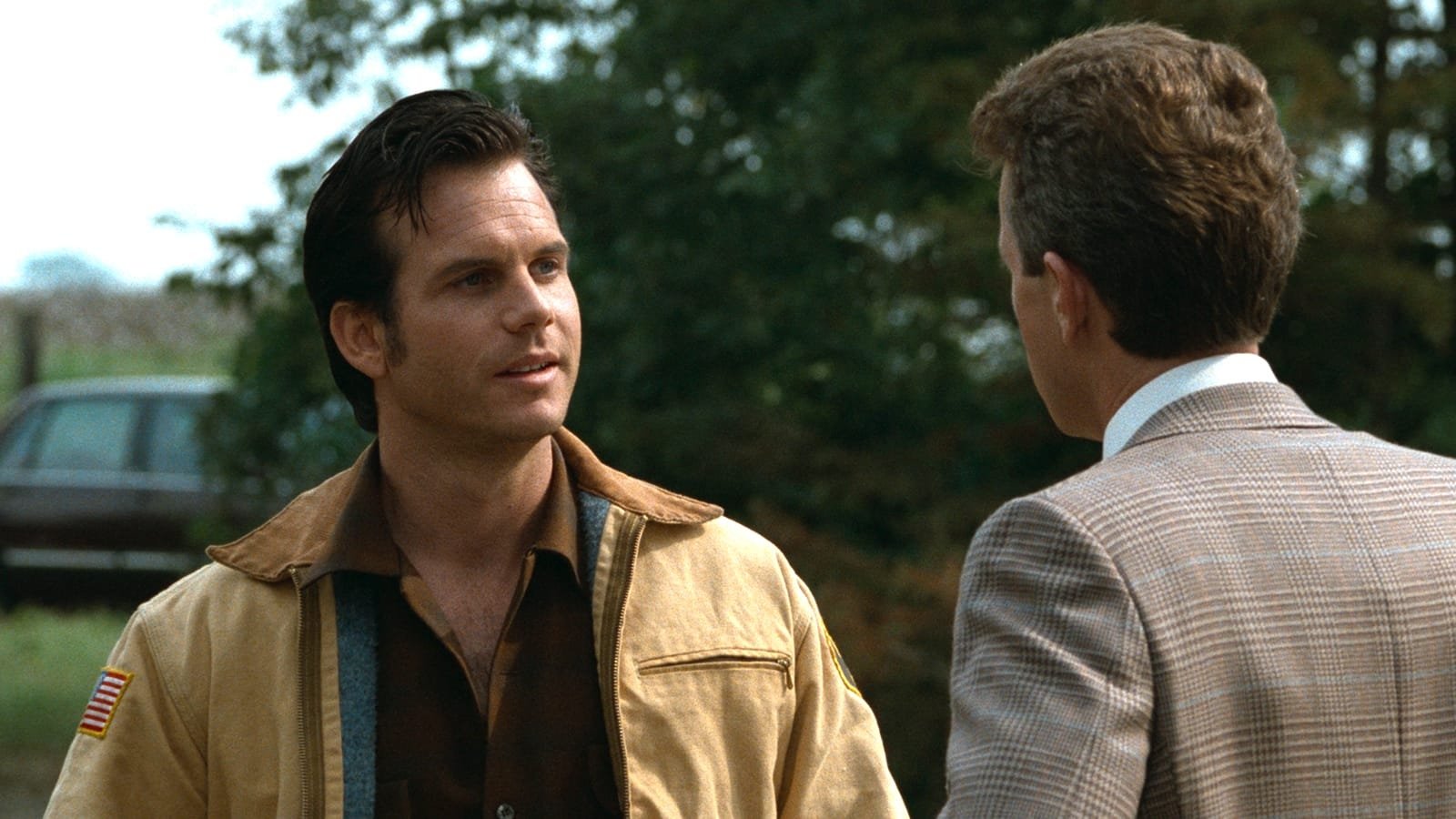
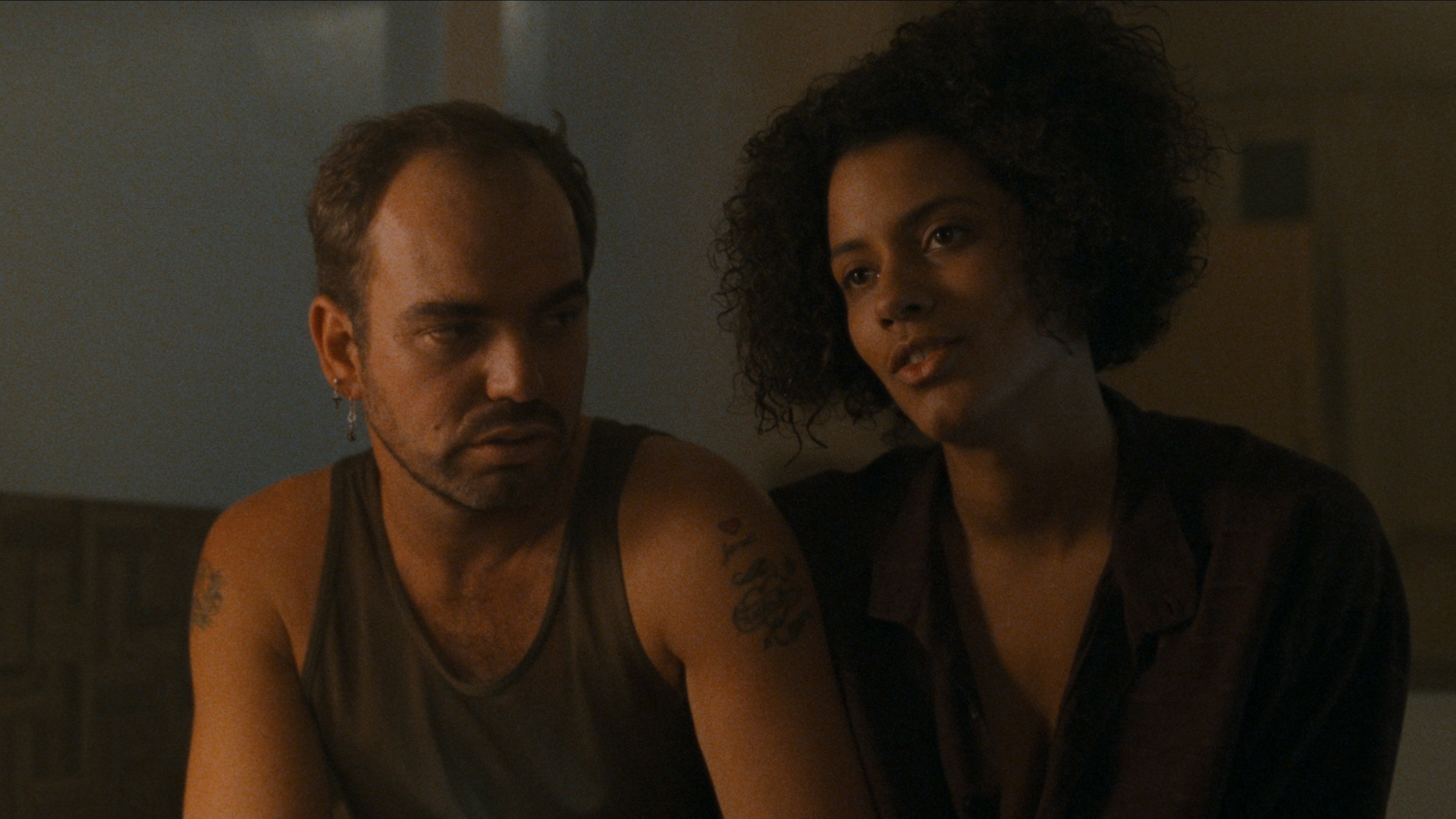
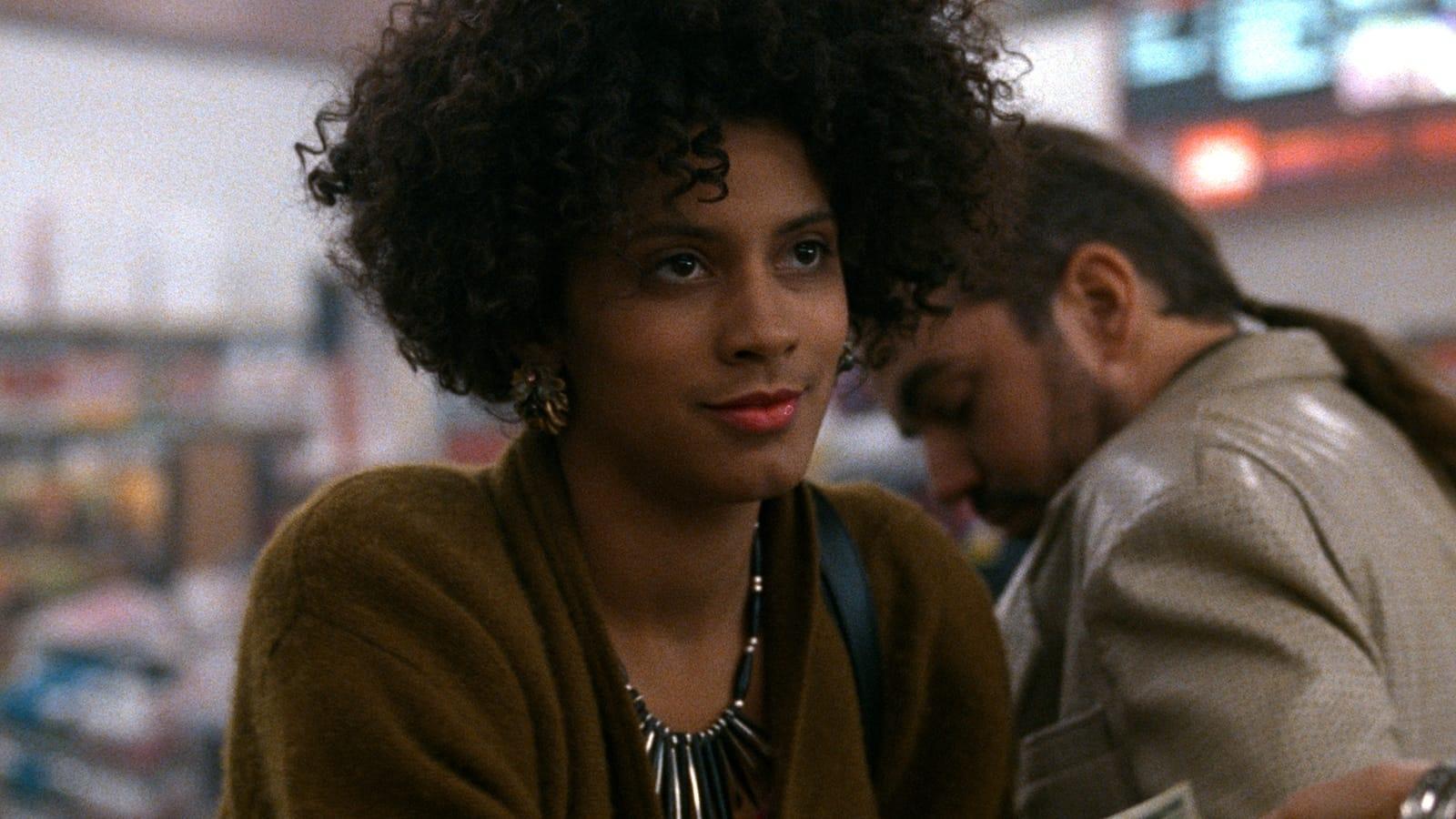
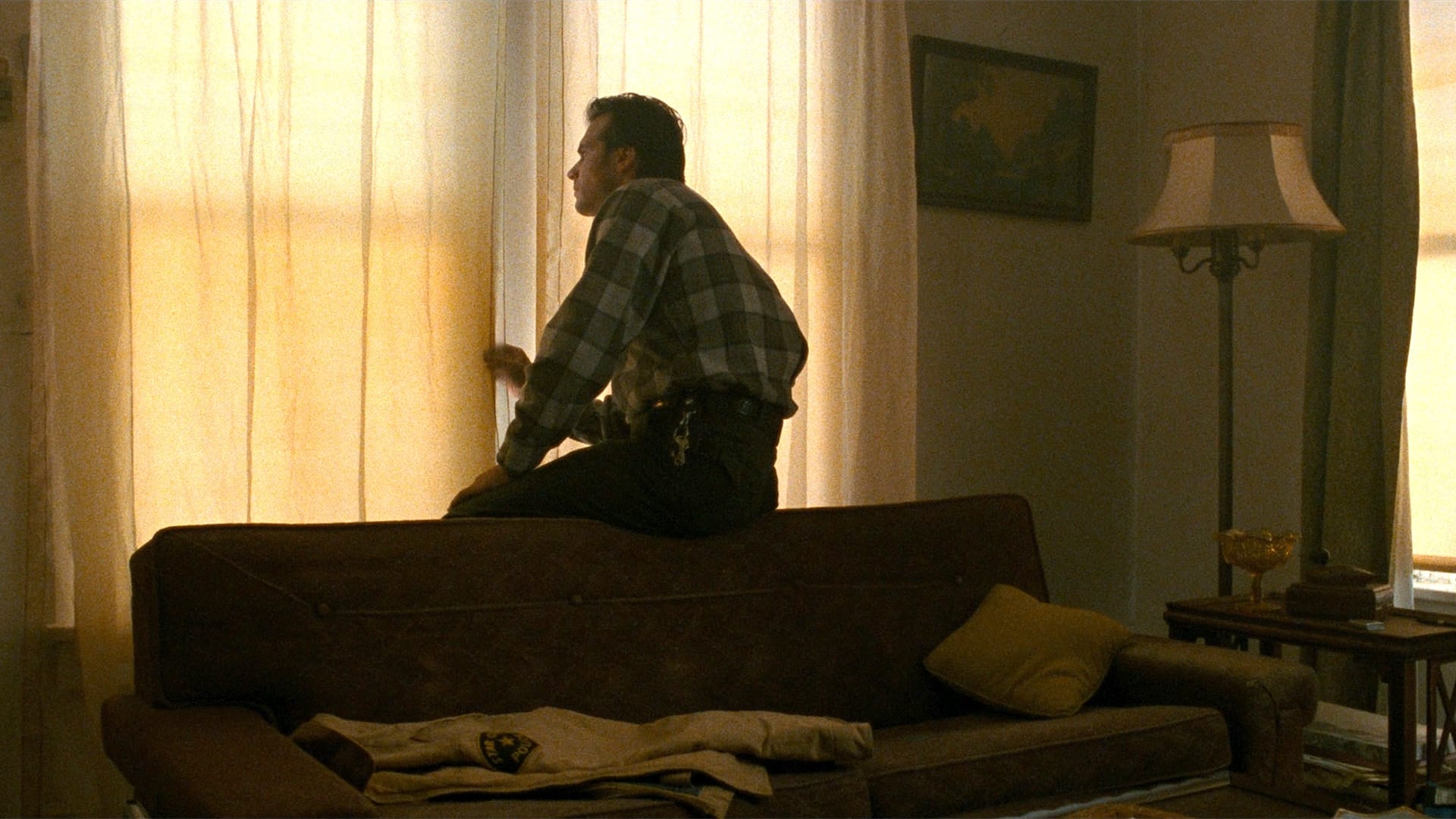
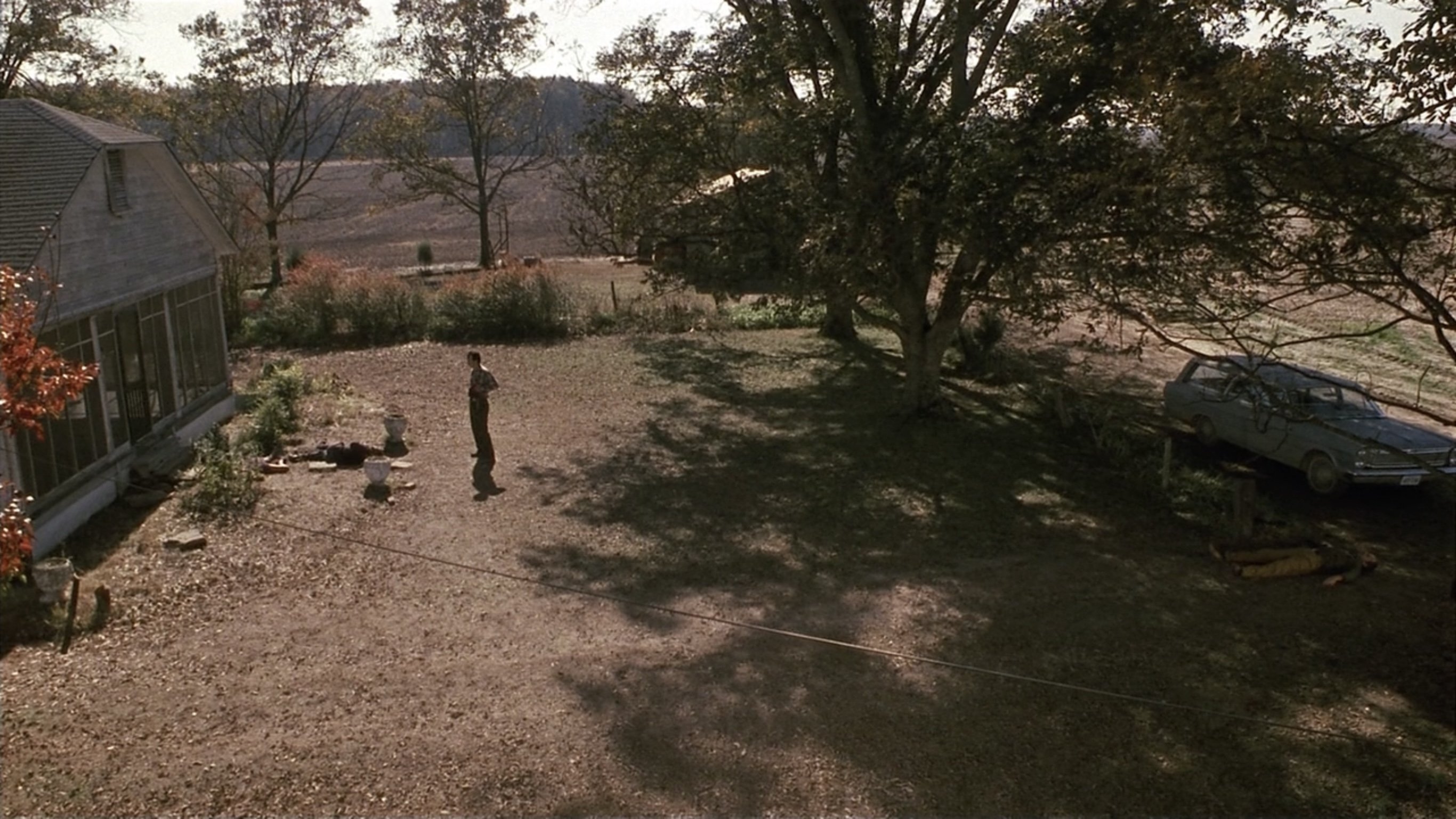
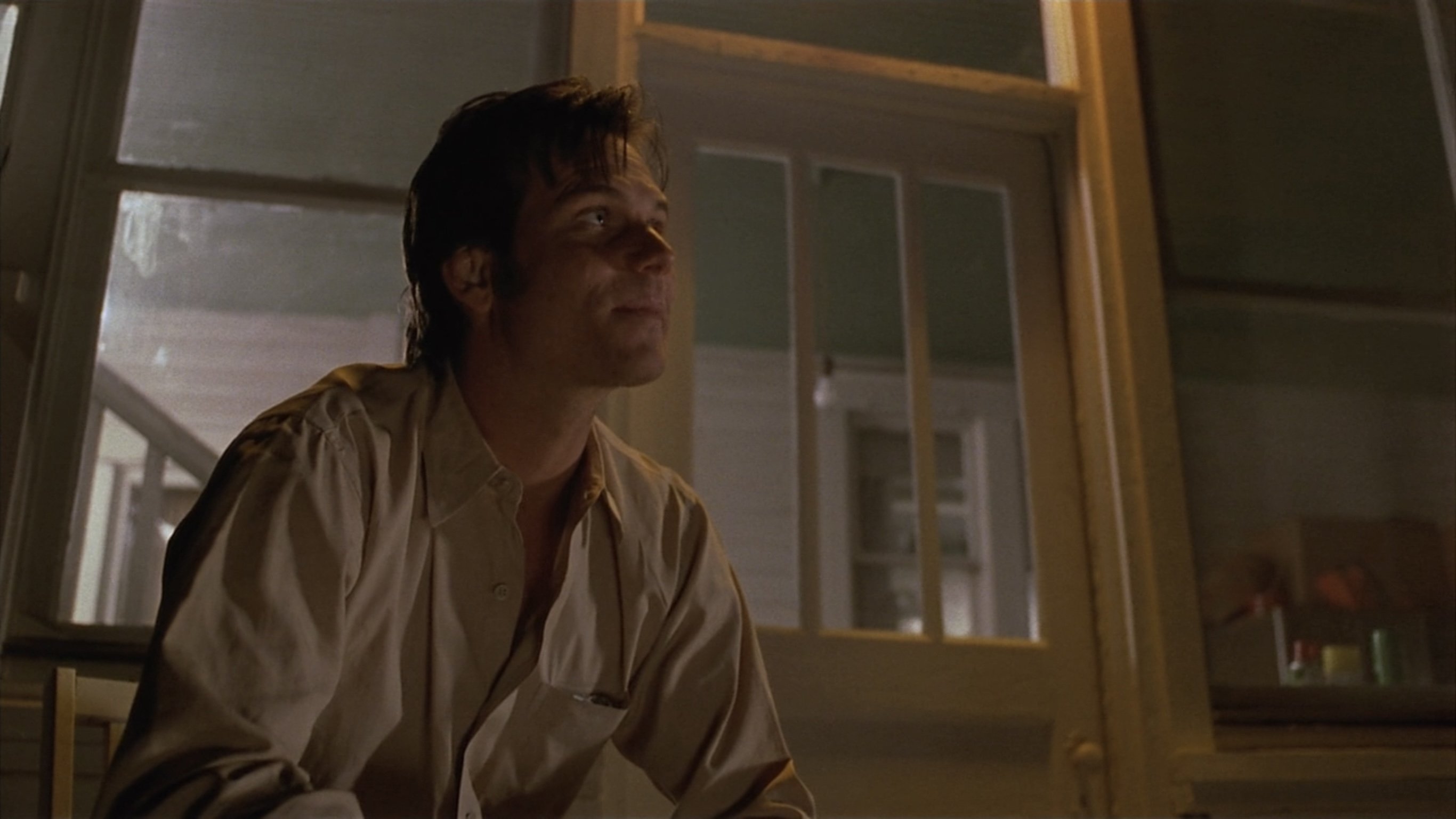
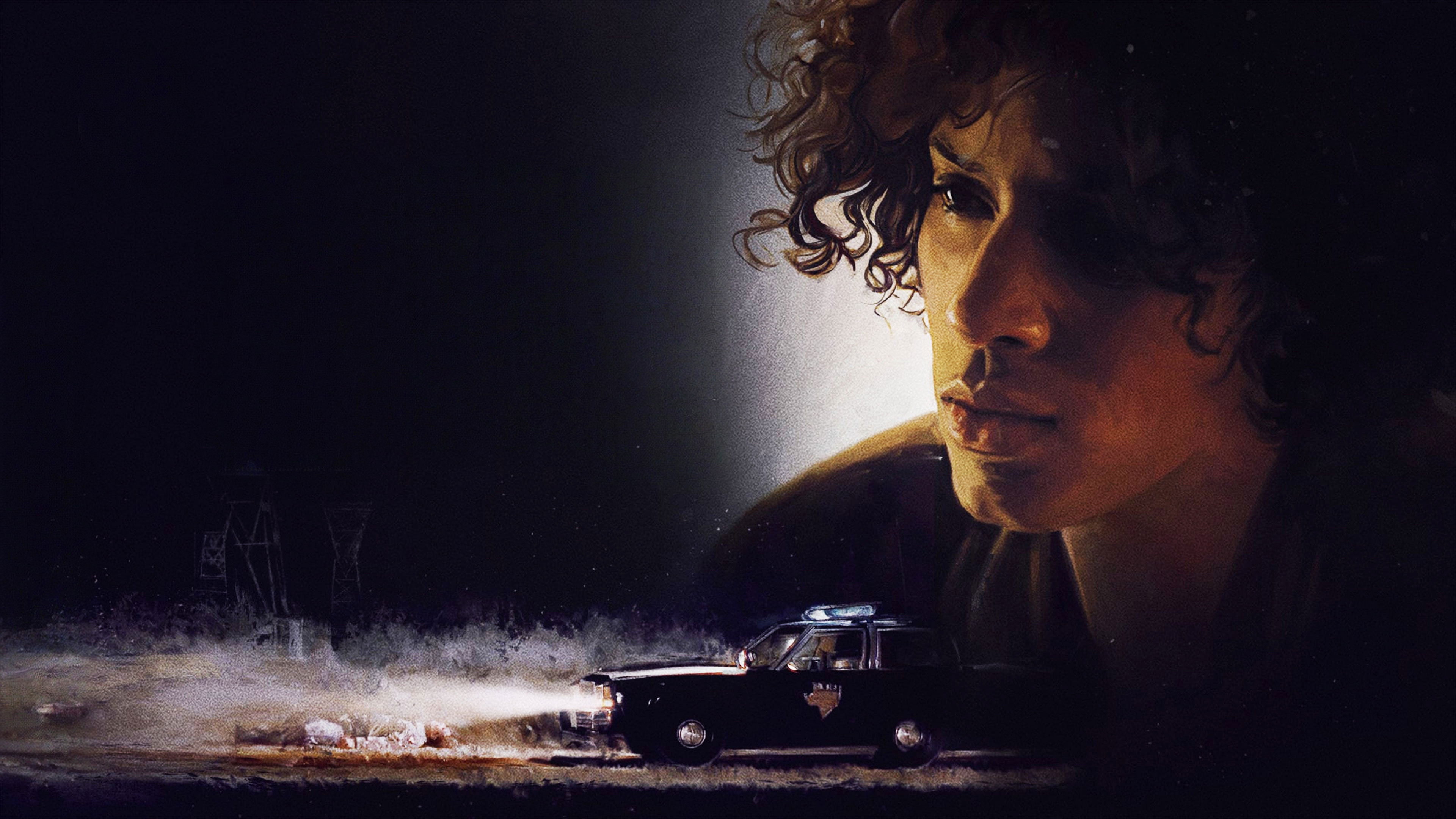
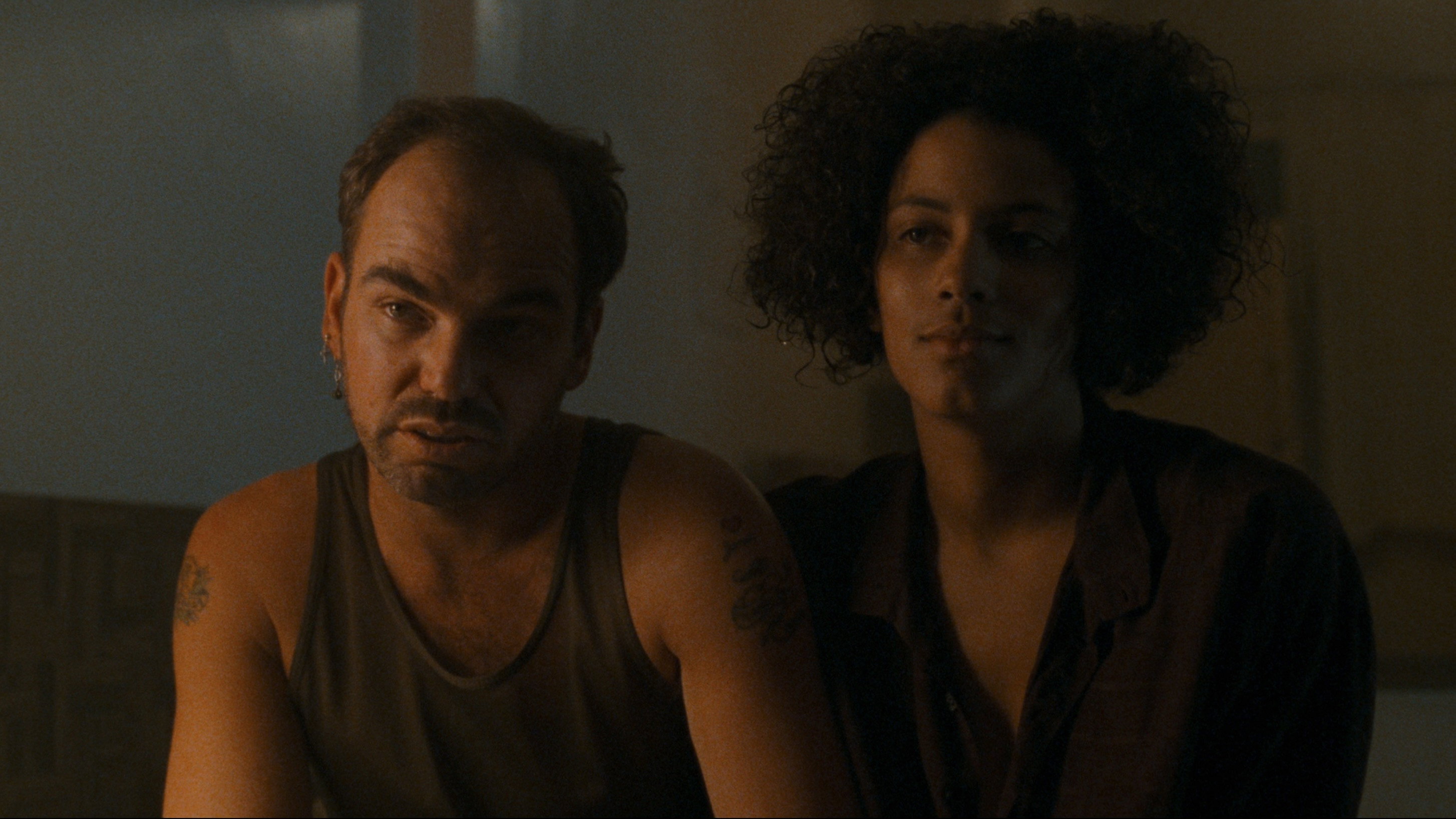
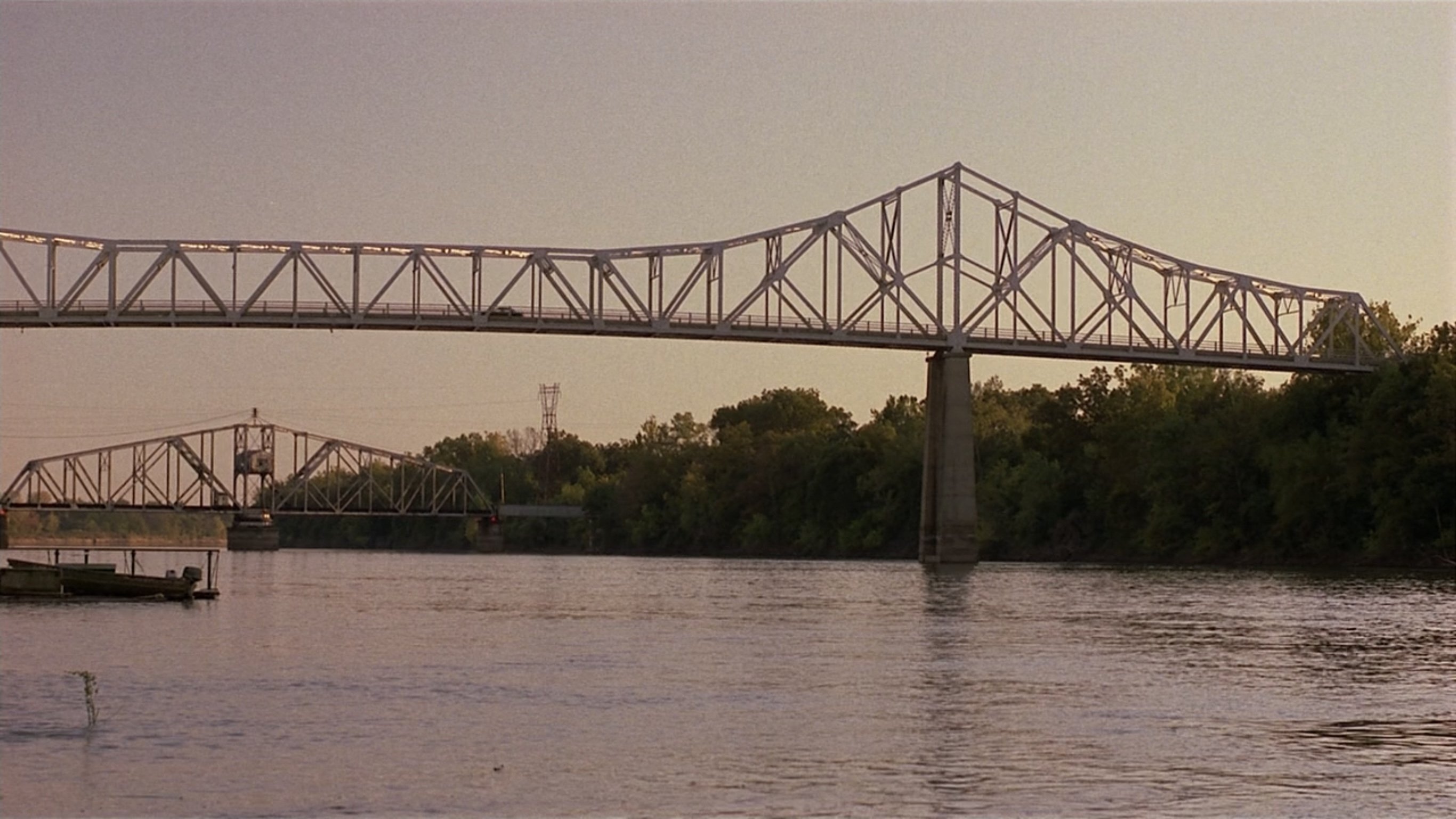
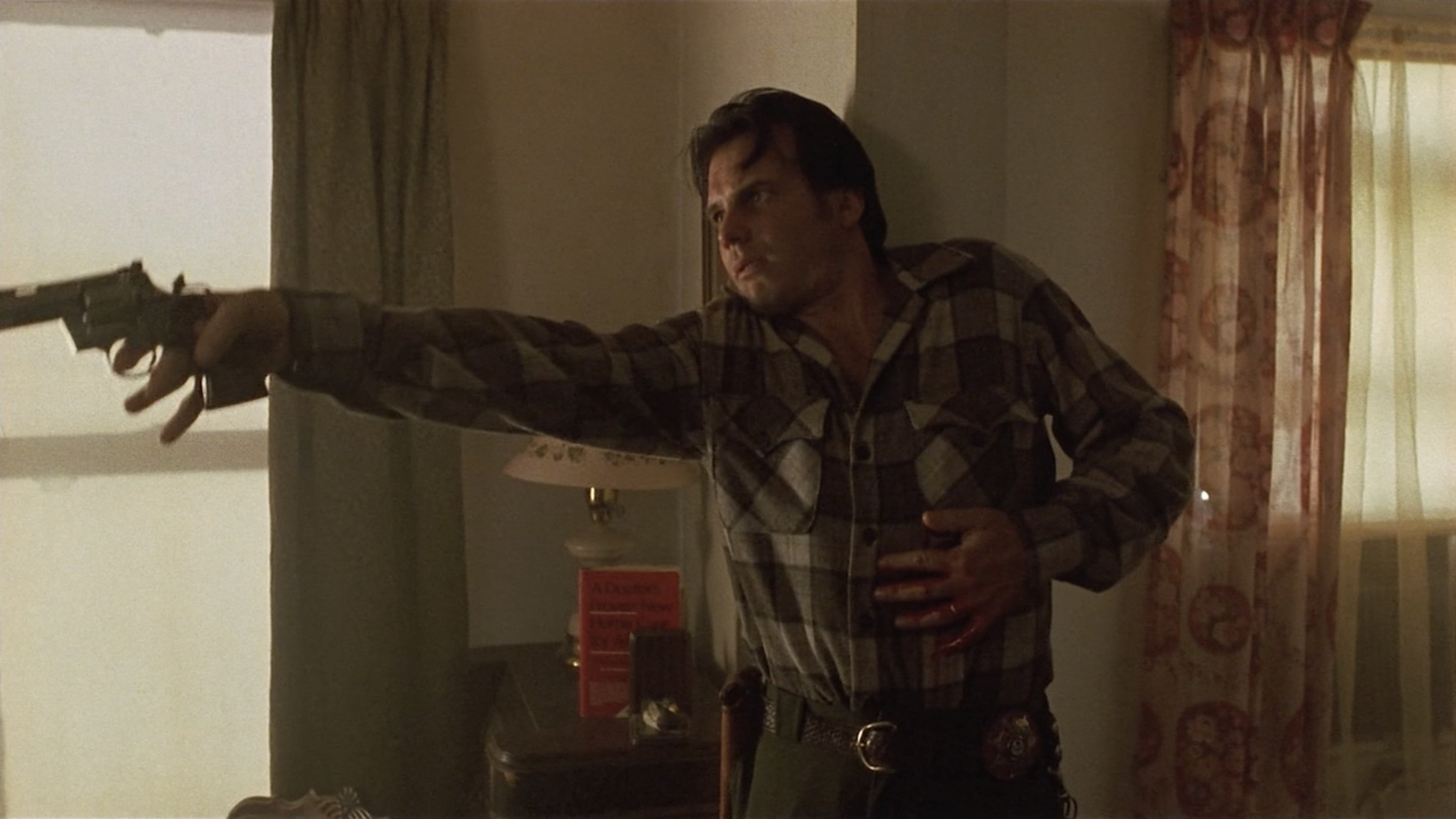
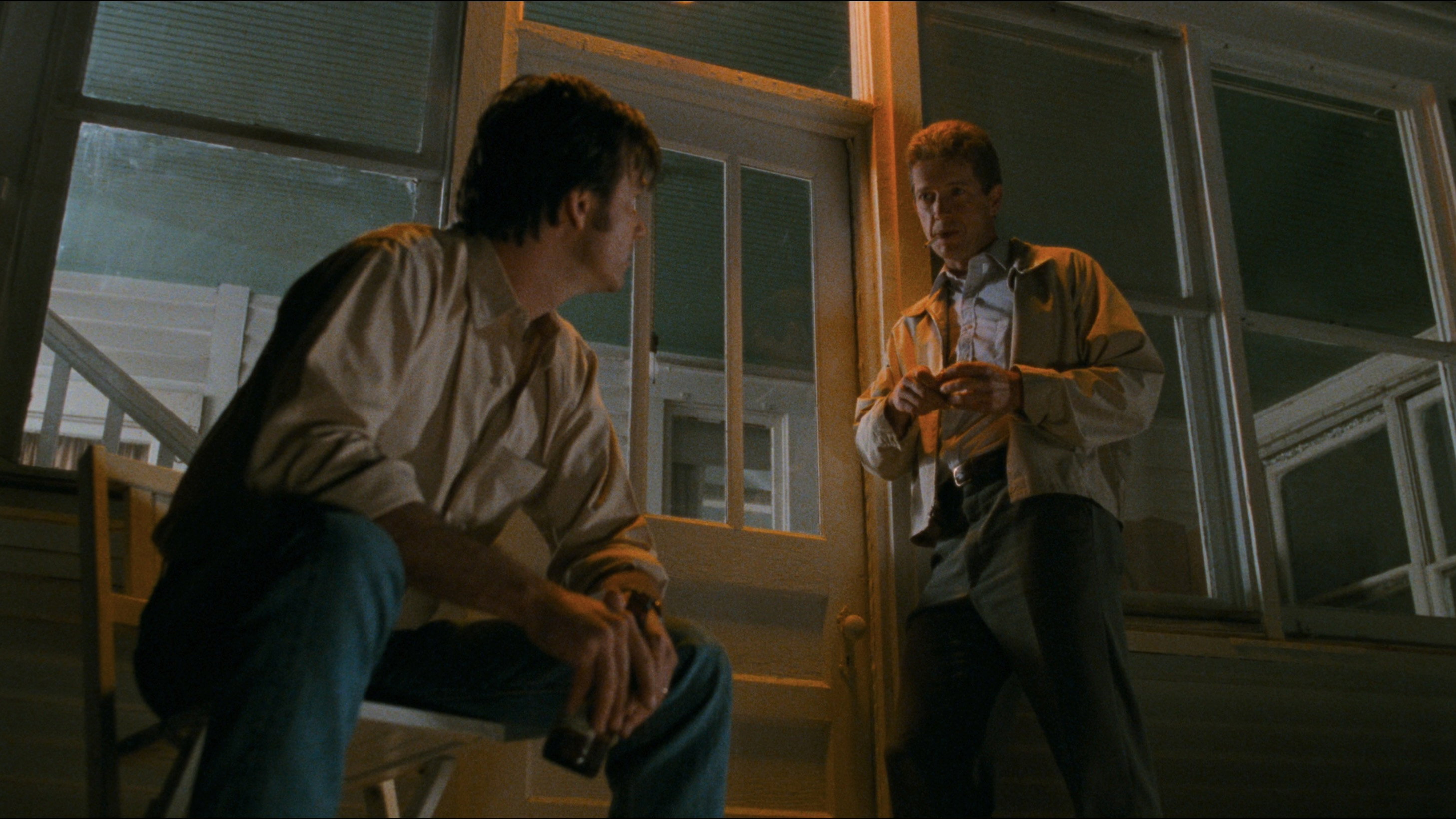
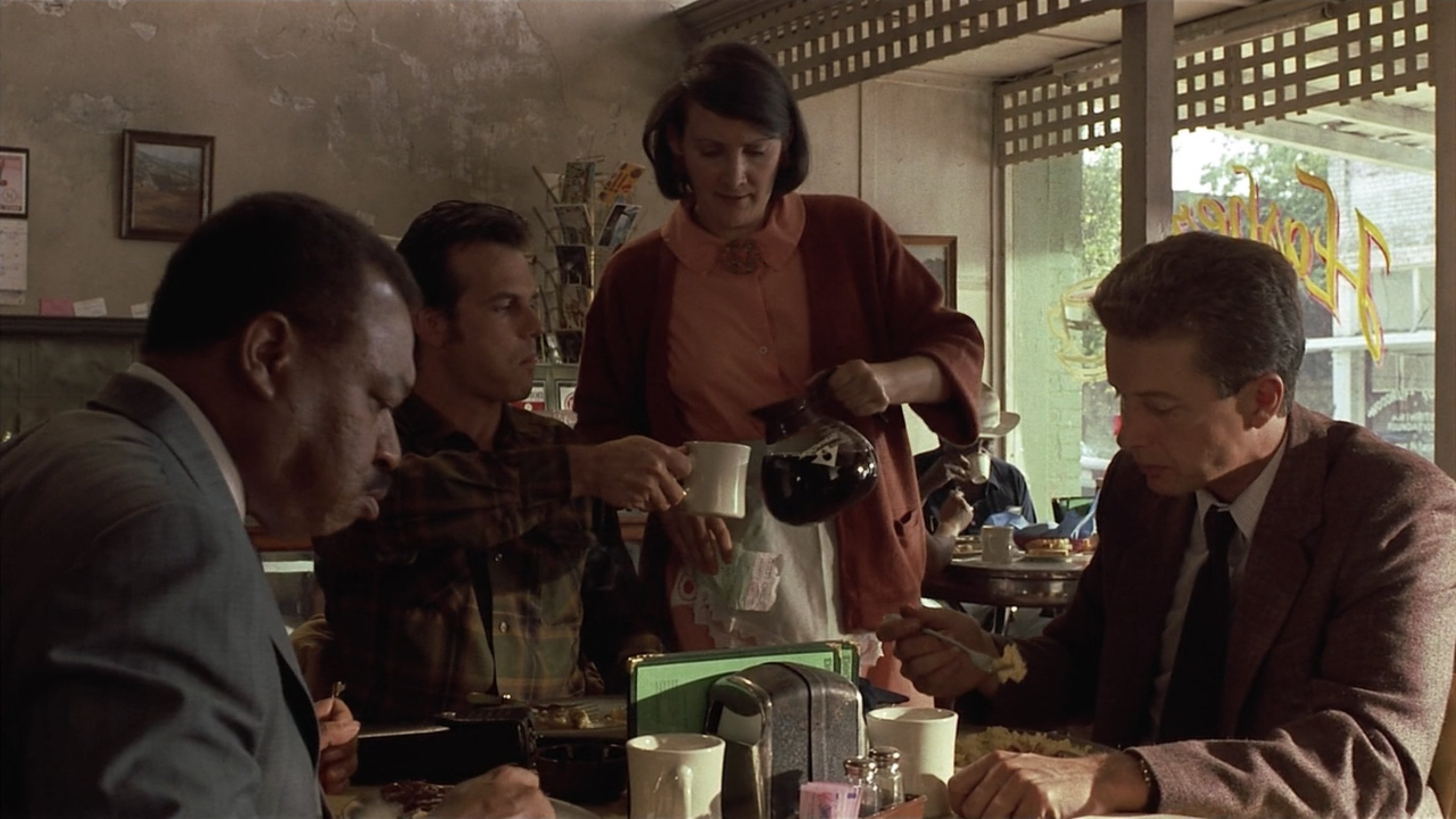
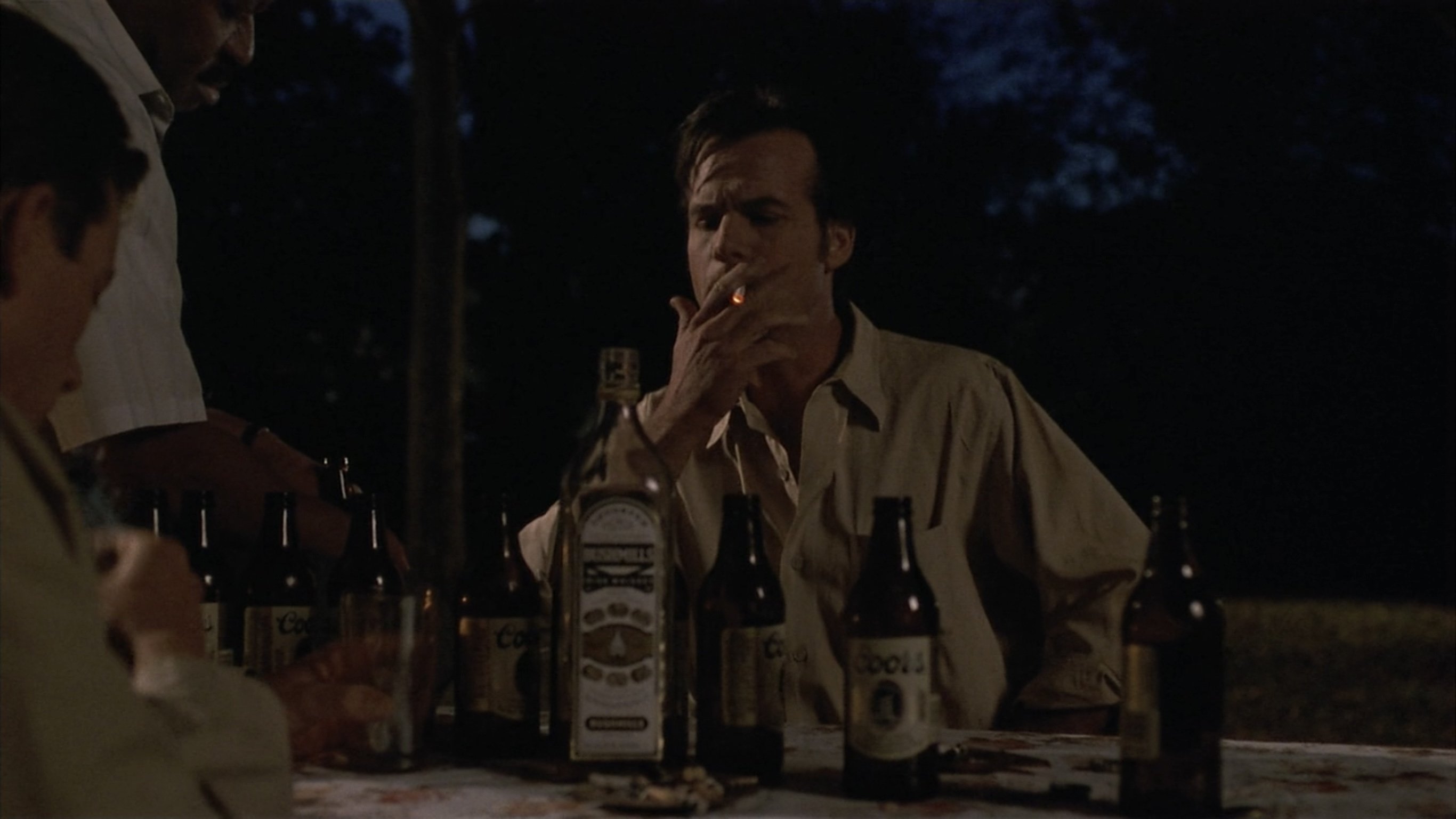
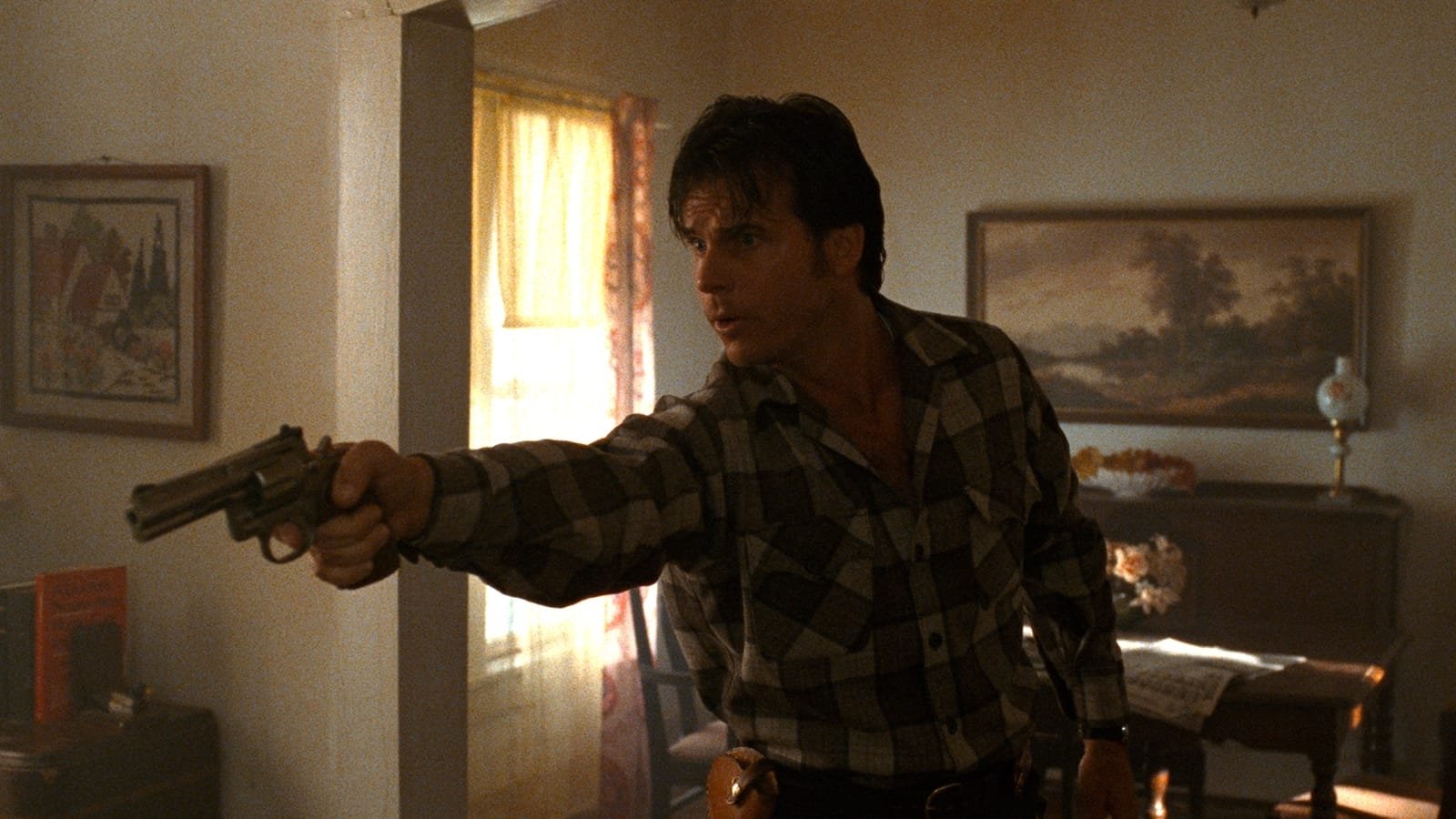
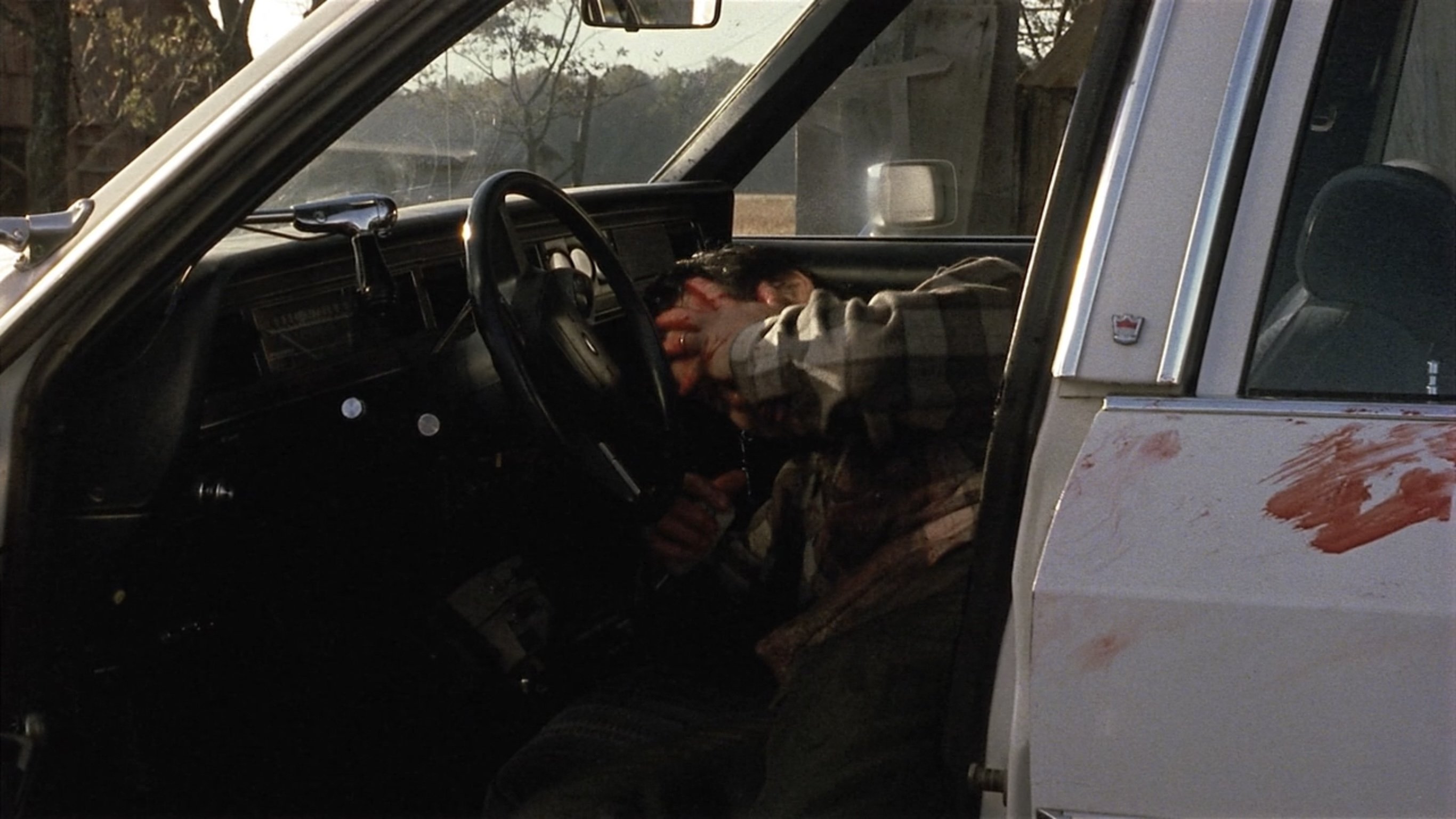
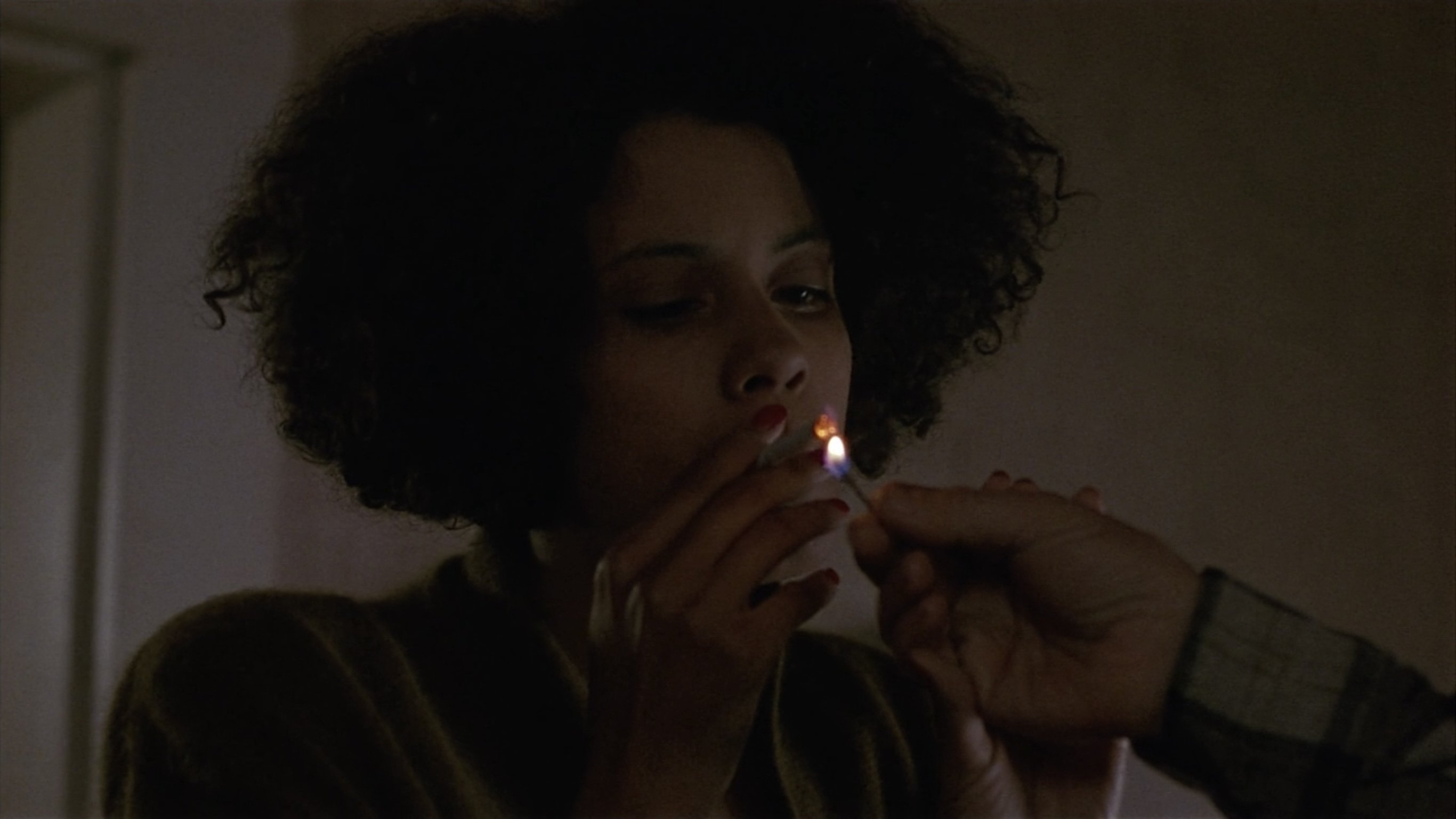
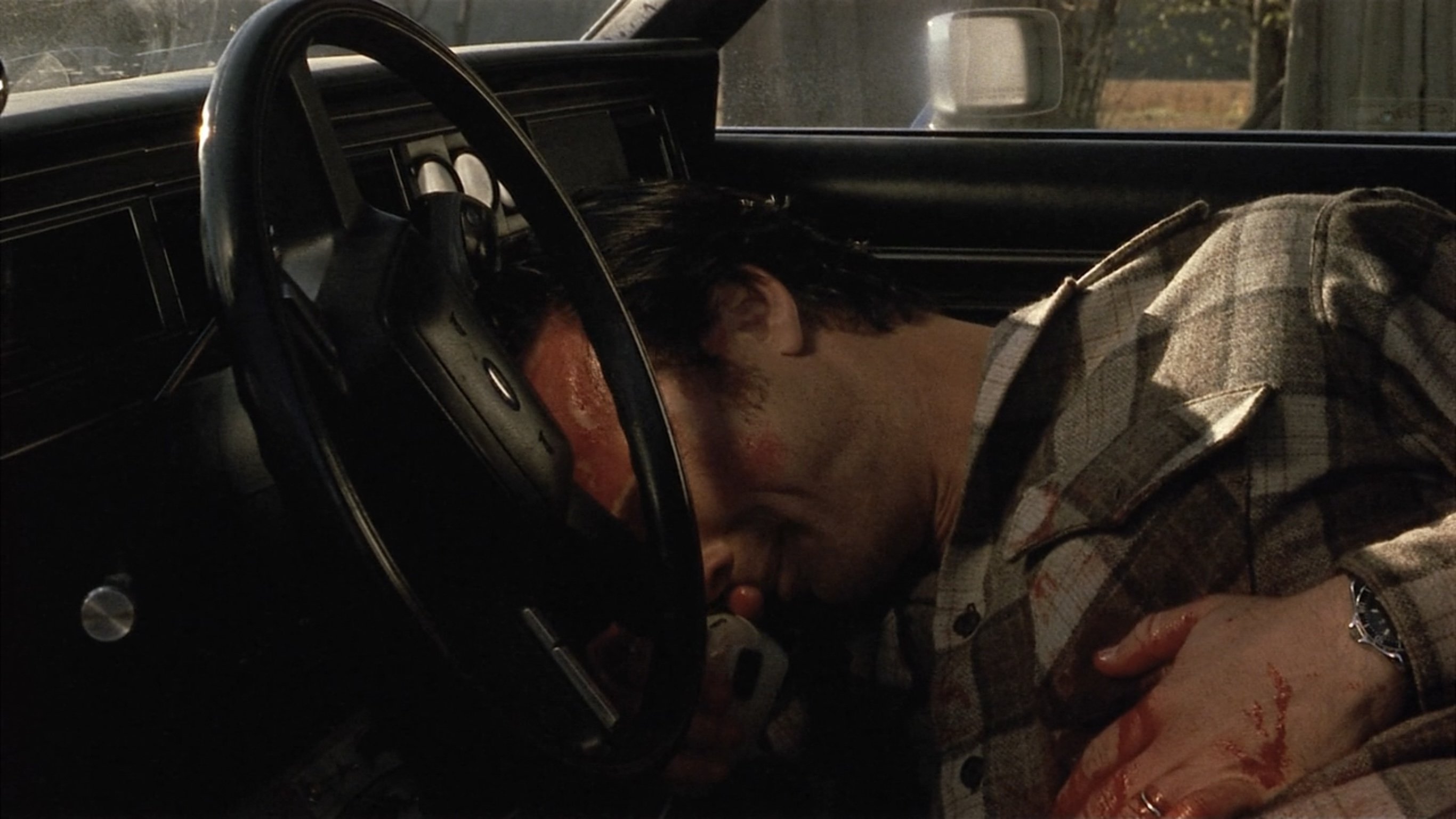
And then you have Bill Paxton as this Aw-shucks yokel from Arkansas, waiting for these three murderers on the lam to wind up in his neck of the woods. And the best types of films are those that surprise you and make you question your own morals. He's ostensibly our protagonist. A country sheriff who wants to play cowboy and be a big city cop. He makes a mention that he's never even had to pull his gun in Star City before. He idolizes the two LA detectives who arrive in Star City as superheroes. No doubt, he's been watching too much TV. (Also interesting to note what this means, considering this film came out not long after the Rodney King incident in LA and the LA riots that occurred after.) Paxton is our protagonist, but he's far from innocent, despite what his aw-shucksiness would have us believe. First, he's a racist (even if it's the casual kind, like saying the N word at dinner, because it's a language he was raised with), and then, of course, there's his relationship with Lila. When the reveal happened in the film, when he sees Byron and we - the audience - just know there's something else going on there, I wasn't sure how I felt about it. It felt like a hat on a hat, like one too many things going on in this crime movie. But the more I've sat with it, I deeply appreciate this film for doing something different. And the ending shot, of Hurricane bleeding out in the dirt, talking to his biological son whom he's kept secret for five years, was deeply heartfelt and the perfect bookend to this tragedy.
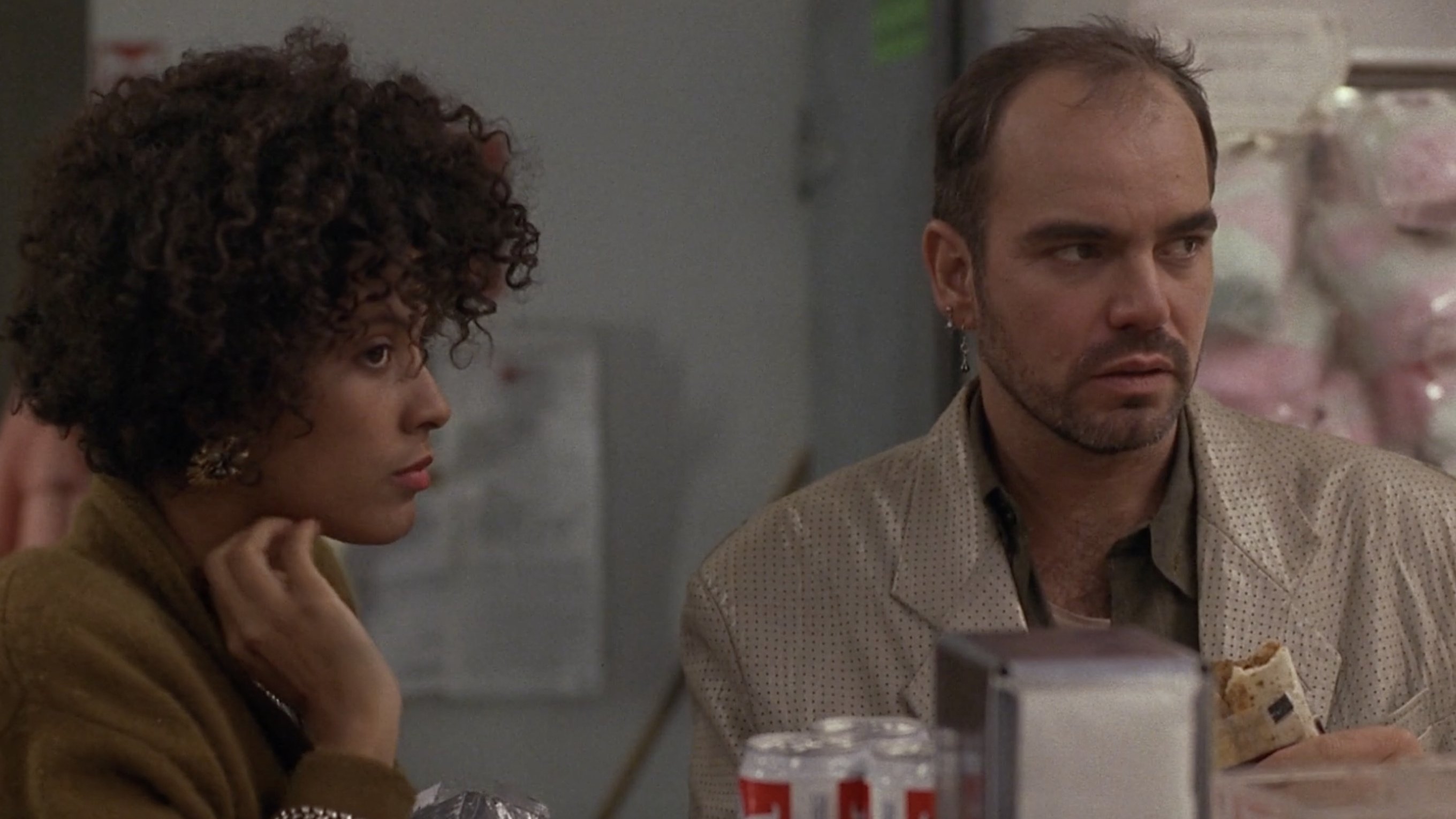
The best crime films, thrillers, and horrors show us the thin line between good and evil. They show the transference of guilt. They show the root cause of evil, which tends to lead to evil begetting evil. If Hurricane never takes advantage of (rapes) Lila at 17, impregnates her, and abandons that responsibility, she maybe never goes to Hollywood for an acting career. She never gets mixed up with Ray and Pluto. Those six people in the beginning never get murdered. Ray, Pluto, and Lila never go back to Star City. She never shoots that trooper in the head. Lila doesn't accidentally get shot in the head by Ray. And Hurricane doesn't bleed out in the dirt.
The "One False Move" is a warning to all of us so-called pure-at-heart who think we have no effect on the world around us. Hurricane speaking with Byron is the perfect send-off to someone who manifested their own demise. The fact that the film successfully is able to pull off that bait and switch with Hurricane as a character and has it be thematically resonant is kind of masterful. And even at the end, you're stuck asking yourself what you "want" to happen. Do you want Hurricane to survive, so he can admit to what he did and provide for Bryon (who has just lost his mother)? Do you believe that he would even if he did survive? Do you think he deserves to die for his transgressions? A film that invites you to ask those questions with a simple fade to black is a film worth celebrating in my book.
There’s honestly a lot more to talk about with this film: the way it handles race is a topic I feel like I could go on and on about.
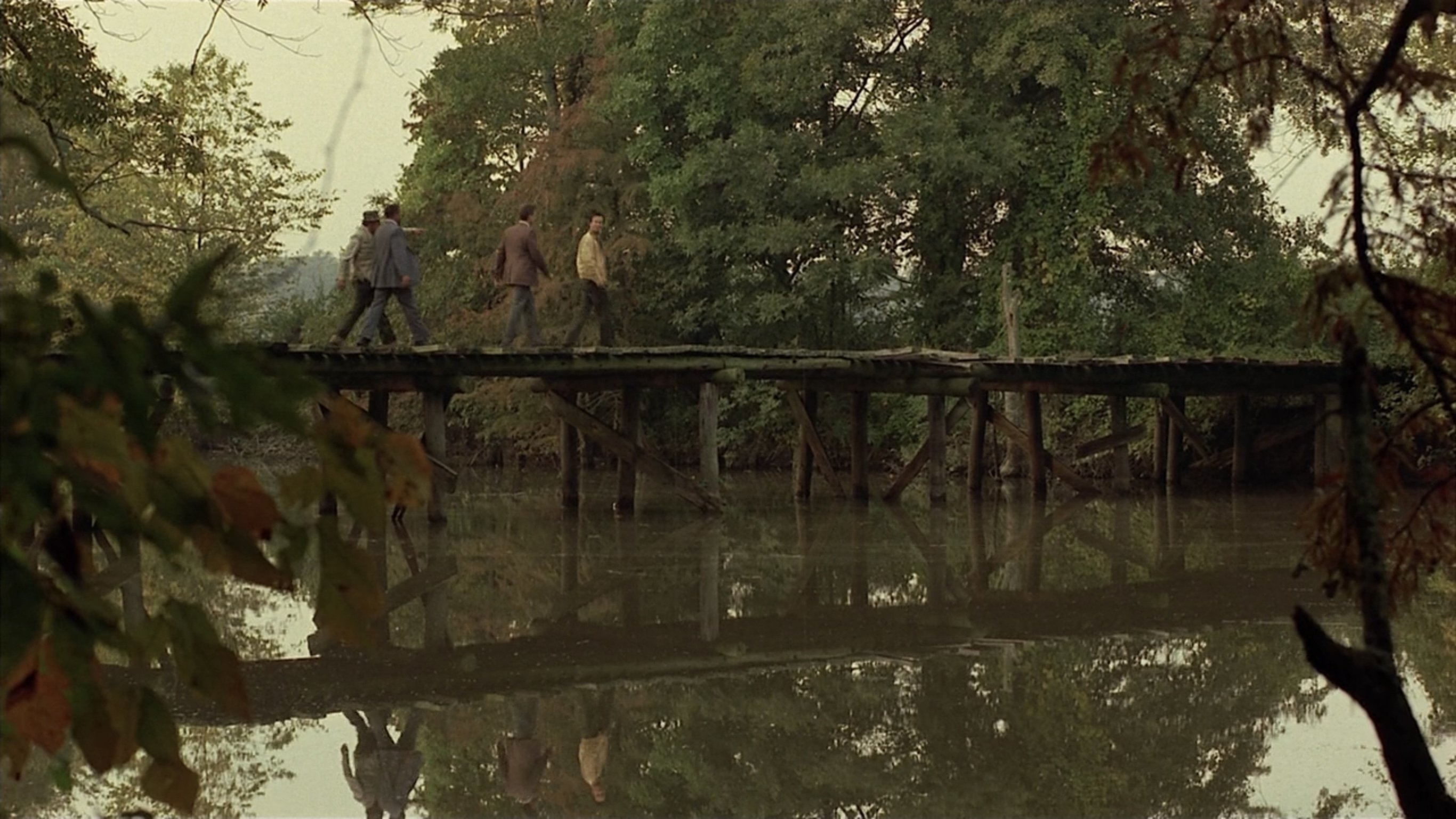
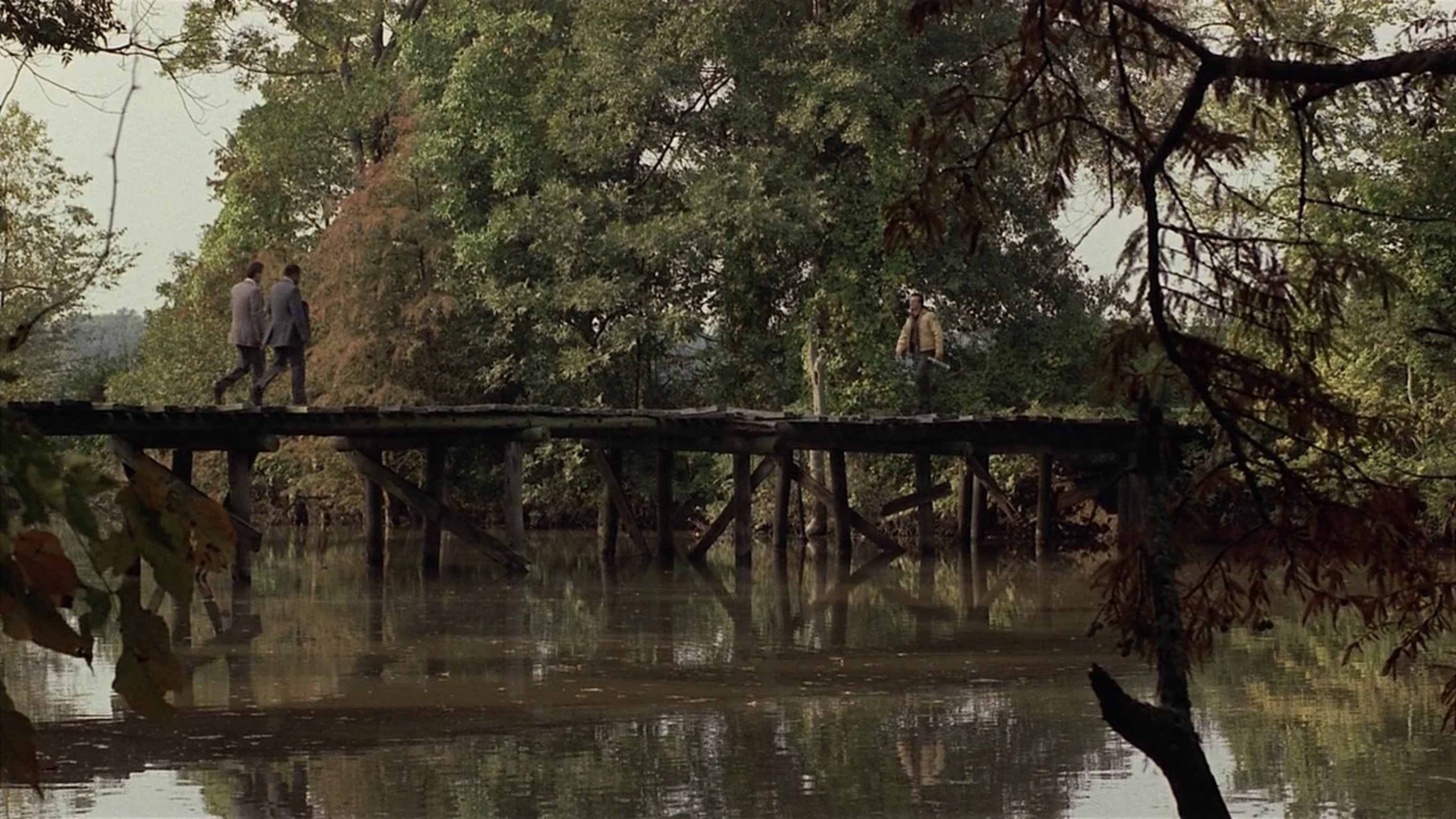
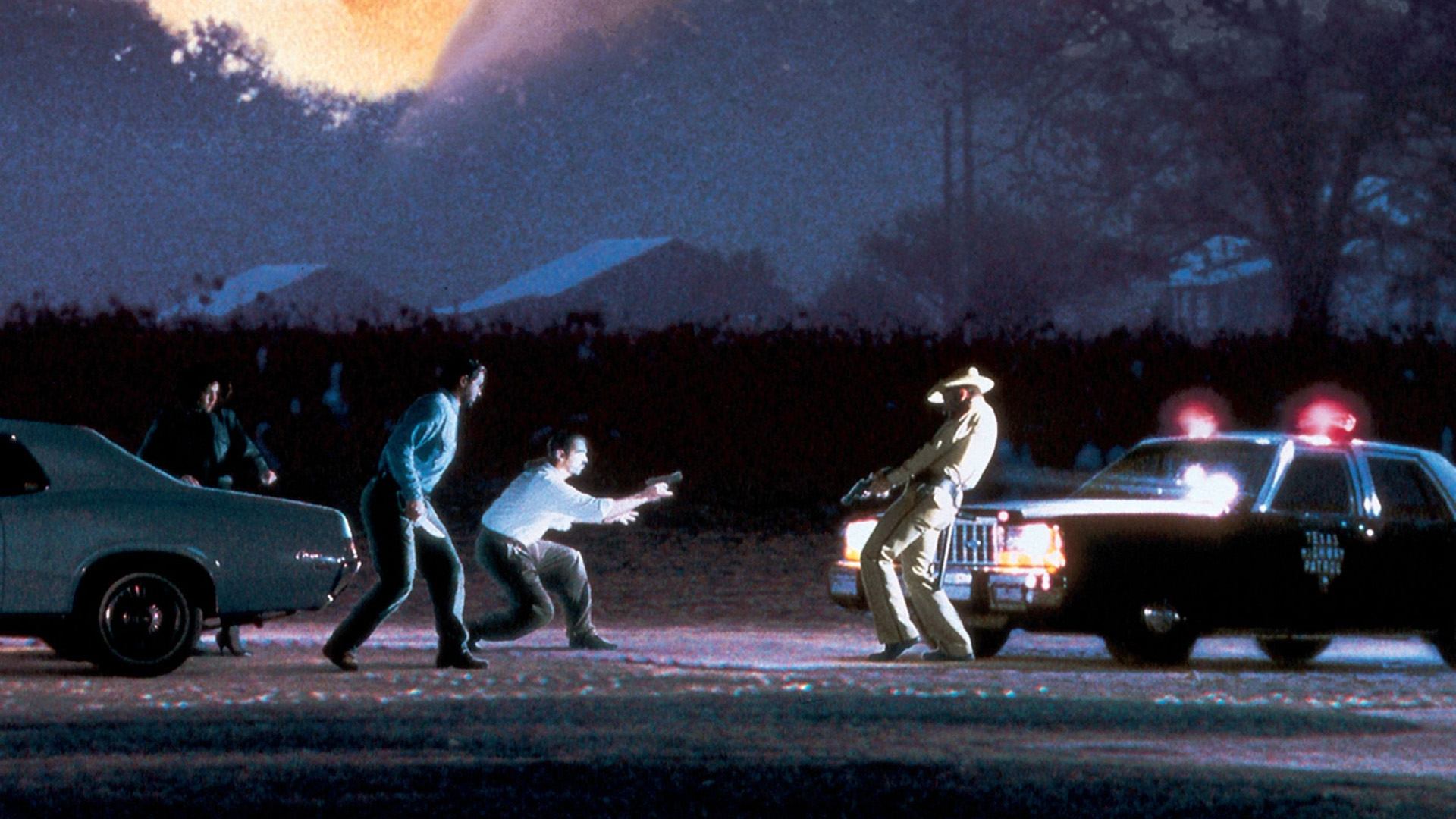
I could also go on and on about Carl Franklin’s incredibly thoughtful direction. There is a Hotchcockian quality to many of the sequences here. Deliberate camera movement. Playful editing. The scene leading up to the final shootout with the man playing the harmonica and the cutting back to him was such a brilliant choice at ratcheting the tension. This made me a Carl Franklin fan for life. I can’t wait to check out Devil In A Blue Dress soon.
I also feel the need to mention where this stands in the lineage of other crime films of its kind. There was a boon of violent, gritty crime movies in the 70s and 80s, but few prior to this feel like they are propelled with that slow-moving energy. The biggest comp I could give (for something that pre-dates One False Move) is something like Blood Simple. Afterward, you get things like Fargo, True Romance, LA Confidential, A Simple Plan, Wind River, Hold The Dark, even No Country for Old Men feels like it’s borrowing something from One False Move (which is borrowing from Blood Simple, so the Coens are borrowing from themselves lol).
Structurally, this type of film is always my jam, where you have two forces slowly closing in on one another. It’s like watching a car crash in slow motion. You know what’s coming and yet when it does, it’s still, morbidly, satisfying.
So look, I came into this expecting a decent little crime movie and left with something I'm still turning over in my head. That's not nothing. That's actually kind of everything. Thornton and Epperson wrote something real here, Carl Franklin directed the hell out of it, and the fact that it almost disappeared into straight-to-video obscurity is genuinely depressing to think about. Thirty years later it still has more going on under the hood than most films that get ten times the attention. I don't know what else to say. Some movies just earn it. This one did.
7.6/10