Criterion Challenge 2026Challenge #15: Director Approved
There is surprisingly little footage or conversation around this next film, Testament from filmmaker Lynne Littman, which was her only theatrical feature film. All I had to go off of was the minimal cover design and the description on Criterion website, which describes this film as a suburban mother finding the strength to care for her three children after an atomic attack near their California home. The family contend with radiation sickness and the realization that their close-knit community will never be the same. And that was all I really had to go off of. In my mind, this was going to have a movie-of-the week or just TV movie quality about it that might create a distance.
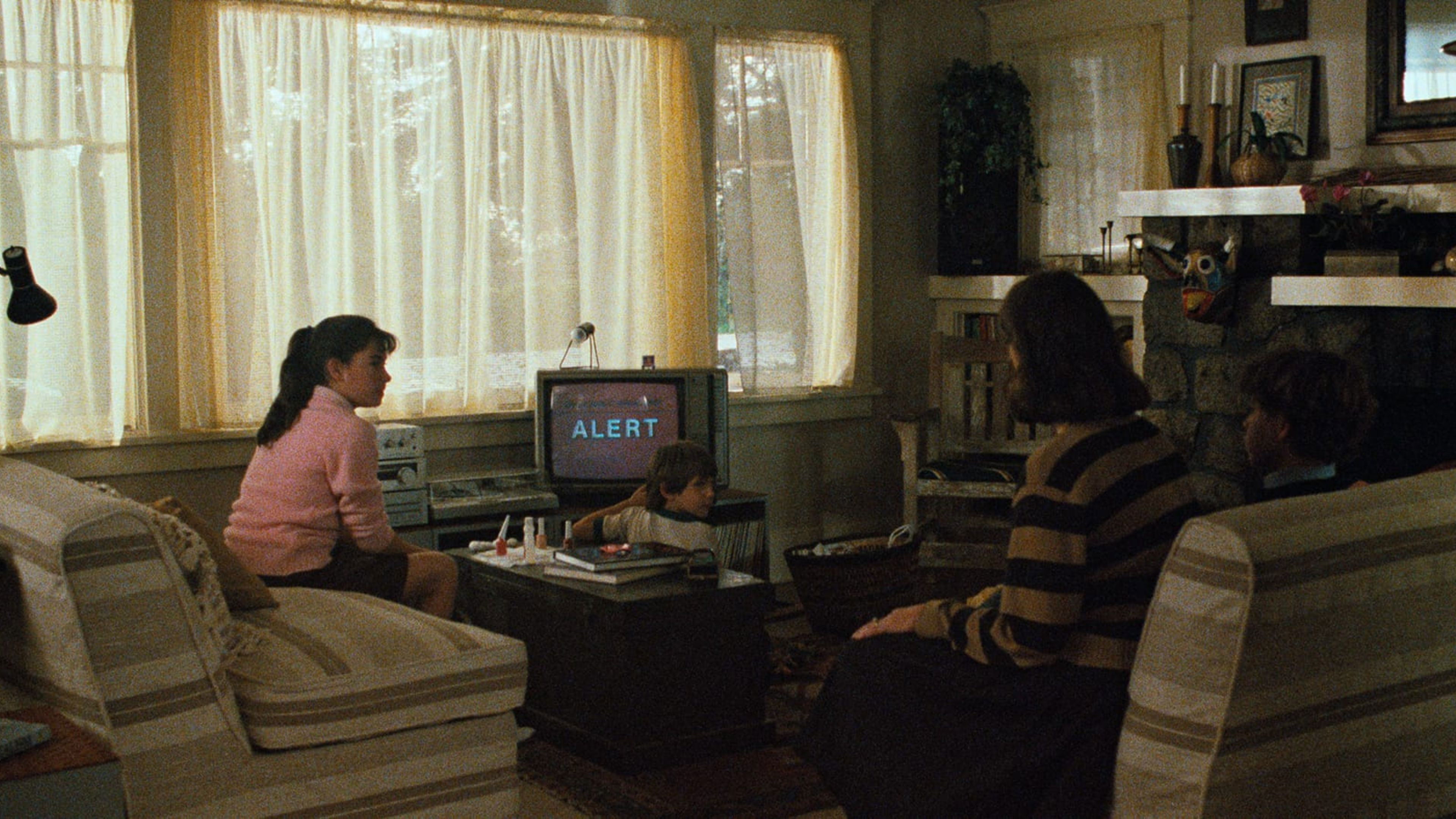
In fact, this is a very well-crafted film that is harrowing in its depiction of nuclear fallout in a California suburb. And when I say harrowing, I don’t mean it in the sense that we see people’s flesh melting off their bodies or depictions of violent looting or home invasions. Instead, this film manages to maintain a sleepy, flaccid approach to depicting the horrors these characters are going through. There isn’t much that’s flashy about this film, which makes it all the more impressive the impression it made on me.
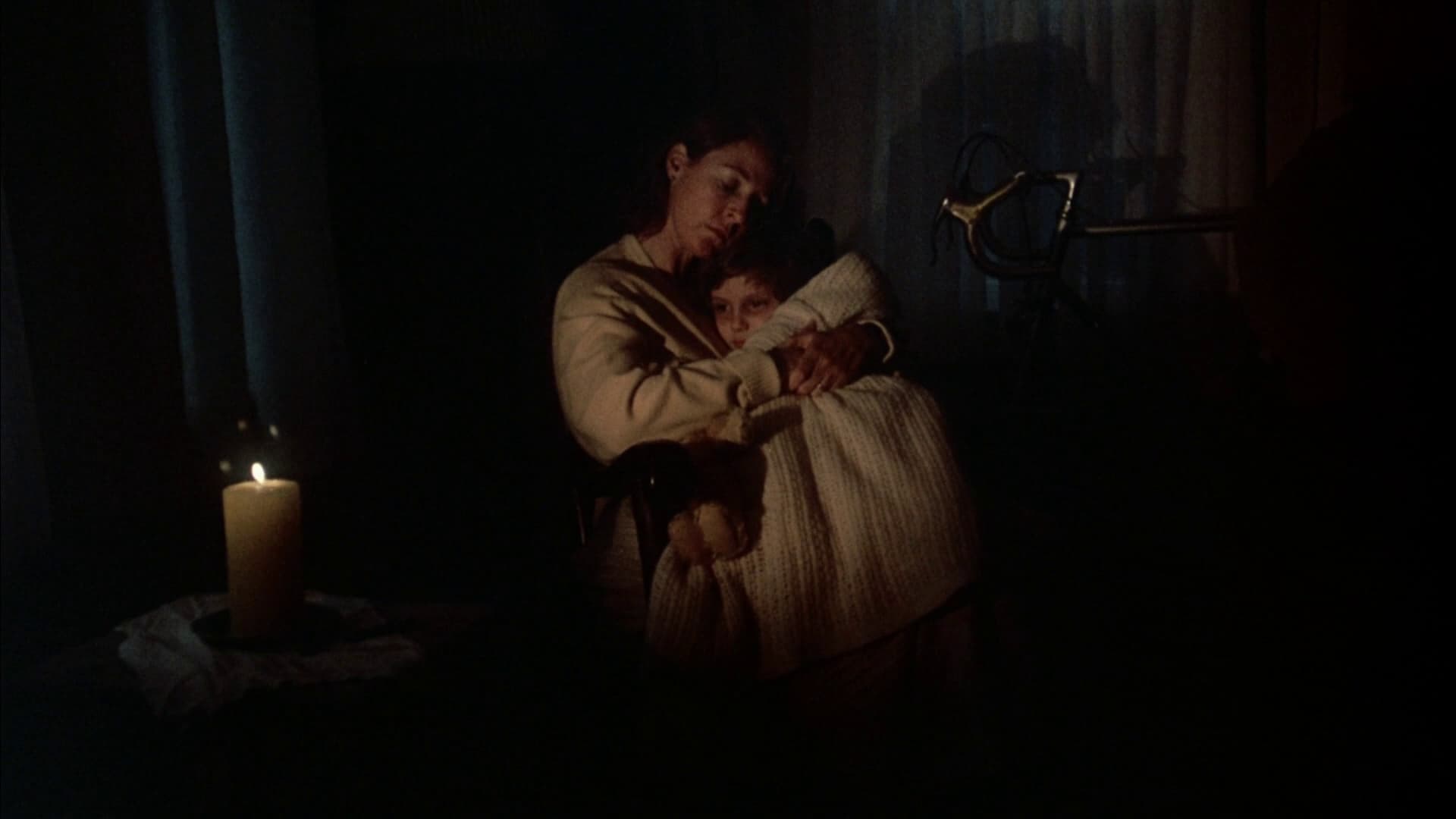
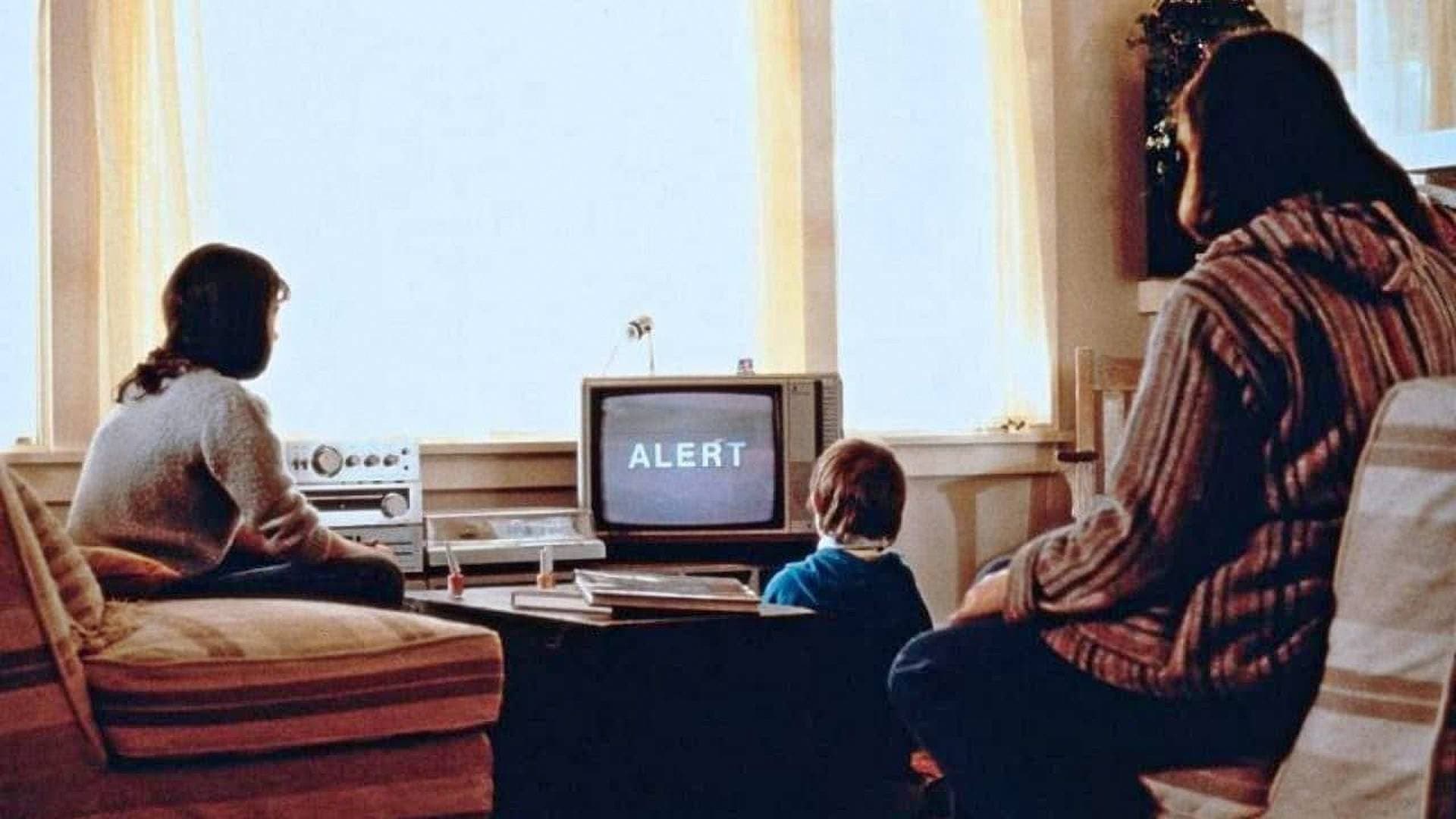
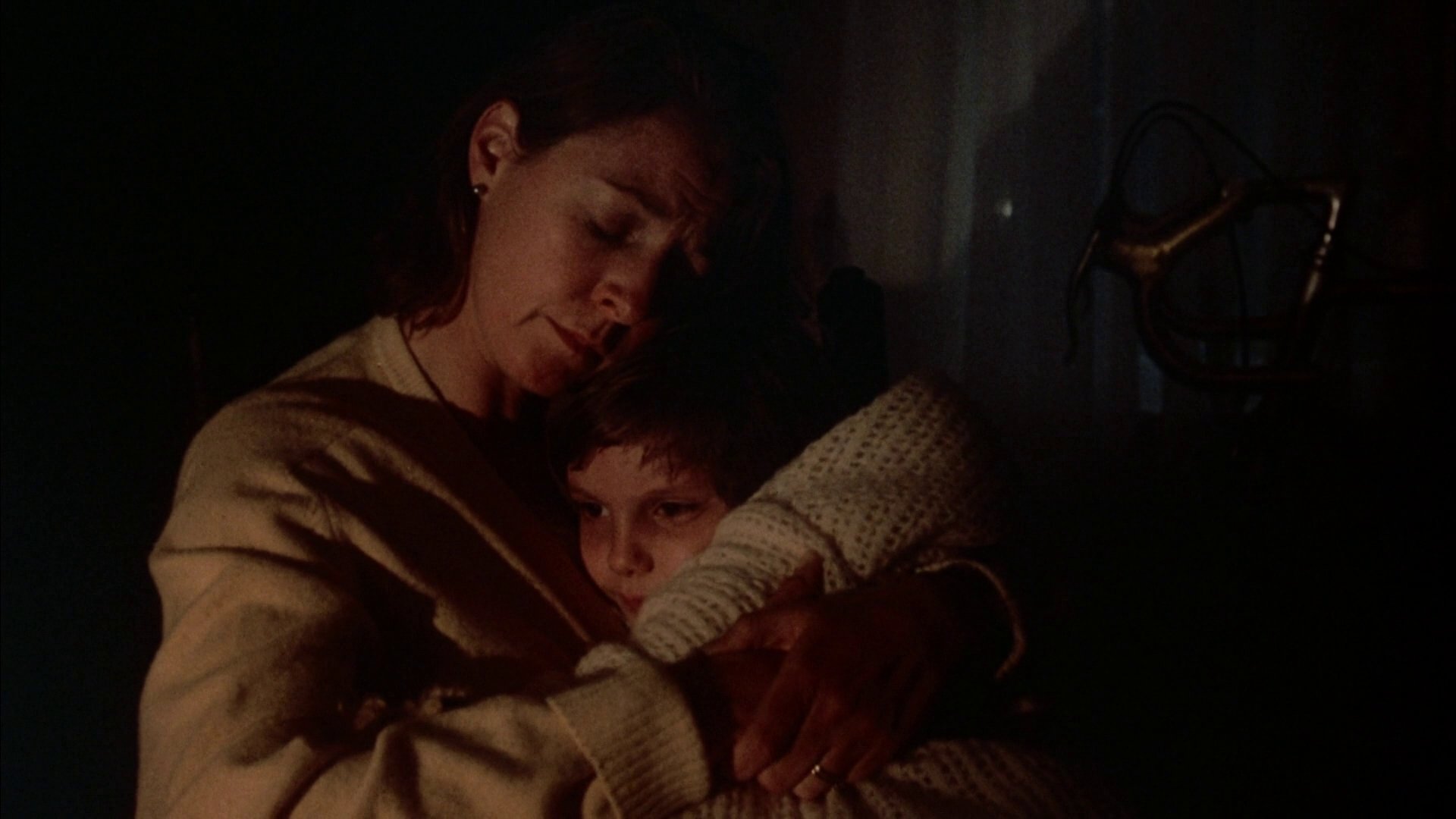
Jane Alexander was nominated for an Oscar for her performance as Carol, a woman who, for most of the film, is really taking things in stride, putting on a happy face for her children who are, no doubt, terrified, confused, and missing their father, who was supposed to be returning from a work trip in San Francisco. For a bit of this film, I was a little confused where it was going. Life appears to attempt to go back to normal--or some sort of new normal. The kids still find time to play, they sit down for family meals, they go for walks around the neighborhood. But around the 45-minute mark--halfway--something in this film shifts and you almost don’t even notice it.
It becomes clear that… a happy ending is nowhere in sight for these characters.
I just have to offer a warning that I will spoil this film going forward. But I do urge you to watch this if you’re curious.
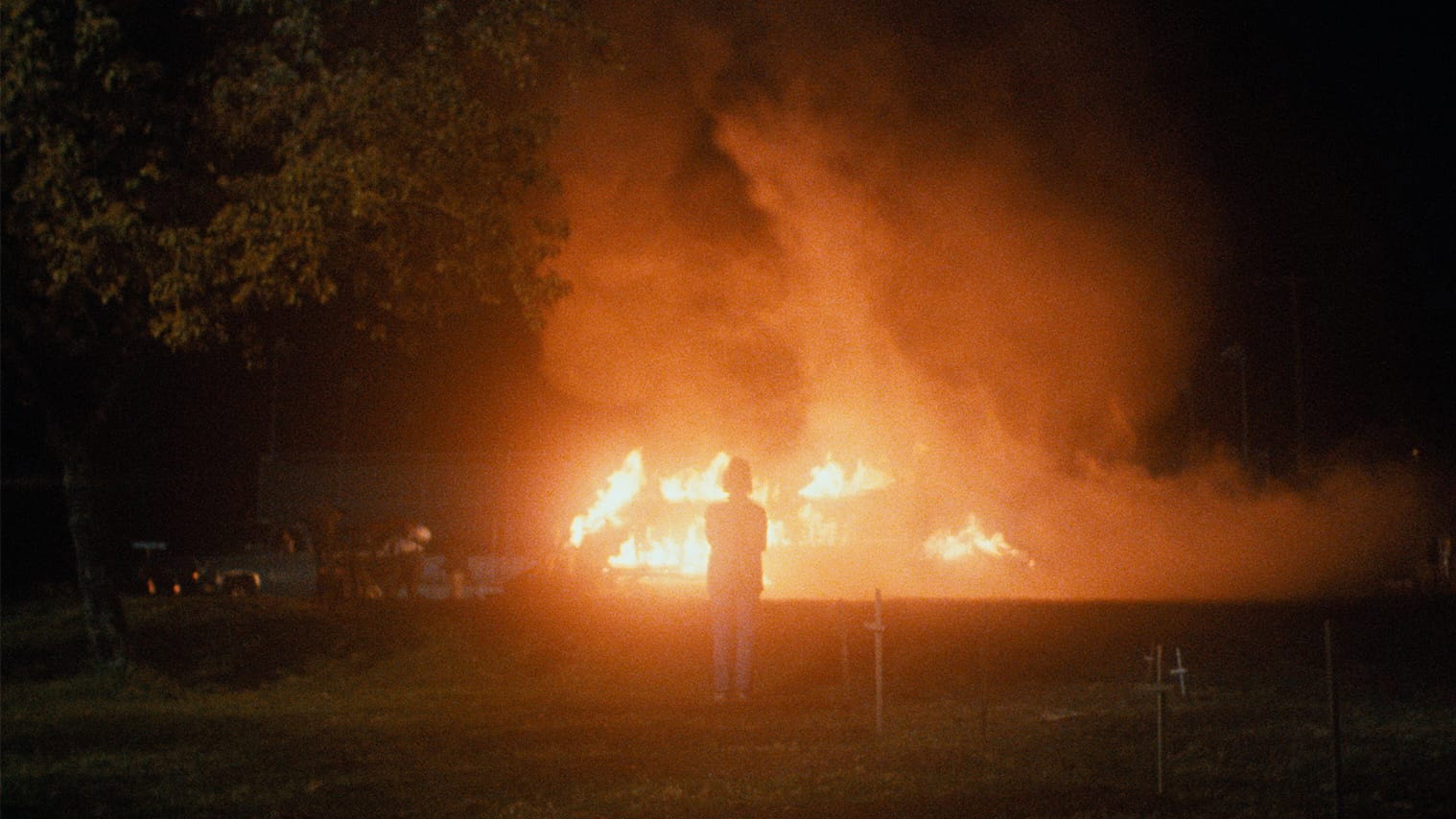
So, like i just alluded to, the degradation of their small community is mostly seen through shots of Carol’s son, Brad, riding his bike home and seeing how many more abandoned cars there are on the road, and then how a pickup truck is being loaded with bodies of the dead, and then how those bodies need to be burned because there isn’t any more room or time or manpower to bury them.
There is a scene that marked the shift for me, and really made me sit up and say, “oh, shit… this is one of those movies.”
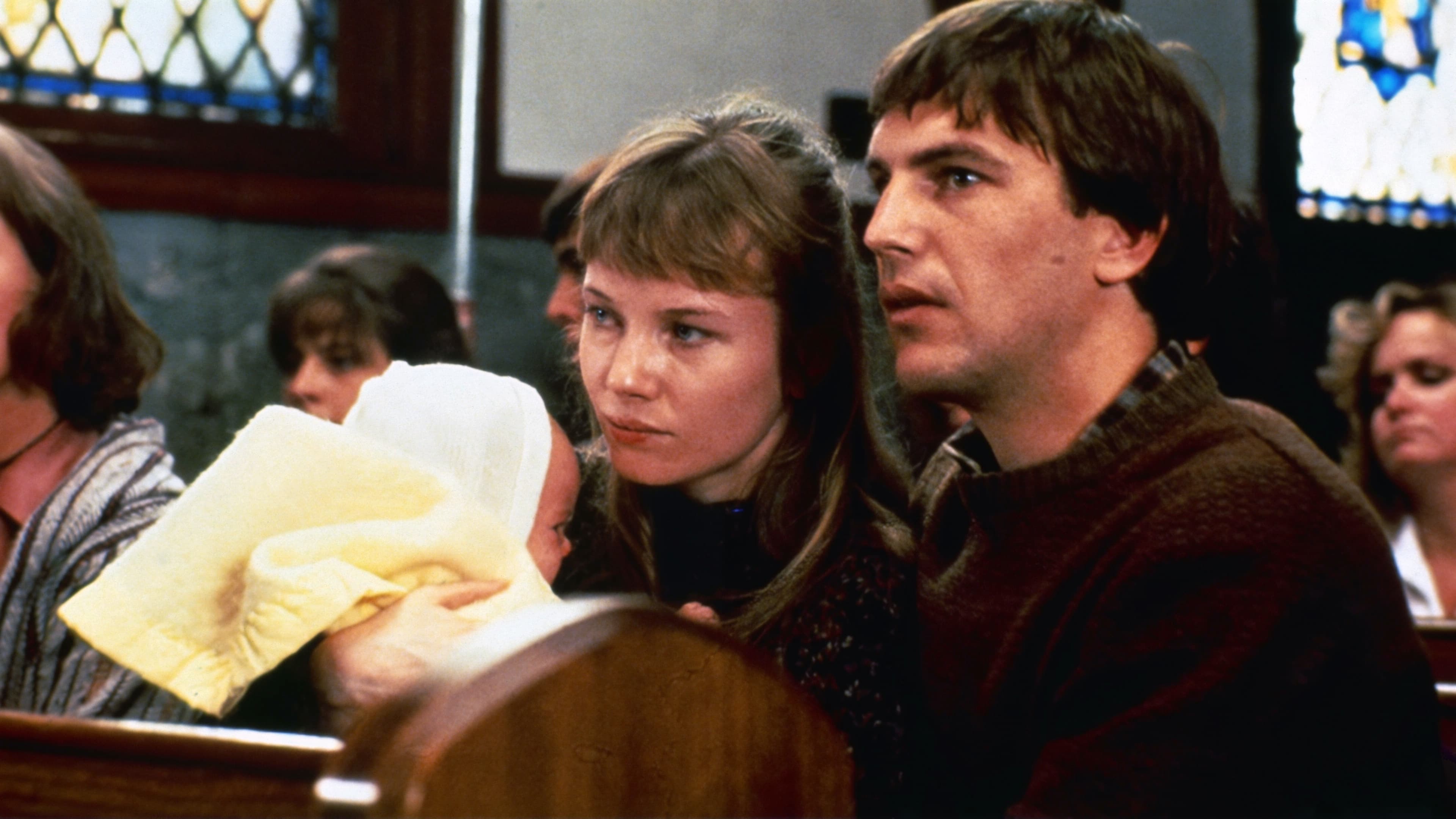
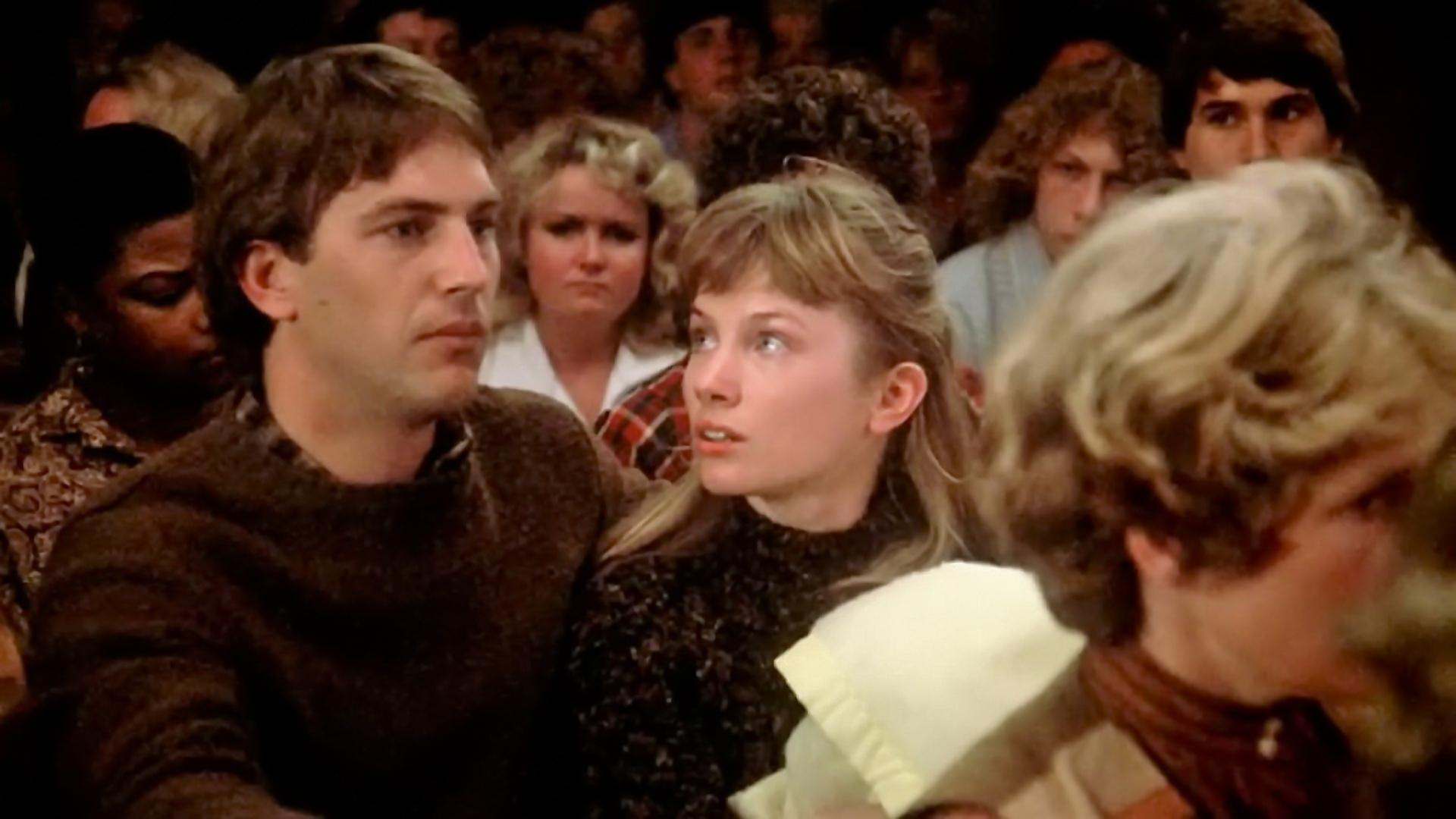
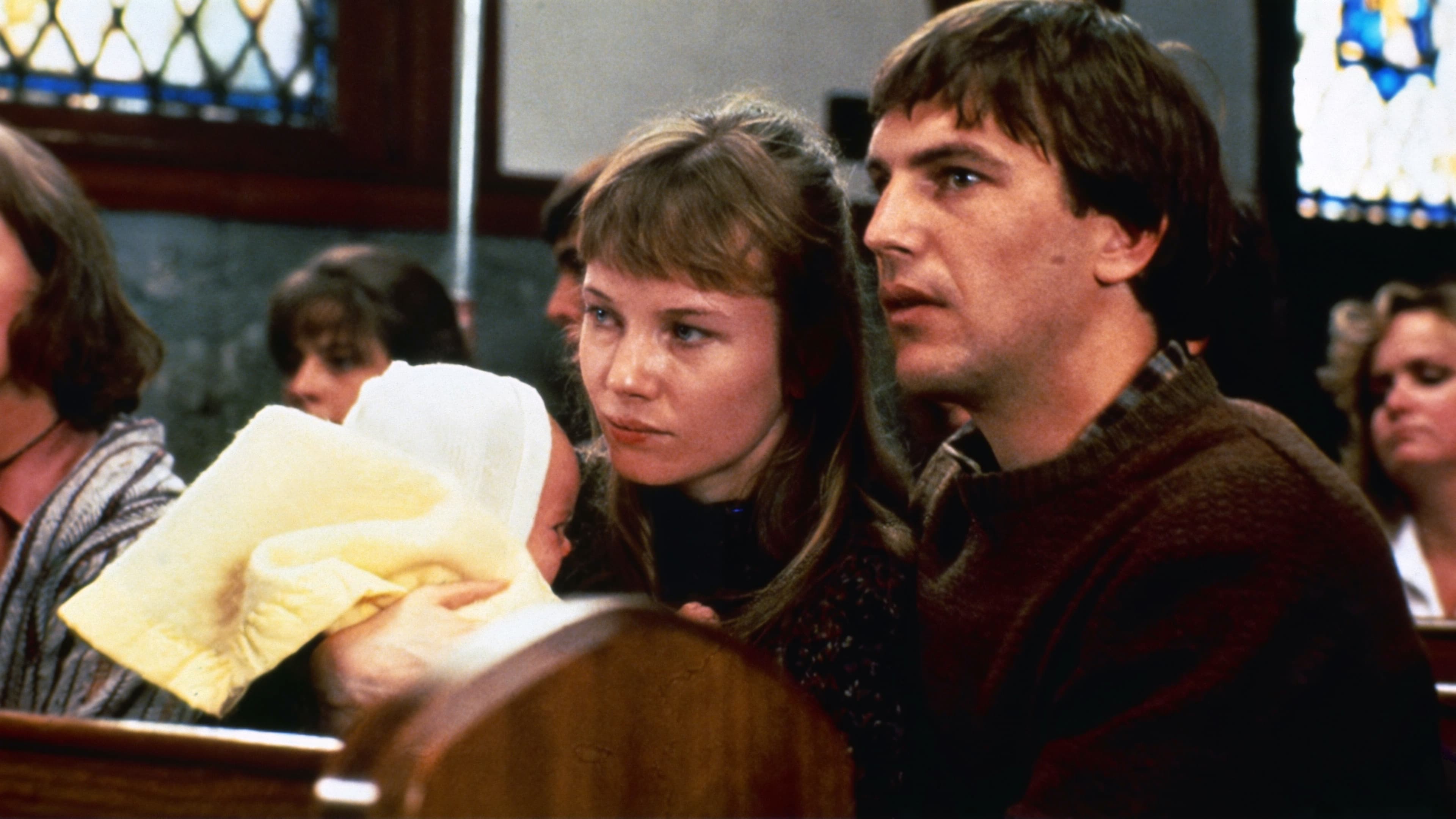
Carol is walking home and comes across her neighbor, played by Kevin Costner, carrying a dresser drawer. It’s never plainly said, but based on their exchange and his performance, you just know that the dresser drawer is going to be used as a coffin for his infant daughter, whom we’ve seen him and his wife carrying for the whole film up to that point.
And then what follows that scene I can only describe as 45 minutes of the most matter-of-fact death I can think of. And really the most apt comparison i have is the ending of Michael Haneke’s The Seventh Continent. If you’ve seen that film, you probably know what I mean. But if you haven’t (here’s a second SPOILER WARNING): it’s about a married couple and their adolescent daughter who commit suicide together. And you watch pretty much every step they take to do it…
So, in Testament, it’s like watching that, for 45 minutes, except it isn’t suicide, just the evolving effects of radiation poisoning on Carol’s children, and the other members of their community.
I maybe want to refrain from spoiling outright how certain deaths happen, but the way they’re depicted is so hauntingly inert. Like a seemingly harmless shot of Carol ripping up some curtains cuts to a wide shot of her wrapping up the body of her teenage daughter in white sheets.
Carol’s youngest son, Scottie, played by Lukas Haas, couldn’t be more than eight years old. And being shown his decline is maybe a five-minute stretch of cinema that I’ll never forget. (For those who have seen it, the scene in the bathroom is uncomfortably real...)
And getting back to expectation, I really just don’t think I was prepared for how raw and bleak and grim this was going to be. I kept wanting to wake up from it, saying, “But they’re going to pull through… right?”
And then before long, death becomes as casual as Brad riding to the gas station, seeing a garbage-bag-wrapped body being loaded onto a truck and saying, “Is that Mike?” while one of the workers nonchalantly nods his head.
I’m sorry for harping on the death element; there’s much more to talk about, both formally in the film and contextually surrounding it, but I think my unpreparedness was precisely the point, and what ultimately made the film for me.
And I think that unpreparedness is really the key to what Testament is actually doing. Because we're conditioned by nuclear anxiety cinema to expect a certain kind of spectacle. The mushroom cloud. A crazy mob, like in Frank Darabont's The Mist. The breakdown of civilization as something you can point to and say, that's where it all went wrong. What Littman gives us instead is something much harder to sit with: the idea that civilization doesn't announce its end. And it doesn't always end in a fiery explosion. Sometimes, it just slowly, over time, stops showing up.
There's no looting, no roving gangs, no moment where society visibly cracks in two. Carol's family doesn't “fight” for survival in any conventional sense — they just endure. They eat dinner. They say goodnight. They do the dishes. And the horror accumulates not through spectacle but through subtraction, the slow removal, one by one, of the people within the frame. What the film is really tracking isn't the death of a community so much as the death of normalcy, and the terrible effort it takes to keep performing it anyway.
One of the more effective formal choices was to intercut passages of the film with 8mm home video footage of birthdays and vacations and a happy suburban family enjoying their backyard--a backyard that, we now know, becomes a graveyard.
And I think that's also what makes this a more effective piece of anti-nuclear filmmaking than something more explicit might be. By refusing to show us the bomb, by isolating this family, this town, from any answers as to where the bombs came from or why they were dropped, Littman is insisting on a very specific scale of horror. Not geopolitical. Not strategic. Just: this family. Just: these children. The real casualty here isn't civilization in the abstract — it's the family unit that civilization is actually built from. And we've gotten pretty good at not thinking about it at that scale, because thinking about it at that scale is unbearable. Testament doesn't let you look away.
And I gotta reiterate, it’s definitely one that’s going to stick with me.
EDIT: Coming back to add that part of what makes the deaths - cold as they may be presented - come across so intimately is the subtle humanity that surrounds them. I found myself almost wondering out loud why there is a scene of Carol’s daughter, Mary, asking what sex feels like. It’s a scene (along with Carol’s answer) that you appreciate in retrospect much more, knowing what happens to Mary, and the fact that she never had a chance at experiencing the love and connection that her mother describes. She was just on the edge of that part of life. And the film trusts you to hold onto that scene long enough to feel the full weight of what was taken from her. It's an intimate kind of cruelty, and I mean that as a compliment. The film earns its grief by first making you care about who these people were still becoming.
7.7/10