
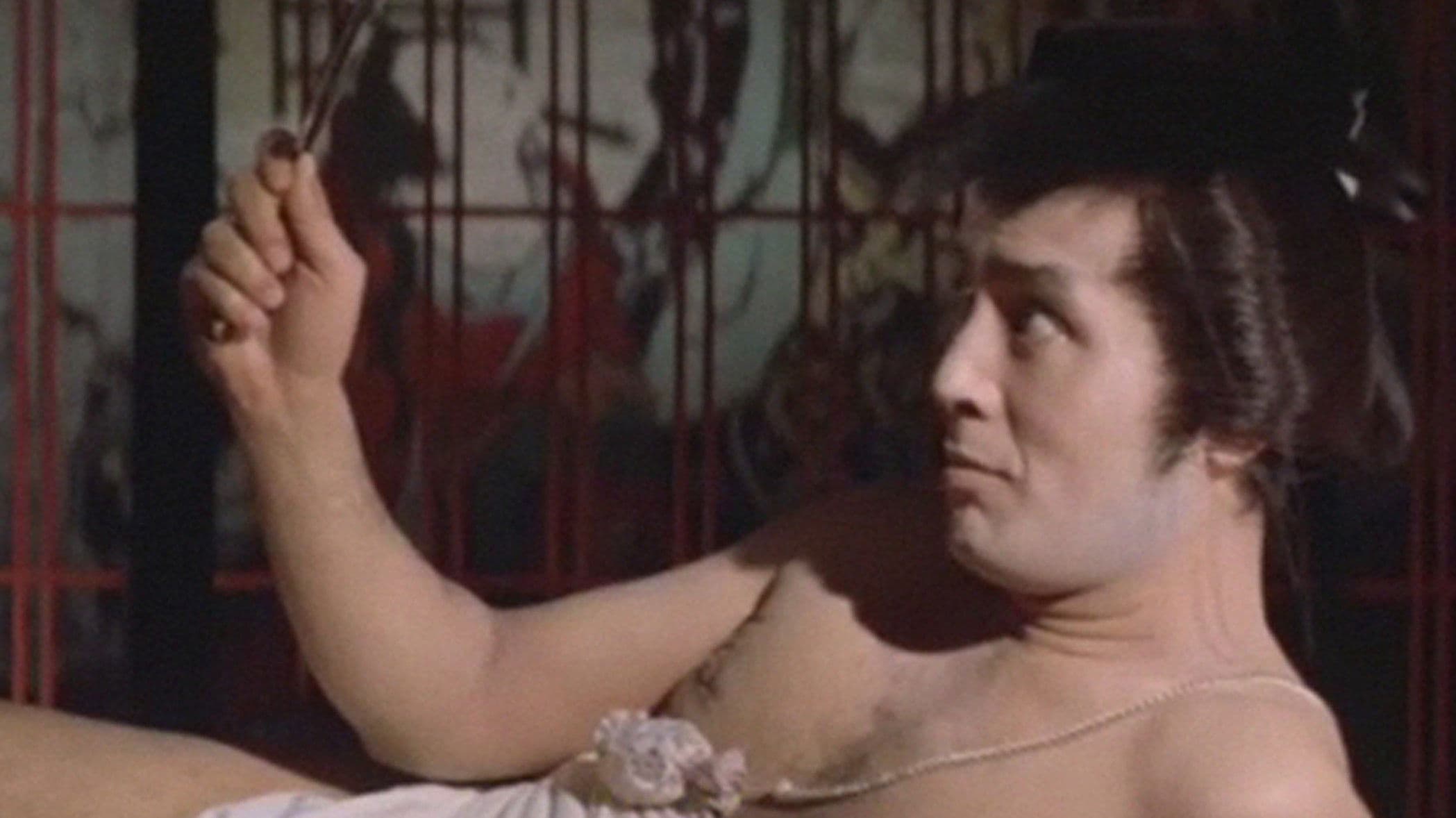
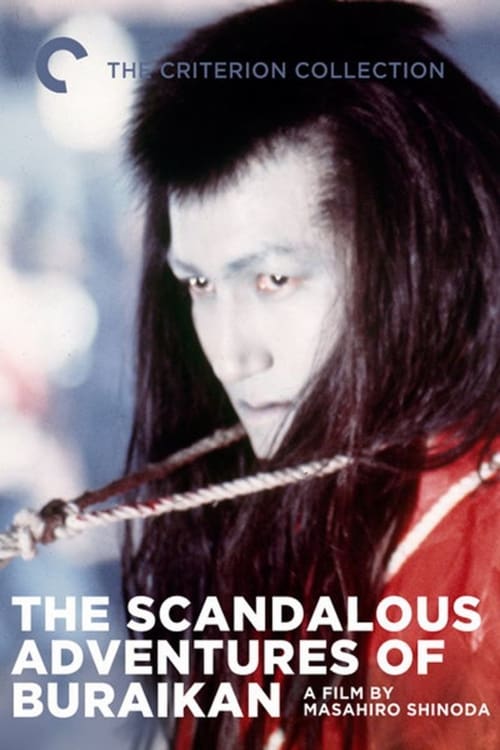
The Scandalous Adventures of Buraikan
1970·Comedy·1h 44m
7.1
★
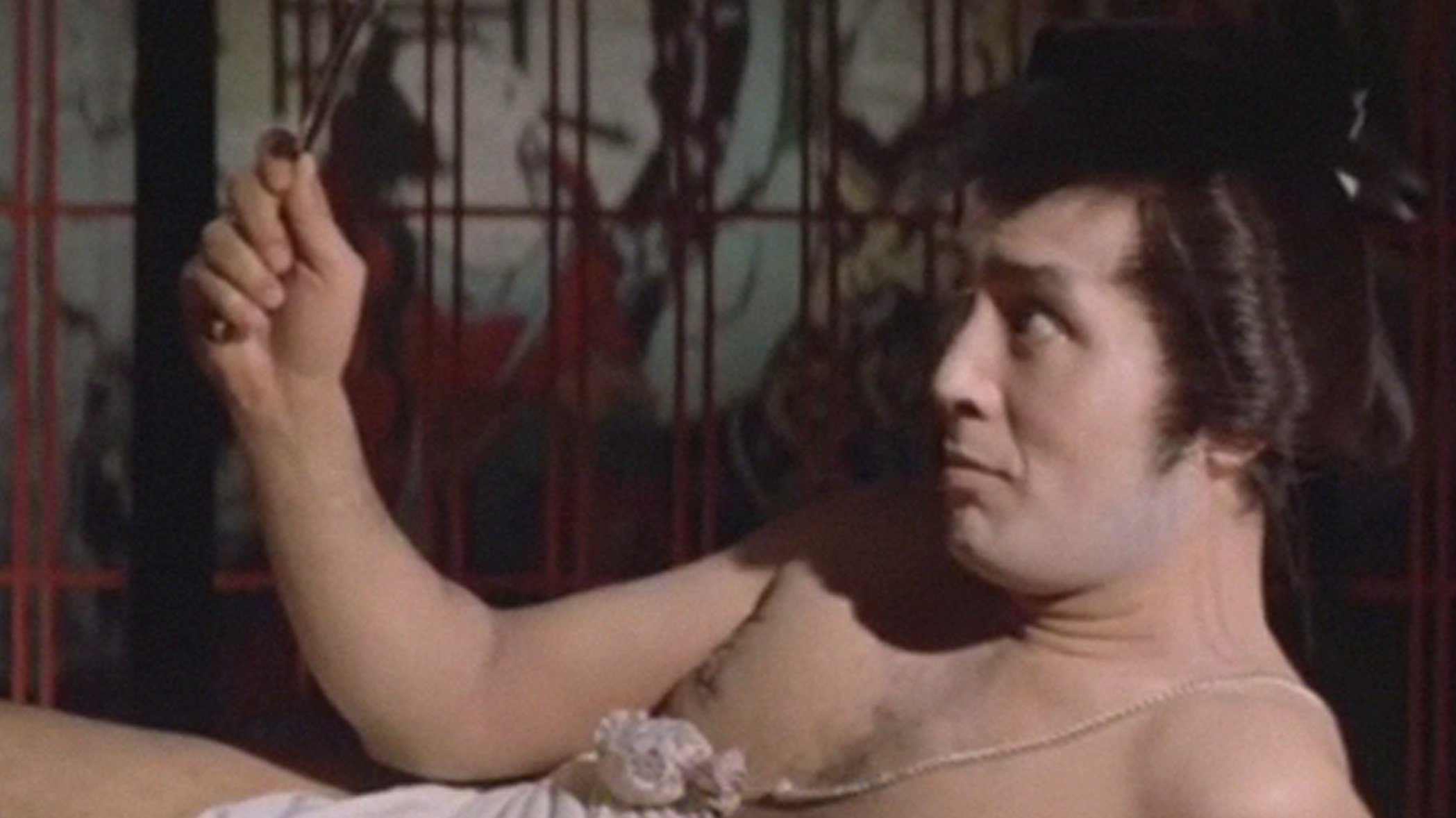
An outlaw pushes the residents of Edo's red light district to rebel against a growing number of stifling, moralistic laws.
Directed by Masahiro Shinoda
assassin
samurai
fireworks
theater play
period drama

IMDB
N/A
Cast
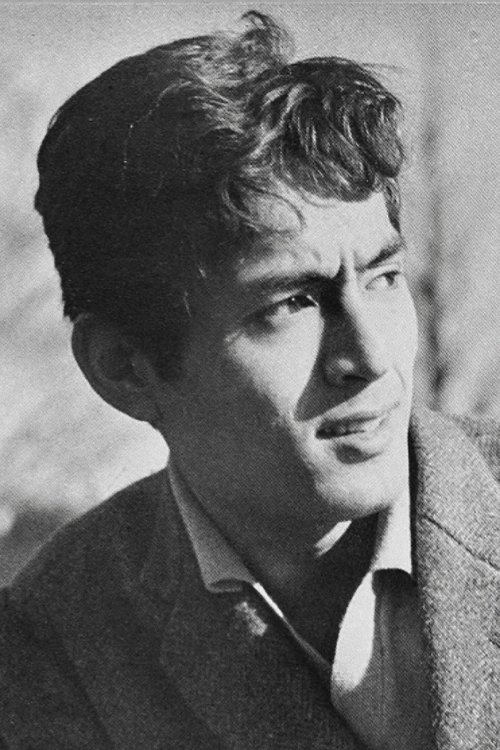
Tatsuya Nakadai
Naojiro Kataoka
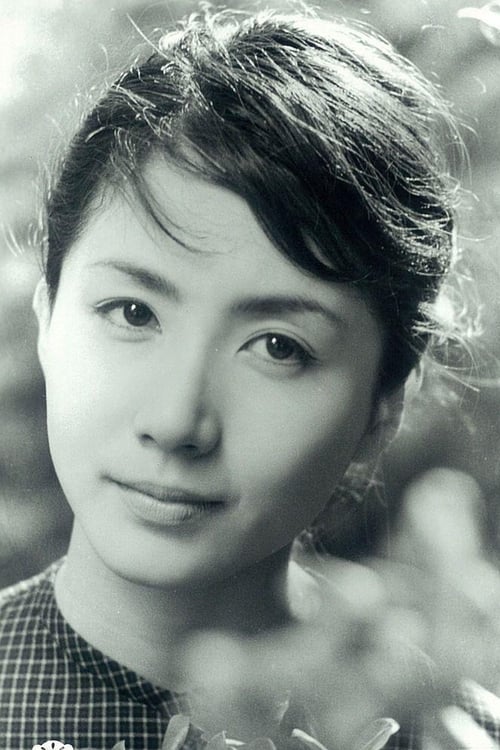
Shima Iwashita
Michitose

Tetsuro Tamba
Soshun Kochiyama
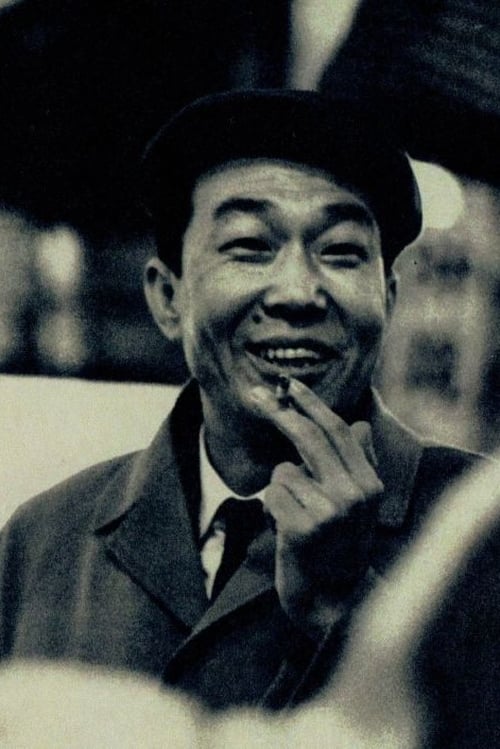
Shoichi Ozawa
Ushimatsu
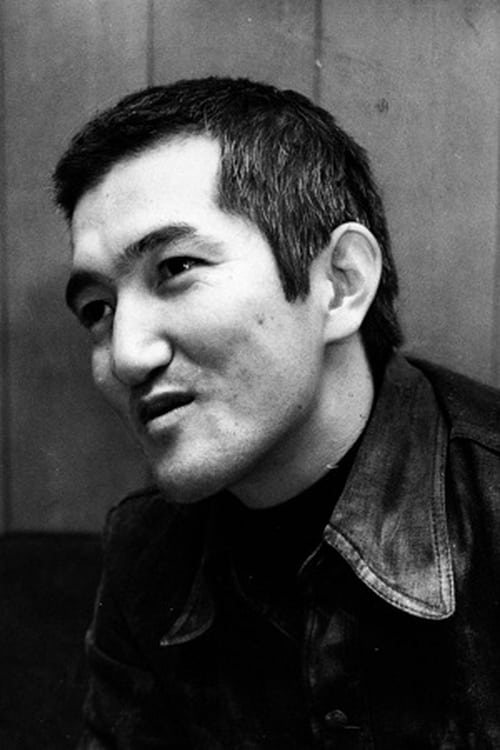
Masakane Yonekura
Kaneko Ichinojo

Fumio Watanabe
Moritaya Seizo
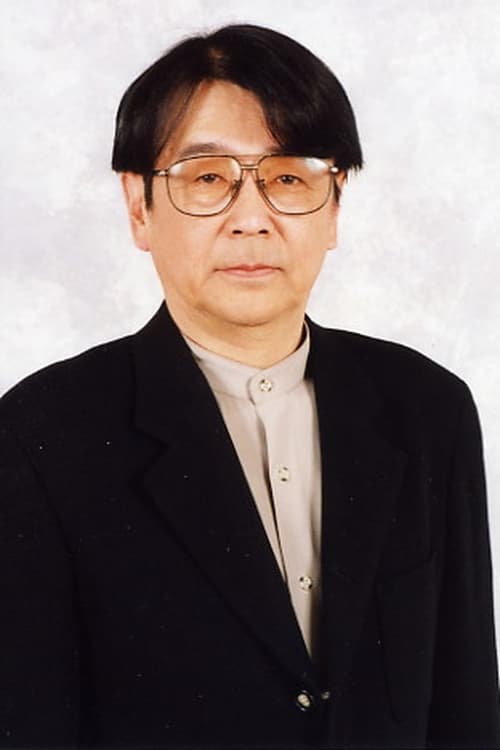
Kei Yamamoto

Atsuo Nakamura
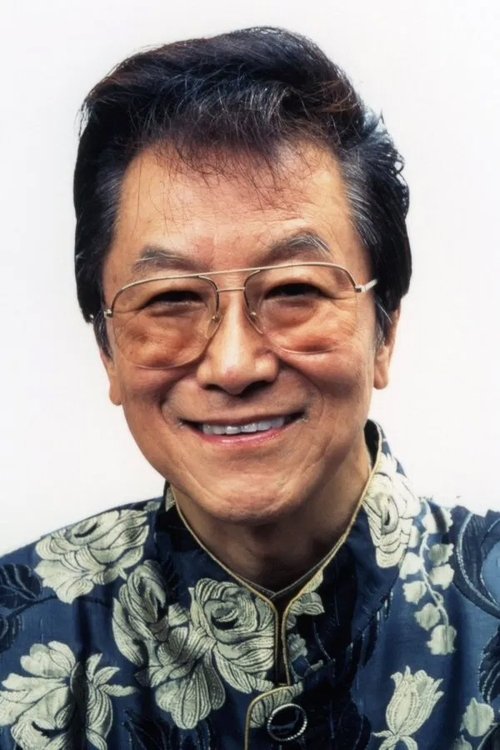
Jun Hamamura
Kanoke-boshi
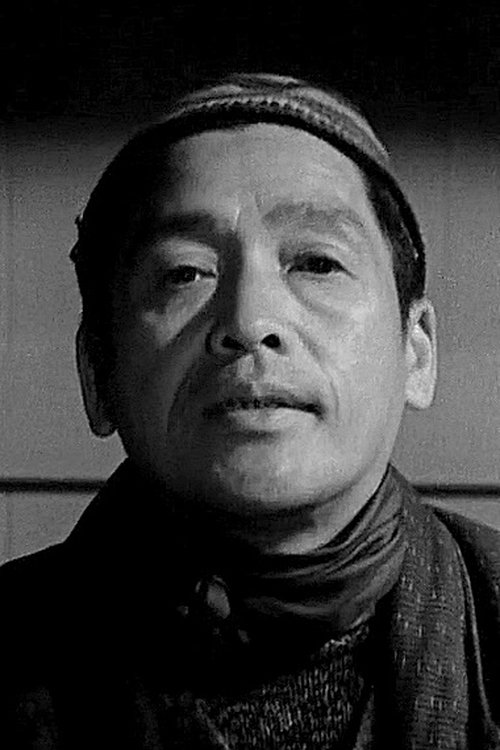
Kamatari Fujiwara
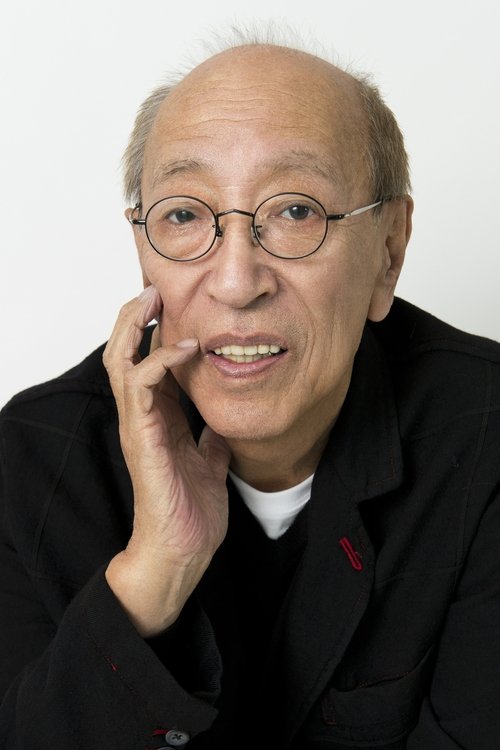
Yukio Ninagawa
Emiko Azuma
Crew
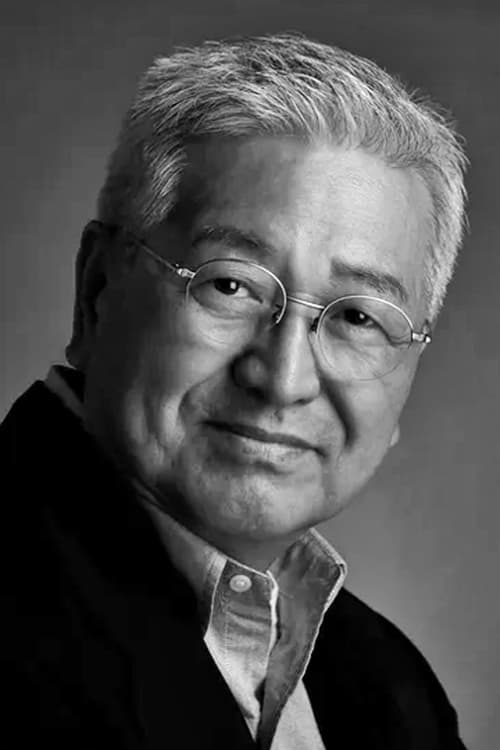
Masahiro Shinoda
Director
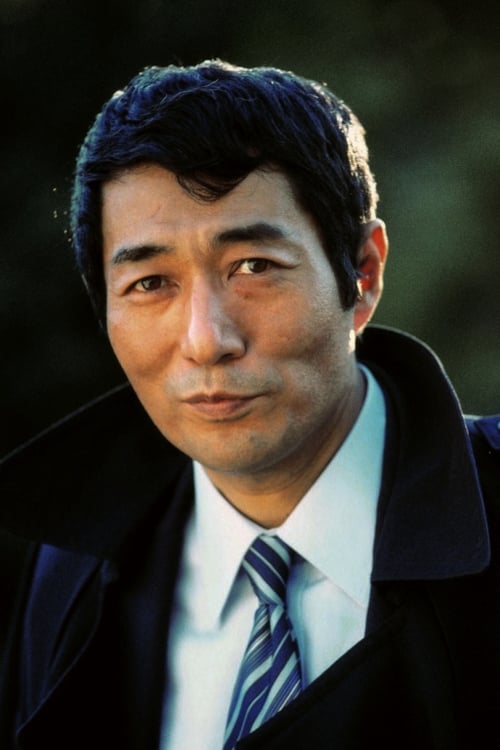
Shūji Terayama
Writer

Masaru Satō
Original Music Composer
Popular Reviews
1 review
Medhansh
8.9★ · 09/21/25
Director- Shinoda Masahiro.This is the second film I have seen of his. I decided to watch it as the lead actor is Nakadai Tatsuya, and the premise was intriguing.It is also one of the more layered works I have seen of the Japanese New Wave, with one of the most subversive plots. At first glance, it could appear as a typical comedic film set in Edo, but underlying it is sharp political criticism for the then Japan. The film offers a duality between traditions and modernity, obedience with rebellion and thus imploys a visual style that offers a merger between the traditional art of Japanese theatre, coupled with modernist techniques, giving it a more imaginative look.The film is a criticism of censorship enforced on theatre and literature among other forms of entertainment, under the Tokugawa Shogunate, and is meant to be compared to the then-modern-day Japan.One can consider it to be comparative, as in both eras, the artists had to layer in their criticism within the arts to avoid being made an example out of and avoid censorship.The film's sets are inspired by Kabuki theatre, and the acting, too, is in an exaggerated manner, resembling it. One can assume that the film is telling us that a performance can be a part of resistance as well.The film also entertains the notion that it isn't the loudest antics that allow the rebellion to carry on, but rather it does so through humour and performances.At the same time, the film shows us how intertwined decadence and liberation are in such cases. This could work in avoiding the watchful eyes of the people above. The film also shows us that the start of a rebellion is always small, and it slowly, with a snowball effect, becomes massive enough to actually bring a change and why counterculture is important for criticising the opinions of the masses to avoid the scales of power breaking into one side and cause irreparable damage.In hindsight, the relationship of the protagonist with his mother can be considered as double-edged and a metaphor for Japan as a whole being wrought in destruction repeatedly with constant attempts to undermine its security by a terrorist force called the Red Army, but still it stands tall.The film also shows us how the people in power misuse their powers against the common folk in their power trips, and how they cause misfortune to the people's development as a whole.The film indeed features decadence extensively, but it is not made with the intent of voyeurism.Overall, this was a good film and a must-watch for fans of the Japanese New Wave. It is also one of the funniest films I have seen of the Japanese New Wave.
Director- Shinoda Masahiro.This is the second film I have seen of his. I decided to watch it as the lead actor is Nakadai Tatsuya, and the premise was intriguing.It is also one of the more layered works I have seen of the Japanese New Wave, with one of the most subversive plots. At first glance, it could appear as a typical comedic film set in Edo, but underlying it is sharp political criticism for the then Japan. The film offers a duality between traditions and modernity, obedience with rebellion and thus imploys a visual style that offers a merger between the traditional art of Japanese theatre, coupled with modernist techniques, giving it a more imaginative look.The film is a criticism of censorship enforced on theatre and literature among other forms of entertainment, under the Tokugawa Shogunate, and is meant to be compared to the then-modern-day Japan.One can consider it to be comparative, as in both eras, the artists had to layer in their criticism within the arts to avoid being made an example out of and avoid censorship.The film's sets are inspired by Kabuki theatre, and the acting, too, is in an exaggerated manner, resembling it. One can assume that the film is telling us that a performance can be a part of resistance as well.The film also entertains the notion that it isn't the loudest antics that allow the rebellion to carry on, but rather it does so through humour and performances.At the same time, the film shows us how intertwined decadence and liberation are in such cases. This could work in avoiding the watchful eyes of the people above. The film also shows us that the start of a rebellion is always small, and it slowly, with a snowball effect, becomes massive enough to actually bring a change and why counterculture is important for criticising the opinions of the masses to avoid the scales of power breaking into one side and cause irreparable damage.In hindsight, the relationship of the protagonist with his mother can be considered as double-edged and a metaphor for Japan as a whole being wrought in destruction repeatedly with constant attempts to undermine its security by a terrorist force called the Red Army, but still it stands tall.The film also shows us how the people in power misuse their powers against the common folk in their power trips, and how they cause misfortune to the people's development as a whole.The film indeed features decadence extensively, but it is not made with the intent of voyeurism.Overall, this was a good film and a must-watch for fans of the Japanese New Wave. It is also one of the funniest films I have seen of the Japanese New Wave.

