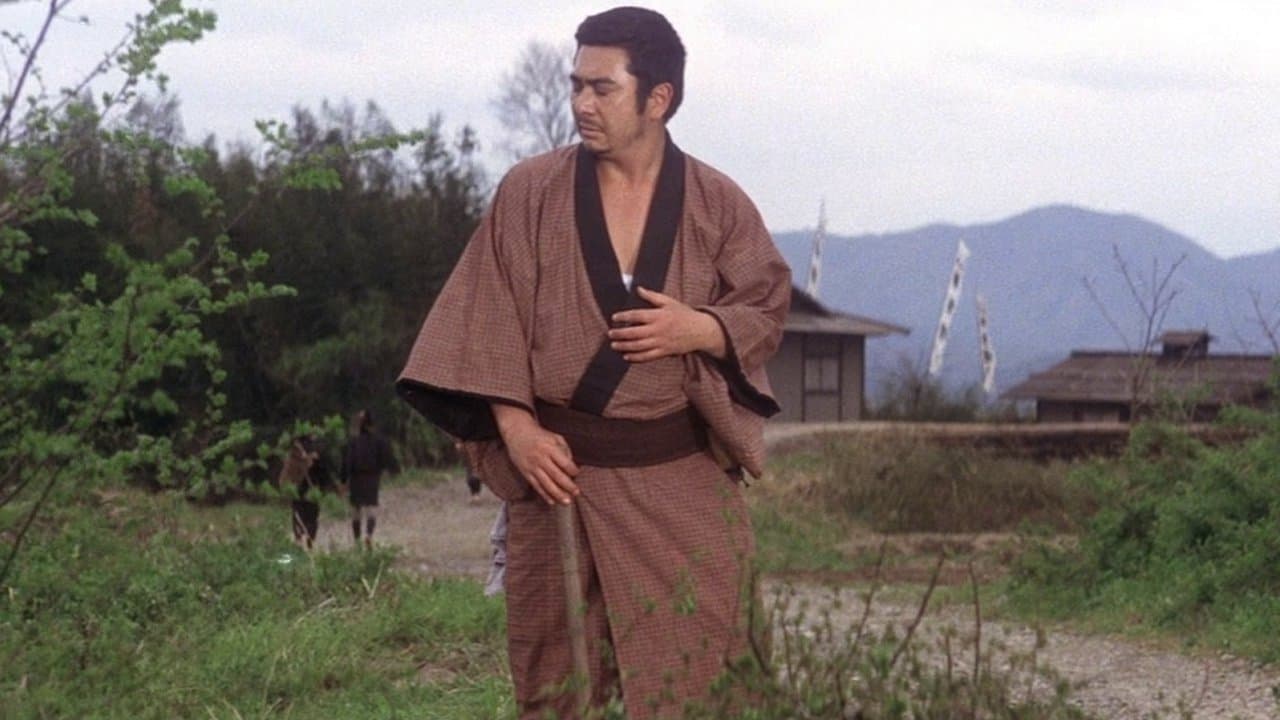
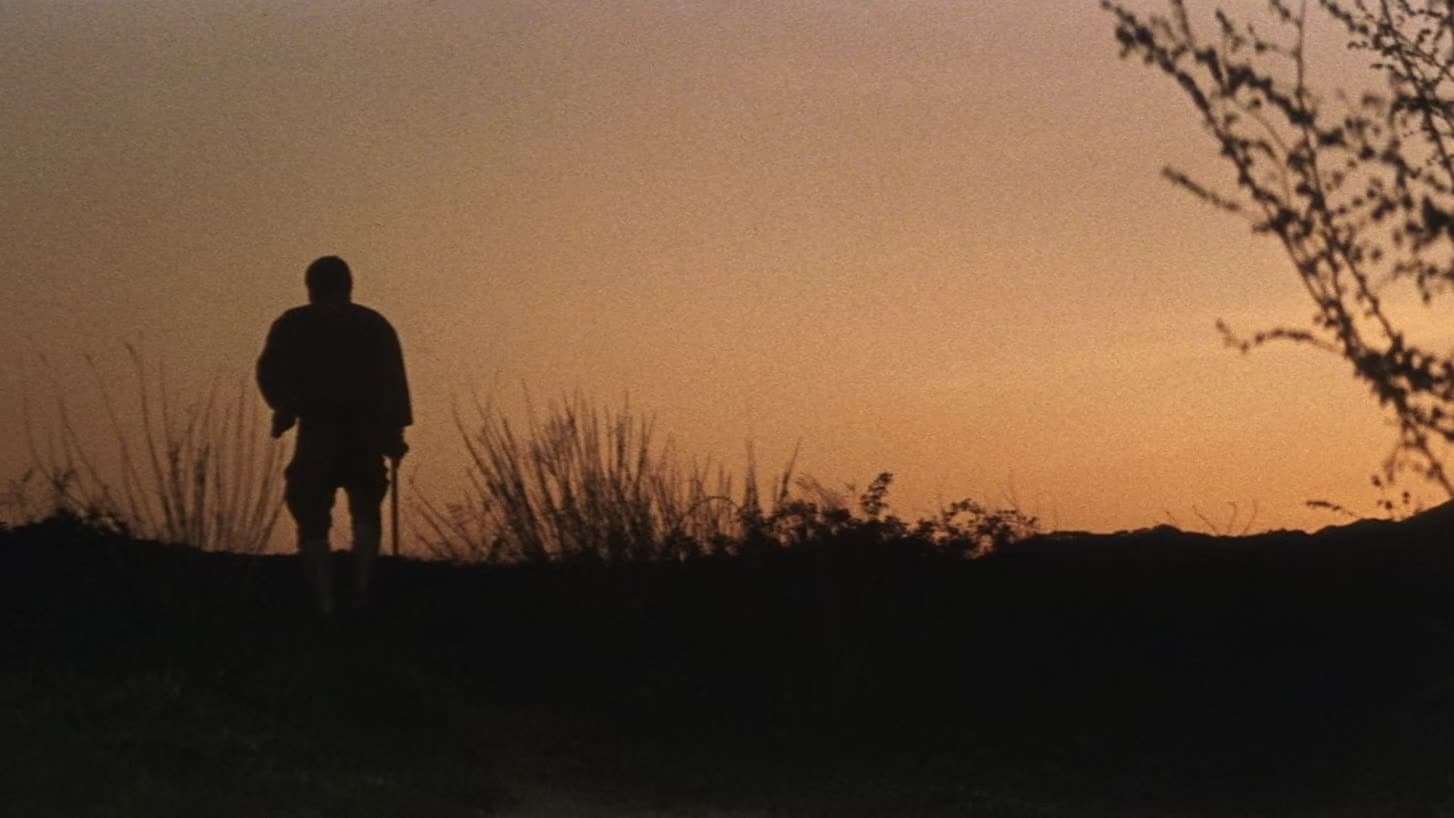
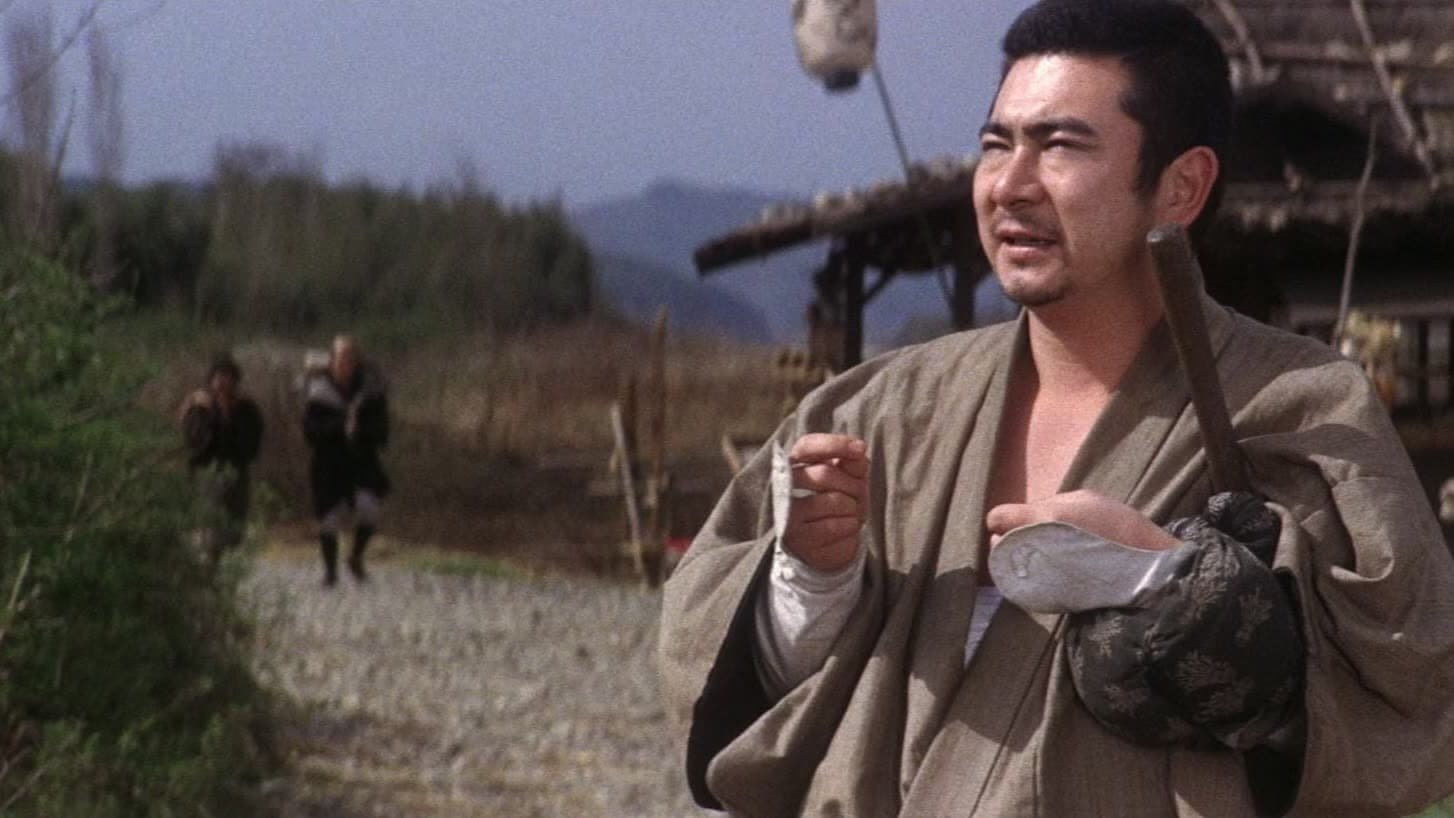
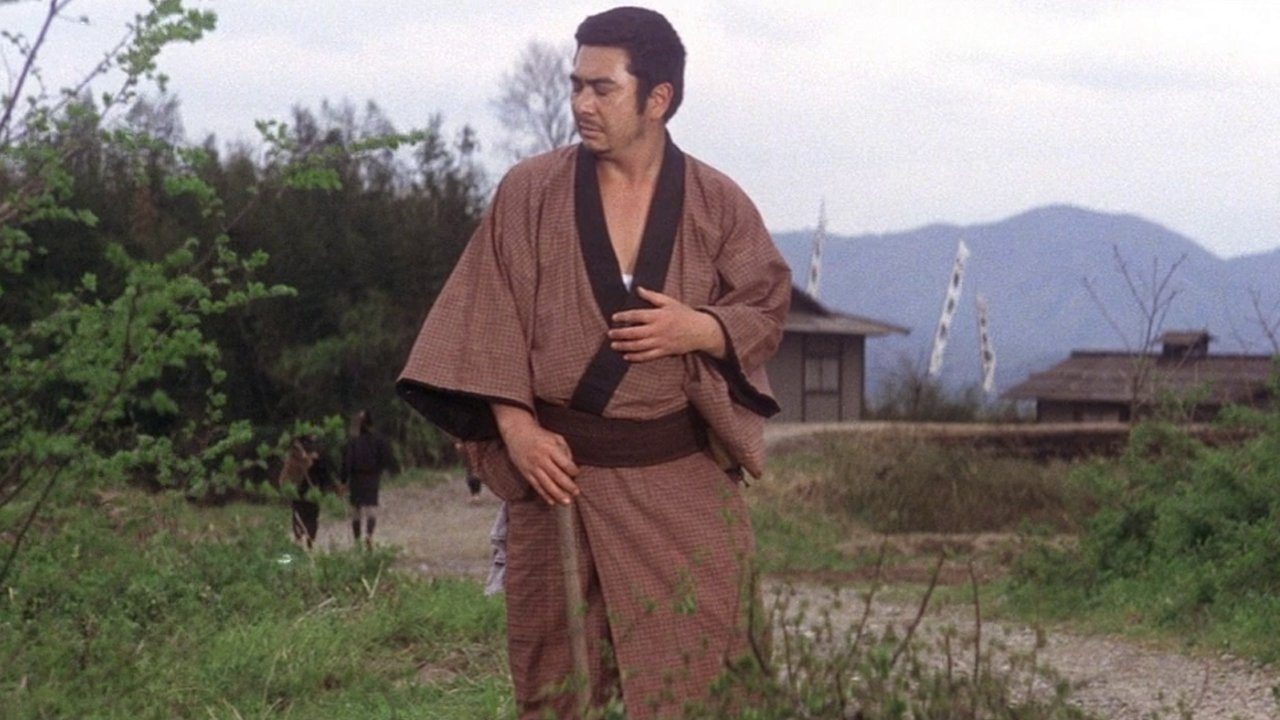
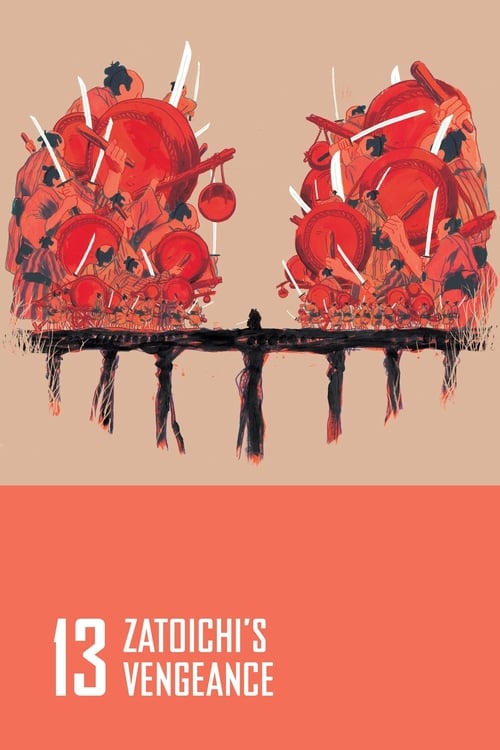
Now this is a great Zatoichi film. So far, the best Zatoichi film I’d seen in this series was Zatoichi and the Chest of Gold, which was the most visually striking of all the Zatoichi films. Zatoichi’s Revenge, however, really wants to dive into who Ichi is. This isn’t to say that Zatoichi’s Vengeance is not visually striking - the film opens with a short fight in a wheat field illuminated underneath a dark, blue sky - but rather that what they do with the character is so much more interesting than anything they could have done visually.
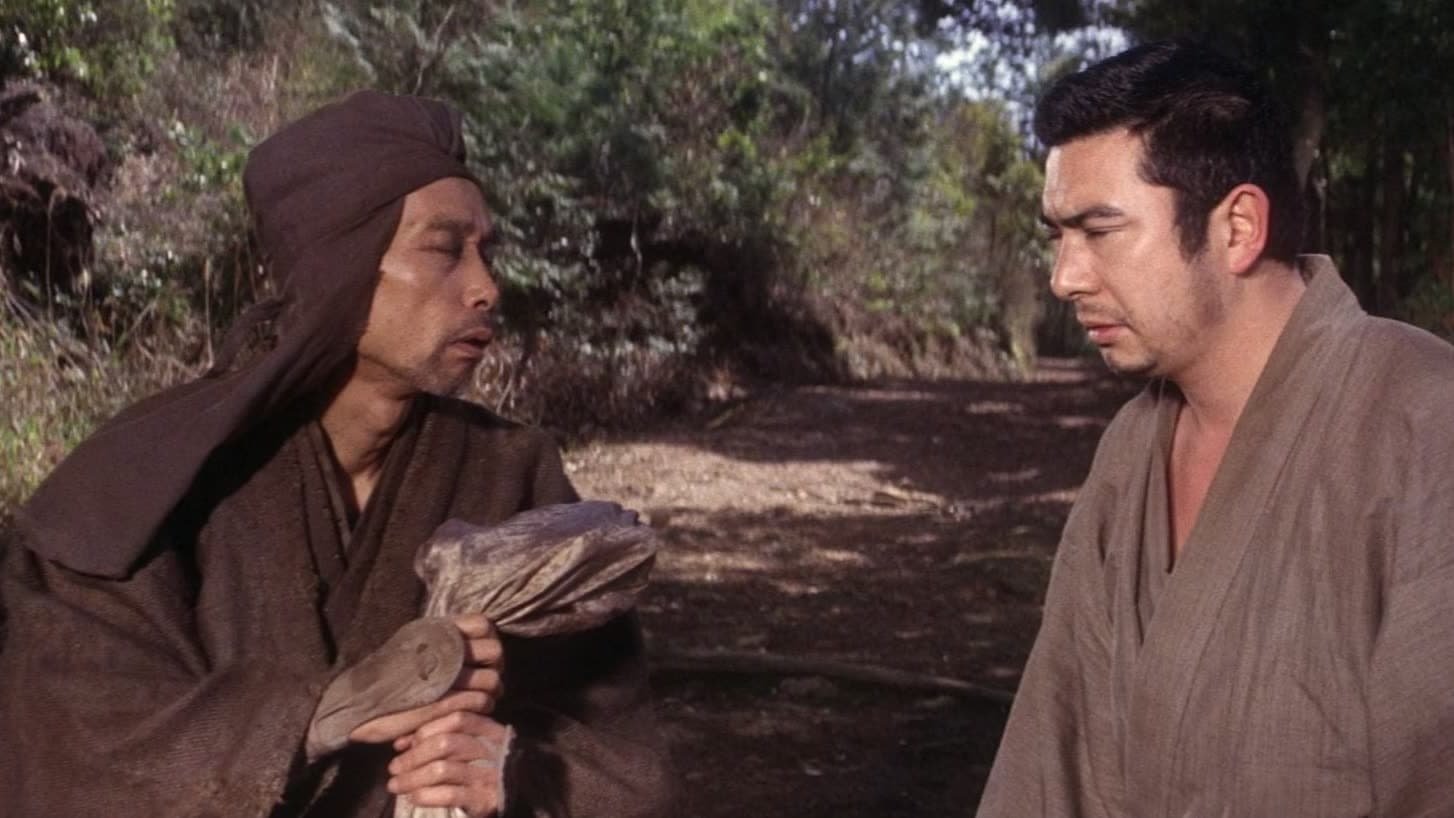
Ichi has always been this figure of violence as the answer to violence, but in this film he is confronted with the effects of that when he meets a biwa priest whose life with blindness has driven him to different conclusions than Ichi had come to. While the film makes no pretenses to imply that Ichi would ever give up killing, it does force Ichi to grapple with what exactly violence and killing means to him and why he feels the need to lean upon it.
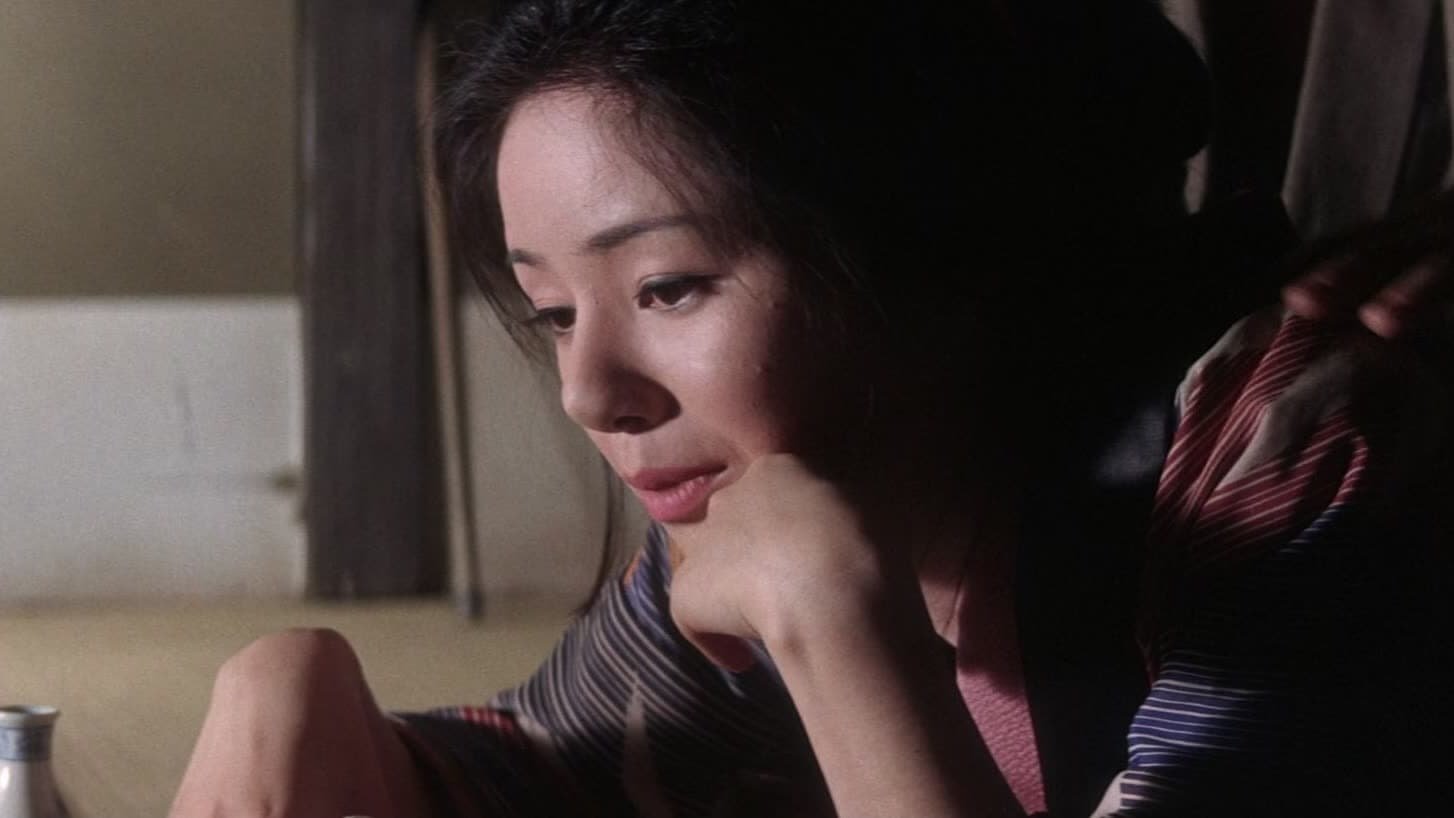
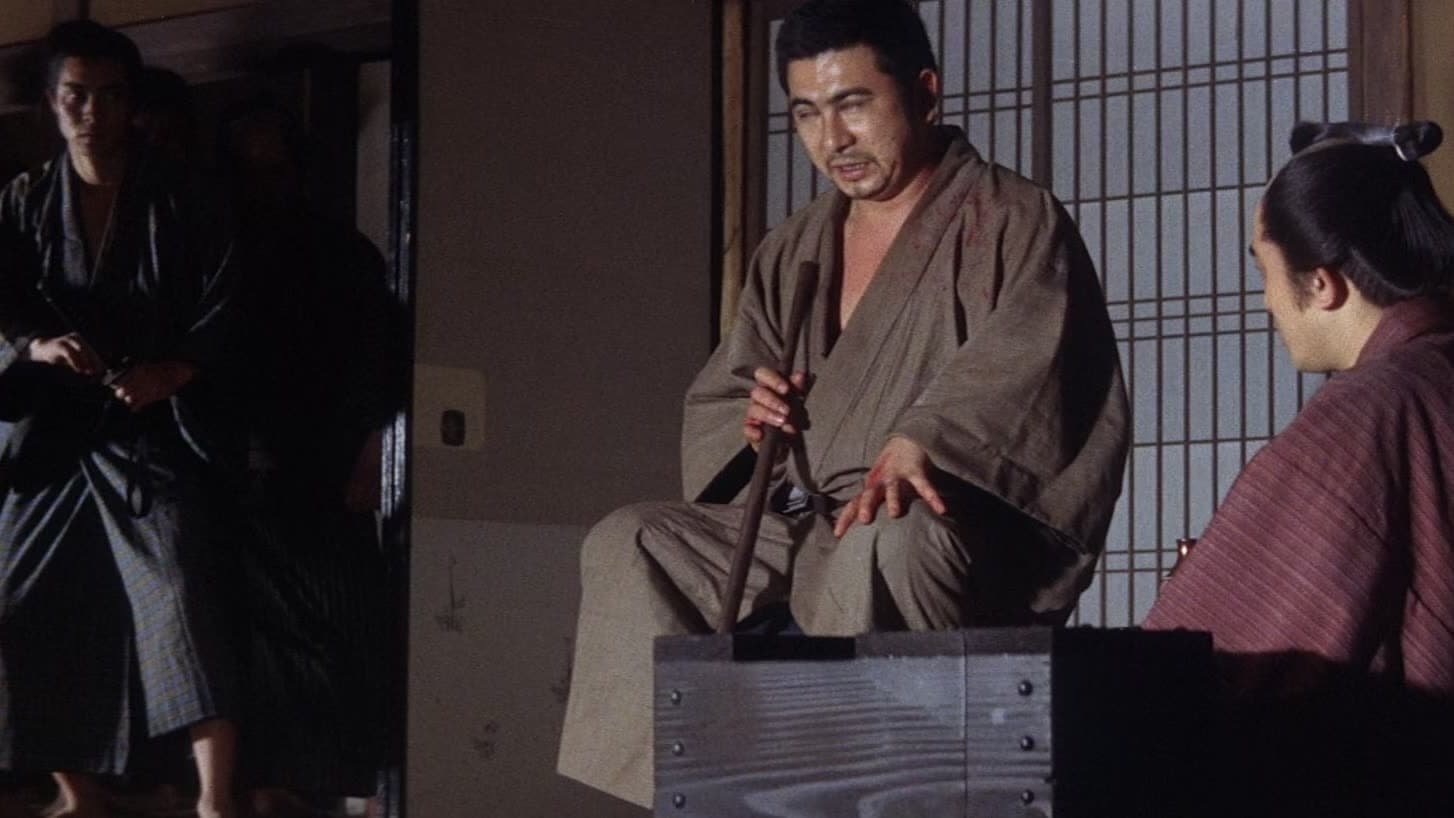
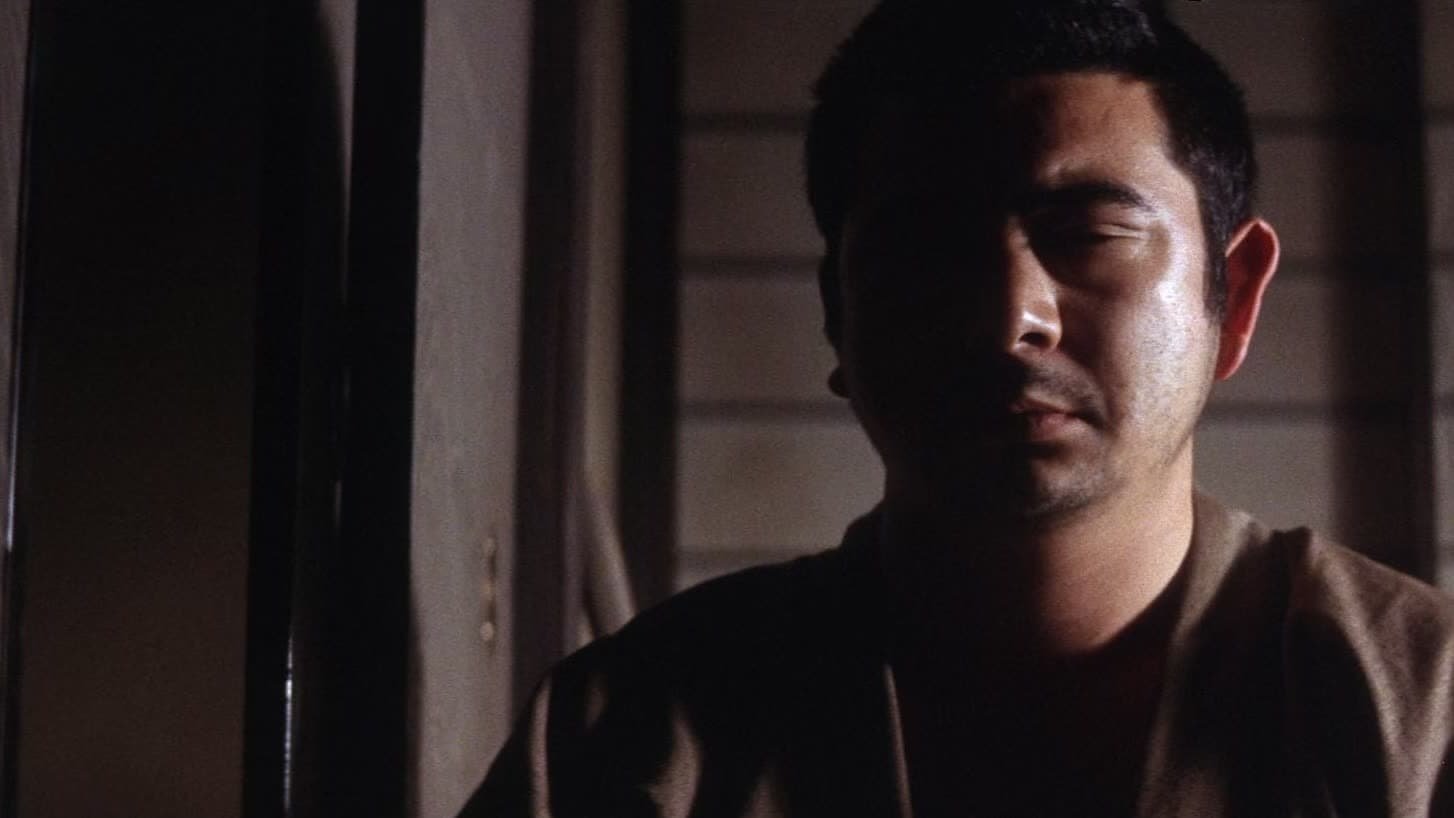
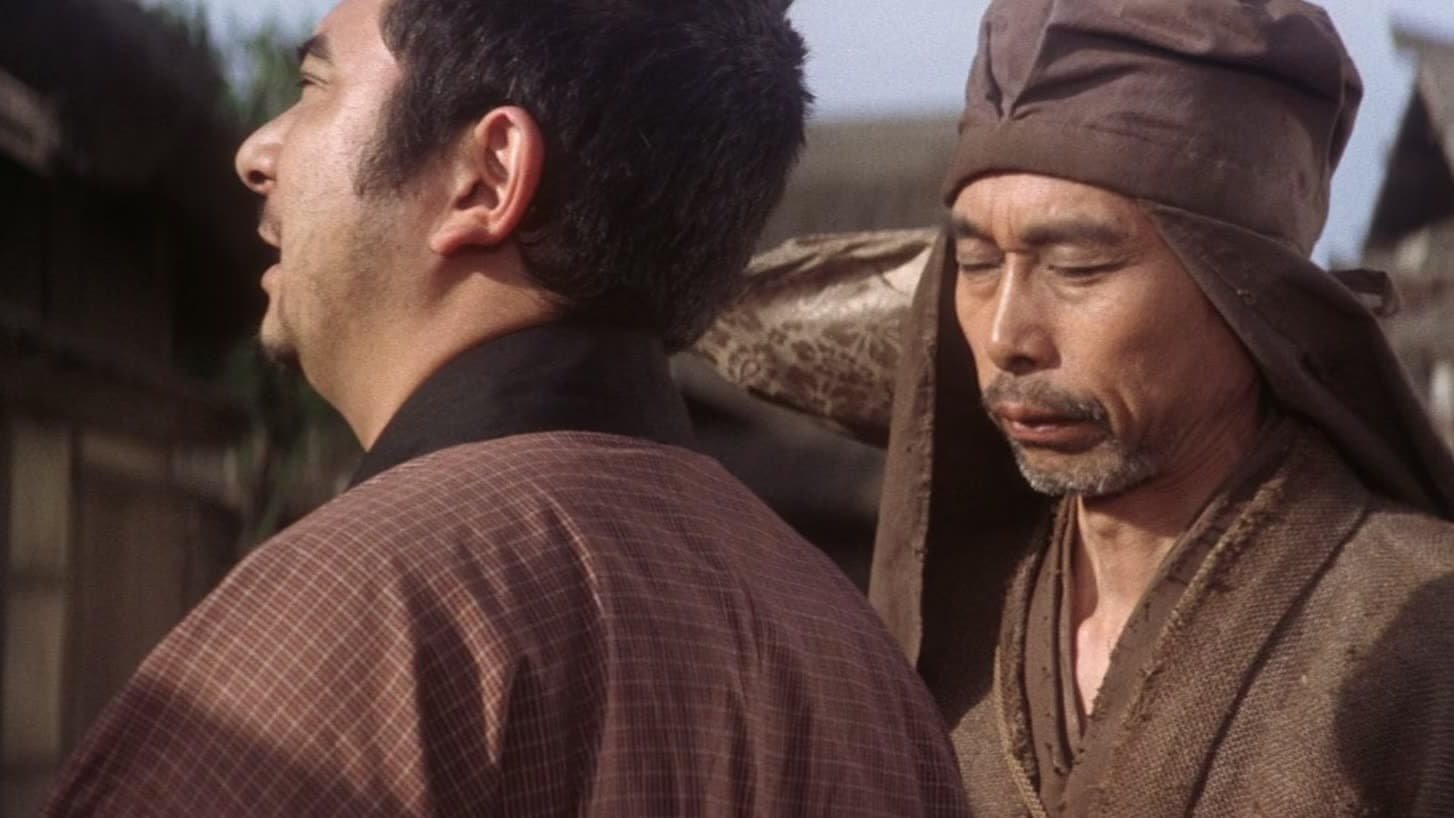
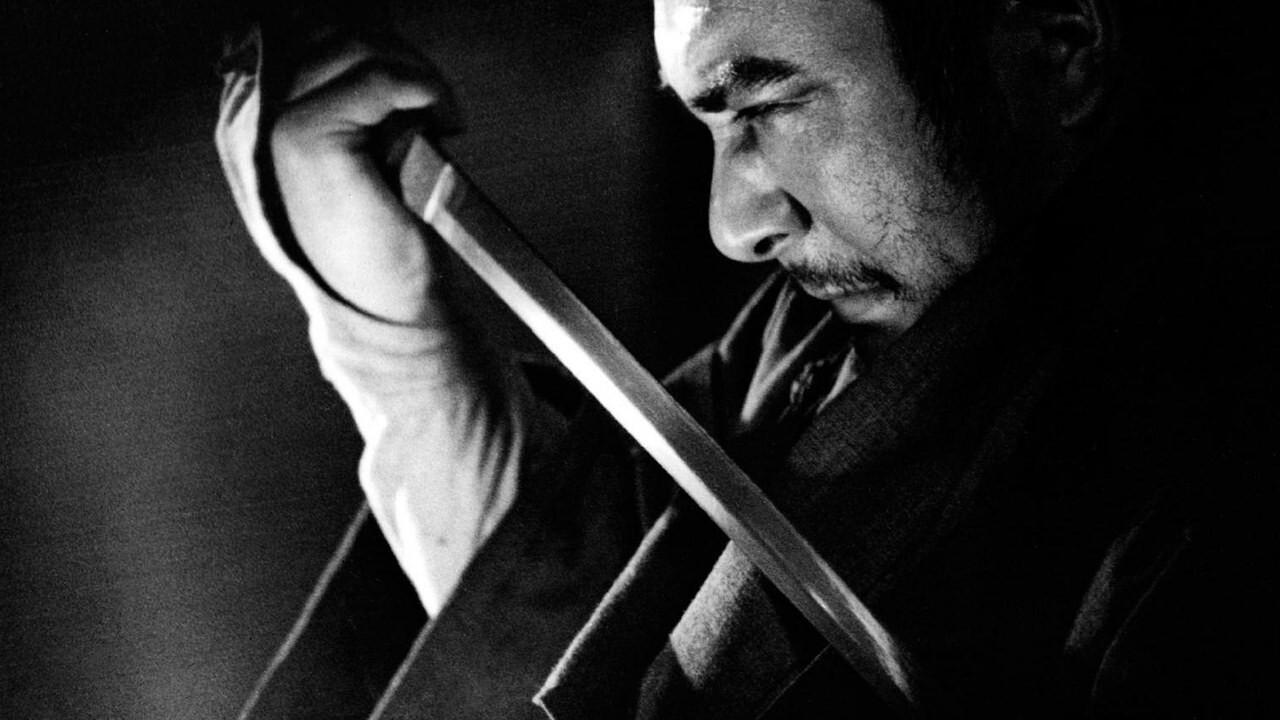
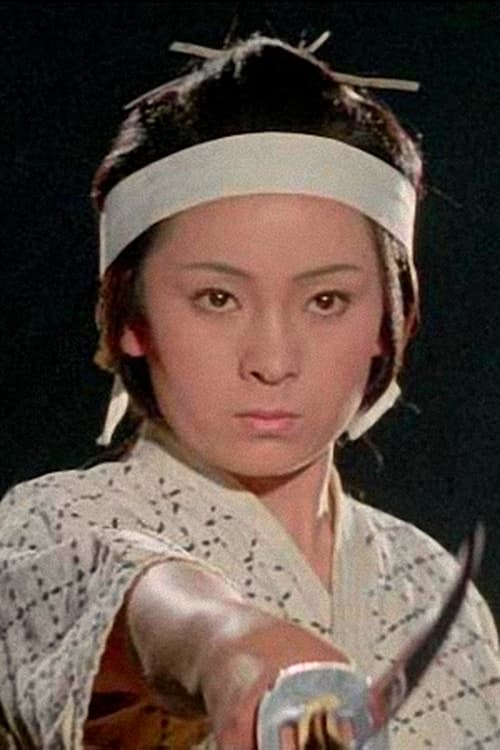
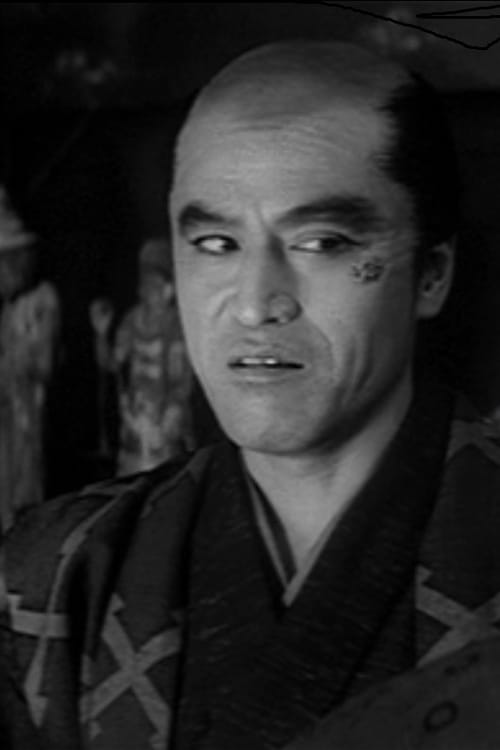
As a result, we have characters of all kinds delivering fantastic performances. This film was made for these big emotional moments with cameras that linger on expressions, blocking that serves to accentuate a performance or a reveal, and fight choreography that is meant to mirror the emotional state of the combatants. It’s just utterly fantastic
Now this is a great Zatoichi film. So far, the best Zatoichi film I’d seen in this series was Zatoichi and the Chest of Gold, which was the most visually striking of all the Zatoichi films. Zatoichi’s Revenge, however, really wants to dive into who Ichi is. This isn’t to say that Zatoichi’s Vengeance is not visually striking - the film opens with a short fight in a wheat field illuminated underneath a dark, blue sky - but rather that what they do with the character is so much more interesting than anything they could have done visually.
Ichi has always been this figure of violence as the answer to violence, but in this film he is confronted with the effects of that when he meets a biwa priest whose life with blindness has driven him to different conclusions than Ichi had come to. While the film makes no pretenses to imply that Ichi would ever give up killing, it does force Ichi to grapple with what exactly violence and killing means to him and why he feels the need to lean upon it.
As a result, we have characters of all kinds delivering fantastic performances. This film was made for these big emotional moments with cameras that linger on expressions, blocking that serves to accentuate a performance or a reveal, and fight choreography that is meant to mirror the emotional state of the combatants. It’s just utterly fantastic