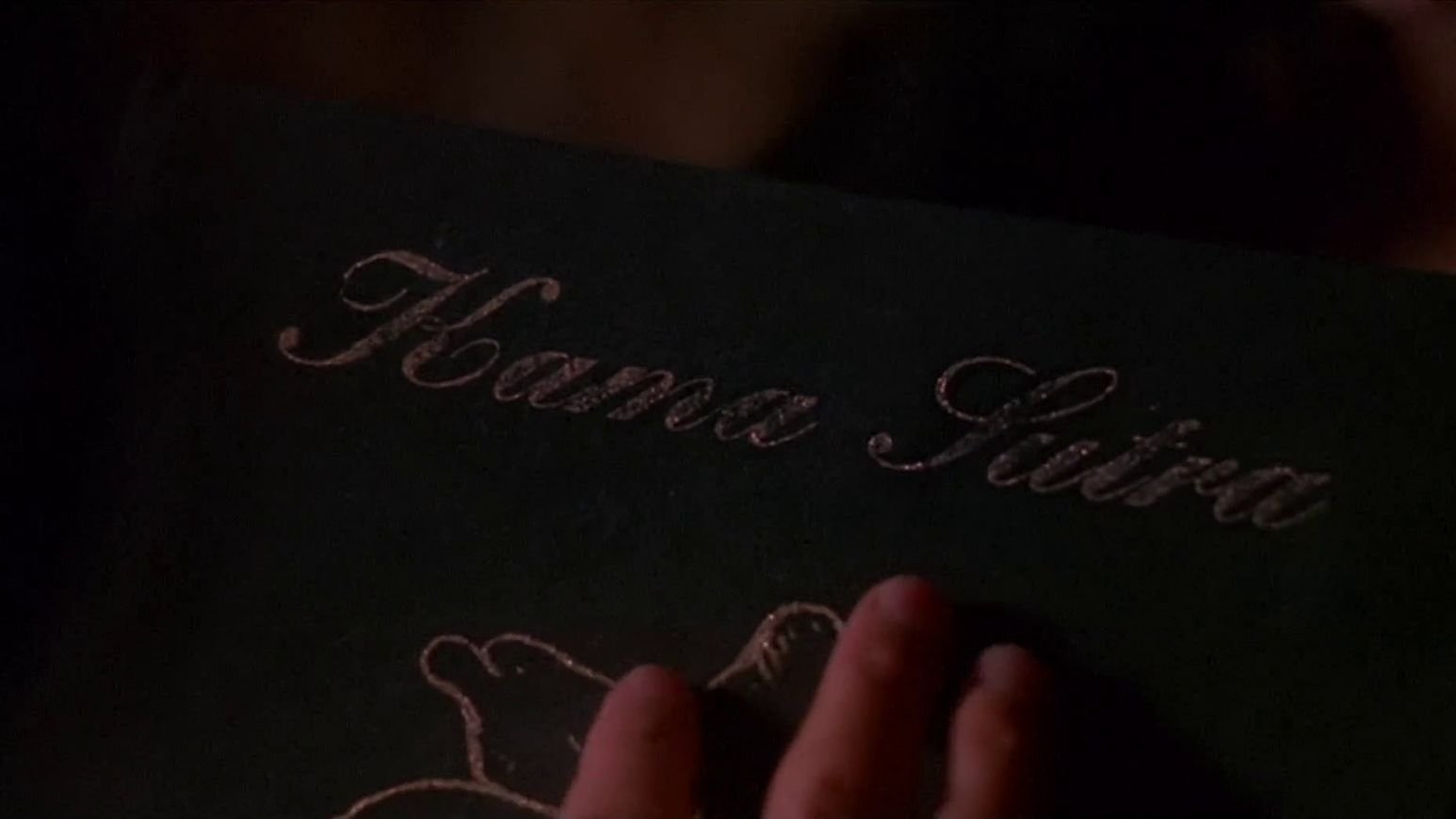
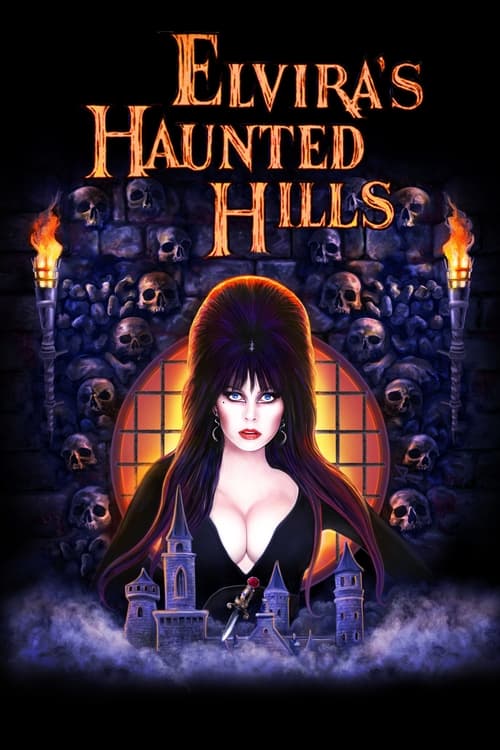
Elvira’s Haunted Hills feels like a cozy, affectionate throwback rather than a full-bodied sequel a film content to live inside homage instead of pushing Elvira’s world forward. It trades the anarchic energy of Mistress of the Dark for something gentler and more theatrical, and while that shift is charming, it also limits the film’s impact.
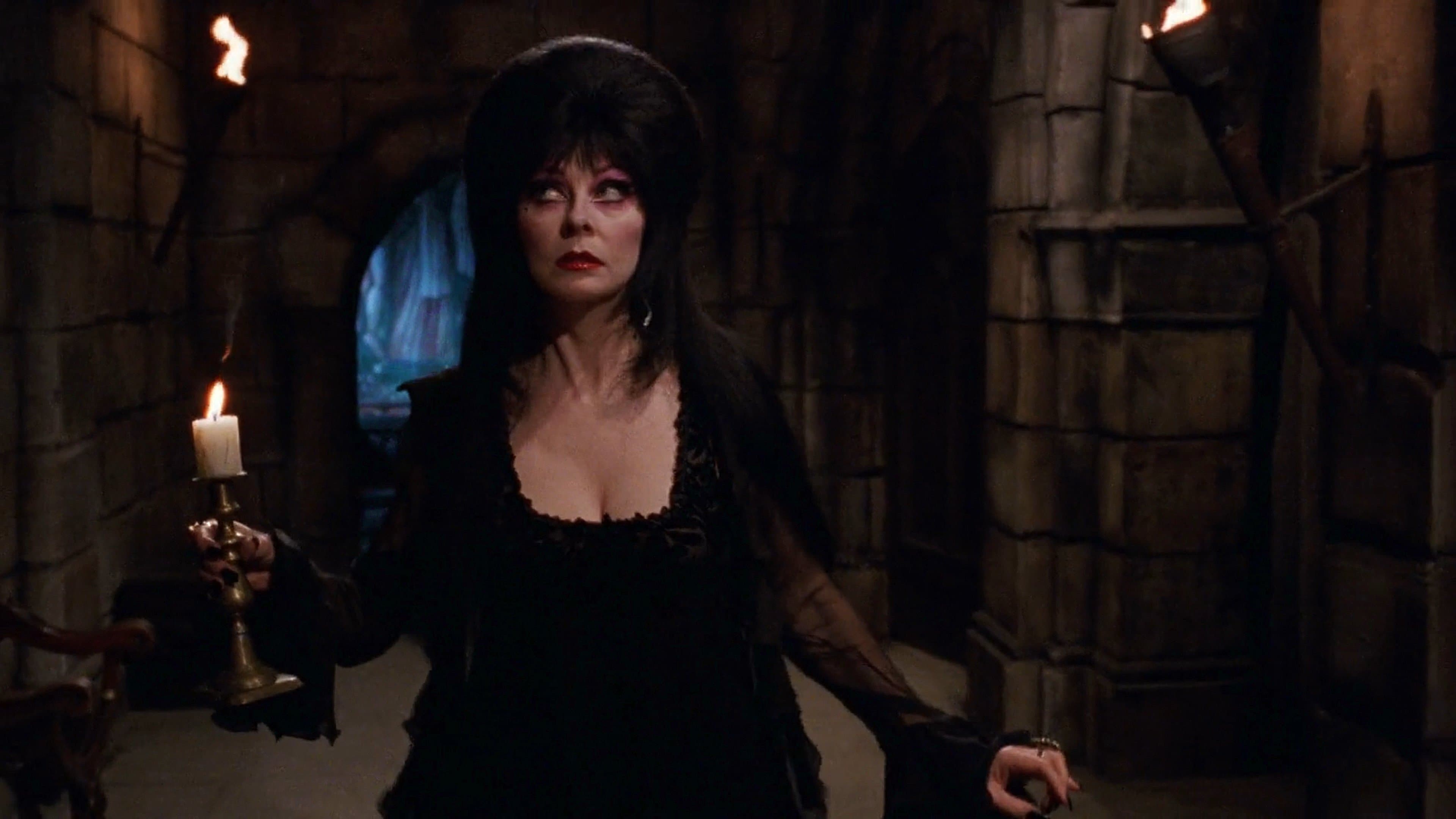
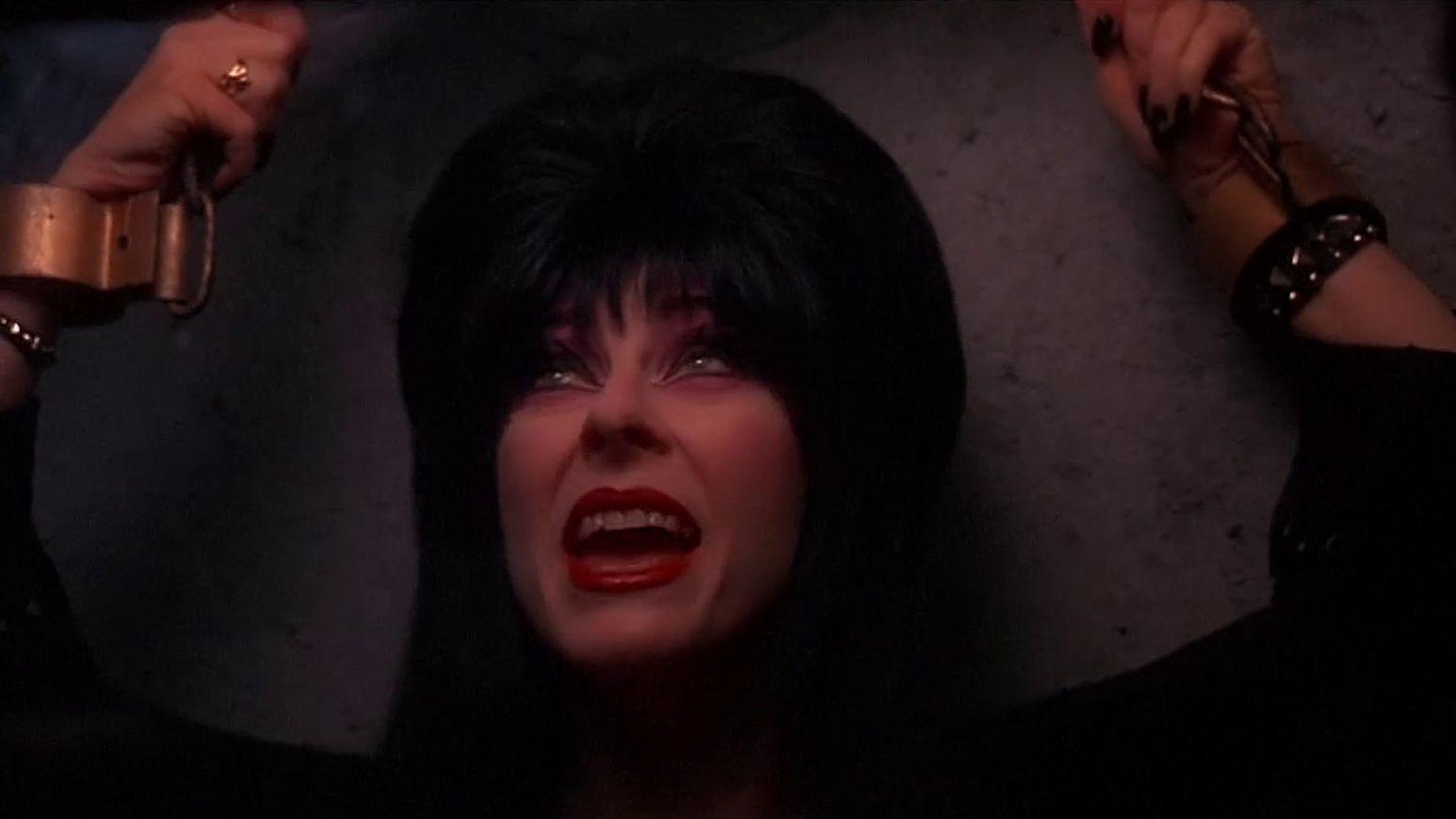
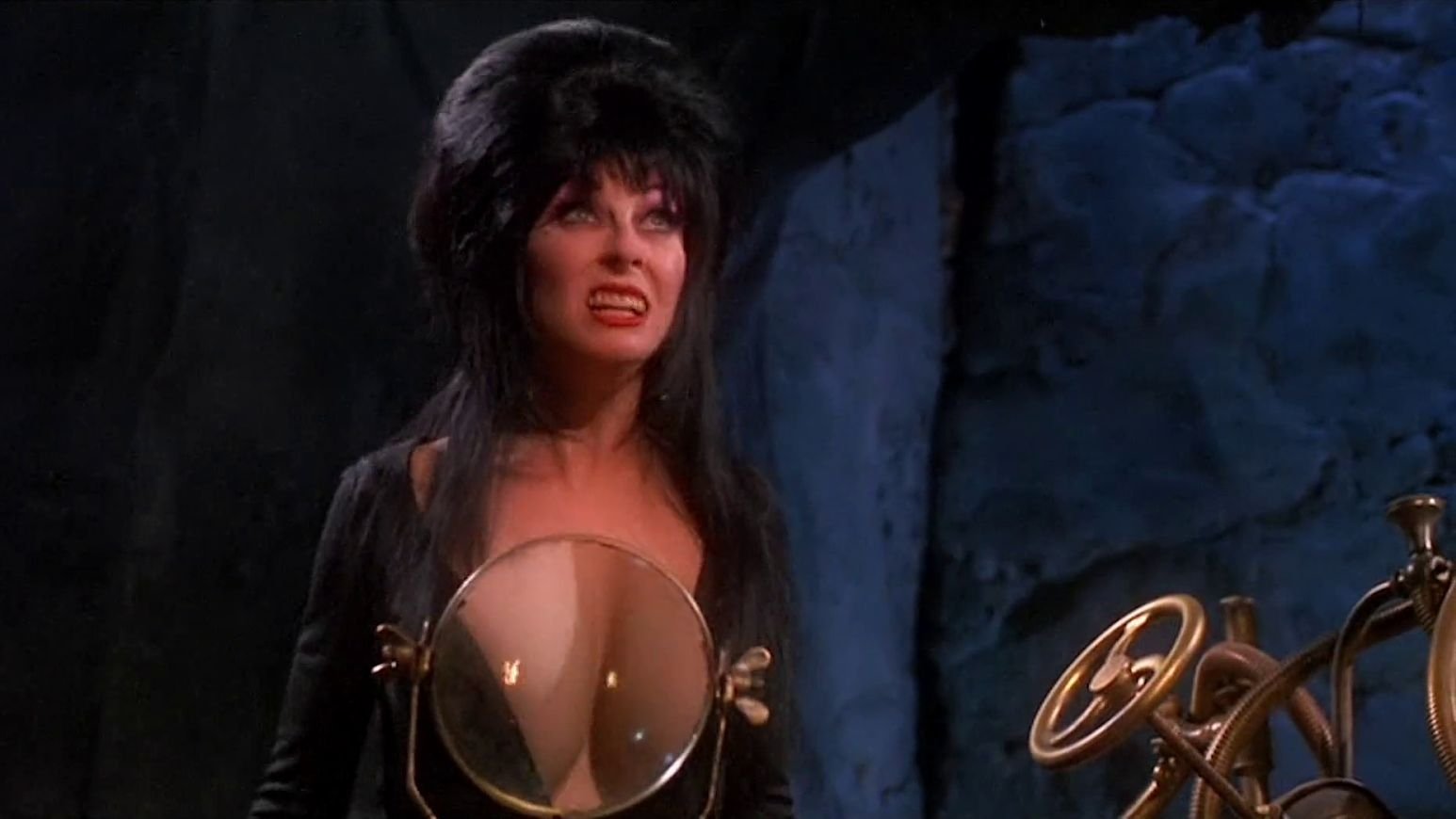
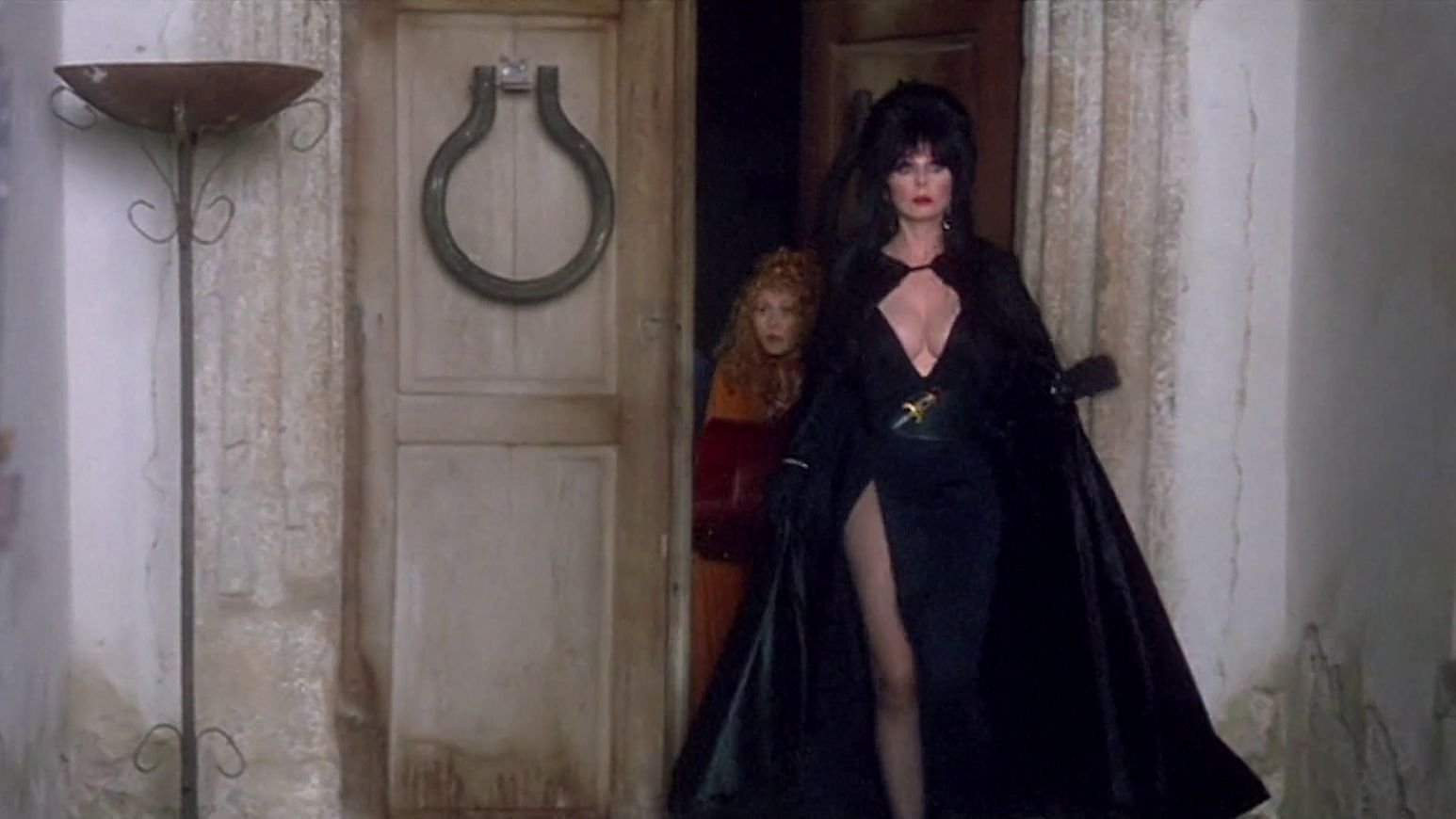
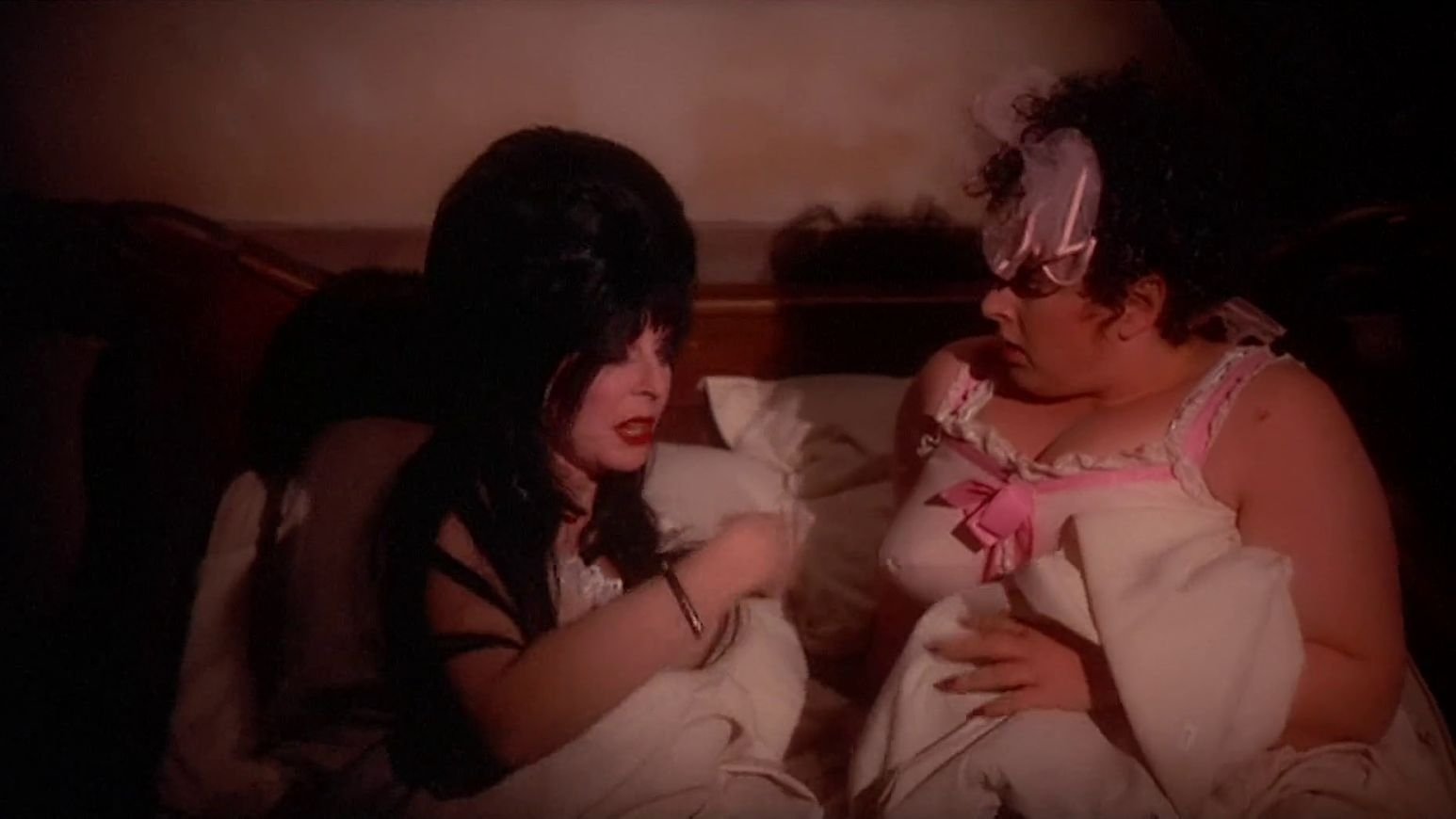
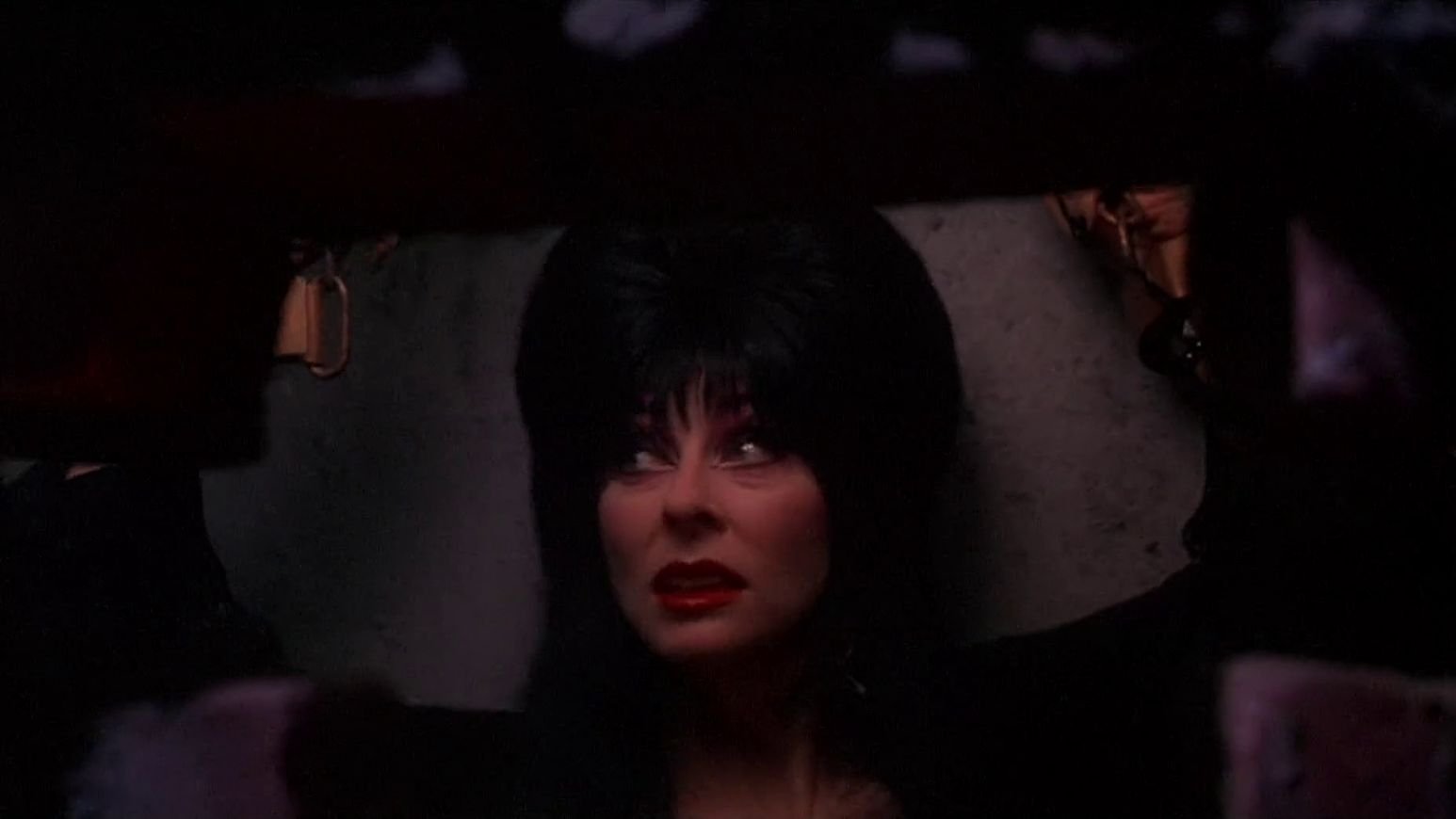
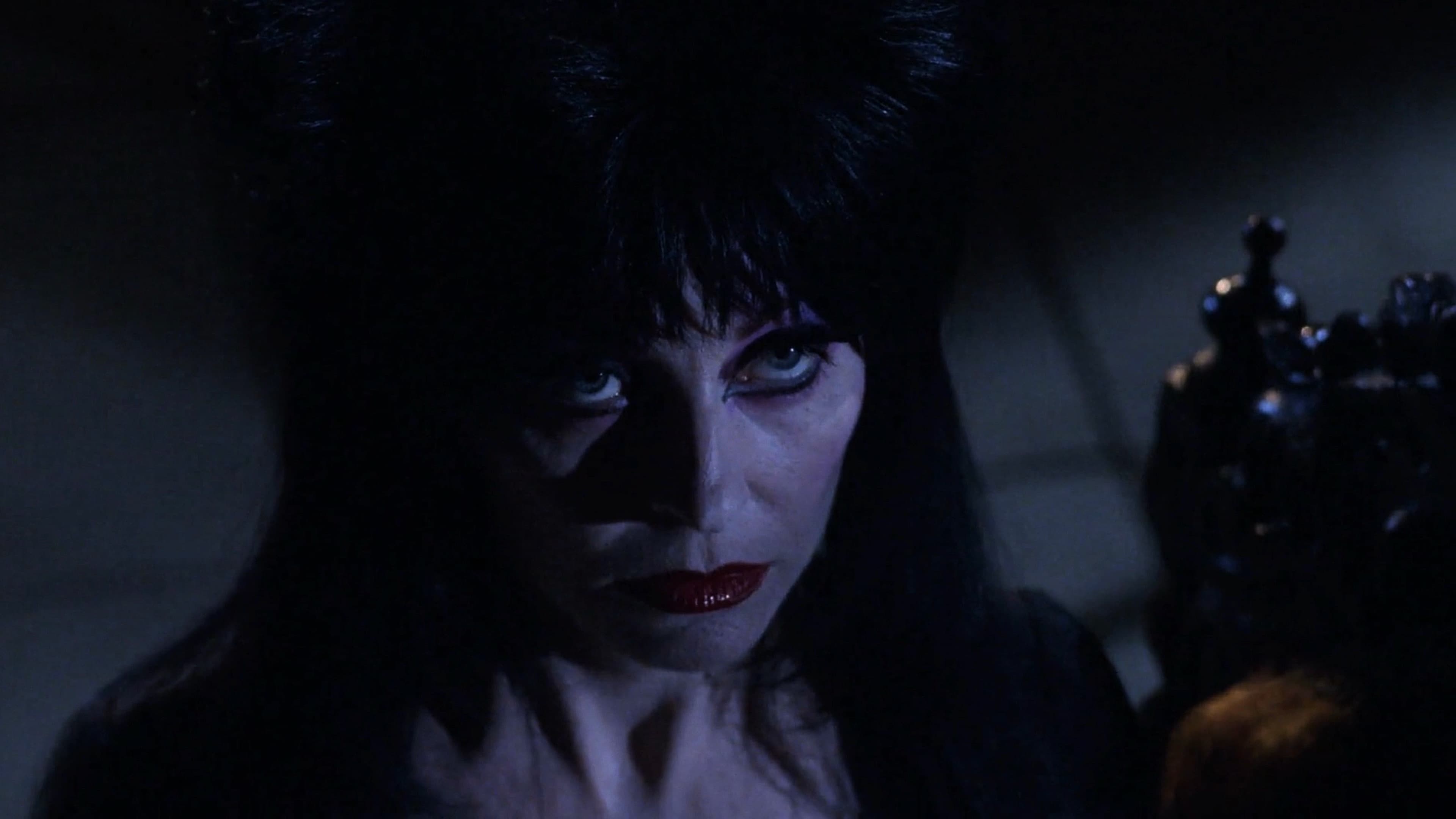
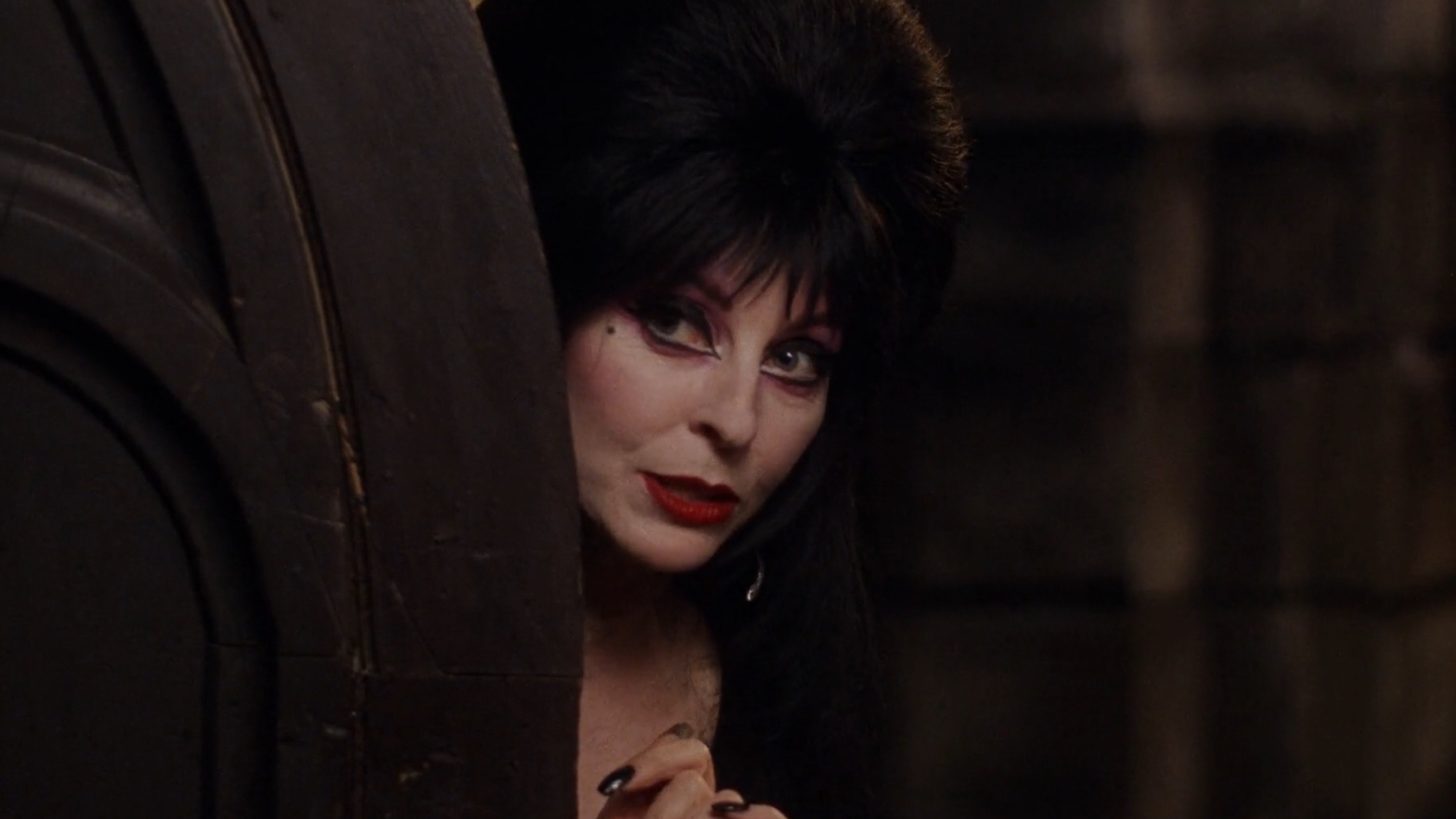
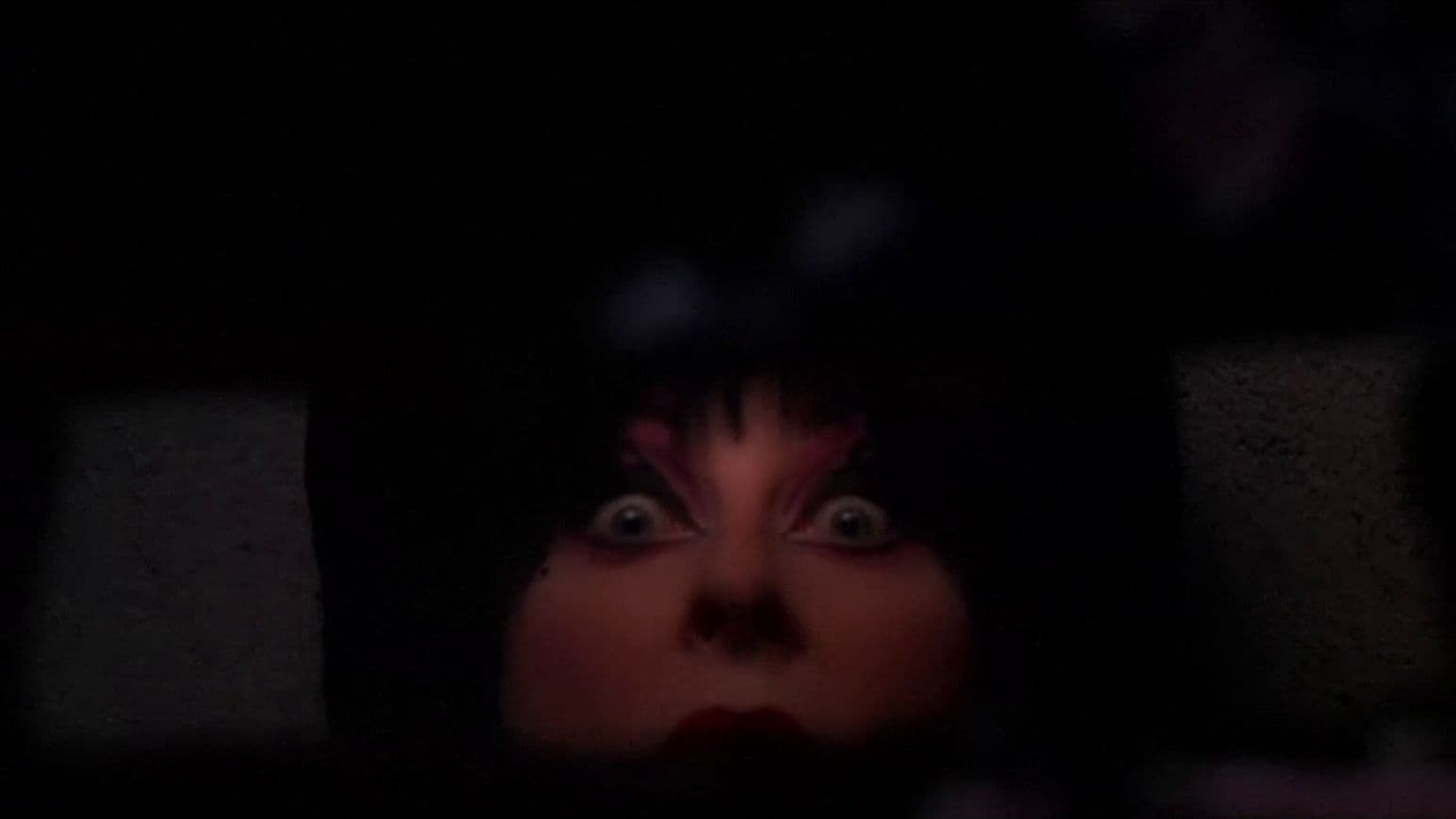
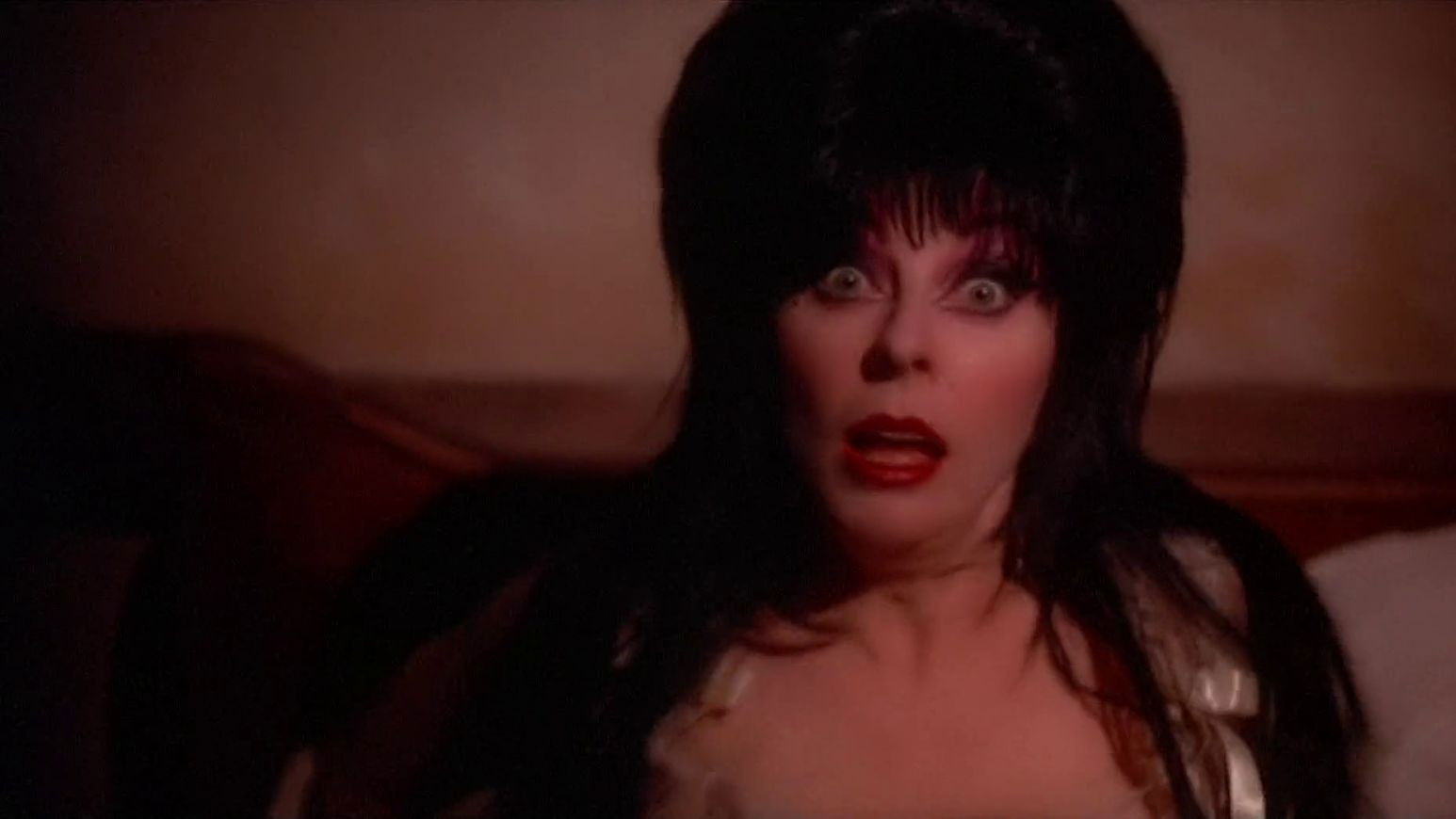
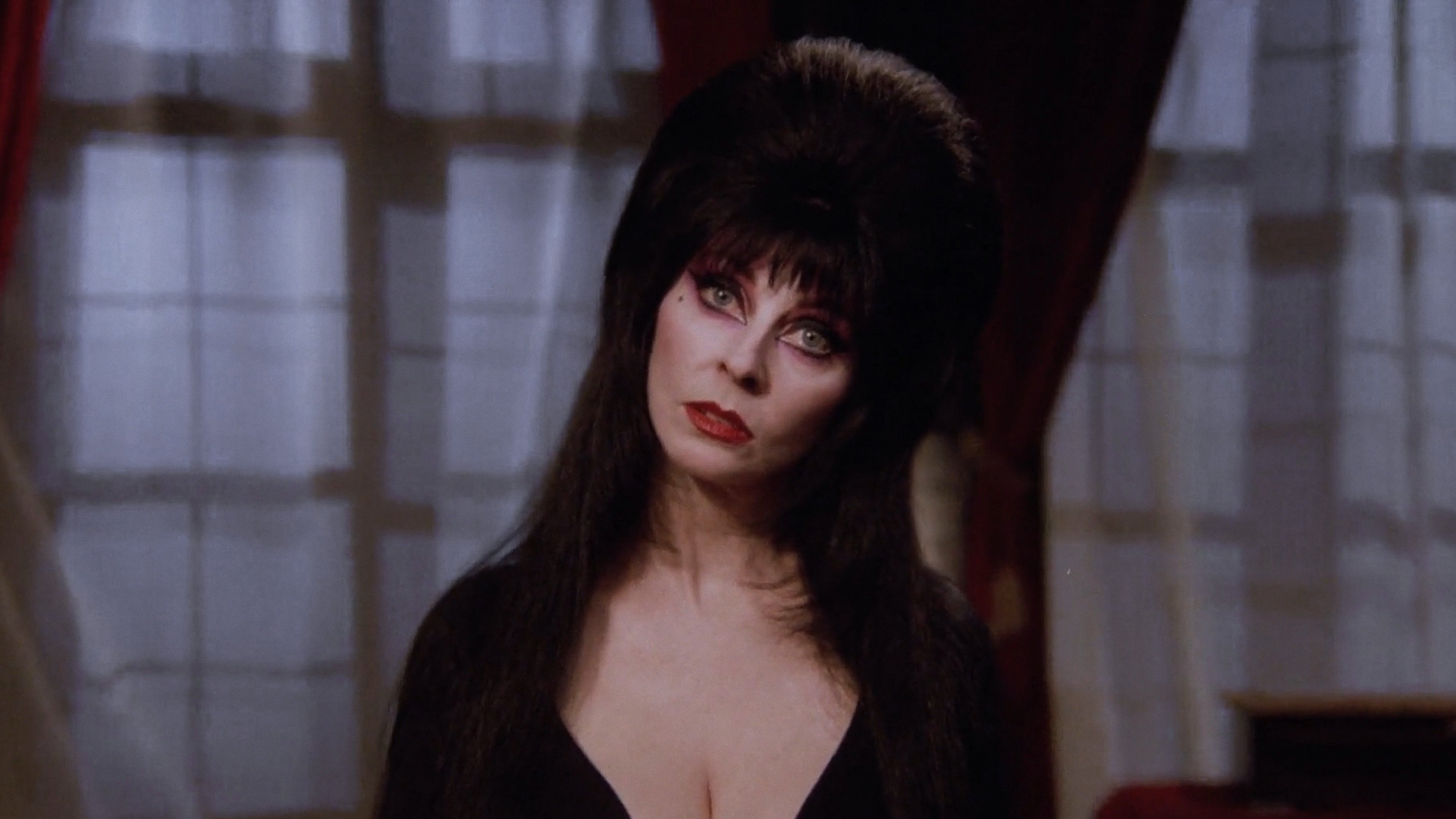
Cassandra Peterson is still an absolute pleasure to watch. Elvira remains sharp, self-aware, and perfectly in control of her persona, delivering jokes with the same wink-to-the-camera confidence that made the character iconic but the film gives her less to bounce off of. The humor leans more toward broad parody than punchy satire, and fewer moments truly surprise.
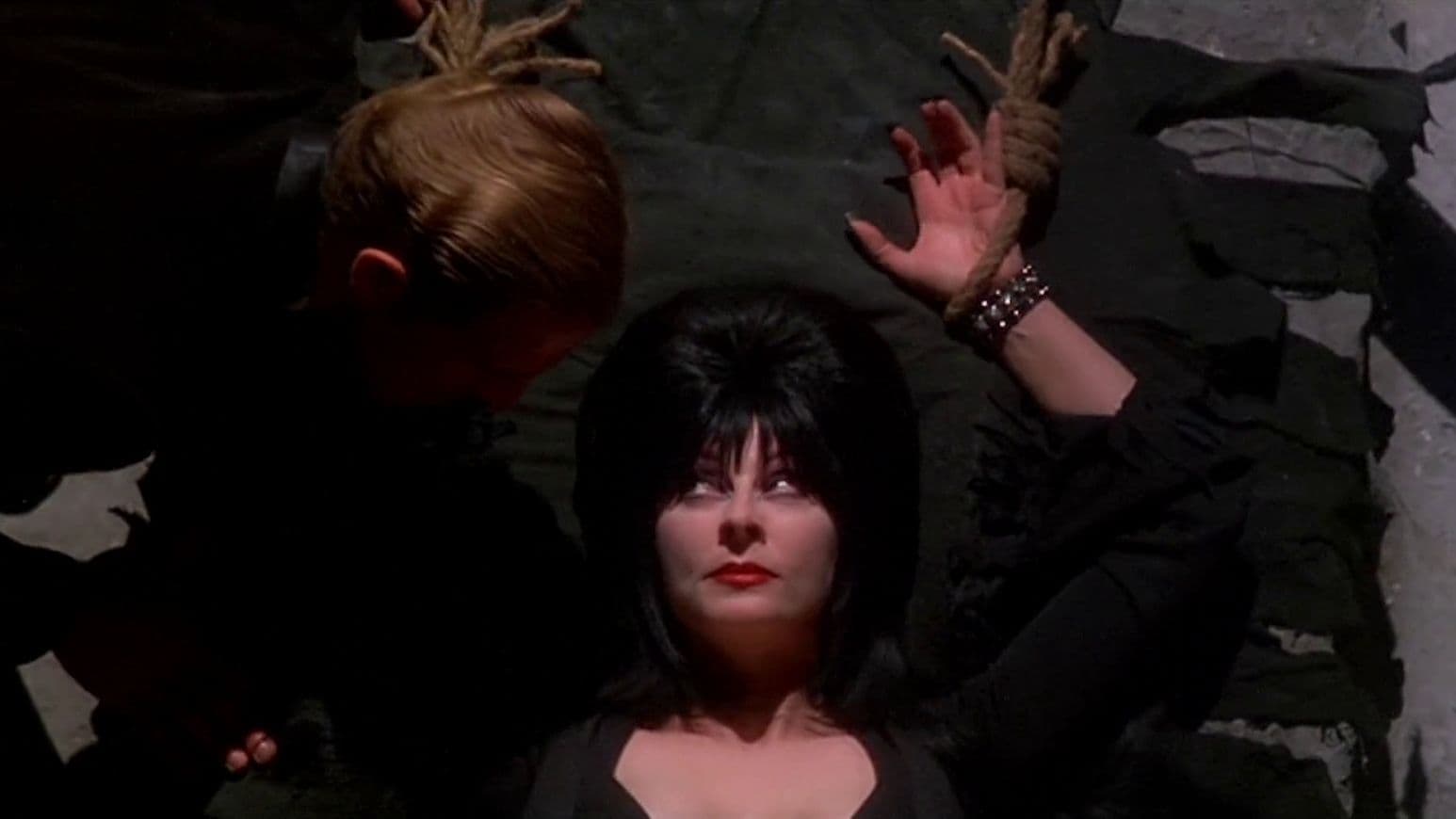
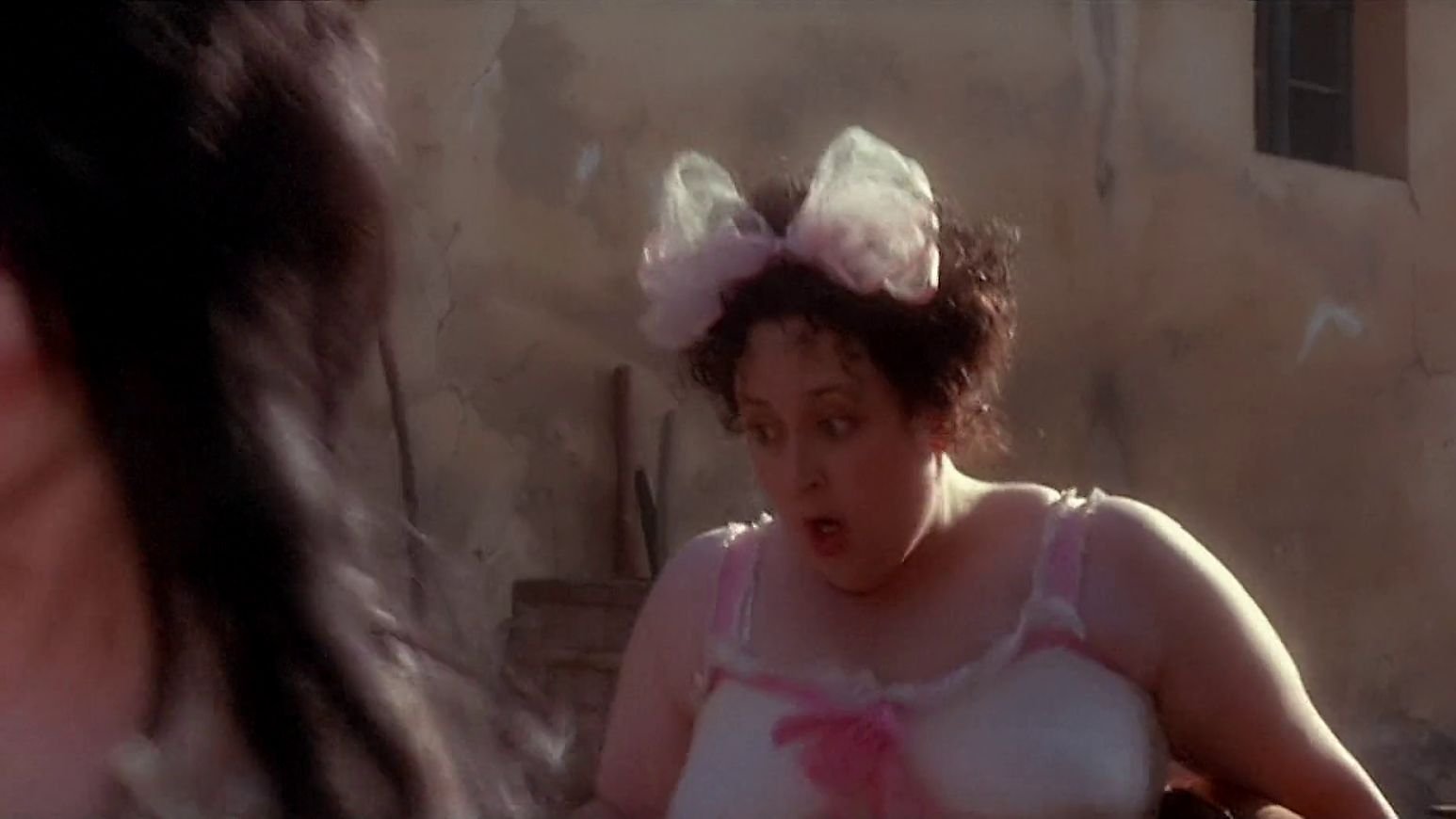
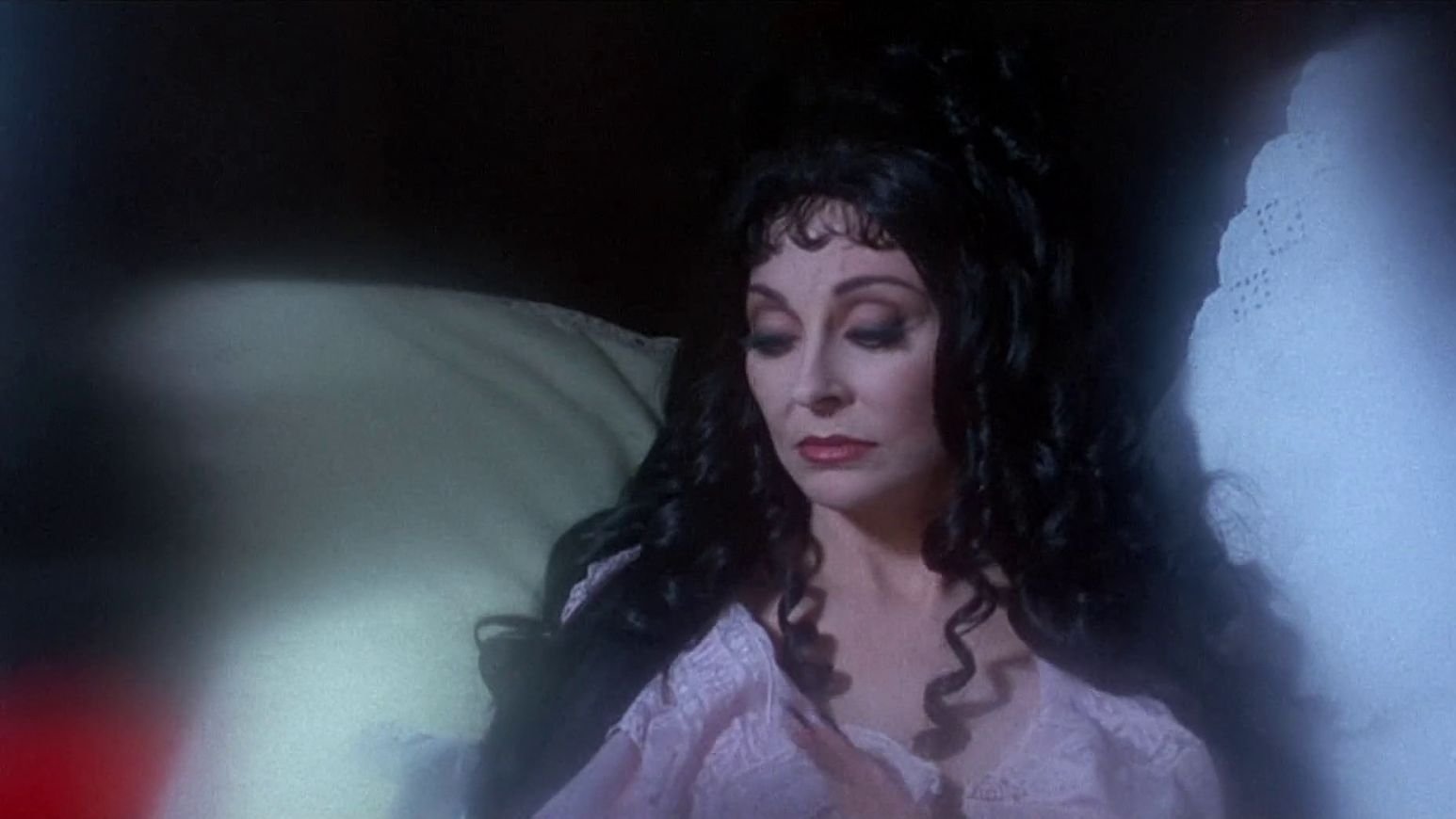
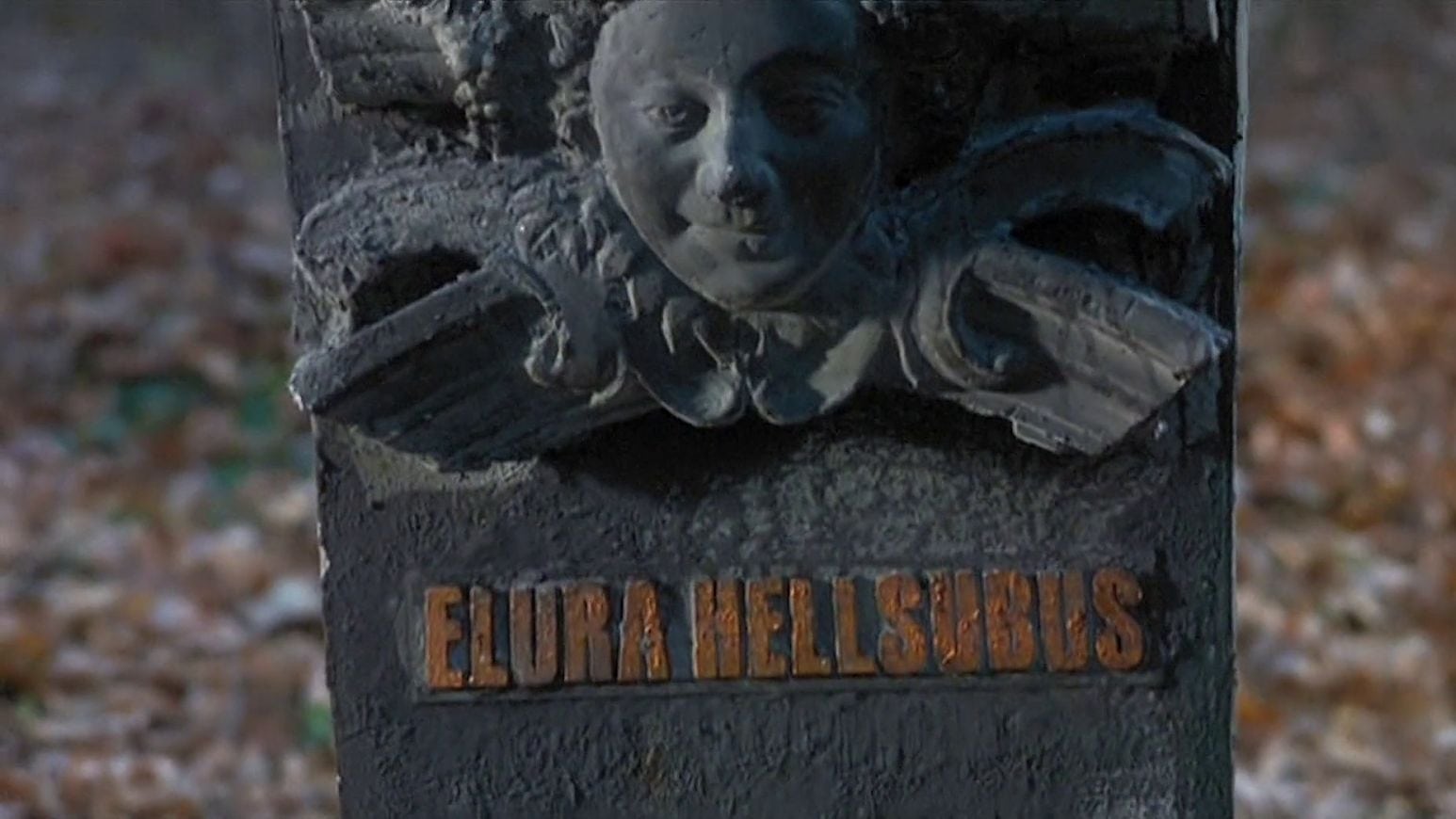
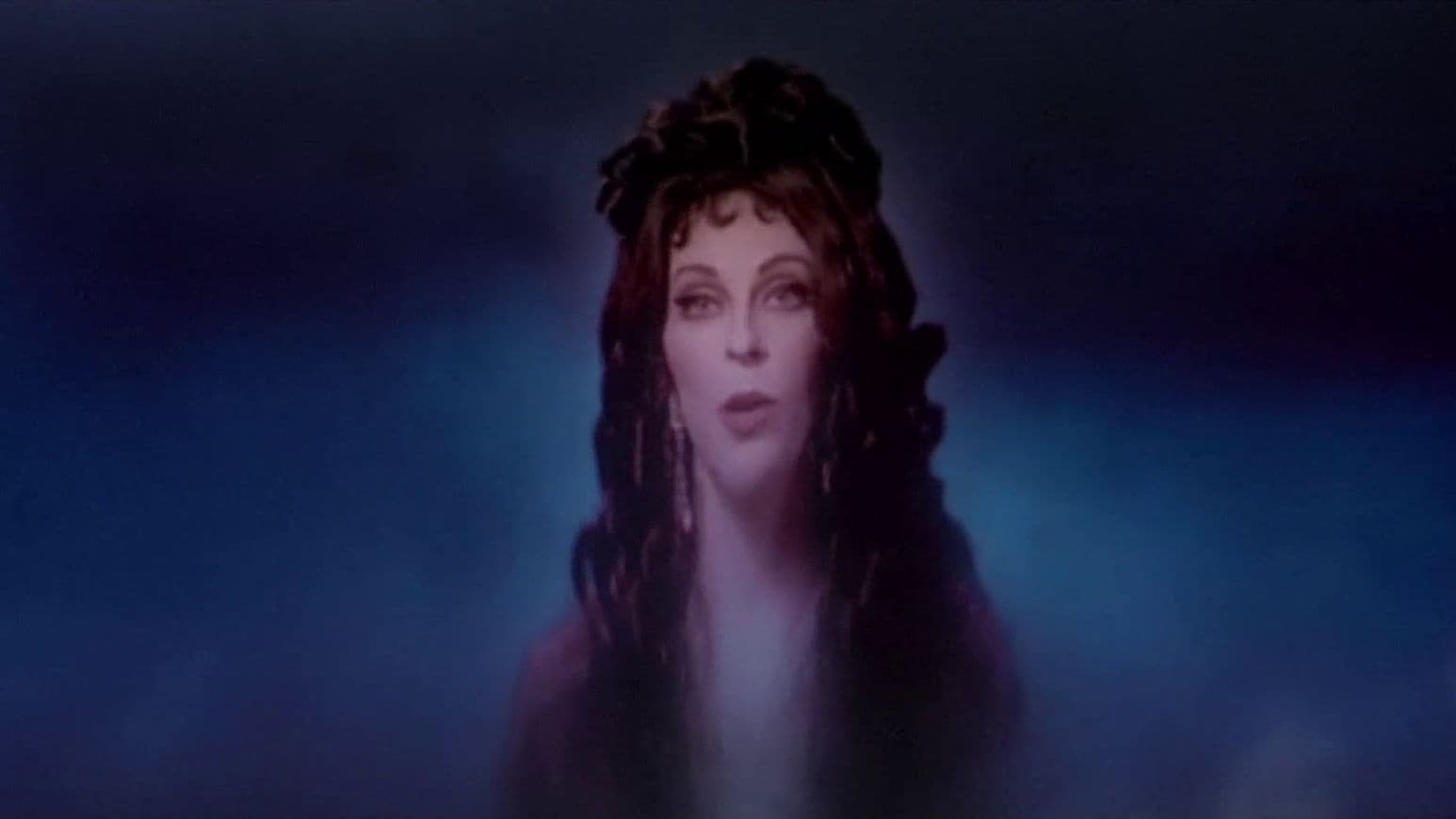
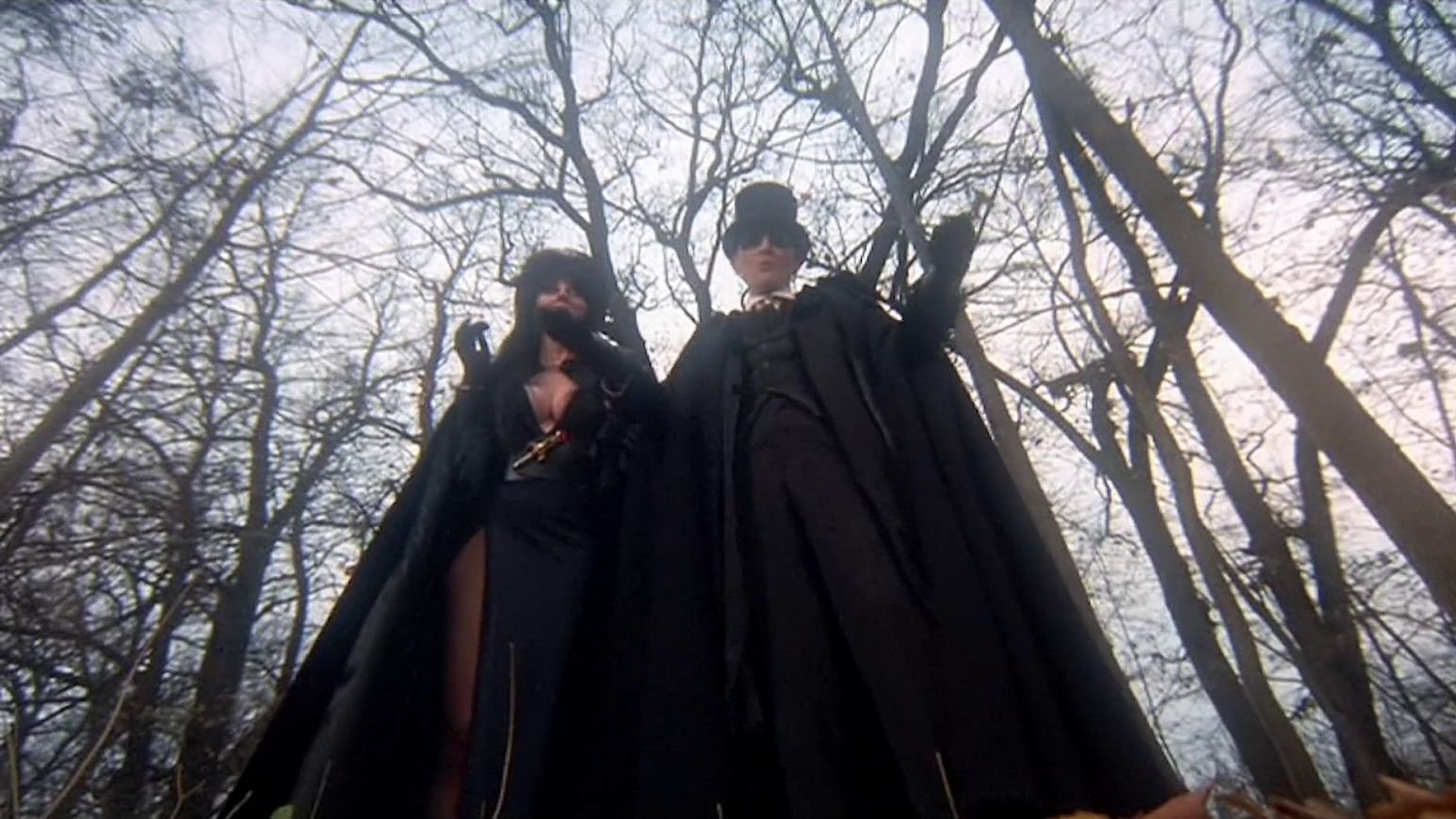
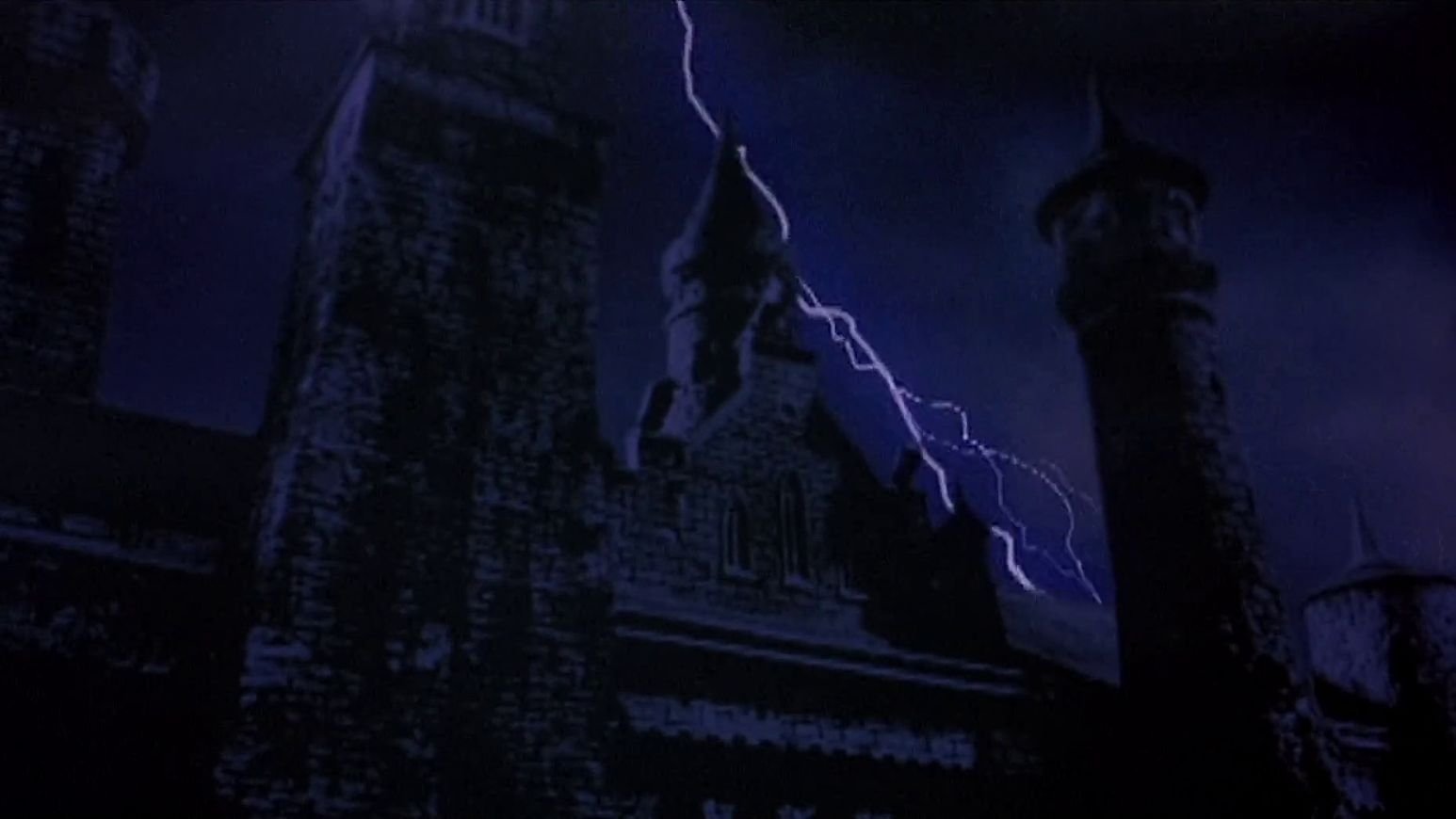
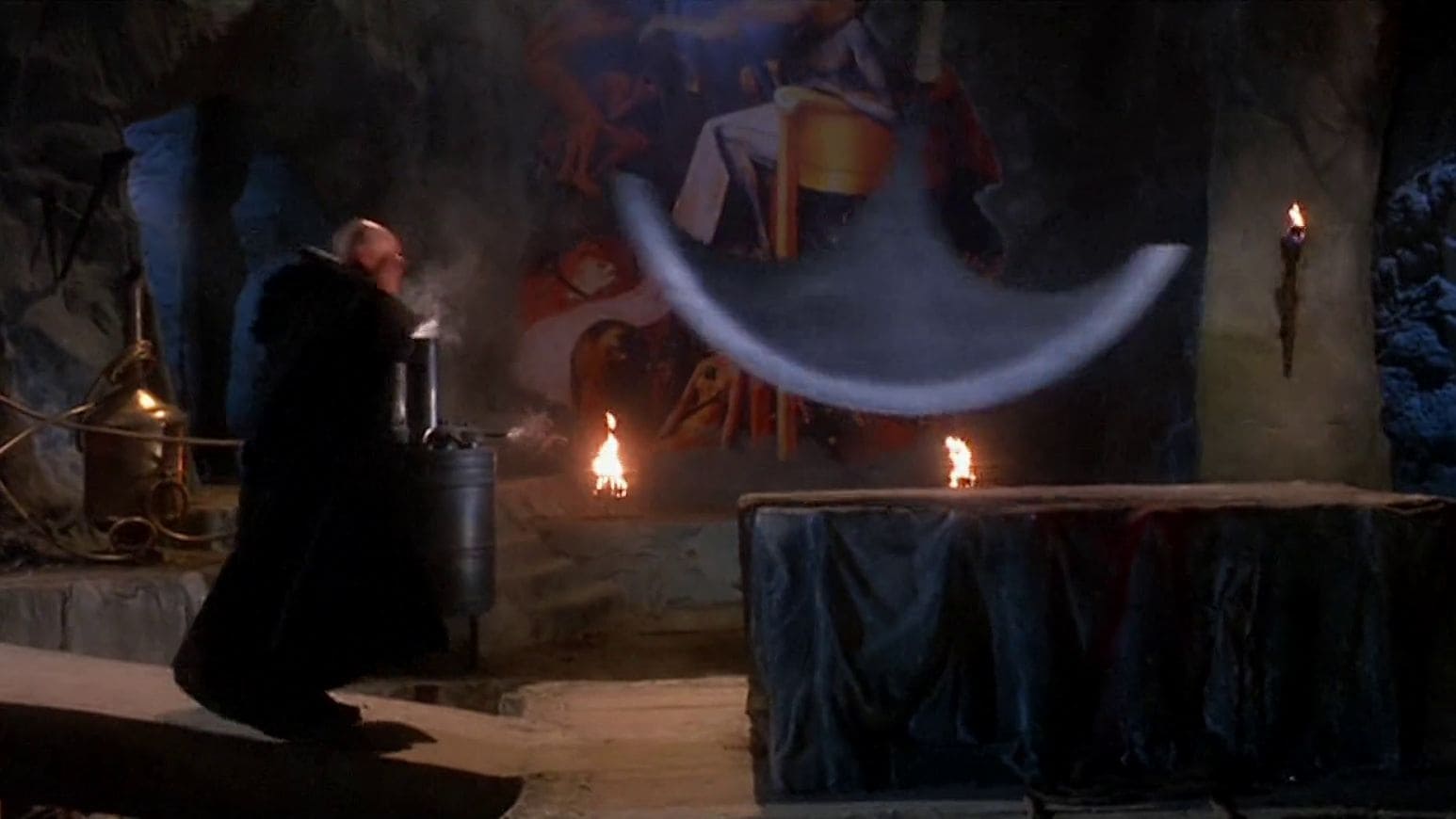
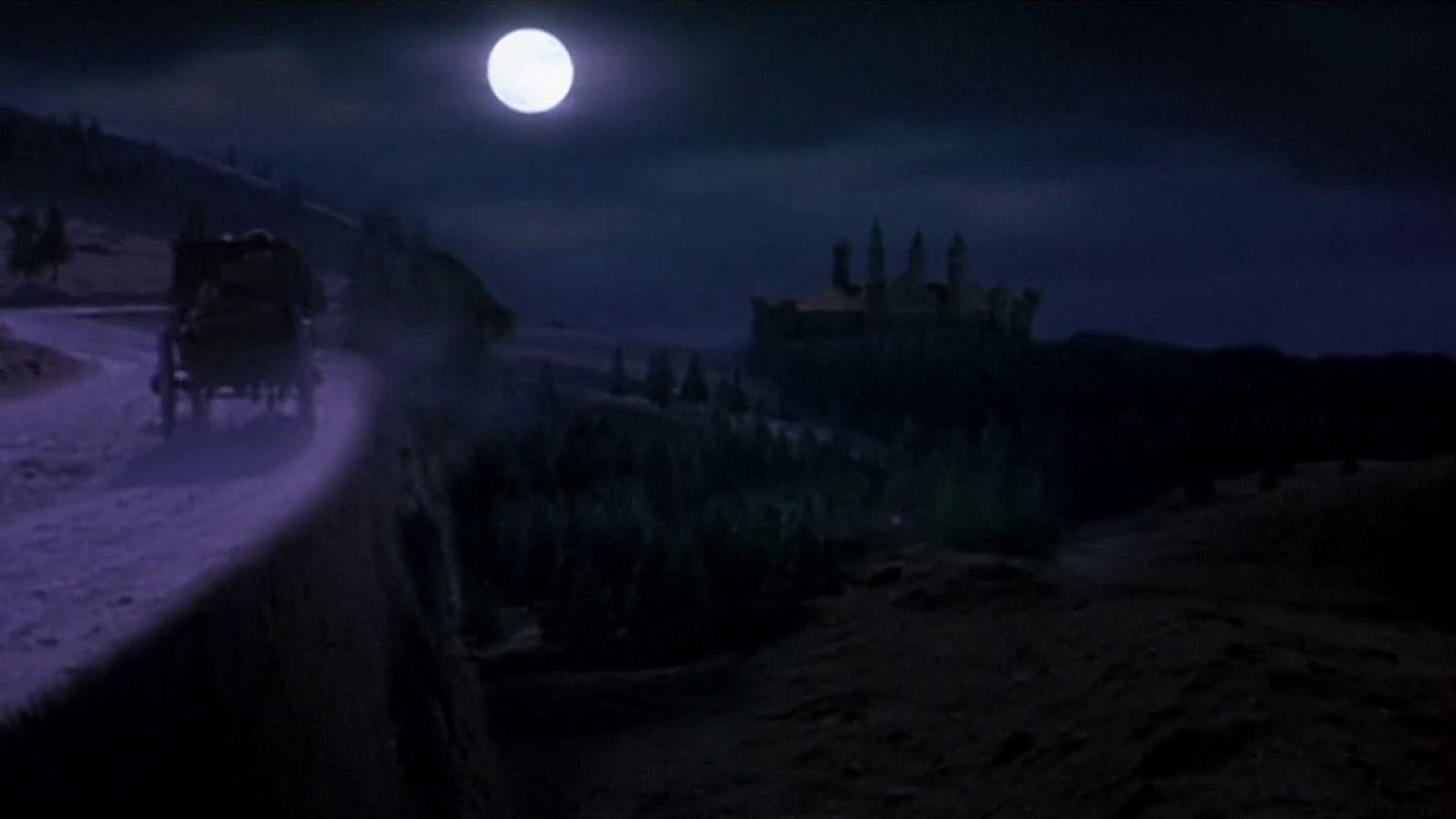
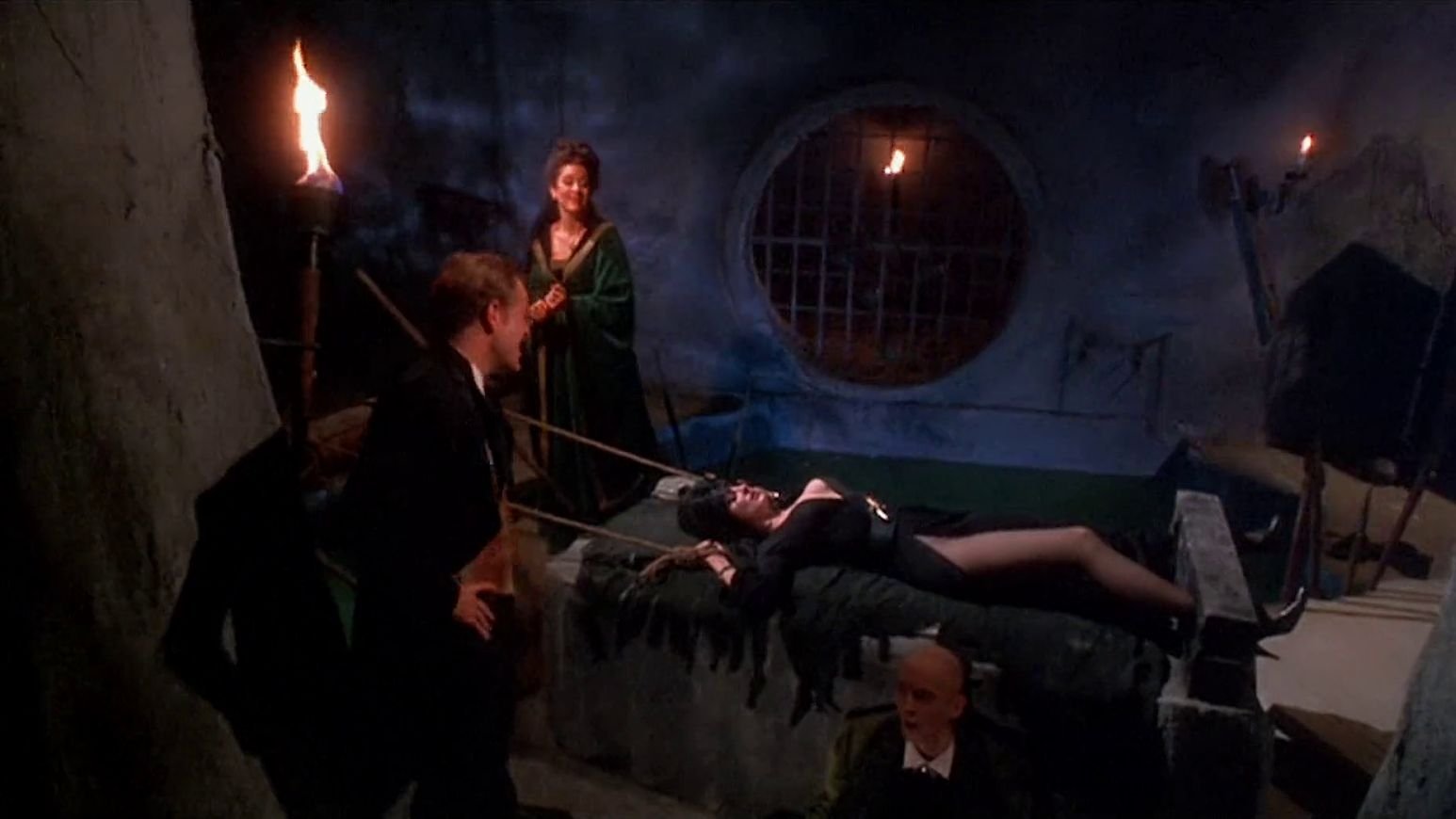
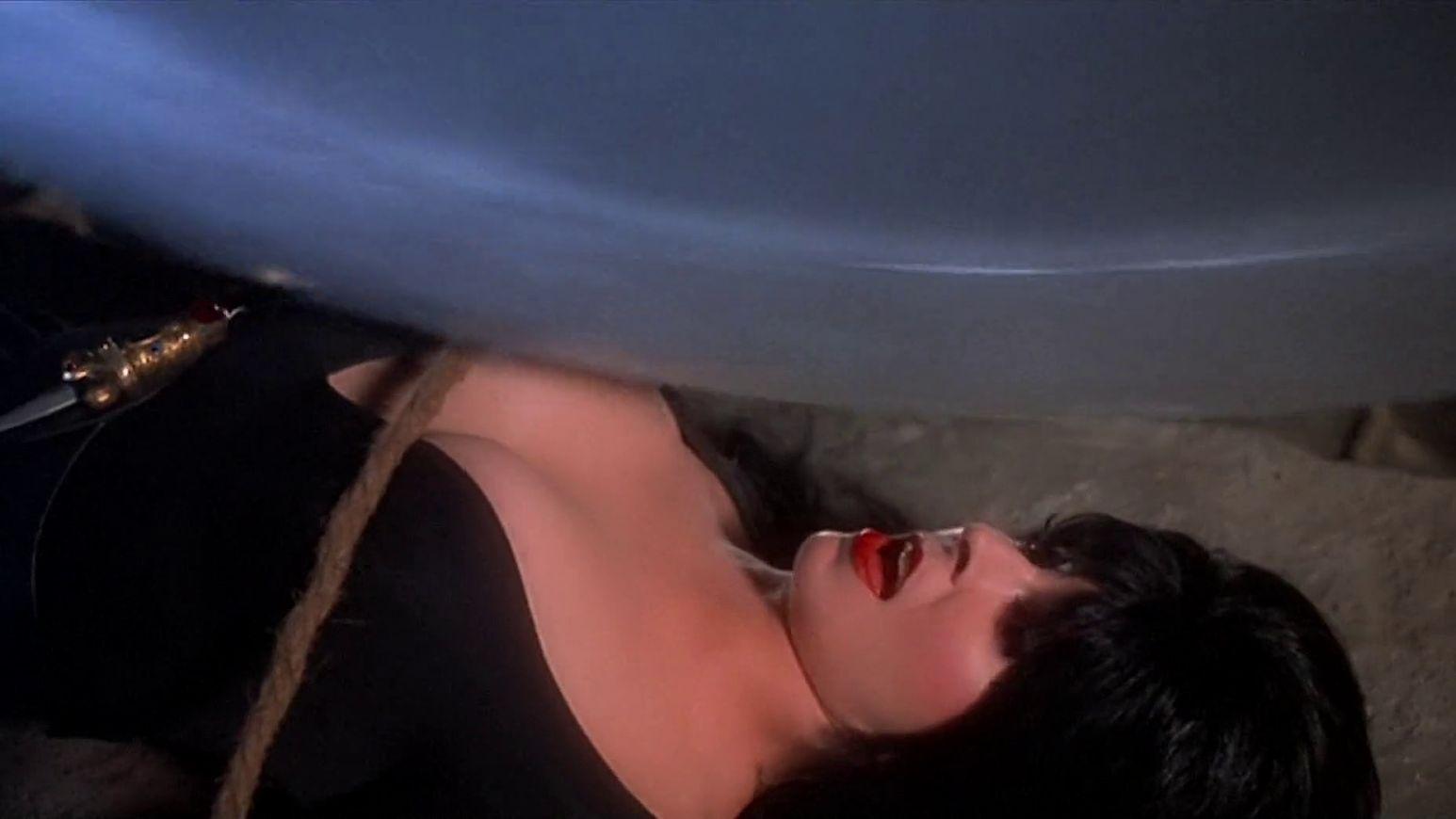
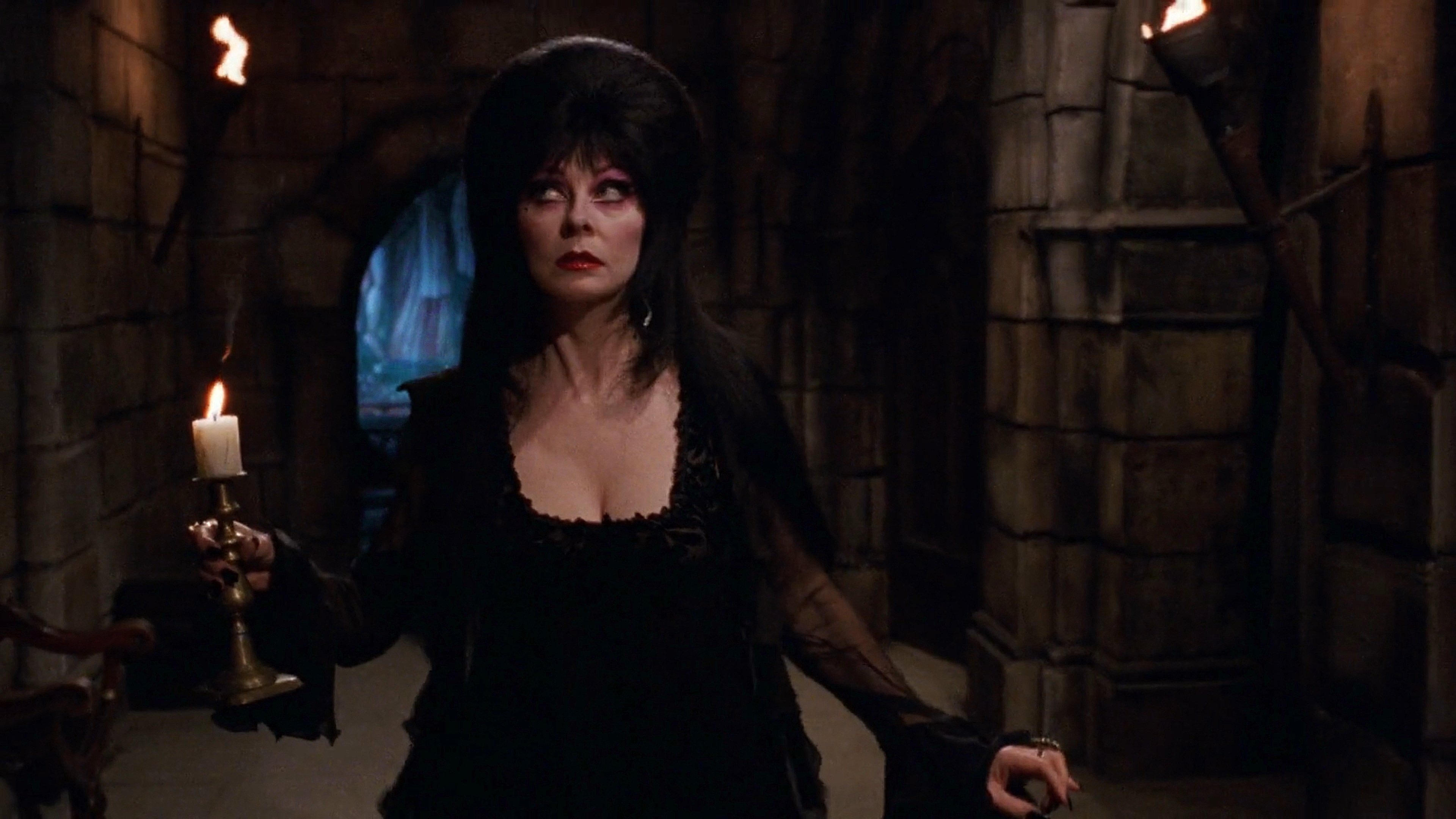
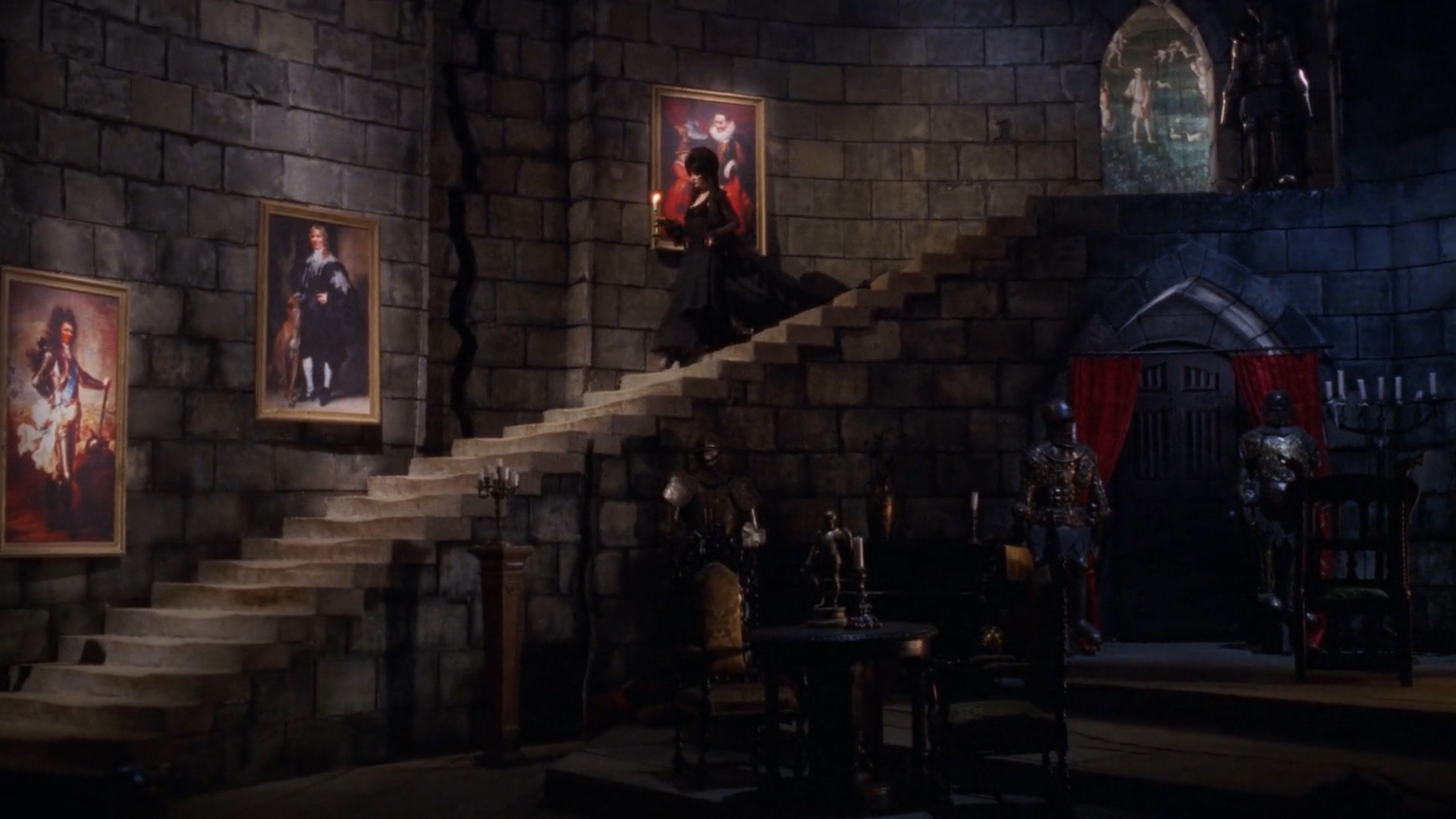
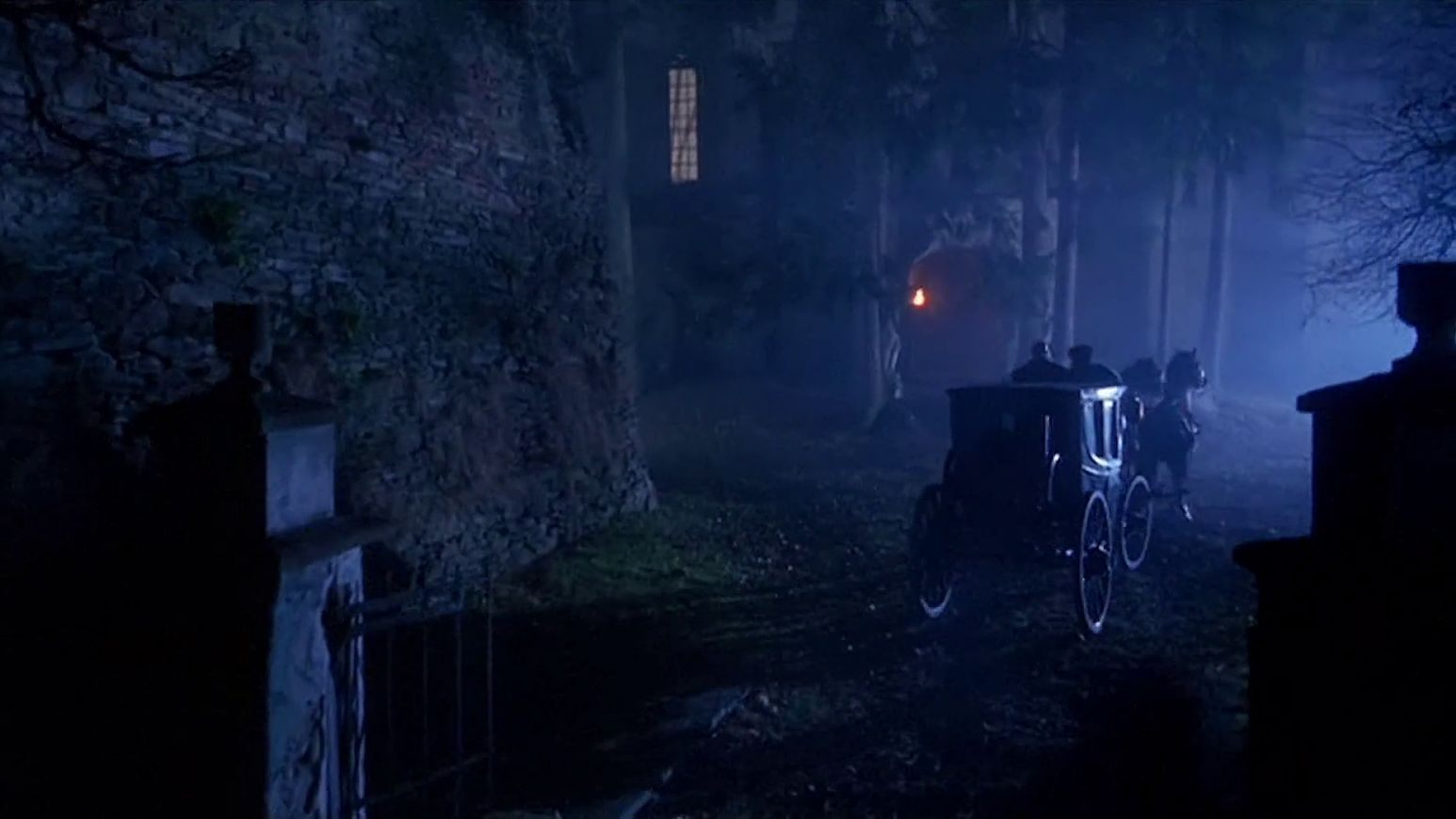
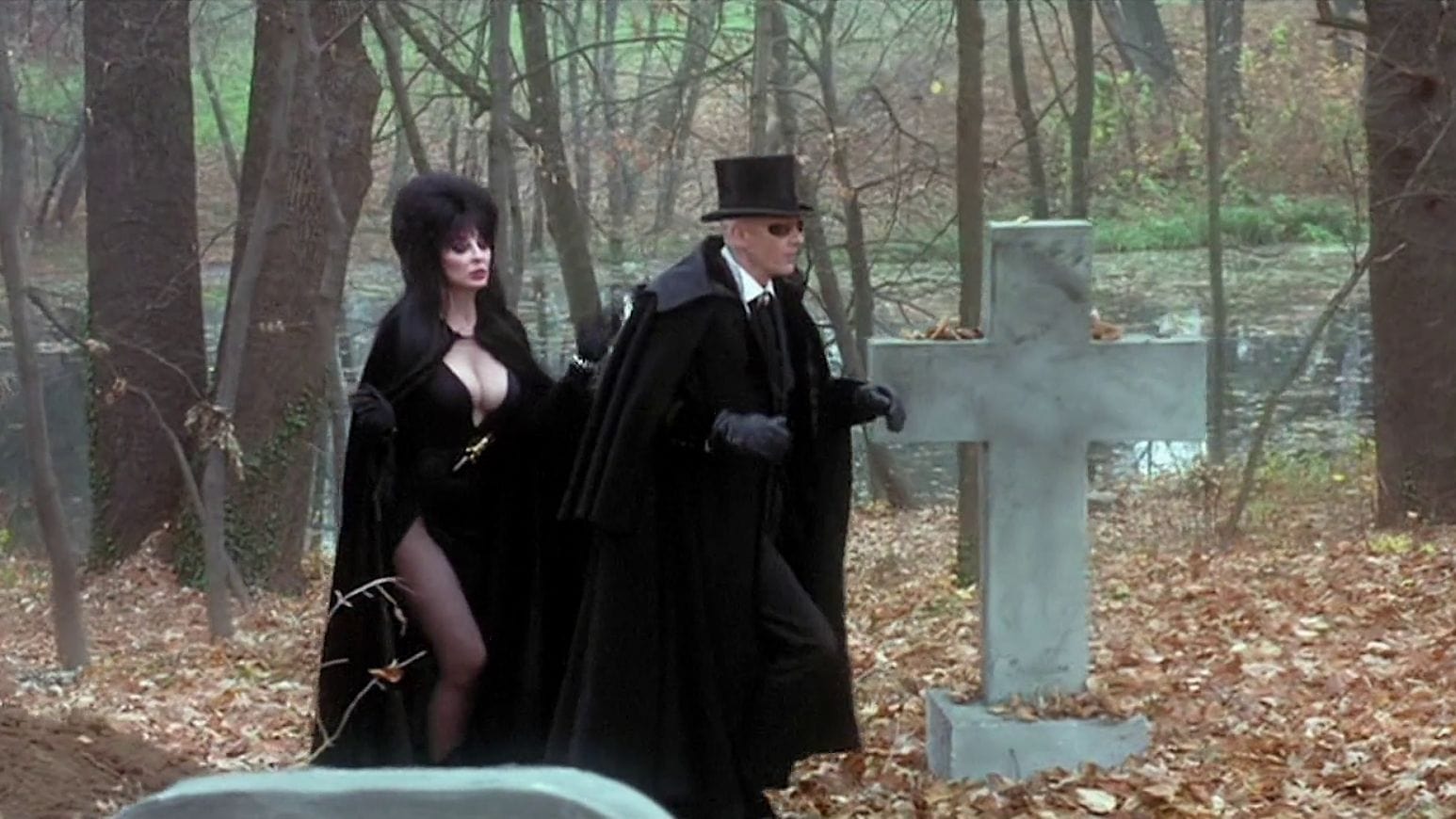
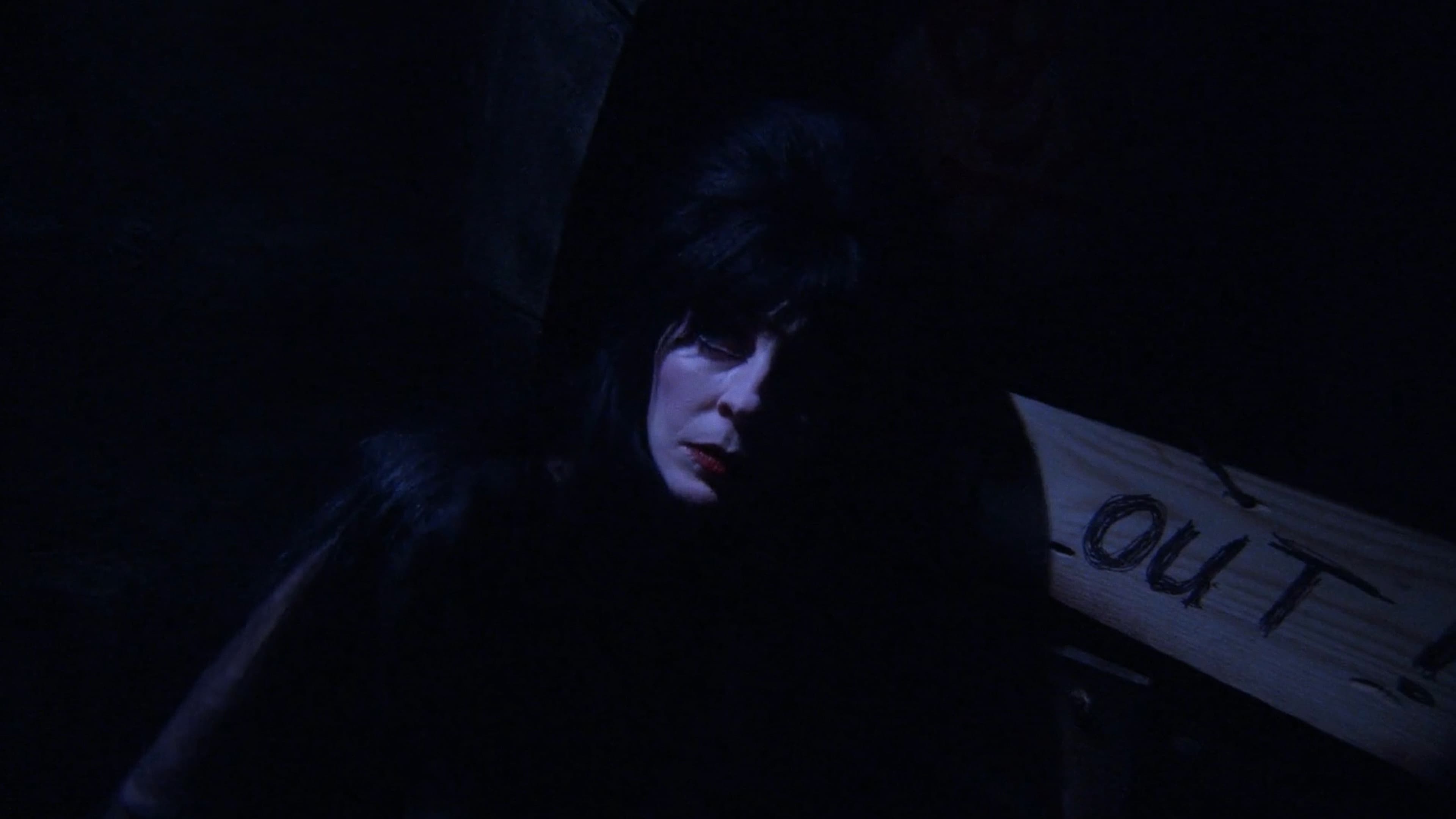
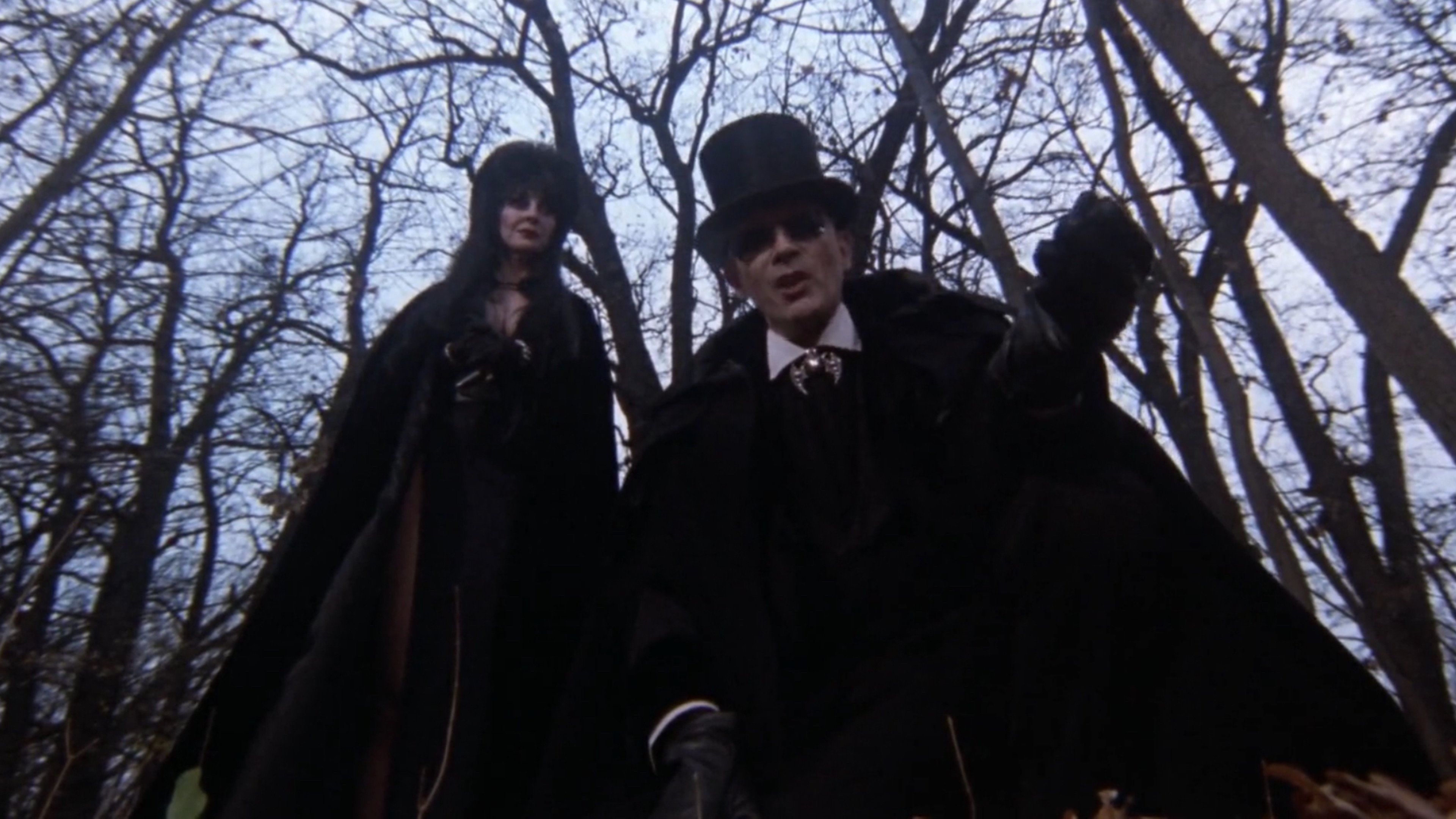
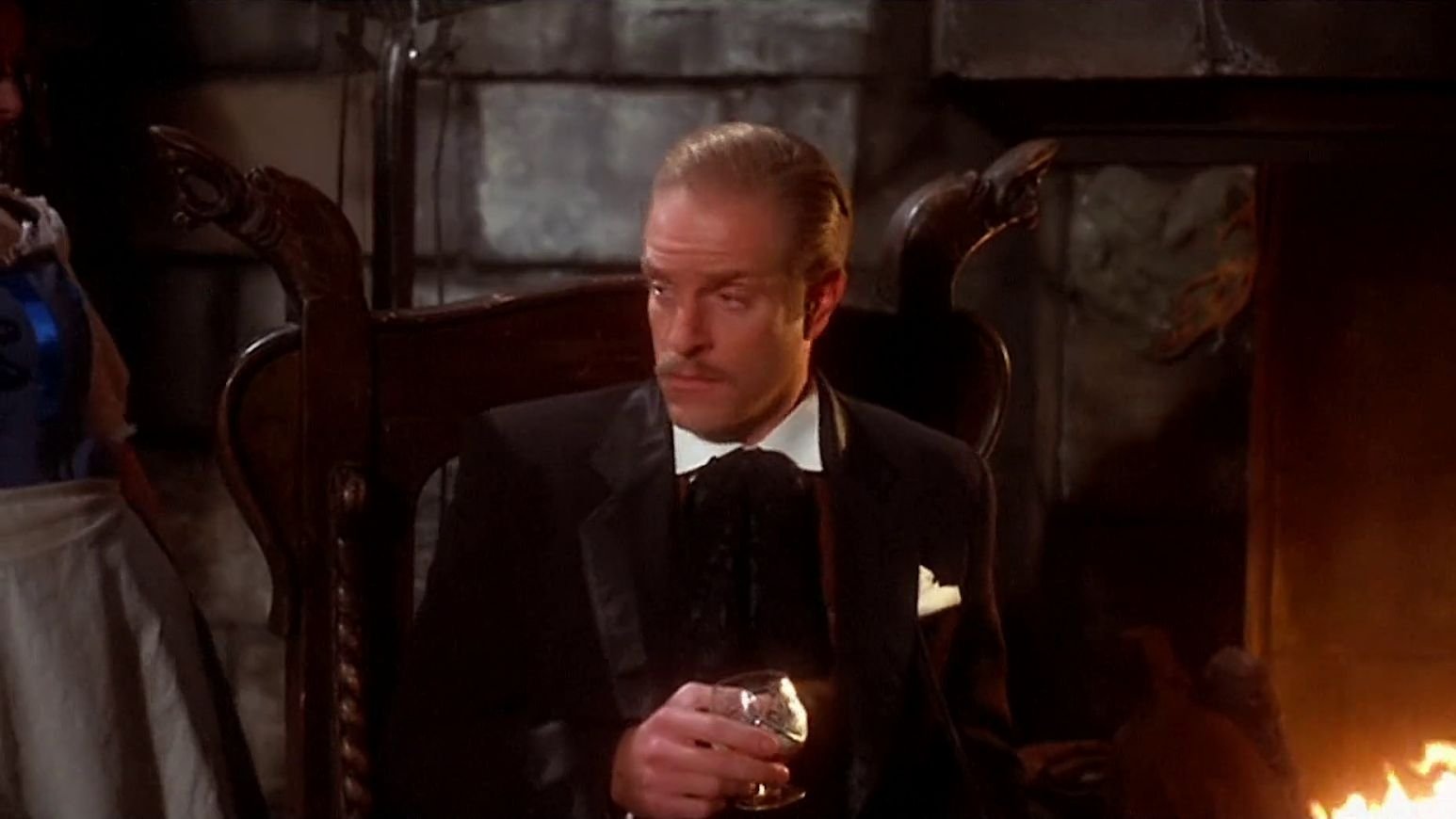
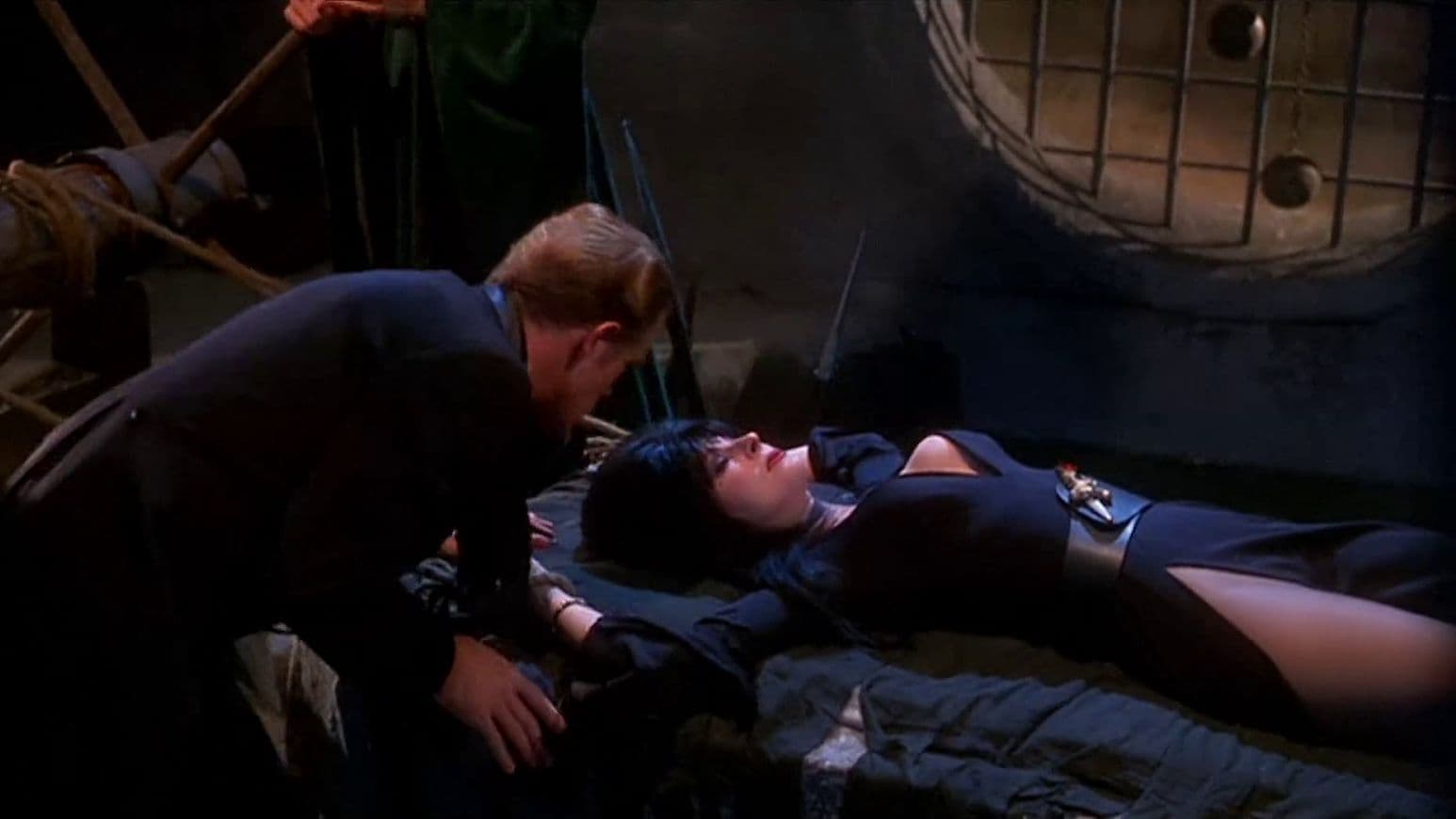
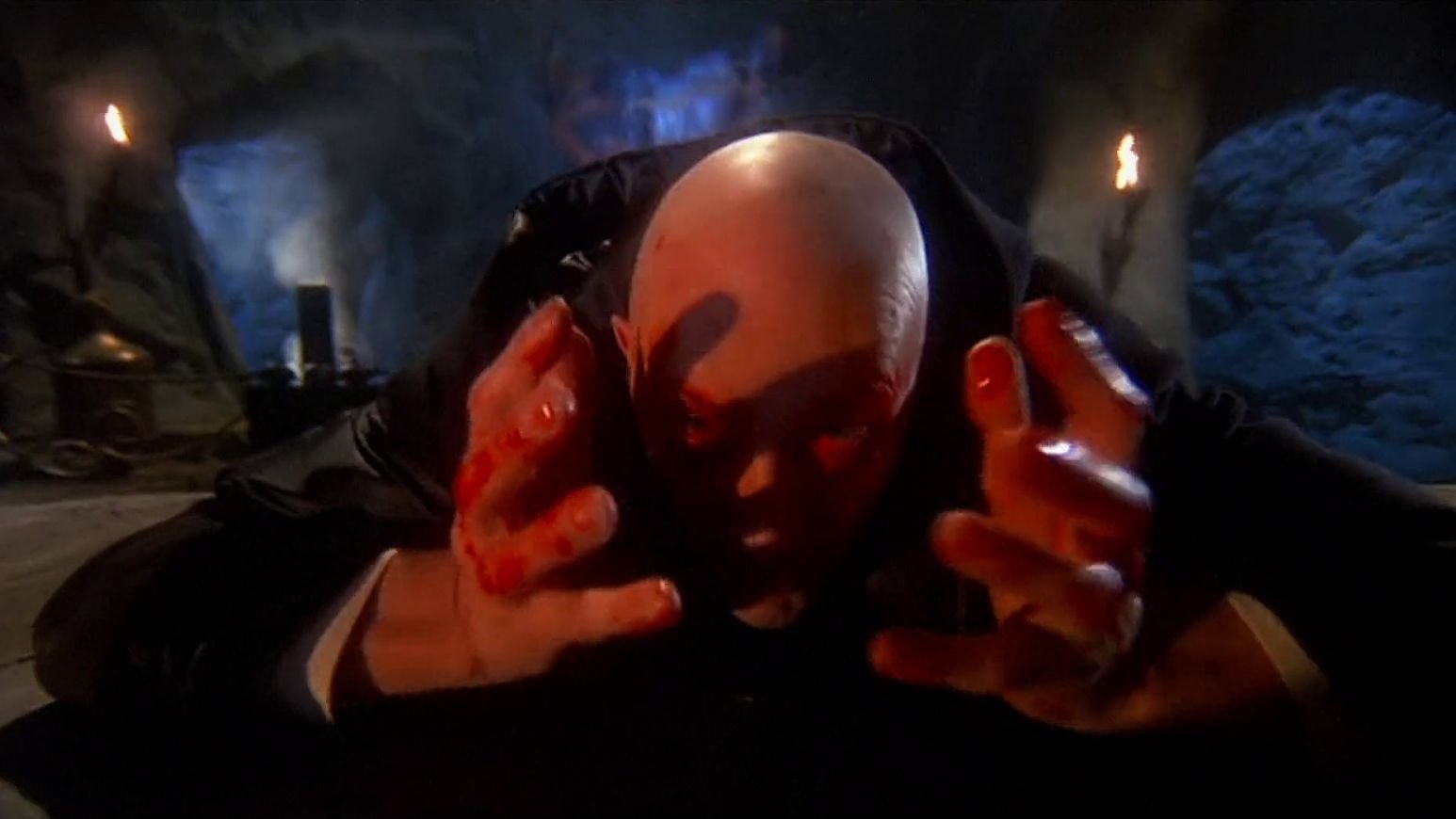
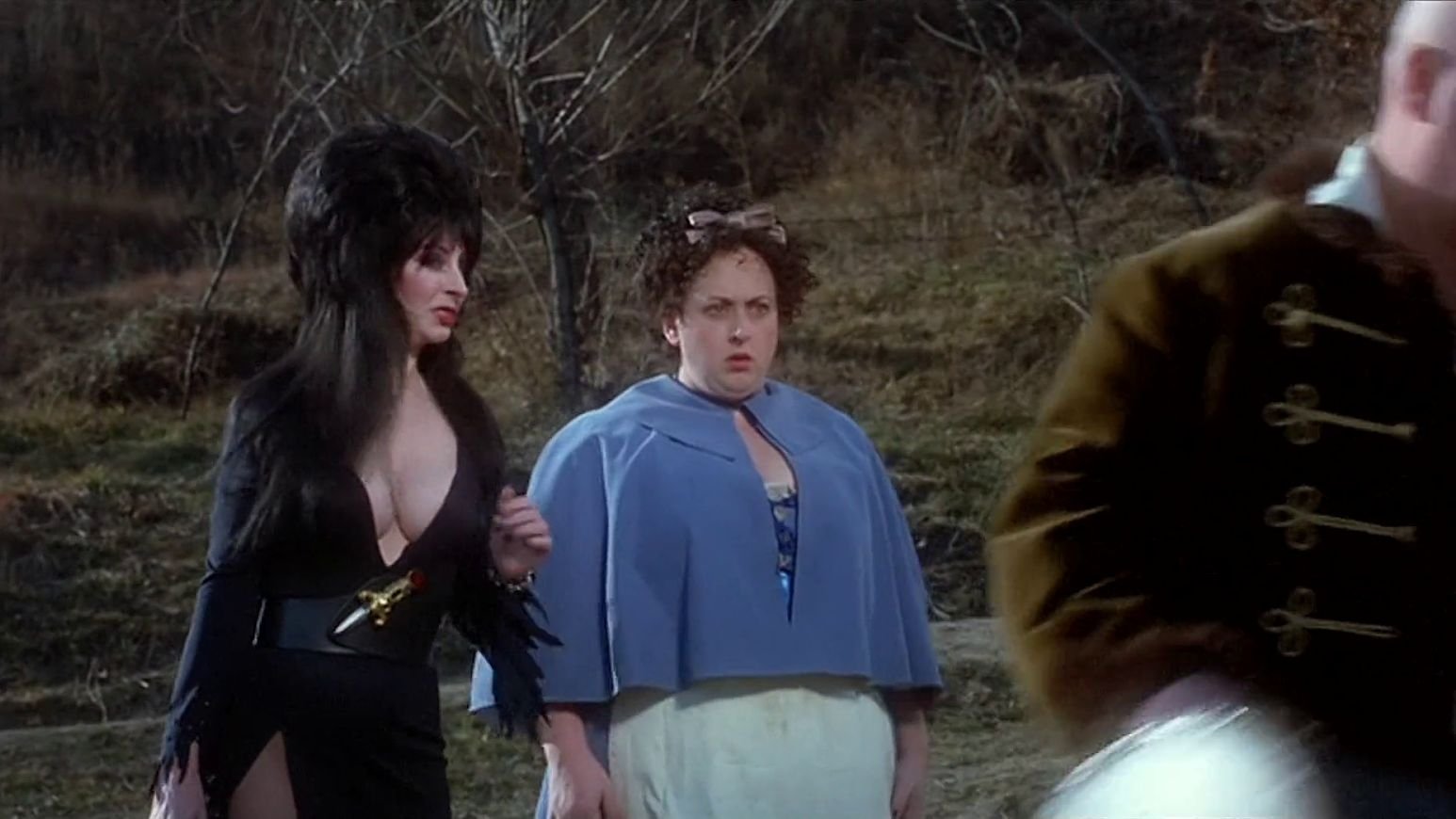
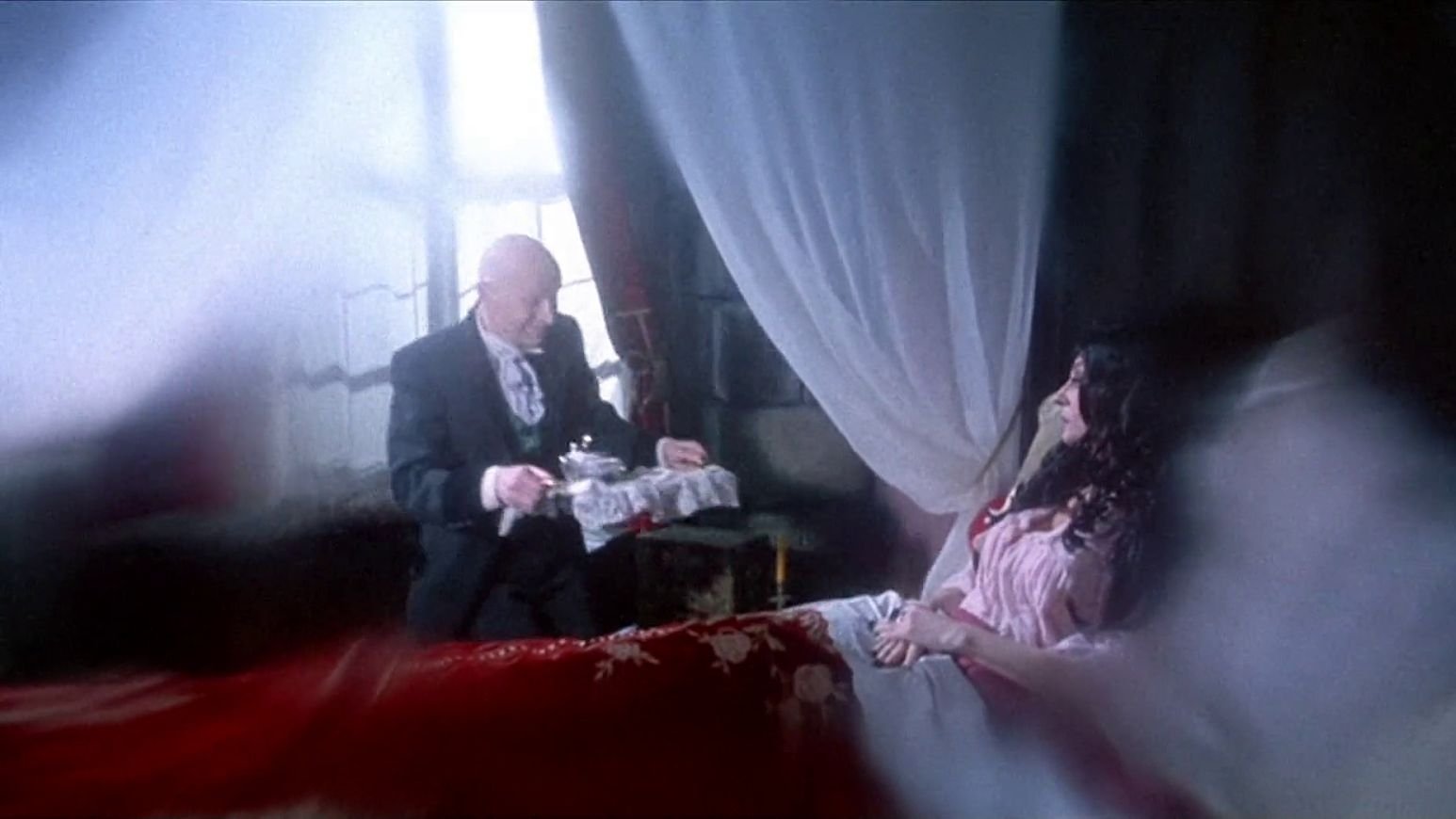
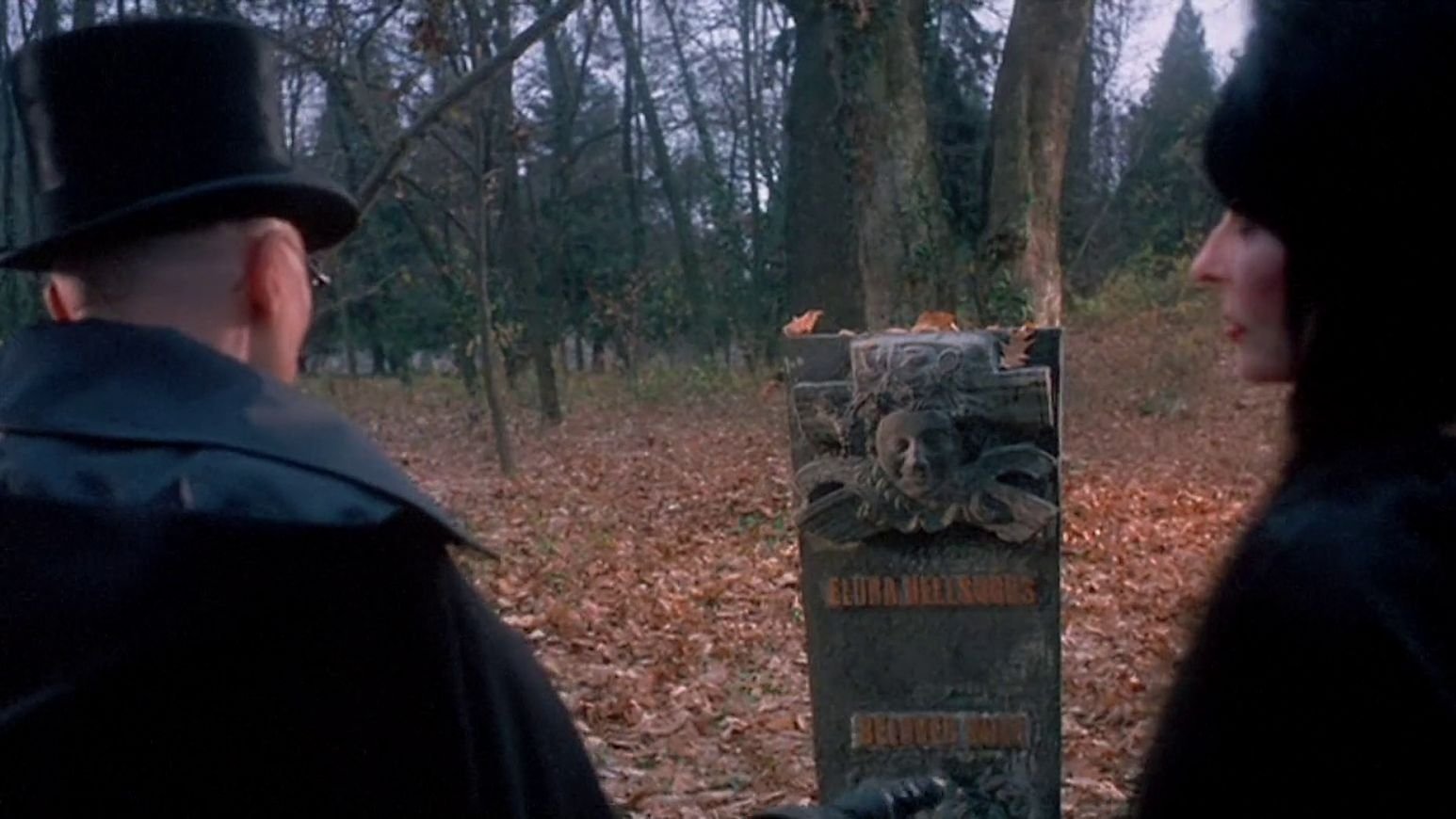
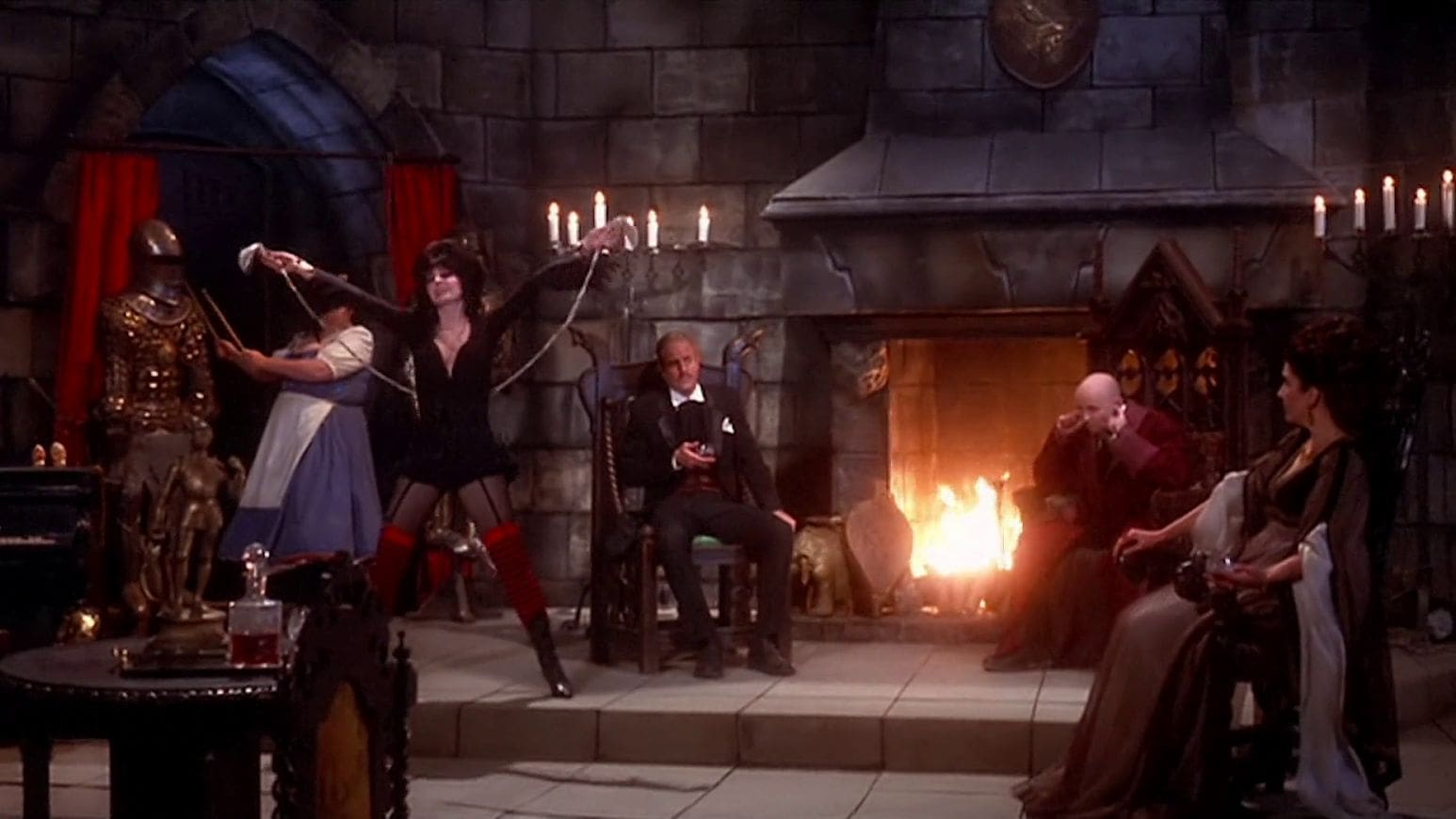
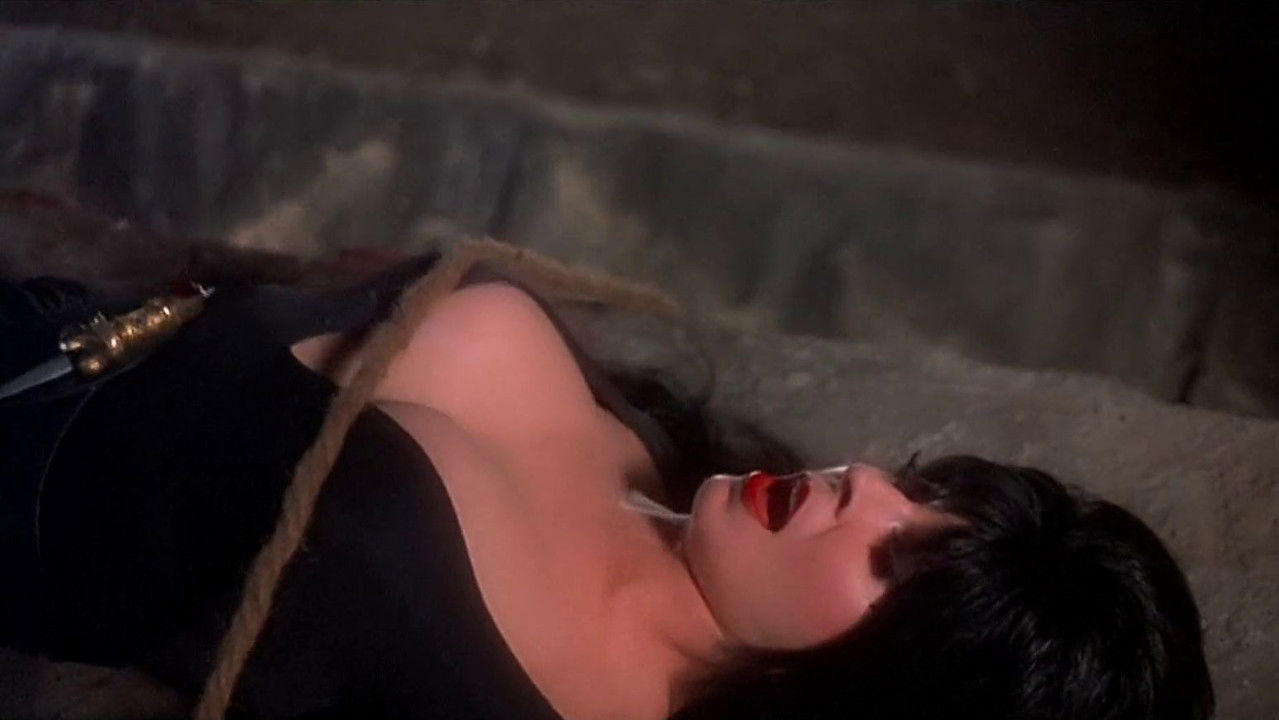
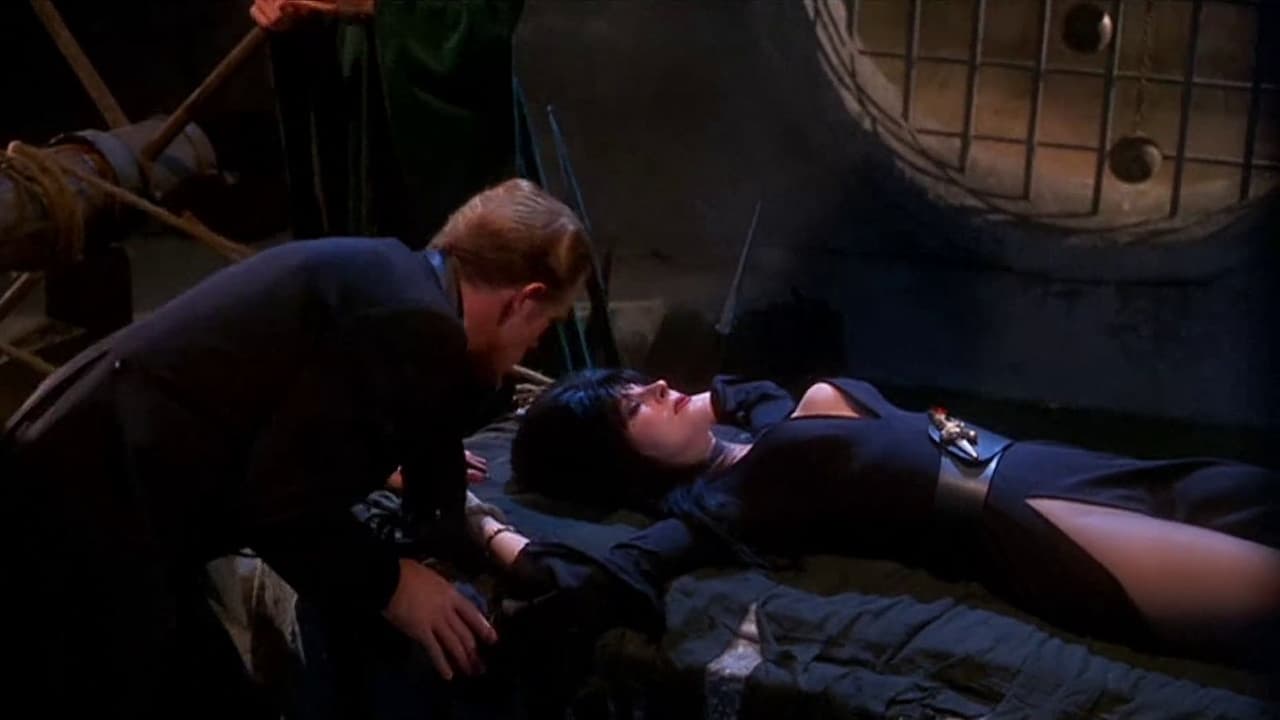
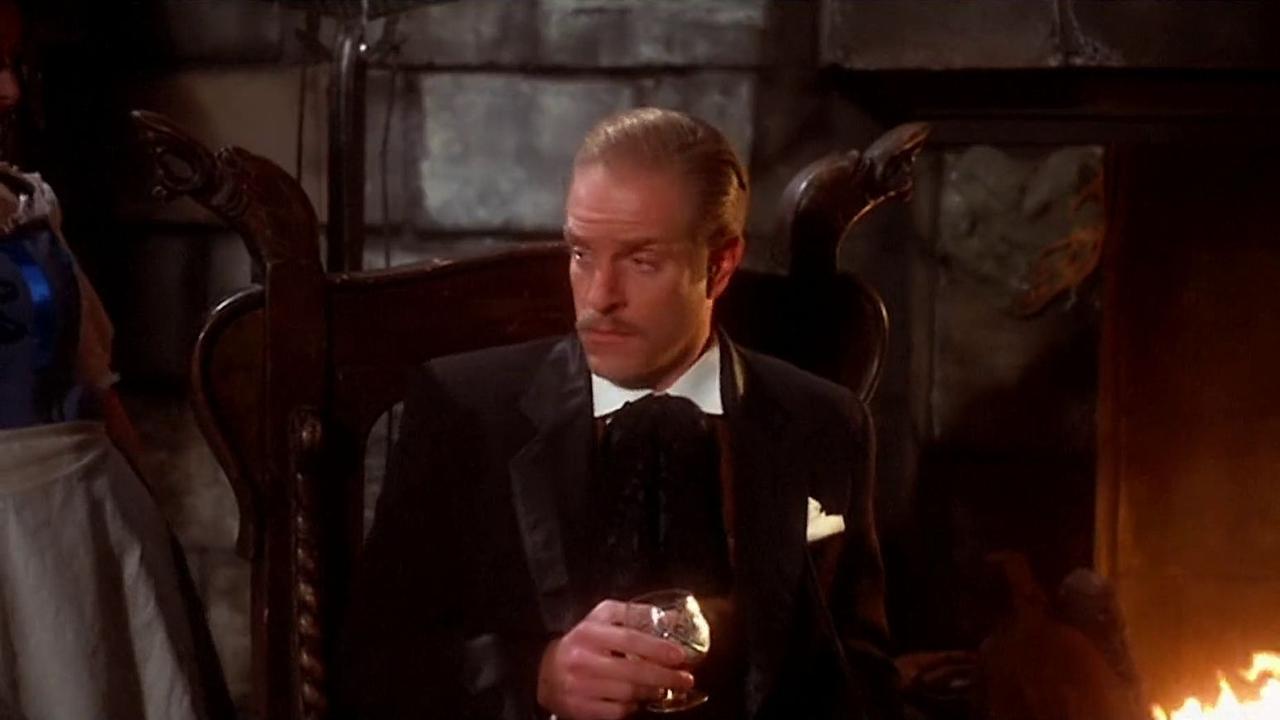
The visual style is where Haunted Hills shines,
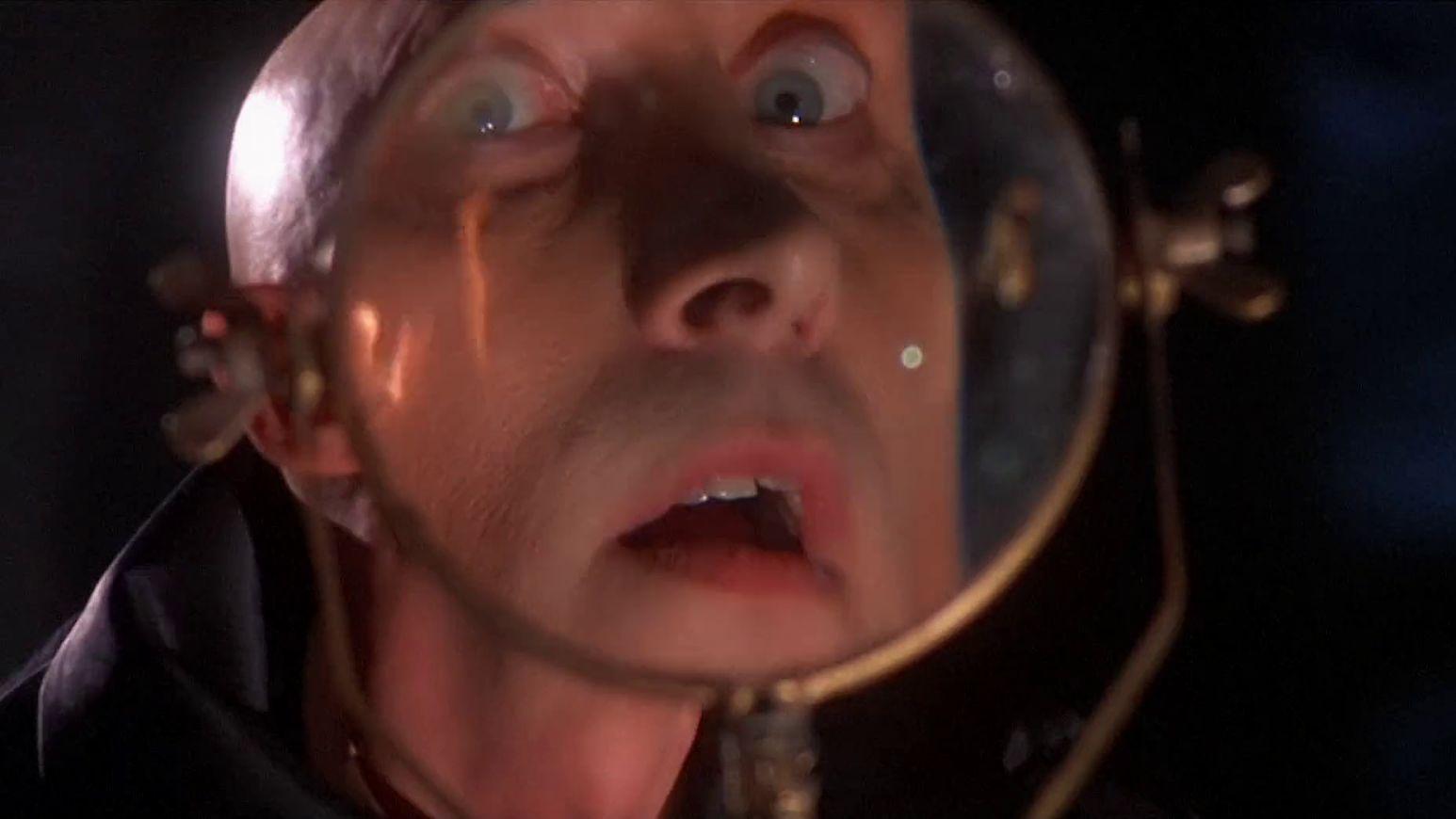
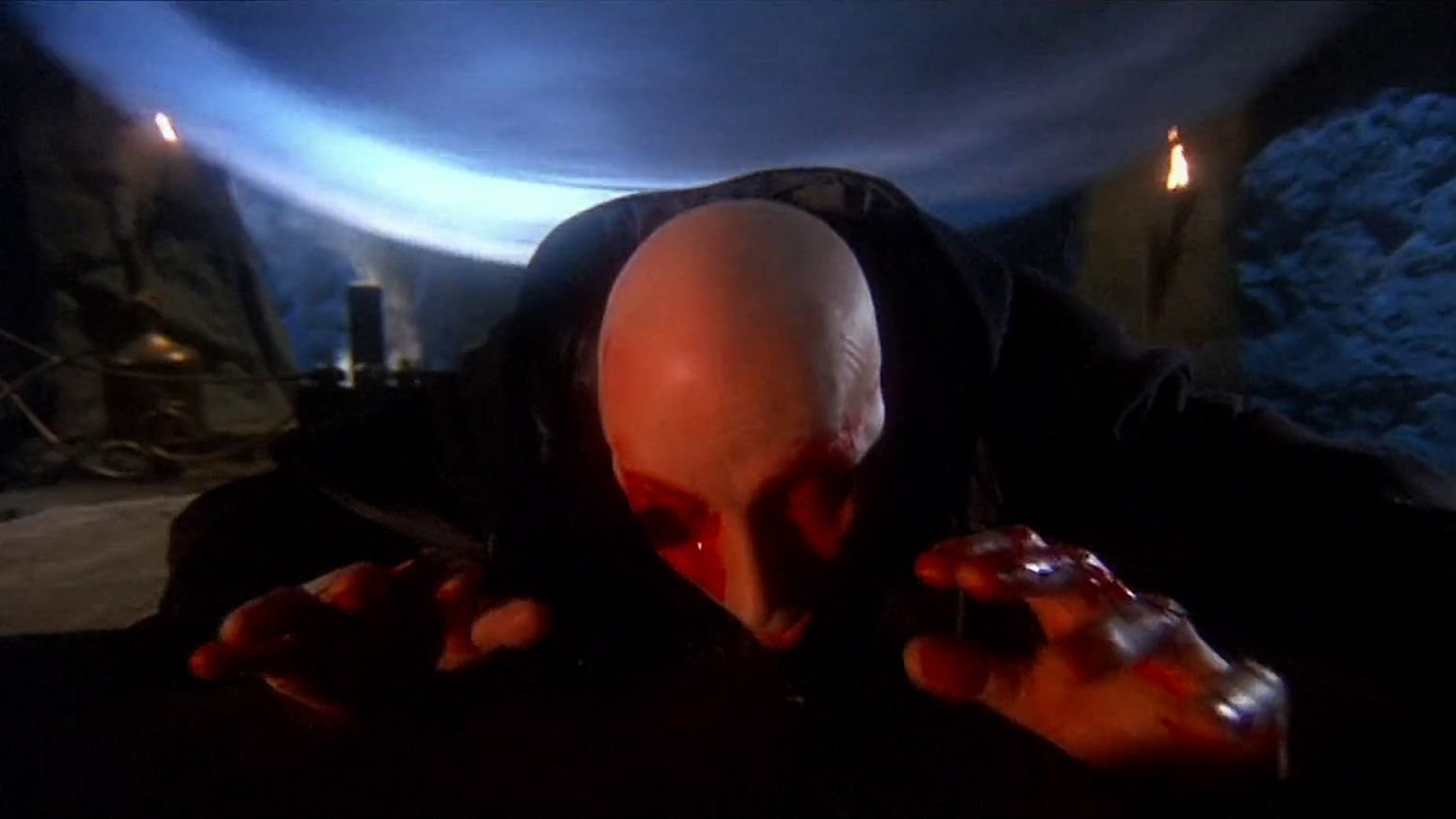
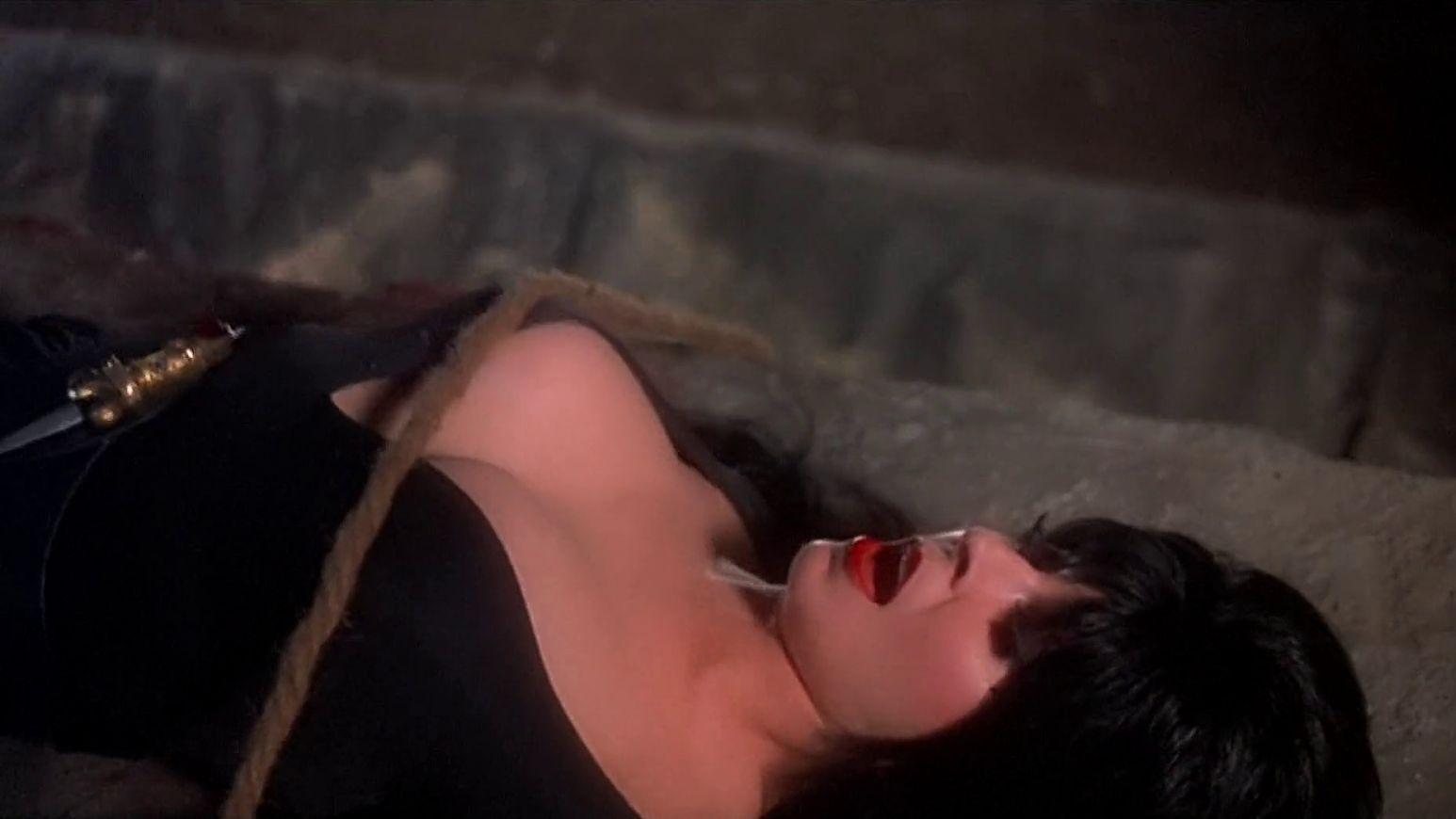
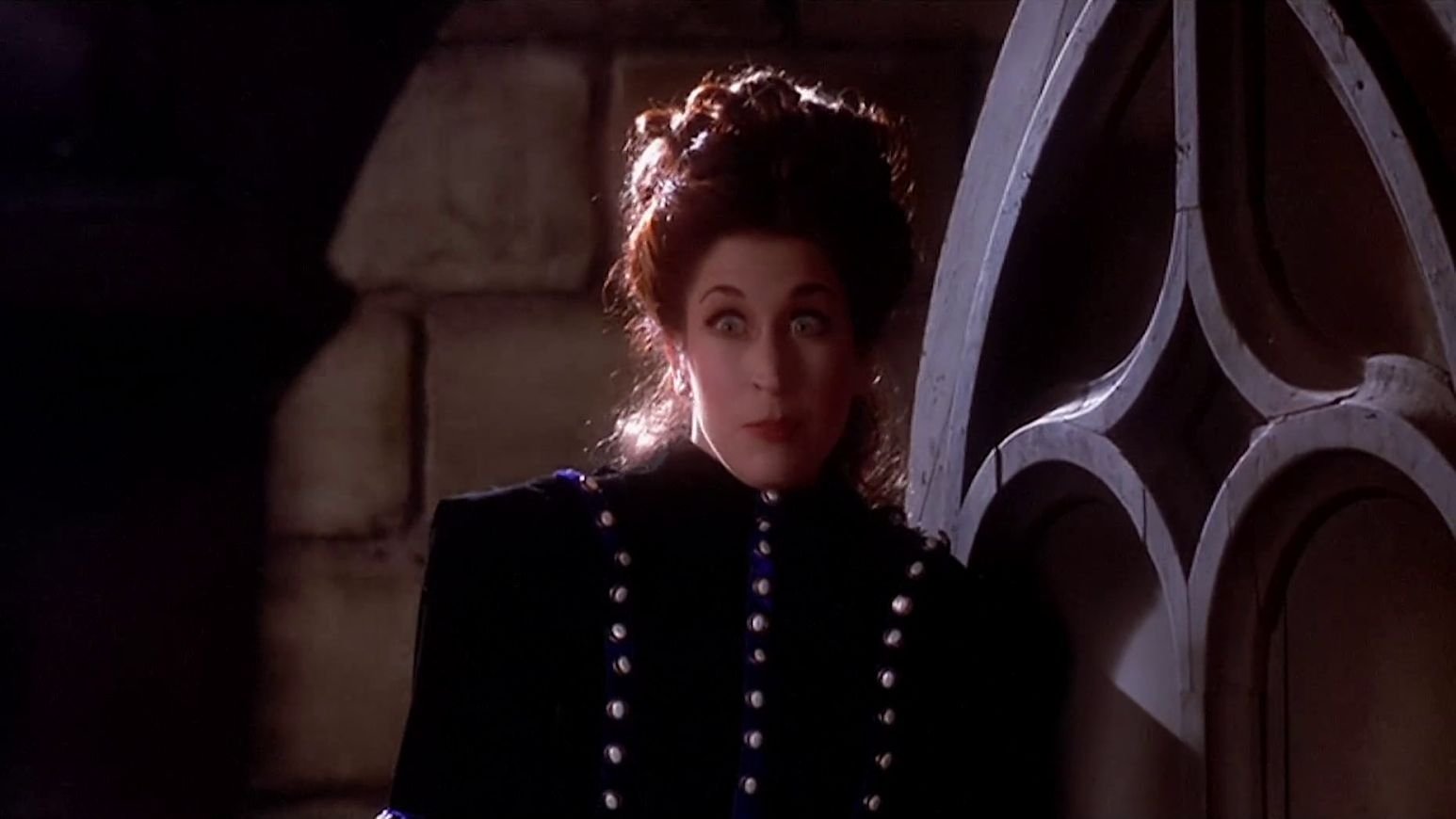
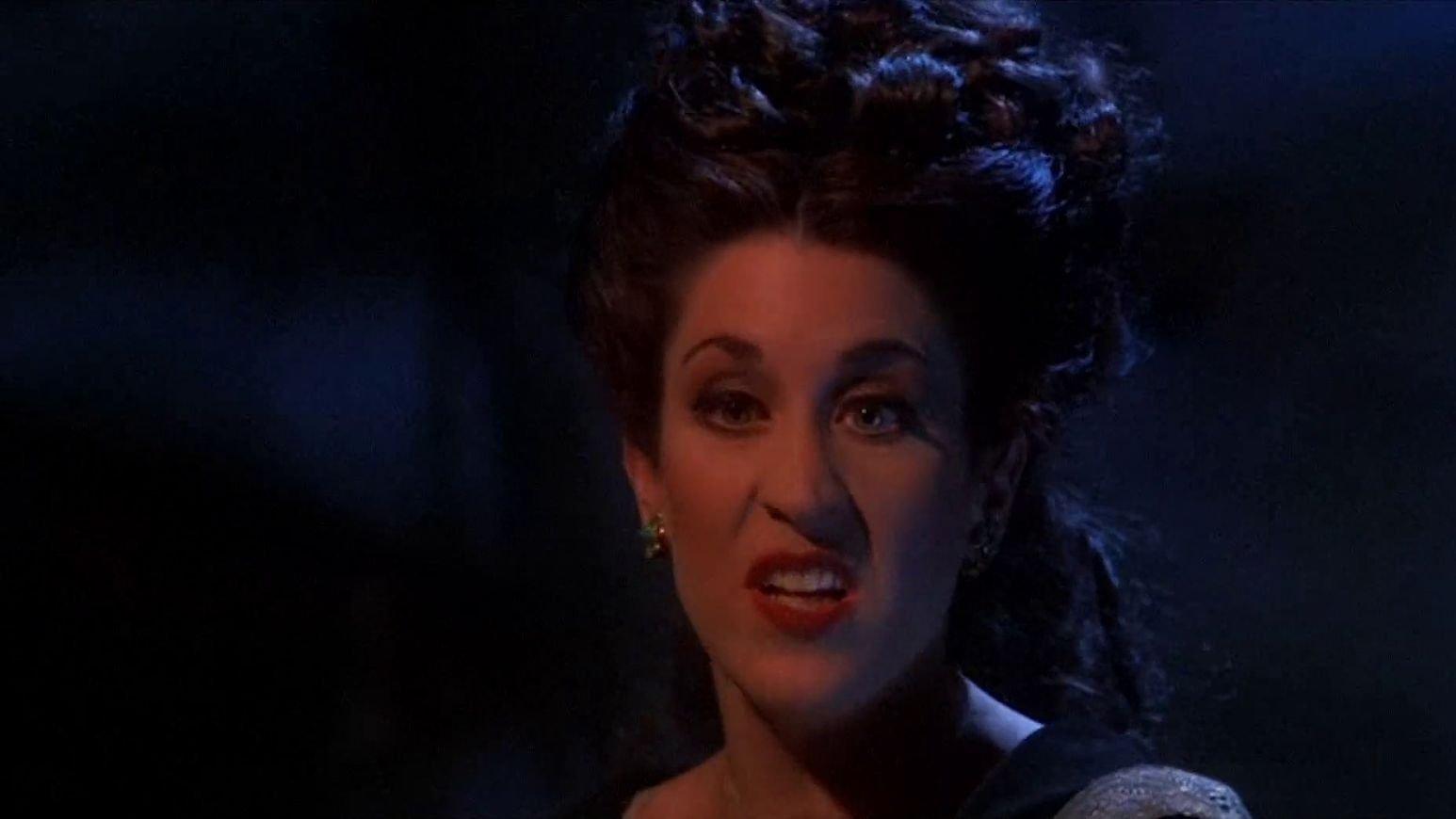
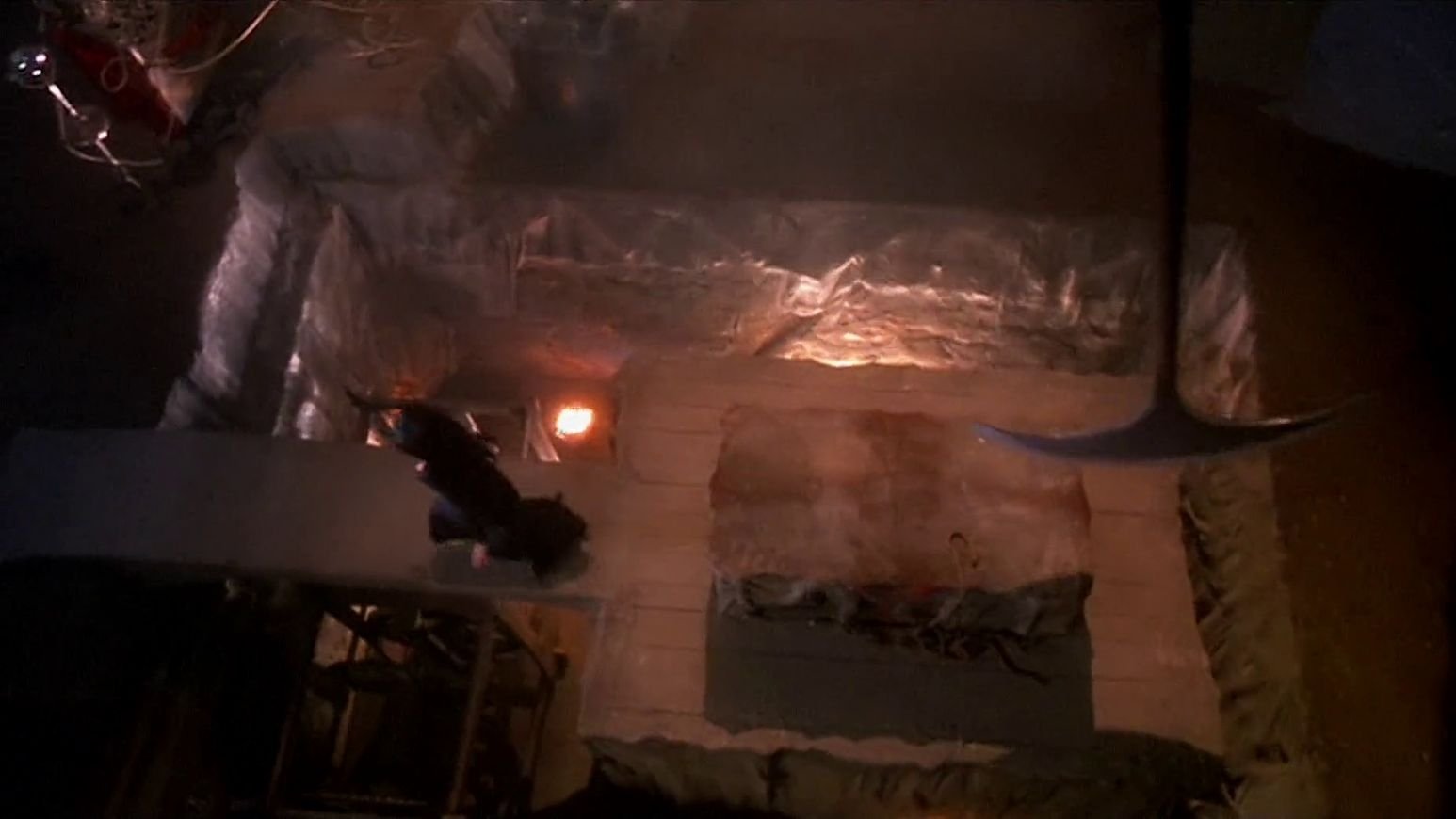
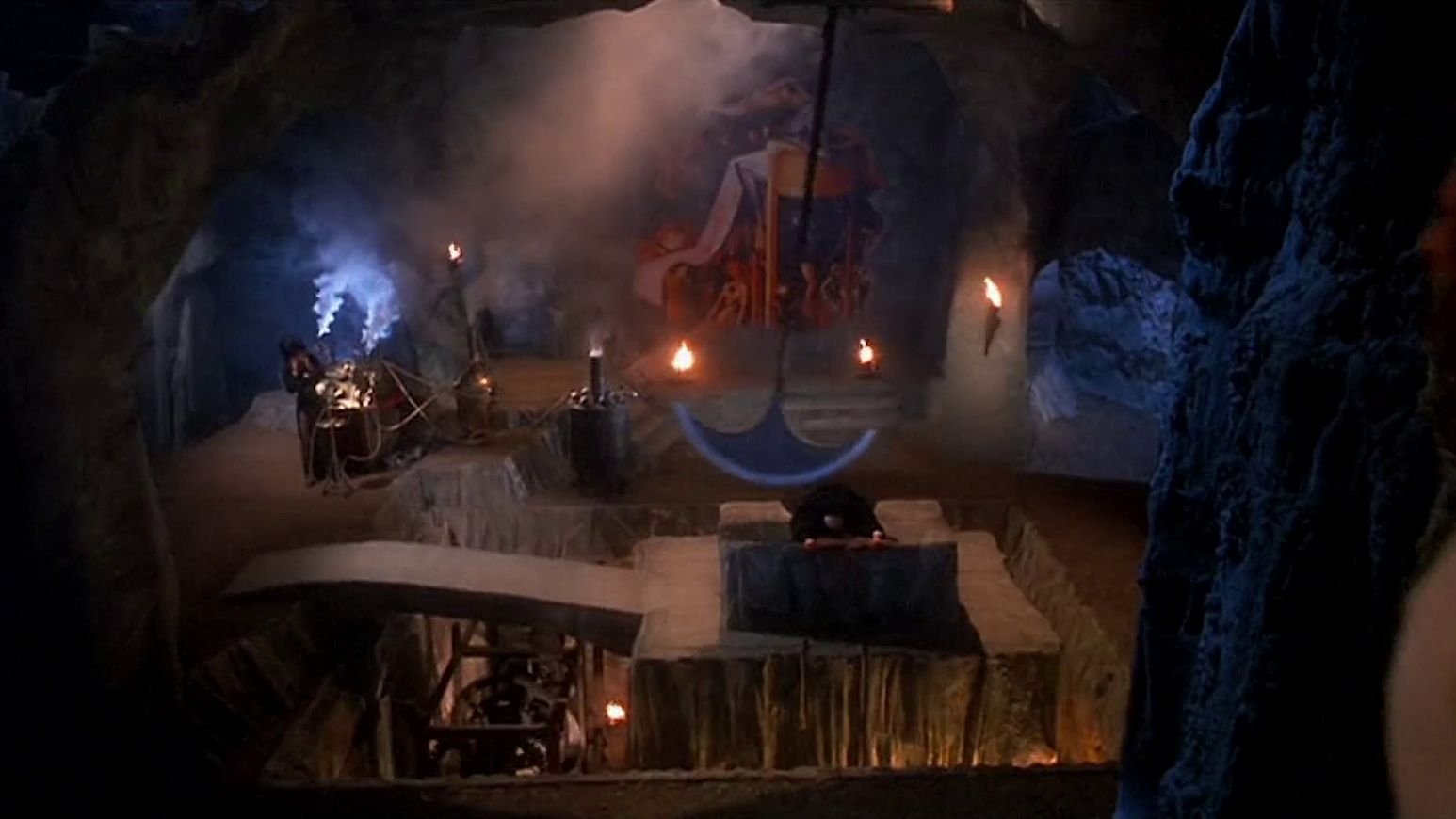
crumbling castles, exaggerated accents, and deliberately artificial sets create a playful, storybook atmosphere. It’s lovingly constructed, even when the pacing slows.
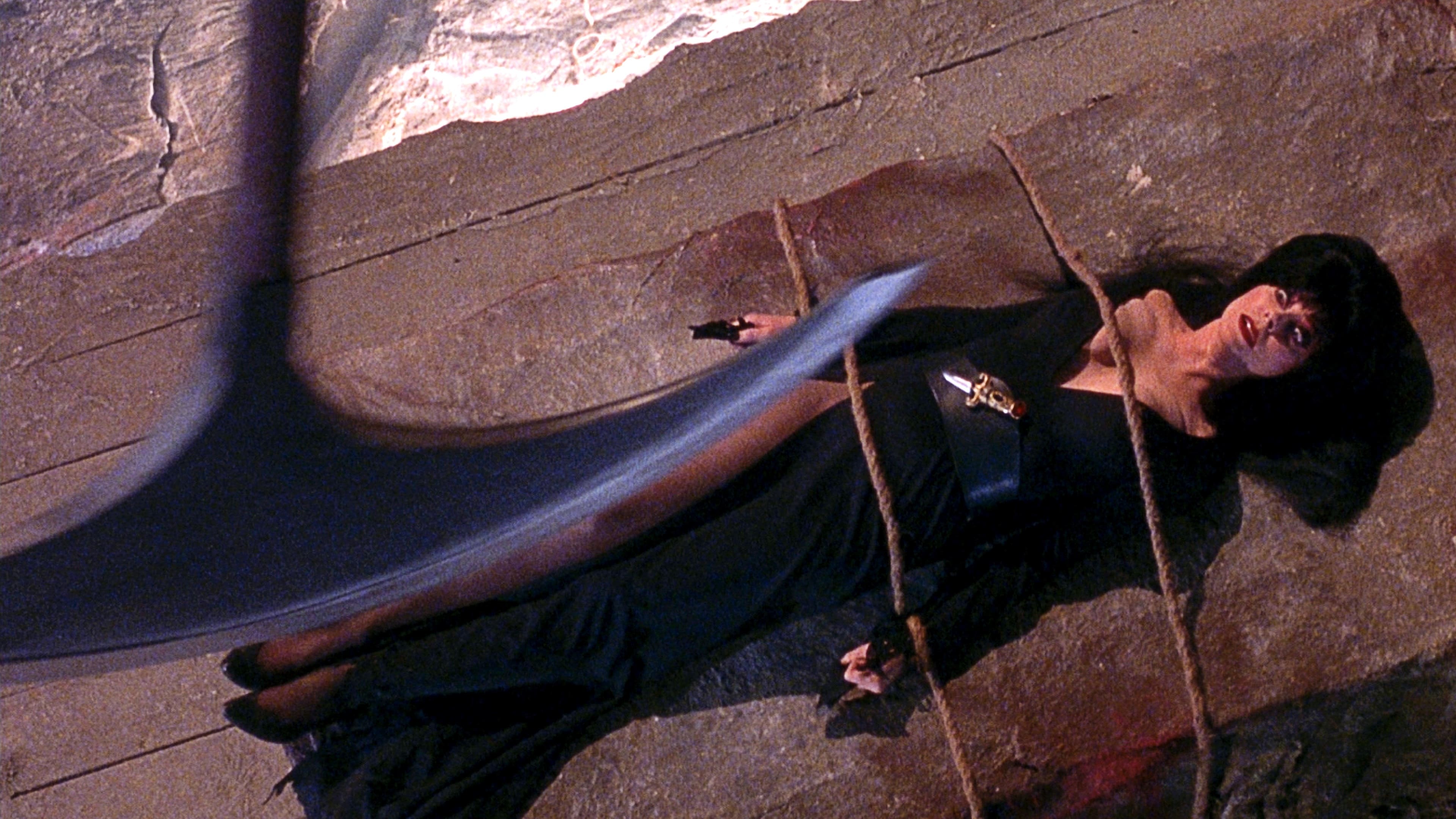
Where the film stumbles is in momentum. The plot meanders, relying heavily on familiar horror tropes without twisting them far enough. The jokes land intermittently rather than consistently, and the stakes never feel particularly urgent more quaint than chaotic.
Still, there’s something comforting about it. The film feels made by people who genuinely love Elvira and the traditions she comes from, and that affection carries it through its weaker stretches.
Elvira’s Haunted Hills feels like a cozy, affectionate throwback rather than a full-bodied sequel a film content to live inside homage instead of pushing Elvira’s world forward. It trades the anarchic energy of Mistress of the Dark for something gentler and more theatrical, and while that shift is charming, it also limits the film’s impact.
Cassandra Peterson is still an absolute pleasure to watch. Elvira remains sharp, self-aware, and perfectly in control of her persona, delivering jokes with the same wink-to-the-camera confidence that made the character iconic but the film gives her less to bounce off of. The humor leans more toward broad parody than punchy satire, and fewer moments truly surprise.
The visual style is where Haunted Hills shines,
crumbling castles, exaggerated accents, and deliberately artificial sets create a playful, storybook atmosphere. It’s lovingly constructed, even when the pacing slows.
Where the film stumbles is in momentum. The plot meanders, relying heavily on familiar horror tropes without twisting them far enough. The jokes land intermittently rather than consistently, and the stakes never feel particularly urgent more quaint than chaotic.
Still, there’s something comforting about it. The film feels made by people who genuinely love Elvira and the traditions she comes from, and that affection carries it through its weaker stretches.