
2015·Documentary·1h 25m
7.1
★
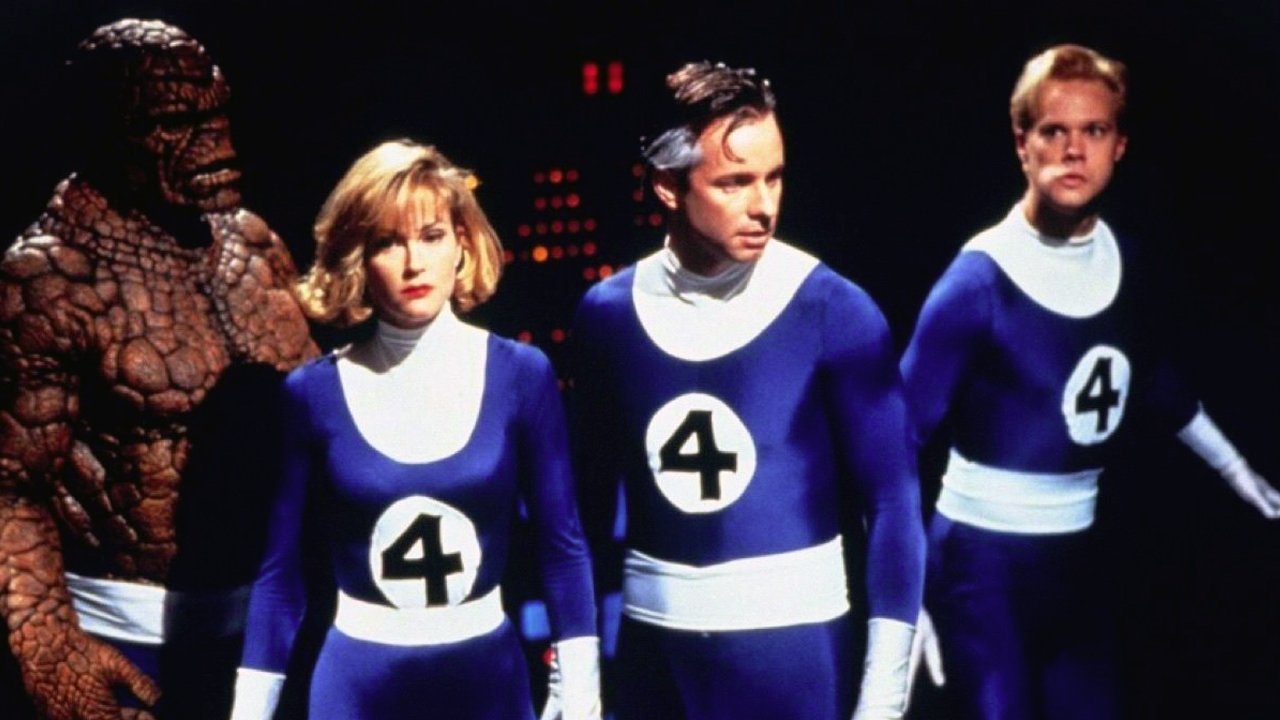
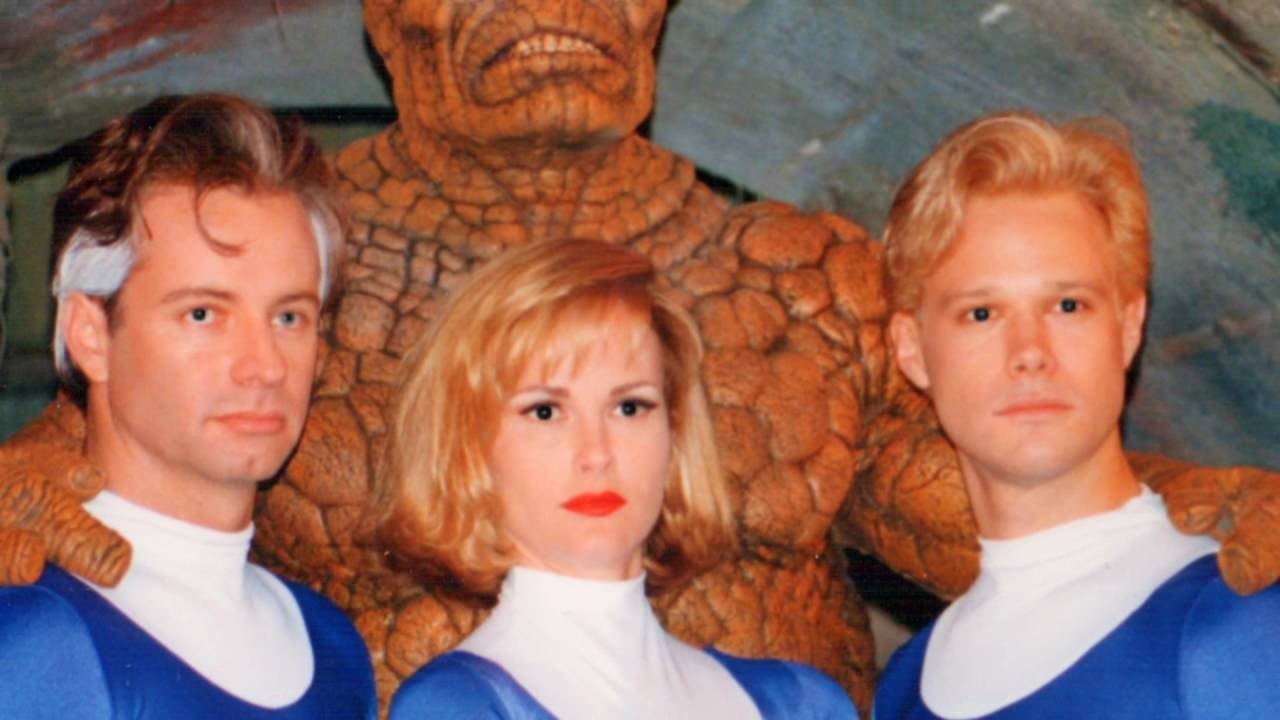
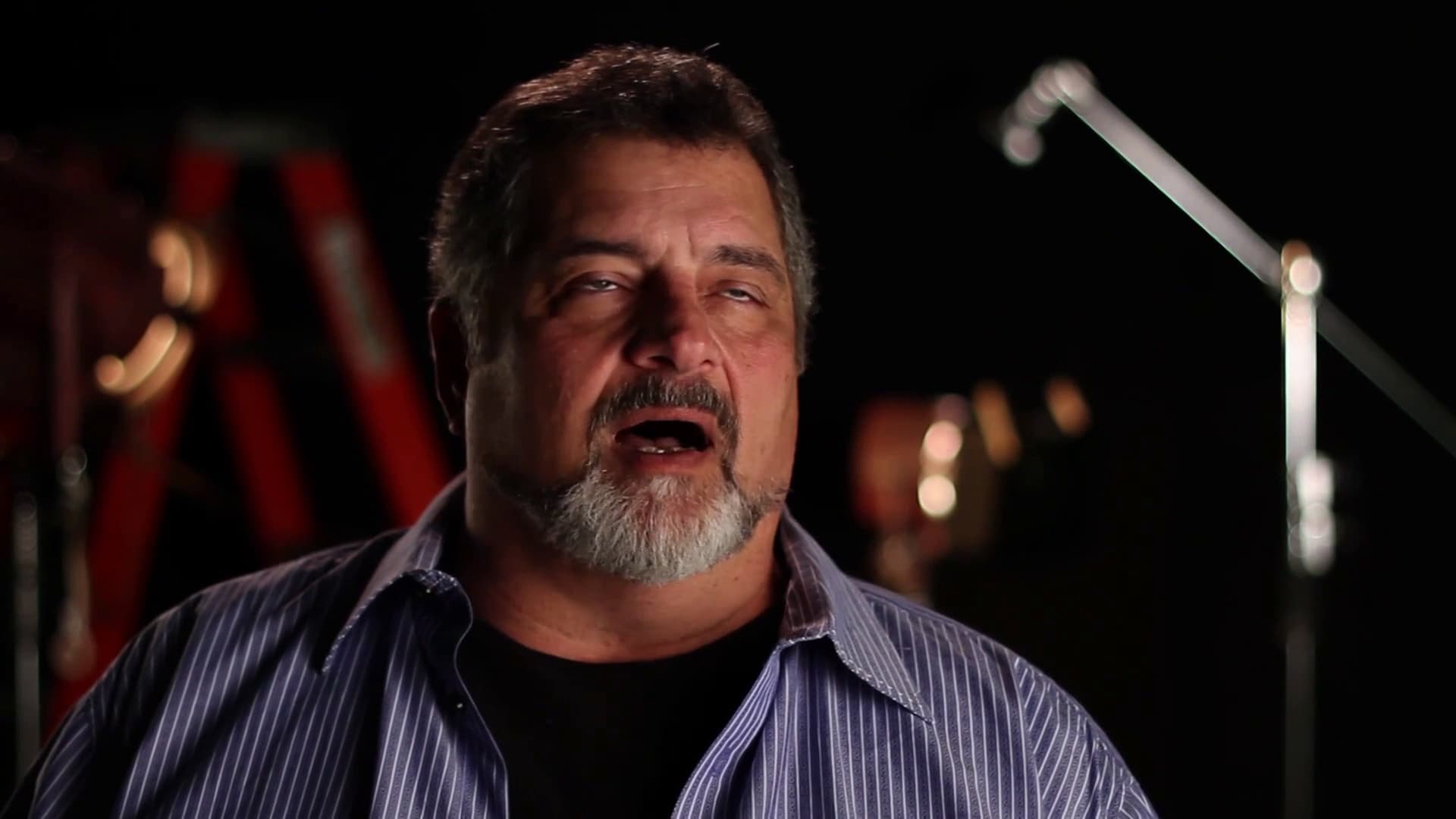
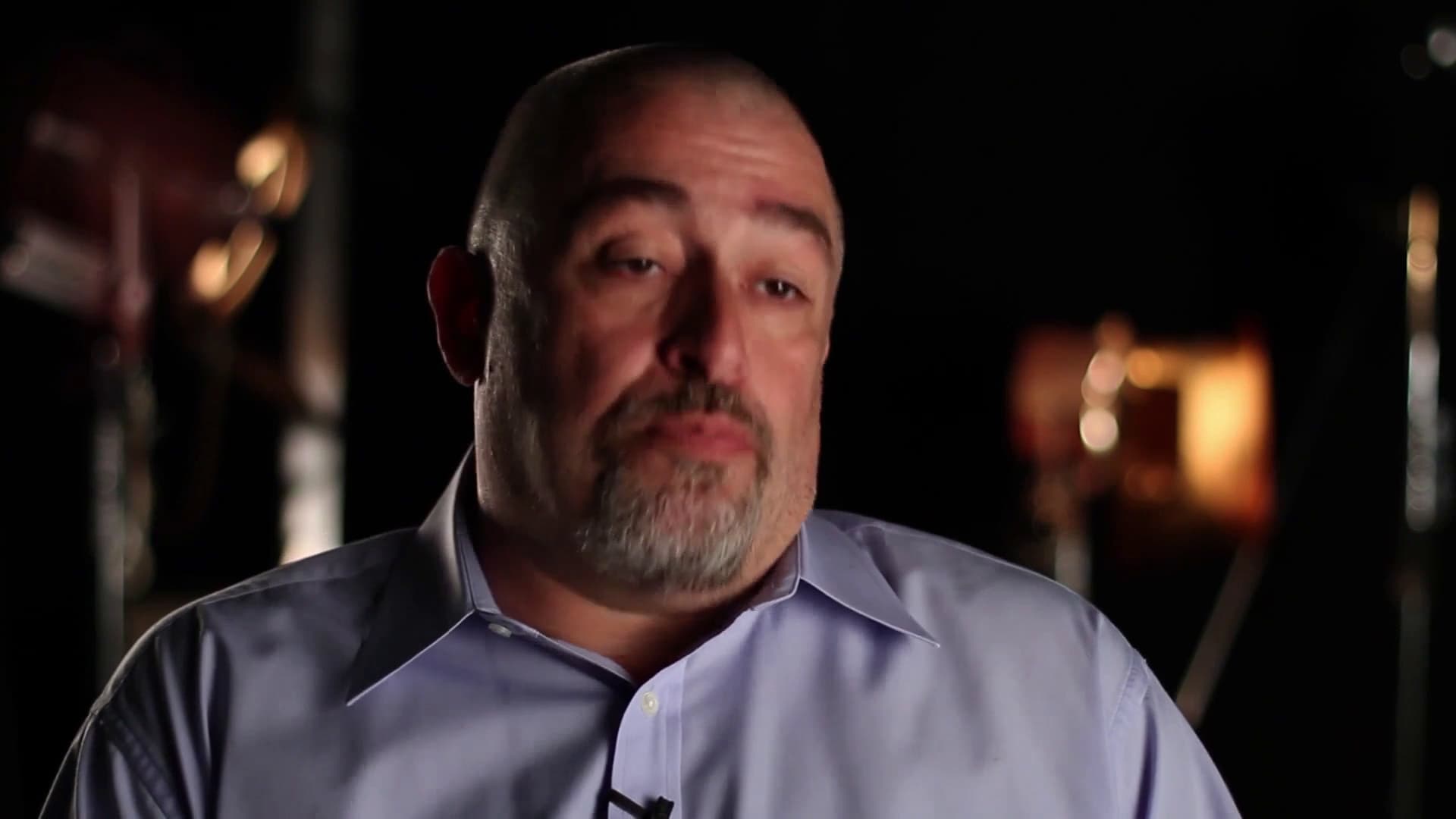
A history of the ill-fated 1994 production of “The Fantastic Four” that was executive produced by Roger Corman.
Directed by Marty Langford
superhero
comic book
b movie

Trailer

IMDB
N/A
Where to Watch



Cast
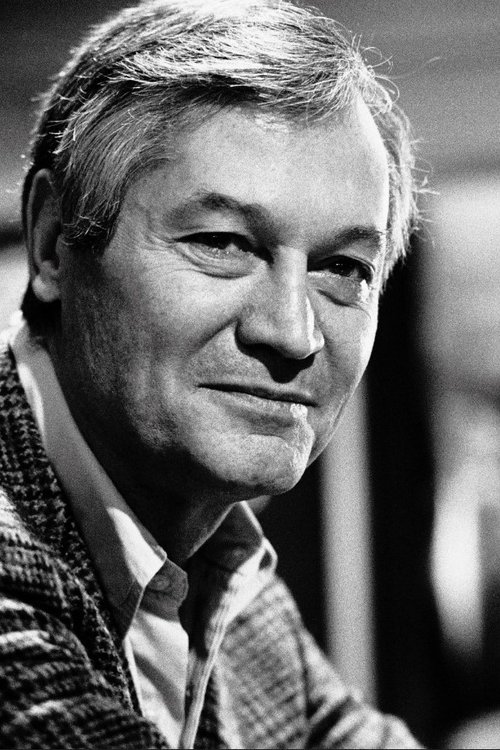
Roger Corman
Himself
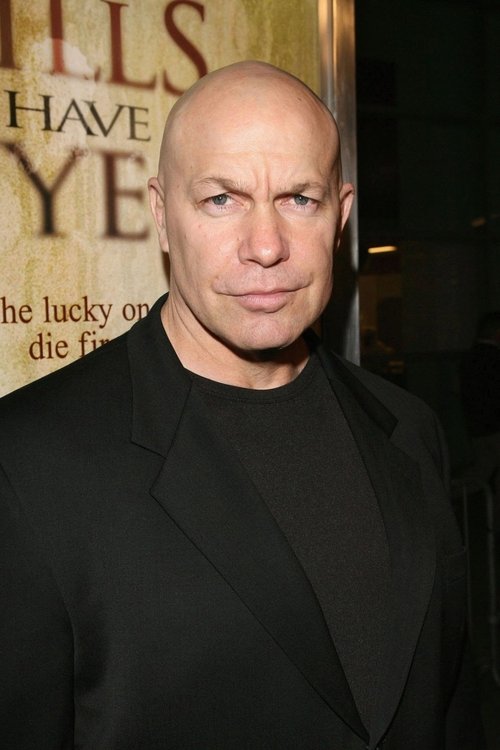
Michael Bailey Smith
Himself

Rebecca Staab
Herself
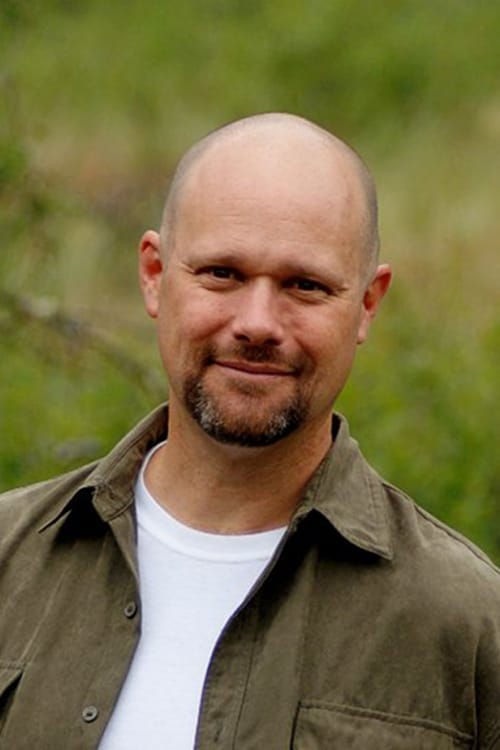
Jay Underwood
Himself
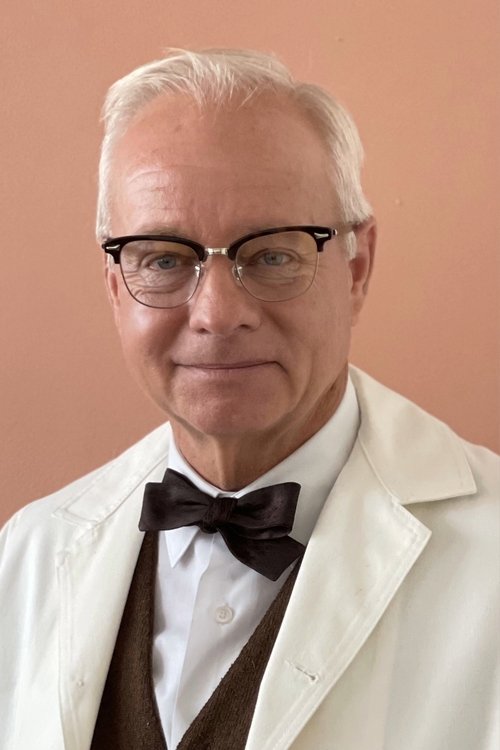
Alex Hyde-White
Himself
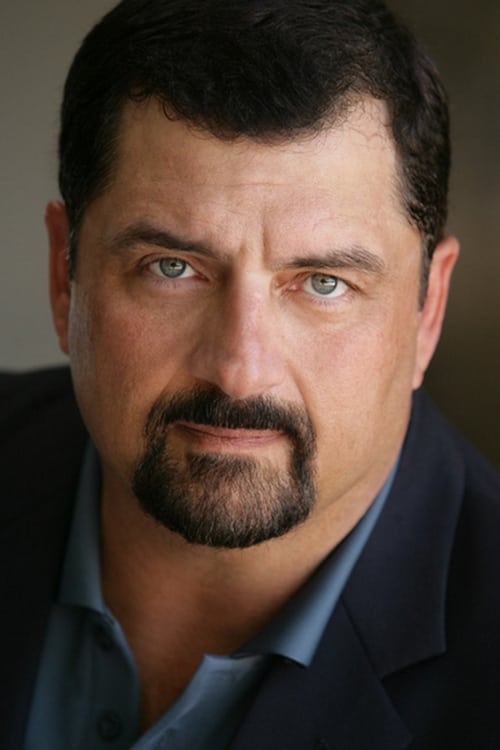
Carl Ciarfalio
Himself
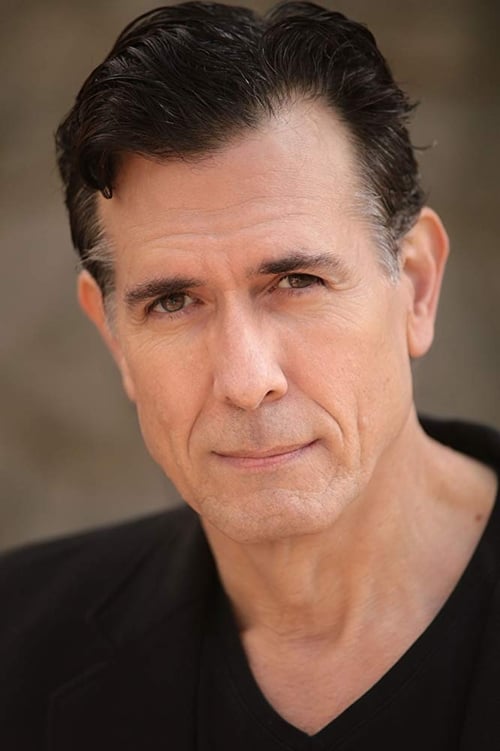
Joseph Culp
Himself
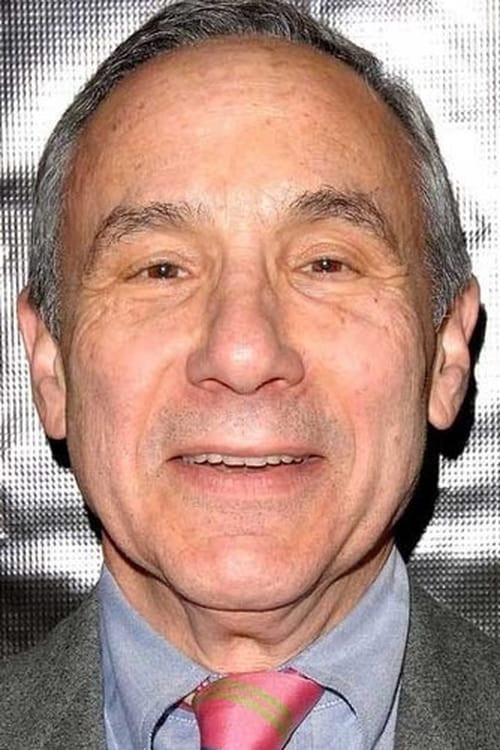
Lloyd Kaufman
Himself
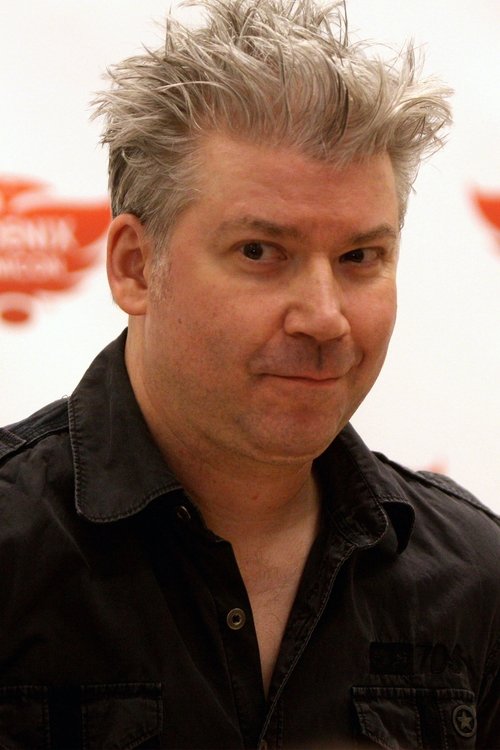
Chris Gore
Himself
Popular Reviews
17 reviews
Catherine
8.0★ · 07/26/25

This is quite possibly one of the most niche documentaries I’ve ever watched, but every second was absolutely fascinating. If you have any interest at all in viewing the original 1994 Fantastic Four movie, I highly recommend following up that experience with this documentary that charts all the myriad of reasons why the film never legitimately saw the light of day. This project features exclusive interview footage from the cast and crew of the ill-fated film, and combined with archival photos, news clippings and promotional materials, attempts to finally set the record straight on where exactly the fumbled distribution of this low-budget passion project went wrong.
You might think from that description that this is a bitter or angry film, filled with resentful individuals holding axes ready to grind, but nothing could be further from the truth. Yes, everyone involved here did get burned badly by the Marvel Machine, but it was abundantly clear to me throughout watching this that the reason these people came together to explain their story wasn’t out of bitterness, but out of pride and passion for what they created.
Every single person interviewed spoke so highly of each other, and really made a point to say how much fun they had on set and how devoted they all were to making a film that would satisfy fans of the Fantastic Four comics. They all had a shoestring budget and so little to work with, with the core four literally wearing their own clothes in many scenes, and all indoor shots being filmed in a studio that was marked as condemned and scheduled for demolition just days after they wrapped production. I discovered the reason why I enjoyed the score for the film so much was that the composers, David and Eric Wurst, put down somewhere around $6K of their own money to hire a 48-piece orchestra to record the music! When it came to promoting the movie, some of the cast members dropped thousands of dollars of their own money as well, all on transportation and lodging for comic conventions and video store signings where they could interact directly with fans and build hype. Everyone involved on the ground-level truly put their hearts and souls into making this, and by all accounts, it could have and should have been a star vehicle for many of them.
The true villain here, and the only entities that anyone interviewed for this documentary seem to have beef with is Marvel Entertainment and its Chief Creative Officer at the time, Avi Arad. According to a 2005 report, Arad was responsible for buying out executive producers Bernd Eichinger and Roger Corman for the rights to the film back, and then completely blocking it from release to make way for the newer, bigger-budget F4 movies featuring Jessica Alba and Chris Evans. In the end, the 1994 version of the film was simply a way for Marvel to extend their copyright on the F4 material in an extremely low-cost way, and the “little people” at the bottom who actually put in the work to make a watchable movie got screwed over massively.
It remains unclear exactly how cuts of the shelved film came to exist on the bootleg market, but the collective sentiment from the cast and crew regarding their existence was one of gratitude. As Joseph Culp, who played the original Dr. Doom, noted in the doc, their version of The Fantastic Four has likely been seen by thousands more people now because of Marvel’s attempts to bury it, than ever would have gone and seen it had it been given a legitimate theatrical release back in the 90s. I’m glad to now be one of them!
You might think from that description that this is a bitter or angry film, filled with resentful individuals holding axes ready to grind, but nothing could be further from the truth. Yes, everyone involved here did get burned badly by the Marvel Machine, but it was abundantly clear to me throughout watching this that the reason these people came together to explain their story wasn’t out of bitterness, but out of pride and passion for what they created.
Every single person interviewed spoke so highly of each other, and really made a point to say how much fun they had on set and how devoted they all were to making a film that would satisfy fans of the Fantastic Four comics. They all had a shoestring budget and so little to work with, with the core four literally wearing their own clothes in many scenes, and all indoor shots being filmed in a studio that was marked as condemned and scheduled for demolition just days after they wrapped production. I discovered the reason why I enjoyed the score for the film so much was that the composers, David and Eric Wurst, put down somewhere around $6K of their own money to hire a 48-piece orchestra to record the music! When it came to promoting the movie, some of the cast members dropped thousands of dollars of their own money as well, all on transportation and lodging for comic conventions and video store signings where they could interact directly with fans and build hype. Everyone involved on the ground-level truly put their hearts and souls into making this, and by all accounts, it could have and should have been a star vehicle for many of them.
The true villain here, and the only entities that anyone interviewed for this documentary seem to have beef with is Marvel Entertainment and its Chief Creative Officer at the time, Avi Arad. According to a 2005 report, Arad was responsible for buying out executive producers Bernd Eichinger and Roger Corman for the rights to the film back, and then completely blocking it from release to make way for the newer, bigger-budget F4 movies featuring Jessica Alba and Chris Evans. In the end, the 1994 version of the film was simply a way for Marvel to extend their copyright on the F4 material in an extremely low-cost way, and the “little people” at the bottom who actually put in the work to make a watchable movie got screwed over massively.
It remains unclear exactly how cuts of the shelved film came to exist on the bootleg market, but the collective sentiment from the cast and crew regarding their existence was one of gratitude. As Joseph Culp, who played the original Dr. Doom, noted in the doc, their version of The Fantastic Four has likely been seen by thousands more people now because of Marvel’s attempts to bury it, than ever would have gone and seen it had it been given a legitimate theatrical release back in the 90s. I’m glad to now be one of them!
This is quite possibly one of the most niche documentaries I’ve ever watched, but every second was absolutely fascinating. If you have any interest at all in viewing the original 1994 Fantastic Four movie, I highly recommend following up that experience with this documentary that charts all the myriad of reasons why the film never legitimately saw the light of day. This project features exclusive interview footage from the cast and crew of the ill-fated film, and combined with archival photos, news clippings and promotional materials, attempts to finally set the record straight on where exactly the fumbled distribution of this low-budget passion project went wrong.
You might think from that description that this is a bitter or angry film, filled with resentful individuals holding axes ready to grind, but nothing could be further from the truth. Yes, everyone involved here did get burned badly by the Marvel Machine, but it was abundantly clear to me throughout watching this that the reason these people came together to explain their story wasn’t out of bitterness, but out of pride and passion for what they created.
Every single person interviewed spoke so highly of each other, and really made a point to say how much fun they had on set and how devoted they all were to making a film that would satisfy fans of the Fantastic Four comics. They all had a shoestring budget and so little to work with, with the core four literally wearing their own clothes in many scenes, and all indoor shots being filmed in a studio that was marked as condemned and scheduled for demolition just days after they wrapped production. I discovered the reason why I enjoyed the score for the film so much was that the composers, David and Eric Wurst, put down somewhere around $6K of their own money to hire a 48-piece orchestra to record the music! When it came to promoting the movie, some of the cast members dropped thousands of dollars of their own money as well, all on transportation and lodging for comic conventions and video store signings where they could interact directly with fans and build hype. Everyone involved on the ground-level truly put their hearts and souls into making this, and by all accounts, it could have and should have been a star vehicle for many of them.
The true villain here, and the only entities that anyone interviewed for this documentary seem to have beef with is Marvel Entertainment and its Chief Creative Officer at the time, Avi Arad. According to a 2005 report, Arad was responsible for buying out executive producers Bernd Eichinger and Roger Corman for the rights to the film back, and then completely blocking it from release to make way for the newer, bigger-budget F4 movies featuring Jessica Alba and Chris Evans. In the end, the 1994 version of the film was simply a way for Marvel to extend their copyright on the F4 material in an extremely low-cost way, and the “little people” at the bottom who actually put in the work to make a watchable movie got screwed over massively.
It remains unclear exactly how cuts of the shelved film came to exist on the bootleg market, but the collective sentiment from the cast and crew regarding their existence was one of gratitude. As Joseph Culp, who played the original Dr. Doom, noted in the doc, their version of The Fantastic Four has likely been seen by thousands more people now because of Marvel’s attempts to bury it, than ever would have gone and seen it had it been given a legitimate theatrical release back in the 90s. I’m glad to now be one of them!
You might think from that description that this is a bitter or angry film, filled with resentful individuals holding axes ready to grind, but nothing could be further from the truth. Yes, everyone involved here did get burned badly by the Marvel Machine, but it was abundantly clear to me throughout watching this that the reason these people came together to explain their story wasn’t out of bitterness, but out of pride and passion for what they created.
Every single person interviewed spoke so highly of each other, and really made a point to say how much fun they had on set and how devoted they all were to making a film that would satisfy fans of the Fantastic Four comics. They all had a shoestring budget and so little to work with, with the core four literally wearing their own clothes in many scenes, and all indoor shots being filmed in a studio that was marked as condemned and scheduled for demolition just days after they wrapped production. I discovered the reason why I enjoyed the score for the film so much was that the composers, David and Eric Wurst, put down somewhere around $6K of their own money to hire a 48-piece orchestra to record the music! When it came to promoting the movie, some of the cast members dropped thousands of dollars of their own money as well, all on transportation and lodging for comic conventions and video store signings where they could interact directly with fans and build hype. Everyone involved on the ground-level truly put their hearts and souls into making this, and by all accounts, it could have and should have been a star vehicle for many of them.
The true villain here, and the only entities that anyone interviewed for this documentary seem to have beef with is Marvel Entertainment and its Chief Creative Officer at the time, Avi Arad. According to a 2005 report, Arad was responsible for buying out executive producers Bernd Eichinger and Roger Corman for the rights to the film back, and then completely blocking it from release to make way for the newer, bigger-budget F4 movies featuring Jessica Alba and Chris Evans. In the end, the 1994 version of the film was simply a way for Marvel to extend their copyright on the F4 material in an extremely low-cost way, and the “little people” at the bottom who actually put in the work to make a watchable movie got screwed over massively.
It remains unclear exactly how cuts of the shelved film came to exist on the bootleg market, but the collective sentiment from the cast and crew regarding their existence was one of gratitude. As Joseph Culp, who played the original Dr. Doom, noted in the doc, their version of The Fantastic Four has likely been seen by thousands more people now because of Marvel’s attempts to bury it, than ever would have gone and seen it had it been given a legitimate theatrical release back in the 90s. I’m glad to now be one of them!


Alfred HitchTOK
6.0★ · 07/17/25
Talking head doco about the infamous Roger Corman produced 1994 iteration of the Fantastic Four, a movie that has never officially seen the light of day, although was a mainstay at comic convention DVD and VHS stalls.
Despite it’s doom laden title, this makes a valiant attempt to convince us the Corman movie isn’t that bad and that Marvel were just big ol’ meanies for not letting it be released, which is contrary to the footage shown in the film which looks plenty cheesy.
Credit to cast and crew though, who all seemed to have a genuine goodwill in regard to the project, and put forward their best efforts to make it something special. The anecdotes about the making of the film are the most interesting and authentic element of this doco, the other content about who or what was responsible for the films non-release all feels like speculation as the filmmakers weren’t able to secure an interview with Marvel or Constantin films.
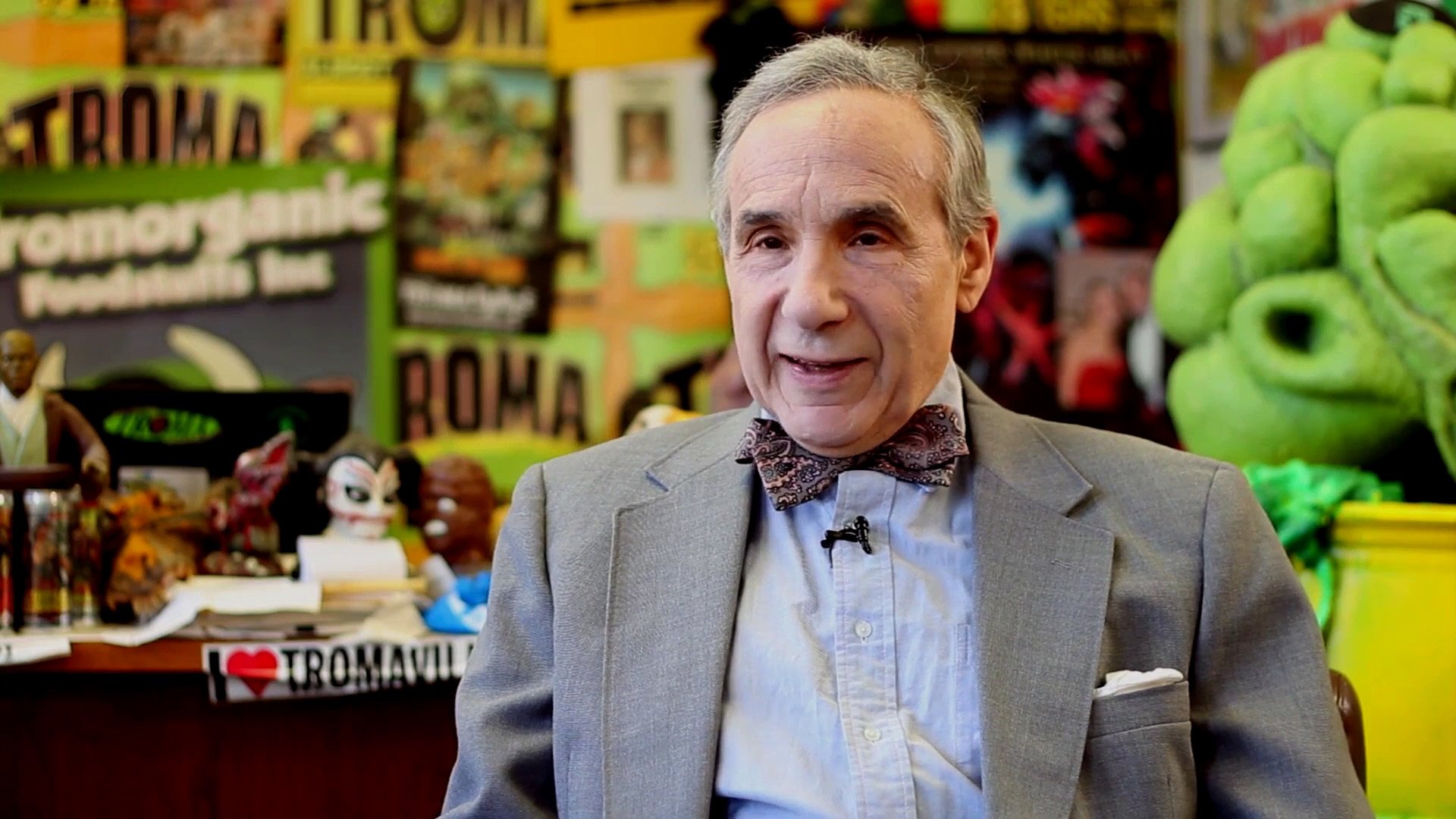
Look out for a Lloyd Kaufman appearance early in the piece, whose Troma studios was also offered the film, but turned it down due to Lloyd’s friendship with Stan and also due to the fact that it wasn’t gonna make any money.
Somewhere out there in the multiverse exists a Fantastic Four movie using that recycled car flip from Sgt Kabukiman NYPD.
Despite it’s doom laden title, this makes a valiant attempt to convince us the Corman movie isn’t that bad and that Marvel were just big ol’ meanies for not letting it be released, which is contrary to the footage shown in the film which looks plenty cheesy.
Credit to cast and crew though, who all seemed to have a genuine goodwill in regard to the project, and put forward their best efforts to make it something special. The anecdotes about the making of the film are the most interesting and authentic element of this doco, the other content about who or what was responsible for the films non-release all feels like speculation as the filmmakers weren’t able to secure an interview with Marvel or Constantin films.
Look out for a Lloyd Kaufman appearance early in the piece, whose Troma studios was also offered the film, but turned it down due to Lloyd’s friendship with Stan and also due to the fact that it wasn’t gonna make any money.
Somewhere out there in the multiverse exists a Fantastic Four movie using that recycled car flip from Sgt Kabukiman NYPD.
Talking head doco about the infamous Roger Corman produced 1994 iteration of the Fantastic Four, a movie that has never officially seen the light of day, although was a mainstay at comic convention DVD and VHS stalls.
Despite it’s doom laden title, this makes a valiant attempt to convince us the Corman movie isn’t that bad and that Marvel were just big ol’ meanies for not letting it be released, which is contrary to the footage shown in the film which looks plenty cheesy.
Credit to cast and crew though, who all seemed to have a genuine goodwill in regard to the project, and put forward their best efforts to make it something special. The anecdotes about the making of the film are the most interesting and authentic element of this doco, the other content about who or what was responsible for the films non-release all feels like speculation as the filmmakers weren’t able to secure an interview with Marvel or Constantin films.
Look out for a Lloyd Kaufman appearance early in the piece, whose Troma studios was also offered the film, but turned it down due to Lloyd’s friendship with Stan and also due to the fact that it wasn’t gonna make any money.
Somewhere out there in the multiverse exists a Fantastic Four movie using that recycled car flip from Sgt Kabukiman NYPD.
Despite it’s doom laden title, this makes a valiant attempt to convince us the Corman movie isn’t that bad and that Marvel were just big ol’ meanies for not letting it be released, which is contrary to the footage shown in the film which looks plenty cheesy.
Credit to cast and crew though, who all seemed to have a genuine goodwill in regard to the project, and put forward their best efforts to make it something special. The anecdotes about the making of the film are the most interesting and authentic element of this doco, the other content about who or what was responsible for the films non-release all feels like speculation as the filmmakers weren’t able to secure an interview with Marvel or Constantin films.
Look out for a Lloyd Kaufman appearance early in the piece, whose Troma studios was also offered the film, but turned it down due to Lloyd’s friendship with Stan and also due to the fact that it wasn’t gonna make any money.
Somewhere out there in the multiverse exists a Fantastic Four movie using that recycled car flip from Sgt Kabukiman NYPD.
Grilliam
6.0★ · 09/02/23
Too many talking heads and not enough movie or behind the scenes footage. I appreciate how many of the top players in the story they got to appear, but I don't need to see their faces every time they talk; there isn't nearly enough of thr actual movie/filming.
Too many talking heads and not enough movie or behind the scenes footage. I appreciate how many of the top players in the story they got to appear, but I don't need to see their faces every time they talk; there isn't nearly enough of thr actual movie/filming.
austin
7.2★ · 03/25/22
It’s a good documentary that’s much more interesting than the film it’s about. It’s well made and tells an interesting story about a group of filmmakers that tried their hardest to do the best they could with a huge property and a tiny budget, only to get fucked over by a bunch of corporate assholes in the end. I highly recommend it for anyone that is a fan of comic book movies or low budget filmmaking.
It’s a good documentary that’s much more interesting than the film it’s about. It’s well made and tells an interesting story about a group of filmmakers that tried their hardest to do the best they could with a huge property and a tiny budget, only to get fucked over by a bunch of corporate assholes in the end. I highly recommend it for anyone that is a fan of comic book movies or low budget filmmaking.
William Lane
4.8★ · 07/08/25