
A Thousand Suns
2013·Drama·45m
7.1
★
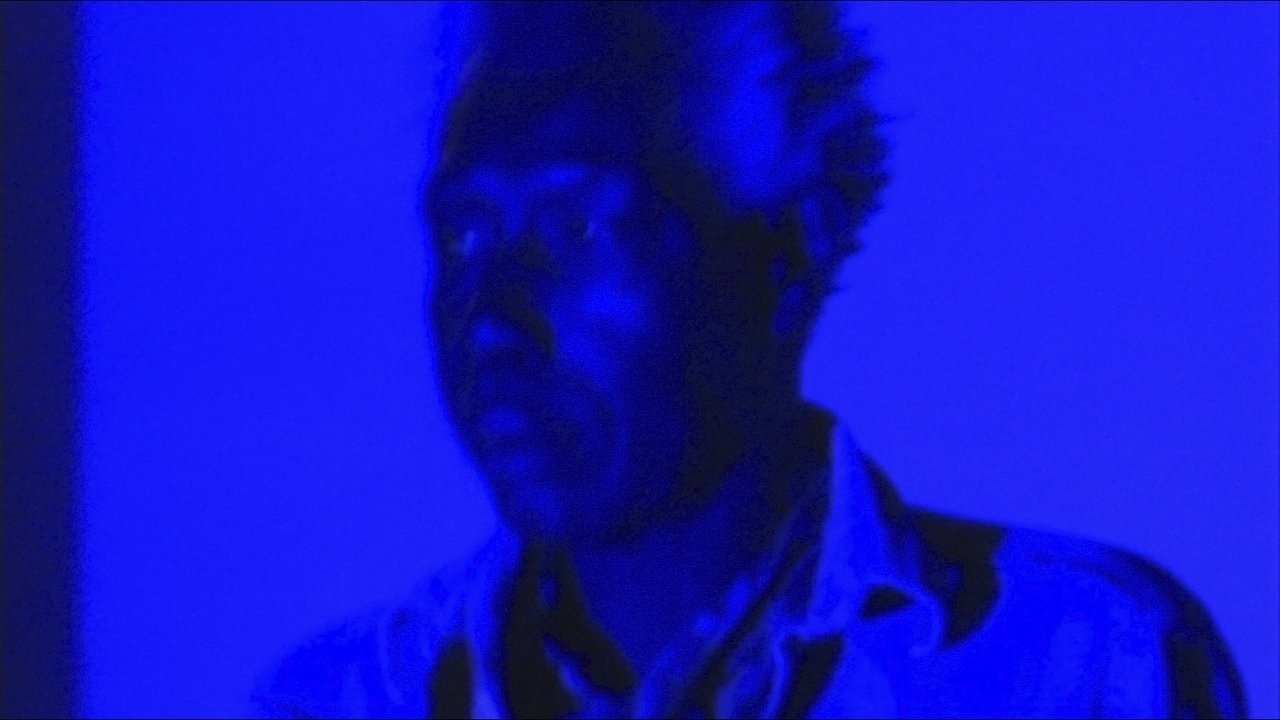

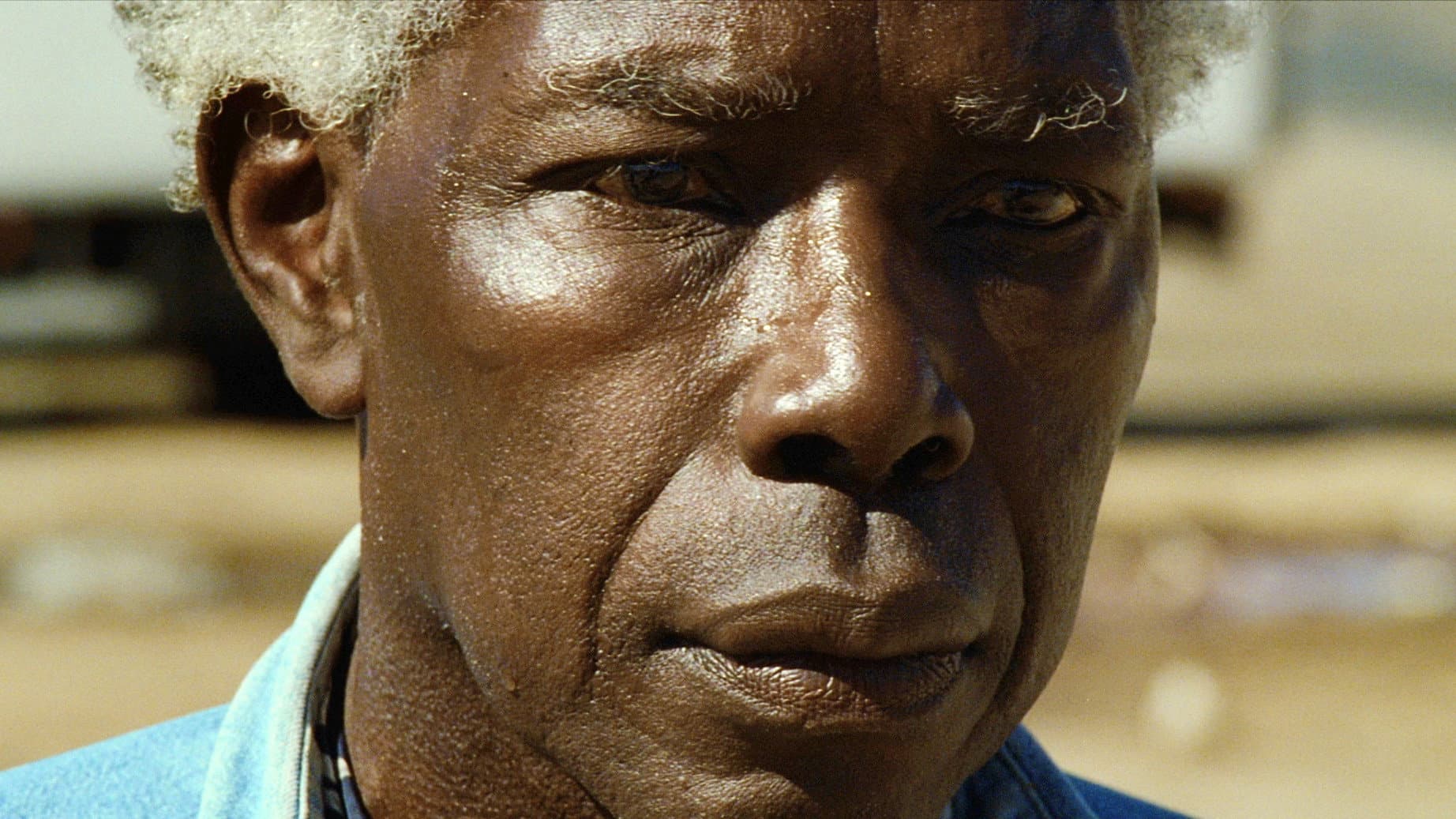
In 1972, Djibril Diop Mambety shoots "Touki Bouki." Mory and Anta are in love. Two young lovers share the same dream: to leave Dakar for Paris. At the fateful moment, Anta embarks. Mory stays alone on quay, unable to tear himself away from his land. Forty years later, "A Thousand Suns" investigates the personal and universal inheritance which represents "Touki Bouki." What has happened since? Magaye Niang, the hero of the movie, has never left Dakar. And today, the old cowboy wonders where Anta is, the love of his youth. Stories about family, exile and cinema meet between the sphere of intimacy and that of myth.
Directed by Mati Diop
woman director
touki bouki

Trailer

IMDB
N/A
Cast
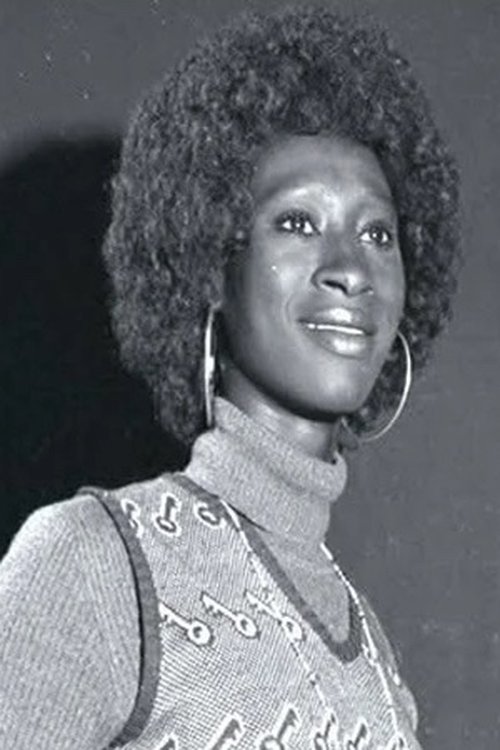
Myriam Niang
Self

Aissatou Niang
Self

Teemour Diop Mambéty
Self
Crew

Mati Diop
Director
Mati Diop
Director of Photography

Hélène Louvart
Director of Photography
Popular Reviews
4 reviews
Kay DeePRO
8.0★ · 03/10/26
Mati Diop is such an incredible director! This is a fantastic coda to Touki Bouki (the work of her uncle) and it has so much longing and reflection about diaspora. Real life twinged with the fantasy of unfulfilled dreams. A mediation on potential, trapped and wasted by colonial processes. So gorgeous! It’s not really a straight documentary but it is still so good. I should really watch the full length Atlantiques.
“Name A Woman!” Challenge - 42. Directed by an Actress.
“Name A Woman!” Challenge - 42. Directed by an Actress.
Mati Diop is such an incredible director! This is a fantastic coda to Touki Bouki (the work of her uncle) and it has so much longing and reflection about diaspora. Real life twinged with the fantasy of unfulfilled dreams. A mediation on potential, trapped and wasted by colonial processes. So gorgeous! It’s not really a straight documentary but it is still so good. I should really watch the full length Atlantiques.
“Name A Woman!” Challenge - 42. Directed by an Actress.
“Name A Woman!” Challenge - 42. Directed by an Actress.


Tony Hightower
8.0★ · 11/08/25
As Mati Diop’s kindasorta epilogue to Touki Bouki, a masterpiece from 1968 directed by her uncle Djibril, about two youths on a motorbike looking to get out of Senegal to Paris, this story of Magaye, the actor who stayed in Dakar, and his co-star who managed to get out, is fascinating.
He’s an old man now, and no one gives him any peace: not his family, who think of him as a faded star in rags who can’t take care of himself, not the cab driver who sees him as a failure who didn’t do enough for class struggle, his drinking buddies who are always fifteen seconds away from a fistfight, the kids who don’t believe him when he tells them he’s the star of the movie they’re watching... even the tiny birds that perch on the wires seem to be bothering him constantly for no reason.
On the night of a public showing of Touki Bouki, Magaye is wandering through town, drunk and bothered. The fact that Mati Diop allows this to happen (or orchestrates it for theatrical effect, which... is definitely on brand for her) is a curious choice, but when he finally arrives at the showing, and he’s asked (in front of the crowd) what’s happened in the last 40 years, and he realizes he has no answer – “I lost myself,” he says -- he realizes how true that statement really is, and it hurts him a bit.
It turns out, as he tells it, the story of Touki Bouki is the story of his romance with Anta, his co-lead, who got on the boat for France without him at the end of the film, leaving Magaye and Senegal behind.
Anyway, she’s now a security guard on an oil rig in Alaska, and as the film ends in a surreal, poetic mist, the closing message, that home is a place that you have to leave to find, hangs in the air like misty, icy breath.
No one else makes films like Mati Diop.
He’s an old man now, and no one gives him any peace: not his family, who think of him as a faded star in rags who can’t take care of himself, not the cab driver who sees him as a failure who didn’t do enough for class struggle, his drinking buddies who are always fifteen seconds away from a fistfight, the kids who don’t believe him when he tells them he’s the star of the movie they’re watching... even the tiny birds that perch on the wires seem to be bothering him constantly for no reason.
On the night of a public showing of Touki Bouki, Magaye is wandering through town, drunk and bothered. The fact that Mati Diop allows this to happen (or orchestrates it for theatrical effect, which... is definitely on brand for her) is a curious choice, but when he finally arrives at the showing, and he’s asked (in front of the crowd) what’s happened in the last 40 years, and he realizes he has no answer – “I lost myself,” he says -- he realizes how true that statement really is, and it hurts him a bit.
It turns out, as he tells it, the story of Touki Bouki is the story of his romance with Anta, his co-lead, who got on the boat for France without him at the end of the film, leaving Magaye and Senegal behind.
Anyway, she’s now a security guard on an oil rig in Alaska, and as the film ends in a surreal, poetic mist, the closing message, that home is a place that you have to leave to find, hangs in the air like misty, icy breath.
No one else makes films like Mati Diop.
As Mati Diop’s kindasorta epilogue to Touki Bouki, a masterpiece from 1968 directed by her uncle Djibril, about two youths on a motorbike looking to get out of Senegal to Paris, this story of Magaye, the actor who stayed in Dakar, and his co-star who managed to get out, is fascinating.
He’s an old man now, and no one gives him any peace: not his family, who think of him as a faded star in rags who can’t take care of himself, not the cab driver who sees him as a failure who didn’t do enough for class struggle, his drinking buddies who are always fifteen seconds away from a fistfight, the kids who don’t believe him when he tells them he’s the star of the movie they’re watching... even the tiny birds that perch on the wires seem to be bothering him constantly for no reason.
On the night of a public showing of Touki Bouki, Magaye is wandering through town, drunk and bothered. The fact that Mati Diop allows this to happen (or orchestrates it for theatrical effect, which... is definitely on brand for her) is a curious choice, but when he finally arrives at the showing, and he’s asked (in front of the crowd) what’s happened in the last 40 years, and he realizes he has no answer – “I lost myself,” he says -- he realizes how true that statement really is, and it hurts him a bit.
It turns out, as he tells it, the story of Touki Bouki is the story of his romance with Anta, his co-lead, who got on the boat for France without him at the end of the film, leaving Magaye and Senegal behind.
Anyway, she’s now a security guard on an oil rig in Alaska, and as the film ends in a surreal, poetic mist, the closing message, that home is a place that you have to leave to find, hangs in the air like misty, icy breath.
No one else makes films like Mati Diop.
He’s an old man now, and no one gives him any peace: not his family, who think of him as a faded star in rags who can’t take care of himself, not the cab driver who sees him as a failure who didn’t do enough for class struggle, his drinking buddies who are always fifteen seconds away from a fistfight, the kids who don’t believe him when he tells them he’s the star of the movie they’re watching... even the tiny birds that perch on the wires seem to be bothering him constantly for no reason.
On the night of a public showing of Touki Bouki, Magaye is wandering through town, drunk and bothered. The fact that Mati Diop allows this to happen (or orchestrates it for theatrical effect, which... is definitely on brand for her) is a curious choice, but when he finally arrives at the showing, and he’s asked (in front of the crowd) what’s happened in the last 40 years, and he realizes he has no answer – “I lost myself,” he says -- he realizes how true that statement really is, and it hurts him a bit.
It turns out, as he tells it, the story of Touki Bouki is the story of his romance with Anta, his co-lead, who got on the boat for France without him at the end of the film, leaving Magaye and Senegal behind.
Anyway, she’s now a security guard on an oil rig in Alaska, and as the film ends in a surreal, poetic mist, the closing message, that home is a place that you have to leave to find, hangs in the air like misty, icy breath.
No one else makes films like Mati Diop.
canofpineapple
7.0★ · 11/18/23
Chad Marriotti
7.0★ · 03/21/20