
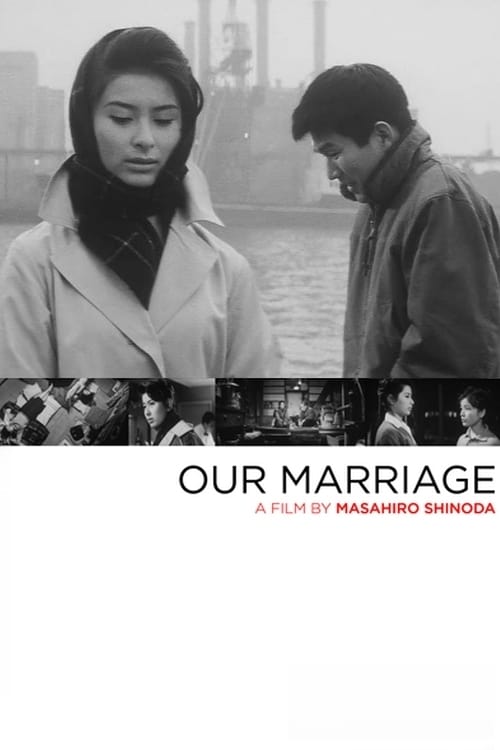
Our Marriage
1962·Drama·1h 6m
7.1
★
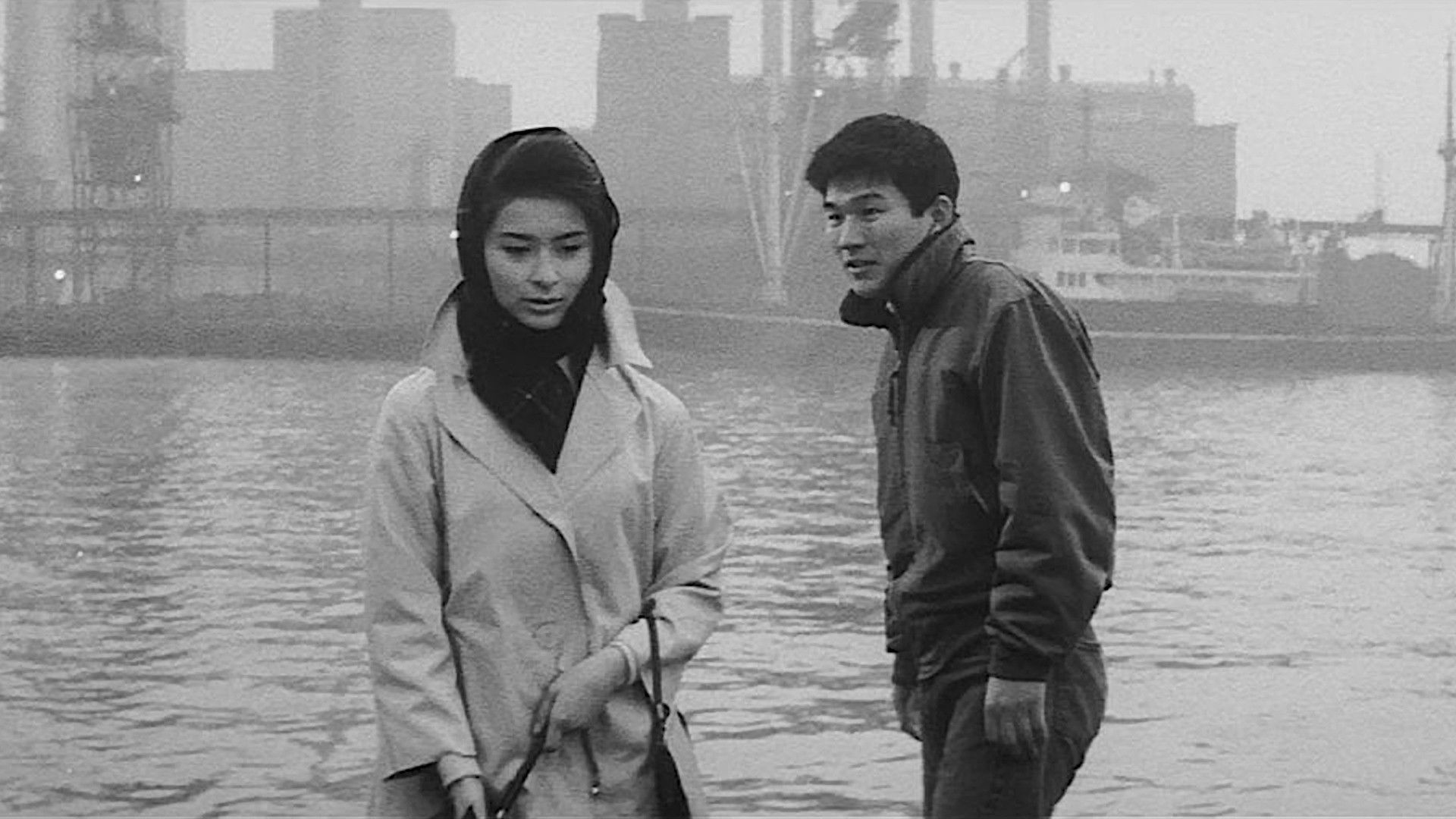
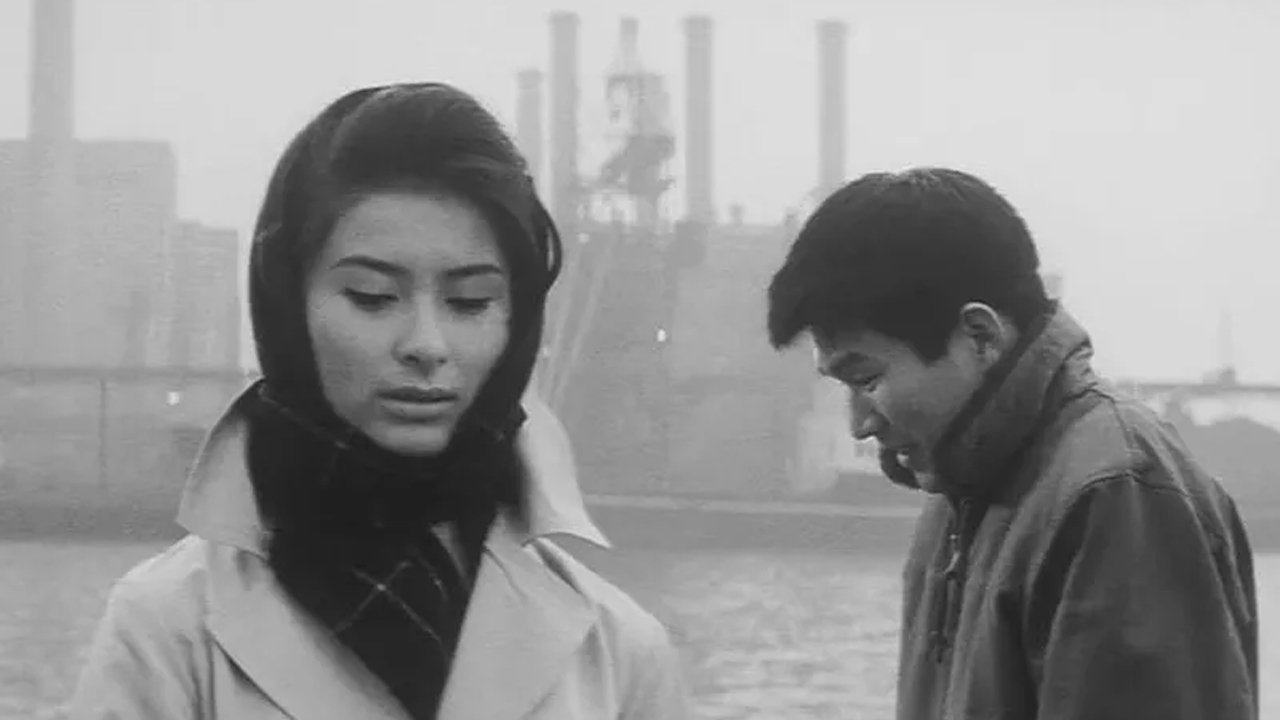
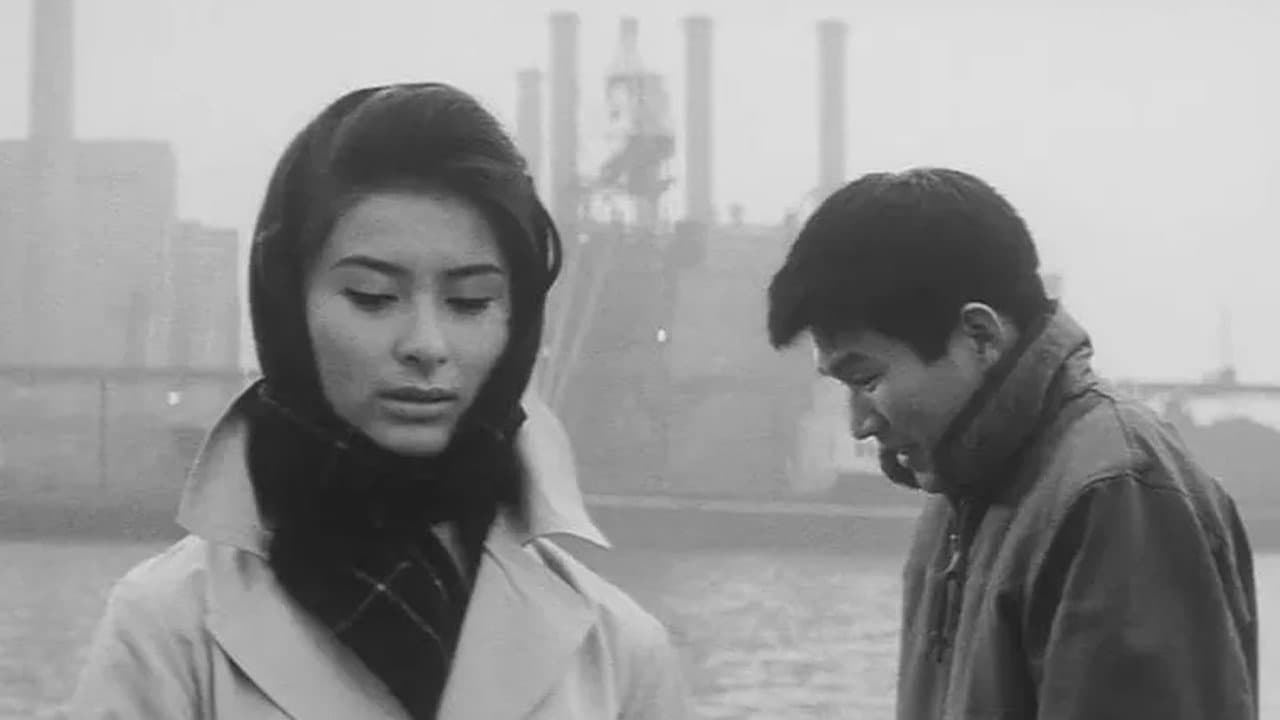
Poverty-stricken sisters reach the age when they start attracting marriage proposals. They must decide between marrying for love or money, but their ambitions clash when they both fall for the same man.
Directed by Masahiro Shinoda

IMDB
N/A
Cast
Chieko Baisho
Saeko Hibino
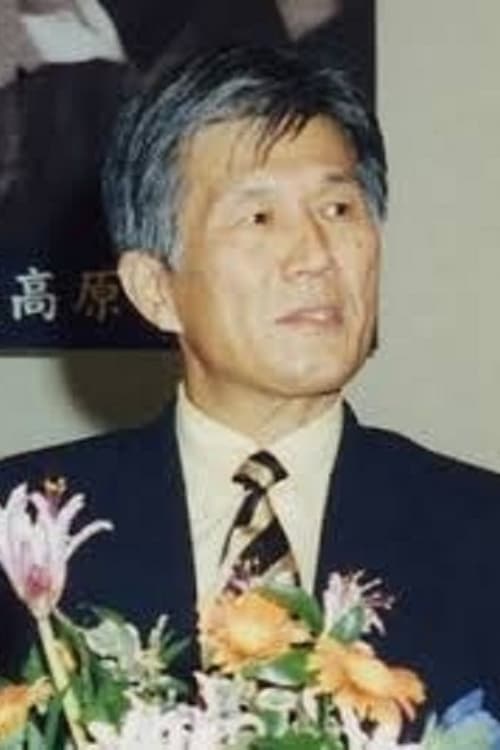
Shinichirō Mikami
Shinzaburo Komakura
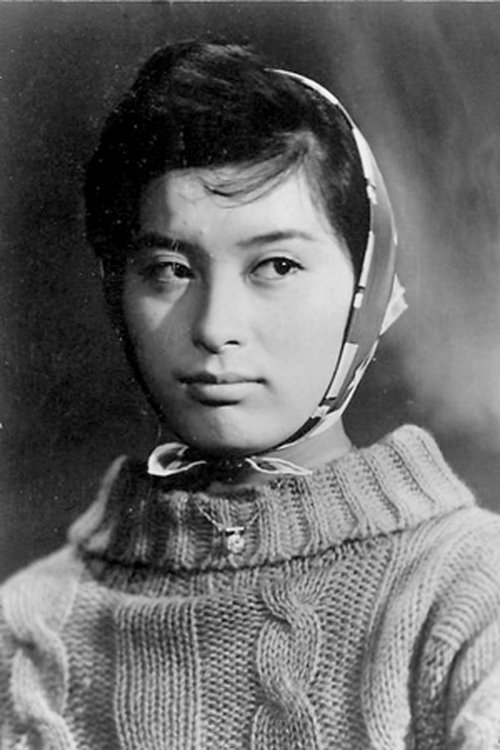
Noriko Maki
Keiko Hibino

Isao Kimura
Yutaka Matsumoto
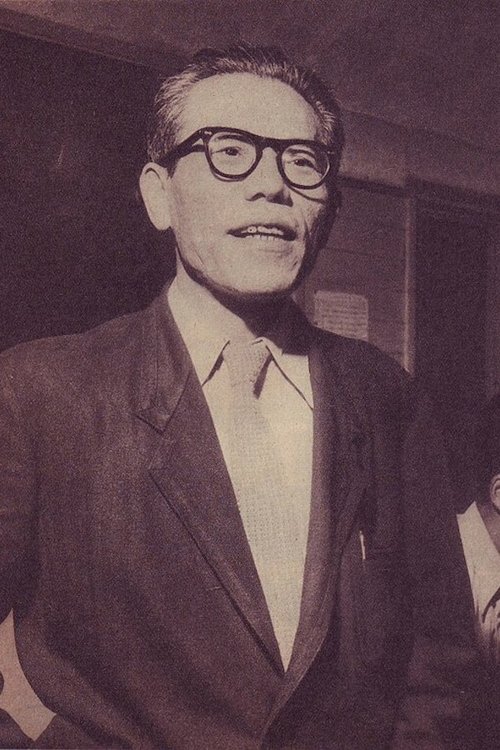
Eijirō Tōno
Father
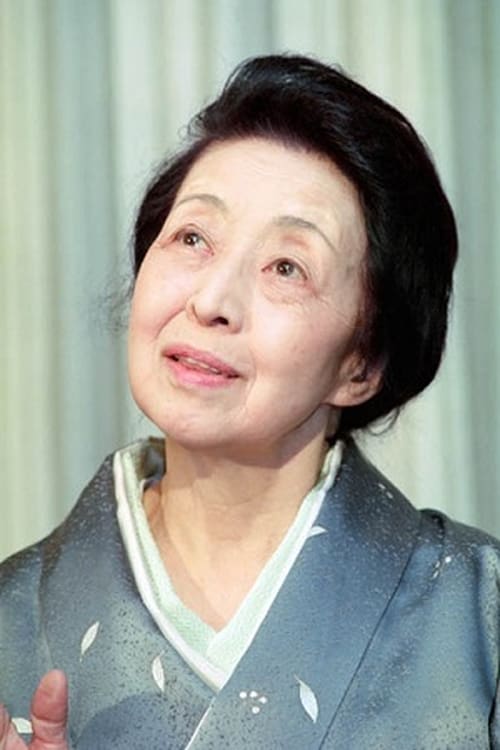
Sadako Sawamura
Mother
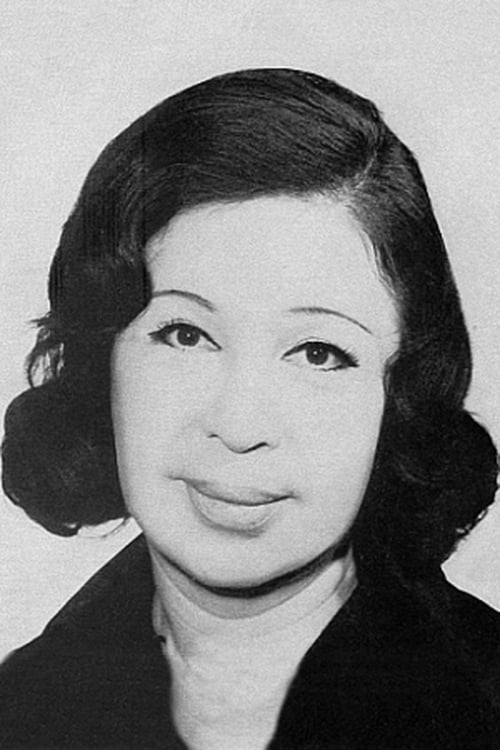
Nijiko Kiyokawa
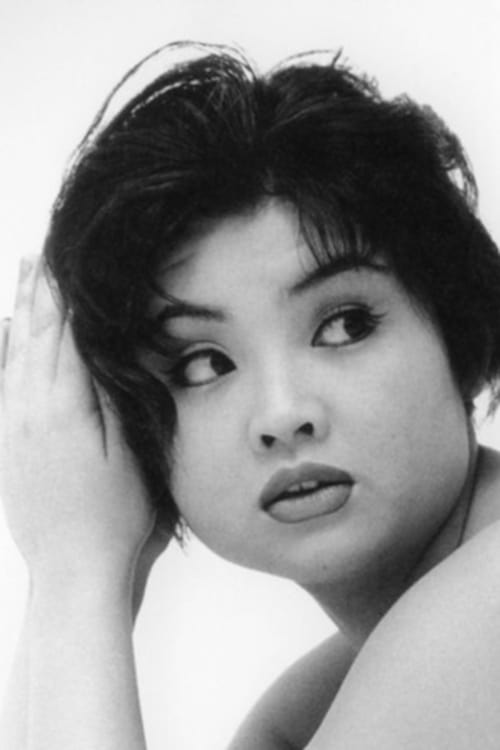
Masumi Harukawa
Rinko Arishima
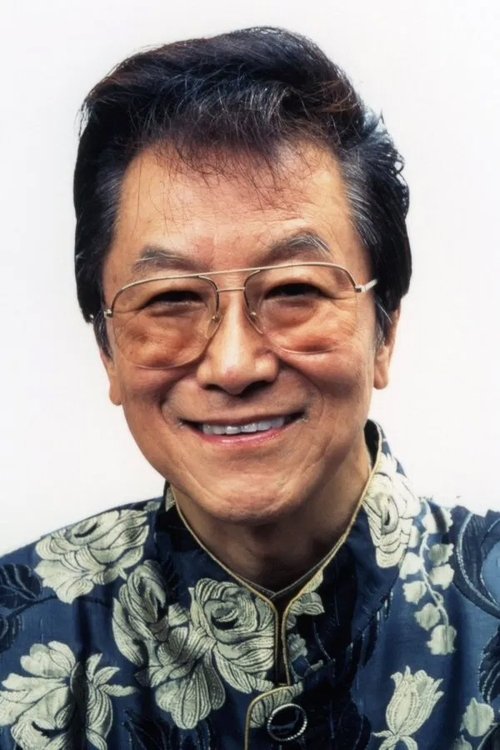
Jun Hamamura
Mitsui
Crew
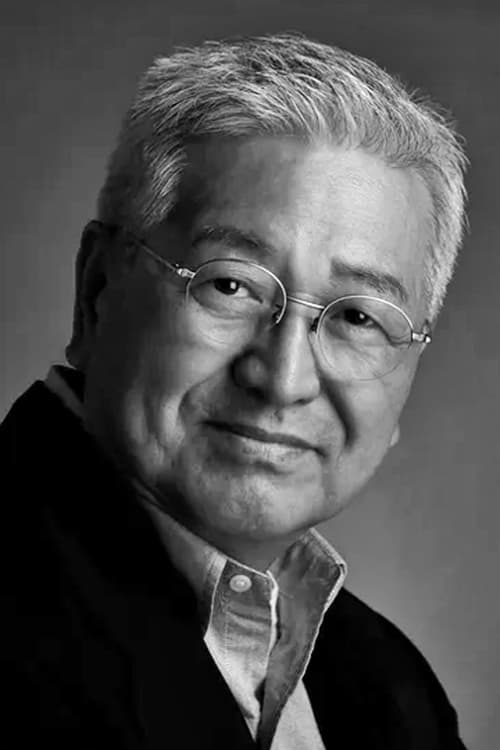
Masahiro Shinoda
Director
Masahiro Shinoda
Screenplay
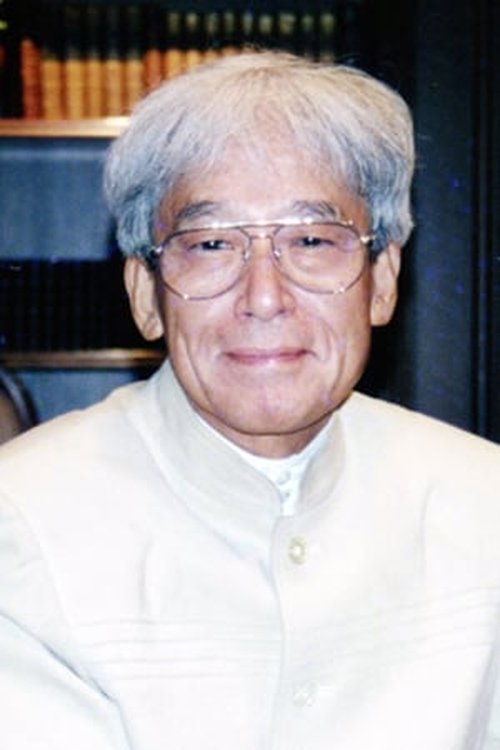
Zenzō Matsuyama
Screenplay
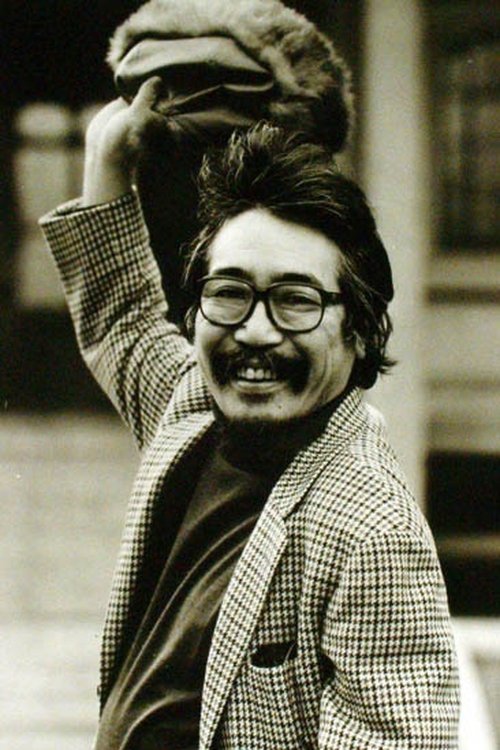
Naozumi Yamamoto
Original Music Composer
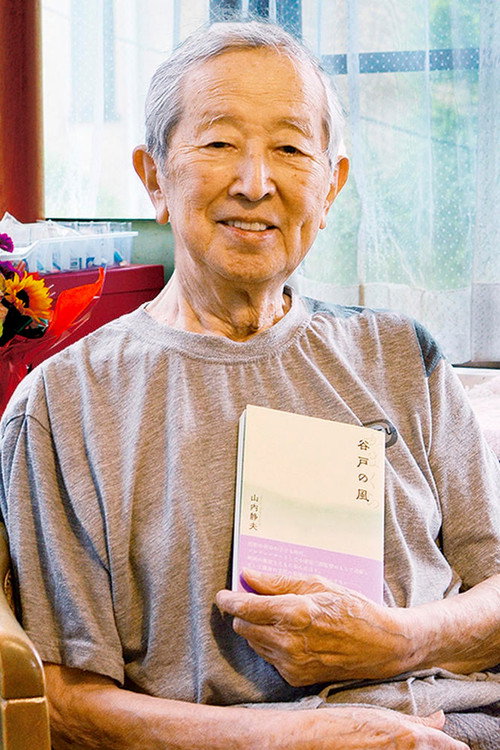
Shizuo Yamanouchi
Executive Producer
Popular Reviews
2 reviews
Nick
9.0★ · 04/13/25
Our Economic Agency
The more advanced you get in economic theory, the more models you build and have working simultaneously. Admittedly, this is a niche mathematical delicacy that only appeals to the most heinous of analytical perverts (eg me). Almost assuredly, Shinoda did not set out to make a complex multi-layered model insightfully capturing the nuanced workings of different labour classes among a newly emerging capitalist landscape; but he did. In fact, as the intellectual econ pervert I am, I intermittently fantasized about the type of thesis I’d write using this film and how it mirrors the socio-economic landscape of 60’s Japan.
I won’t write an entire thesis, but I’ll try to shorten it.
First, every character is self-motivated (a capitalist principle) (yes, even Saeko). Second, every character’s decision carries with it an identifiable cost-benefit analysis (eg marriage as an exit vehicle from poverty). Third, implicit agency is recognized (the women are socio-economically trapped but not owned in property sense ie they can choose who they marry).
The insight of this cinematic econ model ascends further in credibility by layering on humansitic realism. It goes beyond basic econ 101 text and into econ philosophy, a place I like to believe we consider human existential costs alongside quantifiable corporeal costs. One of my preferred examples is the seen/unseen insight originated from Bastiat. I, personally, have extended this paradigm to be ontological. So too do I believe this film especially is.
By its conclusion, I felt zero explicit indictments of any one character. Instead, I saw a serene mix of realism and idealism. The final sentiment echoed something closer to the stoic grace I recall and love from Tokyo Story. Our Marriage positions itself as a deeply insightful self-reflection. The Japanese New Wave had a unique insight into capitalism I think Westerners, Americans specifically, take for granted.
I’ve pondered my orb a lot about why I think 60’s Japanese films have more insight into capitalism than any American film has come close to. My current theory says it’s because the USA’s birthroots are capitalist in nature. Japan, however, went through drastic socio-economic transitions. It is truly an ancient nation adopting a new reality. And from an economic perspective, Japan represents one of the great success stories. Of course, that’s not to say it doesn’t come with its own set of real human costs. That’s why I think movies like this provide deep empathetic insight into the margins we tend to forget. In short, a nation born into capitalism (USA) will produce different movies, maybe self-biased movies, than a nation who adopted (saw flaws/costs in real time) capitalism (Japan).
As nerdy as I got with this movie, I also just loved it. I freaking cried at Keiko’s predicament. It was an ultimate choice of fate, like at a mythically human level. Why can’t more movies be this honest?
The more advanced you get in economic theory, the more models you build and have working simultaneously. Admittedly, this is a niche mathematical delicacy that only appeals to the most heinous of analytical perverts (eg me). Almost assuredly, Shinoda did not set out to make a complex multi-layered model insightfully capturing the nuanced workings of different labour classes among a newly emerging capitalist landscape; but he did. In fact, as the intellectual econ pervert I am, I intermittently fantasized about the type of thesis I’d write using this film and how it mirrors the socio-economic landscape of 60’s Japan.
I won’t write an entire thesis, but I’ll try to shorten it.
First, every character is self-motivated (a capitalist principle) (yes, even Saeko). Second, every character’s decision carries with it an identifiable cost-benefit analysis (eg marriage as an exit vehicle from poverty). Third, implicit agency is recognized (the women are socio-economically trapped but not owned in property sense ie they can choose who they marry).
The insight of this cinematic econ model ascends further in credibility by layering on humansitic realism. It goes beyond basic econ 101 text and into econ philosophy, a place I like to believe we consider human existential costs alongside quantifiable corporeal costs. One of my preferred examples is the seen/unseen insight originated from Bastiat. I, personally, have extended this paradigm to be ontological. So too do I believe this film especially is.
By its conclusion, I felt zero explicit indictments of any one character. Instead, I saw a serene mix of realism and idealism. The final sentiment echoed something closer to the stoic grace I recall and love from Tokyo Story. Our Marriage positions itself as a deeply insightful self-reflection. The Japanese New Wave had a unique insight into capitalism I think Westerners, Americans specifically, take for granted.
I’ve pondered my orb a lot about why I think 60’s Japanese films have more insight into capitalism than any American film has come close to. My current theory says it’s because the USA’s birthroots are capitalist in nature. Japan, however, went through drastic socio-economic transitions. It is truly an ancient nation adopting a new reality. And from an economic perspective, Japan represents one of the great success stories. Of course, that’s not to say it doesn’t come with its own set of real human costs. That’s why I think movies like this provide deep empathetic insight into the margins we tend to forget. In short, a nation born into capitalism (USA) will produce different movies, maybe self-biased movies, than a nation who adopted (saw flaws/costs in real time) capitalism (Japan).
As nerdy as I got with this movie, I also just loved it. I freaking cried at Keiko’s predicament. It was an ultimate choice of fate, like at a mythically human level. Why can’t more movies be this honest?
Our Economic Agency
The more advanced you get in economic theory, the more models you build and have working simultaneously. Admittedly, this is a niche mathematical delicacy that only appeals to the most heinous of analytical perverts (eg me). Almost assuredly, Shinoda did not set out to make a complex multi-layered model insightfully capturing the nuanced workings of different labour classes among a newly emerging capitalist landscape; but he did. In fact, as the intellectual econ pervert I am, I intermittently fantasized about the type of thesis I’d write using this film and how it mirrors the socio-economic landscape of 60’s Japan.
I won’t write an entire thesis, but I’ll try to shorten it.
First, every character is self-motivated (a capitalist principle) (yes, even Saeko). Second, every character’s decision carries with it an identifiable cost-benefit analysis (eg marriage as an exit vehicle from poverty). Third, implicit agency is recognized (the women are socio-economically trapped but not owned in property sense ie they can choose who they marry).
The insight of this cinematic econ model ascends further in credibility by layering on humansitic realism. It goes beyond basic econ 101 text and into econ philosophy, a place I like to believe we consider human existential costs alongside quantifiable corporeal costs. One of my preferred examples is the seen/unseen insight originated from Bastiat. I, personally, have extended this paradigm to be ontological. So too do I believe this film especially is.
By its conclusion, I felt zero explicit indictments of any one character. Instead, I saw a serene mix of realism and idealism. The final sentiment echoed something closer to the stoic grace I recall and love from Tokyo Story. Our Marriage positions itself as a deeply insightful self-reflection. The Japanese New Wave had a unique insight into capitalism I think Westerners, Americans specifically, take for granted.
I’ve pondered my orb a lot about why I think 60’s Japanese films have more insight into capitalism than any American film has come close to. My current theory says it’s because the USA’s birthroots are capitalist in nature. Japan, however, went through drastic socio-economic transitions. It is truly an ancient nation adopting a new reality. And from an economic perspective, Japan represents one of the great success stories. Of course, that’s not to say it doesn’t come with its own set of real human costs. That’s why I think movies like this provide deep empathetic insight into the margins we tend to forget. In short, a nation born into capitalism (USA) will produce different movies, maybe self-biased movies, than a nation who adopted (saw flaws/costs in real time) capitalism (Japan).
As nerdy as I got with this movie, I also just loved it. I freaking cried at Keiko’s predicament. It was an ultimate choice of fate, like at a mythically human level. Why can’t more movies be this honest?
The more advanced you get in economic theory, the more models you build and have working simultaneously. Admittedly, this is a niche mathematical delicacy that only appeals to the most heinous of analytical perverts (eg me). Almost assuredly, Shinoda did not set out to make a complex multi-layered model insightfully capturing the nuanced workings of different labour classes among a newly emerging capitalist landscape; but he did. In fact, as the intellectual econ pervert I am, I intermittently fantasized about the type of thesis I’d write using this film and how it mirrors the socio-economic landscape of 60’s Japan.
I won’t write an entire thesis, but I’ll try to shorten it.
First, every character is self-motivated (a capitalist principle) (yes, even Saeko). Second, every character’s decision carries with it an identifiable cost-benefit analysis (eg marriage as an exit vehicle from poverty). Third, implicit agency is recognized (the women are socio-economically trapped but not owned in property sense ie they can choose who they marry).
The insight of this cinematic econ model ascends further in credibility by layering on humansitic realism. It goes beyond basic econ 101 text and into econ philosophy, a place I like to believe we consider human existential costs alongside quantifiable corporeal costs. One of my preferred examples is the seen/unseen insight originated from Bastiat. I, personally, have extended this paradigm to be ontological. So too do I believe this film especially is.
By its conclusion, I felt zero explicit indictments of any one character. Instead, I saw a serene mix of realism and idealism. The final sentiment echoed something closer to the stoic grace I recall and love from Tokyo Story. Our Marriage positions itself as a deeply insightful self-reflection. The Japanese New Wave had a unique insight into capitalism I think Westerners, Americans specifically, take for granted.
I’ve pondered my orb a lot about why I think 60’s Japanese films have more insight into capitalism than any American film has come close to. My current theory says it’s because the USA’s birthroots are capitalist in nature. Japan, however, went through drastic socio-economic transitions. It is truly an ancient nation adopting a new reality. And from an economic perspective, Japan represents one of the great success stories. Of course, that’s not to say it doesn’t come with its own set of real human costs. That’s why I think movies like this provide deep empathetic insight into the margins we tend to forget. In short, a nation born into capitalism (USA) will produce different movies, maybe self-biased movies, than a nation who adopted (saw flaws/costs in real time) capitalism (Japan).
As nerdy as I got with this movie, I also just loved it. I freaking cried at Keiko’s predicament. It was an ultimate choice of fate, like at a mythically human level. Why can’t more movies be this honest?


Dante
7.5★ · 07/02/24