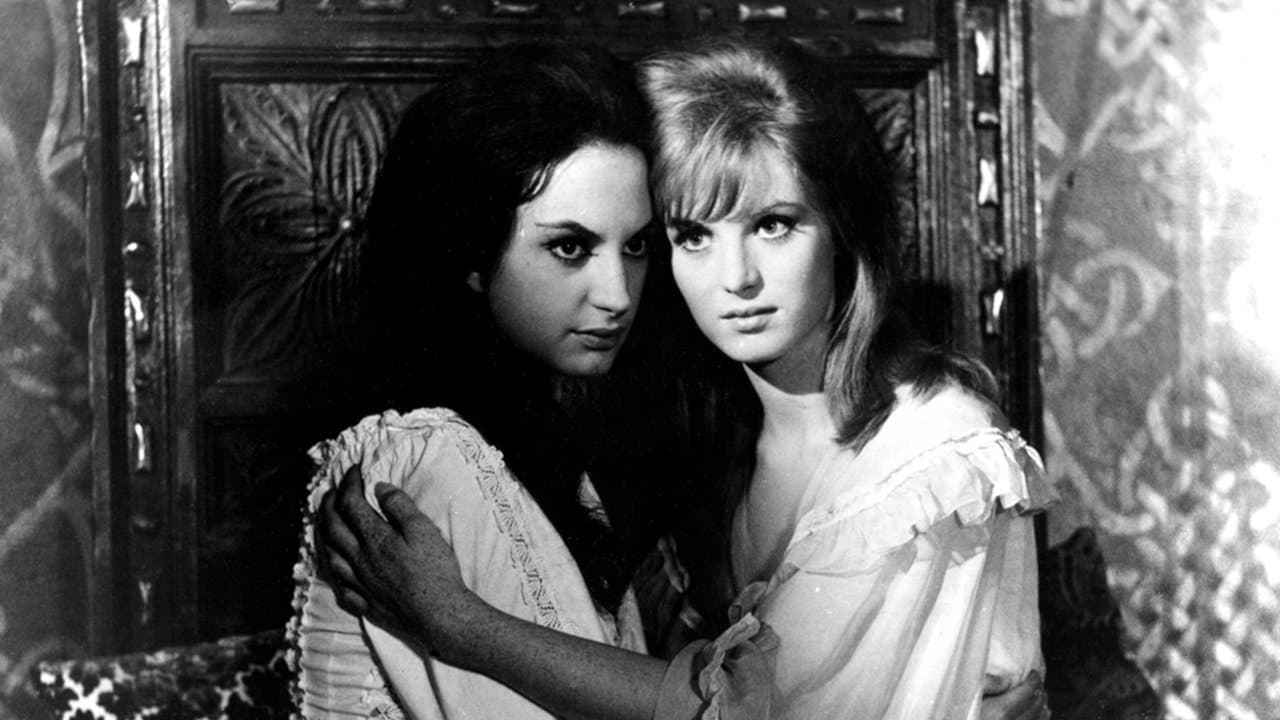
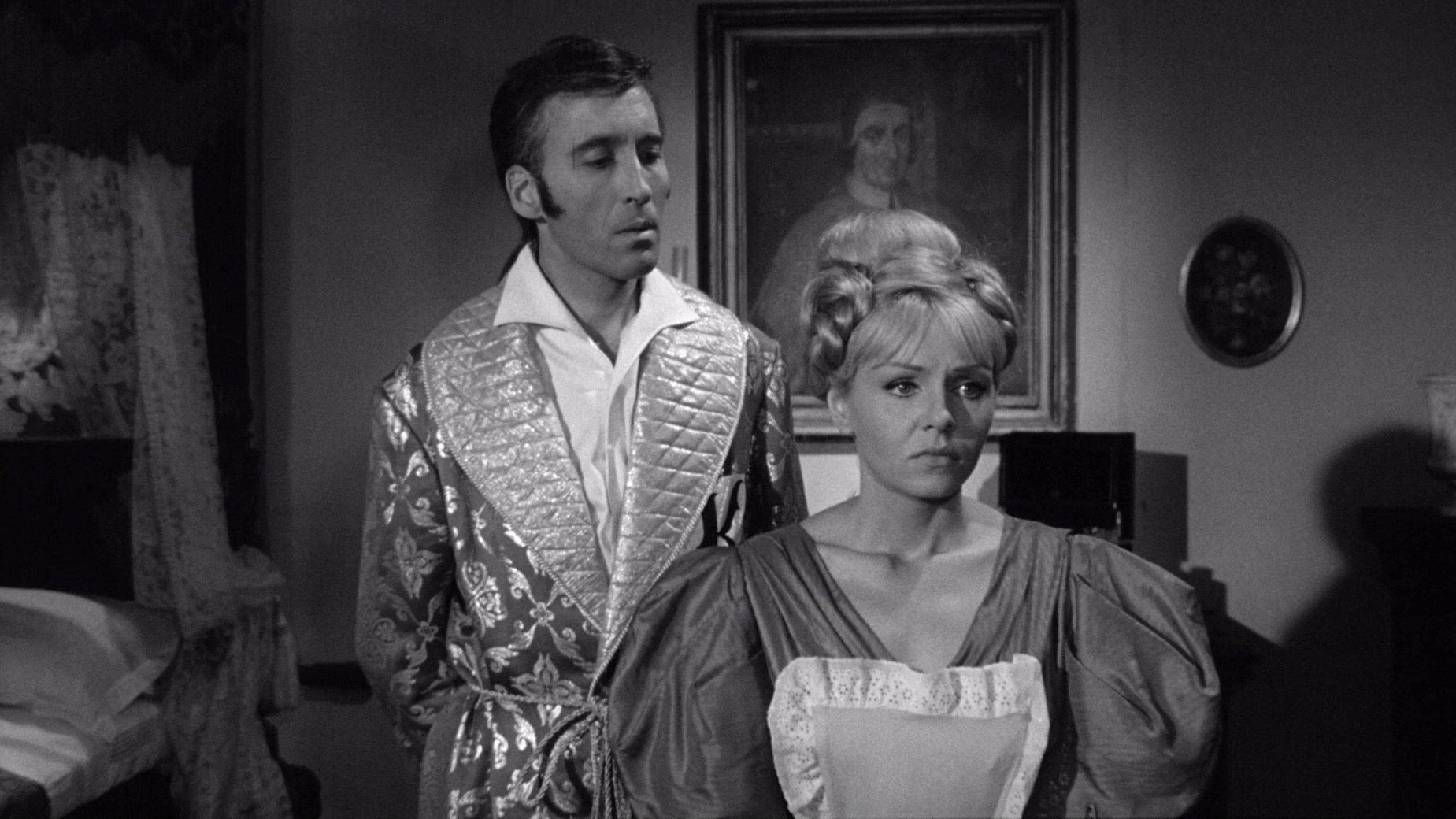
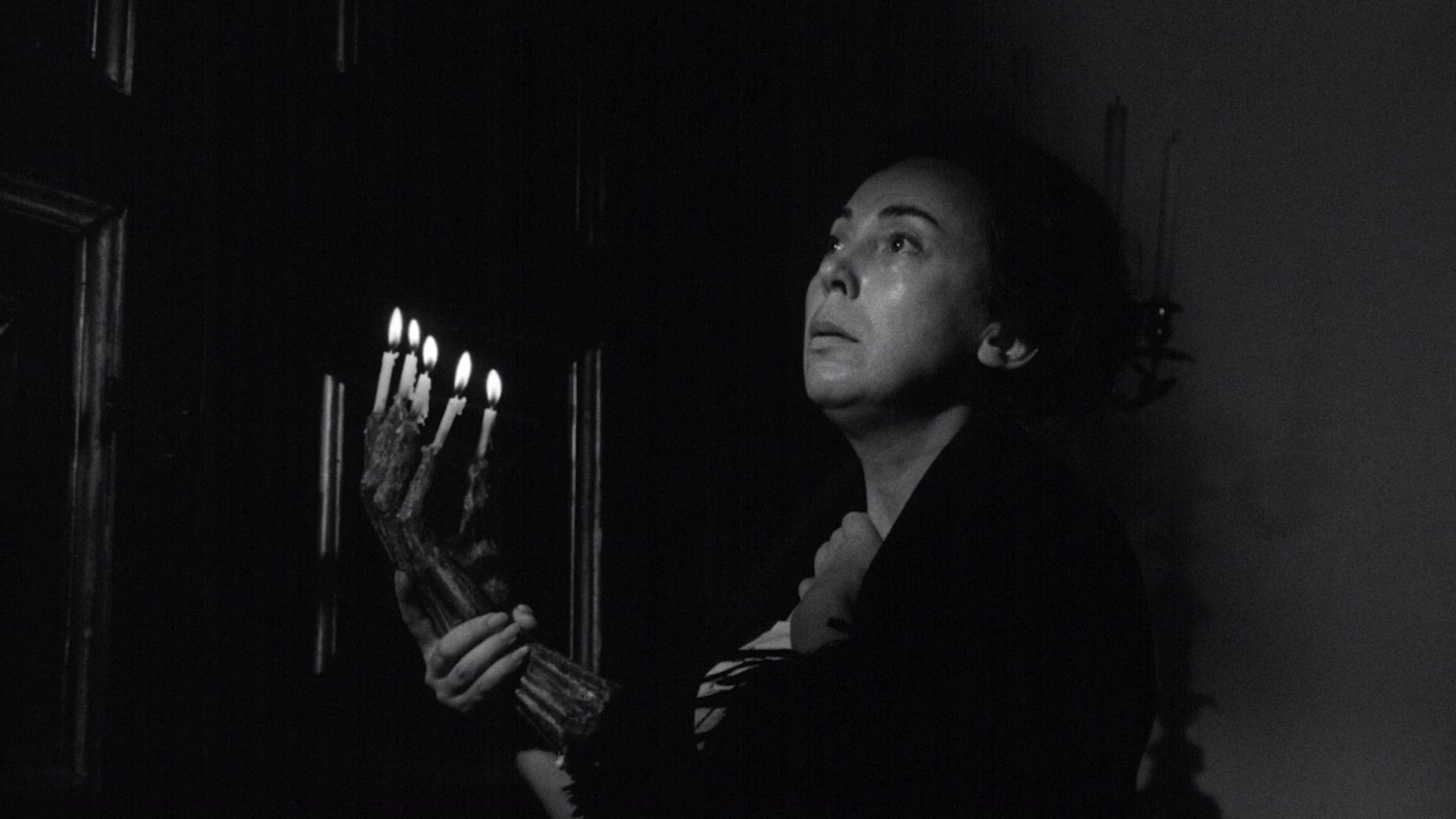
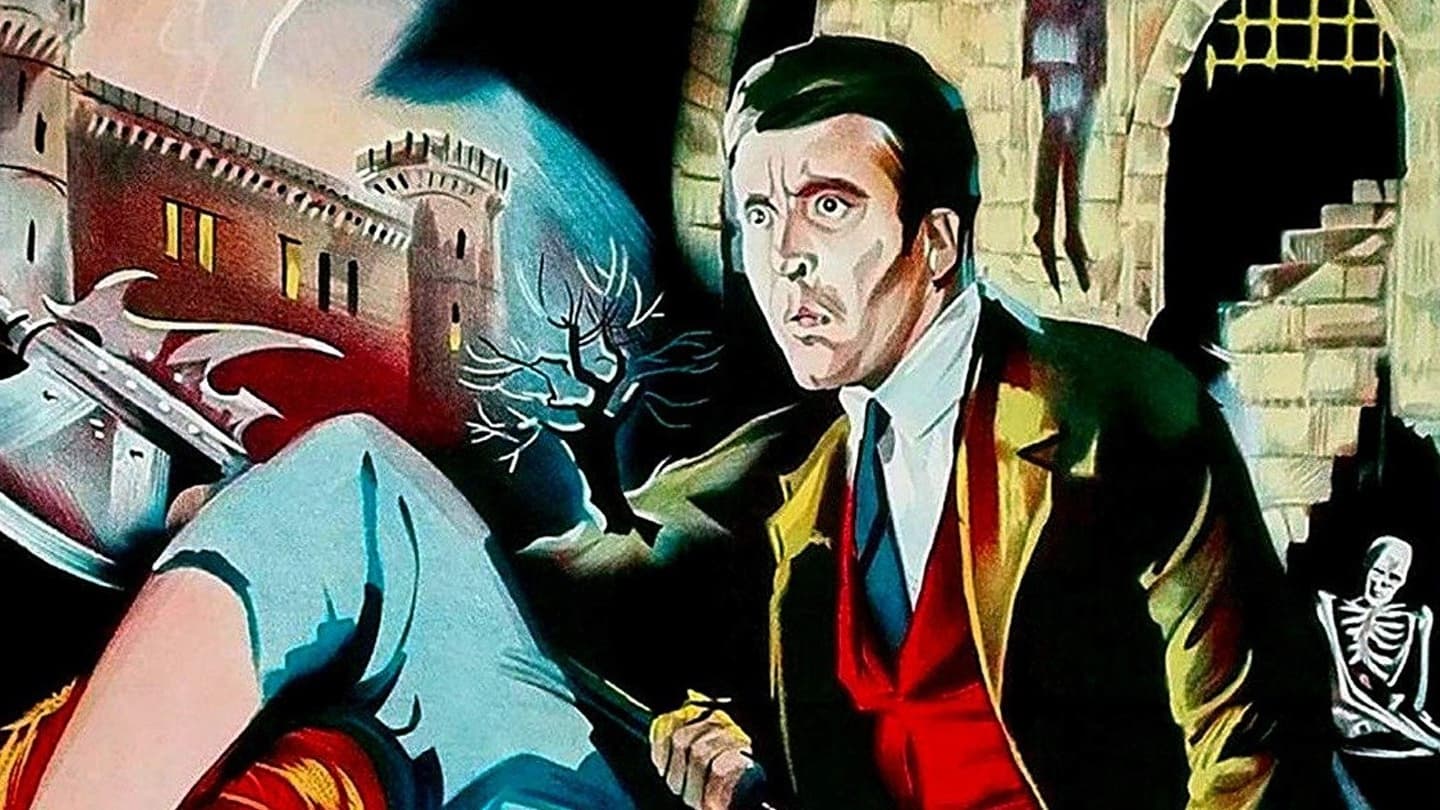
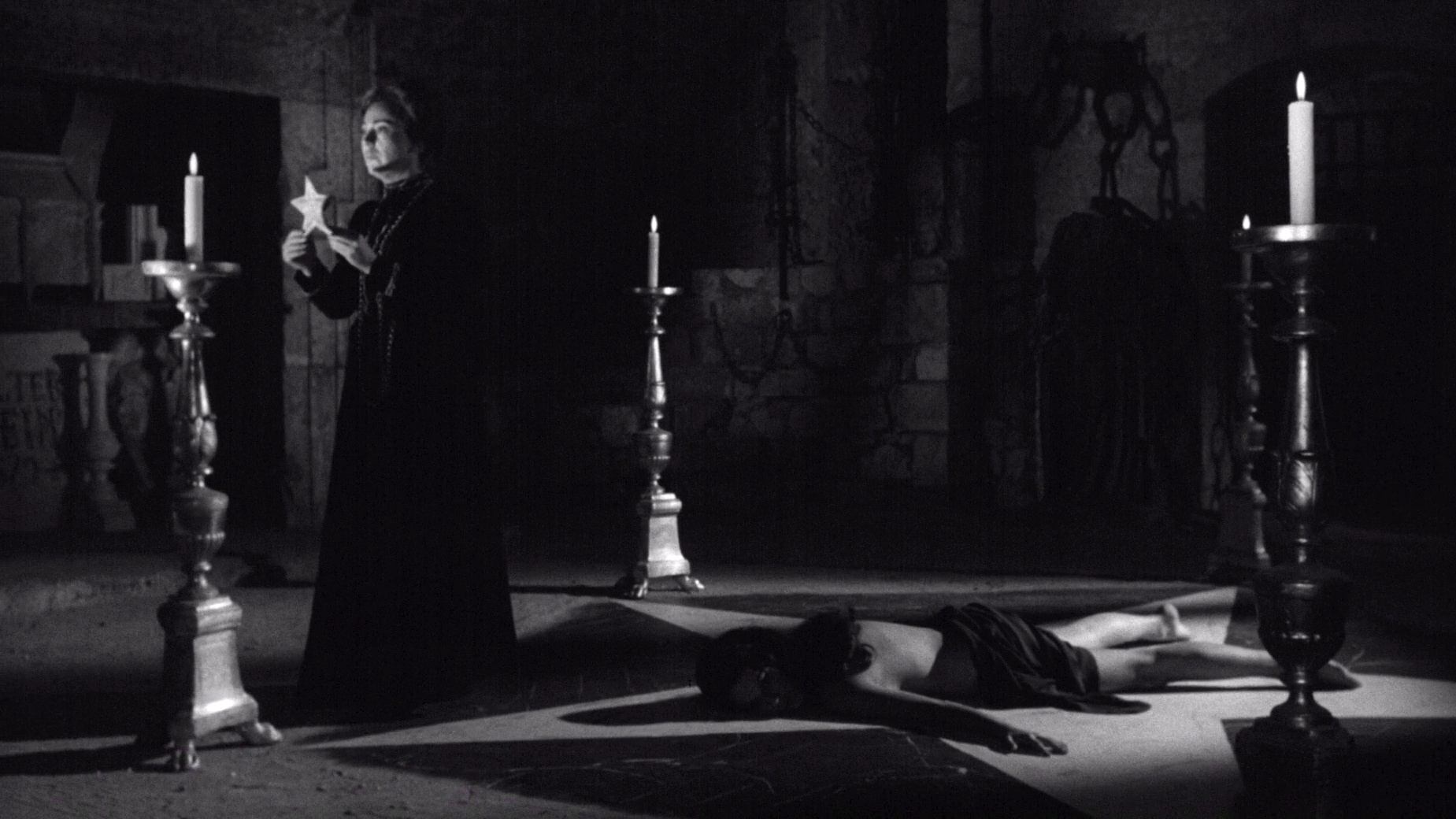
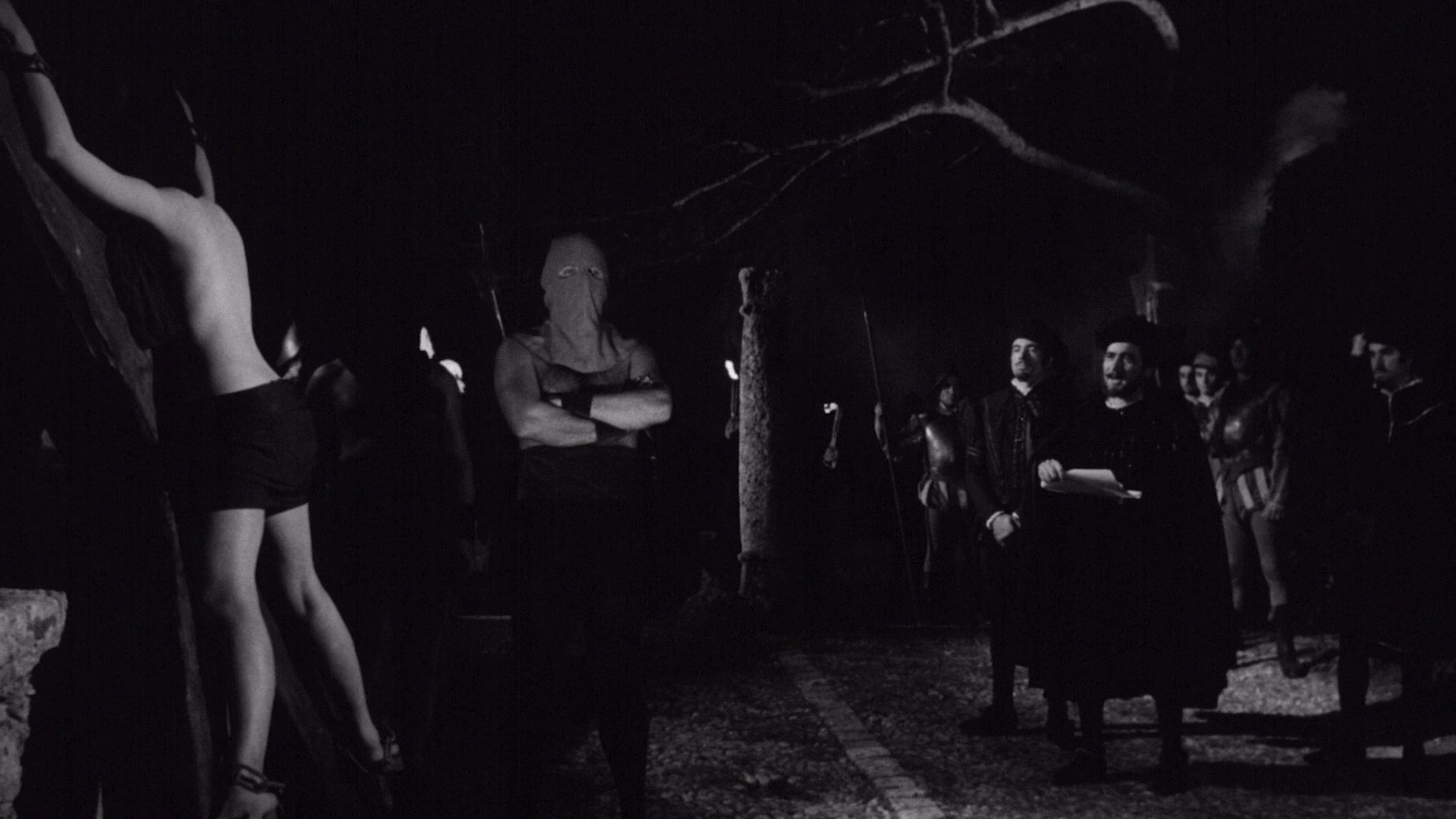
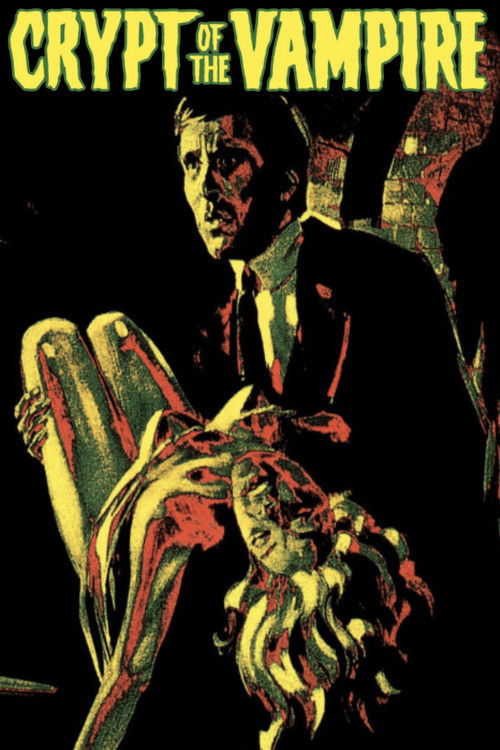
Mastrocinque creates an interesting adaptation of Carmilla by allowing for the possibility that both Laura and Ljuba could be 'Carmilla'. Immediately, we are introduced to Laura as a Karnstein and living under the shadow of Sida Karnstein, a cursed ancestor. In this movie, it is Laura, not Ljuba/Carmilla, who is changeable and infatuated. Even her nursemaid and her dad's secret girlfriend suspect her of the deaths that are happening around her. It feels all but confirmed when after a nightmare of Laura drinking Ljuba's blood, Ljuba's neck is marked with the trademark vampire bite. The choice to keep Sida consistently faceless, until the very end where Ljuba turns to Laura and reveals herself as 'Carmilla', either to kill her or elope with her, was so good. I'm a big fan of Carmilla, but I even bought in to the idea that it was Laura.
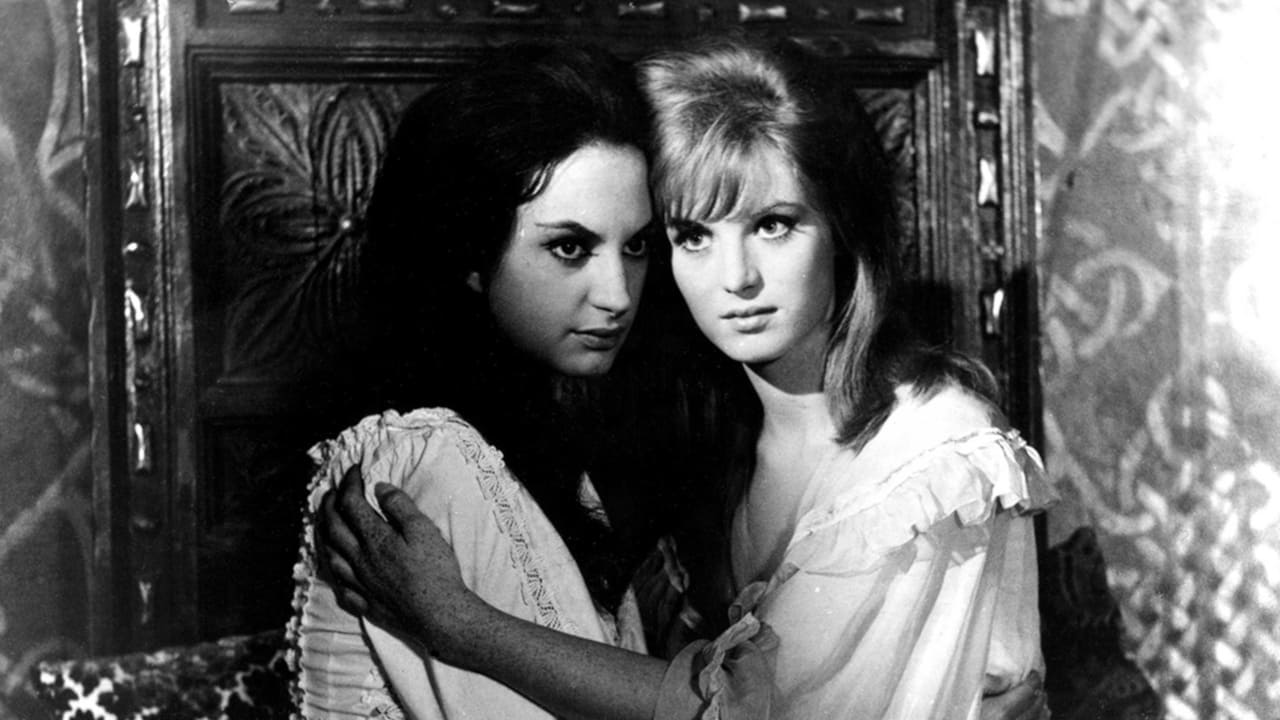
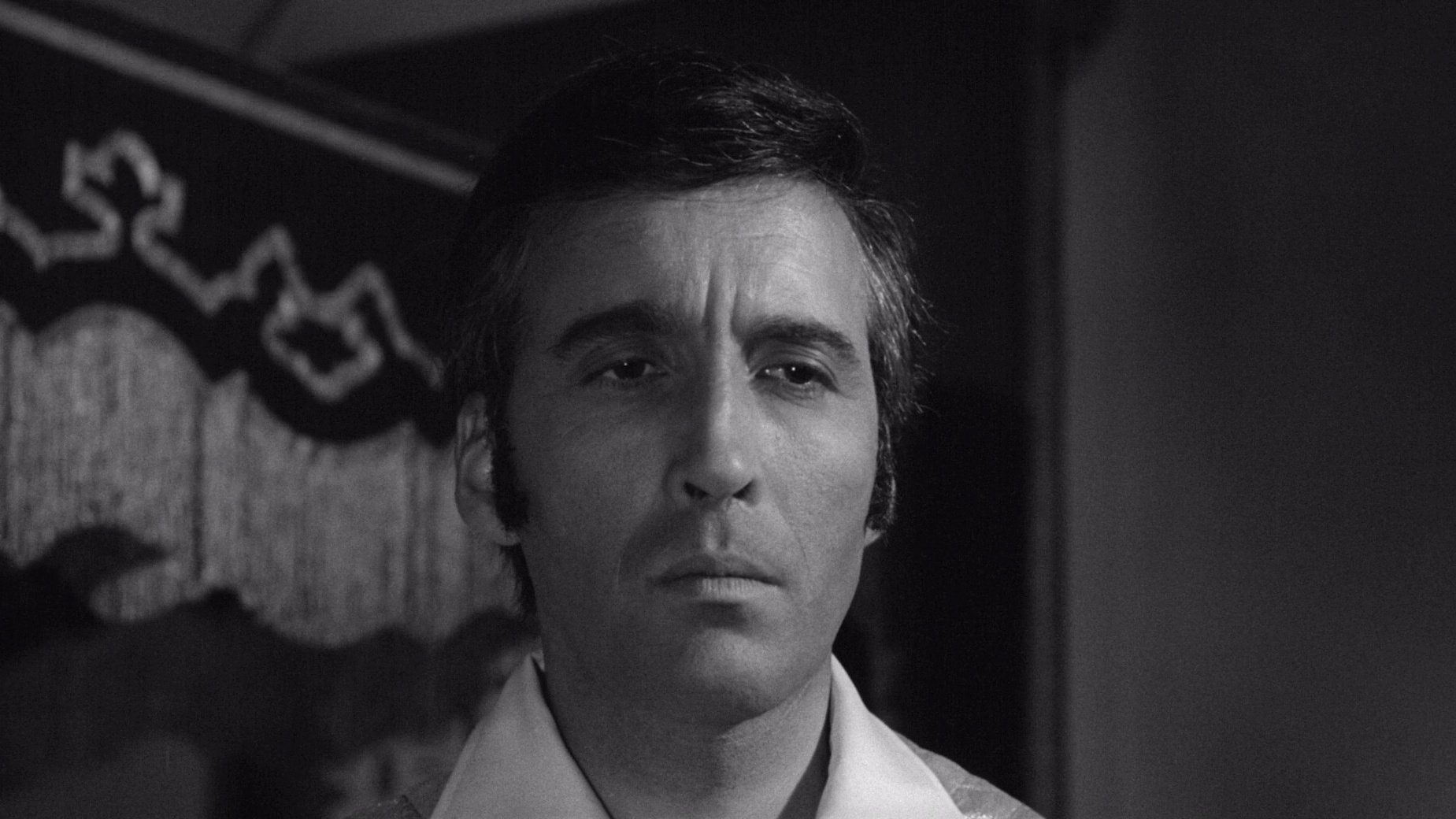
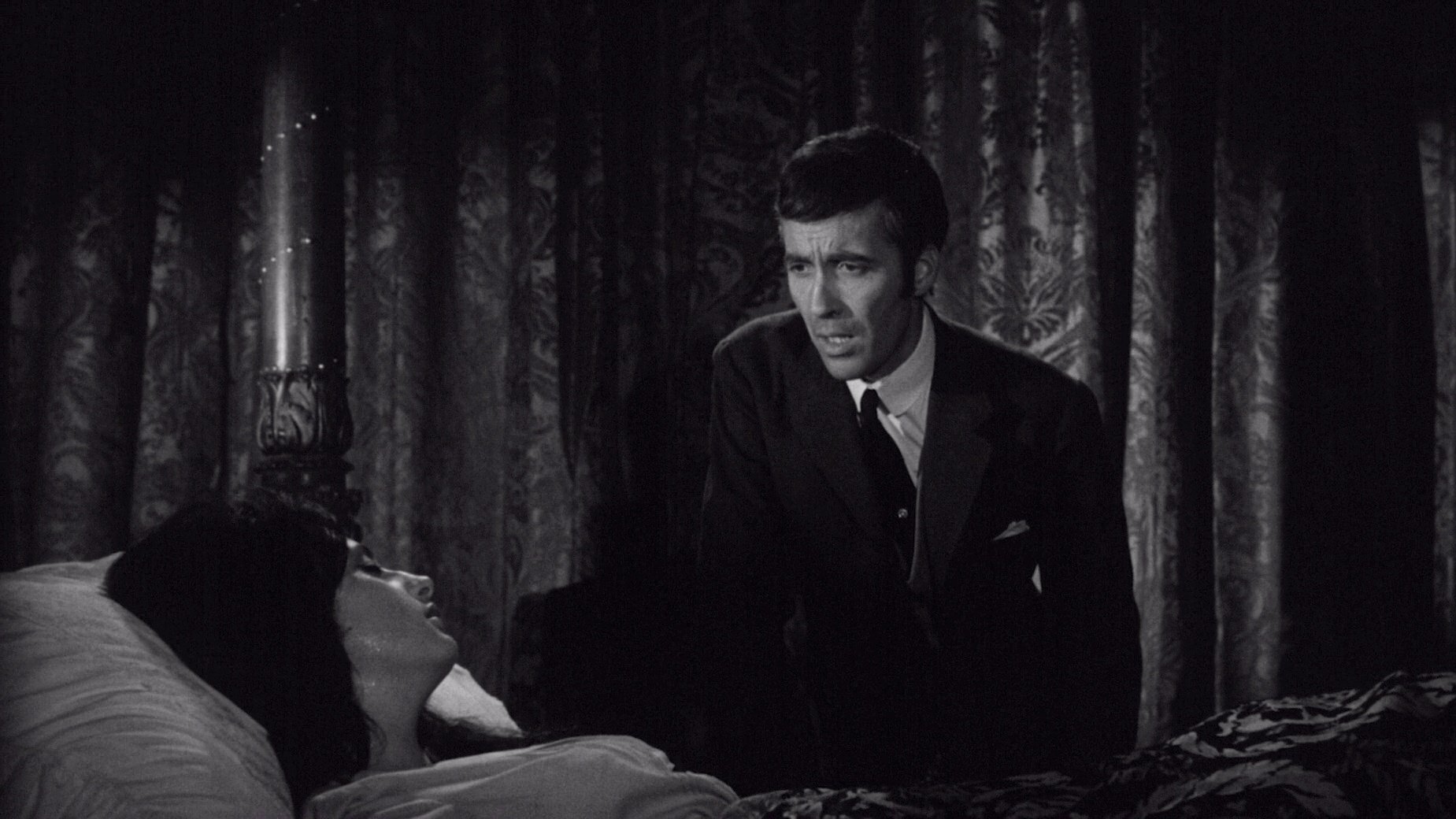
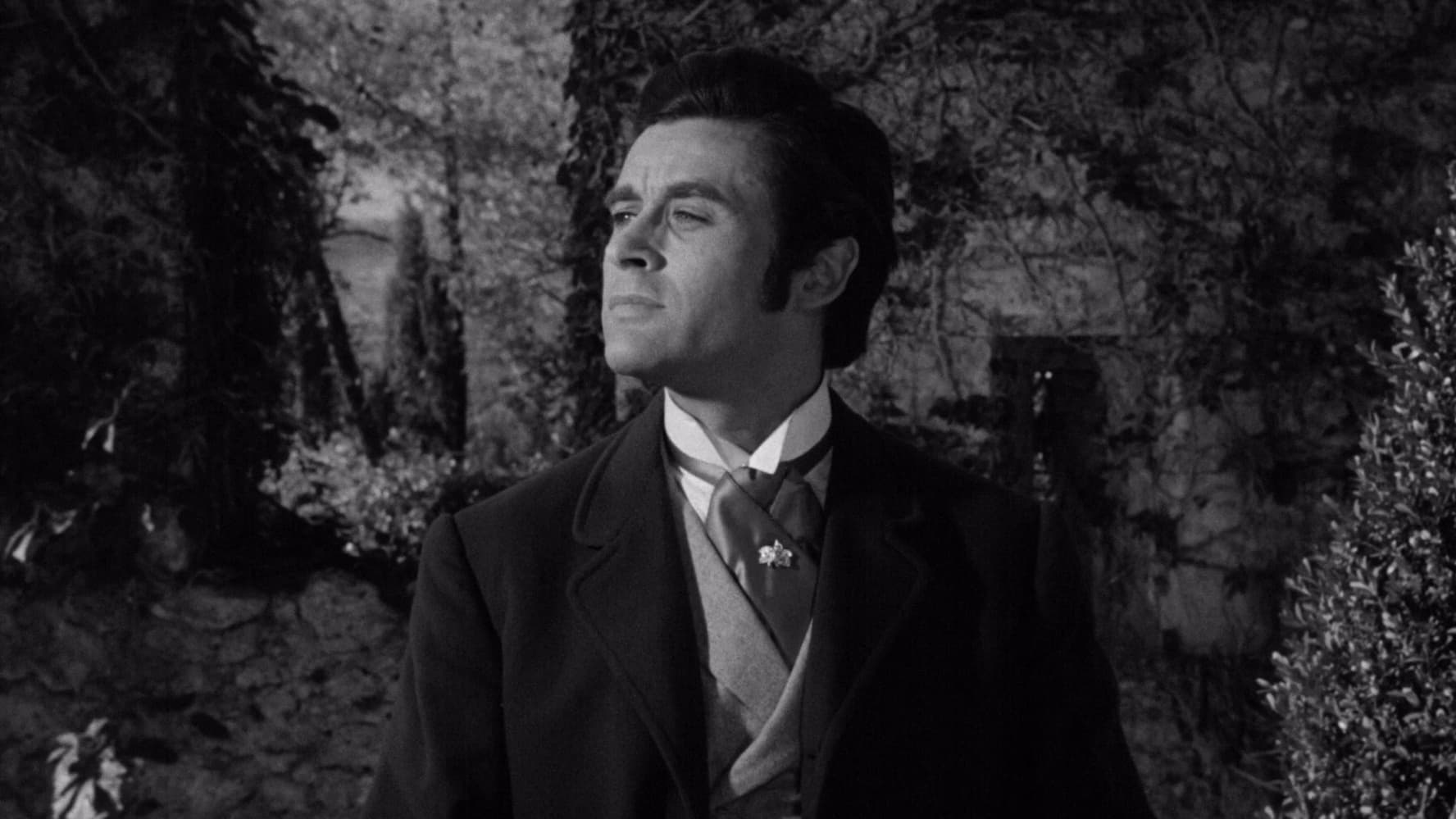
While (obviously) not explicitly lesbian, I enjoyed the clear romantic undertones. To begin with, it's clear that, for Laura, vampirism serves as a vehicle for her coming-of-age. While Laura is never explicitly given an age, we can assume she is on the cusp of womanhood - she is still unmarried, and yet her peer, Annette, has fashioned a serious enough relationship with the Count. Ljuba tells her to prove she is not still a girl when they run to the bell tower together. Then there is, of course, the more symbolic evidence - there has been a sudden uptick in Karnstein deaths since April (implying a recent change), the evidence of Laura's sleepwalking vampire nature is depicted as blood on her sheets (evoking period blood or her wedding night), and then there is the parallel between Laura's vampiric nightmares and wet dreams. The connection of all this with Ljuba and her arrival in Laura's life positions Ljuba as Laura's romantic other. She even refuses Friedrich, claiming that with Ljuba she is no longer alone. I think it also slightly subverts the lesbiphobia in the original Carmilla, as Ljuba is not enforcing the romance on Laura in the same way Carmilla does. I have to give Mastrocinque credit for not positioning her as a foreign intruder bringing lesbianism with her - for the most part, we only see how into her companion Laura is. Unfortunately, because this movie was made in the 1960s, once they kill Ljuba, she is suddenly, supposedly interested in Friedrich. #dontbelieveit.
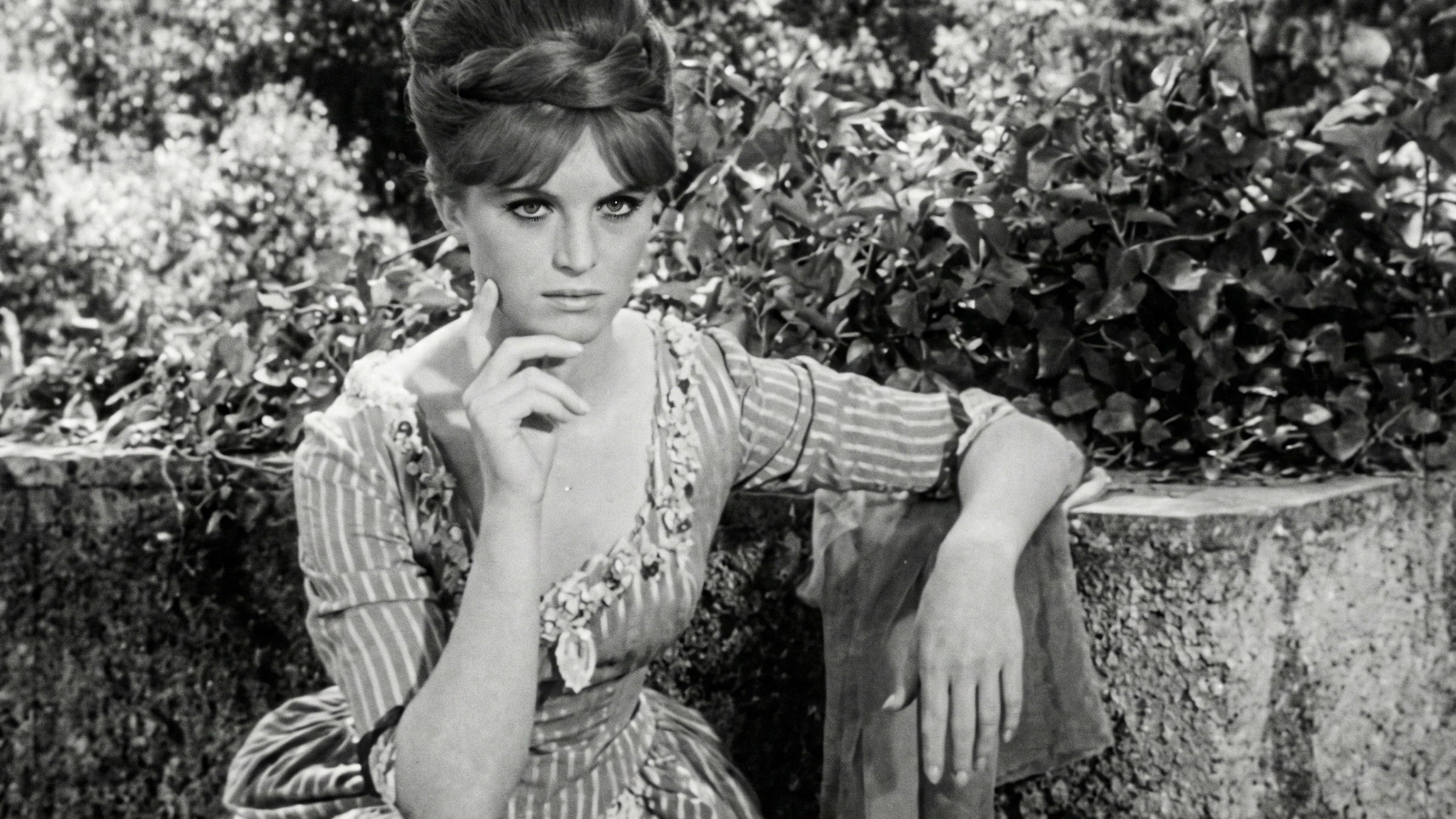
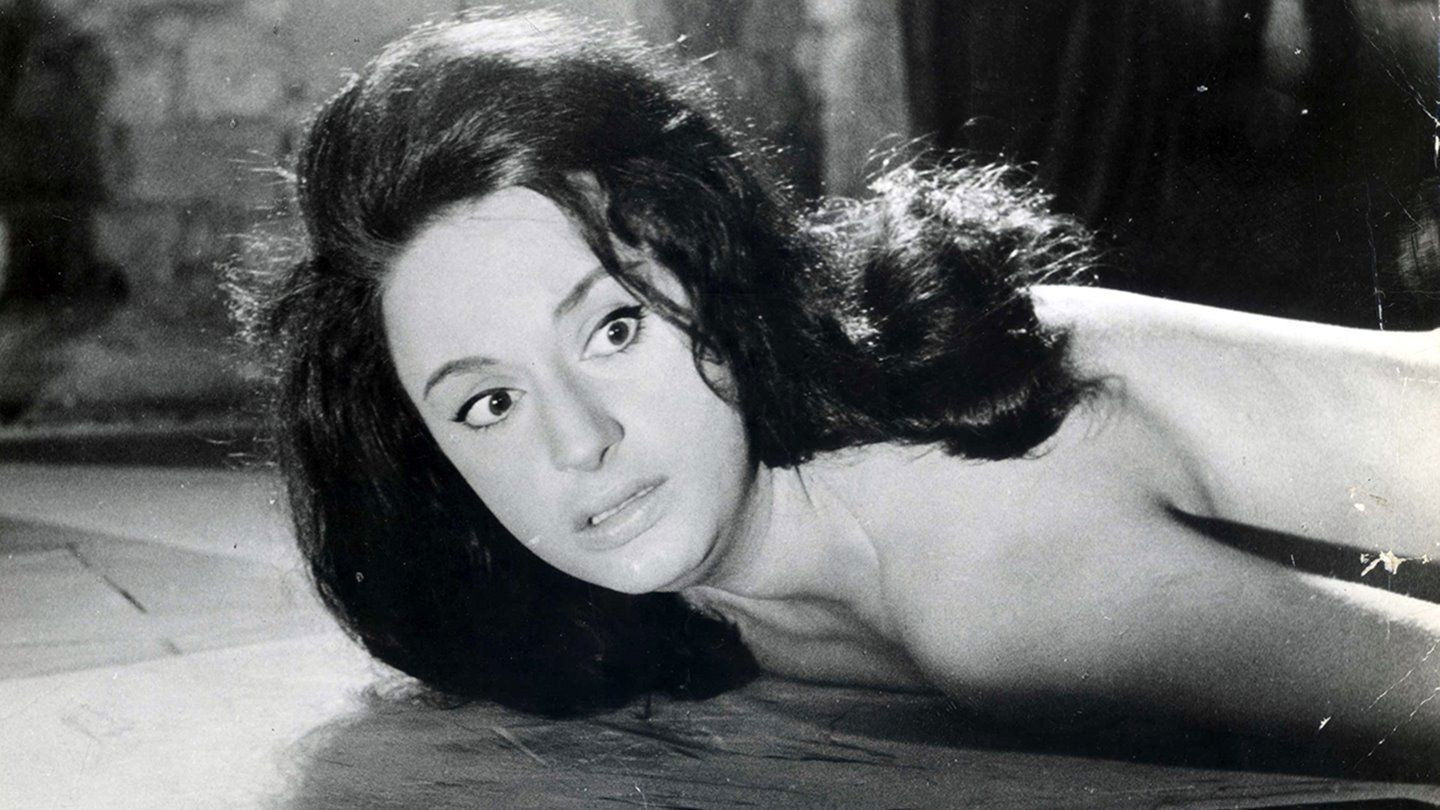
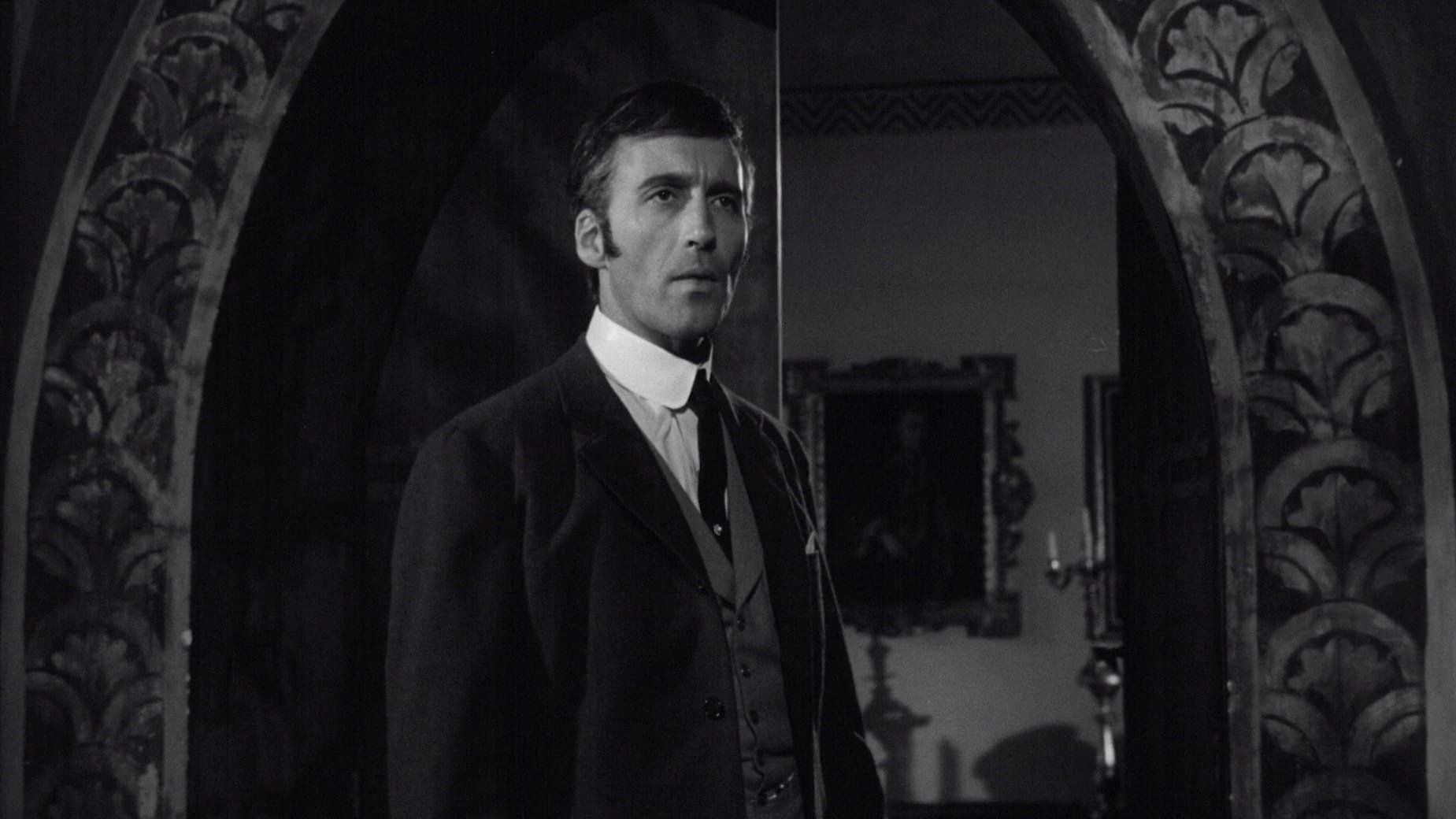
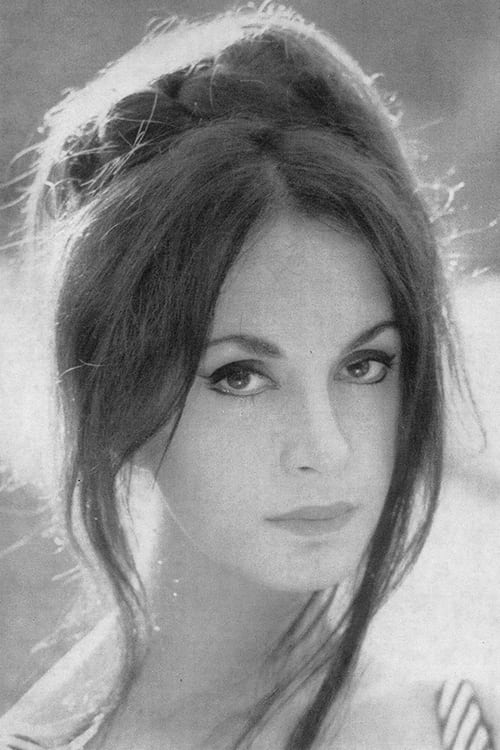
Visually very beautiful movie. I loved the shots of the castle, and the cinematography used in Laura's dreams especially. Adriana Ambesi is so gorgeous, and I think her facial expressions conveyed the gothic nature of her character so well.
Mastrocinque creates an interesting adaptation of Carmilla by allowing for the possibility that both Laura and Ljuba could be 'Carmilla'. Immediately, we are introduced to Laura as a Karnstein and living under the shadow of Sida Karnstein, a cursed ancestor. In this movie, it is Laura, not Ljuba/Carmilla, who is changeable and infatuated. Even her nursemaid and her dad's secret girlfriend suspect her of the deaths that are happening around her. It feels all but confirmed when after a nightmare of Laura drinking Ljuba's blood, Ljuba's neck is marked with the trademark vampire bite. The choice to keep Sida consistently faceless, until the very end where Ljuba turns to Laura and reveals herself as 'Carmilla', either to kill her or elope with her, was so good. I'm a big fan of Carmilla, but I even bought in to the idea that it was Laura.
While (obviously) not explicitly lesbian, I enjoyed the clear romantic undertones. To begin with, it's clear that, for Laura, vampirism serves as a vehicle for her coming-of-age. While Laura is never explicitly given an age, we can assume she is on the cusp of womanhood - she is still unmarried, and yet her peer, Annette, has fashioned a serious enough relationship with the Count. Ljuba tells her to prove she is not still a girl when they run to the bell tower together. Then there is, of course, the more symbolic evidence - there has been a sudden uptick in Karnstein deaths since April (implying a recent change), the evidence of Laura's sleepwalking vampire nature is depicted as blood on her sheets (evoking period blood or her wedding night), and then there is the parallel between Laura's vampiric nightmares and wet dreams. The connection of all this with Ljuba and her arrival in Laura's life positions Ljuba as Laura's romantic other. She even refuses Friedrich, claiming that with Ljuba she is no longer alone. I think it also slightly subverts the lesbiphobia in the original Carmilla, as Ljuba is not enforcing the romance on Laura in the same way Carmilla does. I have to give Mastrocinque credit for not positioning her as a foreign intruder bringing lesbianism with her - for the most part, we only see how into her companion Laura is. Unfortunately, because this movie was made in the 1960s, once they kill Ljuba, she is suddenly, supposedly interested in Friedrich. #dontbelieveit.
Visually very beautiful movie. I loved the shots of the castle, and the cinematography used in Laura's dreams especially. Adriana Ambesi is so gorgeous, and I think her facial expressions conveyed the gothic nature of her character so well.