Watched for class
Viewing notes (bc I’m too lazy to do otherwise):
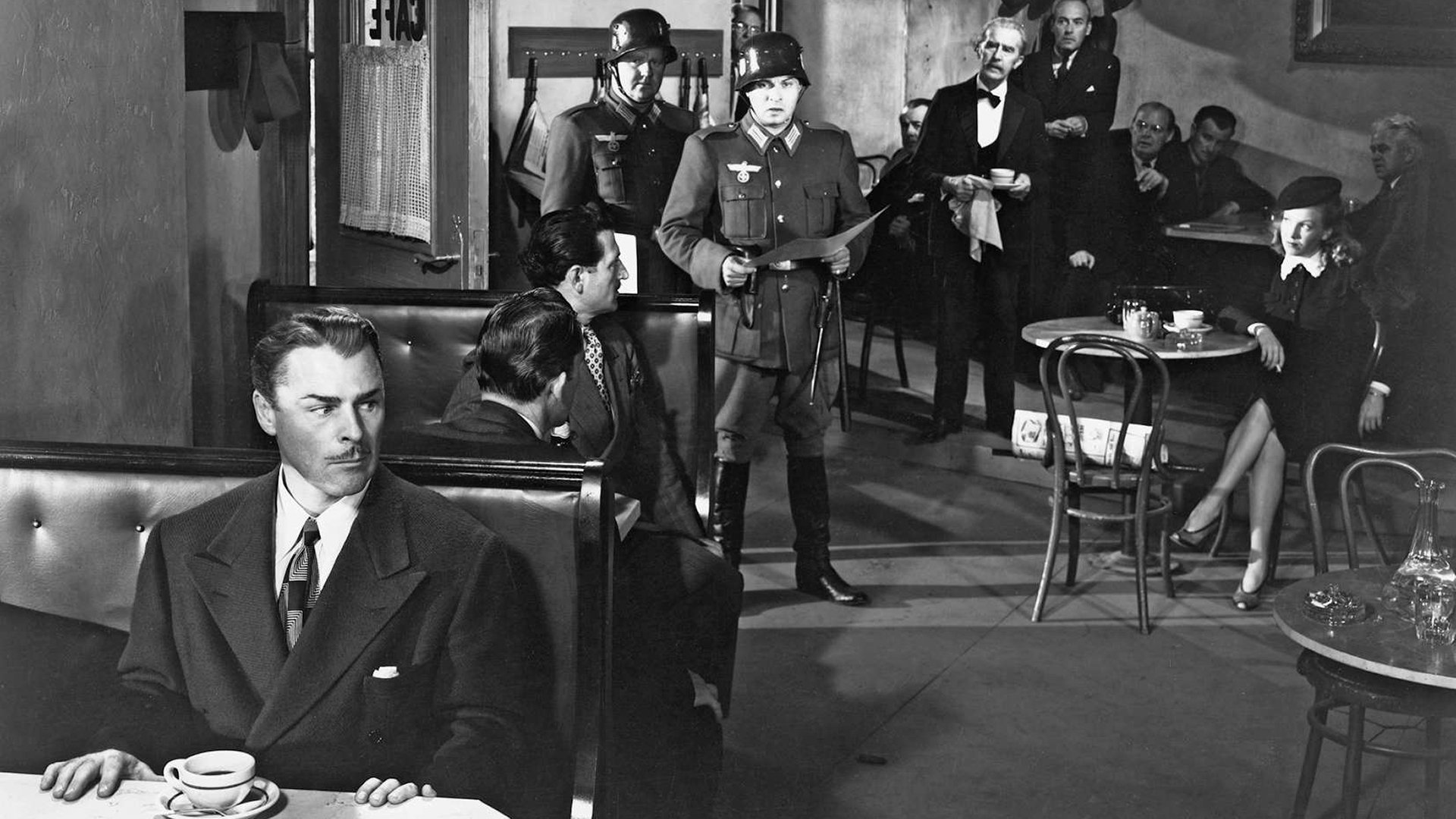
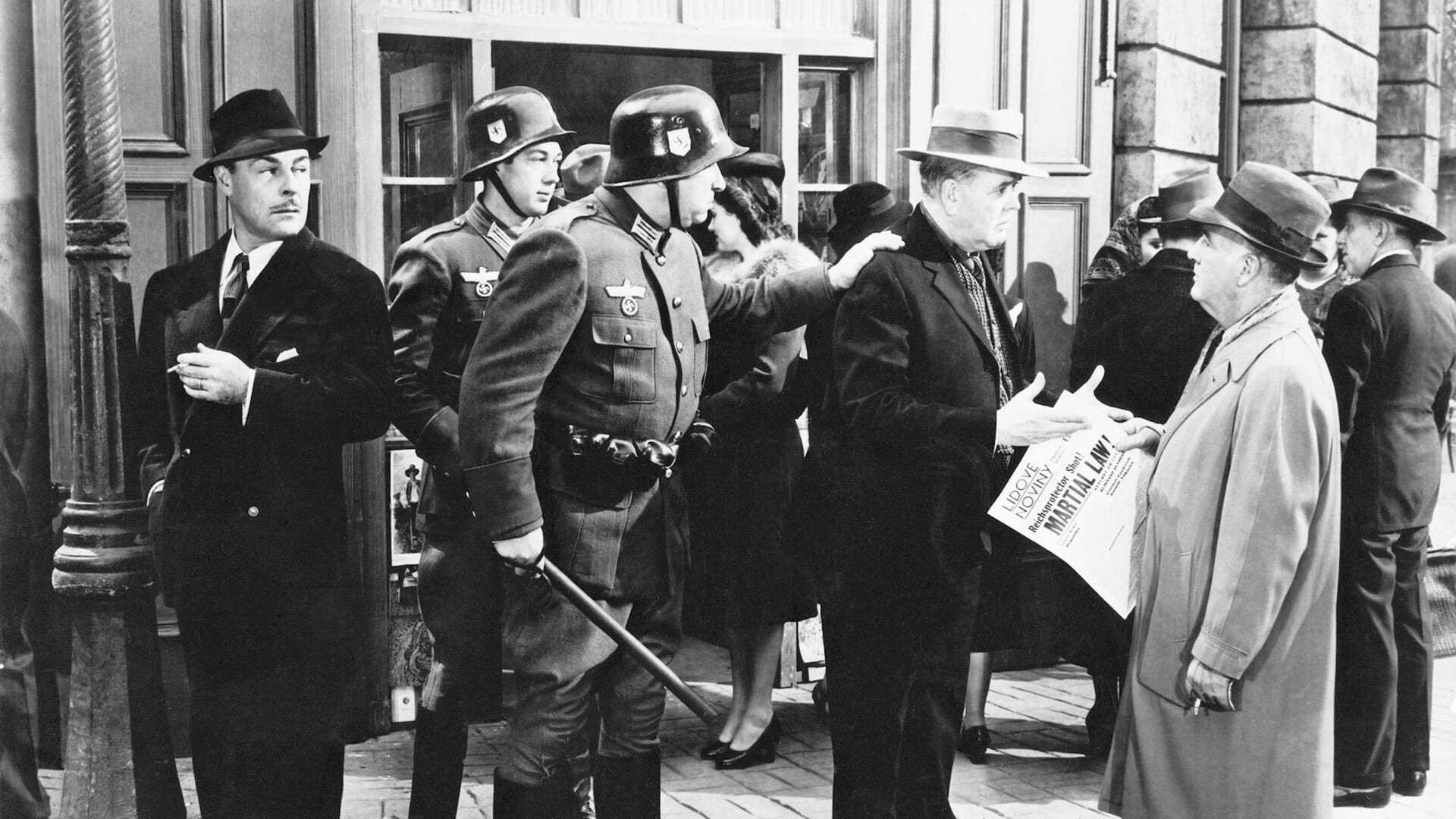
* The masses can momentarily command culture under a power that implicates everyone in public spaces (theater scene) but will not join a resistance power as an inferior force (not letting Svoboda in)
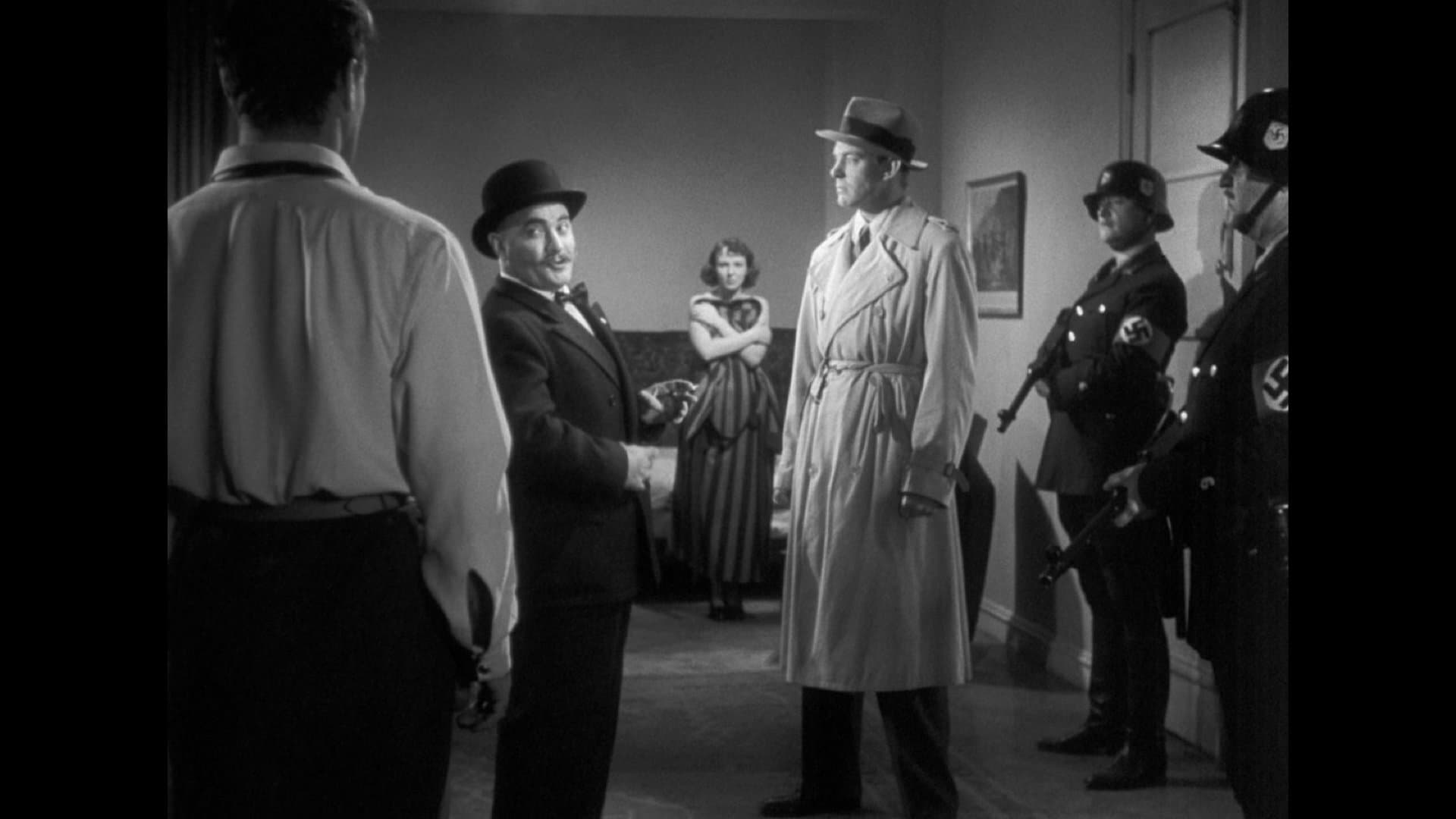
* After the professor is arrested, the Czech people cannot handle their complicity (only on a social level, when the cops come—or word of the ‘wall downstairs’ arises—they disperse)
* Would those 400 have been arrested anyway for being a communist?
* Masha wanted Svoboda murdered until she realized her home was bugged
* There’s a greater fight beyond traditional morality that the Czech people have been thrust into
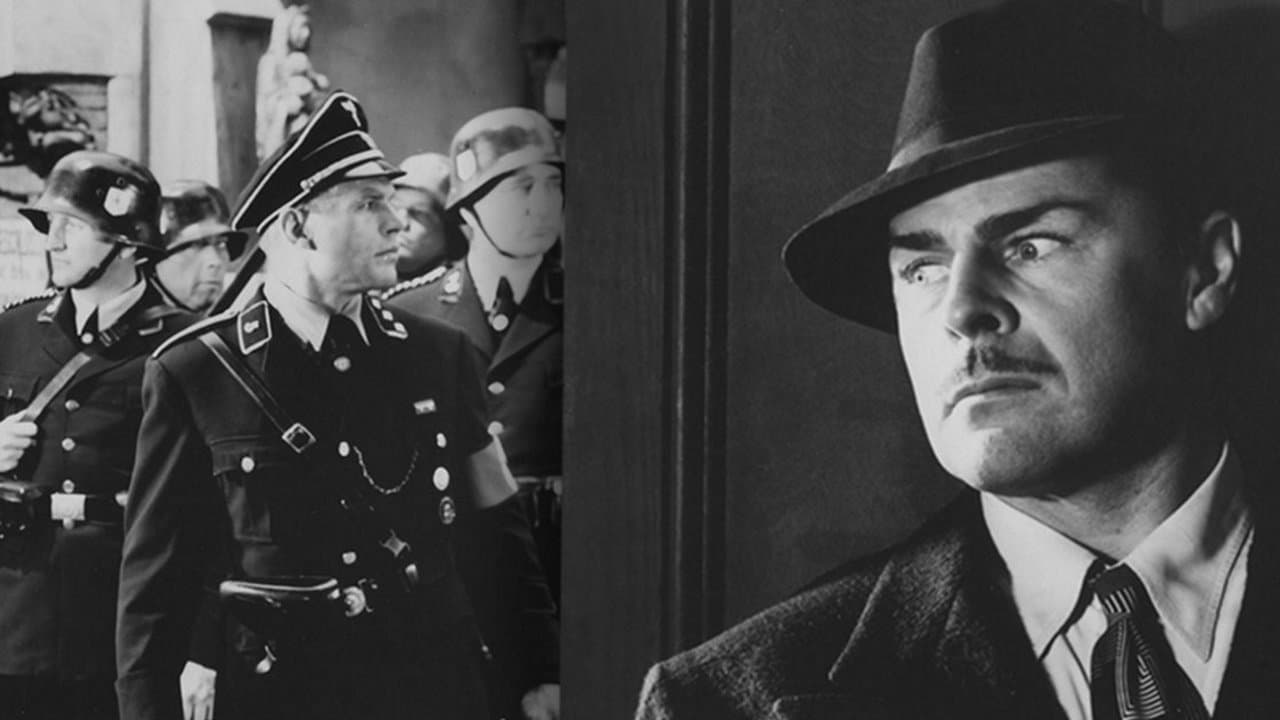
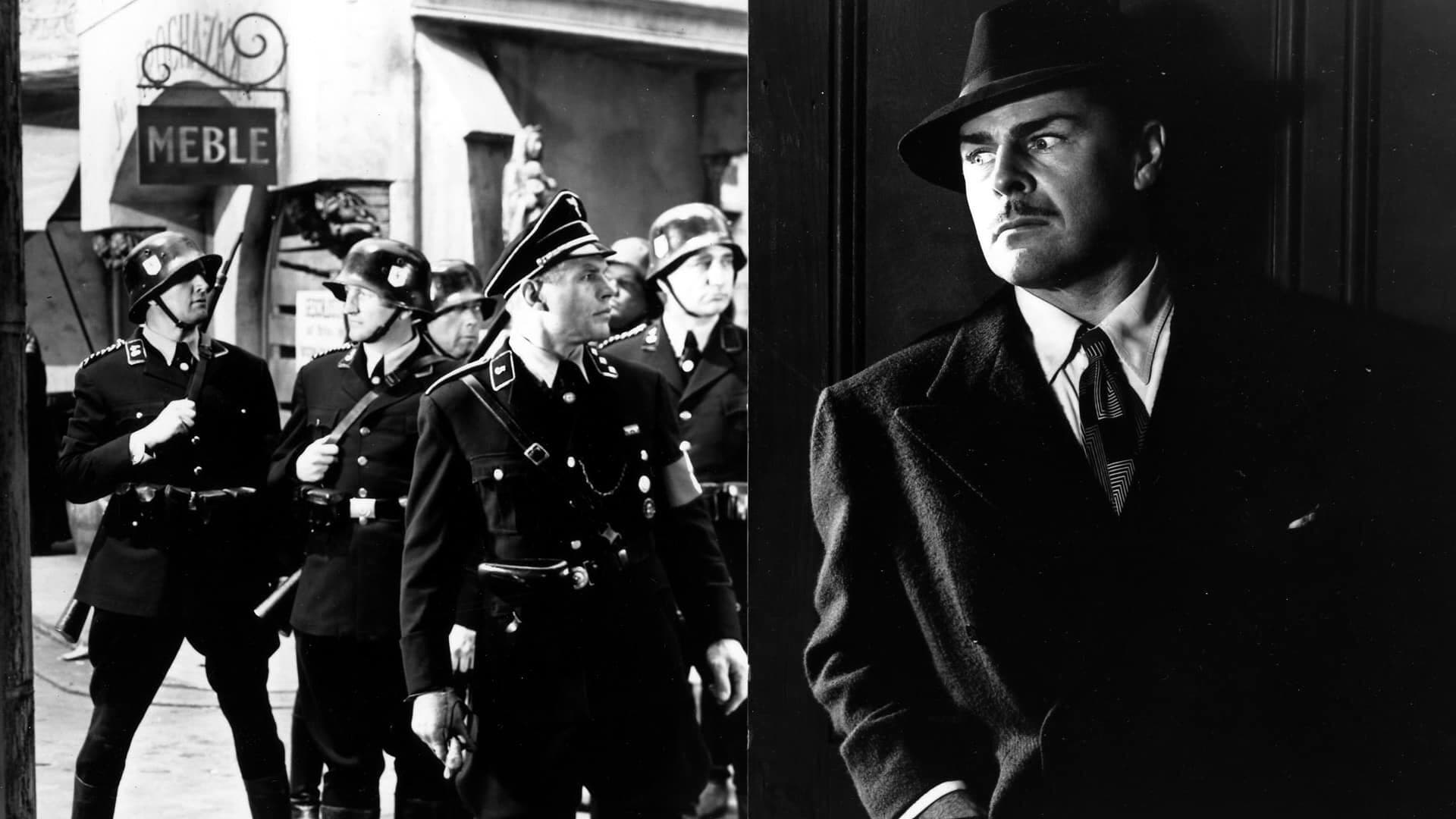
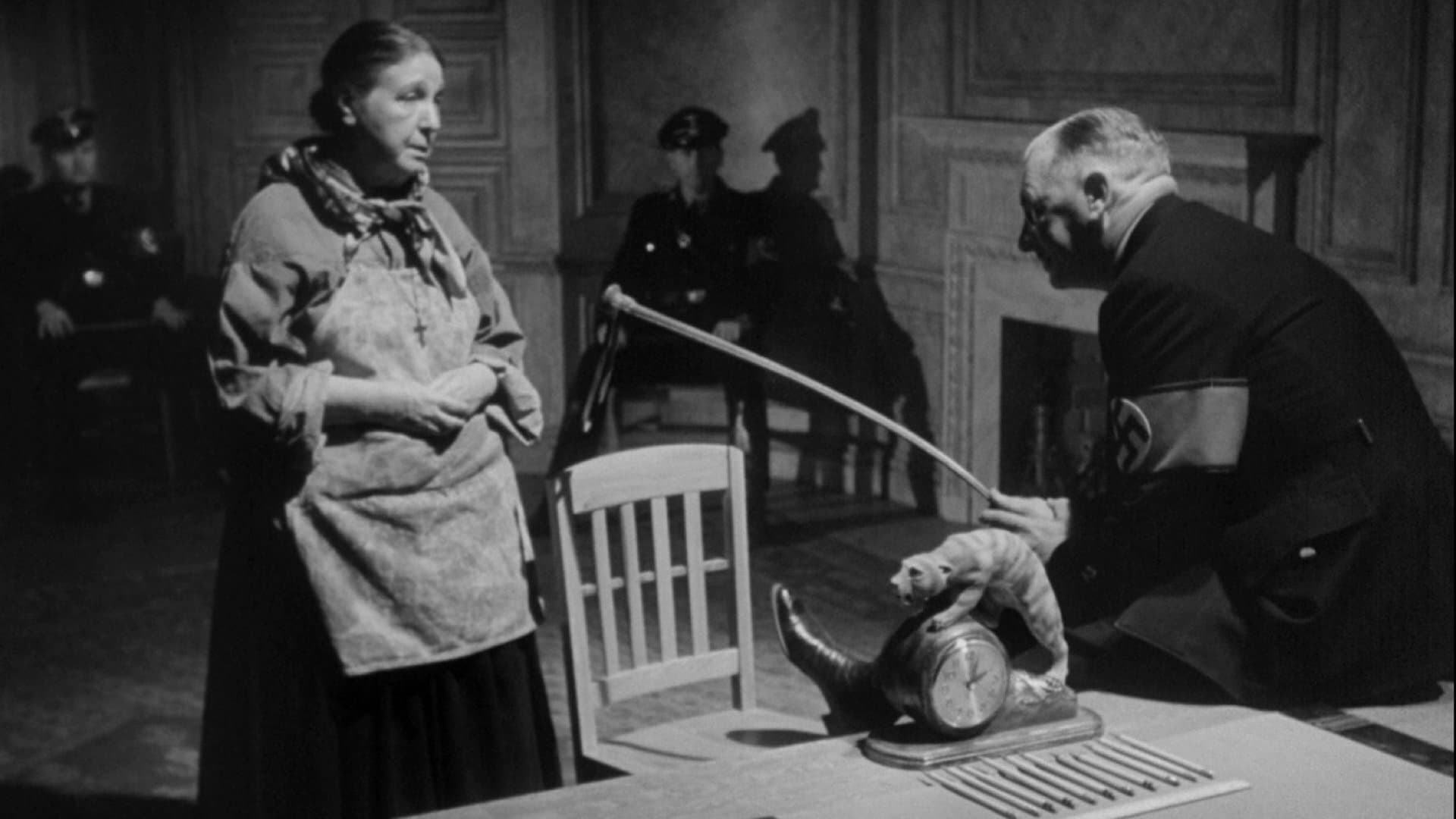
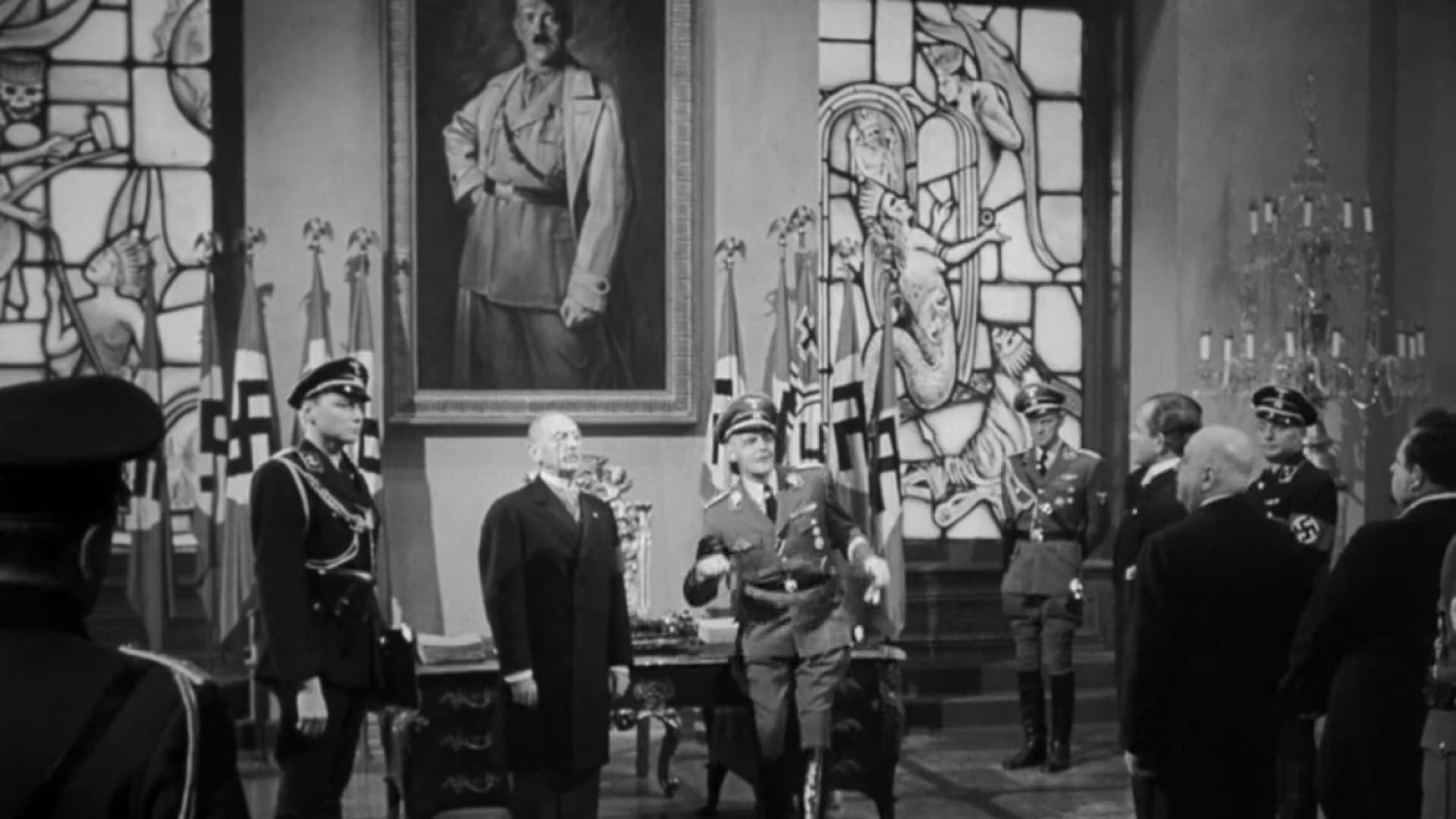
* The idea of truth as top-down in Nazi society
* A sort of omnipotence to their decisions and reason
* The professor’s family is lying in this montage, but how the Nazis exactly know this is based on a relationship that creates such resistance and subsequent lying
* People are disposable and made inferior objects of Nazi society just as they are cast as such
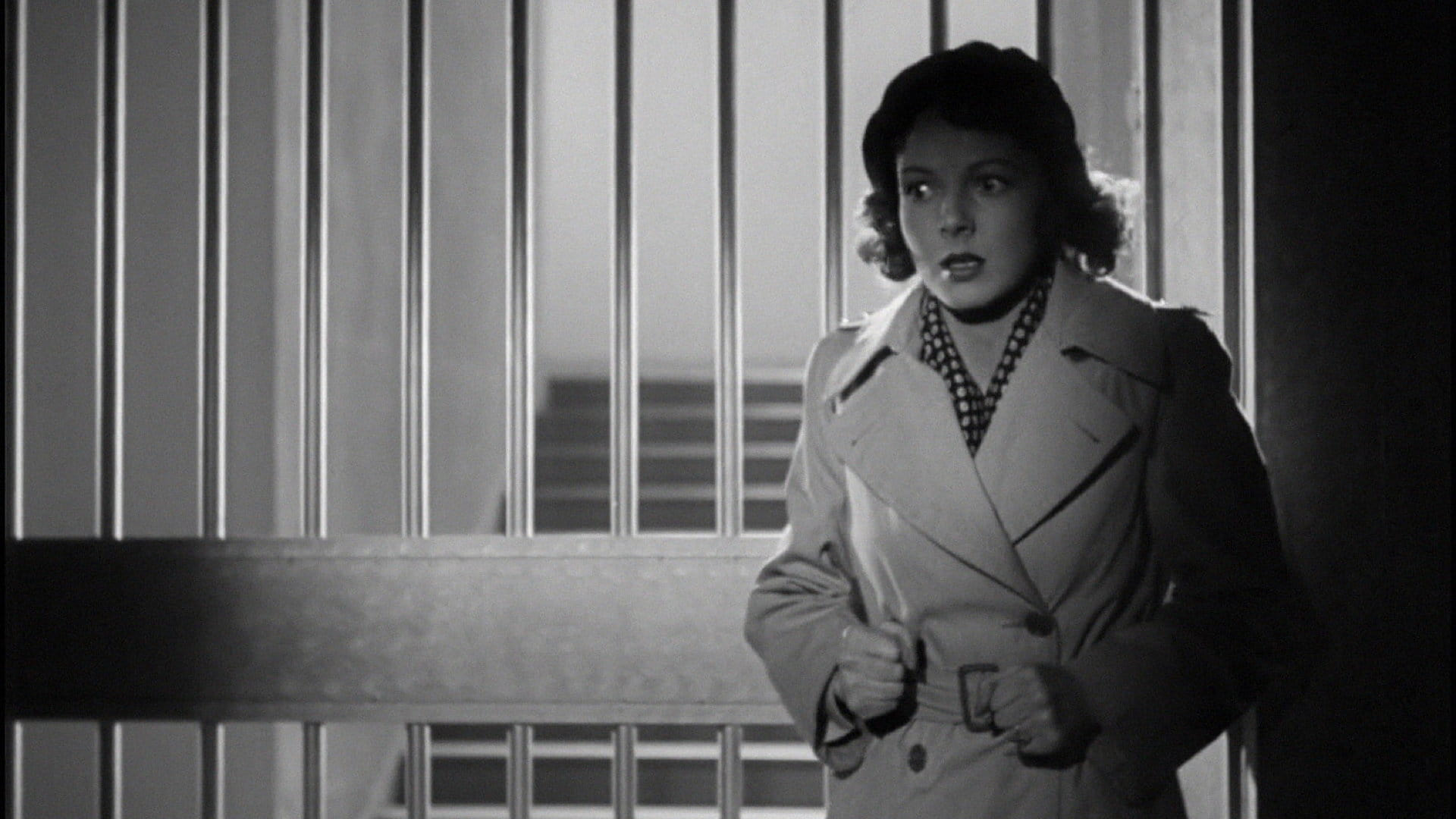
* Everyone wants to resist, everyone is being watched, it is almost a panoptic sort of control, where life and death are wholly controlled by a conscious and external force
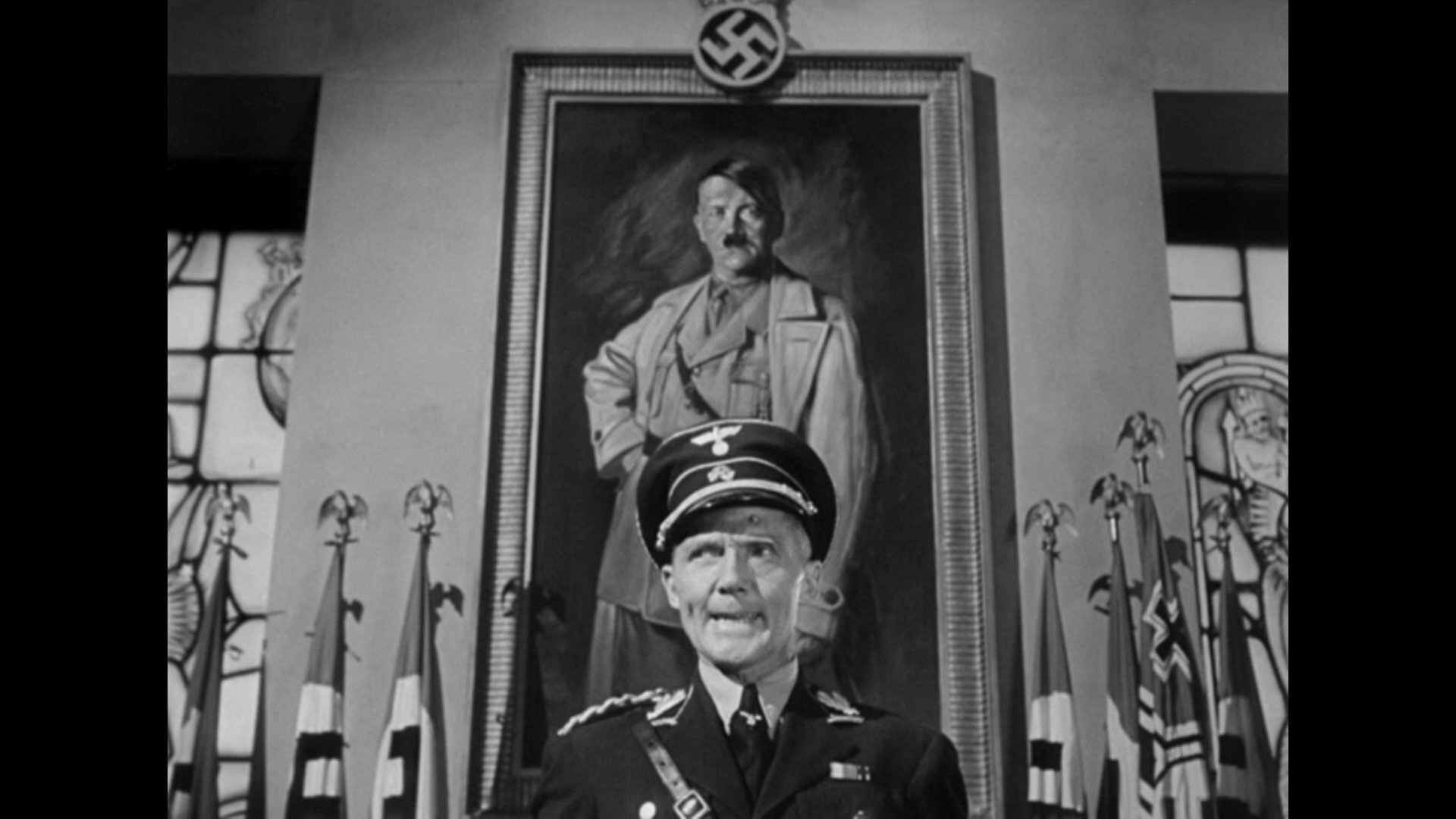
* “He who serves Hitler serves Germany. He who serves Germany serves God”
* Public space as abstract and ineffective (radio decrees from Nazis)
* Public space as a means of imbuing hope (radio decrees from Czech) or crushing it
* The potential for a future is physically removed in arrests and socially captured in the media apparatus
* Shattered the unity of the city through the radio, a top-down measure (assassin) against the masses (executioner)
* “The Czech people have executed the hangman”
* Guerrilla war
* Battle—>harsh, irrevocable reaction even if you backtrack from the acts of the battle
* Is it worth it?
* How do you fight back against such a power?
* “A ghost army that will haunt them til their blood runs cold”
* This is not a ‘war’ vis-a-vis equalized positionality
* A future ripped from the Czech people haunting Nazi society
* Fundamental discontent
* …necessitates fundamental inferiority
* “This war isn’t done until the last battle is won”
* The subjectivity of the revolutionary force is inalienable against the reactionary enemy
* Eternal words
* There are no individual actors, this is why the fight cannot and would not stop at Svoboda’s surrender
* The factory owner who says he should turn himself in and the crowd’s instant rejection reveals how doing such a thing would only embolden their oppressors and affirm their rule
* There is no other choice, people have to fight and other, innocent people have to get arrested and killed… the point is that everyone is innocent and everyone is in agreement with their own collective innocence when resisting their oppressors
* As opposed to the Czech aristocrats who can afford entrance into Nazi society
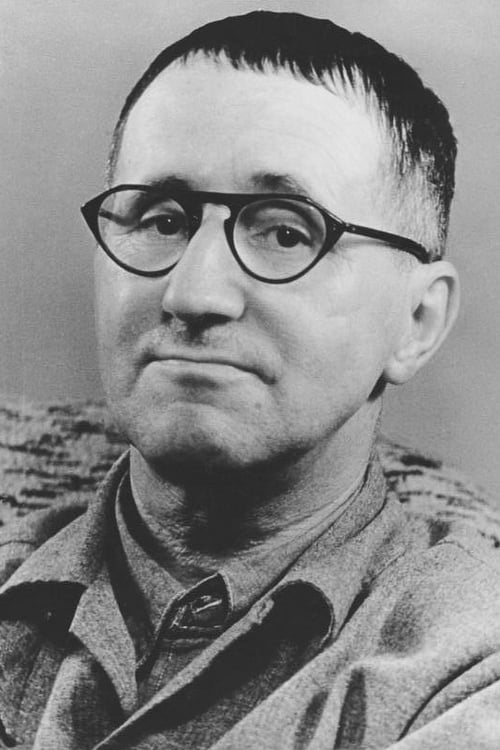
* Brecht largely begins this story with the factories
* The stressors of slowed production ALONGSIDE the assassination, each necessitates one another
* Both sides see themselves as responsible for the arrests
* Nazi labor issues are displaced onto social society
* The layperson on the street is more easily manipulated than the working masses
* Large webs of implications grow, people get arrested, and the labor in these camps becomes competition to devalue the factories
* Brecht is really smart
* Inglorious Basterds is totally and utterly ripped from this era of ‘exile film’ jeez, and it doesn’t go nearly as hard as this
* Beneath each exile film I watched for class is such a rich subtext and such a legitimate rage, the more the choices in these films are considered, the more they reveal about the evils of Nazi society
* Tarantino does none of this, just riffs off of Brecht and Lubitsch’s aesthetics, characters, and tones
* The role of the German language
* Colonial
* Uncomfortable
* Used to express power, used in jest by those not in power
Watched for class
Viewing notes (bc I’m too lazy to do otherwise):
* The masses can momentarily command culture under a power that implicates everyone in public spaces (theater scene) but will not join a resistance power as an inferior force (not letting Svoboda in)
* After the professor is arrested, the Czech people cannot handle their complicity (only on a social level, when the cops come—or word of the ‘wall downstairs’ arises—they disperse)
* Would those 400 have been arrested anyway for being a communist?
* Masha wanted Svoboda murdered until she realized her home was bugged
* There’s a greater fight beyond traditional morality that the Czech people have been thrust into
* The idea of truth as top-down in Nazi society
* A sort of omnipotence to their decisions and reason
* The professor’s family is lying in this montage, but how the Nazis exactly know this is based on a relationship that creates such resistance and subsequent lying
* People are disposable and made inferior objects of Nazi society just as they are cast as such
* Everyone wants to resist, everyone is being watched, it is almost a panoptic sort of control, where life and death are wholly controlled by a conscious and external force
* “He who serves Hitler serves Germany. He who serves Germany serves God”
* Public space as abstract and ineffective (radio decrees from Nazis)
* Public space as a means of imbuing hope (radio decrees from Czech) or crushing it
* The potential for a future is physically removed in arrests and socially captured in the media apparatus
* Shattered the unity of the city through the radio, a top-down measure (assassin) against the masses (executioner)
* “The Czech people have executed the hangman”
* Guerrilla war
* Battle—>harsh, irrevocable reaction even if you backtrack from the acts of the battle
* Is it worth it?
* How do you fight back against such a power?
* “A ghost army that will haunt them til their blood runs cold”
* This is not a ‘war’ vis-a-vis equalized positionality
* A future ripped from the Czech people haunting Nazi society
* Fundamental discontent
* …necessitates fundamental inferiority
* “This war isn’t done until the last battle is won”
* The subjectivity of the revolutionary force is inalienable against the reactionary enemy
* Eternal words
* There are no individual actors, this is why the fight cannot and would not stop at Svoboda’s surrender
* The factory owner who says he should turn himself in and the crowd’s instant rejection reveals how doing such a thing would only embolden their oppressors and affirm their rule
* There is no other choice, people have to fight and other, innocent people have to get arrested and killed… the point is that everyone is innocent and everyone is in agreement with their own collective innocence when resisting their oppressors
* As opposed to the Czech aristocrats who can afford entrance into Nazi society
* Brecht largely begins this story with the factories
* The stressors of slowed production ALONGSIDE the assassination, each necessitates one another
* Both sides see themselves as responsible for the arrests
* Nazi labor issues are displaced onto social society
* The layperson on the street is more easily manipulated than the working masses
* Large webs of implications grow, people get arrested, and the labor in these camps becomes competition to devalue the factories
* Brecht is really smart
* Inglorious Basterds is totally and utterly ripped from this era of ‘exile film’ jeez, and it doesn’t go nearly as hard as this
* Beneath each exile film I watched for class is such a rich subtext and such a legitimate rage, the more the choices in these films are considered, the more they reveal about the evils of Nazi society
* Tarantino does none of this, just riffs off of Brecht and Lubitsch’s aesthetics, characters, and tones
* The role of the German language
* Colonial
* Uncomfortable
* Used to express power, used in jest by those not in power