
Menses
1973·Comedy·4m
7.1
★
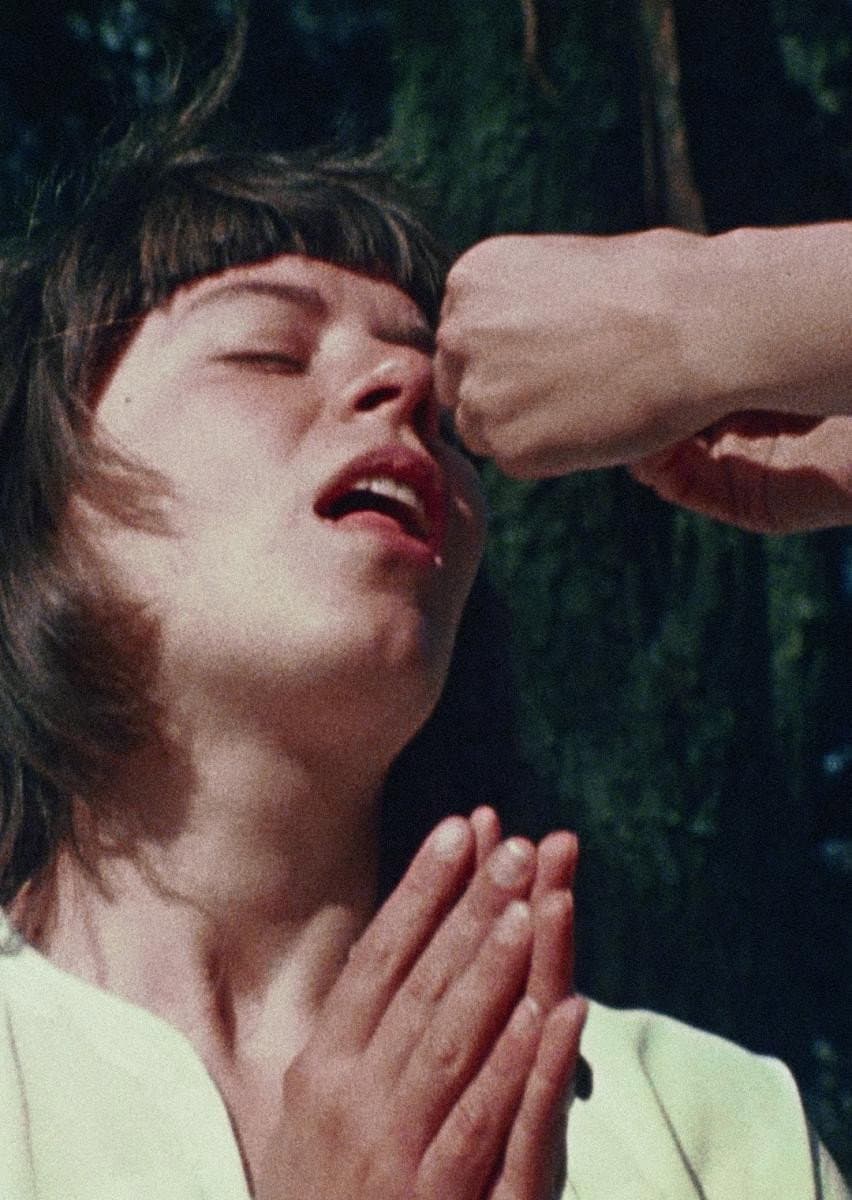
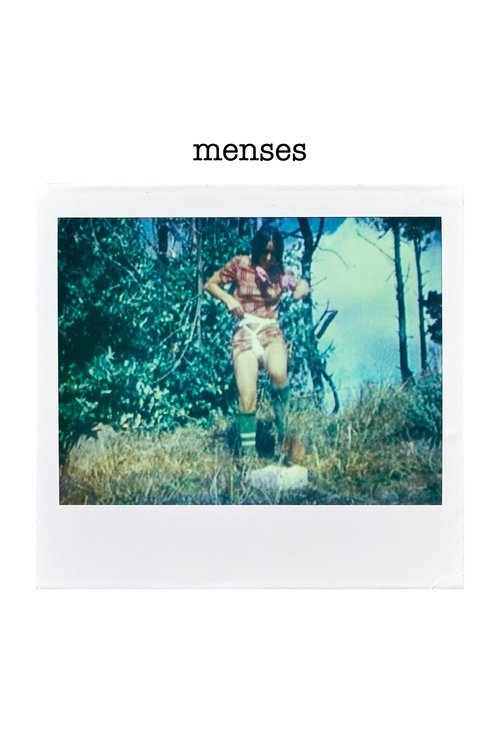
A wry comedy on the disagreeable aspects of menstruation where women act out their own dramas on a California hillside, in a supermarket, in a red-filtered ritual of mutual bonding. MENSES combines both the imagery and the politics of menstruation in a fine blend of comedy and drama.
Directed by Barbara Hammer
woman director

IMDB
N/A
Crew

Barbara Hammer
Director
Popular Reviews
4 reviews
Sepia GorePRO
Its like Barbara Hammer saw into the future and not only witness how discussions around menstruation still remains deeply sensationalist and uninformed but especially how the imagery has been adopted and twisted into the language of horror cinema, Menses laughs in the face of such reactionaries, one that demonizes but also glorifies when in truth nobody understands our bodies best then ourselves. Blood is pathways to pleasures, companionship and birth, if there is any abandonment of youth, rebirth and understanding of one’s body and emotions replaces, also called growth and if there is corruption it is in order to survive under a world that at once capitalizes and mock at the change of the female body and by extension the female mind, the female experience. This perceived “grotesqueness” yet narratived “fairy tale” standing both in contrast yet aesthetic similarities to the rituals undertaken to understand one self, one’s body, expressed as both magical as it is occult however what is the most unsettling part of this ritual? The naked women bonding together arms in arms within the complete eternal blood red or them ending up at the supermarket to buy a whole loads more of menstruation products? The effect here is the ironic, sardonic reflection on what we’re told to believe about the body as a whole versus what we actually experience with it, how we feel about it, that body as expression versus body as privacy, body as survival but also as object, and body as gender and body as sex, either pain or pleasures, pick your flowers, pick your poison or maybe pick em both if we indeed get to pick at all.
Its like Barbara Hammer saw into the future and not only witness how discussions around menstruation still remains deeply sensationalist and uninformed but especially how the imagery has been adopted and twisted into the language of horror cinema, Menses laughs in the face of such reactionaries, one that demonizes but also glorifies when in truth nobody understands our bodies best then ourselves. Blood is pathways to pleasures, companionship and birth, if there is any abandonment of youth, rebirth and understanding of one’s body and emotions replaces, also called growth and if there is corruption it is in order to survive under a world that at once capitalizes and mock at the change of the female body and by extension the female mind, the female experience. This perceived “grotesqueness” yet narratived “fairy tale” standing both in contrast yet aesthetic similarities to the rituals undertaken to understand one self, one’s body, expressed as both magical as it is occult however what is the most unsettling part of this ritual? The naked women bonding together arms in arms within the complete eternal blood red or them ending up at the supermarket to buy a whole loads more of menstruation products? The effect here is the ironic, sardonic reflection on what we’re told to believe about the body as a whole versus what we actually experience with it, how we feel about it, that body as expression versus body as privacy, body as survival but also as object, and body as gender and body as sex, either pain or pleasures, pick your flowers, pick your poison or maybe pick em both if we indeed get to pick at all.


Sepia GorePRO
Its like Barbara Hammer saw into the future and not only witness how discussions around menstruation still remains deeply sensationalist and uninformed but especially how the imagery has been adopted and twisted into the language of horror cinema, Menses laughs in the face of such reactionaries, one that demonizes but also glorifies when in truth nobody understands our bodies best then ourselves. Blood is pathways to pleasures, companionship and birth, if there is any abandonment of youth, rebirth and understanding of one’s body and emotions replaces, also called growth and if there is corruption it is in order to survive under a world that at once capitalizes and mock at the change of the female body and by extension the female mind, the female experience. This perceived “grotesqueness” yet narratived “fairy tale” standing both in contrast yet aesthetic similarities to the rituals undertaken to understand one self, one’s body, expressed as both magical as it is occult however what is the most unsettling part of this ritual? The naked women bonding together arms in arms within the complete eternal blood red or them ending up at the supermarket to buy a whole loads more of menstruation products? The effect here is the ironic, sardonic reflection on what we’re told to believe about the body as a whole versus what we actually experience with it, how we feel about it, that body as expression versus body as privacy, body as survival but also as object, and body as gender and body as sex, either pain or pleasures, pick your flowers, pick your poison or maybe pick em both if we indeed get to pick at all.
Its like Barbara Hammer saw into the future and not only witness how discussions around menstruation still remains deeply sensationalist and uninformed but especially how the imagery has been adopted and twisted into the language of horror cinema, Menses laughs in the face of such reactionaries, one that demonizes but also glorifies when in truth nobody understands our bodies best then ourselves. Blood is pathways to pleasures, companionship and birth, if there is any abandonment of youth, rebirth and understanding of one’s body and emotions replaces, also called growth and if there is corruption it is in order to survive under a world that at once capitalizes and mock at the change of the female body and by extension the female mind, the female experience. This perceived “grotesqueness” yet narratived “fairy tale” standing both in contrast yet aesthetic similarities to the rituals undertaken to understand one self, one’s body, expressed as both magical as it is occult however what is the most unsettling part of this ritual? The naked women bonding together arms in arms within the complete eternal blood red or them ending up at the supermarket to buy a whole loads more of menstruation products? The effect here is the ironic, sardonic reflection on what we’re told to believe about the body as a whole versus what we actually experience with it, how we feel about it, that body as expression versus body as privacy, body as survival but also as object, and body as gender and body as sex, either pain or pleasures, pick your flowers, pick your poison or maybe pick em both if we indeed get to pick at all.
iamjanjaniam
5.2★ · 01/18/24
bjork swan dress
bjork swan dress
vilaney
8.0★ · 12/27/24
cinepiggy
5.3★ · 10/29/24