

1963·Comedy·1h 48m
7.1
★

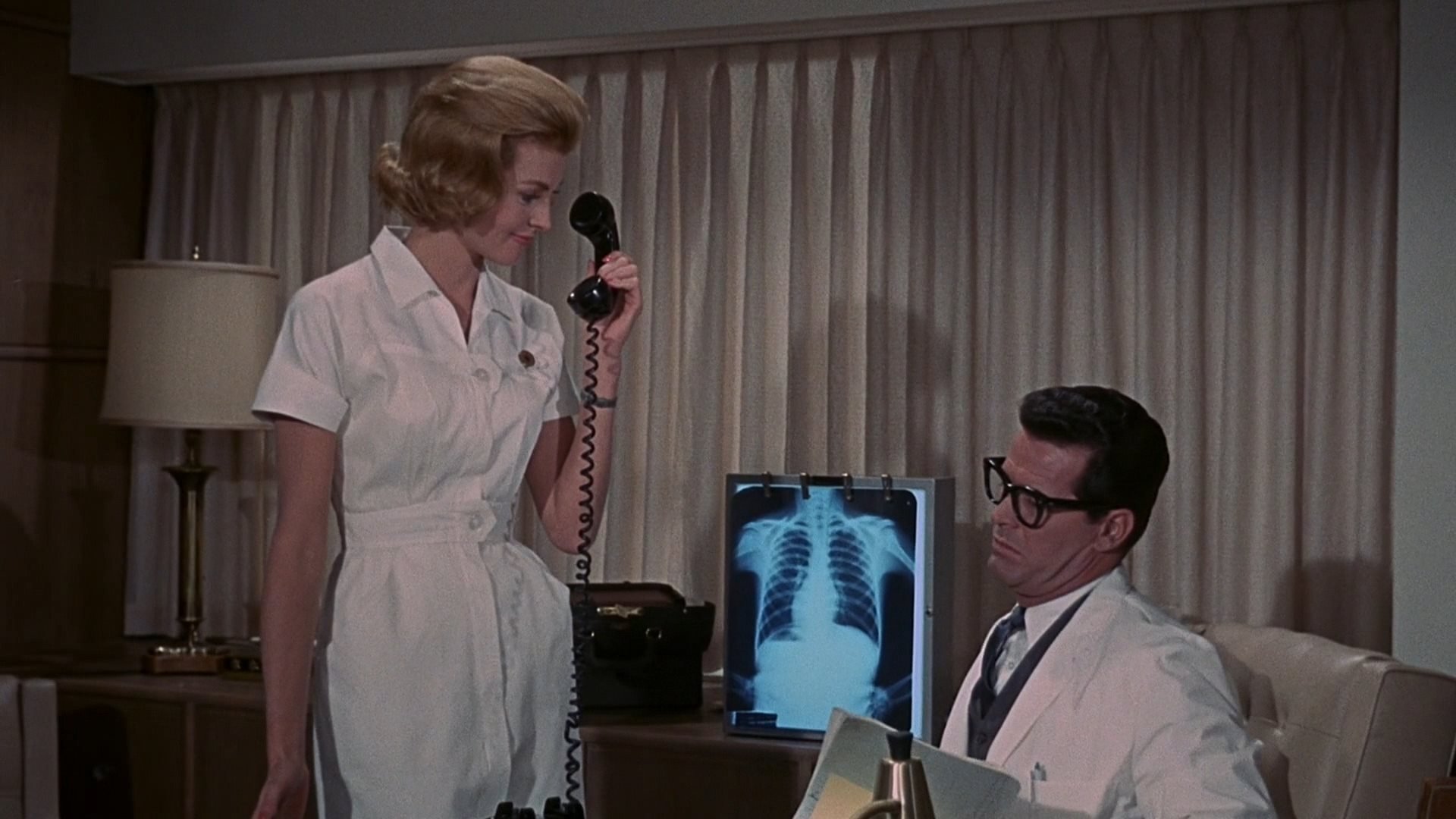

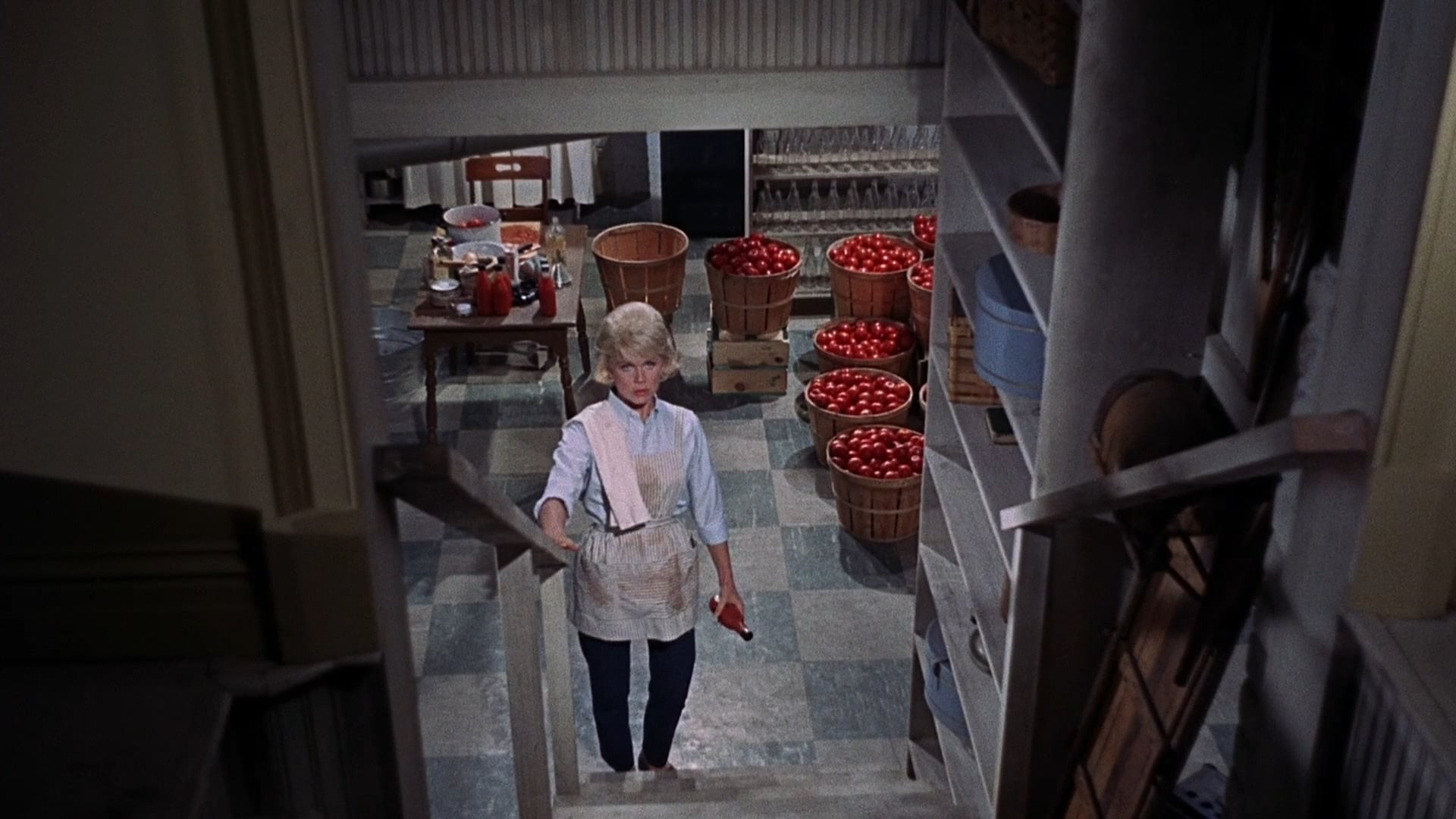
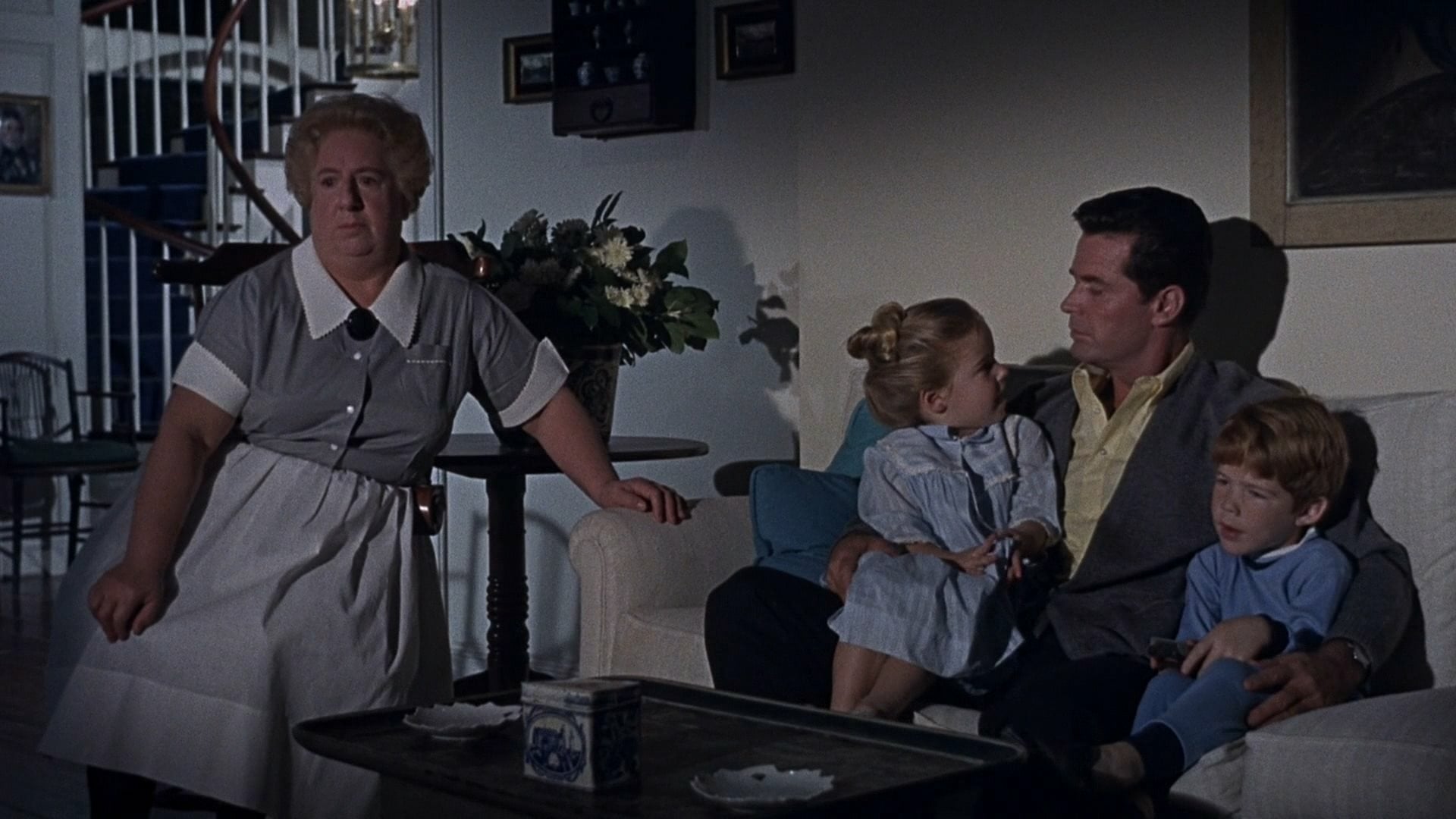
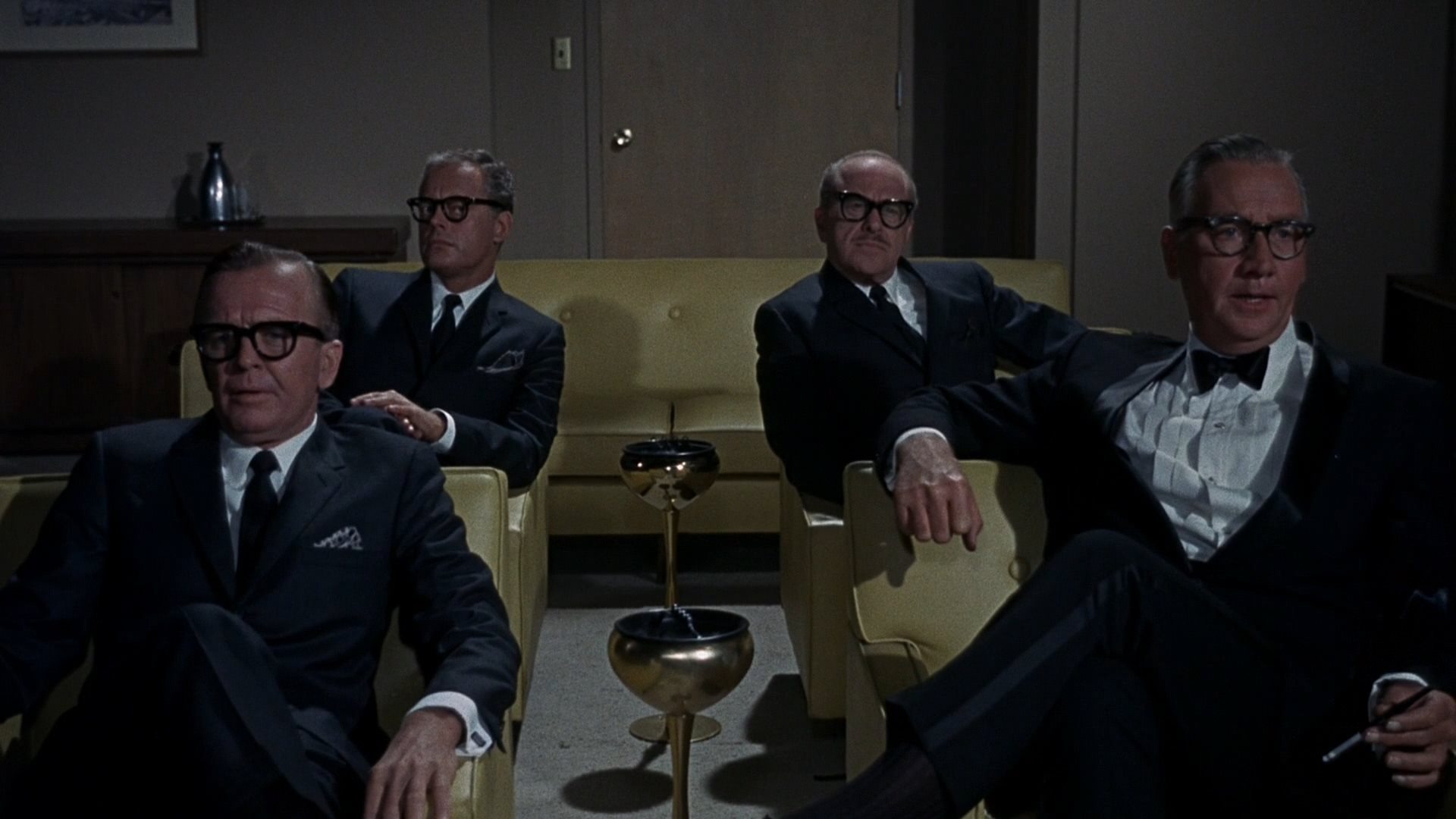
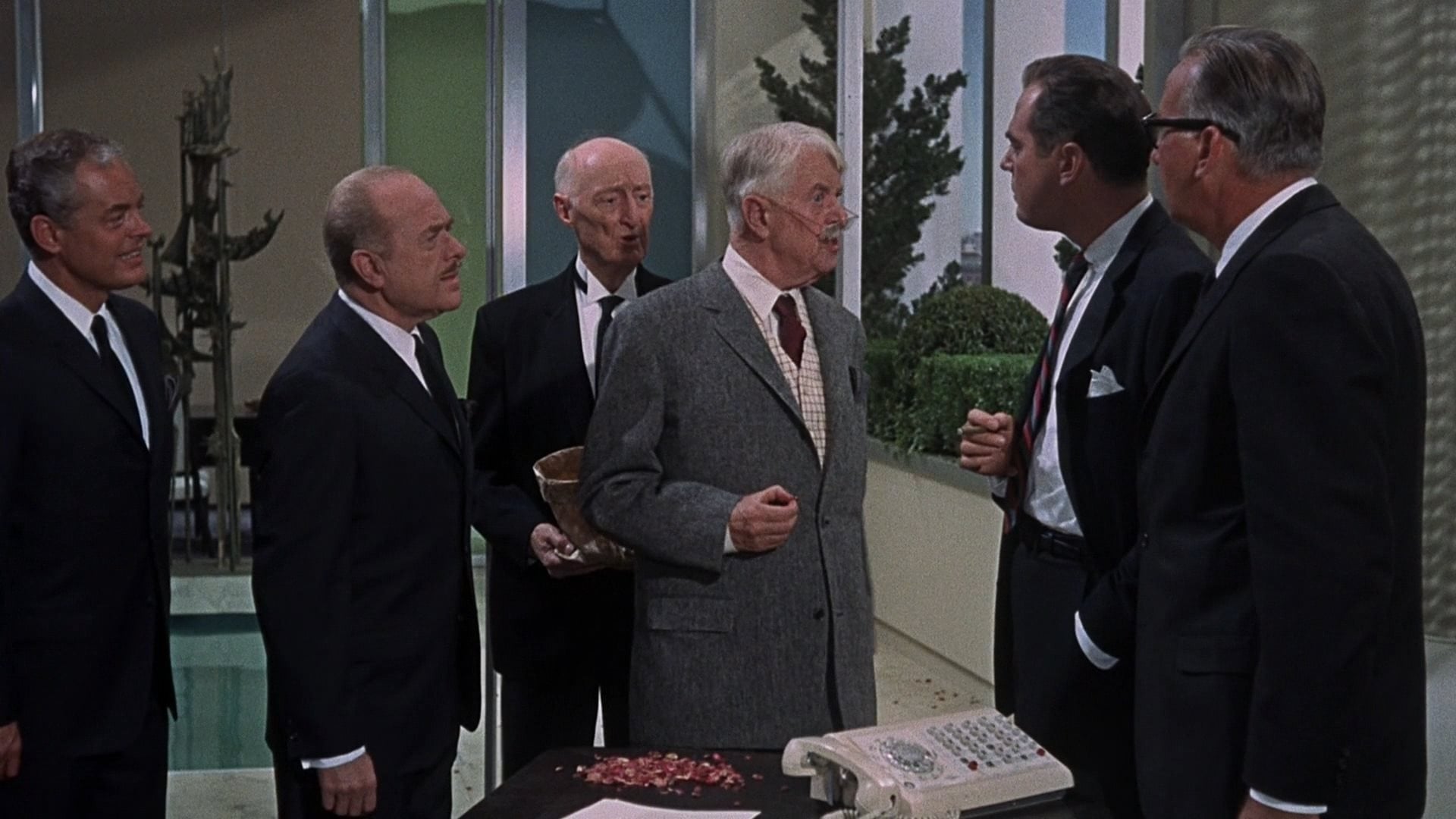
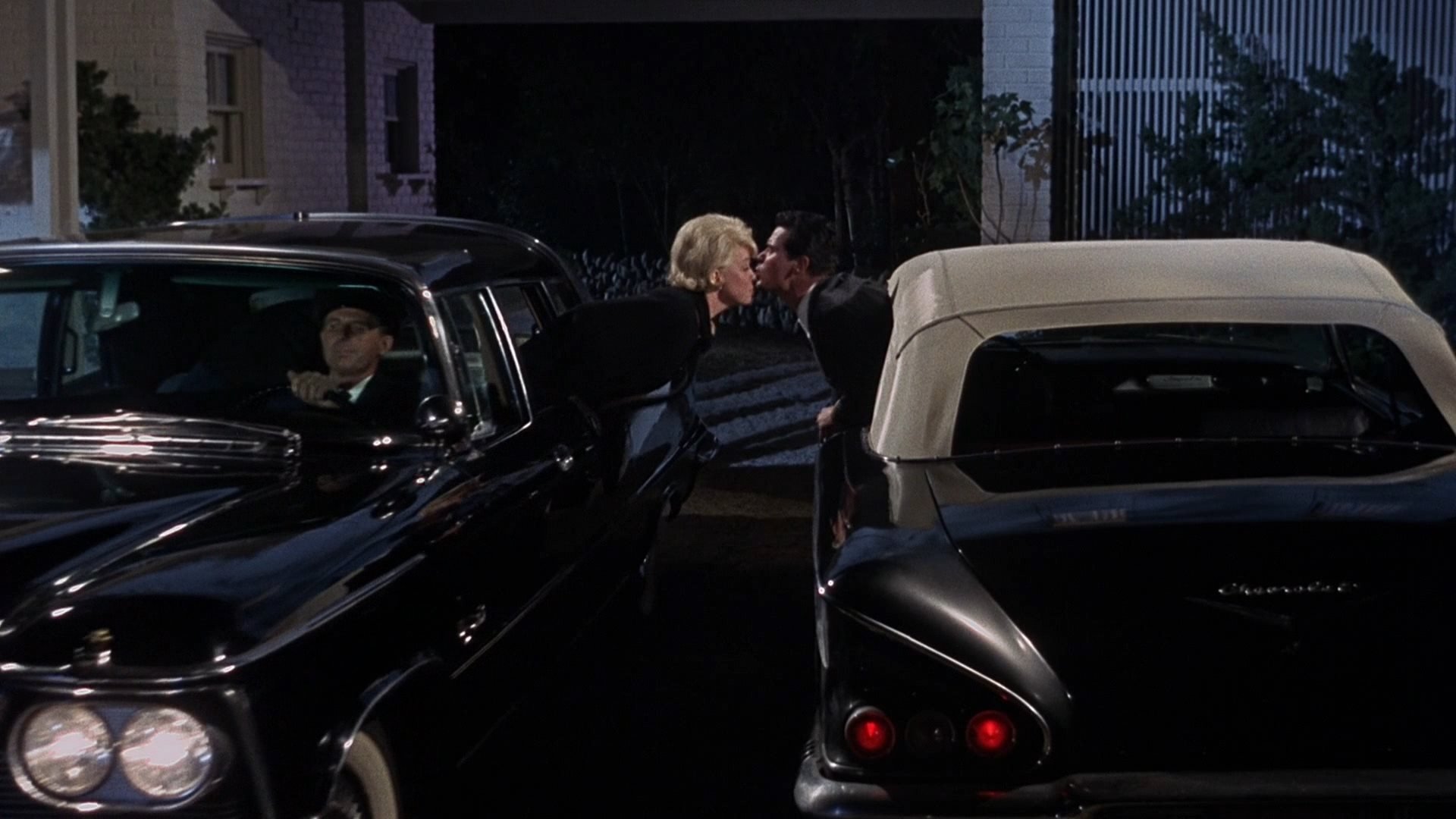
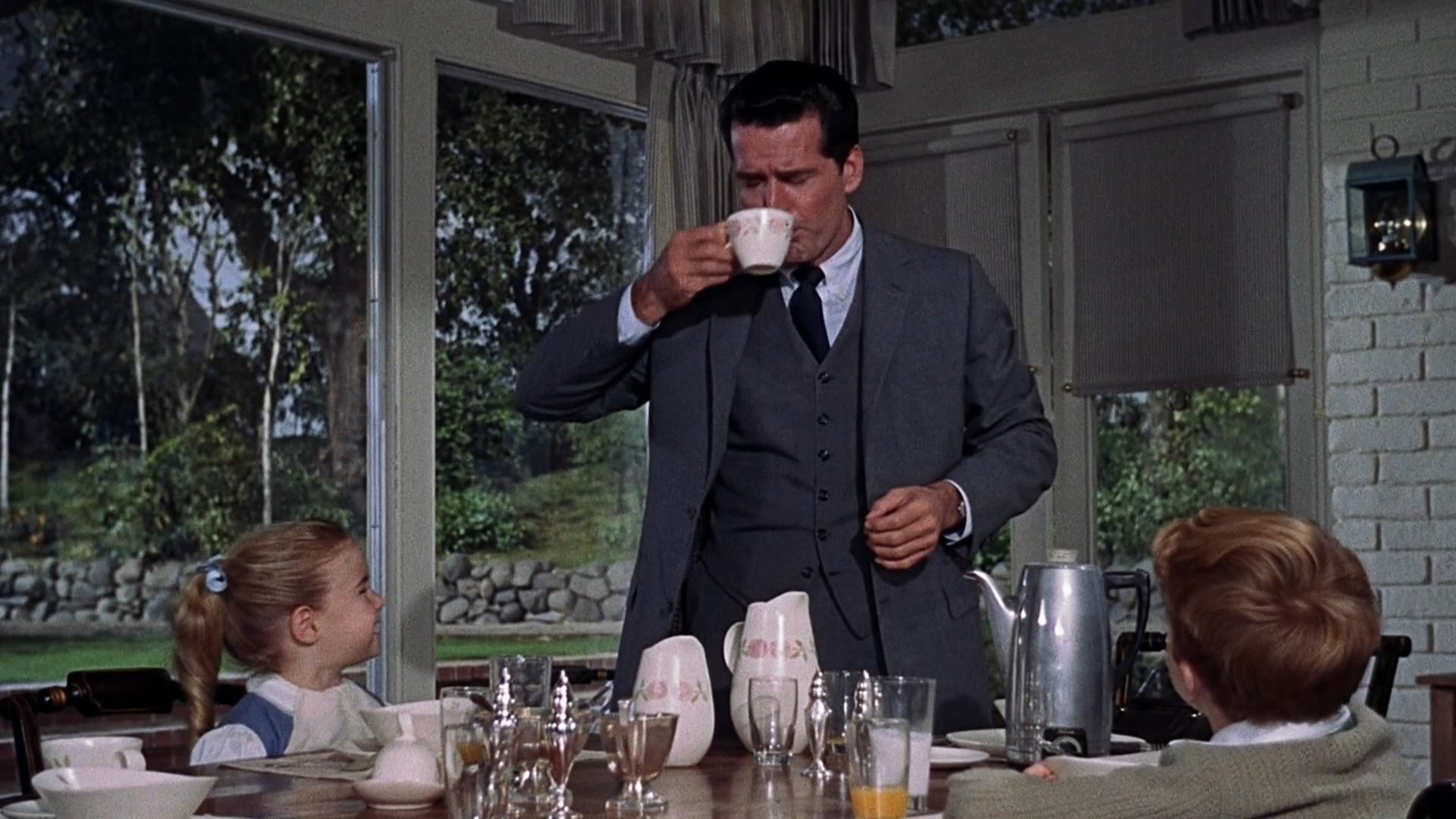
A housewife's sudden rise to fame as a soap spokesperson leads to chaos in her home life.
Directed by Norman Jewison
housewife
family man

IMDB
N/A
Where to Watch



Cast
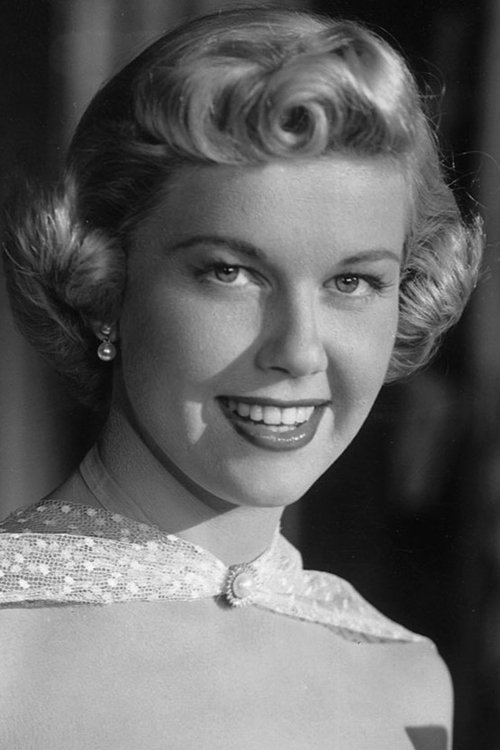
Doris Day
Beverly Boyer
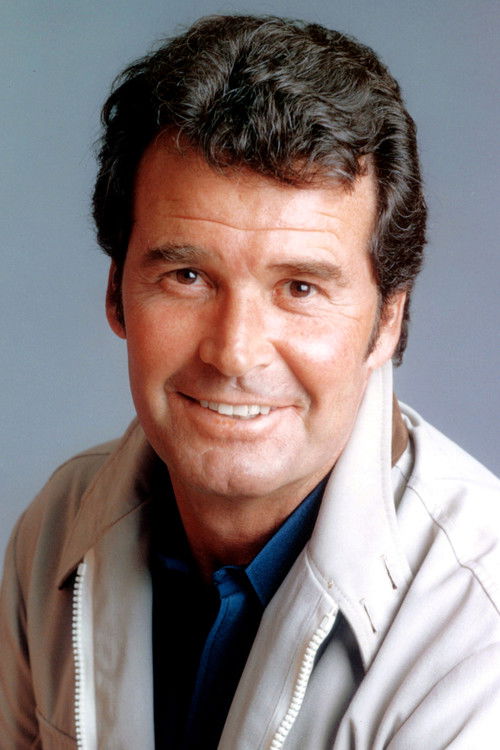
James Garner
Gerald Boyer

Arlene Francis
Mrs. Fraleigh

Edward Andrews
Gardiner Fraleigh
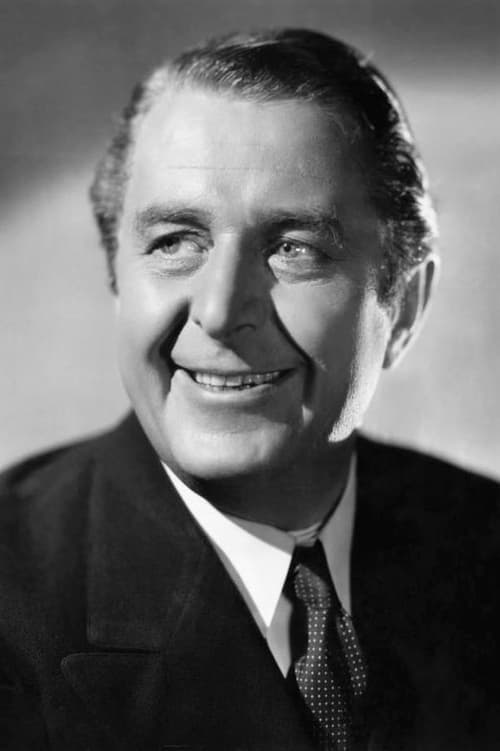
Reginald Owen
Tom Fraleigh

Zasu Pitts
Olivia

Elliott Reid
Mike Palmer

Alice Pearce
Irving's Wife

Kym Karath
Maggie Boyer
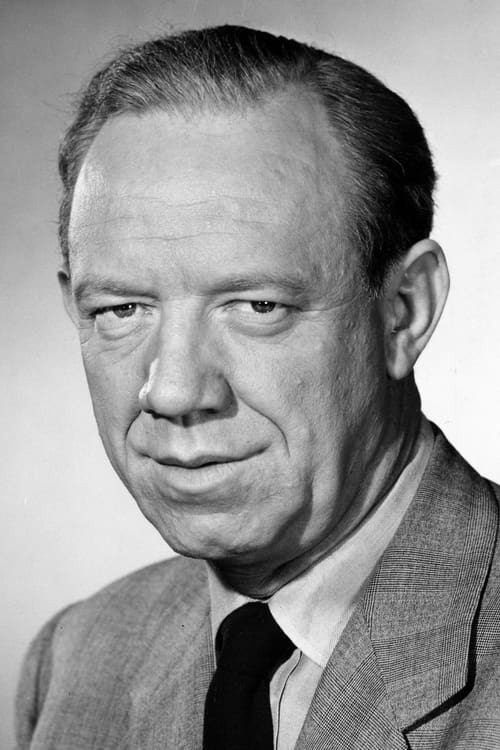
Paul Hartman
Dr. Taylor
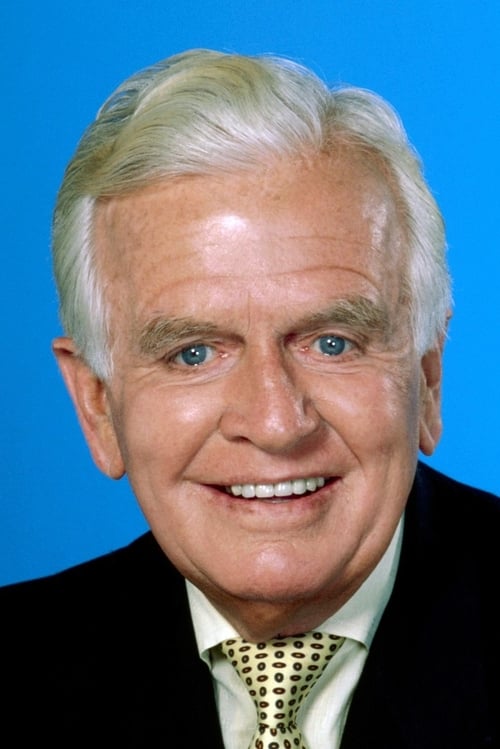
Hayden Rorke
Billings
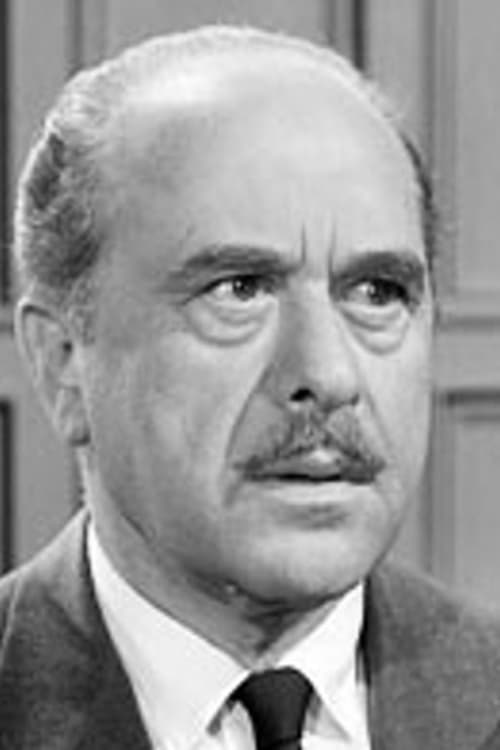
Alex Gerry
Stokely
Crew

Norman Jewison
Director
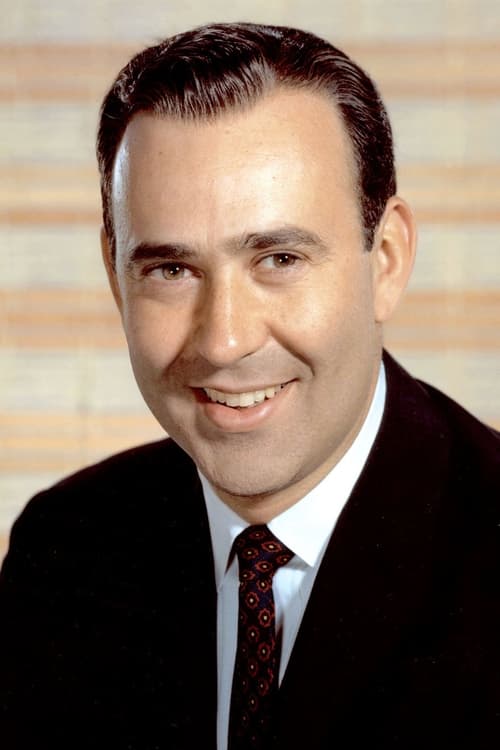
Carl Reiner
Screenplay
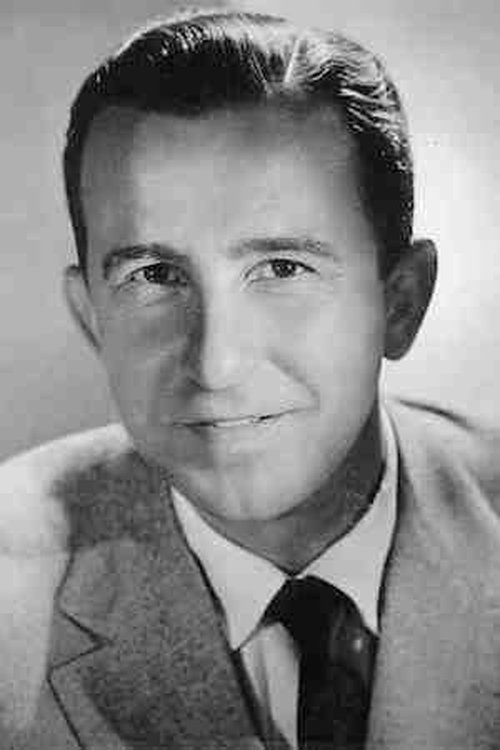
Frank De Vol
Original Music Composer

Ross Hunter
Producer

Bud Westmore
Makeup Artist

Larry Gelbart
Story
Carl Reiner
Story

Jean Louis
Costume Design
Popular Reviews
13 reviews
char
6.0★ · 03/28/26

60s movies have such a vibe to them
60s movies have such a vibe to them


Henry Pransky
5.0★ · 01/28/26
I found The Thrill of It All unexpectedly absorbing. I have started working my way through Norman Jewison’s major studio films, beginning here and ending with The Statement, released forty years later in 2003. It is a strange and revealing arc to trace, and this film makes for an oddly instructive starting point.
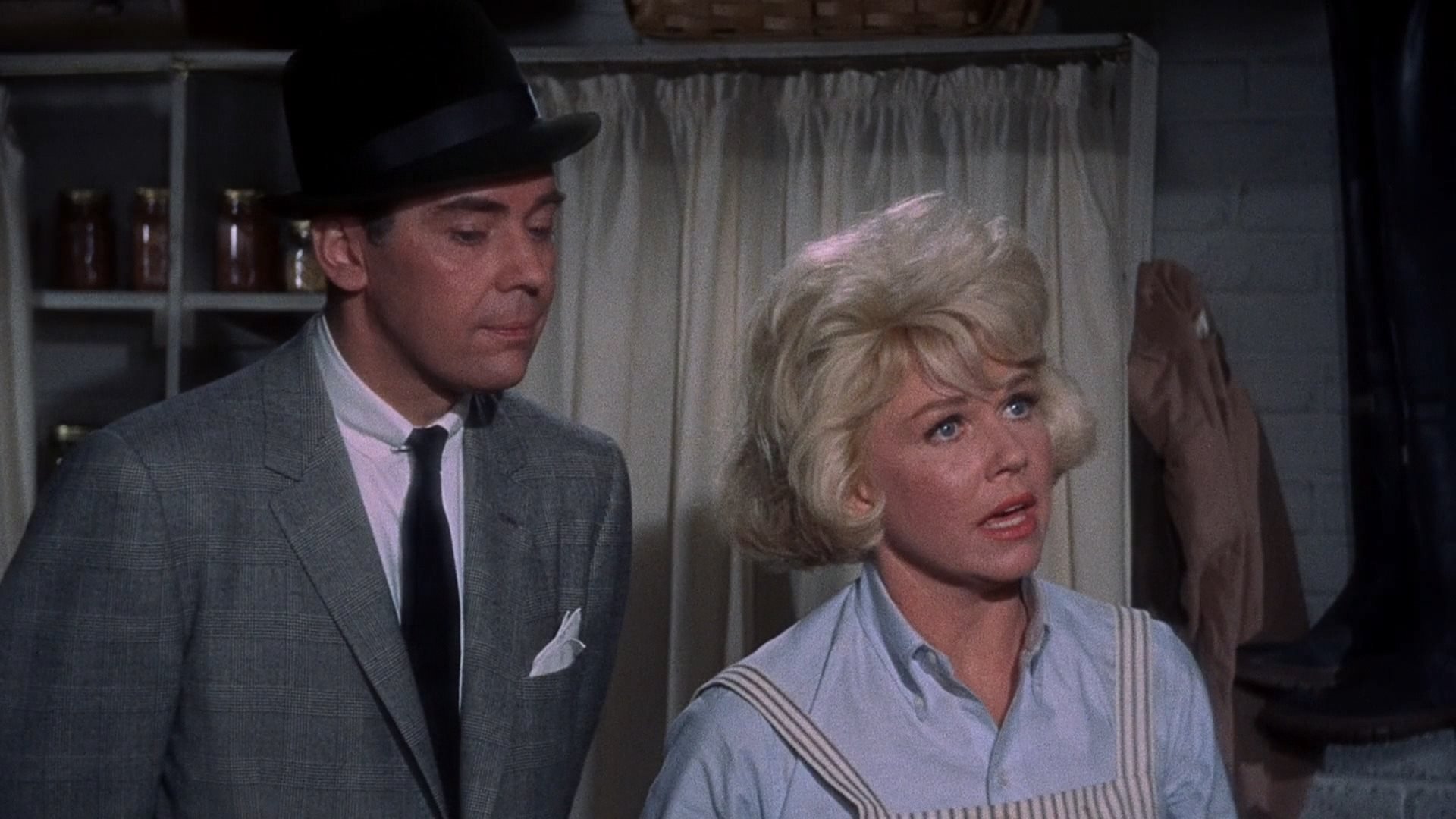
I mostly watch contemporary work. The bulk of what I see comes from the early nineties onward, with only occasional detours into the seventies. By present-day standards, The Thrill of It All is bluntly misogynistic. Beverly Boyle, played by Doris Day, stumbles into a lucrative and fulfilling career, only for the film to resolve itself by having her surrender that opportunity in order to soothe her husband’s bruised ego and return to domestic life. The message is not subtle. A woman working is a problem. A woman working successfully is in a crisis.
Carl Reiner’s script is still often very funny. The dated gender politics dampen the experience, but they do not erase the comic instincts at work. The film is sharp in small, situational ways. Andy, the son, may be the dimmest child I have ever seen committed to film, and the movie milks that obliviousness mercilessly.
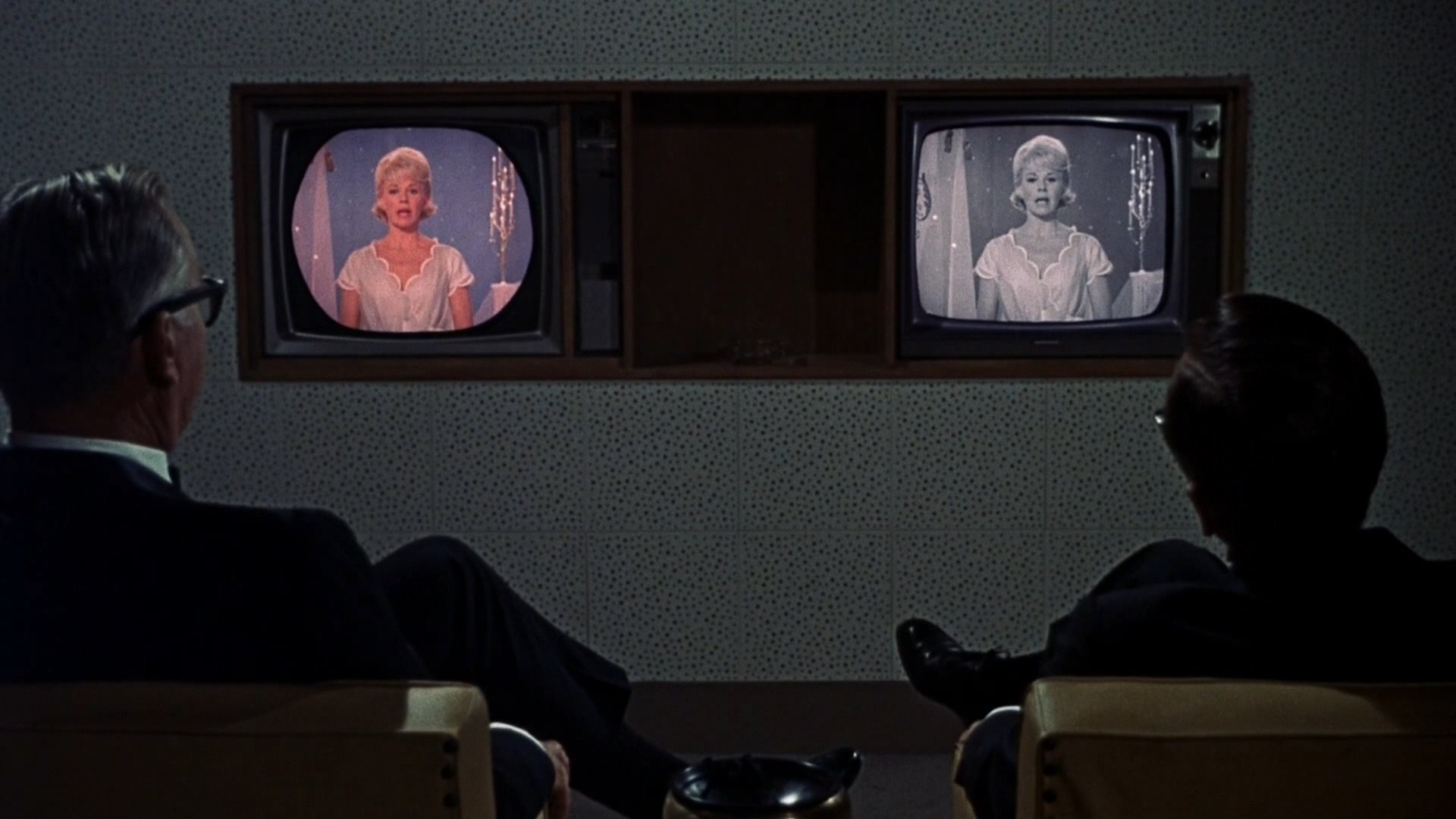
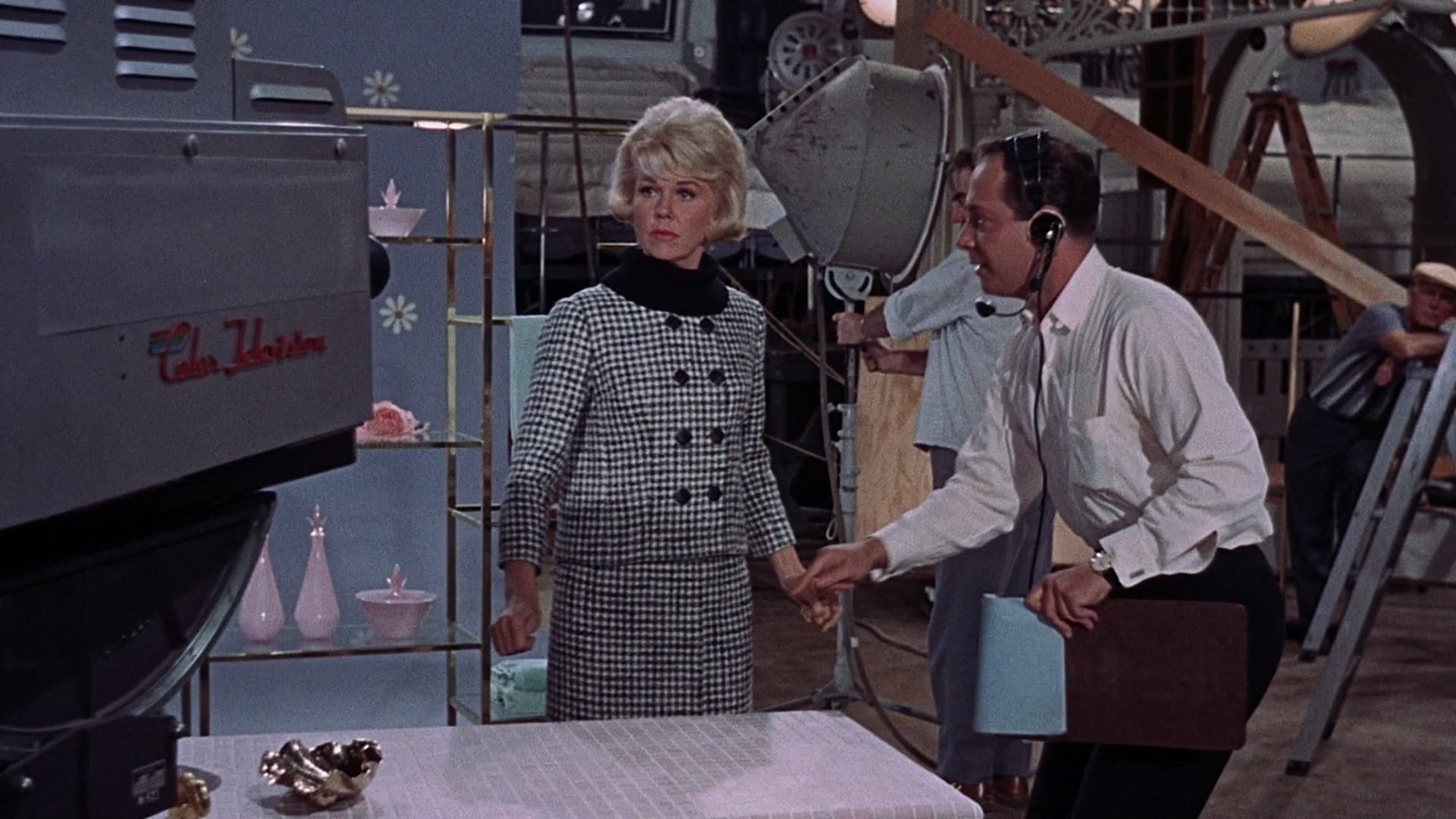
What interests me most, though, is that The Thrill of It All is one of the relatively few films of its era that is explicitly about television. The children watch it constantly. The adults orbit it professionally. The teleplays depicted on screen blur together into interchangeable slop, a fact even the kids notice, including Andy, which may be the film’s most unrealistic flourish. Reiner himself appears as a television actor, embodying the strange early-TV phenomenon of familiar faces cycling through nearly identical material.
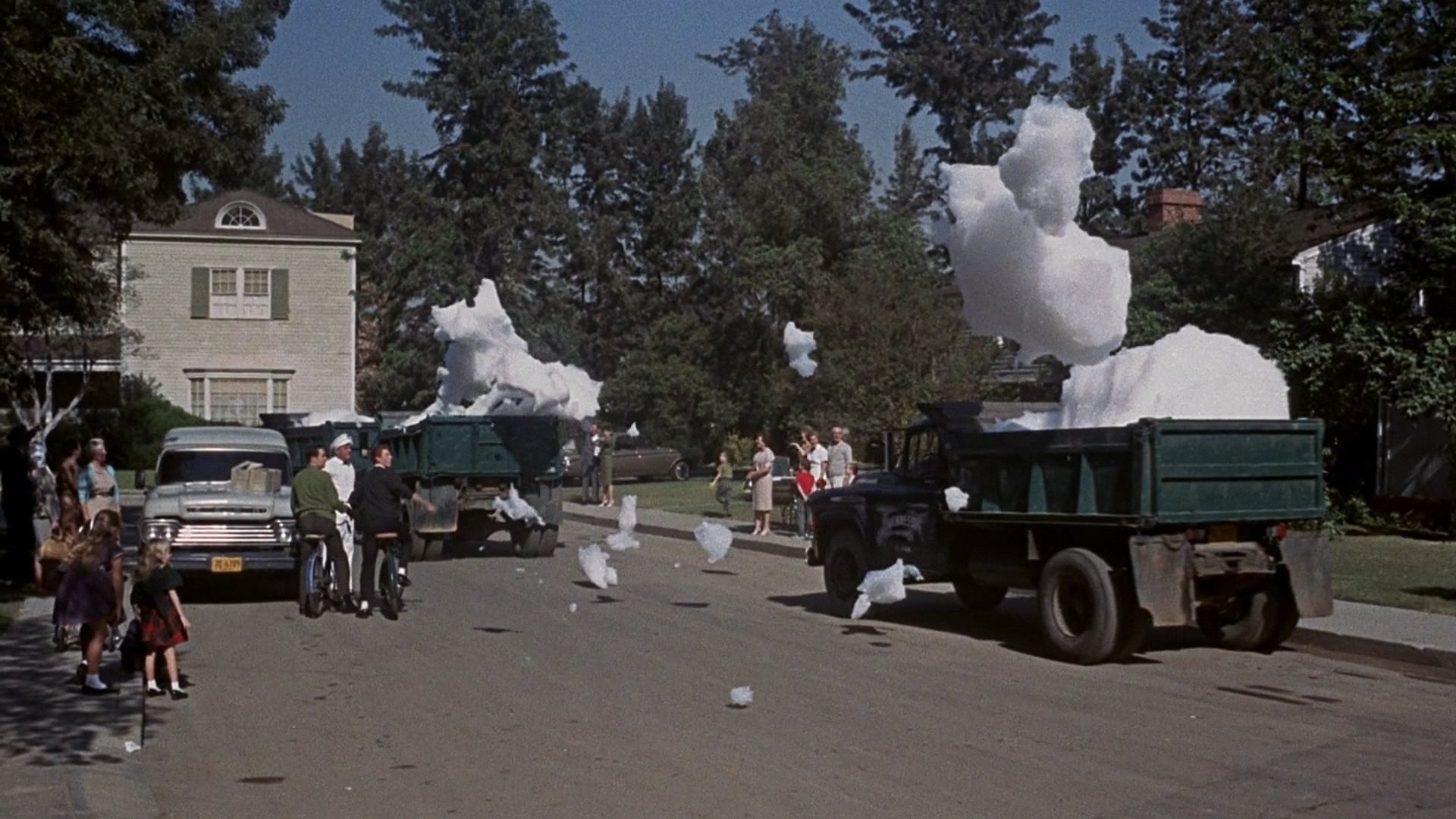
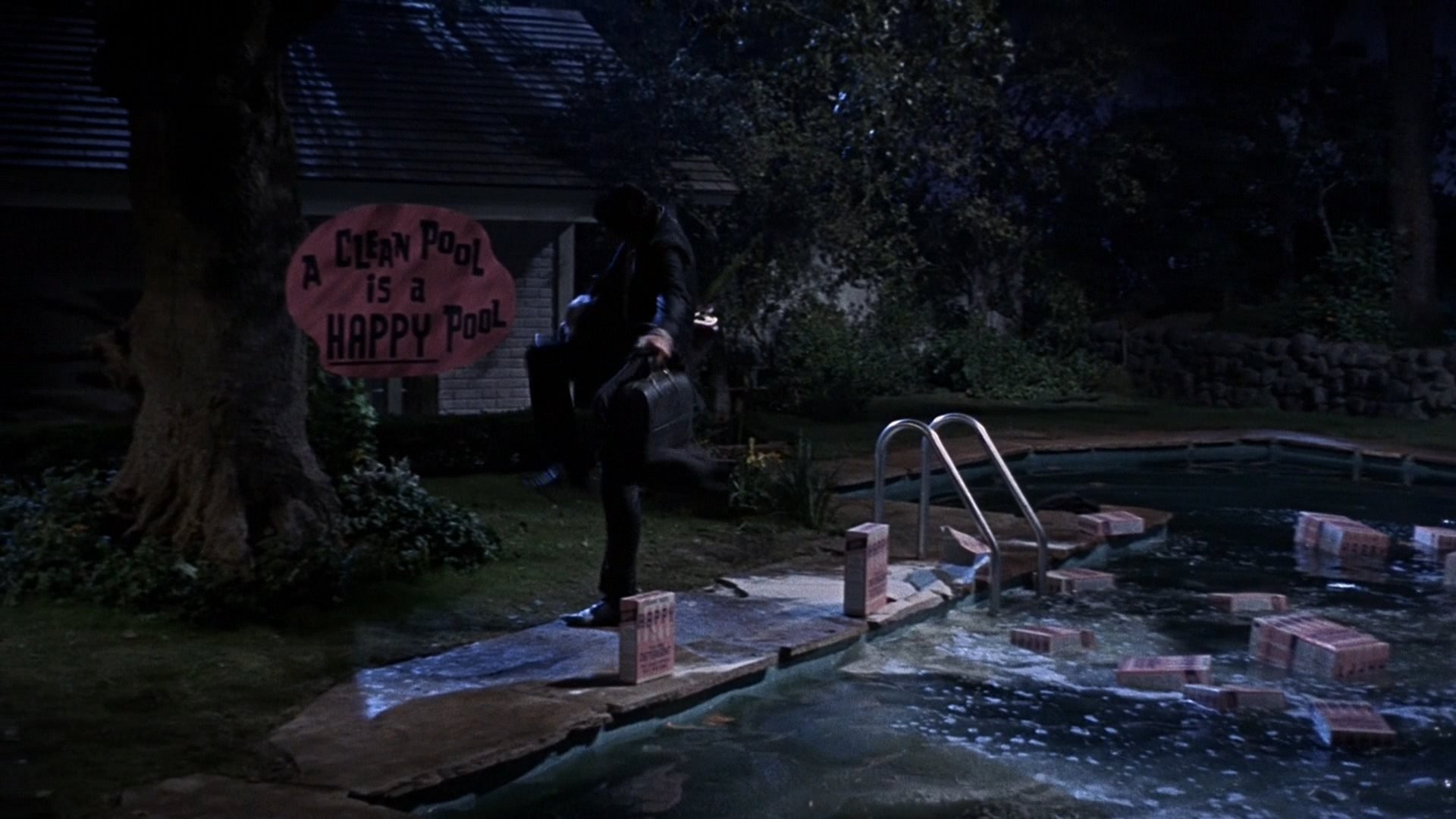
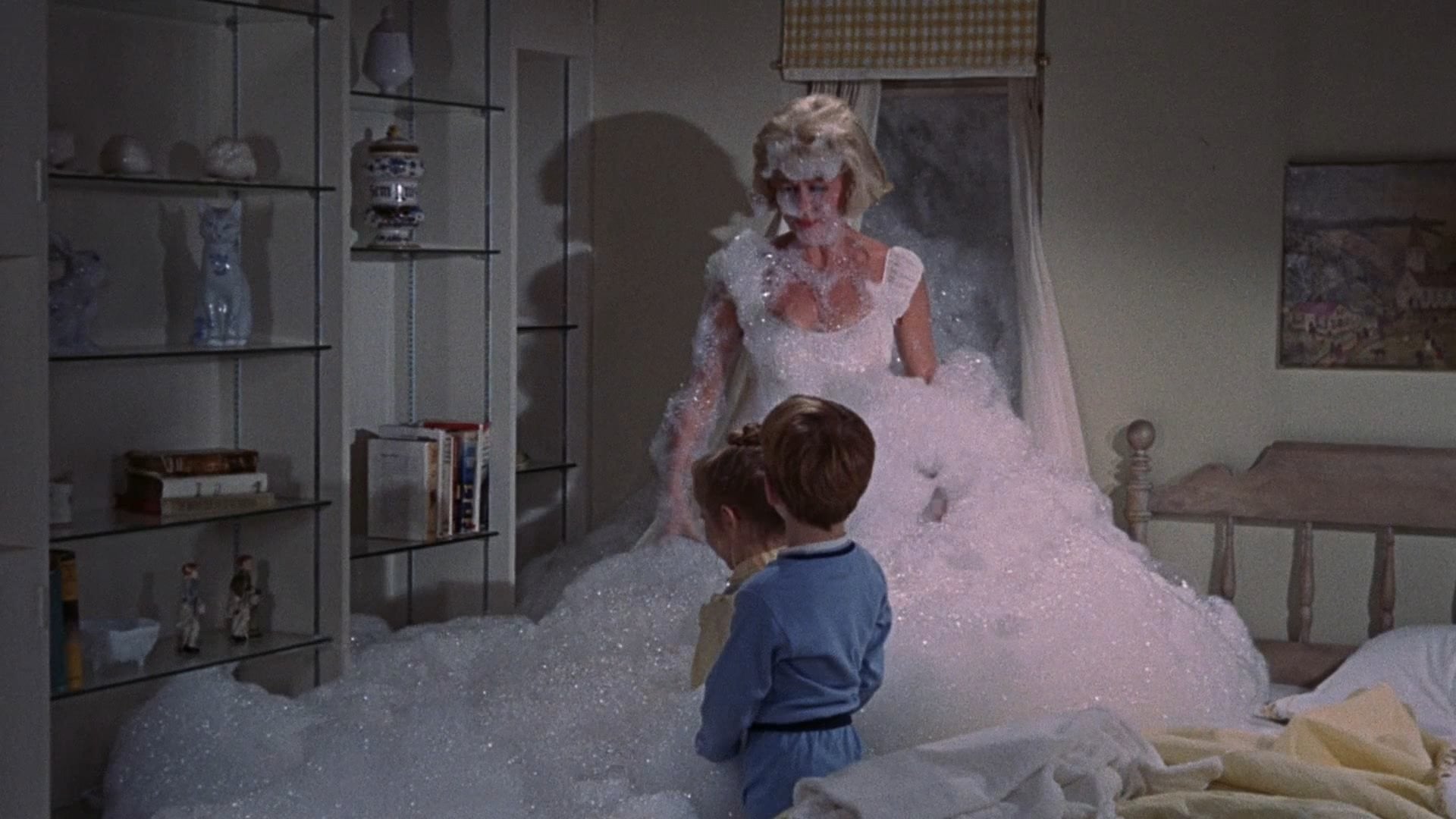
On the surface, the film is a pastel domestic farce, scrubbed clean and content to coast on safe laughs. The most risqué gag involves detergent suds that briefly resemble a nude woman, conveniently censored by the nature of soap itself. That is as far as the film is willing to go. But underneath that cleanliness is something more revealing. The movie is quietly anxious about television as a force that destabilizes the household, blurs public and private life, and allows a woman to become visible in ways her marriage is not prepared to accommodate. Beverly’s job is not just work. It is exposure. The film ultimately treats that exposure as incompatible with domestic harmony, and so it resolves the tension by sealing her back inside the home.
I also think The Thrill of It All makes for a fascinating comparison point with Stan Dragoti’s Mr. Mom. Structurally, they are almost the same movie: a household destabilized when a woman’s professional life expands and a man is forced to confront his own uselessness. The difference is not in the premise, but in where the films decide the joke lives.
In Mr. Mom, Michael Keaton’s insecurities are the punchline. His wounded masculinity is exposed, exaggerated, and treated as fundamentally unserious. The movie understands that the problem is not that his wife works, but that he has no language for his own identity once he is no longer the default provider. The comedy comes from watching him flail, adapt, and (eventually) grow up a little.
The Thrill of It All flips that dynamic. James Garner’s insecurities are not framed as something to be outgrown, but something to be accommodated. The film treats his discomfort as a legitimate grievance, one that the narrative bends itself into knots to soothe. Doris Day’s success is the disruption; his jealousy is the injury. Where Mr. Mom laughs at masculine fragility, The Thrill of It All tiptoes around it, carefully rearranging the world so that it never has to be meaningfully challenged.
That distinction says less about the individual filmmakers than it does about the eras they come from. Mr. Mom is not exactly a feminist text, but it belongs to a moment where male anxiety could at least be mocked without the sky falling. The Thrill of It All comes from a time when that anxiety had to be treated as sacred, even heroic. Same story, same domestic battlefield; completely different verdicts on who actually needs to change.
That contradiction is what makes the film linger. It is funny, competent, and deeply regressive, but it is also unintentionally honest about the fear it is built around. Not that television might corrupt children or cheapen art, but that it might give a woman a life that no longer fits neatly into the frame prepared for her.
I mostly watch contemporary work. The bulk of what I see comes from the early nineties onward, with only occasional detours into the seventies. By present-day standards, The Thrill of It All is bluntly misogynistic. Beverly Boyle, played by Doris Day, stumbles into a lucrative and fulfilling career, only for the film to resolve itself by having her surrender that opportunity in order to soothe her husband’s bruised ego and return to domestic life. The message is not subtle. A woman working is a problem. A woman working successfully is in a crisis.
Carl Reiner’s script is still often very funny. The dated gender politics dampen the experience, but they do not erase the comic instincts at work. The film is sharp in small, situational ways. Andy, the son, may be the dimmest child I have ever seen committed to film, and the movie milks that obliviousness mercilessly.
What interests me most, though, is that The Thrill of It All is one of the relatively few films of its era that is explicitly about television. The children watch it constantly. The adults orbit it professionally. The teleplays depicted on screen blur together into interchangeable slop, a fact even the kids notice, including Andy, which may be the film’s most unrealistic flourish. Reiner himself appears as a television actor, embodying the strange early-TV phenomenon of familiar faces cycling through nearly identical material.
On the surface, the film is a pastel domestic farce, scrubbed clean and content to coast on safe laughs. The most risqué gag involves detergent suds that briefly resemble a nude woman, conveniently censored by the nature of soap itself. That is as far as the film is willing to go. But underneath that cleanliness is something more revealing. The movie is quietly anxious about television as a force that destabilizes the household, blurs public and private life, and allows a woman to become visible in ways her marriage is not prepared to accommodate. Beverly’s job is not just work. It is exposure. The film ultimately treats that exposure as incompatible with domestic harmony, and so it resolves the tension by sealing her back inside the home.
I also think The Thrill of It All makes for a fascinating comparison point with Stan Dragoti’s Mr. Mom. Structurally, they are almost the same movie: a household destabilized when a woman’s professional life expands and a man is forced to confront his own uselessness. The difference is not in the premise, but in where the films decide the joke lives.
In Mr. Mom, Michael Keaton’s insecurities are the punchline. His wounded masculinity is exposed, exaggerated, and treated as fundamentally unserious. The movie understands that the problem is not that his wife works, but that he has no language for his own identity once he is no longer the default provider. The comedy comes from watching him flail, adapt, and (eventually) grow up a little.
The Thrill of It All flips that dynamic. James Garner’s insecurities are not framed as something to be outgrown, but something to be accommodated. The film treats his discomfort as a legitimate grievance, one that the narrative bends itself into knots to soothe. Doris Day’s success is the disruption; his jealousy is the injury. Where Mr. Mom laughs at masculine fragility, The Thrill of It All tiptoes around it, carefully rearranging the world so that it never has to be meaningfully challenged.
That distinction says less about the individual filmmakers than it does about the eras they come from. Mr. Mom is not exactly a feminist text, but it belongs to a moment where male anxiety could at least be mocked without the sky falling. The Thrill of It All comes from a time when that anxiety had to be treated as sacred, even heroic. Same story, same domestic battlefield; completely different verdicts on who actually needs to change.
That contradiction is what makes the film linger. It is funny, competent, and deeply regressive, but it is also unintentionally honest about the fear it is built around. Not that television might corrupt children or cheapen art, but that it might give a woman a life that no longer fits neatly into the frame prepared for her.
I found The Thrill of It All unexpectedly absorbing. I have started working my way through Norman Jewison’s major studio films, beginning here and ending with The Statement, released forty years later in 2003. It is a strange and revealing arc to trace, and this film makes for an oddly instructive starting point.
I mostly watch contemporary work. The bulk of what I see comes from the early nineties onward, with only occasional detours into the seventies. By present-day standards, The Thrill of It All is bluntly misogynistic. Beverly Boyle, played by Doris Day, stumbles into a lucrative and fulfilling career, only for the film to resolve itself by having her surrender that opportunity in order to soothe her husband’s bruised ego and return to domestic life. The message is not subtle. A woman working is a problem. A woman working successfully is in a crisis.
Carl Reiner’s script is still often very funny. The dated gender politics dampen the experience, but they do not erase the comic instincts at work. The film is sharp in small, situational ways. Andy, the son, may be the dimmest child I have ever seen committed to film, and the movie milks that obliviousness mercilessly.
What interests me most, though, is that The Thrill of It All is one of the relatively few films of its era that is explicitly about television. The children watch it constantly. The adults orbit it professionally. The teleplays depicted on screen blur together into interchangeable slop, a fact even the kids notice, including Andy, which may be the film’s most unrealistic flourish. Reiner himself appears as a television actor, embodying the strange early-TV phenomenon of familiar faces cycling through nearly identical material.
On the surface, the film is a pastel domestic farce, scrubbed clean and content to coast on safe laughs. The most risqué gag involves detergent suds that briefly resemble a nude woman, conveniently censored by the nature of soap itself. That is as far as the film is willing to go. But underneath that cleanliness is something more revealing. The movie is quietly anxious about television as a force that destabilizes the household, blurs public and private life, and allows a woman to become visible in ways her marriage is not prepared to accommodate. Beverly’s job is not just work. It is exposure. The film ultimately treats that exposure as incompatible with domestic harmony, and so it resolves the tension by sealing her back inside the home.
I also think The Thrill of It All makes for a fascinating comparison point with Stan Dragoti’s Mr. Mom. Structurally, they are almost the same movie: a household destabilized when a woman’s professional life expands and a man is forced to confront his own uselessness. The difference is not in the premise, but in where the films decide the joke lives.
In Mr. Mom, Michael Keaton’s insecurities are the punchline. His wounded masculinity is exposed, exaggerated, and treated as fundamentally unserious. The movie understands that the problem is not that his wife works, but that he has no language for his own identity once he is no longer the default provider. The comedy comes from watching him flail, adapt, and (eventually) grow up a little.
The Thrill of It All flips that dynamic. James Garner’s insecurities are not framed as something to be outgrown, but something to be accommodated. The film treats his discomfort as a legitimate grievance, one that the narrative bends itself into knots to soothe. Doris Day’s success is the disruption; his jealousy is the injury. Where Mr. Mom laughs at masculine fragility, The Thrill of It All tiptoes around it, carefully rearranging the world so that it never has to be meaningfully challenged.
That distinction says less about the individual filmmakers than it does about the eras they come from. Mr. Mom is not exactly a feminist text, but it belongs to a moment where male anxiety could at least be mocked without the sky falling. The Thrill of It All comes from a time when that anxiety had to be treated as sacred, even heroic. Same story, same domestic battlefield; completely different verdicts on who actually needs to change.
That contradiction is what makes the film linger. It is funny, competent, and deeply regressive, but it is also unintentionally honest about the fear it is built around. Not that television might corrupt children or cheapen art, but that it might give a woman a life that no longer fits neatly into the frame prepared for her.
I mostly watch contemporary work. The bulk of what I see comes from the early nineties onward, with only occasional detours into the seventies. By present-day standards, The Thrill of It All is bluntly misogynistic. Beverly Boyle, played by Doris Day, stumbles into a lucrative and fulfilling career, only for the film to resolve itself by having her surrender that opportunity in order to soothe her husband’s bruised ego and return to domestic life. The message is not subtle. A woman working is a problem. A woman working successfully is in a crisis.
Carl Reiner’s script is still often very funny. The dated gender politics dampen the experience, but they do not erase the comic instincts at work. The film is sharp in small, situational ways. Andy, the son, may be the dimmest child I have ever seen committed to film, and the movie milks that obliviousness mercilessly.
What interests me most, though, is that The Thrill of It All is one of the relatively few films of its era that is explicitly about television. The children watch it constantly. The adults orbit it professionally. The teleplays depicted on screen blur together into interchangeable slop, a fact even the kids notice, including Andy, which may be the film’s most unrealistic flourish. Reiner himself appears as a television actor, embodying the strange early-TV phenomenon of familiar faces cycling through nearly identical material.
On the surface, the film is a pastel domestic farce, scrubbed clean and content to coast on safe laughs. The most risqué gag involves detergent suds that briefly resemble a nude woman, conveniently censored by the nature of soap itself. That is as far as the film is willing to go. But underneath that cleanliness is something more revealing. The movie is quietly anxious about television as a force that destabilizes the household, blurs public and private life, and allows a woman to become visible in ways her marriage is not prepared to accommodate. Beverly’s job is not just work. It is exposure. The film ultimately treats that exposure as incompatible with domestic harmony, and so it resolves the tension by sealing her back inside the home.
I also think The Thrill of It All makes for a fascinating comparison point with Stan Dragoti’s Mr. Mom. Structurally, they are almost the same movie: a household destabilized when a woman’s professional life expands and a man is forced to confront his own uselessness. The difference is not in the premise, but in where the films decide the joke lives.
In Mr. Mom, Michael Keaton’s insecurities are the punchline. His wounded masculinity is exposed, exaggerated, and treated as fundamentally unserious. The movie understands that the problem is not that his wife works, but that he has no language for his own identity once he is no longer the default provider. The comedy comes from watching him flail, adapt, and (eventually) grow up a little.
The Thrill of It All flips that dynamic. James Garner’s insecurities are not framed as something to be outgrown, but something to be accommodated. The film treats his discomfort as a legitimate grievance, one that the narrative bends itself into knots to soothe. Doris Day’s success is the disruption; his jealousy is the injury. Where Mr. Mom laughs at masculine fragility, The Thrill of It All tiptoes around it, carefully rearranging the world so that it never has to be meaningfully challenged.
That distinction says less about the individual filmmakers than it does about the eras they come from. Mr. Mom is not exactly a feminist text, but it belongs to a moment where male anxiety could at least be mocked without the sky falling. The Thrill of It All comes from a time when that anxiety had to be treated as sacred, even heroic. Same story, same domestic battlefield; completely different verdicts on who actually needs to change.
That contradiction is what makes the film linger. It is funny, competent, and deeply regressive, but it is also unintentionally honest about the fear it is built around. Not that television might corrupt children or cheapen art, but that it might give a woman a life that no longer fits neatly into the frame prepared for her.
annie
6.0★ · 09/02/25
arlene francis carried the whole movie on her back. she was lowkey the only reason i watched this anyway. this movie could have been a 30 minute sitcom episode but it was still pretty good. i loved when gladys kravitz made a cameo
arlene francis carried the whole movie on her back. she was lowkey the only reason i watched this anyway. this movie could have been a 30 minute sitcom episode but it was still pretty good. i loved when gladys kravitz made a cameo
Bec C
4.7★ · 03/23/24
Doris Day is so charismatic but I really did not love this movie and it’s ending. Cute cameo from the kid who played the youngest von trapp in sound of music!
Doris Day is so charismatic but I really did not love this movie and it’s ending. Cute cameo from the kid who played the youngest von trapp in sound of music!
mimi
6.0★ · 11/18/25