
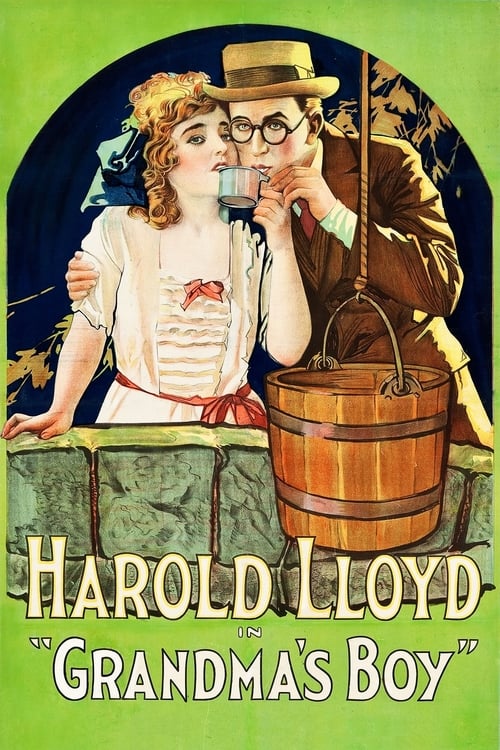
Grandma's Boy
1922·Comedy·1h
7.1
★
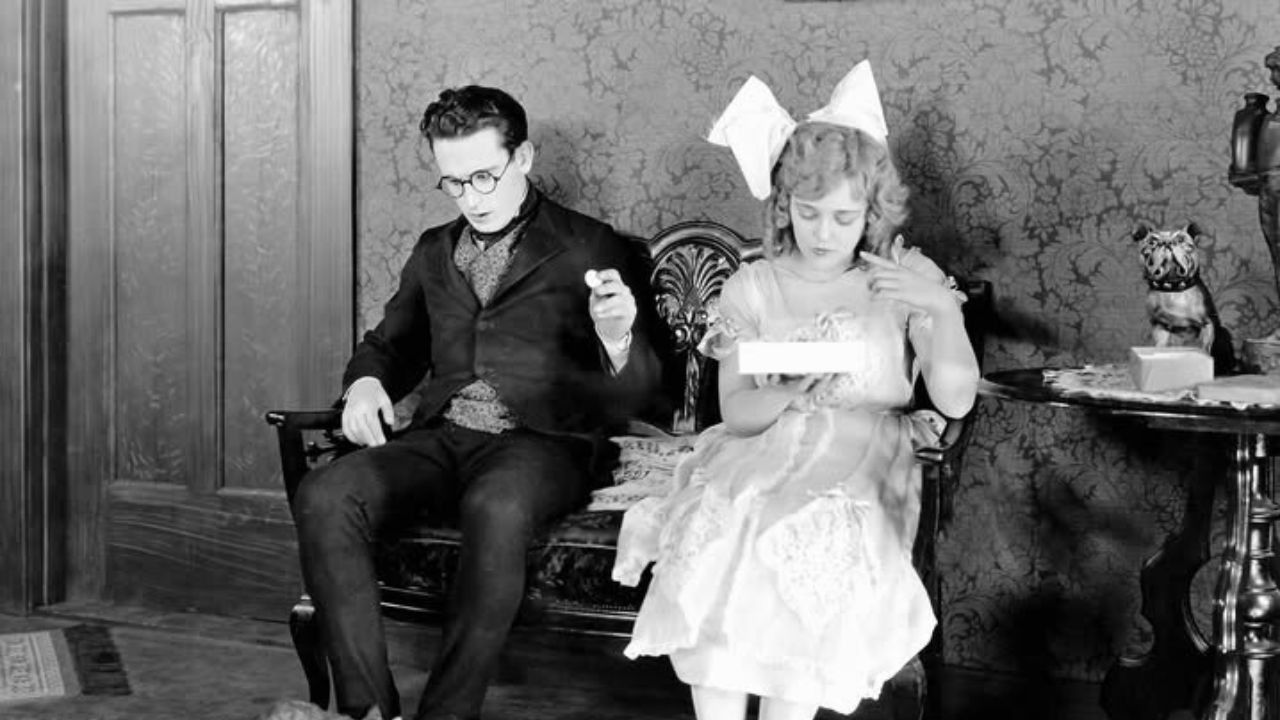
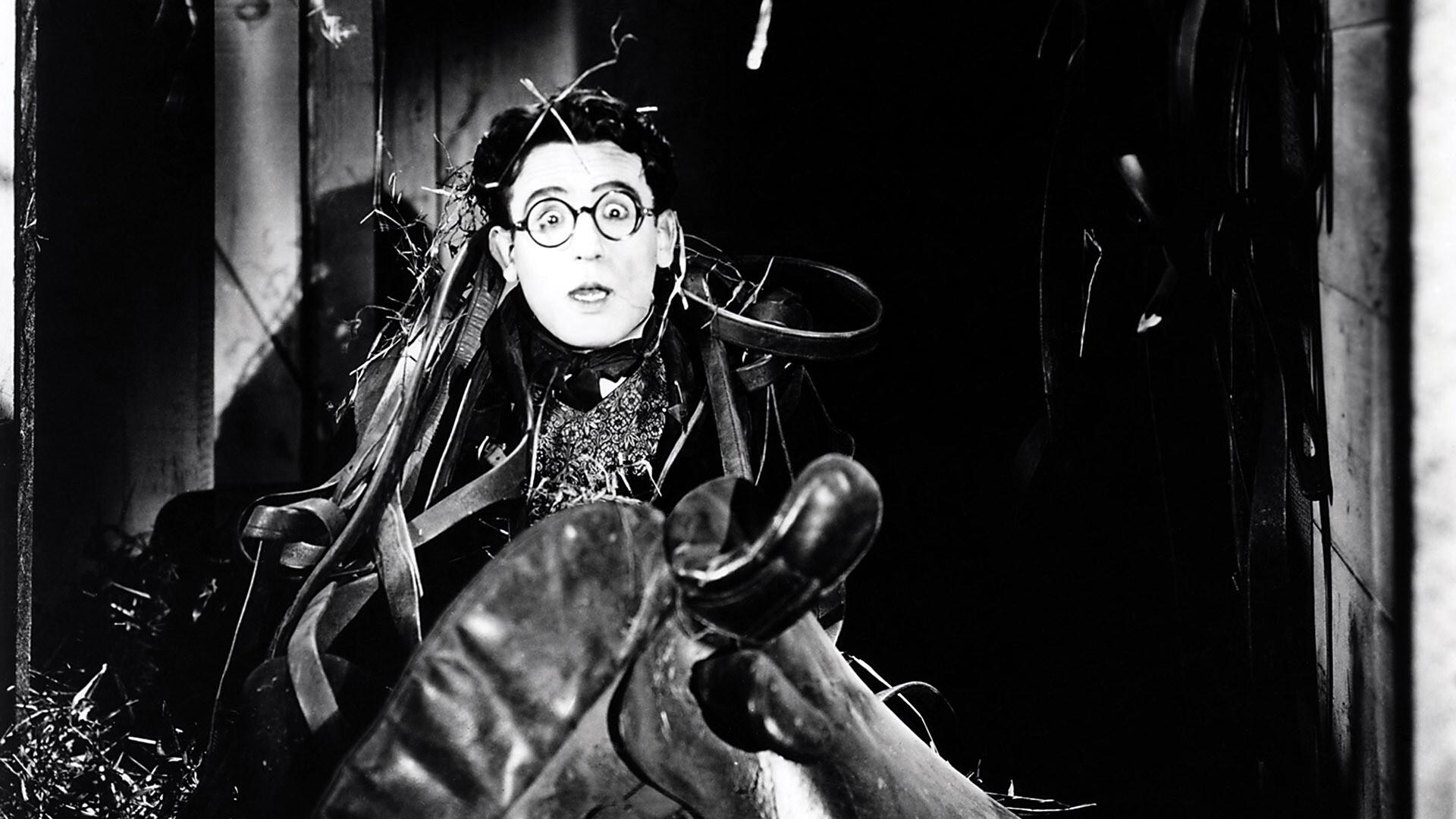
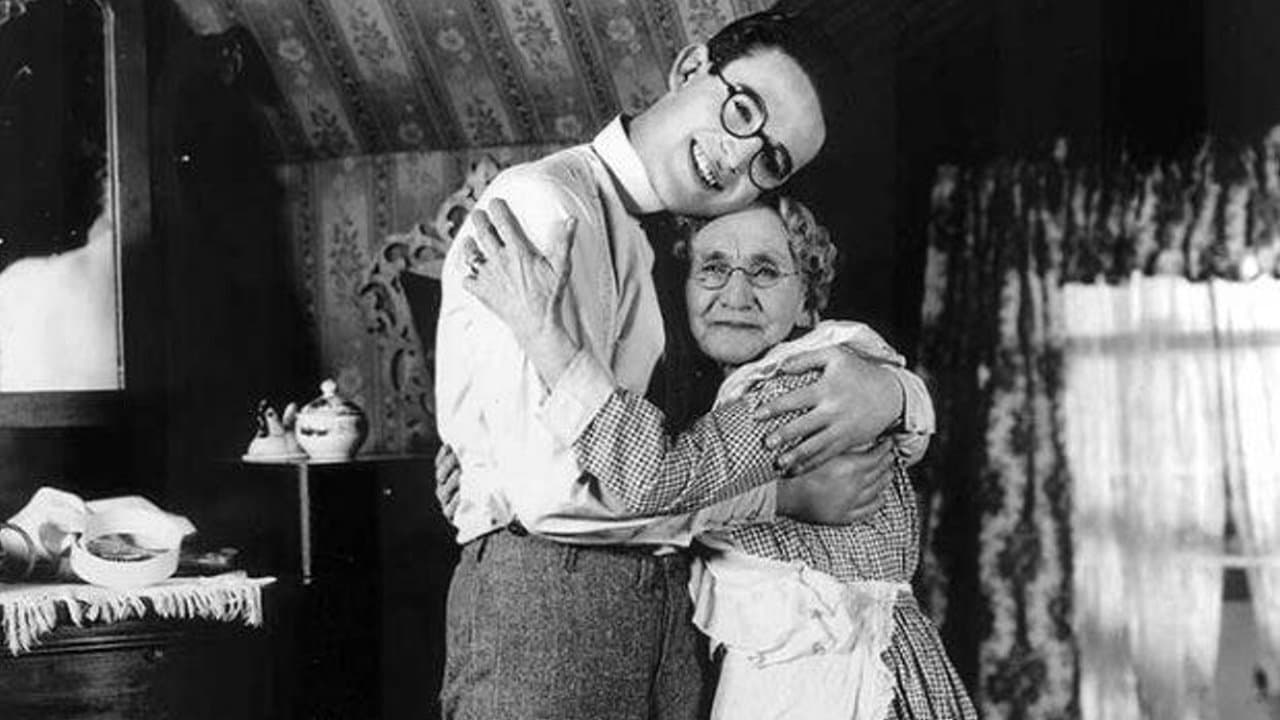
A meek young man must find the courage within when a rogue tramp menaces his hometown.
Directed by Fred C. Newmeyer
cowardice
bully
silent film

IMDB
N/A
Cast
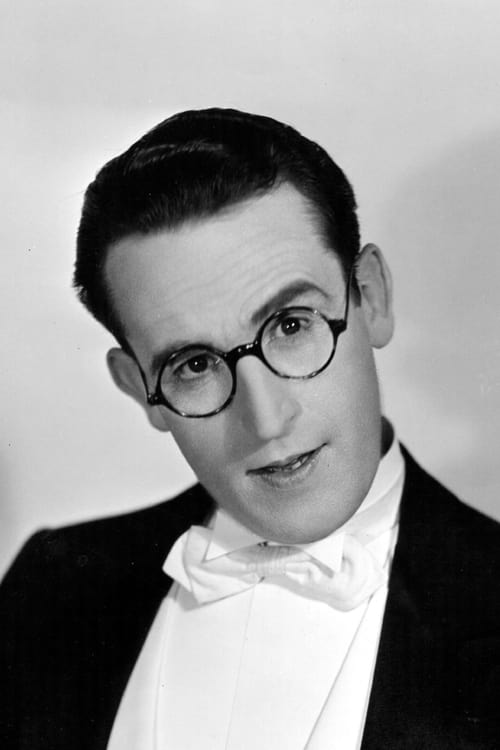
Harold Lloyd
Grandma's Boy
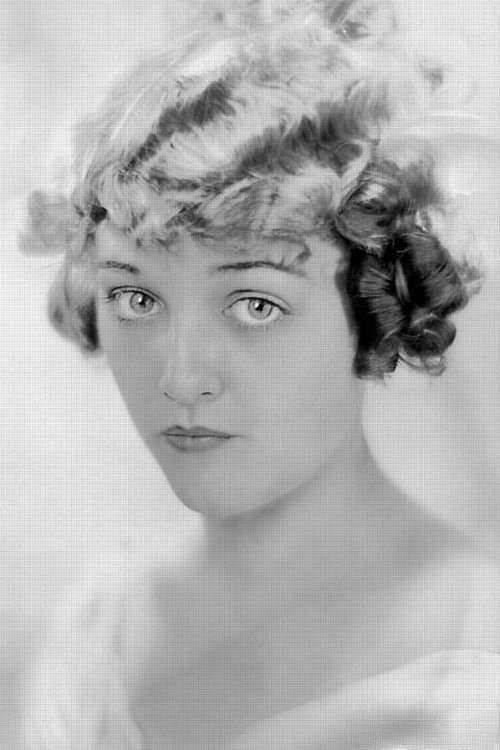
Mildred Davis
His Girl

Anna Townsend
His Grandma
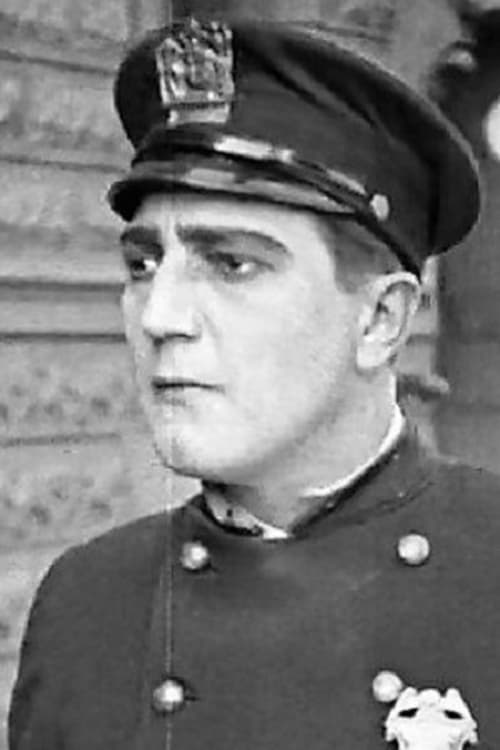
Charles Stevenson
His Rival / Union General
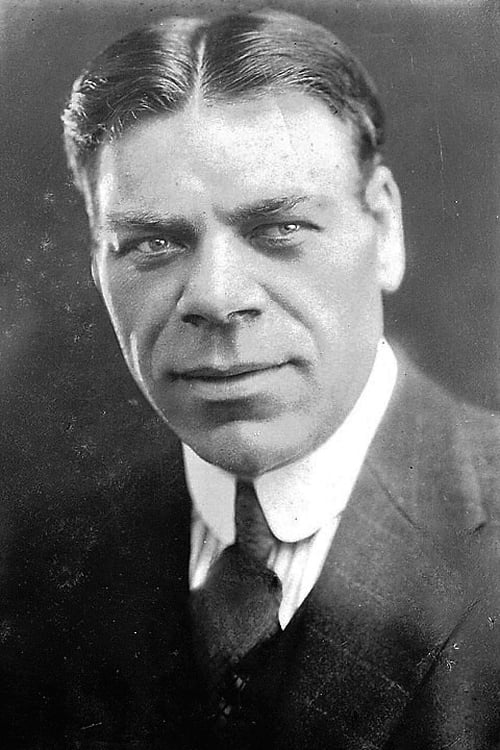
Dick Sutherland
The Rolling Stone
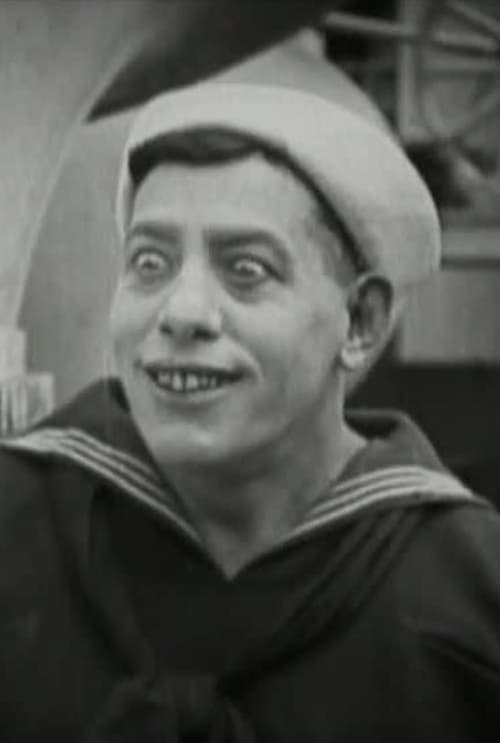
Noah Young
Sheriff of Dabney County
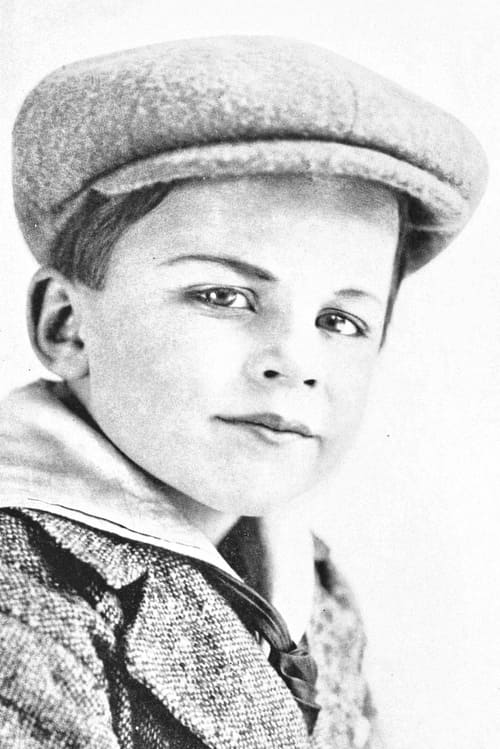
Jack Morgan
Sammy Brooks
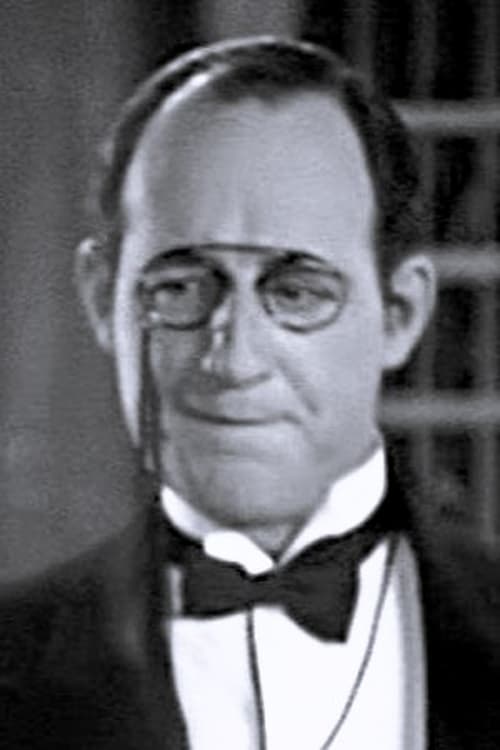
William Gillespie
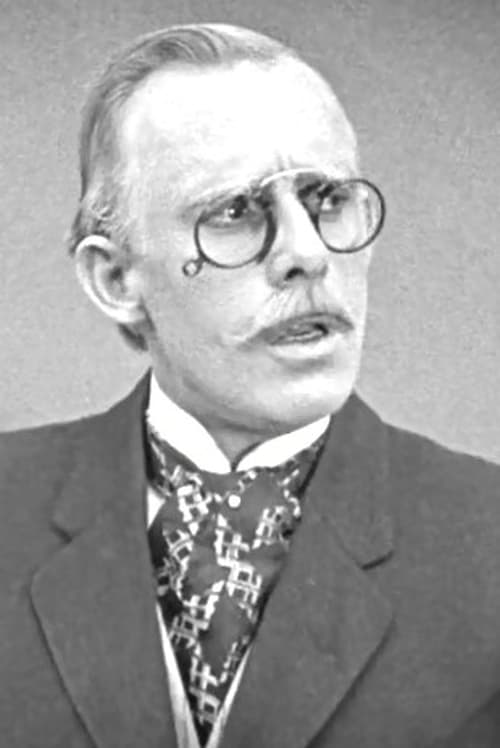
Wally Howe
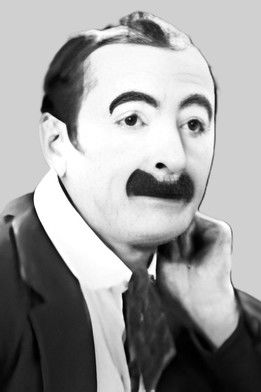
Mark Jones
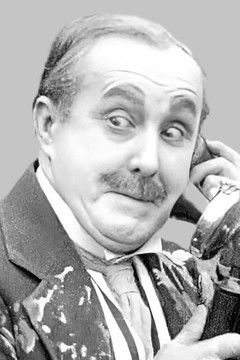
James T. Kelley
Crew
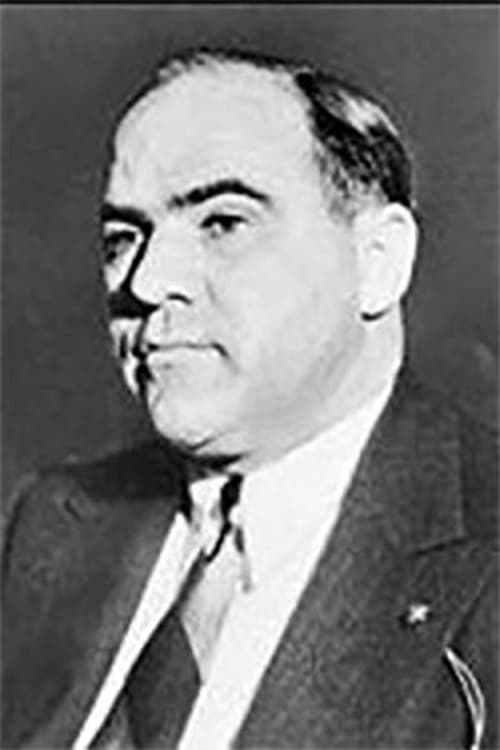
Fred C. Newmeyer
Director
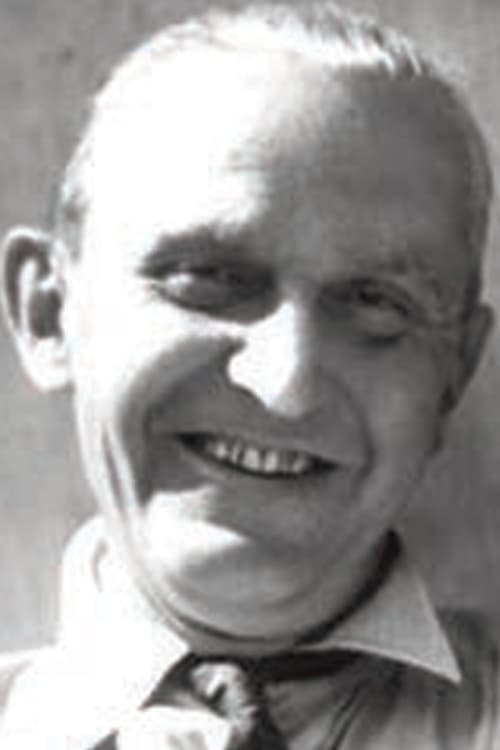
H.M. Walker
Writer
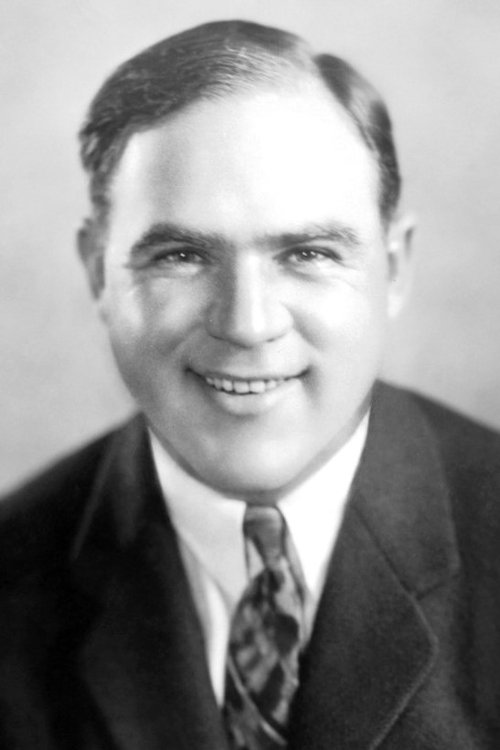
Hal Roach
Producer
Harold Lloyd
Story
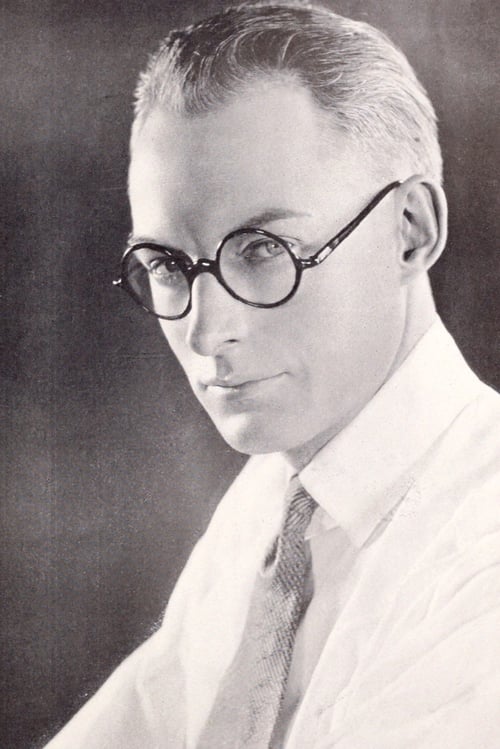
Sam Taylor
Story

Jean C. Havez
Story
Hal Roach
Story
Popular Reviews
6 reviews
Alice Bédard
9.1★ · 04/13/25
I love love love those kinds of comedies. Harold Lloyd is underrated and underseen, and exploring his work beyond Safety Last! only cements in my mind that he’s just as good—if not funnier!—than Chaplin and Keaton.
(Also the kittens were cute 😻)
(Also the kittens were cute 😻)
I love love love those kinds of comedies. Harold Lloyd is underrated and underseen, and exploring his work beyond Safety Last! only cements in my mind that he’s just as good—if not funnier!—than Chaplin and Keaton.
(Also the kittens were cute 😻)
(Also the kittens were cute 😻)


gangstalkedPRO
4.0★ · 09/10/24
There’s some goofy gags that I’m sure the old timers got a real knee slap out of, but I’m sorry I can’t get into silent comedy no matter how hard I try. Not my thing even if I do understand the historical importance of it.
There’s some goofy gags that I’m sure the old timers got a real knee slap out of, but I’m sorry I can’t get into silent comedy no matter how hard I try. Not my thing even if I do understand the historical importance of it.
Cinephile Land
8.0★ · 03/12/22
A movie that embodies the essence itself of the The Boy with Glasses
What made the difference between Lloyd and his contemporaries? A difference that made him immensely popular during the hay days of the Silent Era, fame far beyond that of Chaplin and Keaton even. The answer was HOPE. The “Glasses” represents the possibility of a better tomorrow, to overcome obstacles even if all the odds are weighed against you. With the promise of a happy ending.
Songs in Film
The use of a popular/old/unknown song as a plot devise is something we’re fully accustomed to. In fact it can be quite magical at times. Music is powerfully influential and many filmmakers have beautifully capitalized its capabilities. Everything from conveying sadness, love and roistering moments, you name it!
Well, did you know silent flicks could also possess these capabilities? Yeah, I was bewildered as well! It’s rather rare, and if I’m being honest I’ve only seen it in two Lloyd flicks, this one and ‘**For Heaven’s Sake**’ (1926). Used to convey love and touching one’s emotions as if it were a palpable object.
Cleverly portrayed through the use of a piano, a popular song (at that time of course) is played while the actor pantomimes the emotions. Pure brilliance if you ask me, not a single word is uttered, yet we completely understand the message.
What made the difference between Lloyd and his contemporaries? A difference that made him immensely popular during the hay days of the Silent Era, fame far beyond that of Chaplin and Keaton even. The answer was HOPE. The “Glasses” represents the possibility of a better tomorrow, to overcome obstacles even if all the odds are weighed against you. With the promise of a happy ending.
Songs in Film
The use of a popular/old/unknown song as a plot devise is something we’re fully accustomed to. In fact it can be quite magical at times. Music is powerfully influential and many filmmakers have beautifully capitalized its capabilities. Everything from conveying sadness, love and roistering moments, you name it!
Well, did you know silent flicks could also possess these capabilities? Yeah, I was bewildered as well! It’s rather rare, and if I’m being honest I’ve only seen it in two Lloyd flicks, this one and ‘**For Heaven’s Sake**’ (1926). Used to convey love and touching one’s emotions as if it were a palpable object.
Cleverly portrayed through the use of a piano, a popular song (at that time of course) is played while the actor pantomimes the emotions. Pure brilliance if you ask me, not a single word is uttered, yet we completely understand the message.
A movie that embodies the essence itself of the The Boy with Glasses
What made the difference between Lloyd and his contemporaries? A difference that made him immensely popular during the hay days of the Silent Era, fame far beyond that of Chaplin and Keaton even. The answer was HOPE. The “Glasses” represents the possibility of a better tomorrow, to overcome obstacles even if all the odds are weighed against you. With the promise of a happy ending.
Songs in Film
The use of a popular/old/unknown song as a plot devise is something we’re fully accustomed to. In fact it can be quite magical at times. Music is powerfully influential and many filmmakers have beautifully capitalized its capabilities. Everything from conveying sadness, love and roistering moments, you name it!
Well, did you know silent flicks could also possess these capabilities? Yeah, I was bewildered as well! It’s rather rare, and if I’m being honest I’ve only seen it in two Lloyd flicks, this one and ‘**For Heaven’s Sake**’ (1926). Used to convey love and touching one’s emotions as if it were a palpable object.
Cleverly portrayed through the use of a piano, a popular song (at that time of course) is played while the actor pantomimes the emotions. Pure brilliance if you ask me, not a single word is uttered, yet we completely understand the message.
What made the difference between Lloyd and his contemporaries? A difference that made him immensely popular during the hay days of the Silent Era, fame far beyond that of Chaplin and Keaton even. The answer was HOPE. The “Glasses” represents the possibility of a better tomorrow, to overcome obstacles even if all the odds are weighed against you. With the promise of a happy ending.
Songs in Film
The use of a popular/old/unknown song as a plot devise is something we’re fully accustomed to. In fact it can be quite magical at times. Music is powerfully influential and many filmmakers have beautifully capitalized its capabilities. Everything from conveying sadness, love and roistering moments, you name it!
Well, did you know silent flicks could also possess these capabilities? Yeah, I was bewildered as well! It’s rather rare, and if I’m being honest I’ve only seen it in two Lloyd flicks, this one and ‘**For Heaven’s Sake**’ (1926). Used to convey love and touching one’s emotions as if it were a palpable object.
Cleverly portrayed through the use of a piano, a popular song (at that time of course) is played while the actor pantomimes the emotions. Pure brilliance if you ask me, not a single word is uttered, yet we completely understand the message.
Claire
4.0★ · 10/11/25
Claire
0.3★ · 01/02/25