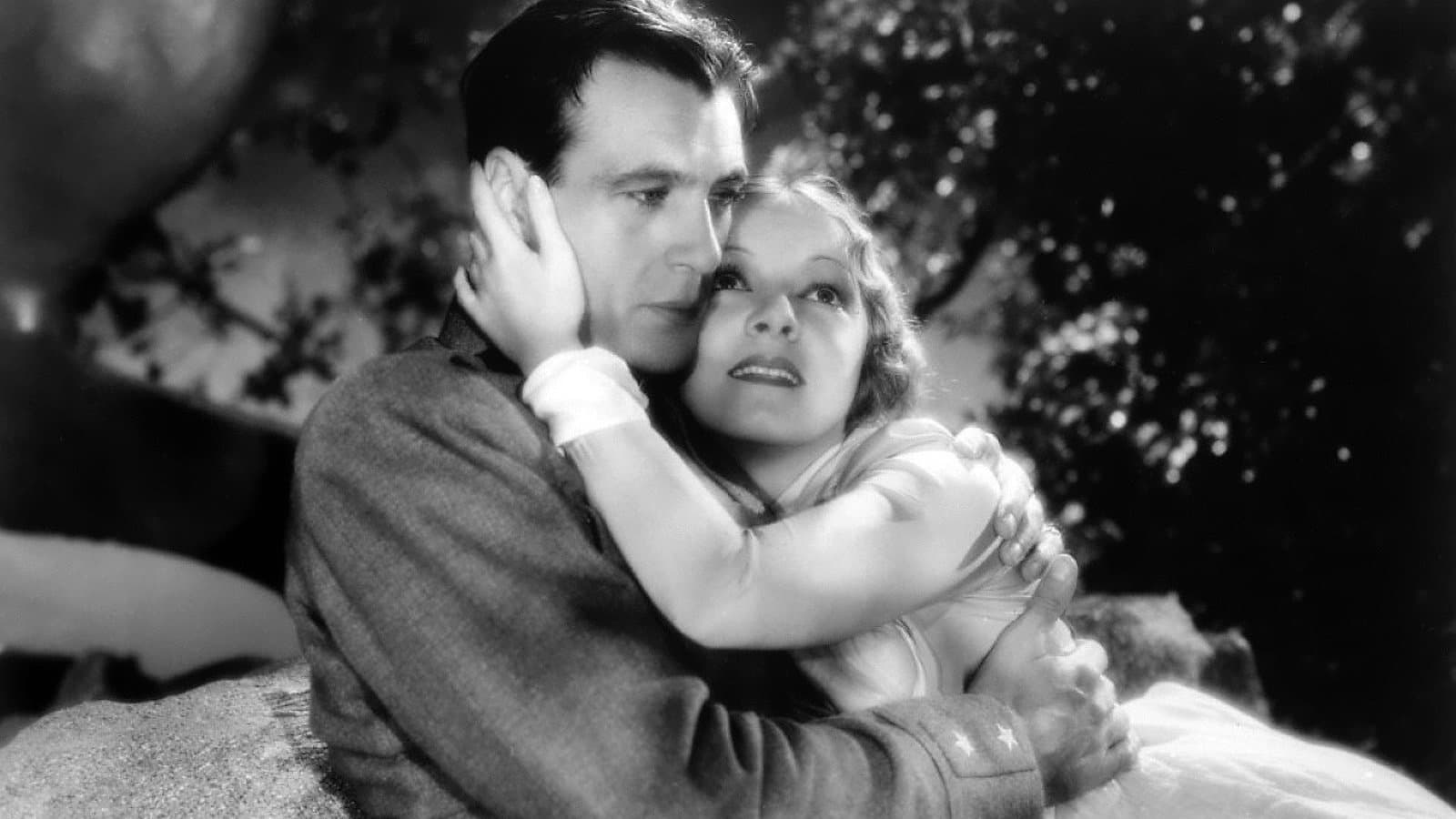
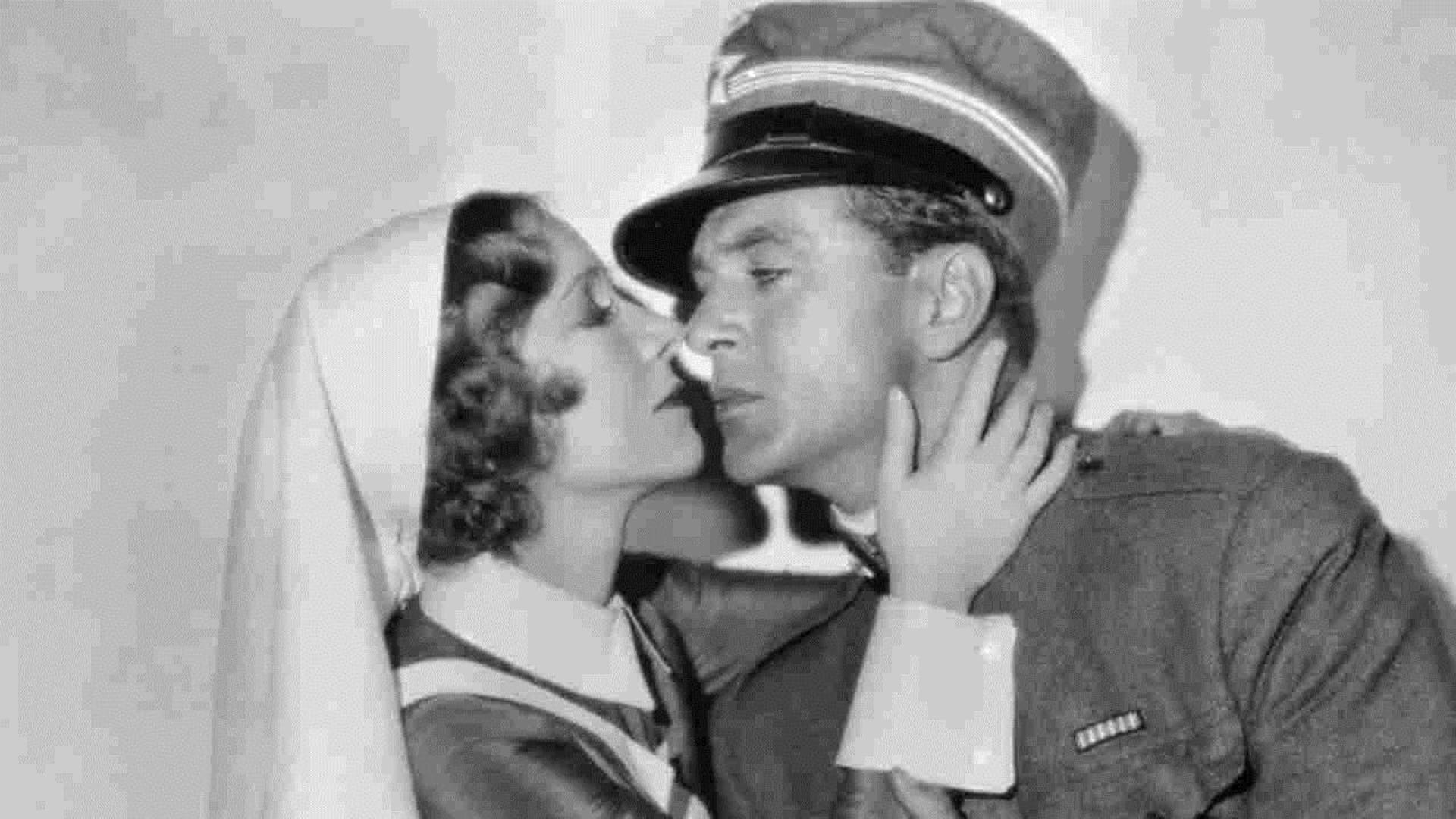
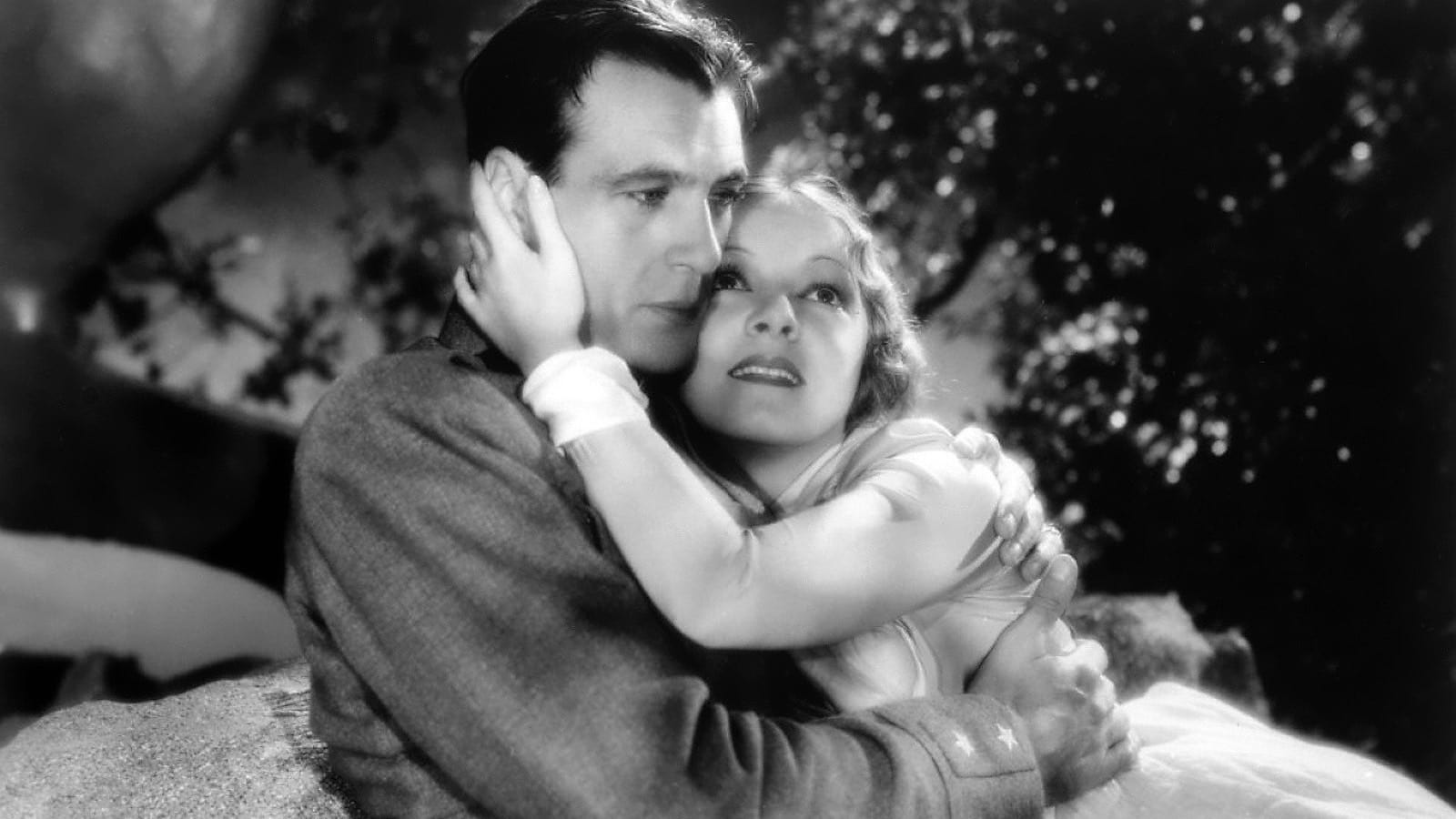
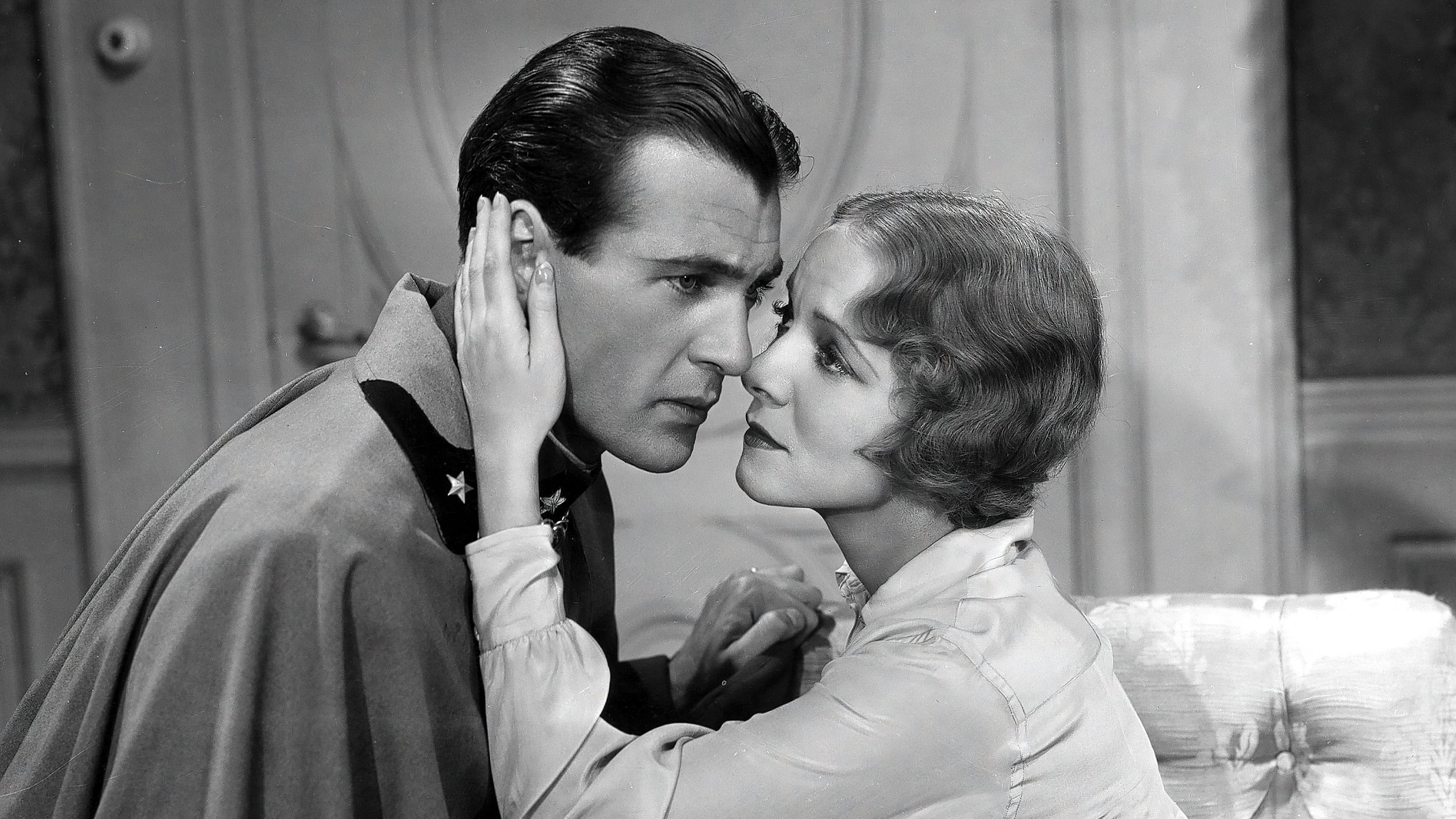
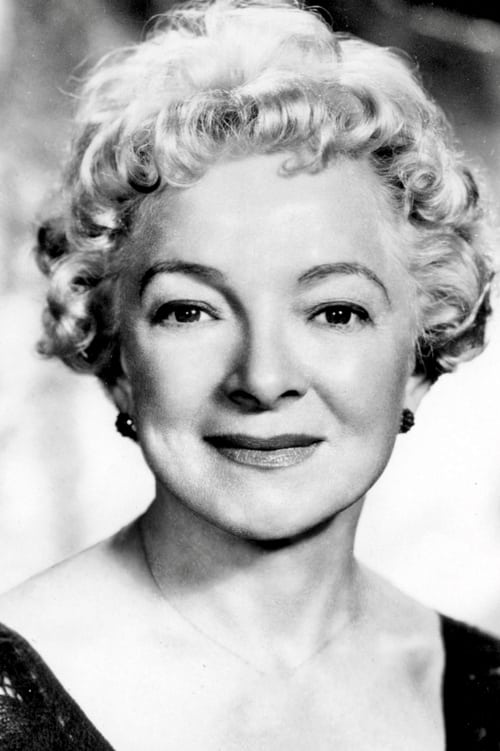
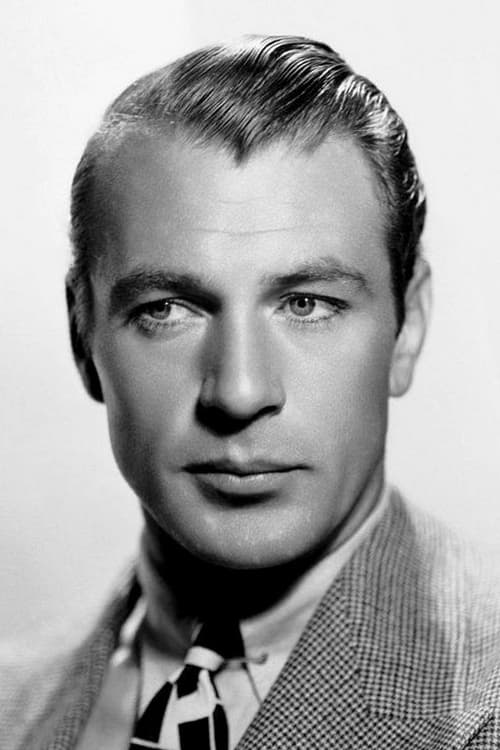
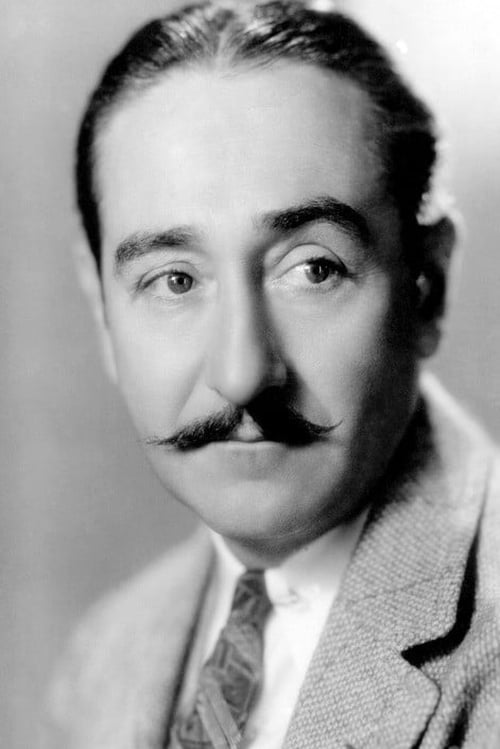
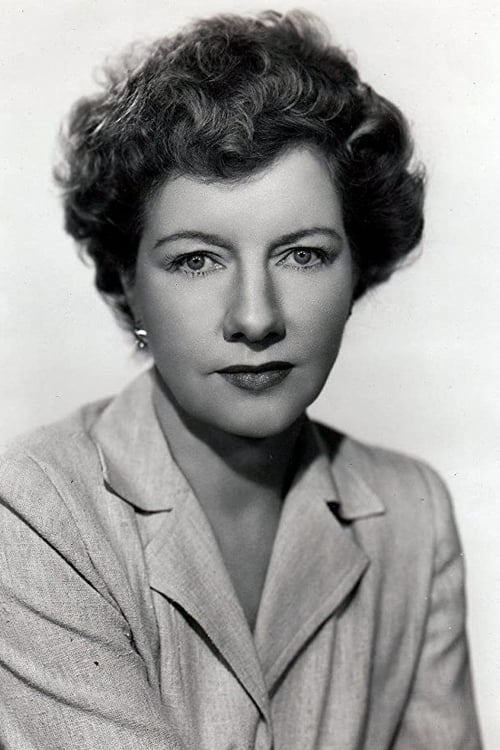
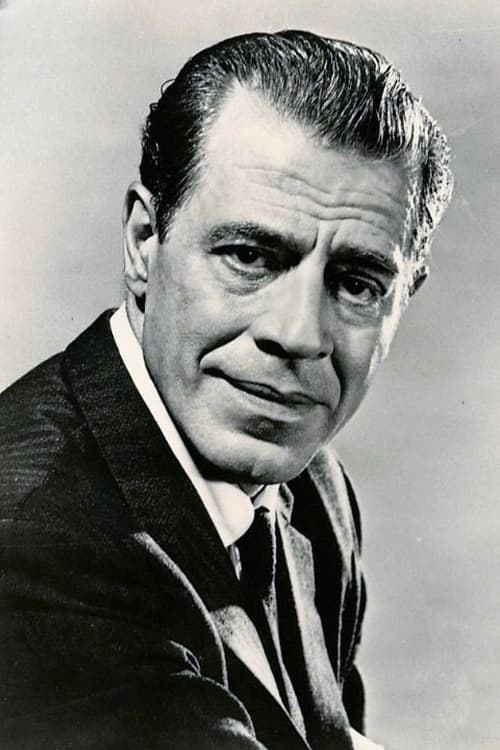
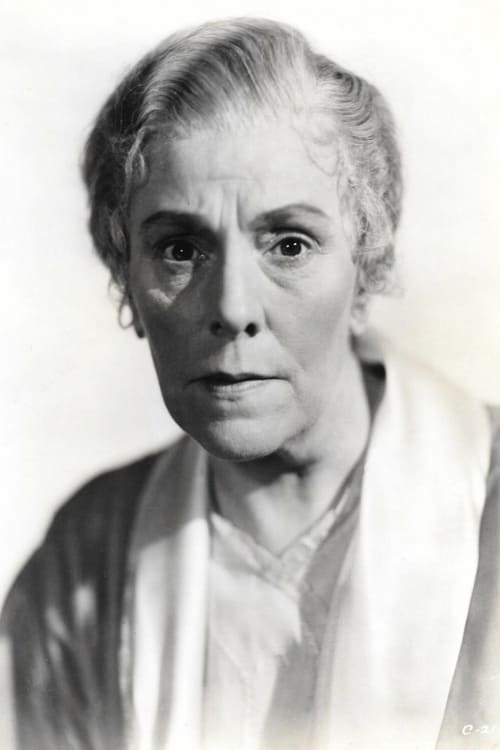
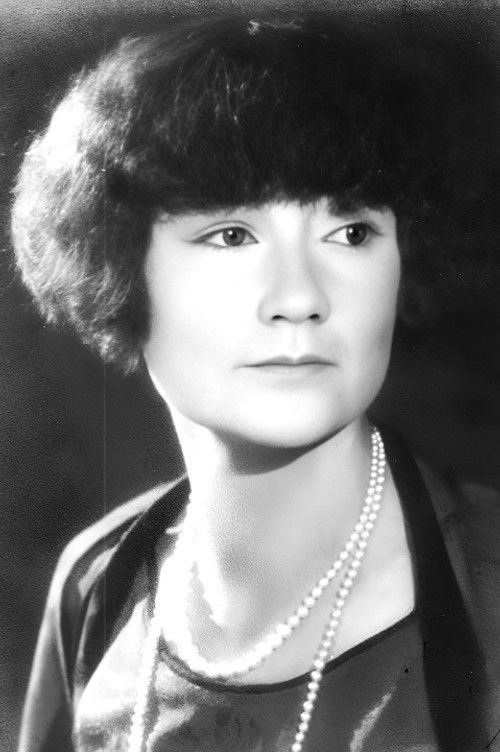
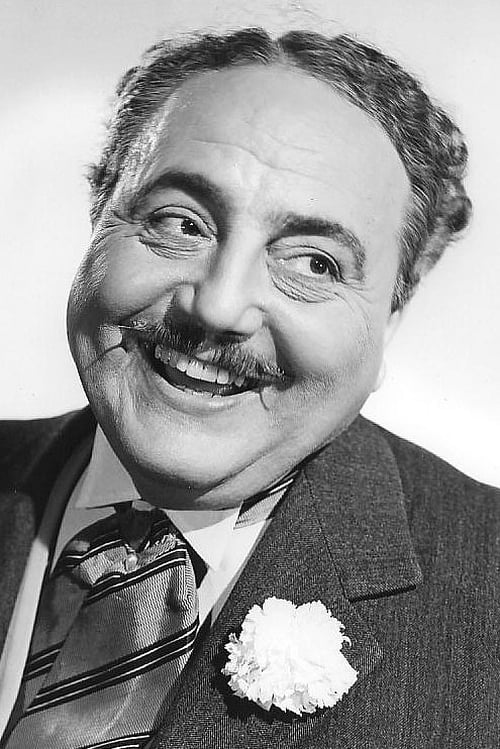
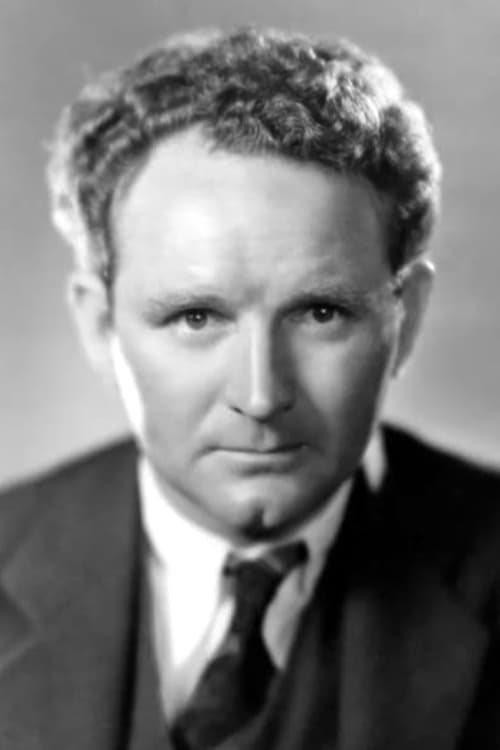
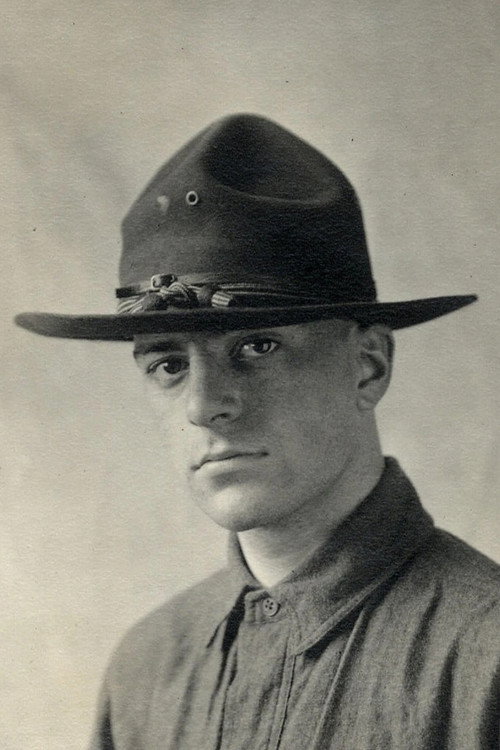
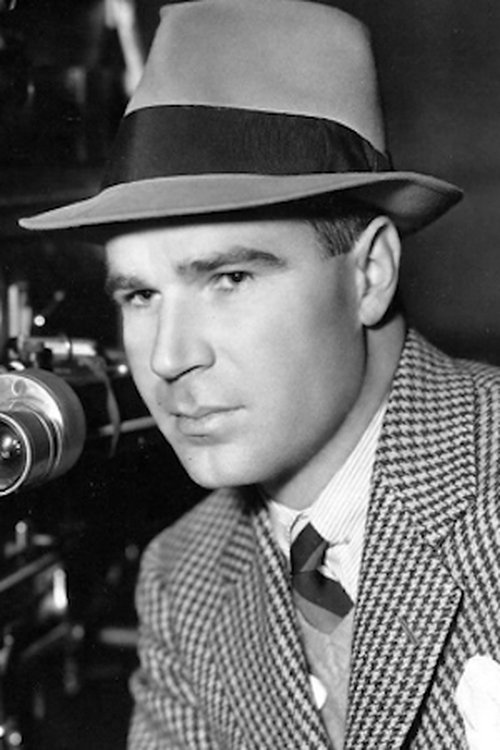
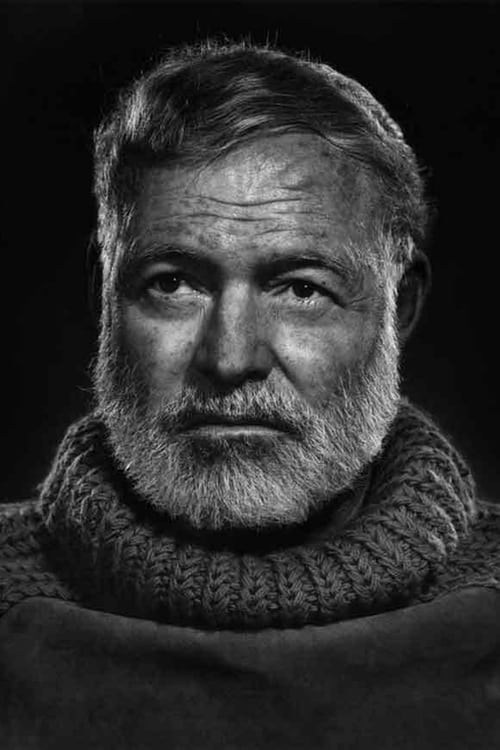
I apparently read Hemingway's book back in high school (well, as well as fifteen year old me could read a Hemingway book for class, which needless to say was not very successfully), but I at least have some frame of reference for the story and how different this adaptation is. This discrepancy can probably be boiled down to Hemingway's cynicism versuses Borzage's romanticism being very different perspectives even if the story is the roughly the same. Can't really dive in more, I should revisit the novel, but it's important to go into this film with that in mind. Cooper and Hayes are really good here, but the real star is Borzage's just going ham on the visuals. This is still the early sound era, and Borzage is doing so many interesting things with the camera and visually that really makes this stand out. This style along with the more melodramatic approach (the final scene is literally scored to Wagner's Liebestod from Tristan und Isolde, this is not a cynical soul shattering tone, this is a weepy), firmly sets this apart from the novel.
I apparently read Hemingway's book back in high school (well, as well as fifteen year old me could read a Hemingway book for class, which needless to say was not very successfully), but I at least have some frame of reference for the story and how different this adaptation is. This discrepancy can probably be boiled down to Hemingway's cynicism versuses Borzage's romanticism being very different perspectives even if the story is the roughly the same. Can't really dive in more, I should revisit the novel, but it's important to go into this film with that in mind. Cooper and Hayes are really good here, but the real star is Borzage's just going ham on the visuals. This is still the early sound era, and Borzage is doing so many interesting things with the camera and visually that really makes this stand out. This style along with the more melodramatic approach (the final scene is literally scored to Wagner's Liebestod from Tristan und Isolde, this is not a cynical soul shattering tone, this is a weepy), firmly sets this apart from the novel.