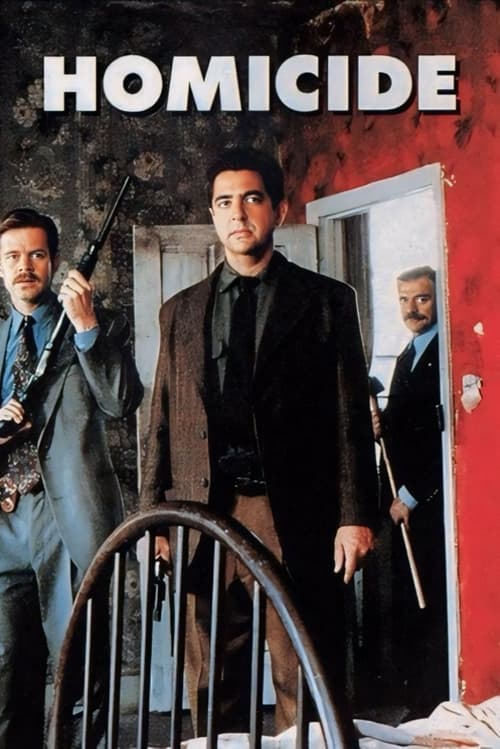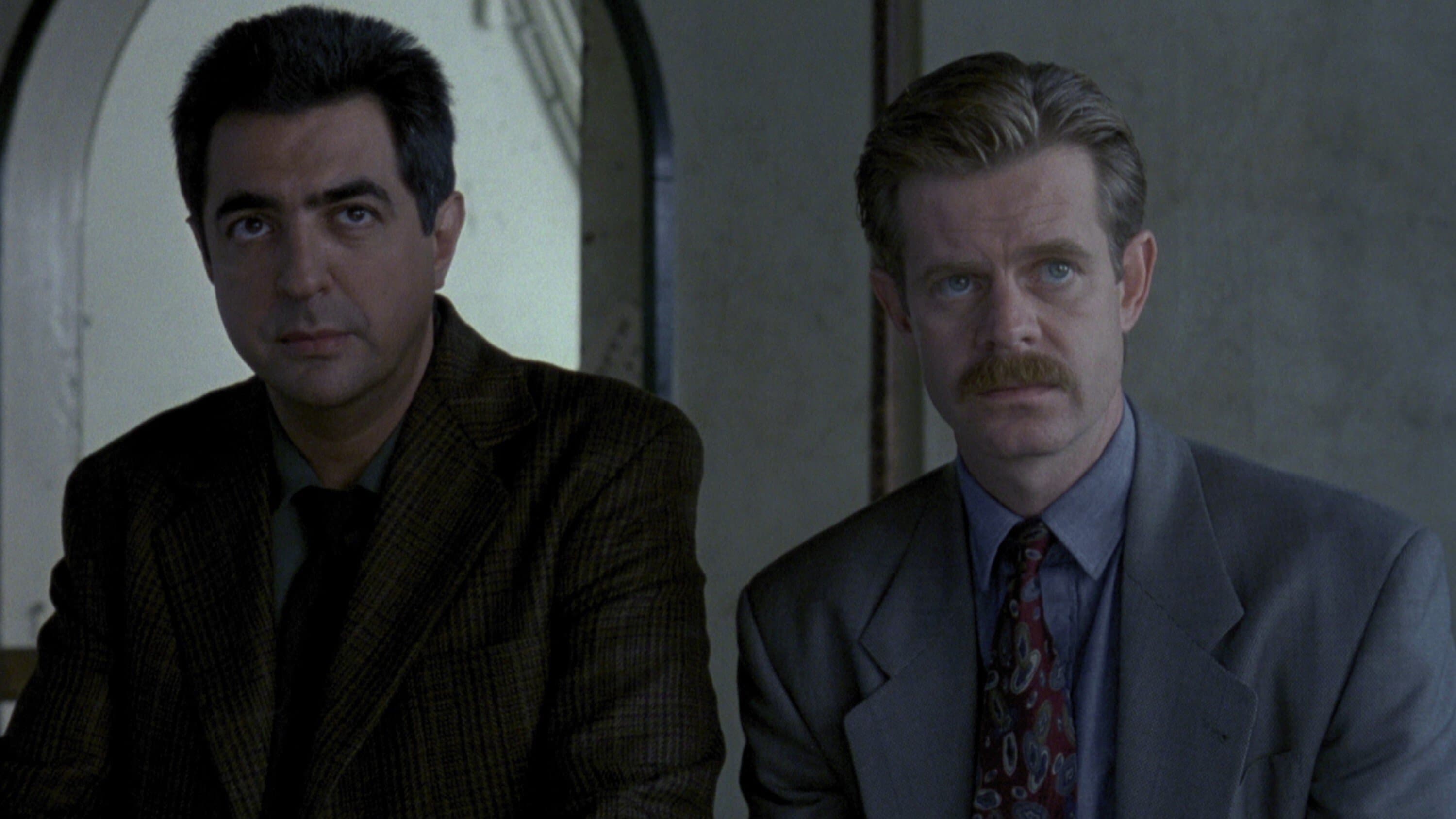


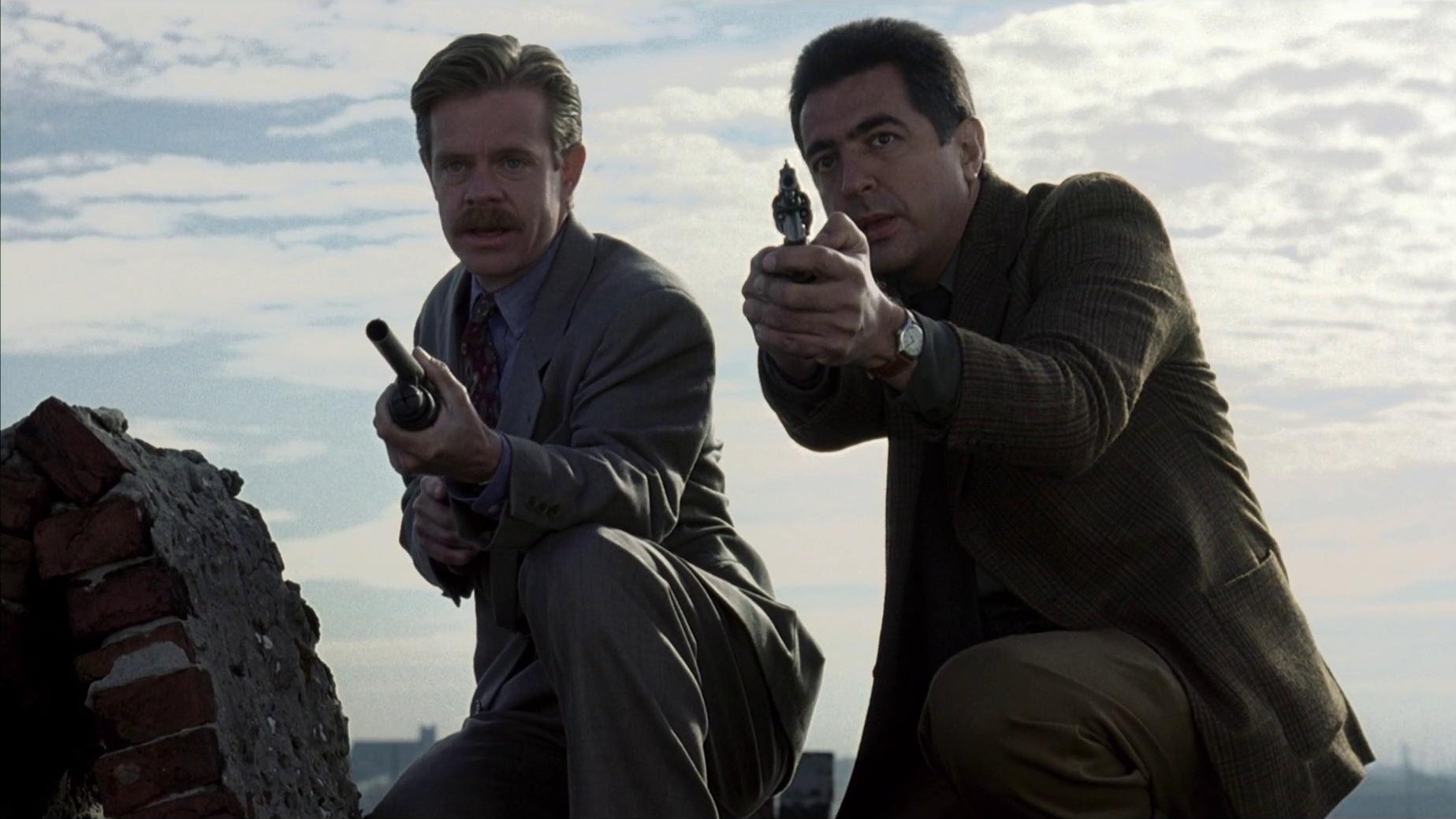
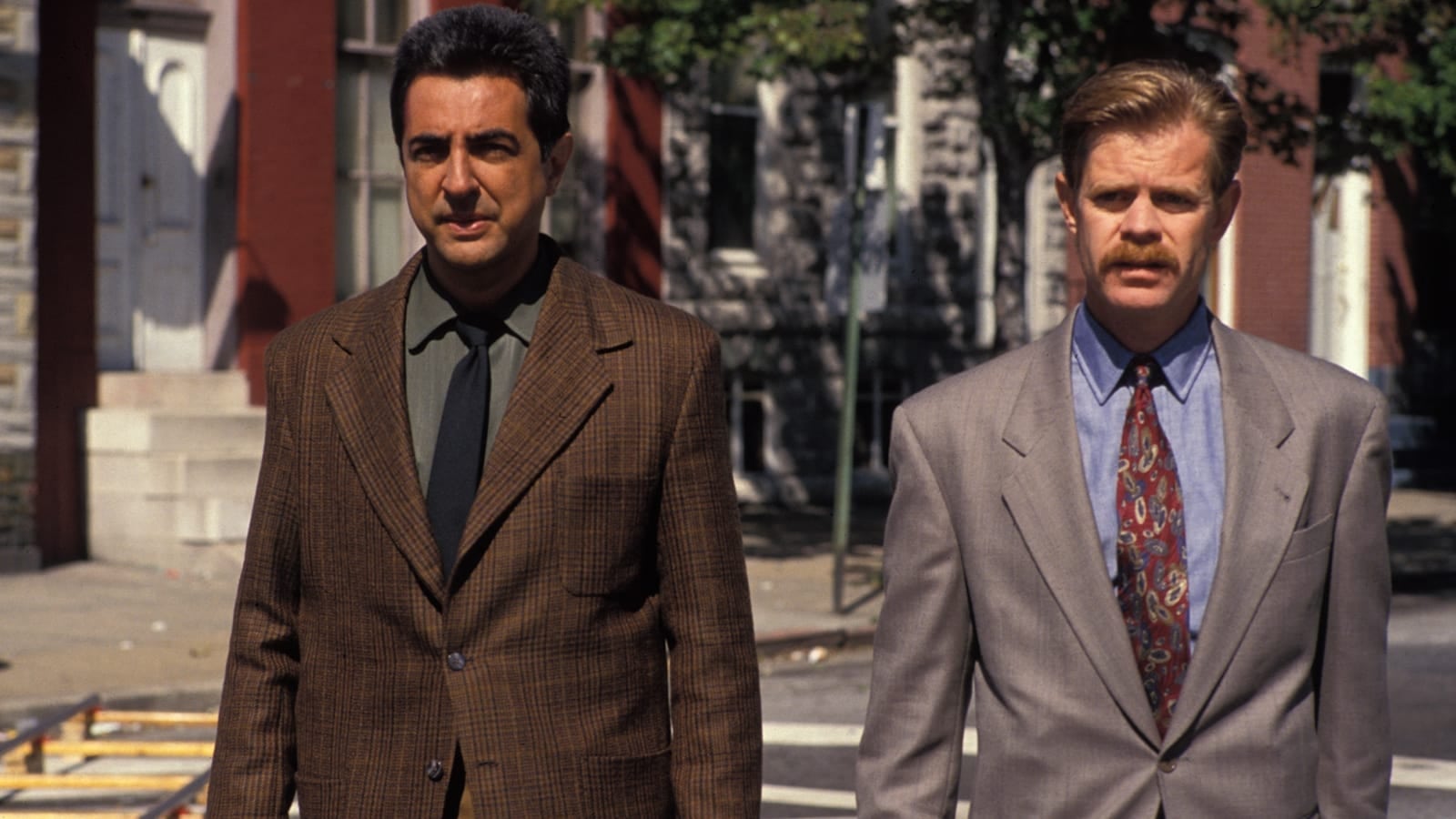

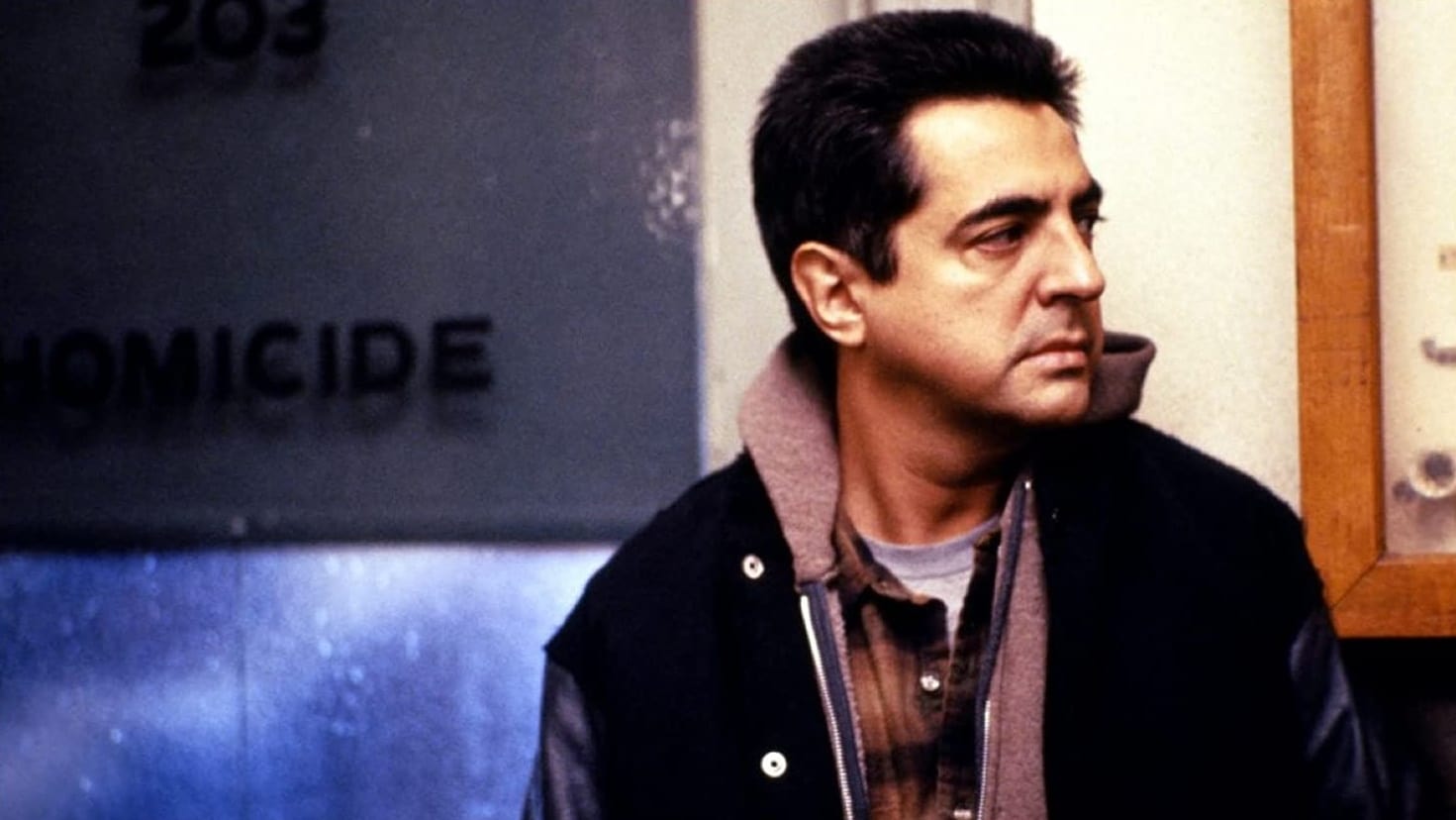
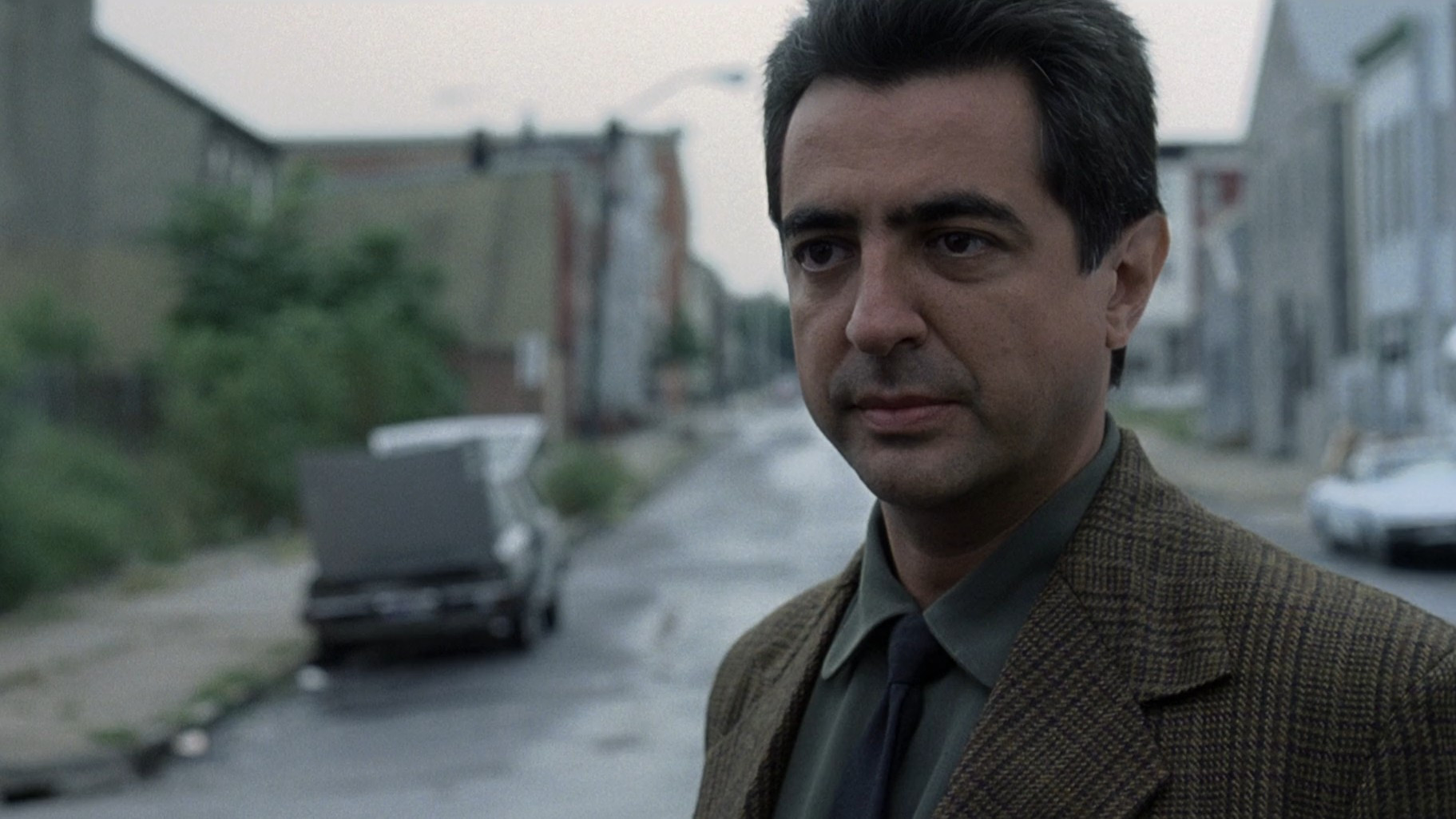
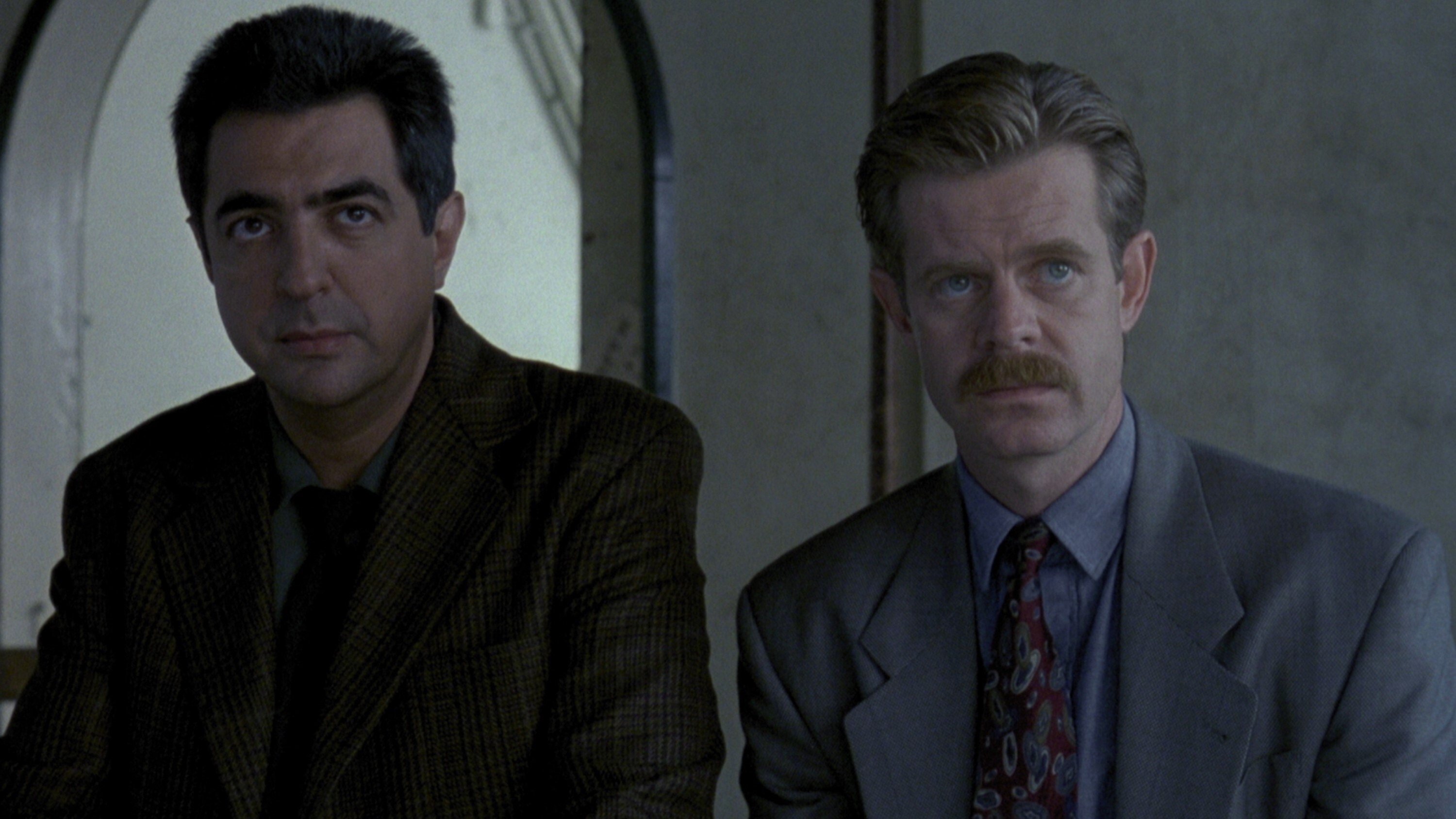
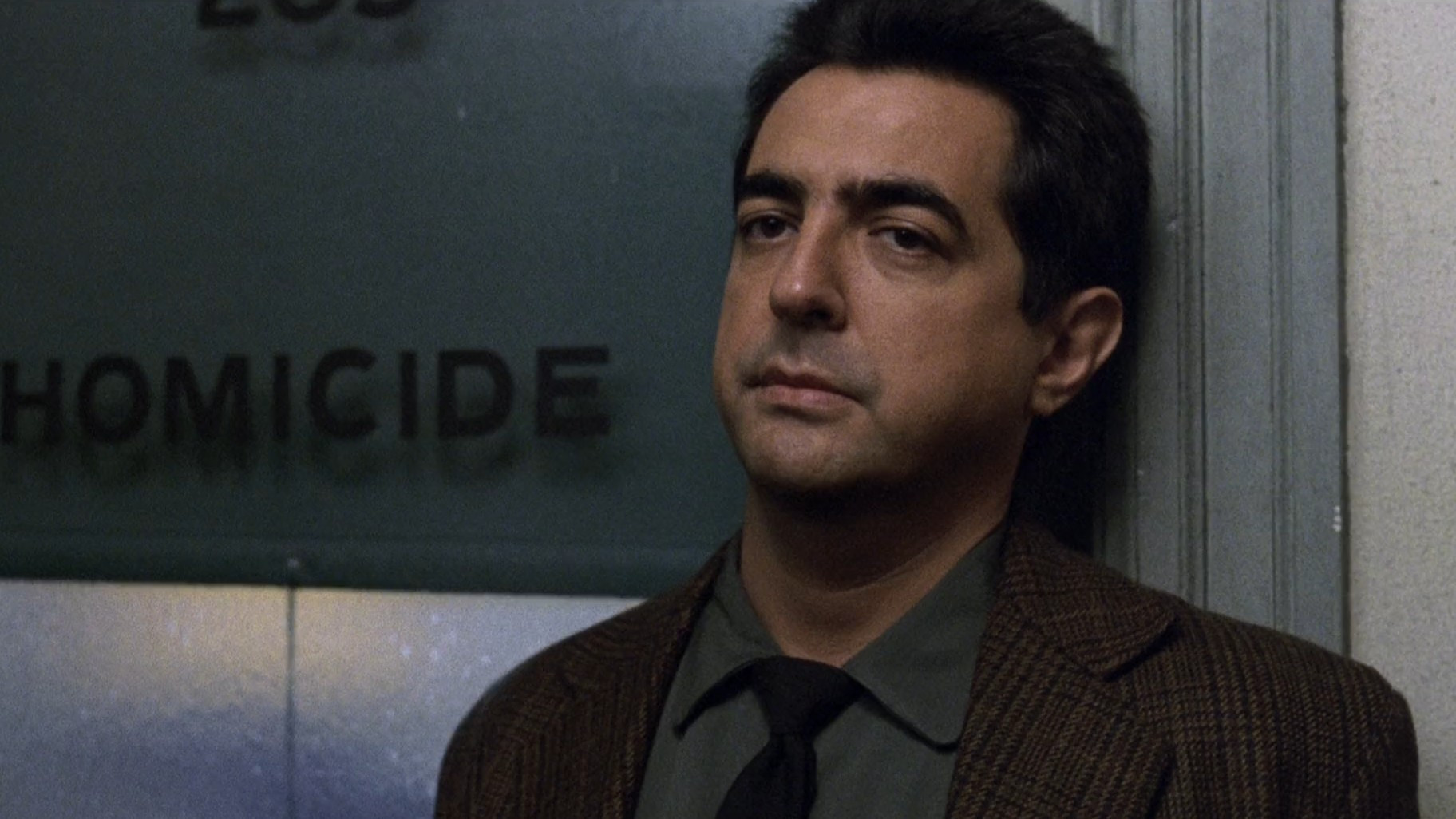
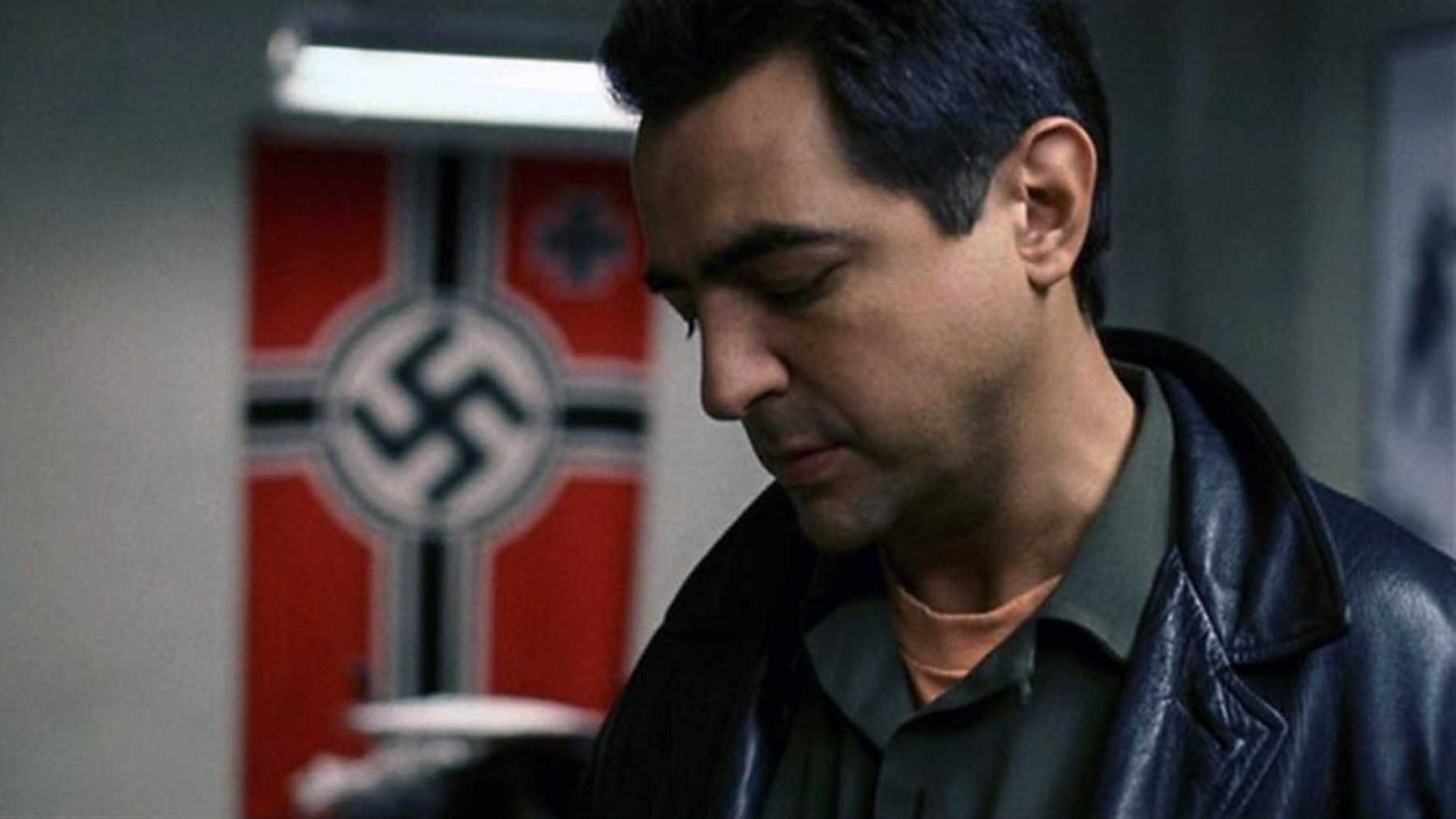
This is my second dive into the creative partnership between David Mamet and Joe Mantegna, having previously watched HOUSE OF GAMES and found it incredibly enjoyable. While HOMICIDE initially presents itself as a straightforward neo-noir thriller, it quickly unfolds into something stranger and perhaps more compelling. Also, Roger Deakin’s cinematography here is wondorous.
At its core, the film pushes beyond the familiar tropes of the genre, not just exploring a detective’s sense of duty, but pulling at the deeply conflicted threads of cultural identity. Mantegna’s character, Detective Bobby Gold, finds himself torn between his role as a cop and a profound, often uncomfortable connection to his Jewish heritage – a theme that feels surprisingly bold, even subversive, given current political sensitivities.
The film’s exploration of an Israeli/Zionist cabal is especially provocative, touching on ideas that seem almost unthinkable in today’s climate, where such narratives are often met with intense scrutiny. In this sense, HOMICIDE feels like a relic from a time when filmmakers were willing to provoke without the immediate echo of backlash, creating a space for more challenging, complex storytelling.
In the end, Mantegna’s character is pulled in two directions, caught between the institutional weight of his badge and the cultural ties he can neither fully embrace nor entirely reject. This tension leaves the film with a haunting, unresolved quality that lingers long after the credits roll – an ambitious, if not entirely comfortable, meditation on identity, loyalty, and belonging.
This is my second dive into the creative partnership between David Mamet and Joe Mantegna, having previously watched HOUSE OF GAMES and found it incredibly enjoyable. While HOMICIDE initially presents itself as a straightforward neo-noir thriller, it quickly unfolds into something stranger and perhaps more compelling. Also, Roger Deakin’s cinematography here is wondorous.
At its core, the film pushes beyond the familiar tropes of the genre, not just exploring a detective’s sense of duty, but pulling at the deeply conflicted threads of cultural identity. Mantegna’s character, Detective Bobby Gold, finds himself torn between his role as a cop and a profound, often uncomfortable connection to his Jewish heritage – a theme that feels surprisingly bold, even subversive, given current political sensitivities.
The film’s exploration of an Israeli/Zionist cabal is especially provocative, touching on ideas that seem almost unthinkable in today’s climate, where such narratives are often met with intense scrutiny. In this sense, HOMICIDE feels like a relic from a time when filmmakers were willing to provoke without the immediate echo of backlash, creating a space for more challenging, complex storytelling.
In the end, Mantegna’s character is pulled in two directions, caught between the institutional weight of his badge and the cultural ties he can neither fully embrace nor entirely reject. This tension leaves the film with a haunting, unresolved quality that lingers long after the credits roll – an ambitious, if not entirely comfortable, meditation on identity, loyalty, and belonging.