

1966·Thriller·1h 45m
7.0
★
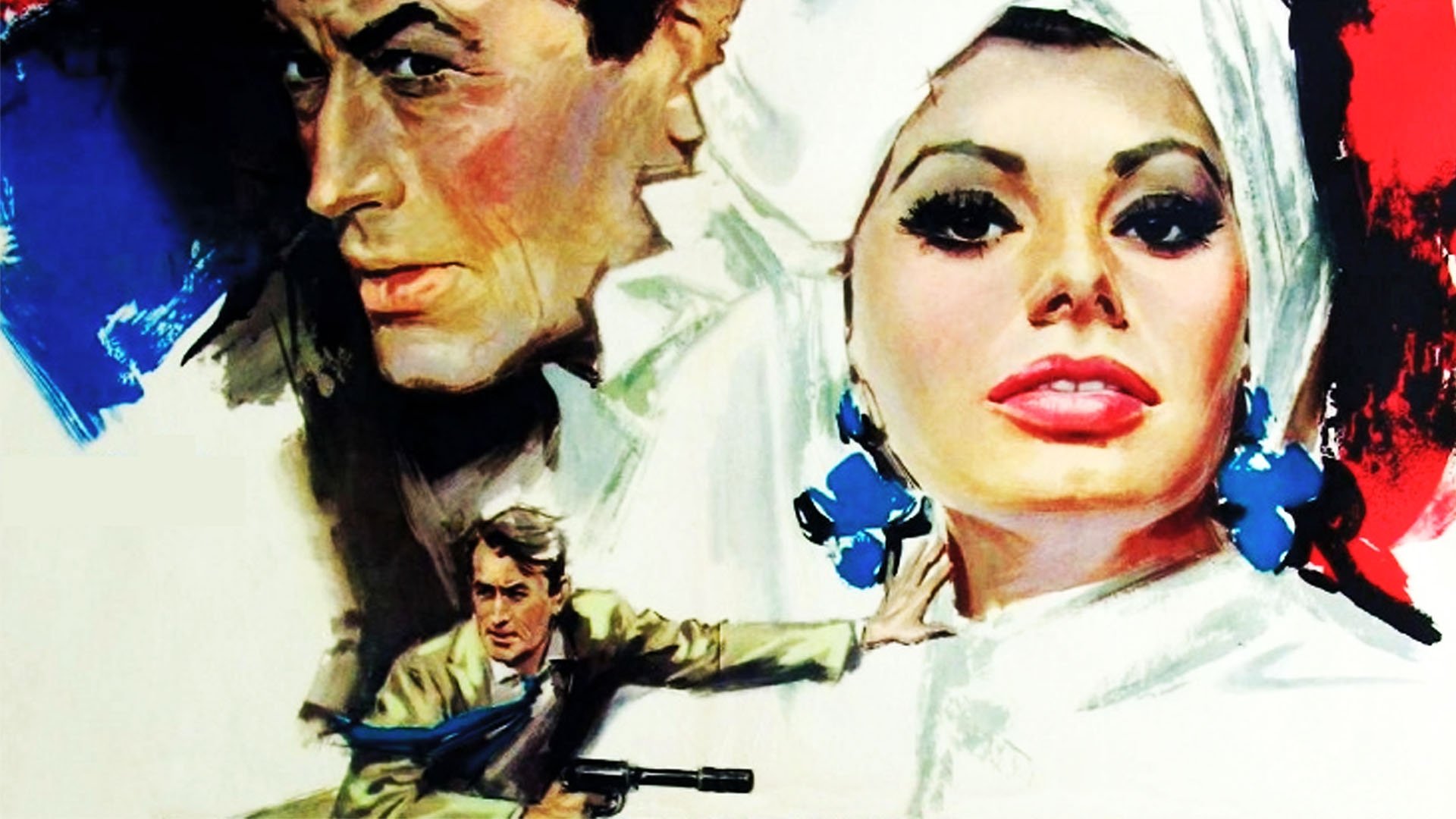
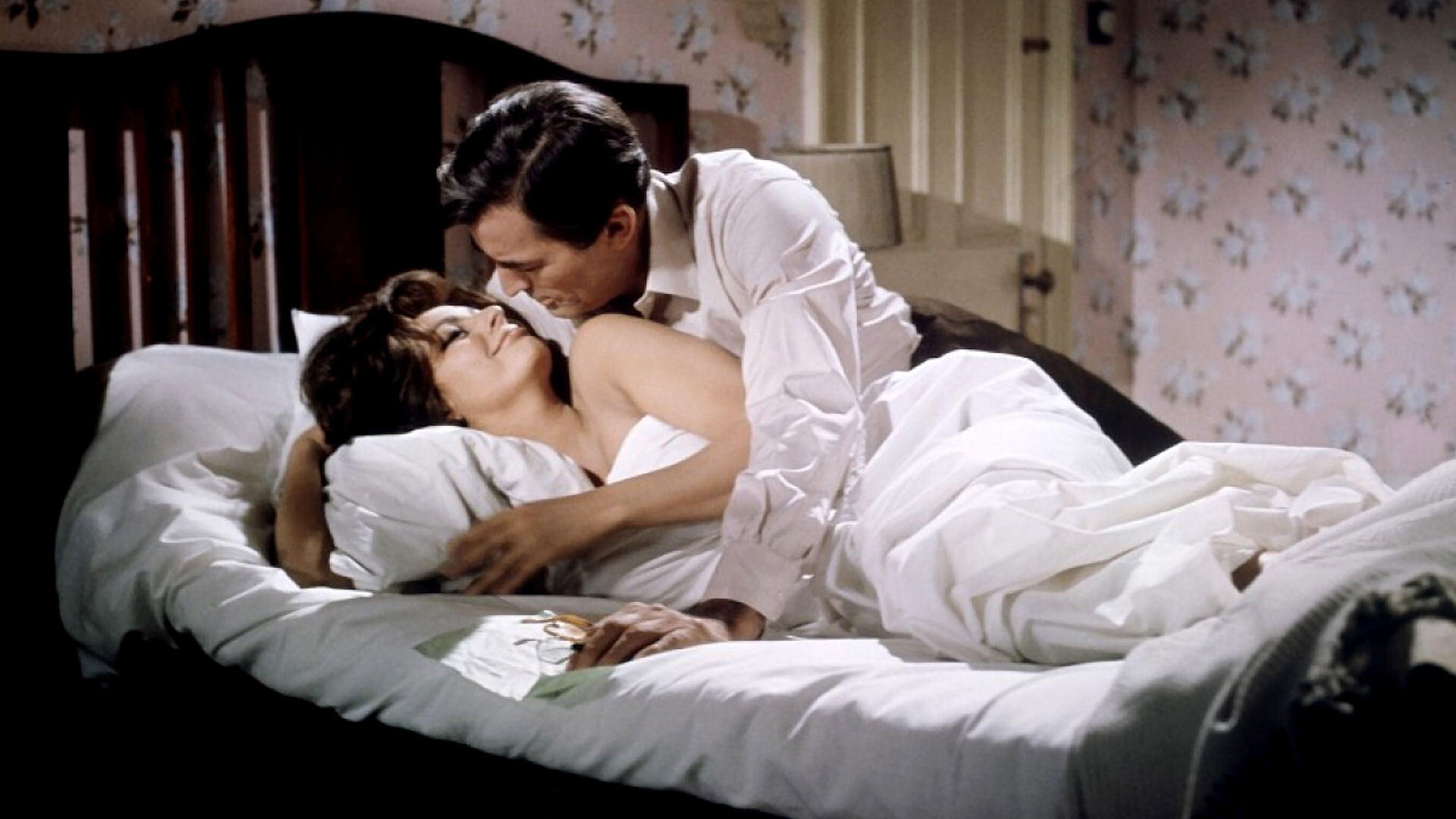
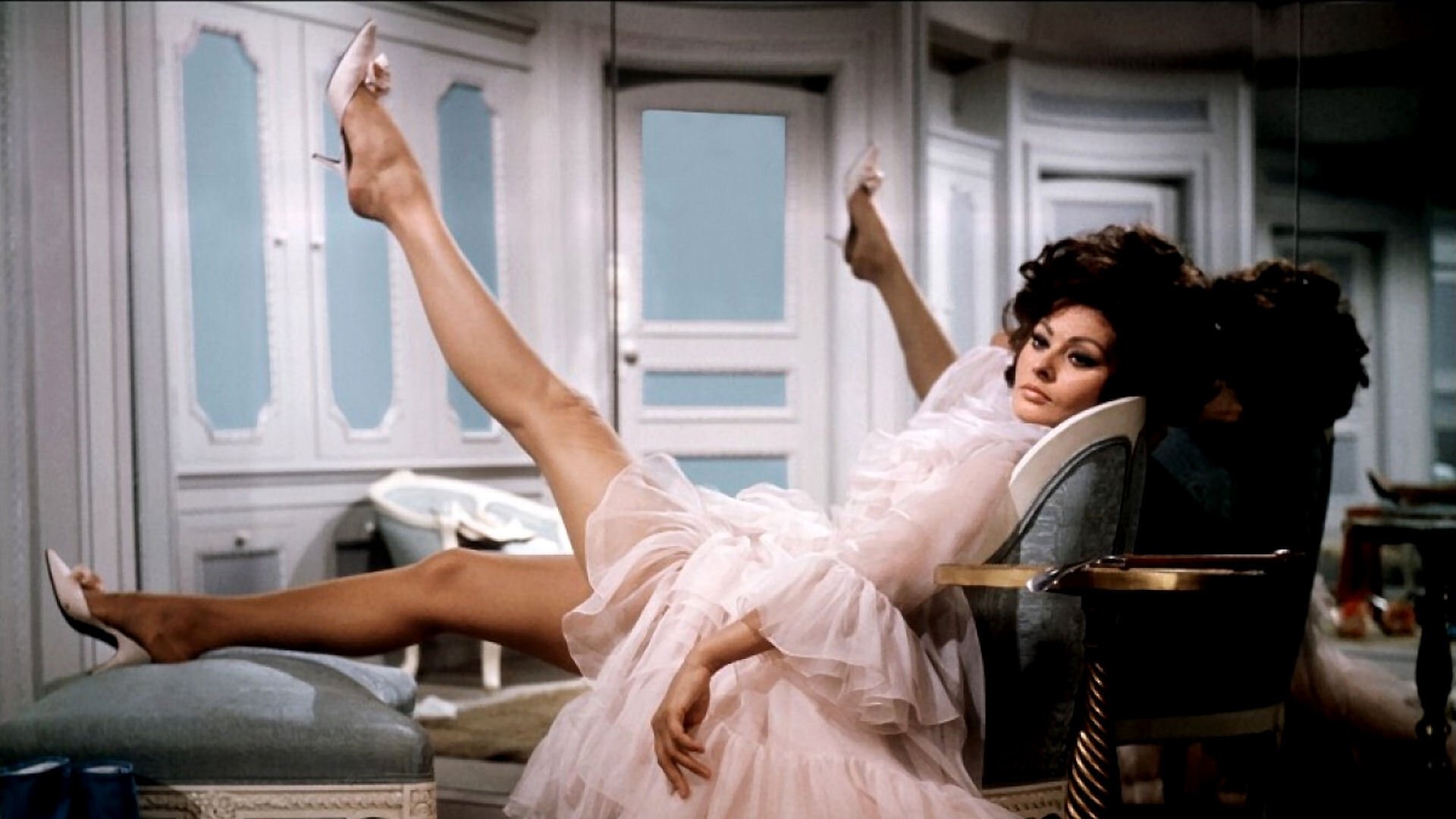
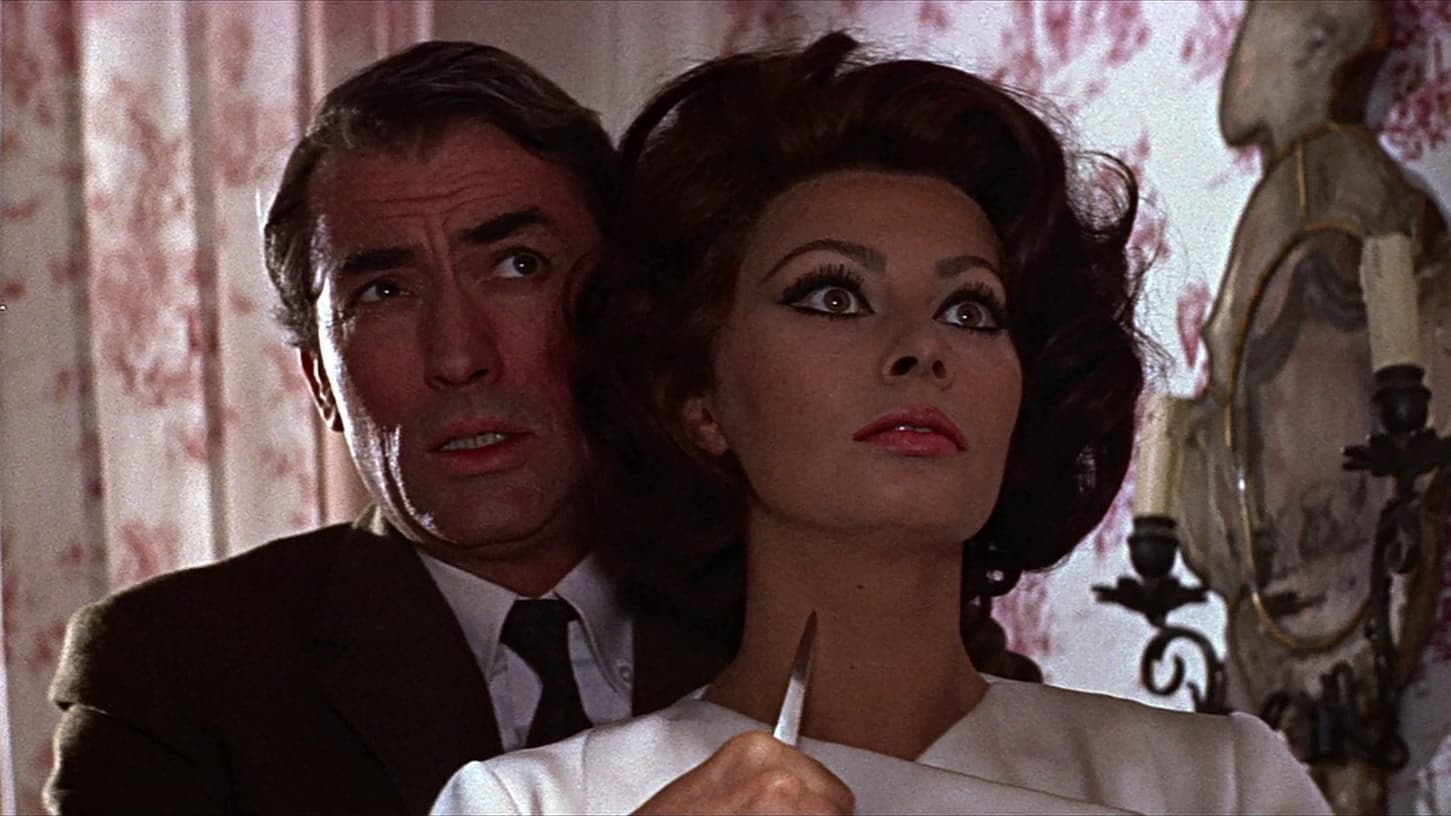

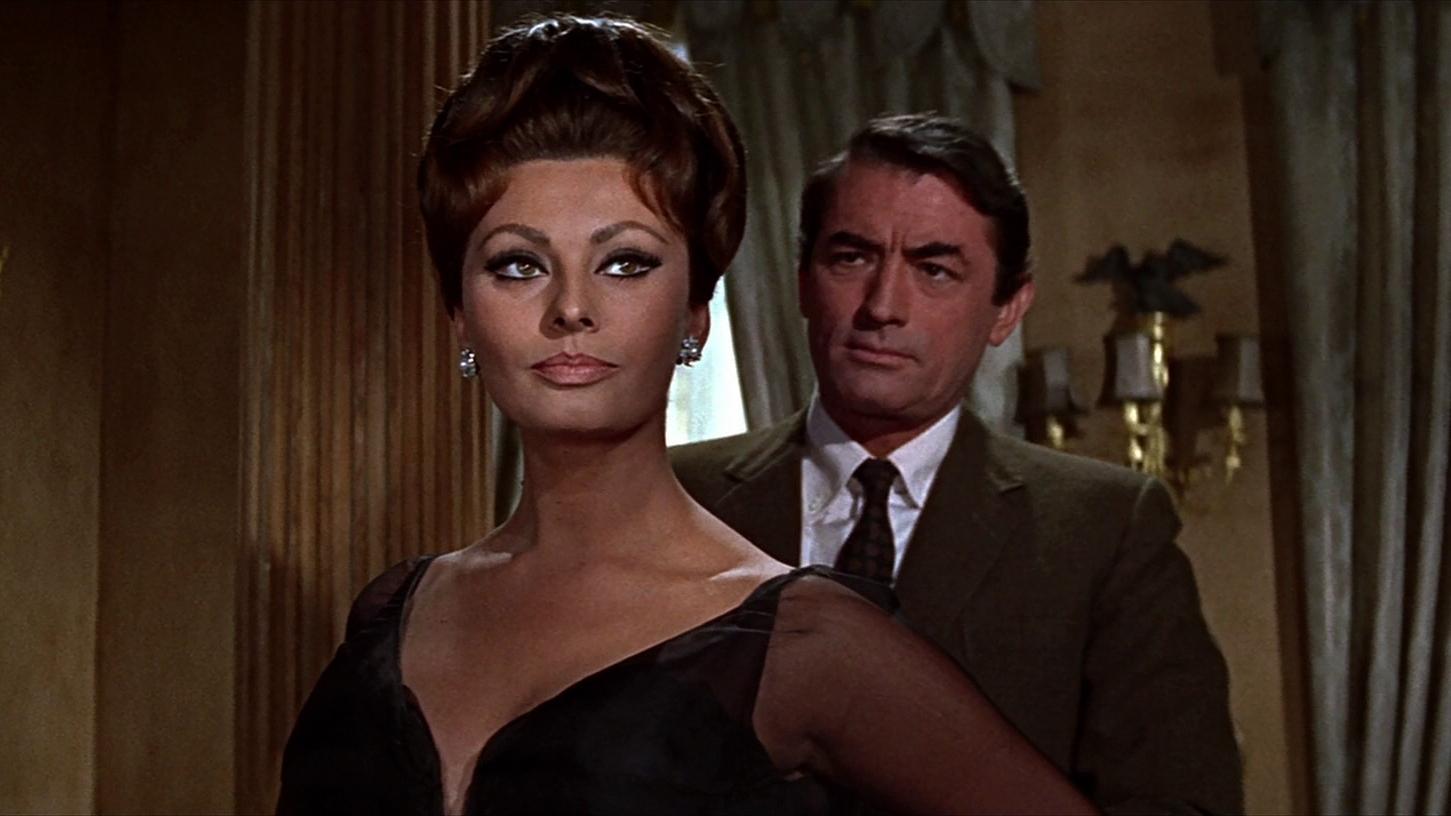
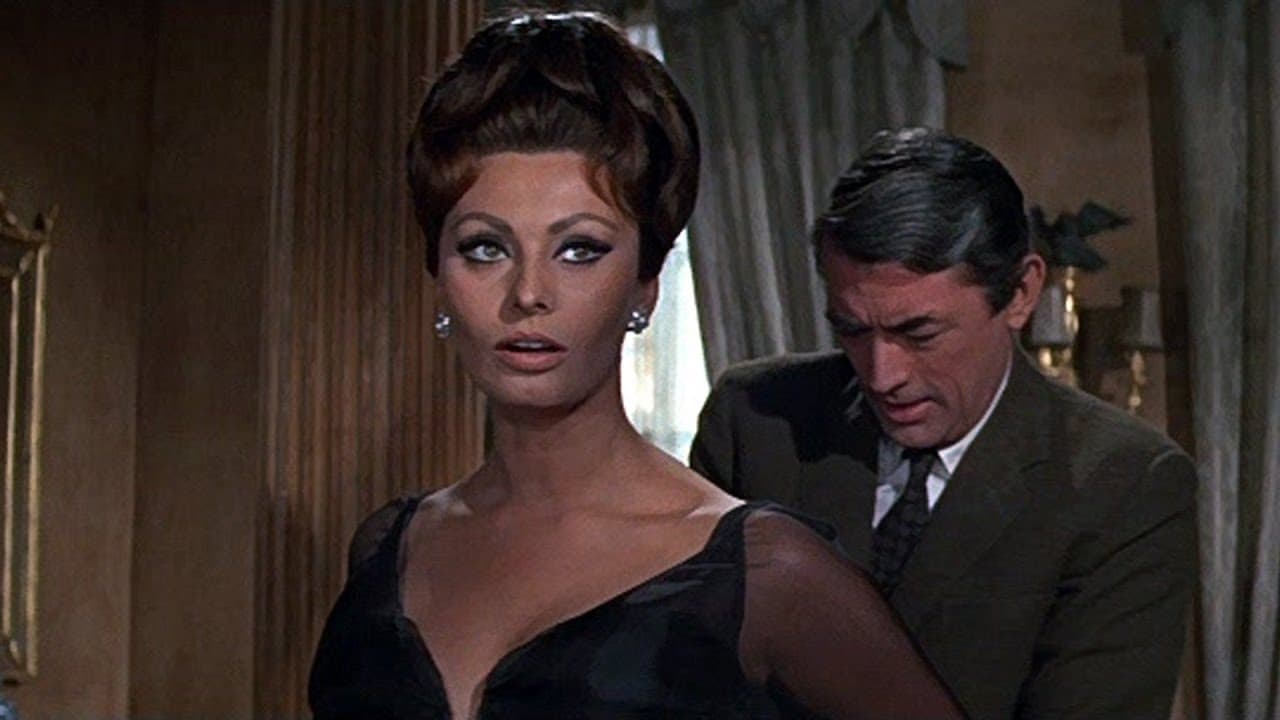

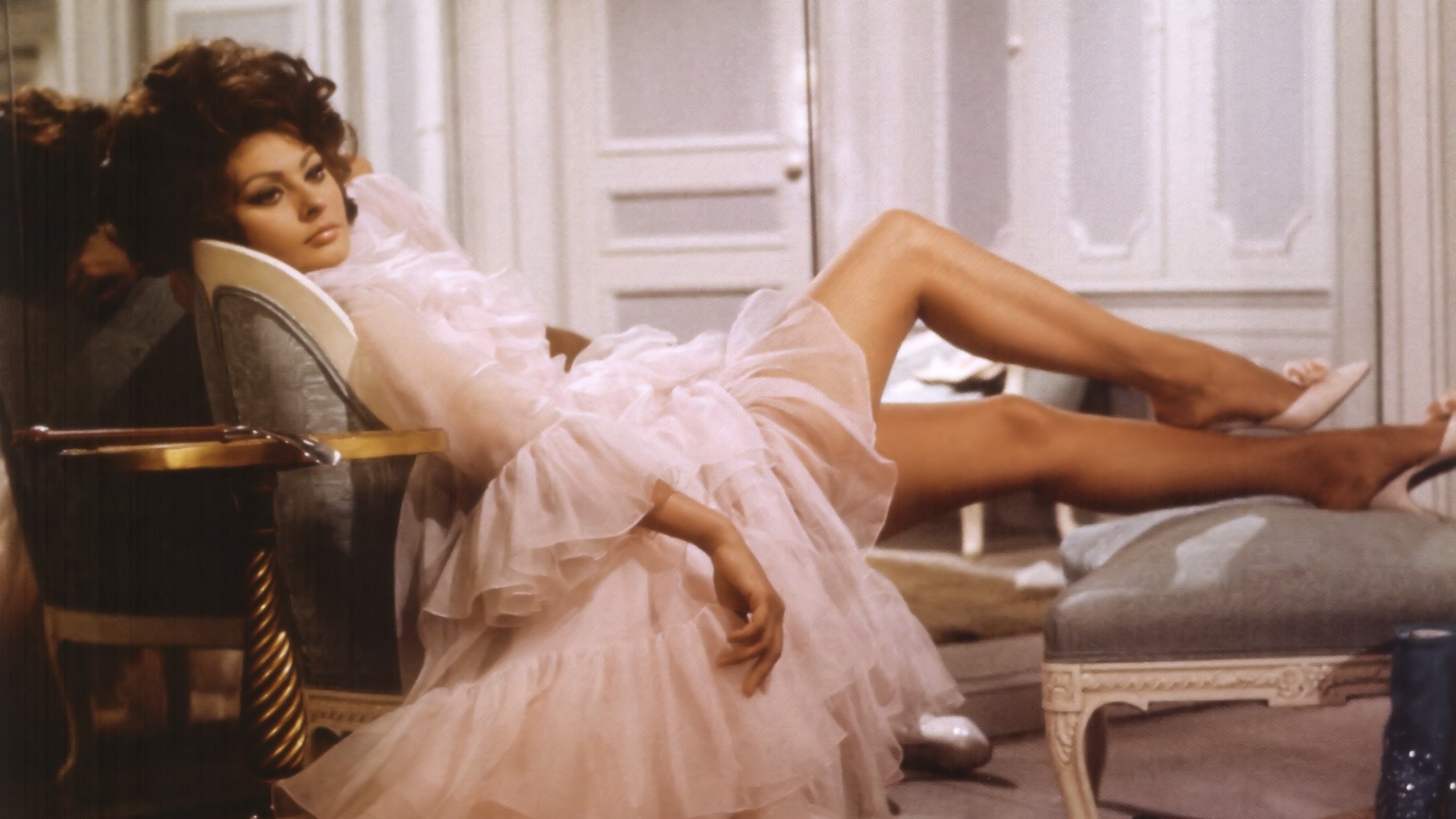

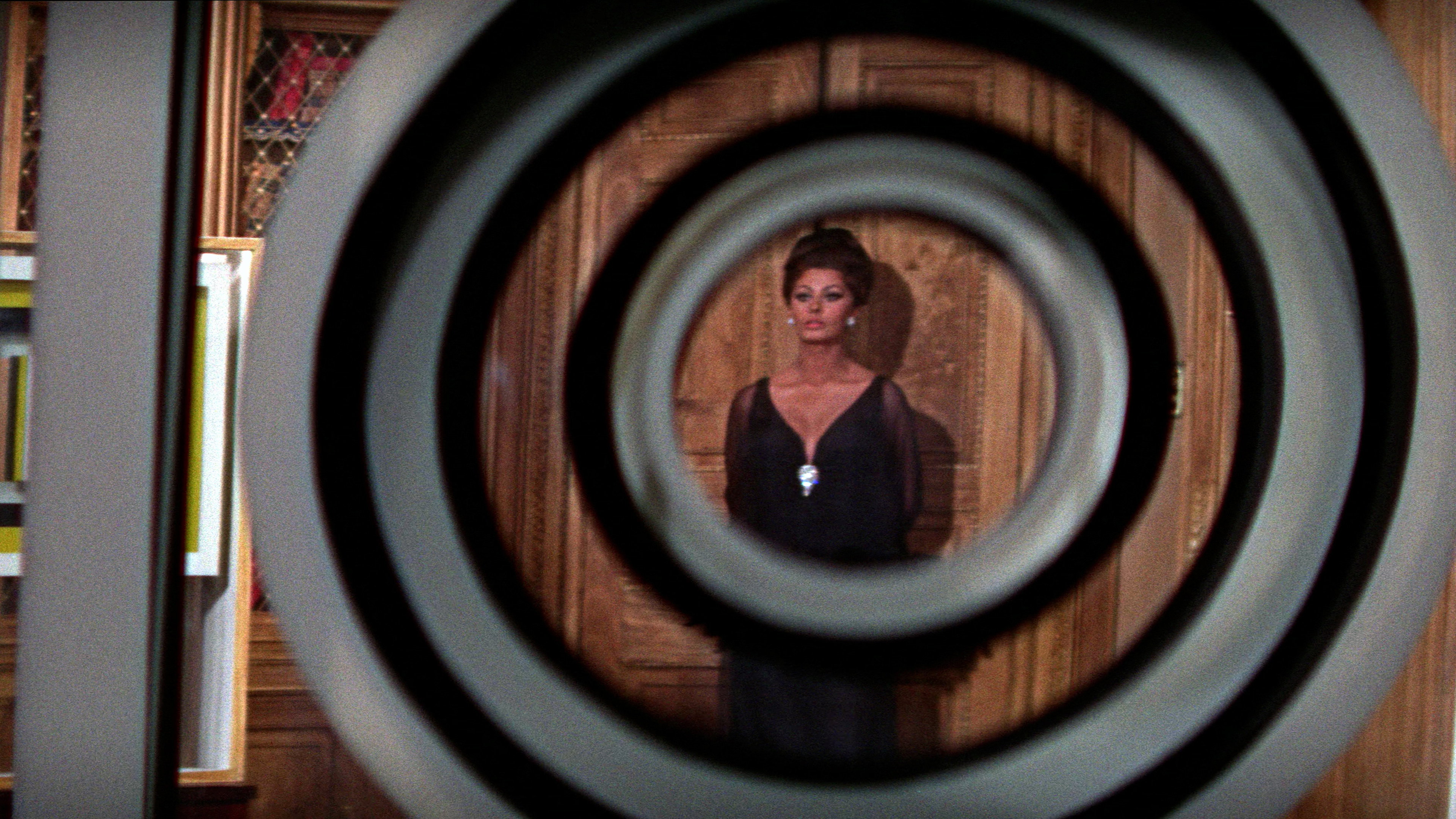
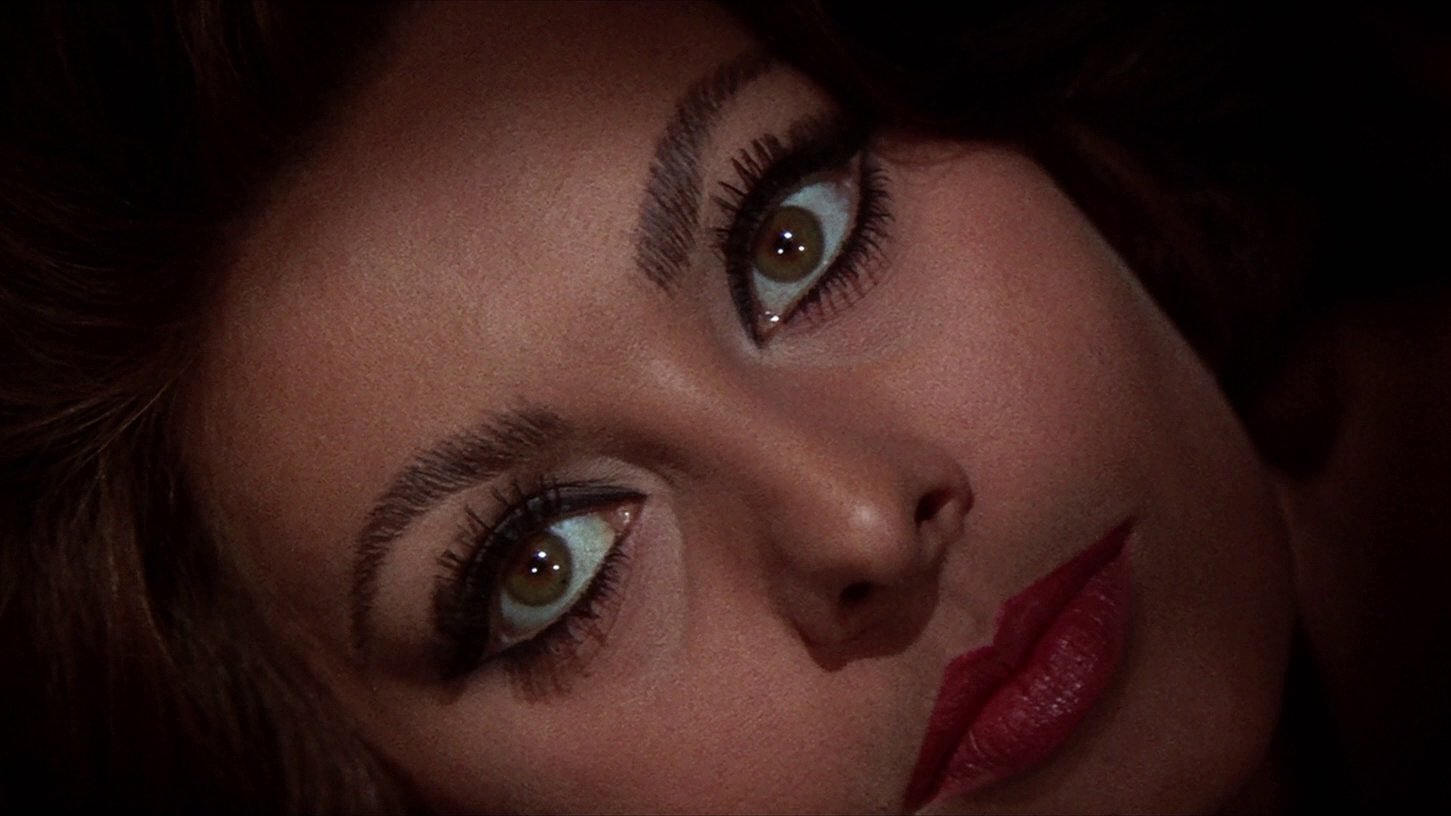
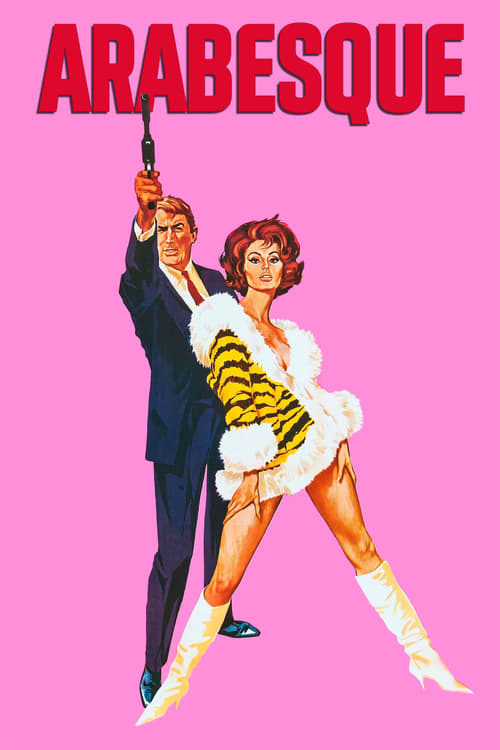
When a plot against a prominent Middle Eastern politician is uncovered, David Pollock, a professor of ancient hieroglyphics at Oxford University, is recruited to help expose the scheme. Pollock must find information believed to be in hieroglyphic code and must also contend with a mysterious man called Beshraavi. Meanwhile, Beshraavi's lover, Yasmin Azir, seems willing to aid Pollock -- but is she really on his side?
Directed by Stanley Donen
london, england
spy
professor
body double
political assassination
political intrigue
hieroglyph
cipher
spy thriller
woman spy

Trailer

IMDB
N/A
Where to Watch



Cast
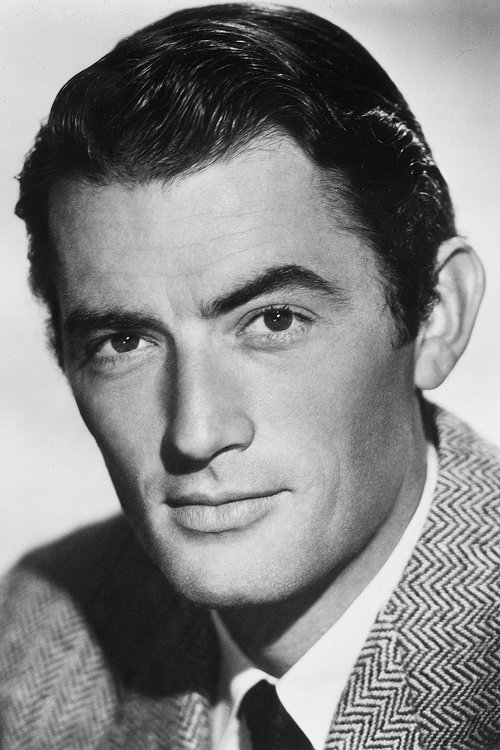
Gregory Peck
Prof. David Pollock
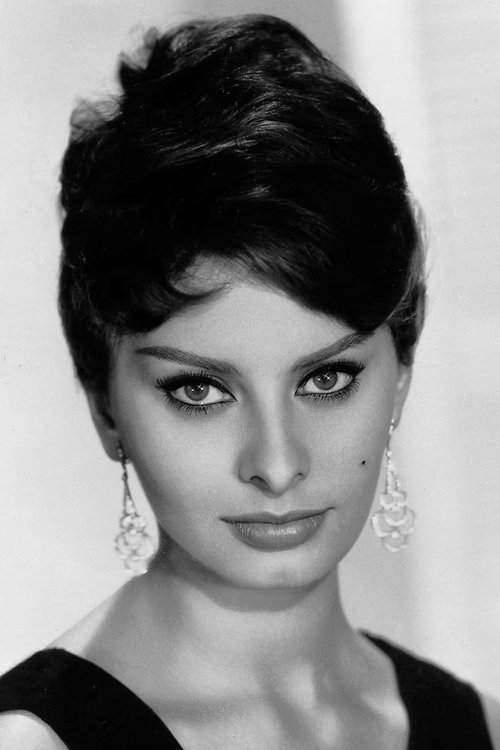
Sophia Loren
Yasmin Azir
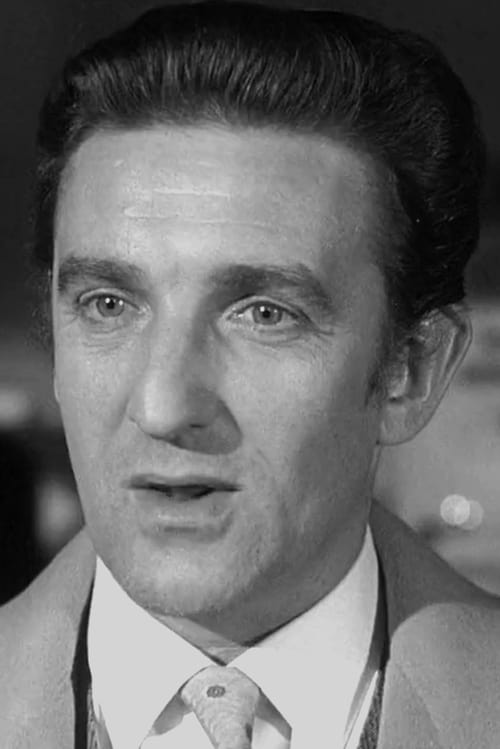
Alan Badel
Nejim Beshraavi
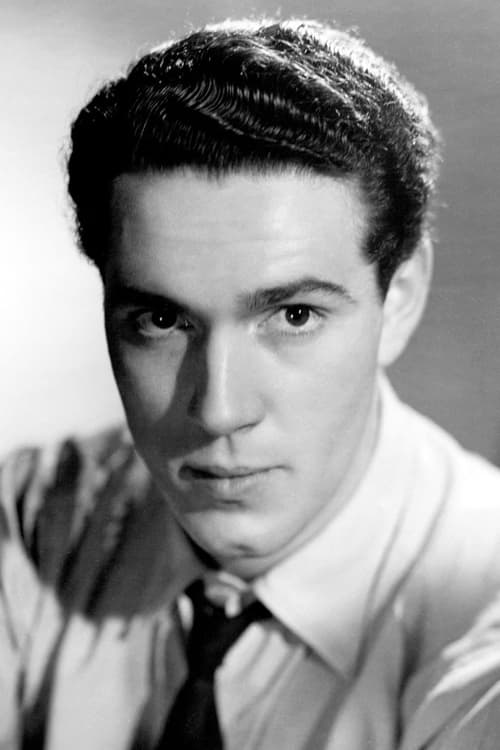
Kieron Moore
Yussef Kasim
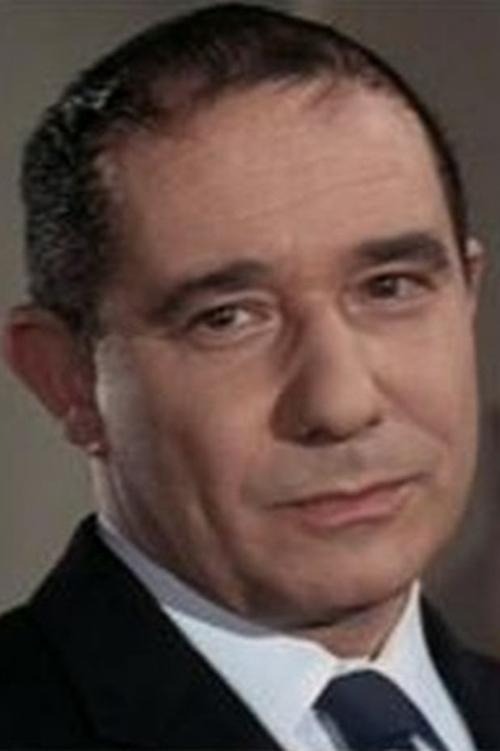
Carl Duering
Prime Minister Hassan Jena
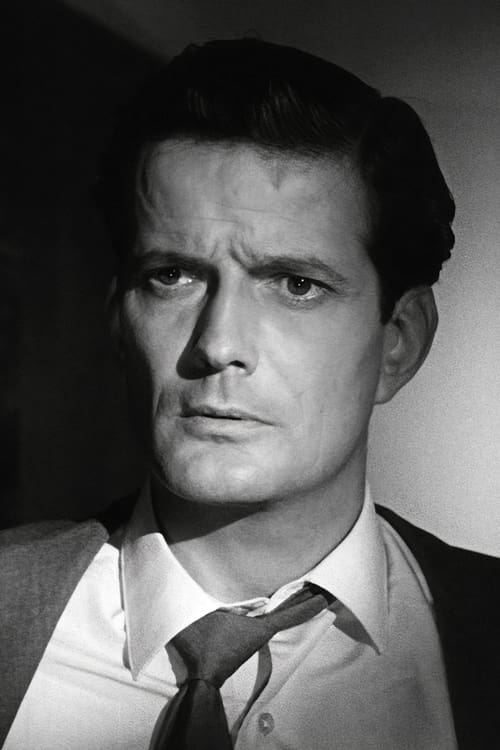
John Merivale
Maj. Sylvester Pennington Sloane
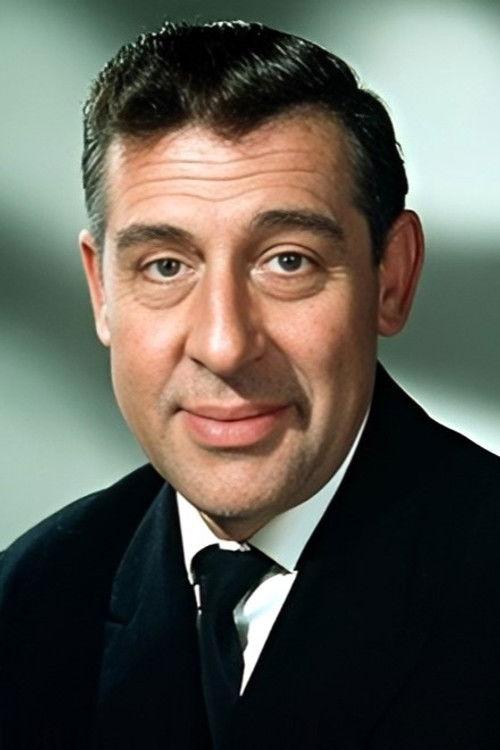
Duncan Lamont
Webster
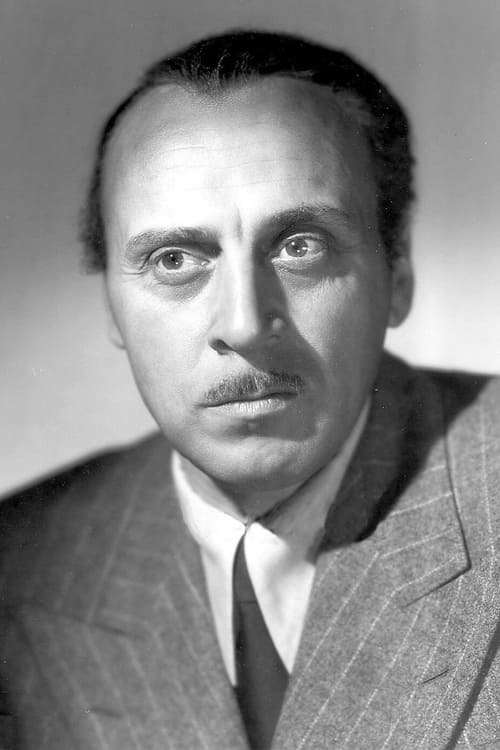
George Coulouris
Ragheeb
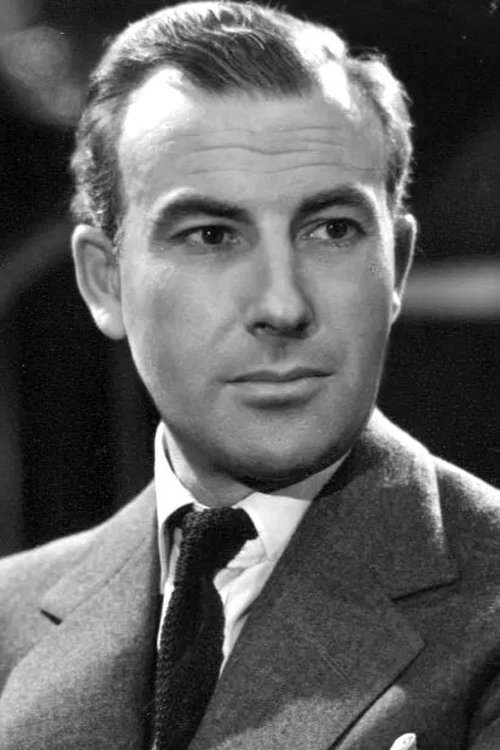
Ernest Clark
Beauchamp
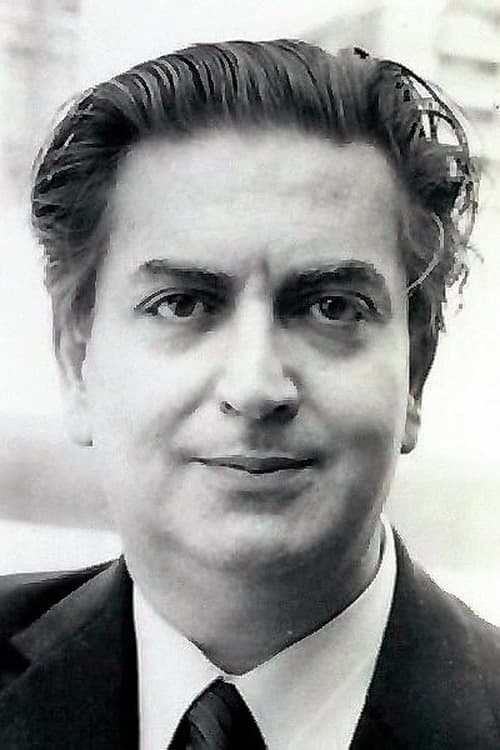
Harold Kasket
Mohammed Lufti
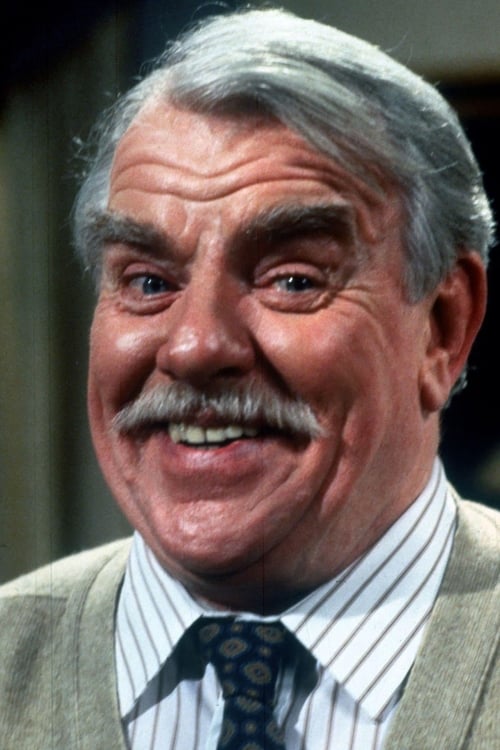
Windsor Davies
Policeman
Jimmy Gardner
Helmsley
Crew
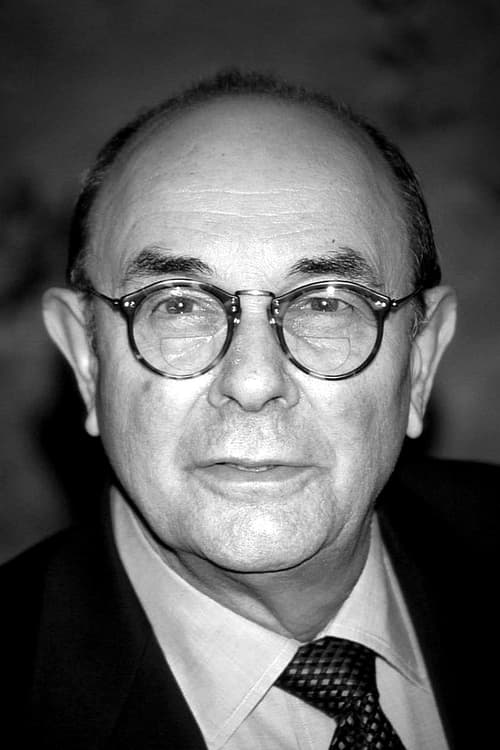
Stanley Donen
Director
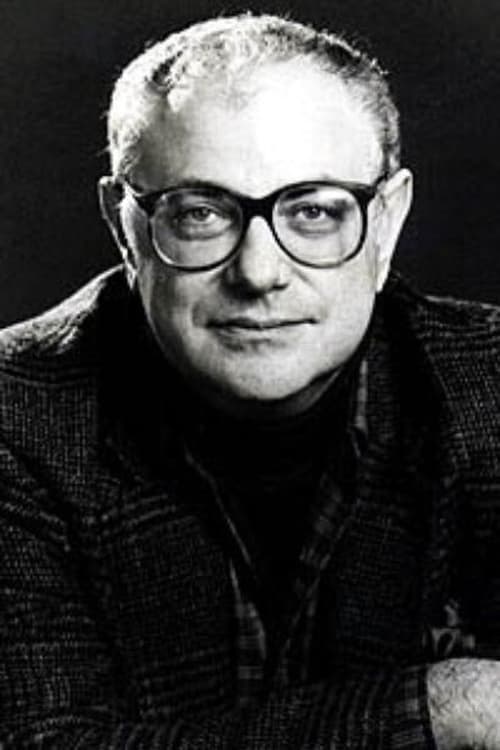
Peter Stone
Screenplay
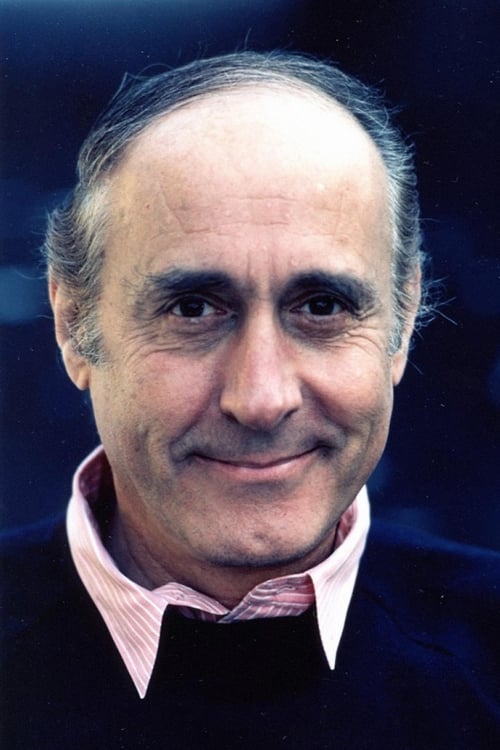
Henry Mancini
Original Music Composer
Stanley Donen
Producer
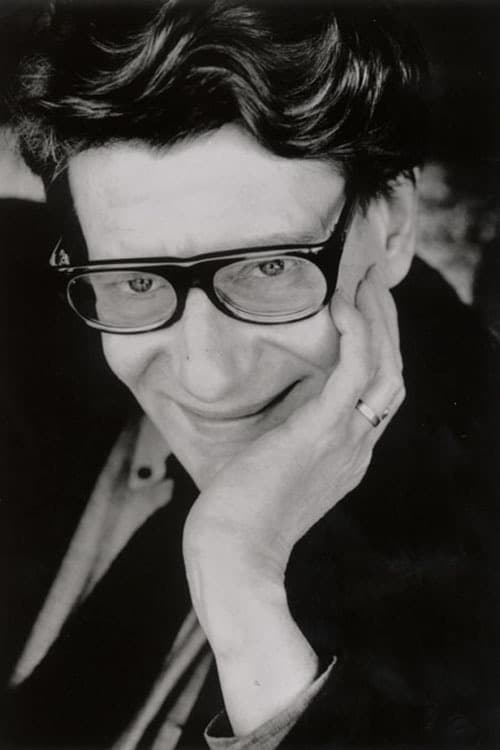
Yves Saint Laurent
Costume Design
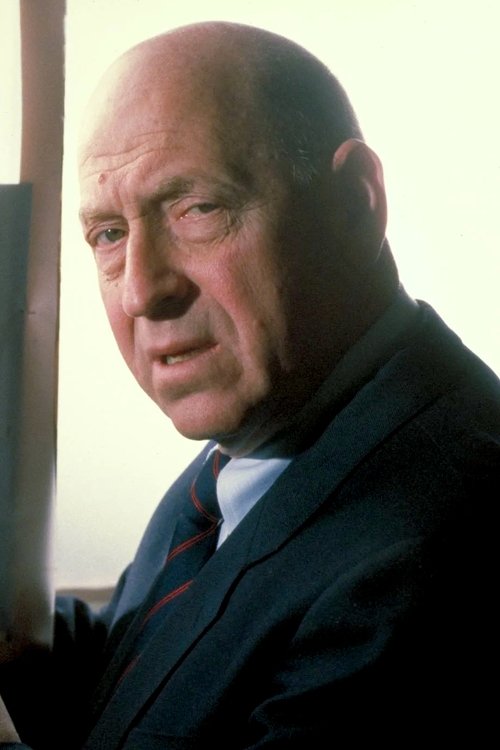
Maurice Binder
Title Designer
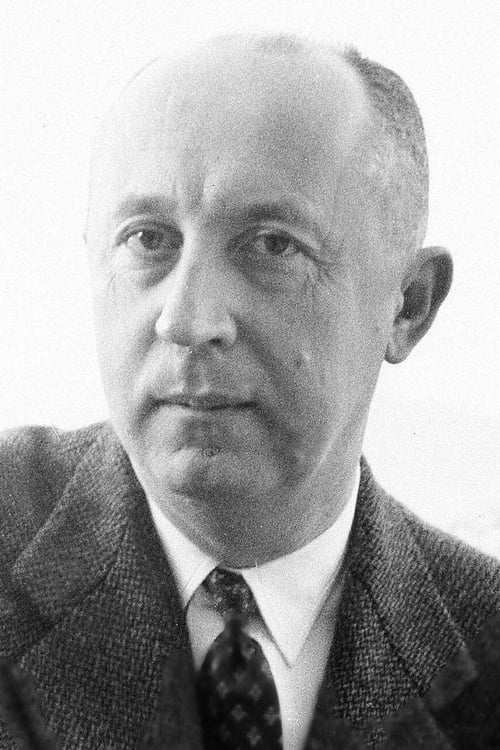
Christian Dior
Costume Design
Popular Reviews
42 reviews
Kamila Frąckiewicz
8.0★ · 05/12/26
Sophia Loren and Gregory Peck being called daddy - who could ask for more?
Sophia Loren and Gregory Peck being called daddy - who could ask for more?


sar
6.0★ · 04/09/26
stanley donen recycling Charade because he got another set of the most beautiful & talented duo honestly i get that
stanley donen recycling Charade because he got another set of the most beautiful & talented duo honestly i get that
Hendra Syahnanda
8.0★ · 02/06/26
"That man's about to be killed!"
"I hardly think so, sir. This is England."
"I hardly think so, sir. This is England."
"That man's about to be killed!"
"I hardly think so, sir. This is England."
"I hardly think so, sir. This is England."
Vivienne
4.0★ · 12/17/25
you still need me.
need you? lady, I can't live without you.
you still need me.
need you? lady, I can't live without you.
Joshua Timpko
7.0★ · 09/23/25
Let’s start with the positives, because there aren’t that many and I want to give them their moment in the sun. The real saving grace here is the cinematography. Honestly, it’s some of the most boldly expressive, vibrant, kaleidoscopic camerawork I’ve seen from a film in the ’60s. It’s got that big, juicy Technicolor look, but Donen and his cinematographer, Christopher Challis, use mirrors, prisms, and all sorts of visual tricks to give the whole movie a kind of voyeuristic, crystal-ball effect. Sometimes it feels like you’re watching the movie through a kaleidoscope, and it works surprisingly well to capture the chaos of the story.
The other highlight is Sophia Loren, who is, to put it mildly, Sophia Loren. She could be filmed reading the back of a cereal box and it would still be mesmerizing. Not the most academic take, but it’s the truth.
Now, the problems. On paper, this is trying to be a stylish spy caper in the vein of James Bond or Indiana Jones. In reality, it’s more of a confused mashup. Gregory Peck plays a professor who gets dragged into a government conspiracy involving ancient cuneiform, shadowy agents, and a very important piece of paper that everyone wants. Sounds fine, right? Except the way the film treats Peck’s character makes no sense.
He’s supposed to be an ordinary man thrust into extraordinary circumstances, but instead he comes off way too suave, too unbothered, and too Gregory Peck. Then, in the very next scene, he’s stumbling around like a bumbling sitcom dad who accidentally wandered onto a spy set. It’s like the film can’t decide whether he’s James Bond or Inspector Clouseau. Personally, I think Peck was just miscast. If they’d leaned fully into the “ultra-suave academic who secretly kicks ass,” maybe it could’ve worked. Or if they’d gone the other way and cast someone like Dick Van Dyke and made it a straight-up comedy of errors, that could’ve worked too. But trying to have it both ways leaves us with a hero who’s somehow both implausibly smooth and implausibly clumsy.
Then there’s the plot, which is less “intricate espionage thriller” and more “convoluted tangle of betrayals, double agents, surprise fathers, and characters who show up for five minutes only to suddenly be Very Important.” It’s not so much suspenseful as it is exhausting. The dialogue doesn’t help — veering between opaque exposition and corny one-liners that are supposed to be quippy but land more like dad jokes.
And while we’re on uncomfortable subjects: this movie has a lot of white actors in brownface playing Arab characters, which is… uhhh, not great.
Took me an embarrassingly long time to realize Sophia Loren is meant to be playing an Arab woman. Just a baffling choice, even for 1966. Sure, you can say “product of its time,” but that doesn’t make it any less awkward to watch now.
To give credit where it’s due, the last 20 minutes are legitimately fun. There’s a solid chase sequence involving Peck and Loren being hunted by a helicopter while on horseback. It’s absurd, but it actually works.
Unfortunately, the film then wraps up with an abrupt, cheesy ending that feels more like the writers just gave up than anything else.
So yeah, I’m of two minds about Arabesque. Stanley Donen is a legend — Singin’ in the Rain, Charade, no question — but this one is all style, little substance. I respect it more than I enjoyed it. If you’re going to watch it, watch it for the cinematography and Sophia Loren.
But if I were allowed to fix two things?
1. Recast Gregory Peck with someone like Dick Van Dyke and fully embrace the bumbling-everyman comedy.
2. Hire actual Arab actors to play Arab characters. Revolutionary, I know.
That’s Arabesque. Beautiful to look at, occasionally exciting, but also kind of a beautiful mess.
6.4/10
The other highlight is Sophia Loren, who is, to put it mildly, Sophia Loren. She could be filmed reading the back of a cereal box and it would still be mesmerizing. Not the most academic take, but it’s the truth.
Now, the problems. On paper, this is trying to be a stylish spy caper in the vein of James Bond or Indiana Jones. In reality, it’s more of a confused mashup. Gregory Peck plays a professor who gets dragged into a government conspiracy involving ancient cuneiform, shadowy agents, and a very important piece of paper that everyone wants. Sounds fine, right? Except the way the film treats Peck’s character makes no sense.
He’s supposed to be an ordinary man thrust into extraordinary circumstances, but instead he comes off way too suave, too unbothered, and too Gregory Peck. Then, in the very next scene, he’s stumbling around like a bumbling sitcom dad who accidentally wandered onto a spy set. It’s like the film can’t decide whether he’s James Bond or Inspector Clouseau. Personally, I think Peck was just miscast. If they’d leaned fully into the “ultra-suave academic who secretly kicks ass,” maybe it could’ve worked. Or if they’d gone the other way and cast someone like Dick Van Dyke and made it a straight-up comedy of errors, that could’ve worked too. But trying to have it both ways leaves us with a hero who’s somehow both implausibly smooth and implausibly clumsy.
Then there’s the plot, which is less “intricate espionage thriller” and more “convoluted tangle of betrayals, double agents, surprise fathers, and characters who show up for five minutes only to suddenly be Very Important.” It’s not so much suspenseful as it is exhausting. The dialogue doesn’t help — veering between opaque exposition and corny one-liners that are supposed to be quippy but land more like dad jokes.
And while we’re on uncomfortable subjects: this movie has a lot of white actors in brownface playing Arab characters, which is… uhhh, not great.
Took me an embarrassingly long time to realize Sophia Loren is meant to be playing an Arab woman. Just a baffling choice, even for 1966. Sure, you can say “product of its time,” but that doesn’t make it any less awkward to watch now.
To give credit where it’s due, the last 20 minutes are legitimately fun. There’s a solid chase sequence involving Peck and Loren being hunted by a helicopter while on horseback. It’s absurd, but it actually works.
Unfortunately, the film then wraps up with an abrupt, cheesy ending that feels more like the writers just gave up than anything else.
So yeah, I’m of two minds about Arabesque. Stanley Donen is a legend — Singin’ in the Rain, Charade, no question — but this one is all style, little substance. I respect it more than I enjoyed it. If you’re going to watch it, watch it for the cinematography and Sophia Loren.
But if I were allowed to fix two things?
1. Recast Gregory Peck with someone like Dick Van Dyke and fully embrace the bumbling-everyman comedy.
2. Hire actual Arab actors to play Arab characters. Revolutionary, I know.
That’s Arabesque. Beautiful to look at, occasionally exciting, but also kind of a beautiful mess.
6.4/10
Let’s start with the positives, because there aren’t that many and I want to give them their moment in the sun. The real saving grace here is the cinematography. Honestly, it’s some of the most boldly expressive, vibrant, kaleidoscopic camerawork I’ve seen from a film in the ’60s. It’s got that big, juicy Technicolor look, but Donen and his cinematographer, Christopher Challis, use mirrors, prisms, and all sorts of visual tricks to give the whole movie a kind of voyeuristic, crystal-ball effect. Sometimes it feels like you’re watching the movie through a kaleidoscope, and it works surprisingly well to capture the chaos of the story.
The other highlight is Sophia Loren, who is, to put it mildly, Sophia Loren. She could be filmed reading the back of a cereal box and it would still be mesmerizing. Not the most academic take, but it’s the truth.
Now, the problems. On paper, this is trying to be a stylish spy caper in the vein of James Bond or Indiana Jones. In reality, it’s more of a confused mashup. Gregory Peck plays a professor who gets dragged into a government conspiracy involving ancient cuneiform, shadowy agents, and a very important piece of paper that everyone wants. Sounds fine, right? Except the way the film treats Peck’s character makes no sense.
He’s supposed to be an ordinary man thrust into extraordinary circumstances, but instead he comes off way too suave, too unbothered, and too Gregory Peck. Then, in the very next scene, he’s stumbling around like a bumbling sitcom dad who accidentally wandered onto a spy set. It’s like the film can’t decide whether he’s James Bond or Inspector Clouseau. Personally, I think Peck was just miscast. If they’d leaned fully into the “ultra-suave academic who secretly kicks ass,” maybe it could’ve worked. Or if they’d gone the other way and cast someone like Dick Van Dyke and made it a straight-up comedy of errors, that could’ve worked too. But trying to have it both ways leaves us with a hero who’s somehow both implausibly smooth and implausibly clumsy.
Then there’s the plot, which is less “intricate espionage thriller” and more “convoluted tangle of betrayals, double agents, surprise fathers, and characters who show up for five minutes only to suddenly be Very Important.” It’s not so much suspenseful as it is exhausting. The dialogue doesn’t help — veering between opaque exposition and corny one-liners that are supposed to be quippy but land more like dad jokes.
And while we’re on uncomfortable subjects: this movie has a lot of white actors in brownface playing Arab characters, which is… uhhh, not great.
Took me an embarrassingly long time to realize Sophia Loren is meant to be playing an Arab woman. Just a baffling choice, even for 1966. Sure, you can say “product of its time,” but that doesn’t make it any less awkward to watch now.
To give credit where it’s due, the last 20 minutes are legitimately fun. There’s a solid chase sequence involving Peck and Loren being hunted by a helicopter while on horseback. It’s absurd, but it actually works.
Unfortunately, the film then wraps up with an abrupt, cheesy ending that feels more like the writers just gave up than anything else.
So yeah, I’m of two minds about Arabesque. Stanley Donen is a legend — Singin’ in the Rain, Charade, no question — but this one is all style, little substance. I respect it more than I enjoyed it. If you’re going to watch it, watch it for the cinematography and Sophia Loren.
But if I were allowed to fix two things?
1. Recast Gregory Peck with someone like Dick Van Dyke and fully embrace the bumbling-everyman comedy.
2. Hire actual Arab actors to play Arab characters. Revolutionary, I know.
That’s Arabesque. Beautiful to look at, occasionally exciting, but also kind of a beautiful mess.
6.4/10
The other highlight is Sophia Loren, who is, to put it mildly, Sophia Loren. She could be filmed reading the back of a cereal box and it would still be mesmerizing. Not the most academic take, but it’s the truth.
Now, the problems. On paper, this is trying to be a stylish spy caper in the vein of James Bond or Indiana Jones. In reality, it’s more of a confused mashup. Gregory Peck plays a professor who gets dragged into a government conspiracy involving ancient cuneiform, shadowy agents, and a very important piece of paper that everyone wants. Sounds fine, right? Except the way the film treats Peck’s character makes no sense.
He’s supposed to be an ordinary man thrust into extraordinary circumstances, but instead he comes off way too suave, too unbothered, and too Gregory Peck. Then, in the very next scene, he’s stumbling around like a bumbling sitcom dad who accidentally wandered onto a spy set. It’s like the film can’t decide whether he’s James Bond or Inspector Clouseau. Personally, I think Peck was just miscast. If they’d leaned fully into the “ultra-suave academic who secretly kicks ass,” maybe it could’ve worked. Or if they’d gone the other way and cast someone like Dick Van Dyke and made it a straight-up comedy of errors, that could’ve worked too. But trying to have it both ways leaves us with a hero who’s somehow both implausibly smooth and implausibly clumsy.
Then there’s the plot, which is less “intricate espionage thriller” and more “convoluted tangle of betrayals, double agents, surprise fathers, and characters who show up for five minutes only to suddenly be Very Important.” It’s not so much suspenseful as it is exhausting. The dialogue doesn’t help — veering between opaque exposition and corny one-liners that are supposed to be quippy but land more like dad jokes.
And while we’re on uncomfortable subjects: this movie has a lot of white actors in brownface playing Arab characters, which is… uhhh, not great.
Took me an embarrassingly long time to realize Sophia Loren is meant to be playing an Arab woman. Just a baffling choice, even for 1966. Sure, you can say “product of its time,” but that doesn’t make it any less awkward to watch now.
To give credit where it’s due, the last 20 minutes are legitimately fun. There’s a solid chase sequence involving Peck and Loren being hunted by a helicopter while on horseback. It’s absurd, but it actually works.
Unfortunately, the film then wraps up with an abrupt, cheesy ending that feels more like the writers just gave up than anything else.
So yeah, I’m of two minds about Arabesque. Stanley Donen is a legend — Singin’ in the Rain, Charade, no question — but this one is all style, little substance. I respect it more than I enjoyed it. If you’re going to watch it, watch it for the cinematography and Sophia Loren.
But if I were allowed to fix two things?
1. Recast Gregory Peck with someone like Dick Van Dyke and fully embrace the bumbling-everyman comedy.
2. Hire actual Arab actors to play Arab characters. Revolutionary, I know.
That’s Arabesque. Beautiful to look at, occasionally exciting, but also kind of a beautiful mess.
6.4/10