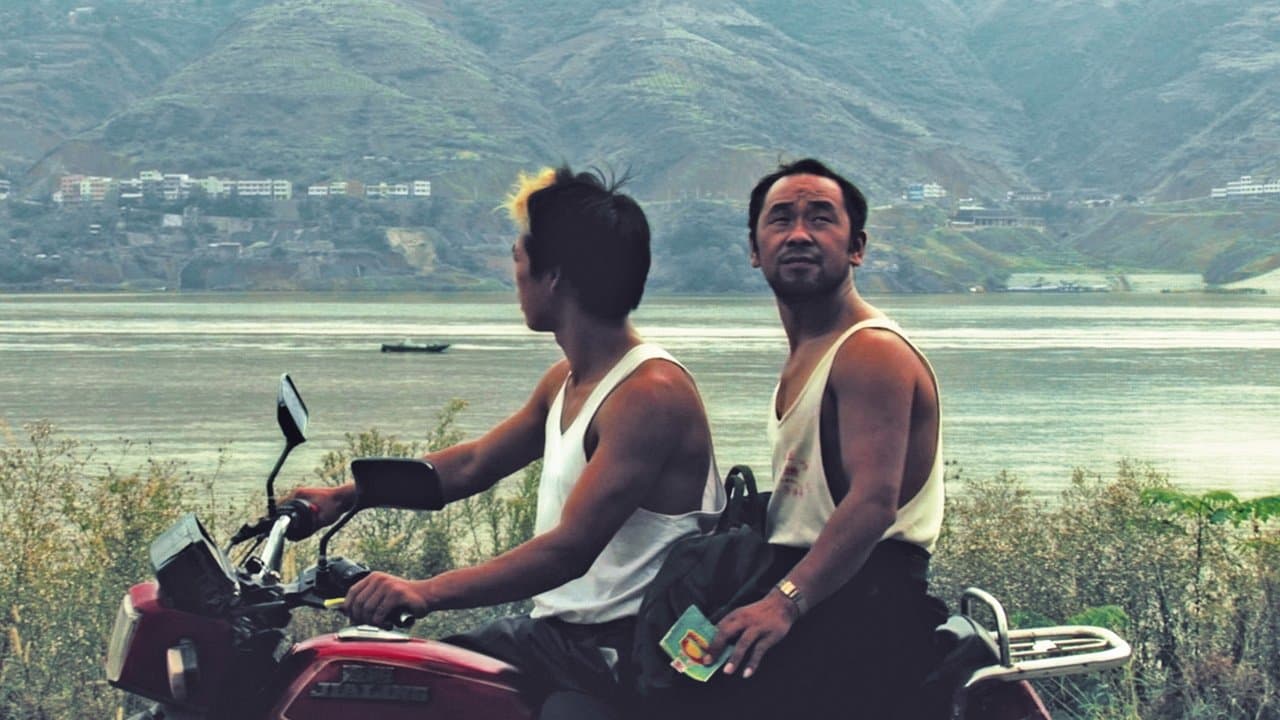
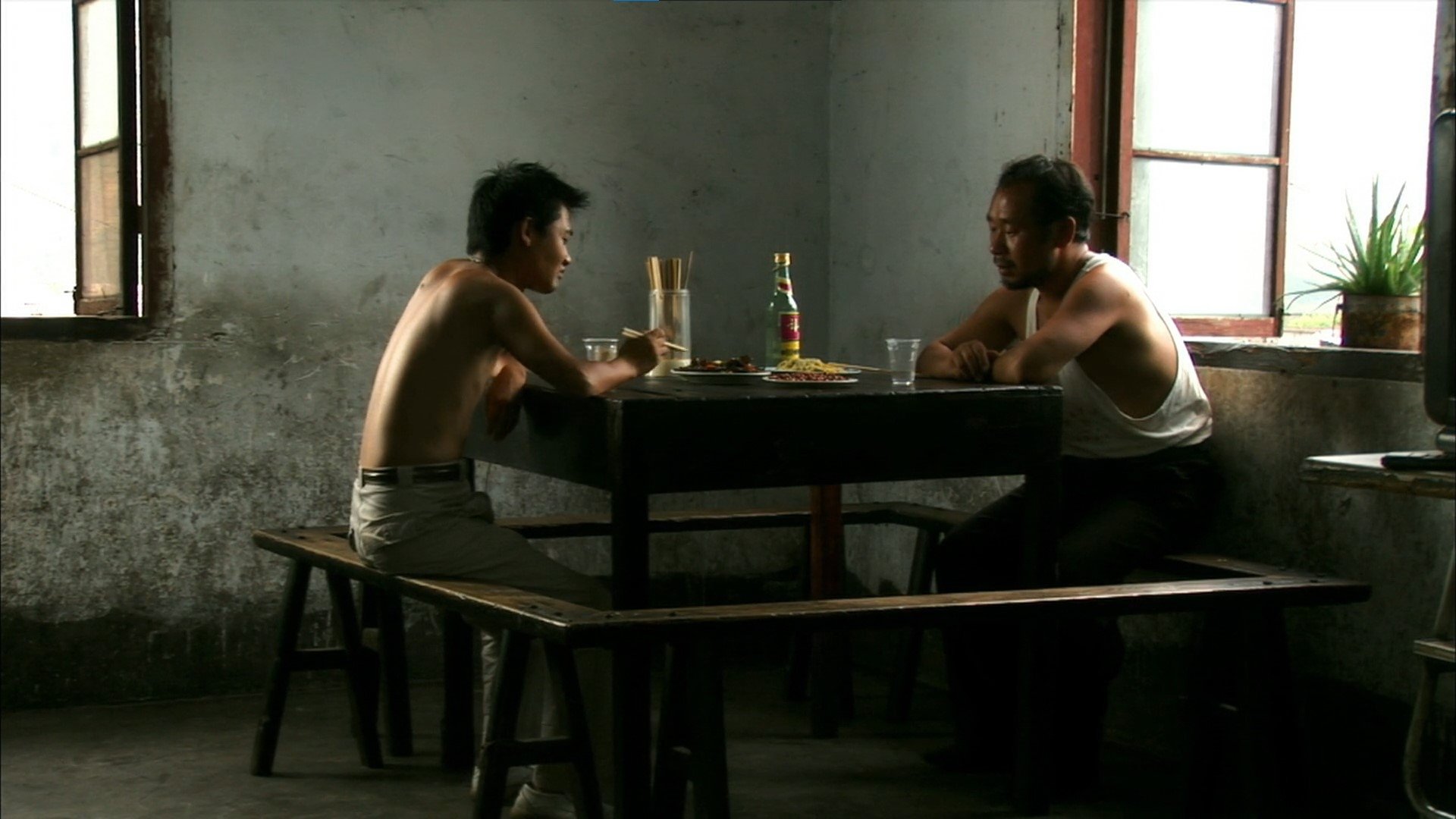
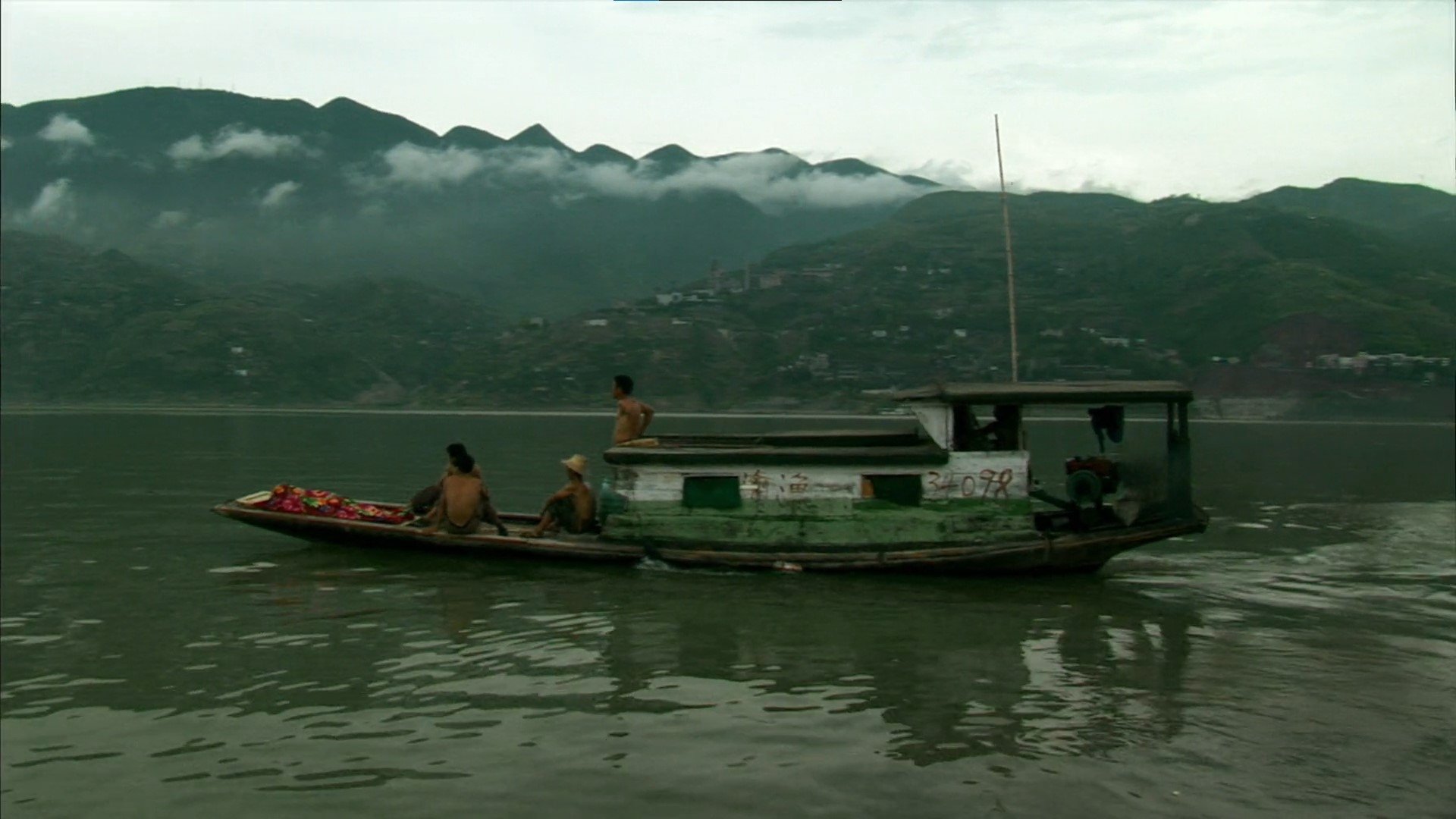
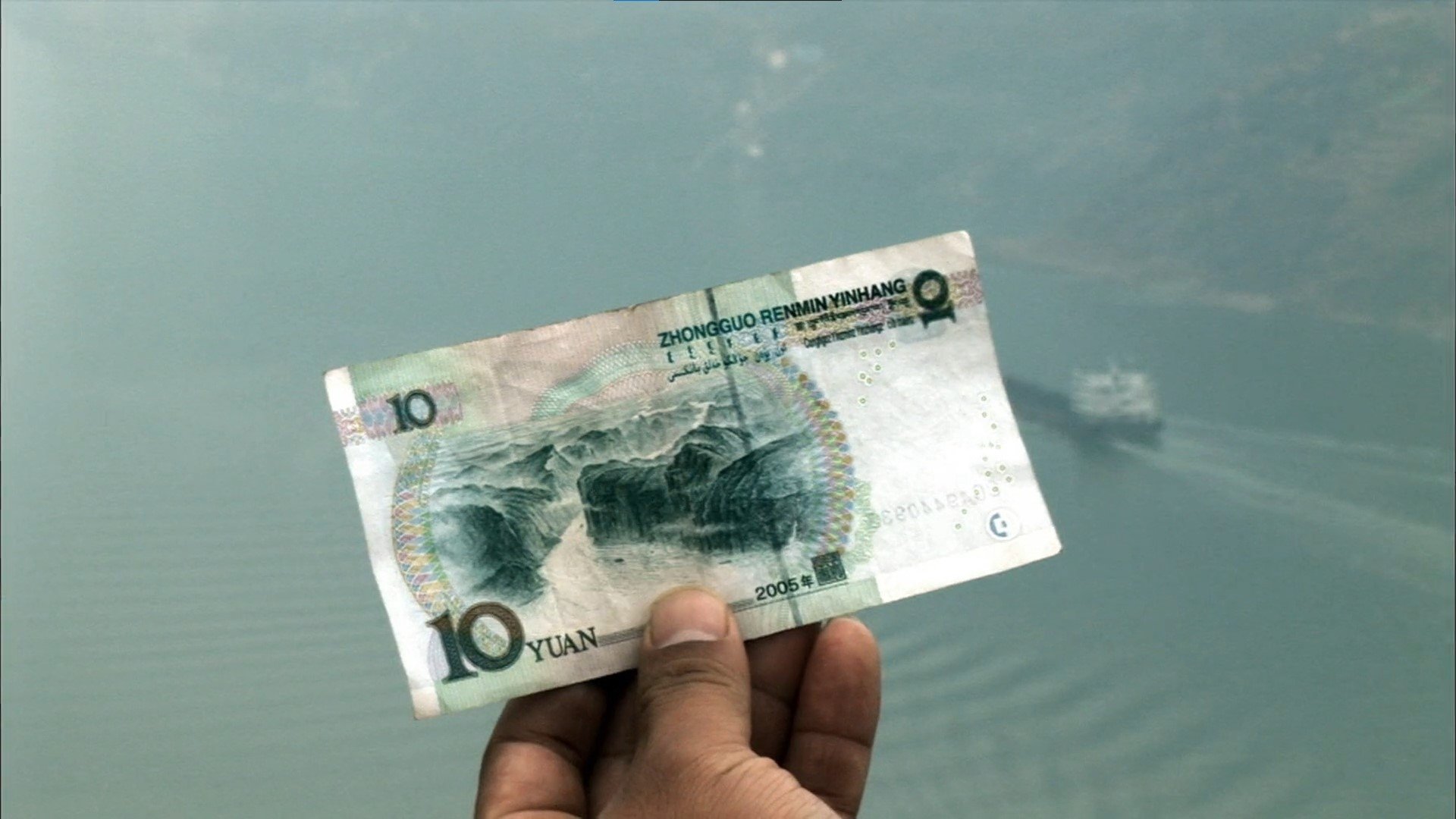
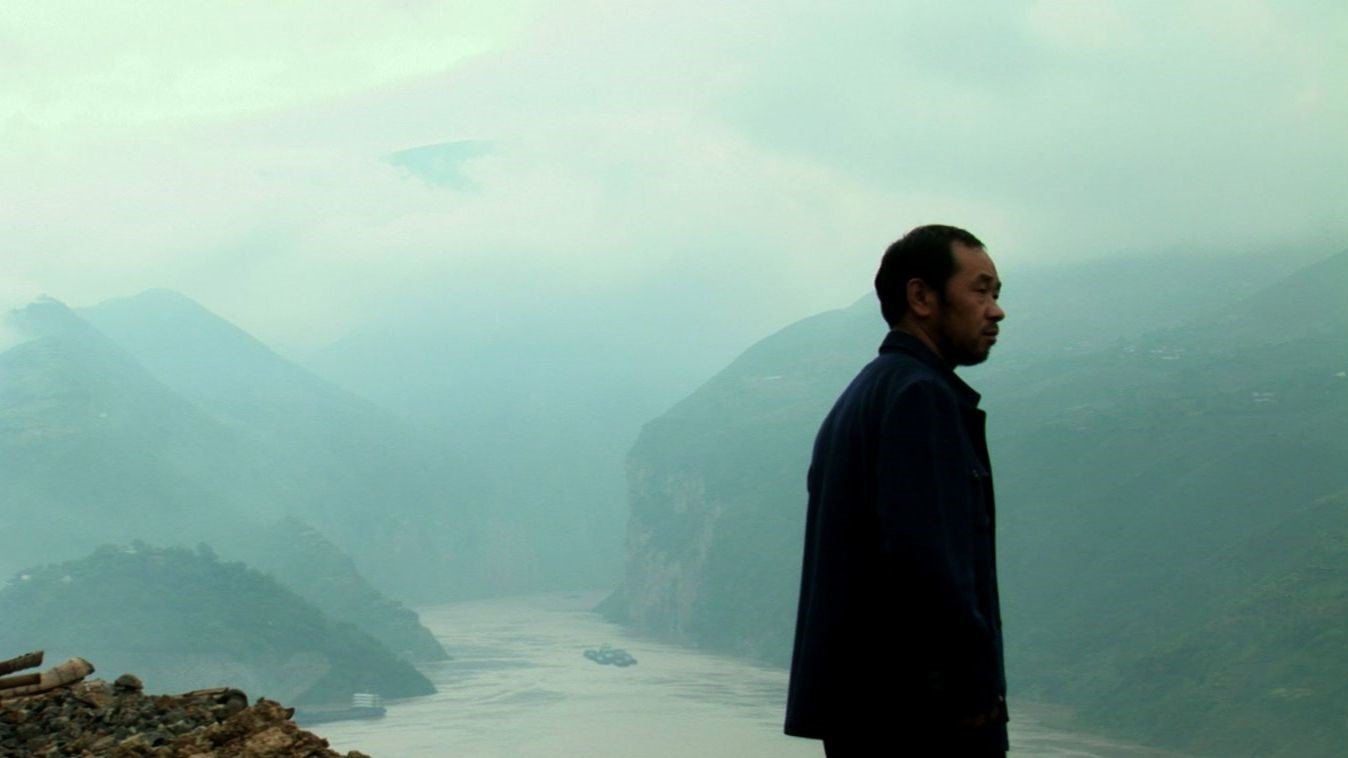
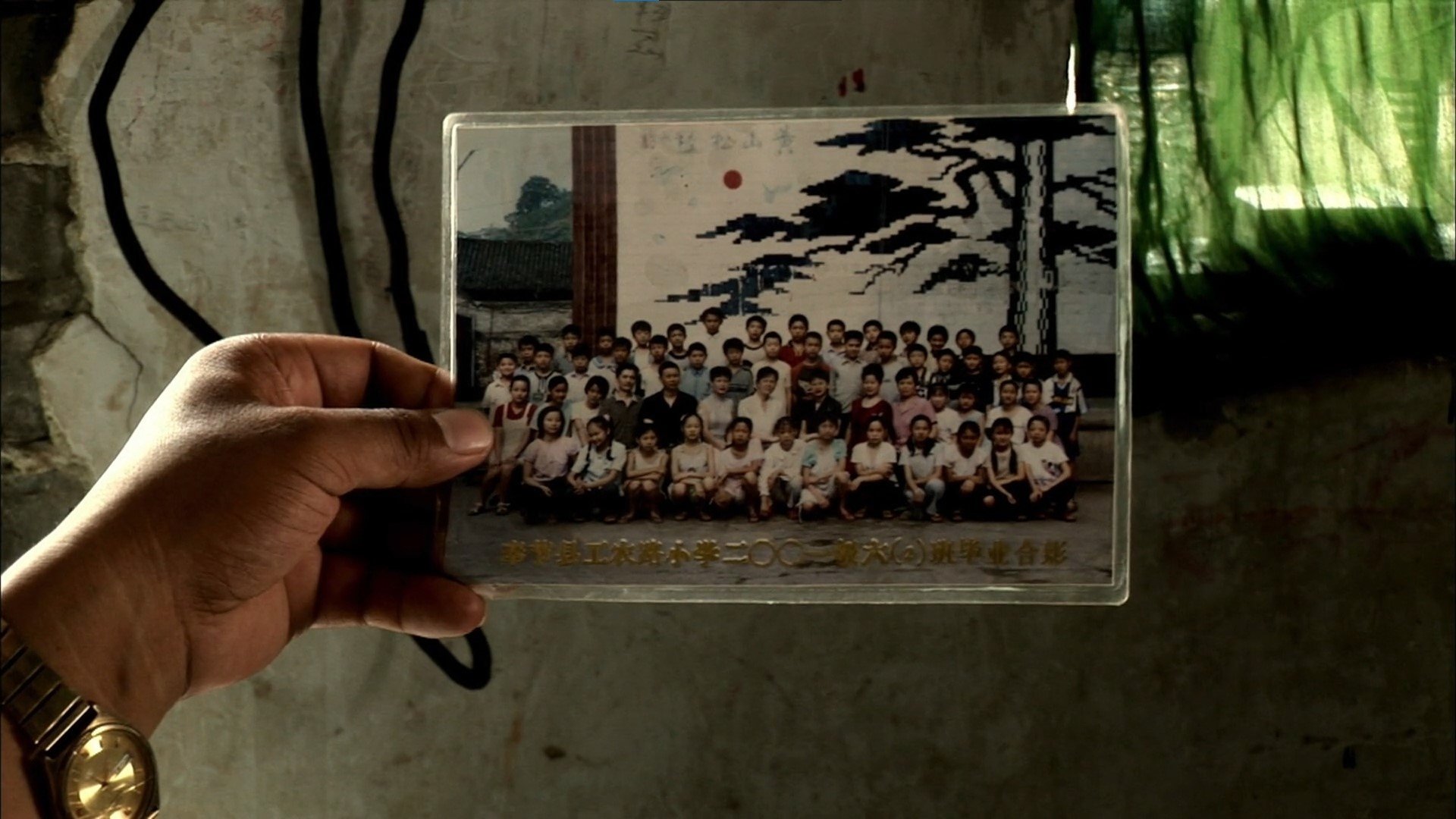
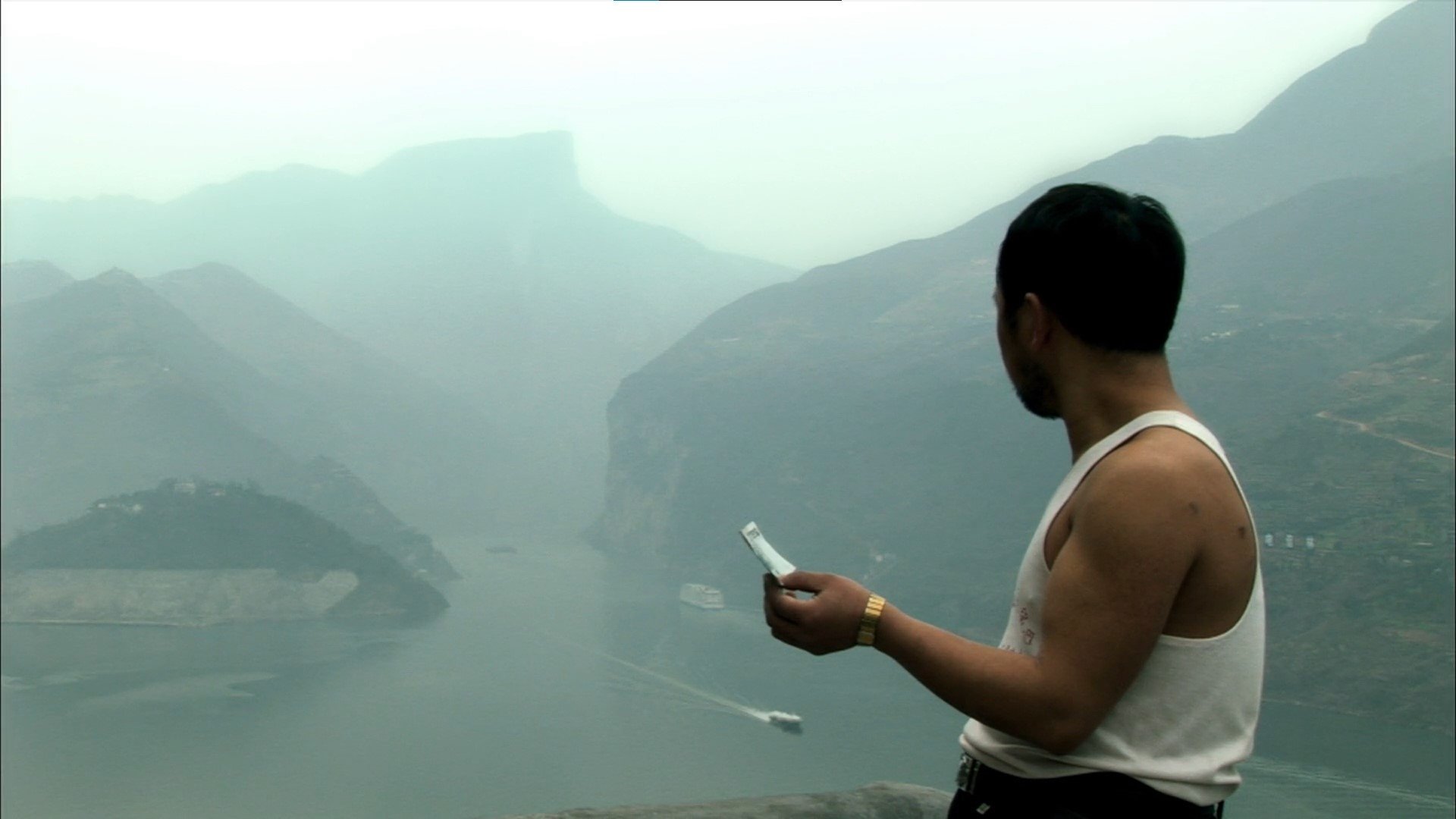
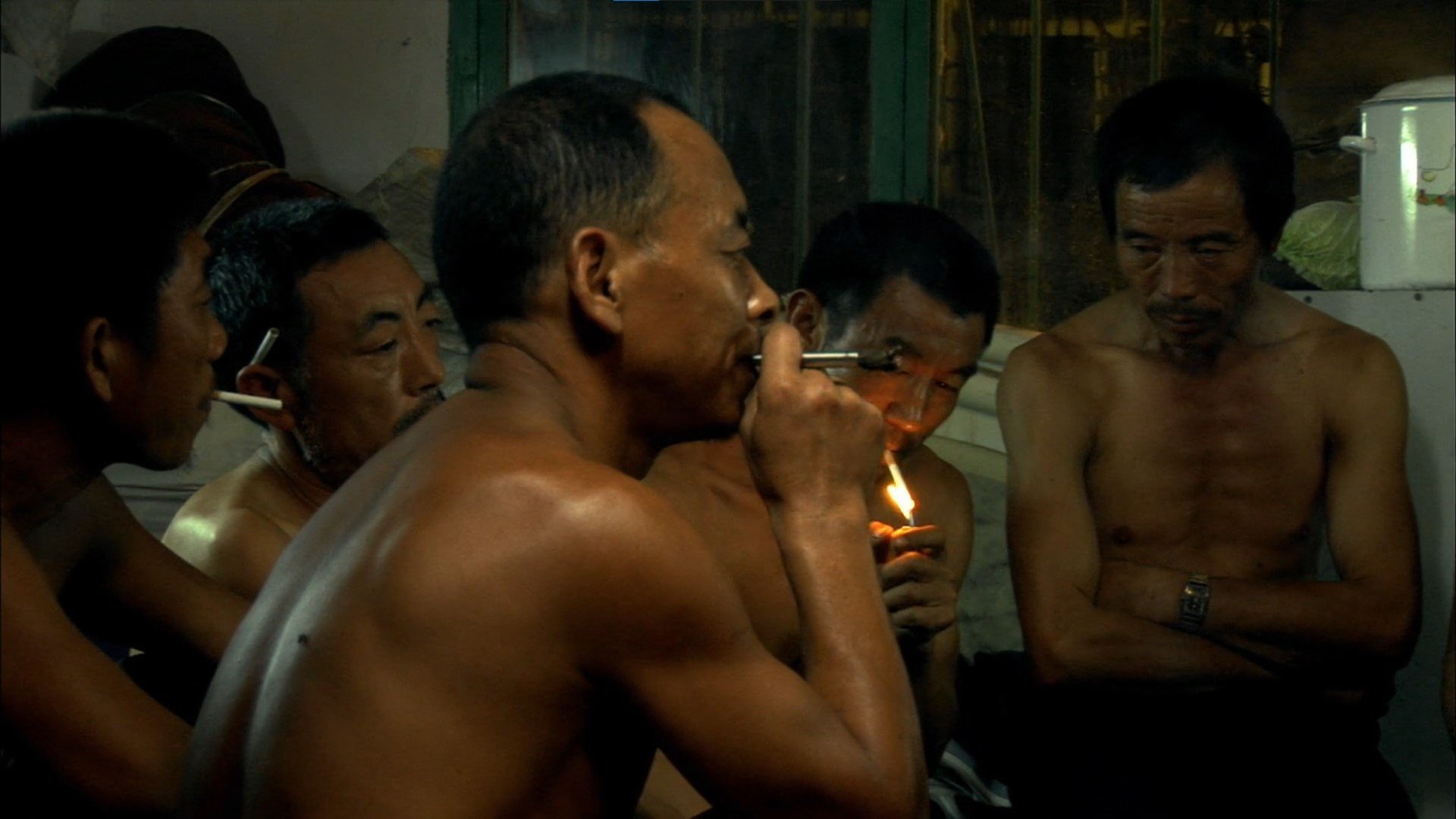
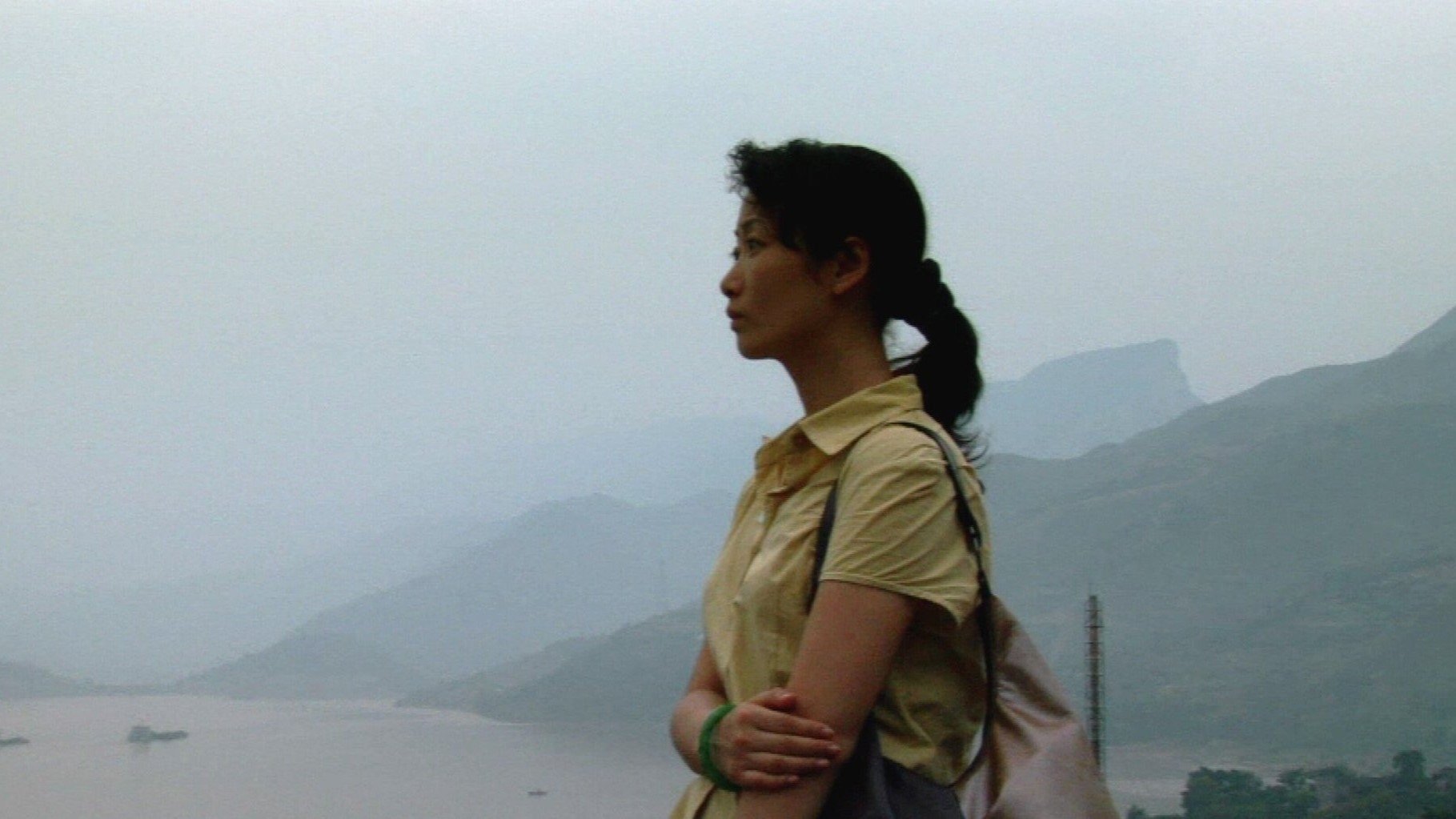
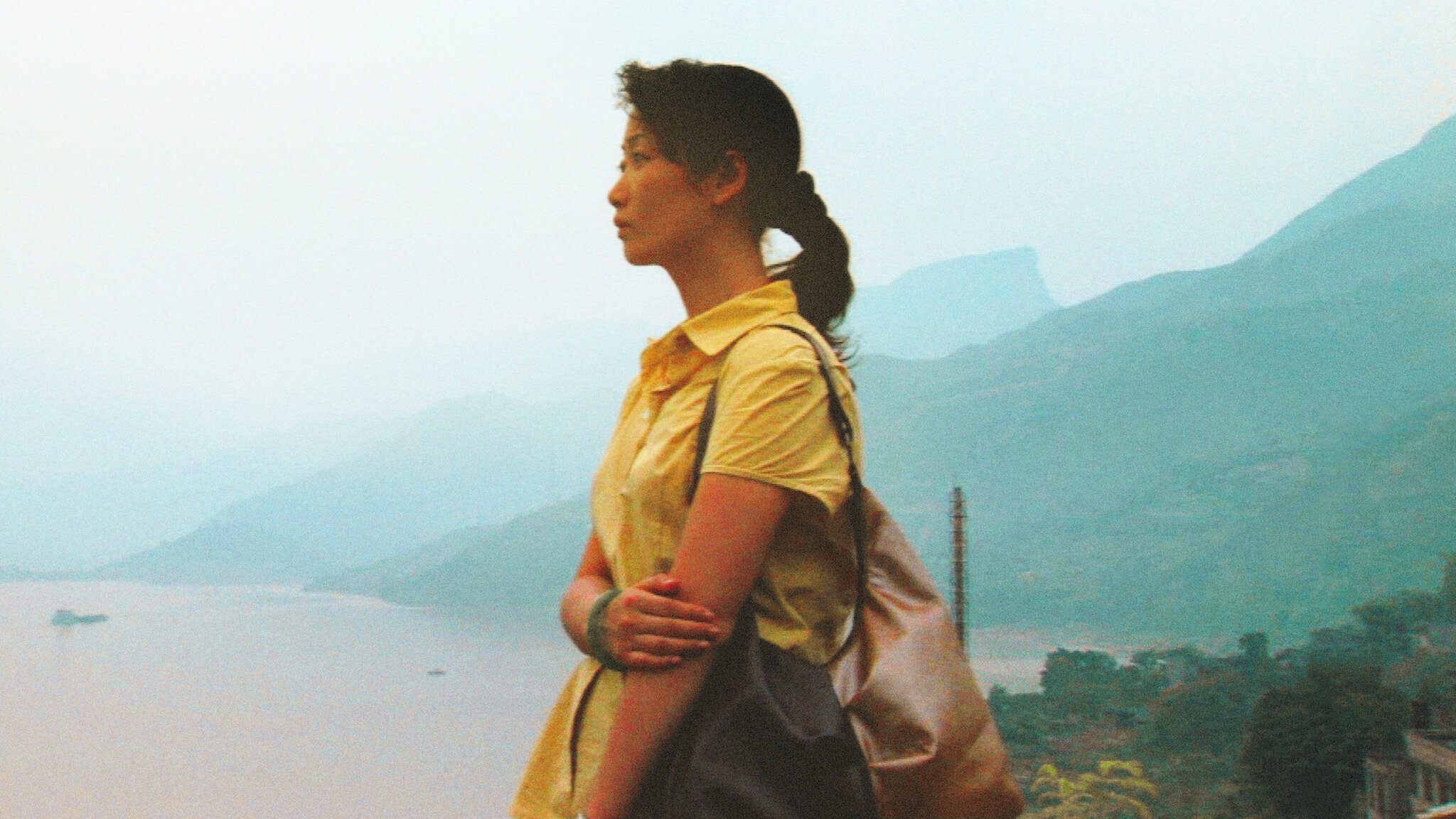
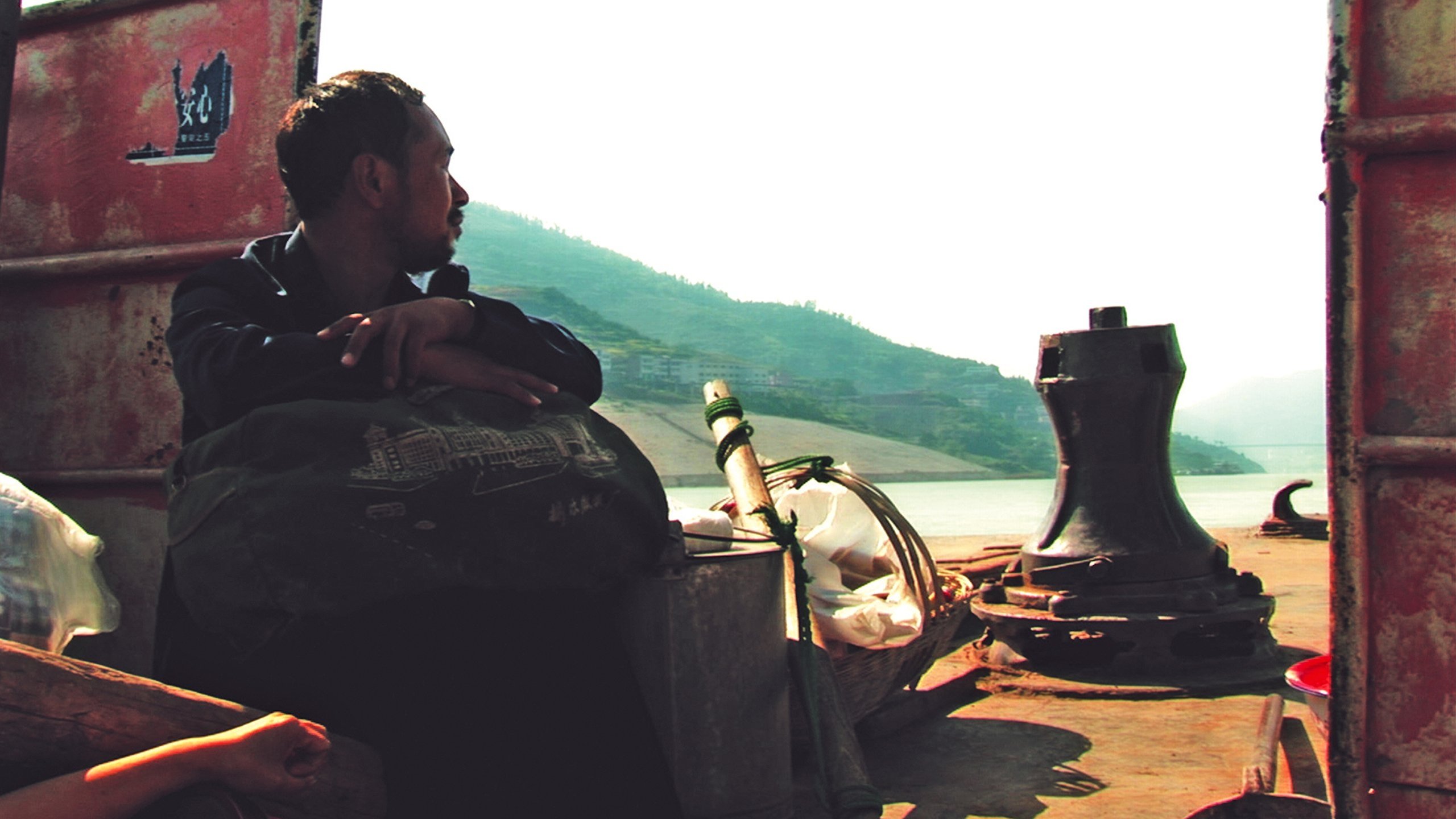
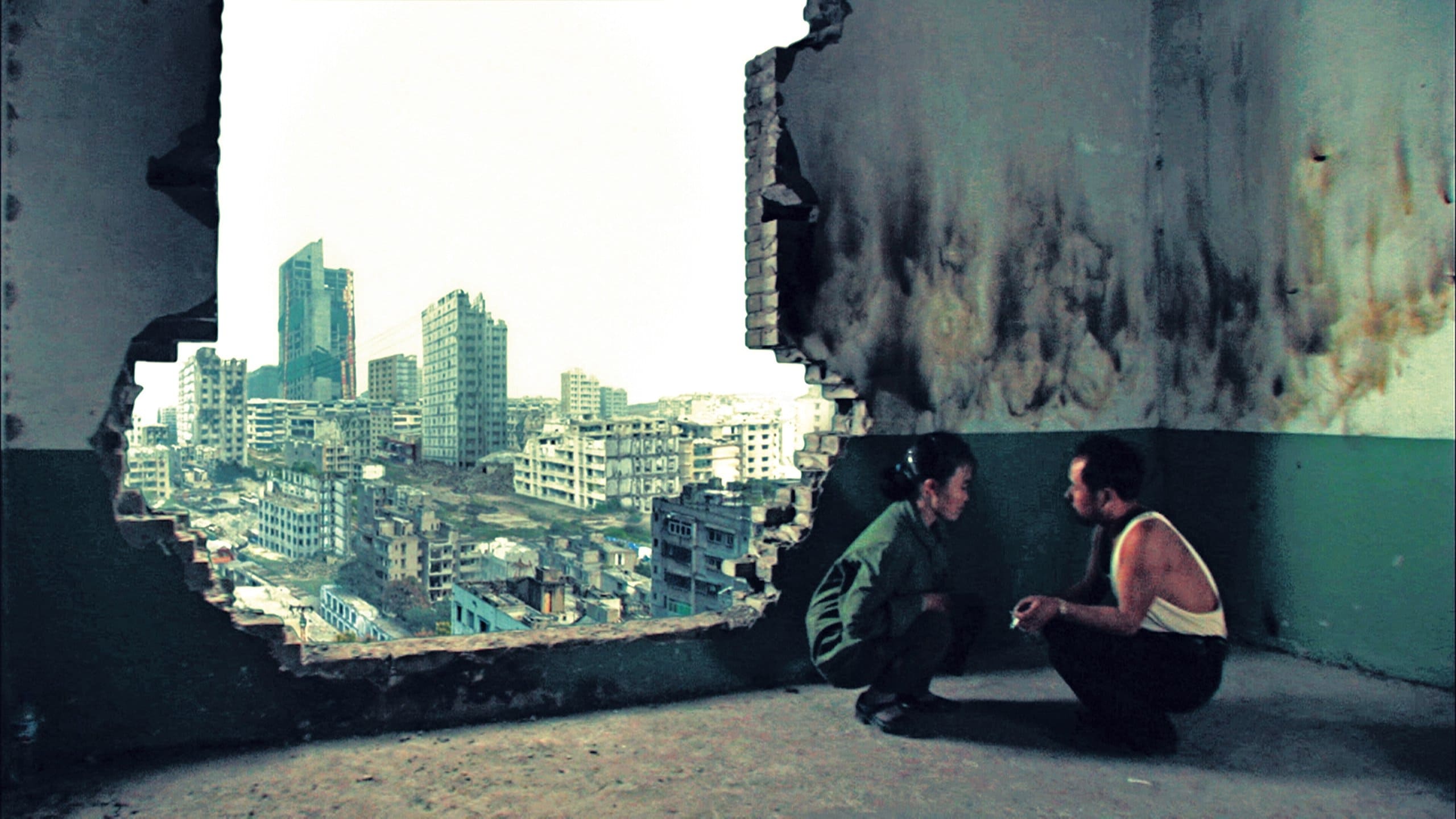
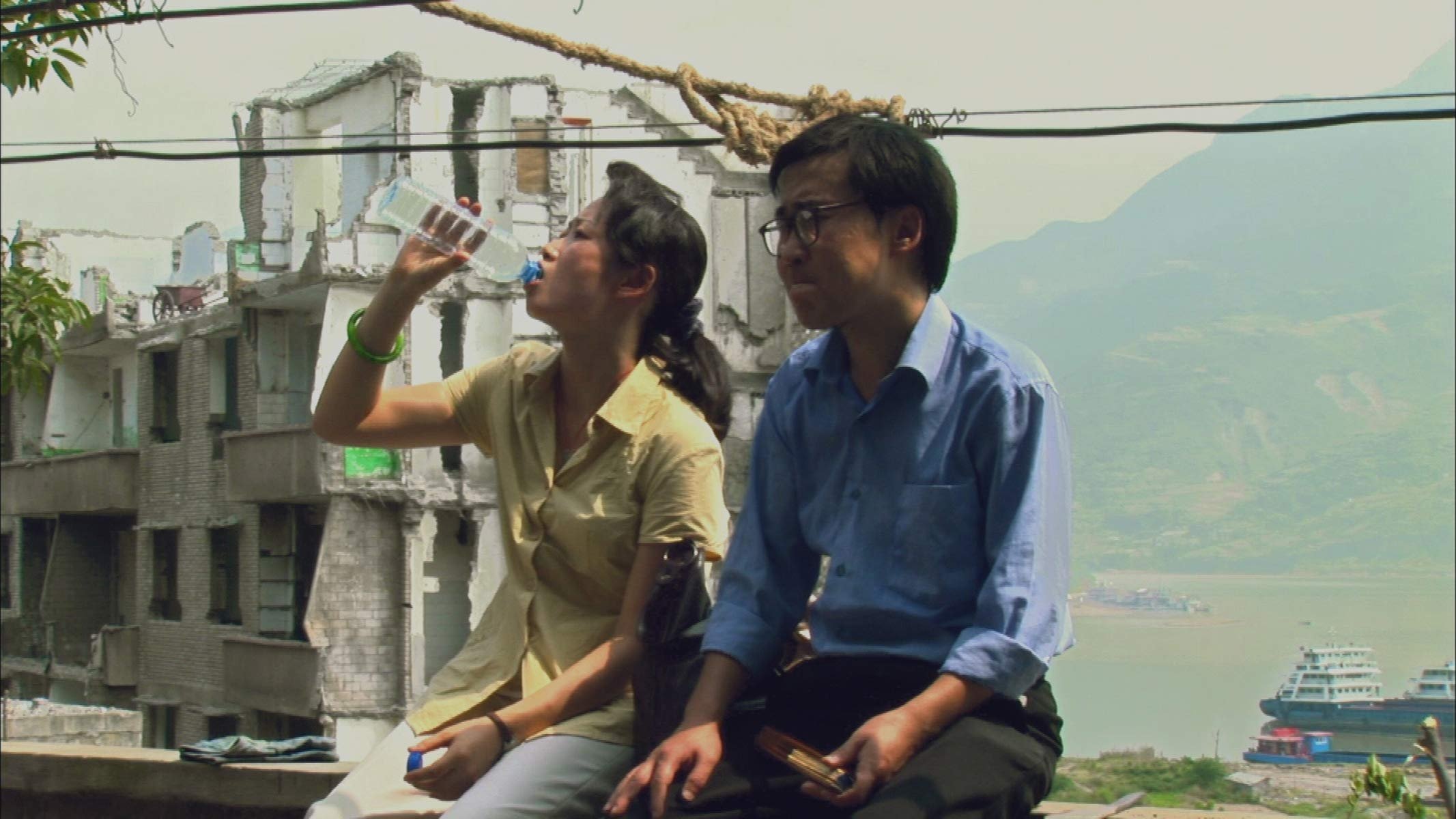
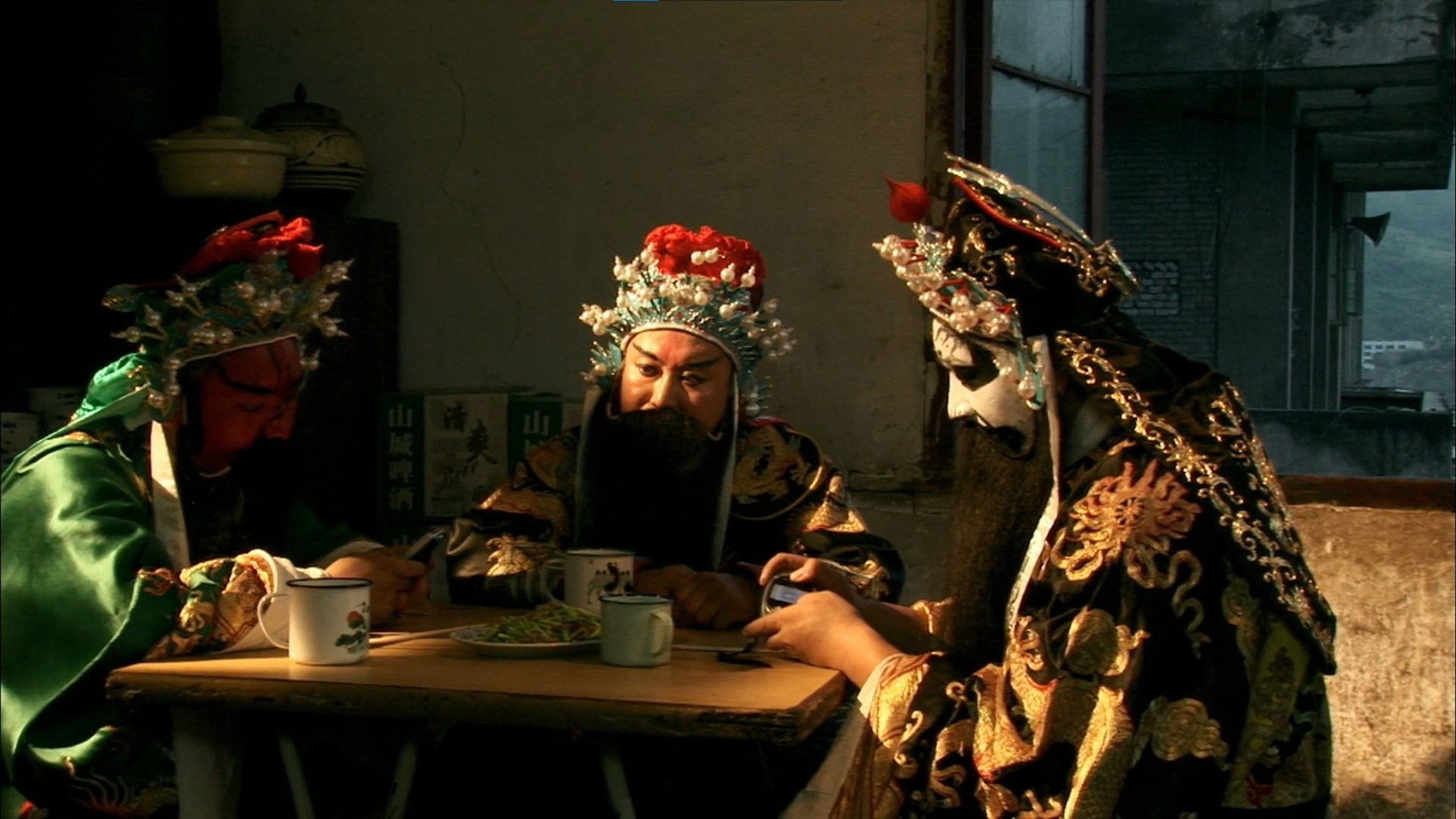
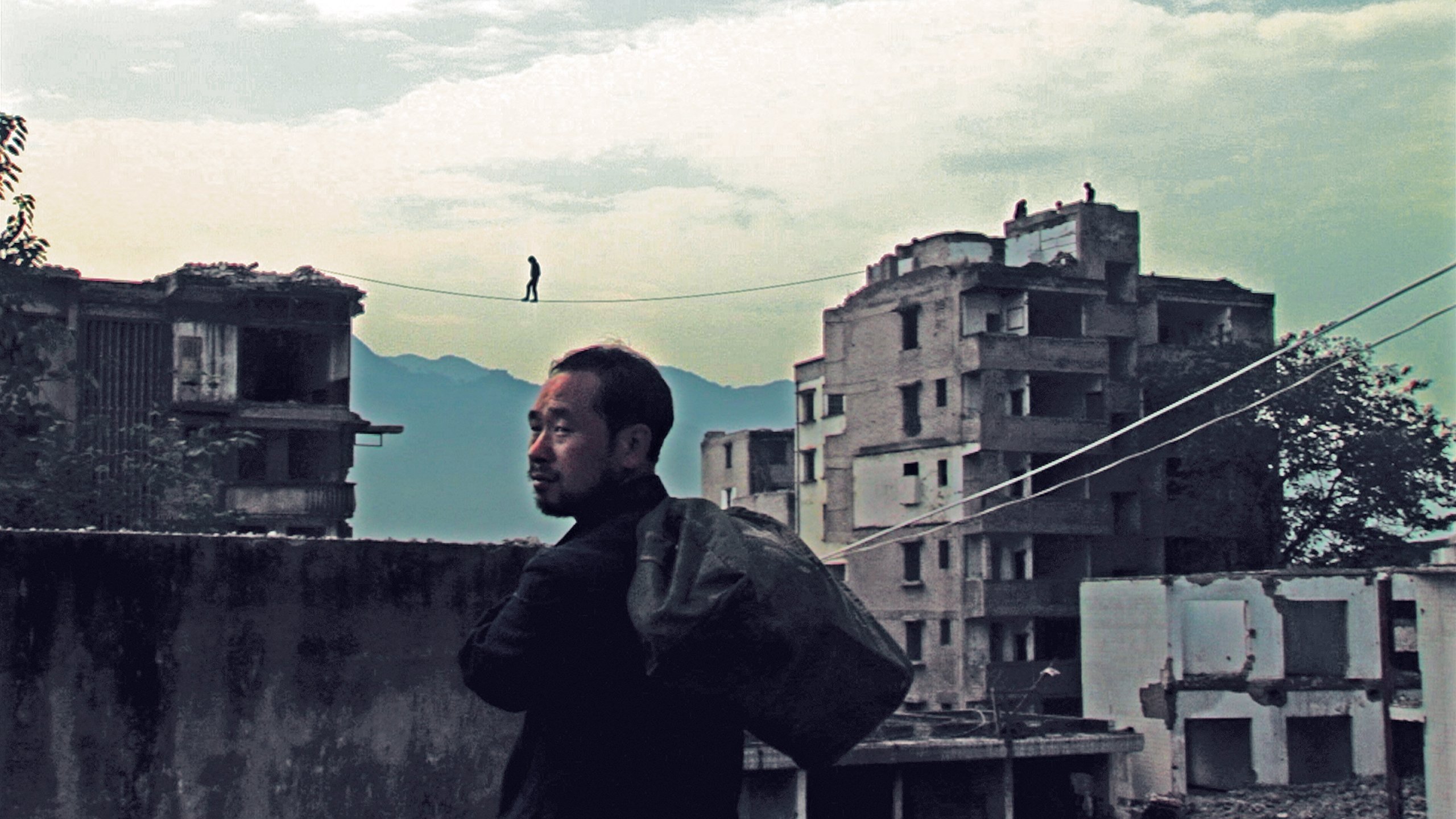
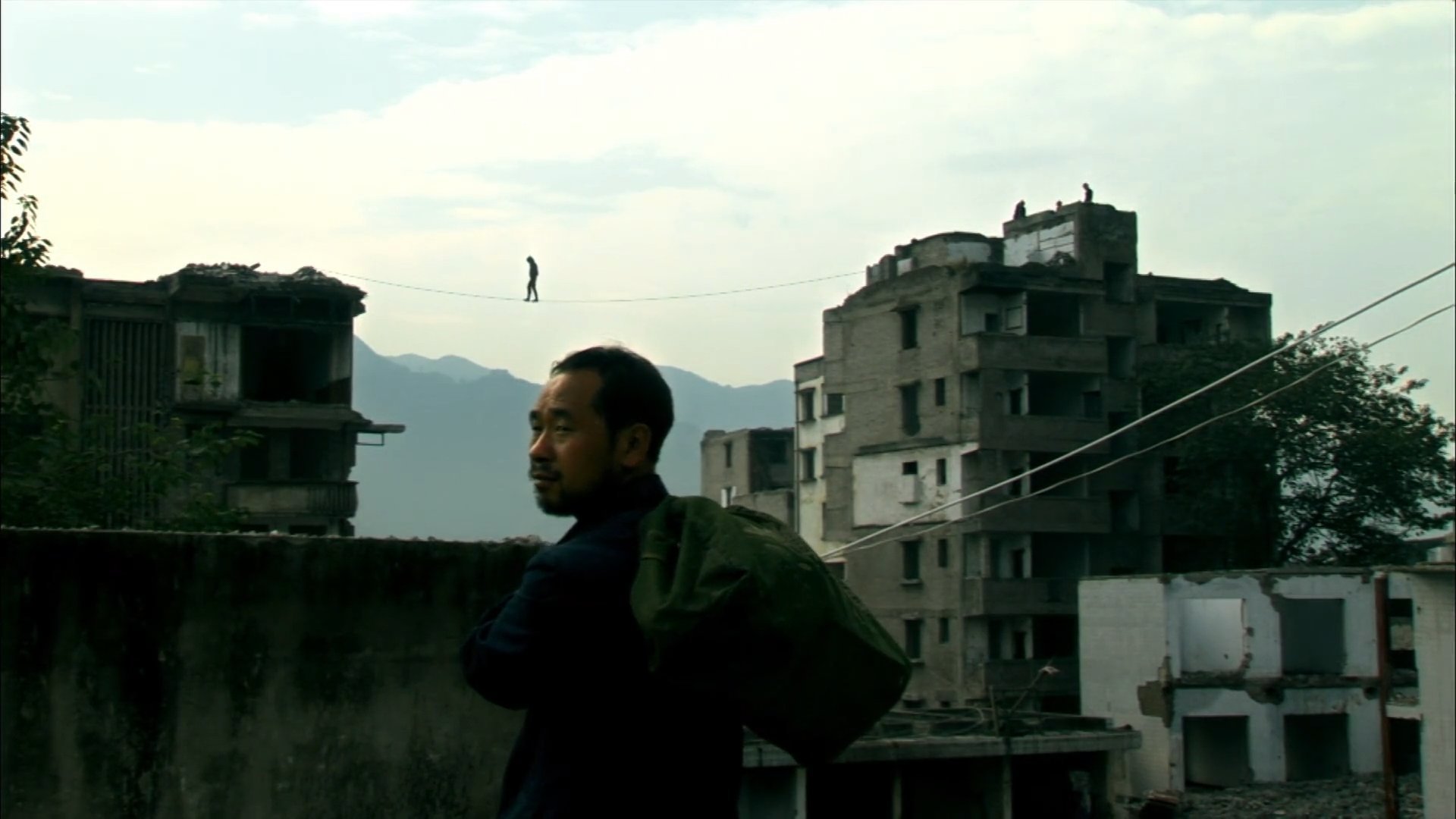
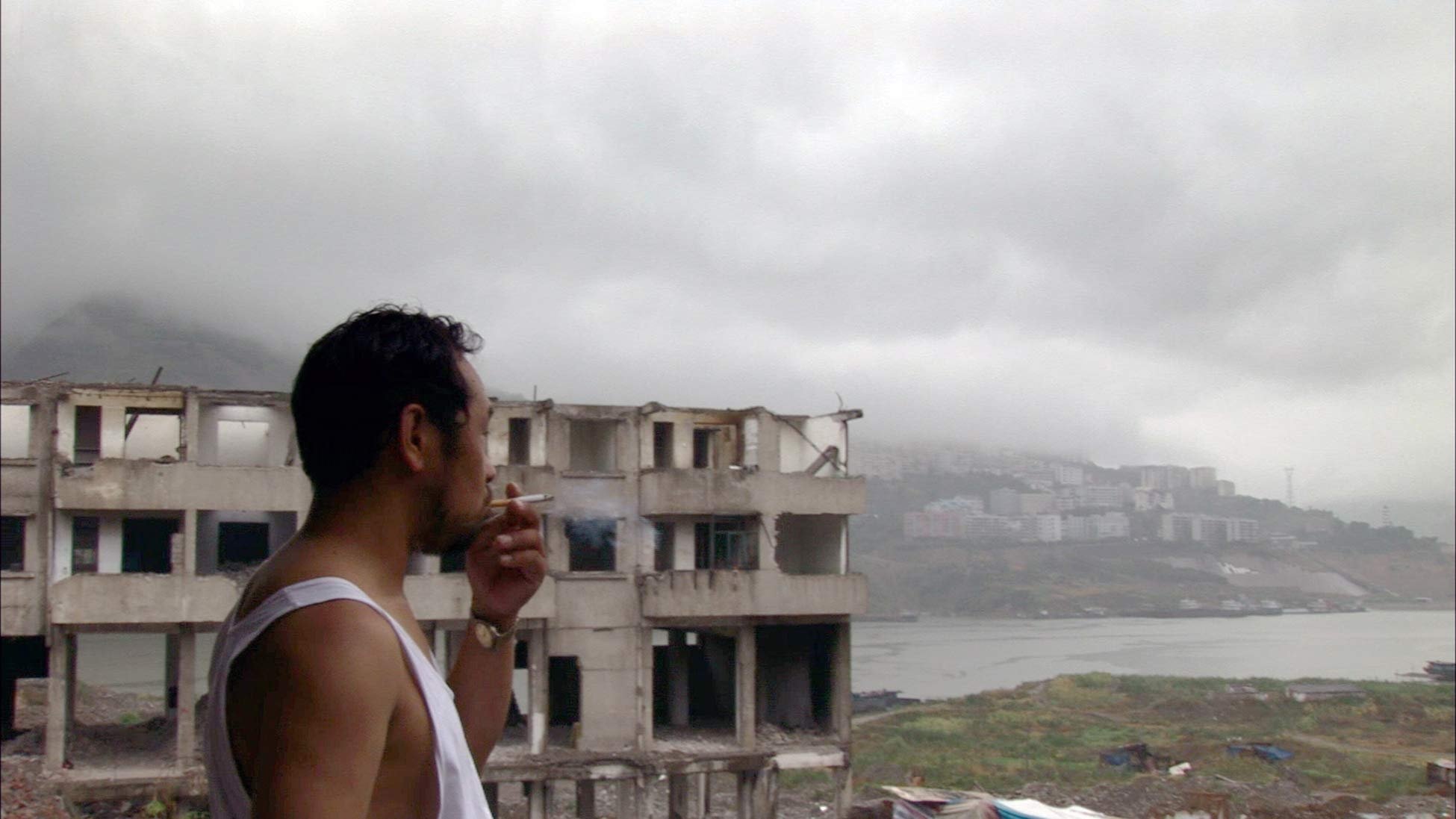
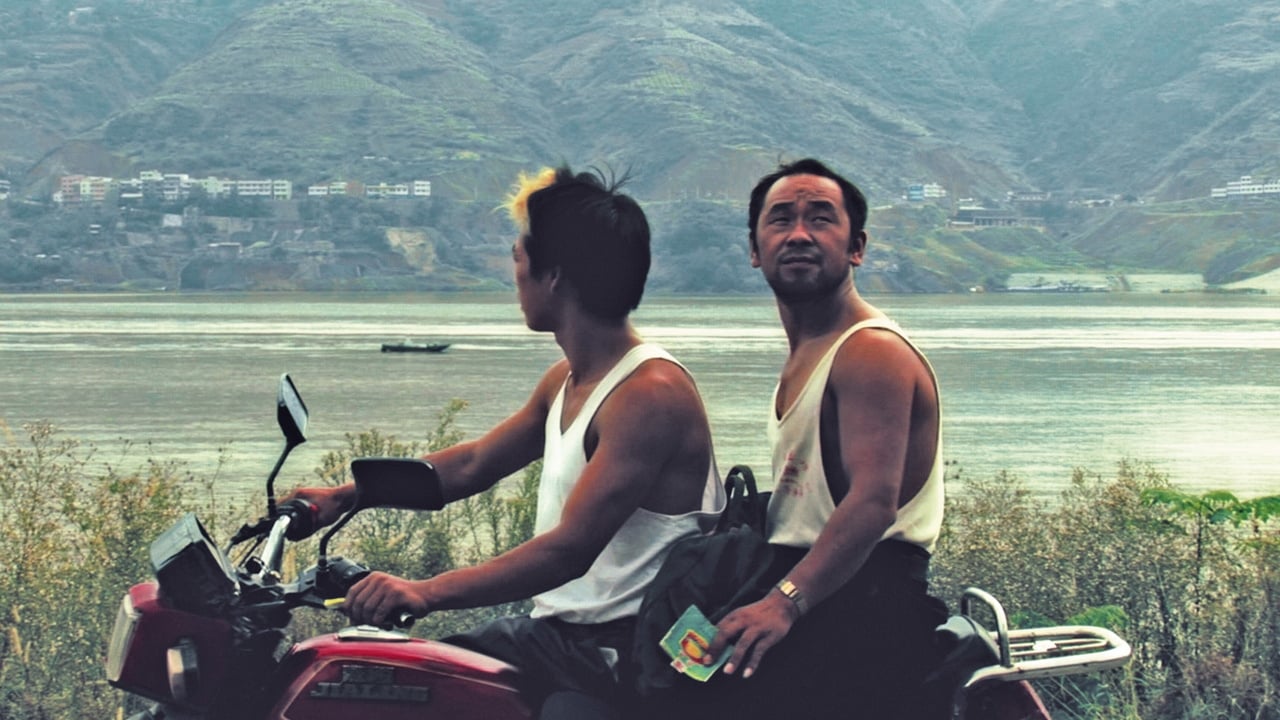
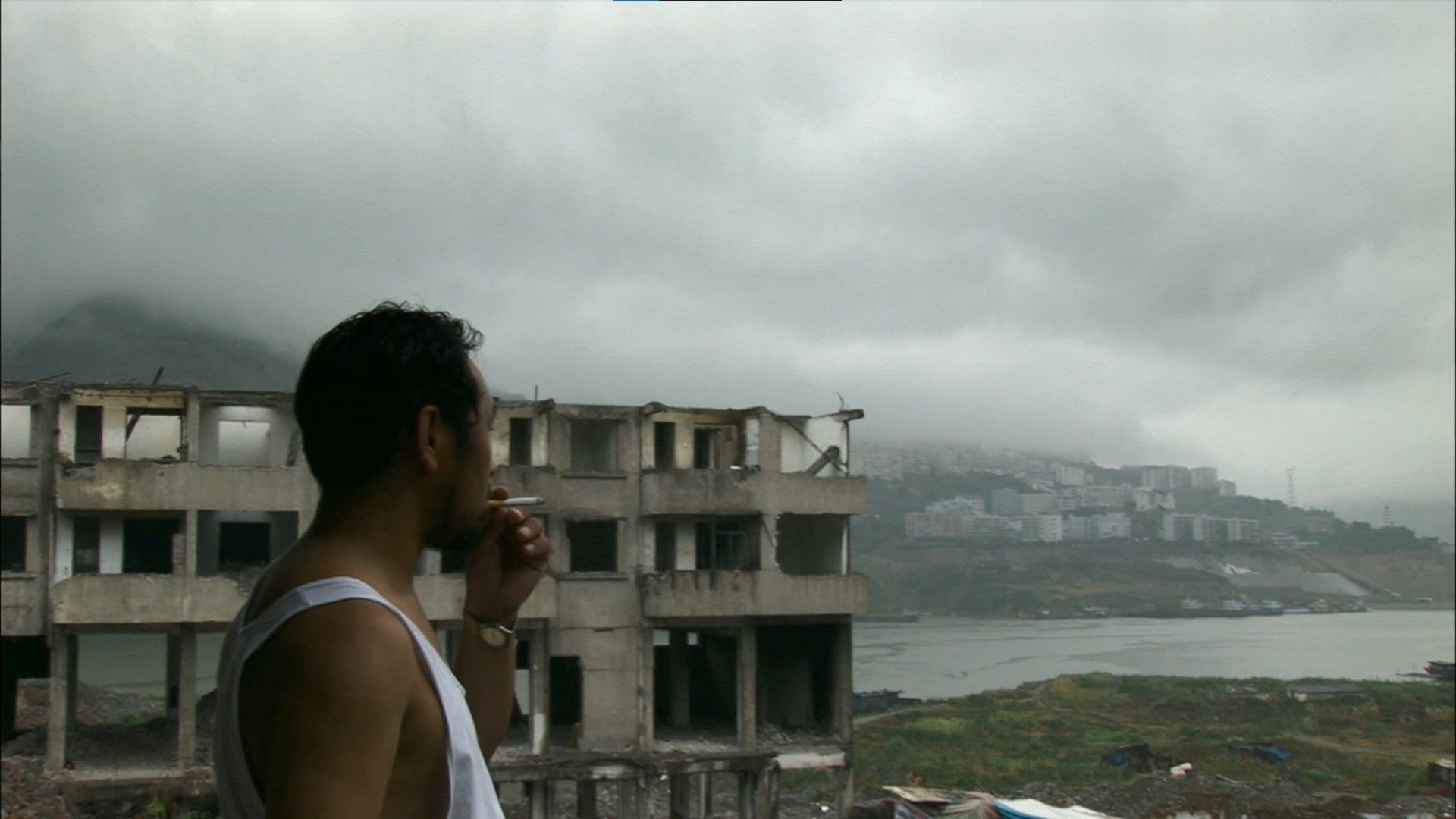
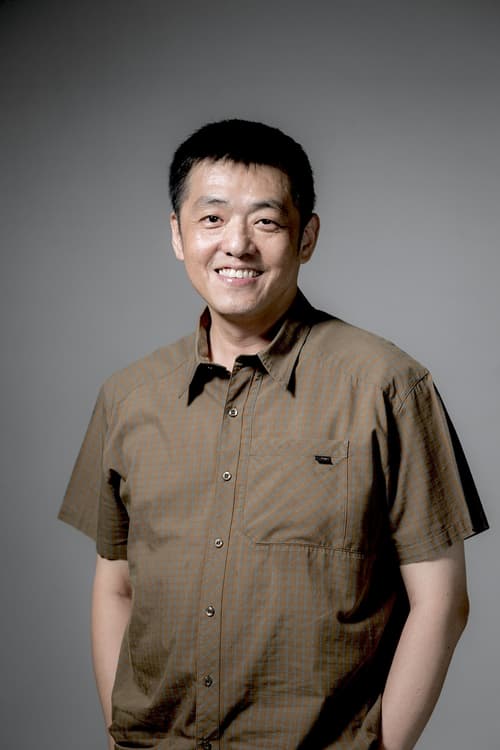
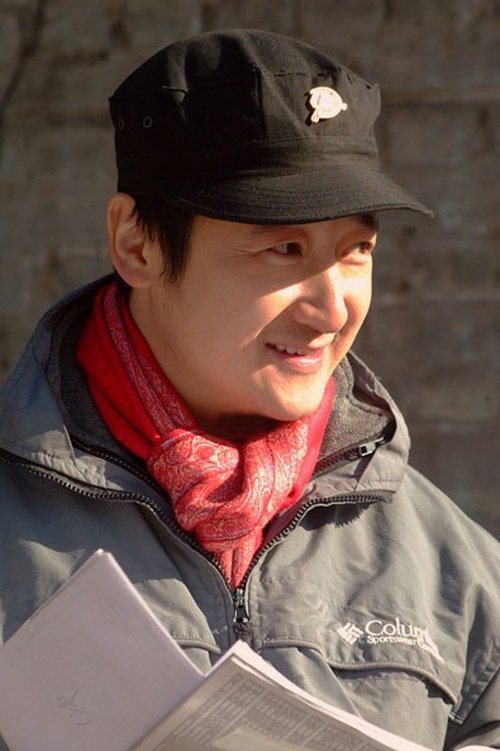
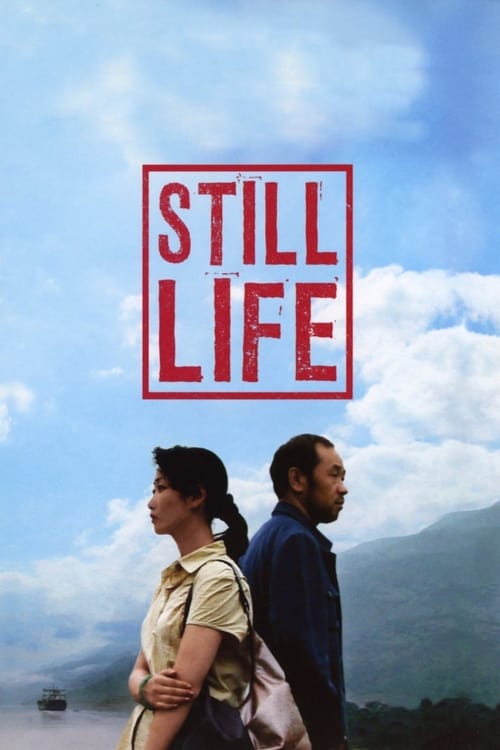
Director- Jia Zhangke.This is the second film I have seen of his.I don't think I should be watching any more Zhangke works for a while, as the works are covered in every nook and cranny with socio-economic, historical, as well as maybe even political context, which I know nearly nothing about. He has made me research more with just two films of his than any other director I have loved has done. Edward Yang's works made me do this, too, but even they weren't as dense.The film has a documentary style feel in its way of deconstructing the material and what can be expressed through it. The unflinching way of its tonality may be misconstrued to be akin to poverty porn at a surface glance, but beneath it lurks a plea for a better time, similar to Unknown Pleasures. This makes the film oddly hopeful even in the face of a bleak reality.This film also explores themes of modernisation, similar to Unknown Pleasure. However, in this film's case, the material is much darker, with an emphasis on the displacement of one's home and, consequently, one's identity. One of the major themes of the film is that of destruction. The film shows us that this phenomenon is like time, ever approaching and partial to no one. The saying, "Gone with the old, in with the new", is a perfect fit for this film.The film features a major inanimate character, a river, using the vessel of the Three Gorges Dam, which washes over all in such a way that it wipes out the entire existence of what stood there before.Another example of destruction in the film is that of the protagonist, San-Ming Han, played by Han Sanming, who works in the demolition of older buildings. His livelihood in this town, having lost his home due to flooding, is now this. Thus, he is both in this state and at the same time can only get through it through the act of destruction.The destruction of his home and the surrounding areas makes him lose an integral part of himself, a place to call his home, a place where he could come back no matter how tough the times got, a place filled with memories wiped in a jiffy, leaving nothing. With his house, he also lost his friends and family. Still, the film, in its optimistic tone, doesn't let him suffer with his head down and rather ventures forth in finding his wife.The film offers a Yang perspective to this Yin through another character's storyline, this time a wife, Shen-Hong Guo, played by Zhao Tao, who is searching for her husband, Guo Bin. This offered an interesting duality to our understanding of the events of the film, along with the characters.The film shows us through the protagonist that there is always hope, no matter what, and perseverance is the key to resisting losing one's sense of self and to avoiding falling into despair. The protagonist makes a friend, Brother Mark, who helps him get a job in demolition and thus is a saviour figure for him.The conversation between the protagonist and his wife's brother's family shows us how their children are moving away in search of a better future. The people demolishing the buildings that were ravaged by the floods are inhabitants of the same village, and hence it can be considered that the people themselves are giving a boost to the destruction of their cultural identity and the displacement of their past.The river being always flowing, can be considered as a metaphor for the diaspora of people who, like the currents, can never stop at one place and are ever moving, advancing towards unknown locations. They may well be leaving artefacts of their culture beneath the surface for the coming generations to find, who hopefully will finally get a place to spread their roots in due to the consistent efforts of the previous generations.The film is hopeful of an era free from the perpetual cycle of construction and deconstruction, using the Three Gorges Dam as a catalyst in doing so. Zhangke is using it to show the viewers how vain the ones in power are, promising short-term solutions for a view while causing long-term problems for the rest.From what I have learnt about the dam, it was started during China's are of Communism but was finished in the era of Capitalism. It helps people under neither of the two ideologies and shows us the futility of such changes.The film can be considered anti-capitalist in its way of showing the ill effects of such policies, putting the common people in a perpetual state of acquiring debt to sustain and pay it back, only to fall deeper. It shows debt as a bottomless well. One can see this from the girl asking to move in with Shen Hong and work as her nanny.The film also shows us that even though people glorify the past, which we can see from Brother Mark's conversation with the protagonist, they are still trying to demolish it and wipe its existence and make way for the modern.The storyline of Shen Hong shows us that his husband is cheating on her, and she decides to divorce him and move on with her life, rightfully without caring about her spouse, showing that she has a backbone.Our protagonist, though, is shown to be a shell of himself and a certified doormat, having lost himself to the pipe dream of having his family together again. Thus, he is being used to repay a debt of 30000 RMB, which he never incurred. The wife is dangling the carrot of meeting his daughter again to force him to do so. Thus, he must now venture forth into the mines in search of a light at the end of the tunnel. Thus, the film offers a Yin Yang perspective with one sacrificing himself for his family in the face of ill situations one didn't cause, the other decides to venture forth away from such situations not under their control.Zhangke connects both their storylines excellently, using the death of Brother Mark in an accident at the hands of the goons sent by Guo Bin as a means.Overall, this is yet another banger film of his and has set my expectations for the next film of his I will view even higher. It will take me a good while to watch the next, though, as Zhangke causes me headaches with his nuanced themes. I will try to watch Helter Skelter by Ninagawa Mika next.