As of writing this, this movie is my favorite film ever made. I went into it thinking it would be a dark improv comedy, or a sleek proto-Safdie film, but I was sorely mistaken. The first time I saw this movie, I was stunned throughout the entire runtime. Never before have I seen such a grueling and uncomfortable portrayal of loneliness and social anxiety; everything about this film is just unsettling to the core.
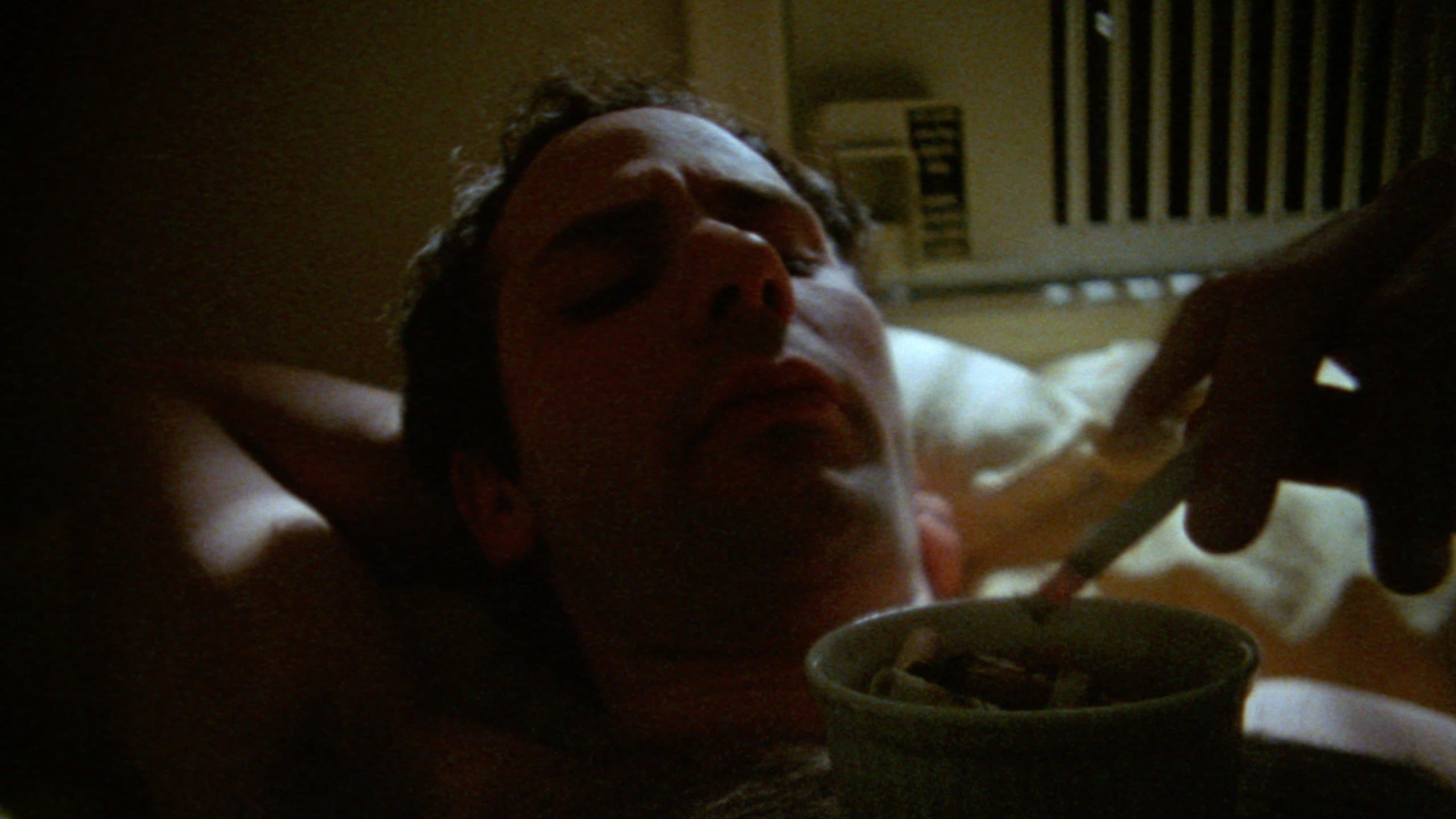
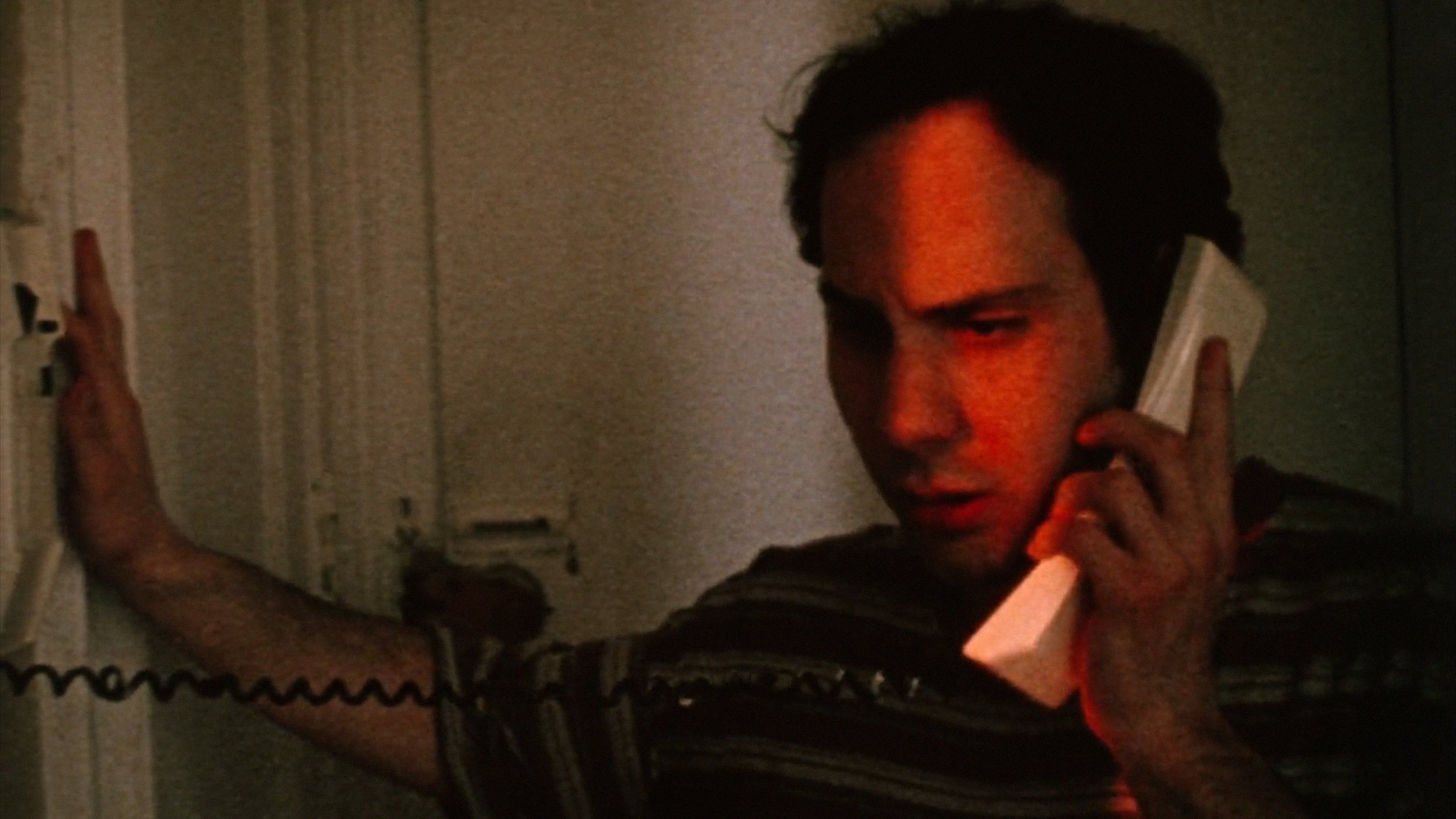
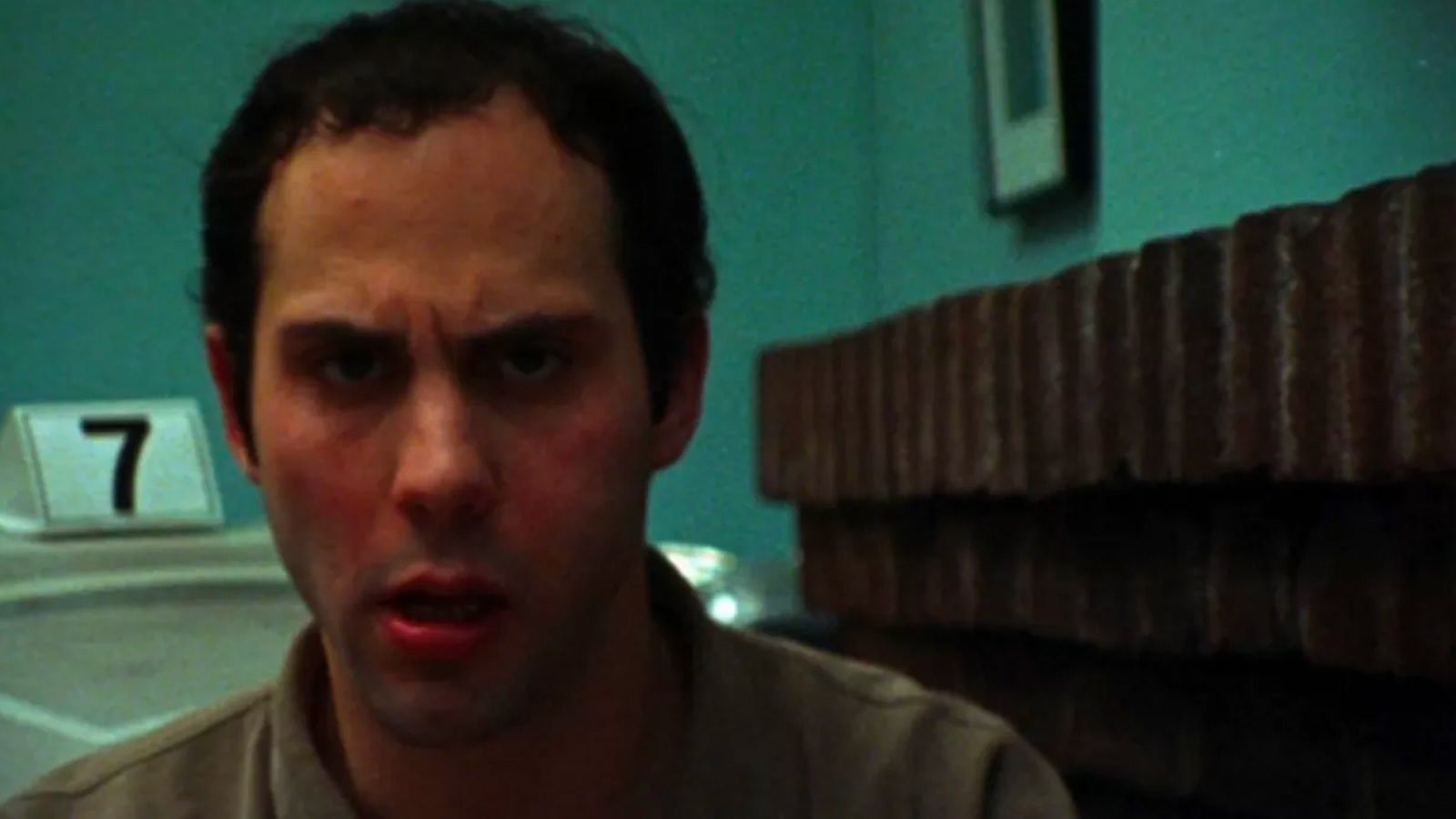
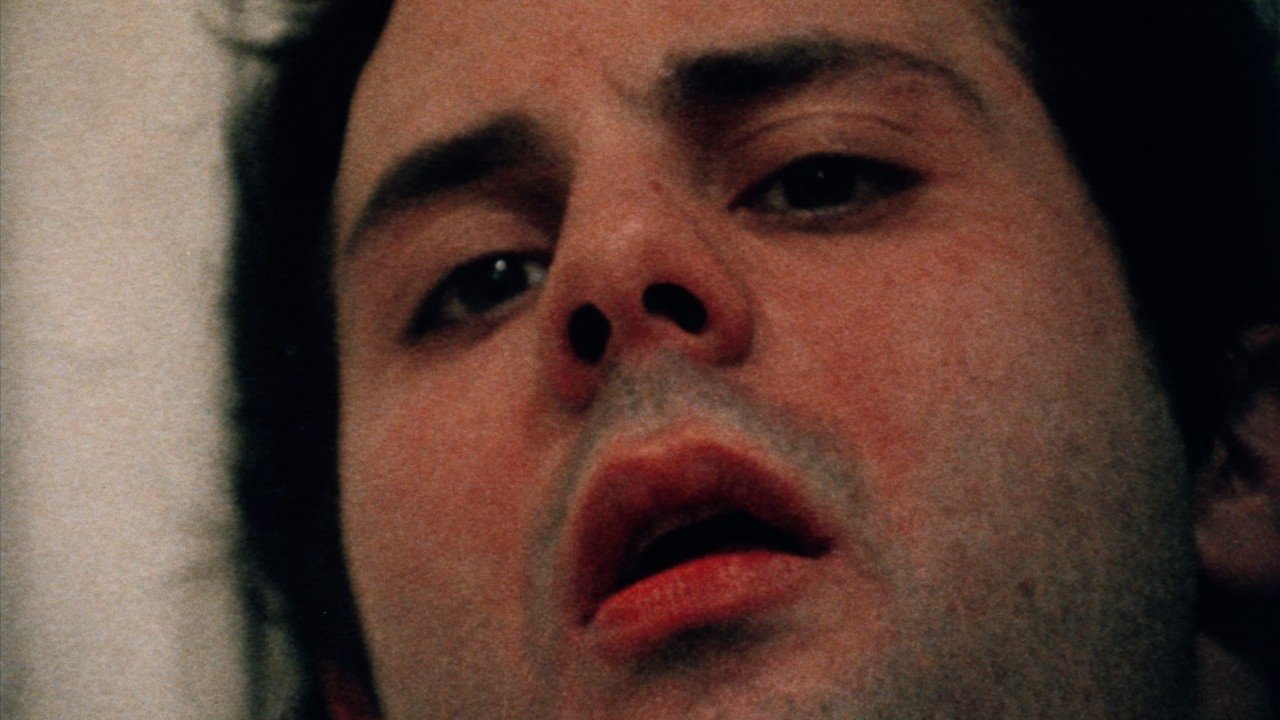
The main character of the film, Keith, is a complete failure at life. His social anxiety is horrific, to the point of him not being able to get out a sentence without stuttering, or mumbling gibberish. He speaks in cryptic analogies that only he understands, and sometimes he doesn’t even get out a word out of embarrassment. Dore Mann delivers my favorite performance of all time as Keith, you can feel how self loathing he is in every single scene. Keith will pull on his hair any time he gets nervous, he’ll try to self deprecate to alleviate any tensions, and after every sentence he spits out, he has a look of disgust; almost like he’s about to vomit at his own words.
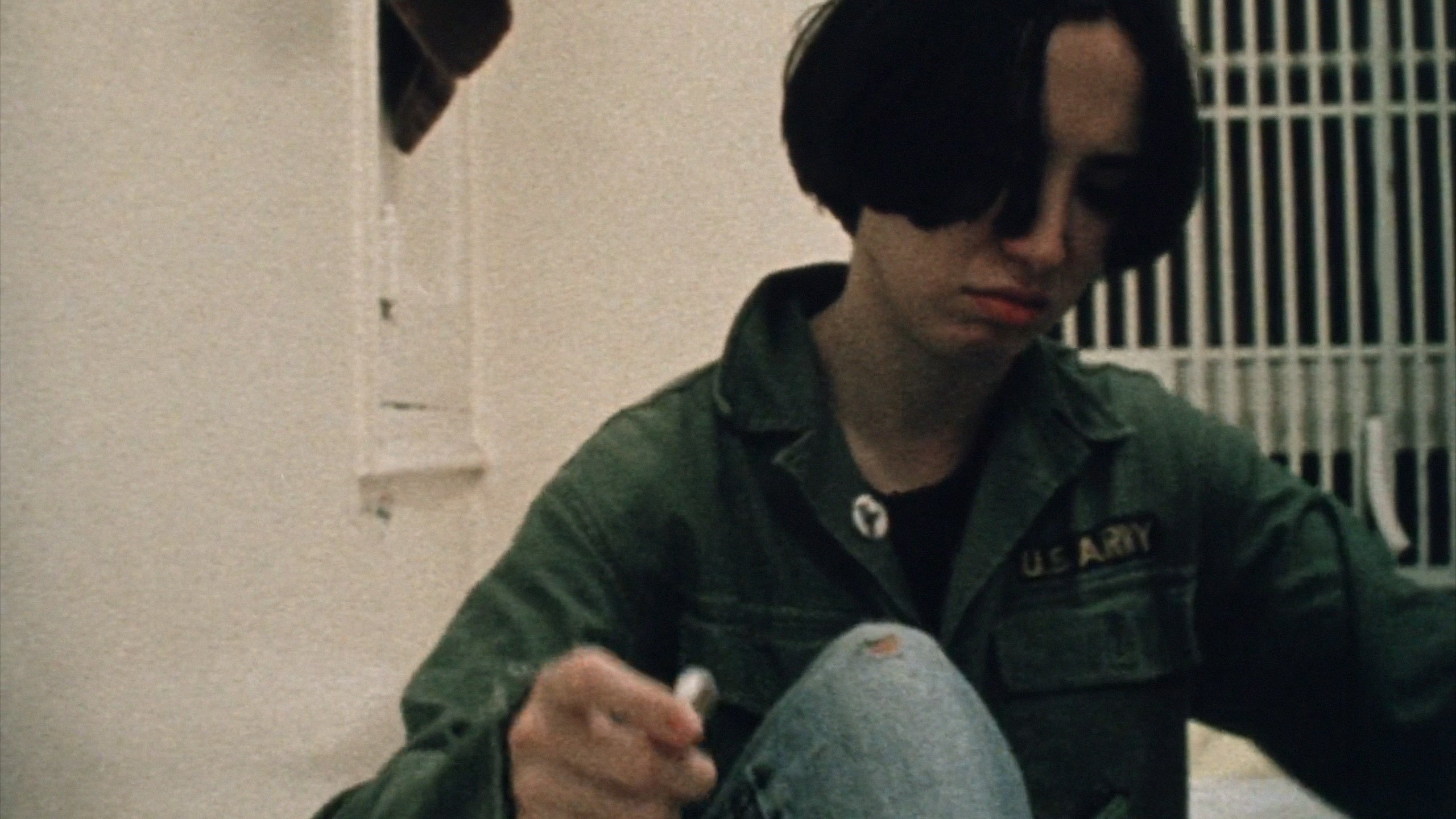
What makes this film interesting to me is that Keith isn’t portrayed as a good person. His girlfriend is heavily implied to be underaged, and she’s shown trying to hurt herself at her high school, possibly due to the stress of their relationship. She ends up leaving him, furthering Keith’s spiral into self destruction. Keith also manages to drive away his only “friend” Sandy, who barely tolerated him in the first place. The scenes with Sandy end up being some of the most uncomfortable moments in the entire film, with Sandy actively trying to ignore Keith or get him out of his house, and Keith just not getting the memo.
Keith’s job and his own house provide no escape from his misery either. Keith’s boss, Carmine, is a terrible person who genuinely made me angry any time I saw him on screen. Almost anyone who’s worked a dead end job had a quick tempered boss like Carmine, just a smug jerk who has nothing to his name, but still thinks he’s better than you. He bullies Keith to no end, and is constantly on the verge of firing him. Keith’s roommate, Charles, might be even worse. Charles is your typical pretentious douche, someone who has delusions of grandeur and no talent to show for it. He constantly dodges paying the bills, instead offloading all the bills onto Keith, who barely makes enough money to support one person, let alone two. Keith is definitely not a good person, and it’s understandable that nobody would want to be around him, but the people that surround him in this movie are so outwardly horrible to him, that you can’t help but feel pity for this man.
Frownland excels at showing the horror of interacting with other people. Everyone in this movie is rude, awkward, and barely keeping it together. You can feel contempt towards Keith in every gnarled facial expression and rushed gesture. The irony is, that Keith desperately wants to connect with other people. He works a job as a solicitor despite his social anxiety, and it’s very obvious he wants to have a nice conversation with the people he talks to, but he just can’t do it. His attempts at humor fall flat, his demeanor is generally off-putting, and he is so neurotic that it’s hard to even understand anything he musters out. There are times where Keith’s lack of social awareness is funny, (the toothpaste scene got a hearty chuckle out of me) but most of the time, it’s some of the saddest moments I’ve ever seen put to celluloid.
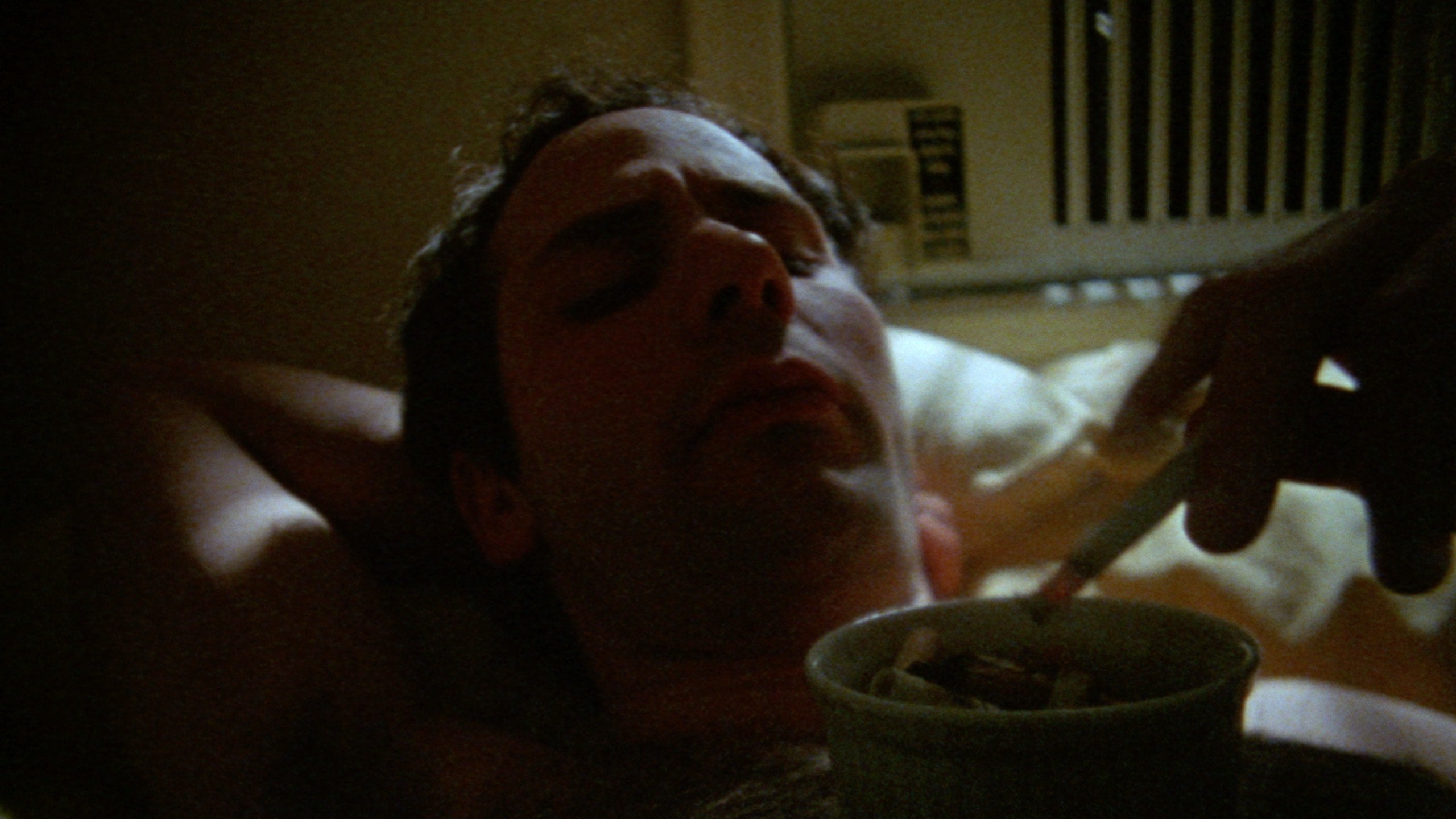
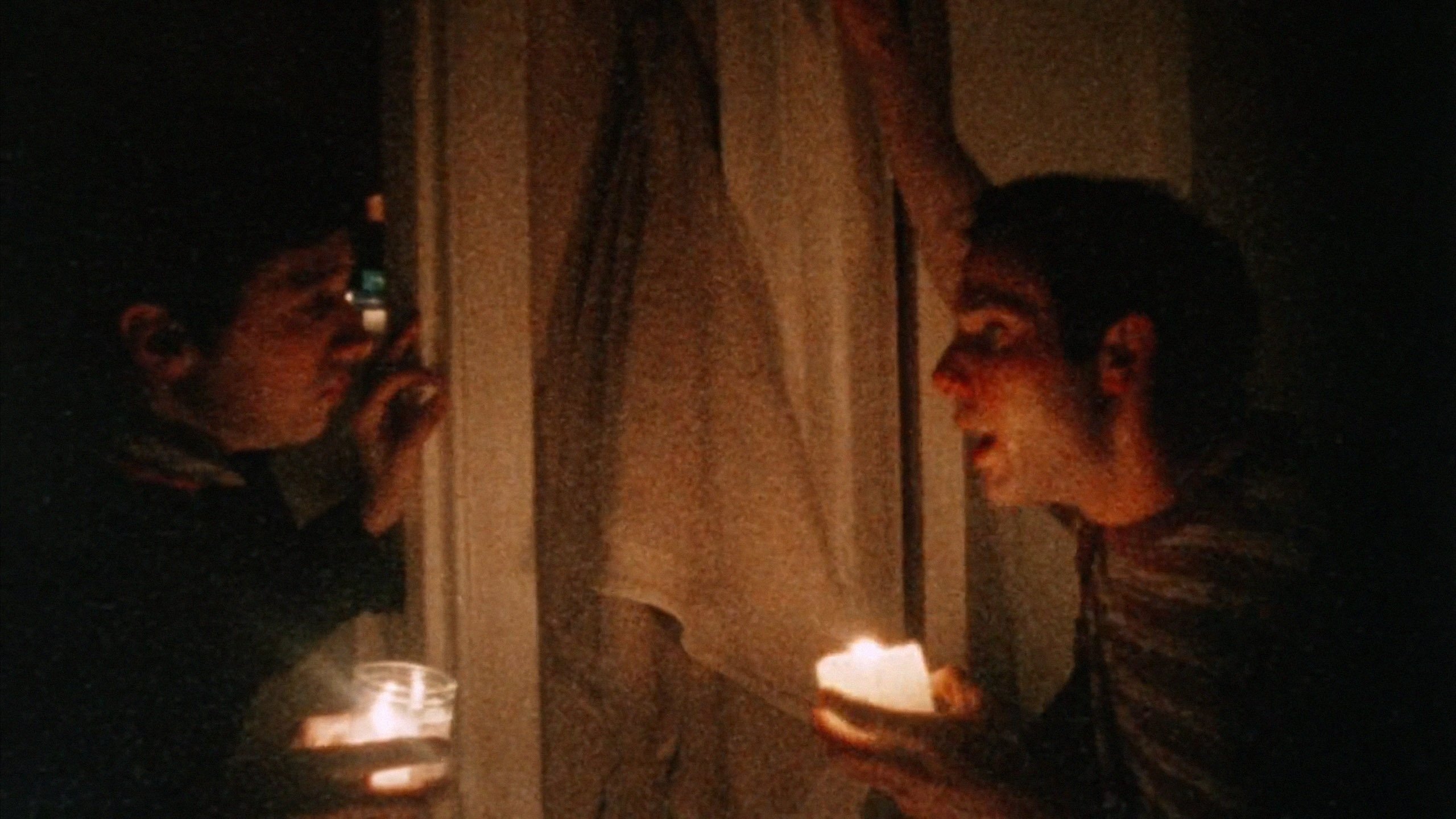
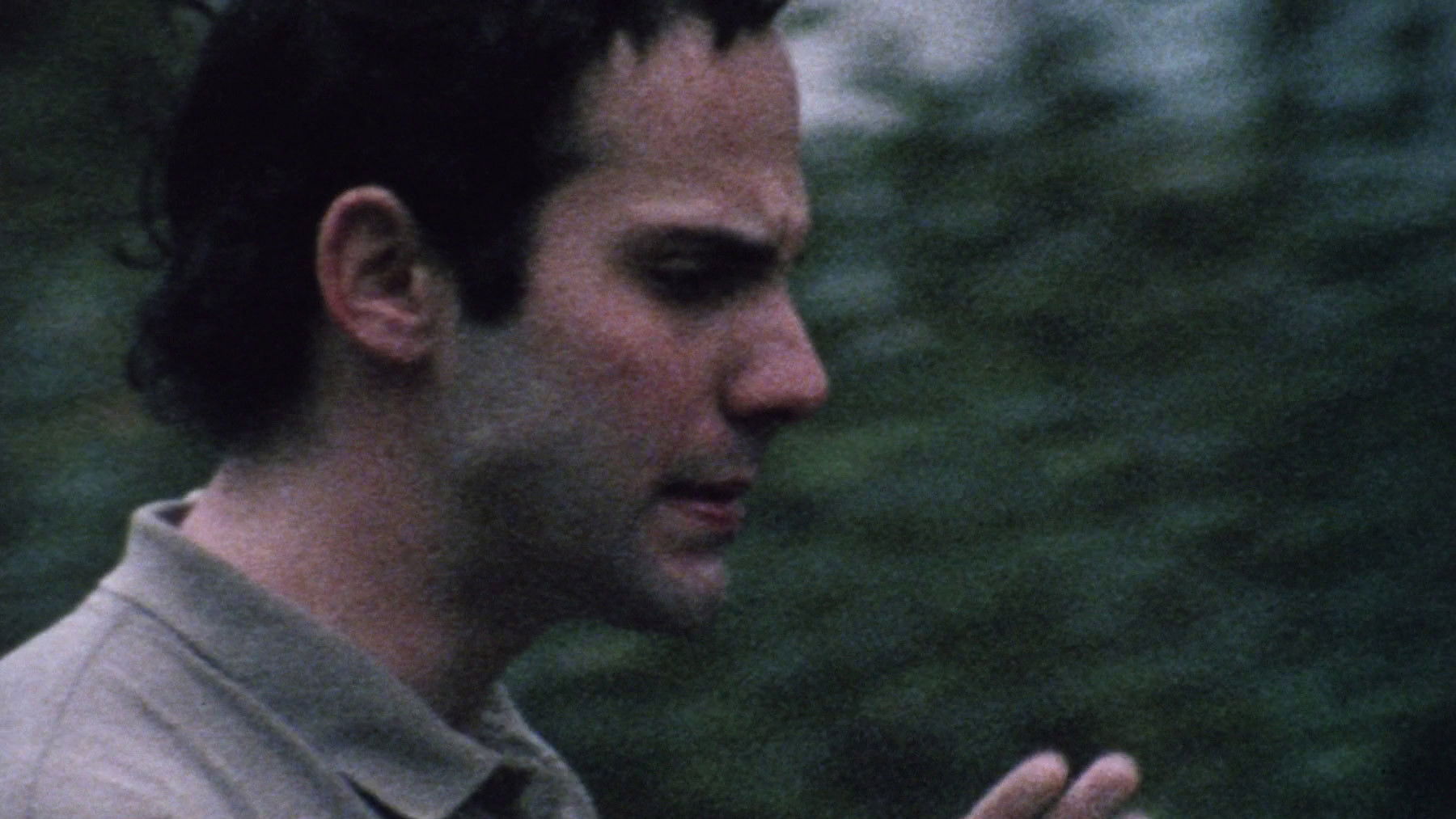
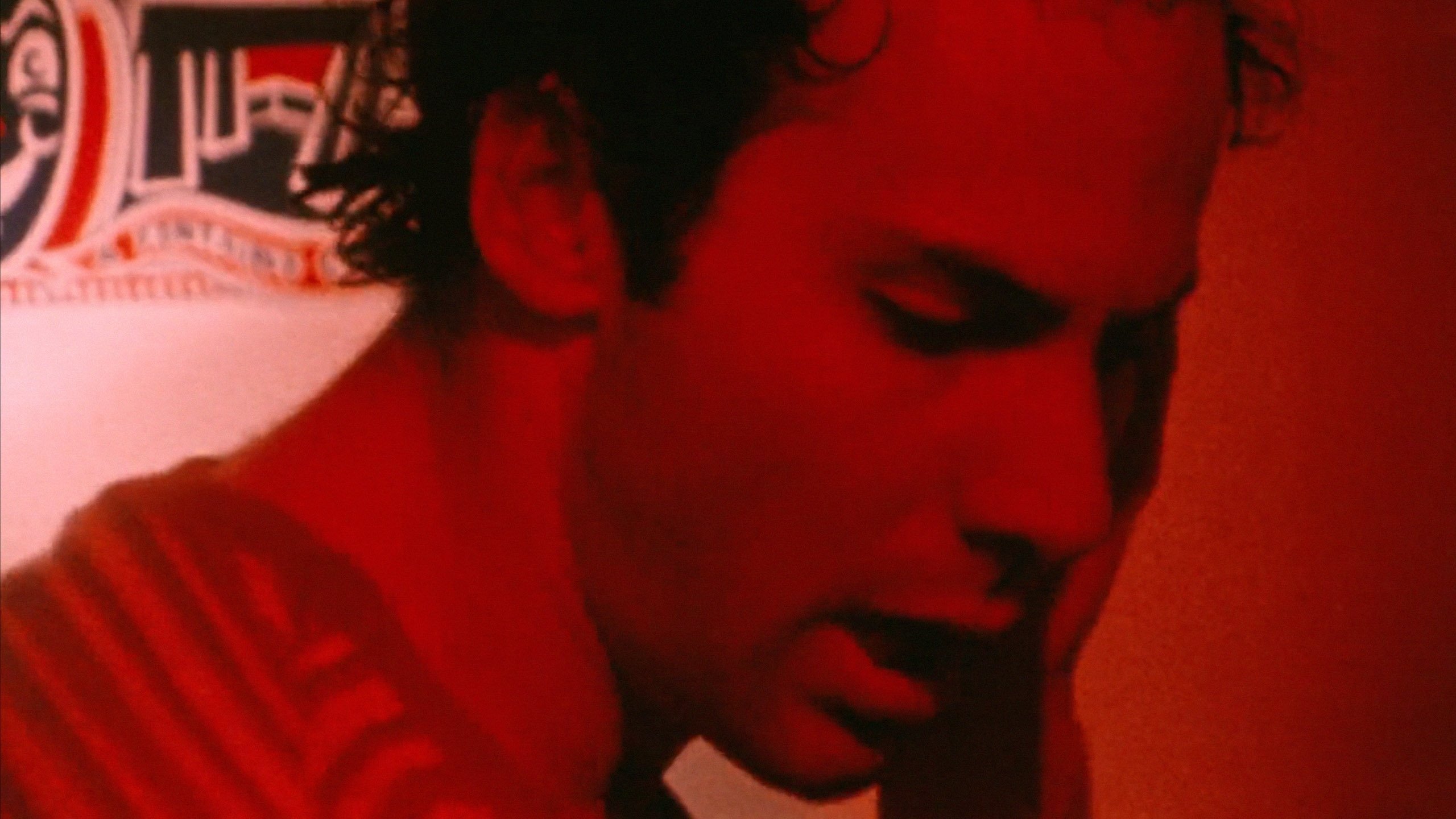
The lo-fidelity cinematography by Sean Price Williams is stunning and it helps the film feel like a raw look into somebody’s life that we weren’t supposed to see. It’s heavily reminiscent of old 70’s films, but it never feels gimmicky. You can see every single grain of the 16mm film this was imprinted on, and there are times where the film looks like it’s on the verge of deteriorating, almost paralleling Keith’s own self destruction. The soundtrack also really helps with setting the tone for this movie, it was done by the actor for Charles, Paul Grimstad, and it feels reminiscent of 70s synth acts like Tangerine Dream. It’s anxiety inducing and grimy, the electronics here sound like they’ve been hit with 200 filter and it’s absolutely mesmerizing to listen to. Despite the soundtrack being short, it was used perfectly in the movie. There’s a scene where Keith is running through the night while an ominous electronic dirge is playing in the background, and that is something that has been burned into my brain permanently as one of the best scenes I’ve ever witnessed from a film.
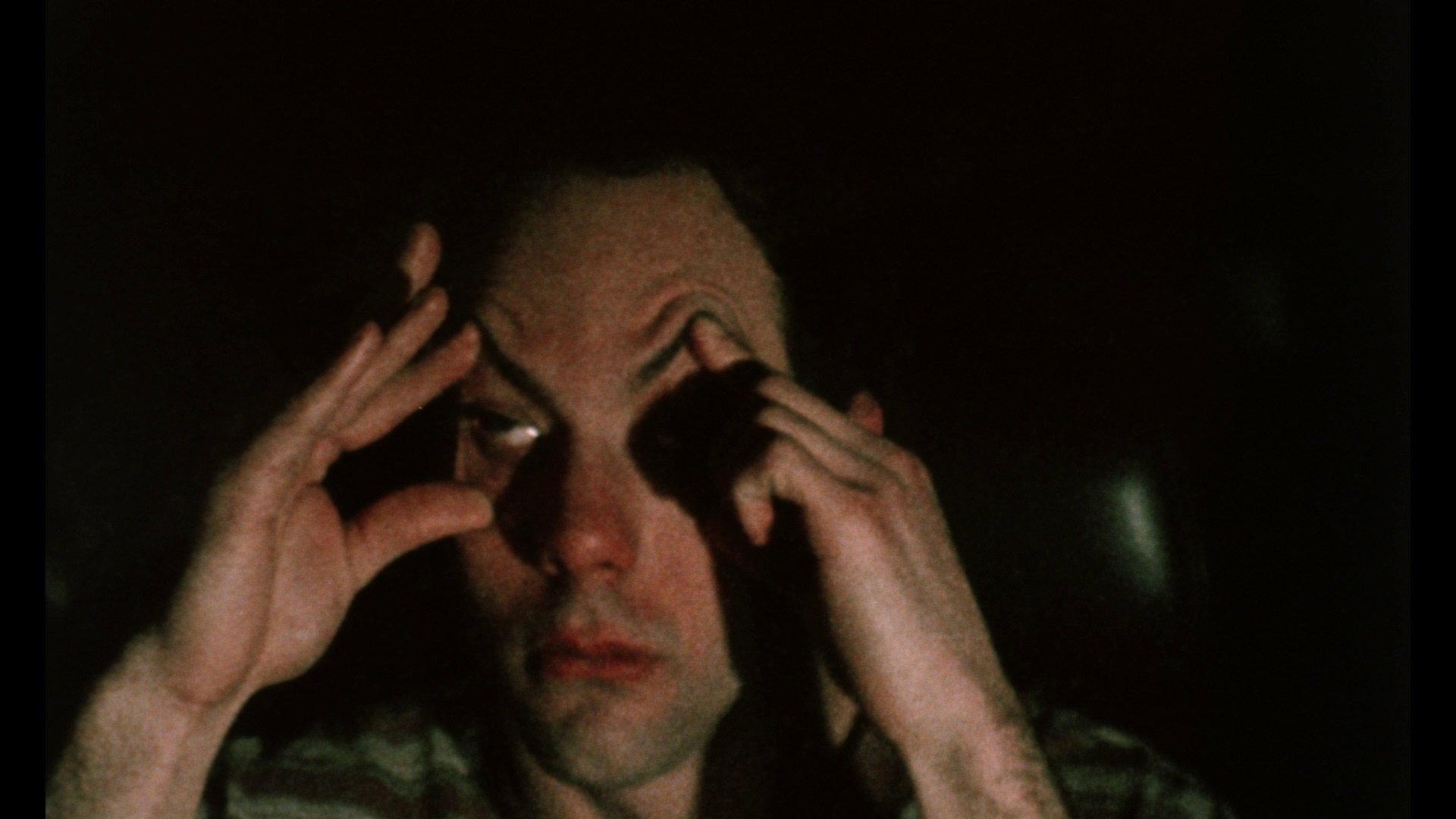
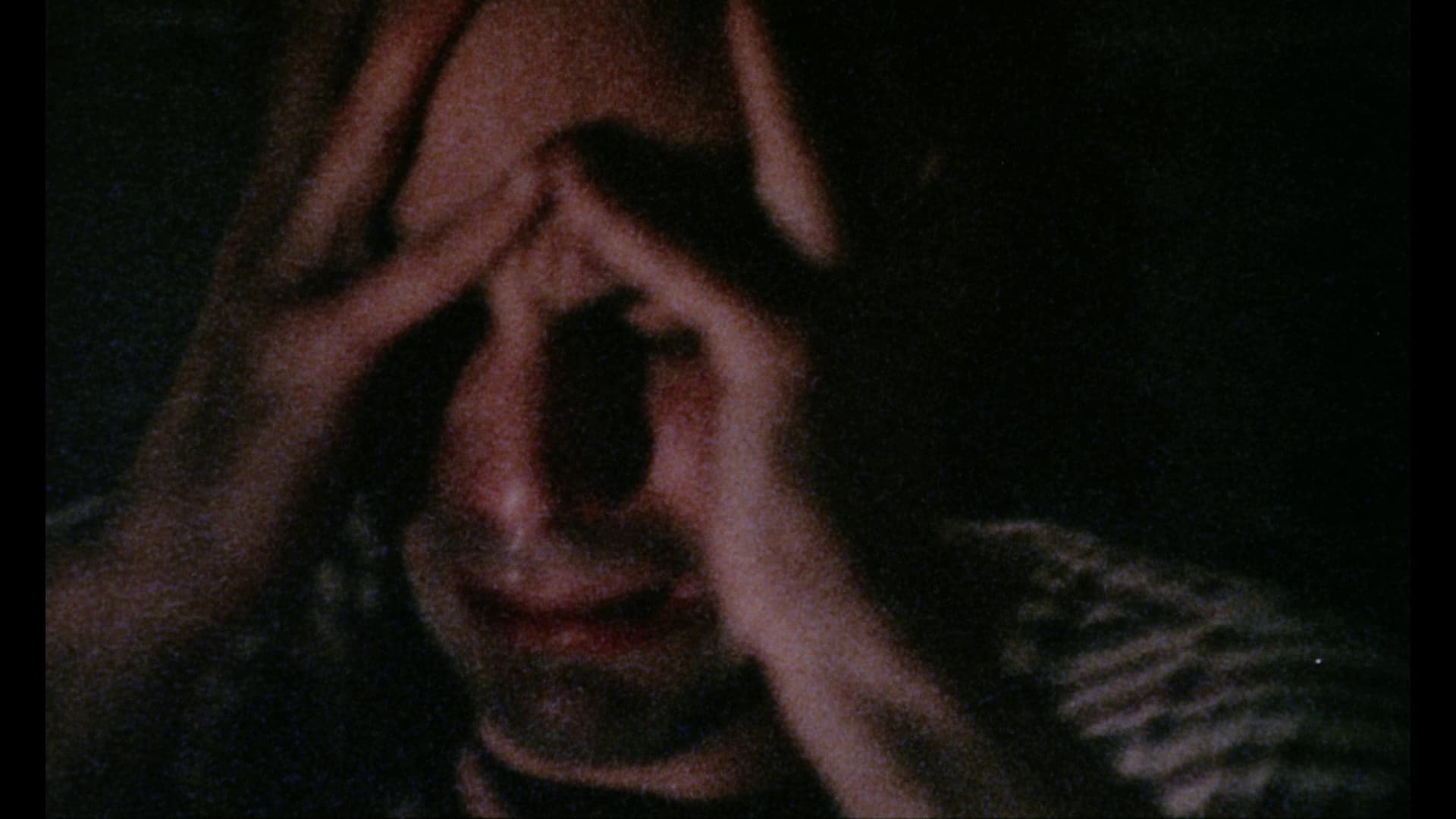
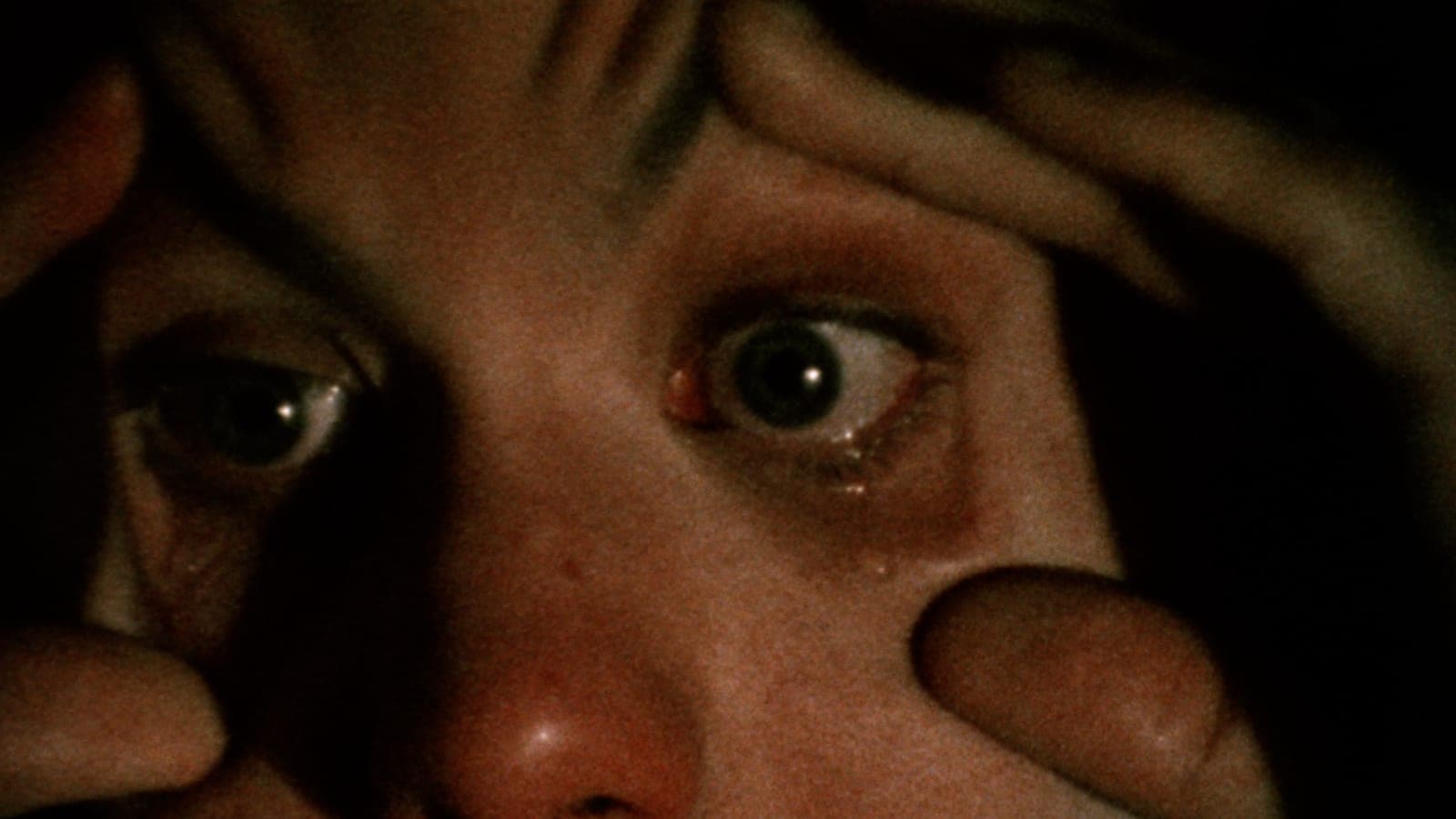
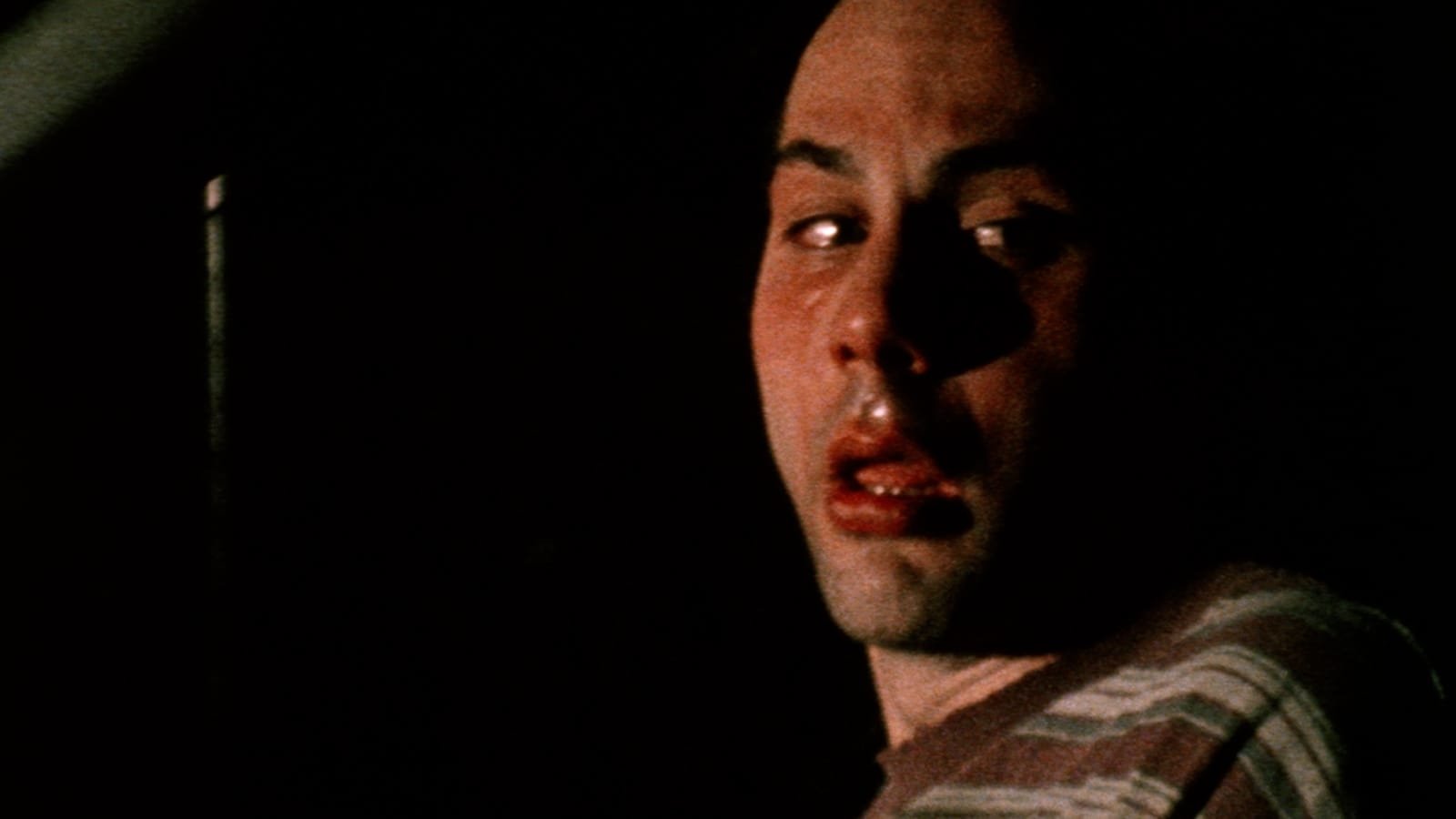
The ending of this movie elevates it from a 10/10 masterpiece, to something much more. Keith loses all of his friends from his own social self destruction, he’s about to lose his apartment, and he has absolutely nowhere to go. He stumbles into a hellish party where two men start taunting him, and the combination of incessant noise and mockery makes Keith vomit, and he lashes out at one of the men ridiculing him. He gets kicked out of the party, and you see Keith try and look for an exit, but instead he just collapses on the staircase, and breaks down completely. Earlier in the film, Keith tried pulling his eyelids open in an attempt to “cry” for his distraught girlfriend, but his girlfriend could tell that he was faking it. Throughout the entirety of Frownland, it seems like it’s impossible for Keith to cry at all, but when he breaks down on the staircase, he doesn’t just cry, he weeps. He has lost everything, he has no family, friends, or possessions. Everyone he meets will hate him regardless of how hard he tries, and the worst part, is that he’s partially to blame for that fact. The film ends with Keith on a rooftop, watching the sun rise, and quietly contemplating about how his life got to this point. It’s not a hopeless or hopeful ending, but it’s the only ending that makes sense. Keith lost everything and everyone, but the world still moved on. He might take steps to fix his life, or he might self destruct again, but regardless of the outcome, he still has to live another day.
I’ve thought of Frownland every single day since I first watched it. I think the best films end up being spiritual, and this movie feels like spiritual meditation on loneliness. You can be surrounded by people and still feel lonely. I have to admit, a part of the reason why Frownland is my favorite film of all time, is because of how much I relate to it. I pull my hair when I get nervous like Keith, I self deprecate way too often, and I have terrible social anxiety, to the point of almost passing out at social gatherings from the sheer volume of people. I tend to over-explain myself like Keith too (as evidenced by my reviews). In some ways my social anxieties are worse than Keith’s and in others ways, I’m better, but it doesn’t mitigate the fact that I shouldn’t relate to this film as much as I do.
I don’t think I’ve ever weeped to a movie before, but this film managed to make me sob like I never have before. I cannot get through the party scene or Keith’s breakdown without tearing up, because I’ve had too many moments like that, where the sensory overload just hits me like a ton bricks and I just completely shut down. Frownland is a movie that speaks to me on a personal level, and as much as I might be unsettled and depressed by this film, I don’t think I can hail it as anything less than a transcendent masterpiece.
As of writing this, this movie is my favorite film ever made. I went into it thinking it would be a dark improv comedy, or a sleek proto-Safdie film, but I was sorely mistaken. The first time I saw this movie, I was stunned throughout the entire runtime. Never before have I seen such a grueling and uncomfortable portrayal of loneliness and social anxiety; everything about this film is just unsettling to the core.
The main character of the film, Keith, is a complete failure at life. His social anxiety is horrific, to the point of him not being able to get out a sentence without stuttering, or mumbling gibberish. He speaks in cryptic analogies that only he understands, and sometimes he doesn’t even get out a word out of embarrassment. Dore Mann delivers my favorite performance of all time as Keith, you can feel how self loathing he is in every single scene. Keith will pull on his hair any time he gets nervous, he’ll try to self deprecate to alleviate any tensions, and after every sentence he spits out, he has a look of disgust; almost like he’s about to vomit at his own words.
What makes this film interesting to me is that Keith isn’t portrayed as a good person. His girlfriend is heavily implied to be underaged, and she’s shown trying to hurt herself at her high school, possibly due to the stress of their relationship. She ends up leaving him, furthering Keith’s spiral into self destruction. Keith also manages to drive away his only “friend” Sandy, who barely tolerated him in the first place. The scenes with Sandy end up being some of the most uncomfortable moments in the entire film, with Sandy actively trying to ignore Keith or get him out of his house, and Keith just not getting the memo.
Keith’s job and his own house provide no escape from his misery either. Keith’s boss, Carmine, is a terrible person who genuinely made me angry any time I saw him on screen. Almost anyone who’s worked a dead end job had a quick tempered boss like Carmine, just a smug jerk who has nothing to his name, but still thinks he’s better than you. He bullies Keith to no end, and is constantly on the verge of firing him. Keith’s roommate, Charles, might be even worse. Charles is your typical pretentious douche, someone who has delusions of grandeur and no talent to show for it. He constantly dodges paying the bills, instead offloading all the bills onto Keith, who barely makes enough money to support one person, let alone two. Keith is definitely not a good person, and it’s understandable that nobody would want to be around him, but the people that surround him in this movie are so outwardly horrible to him, that you can’t help but feel pity for this man.
Frownland excels at showing the horror of interacting with other people. Everyone in this movie is rude, awkward, and barely keeping it together. You can feel contempt towards Keith in every gnarled facial expression and rushed gesture. The irony is, that Keith desperately wants to connect with other people. He works a job as a solicitor despite his social anxiety, and it’s very obvious he wants to have a nice conversation with the people he talks to, but he just can’t do it. His attempts at humor fall flat, his demeanor is generally off-putting, and he is so neurotic that it’s hard to even understand anything he musters out. There are times where Keith’s lack of social awareness is funny, (the toothpaste scene got a hearty chuckle out of me) but most of the time, it’s some of the saddest moments I’ve ever seen put to celluloid.
The lo-fidelity cinematography by Sean Price Williams is stunning and it helps the film feel like a raw look into somebody’s life that we weren’t supposed to see. It’s heavily reminiscent of old 70’s films, but it never feels gimmicky. You can see every single grain of the 16mm film this was imprinted on, and there are times where the film looks like it’s on the verge of deteriorating, almost paralleling Keith’s own self destruction. The soundtrack also really helps with setting the tone for this movie, it was done by the actor for Charles, Paul Grimstad, and it feels reminiscent of 70s synth acts like Tangerine Dream. It’s anxiety inducing and grimy, the electronics here sound like they’ve been hit with 200 filter and it’s absolutely mesmerizing to listen to. Despite the soundtrack being short, it was used perfectly in the movie. There’s a scene where Keith is running through the night while an ominous electronic dirge is playing in the background, and that is something that has been burned into my brain permanently as one of the best scenes I’ve ever witnessed from a film.
The ending of this movie elevates it from a 10/10 masterpiece, to something much more. Keith loses all of his friends from his own social self destruction, he’s about to lose his apartment, and he has absolutely nowhere to go. He stumbles into a hellish party where two men start taunting him, and the combination of incessant noise and mockery makes Keith vomit, and he lashes out at one of the men ridiculing him. He gets kicked out of the party, and you see Keith try and look for an exit, but instead he just collapses on the staircase, and breaks down completely. Earlier in the film, Keith tried pulling his eyelids open in an attempt to “cry” for his distraught girlfriend, but his girlfriend could tell that he was faking it. Throughout the entirety of Frownland, it seems like it’s impossible for Keith to cry at all, but when he breaks down on the staircase, he doesn’t just cry, he weeps. He has lost everything, he has no family, friends, or possessions. Everyone he meets will hate him regardless of how hard he tries, and the worst part, is that he’s partially to blame for that fact. The film ends with Keith on a rooftop, watching the sun rise, and quietly contemplating about how his life got to this point. It’s not a hopeless or hopeful ending, but it’s the only ending that makes sense. Keith lost everything and everyone, but the world still moved on. He might take steps to fix his life, or he might self destruct again, but regardless of the outcome, he still has to live another day.
I’ve thought of Frownland every single day since I first watched it. I think the best films end up being spiritual, and this movie feels like spiritual meditation on loneliness. You can be surrounded by people and still feel lonely. I have to admit, a part of the reason why Frownland is my favorite film of all time, is because of how much I relate to it. I pull my hair when I get nervous like Keith, I self deprecate way too often, and I have terrible social anxiety, to the point of almost passing out at social gatherings from the sheer volume of people. I tend to over-explain myself like Keith too (as evidenced by my reviews). In some ways my social anxieties are worse than Keith’s and in others ways, I’m better, but it doesn’t mitigate the fact that I shouldn’t relate to this film as much as I do.
I don’t think I’ve ever weeped to a movie before, but this film managed to make me sob like I never have before. I cannot get through the party scene or Keith’s breakdown without tearing up, because I’ve had too many moments like that, where the sensory overload just hits me like a ton bricks and I just completely shut down. Frownland is a movie that speaks to me on a personal level, and as much as I might be unsettled and depressed by this film, I don’t think I can hail it as anything less than a transcendent masterpiece.