“I was a stupid, impressionable female who let an Airforce General use her like his personal airplane”
Let’s talk about Eleanor Holbrook.
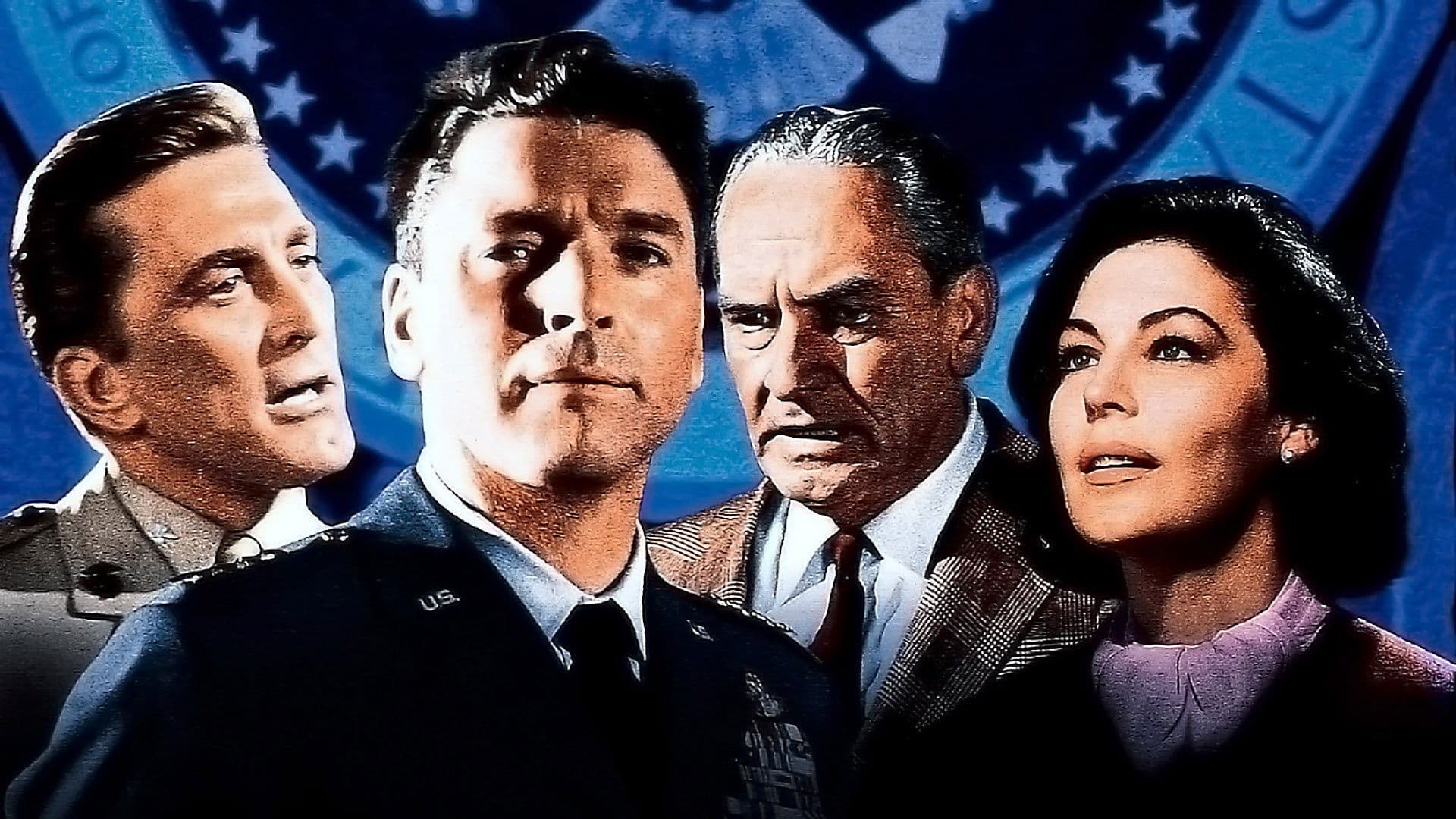
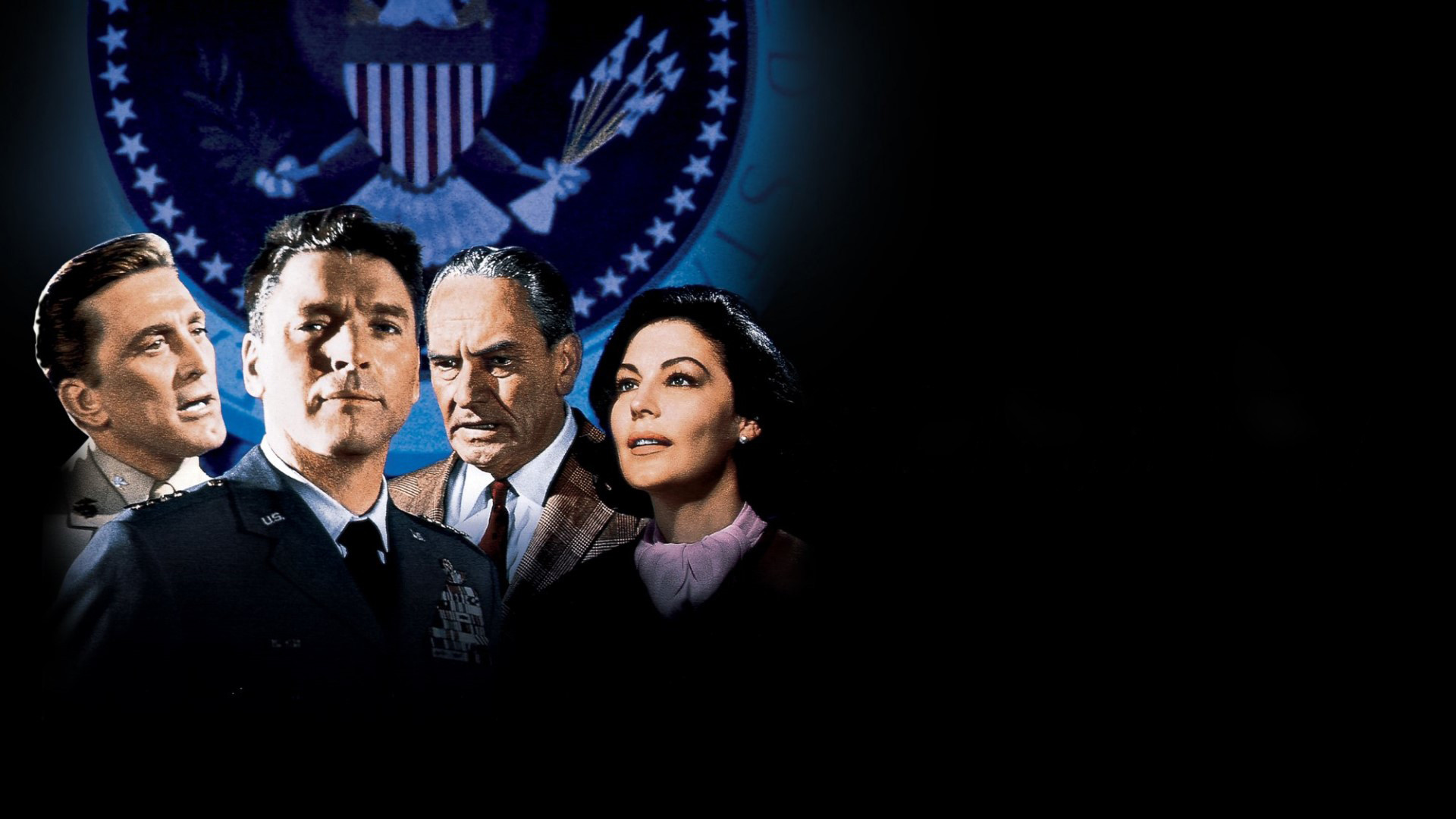
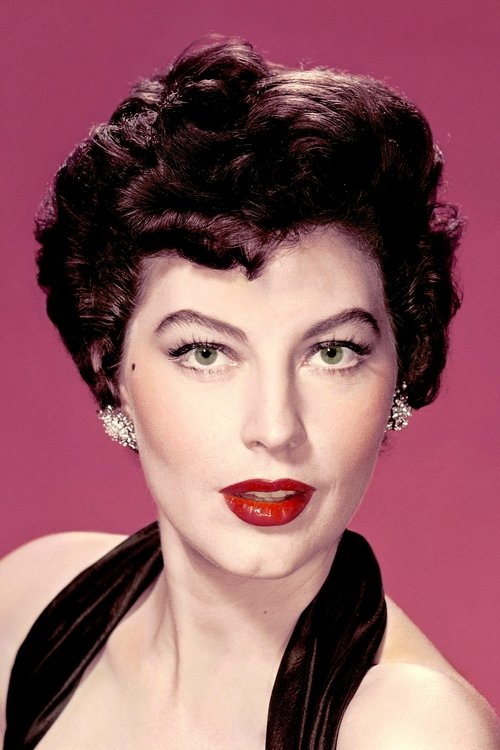
Ava Gardner is the movie star. I’ve made that clear quite a few times. No one commanded the screen like she did under guises which, almost uniformly, leaned into an outdated stencil of seduction. The way she pushed out of those trappings is indicative of just how incredible she was, constantly injecting a clandestine depth into the shallow characterisations. Clearing even her most nuanced performances is Eleanor Holbrook. Holbrook has an interiority anachronistic to the prevailing trends. There’s a life of agency lived outside of the acts shown on the film, a hint of the milestones which came to shape the vulnerable but not volition-less woman we see in the film. When Jiggs and her have their first reunion, Eleanor is completely anterior. She projects a drunken ego which shields the posterior scars. Later, in her apartment, the act fades and the strength turns into an equally compelling vision of someone who’s cut deeply; a woman on the edge, as she later reveals. Gardner is doing more with her eyes than anything else, squinting as if in awe of the faded glamour lighting at the party once she’s in the anaesthetic brightness of her apartment. She’s flawed but the film makes no apologies for it, Gardner’s performance has no such imperfections. She’s also human in a way the other characters in Seven Days in May aren’t.
Cue the actual point to all this.
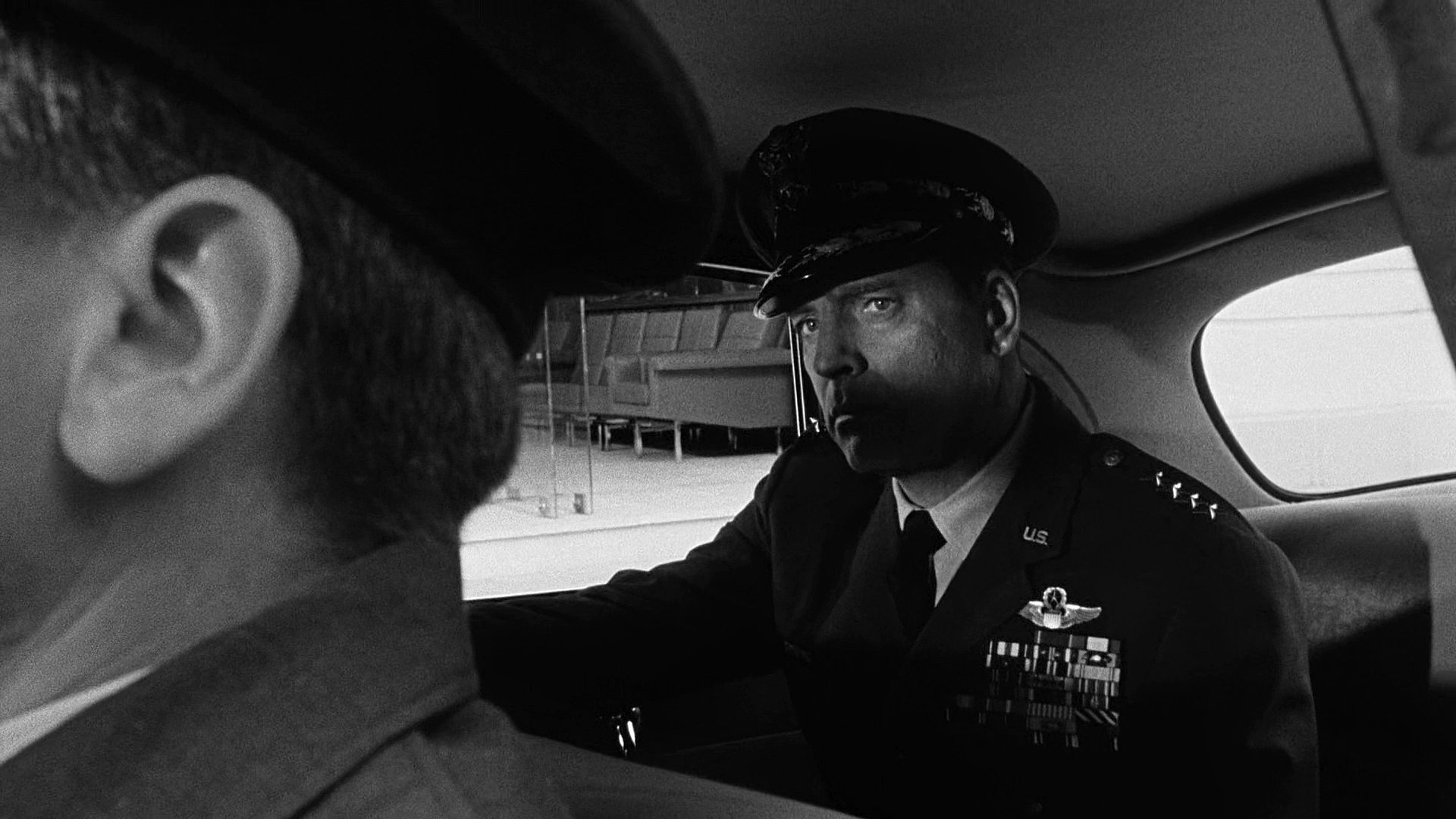
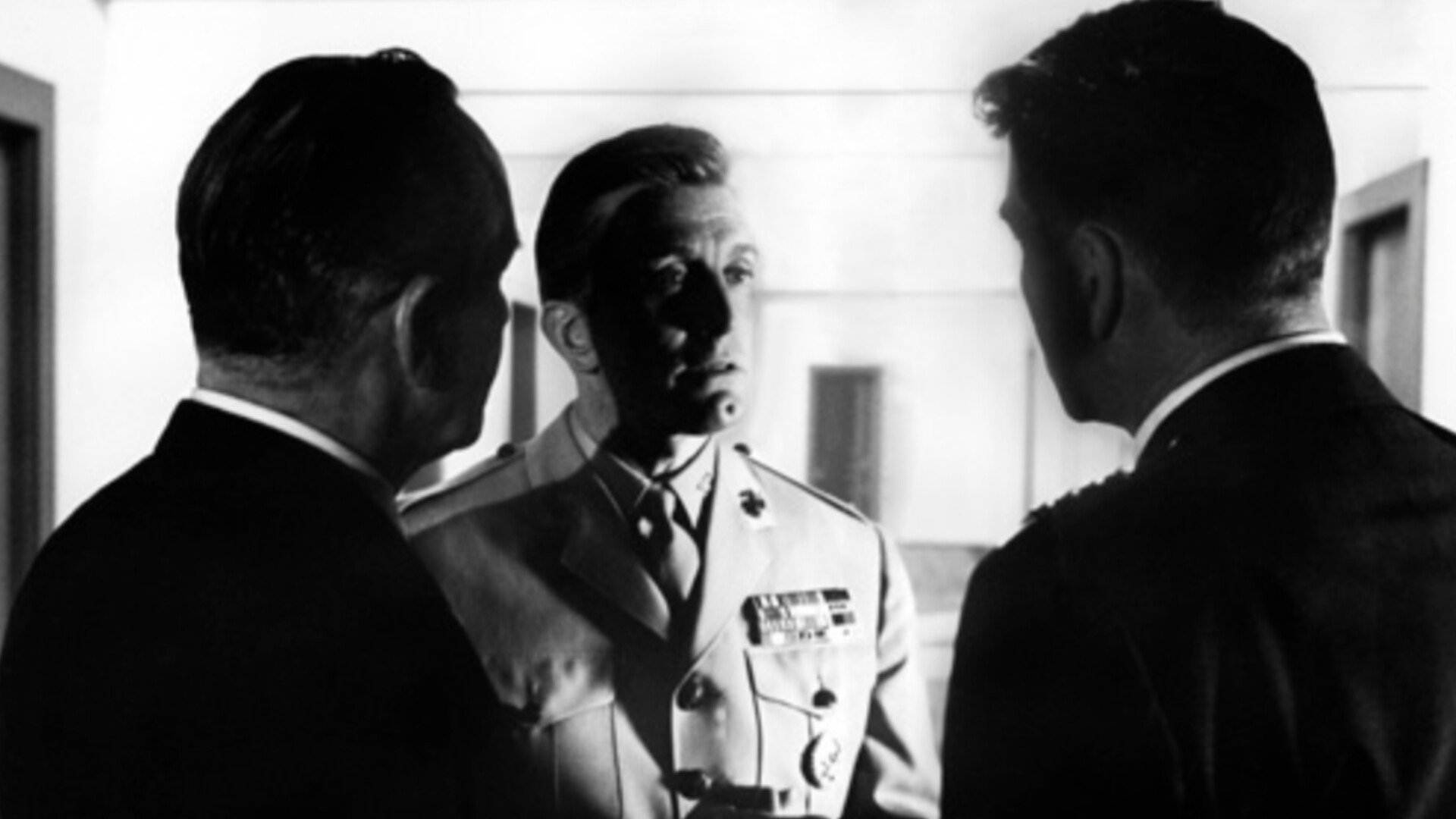
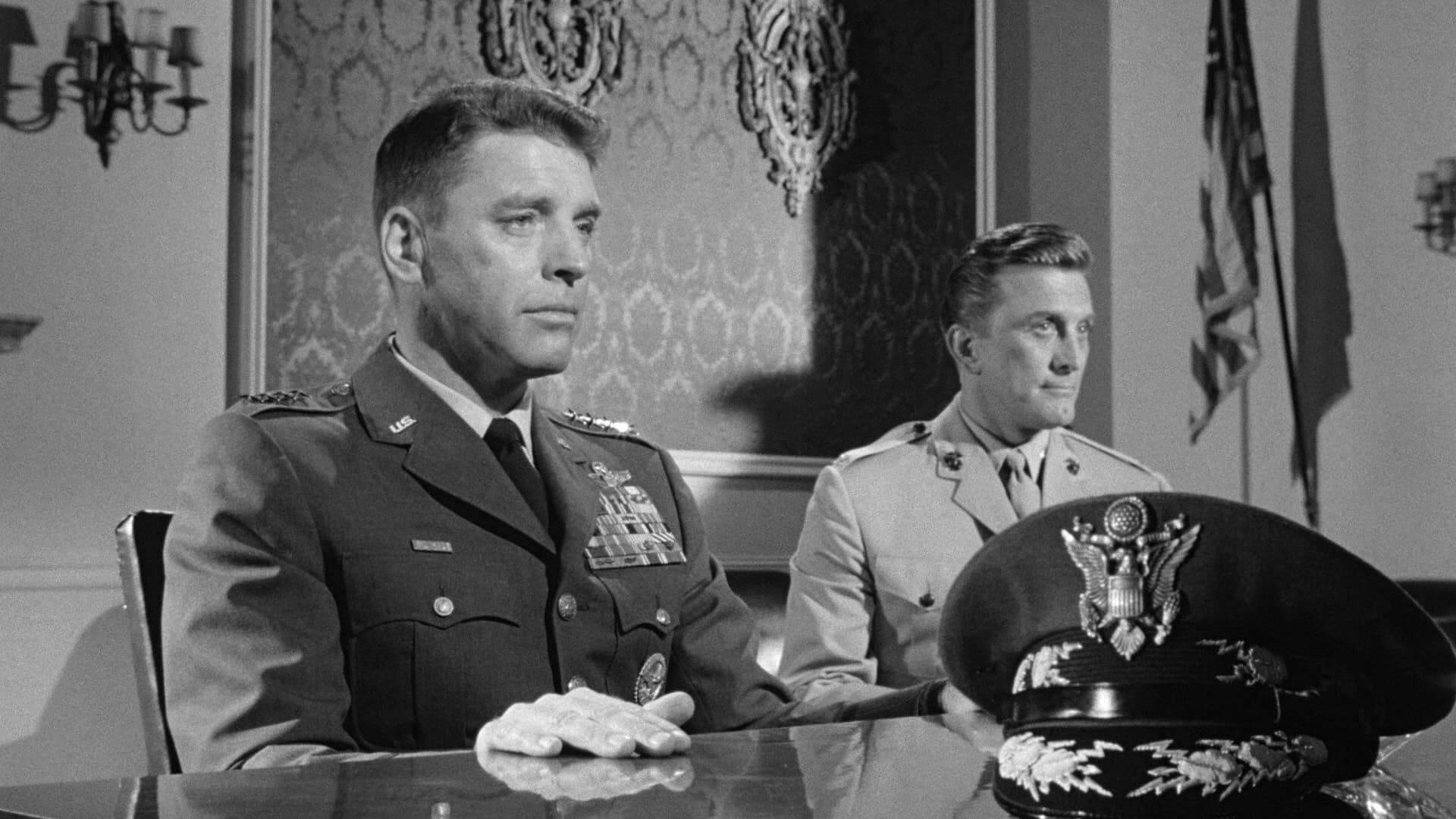
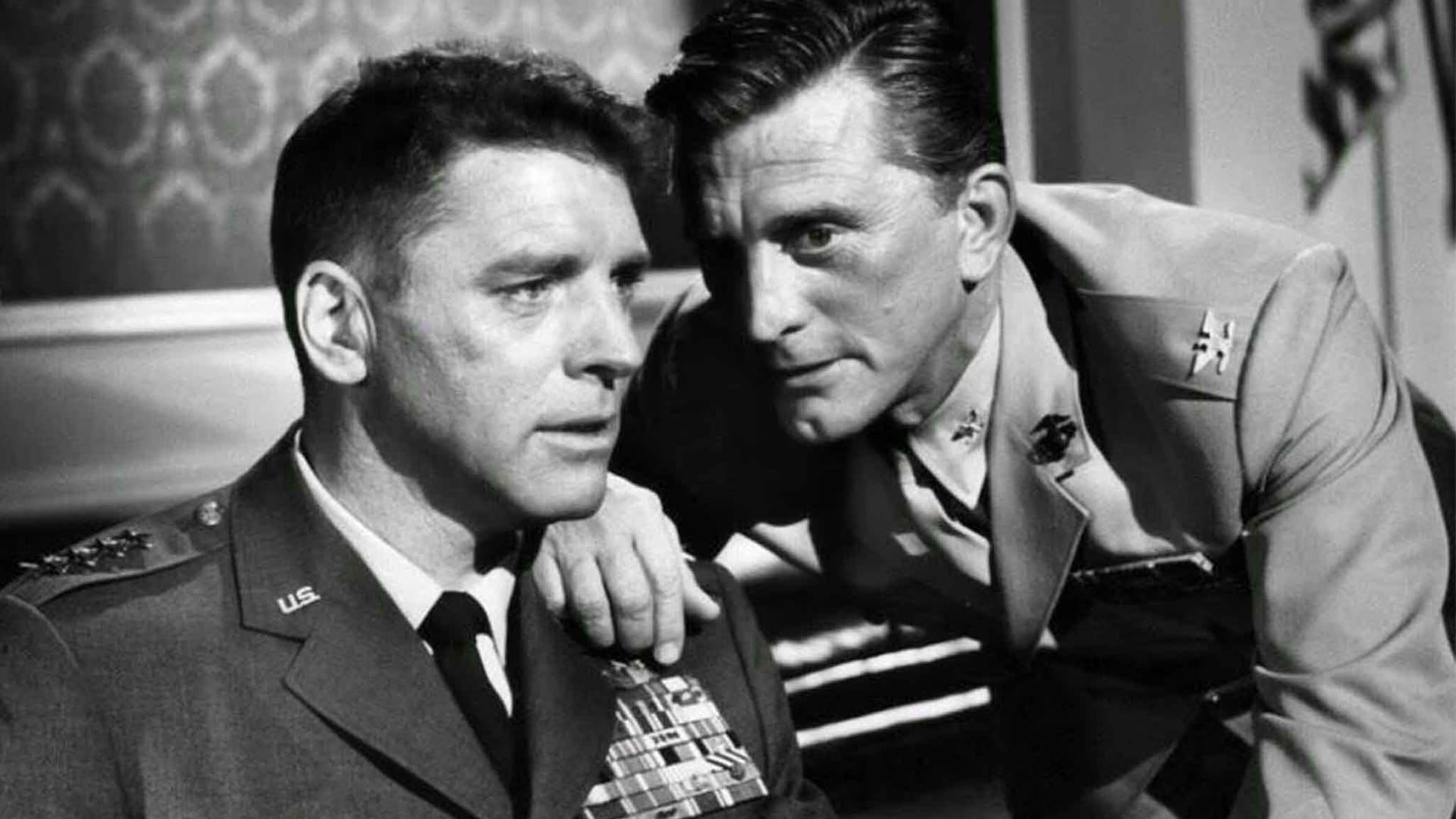
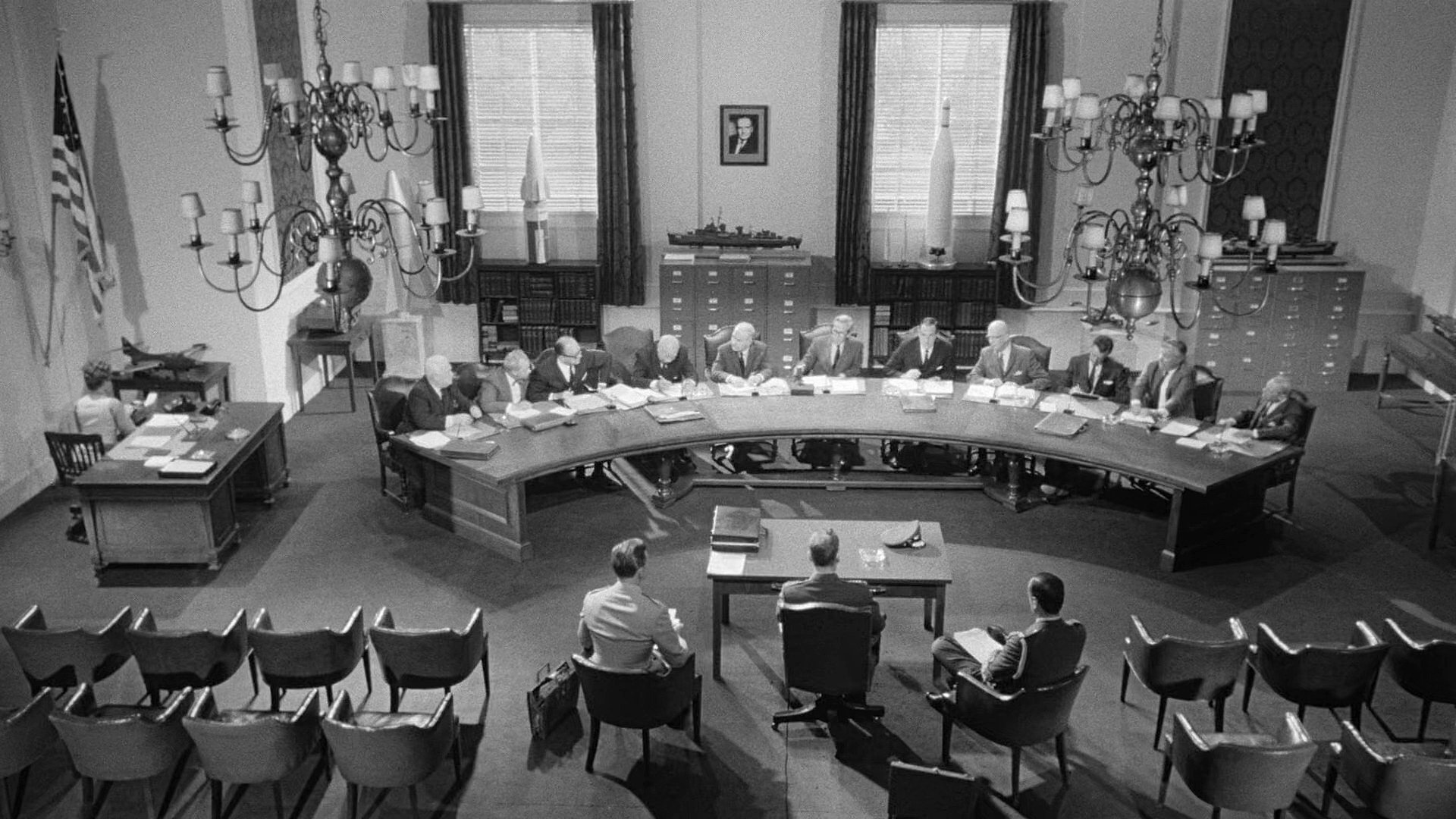
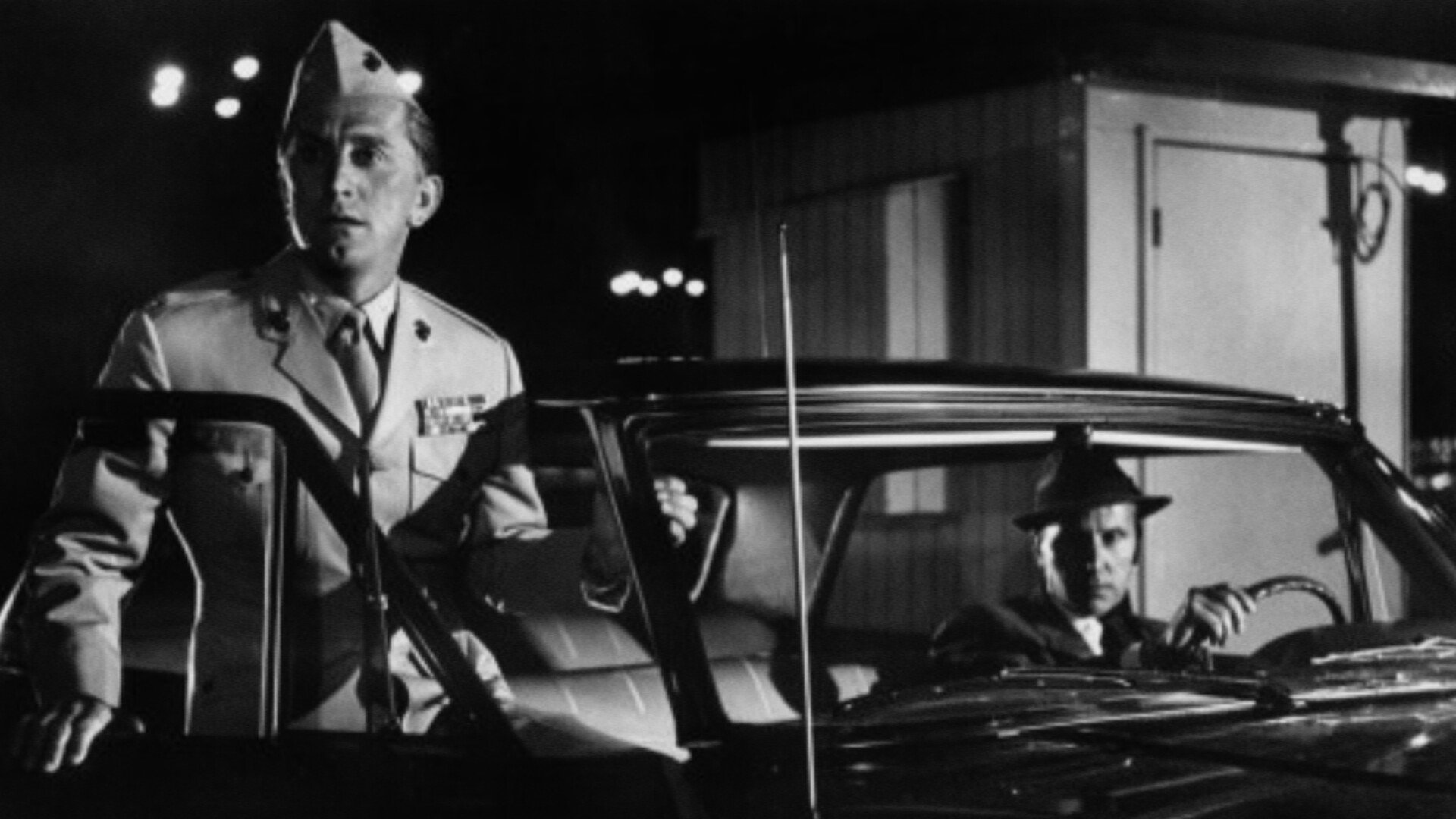
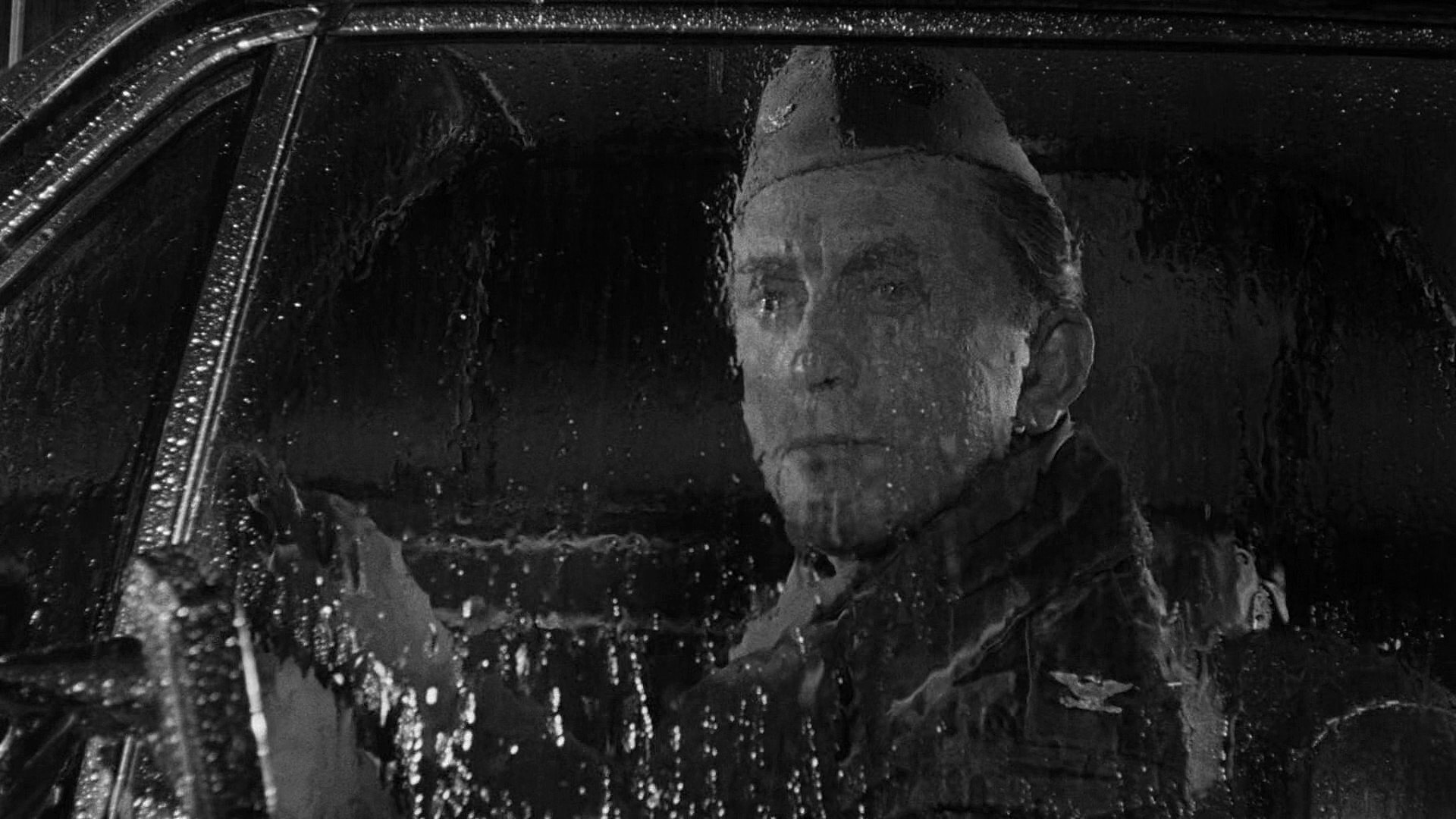
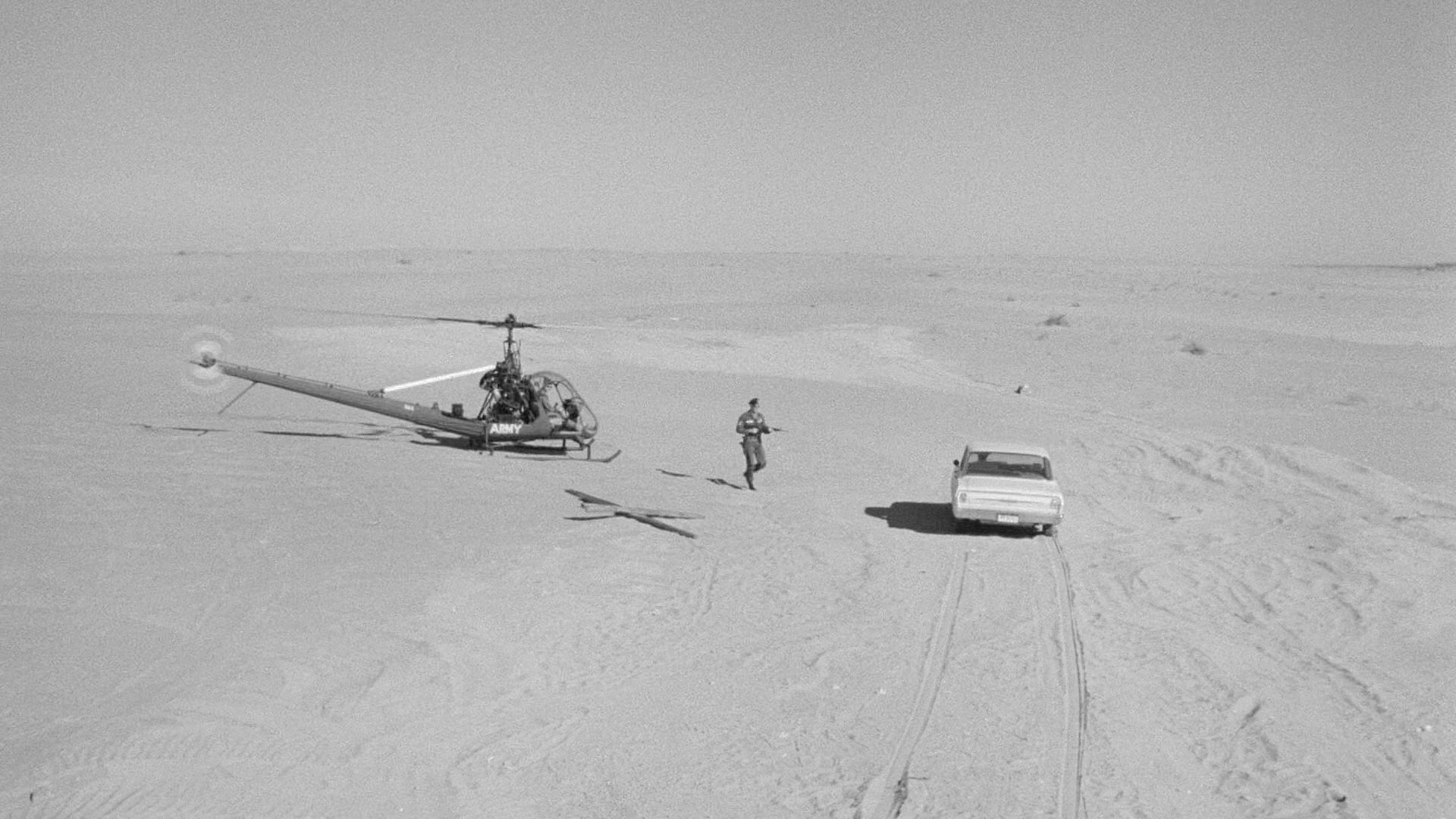
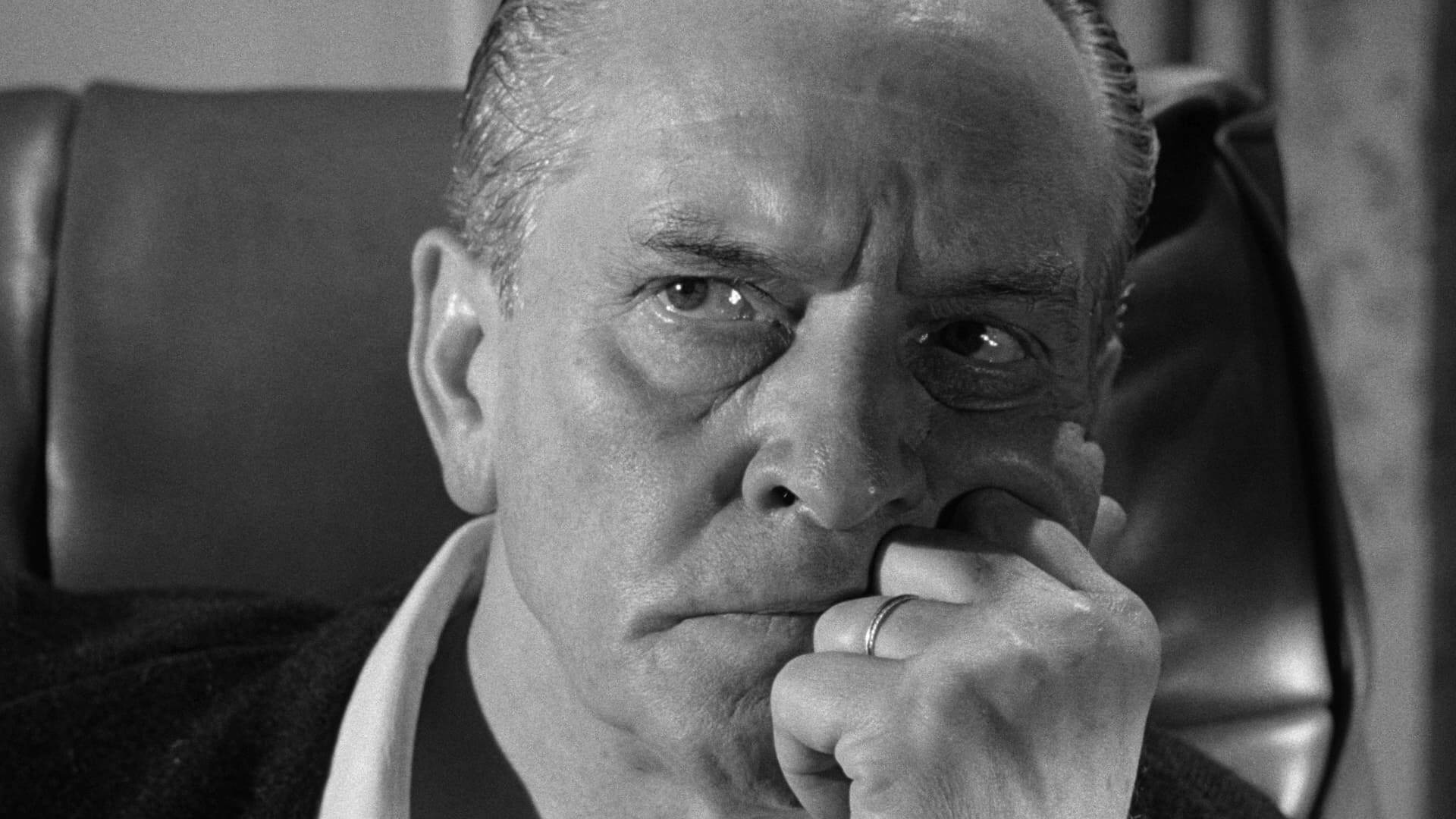
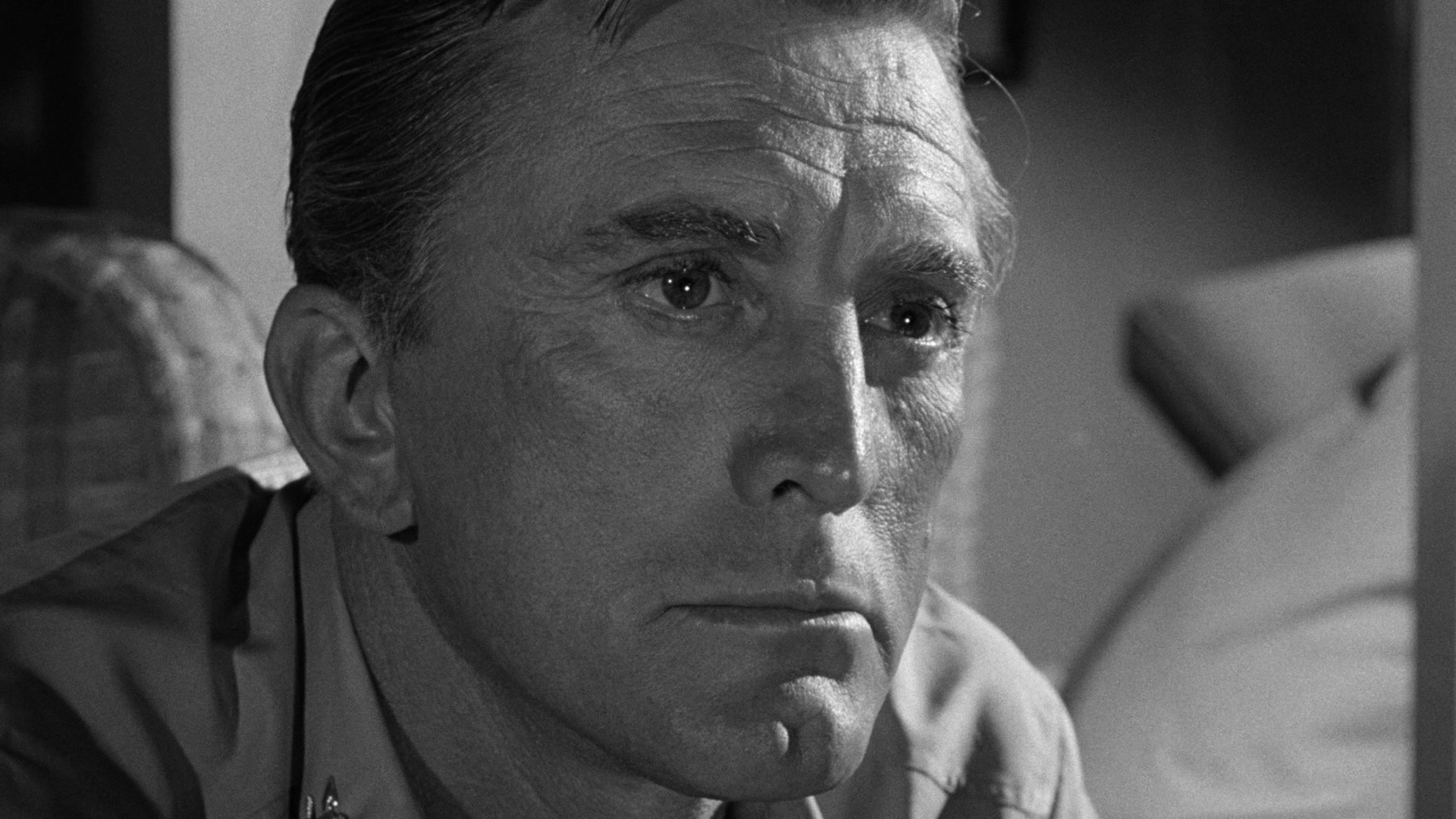
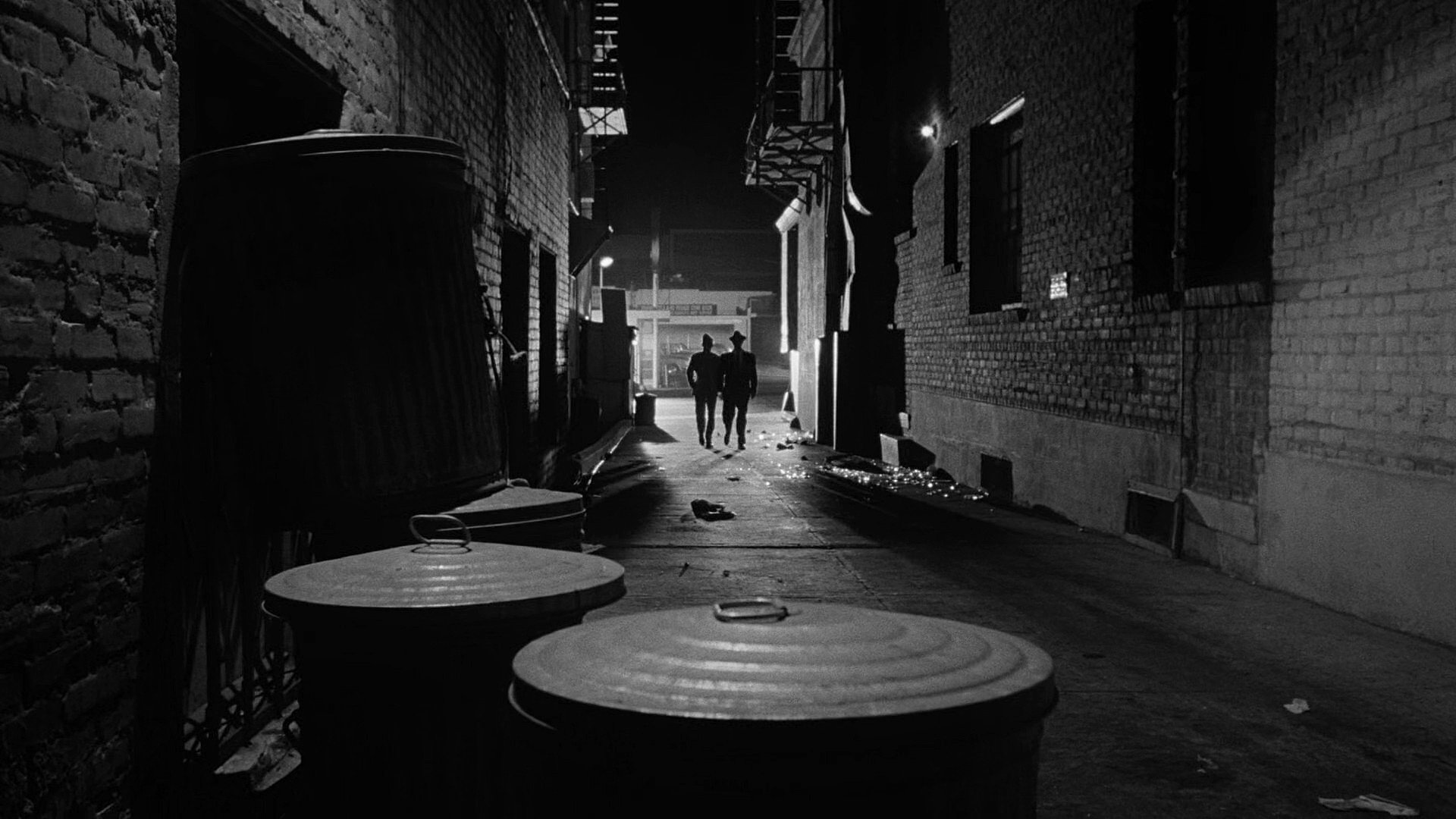
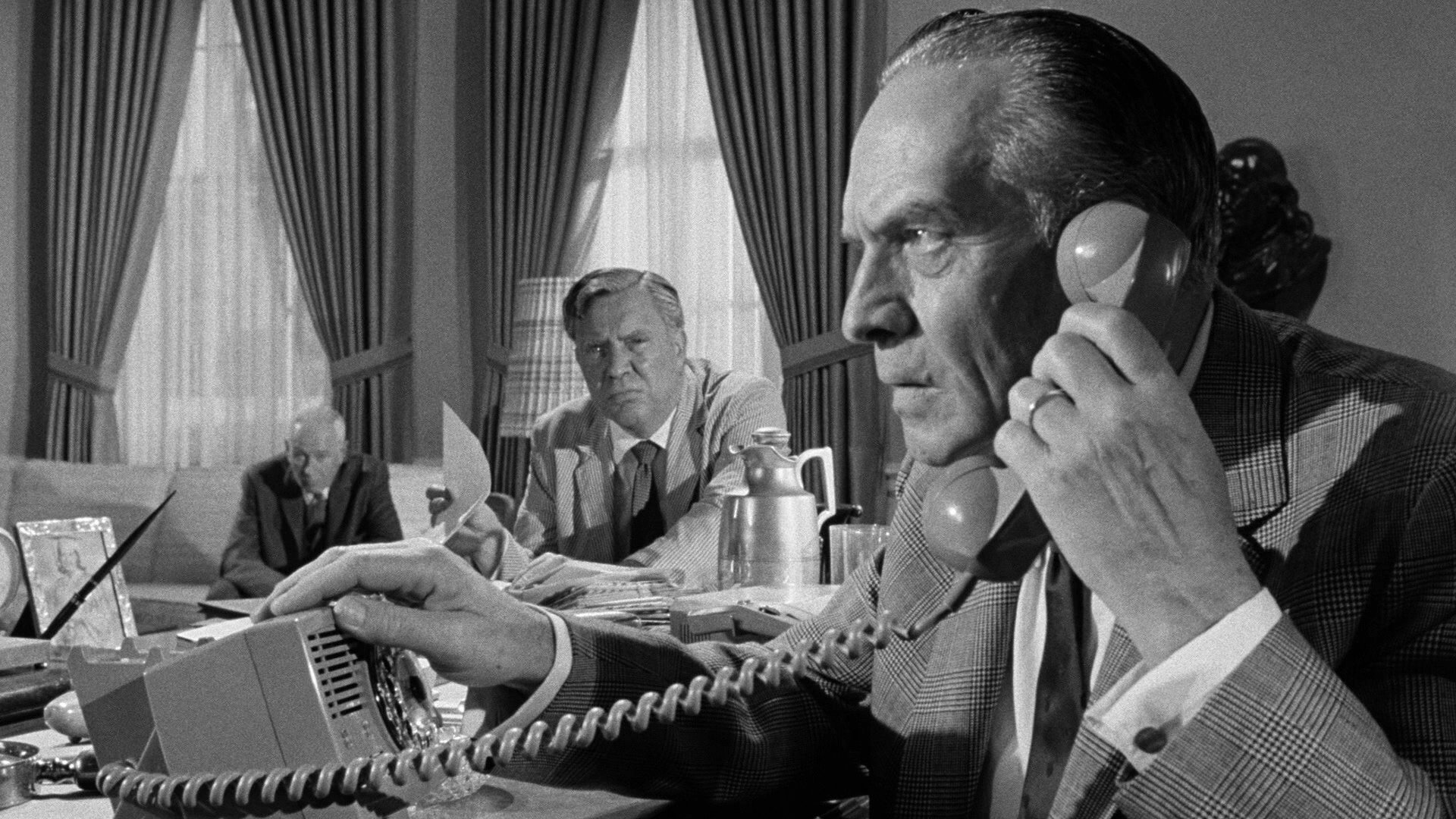
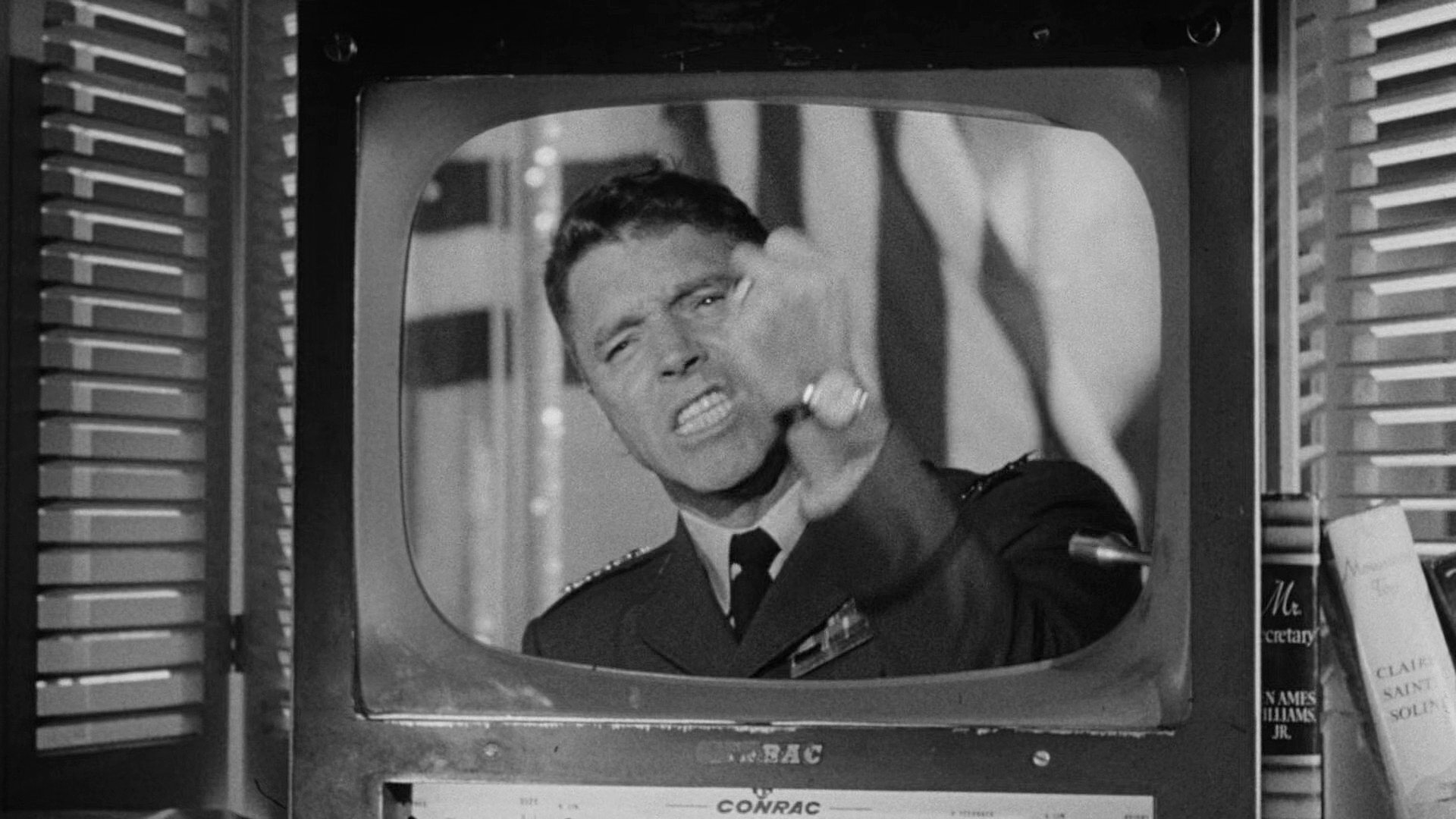
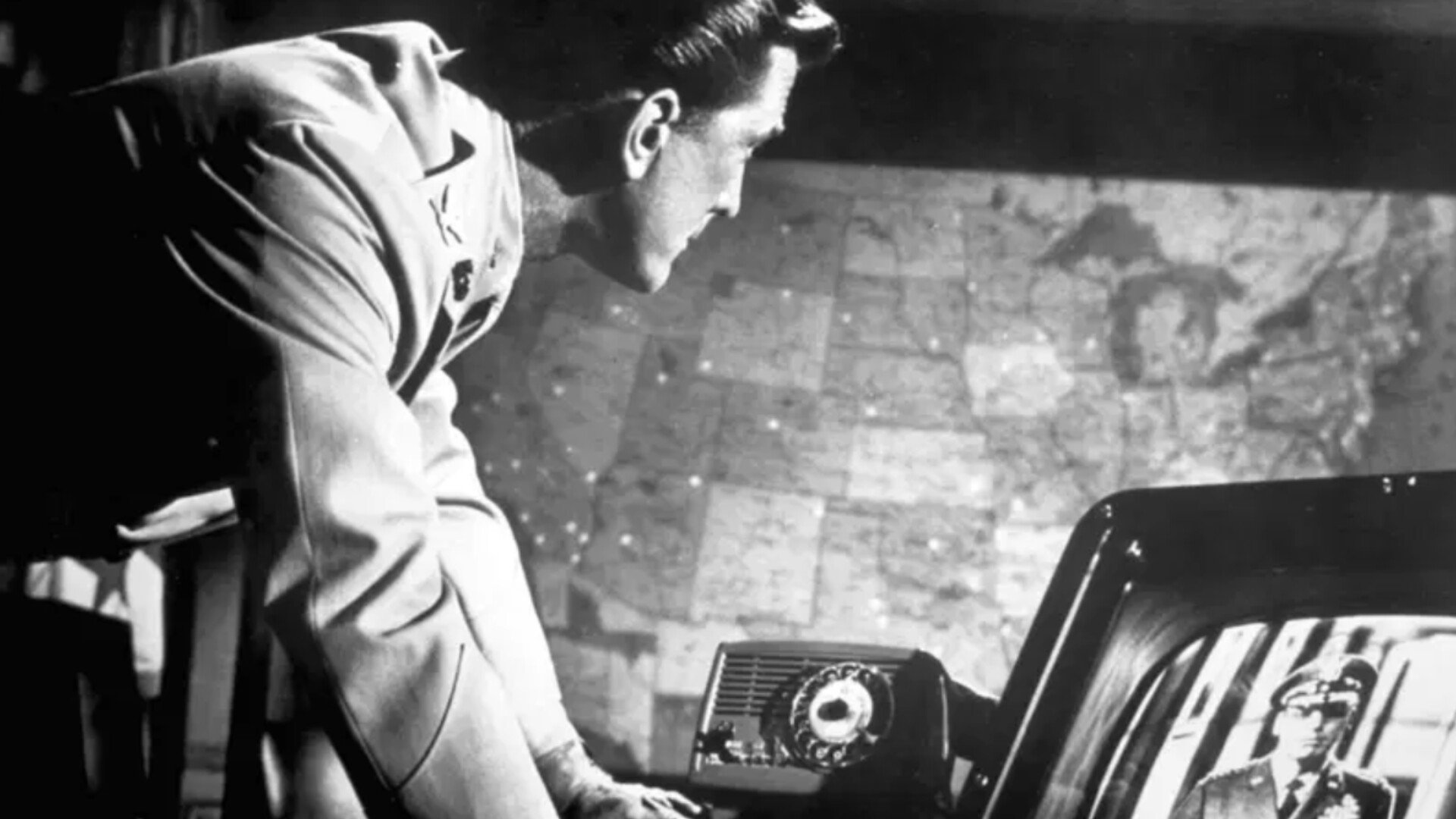
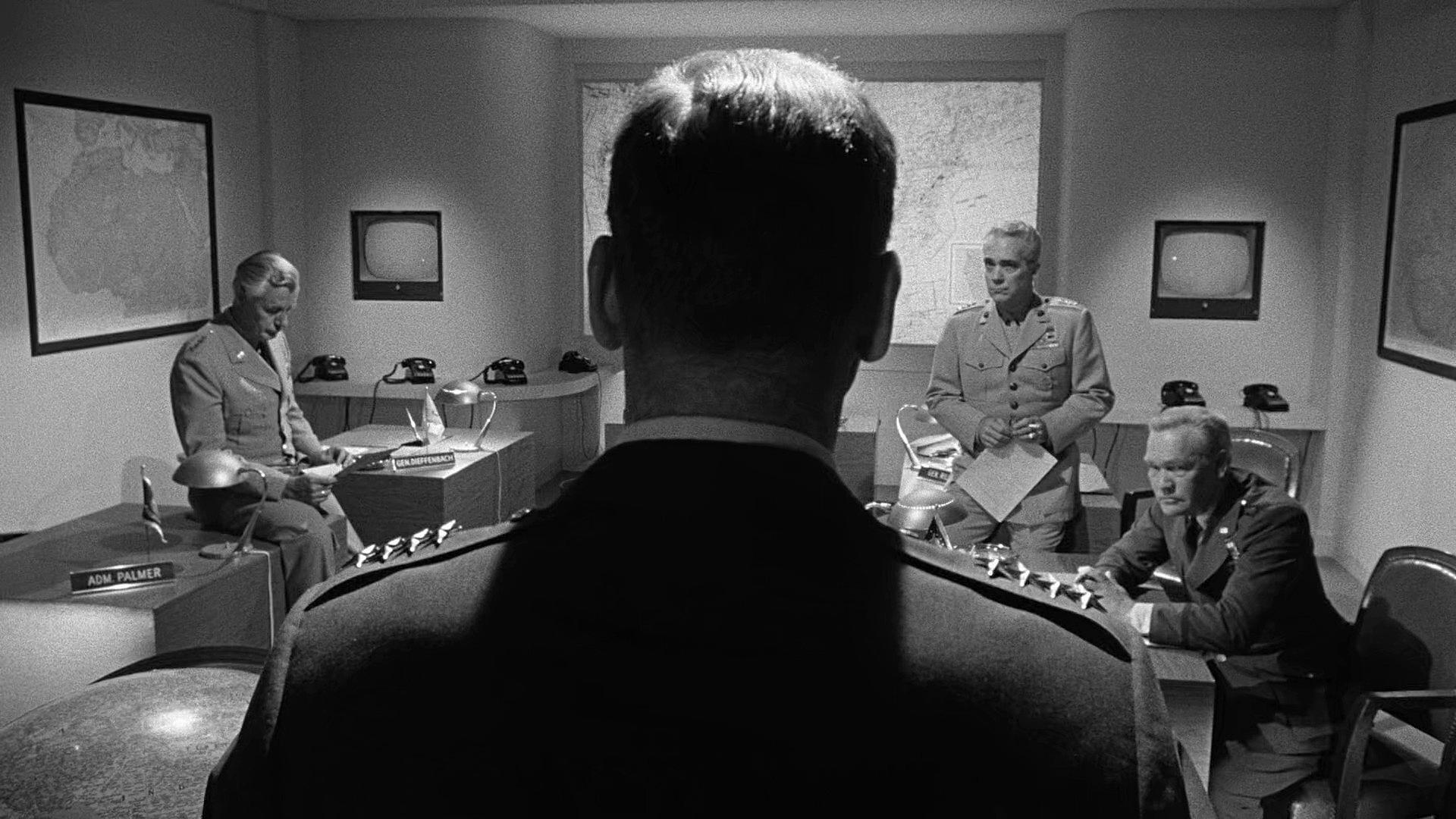
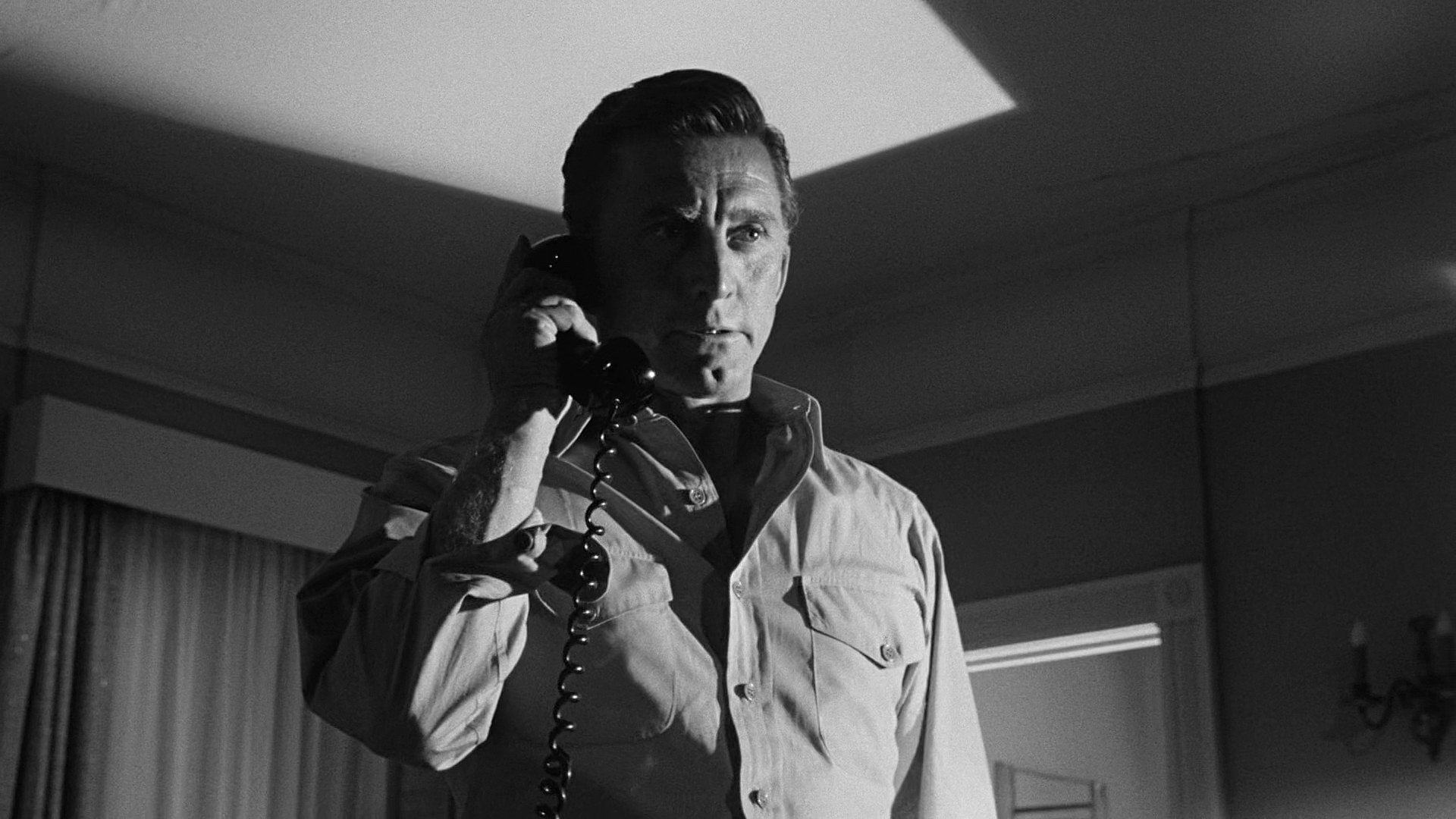
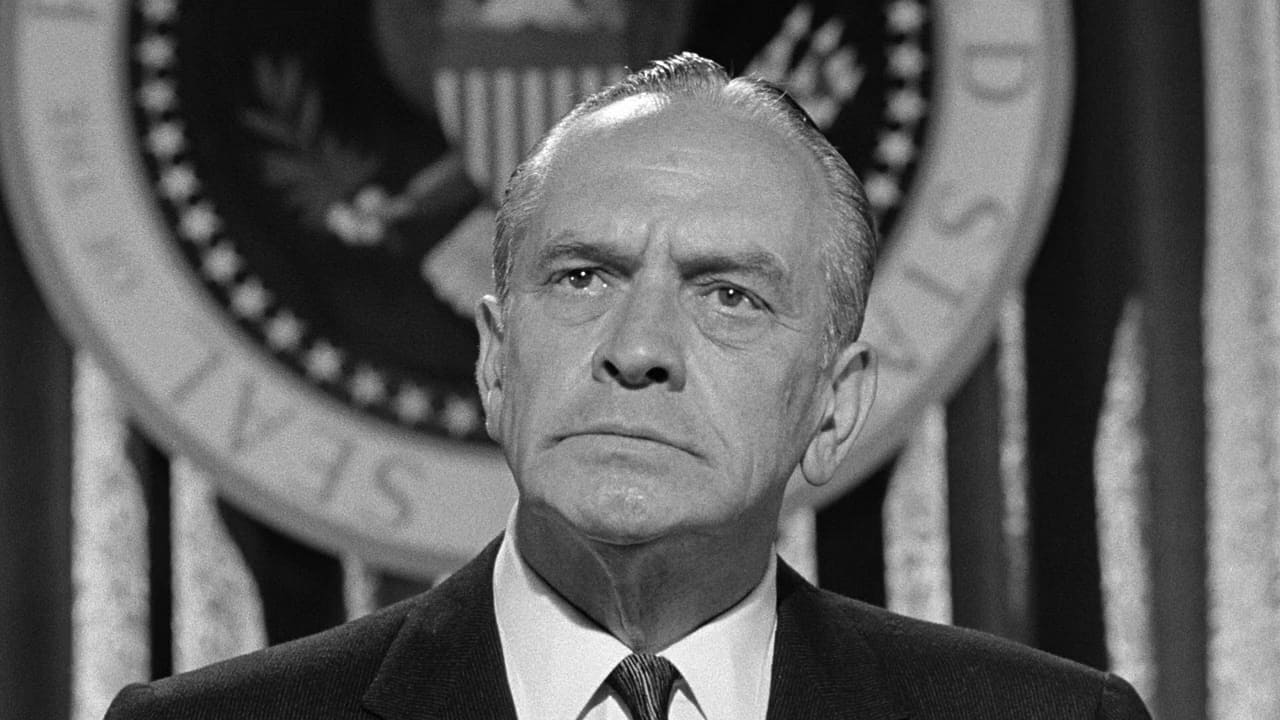
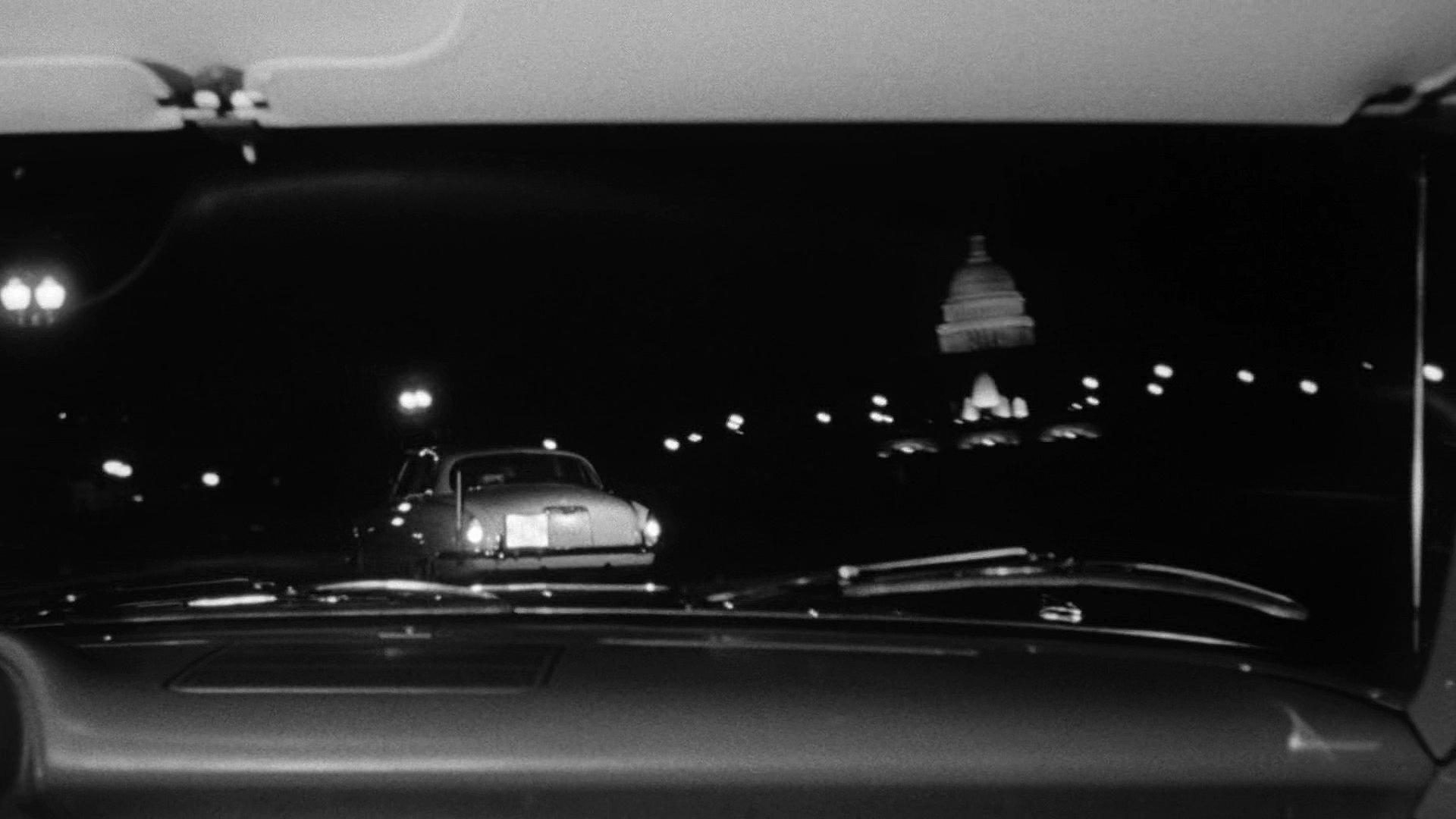
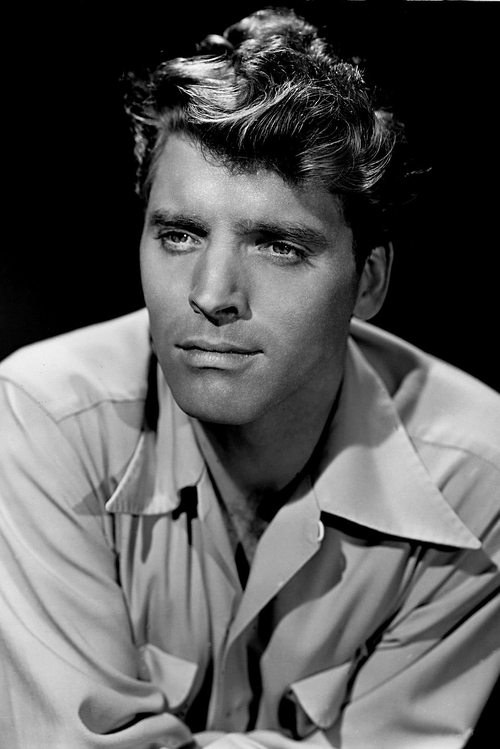
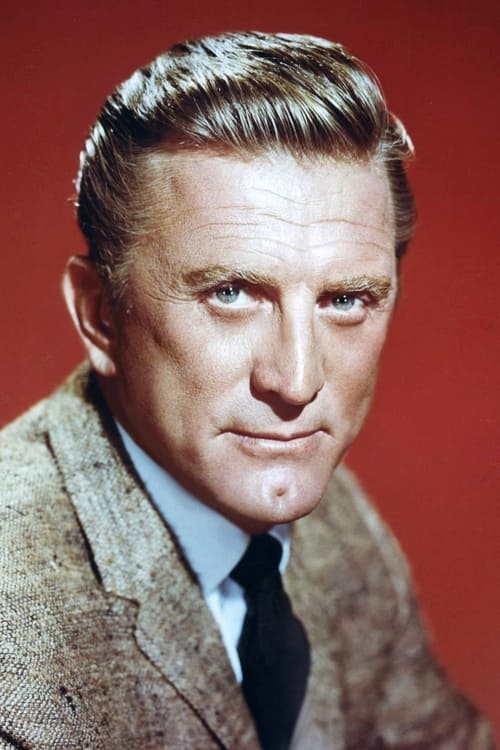
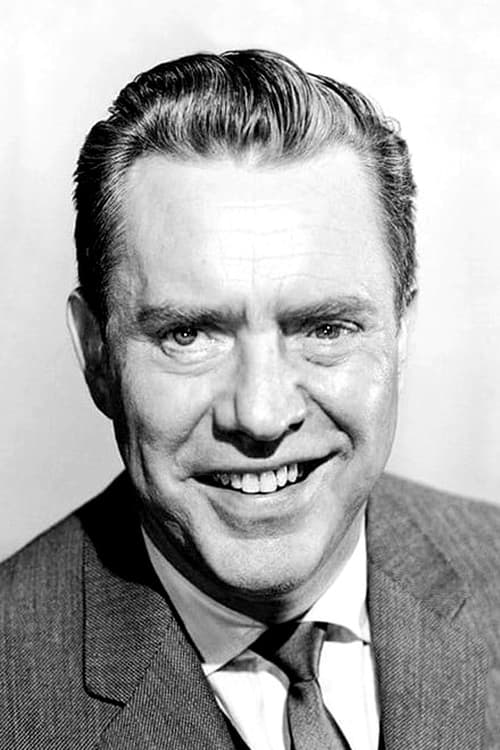
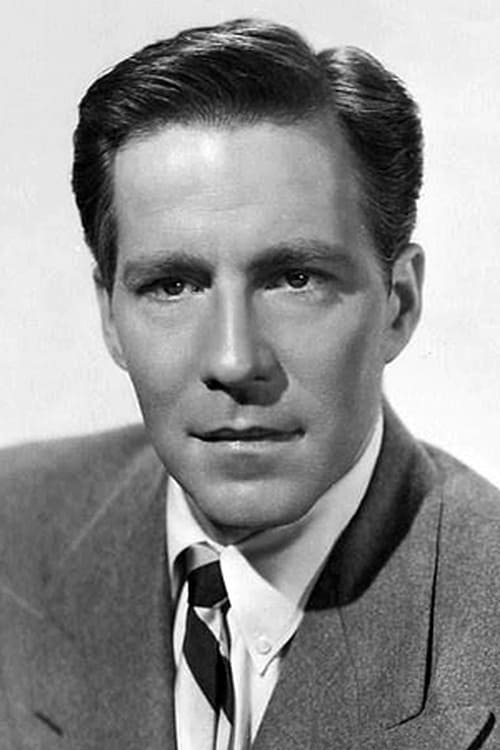
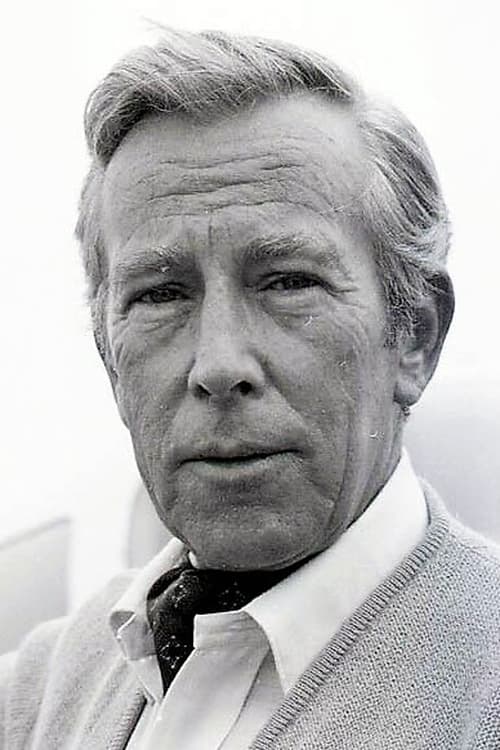
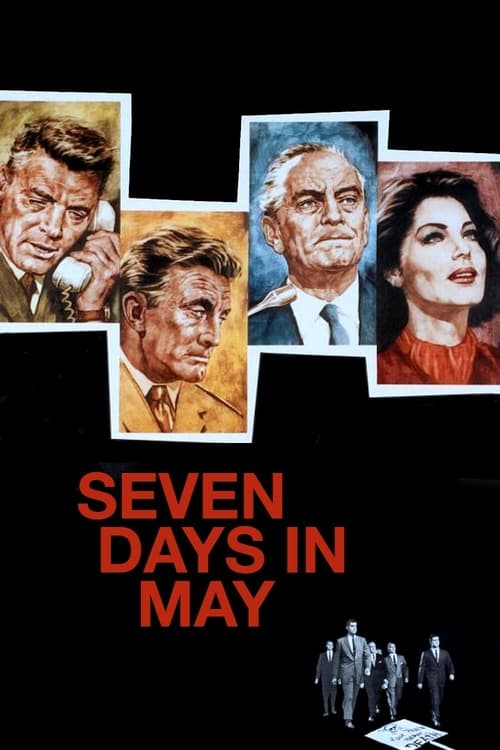
Seven Days in May is a masterfully and artistically muscular film, as most Frankenheimer’s tend to be. Part of the sinew is the cold, technological world that gets conjured up (a distension of his previous film’s non-committal science fiction). We have technology surrounding our players at every turn: screens which dwarf even today’s, FaceTime forbears, synchronised translation between mediums. The machinery is greased by a plot as tight as all hell, a script that never once misses the chance to gesticulate as much as it pontificates, and performances which range from superb (Douglas) to the sublime (Lancaster- obviously- and Gardner). Couple these elements with its alternately claustrophobic and agoraphobic deep-stage, wide-angled photography and you could be forgiven for imagining a film lacking in heart.
That’s where Holbrook steps in. The power plays circle and the subterfuge grinds, all locked in a gorgeous battle, beyond reasonable proportion. Meanwhile, Holbrook stews. The fallout from one of these covert actions is felt most keenly by her when the idea of smoothing over some of the cracks in her life is ripped from her palms. There is a human cost to all this and Eleanor, despite the pain, is the reminder of that.
“I don’t rate any applause, God knows…”
But, she does, consistently. I’m biased towards Gardner out of personal preference but her limited screen time in this is essential, beyond her performance. She’s the beating heart of a film which could easily crumble under its world-ending ramifications. It’s seldom the faultlines which seem most cataclysmic, it’s the hairline fractures.
As usual, a lot of rambling thoughts. This is a masterpiece, beyond reproach. Holbrook struck me as a nice axis for a review but I’ve barely scratched the surface. Next time it’ll be the rest of the film.
“I was a stupid, impressionable female who let an Airforce General use her like his personal airplane”
Let’s talk about Eleanor Holbrook.
Ava Gardner is the movie star. I’ve made that clear quite a few times. No one commanded the screen like she did under guises which, almost uniformly, leaned into an outdated stencil of seduction. The way she pushed out of those trappings is indicative of just how incredible she was, constantly injecting a clandestine depth into the shallow characterisations. Clearing even her most nuanced performances is Eleanor Holbrook. Holbrook has an interiority anachronistic to the prevailing trends. There’s a life of agency lived outside of the acts shown on the film, a hint of the milestones which came to shape the vulnerable but not volition-less woman we see in the film. When Jiggs and her have their first reunion, Eleanor is completely anterior. She projects a drunken ego which shields the posterior scars. Later, in her apartment, the act fades and the strength turns into an equally compelling vision of someone who’s cut deeply; a woman on the edge, as she later reveals. Gardner is doing more with her eyes than anything else, squinting as if in awe of the faded glamour lighting at the party once she’s in the anaesthetic brightness of her apartment. She’s flawed but the film makes no apologies for it, Gardner’s performance has no such imperfections. She’s also human in a way the other characters in Seven Days in May aren’t.
Cue the actual point to all this.
Seven Days in May is a masterfully and artistically muscular film, as most Frankenheimer’s tend to be. Part of the sinew is the cold, technological world that gets conjured up (a distension of his previous film’s non-committal science fiction). We have technology surrounding our players at every turn: screens which dwarf even today’s, FaceTime forbears, synchronised translation between mediums. The machinery is greased by a plot as tight as all hell, a script that never once misses the chance to gesticulate as much as it pontificates, and performances which range from superb (Douglas) to the sublime (Lancaster- obviously- and Gardner). Couple these elements with its alternately claustrophobic and agoraphobic deep-stage, wide-angled photography and you could be forgiven for imagining a film lacking in heart.
That’s where Holbrook steps in. The power plays circle and the subterfuge grinds, all locked in a gorgeous battle, beyond reasonable proportion. Meanwhile, Holbrook stews. The fallout from one of these covert actions is felt most keenly by her when the idea of smoothing over some of the cracks in her life is ripped from her palms. There is a human cost to all this and Eleanor, despite the pain, is the reminder of that.
“I don’t rate any applause, God knows…”
But, she does, consistently. I’m biased towards Gardner out of personal preference but her limited screen time in this is essential, beyond her performance. She’s the beating heart of a film which could easily crumble under its world-ending ramifications. It’s seldom the faultlines which seem most cataclysmic, it’s the hairline fractures.
As usual, a lot of rambling thoughts. This is a masterpiece, beyond reproach. Holbrook struck me as a nice axis for a review but I’ve barely scratched the surface. Next time it’ll be the rest of the film.