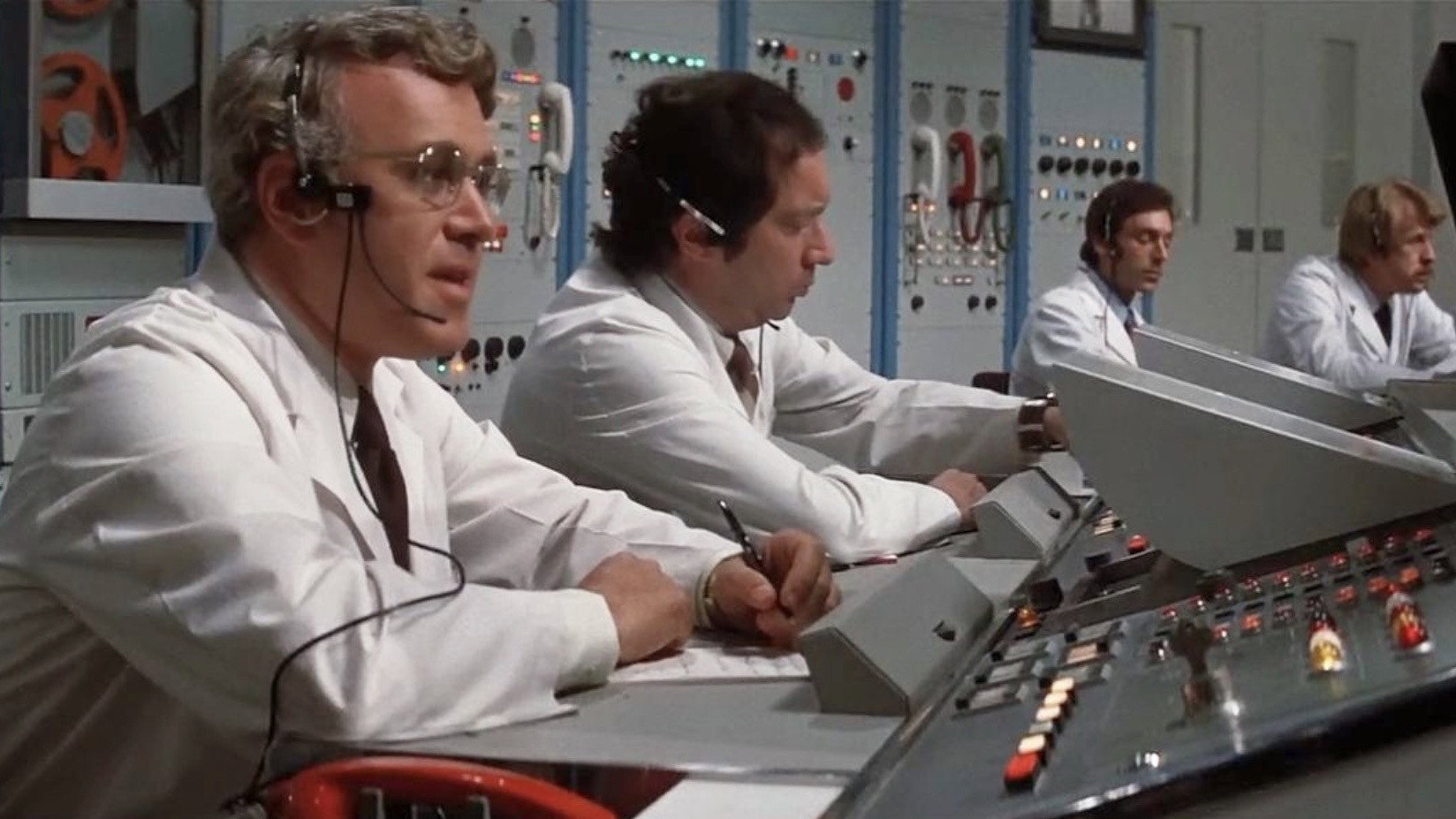
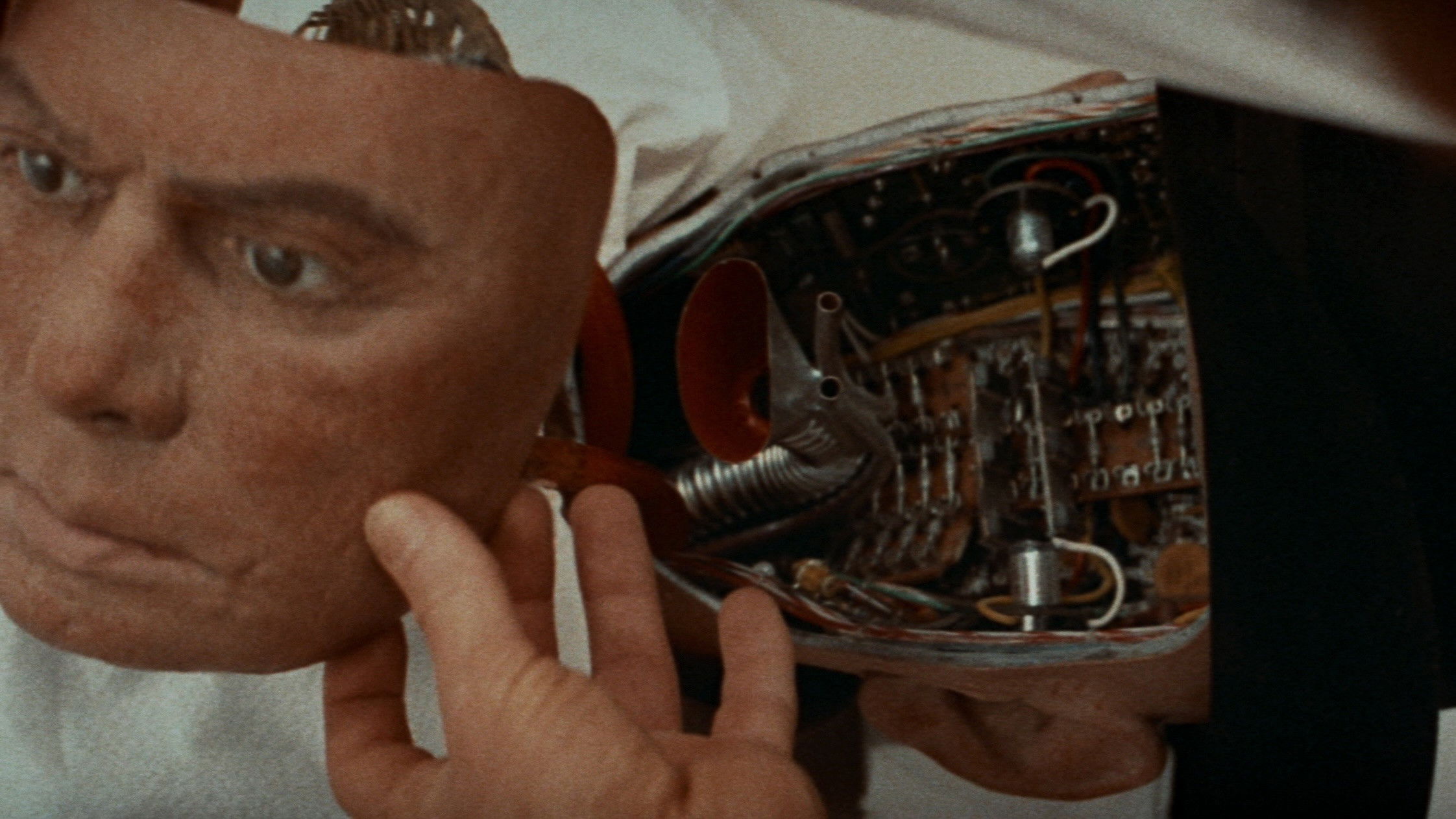
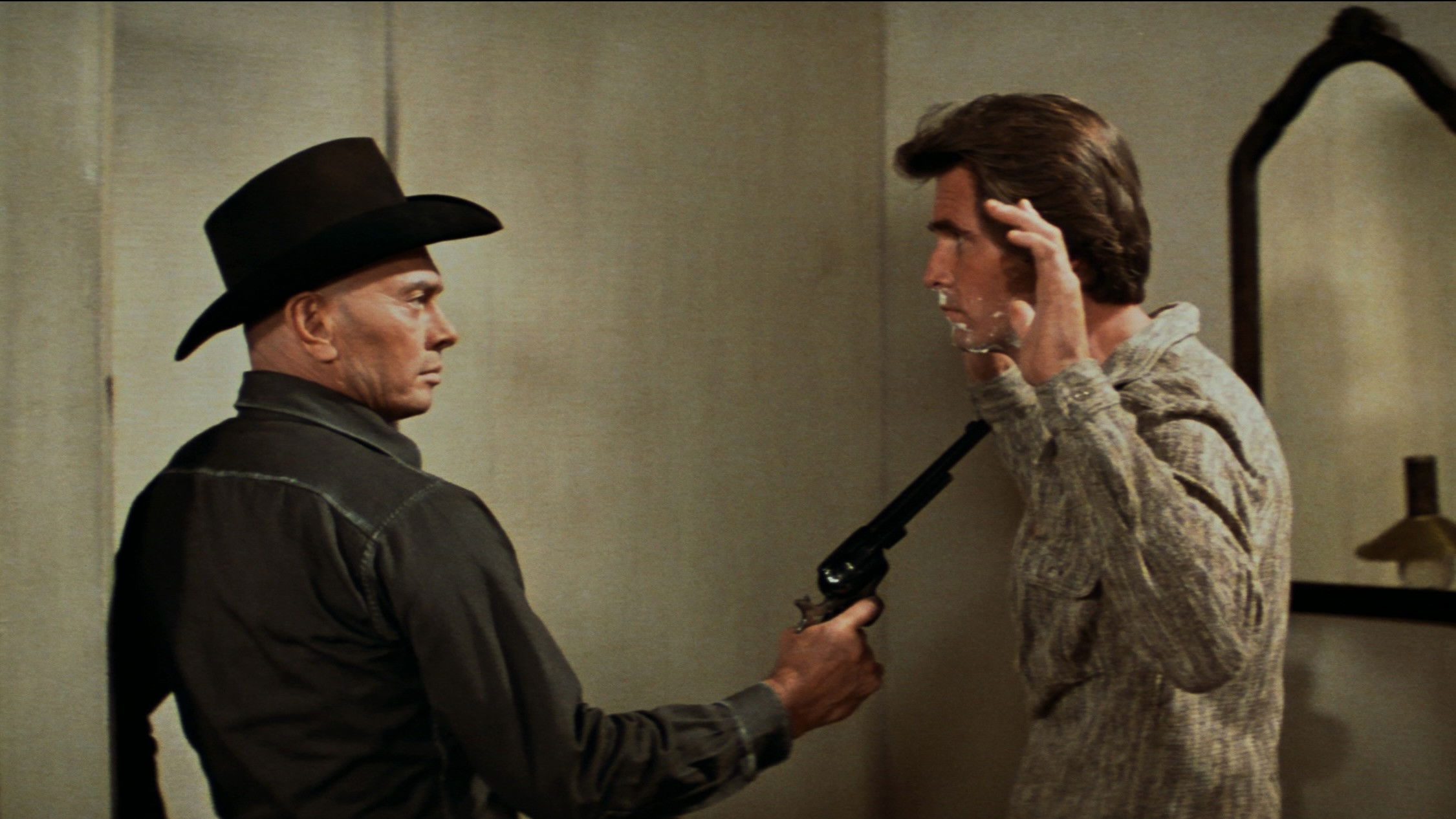
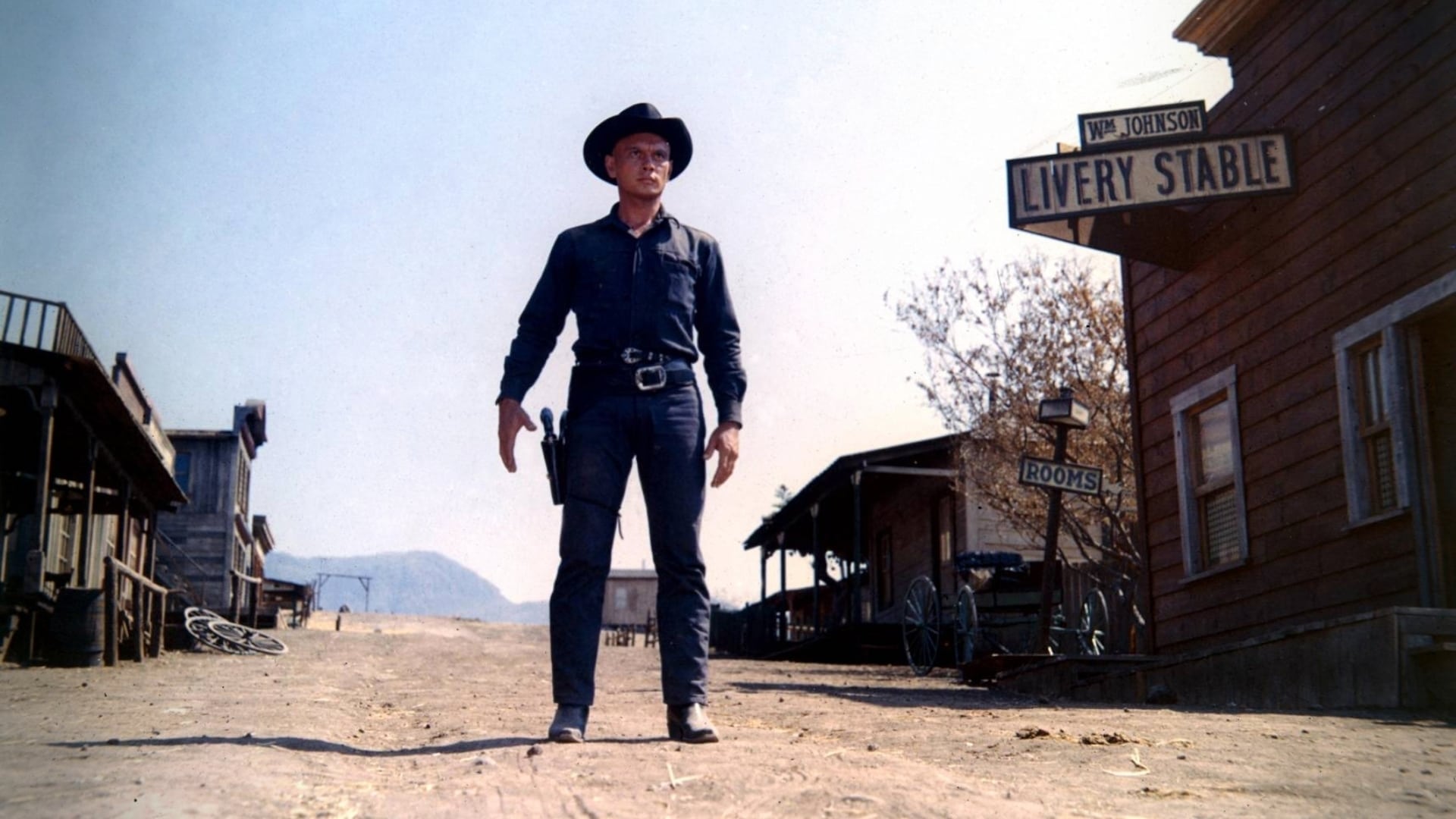
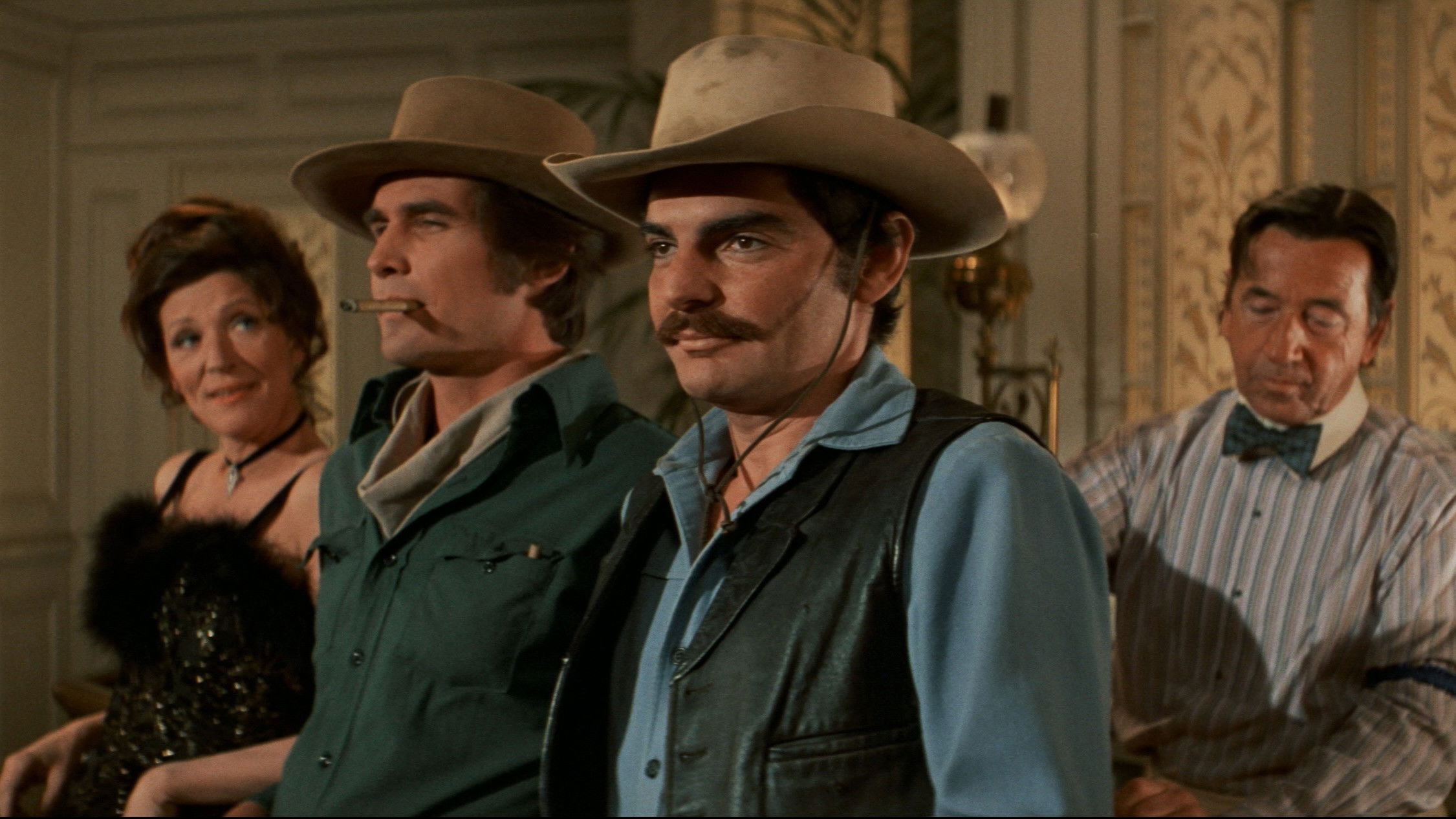
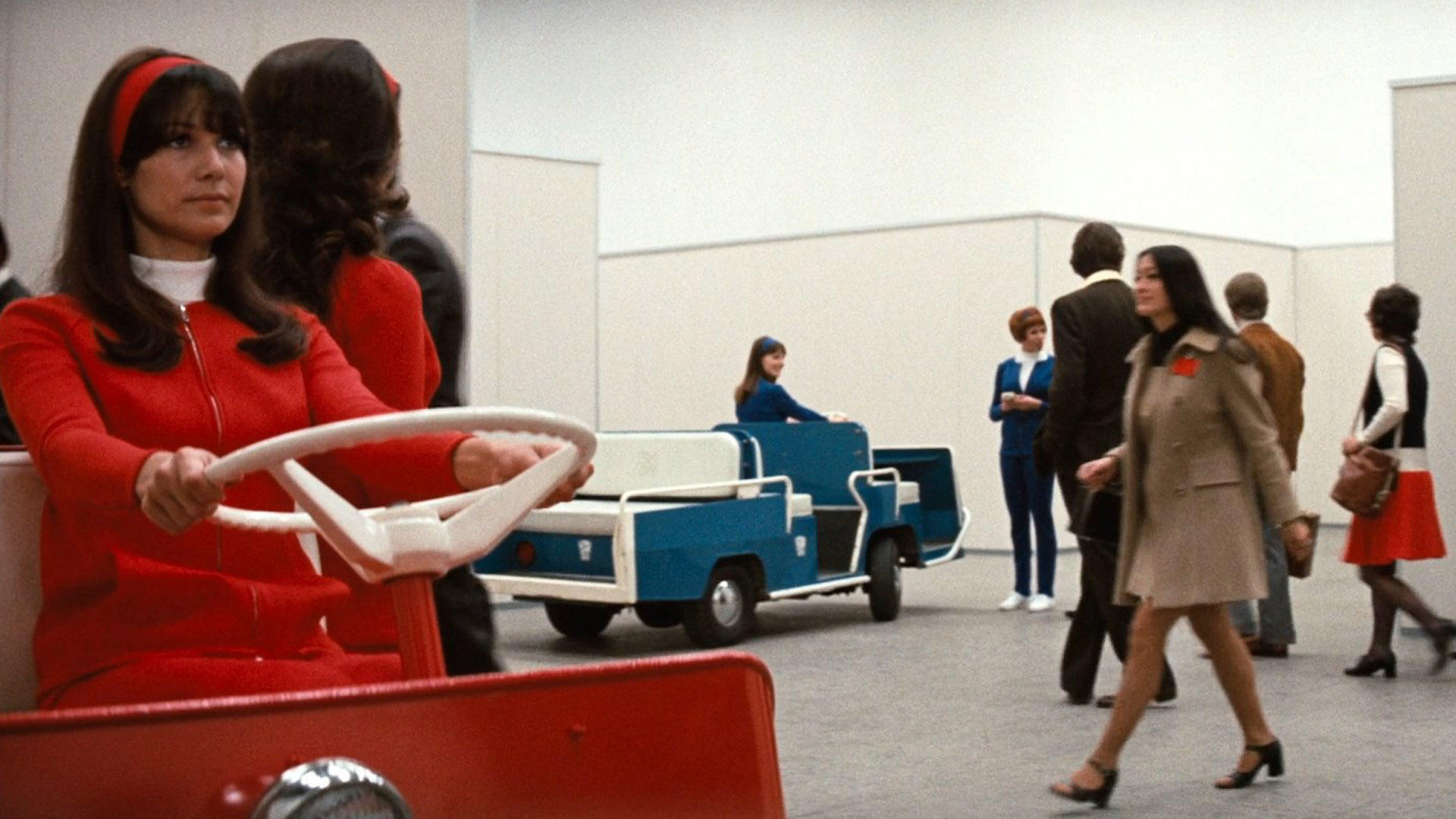
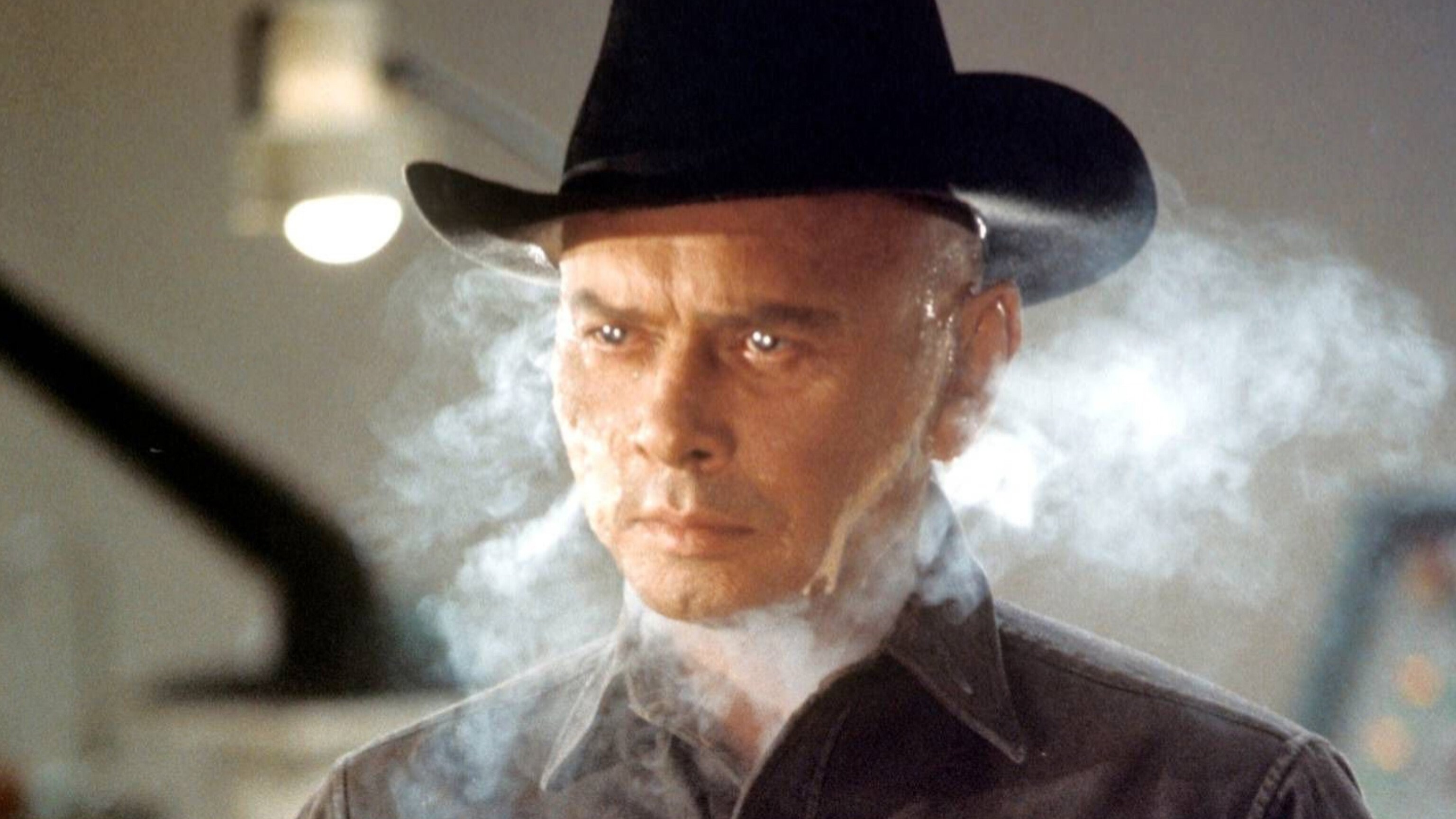
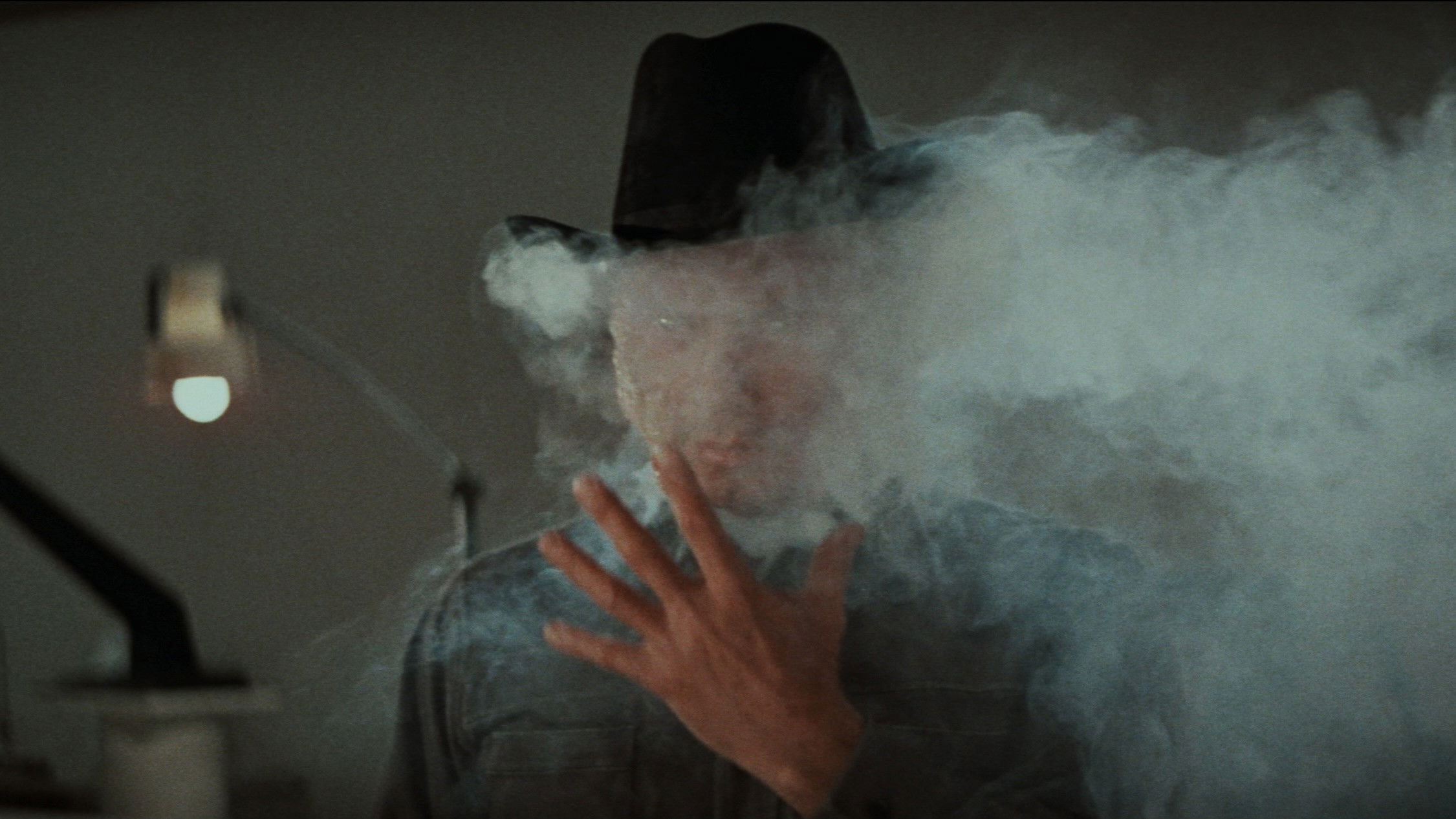
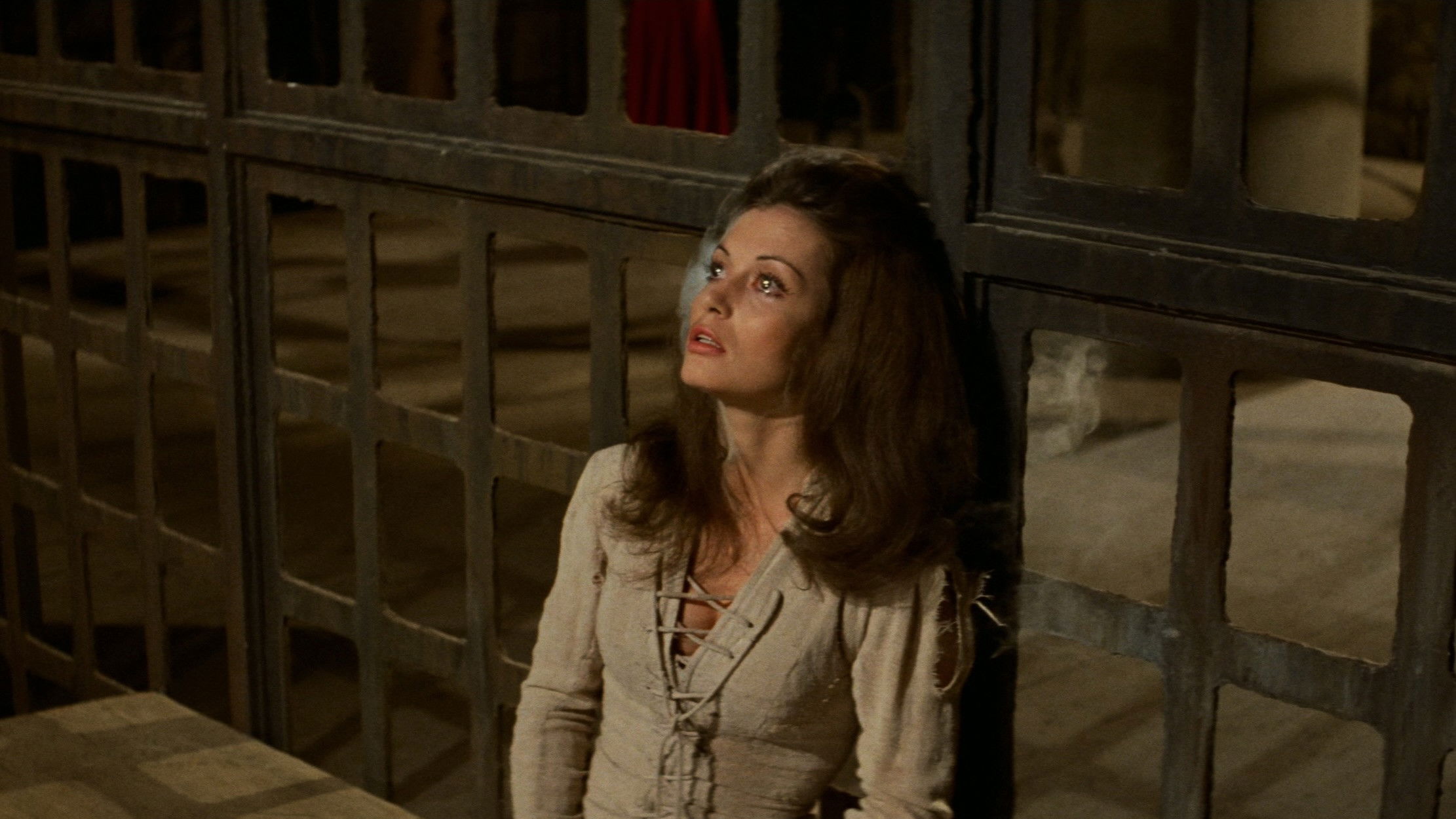
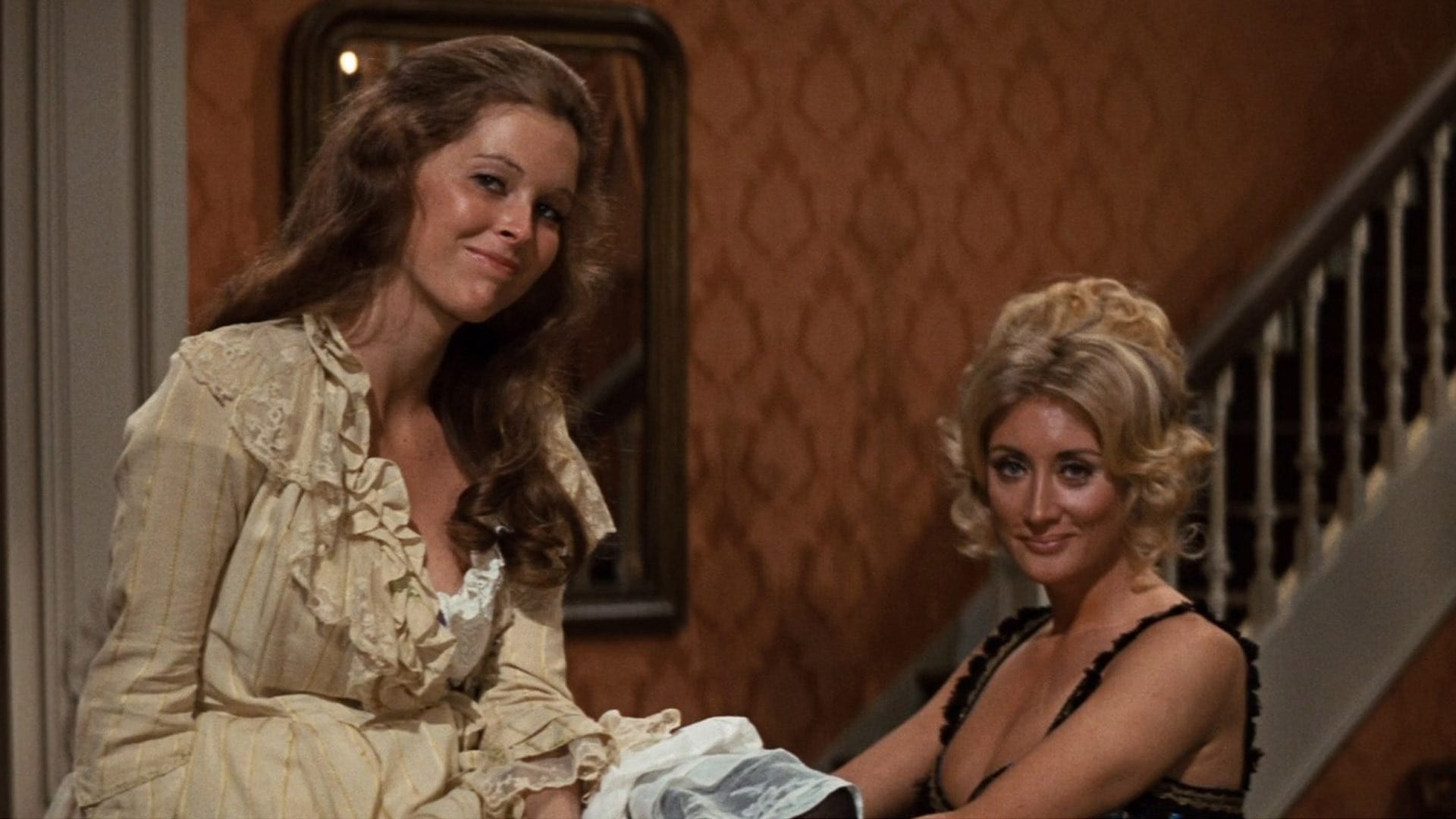
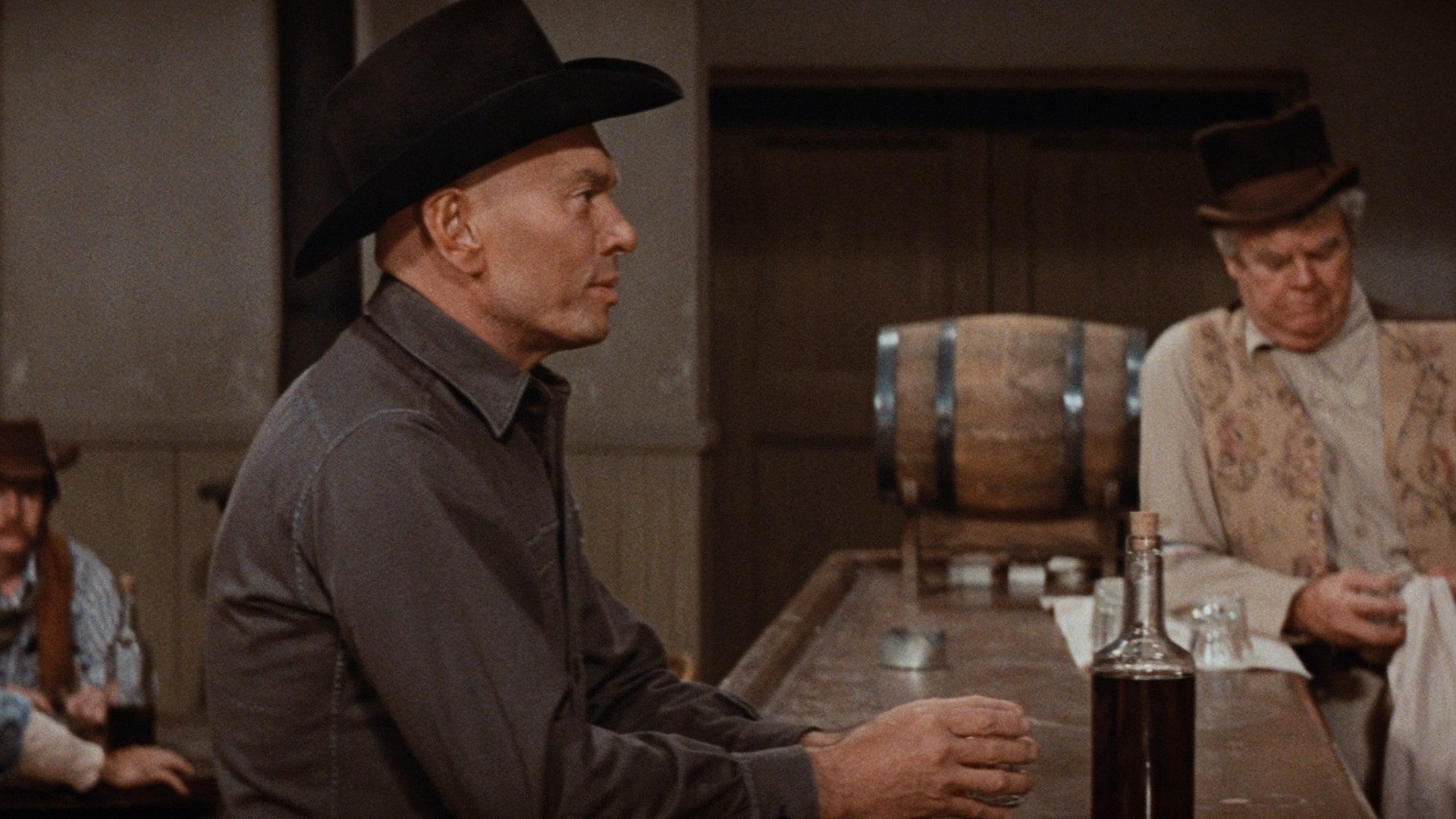
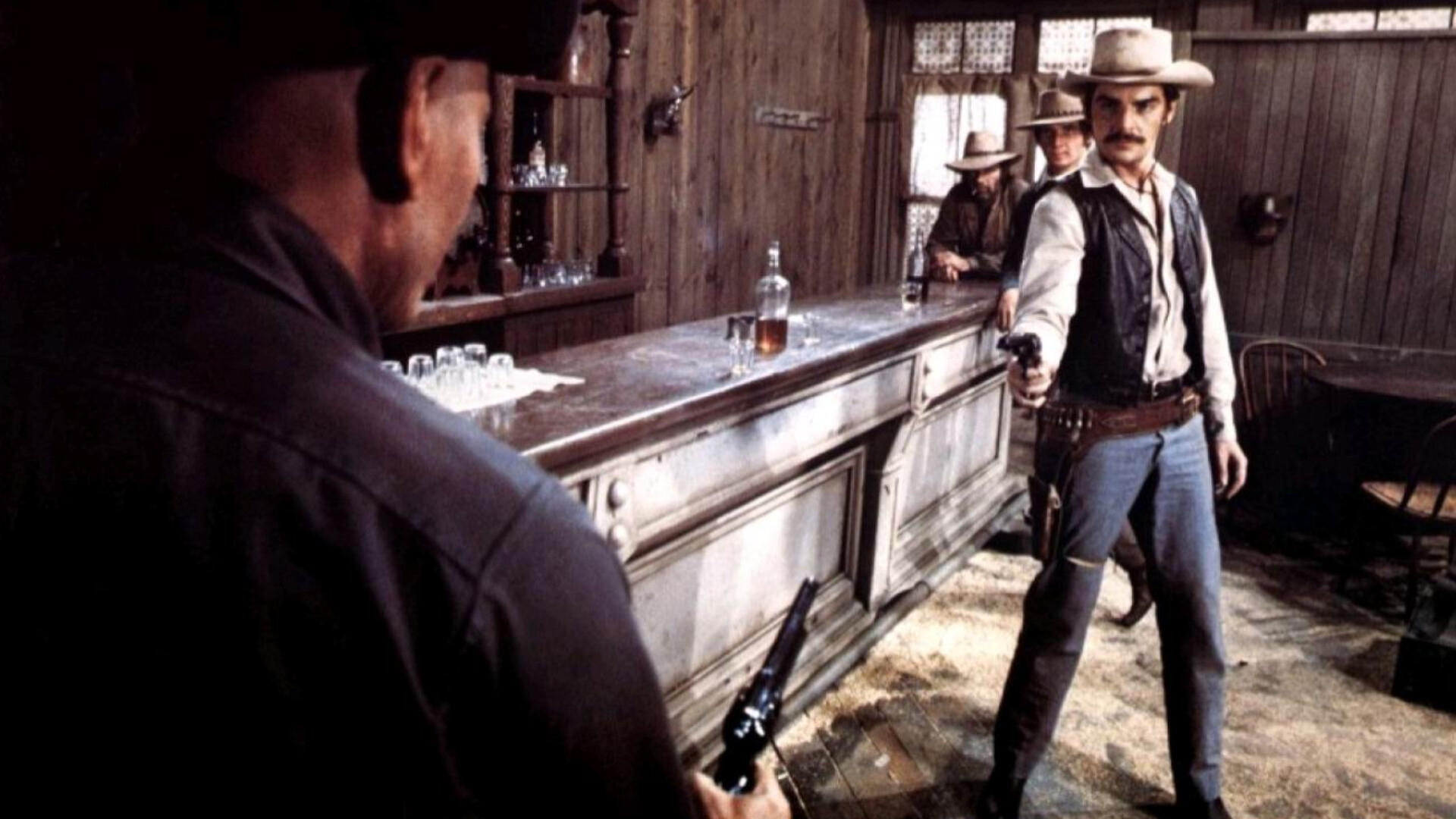
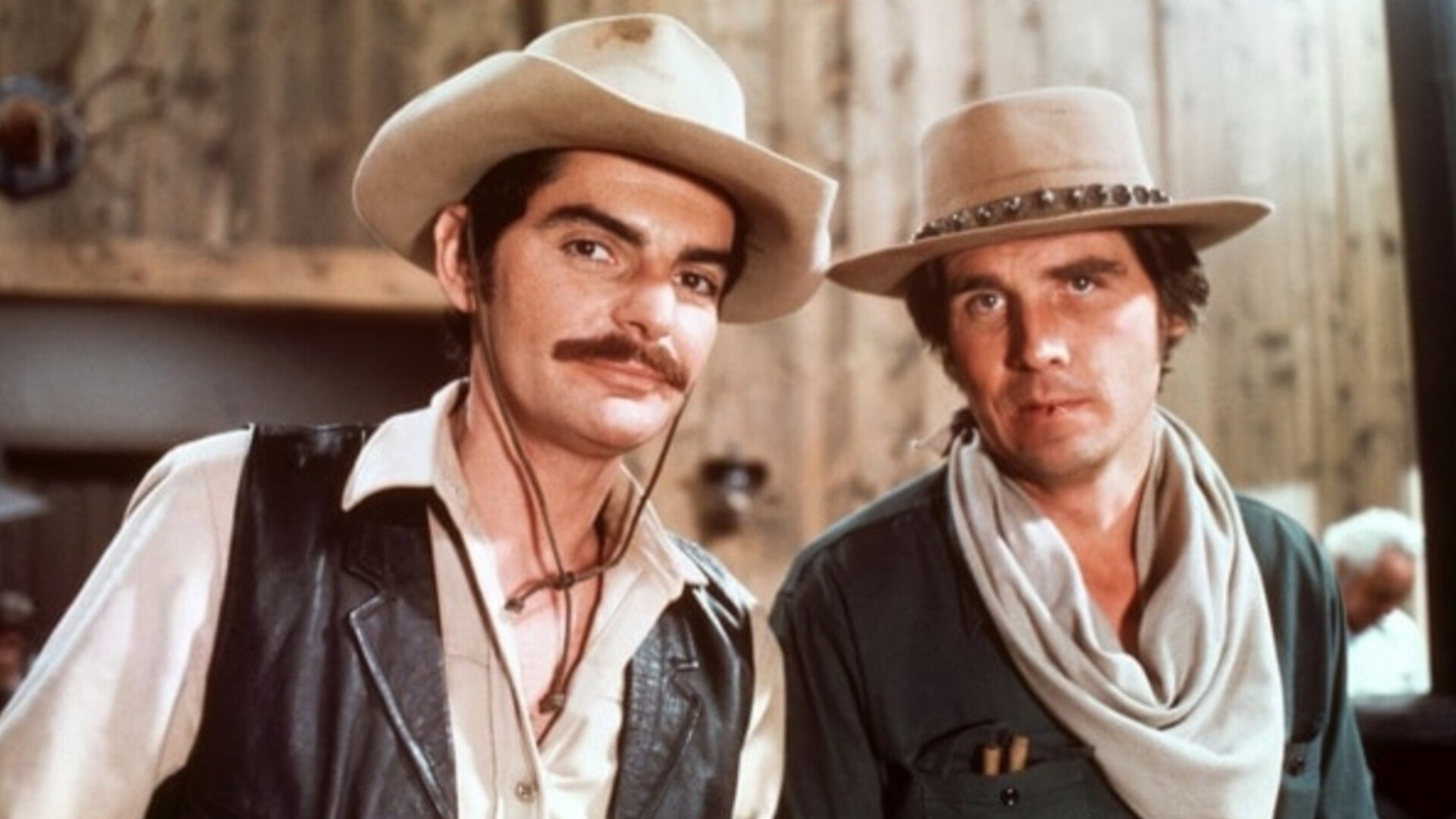
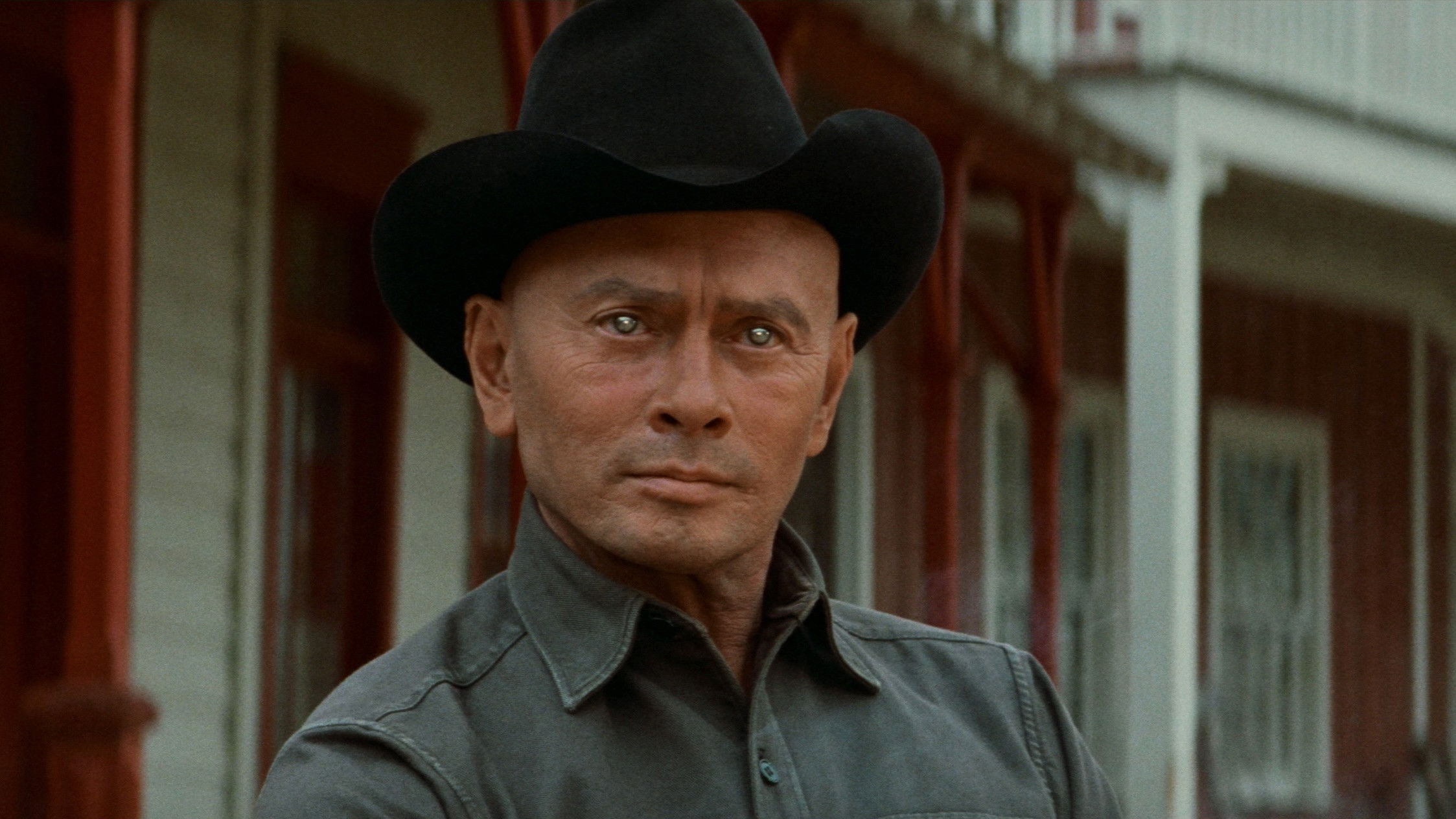
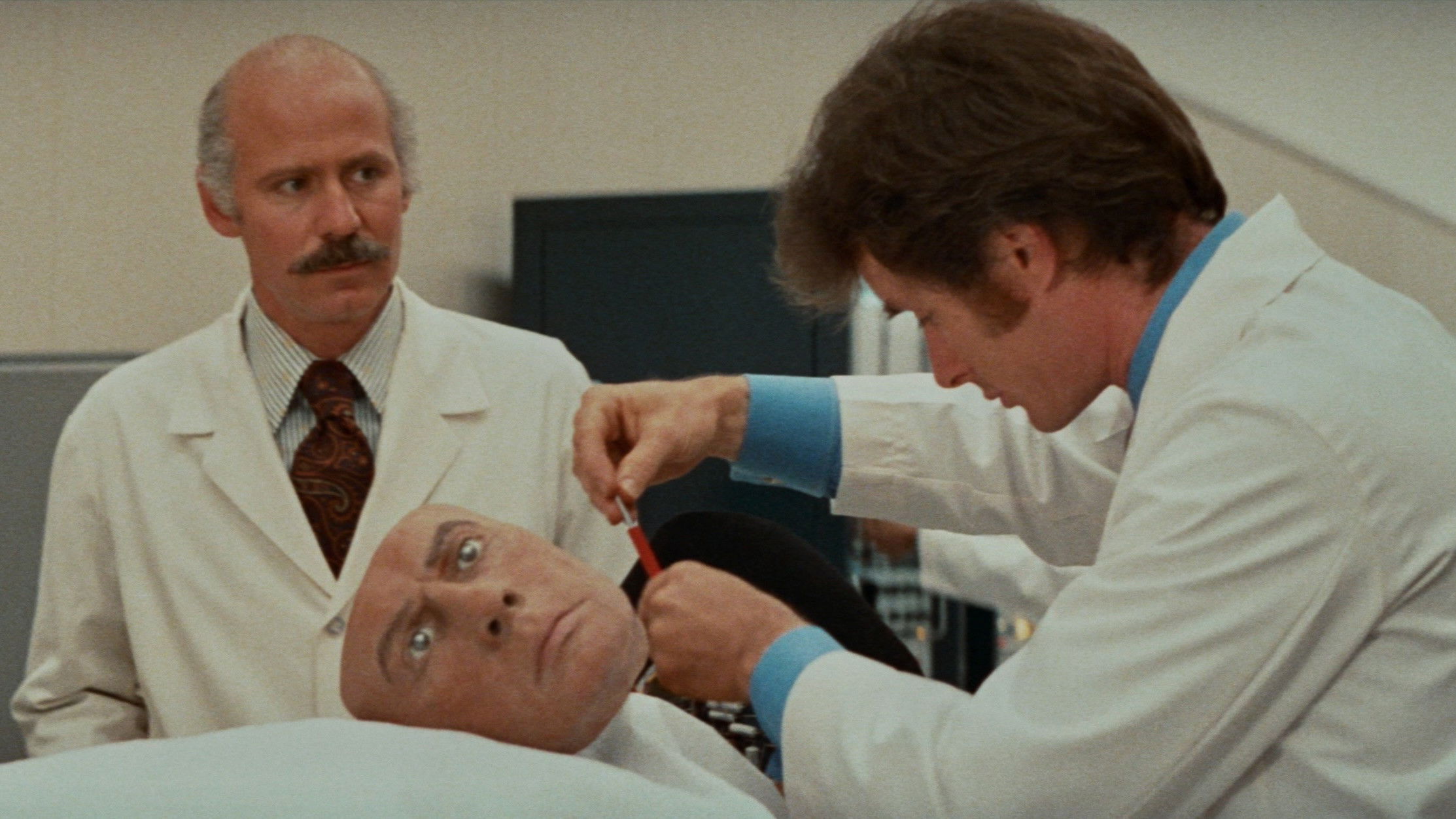
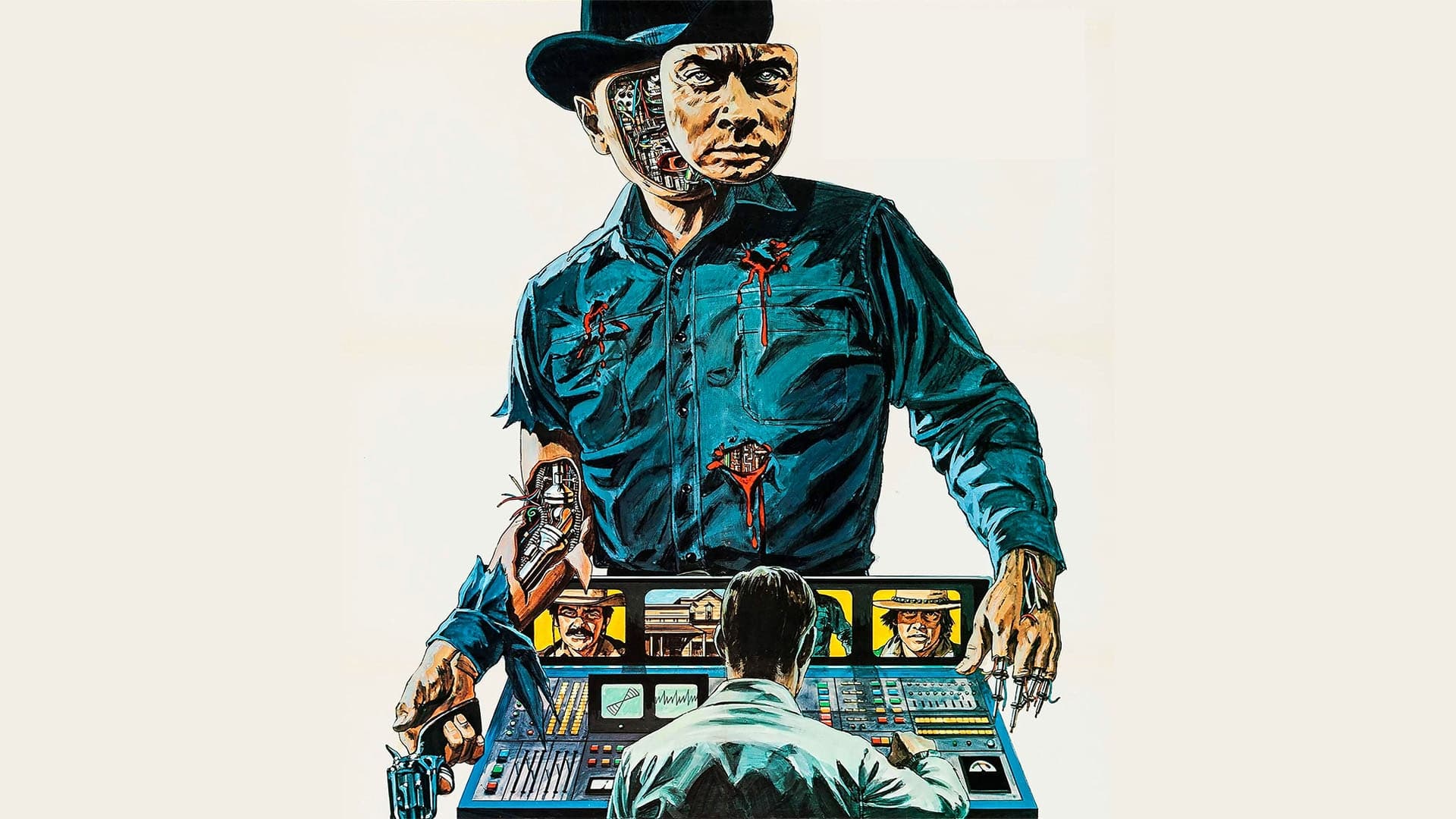
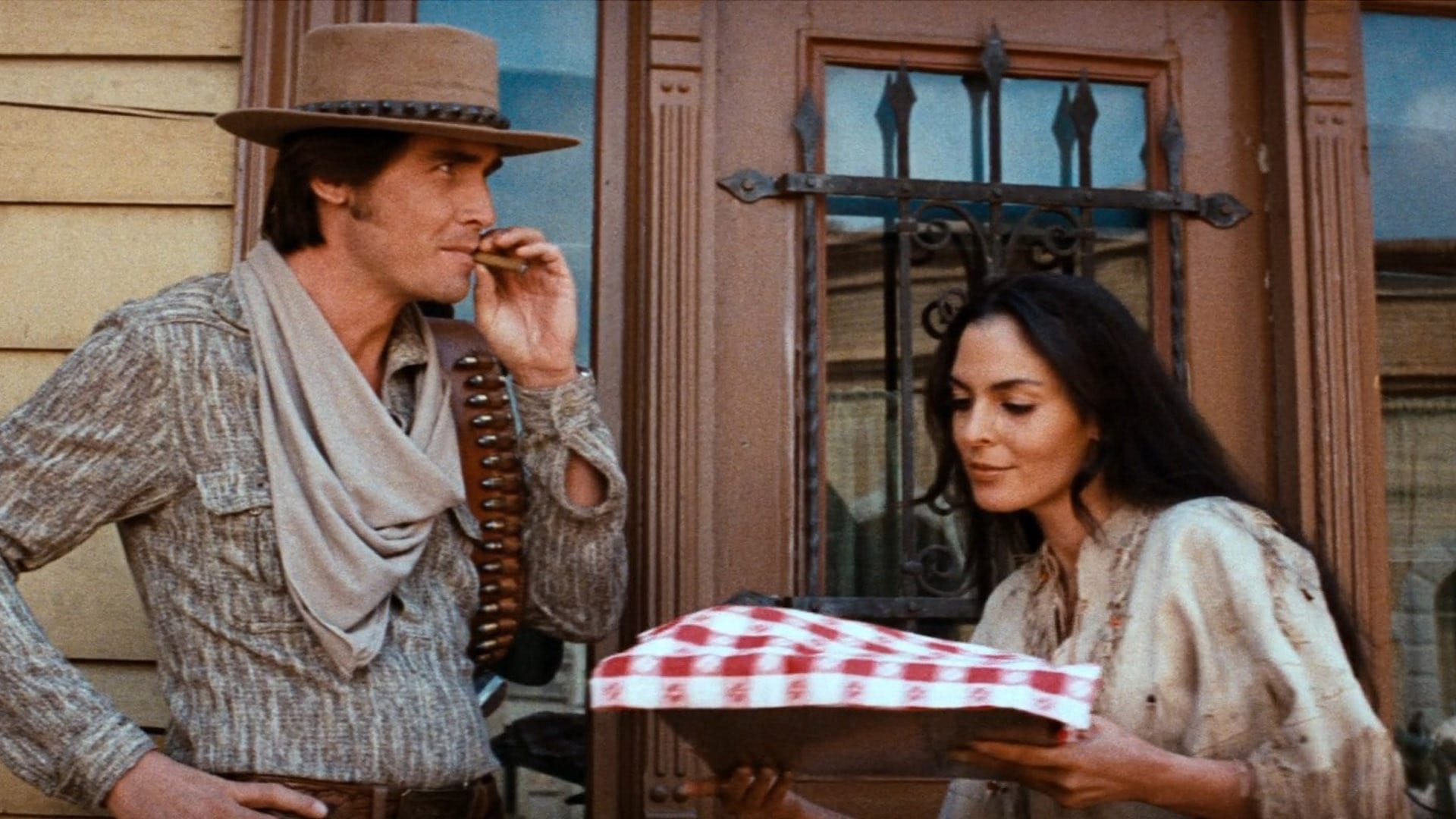
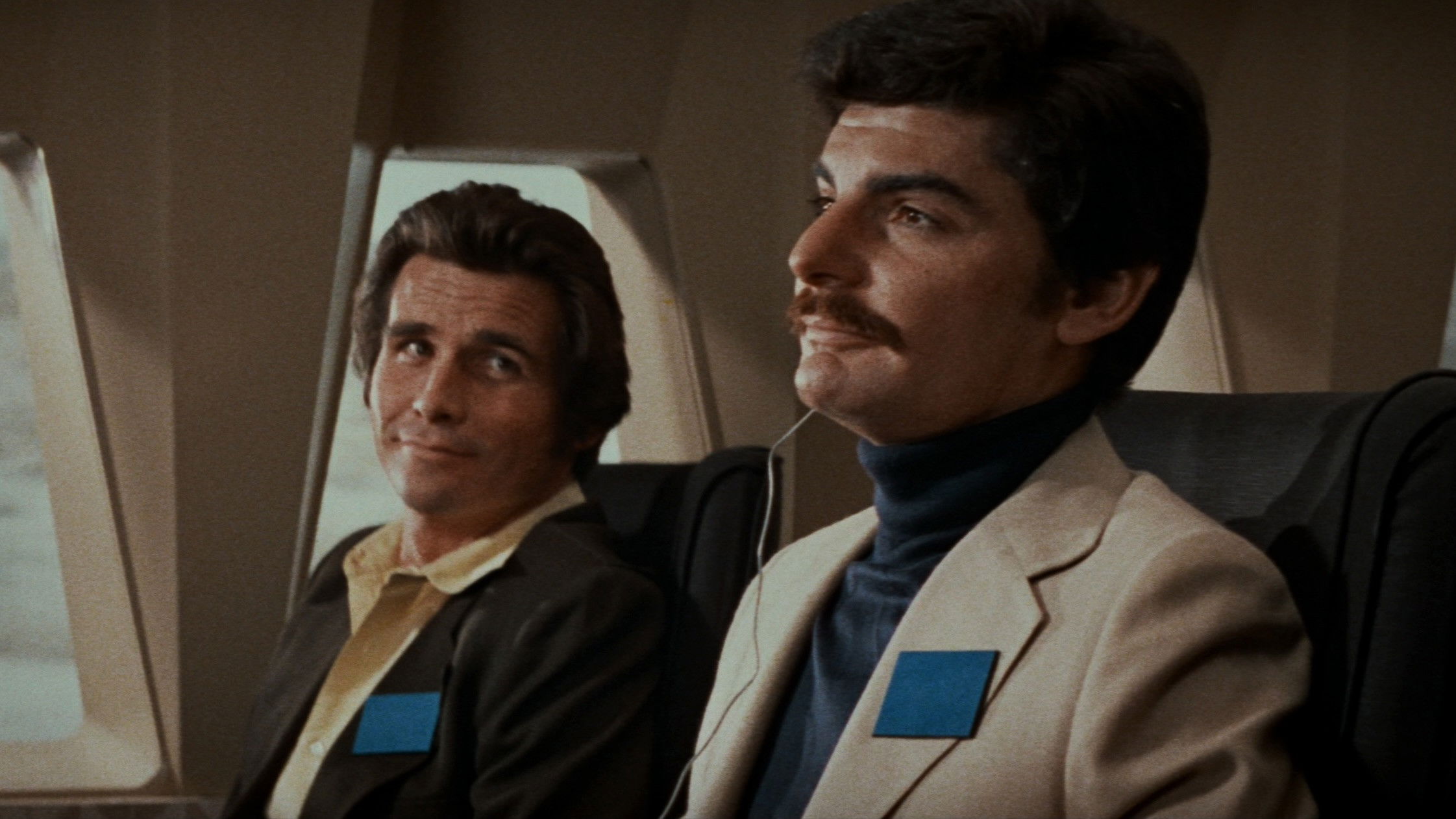
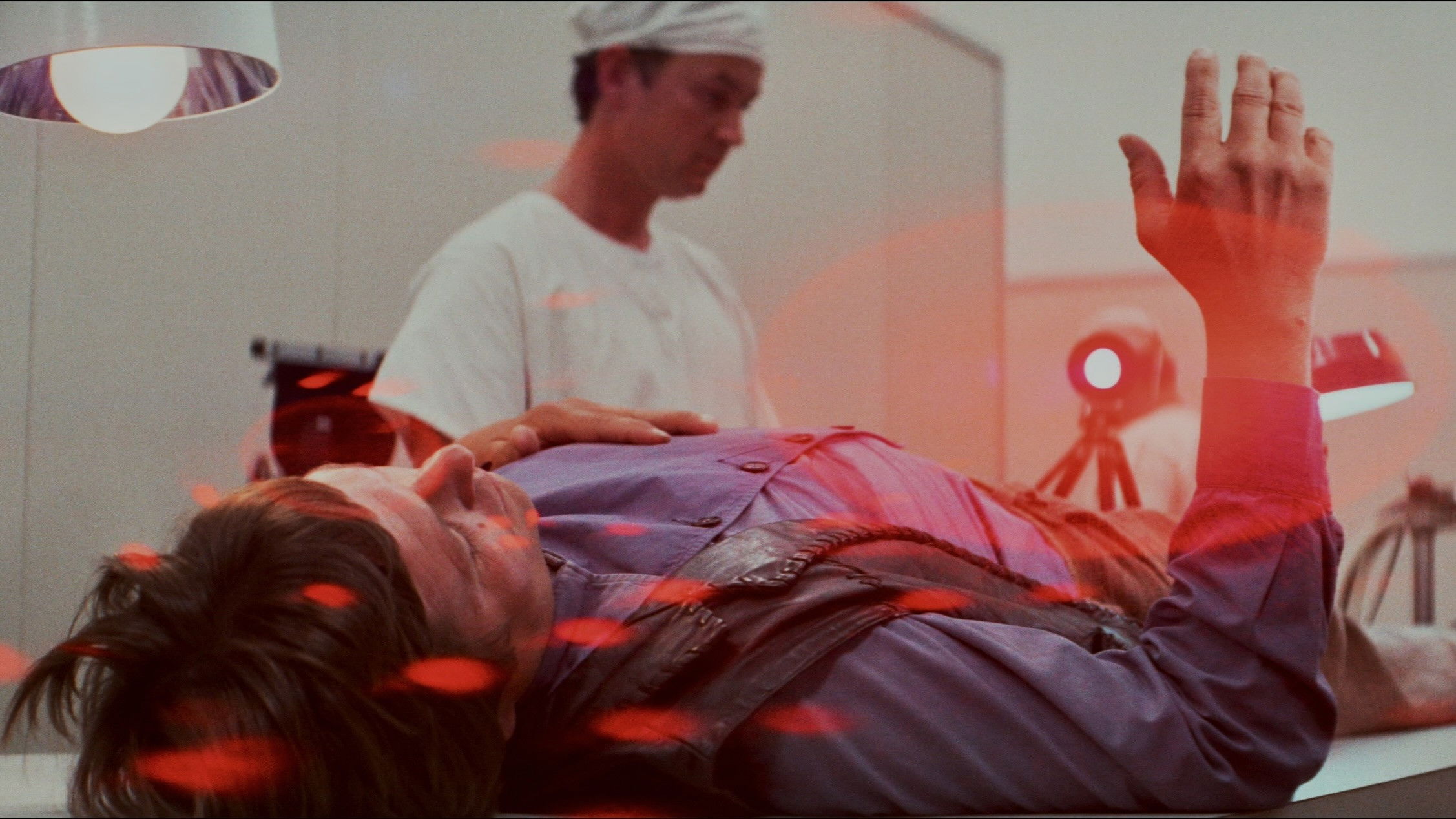
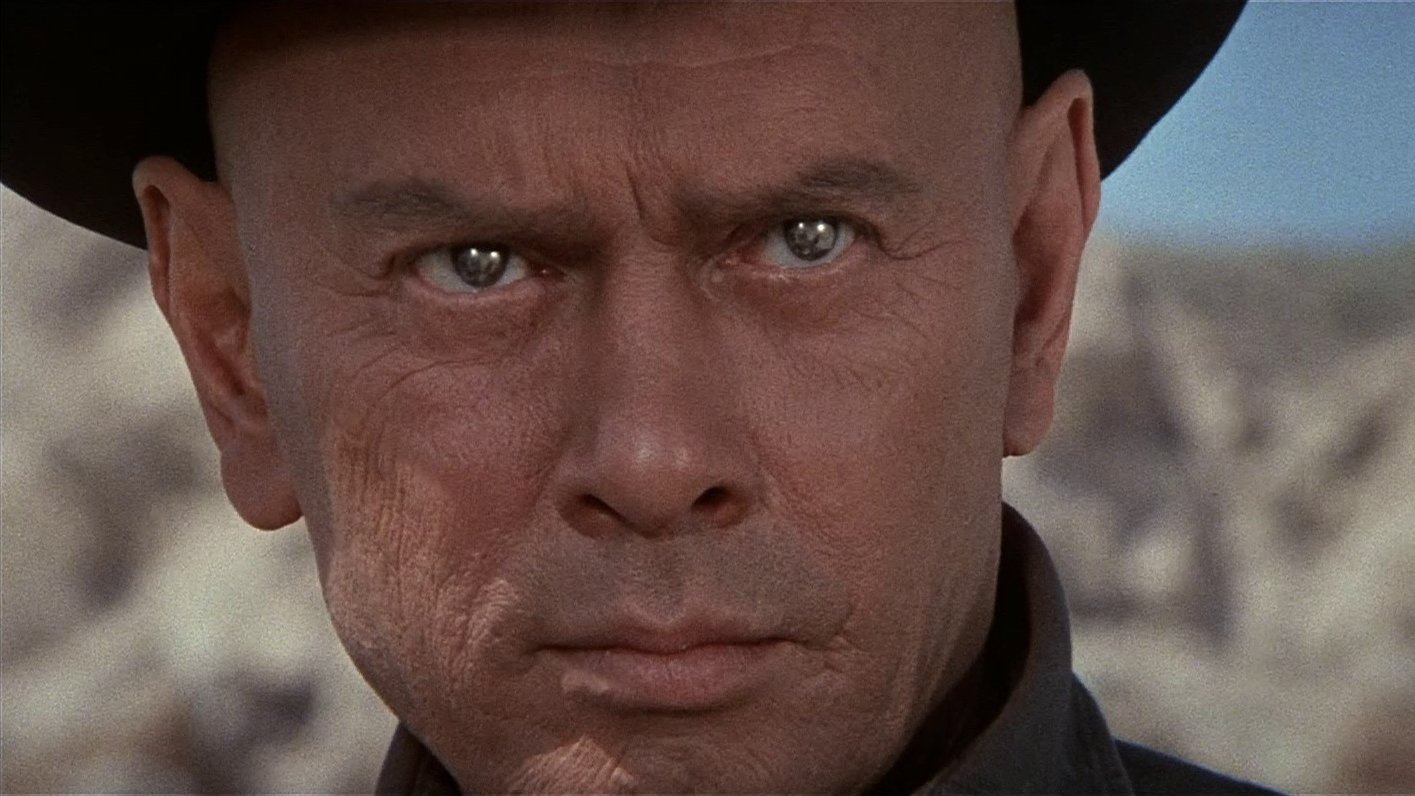
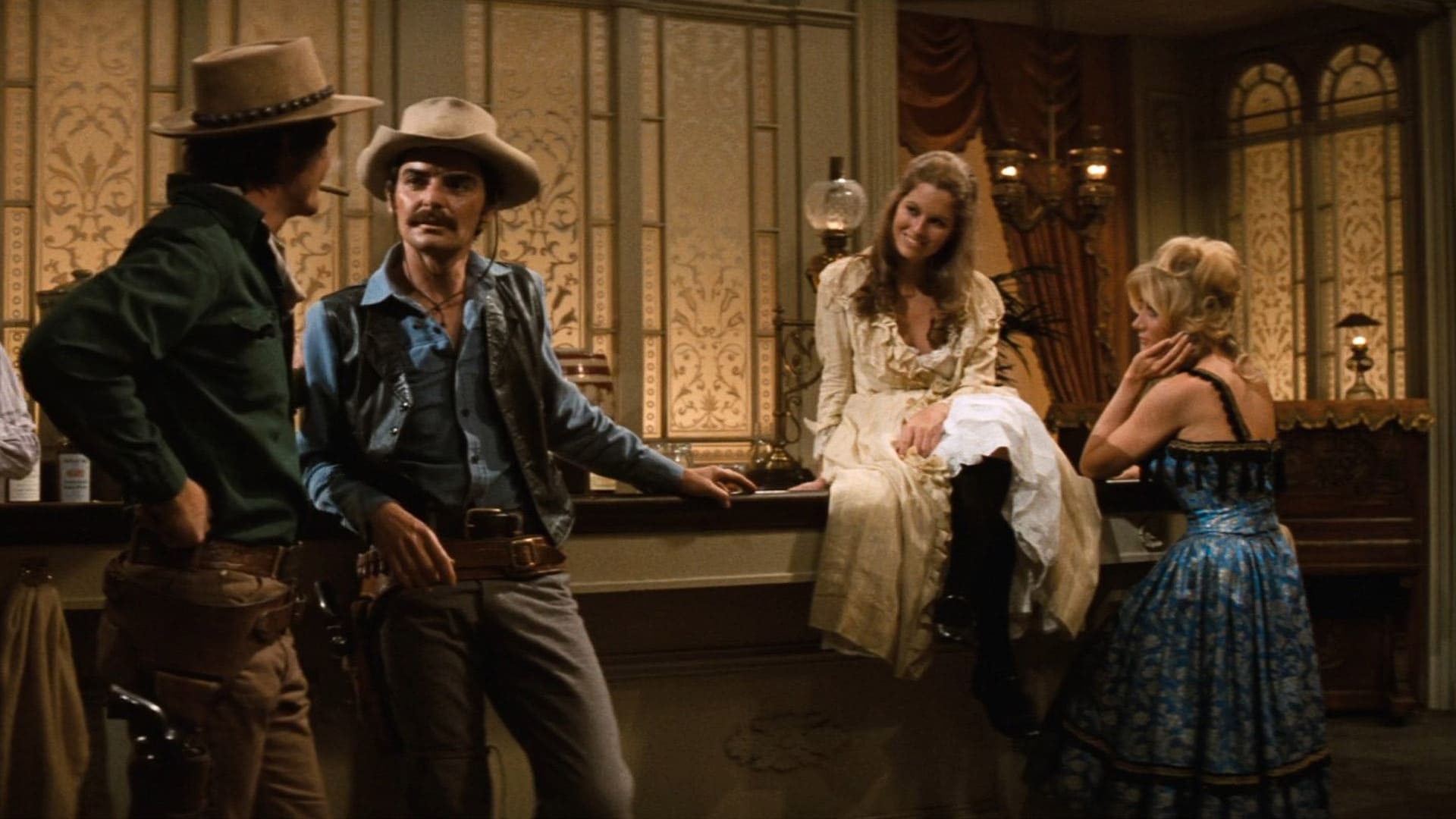
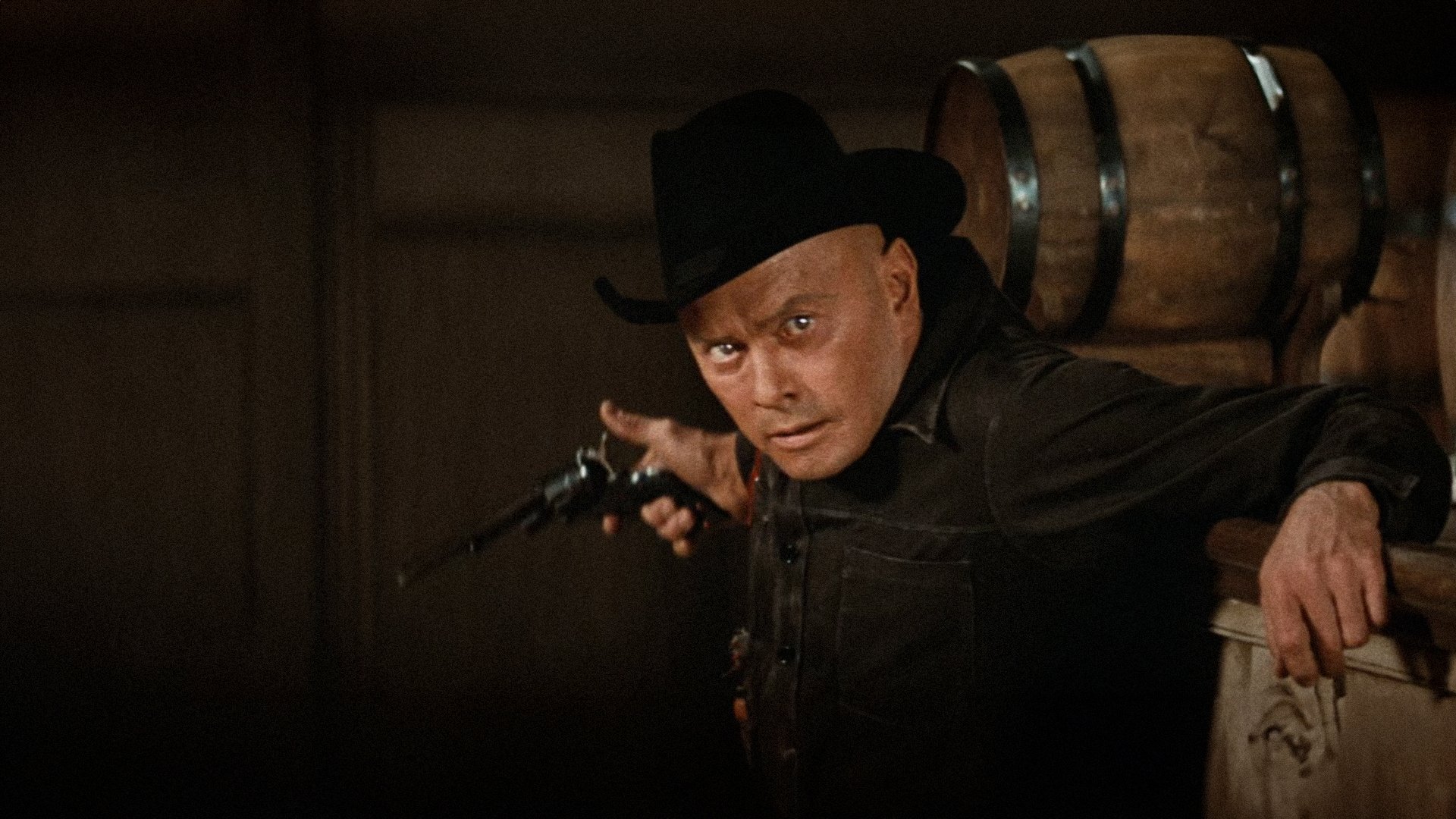
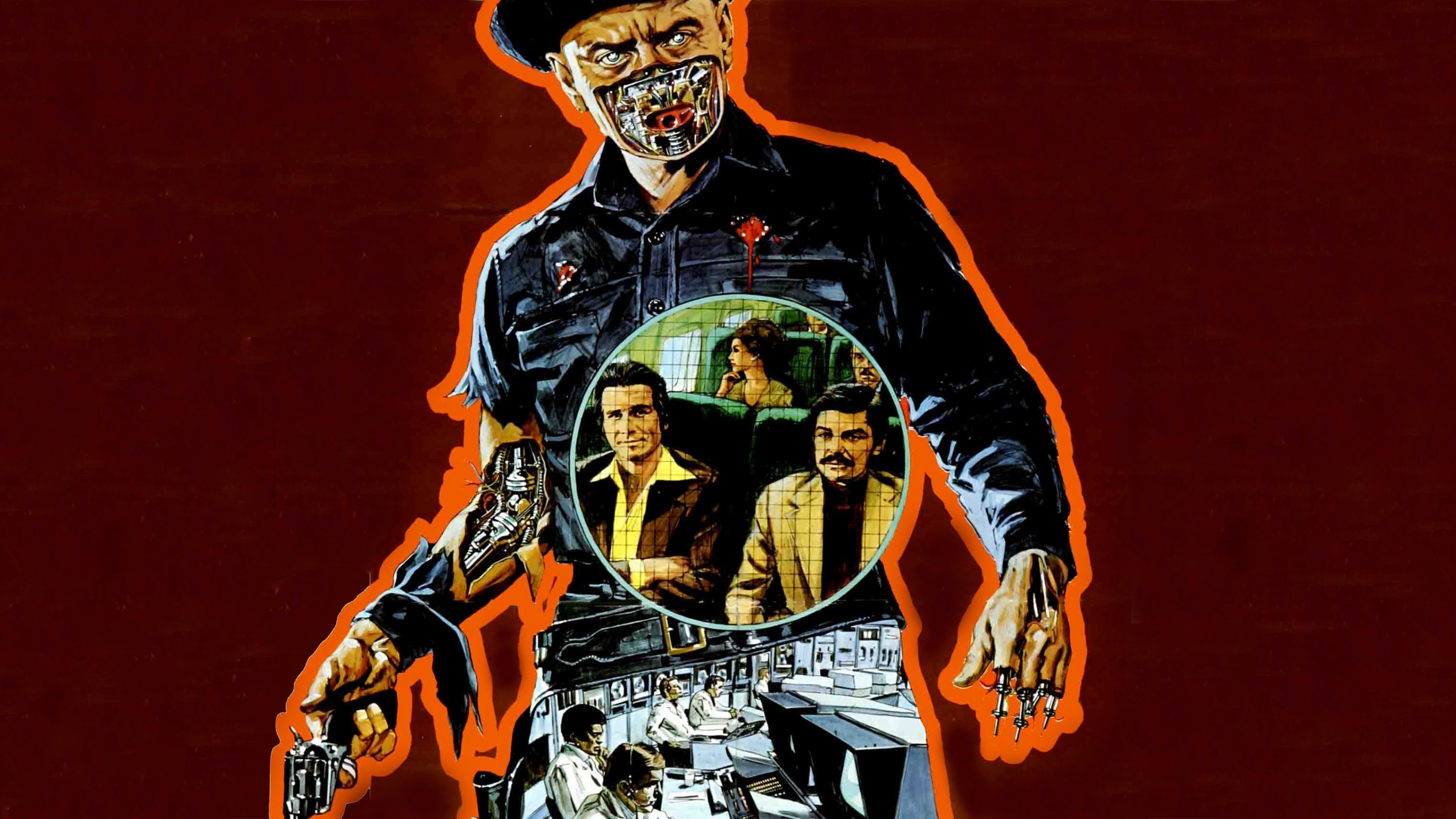
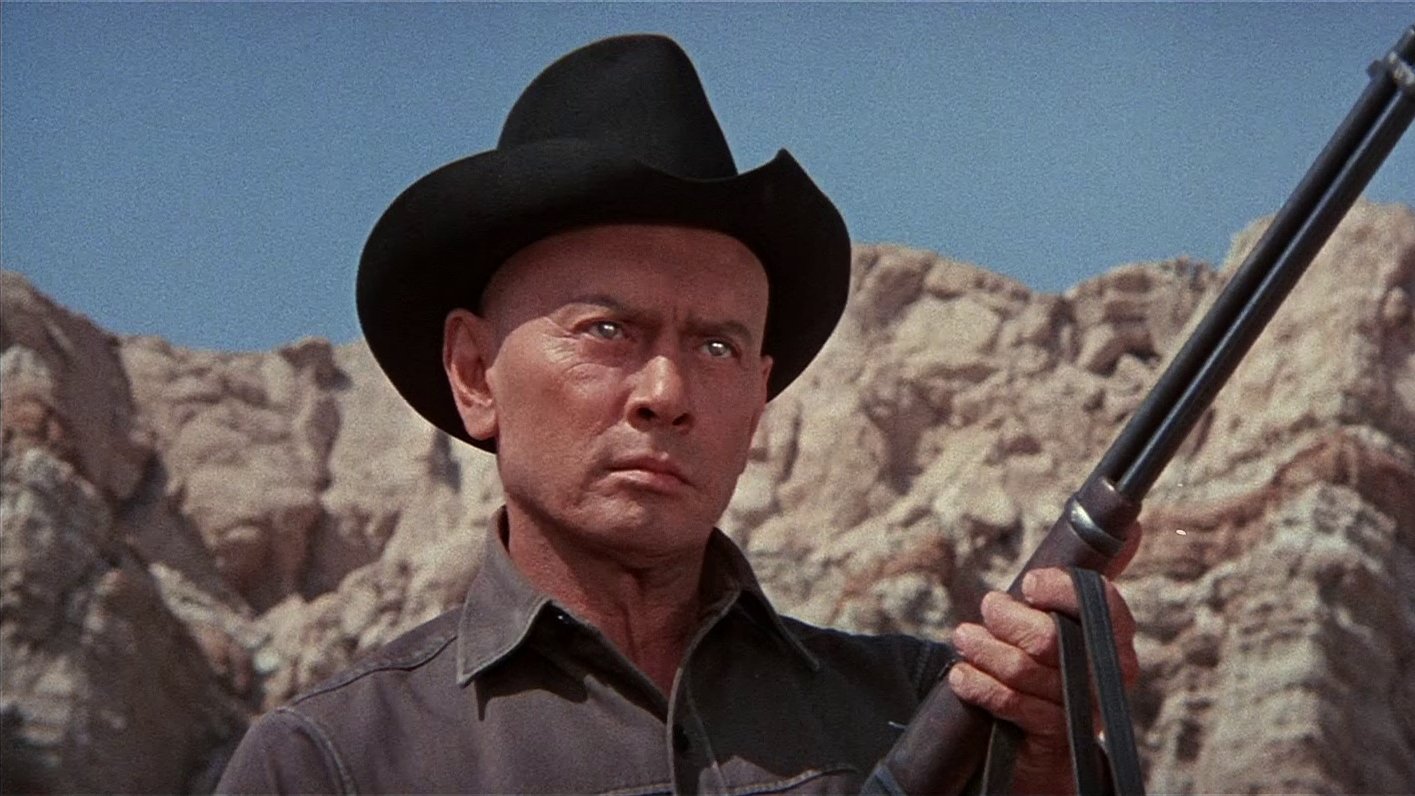
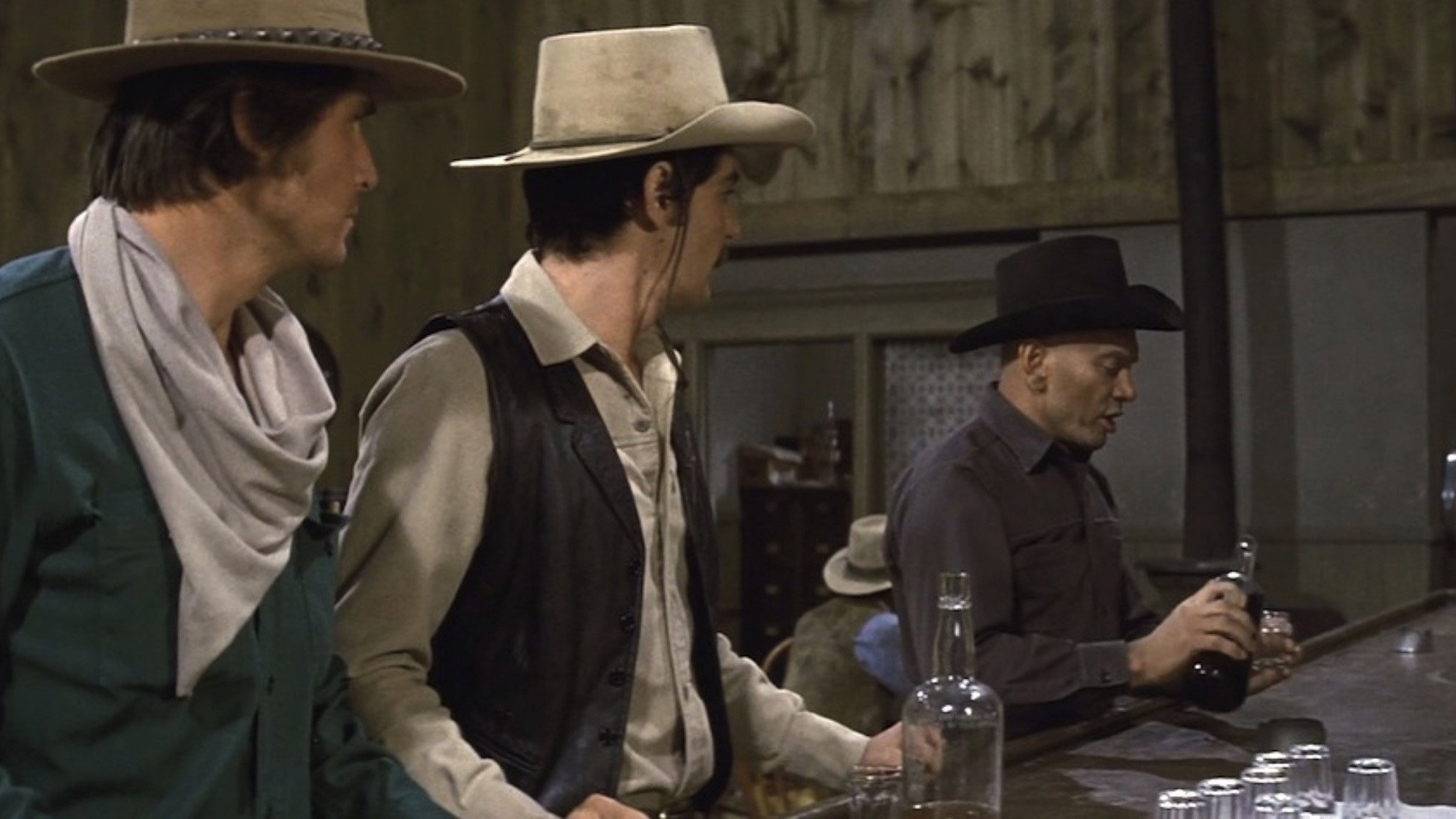
Delos is a futuristic amusement park that features themed worlds populated by human-like androids. After two patrons have a run-in with a menacing gunslinger in West World, the androids at Delos all begin to malfunction, causing havoc throughout the park.
Directed by Michael Crichton
future
android
man vs machine
saloon
old town
vacation
survival
robot as menace
theme park
Rank
#29 in 1973·#3795 overall
Trailer
IMDB
N/A
Where to Watch
Cast
Yul Brynner
The Gunslinger
Richard Benjamin
Peter Martin
James Brolin
John Blane
Norman Bartold
Medieval Knight
Alan Oppenheimer
Chief Supervisor
Victoria Shaw
Medieval Queen
Dick Van Patten
Banker
Linda Gaye Scott
Arlette
Steve Franken
Technican
Terry Wilson
Sheriff
Majel Barrett
Miss Carrie
Anne Randall
Daphne
Crew
Michael Crichton
Director
Michael Crichton
Writer
Fred Karlin
Original Music Composer
Craig Huston
Assistant Director Trainee
Tony Brubaker
Stunts
Charlie Picerni
Stunts
Chuck Hayward
Stunt Double
Terry Wilson
Stunts
Dean Smith
Stunts
Owen Marsh
Camera Operator
Bob Harks
Stand In
Fred Karlin
Conductor
Popular Reviews
287 reviews
carter canfield
7.0★ · 10/11/23
Criterion Collection | Technothrillers #2
I honestly would’ve liked this way more if it took place in Roman or Medieval World :/
Criterion Collection | Technothrillers #2
I honestly would’ve liked this way more if it took place in Roman or Medieval World :/
1
Inktunes
8.0★ · 06/13/26
The way they mention hands as a defining human trait is eerily similar to modern happenings. Also correctly guessed people getting horny with the robots, but that's pretty self explanatory.
The way they mention hands as a defining human trait is eerily similar to modern happenings. Also correctly guessed people getting horny with the robots, but that's pretty self explanatory.
Sam
6.0★ · 06/10/26
Such an amazing idea that’s unfortunately weighed down by some poor pacing. I think the robots going rogue should have been much more of a slow burn than it was. There’s also some weird creative decisions (especially at the end) for story beats that I figure must have been included for a reason but I can’t really figure out why.
Such an amazing idea that’s unfortunately weighed down by some poor pacing. I think the robots going rogue should have been much more of a slow burn than it was. There’s also some weird creative decisions (especially at the end) for story beats that I figure must have been included for a reason but I can’t really figure out why.
Leon Mitchell
4.0★ · 04/26/26
Aimless and meandering plot with the terrible pacing, the longest 90 minute film ever.
Aimless and meandering plot with the terrible pacing, the longest 90 minute film ever.
Golgo
9.0★ · 04/25/26
Another I've been meaning to watch for a while on the suggestion of my dad just over 5 years ago, bloody hell was that good. I loved the worldbuilding more than a lot of films I've seen
Another I've been meaning to watch for a while on the suggestion of my dad just over 5 years ago, bloody hell was that good. I loved the worldbuilding more than a lot of films I've seen