
1960·Drama·1h 49m
7.0
★
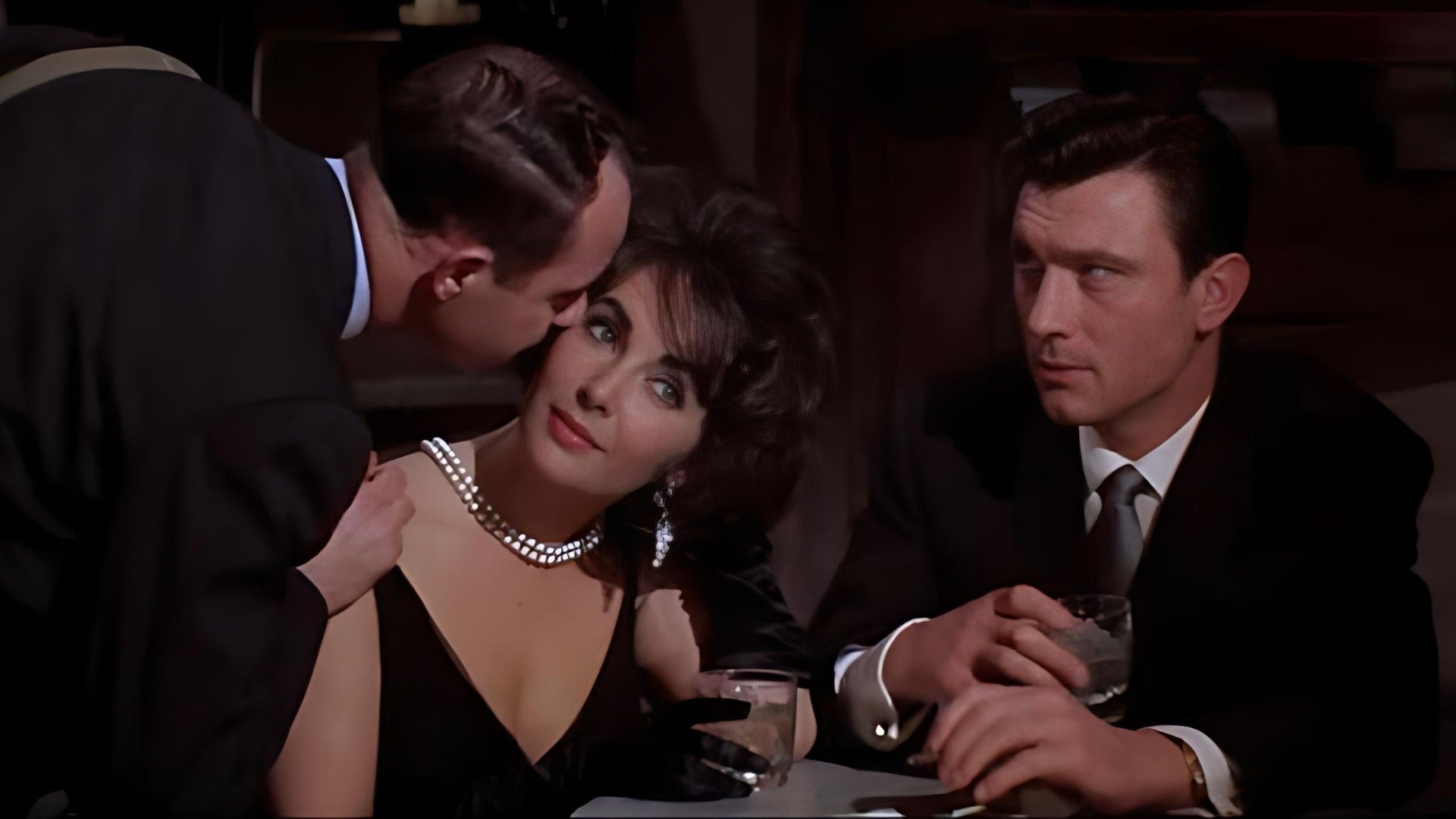
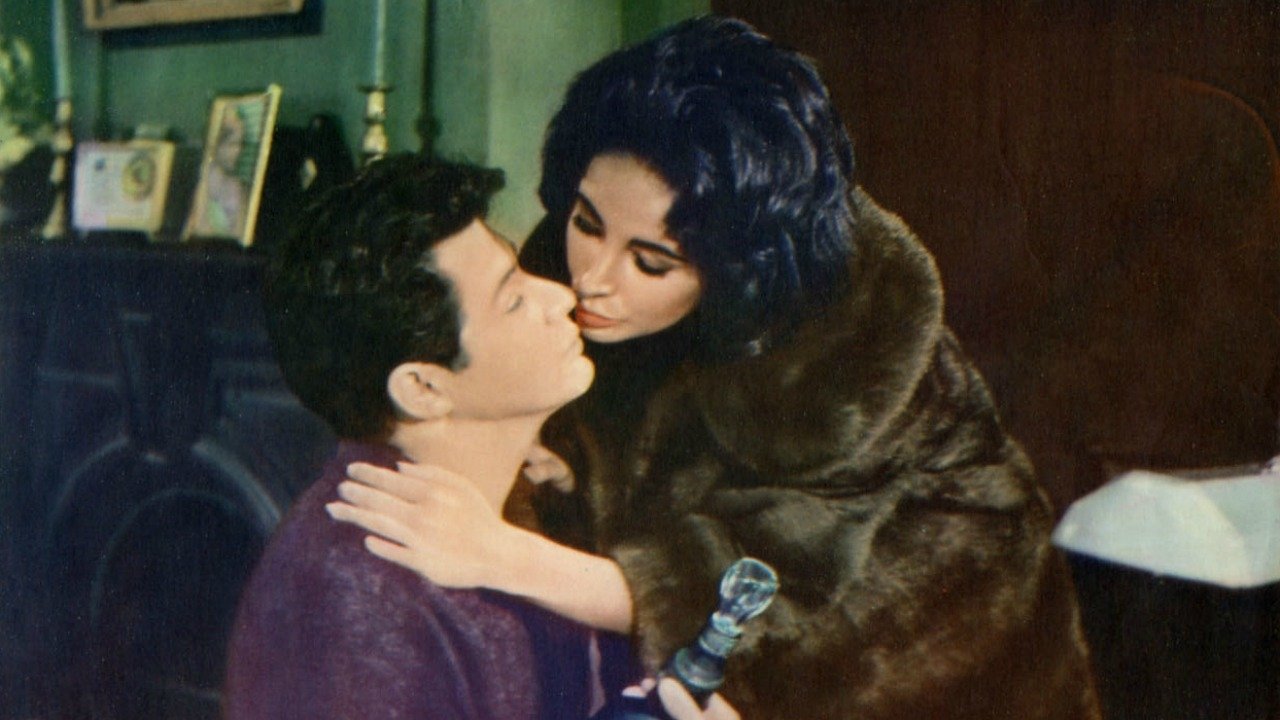
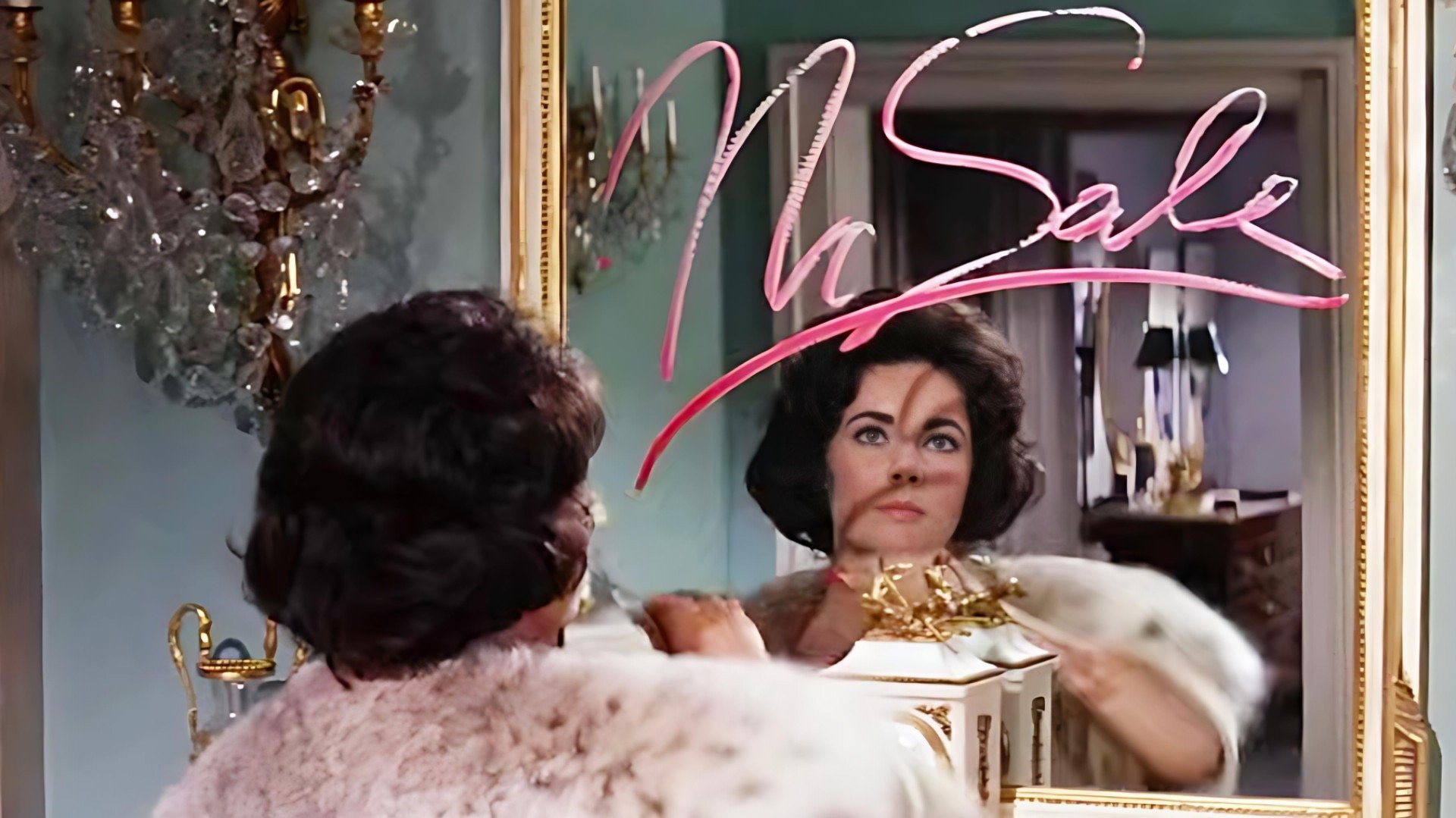
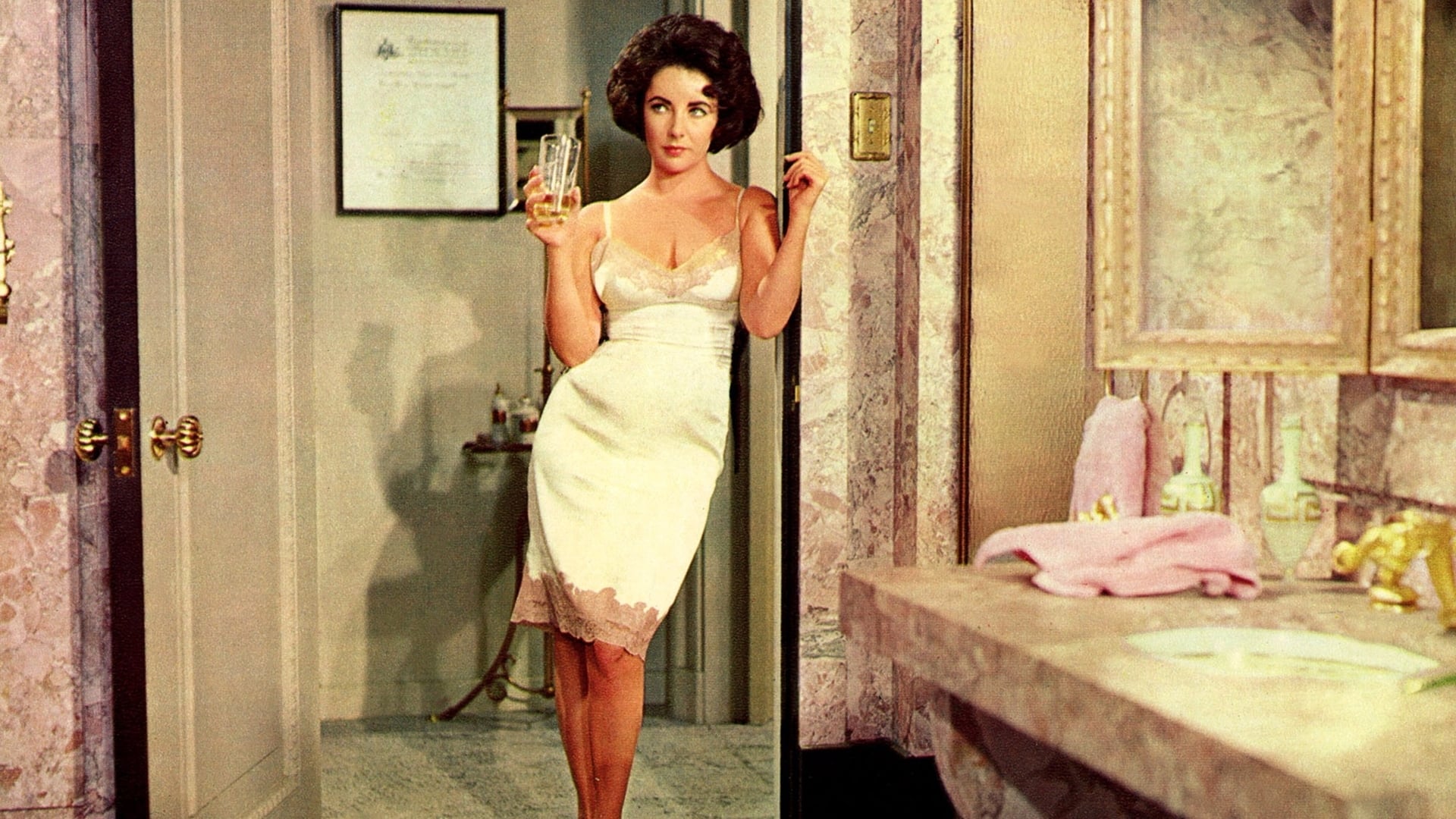
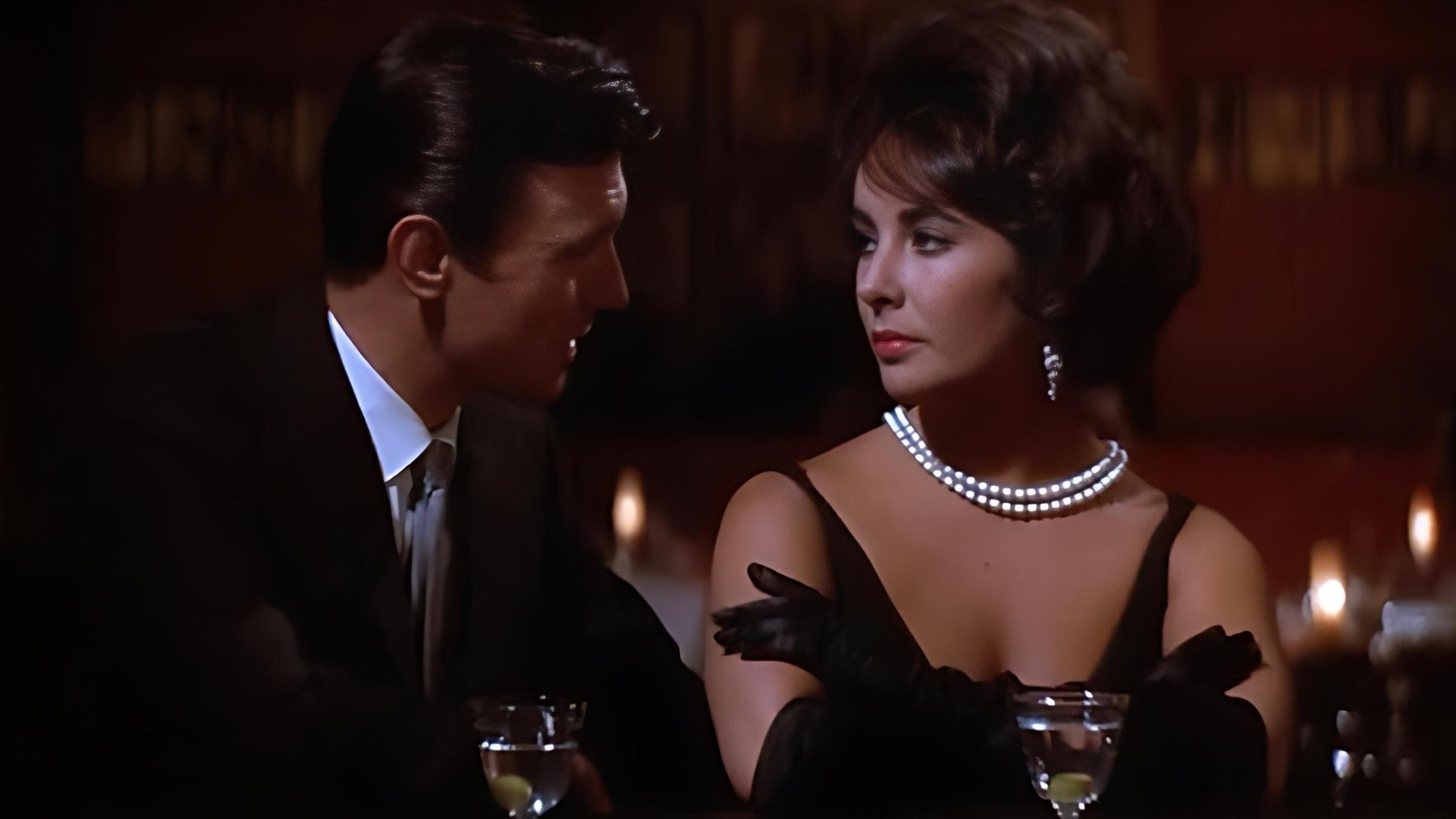
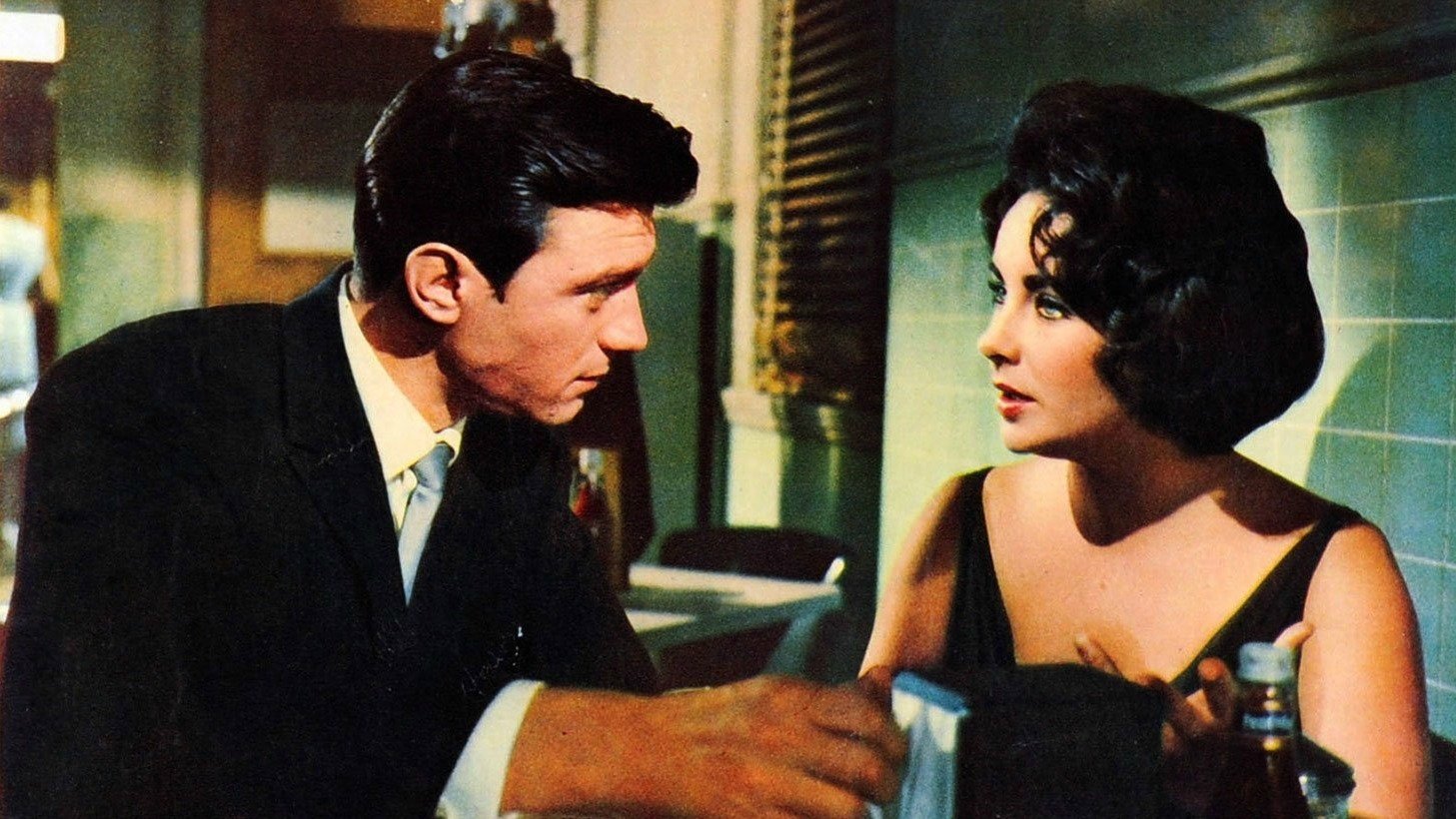
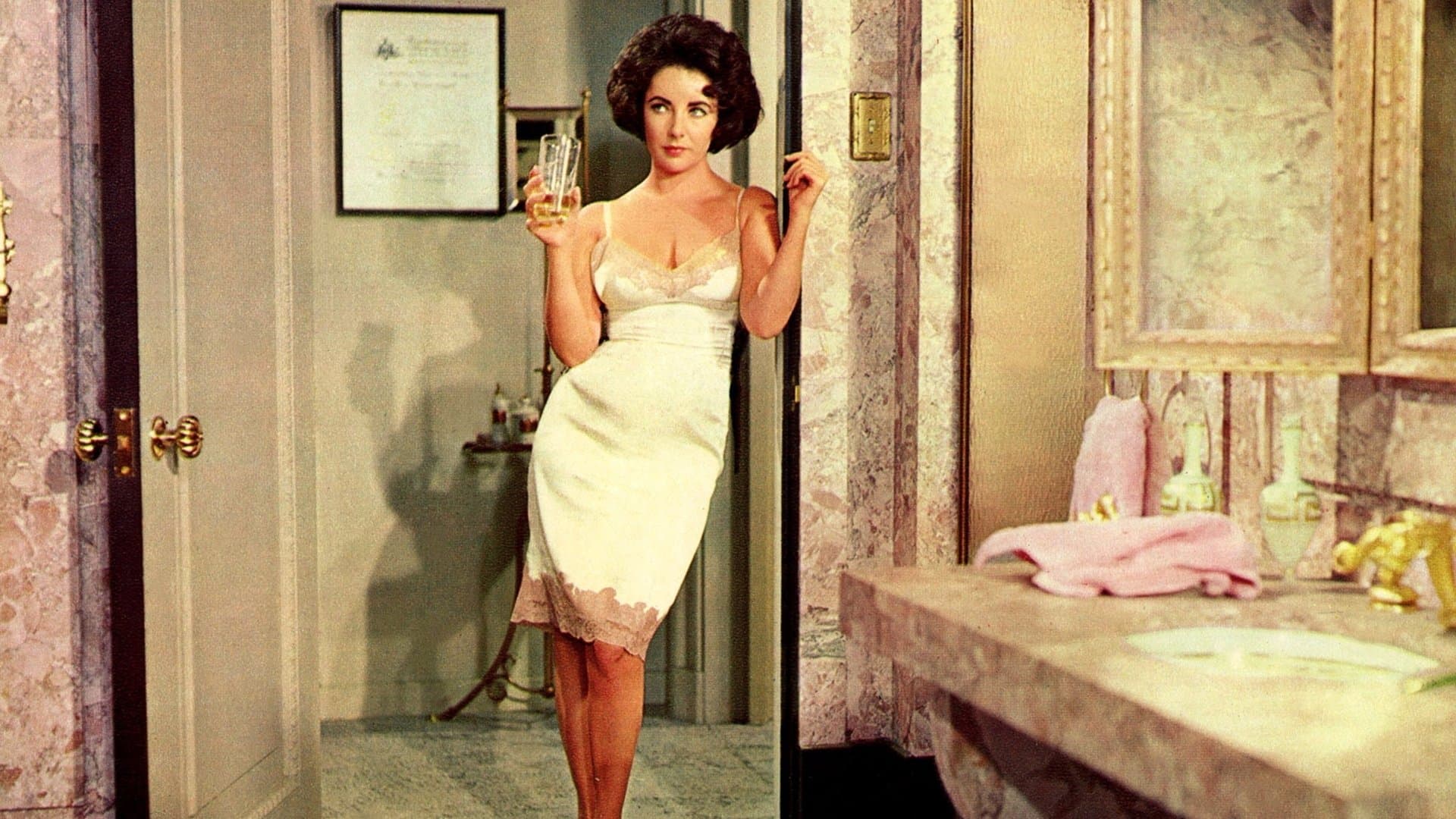
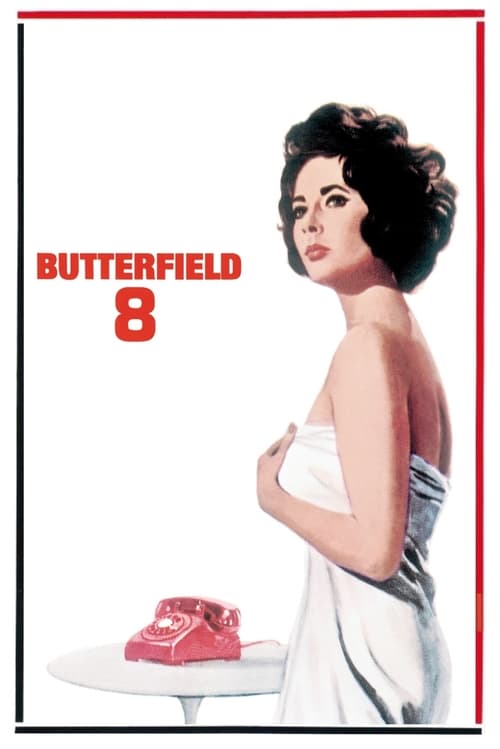
Gloria Wandrous, a promiscuous fashion model, falls in love with Weston Liggett, the hard drinking son of a working class family who has married into money.
Directed by Daniel Mann
pianist
modeling
marrying money
1930s
mink coat

Trailer

IMDB
N/A
Where to Watch



Cast
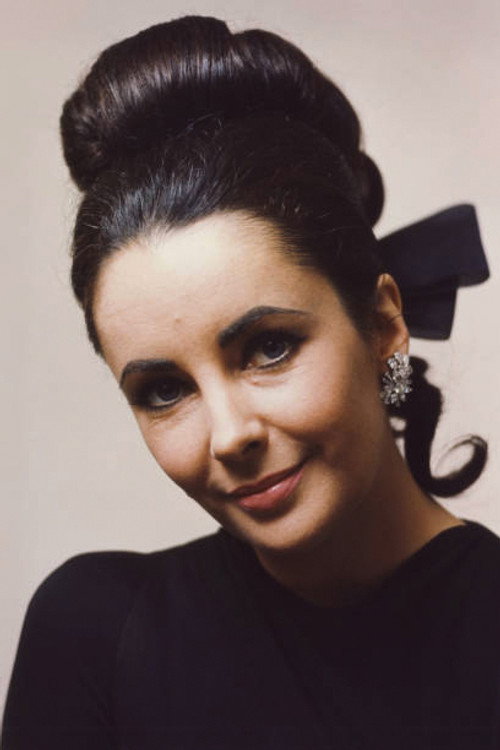
Elizabeth Taylor
Gloria Wandrous
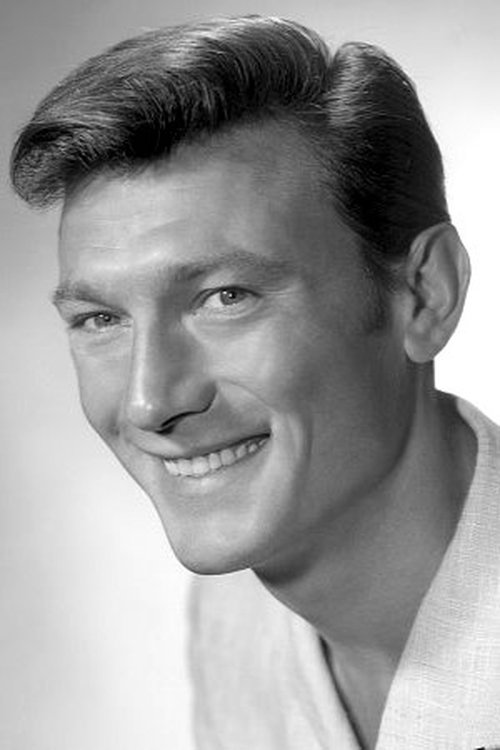
Laurence Harvey
Weston Liggett
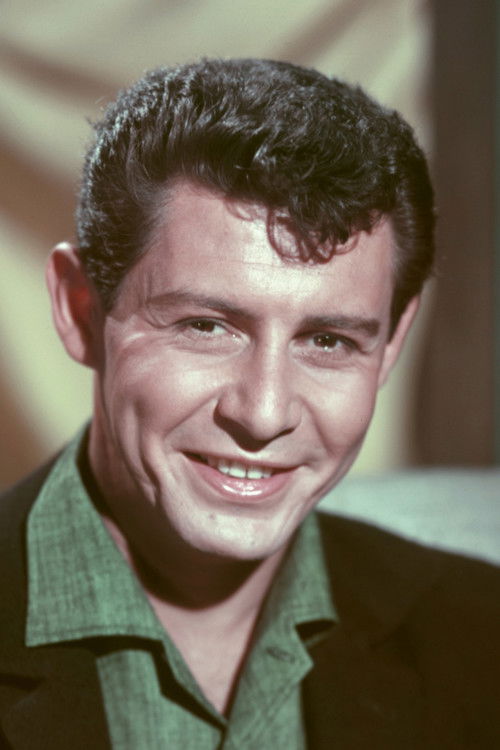
Eddie Fisher
Steve Carpenter

Dina Merrill
Emily Liggett
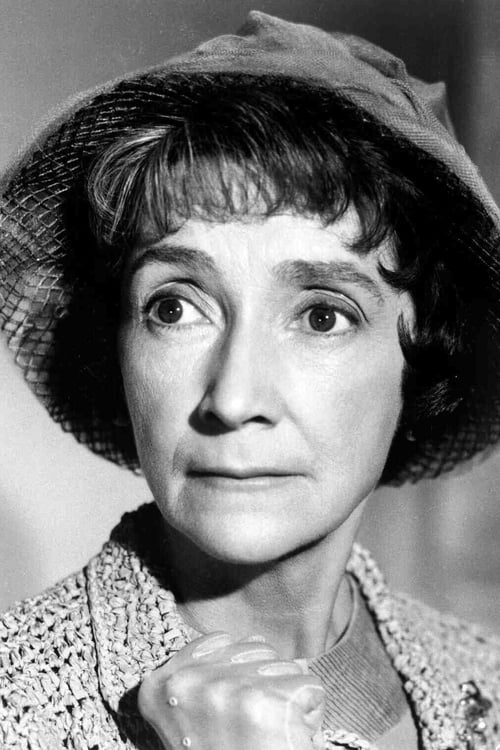
Mildred Dunnock
Mrs. Wandrous
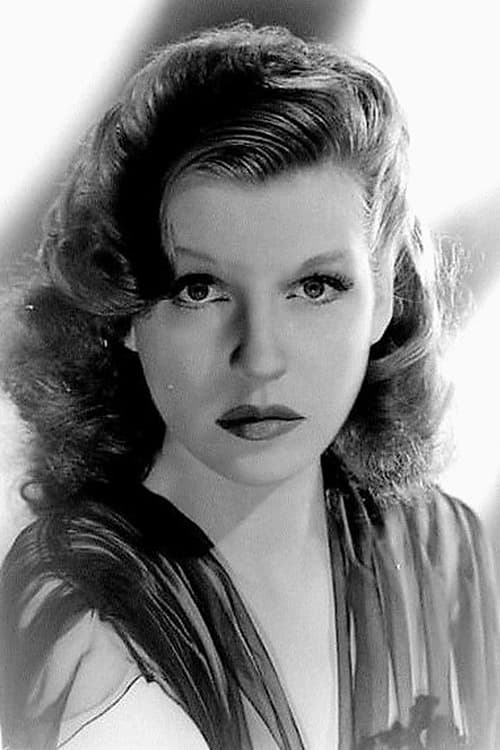
Betty Field
Mrs. Fanny Thurber
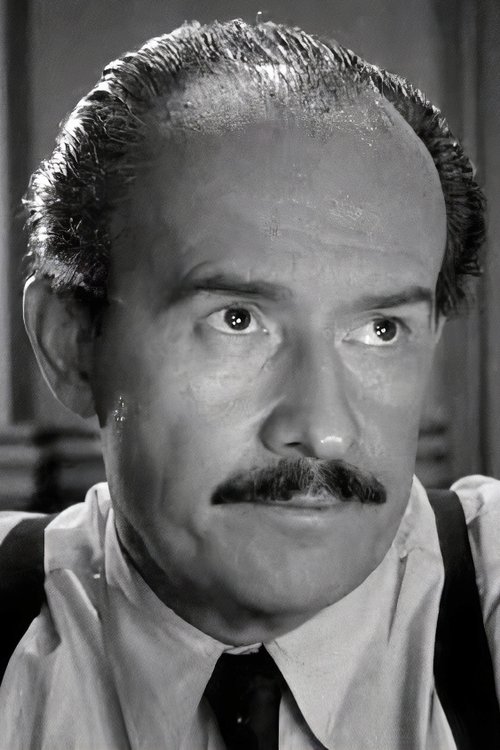
George Voskovec
Dr. Tredman
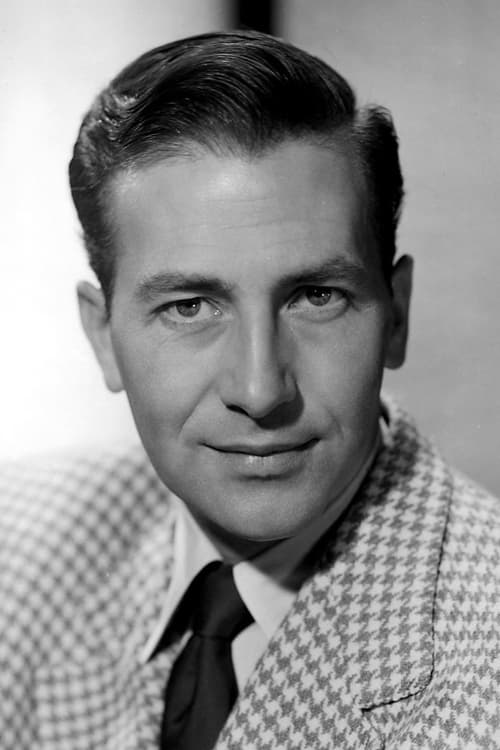
Jeffrey Lynn
Bingham Smith
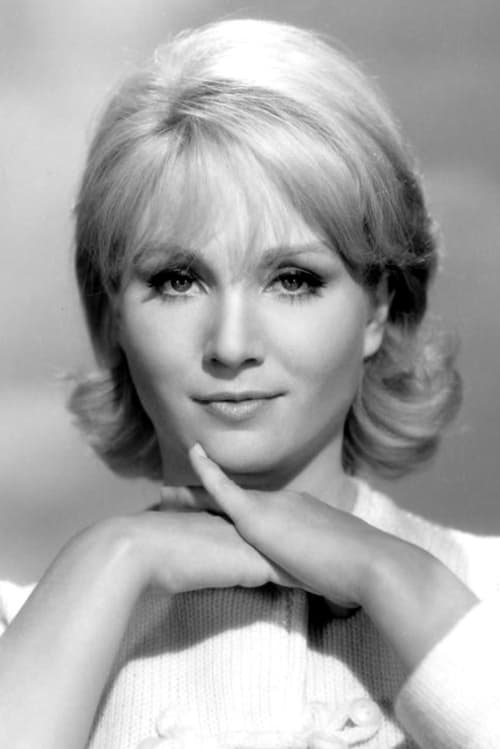
Susan Oliver
Norma
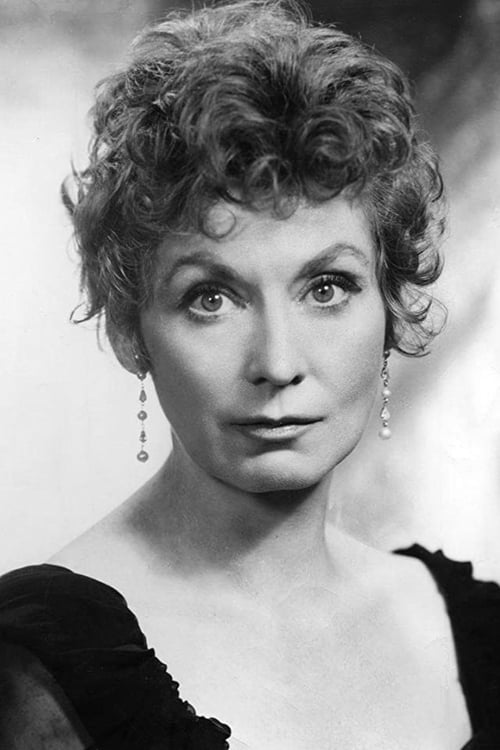
Kay Medford
Happy
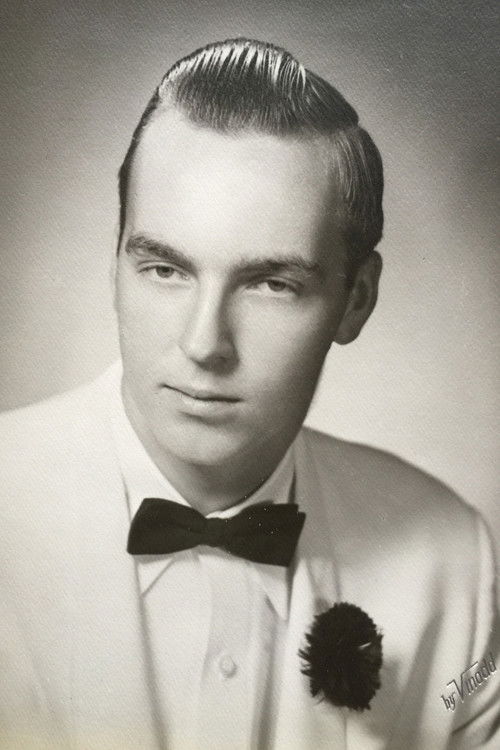
Rudy Bond
Big Man (uncredited)
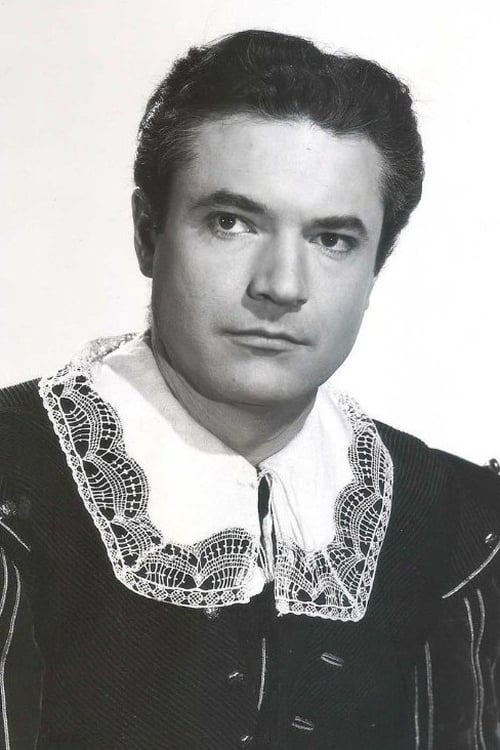
Whitfield Connor
Anderson (uncredited)
Crew

Daniel Mann
Director
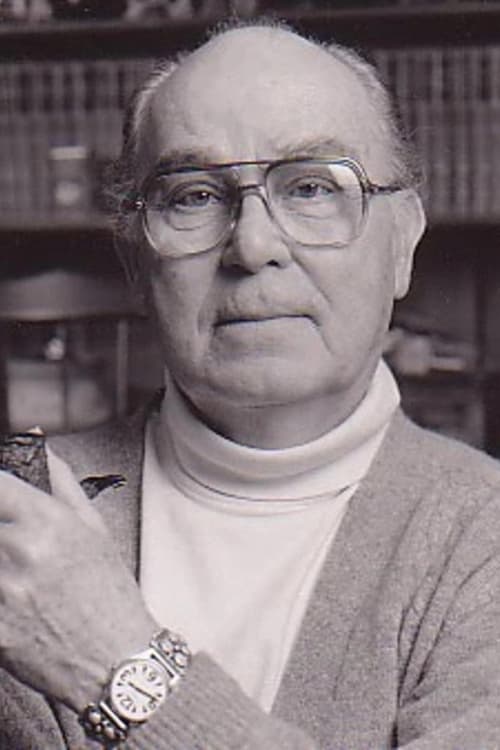
John Michael Hayes
Screenplay

Charles Schnee
Screenplay

Bronislau Kaper
Original Music Composer

Ralph E. Winters
Editor

Joseph Ruttenberg
Director of Photography
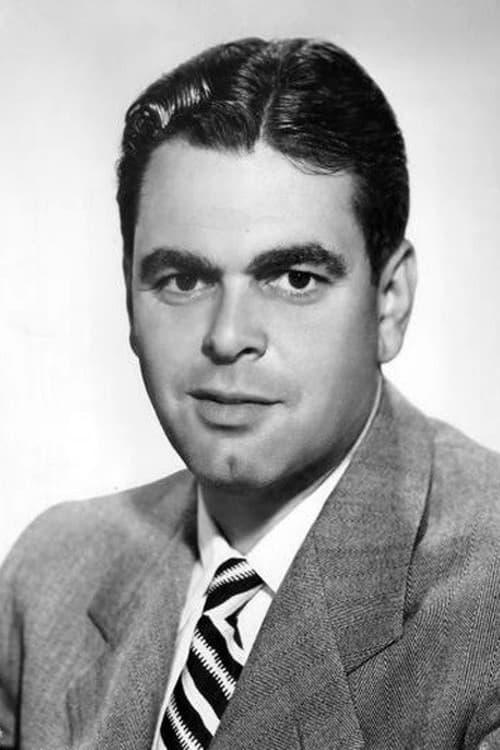
Pandro S. Berman
Producer
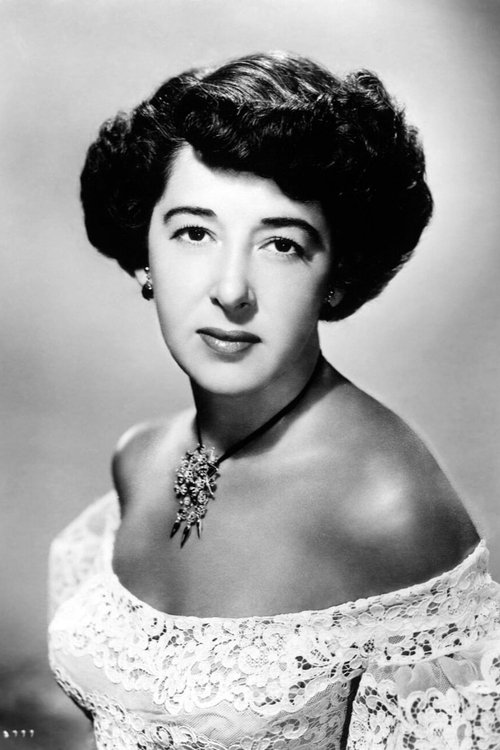
Helen Rose
Costume Design
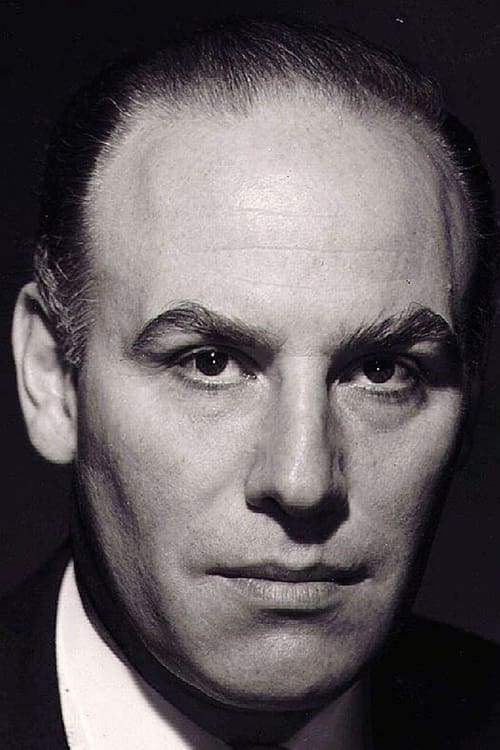
Sydney Guilaroff
Hairstylist
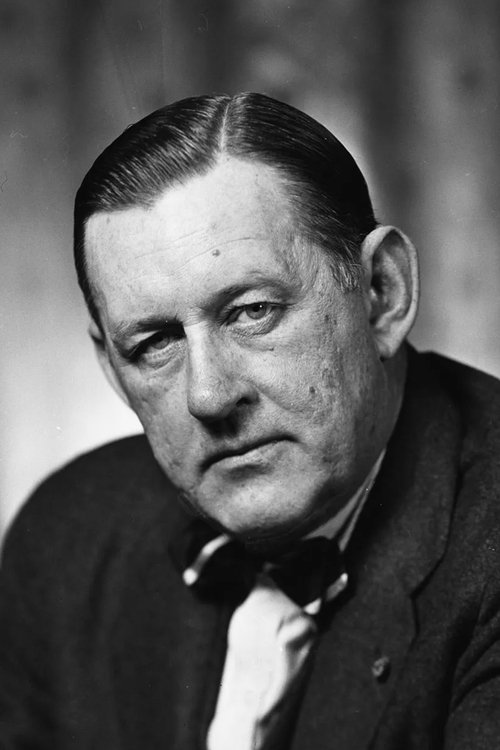
John O'Hara
Novel
Popular Reviews
17 reviews
TonyTonyTony01
7.0★ · 08/05/25
nossa coitada
Citado pela exposição Andy Warhol: Pop Art!
Citado pela exposição Andy Warhol: Pop Art!
nossa coitada
Citado pela exposição Andy Warhol: Pop Art!
Citado pela exposição Andy Warhol: Pop Art!


James Michael SmithPRO
6.0★ · 06/09/25
An odd duck. Liz Taylor shines in this philosophical novel about the sexual revolution. The interesting relationship web is undone by some cringey speech play that understands the structure of classic screwball dialogue but seems jaded by it. The Old Hollywood is dying but the filmmakers haven’t noticed yet.
Every character is unreasonably direct and have a database of puns and idioms to drop in any conceivable situation. For example, a scene in which two ladies are playing cards: “You seem distracted. You should be laying your hearts on the table rather than spades. Talk to me, what’s troubling you?” And so on, in every scene. The characters explicitly lay out the themes and conflicts, say something witty/poetic, and leave.
I love these kinds of themes, especially in the context of the olden days and concepts such as “heels” and “hussies.” Even the word “slut” is used, which was a real shockeroo. There are some incredibly distracting stylistic choices here though.
And, the ending stinks.
Every character is unreasonably direct and have a database of puns and idioms to drop in any conceivable situation. For example, a scene in which two ladies are playing cards: “You seem distracted. You should be laying your hearts on the table rather than spades. Talk to me, what’s troubling you?” And so on, in every scene. The characters explicitly lay out the themes and conflicts, say something witty/poetic, and leave.
I love these kinds of themes, especially in the context of the olden days and concepts such as “heels” and “hussies.” Even the word “slut” is used, which was a real shockeroo. There are some incredibly distracting stylistic choices here though.
And, the ending stinks.
An odd duck. Liz Taylor shines in this philosophical novel about the sexual revolution. The interesting relationship web is undone by some cringey speech play that understands the structure of classic screwball dialogue but seems jaded by it. The Old Hollywood is dying but the filmmakers haven’t noticed yet.
Every character is unreasonably direct and have a database of puns and idioms to drop in any conceivable situation. For example, a scene in which two ladies are playing cards: “You seem distracted. You should be laying your hearts on the table rather than spades. Talk to me, what’s troubling you?” And so on, in every scene. The characters explicitly lay out the themes and conflicts, say something witty/poetic, and leave.
I love these kinds of themes, especially in the context of the olden days and concepts such as “heels” and “hussies.” Even the word “slut” is used, which was a real shockeroo. There are some incredibly distracting stylistic choices here though.
And, the ending stinks.
Every character is unreasonably direct and have a database of puns and idioms to drop in any conceivable situation. For example, a scene in which two ladies are playing cards: “You seem distracted. You should be laying your hearts on the table rather than spades. Talk to me, what’s troubling you?” And so on, in every scene. The characters explicitly lay out the themes and conflicts, say something witty/poetic, and leave.
I love these kinds of themes, especially in the context of the olden days and concepts such as “heels” and “hussies.” Even the word “slut” is used, which was a real shockeroo. There are some incredibly distracting stylistic choices here though.
And, the ending stinks.
maria
8.0★ · 09/23/24
eu amo a liz taylor meu deus eu poderia ver várias coisas dela por horas e não cansar, mas caramba esse filme enfiou uma estaca no meu coração durante o meio pro final, mas mesmo assim eu amei porque i’m just a girl que ama filmes de romance dramáticos
claro que o ab*so que a personagem dela sofreu no passado (como “justificativa” pra ela se tornar oq é hoje) foi EXTREMAMENTE mal desenvolvido quando é revelado pro público mas estamos falando de 1960…. sad but true
meio que esse filme teve um propósito pra chegar até o evento final e apesar de se ele tivesse sido feito hoje e com certeza seria polêmico, eu gostei principalmente por causa das atuações (liz again girl you did it!) e porque o plot dele foi realmente interessante pra mim
claro que o ab*so que a personagem dela sofreu no passado (como “justificativa” pra ela se tornar oq é hoje) foi EXTREMAMENTE mal desenvolvido quando é revelado pro público mas estamos falando de 1960…. sad but true
meio que esse filme teve um propósito pra chegar até o evento final e apesar de se ele tivesse sido feito hoje e com certeza seria polêmico, eu gostei principalmente por causa das atuações (liz again girl you did it!) e porque o plot dele foi realmente interessante pra mim
eu amo a liz taylor meu deus eu poderia ver várias coisas dela por horas e não cansar, mas caramba esse filme enfiou uma estaca no meu coração durante o meio pro final, mas mesmo assim eu amei porque i’m just a girl que ama filmes de romance dramáticos
claro que o ab*so que a personagem dela sofreu no passado (como “justificativa” pra ela se tornar oq é hoje) foi EXTREMAMENTE mal desenvolvido quando é revelado pro público mas estamos falando de 1960…. sad but true
meio que esse filme teve um propósito pra chegar até o evento final e apesar de se ele tivesse sido feito hoje e com certeza seria polêmico, eu gostei principalmente por causa das atuações (liz again girl you did it!) e porque o plot dele foi realmente interessante pra mim
claro que o ab*so que a personagem dela sofreu no passado (como “justificativa” pra ela se tornar oq é hoje) foi EXTREMAMENTE mal desenvolvido quando é revelado pro público mas estamos falando de 1960…. sad but true
meio que esse filme teve um propósito pra chegar até o evento final e apesar de se ele tivesse sido feito hoje e com certeza seria polêmico, eu gostei principalmente por causa das atuações (liz again girl you did it!) e porque o plot dele foi realmente interessante pra mim
Michaela
6.0★ · 08/16/24
Great opening, terrible ending
Great opening, terrible ending
ellie
bring back fur coats
bring back fur coats