
1952·Comedy·1h 57m
7.1
★
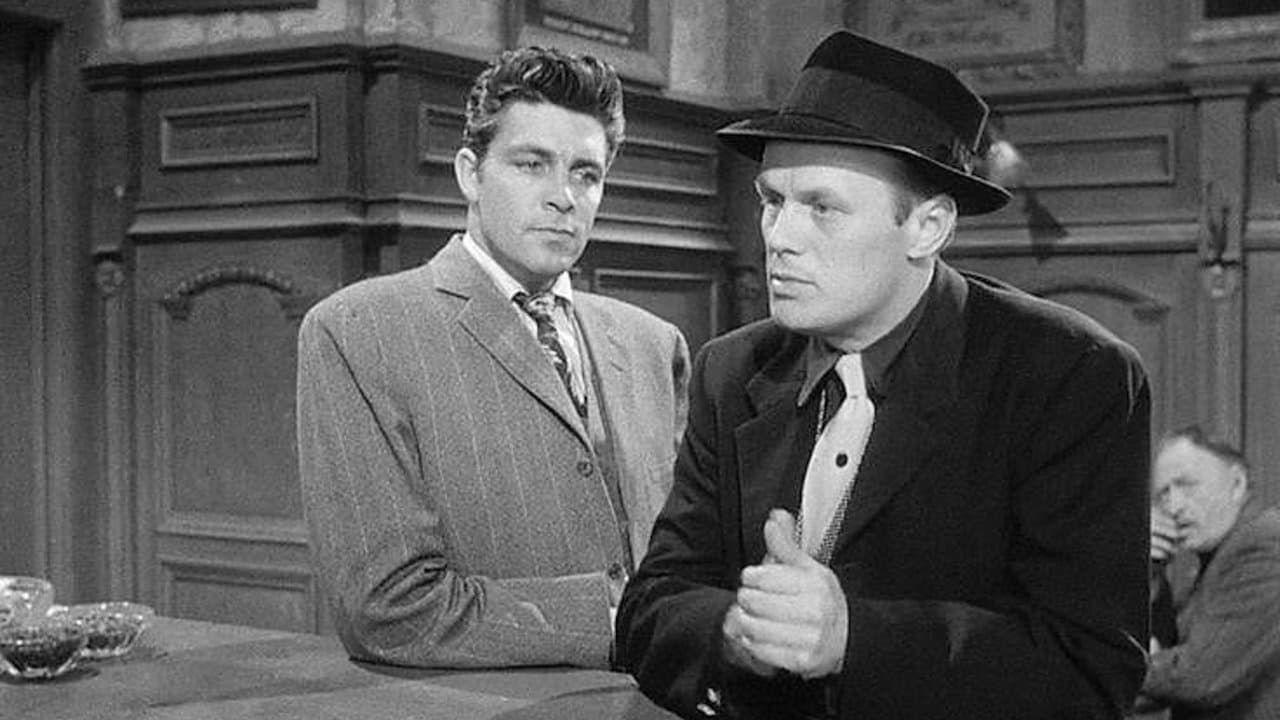
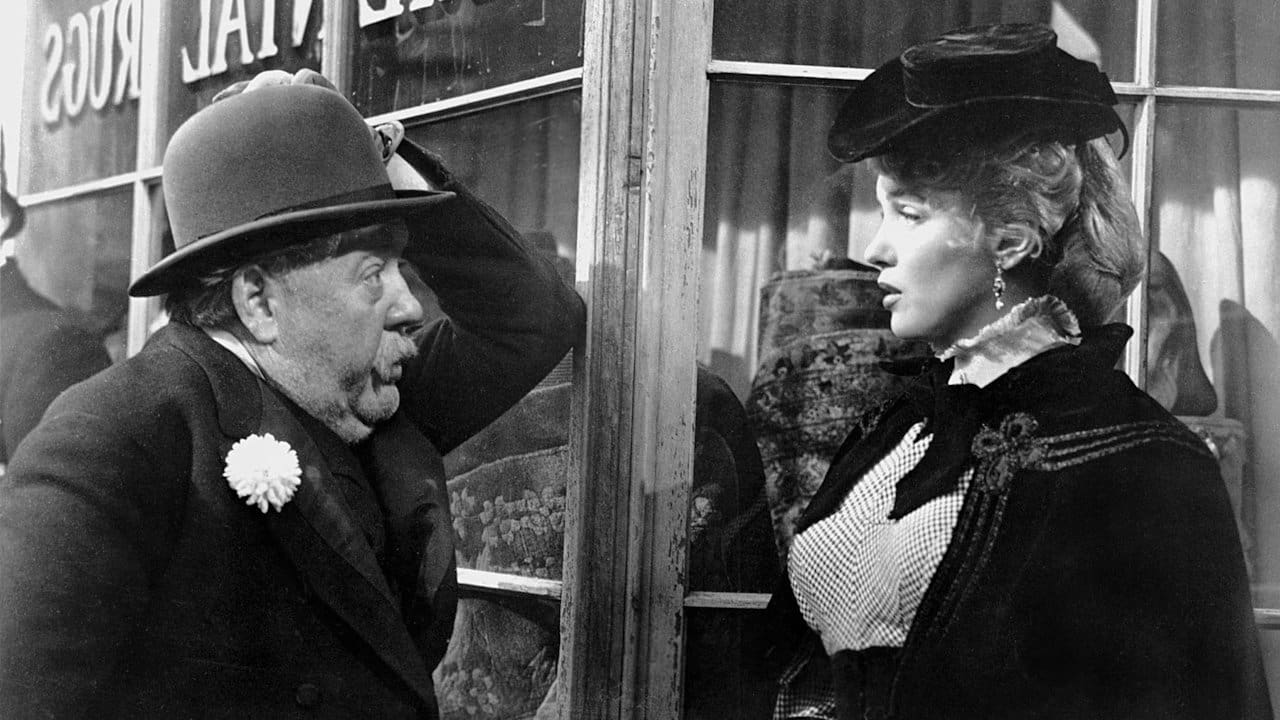
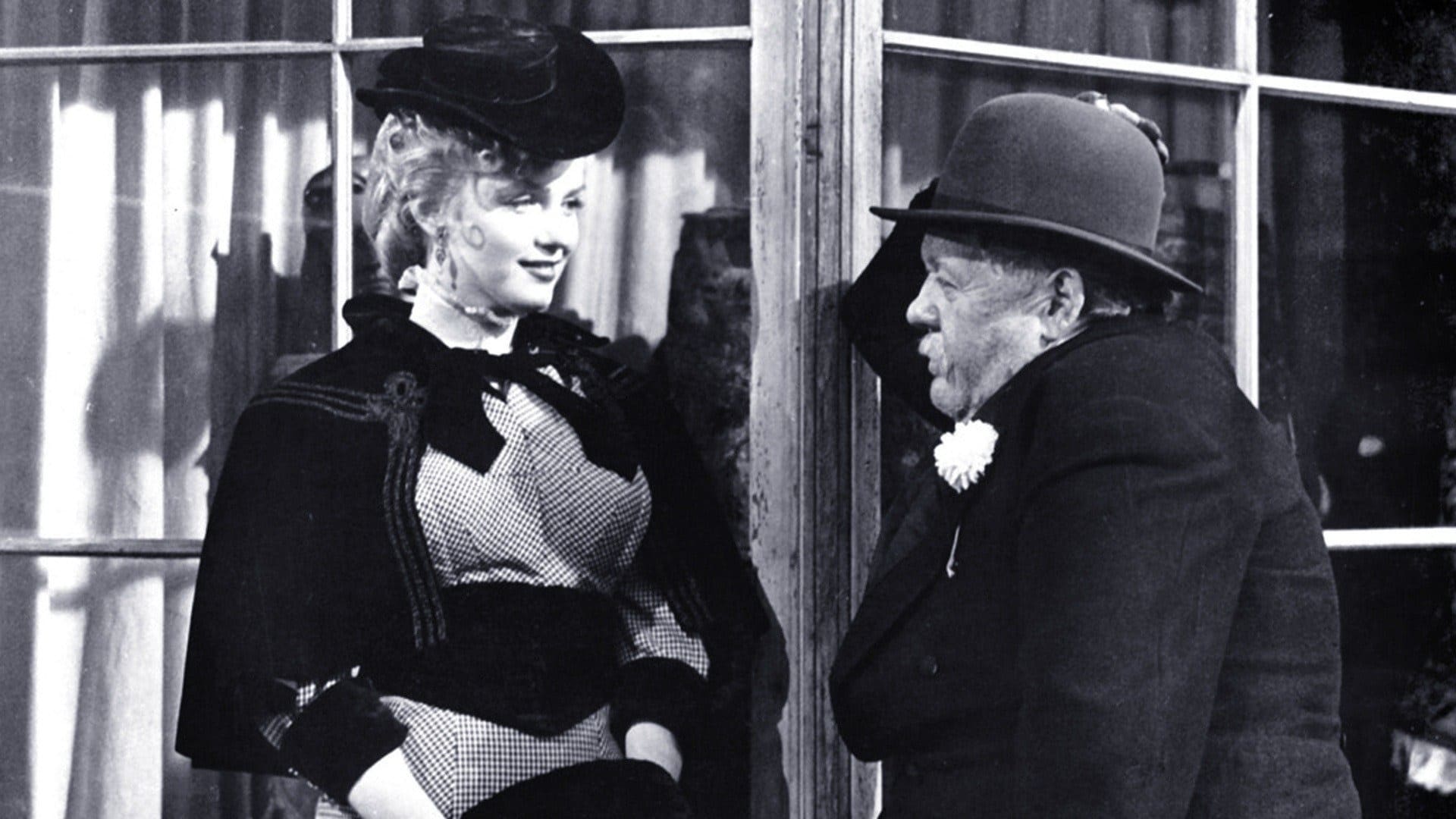
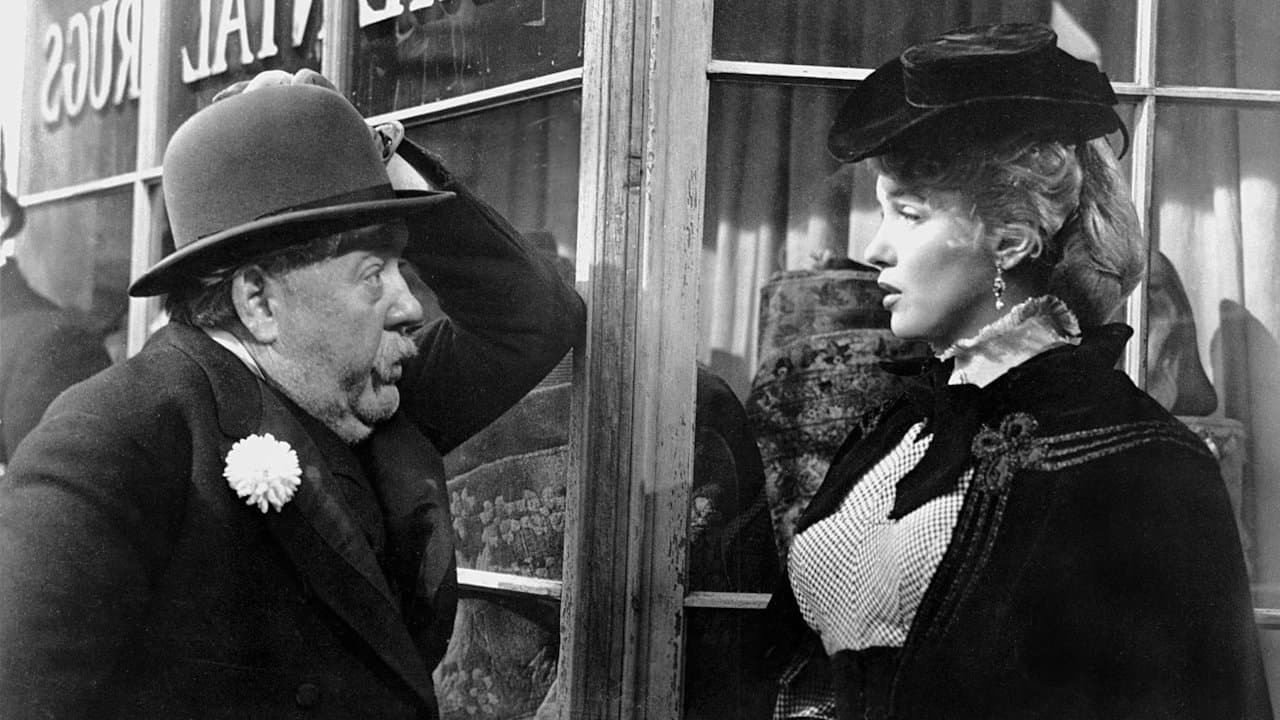
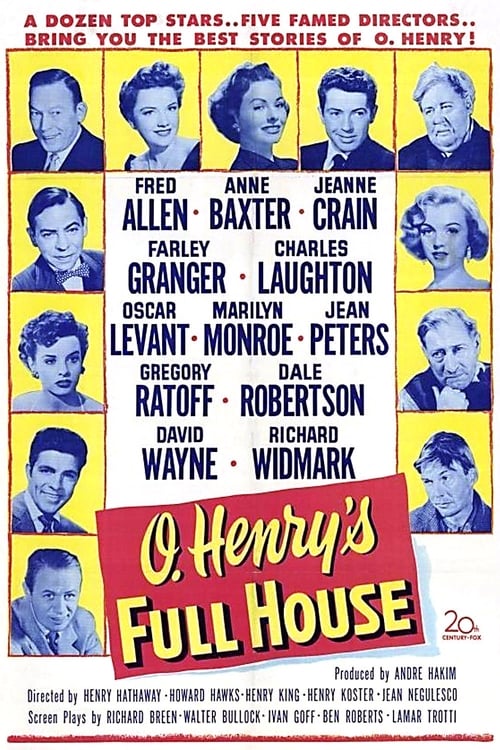
Five O. Henry stories, each separate. The primary one from the critics' acclaim was "The Cop and the Anthem". Soapy tells fellow bum Horace that he is going to get arrested so he can spend the winter in a nice jail cell. He fails. He can't even accost a woman; she turns out to be a streetwalker. The other stories are "The Clarion Call", "The Last Leaf", "The Ransom of Red Chief", and "The Gift of the Magi".
Directed by Henry King and Howard Hawks and Henry Koster and Jean Negulesco and Henry Hathaway
anthology
bum
based on short story

Trailer

IMDB
N/A
Where to Watch


Cast
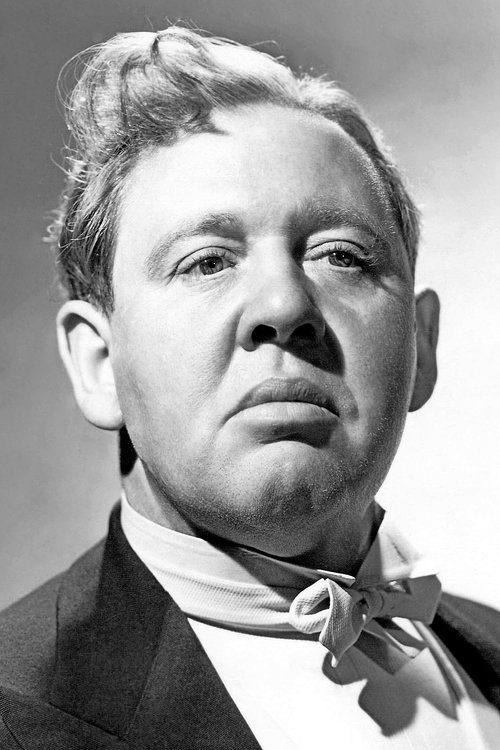
Charles Laughton
Soapy (segment "The Cop and the Anthem")
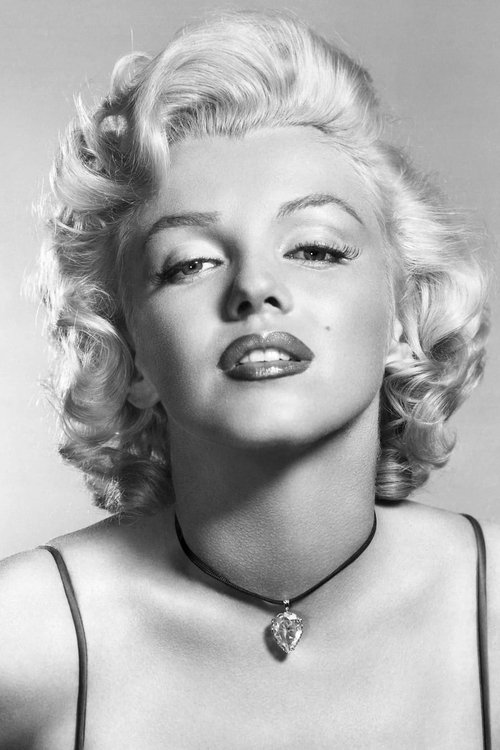
Marilyn Monroe
Streetwalker (segment "The Cop and the Anthem")
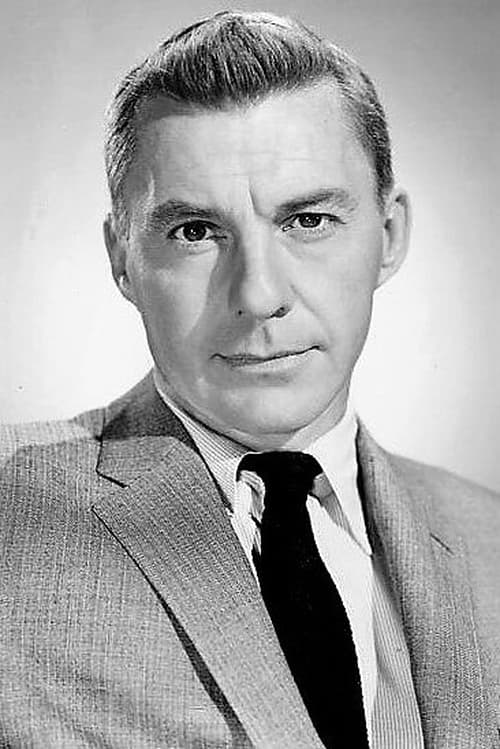
David Wayne
Horace (segment "The Cop and the Anthem")
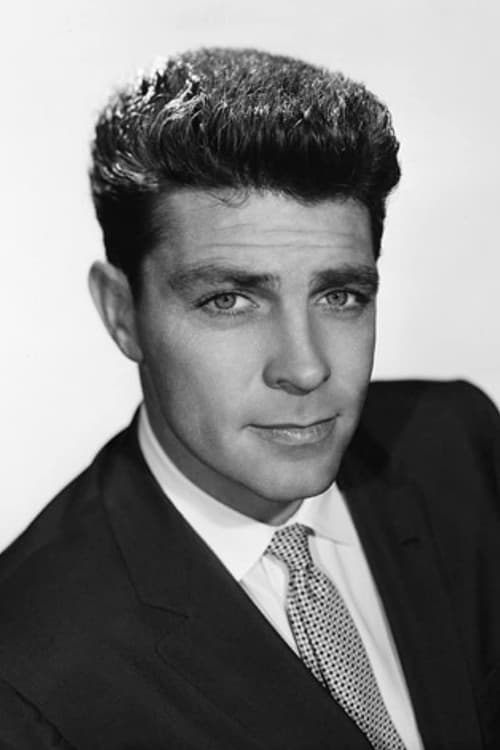
Dale Robertson
Barney Woods (segment "The Clarion Call")
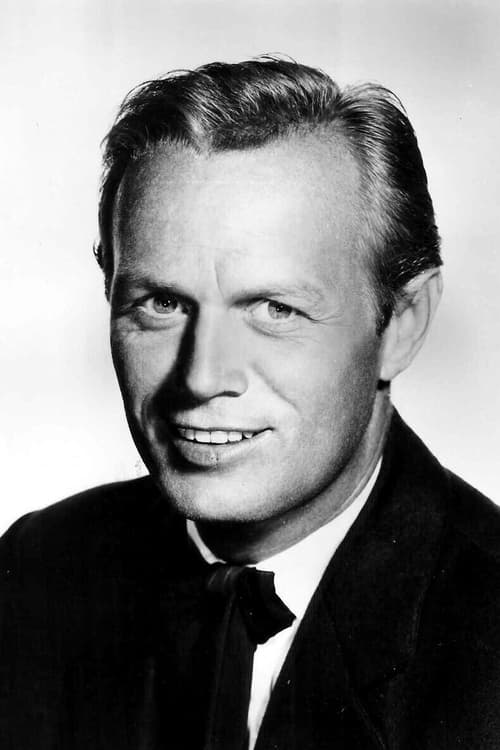
Richard Widmark
Johnny Kernan (segment "The Clarion Call")
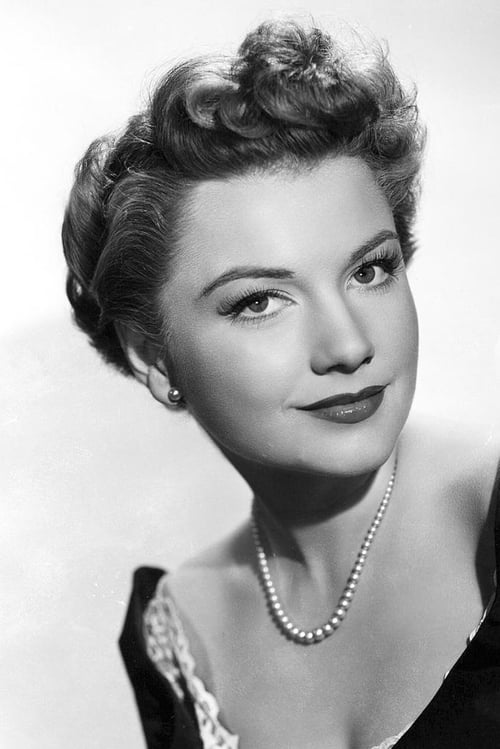
Anne Baxter
Joanna Goodwin (segment "The Last Leaf")
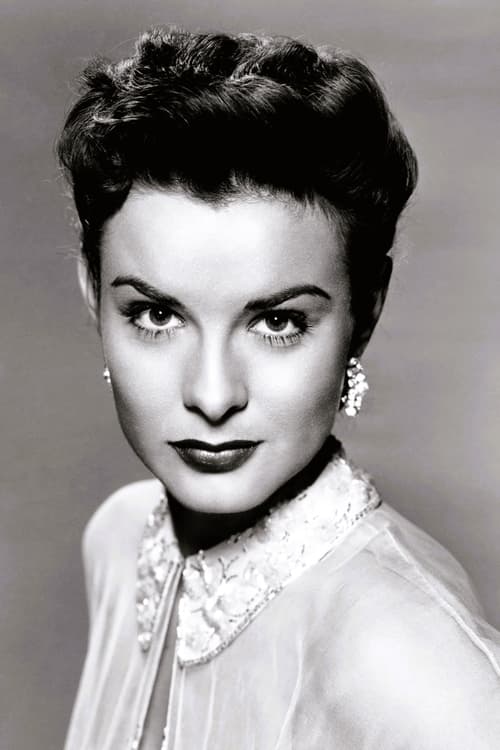
Jean Peters
Susan Goodwin (segment "The Last Leaf")
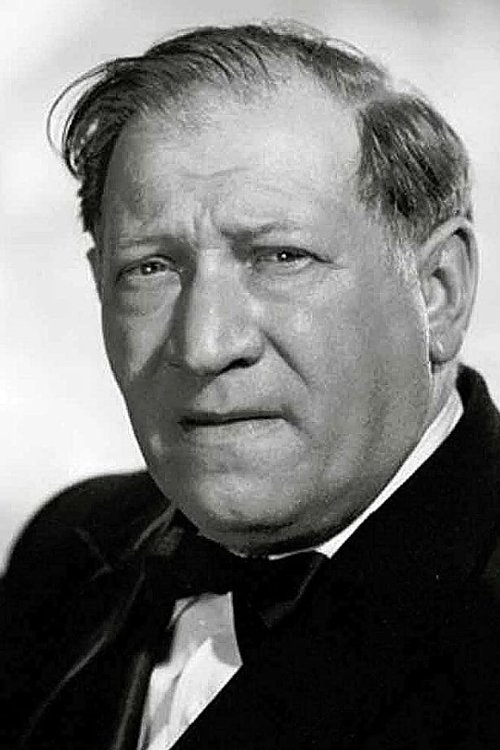
Gregory Ratoff
Behrman (segment "The Last Leaf")
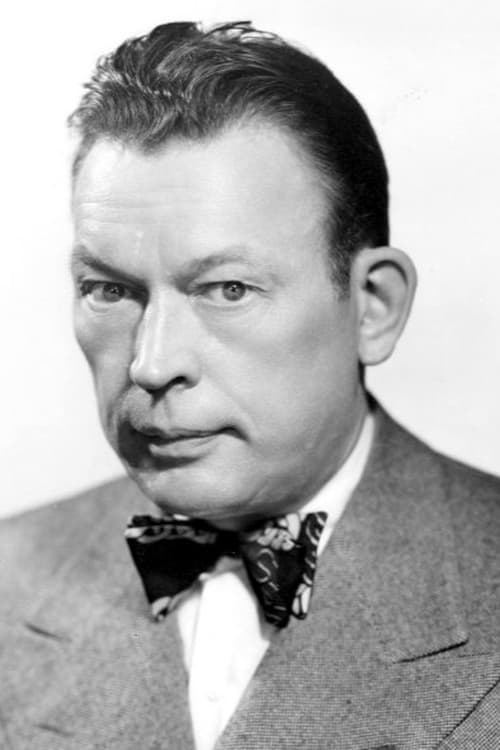
Fred Allen
Sam "Slick" Brown (segment "The Ransom of Red Chief")
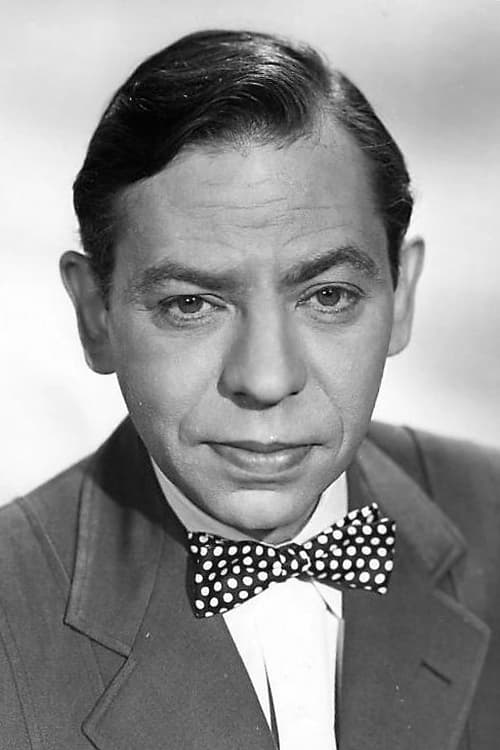
Oscar Levant
William Smith (segment "The Ransom of Red Chief")

Jeanne Crain
Della (segment "The Gift of the Magi")
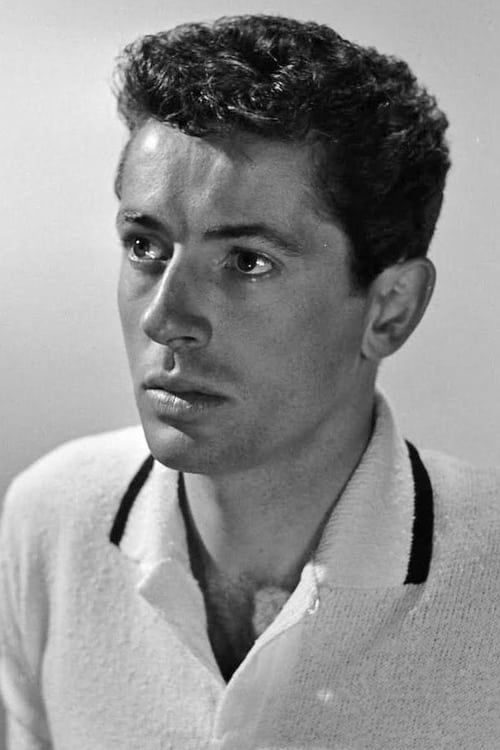
Farley Granger
Jim (segment "The Gift of the Magi")
Crew
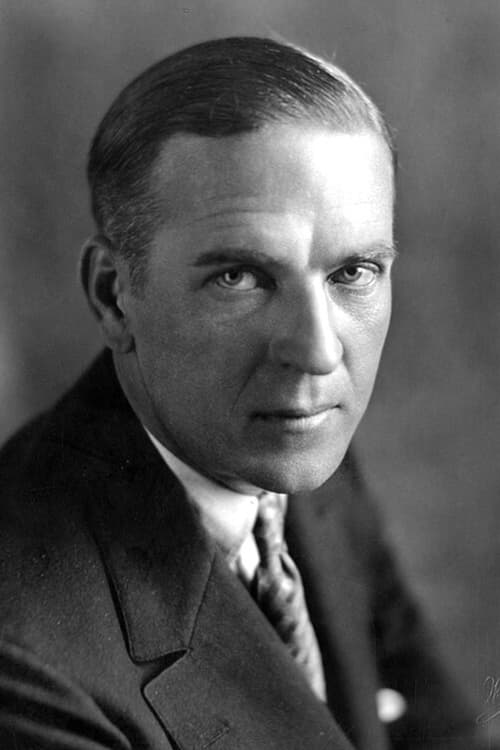
Henry King
Director
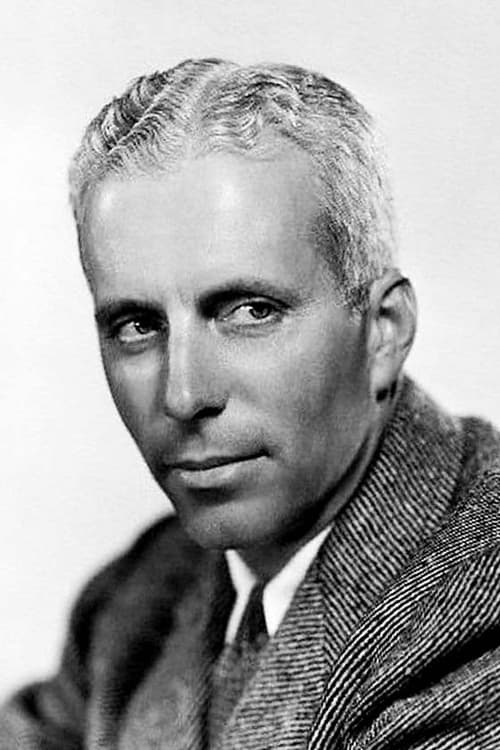
Howard Hawks
Director
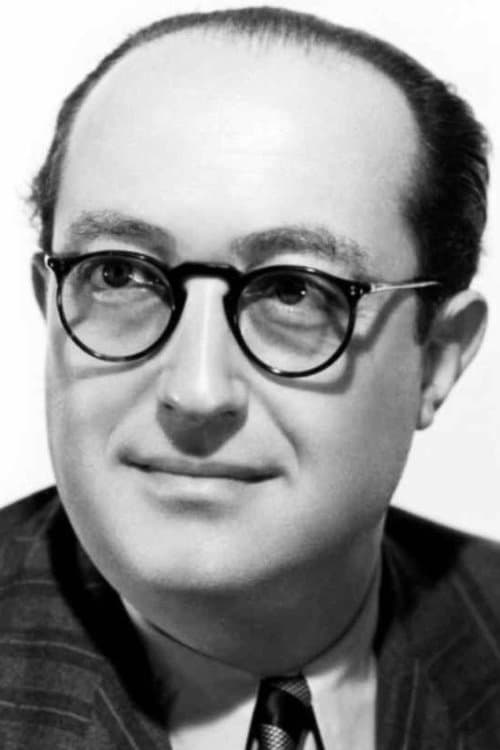
Henry Koster
Director
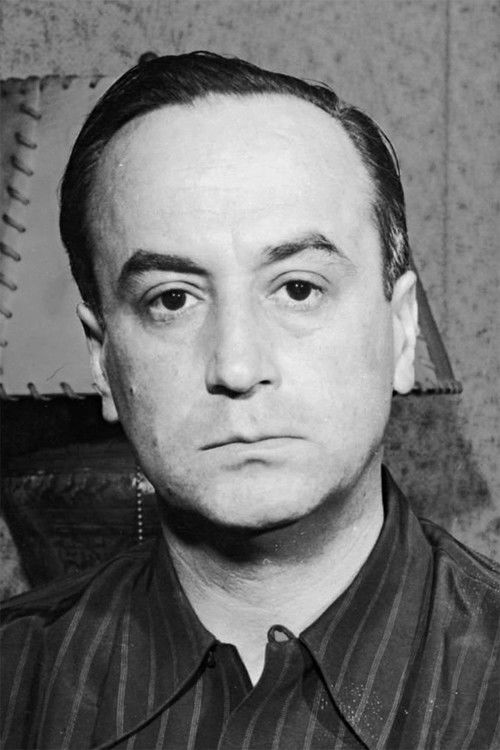
Jean Negulesco
Director
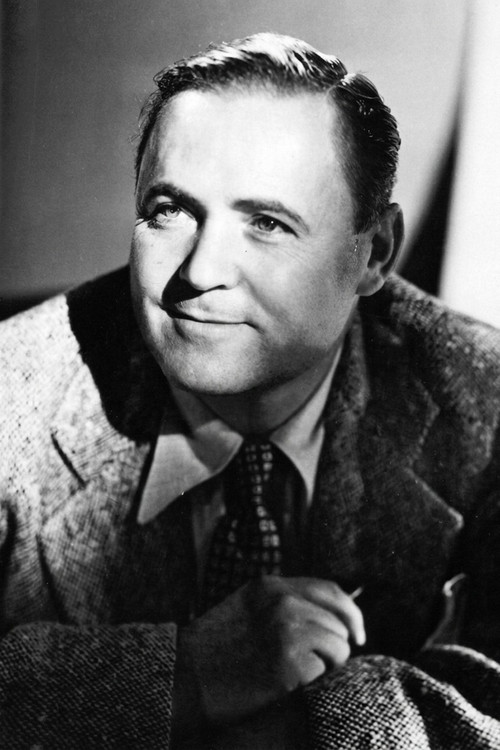
Henry Hathaway
Director
Ivan Goff
Screenplay
Richard L. Breen
Screenplay
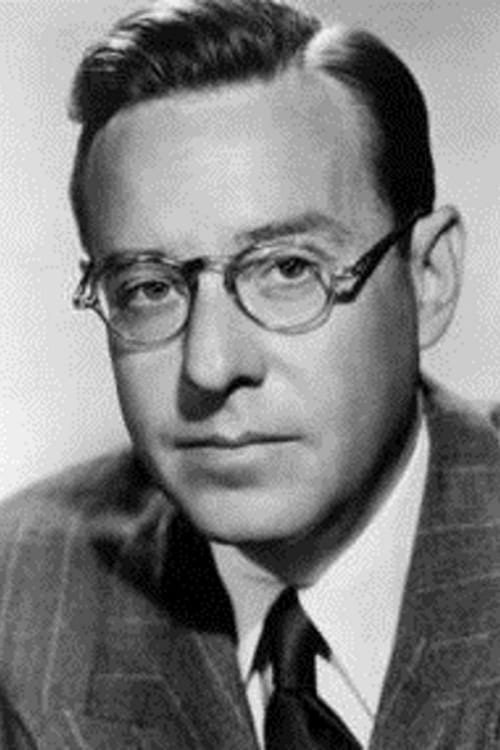
Lamar Trotti
Screenplay
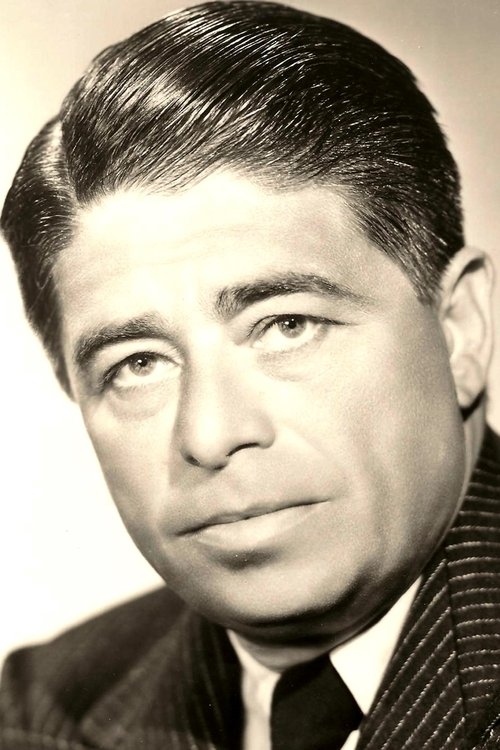
Alfred Newman
Original Music Composer
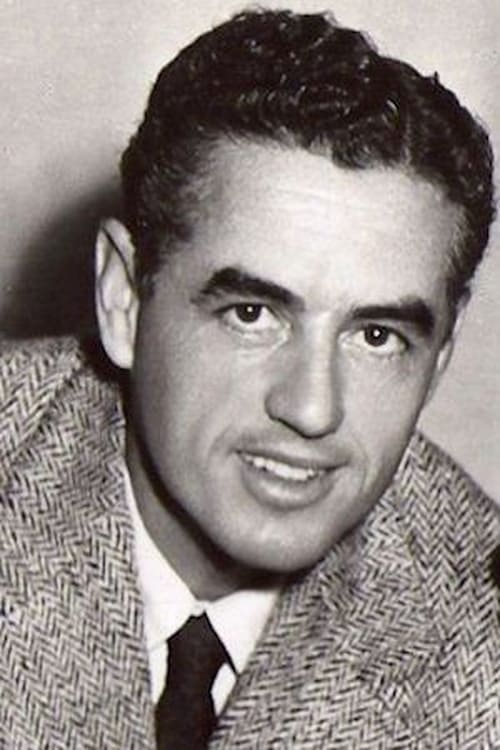
Lucien Ballard
Director of Photography
Milton Krasner
Director of Photography
Popular Reviews
6 reviews
alesia
8.0★ · 08/08/25
i too feel like crying when my hair has to be cut 💔
i too feel like crying when my hair has to be cut 💔


Jacob Dickens
6.5★ · 01/26/24
This type of anthology film feels like a rare beast these days, though there were quite a few churned out in the peak days of the Hollywood system. Nowadays, there are still a few anthology films made every year but they are either all directed by one person or exist in the realm of gore and horror (or they're split into their individual elements like Netflix's bizarre handling of The Wonderful World of Henry Sugar). Here, though, we're presented five stories from turn of the century writer O. Henry directed by five major directors of the time with different casts, all strung together by none other than literally John Steinbeck. O. Henry's Full House has the swagger of a film aiming for real prestige; why else would you assemble a cast of a dozen of the best character and matinee performers Fox could assemble to tell these American classics if you're not trying to produce something with real weight behind it. But we inevitably run into the most frequent issue with anthology projects like this: the variety in quality. Now, the actual difference between each segment's caliber isn't very large at all, though that more so speaks to how low the ceiling is on the best moments. I would say my rough order of preference here goes The Gift of the Magi, The Last Leaf, The Cop and the Anthem, The Clarion Call, and The Ransom of Red Chief. The tone between these segments also varies wildly; Gift of the Magi and Last Leaf are sweeping emotional stories of sacrifice and love while Ransom of Red Chief is a lame attempt at comedy and The Clarion Call is an attempt at low-grade noir work(?). Performance across the board are fine if nothing too remarkable, though my highlights were Charles Laughton's bumbling vagrant and the pairing of Granger and Crain in the Magi. Much of the film strikes me as serviceable but nothing beyond that which probably speaks to its lack of profile in the decades since. I mean, this has a cameo performance from Marilyn Monroe literally the year before Gentlemen Prefer Blondes and yet I never hear anything about it. As a comforting watch of Hollywood's past, it did just fine for me but I can't imagine I'll hold too strongly onto it. Most heartbreaking thing about this was how bad Howard Hawks's segment is considering he's among my absolute favorite directors (though I chalk that more up to the flaccid script and Fred Allen being a little too old-fashioned comic for my liking).
This type of anthology film feels like a rare beast these days, though there were quite a few churned out in the peak days of the Hollywood system. Nowadays, there are still a few anthology films made every year but they are either all directed by one person or exist in the realm of gore and horror (or they're split into their individual elements like Netflix's bizarre handling of The Wonderful World of Henry Sugar). Here, though, we're presented five stories from turn of the century writer O. Henry directed by five major directors of the time with different casts, all strung together by none other than literally John Steinbeck. O. Henry's Full House has the swagger of a film aiming for real prestige; why else would you assemble a cast of a dozen of the best character and matinee performers Fox could assemble to tell these American classics if you're not trying to produce something with real weight behind it. But we inevitably run into the most frequent issue with anthology projects like this: the variety in quality. Now, the actual difference between each segment's caliber isn't very large at all, though that more so speaks to how low the ceiling is on the best moments. I would say my rough order of preference here goes The Gift of the Magi, The Last Leaf, The Cop and the Anthem, The Clarion Call, and The Ransom of Red Chief. The tone between these segments also varies wildly; Gift of the Magi and Last Leaf are sweeping emotional stories of sacrifice and love while Ransom of Red Chief is a lame attempt at comedy and The Clarion Call is an attempt at low-grade noir work(?). Performance across the board are fine if nothing too remarkable, though my highlights were Charles Laughton's bumbling vagrant and the pairing of Granger and Crain in the Magi. Much of the film strikes me as serviceable but nothing beyond that which probably speaks to its lack of profile in the decades since. I mean, this has a cameo performance from Marilyn Monroe literally the year before Gentlemen Prefer Blondes and yet I never hear anything about it. As a comforting watch of Hollywood's past, it did just fine for me but I can't imagine I'll hold too strongly onto it. Most heartbreaking thing about this was how bad Howard Hawks's segment is considering he's among my absolute favorite directors (though I chalk that more up to the flaccid script and Fred Allen being a little too old-fashioned comic for my liking).
Lily
4.0★ · 02/08/26
Rayne
7.0★ · 01/30/26
EmmaPRO
7.0★ · 03/02/25