

2003·Drama·1h 46m
7.1
★

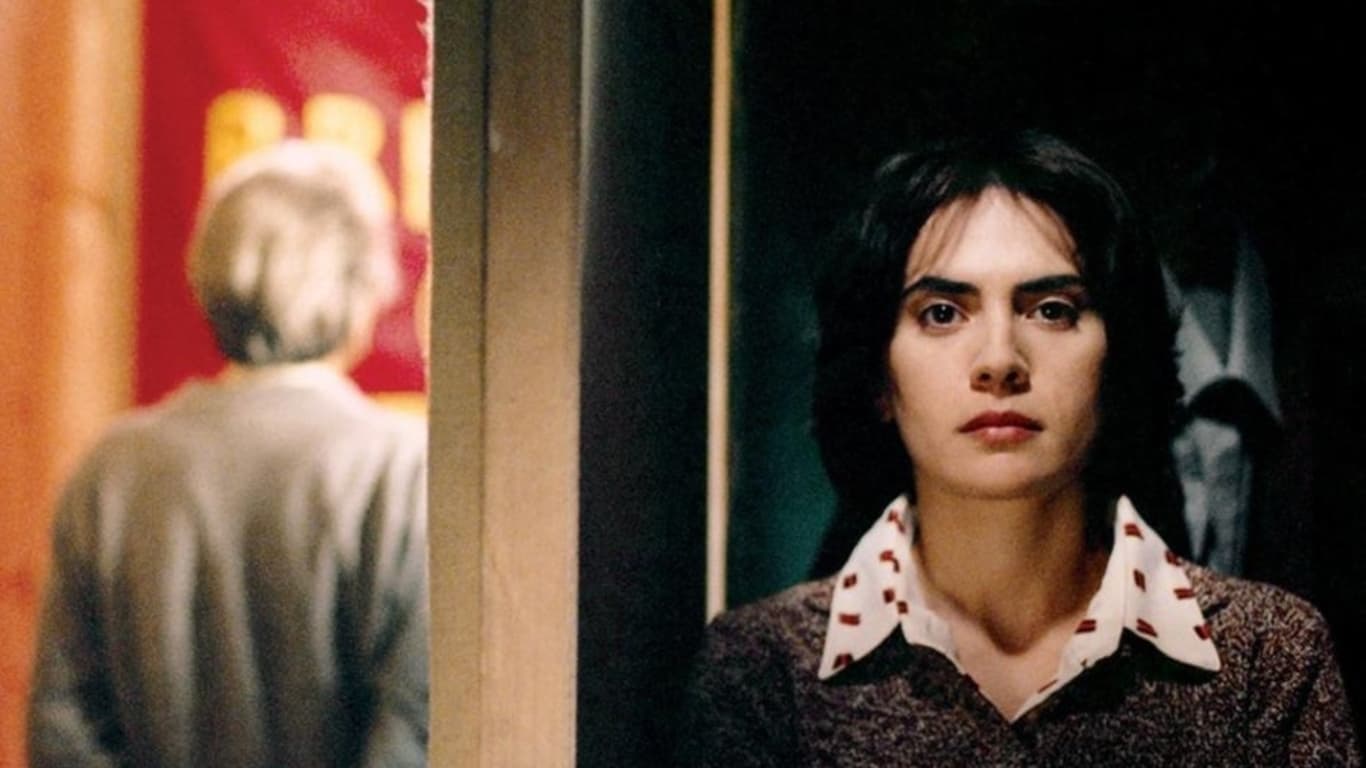
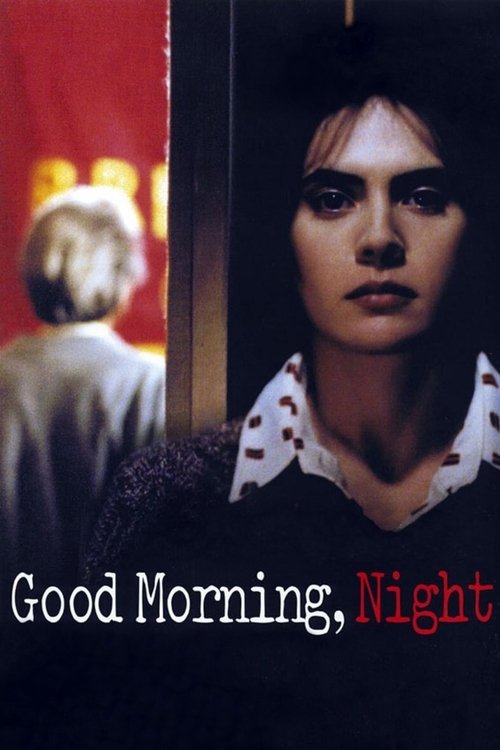
The 1978 kidnapping and murder of Aldo Moro, president of the most important political party in Italy at the time, Democrazia Cristiana, as seen from the perspective of one of his assailants -- a conflicted young woman in the ranks of the Red Brigade.
Directed by Marco Bellocchio
double life
1970s
alternate history
political assassination
years of lead
brigate rosse (red brigades) terrorist group
anni di piombo
domestic terrorism
communists

IMDB
N/A
Cast

Maya Sansa
Chiara
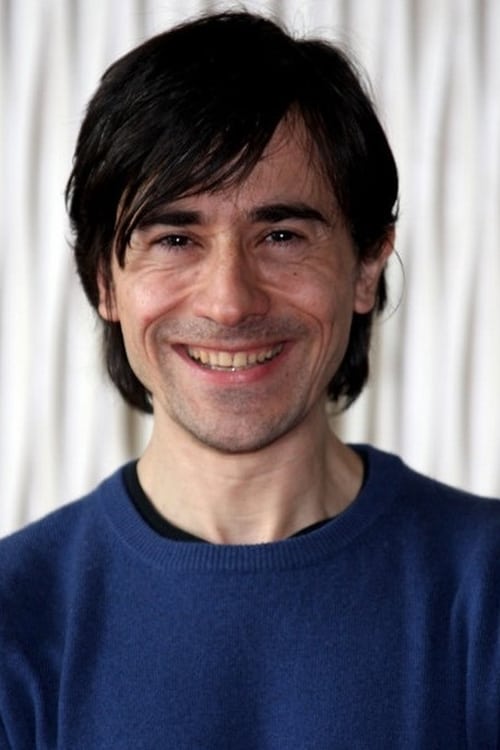
Luigi Lo Cascio
Mariano
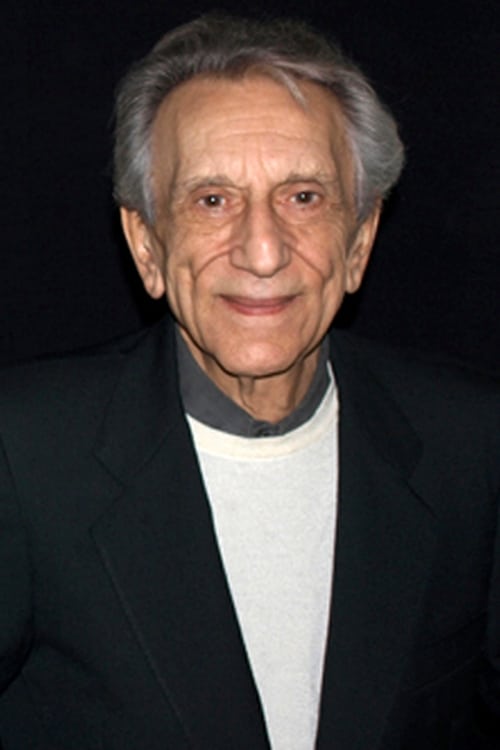
Roberto Herlitzka
Aldo Moro
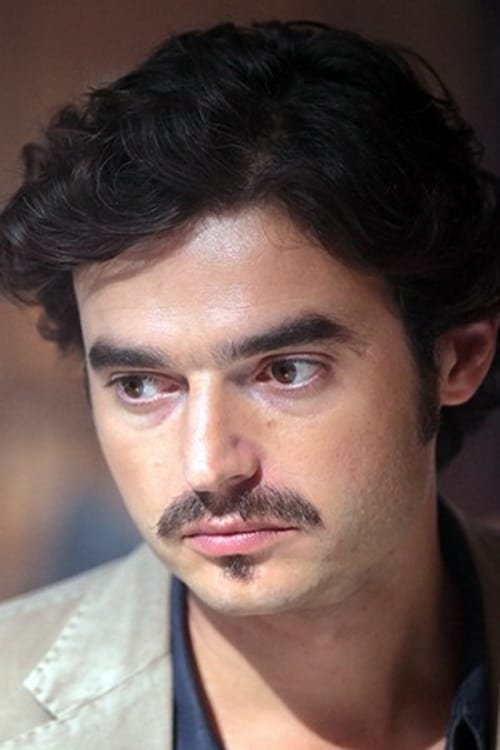
Paolo Briguglia
Enzo
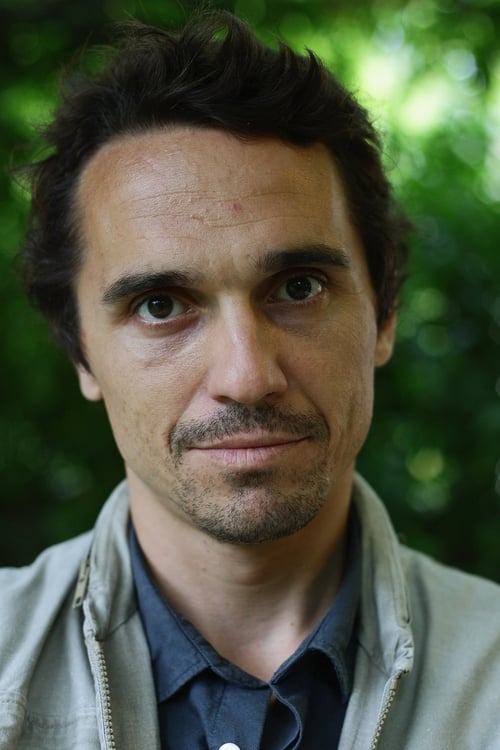
Pier Giorgio Bellocchio
Ernesto
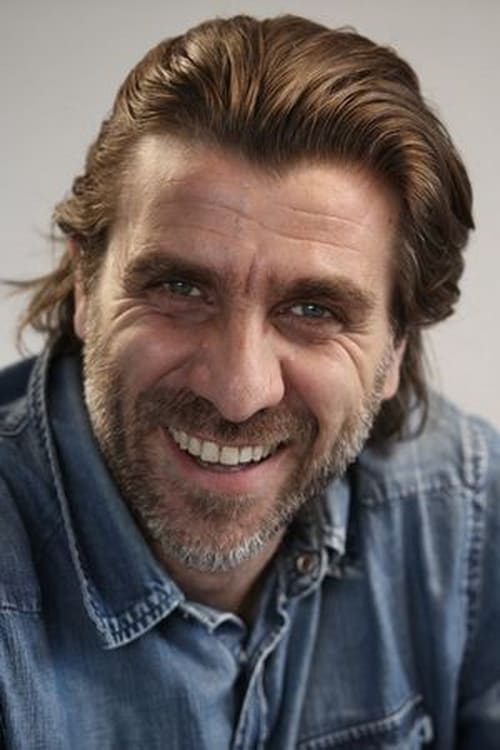
Giovanni Calcagno
Primo
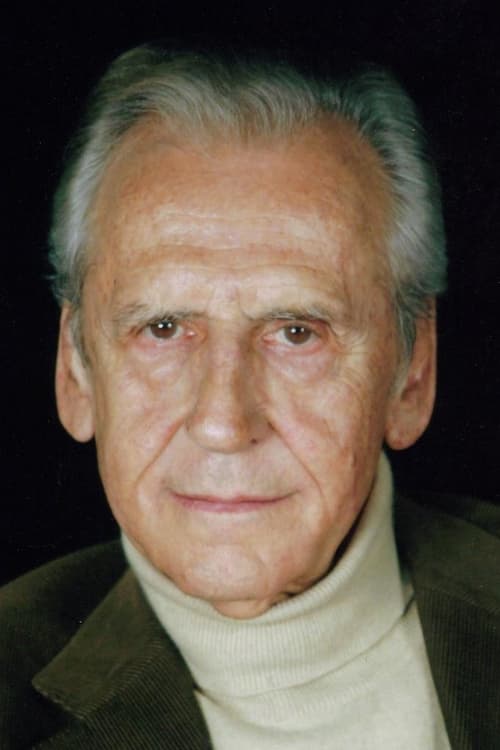
Giulio Bosetti
Pope Paul VI
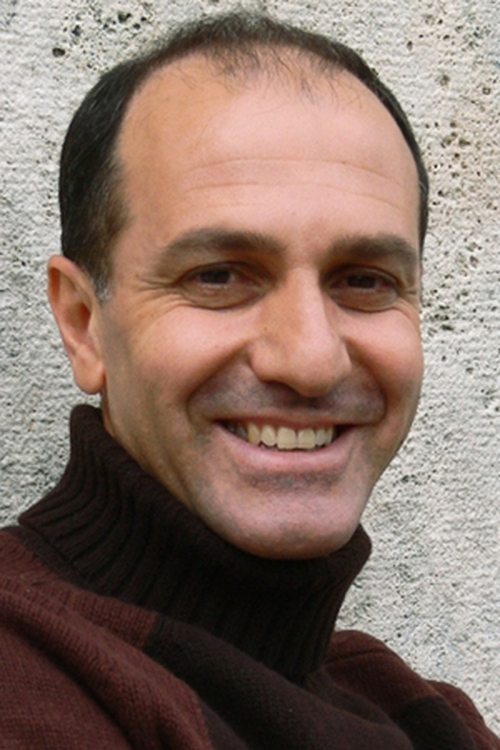
Bruno Cariello
Secretary to Pope Paul VI
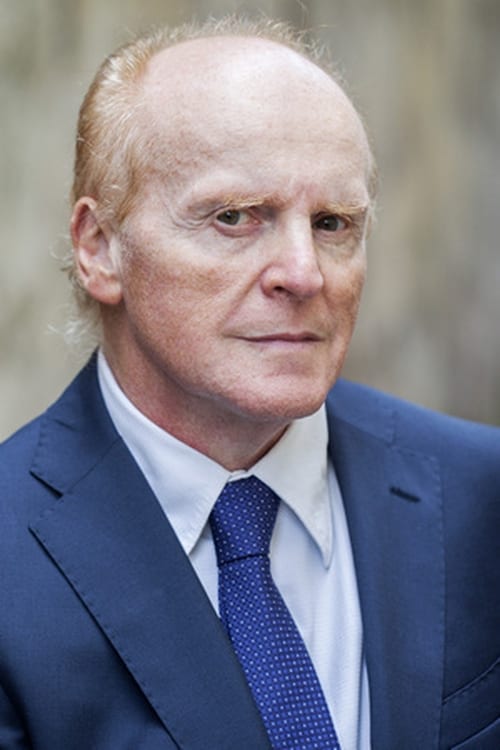
Alberto Cracco
Medium

Emanuela Barilozzi
Annalisa

Roberta Spagnuolo
Sandra
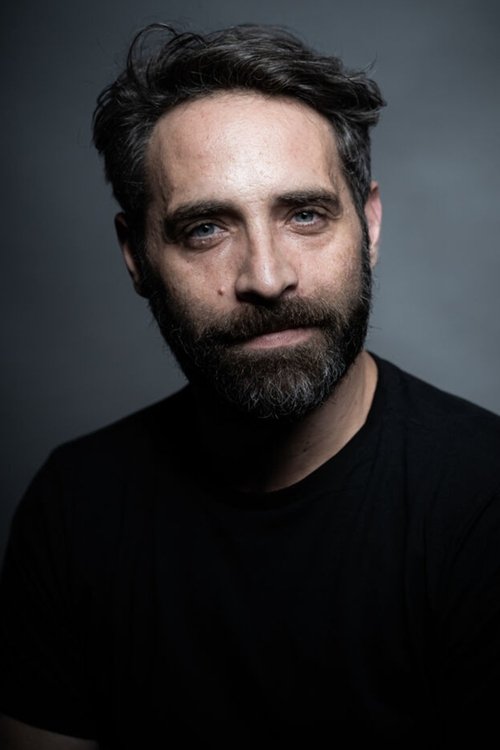
Antonio De Matteo
Chiara's brother
Crew
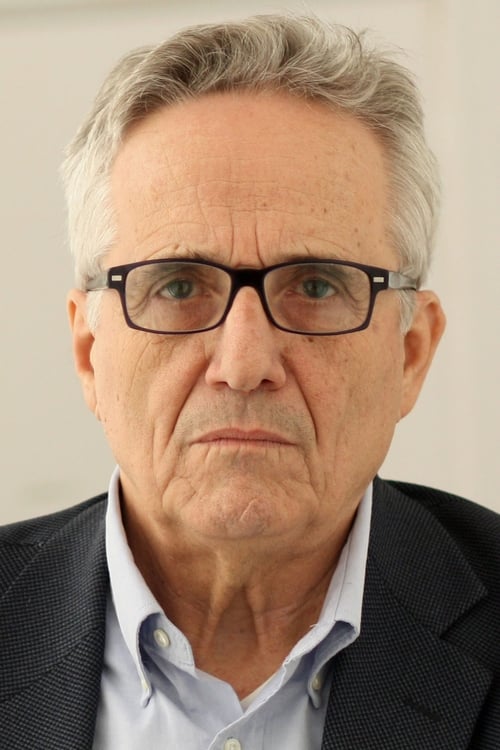
Marco Bellocchio
Director
Marco Bellocchio
Writer
Marco Bellocchio
Screenplay
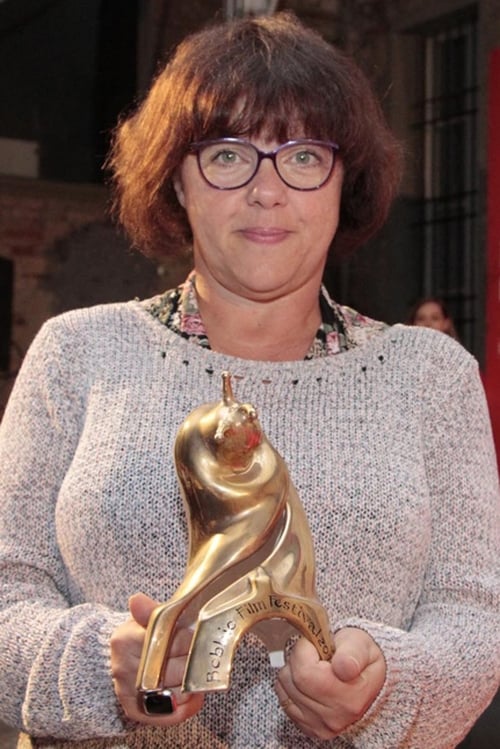
Francesca Calvelli
Editor
Marco Bellocchio
Producer
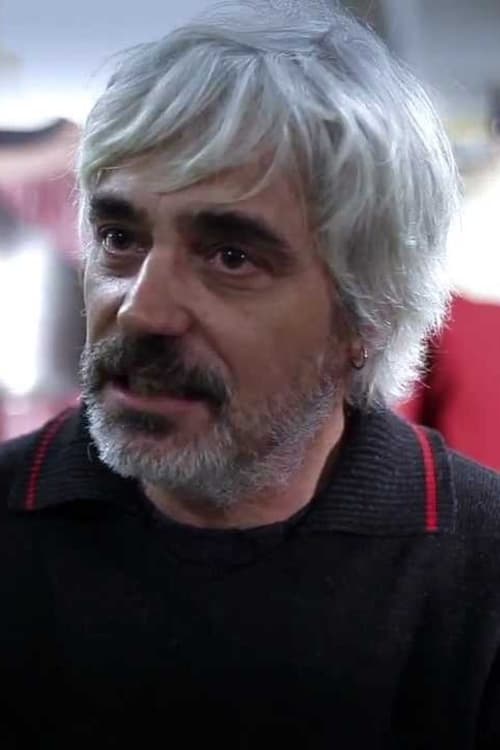
Sergio Ballo
Costume Design

Béatrice Kruger
Casting

Corrado Rizzo
Visual Effects

Cristina Raffaeli
Casting Assistant
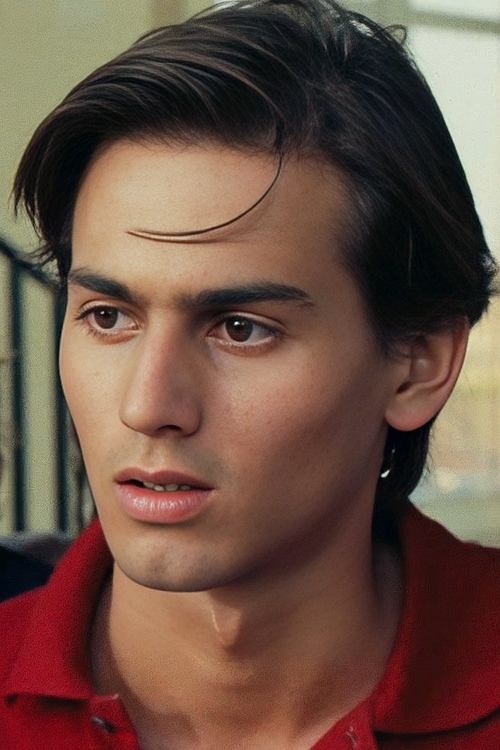
Federico Pitzalis
Thanks
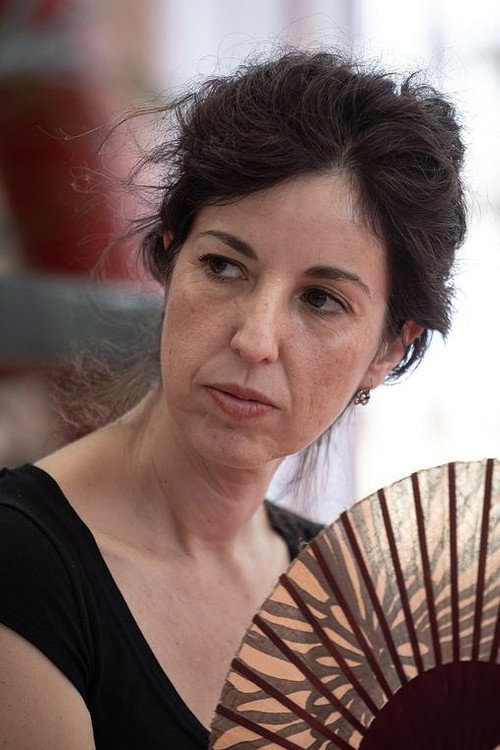
Margherita Spampinato
Assistant Script
Popular Reviews
27 reviews
Martina
6.0★ · 11/20/25
Le brigate rosse amanti della minestrina (li capisco molto bene) nuova lore sbloccata. Film oniricamente interessante, la scena della seduta spiritica per localizzare Moro penso top 10 scene più divertenti, ed in generale iconiche, nella storia del cinema italiano.
“Si muore di eroina, si muore di lavoro che cazzo ce ne frega se muore Aldo Moro”.
Semplicemente che bel film che ti lascia solo a pensare.
“Si muore di eroina, si muore di lavoro che cazzo ce ne frega se muore Aldo Moro”.
Semplicemente che bel film che ti lascia solo a pensare.
Le brigate rosse amanti della minestrina (li capisco molto bene) nuova lore sbloccata. Film oniricamente interessante, la scena della seduta spiritica per localizzare Moro penso top 10 scene più divertenti, ed in generale iconiche, nella storia del cinema italiano.
“Si muore di eroina, si muore di lavoro che cazzo ce ne frega se muore Aldo Moro”.
Semplicemente che bel film che ti lascia solo a pensare.
“Si muore di eroina, si muore di lavoro che cazzo ce ne frega se muore Aldo Moro”.
Semplicemente che bel film che ti lascia solo a pensare.

1

Ceciliona
6.0★ · 03/25/26
“Anni di piombo ogni mia serata”
Il film rimane a tratti confusionario e spesso lascia questioni in sospeso per costruire una libera interpretazione, senza però mettere a disposizione gli strumenti per comprenderlo fino in fondo.
Trovo in compenso di notevole rilevanza la conflittualità che prova chiara tra la dottrina comunista per come essa è nata, tra “fischia il vento” e gli studenti in piazza, e l’ascesa delle BR come falange terrorista e la liberazione armata come unica possibile. È una dualità che nasce secondo me in ogni compagno capace di ragionare: quale è il mezzo che dobbiamo realmente usare per poter definire la nostra lotta veramente lotta di classe?
L’unica risposta che ci dà il film è quella di Moro, che ricorda ai bringantisti che in realtà, la sua morte, sarà solo uno strumento per quelli che loro stessi definiscono nemici. Ci insegna la storia che le parole di Moro saranno profetiche.
Avrebbero dovuto rapire Andreotti. Basta
Il film rimane a tratti confusionario e spesso lascia questioni in sospeso per costruire una libera interpretazione, senza però mettere a disposizione gli strumenti per comprenderlo fino in fondo.
Trovo in compenso di notevole rilevanza la conflittualità che prova chiara tra la dottrina comunista per come essa è nata, tra “fischia il vento” e gli studenti in piazza, e l’ascesa delle BR come falange terrorista e la liberazione armata come unica possibile. È una dualità che nasce secondo me in ogni compagno capace di ragionare: quale è il mezzo che dobbiamo realmente usare per poter definire la nostra lotta veramente lotta di classe?
L’unica risposta che ci dà il film è quella di Moro, che ricorda ai bringantisti che in realtà, la sua morte, sarà solo uno strumento per quelli che loro stessi definiscono nemici. Ci insegna la storia che le parole di Moro saranno profetiche.
Avrebbero dovuto rapire Andreotti. Basta
“Anni di piombo ogni mia serata”
Il film rimane a tratti confusionario e spesso lascia questioni in sospeso per costruire una libera interpretazione, senza però mettere a disposizione gli strumenti per comprenderlo fino in fondo.
Trovo in compenso di notevole rilevanza la conflittualità che prova chiara tra la dottrina comunista per come essa è nata, tra “fischia il vento” e gli studenti in piazza, e l’ascesa delle BR come falange terrorista e la liberazione armata come unica possibile. È una dualità che nasce secondo me in ogni compagno capace di ragionare: quale è il mezzo che dobbiamo realmente usare per poter definire la nostra lotta veramente lotta di classe?
L’unica risposta che ci dà il film è quella di Moro, che ricorda ai bringantisti che in realtà, la sua morte, sarà solo uno strumento per quelli che loro stessi definiscono nemici. Ci insegna la storia che le parole di Moro saranno profetiche.
Avrebbero dovuto rapire Andreotti. Basta
Il film rimane a tratti confusionario e spesso lascia questioni in sospeso per costruire una libera interpretazione, senza però mettere a disposizione gli strumenti per comprenderlo fino in fondo.
Trovo in compenso di notevole rilevanza la conflittualità che prova chiara tra la dottrina comunista per come essa è nata, tra “fischia il vento” e gli studenti in piazza, e l’ascesa delle BR come falange terrorista e la liberazione armata come unica possibile. È una dualità che nasce secondo me in ogni compagno capace di ragionare: quale è il mezzo che dobbiamo realmente usare per poter definire la nostra lotta veramente lotta di classe?
L’unica risposta che ci dà il film è quella di Moro, che ricorda ai bringantisti che in realtà, la sua morte, sarà solo uno strumento per quelli che loro stessi definiscono nemici. Ci insegna la storia che le parole di Moro saranno profetiche.
Avrebbero dovuto rapire Andreotti. Basta
XyArKPRO
3.0★ · 03/09/26
le film nous montre pas grand chose a part un vieux enfermé on ne sait même pas trop pourquoi qui écrit des lettres
le film nous montre pas grand chose a part un vieux enfermé on ne sait même pas trop pourquoi qui écrit des lettres
Sacho
7.0★ · 02/26/26
2× du Pink Floyd 🤯
2× du Pink Floyd 🤯
va24mar
7.0★ · 03/25/25
2003
A film about the internal crisis of a revolutionary movement. A group of revolutionaries that is driven away from each other by the lack of reaction to their doings. A group that slowly starts to question themselves - as a group and as individuals - as well as their own methods.
What do you do when you kidnap one of the most important and famous politicians of your country and no one cares? There’s outrage, you’re called terrorists, demonized and yet, nothing much happens. When the incredibly heated climate of a decade filled with unrest and terrorism - the so called ‘years of lead’ - fails to turn into a fire that burns down the capitalist status-quo the way you hoped it would - maybe even knew it wouldn’t (?) - what do you do? What happens with your plan to free political prisoners and agitate the proletariat, if the opposing governmental force isn’t even willing to negotiate over the life of their most important political person? When the police isn’t able - willing, perhaps - to find a single usable clue in the span of 55 days? When your captives pleading letters to family and relatives, friends and politicians and even the pope result in a lot of hemming and hawing, but ultimately dead ends? What when you start seeing your enemy as human? What when the assassination you knew would happen suddenly feels wrong?
The kidnapping of Aldo Moro is an incredibly interesting political event. The ‘years of lead’, the ‘Brigate Rosse’ and the political climate in italy with the right wing christian democrat party collaborating with the communist party (?!), in an effort to establish ‘euro-communism’, which leftists and the aforementioned communist organization - which would ultimately end up kidnapping Moro on the day of the vote that would make the collaboration final - didn’t like. With the lack of effort from police and politicians to rescue Moro - which his family and friends never forgave and which ended in a very small ceremony and burial without any of his political ‘friends’ who abandoned (sacrificed) him - and the countless conspiracy theories about possible collaborators, profiteers and influences behind Moro’s kidnapping - from west germany over the US to the mossad - this is such an interesting case.
Marco Bellocchio leaves out most of the political framework and ideologies around the kidnapping and focuses almost exclusively on the inner goings-on of the kidnappers. It’s an effective and interesting take. Personally, I came for the politics and I would have appreciated more, but I respect the choice.
This is a great film. I hoped to like it more, but I still appreciated it a whole lot.
“The working class must rule.”
A film about the internal crisis of a revolutionary movement. A group of revolutionaries that is driven away from each other by the lack of reaction to their doings. A group that slowly starts to question themselves - as a group and as individuals - as well as their own methods.
What do you do when you kidnap one of the most important and famous politicians of your country and no one cares? There’s outrage, you’re called terrorists, demonized and yet, nothing much happens. When the incredibly heated climate of a decade filled with unrest and terrorism - the so called ‘years of lead’ - fails to turn into a fire that burns down the capitalist status-quo the way you hoped it would - maybe even knew it wouldn’t (?) - what do you do? What happens with your plan to free political prisoners and agitate the proletariat, if the opposing governmental force isn’t even willing to negotiate over the life of their most important political person? When the police isn’t able - willing, perhaps - to find a single usable clue in the span of 55 days? When your captives pleading letters to family and relatives, friends and politicians and even the pope result in a lot of hemming and hawing, but ultimately dead ends? What when you start seeing your enemy as human? What when the assassination you knew would happen suddenly feels wrong?
The kidnapping of Aldo Moro is an incredibly interesting political event. The ‘years of lead’, the ‘Brigate Rosse’ and the political climate in italy with the right wing christian democrat party collaborating with the communist party (?!), in an effort to establish ‘euro-communism’, which leftists and the aforementioned communist organization - which would ultimately end up kidnapping Moro on the day of the vote that would make the collaboration final - didn’t like. With the lack of effort from police and politicians to rescue Moro - which his family and friends never forgave and which ended in a very small ceremony and burial without any of his political ‘friends’ who abandoned (sacrificed) him - and the countless conspiracy theories about possible collaborators, profiteers and influences behind Moro’s kidnapping - from west germany over the US to the mossad - this is such an interesting case.
Marco Bellocchio leaves out most of the political framework and ideologies around the kidnapping and focuses almost exclusively on the inner goings-on of the kidnappers. It’s an effective and interesting take. Personally, I came for the politics and I would have appreciated more, but I respect the choice.
This is a great film. I hoped to like it more, but I still appreciated it a whole lot.
2003
A film about the internal crisis of a revolutionary movement. A group of revolutionaries that is driven away from each other by the lack of reaction to their doings. A group that slowly starts to question themselves - as a group and as individuals - as well as their own methods.
What do you do when you kidnap one of the most important and famous politicians of your country and no one cares? There’s outrage, you’re called terrorists, demonized and yet, nothing much happens. When the incredibly heated climate of a decade filled with unrest and terrorism - the so called ‘years of lead’ - fails to turn into a fire that burns down the capitalist status-quo the way you hoped it would - maybe even knew it wouldn’t (?) - what do you do? What happens with your plan to free political prisoners and agitate the proletariat, if the opposing governmental force isn’t even willing to negotiate over the life of their most important political person? When the police isn’t able - willing, perhaps - to find a single usable clue in the span of 55 days? When your captives pleading letters to family and relatives, friends and politicians and even the pope result in a lot of hemming and hawing, but ultimately dead ends? What when you start seeing your enemy as human? What when the assassination you knew would happen suddenly feels wrong?
The kidnapping of Aldo Moro is an incredibly interesting political event. The ‘years of lead’, the ‘Brigate Rosse’ and the political climate in italy with the right wing christian democrat party collaborating with the communist party (?!), in an effort to establish ‘euro-communism’, which leftists and the aforementioned communist organization - which would ultimately end up kidnapping Moro on the day of the vote that would make the collaboration final - didn’t like. With the lack of effort from police and politicians to rescue Moro - which his family and friends never forgave and which ended in a very small ceremony and burial without any of his political ‘friends’ who abandoned (sacrificed) him - and the countless conspiracy theories about possible collaborators, profiteers and influences behind Moro’s kidnapping - from west germany over the US to the mossad - this is such an interesting case.
Marco Bellocchio leaves out most of the political framework and ideologies around the kidnapping and focuses almost exclusively on the inner goings-on of the kidnappers. It’s an effective and interesting take. Personally, I came for the politics and I would have appreciated more, but I respect the choice.
This is a great film. I hoped to like it more, but I still appreciated it a whole lot.
“The working class must rule.”
A film about the internal crisis of a revolutionary movement. A group of revolutionaries that is driven away from each other by the lack of reaction to their doings. A group that slowly starts to question themselves - as a group and as individuals - as well as their own methods.
What do you do when you kidnap one of the most important and famous politicians of your country and no one cares? There’s outrage, you’re called terrorists, demonized and yet, nothing much happens. When the incredibly heated climate of a decade filled with unrest and terrorism - the so called ‘years of lead’ - fails to turn into a fire that burns down the capitalist status-quo the way you hoped it would - maybe even knew it wouldn’t (?) - what do you do? What happens with your plan to free political prisoners and agitate the proletariat, if the opposing governmental force isn’t even willing to negotiate over the life of their most important political person? When the police isn’t able - willing, perhaps - to find a single usable clue in the span of 55 days? When your captives pleading letters to family and relatives, friends and politicians and even the pope result in a lot of hemming and hawing, but ultimately dead ends? What when you start seeing your enemy as human? What when the assassination you knew would happen suddenly feels wrong?
The kidnapping of Aldo Moro is an incredibly interesting political event. The ‘years of lead’, the ‘Brigate Rosse’ and the political climate in italy with the right wing christian democrat party collaborating with the communist party (?!), in an effort to establish ‘euro-communism’, which leftists and the aforementioned communist organization - which would ultimately end up kidnapping Moro on the day of the vote that would make the collaboration final - didn’t like. With the lack of effort from police and politicians to rescue Moro - which his family and friends never forgave and which ended in a very small ceremony and burial without any of his political ‘friends’ who abandoned (sacrificed) him - and the countless conspiracy theories about possible collaborators, profiteers and influences behind Moro’s kidnapping - from west germany over the US to the mossad - this is such an interesting case.
Marco Bellocchio leaves out most of the political framework and ideologies around the kidnapping and focuses almost exclusively on the inner goings-on of the kidnappers. It’s an effective and interesting take. Personally, I came for the politics and I would have appreciated more, but I respect the choice.
This is a great film. I hoped to like it more, but I still appreciated it a whole lot.