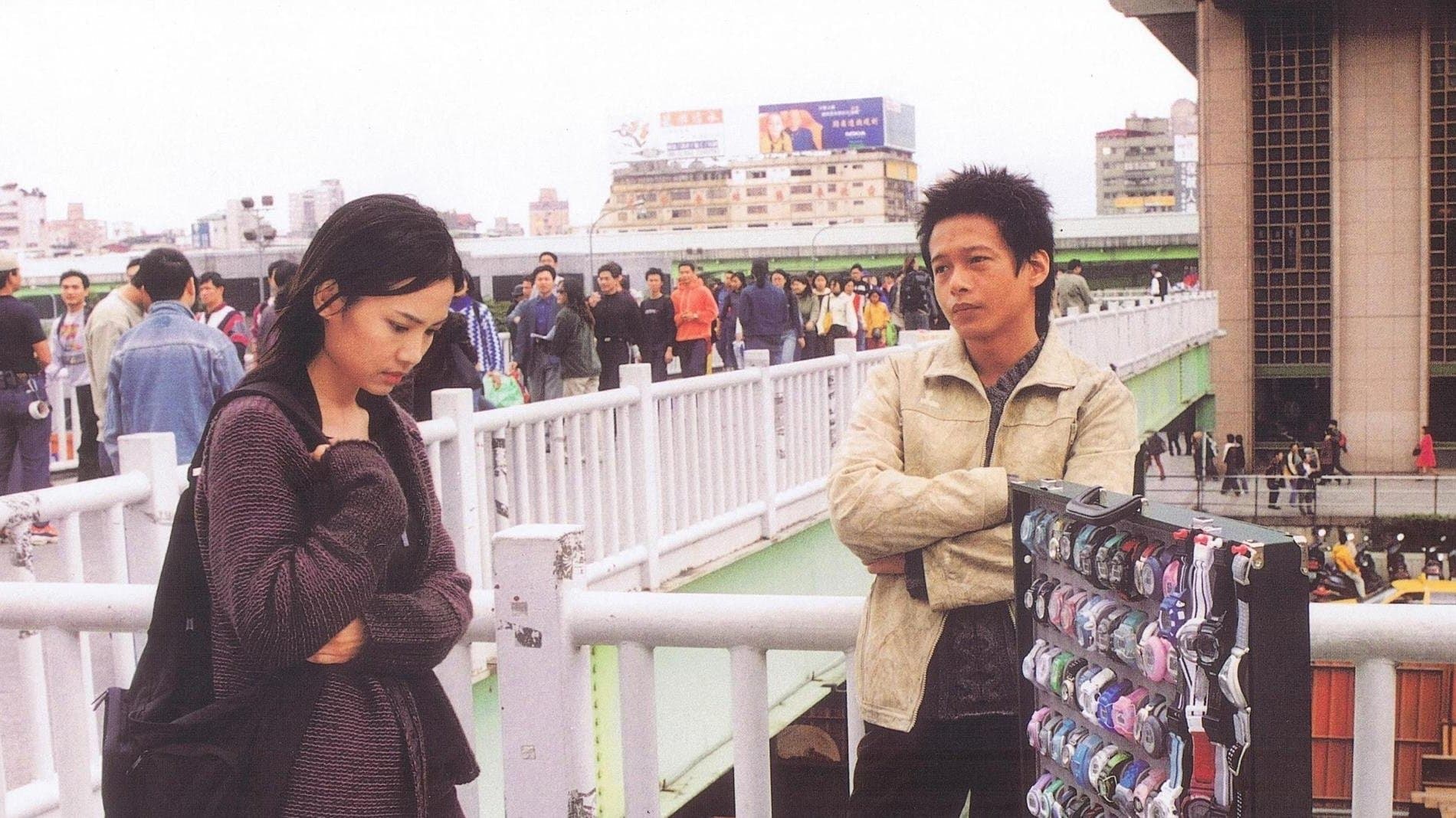
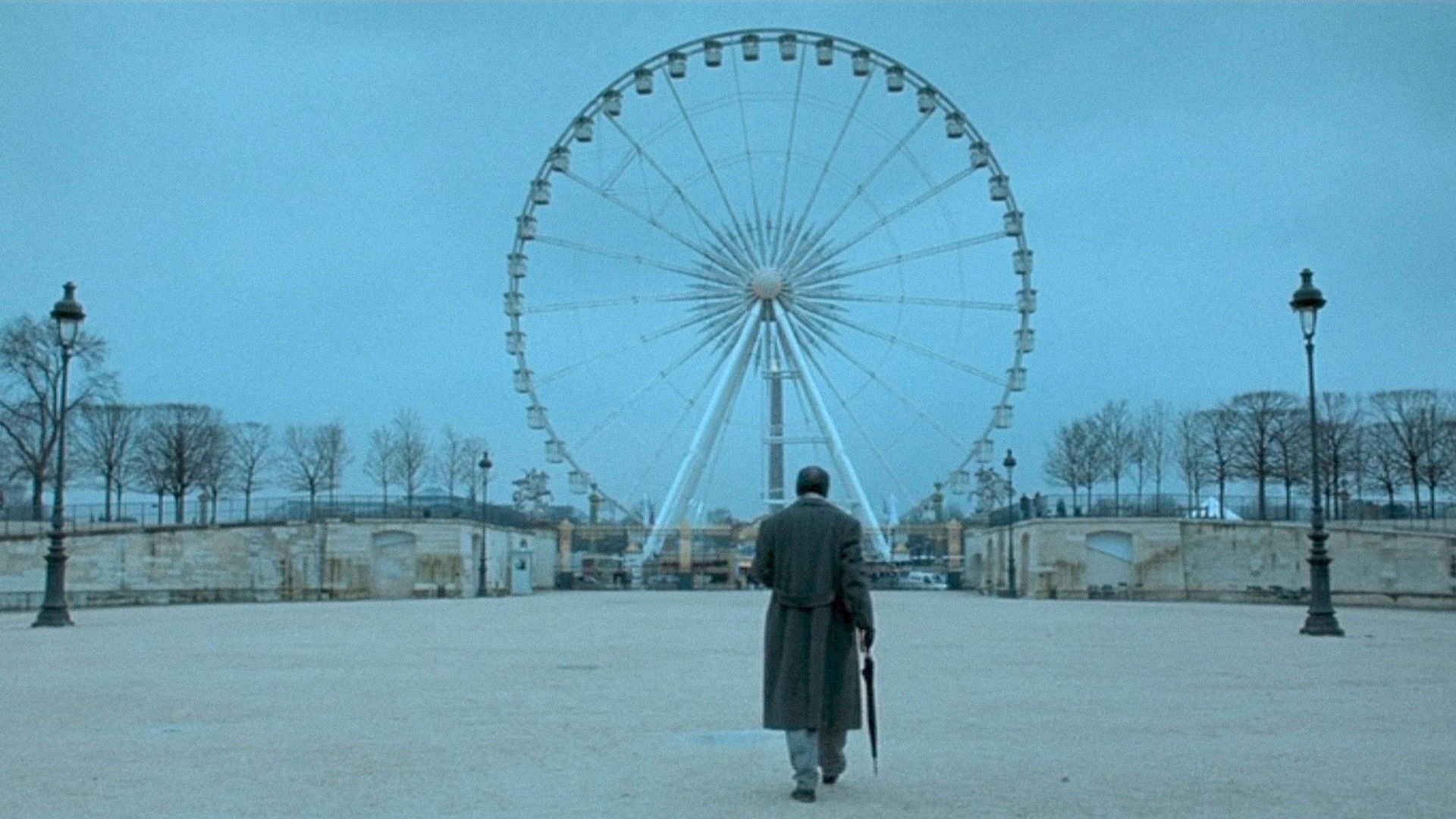
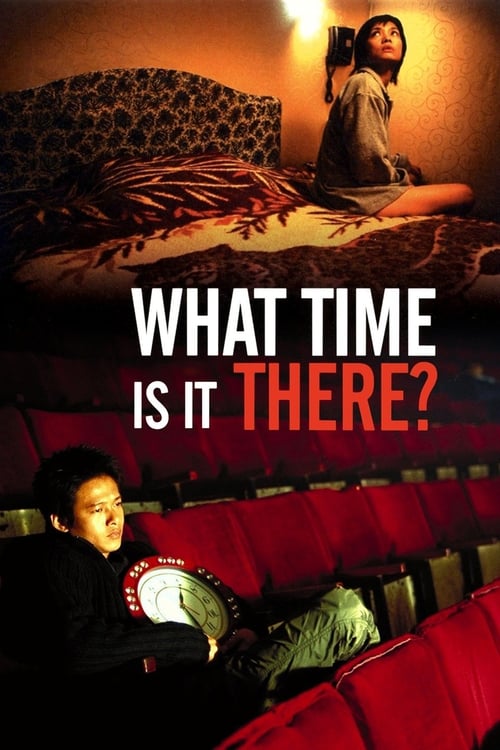
tsai ming-liang has this unspeakable language about what constitutes fragmentation and isolation. they are occupying the empty spaces, language barriers, and the void from grieving loss. and they're alive. they're breathing. they're omnipresent.
multiple lives were spent throughout the desolated night, like it was a mistake to yearn for connection—a bond barely even existed. like it was a mistake to believe in resurrection—a whiff of grief snuck in. the urban landscapes were their sites but also witnesses—a combination so indifferent we wish someone could enter and rescue us. so absurdist, i'd say.
contradicting, isn't it?
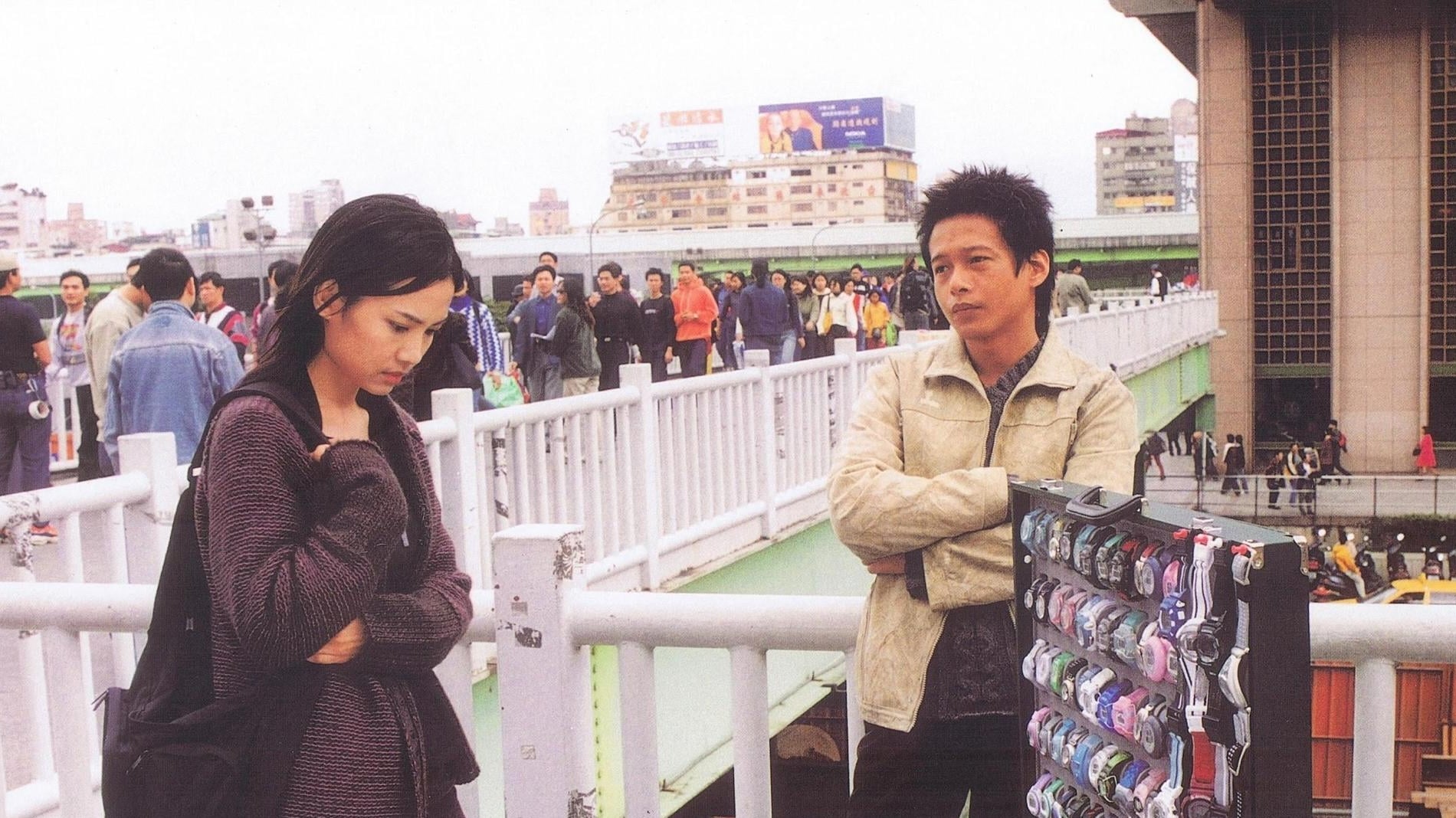
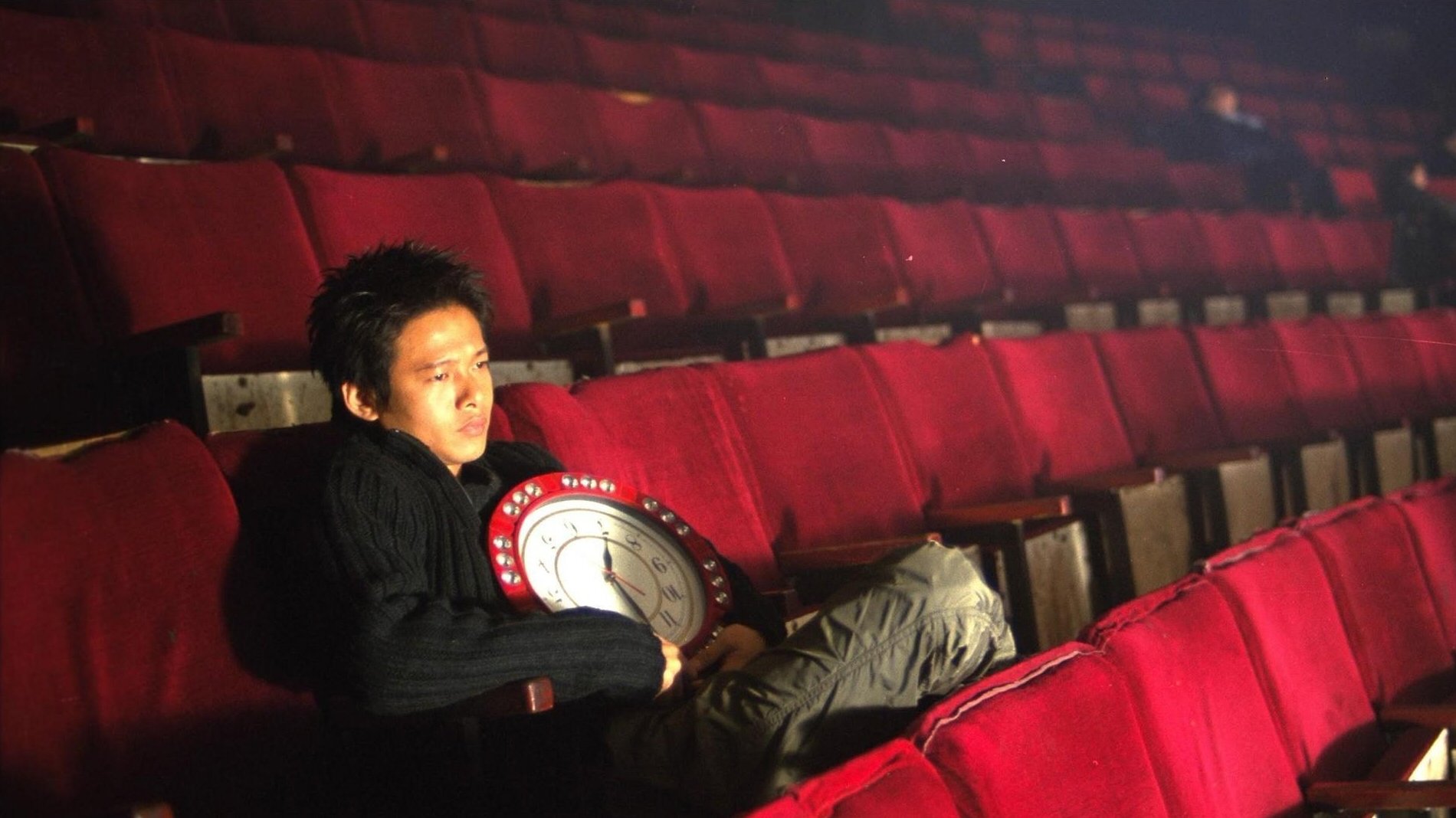
tsai ming-liang has this unspeakable language about what constitutes fragmentation and isolation. they are occupying the empty spaces, language barriers, and the void from grieving loss. and they're alive. they're breathing. they're omnipresent.
multiple lives were spent throughout the desolated night, like it was a mistake to yearn for connection—a bond barely even existed. like it was a mistake to believe in resurrection—a whiff of grief snuck in. the urban landscapes were their sites but also witnesses—a combination so indifferent we wish someone could enter and rescue us. so absurdist, i'd say.
contradicting, isn't it?