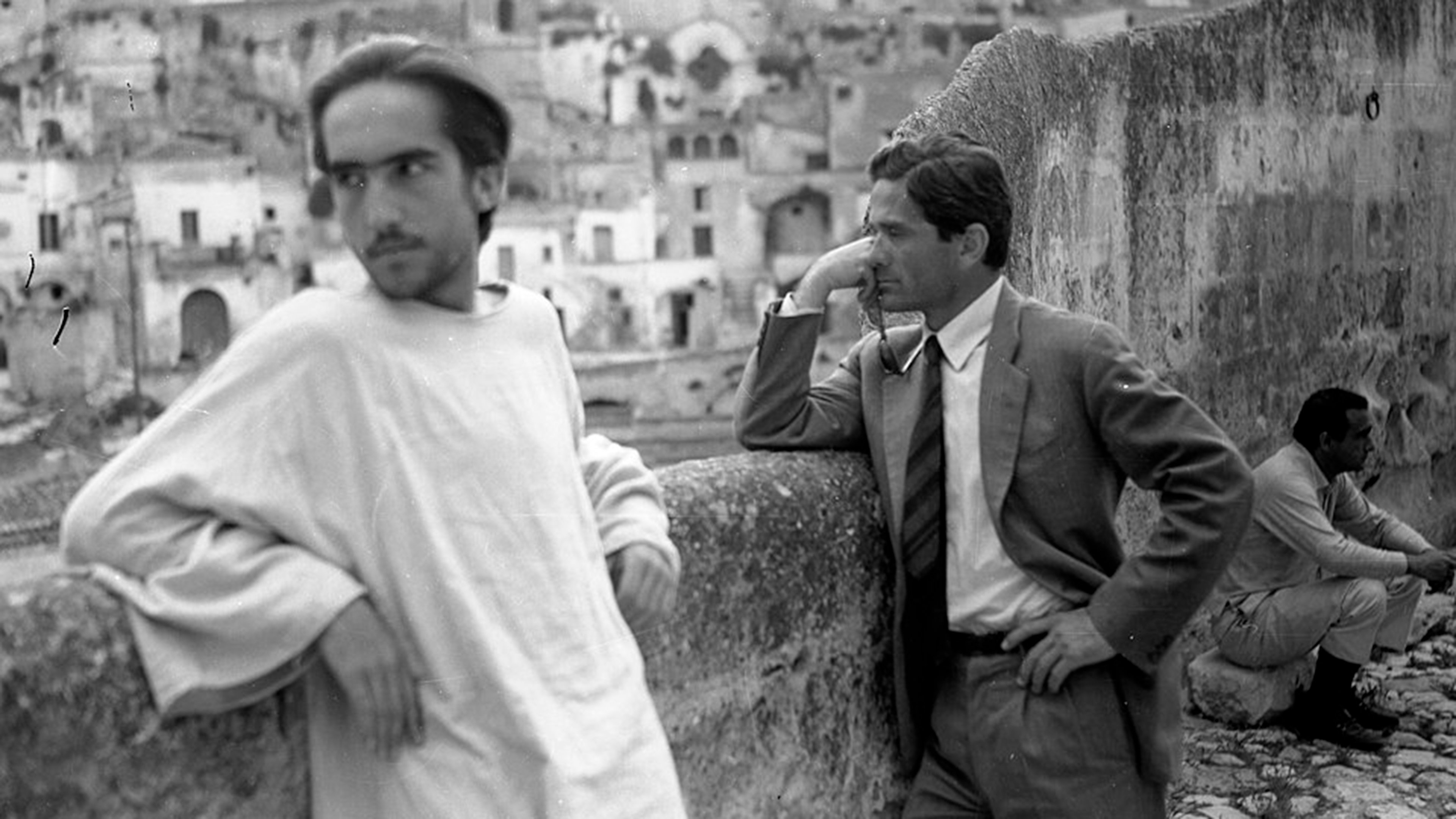
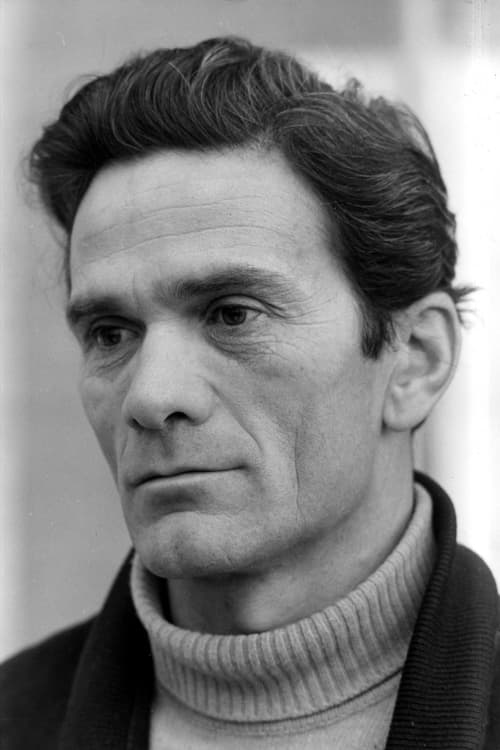
One of the best 75 films I’ve ever seen.Pier Paolo Pasolini was many things at once: poet, novelist, Marxist intellectual, openly gay man in a conservative Catholic country, and one of the most provocative artists of the twentieth century. His life was marked by scandal, exile, controversy, and an unrelenting opposition to bourgeois values. Though he declared himself non-believing, his relationship with Christianity was never simple rejection. He was fascinated by the figure of Christ, not as a theological abstraction, but as a radical presence in history.
Having seen
Teorema, it becomes clear how consistent Pasolini’s ideological obsessions were. In
Teorema, the sacred enters a bourgeois household and destroys it from within. Grace becomes a scandal. Revelation becomes rupture. The critique of capitalism, of spiritual emptiness, of modern alienation, is central. In that sense, The
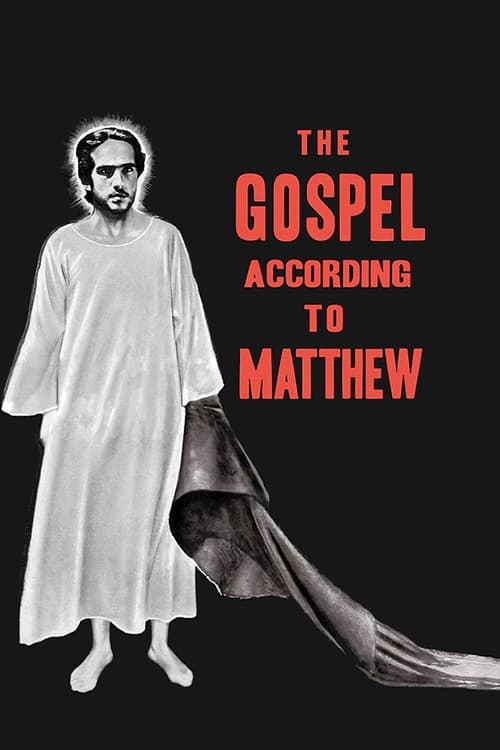
Gospel According to St. Matthew feels like the purest crystallization of his thought. For me, it stands as his magnum opus: the moment where his politics, his poetry, and his spiritual inquietude converge into something timeless.
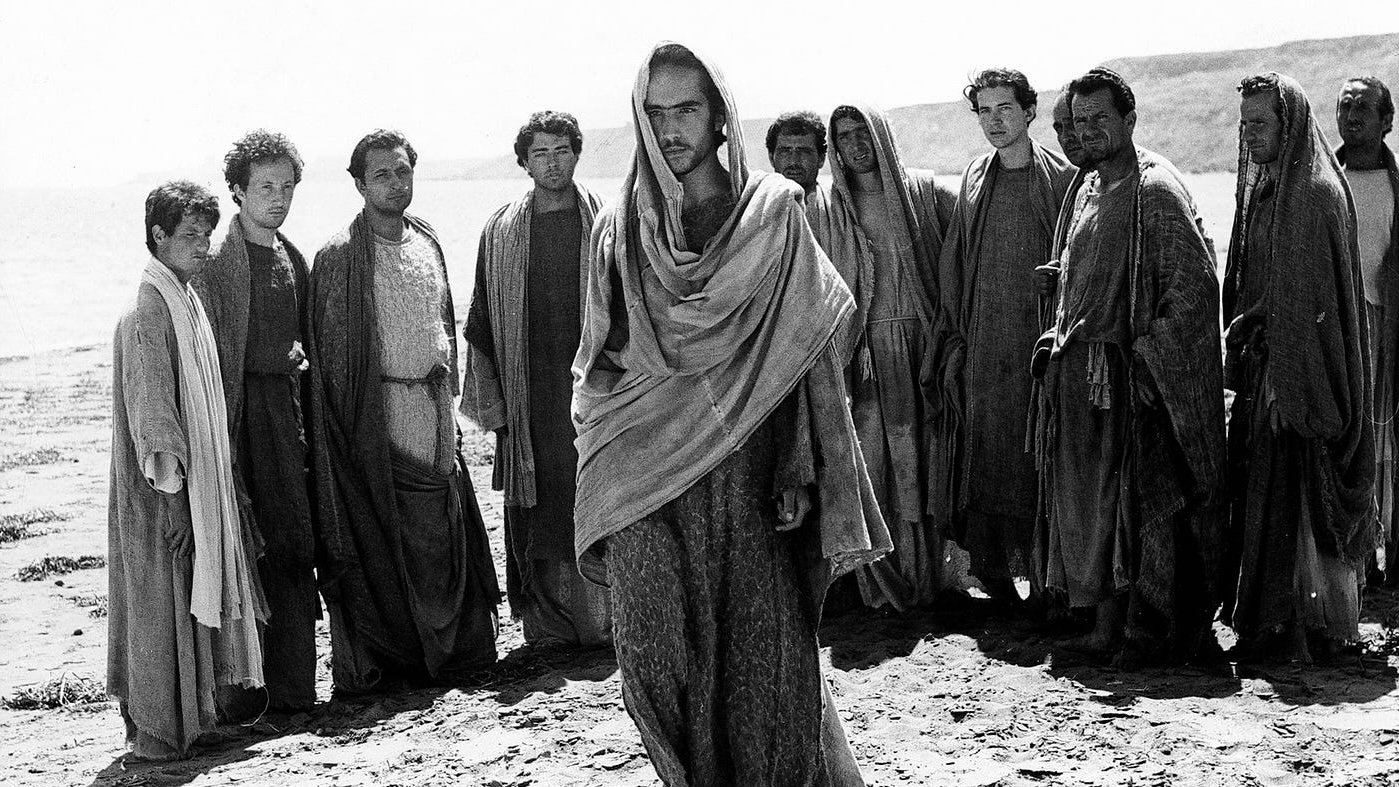
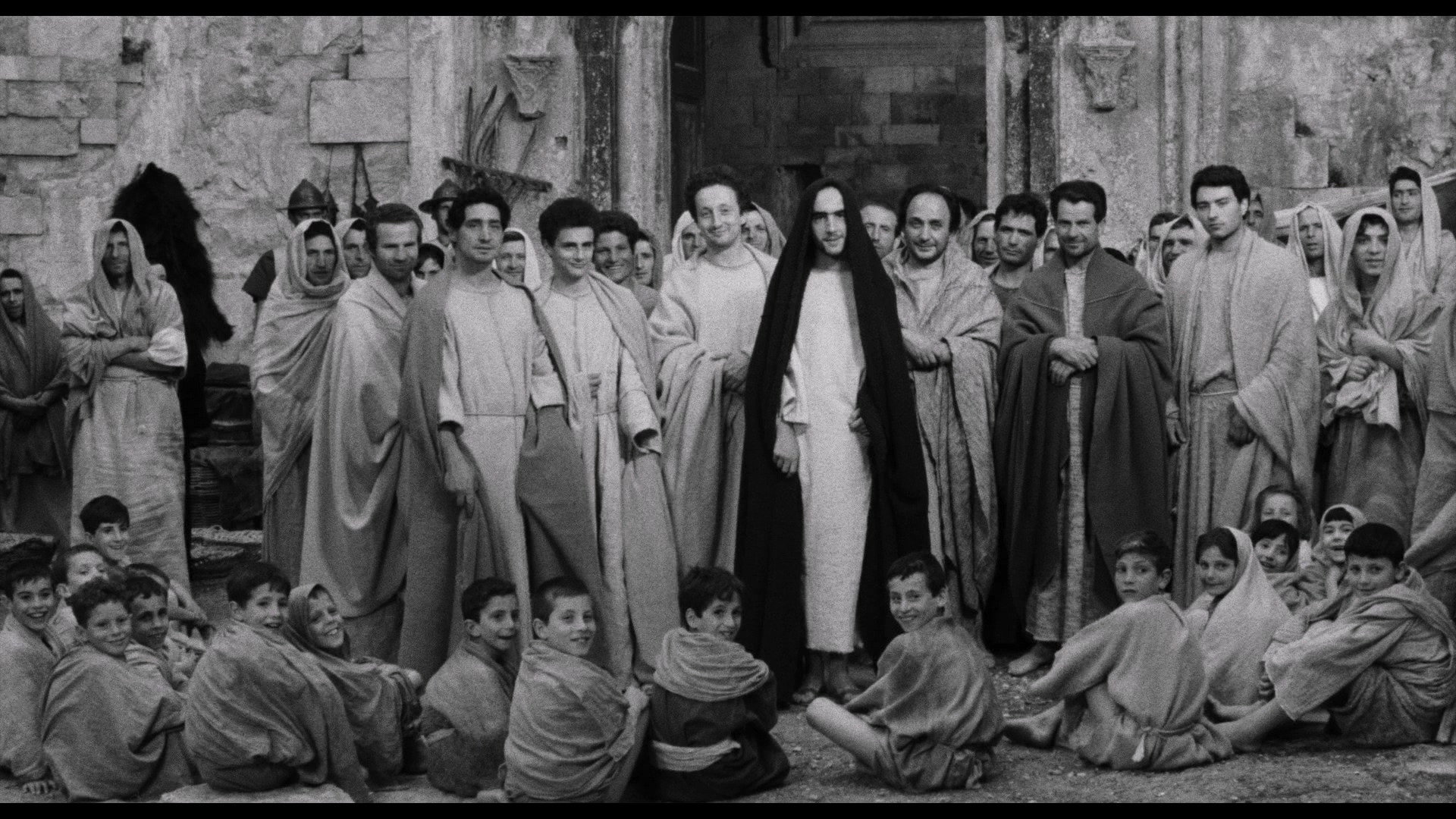
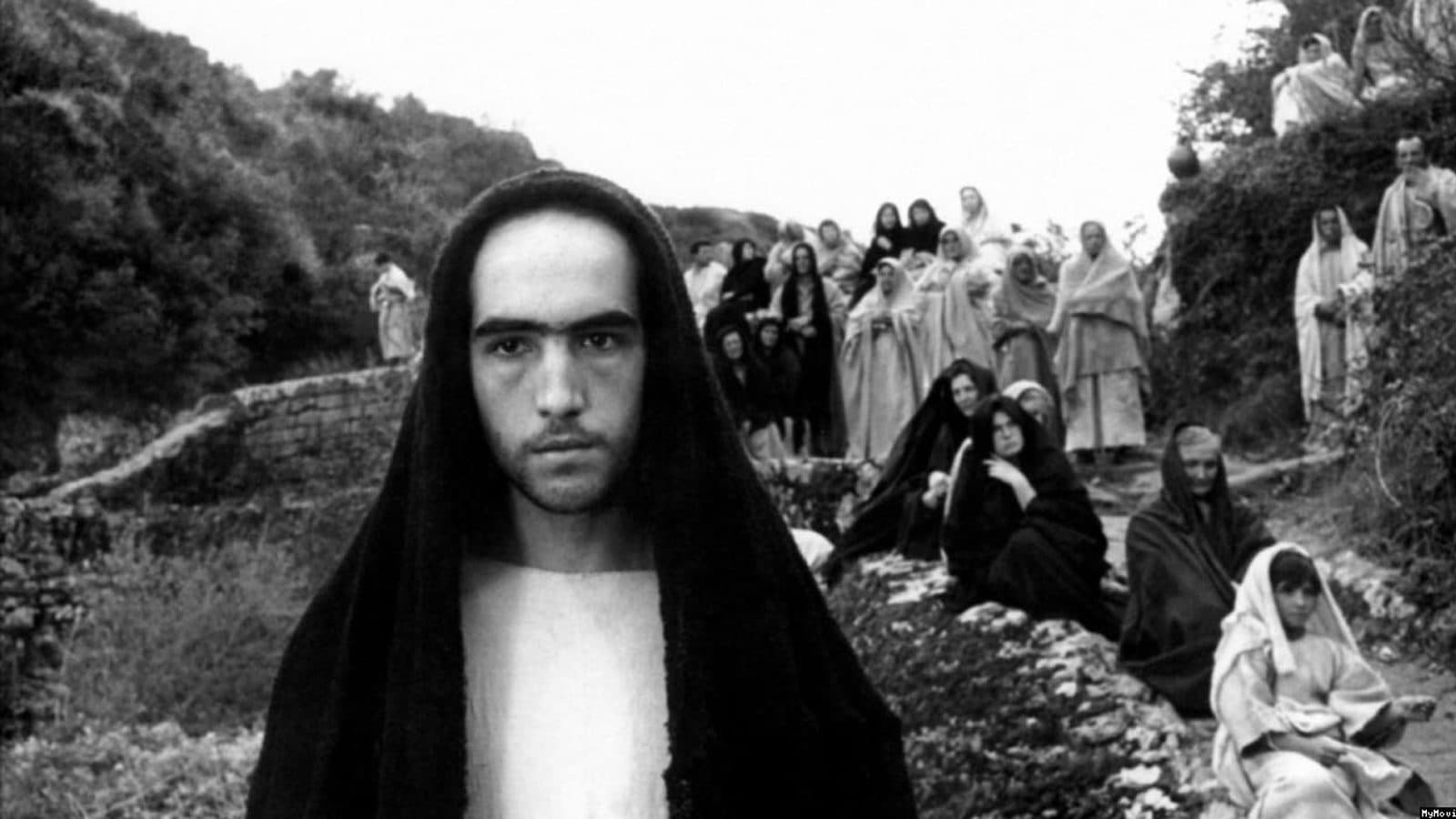
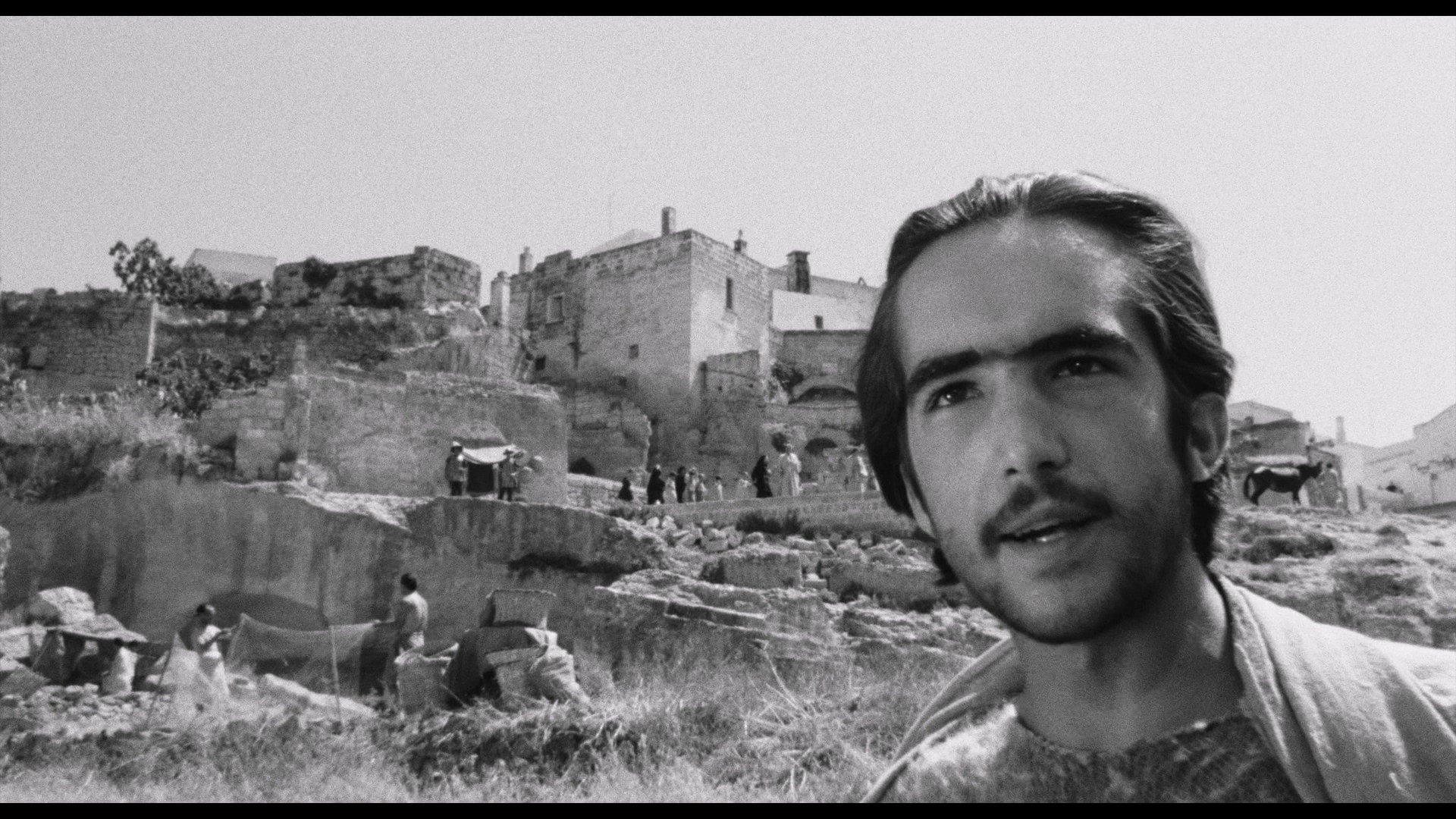
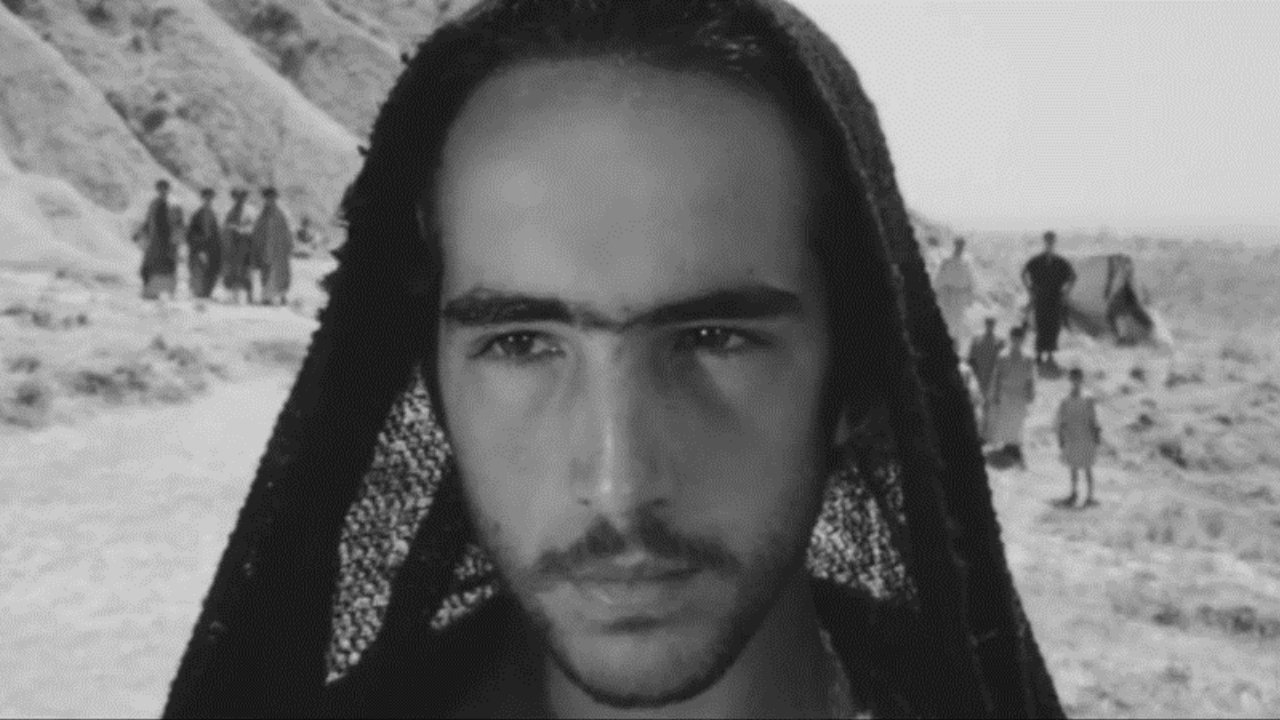
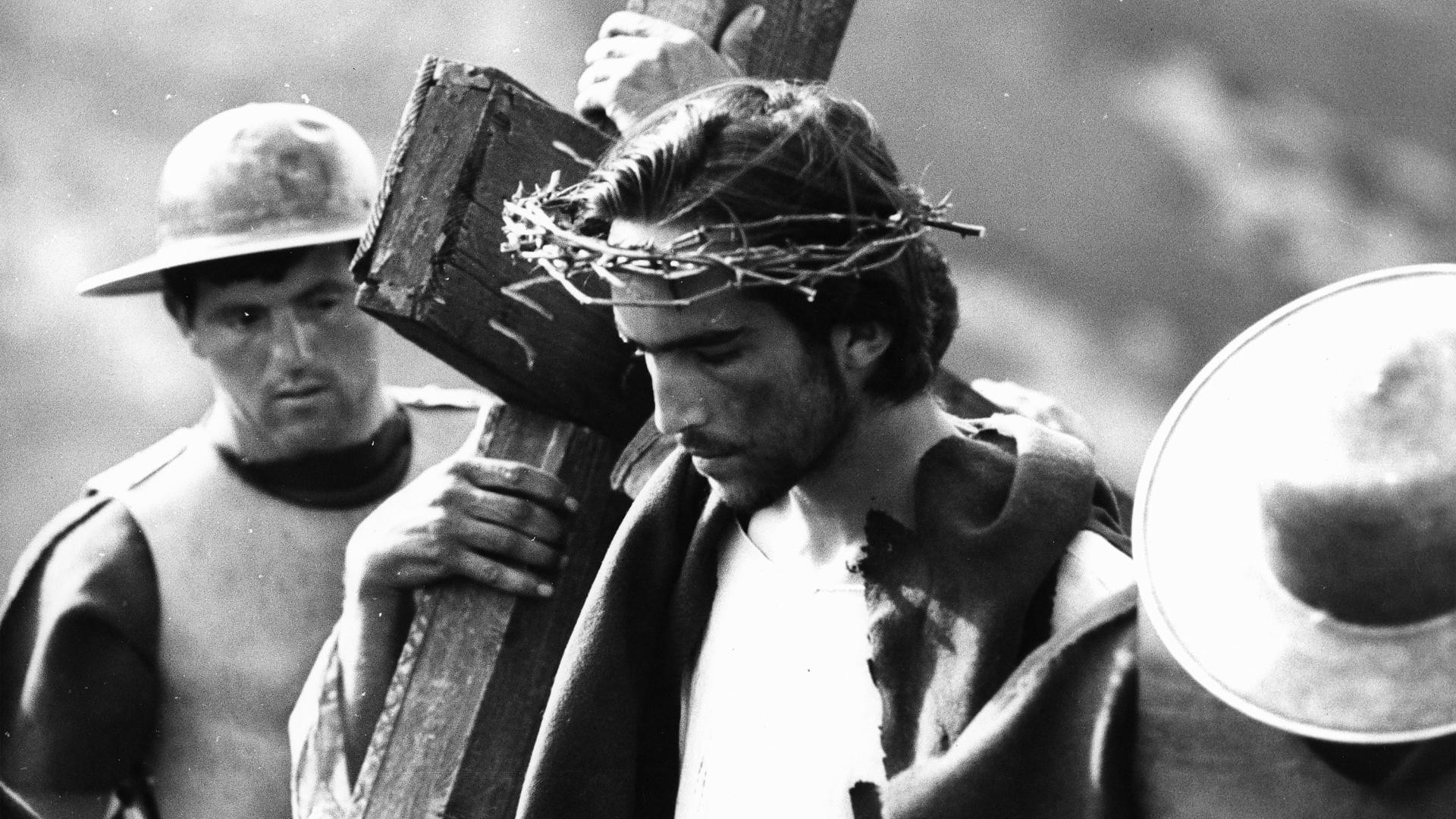
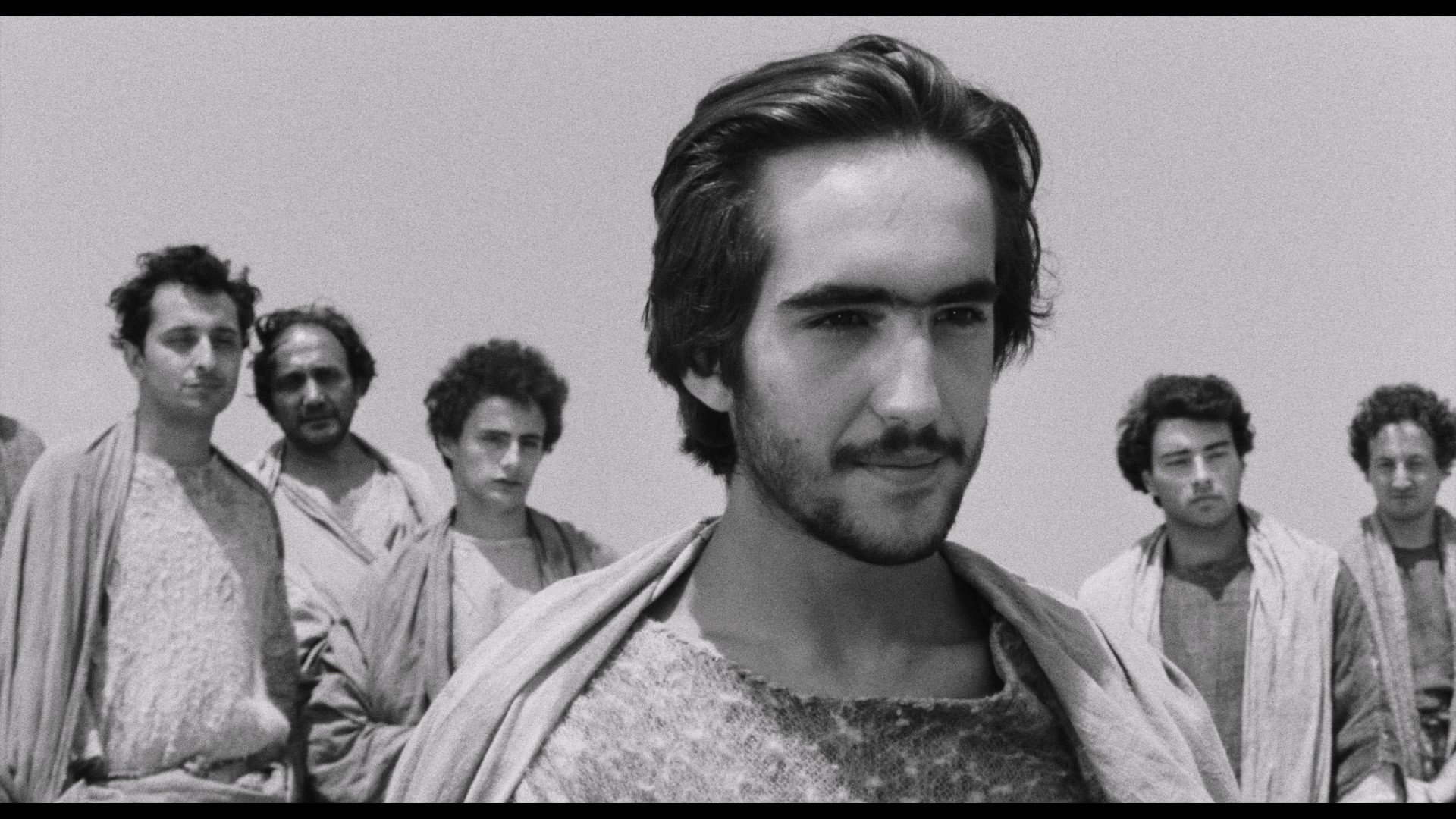
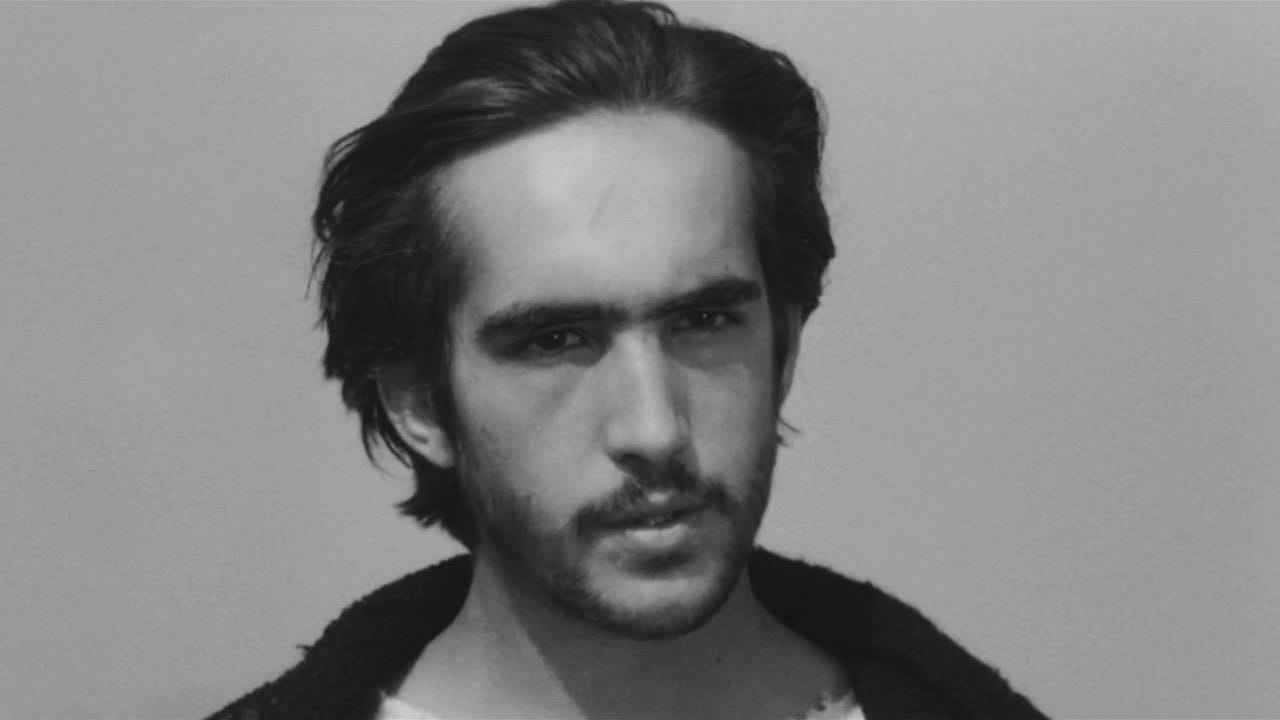
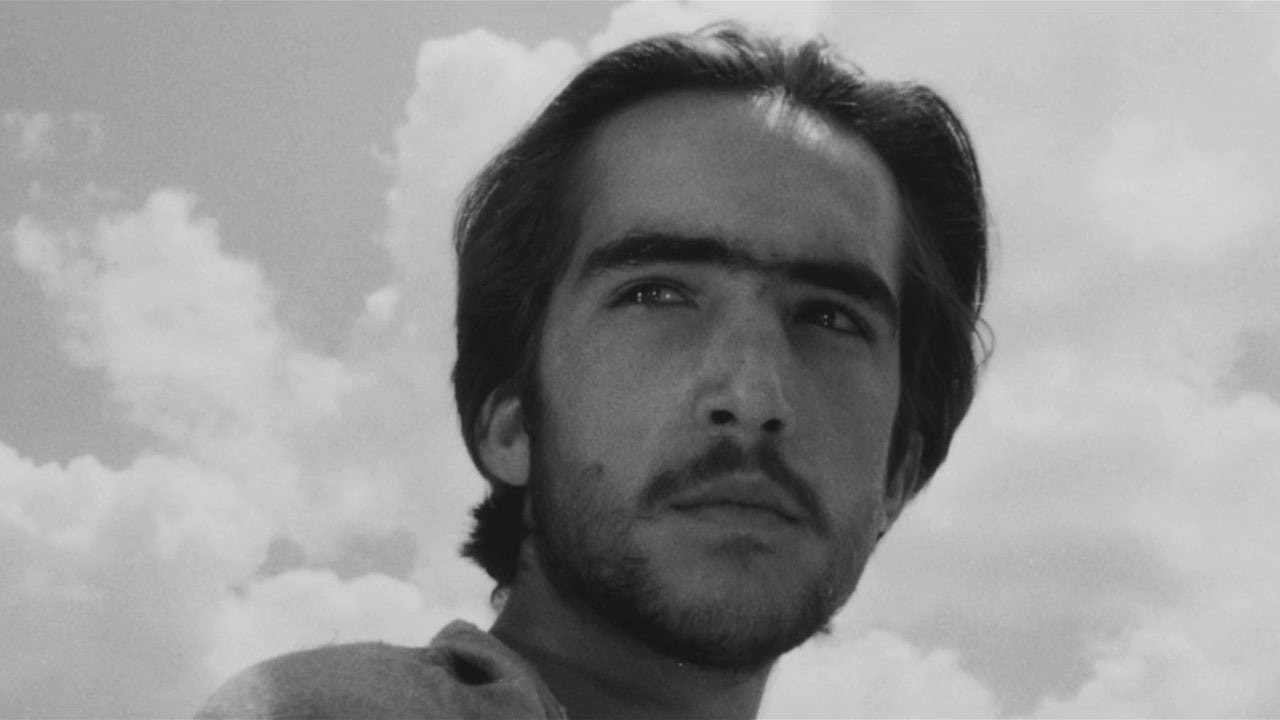
Pasolini does not “adapt” the Gospel. He transcribes it and he creates the most perfect film about the life of Jesus Christ (in my personal opinion). The dialogue is drawn almost entirely from the Gospel of Matthew itself. There are no psychological additions, no modern reinterpretations. The radical gesture lies in the staging. Christ is not softened. He is not the gentle, sentimental figure often seen in commercial religious cinema. He is severe, urgent, almost incendiary. His gaze is sharp. His words confront.
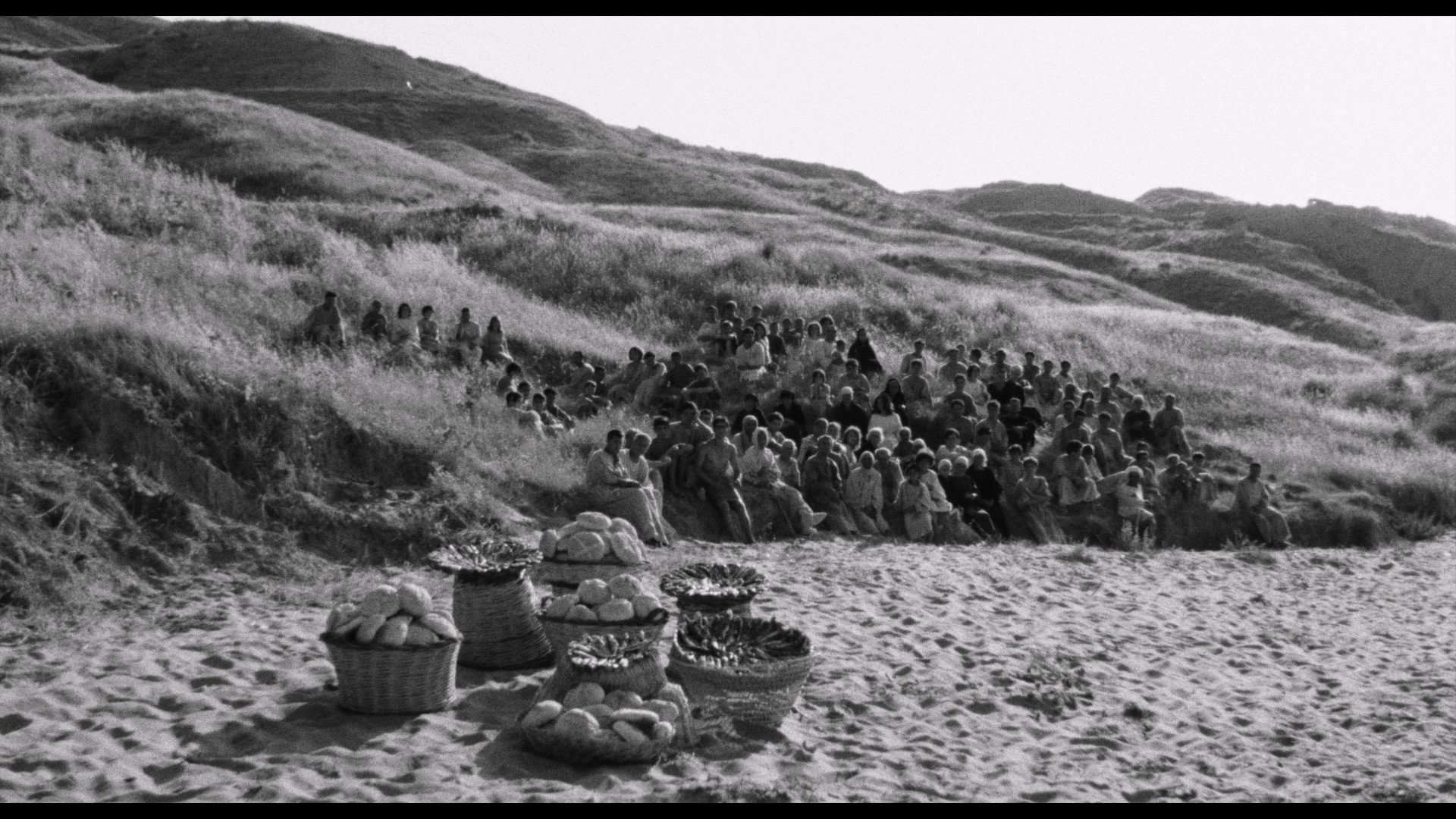
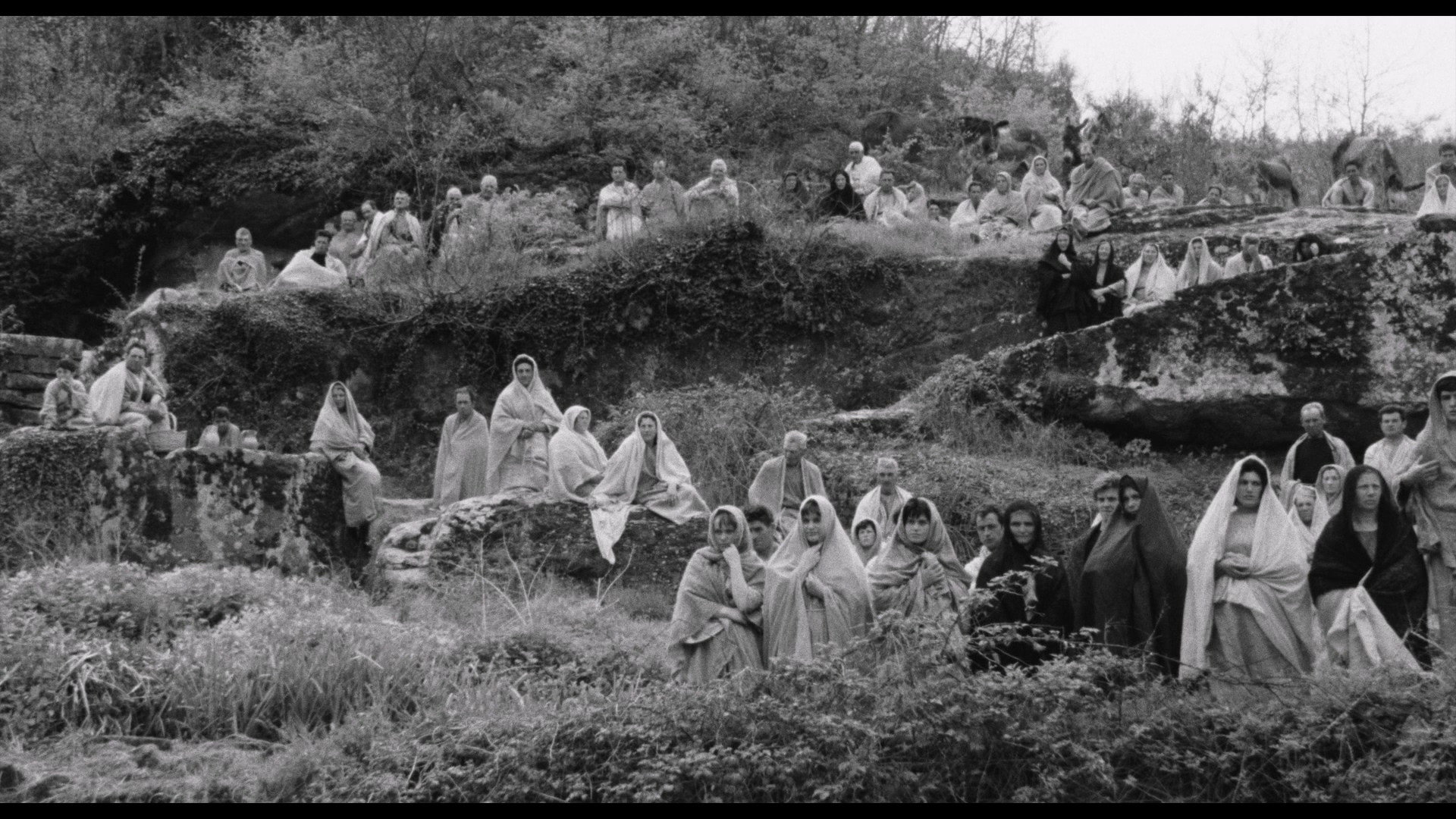
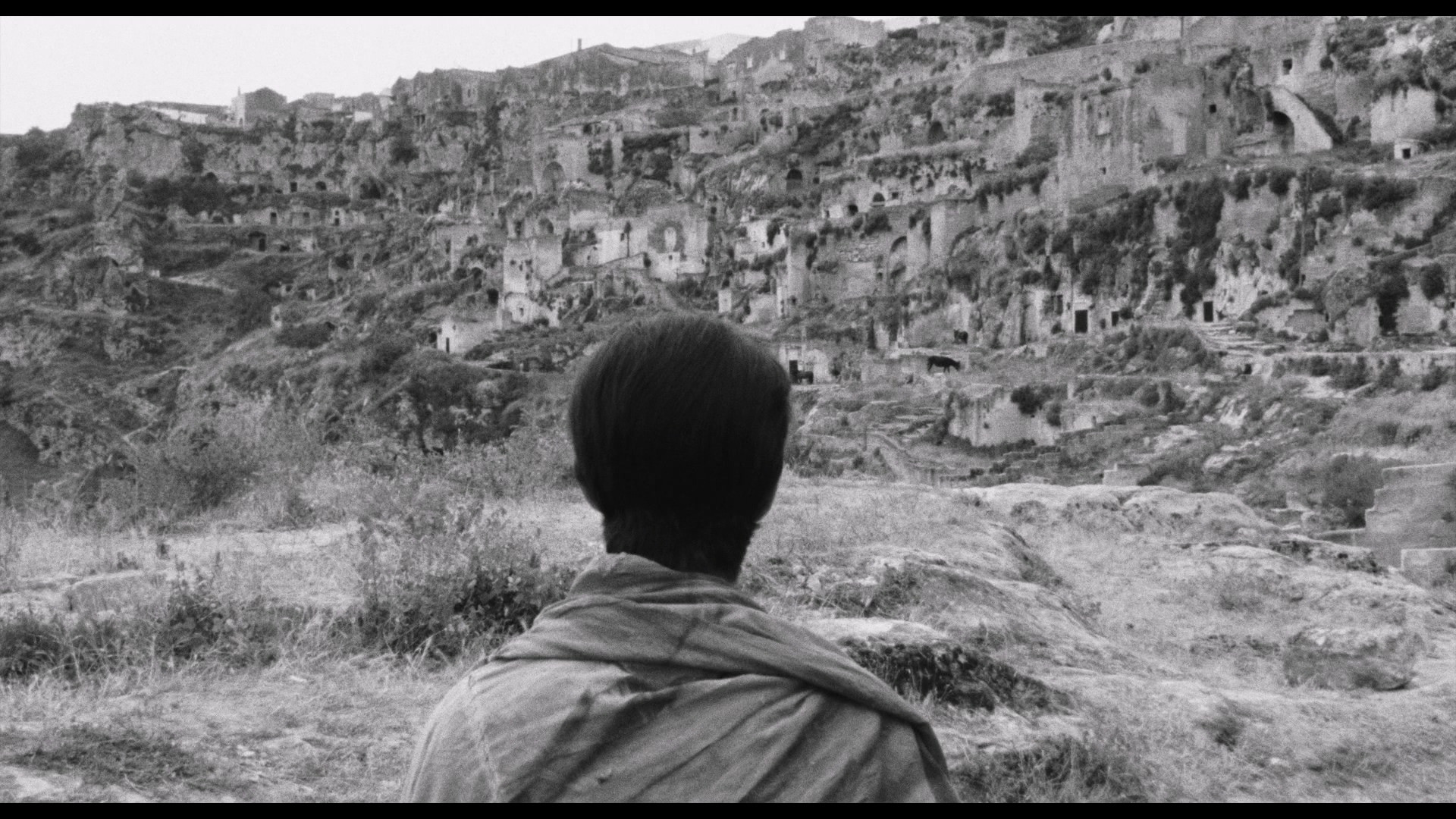
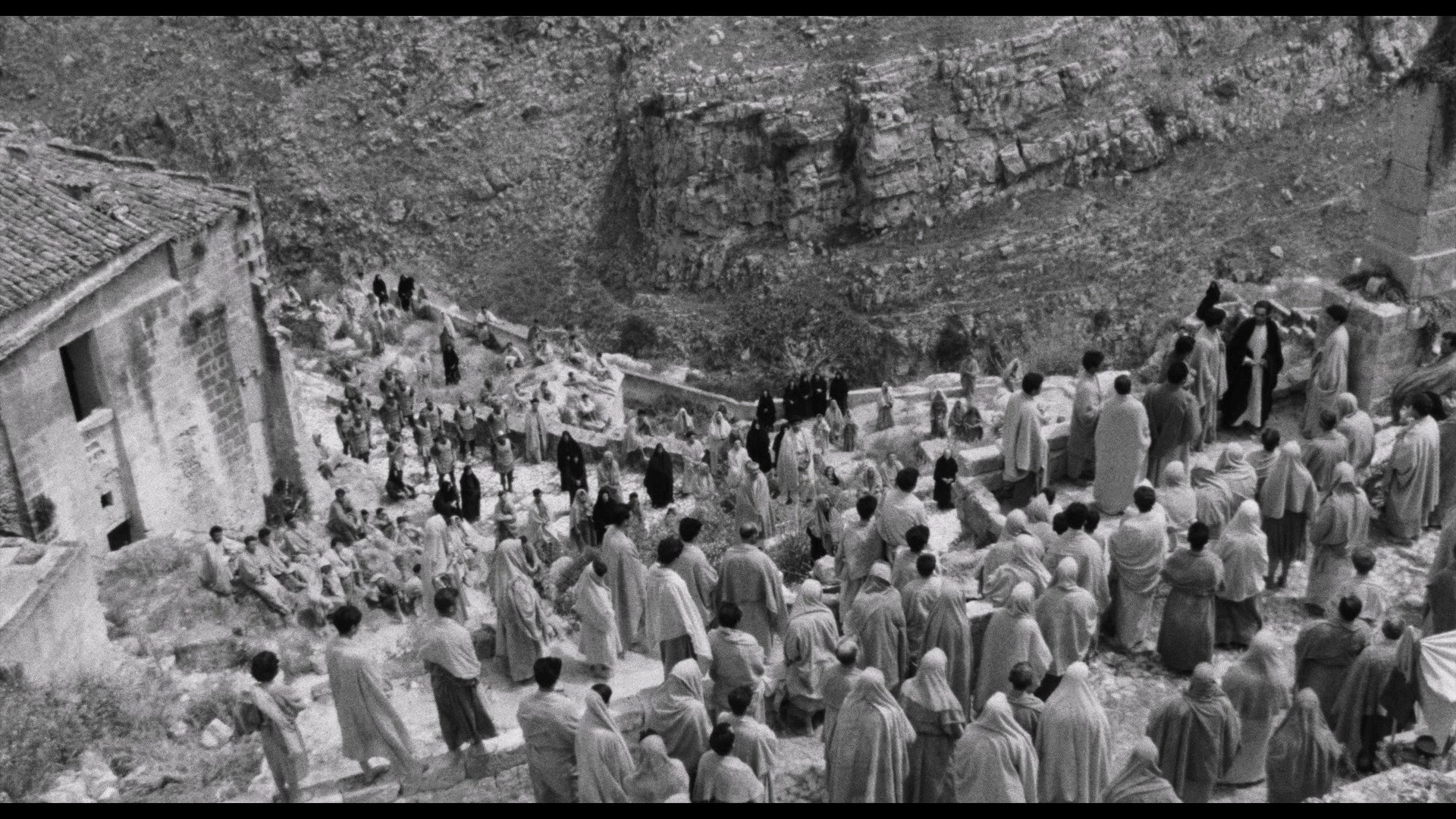
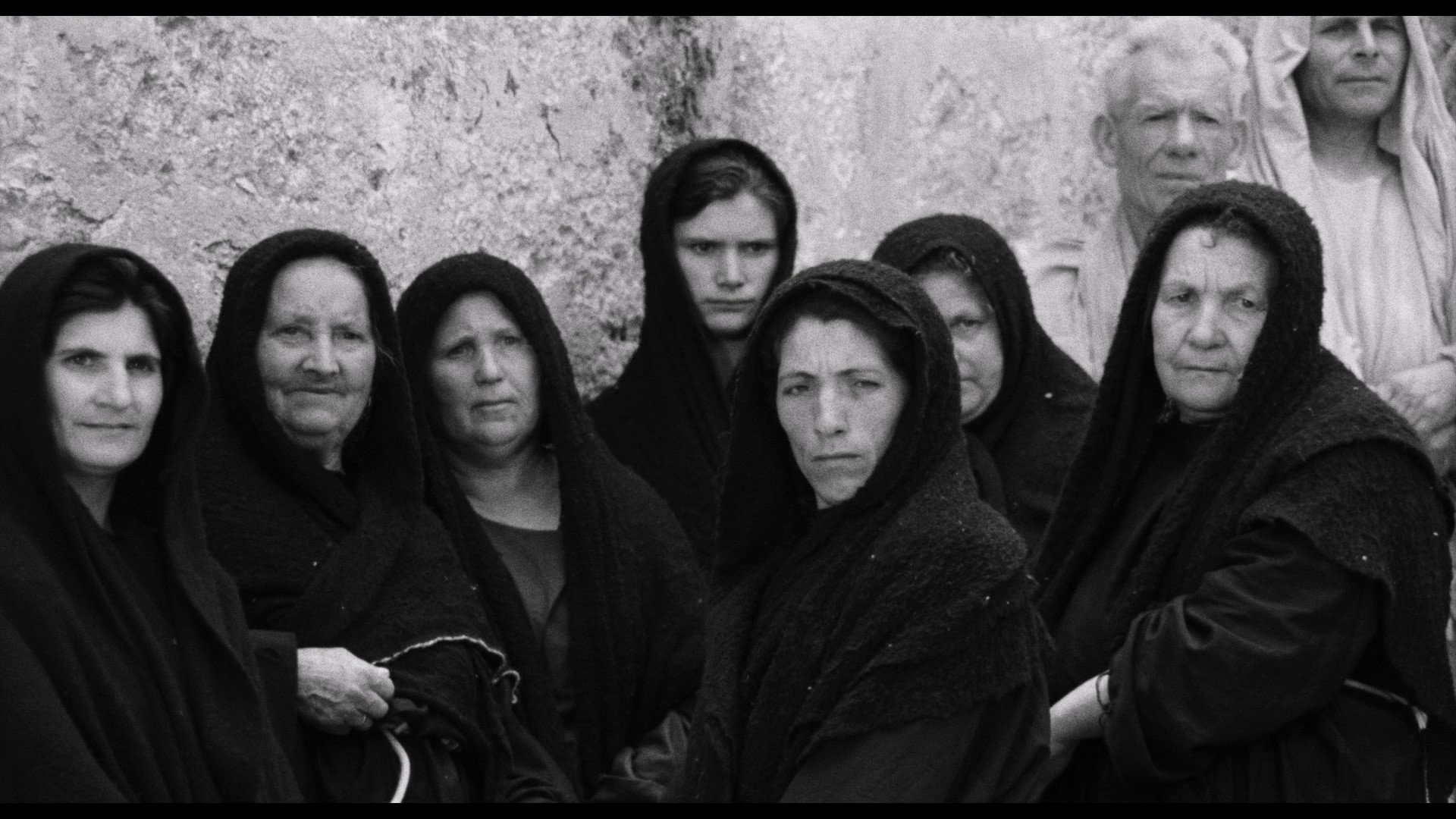
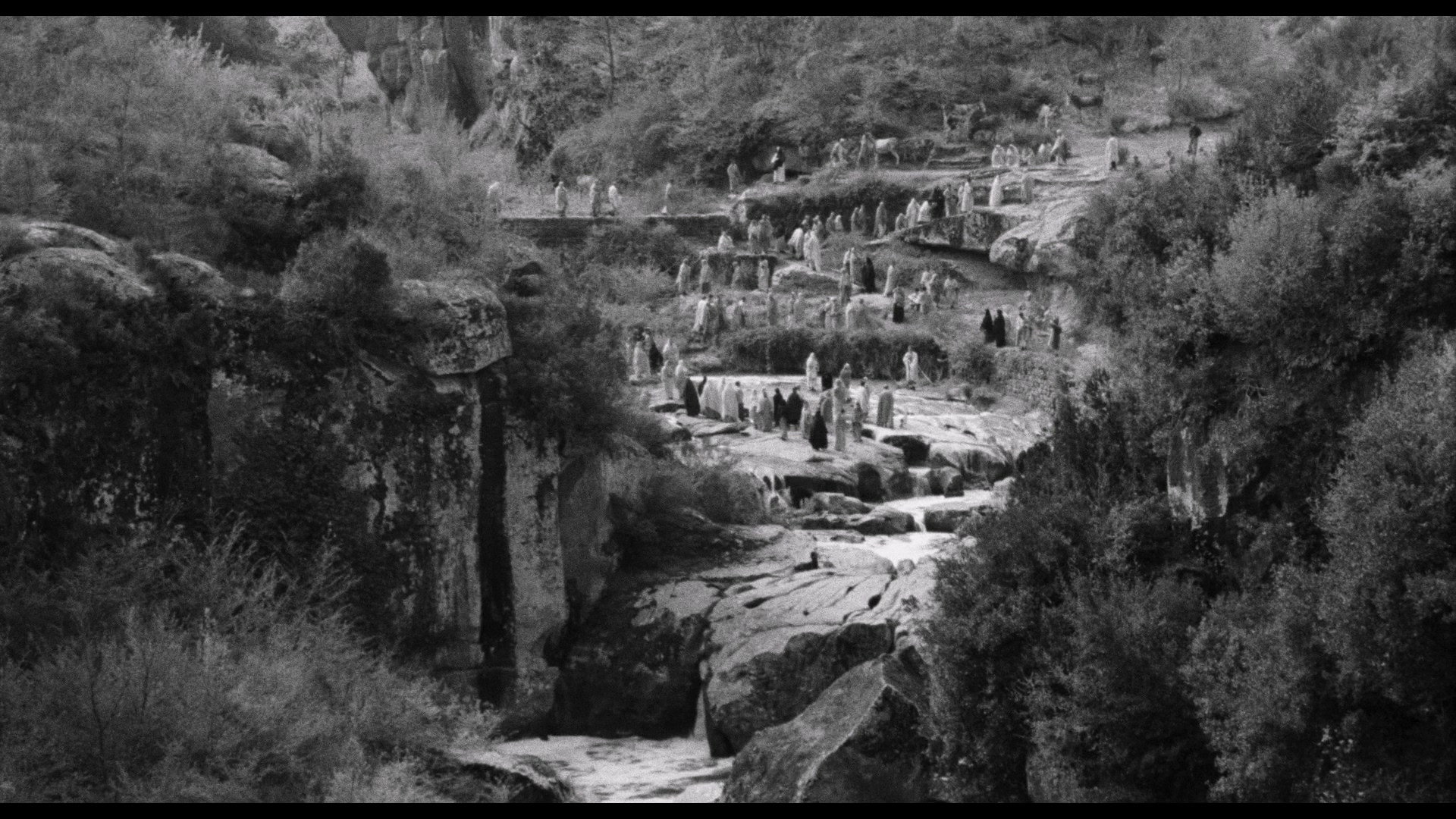
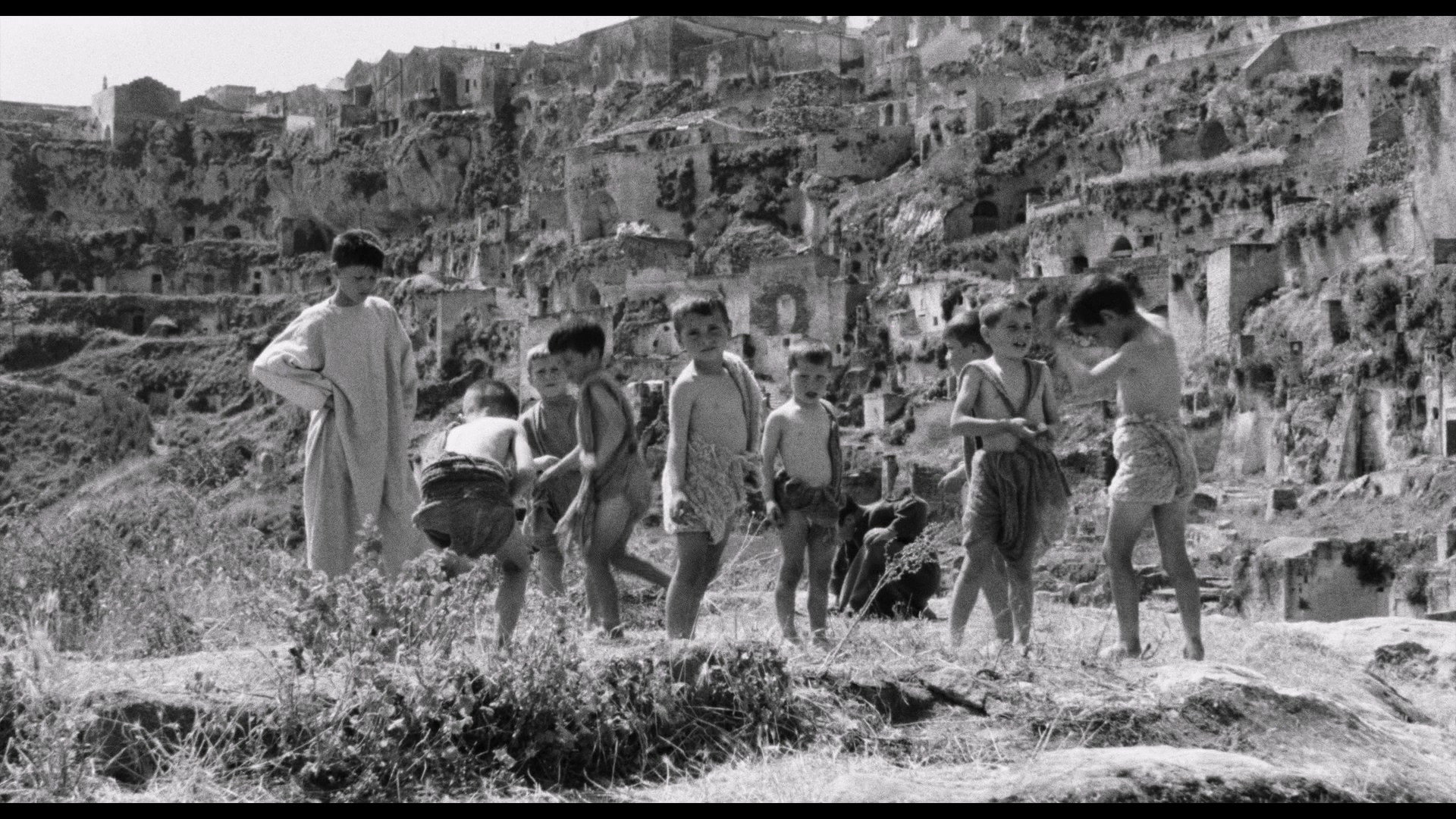
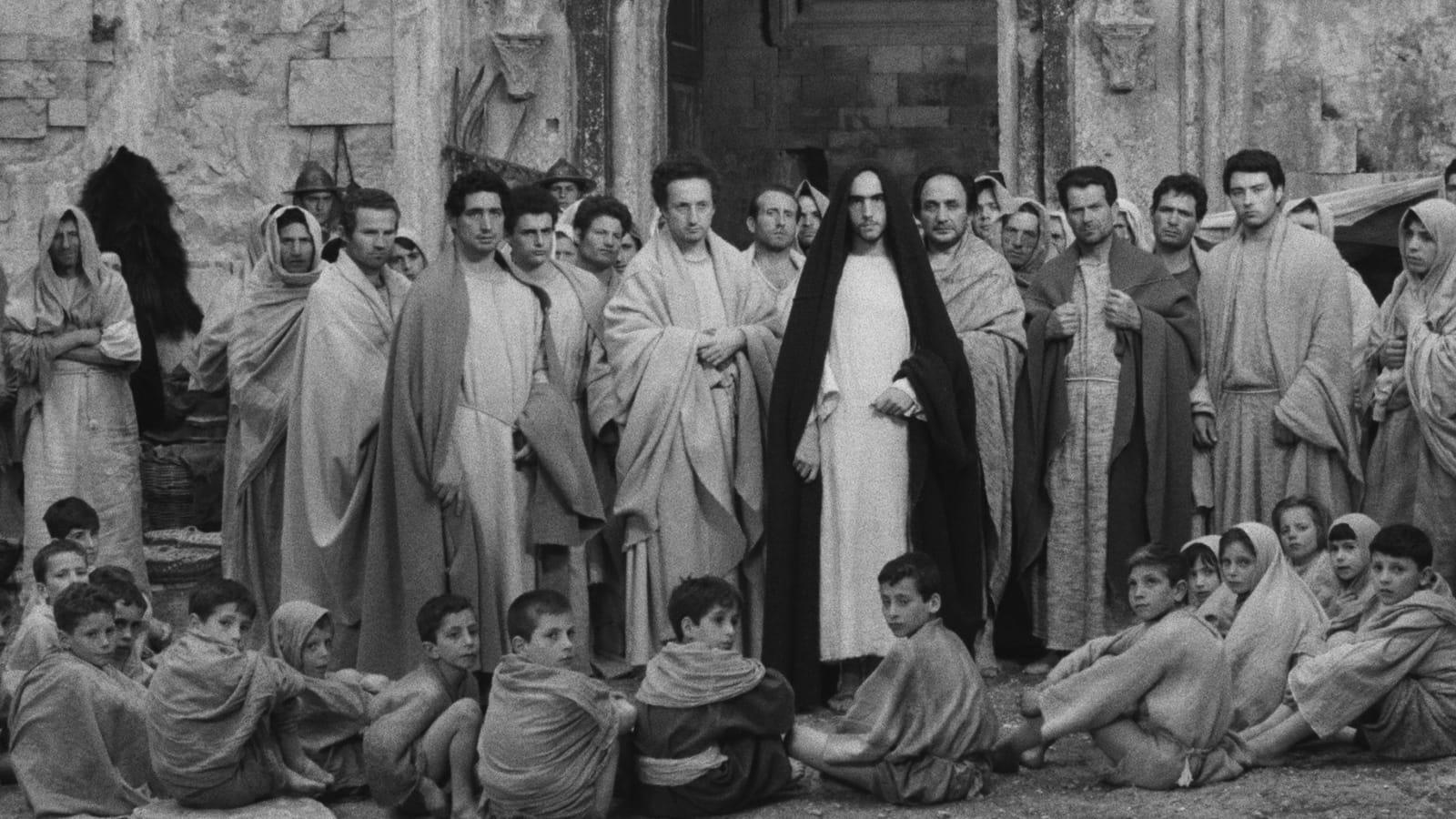
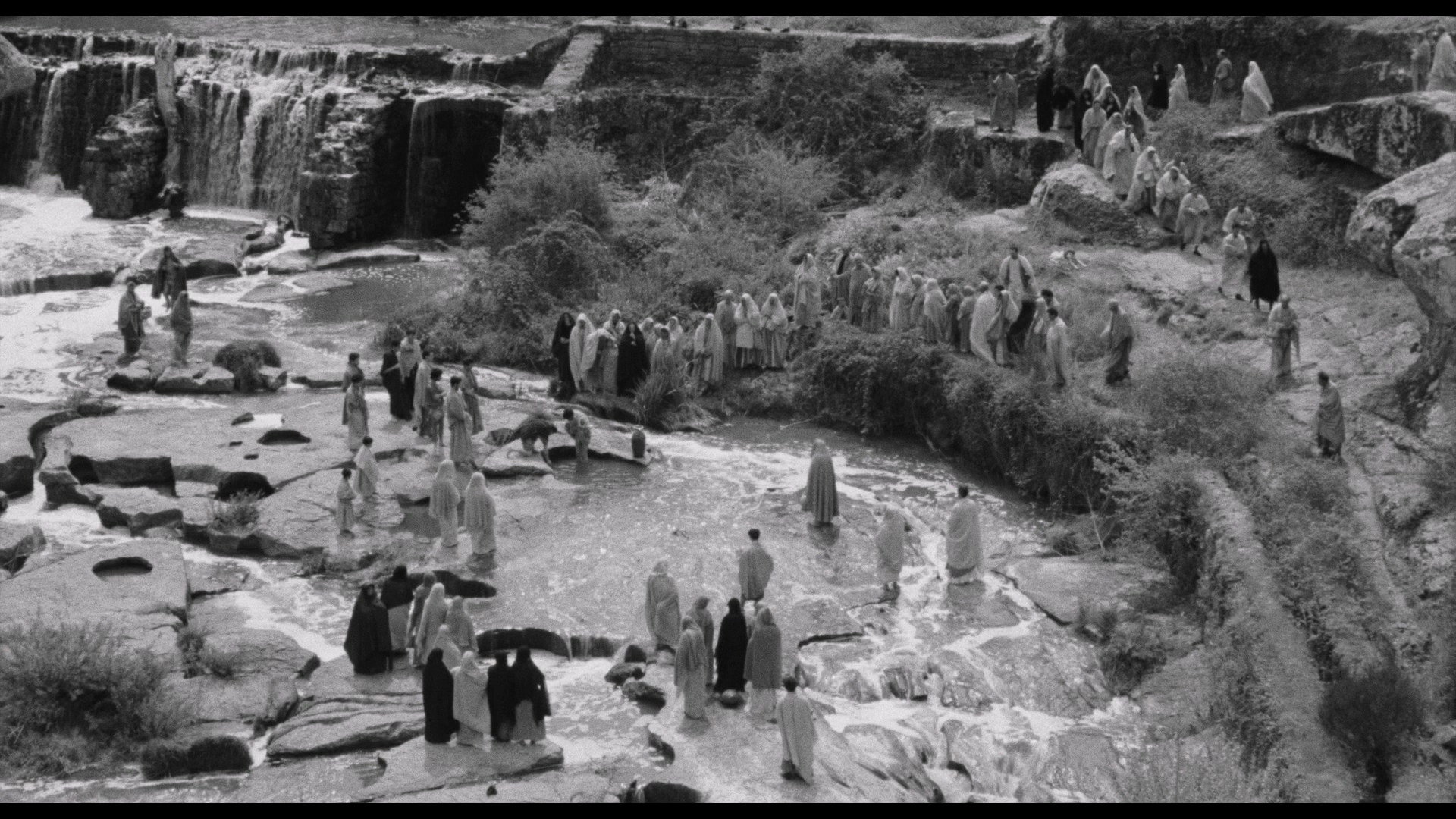
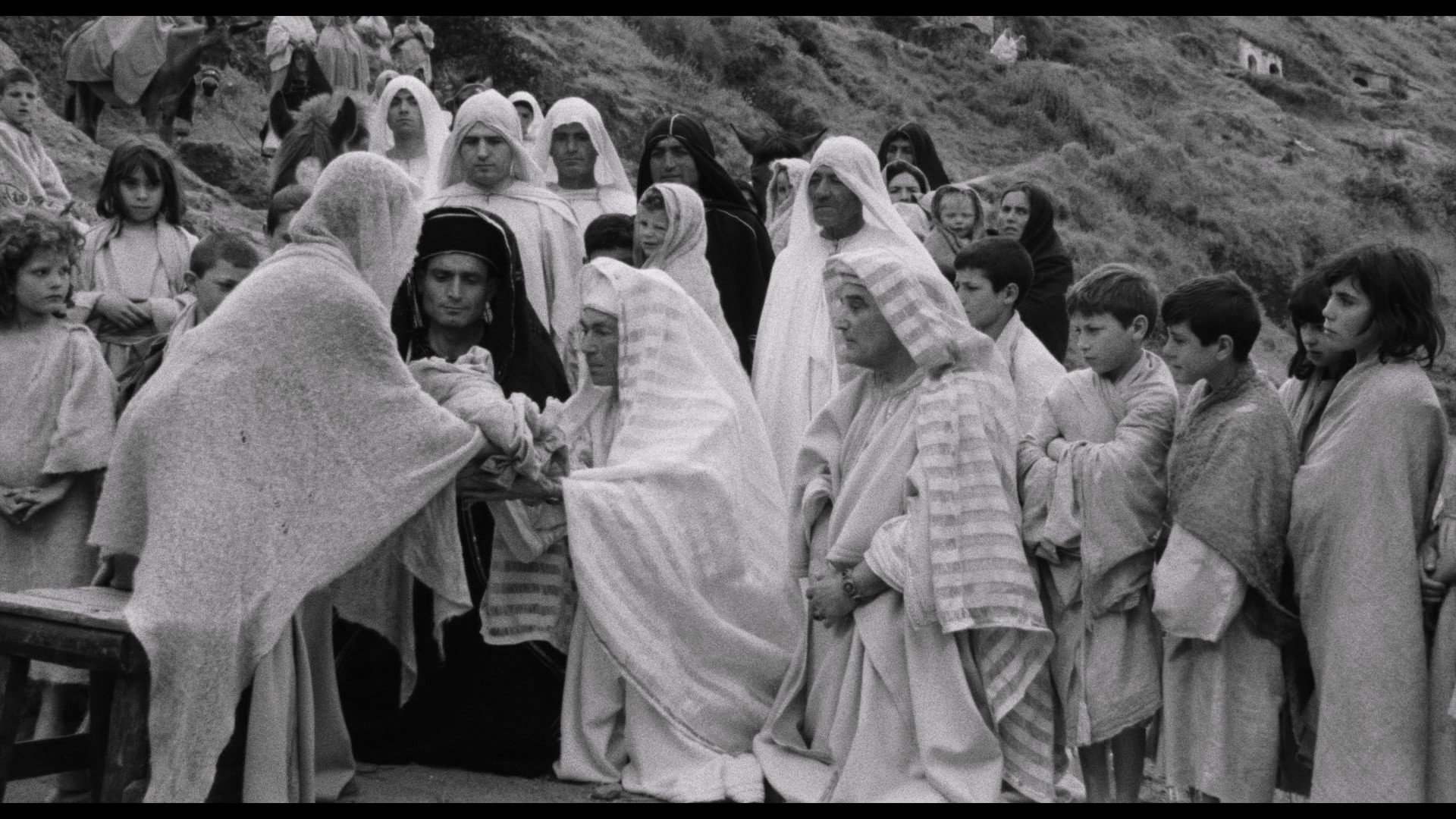
Shot in southern Italy with non-professional actors, the film inherits the rawness of Italian neorealism. Yet that rawness becomes sacred.
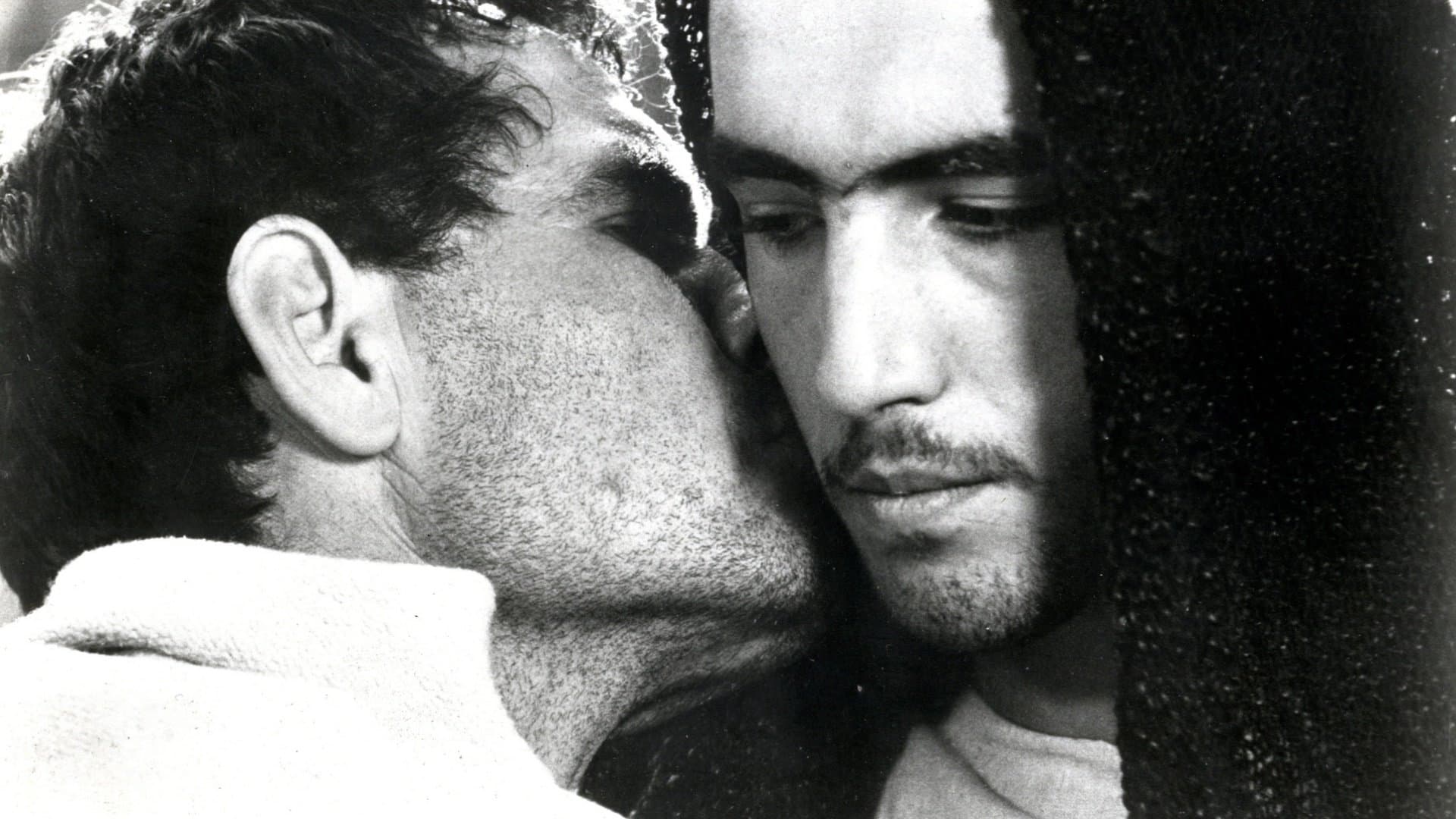
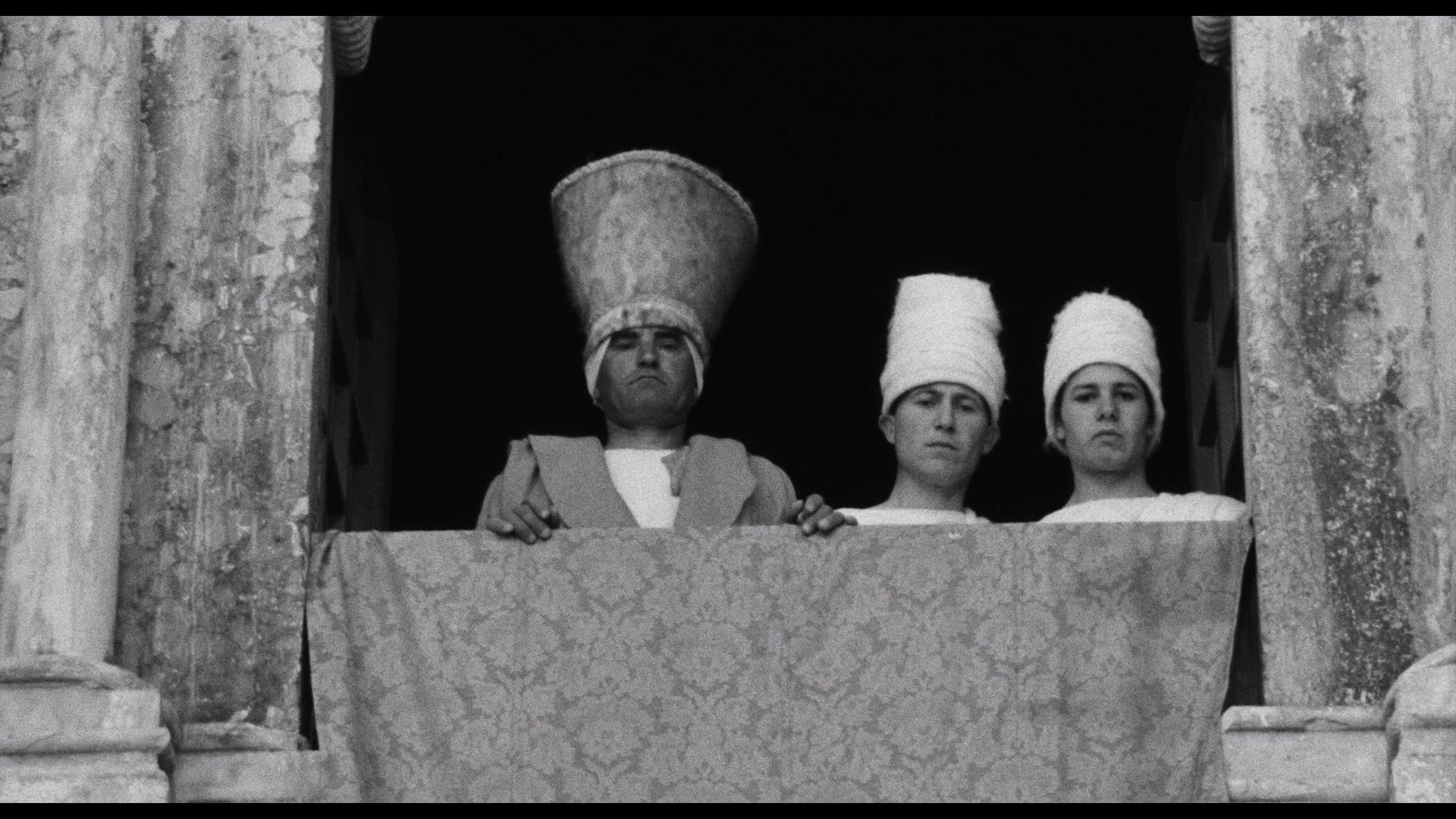
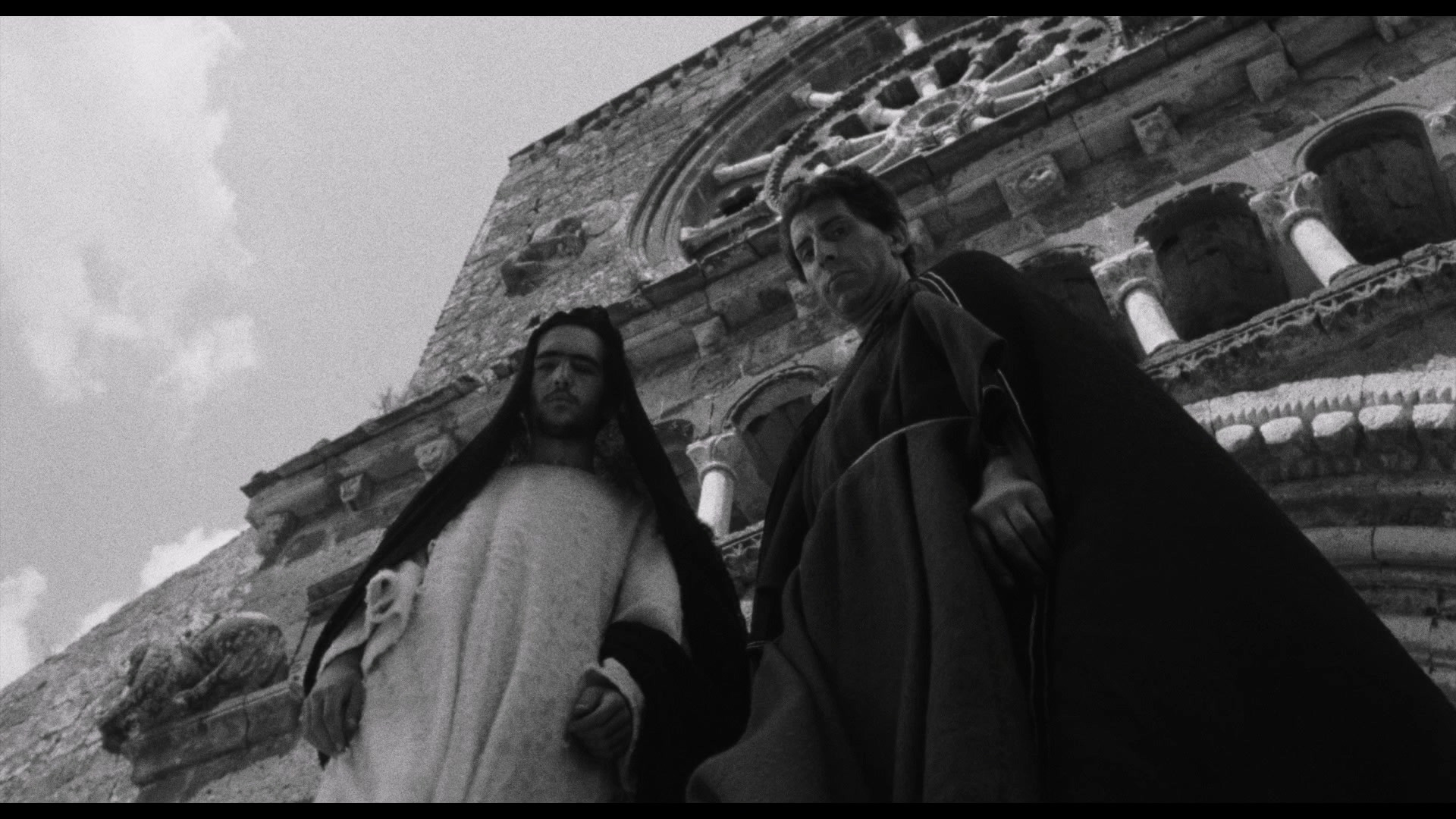
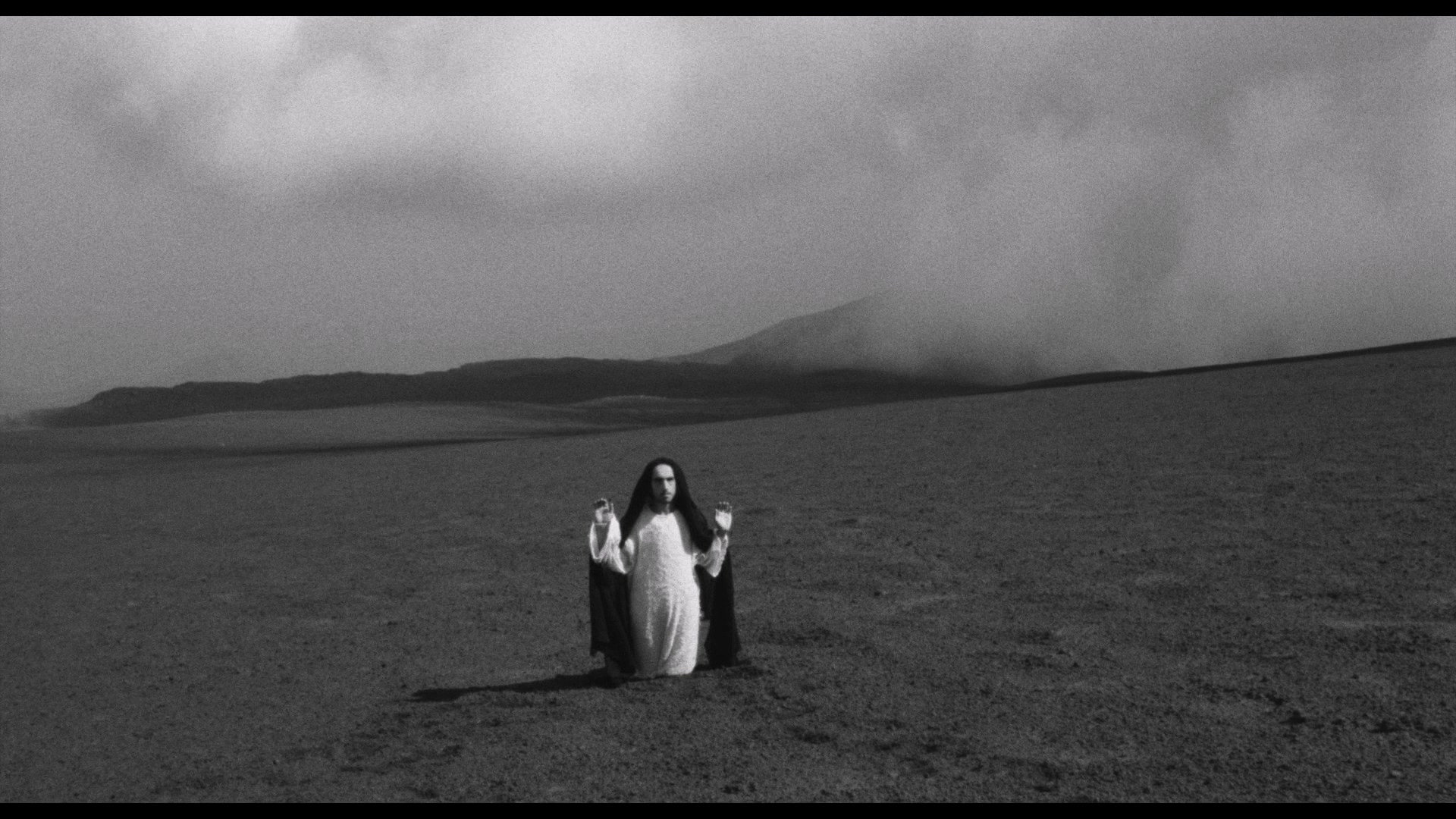
Pasolini’s camera is frontal, austere, almost documentary in its stillness. Faces look carved from stone. Landscapes are dry, poor, unadorned. Poverty is not aesthetic decoration; its theology.
The soundtrack moves from Bach to African music to spirituals, suggesting a Christ who transcends geography and time. The Passion echoes across cultures.
Pasolini’s Jesus is not bourgeois. He is not comfortable.
He is disruptive.
His sermons feel like manifestos against hypocrisy and institutional power. Through Pasolini’s lens, the Gospel appears profoundly subversive. Christ emerges almost as the first revolutionary figure, confronting systems of authority and announcing a kingdom that does not belong to worldly order.
Implicitly, the film critiques modern bourgeois Christianity, religion reduced to tradition, faith domesticated into harmless ritual.
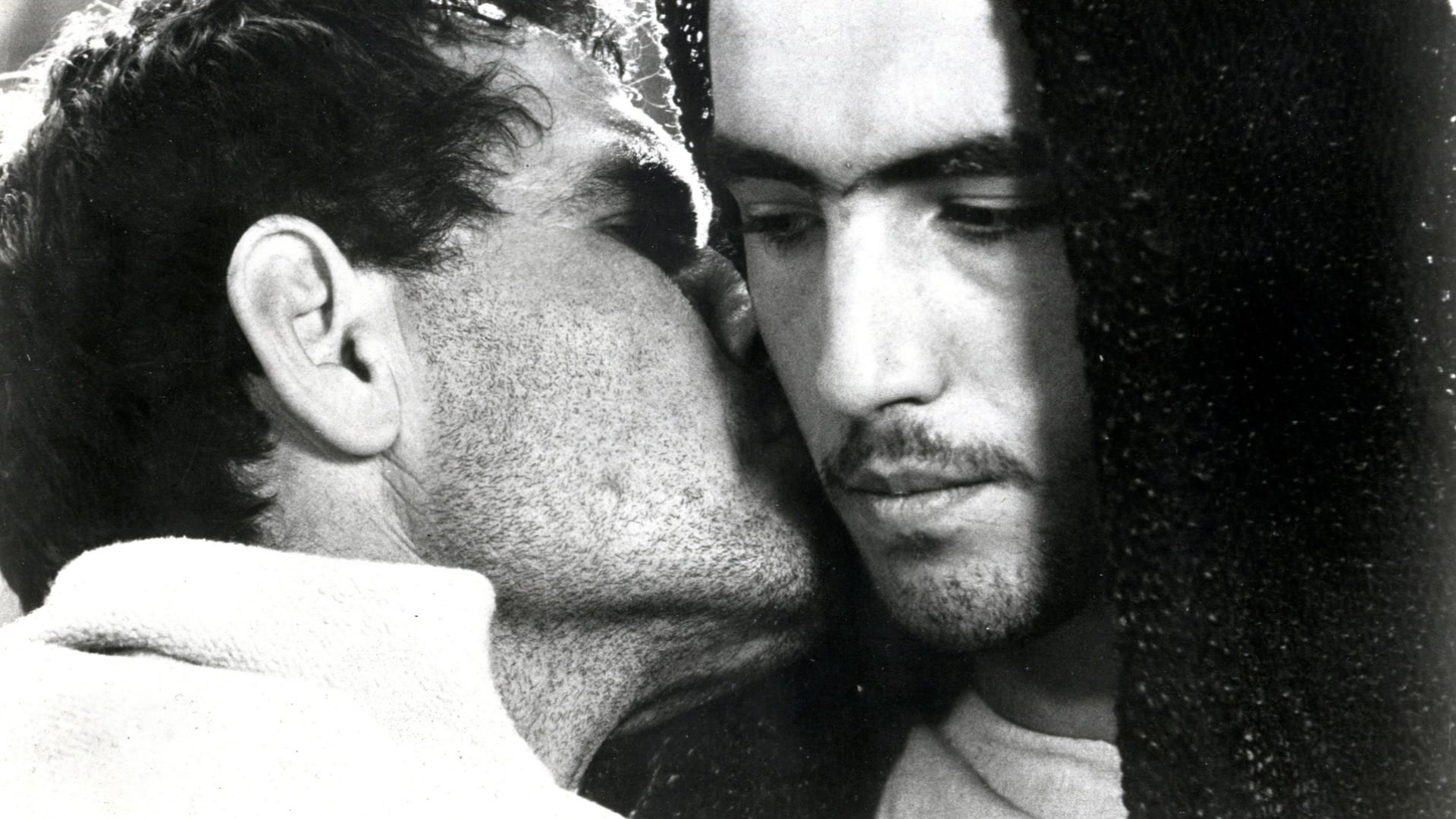
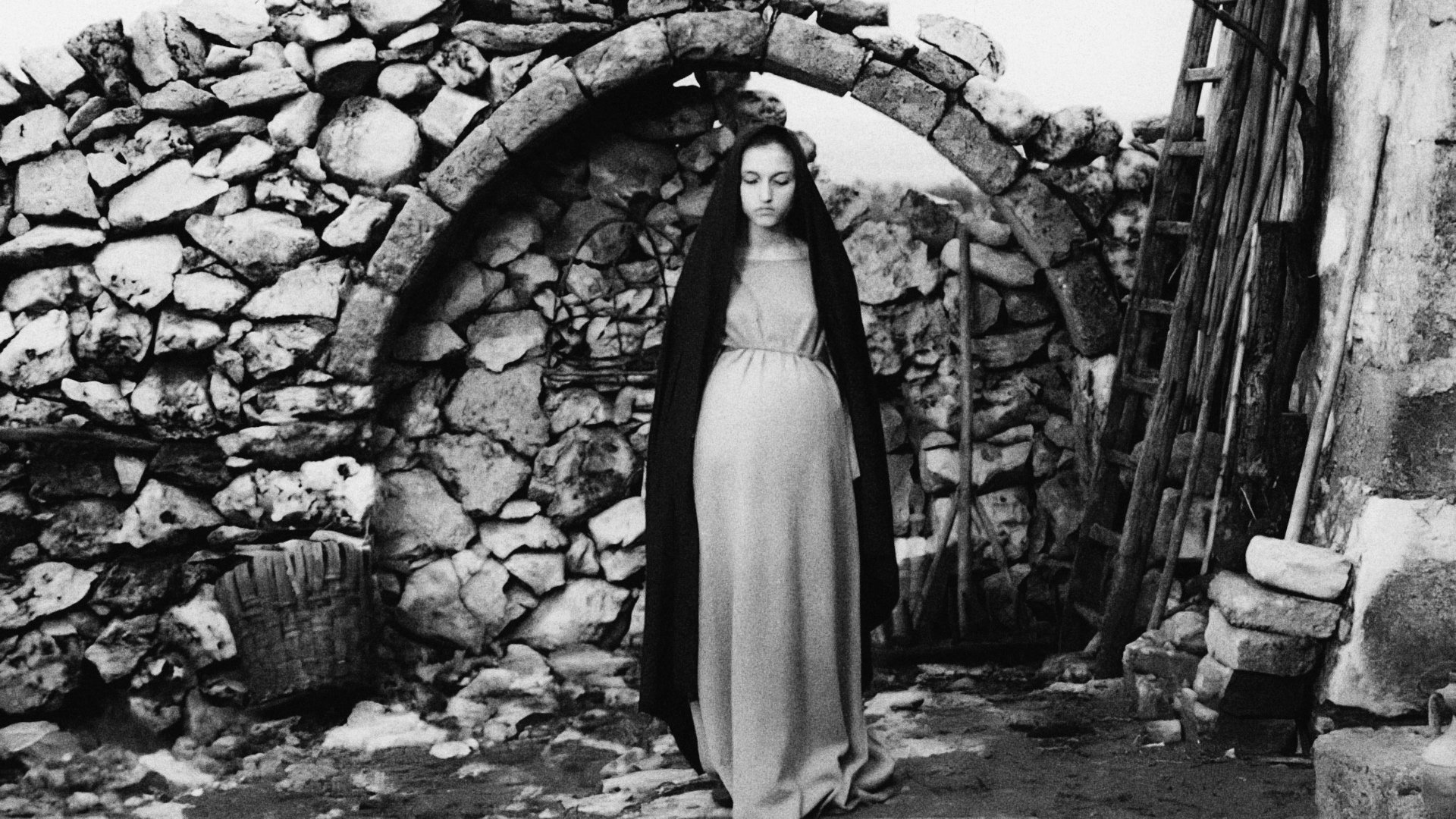
Mary, played by Pasolini’s own mother, carries a silent gravity. From the beginning, there is sorrow in her presence.
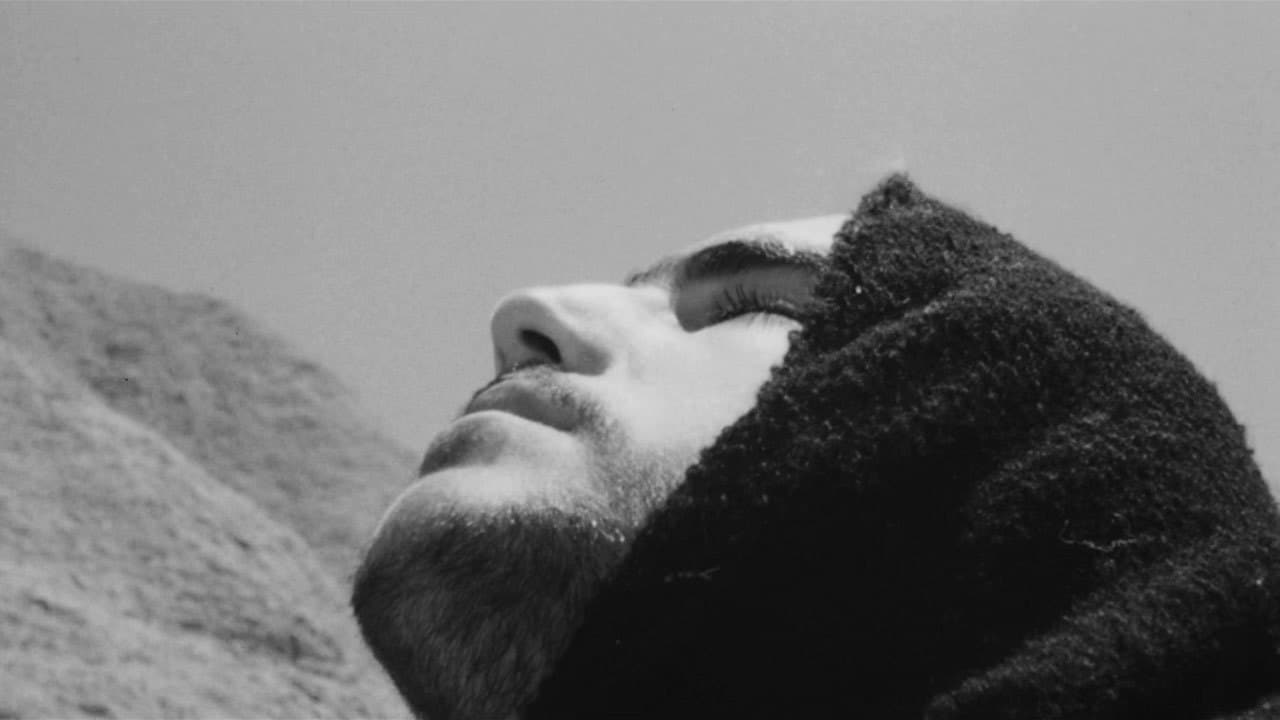
Christ, meanwhile, is intensely human. He feels anger. Determination. Urgency.
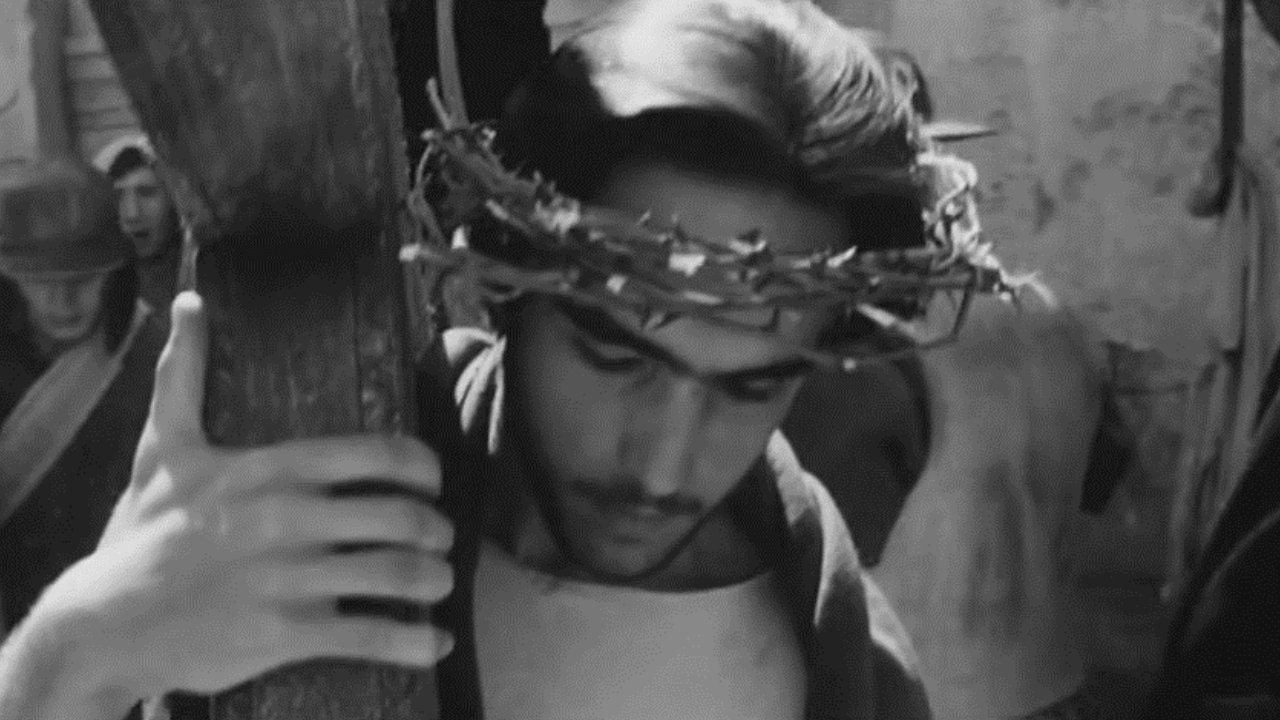
But when the crucifixion arrives, the political reading dissolves. There is no manifesto left. Only suffering. Only the face.
And something extraordinary happens:
the atheist films faith.
The Gospel According to St. Matthew does not attempt to explain Christ.
It allows Him to speak.
And in that act of allowing, cinema becomes prayer.
And the prayer, in the silence reaches God.
100/100