
2013·Animation·1h 31m
7.0
★
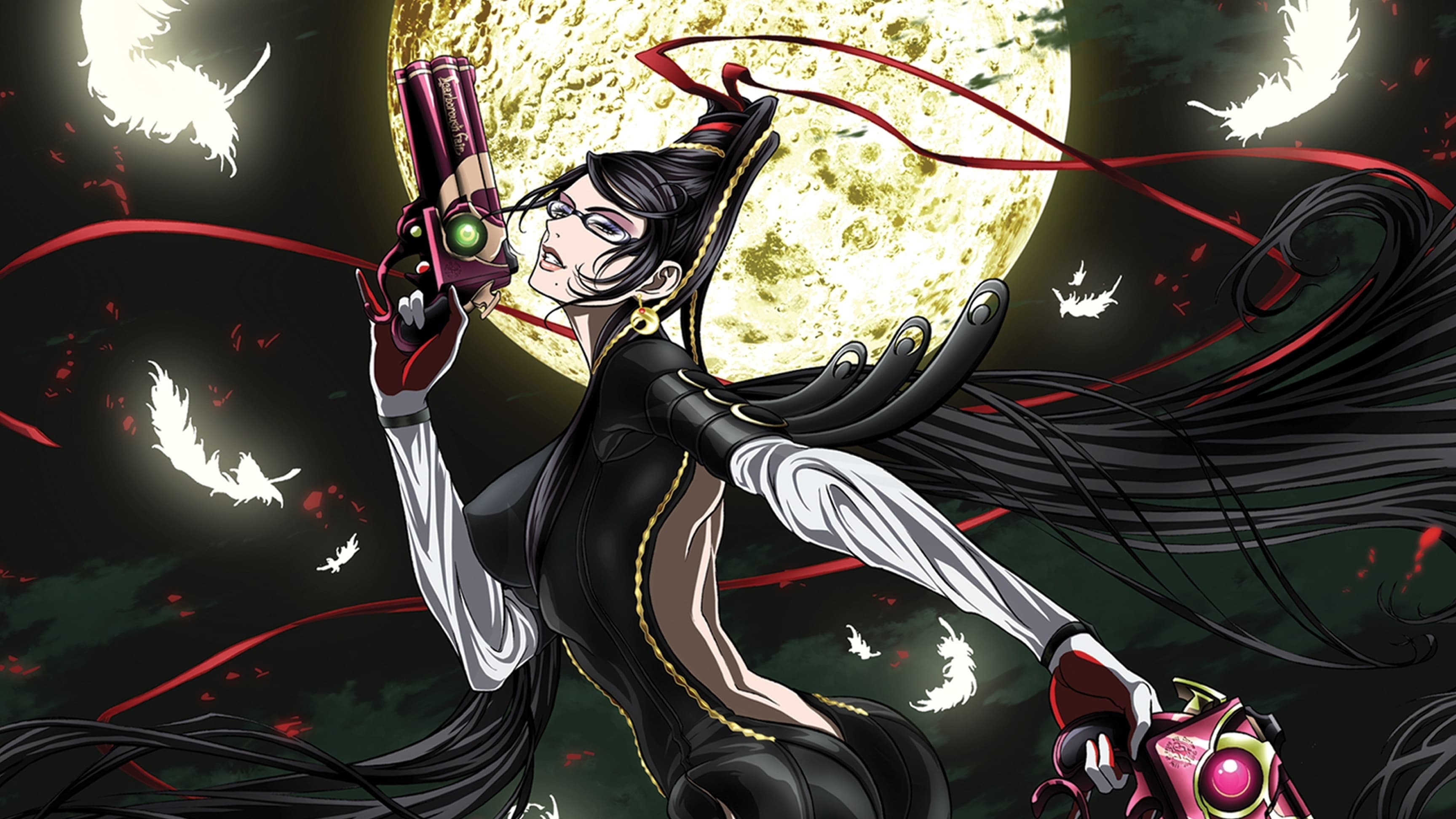
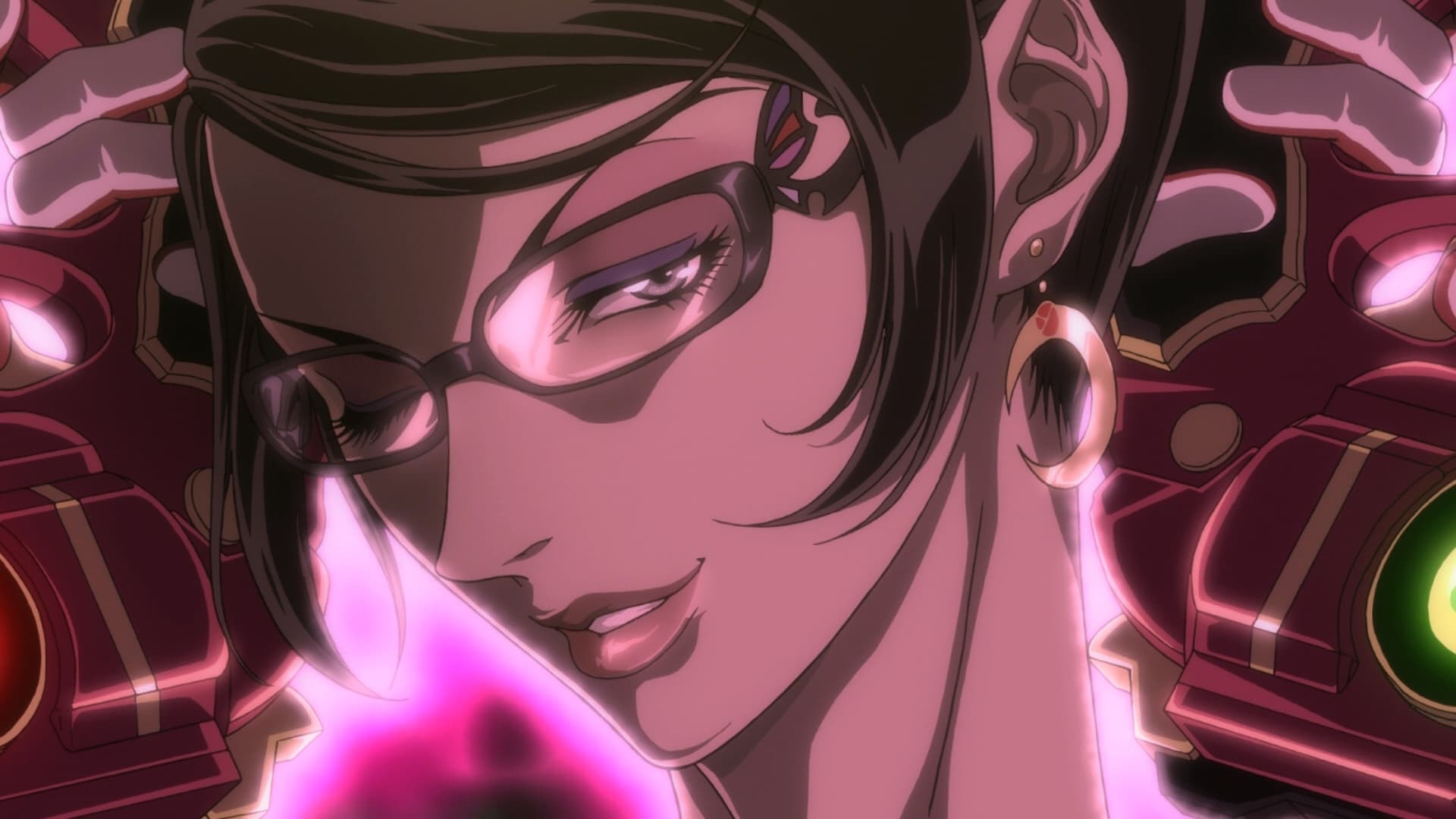
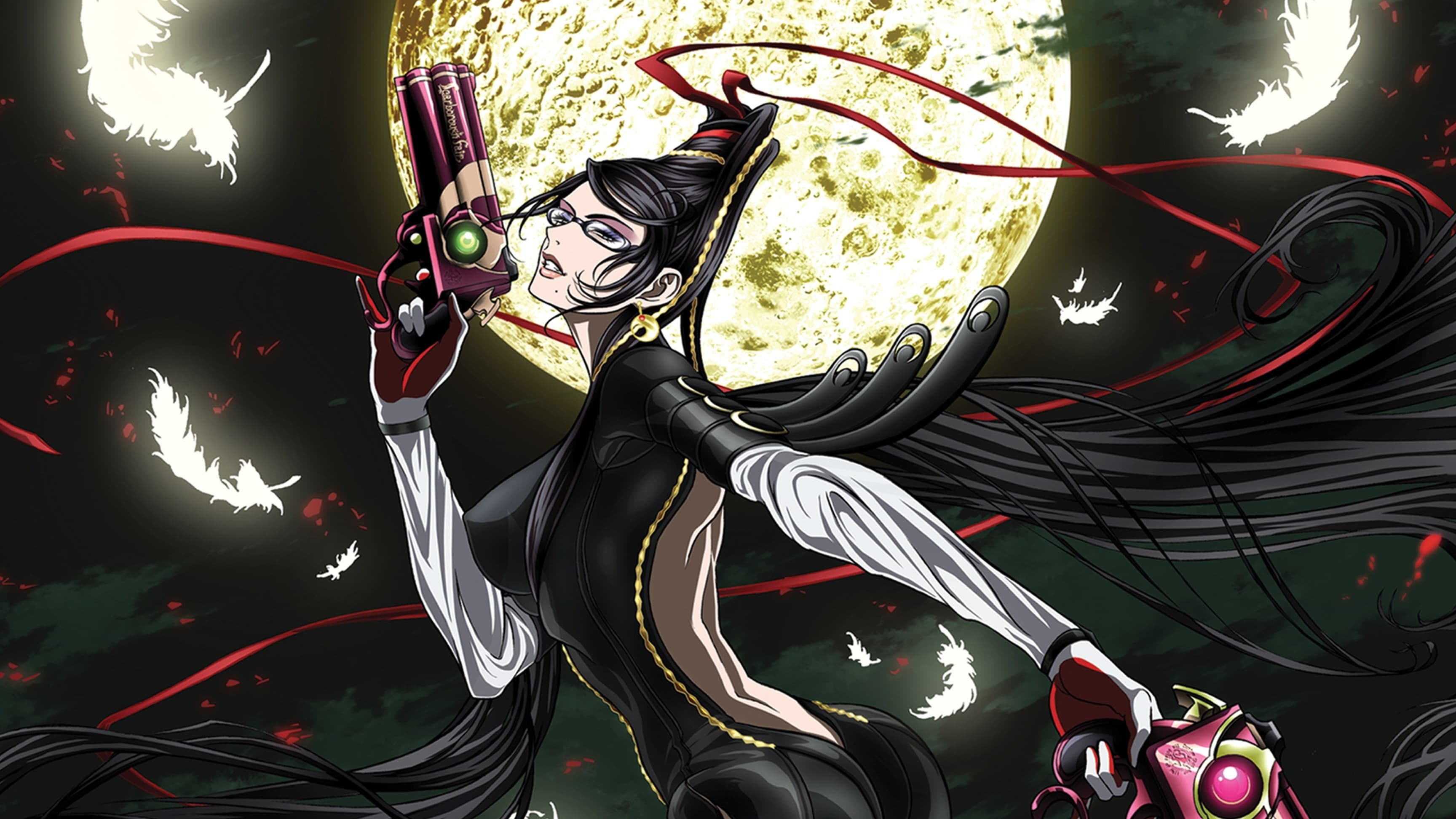
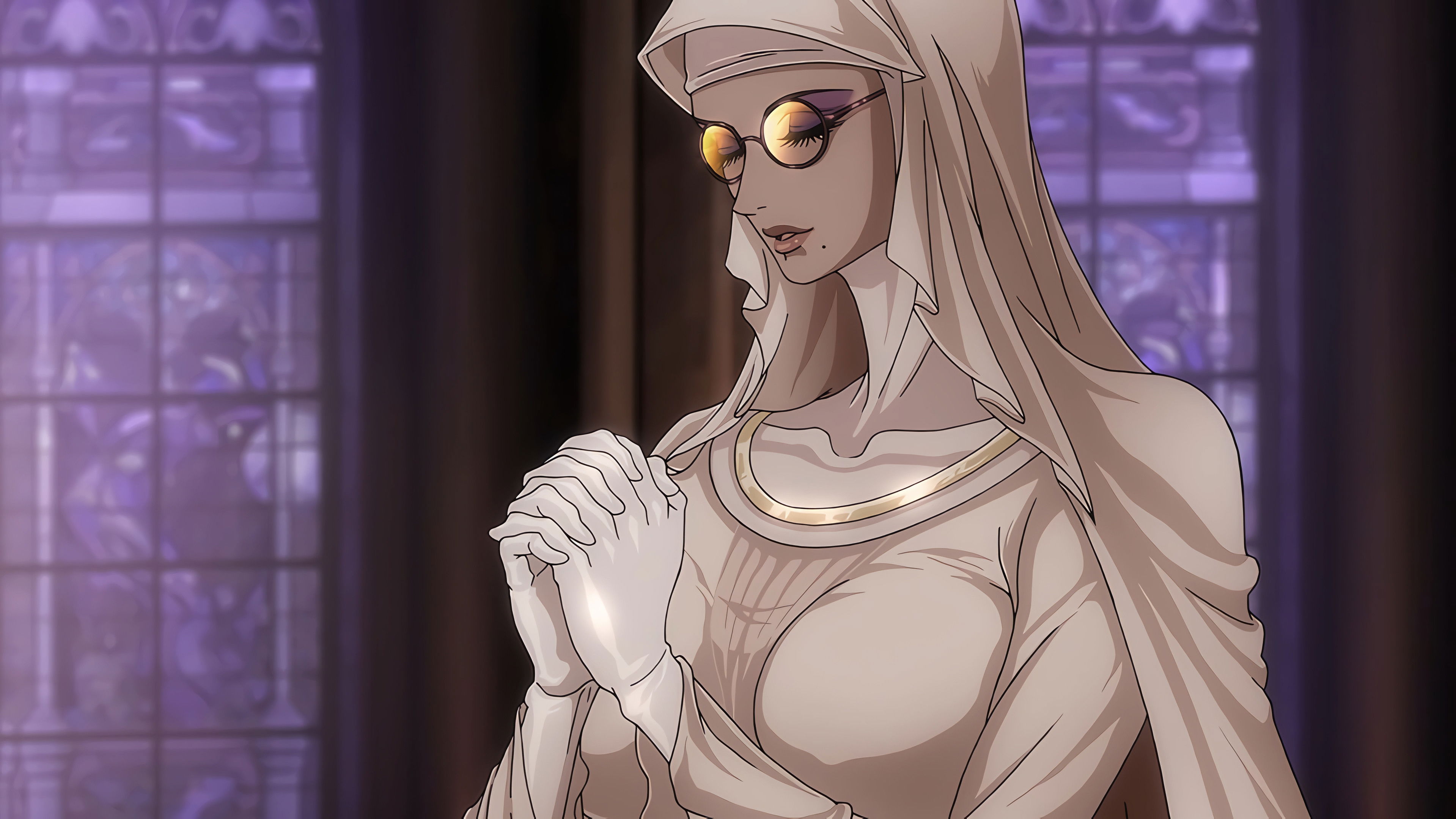
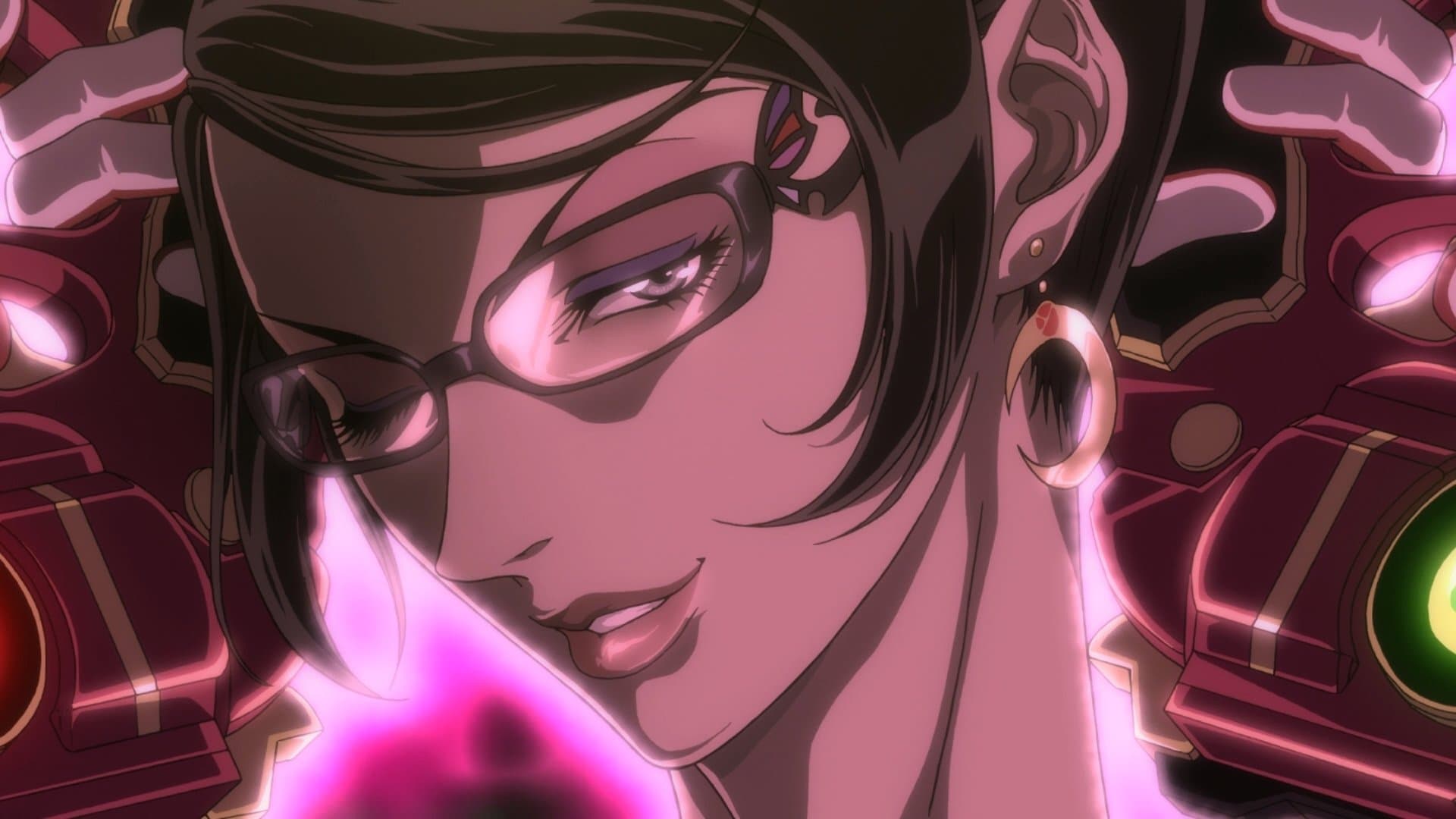
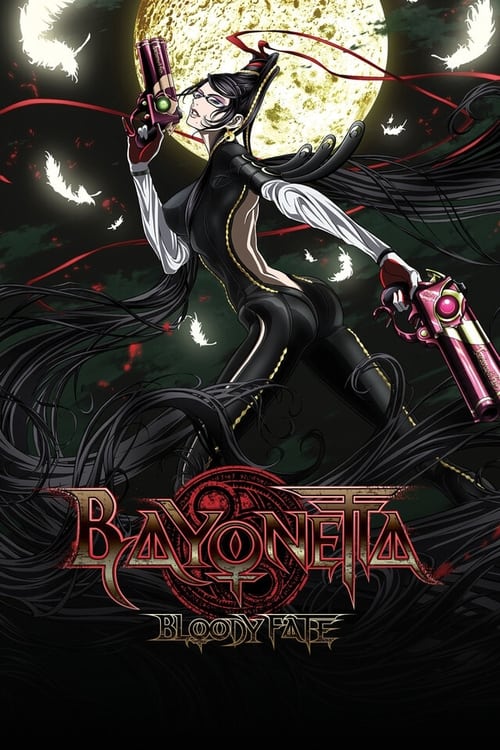
Bayonetta is an ancient witch who awakens from a five hundred-year slumber with no memory of her life. Armed with a gun in each limb, she embarks on a journey to rediscover her past, defeating all bloodthirsty angels that stand in her way.
Directed by Fuminori Kizaki
witch
magic
supernatural
super power
based on video game
adult animation
anime
stiletto heels
guns in heels
evil angels

Trailer

IMDB
N/A
Where to Watch

Cast

Atsuko Tanaka
Bayonetta (voice)

Mie Sonozaki
Jeanne (voice)

Wataru Takagi
Enzo (voice)
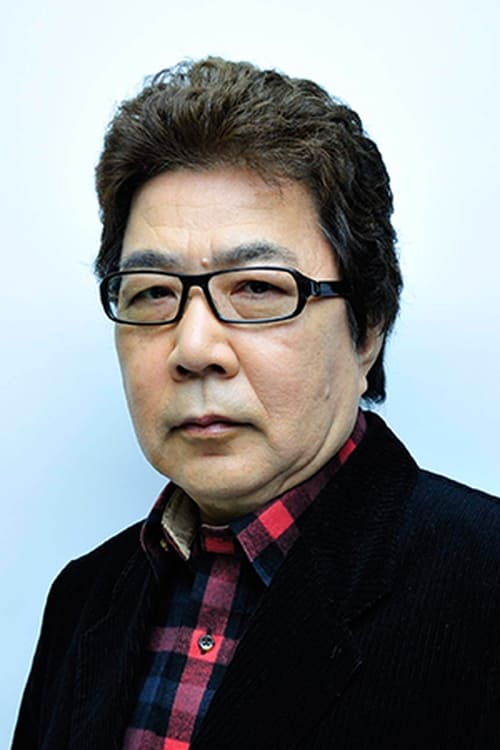
Tessyo Genda
Rodin (voice)
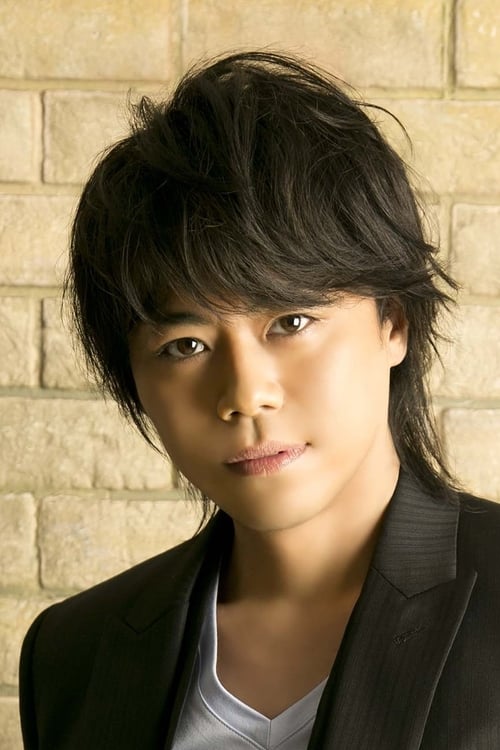
Daisuke Namikawa
Luka Redgrave (voice)

Miyuki Sawashiro
Cereza (voice)

Norio Wakamoto
Father Balder (voice)

Reiko Suzuki
Umbran Elder (voice)
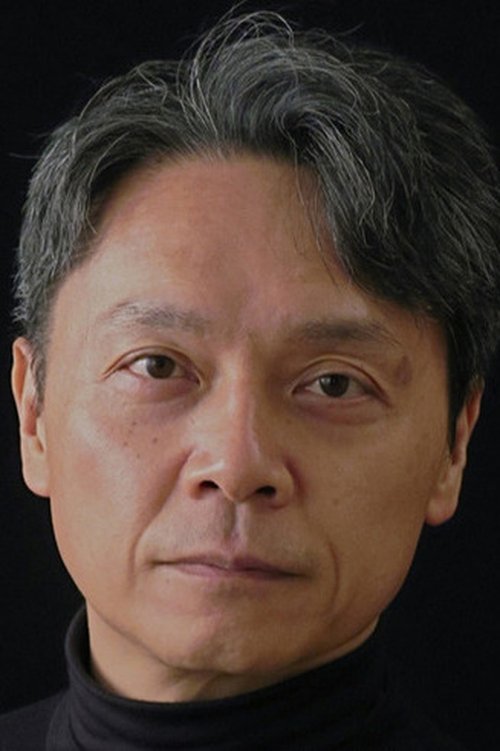
Yasushi Miyabayashi
Antonio Redgrave (voice)
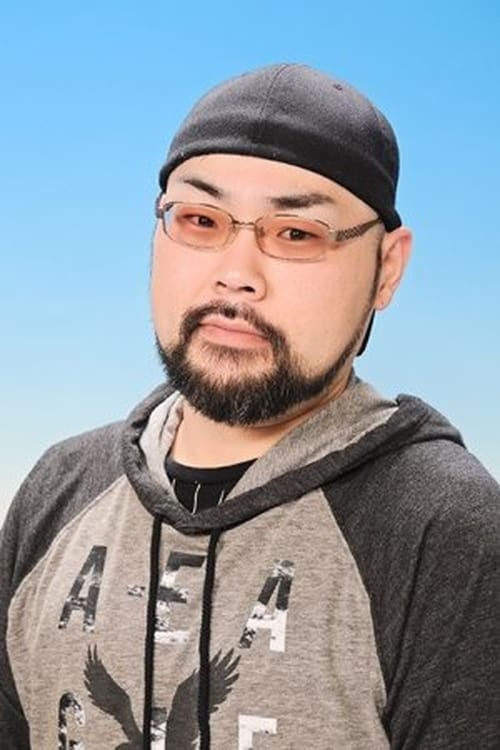
Takahiro Fujiwara
Fortitudo, Cardinal Virtues of Courage (voice)

Itaru Yamamoto
Temperantia, Cardinal Virtues of Temperance (voice)
Crew
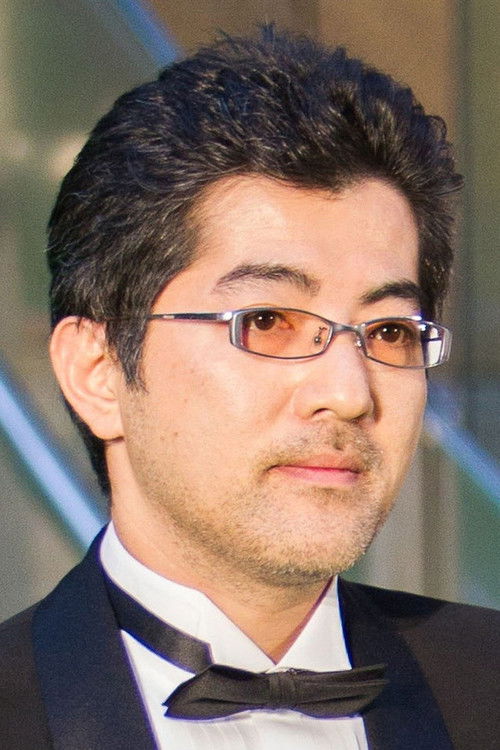
Fuminori Kizaki
Director
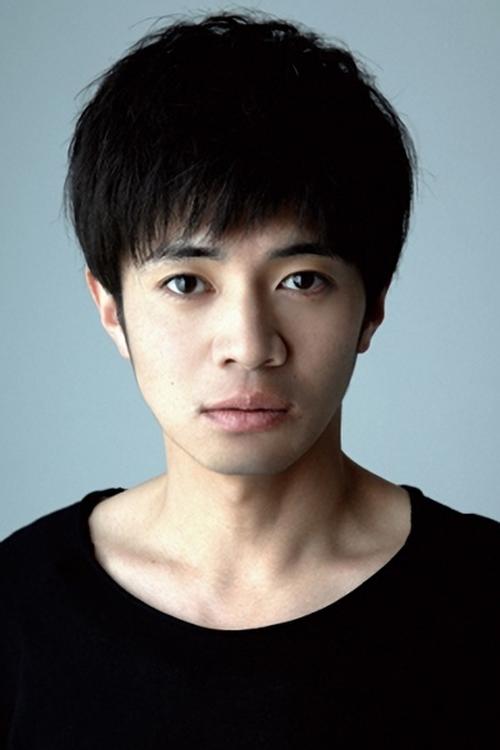
Masato Wada
Original Music Composer

Hideo Katsumata
Executive Producer
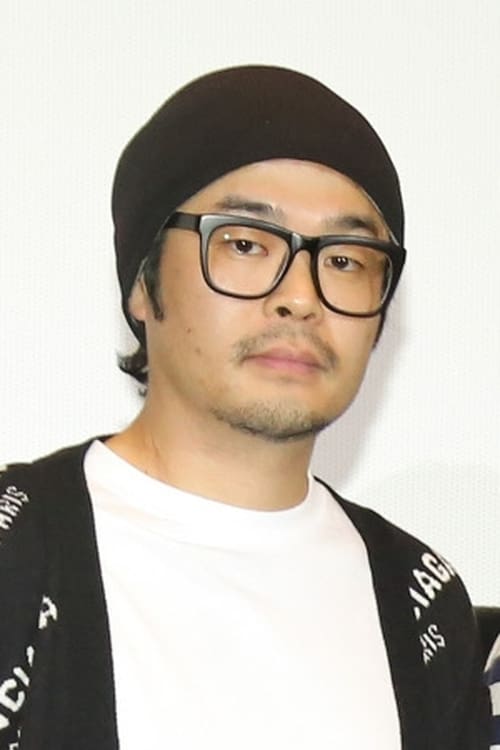
Sunghoo Park
Animation
Fuminori Kizaki
Second Unit Director
Fuminori Kizaki
Storyboard
Fuminori Kizaki
Co-Writer

Kazuhiro Miwa
Animation
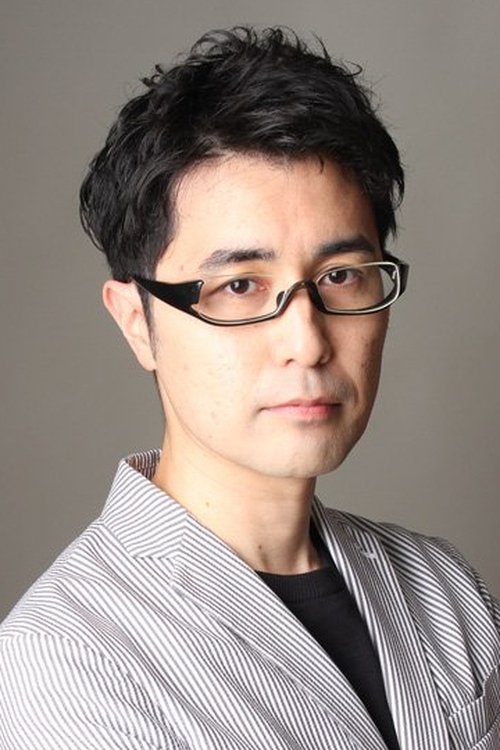
Yoshiaki Kyougoku
Animation

Hiroki Itai
Animation

Yoku Shioya
Sound Director
Popular Reviews
37 reviews
Carter Davis
6.0★ · 02/26/26
the fuck did they do to my boy Enzo
the fuck did they do to my boy Enzo


mendi
8.0★ · 02/13/26
just finished the gameeeee 🤓 YURI SAVED HUMANITY na naman
just finished the gameeeee 🤓 YURI SAVED HUMANITY na naman
Océane
10.0★ · 02/03/26
may god bless the dinosaur that died to make the fossil fuel that was treated to become petrol in the car that took her mom to the hospital to give birth to MOTHER Bayonetta
may god bless the dinosaur that died to make the fossil fuel that was treated to become petrol in the car that took her mom to the hospital to give birth to MOTHER Bayonetta
Kirieshka
3.0★ · 01/29/26
Проходження Байонетти дало мені відчуття катарсису. Ця гра була у мене постійно на слуху, але слешери завжди мене лякали великою кількістю комбінацій та високим порогом входу. Нарешті, після покупки світча я вирішив спробувати про що взагалі ця серія ігор. Це ревью я розділю на 2 частини: про сам оригінал 2009 року і аніме адаптацію 2013
Хоч мій досвід у іграх не дуже великий, але геймплейно це ультра пік експіріенс. Єдине, від чого ти втомлюєшся грати це - від насиченості механік і динамічних боїв. Купа прийомів, які ти навіть не вчиш, дають тільки більше задоволення, коли ти випадково щось натикав. Також дуже сподобався момент що гра не змушує тебе щось купляти, думати про білд та економіку: ти можеш використовувати базові пушки і будеш себе почувати комфортно.
Щодо музики - тут теж все дуже добре! Там десь антуражика завезли, десь, навпаки динаміки, моментами і ніжності підкинути. Все підходить дуже в тему, пару остів навіть в плейліст закинув🤗
Трошки скажу про персонажів - вони тут просто ок?? Порівняти можу мало з чим, але в тому самому нмх за +- той же час проходження вони відчуваються вільніше і людяніше. Хоча в байонетті вони також непогані, мають якісь погляди і цілі, цього цілком достатньо.
Якщо говорити про погані сторони, то це точно сюжет. Саме сюжет, а не лор, бо якраз його тут багато й він цікавенький. А щодо основної історії, її подають у дууууже маленькому обʼємі і показують наче складається пазл, хоча насправді багато моментів і так читаються. Гравцю треба витягати по чайній ложці хоч якусь інформацію. Звісно, є і чудові плотвісти, але такий тип оповідання точно не моє.
З такого що ще мілкого мені не сподобалось - це мабуть міні ігри після кожної глави, зазвичай вони недоречні та однотипні. В багатьох моментах краще витягнути паузу та просто йти далі за сюжетом. Ну і, особисто для мене високий рівень англійської. Хоч я її і непогано знаю, але куча термінології і пафосу робить гру менш доступною для забугорного споживача. (Після перегляду фільму я усвідомив, що нічого важливого з гри не пропустив - мені здається що 90% яке я не розумів то просте пустословство)
В цілому, я точно хочу спробувати 2 частину: наскільки багато нового додали та чи виправили те, що не сподобалось саме мені😏😏😏 Грі ставлю тверду 8/10, танцюлькі в титрах були круті!!!
А от про аніме я скажу коротко - без душі воно😞 Якось і вайб не передало, і проблема з поданням сюжета залишилась: наче я дивлюсь нарезку моментів, а не цільну картину. Фінал вони, звісно ж, змінили, бо не комільфо зробити хоч шось нормально. Тільки анімація моментами гарна, та й все.
Загалом мої оцінки:
Гра: 8/10
Фільм: 3/10
Хоч мій досвід у іграх не дуже великий, але геймплейно це ультра пік експіріенс. Єдине, від чого ти втомлюєшся грати це - від насиченості механік і динамічних боїв. Купа прийомів, які ти навіть не вчиш, дають тільки більше задоволення, коли ти випадково щось натикав. Також дуже сподобався момент що гра не змушує тебе щось купляти, думати про білд та економіку: ти можеш використовувати базові пушки і будеш себе почувати комфортно.
Щодо музики - тут теж все дуже добре! Там десь антуражика завезли, десь, навпаки динаміки, моментами і ніжності підкинути. Все підходить дуже в тему, пару остів навіть в плейліст закинув🤗
Трошки скажу про персонажів - вони тут просто ок?? Порівняти можу мало з чим, але в тому самому нмх за +- той же час проходження вони відчуваються вільніше і людяніше. Хоча в байонетті вони також непогані, мають якісь погляди і цілі, цього цілком достатньо.
Якщо говорити про погані сторони, то це точно сюжет. Саме сюжет, а не лор, бо якраз його тут багато й він цікавенький. А щодо основної історії, її подають у дууууже маленькому обʼємі і показують наче складається пазл, хоча насправді багато моментів і так читаються. Гравцю треба витягати по чайній ложці хоч якусь інформацію. Звісно, є і чудові плотвісти, але такий тип оповідання точно не моє.
З такого що ще мілкого мені не сподобалось - це мабуть міні ігри після кожної глави, зазвичай вони недоречні та однотипні. В багатьох моментах краще витягнути паузу та просто йти далі за сюжетом. Ну і, особисто для мене високий рівень англійської. Хоч я її і непогано знаю, але куча термінології і пафосу робить гру менш доступною для забугорного споживача. (Після перегляду фільму я усвідомив, що нічого важливого з гри не пропустив - мені здається що 90% яке я не розумів то просте пустословство)
В цілому, я точно хочу спробувати 2 частину: наскільки багато нового додали та чи виправили те, що не сподобалось саме мені😏😏😏 Грі ставлю тверду 8/10, танцюлькі в титрах були круті!!!
А от про аніме я скажу коротко - без душі воно😞 Якось і вайб не передало, і проблема з поданням сюжета залишилась: наче я дивлюсь нарезку моментів, а не цільну картину. Фінал вони, звісно ж, змінили, бо не комільфо зробити хоч шось нормально. Тільки анімація моментами гарна, та й все.
Загалом мої оцінки:
Гра: 8/10
Фільм: 3/10
Проходження Байонетти дало мені відчуття катарсису. Ця гра була у мене постійно на слуху, але слешери завжди мене лякали великою кількістю комбінацій та високим порогом входу. Нарешті, після покупки світча я вирішив спробувати про що взагалі ця серія ігор. Це ревью я розділю на 2 частини: про сам оригінал 2009 року і аніме адаптацію 2013
Хоч мій досвід у іграх не дуже великий, але геймплейно це ультра пік експіріенс. Єдине, від чого ти втомлюєшся грати це - від насиченості механік і динамічних боїв. Купа прийомів, які ти навіть не вчиш, дають тільки більше задоволення, коли ти випадково щось натикав. Також дуже сподобався момент що гра не змушує тебе щось купляти, думати про білд та економіку: ти можеш використовувати базові пушки і будеш себе почувати комфортно.
Щодо музики - тут теж все дуже добре! Там десь антуражика завезли, десь, навпаки динаміки, моментами і ніжності підкинути. Все підходить дуже в тему, пару остів навіть в плейліст закинув🤗
Трошки скажу про персонажів - вони тут просто ок?? Порівняти можу мало з чим, але в тому самому нмх за +- той же час проходження вони відчуваються вільніше і людяніше. Хоча в байонетті вони також непогані, мають якісь погляди і цілі, цього цілком достатньо.
Якщо говорити про погані сторони, то це точно сюжет. Саме сюжет, а не лор, бо якраз його тут багато й він цікавенький. А щодо основної історії, її подають у дууууже маленькому обʼємі і показують наче складається пазл, хоча насправді багато моментів і так читаються. Гравцю треба витягати по чайній ложці хоч якусь інформацію. Звісно, є і чудові плотвісти, але такий тип оповідання точно не моє.
З такого що ще мілкого мені не сподобалось - це мабуть міні ігри після кожної глави, зазвичай вони недоречні та однотипні. В багатьох моментах краще витягнути паузу та просто йти далі за сюжетом. Ну і, особисто для мене високий рівень англійської. Хоч я її і непогано знаю, але куча термінології і пафосу робить гру менш доступною для забугорного споживача. (Після перегляду фільму я усвідомив, що нічого важливого з гри не пропустив - мені здається що 90% яке я не розумів то просте пустословство)
В цілому, я точно хочу спробувати 2 частину: наскільки багато нового додали та чи виправили те, що не сподобалось саме мені😏😏😏 Грі ставлю тверду 8/10, танцюлькі в титрах були круті!!!
А от про аніме я скажу коротко - без душі воно😞 Якось і вайб не передало, і проблема з поданням сюжета залишилась: наче я дивлюсь нарезку моментів, а не цільну картину. Фінал вони, звісно ж, змінили, бо не комільфо зробити хоч шось нормально. Тільки анімація моментами гарна, та й все.
Загалом мої оцінки:
Гра: 8/10
Фільм: 3/10
Хоч мій досвід у іграх не дуже великий, але геймплейно це ультра пік експіріенс. Єдине, від чого ти втомлюєшся грати це - від насиченості механік і динамічних боїв. Купа прийомів, які ти навіть не вчиш, дають тільки більше задоволення, коли ти випадково щось натикав. Також дуже сподобався момент що гра не змушує тебе щось купляти, думати про білд та економіку: ти можеш використовувати базові пушки і будеш себе почувати комфортно.
Щодо музики - тут теж все дуже добре! Там десь антуражика завезли, десь, навпаки динаміки, моментами і ніжності підкинути. Все підходить дуже в тему, пару остів навіть в плейліст закинув🤗
Трошки скажу про персонажів - вони тут просто ок?? Порівняти можу мало з чим, але в тому самому нмх за +- той же час проходження вони відчуваються вільніше і людяніше. Хоча в байонетті вони також непогані, мають якісь погляди і цілі, цього цілком достатньо.
Якщо говорити про погані сторони, то це точно сюжет. Саме сюжет, а не лор, бо якраз його тут багато й він цікавенький. А щодо основної історії, її подають у дууууже маленькому обʼємі і показують наче складається пазл, хоча насправді багато моментів і так читаються. Гравцю треба витягати по чайній ложці хоч якусь інформацію. Звісно, є і чудові плотвісти, але такий тип оповідання точно не моє.
З такого що ще мілкого мені не сподобалось - це мабуть міні ігри після кожної глави, зазвичай вони недоречні та однотипні. В багатьох моментах краще витягнути паузу та просто йти далі за сюжетом. Ну і, особисто для мене високий рівень англійської. Хоч я її і непогано знаю, але куча термінології і пафосу робить гру менш доступною для забугорного споживача. (Після перегляду фільму я усвідомив, що нічого важливого з гри не пропустив - мені здається що 90% яке я не розумів то просте пустословство)
В цілому, я точно хочу спробувати 2 частину: наскільки багато нового додали та чи виправили те, що не сподобалось саме мені😏😏😏 Грі ставлю тверду 8/10, танцюлькі в титрах були круті!!!
А от про аніме я скажу коротко - без душі воно😞 Якось і вайб не передало, і проблема з поданням сюжета залишилась: наче я дивлюсь нарезку моментів, а не цільну картину. Фінал вони, звісно ж, змінили, бо не комільфо зробити хоч шось нормально. Тільки анімація моментами гарна, та й все.
Загалом мої оцінки:
Гра: 8/10
Фільм: 3/10
edwin
1.0★ · 09/15/25
Uhhhhh my friend hated this so half-a-star
Uhhhhh my friend hated this so half-a-star