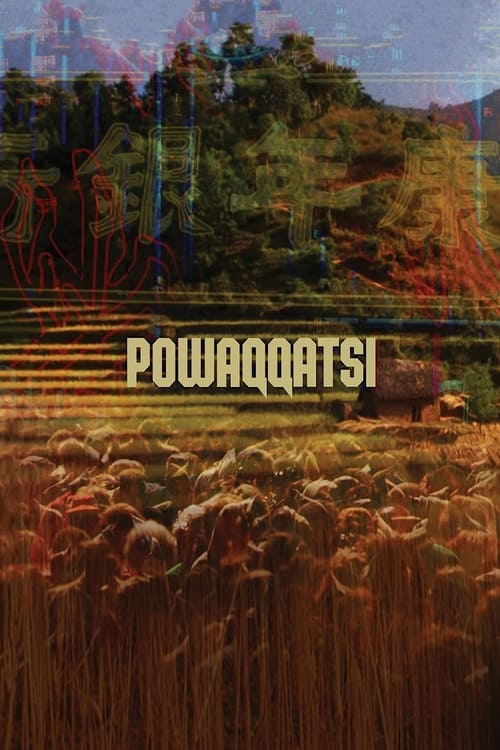
Criterion Challenge 202522. DocumentaryPowaqqatsi, directed by Godfrey Reggio, 1988
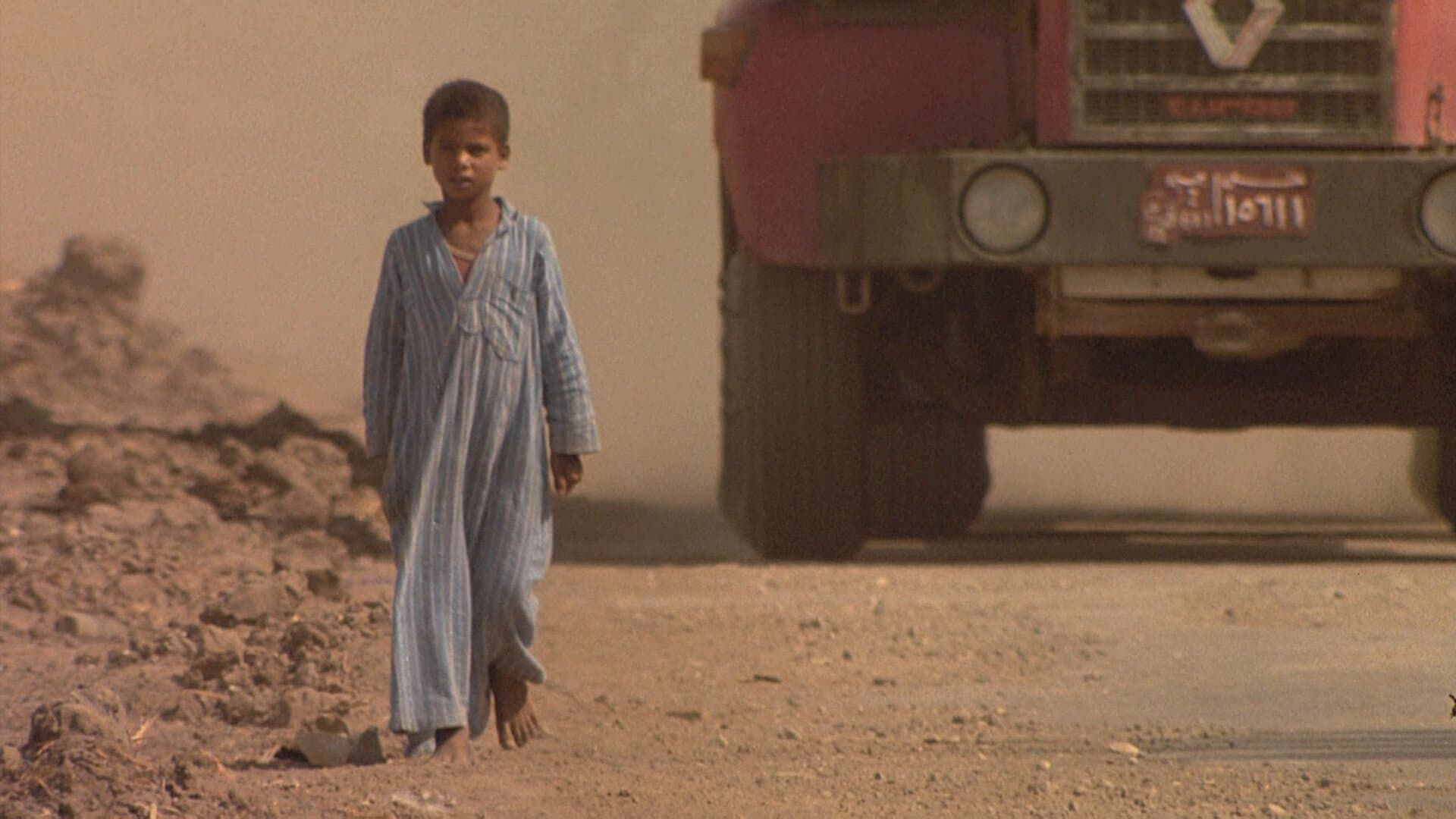
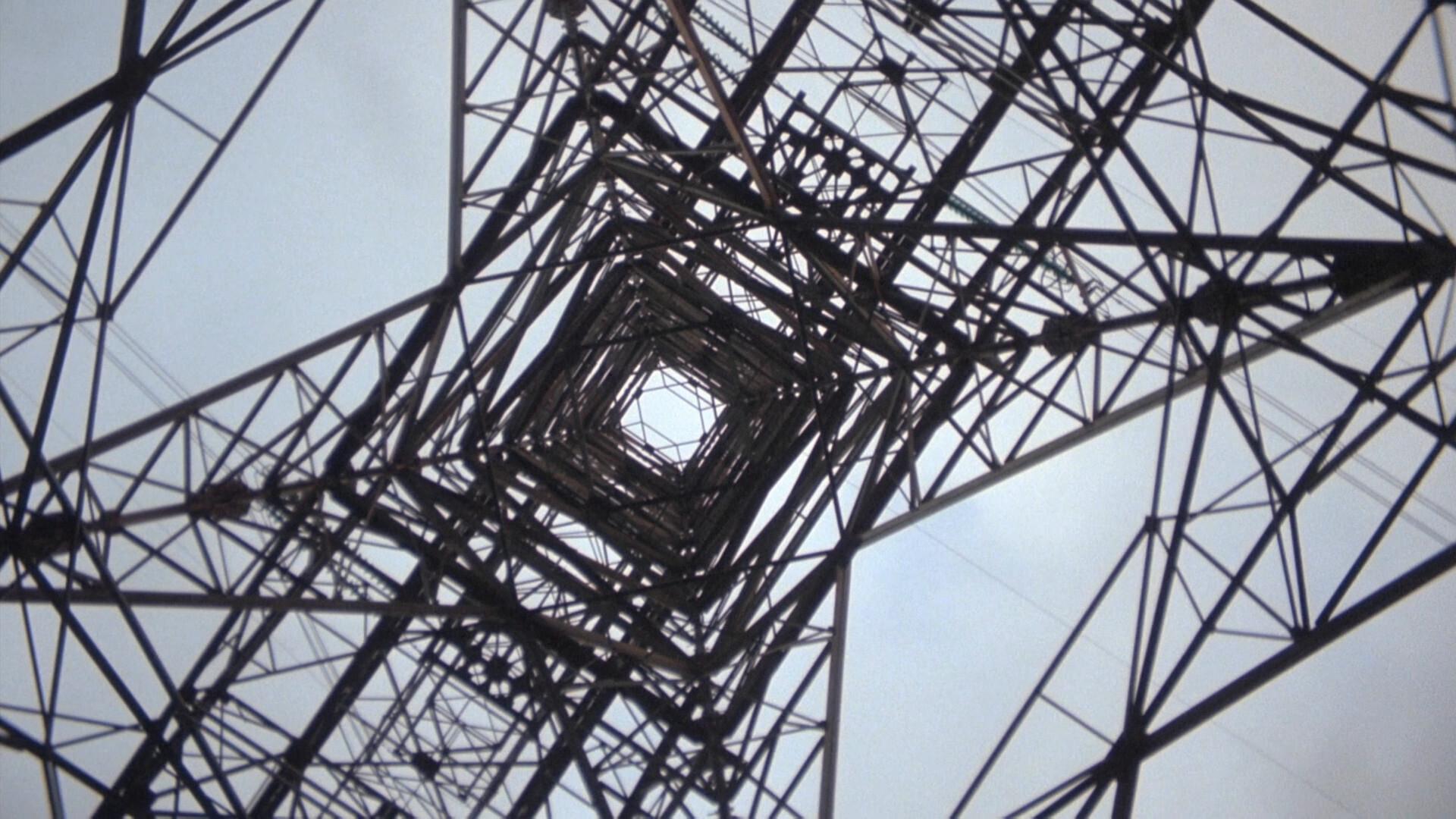
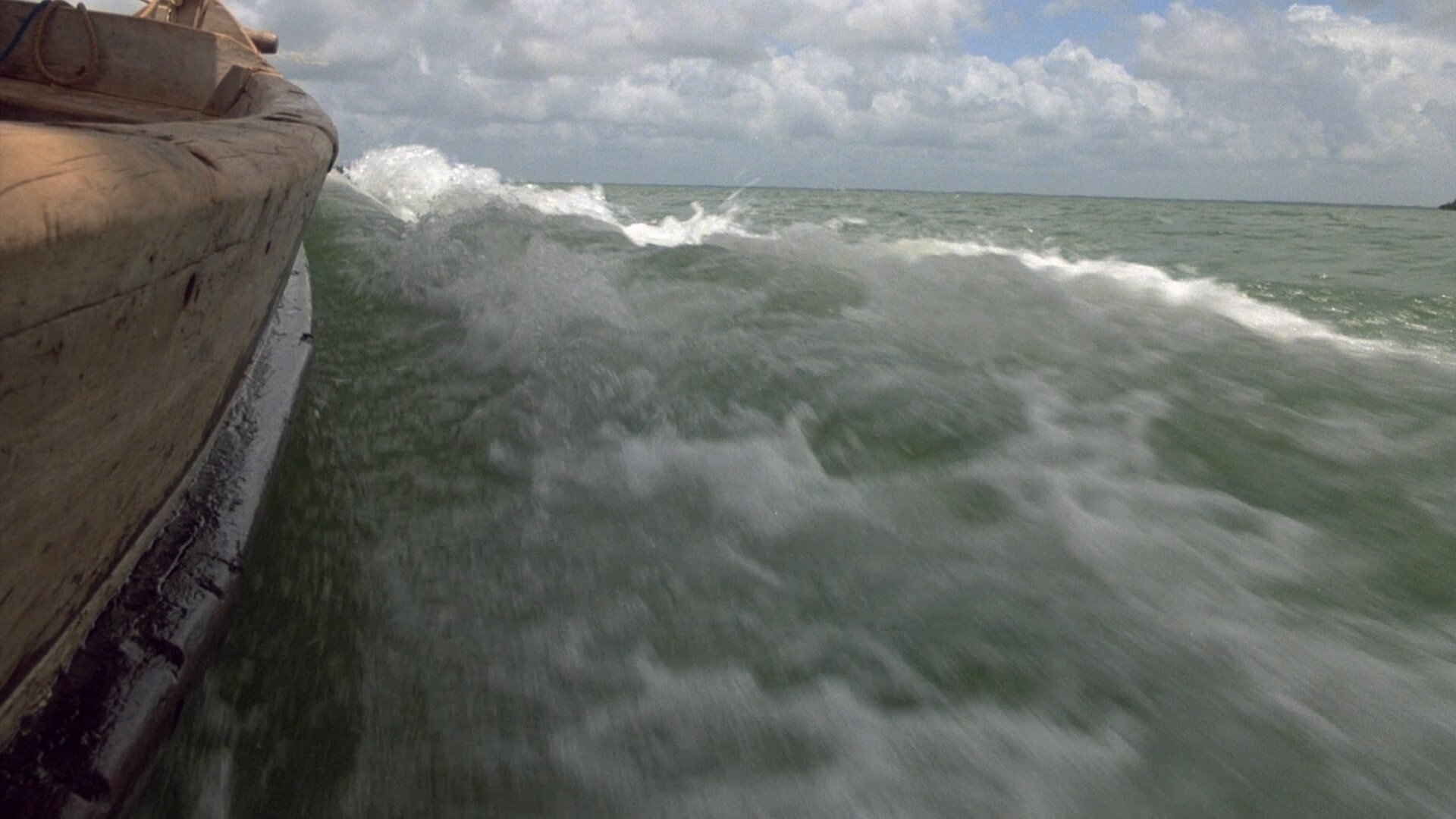
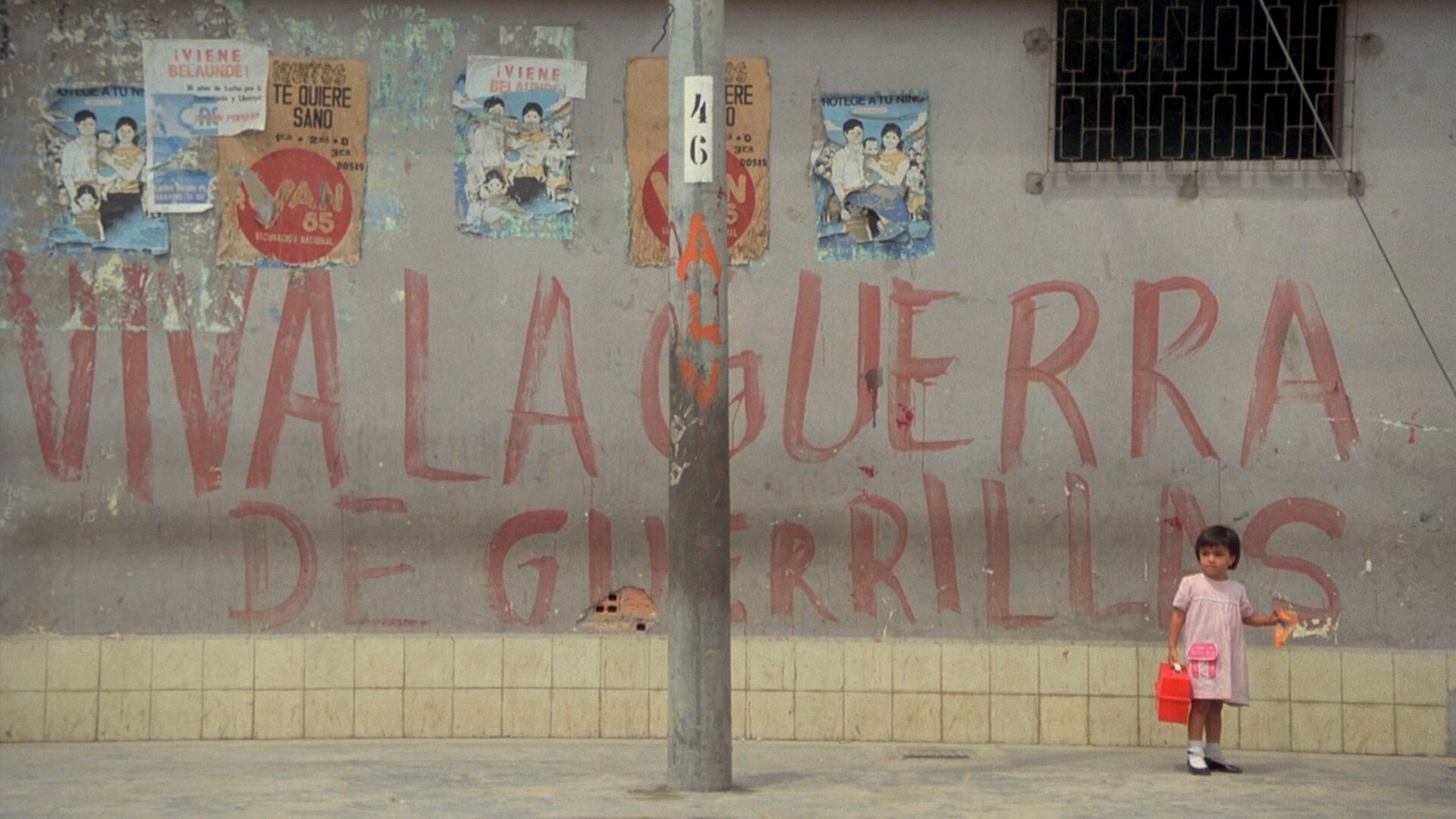
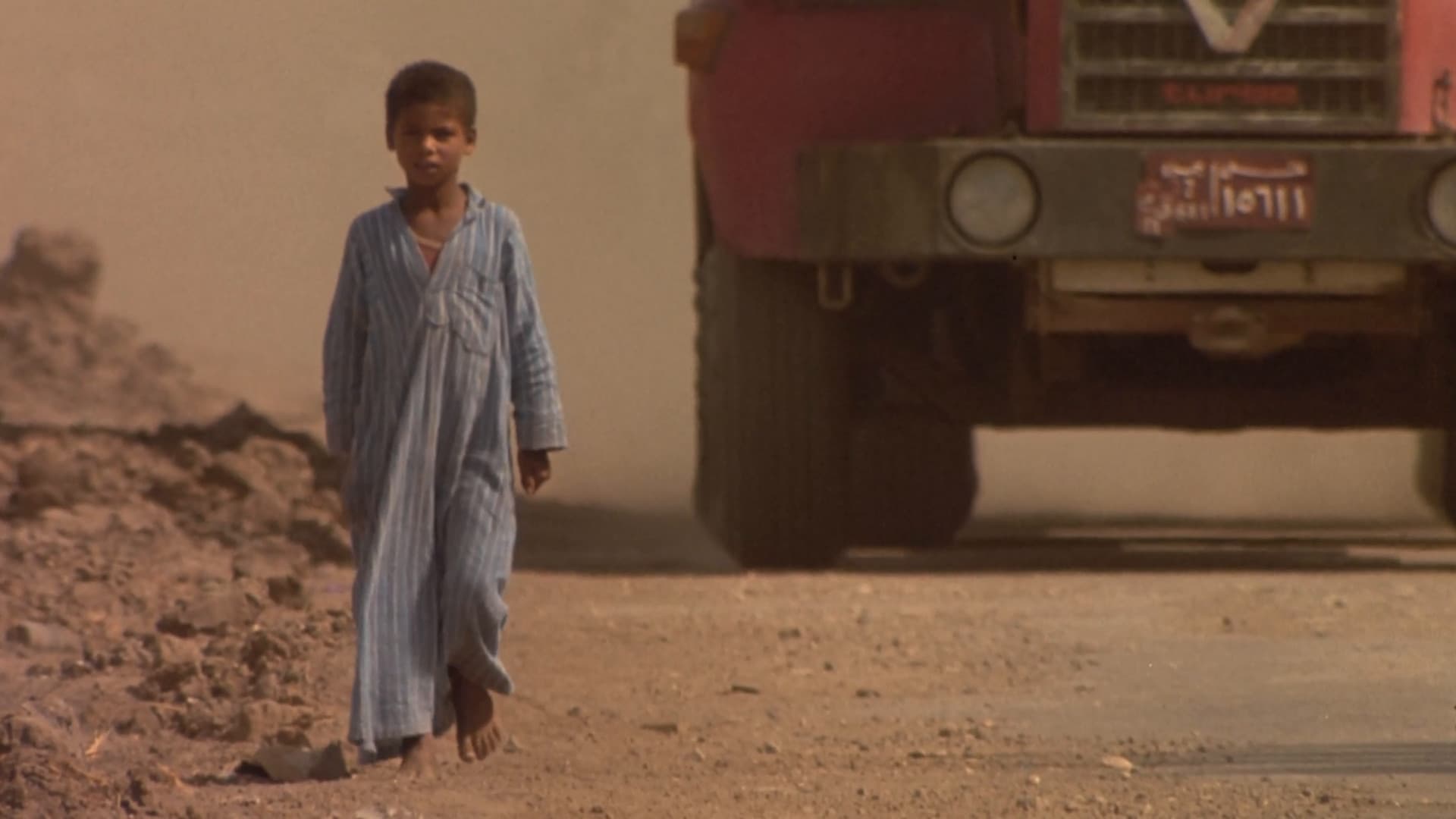
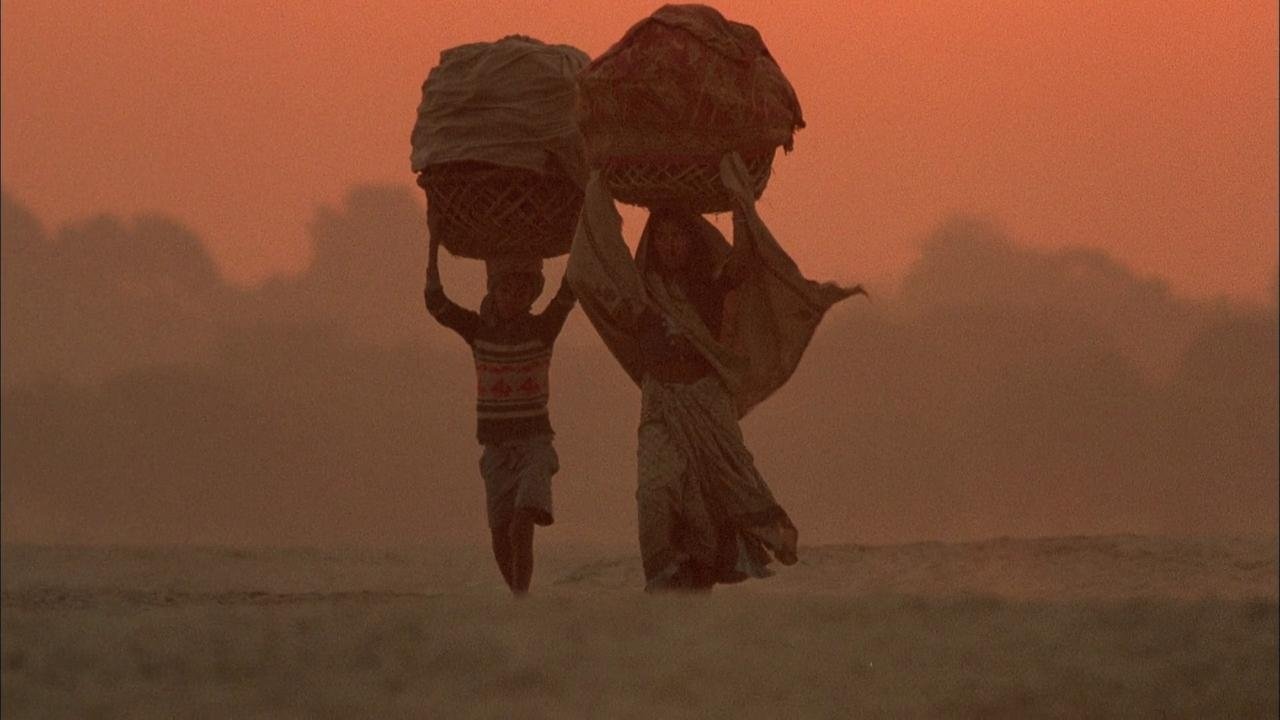
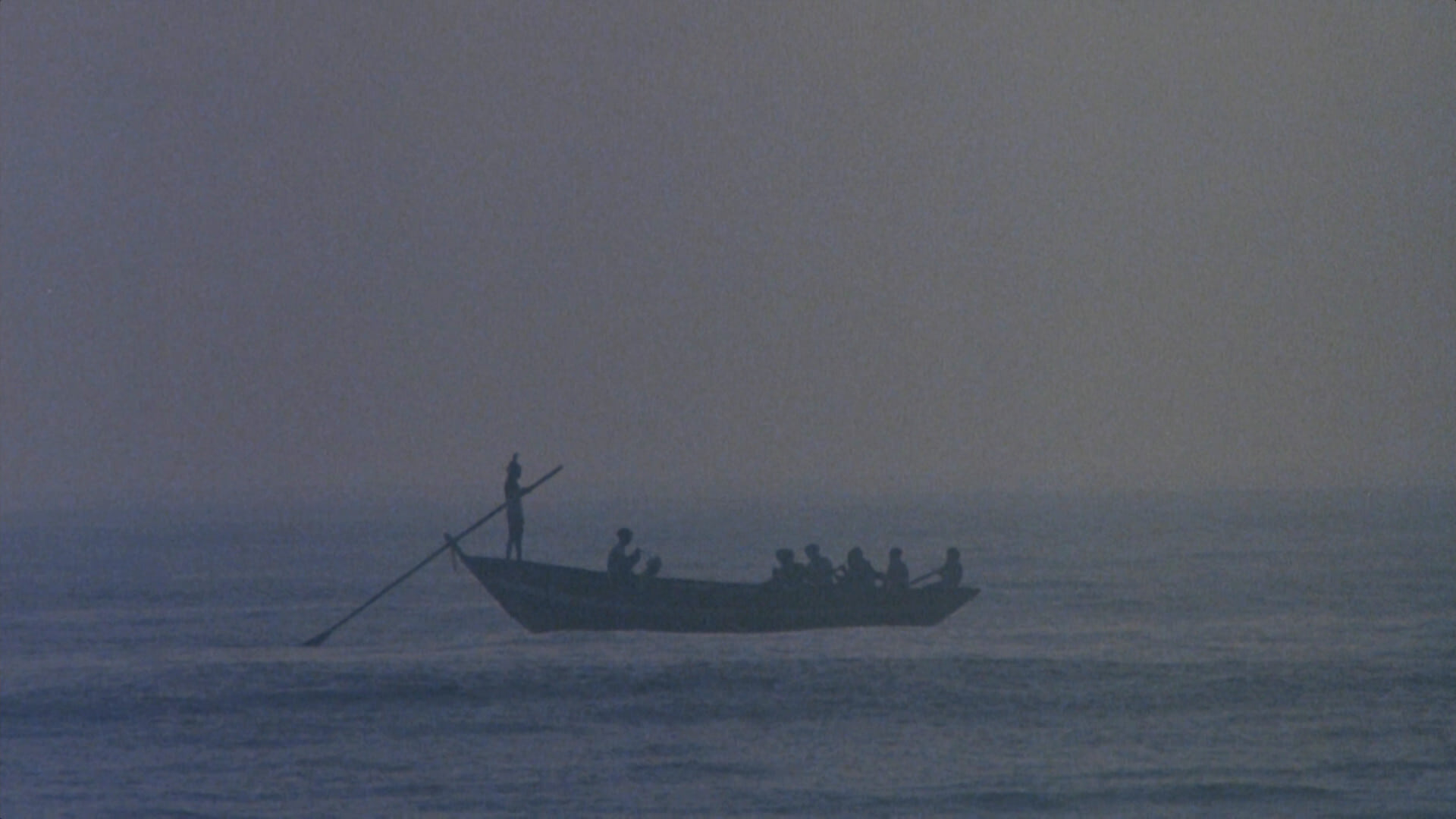
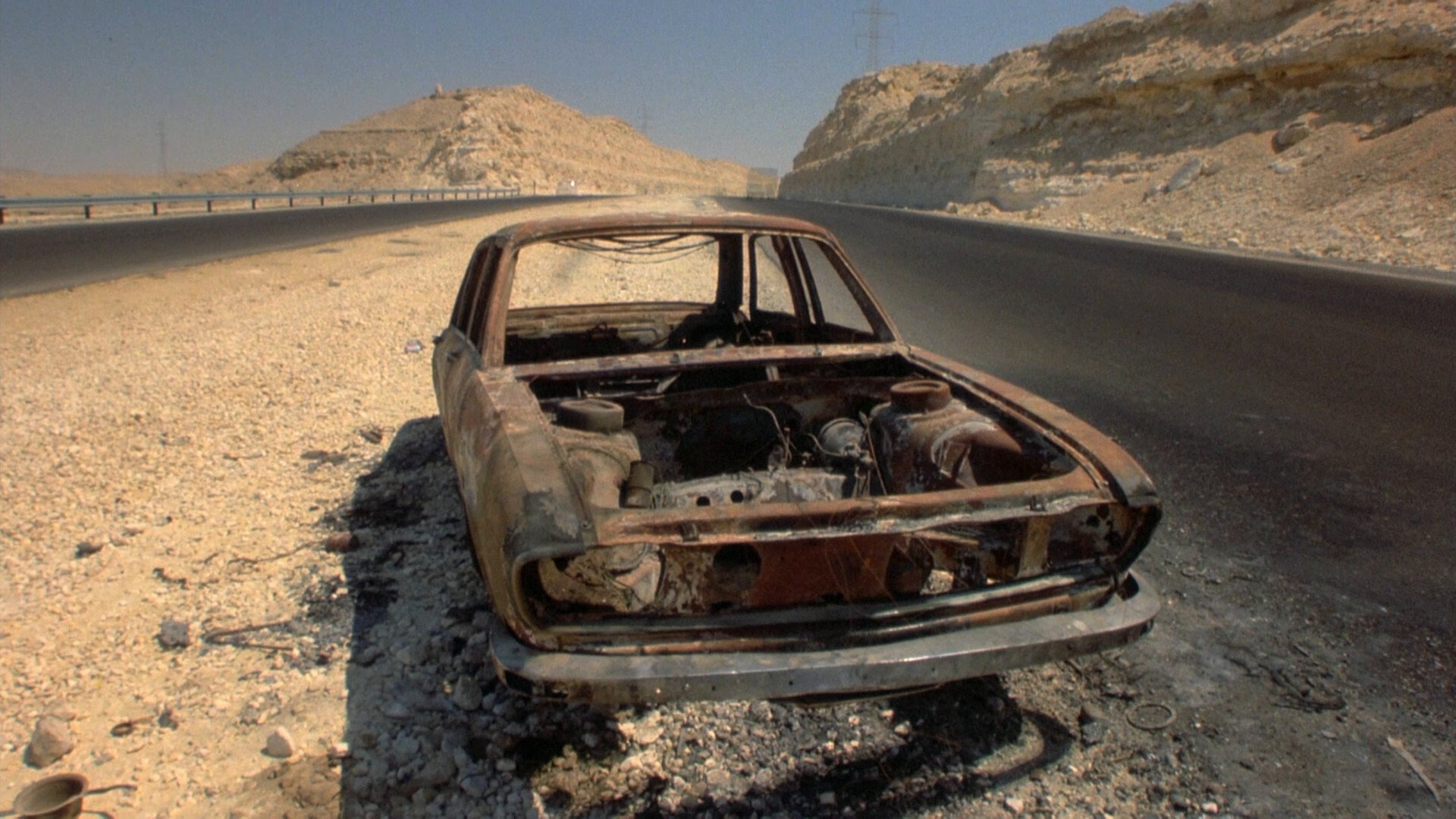
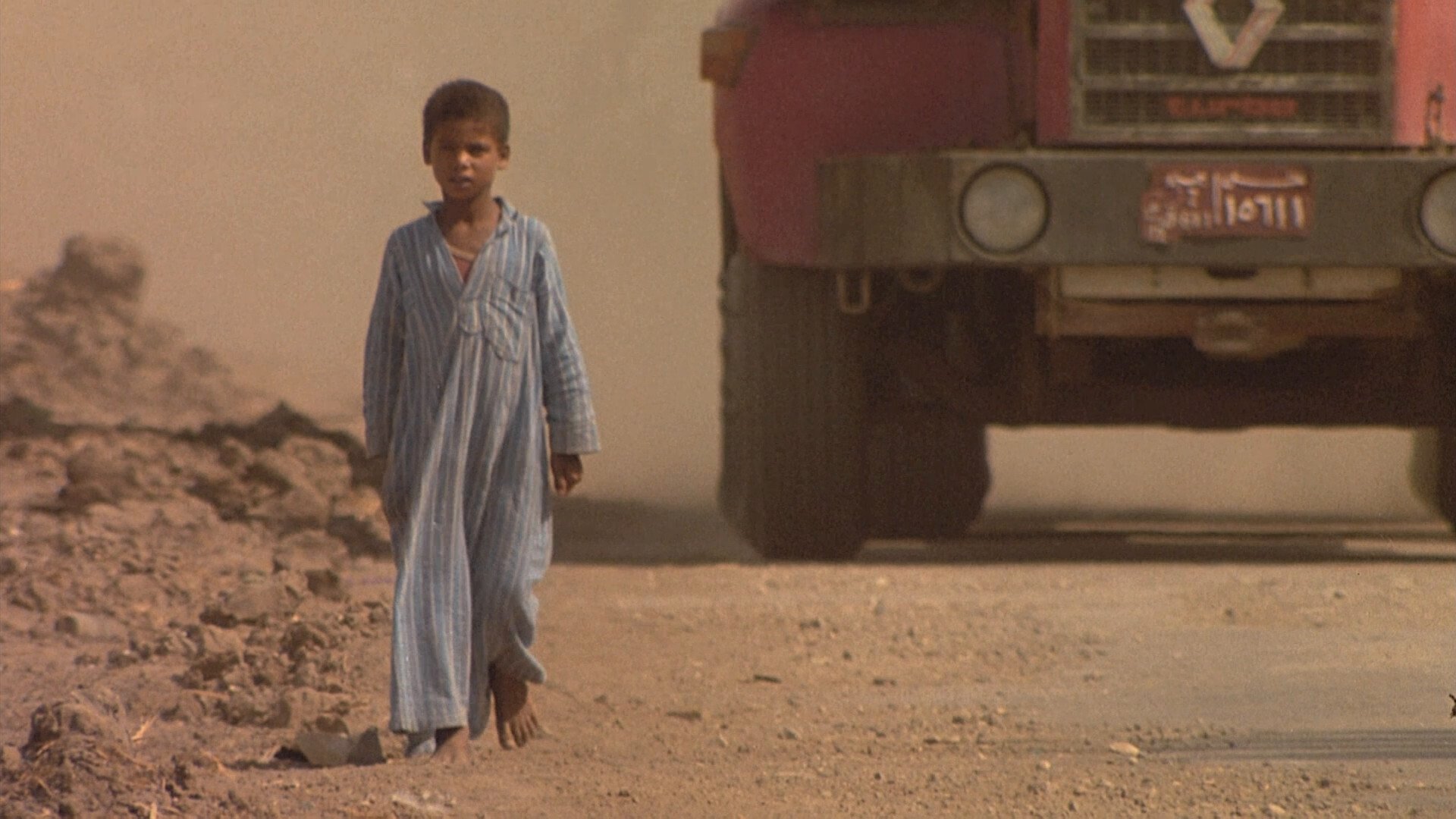
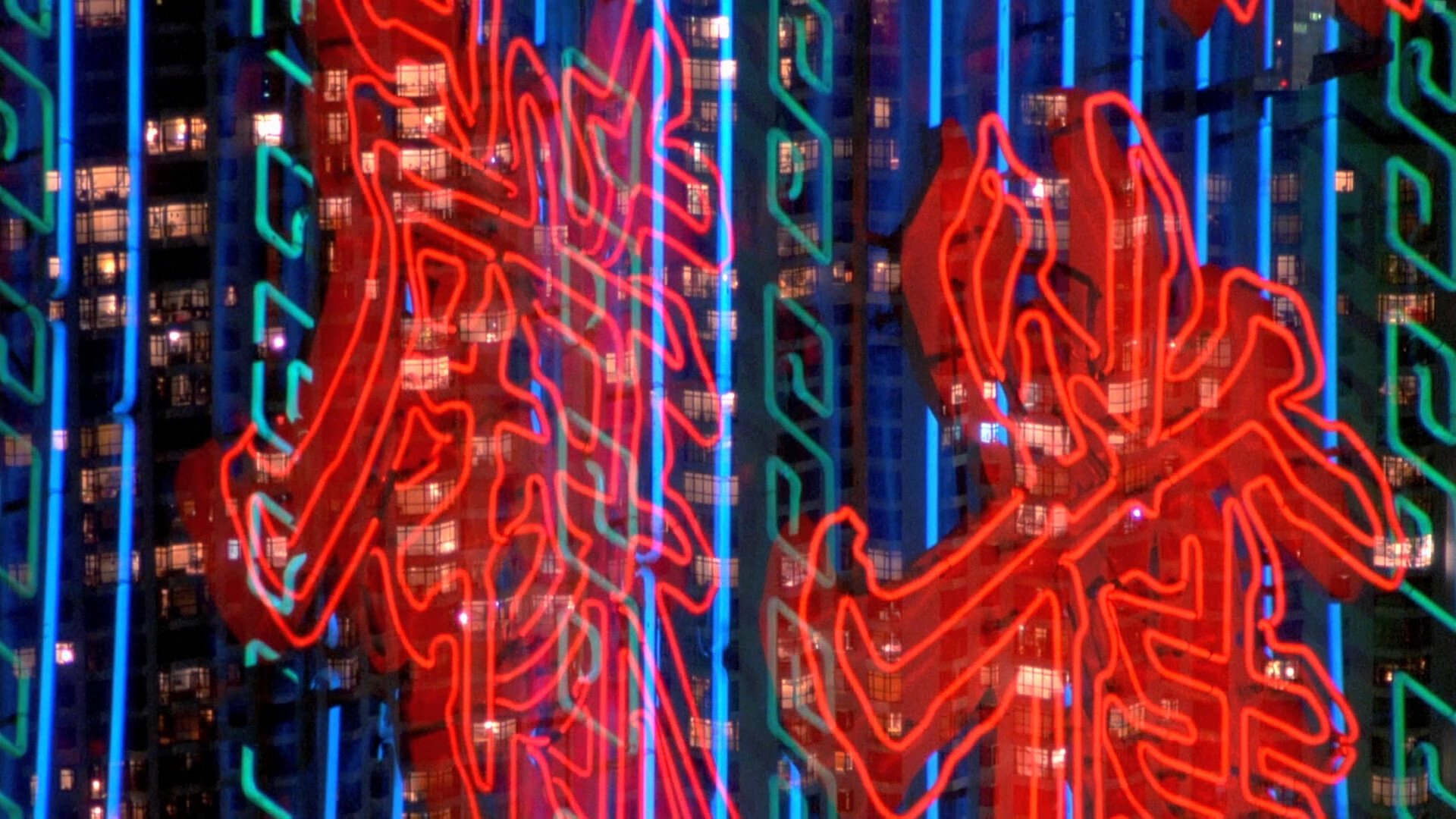
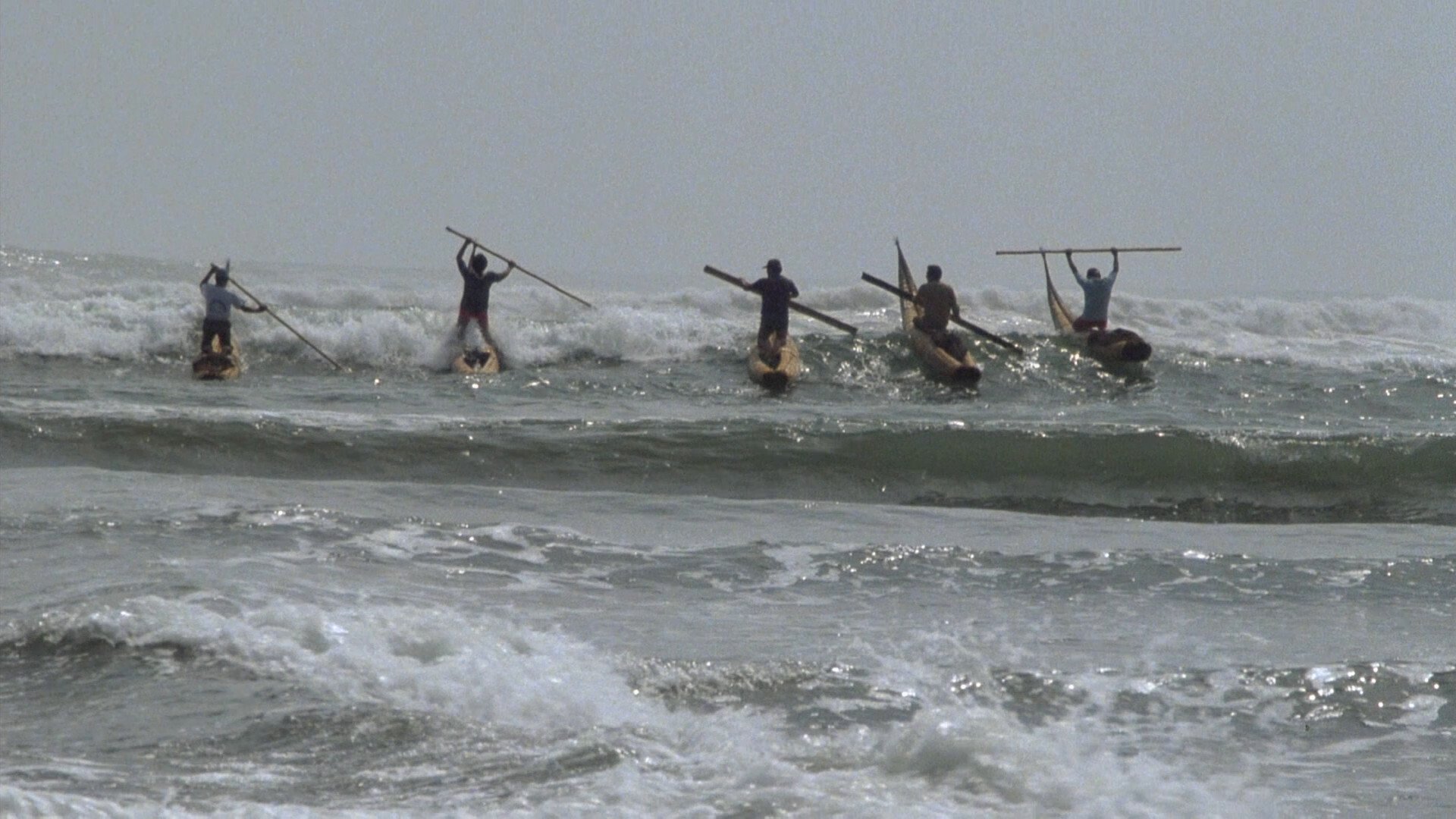
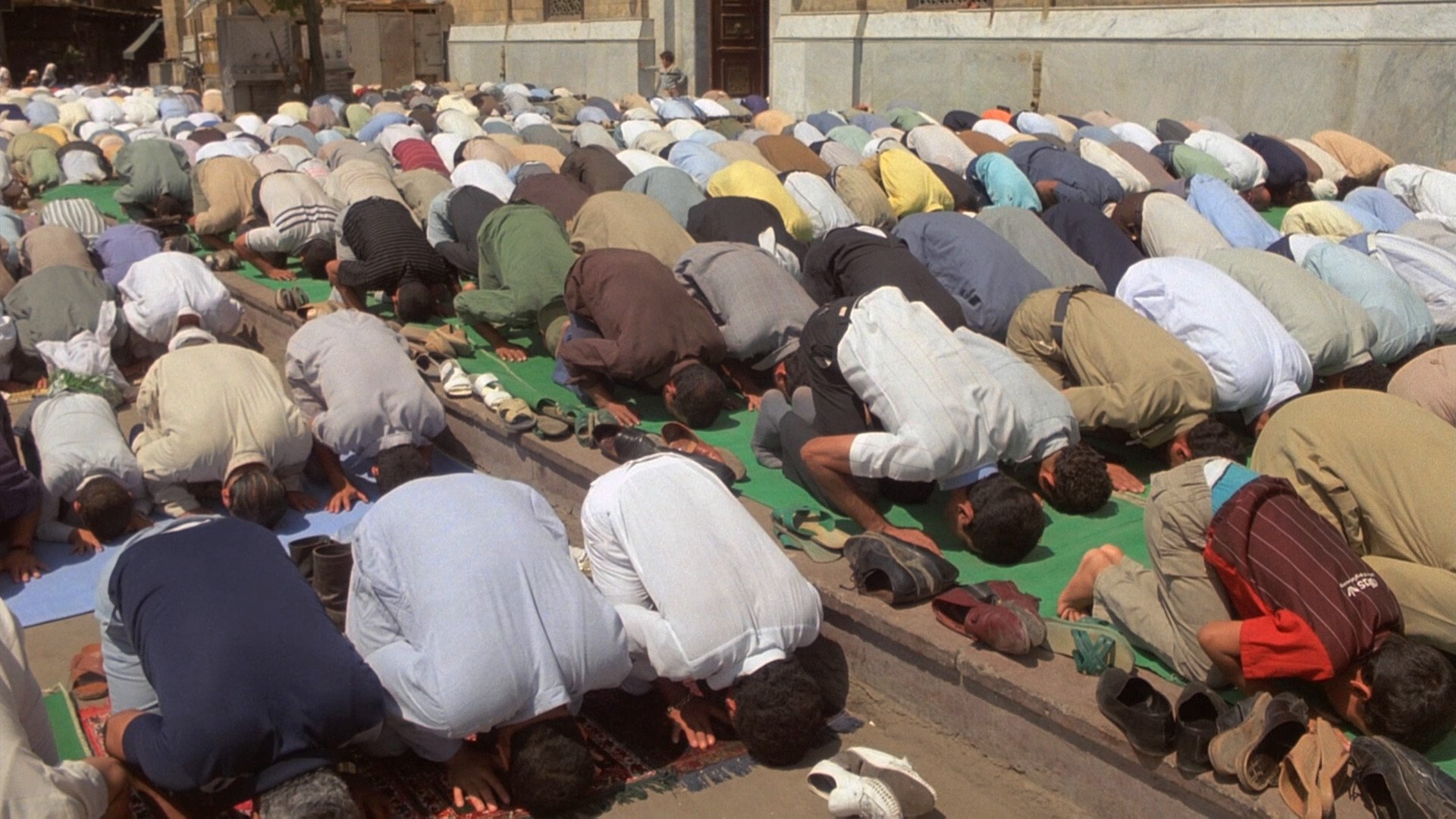
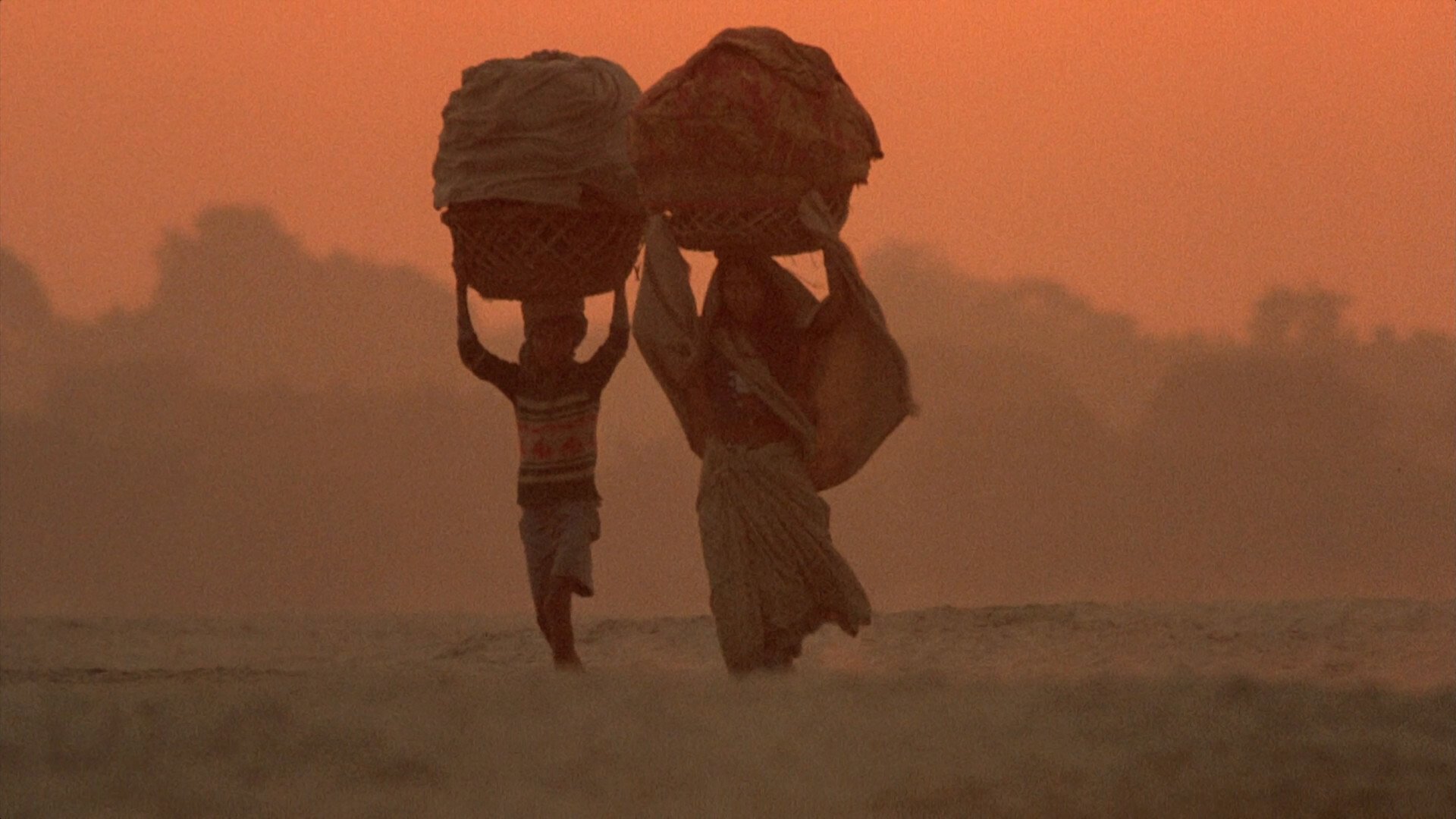
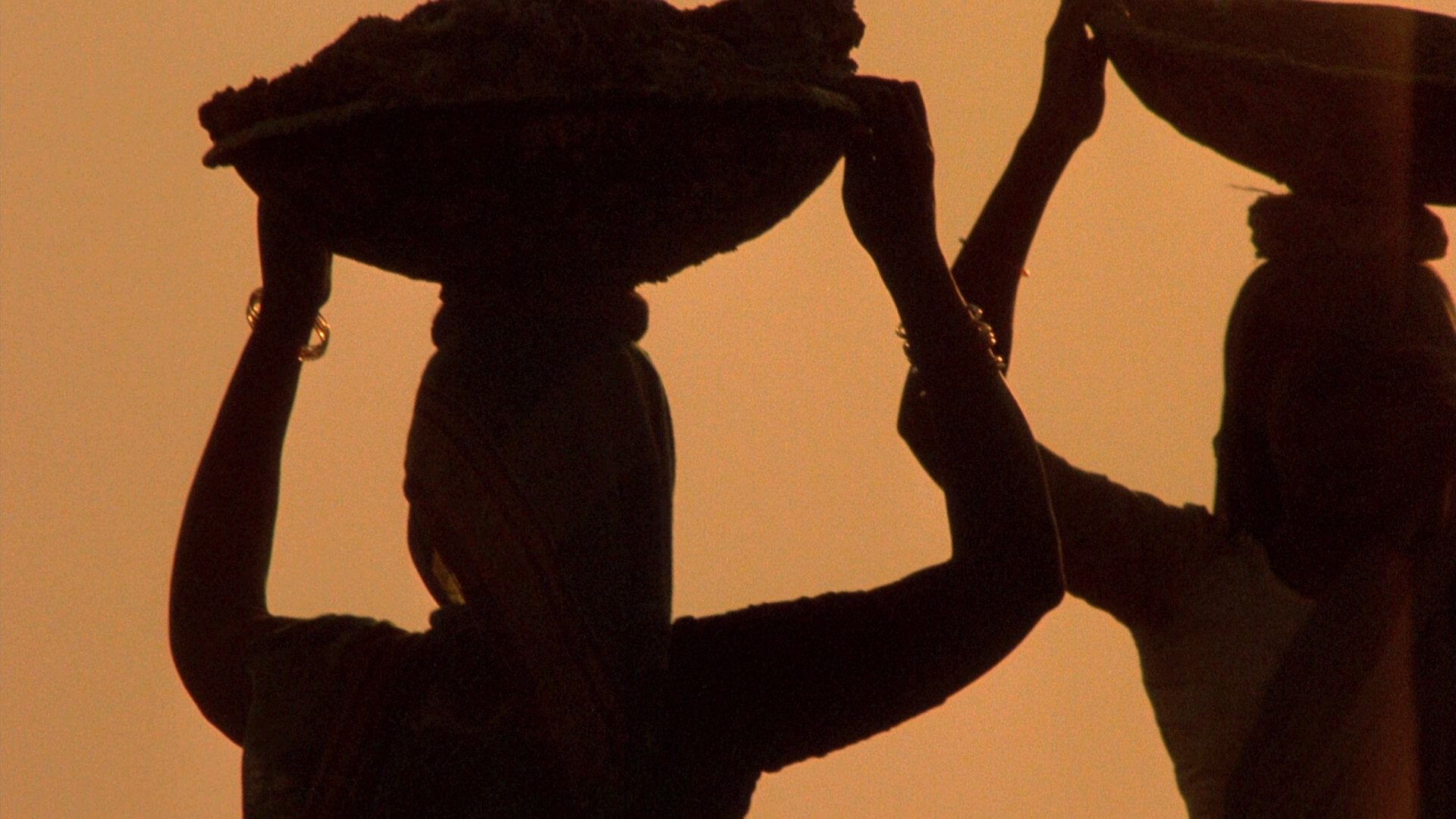
While the first film in the Qatsi Trilogy, Koyaanisqatsi, focused on modern life in the industrial, predominantly western, world, its follow-up Pawaqqatsi focuses more on the “developing world” and the ways life there has interacted with industry and growth. Similarly voiceless, the film allows the images to speak for themselves and thereby allowing the audience to see the parallels between lives across all these countries and continents. Just like Koyaanisqatsi, Powaqqatsi’s imagery is not necessarily new or fresh, but the way that they are presented together is. Rather than the fast-paced and sped-up visuals of its predecessor, Powaqqatsi employs a lot more slowed-down footage, less so to emulate a pace of life and contrast it to the “developed world” and moreso to create a contrast between its own self as cities are built and tradition meets the modern.
I wouldn’t say it’s as hard-hitting as Koyaanisqatsi was for me, but there is an interconnectedness of person that this film has that Koyaanisqatsi didn’t. Perhaps that’s just an influence of my own heritage and seeing parts of the Phillipines reflected in the development of other Asian countries and countries in Africa, but regardless Phillip Glass’ score for it all makes Powaqqatsi feel overall a bit more low-key despite its interest in conflict.
Criterion Challenge 202522. DocumentaryPowaqqatsi, directed by Godfrey Reggio, 1988
While the first film in the Qatsi Trilogy, Koyaanisqatsi, focused on modern life in the industrial, predominantly western, world, its follow-up Pawaqqatsi focuses more on the “developing world” and the ways life there has interacted with industry and growth. Similarly voiceless, the film allows the images to speak for themselves and thereby allowing the audience to see the parallels between lives across all these countries and continents. Just like Koyaanisqatsi, Powaqqatsi’s imagery is not necessarily new or fresh, but the way that they are presented together is. Rather than the fast-paced and sped-up visuals of its predecessor, Powaqqatsi employs a lot more slowed-down footage, less so to emulate a pace of life and contrast it to the “developed world” and moreso to create a contrast between its own self as cities are built and tradition meets the modern.
I wouldn’t say it’s as hard-hitting as Koyaanisqatsi was for me, but there is an interconnectedness of person that this film has that Koyaanisqatsi didn’t. Perhaps that’s just an influence of my own heritage and seeing parts of the Phillipines reflected in the development of other Asian countries and countries in Africa, but regardless Phillip Glass’ score for it all makes Powaqqatsi feel overall a bit more low-key despite its interest in conflict.