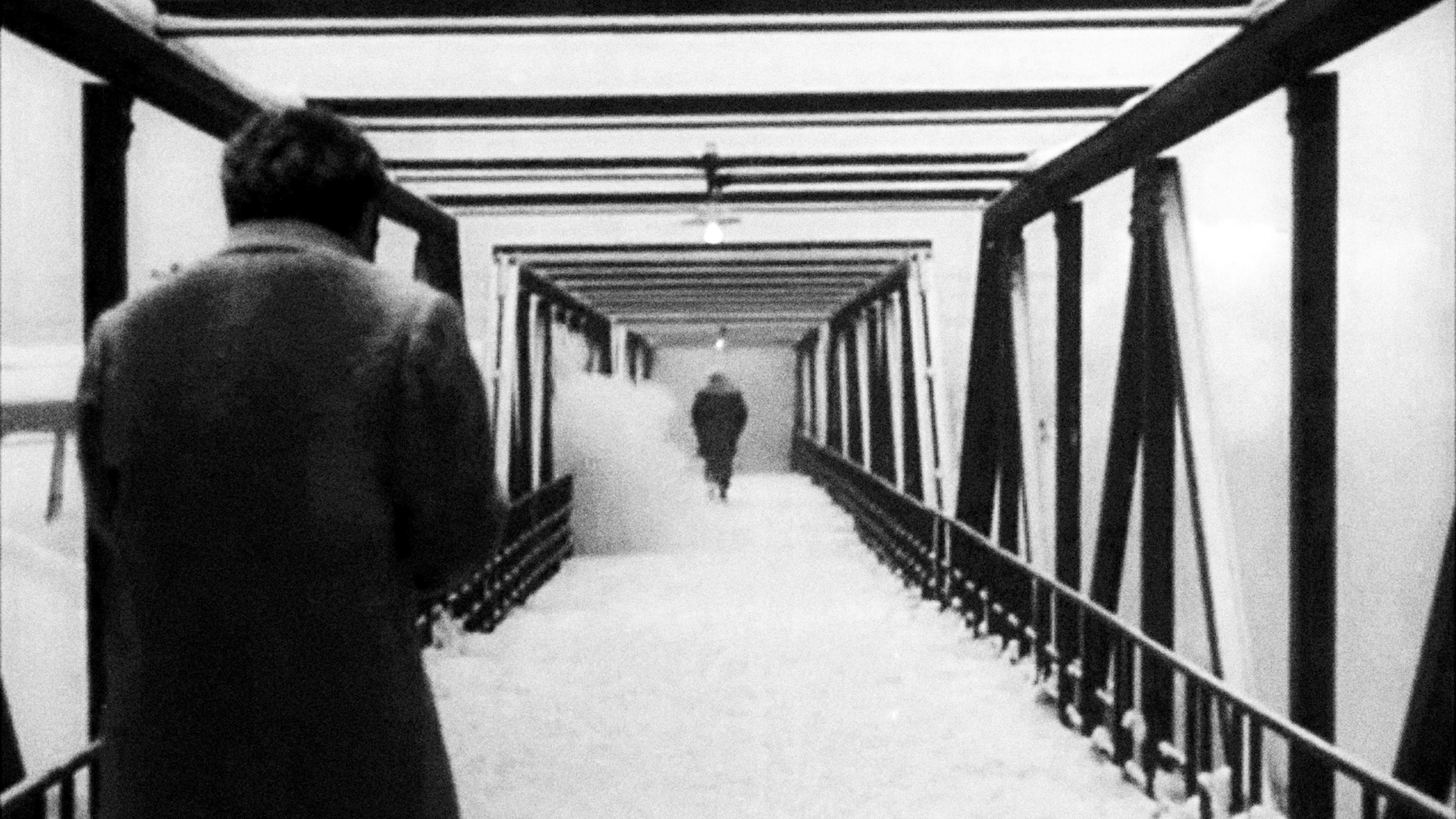
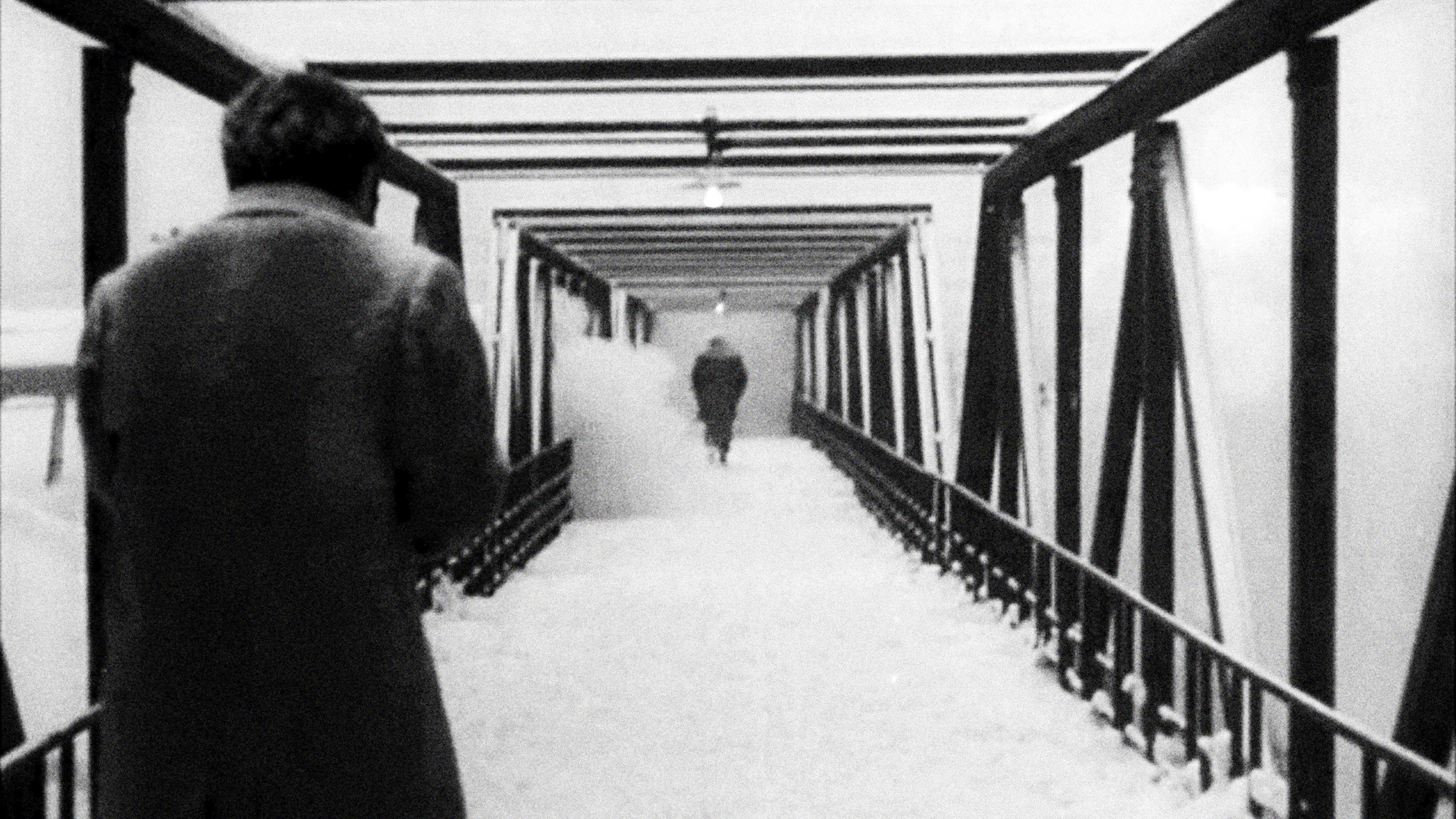
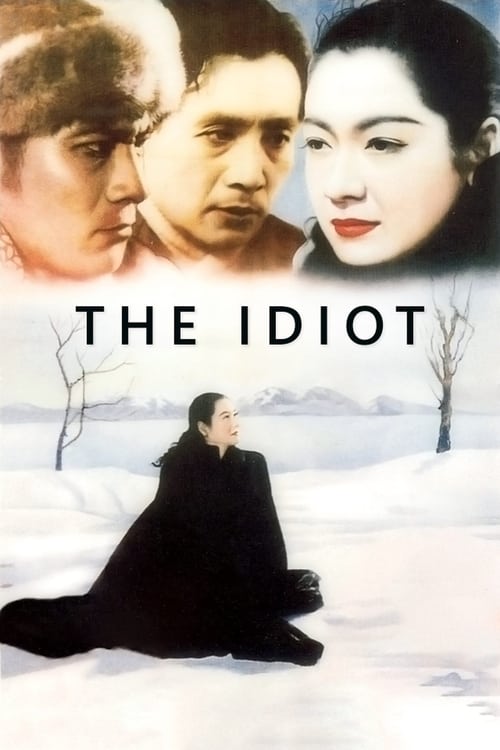
There is a lot to love here. But the editing is so frequently poor it effects an adverse antiquity to its pulse. It seems the “true” original version is totally lost, so there’s always a chance the complete version flows better. The synthesis of Dostoevsky’s palpability is mixed. I found the last hour the most compelling.
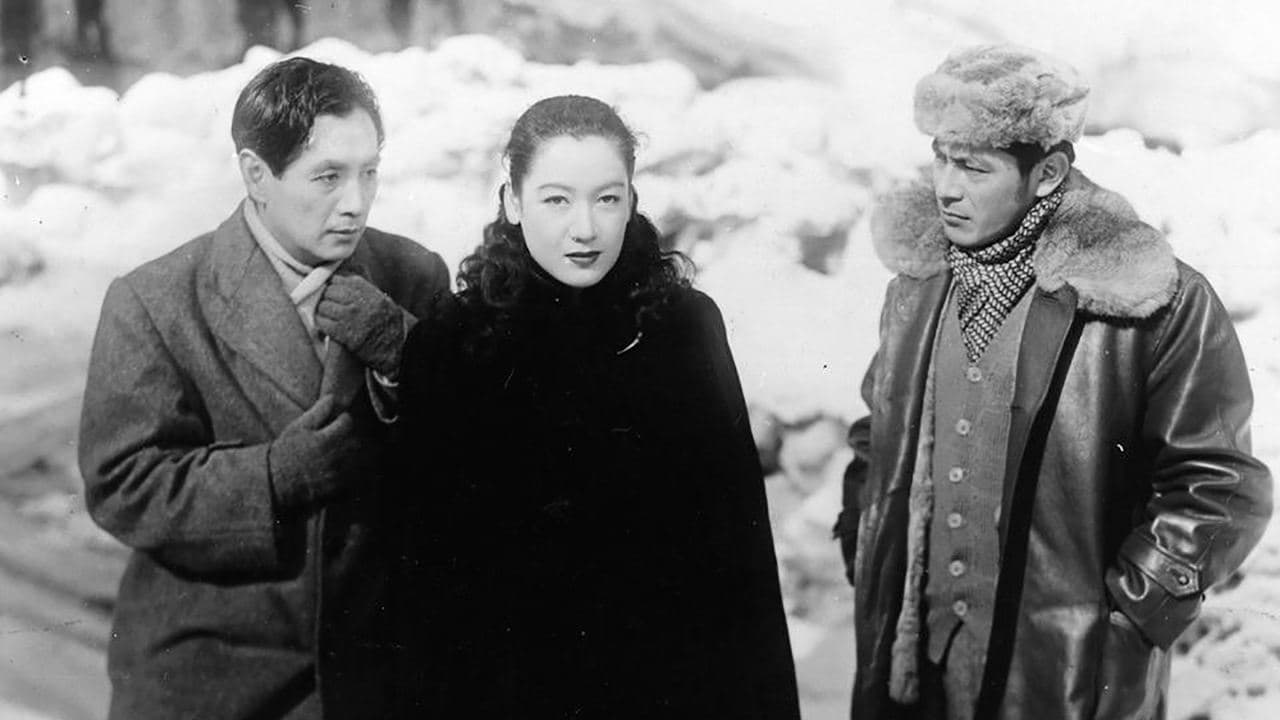
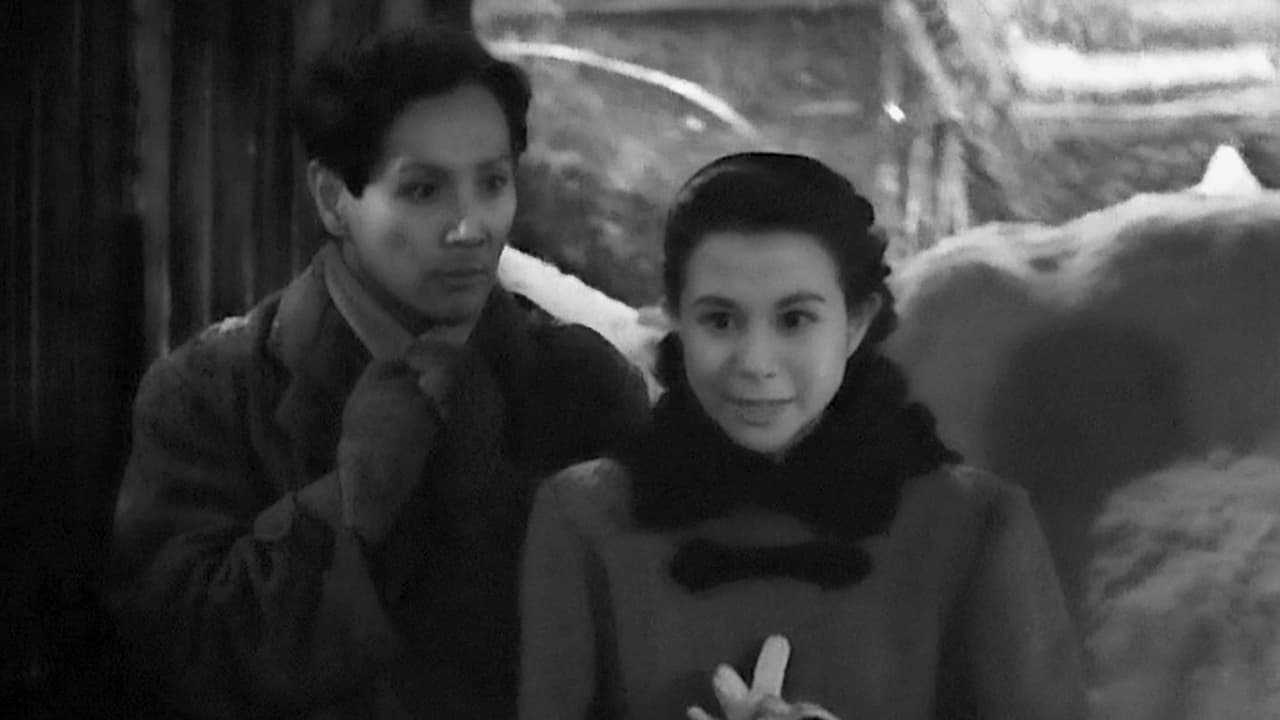
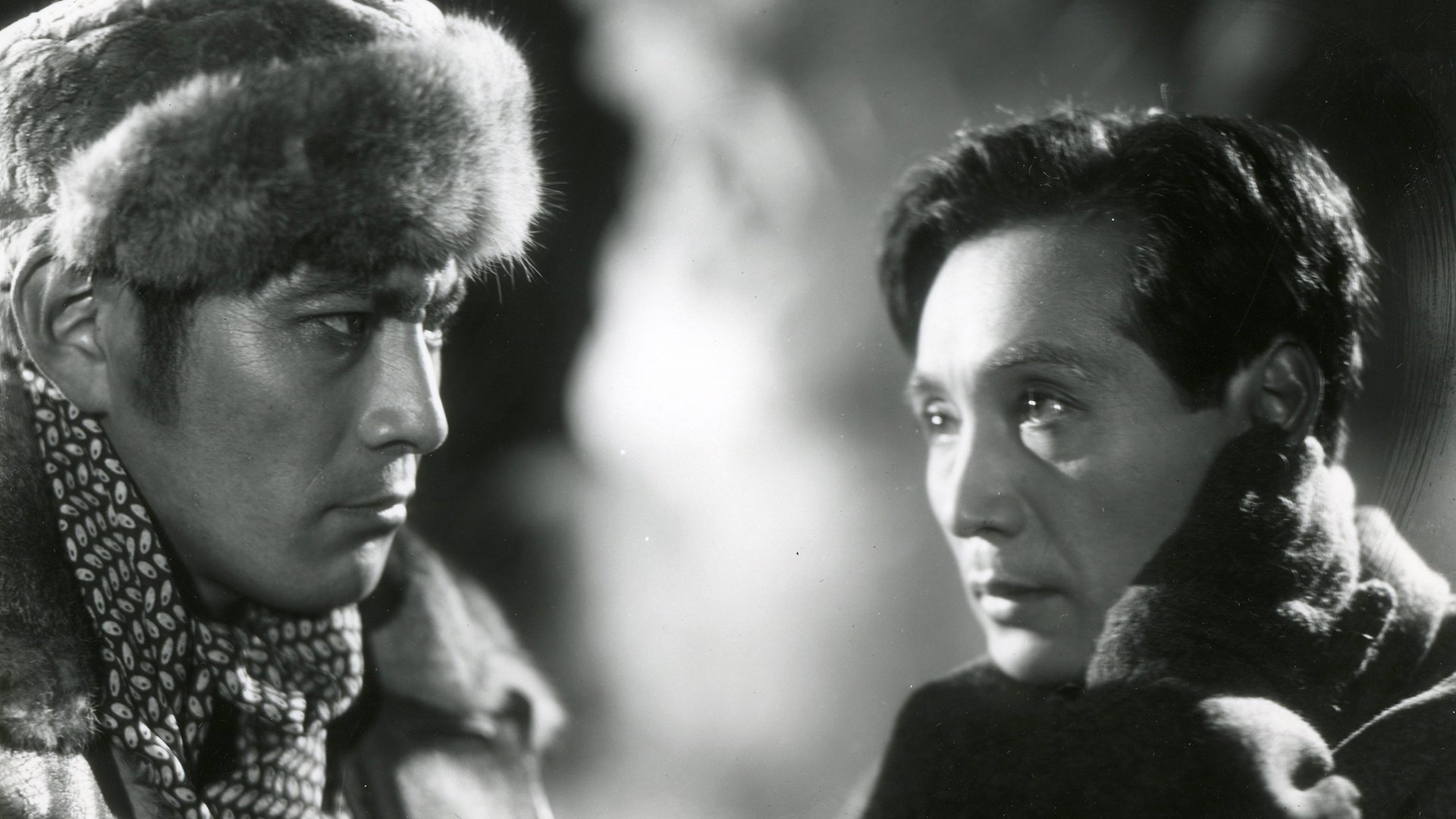
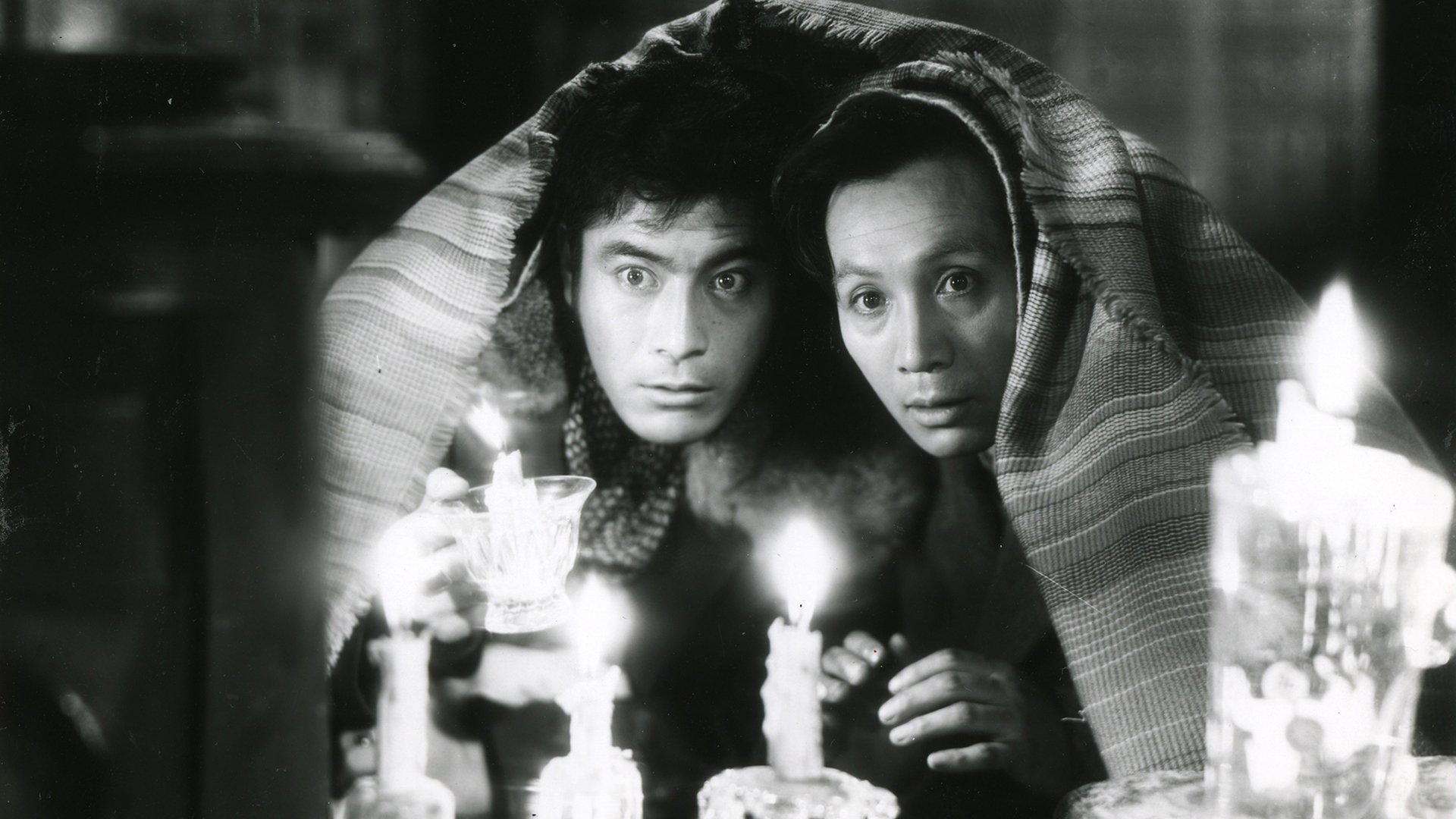
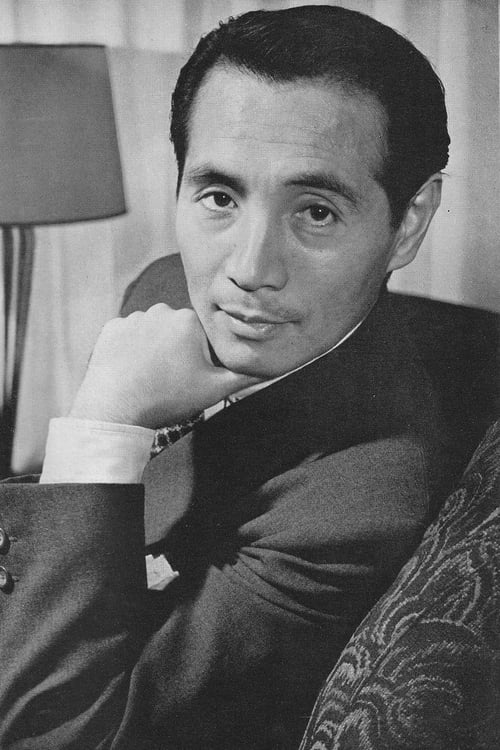
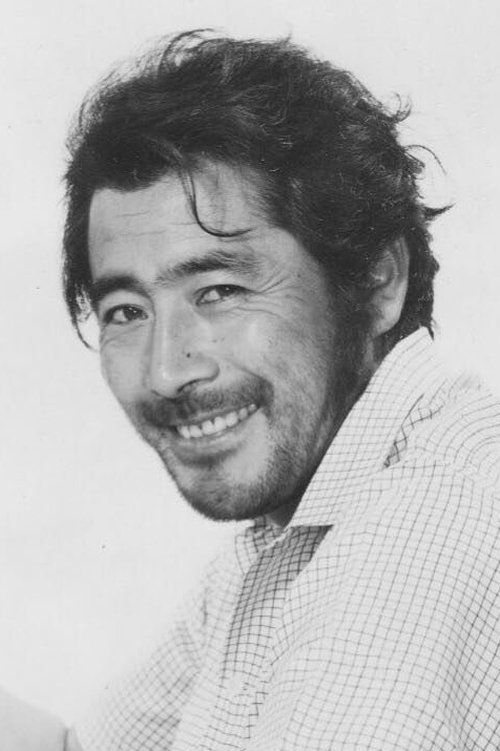
Kinji is a great incarnation of Myshkin. Maybe even better than Yakovlev from the amazing Russion interpretation by Pyryev. He embodies saintly innocence perfectly. His relationship to Akama (Mifune) is crystallized and I’m so glad they included the charm exchange scene.
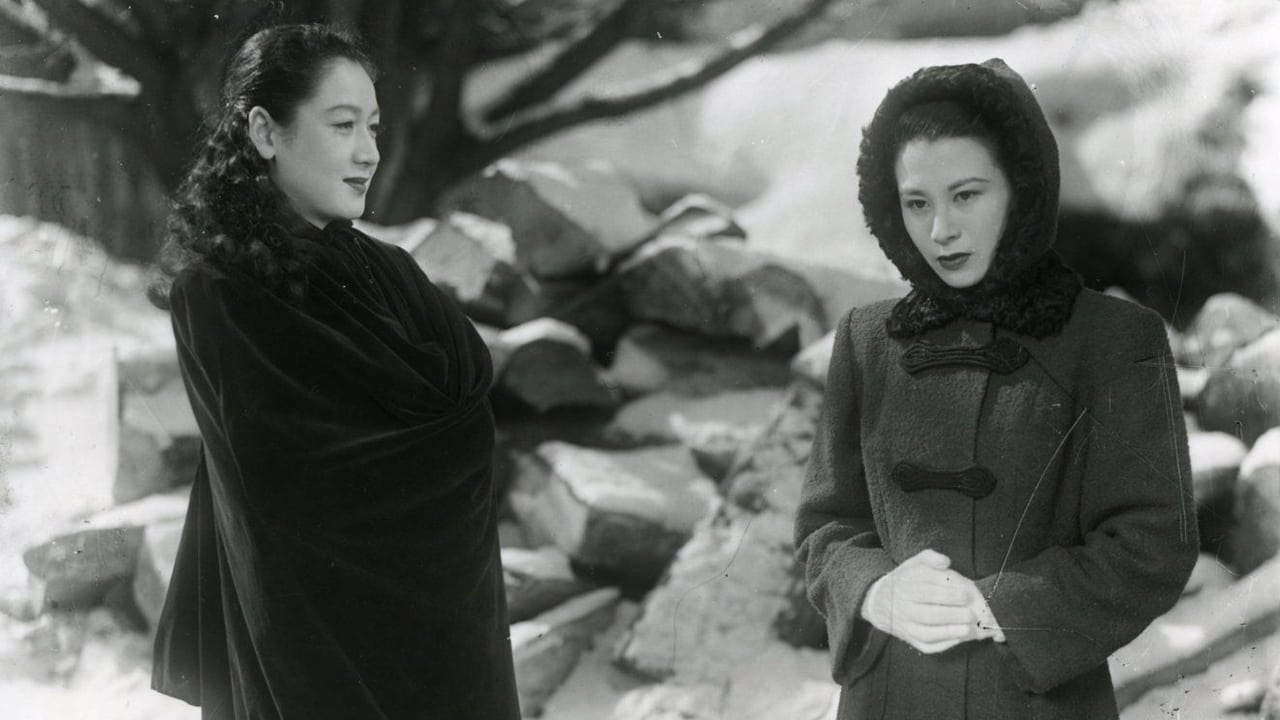
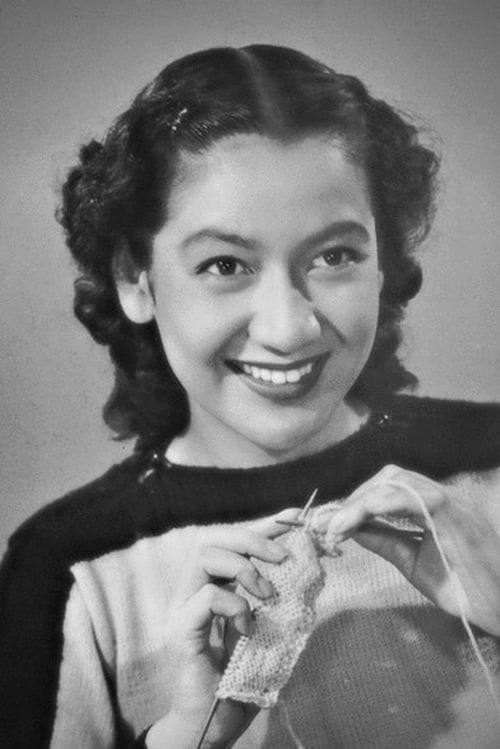
I have never seen Setsuko Hara in a role like this. Her beauty is emphasized through a dark lense. Her usual humanism is missing, I know her most from all her amazing Ozu films. Nonetheless, she nails down her role here as the emobodiment of Natasya Filippovna. Her internal demons channeled through heightened conflict and intersection with the purest of souls, Kinji.
There is a lot to love here. But the editing is so frequently poor it effects an adverse antiquity to its pulse. It seems the “true” original version is totally lost, so there’s always a chance the complete version flows better. The synthesis of Dostoevsky’s palpability is mixed. I found the last hour the most compelling.
Kinji is a great incarnation of Myshkin. Maybe even better than Yakovlev from the amazing Russion interpretation by Pyryev. He embodies saintly innocence perfectly. His relationship to Akama (Mifune) is crystallized and I’m so glad they included the charm exchange scene.
I have never seen Setsuko Hara in a role like this. Her beauty is emphasized through a dark lense. Her usual humanism is missing, I know her most from all her amazing Ozu films. Nonetheless, she nails down her role here as the emobodiment of Natasya Filippovna. Her internal demons channeled through heightened conflict and intersection with the purest of souls, Kinji.