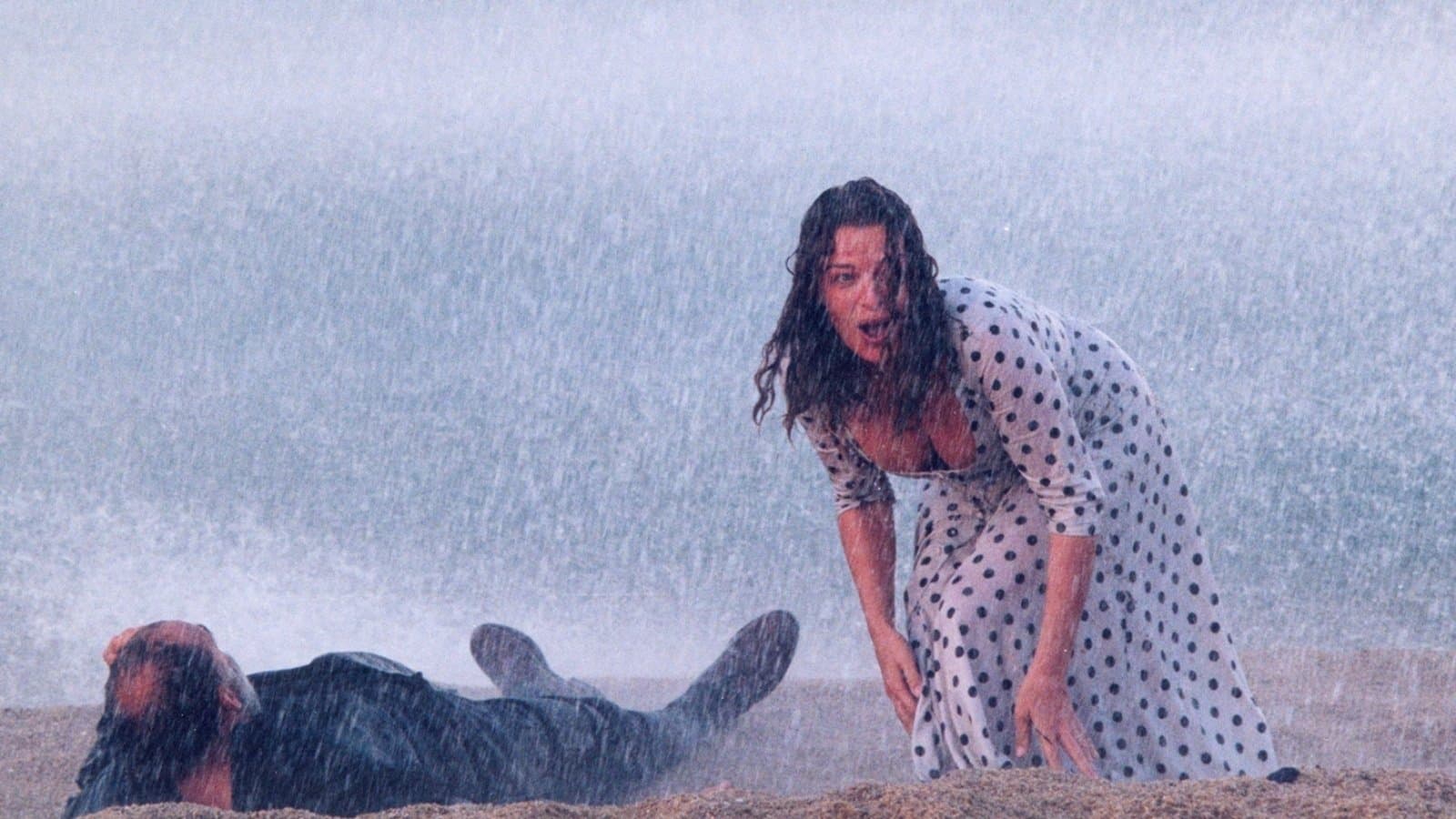
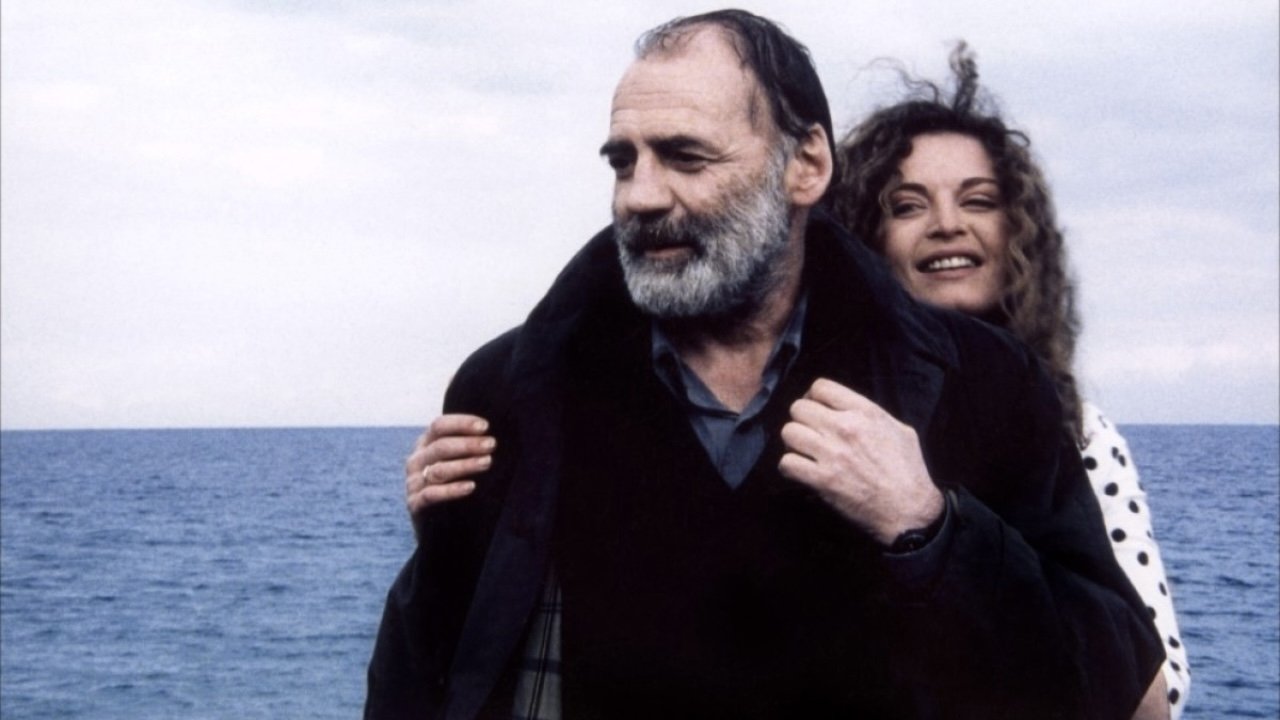
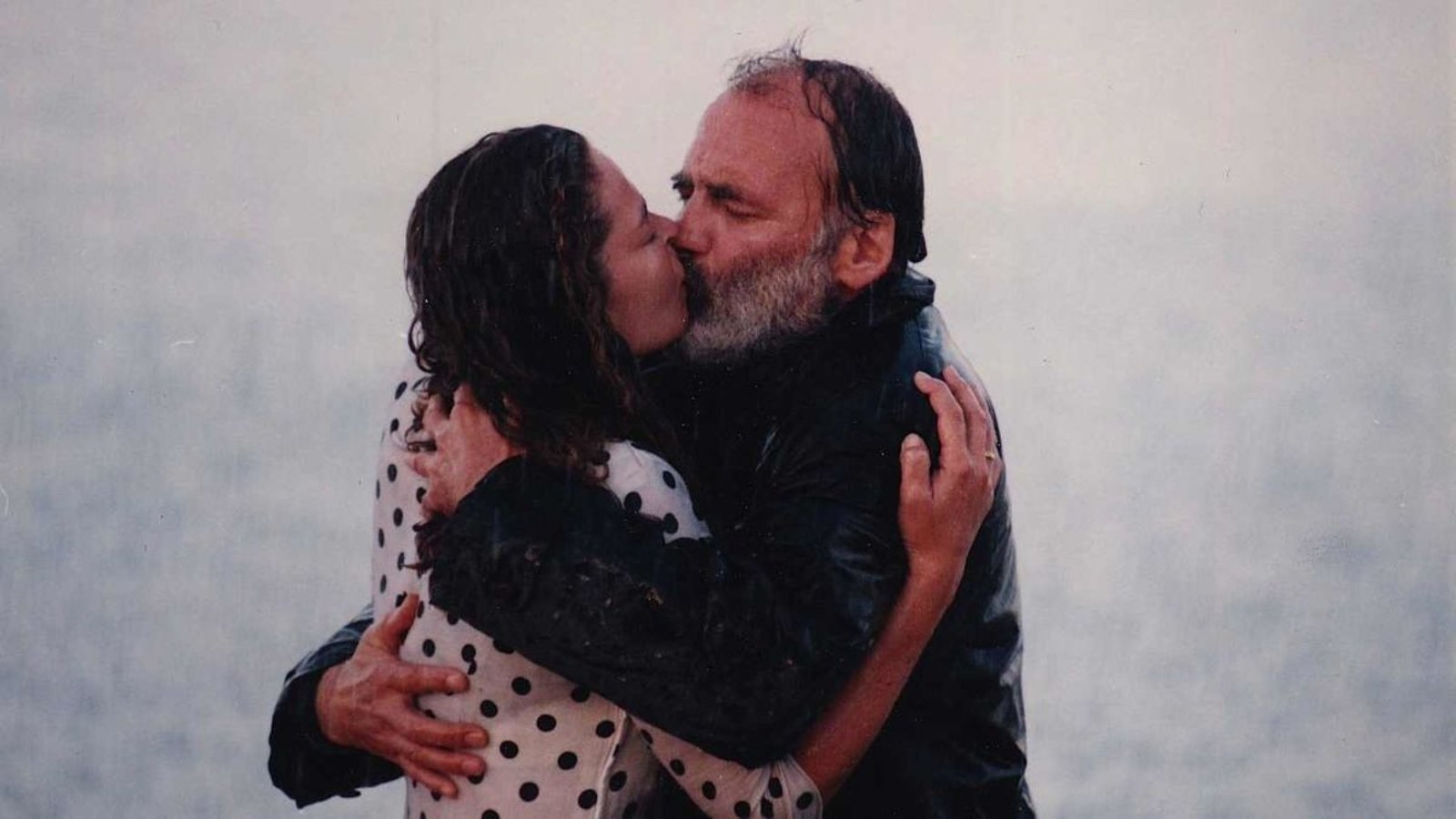
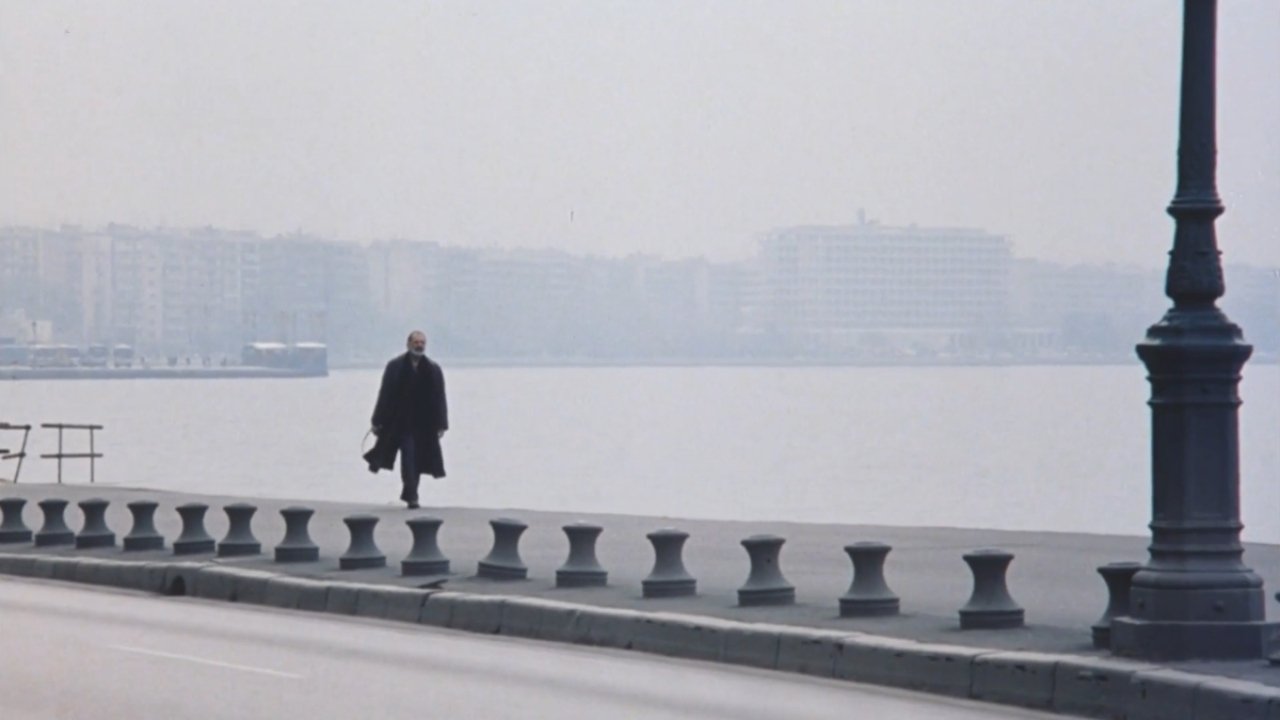
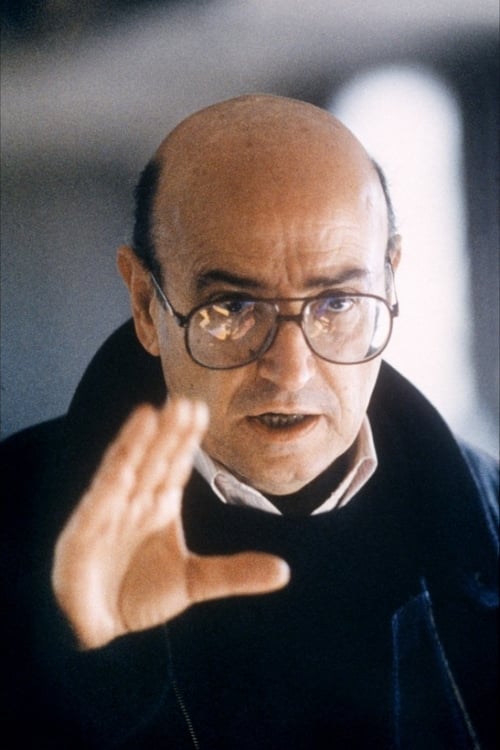
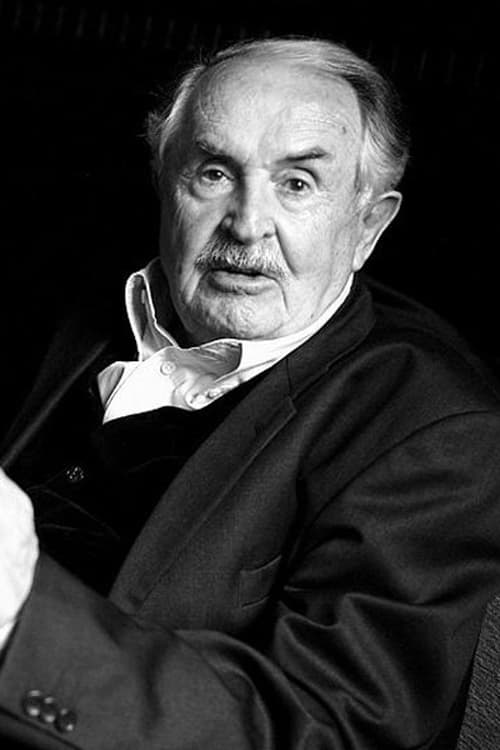
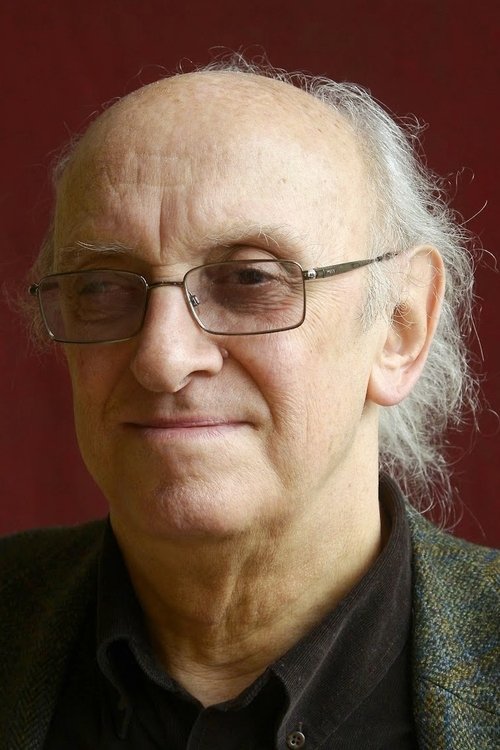
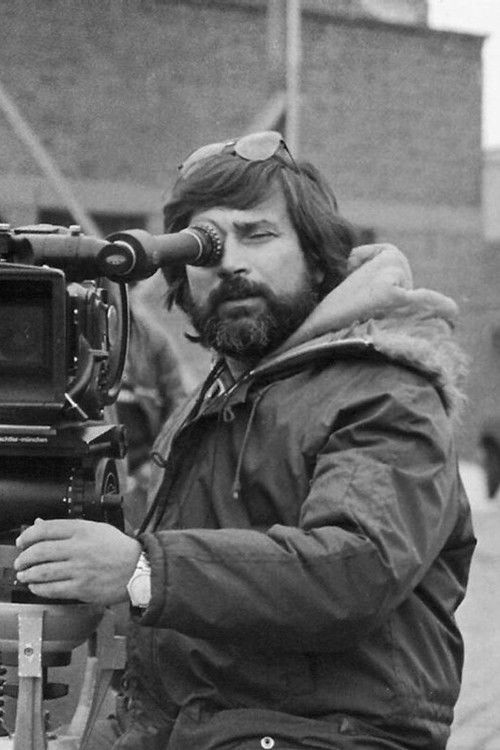
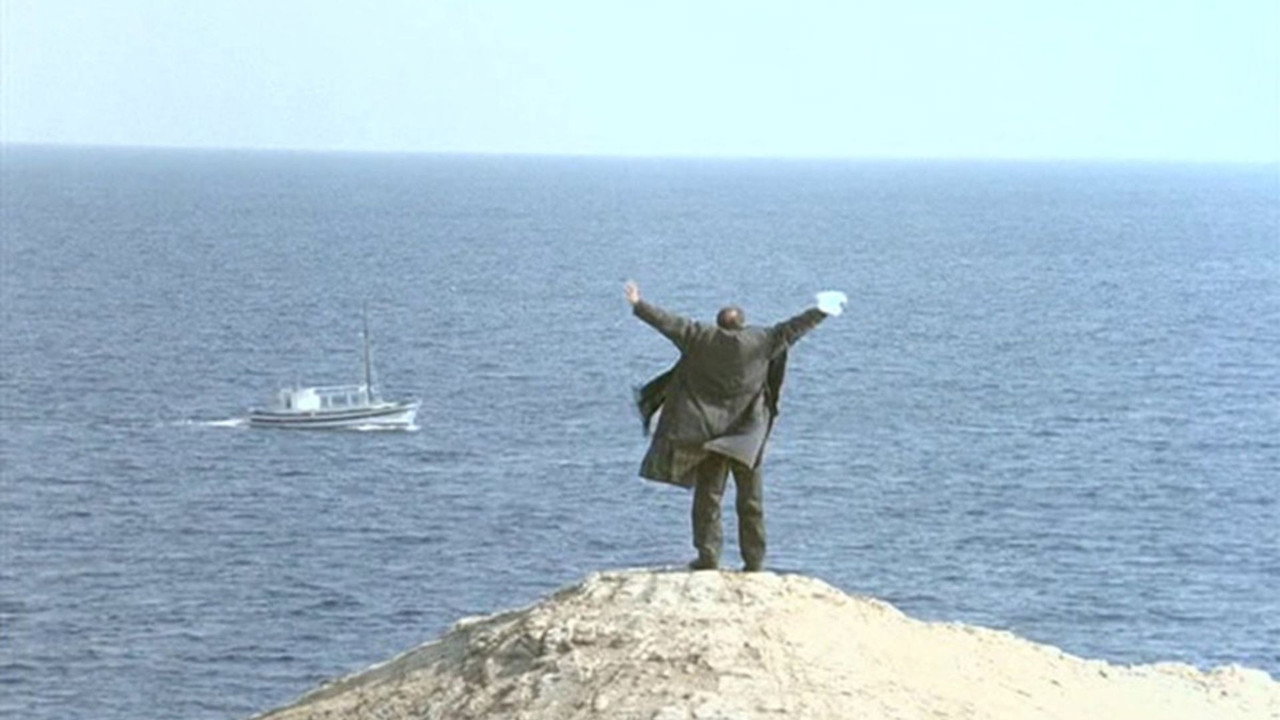
Eternity and a Day is a film about endings, but not in the usual sense. Alexander knows he is running out of time, yet Angelopoulos is less interested in death than in everything that remains unfinished before it arrives. Old memories, abandoned words, lost loves, promises never fulfilled, they drift through the film like ghosts that refuse to disappear.
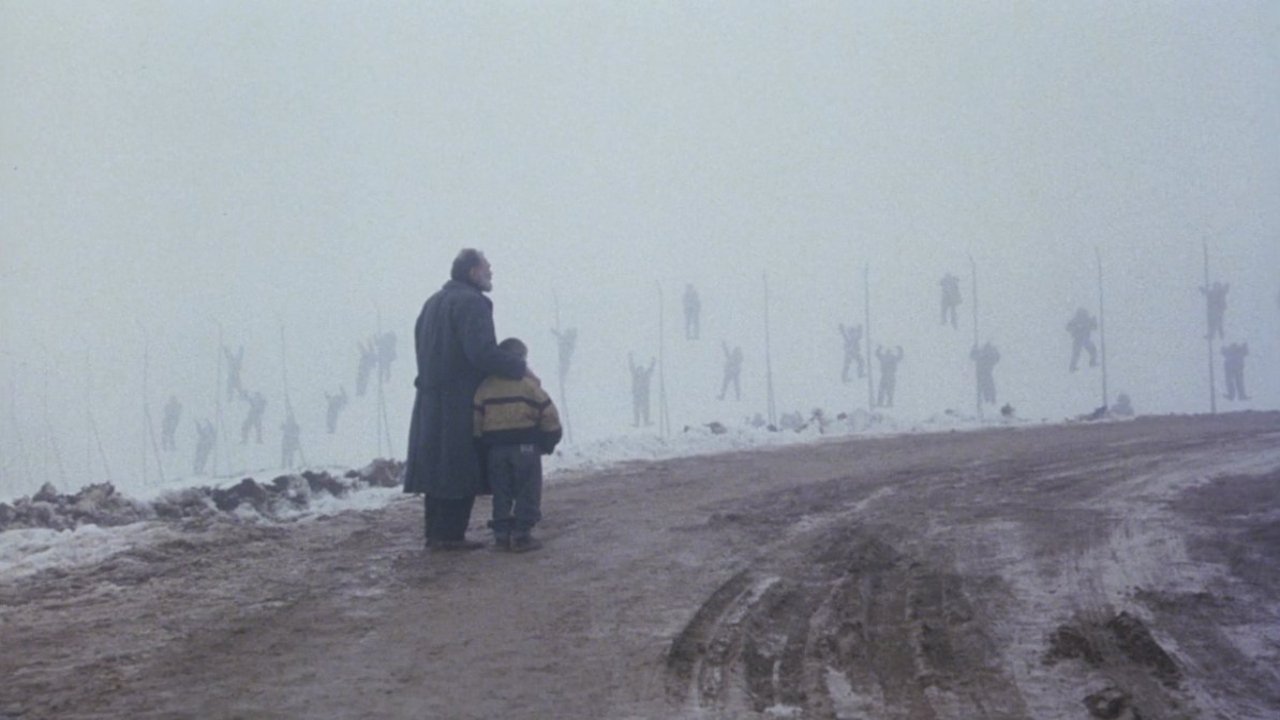
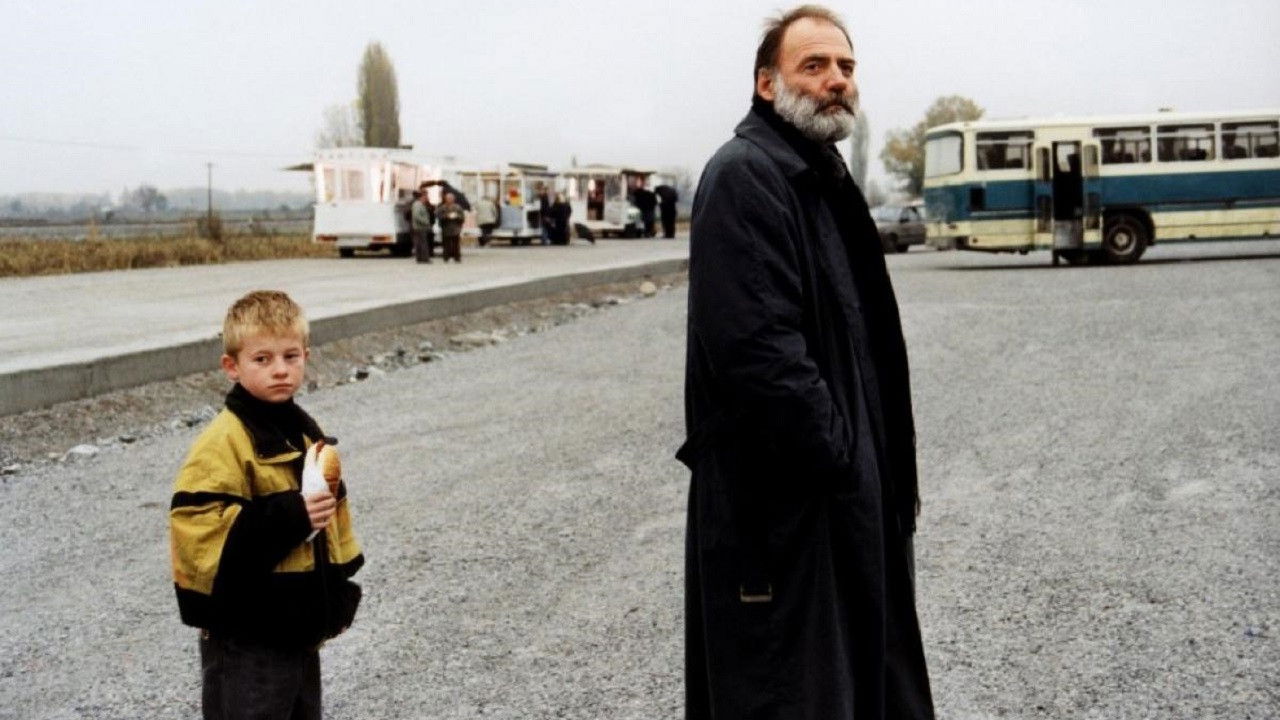
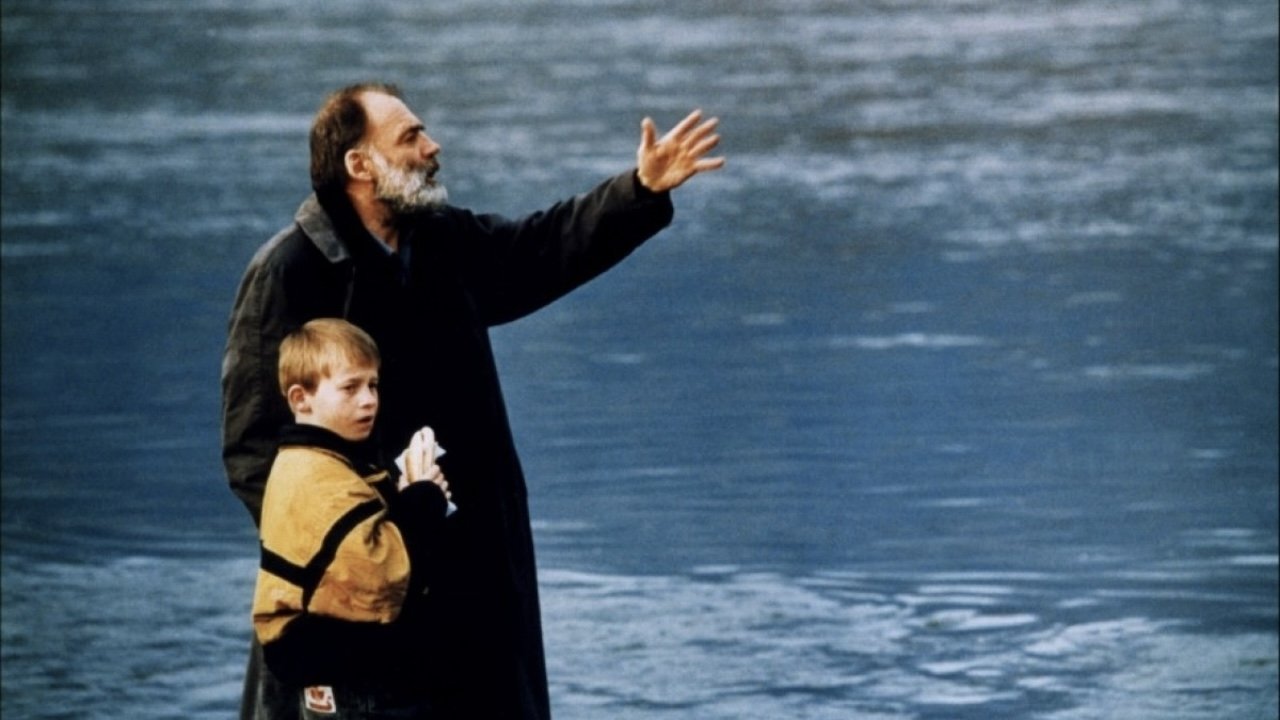
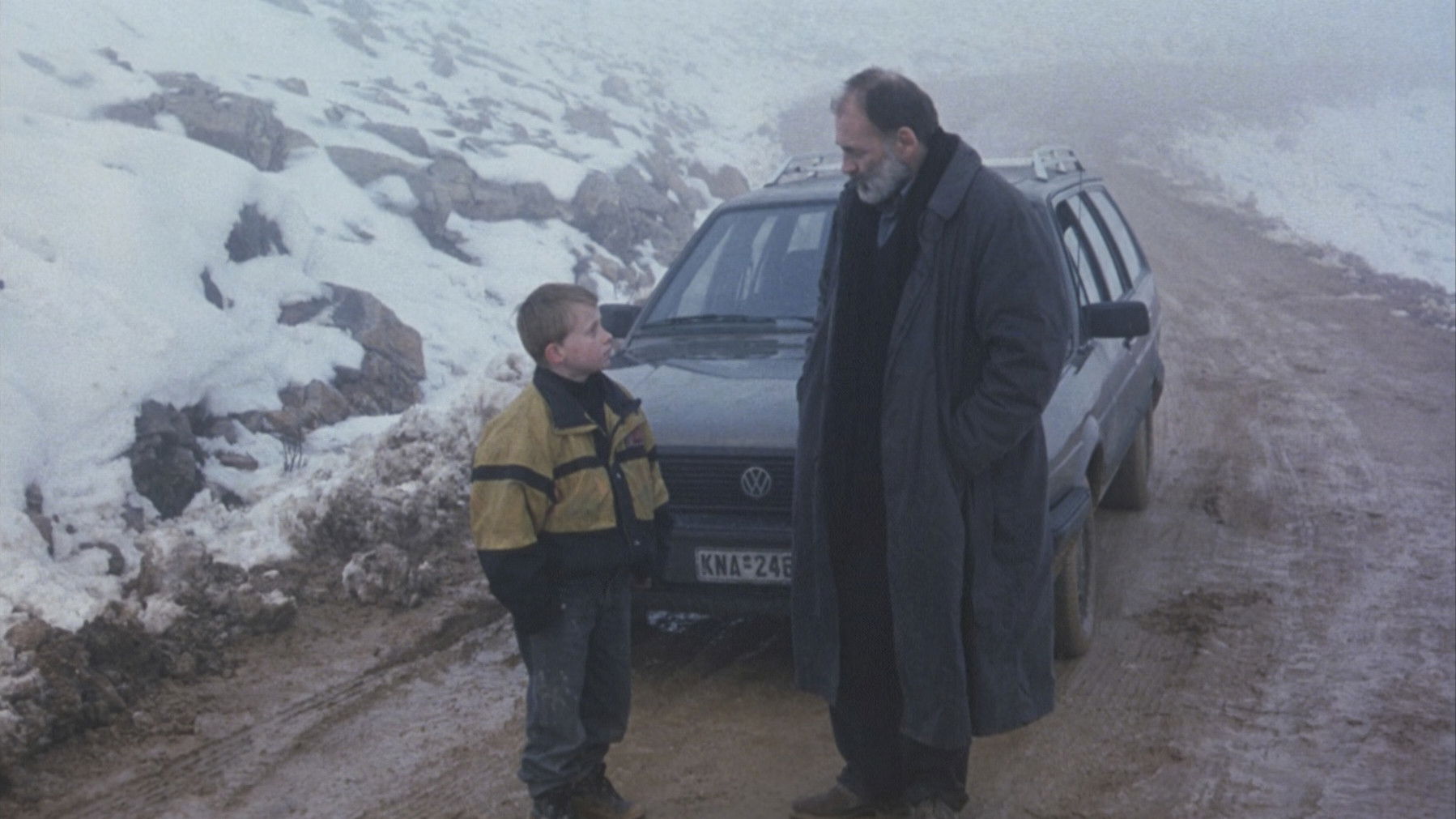
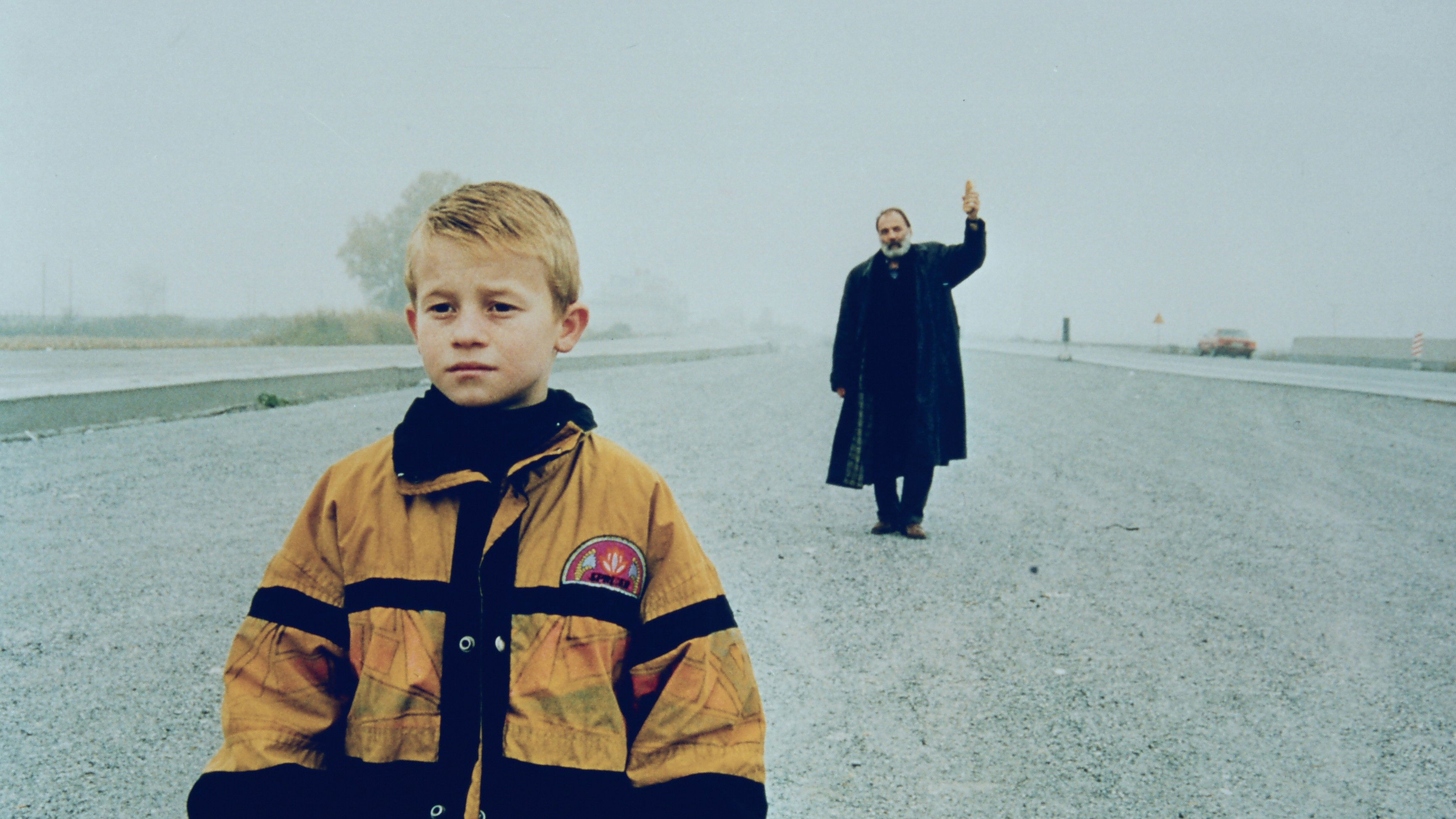
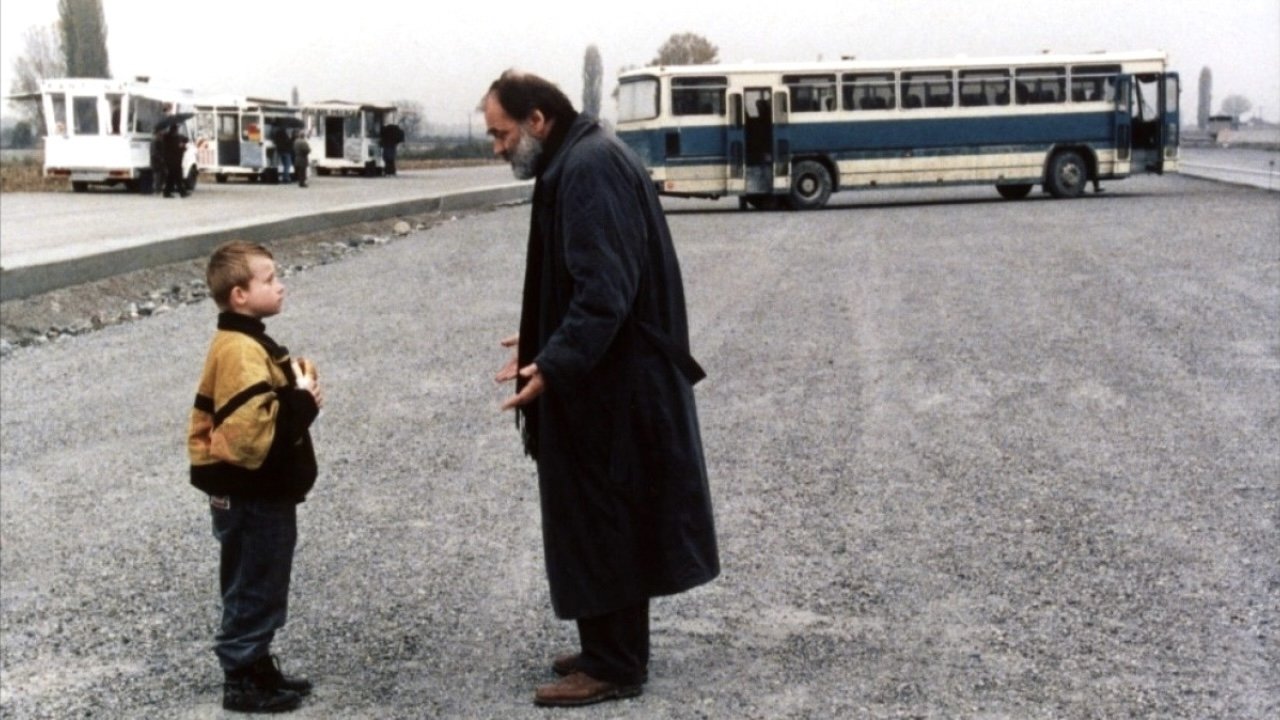
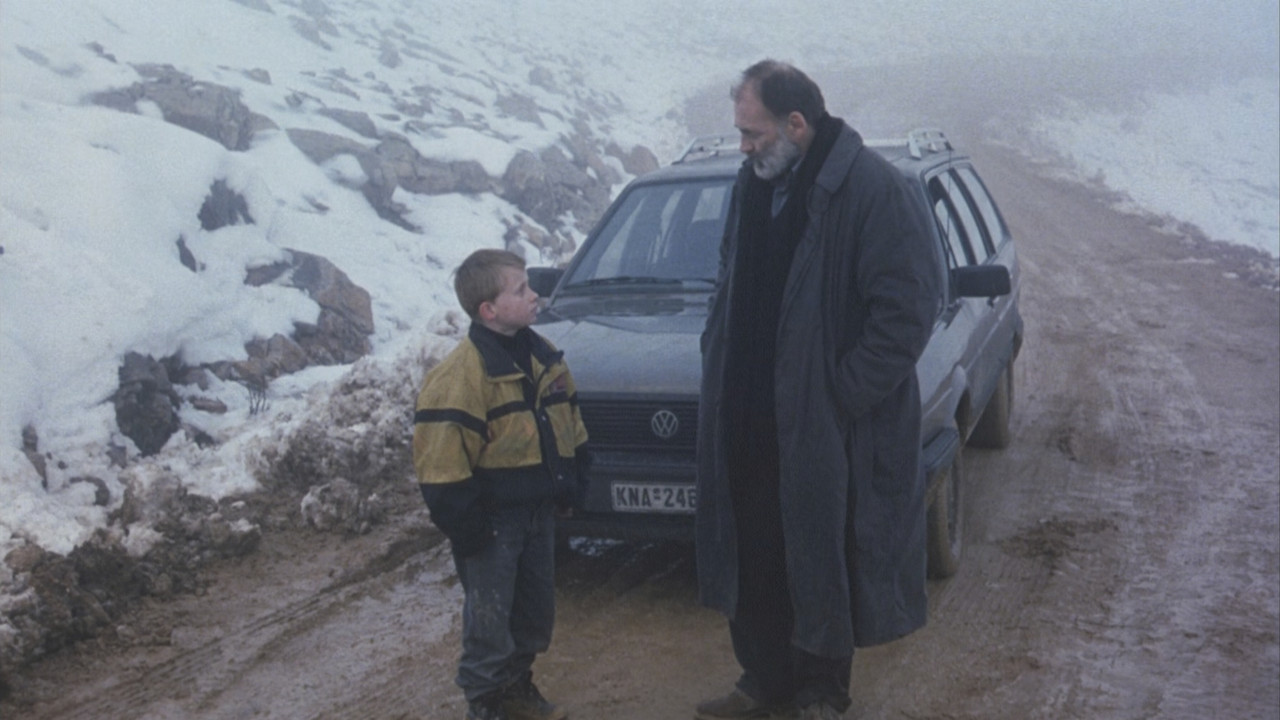
The encounter between Alexander and the young Albanian boy gives the film its emotional center. Neither can truly solve the other’s problems, but their brief journey together becomes a reminder that human connection still matters, even when nothing can be fixed. There is no sentimentality in their relationship, only a quiet recognition of shared loneliness.
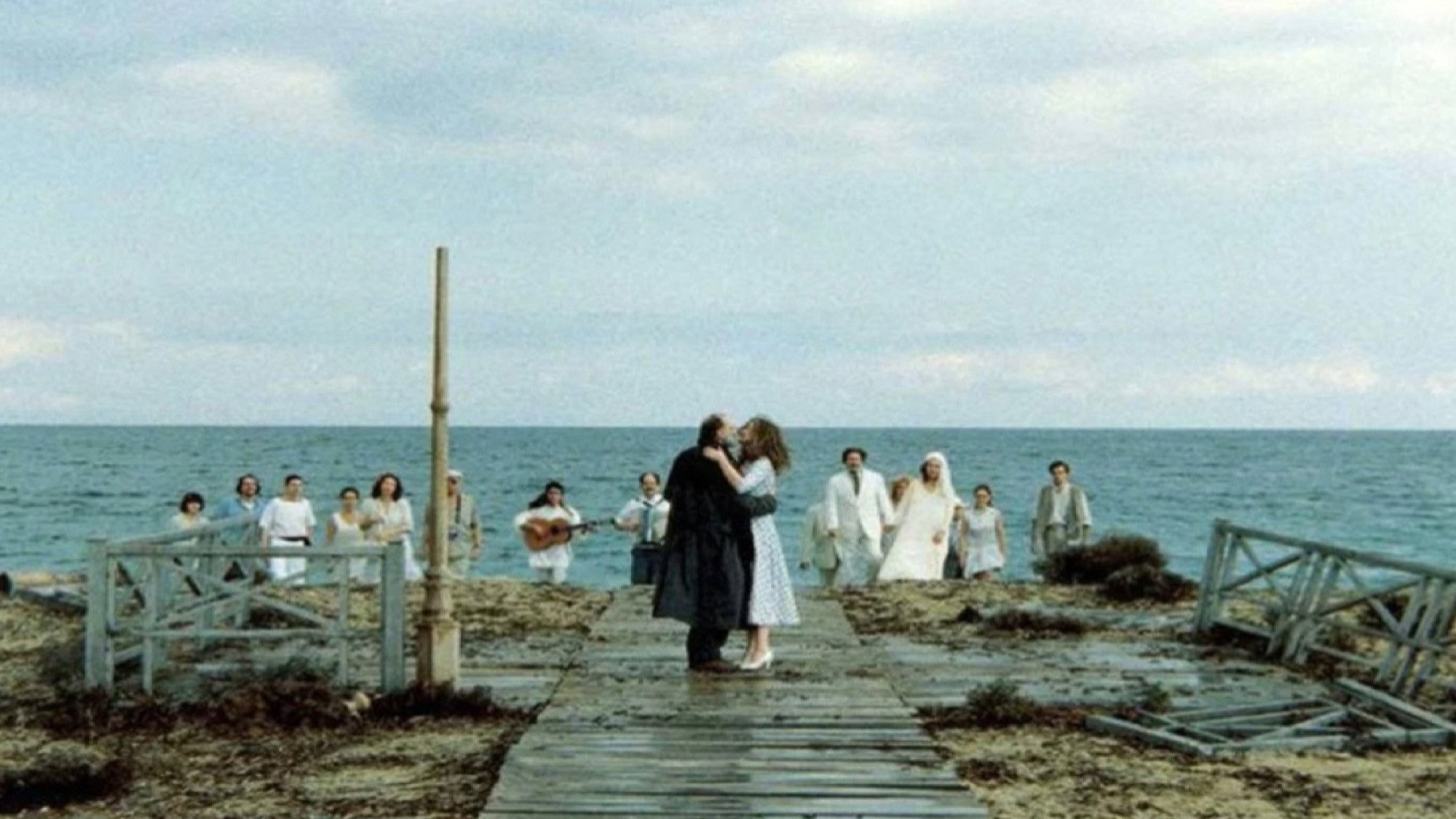
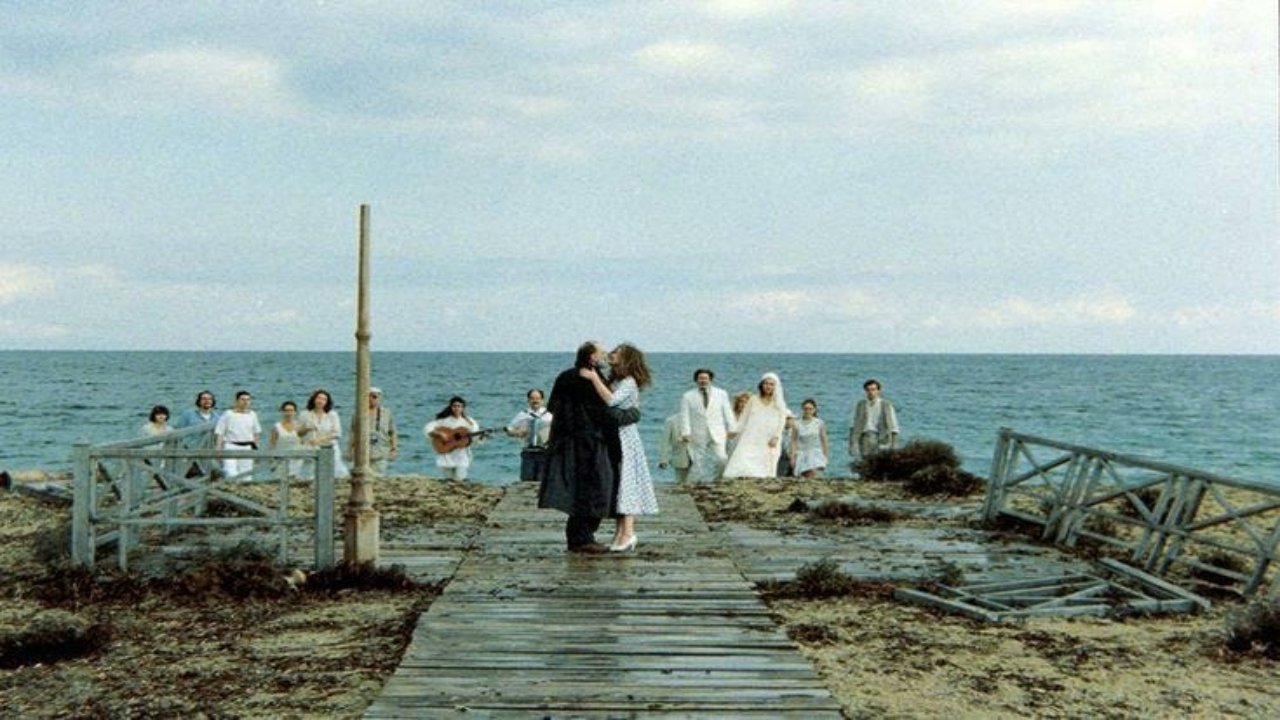
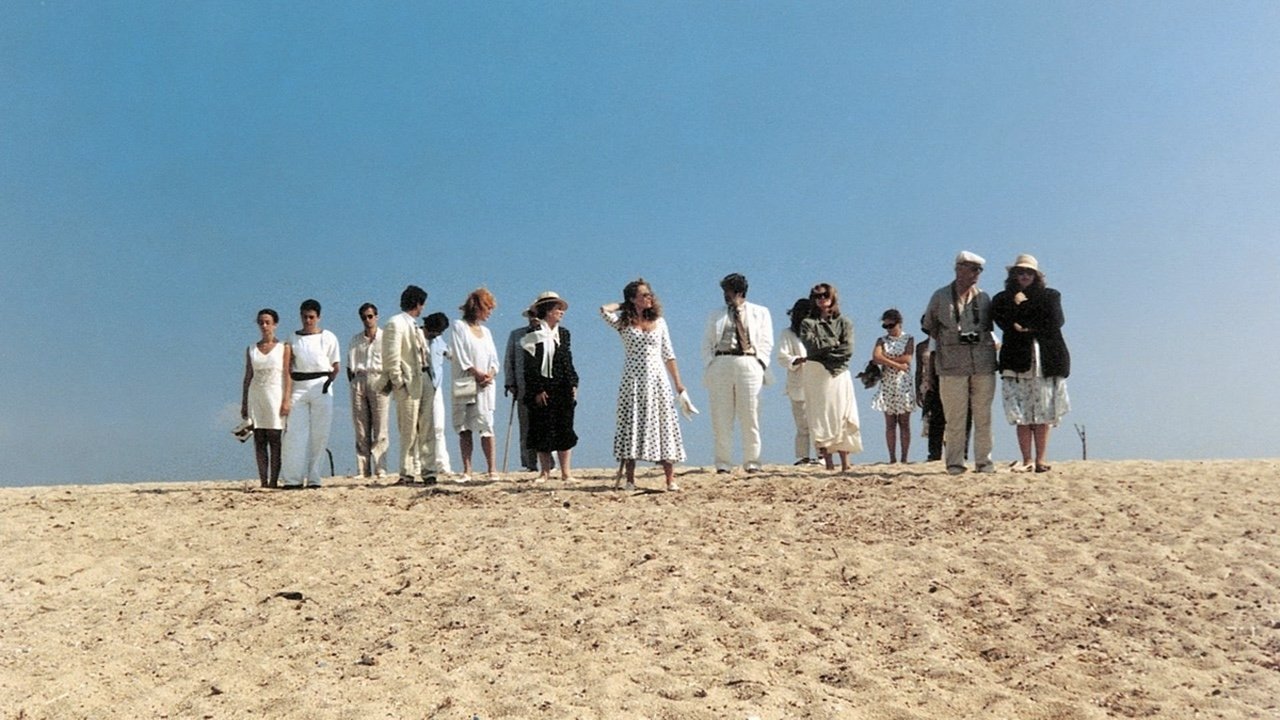
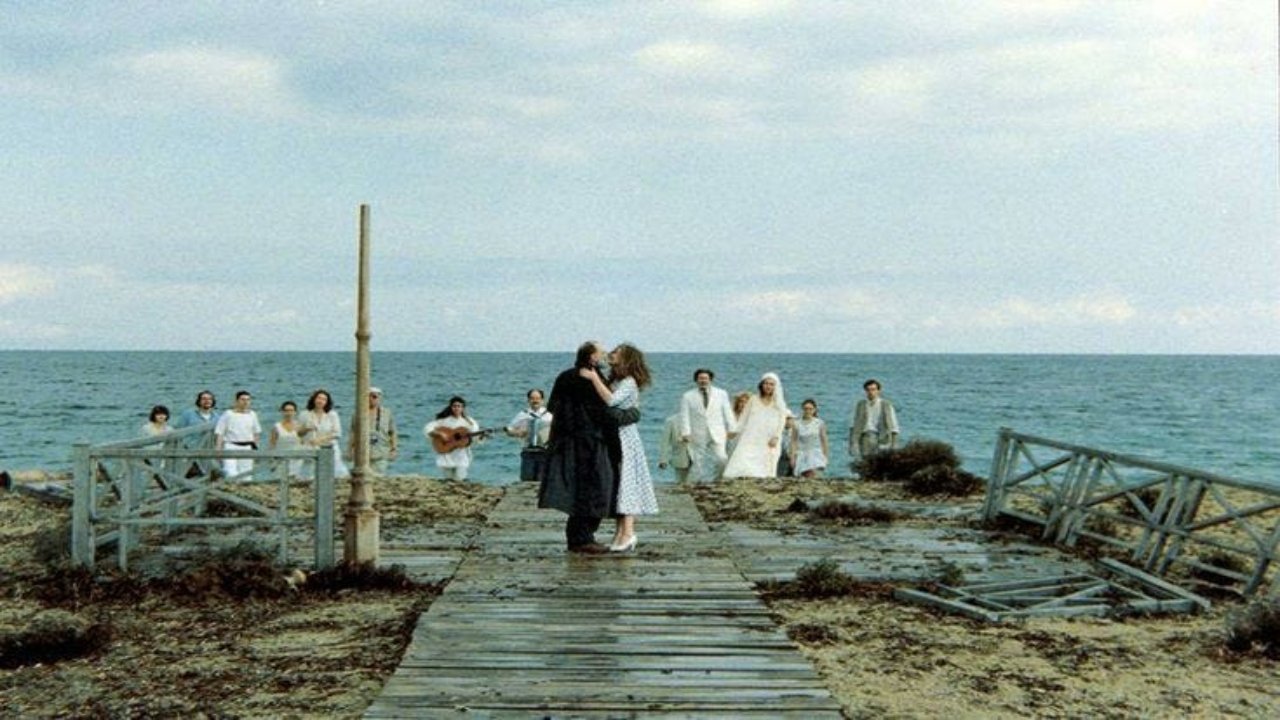
Angelopoulos moves through time with extraordinary grace. The past enters the present without warning, conversations continue across decades, and memory becomes as tangible as the world around it. Few filmmakers understood how to make time itself feel cinematic.
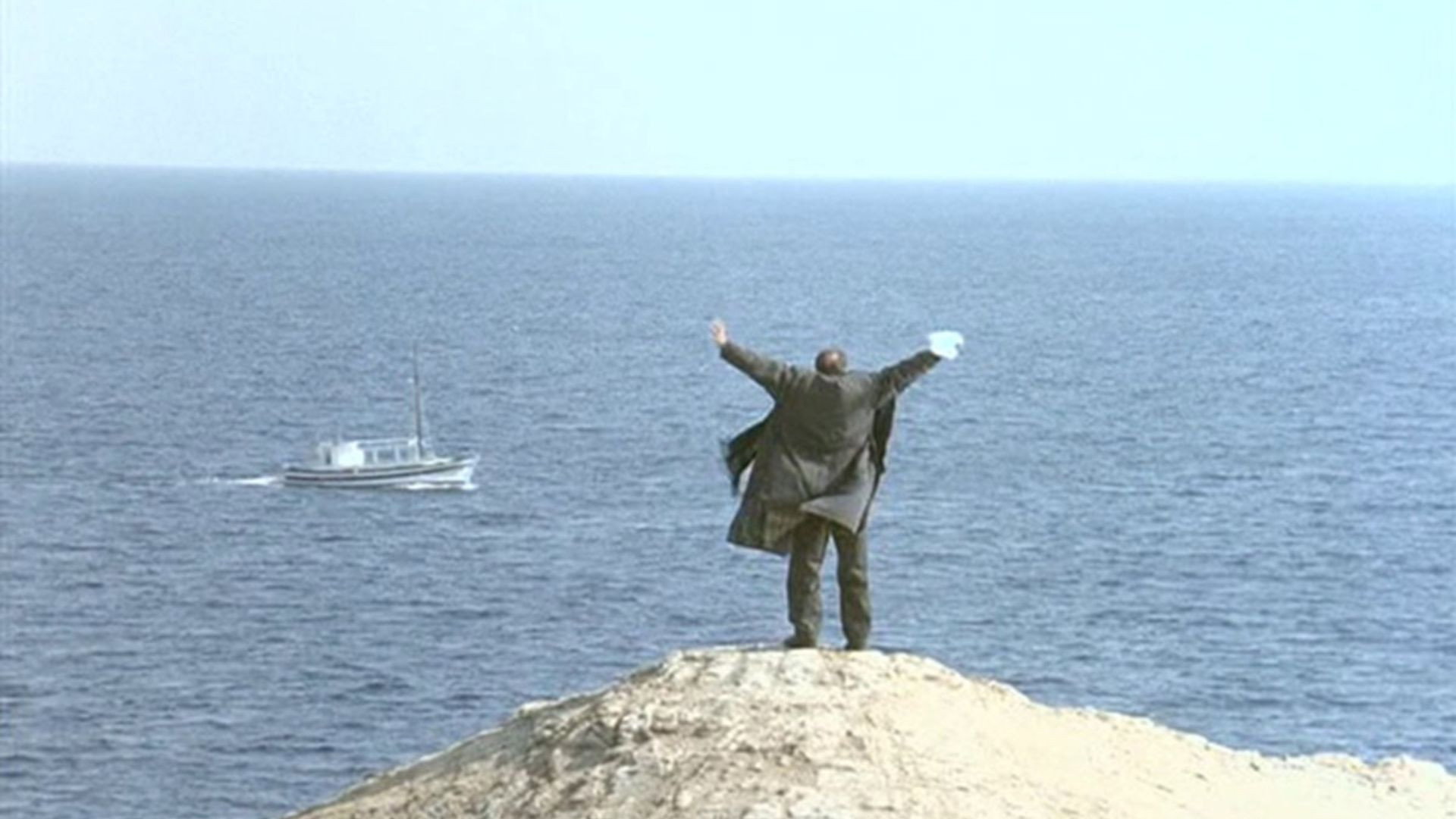
By the end, Eternity and a Day arrives at a kind of peace. Not acceptance in the sense of having answers, but acceptance of life’s incompleteness. Some things remain unsaid, some people remain unreachable, and some questions remain open. The film asks us to live with that uncertainty rather than overcome it.
“How long is tomorrow?” The answer, perhaps, is eternity and a day.
Eternity and a Day is a film about endings, but not in the usual sense. Alexander knows he is running out of time, yet Angelopoulos is less interested in death than in everything that remains unfinished before it arrives. Old memories, abandoned words, lost loves, promises never fulfilled, they drift through the film like ghosts that refuse to disappear.
The encounter between Alexander and the young Albanian boy gives the film its emotional center. Neither can truly solve the other’s problems, but their brief journey together becomes a reminder that human connection still matters, even when nothing can be fixed. There is no sentimentality in their relationship, only a quiet recognition of shared loneliness.
Angelopoulos moves through time with extraordinary grace. The past enters the present without warning, conversations continue across decades, and memory becomes as tangible as the world around it. Few filmmakers understood how to make time itself feel cinematic.
By the end, Eternity and a Day arrives at a kind of peace. Not acceptance in the sense of having answers, but acceptance of life’s incompleteness. Some things remain unsaid, some people remain unreachable, and some questions remain open. The film asks us to live with that uncertainty rather than overcome it.
“How long is tomorrow?” The answer, perhaps, is eternity and a day.